songs new

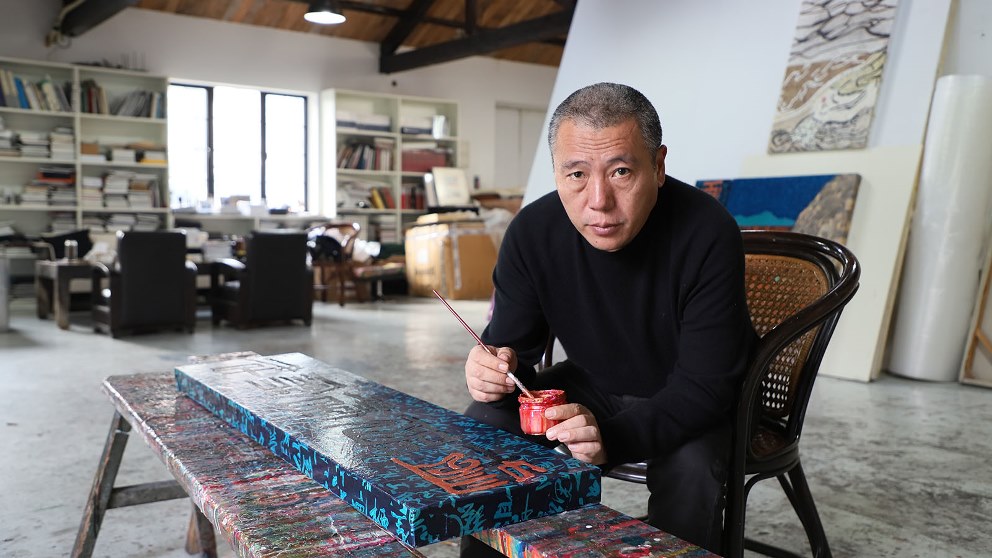
Xue Song is a Chinese artist who works and lives in Anhui Province, China.
He graduated from the Shanghai Institute of Dramatic Art, Department of Stage Art, and is one of the leading artists of contemporary Chinese pop art. Song is recognized as the first artist in China to bring Western collage to the Chinese contemporary art scene.
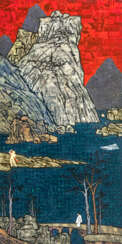
Xue Song is known for his innovative combination of modern and traditional elements, where calligraphy, folk art and ink painting meet modern techniques. Soot and ash are the most important elements of his art, and the outlines of many of the figures in his depictions look as if they were on fire. For Xue, ashes and fire are a reminder of destiny and a symbol of rebirth. Over and over again, the artist recalls the fire that burned down his studio in the early 1990s, destroying all of his work, mostly oil paintings and calligraphy. The charred remnants of paintings, rescued from the ashes, are used as fragments in new works, as a kind of remembrance of past events.





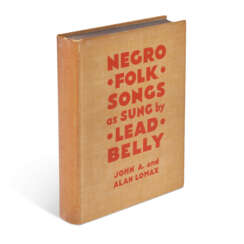

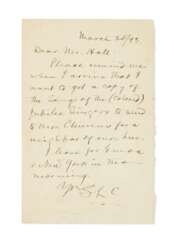

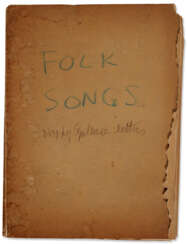

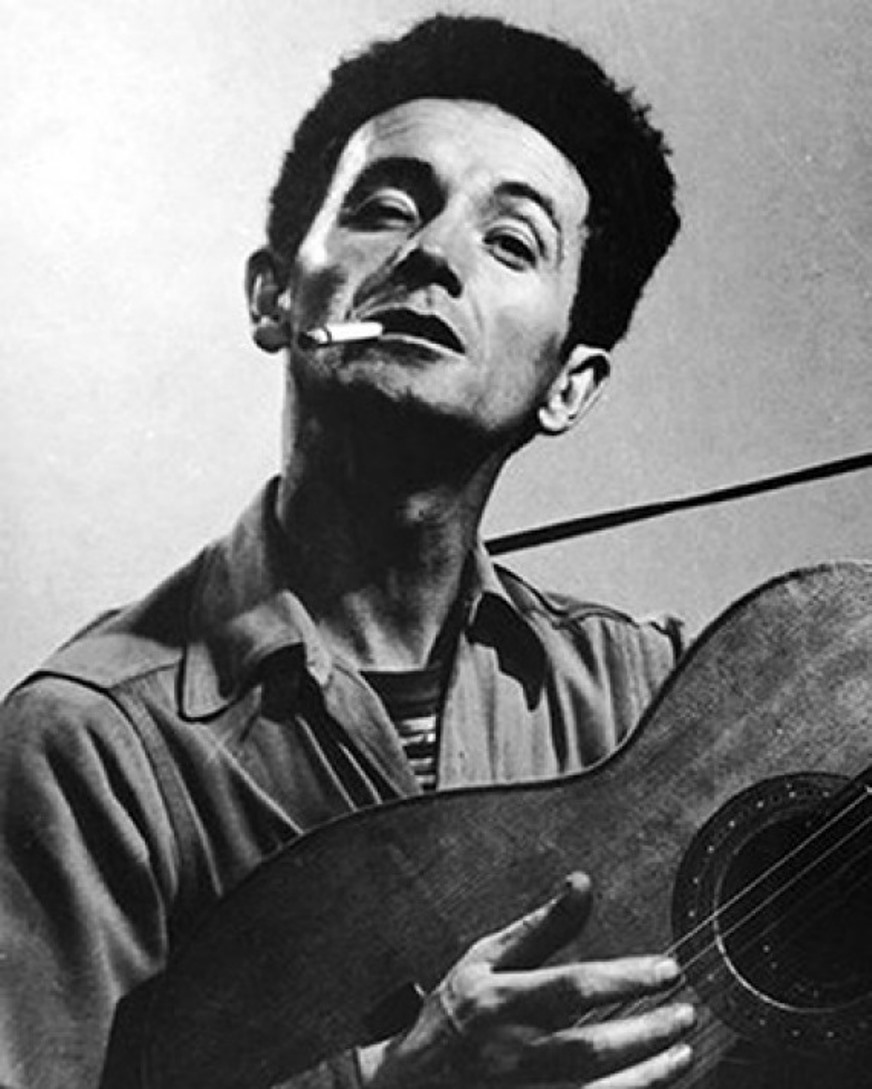
Woodrow Wilson Guthrie or Woody Guthrie is an American folk and country singer and musician.
Guthrie was born in difficult economic times in the United States. At first, he earned a living as a sign painter in different cities, traveling by hitchhiking. At the age of 20, he began learning to play guitar, playing in saloons and labor camps during the Great Depression. In his travels, the musician absorbed and performed many of the old folk ballads he heard around him and wrote many new songs reflecting the everyday joys and hardships of the ordinary people he met in his travels.
Guthrie was a major influence on folk and rock musicians from Bob Dylan to Wilco. Among Guthrie's best-known songs are Pastures of Plenty, Bound for Glory, and This Land is Your Land, the latter of which, due to its popularity, has become something of an "alternative national anthem" in the United States. In 1940, he recorded four hours of songs and stories for the Archive of American Folk Song at the Library of Congress (now the Archive of Folk Culture, American Folklife Center). Throughout the 1940s and 1950s, Guthrie had a high-profile career in radio broadcasting and recording.
Woody was a very prolific composer, writing thousands of songs. He also wrote an autobiographical novel, On the Road to Fame, and drew thousands of pen and ink drawings, many of which are now in the Ralph Rinzler Center's Folklife Archives and Collections.
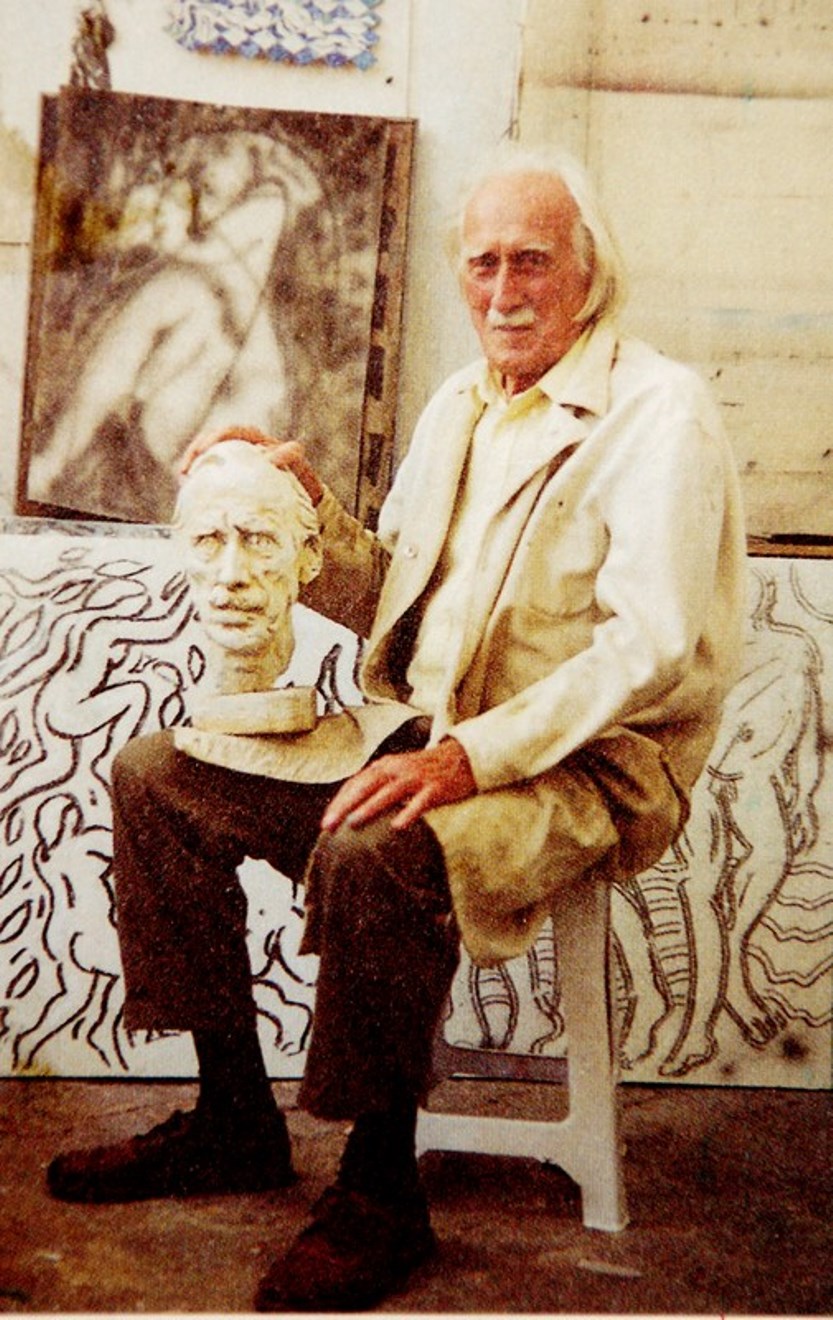
Harold Ambellan is an American painter and sculptor.
He studied sculpture and fine art in Buffalo before moving to New York City. The human figure is central to Harold Ambellan's work. He created monumental figures and drew extensively, leaving thousands of drawings. Ambellan was one of the participants in Roosevelt's Federal Art Project, which hired hundreds of artists during the Great Depression who collectively created more than 100,000 paintings and over 18,000 sculptures.
Ambellan remained committed to figuration in both his sculpture and painting. He was elected president of the Sculptors Guild of America in 1941, and that same year his work was exhibited in group shows at the Metropolitan Museum of Art in New York and the Academy of Fine Arts in Philadelphia.
In 1944, Ambellan participated in the liberation of Normandy as part of the U.S. Navy, then taught three-dimensional art at the Workshop School in New York City. In 1954, for political reasons, Ambellan moved to France and remained there for the rest of his life, working and exhibiting throughout Europe.


Woodrow Wilson Guthrie or Woody Guthrie is an American folk and country singer and musician.
Guthrie was born in difficult economic times in the United States. At first, he earned a living as a sign painter in different cities, traveling by hitchhiking. At the age of 20, he began learning to play guitar, playing in saloons and labor camps during the Great Depression. In his travels, the musician absorbed and performed many of the old folk ballads he heard around him and wrote many new songs reflecting the everyday joys and hardships of the ordinary people he met in his travels.
Guthrie was a major influence on folk and rock musicians from Bob Dylan to Wilco. Among Guthrie's best-known songs are Pastures of Plenty, Bound for Glory, and This Land is Your Land, the latter of which, due to its popularity, has become something of an "alternative national anthem" in the United States. In 1940, he recorded four hours of songs and stories for the Archive of American Folk Song at the Library of Congress (now the Archive of Folk Culture, American Folklife Center). Throughout the 1940s and 1950s, Guthrie had a high-profile career in radio broadcasting and recording.
Woody was a very prolific composer, writing thousands of songs. He also wrote an autobiographical novel, On the Road to Fame, and drew thousands of pen and ink drawings, many of which are now in the Ralph Rinzler Center's Folklife Archives and Collections.
Harold Ambellan is an American painter and sculptor.
He studied sculpture and fine art in Buffalo before moving to New York City. The human figure is central to Harold Ambellan's work. He created monumental figures and drew extensively, leaving thousands of drawings. Ambellan was one of the participants in Roosevelt's Federal Art Project, which hired hundreds of artists during the Great Depression who collectively created more than 100,000 paintings and over 18,000 sculptures.
Ambellan remained committed to figuration in both his sculpture and painting. He was elected president of the Sculptors Guild of America in 1941, and that same year his work was exhibited in group shows at the Metropolitan Museum of Art in New York and the Academy of Fine Arts in Philadelphia.
In 1944, Ambellan participated in the liberation of Normandy as part of the U.S. Navy, then taught three-dimensional art at the Workshop School in New York City. In 1954, for political reasons, Ambellan moved to France and remained there for the rest of his life, working and exhibiting throughout Europe.
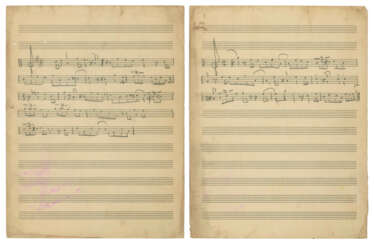

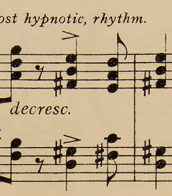


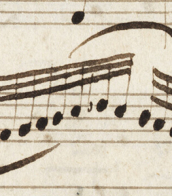
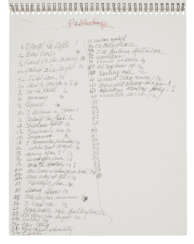



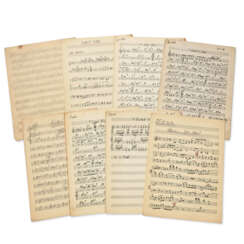


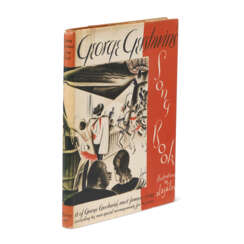

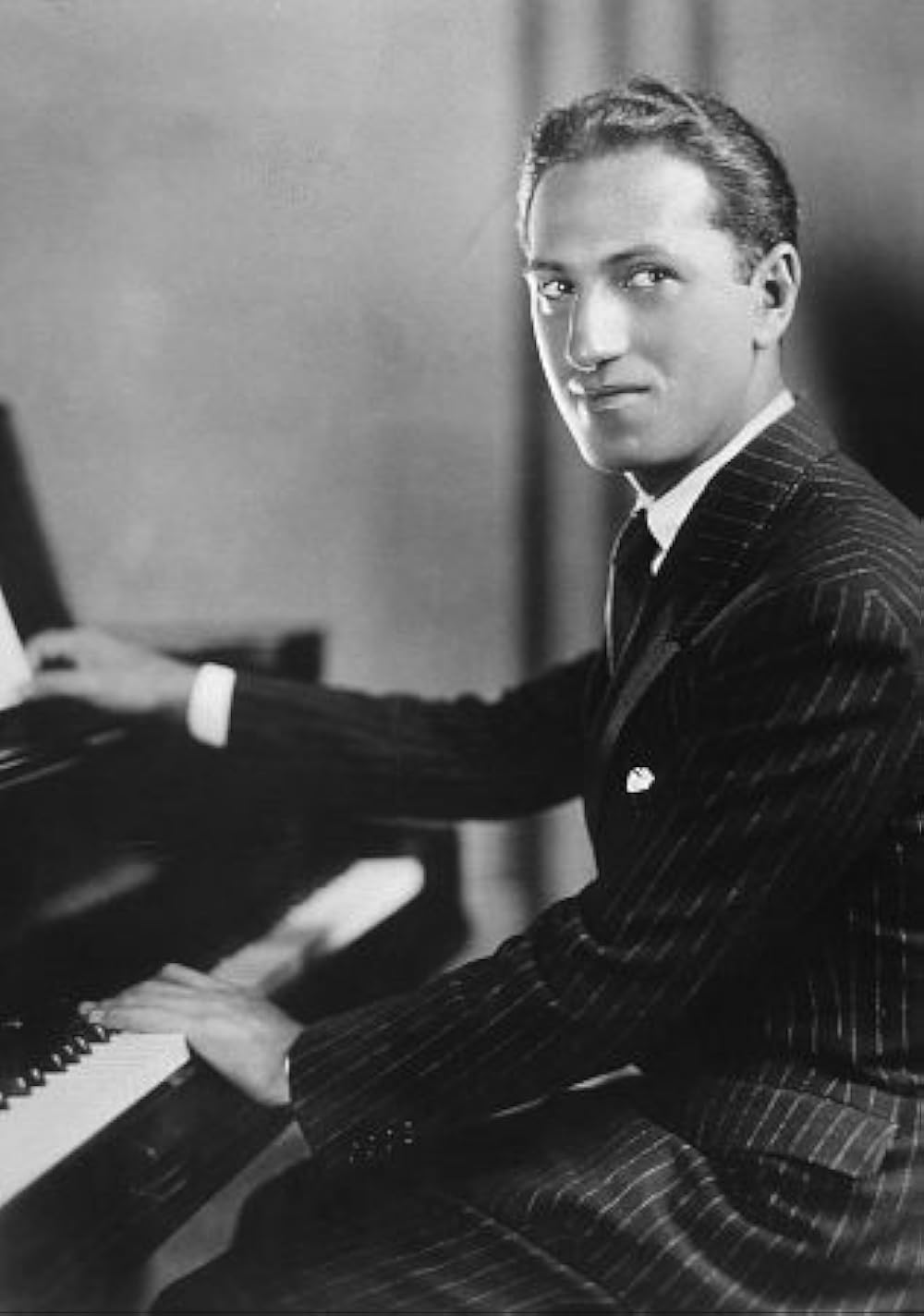
George Gershwin, born Jacob Gershwin, is an American composer and pianist.
George's parents emigrated from Russia to the United States in 1891, and he was about 12 years old at the piano, becoming virtually self-taught. Gershwin published his first song in 1916, but it was Swanee, written by a 20-year-old Gershwin in 1918, that made him famous. The income he received for it allowed Gershwin to concentrate on musical theater. In the 1920s, however, George, along with his older brother Ira, were major songwriters and hit songwriters on Broadway. The lyrics for all of Gershwin's films were written by Ira Gershwin, as were the lyrics for most of his musicals, although early in his career Gershwin worked with other lyric writers, including Irving Caesar and Buddy De Silva.
The Gershwin brothers' first Broadway hit was the song Lady Be Good in 1924. In his songs, Broadway shows, and movie scores, composer George Gershwin achieved unprecedented success with his masterful mastery of jazz, classical, and popular music styles. These include "Rhapsody in Blue" in 1924, "Concerto in F" in 1925, "An American in Paris" in 1928, and "Second Rhapsody" in 1931. Between 1919 and 1935. Gershwin wrote music for 31 musicals, one of which - Of Thee I Sing - in 1932 became the first musical to win the Pulitzer Prize for Dramaturgy. Gershwin's songs have also been used in numerous films and award-winning musicals over the years.
The opera Porgy and Bess, co-written with Dubose, Dorothy Hayward, and Ira Gershwin, was the Gershwin brothers' most ambitious project, combining memorable songs with drama. It was first performed in Boston in 1935 and was made into a movie in 1959.
In 1937, at the age of only 39, the brilliant composer died of a brain tumor. George Gershwin was at the height of his career, leaving a significant and lasting mark on the world of classical music. Today, his orchestral works are performed by most of the world's prestigious symphony orchestras. Ira Gershwin, who was two years older, lived 46 years after George's death.
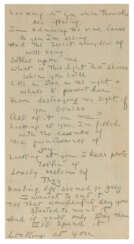


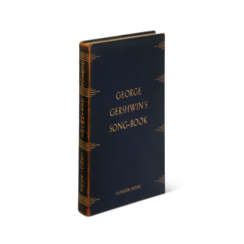

George Gershwin, born Jacob Gershwin, is an American composer and pianist.
George's parents emigrated from Russia to the United States in 1891, and he was about 12 years old at the piano, becoming virtually self-taught. Gershwin published his first song in 1916, but it was Swanee, written by a 20-year-old Gershwin in 1918, that made him famous. The income he received for it allowed Gershwin to concentrate on musical theater. In the 1920s, however, George, along with his older brother Ira, were major songwriters and hit songwriters on Broadway. The lyrics for all of Gershwin's films were written by Ira Gershwin, as were the lyrics for most of his musicals, although early in his career Gershwin worked with other lyric writers, including Irving Caesar and Buddy De Silva.
The Gershwin brothers' first Broadway hit was the song Lady Be Good in 1924. In his songs, Broadway shows, and movie scores, composer George Gershwin achieved unprecedented success with his masterful mastery of jazz, classical, and popular music styles. These include "Rhapsody in Blue" in 1924, "Concerto in F" in 1925, "An American in Paris" in 1928, and "Second Rhapsody" in 1931. Between 1919 and 1935. Gershwin wrote music for 31 musicals, one of which - Of Thee I Sing - in 1932 became the first musical to win the Pulitzer Prize for Dramaturgy. Gershwin's songs have also been used in numerous films and award-winning musicals over the years.
The opera Porgy and Bess, co-written with Dubose, Dorothy Hayward, and Ira Gershwin, was the Gershwin brothers' most ambitious project, combining memorable songs with drama. It was first performed in Boston in 1935 and was made into a movie in 1959.
In 1937, at the age of only 39, the brilliant composer died of a brain tumor. George Gershwin was at the height of his career, leaving a significant and lasting mark on the world of classical music. Today, his orchestral works are performed by most of the world's prestigious symphony orchestras. Ira Gershwin, who was two years older, lived 46 years after George's death.


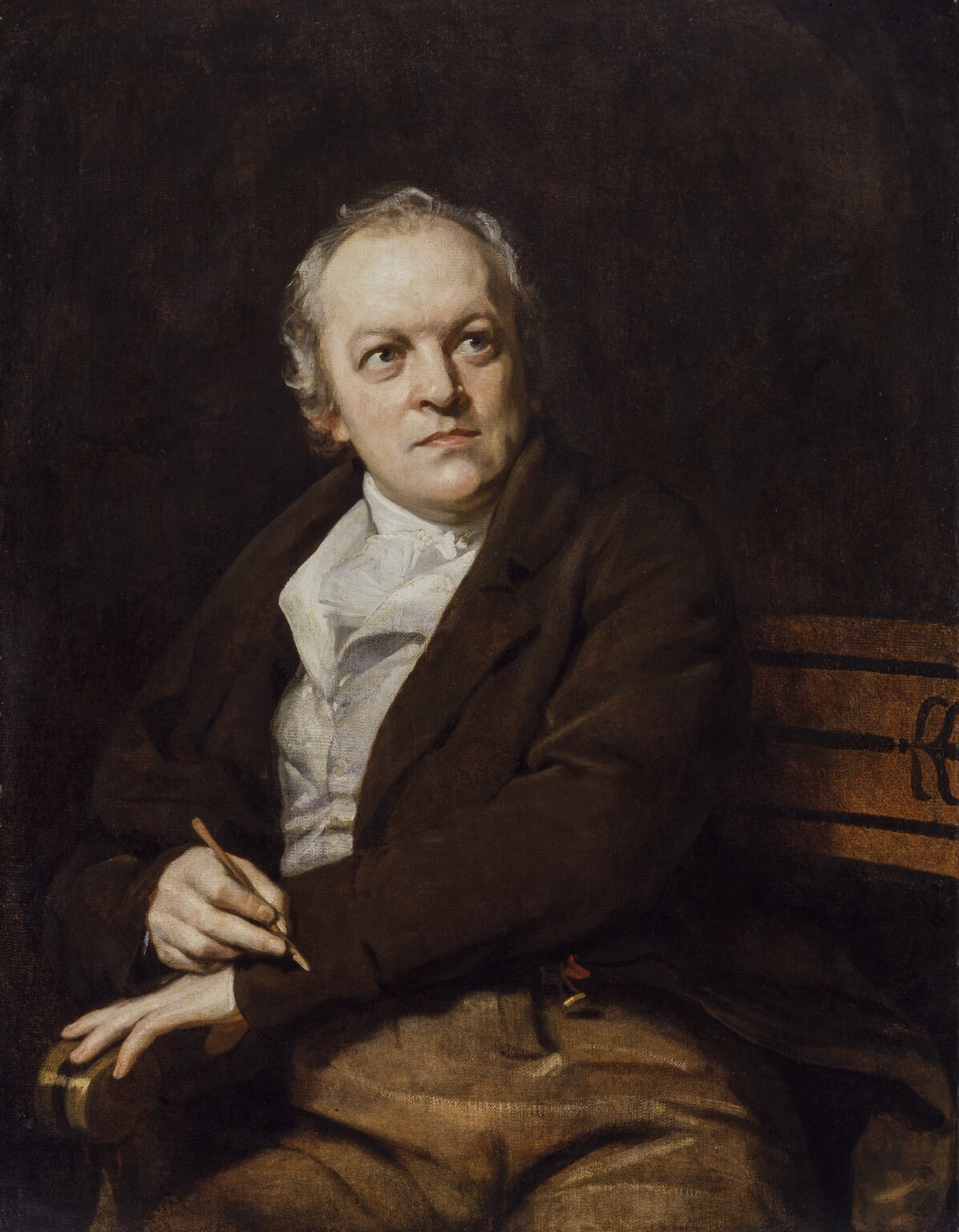
William Blake was an English poet, painter, and printmaker. Largely unrecognised during his life, Blake is now considered a seminal figure in the history of the poetry and visual art of the Romantic Age. What he called his "prophetic works" were said by 20th-century critic Northrop Frye to form "what is in proportion to its merits the least read body of poetry in the English language". His visual artistry led 21st-century critic Jonathan Jones to proclaim him "far and away the greatest artist Britain has ever produced". In 2002, Blake was placed at number 38 in the BBC's poll of the 100 Greatest Britons. While he lived in London his entire life, except for three years spent in Felpham, he produced a diverse and symbolically rich collection of works, which embraced the imagination as "the body of God" or "human existence itself".












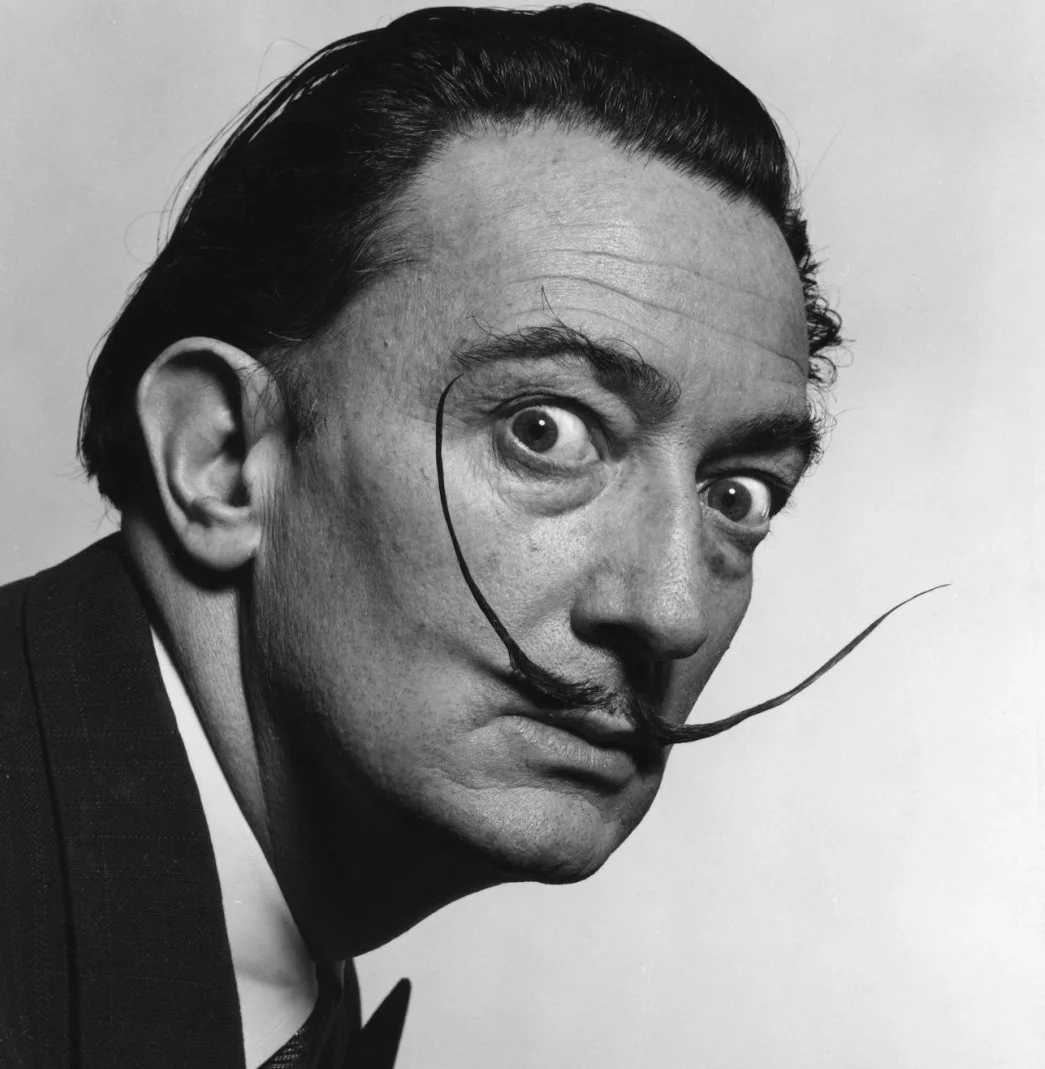
Salvador Dalí, a Spanish Surrealist painter and printmaker, is celebrated for his vivid and imaginative works that delve into subconscious imagery. Born on May 11, 1904, in Figueres, Catalonia, Spain, Dalí's early exposure to Impressionism and Renaissance masters significantly influenced his artistic development. His education in fine arts in Madrid further shaped his style, leading him to experiment with Cubism and avant-garde movements. In the late 1920s, Dalí embraced Surrealism, joining the Surrealist group in 1929 and rapidly becoming one of its most prominent figures.
Dalí's most famous work, "The Persistence of Memory," completed in 1931, epitomizes the Surrealist movement with its iconic melting clocks symbolizing the fluidity of time. His artistic repertoire was diverse, including painting, graphic arts, film, sculpture, design, and photography, often incorporating themes of dreams, the subconscious, sexuality, religion, and science. Despite his remarkable artistic contributions, Dalí's eccentric and flamboyant public persona often overshadowed his work. He faced criticism for his public support of the Francoist regime and the authenticity of some of his late works.
Dalí's legacy is preserved in major museums, notably the Dalí Theatre-Museum in Figueres and the Salvador Dalí Museum in St. Petersburg, Florida. These institutions showcase his extensive and varied body of work, illustrating his profound impact on Surrealism, pop art, and contemporary artists.
If you're captivated by the surreal world of Salvador Dalí and want to stay informed about new sales and auction events featuring his works, sign up for our updates. Our service is tailored specifically for art collectors and experts, providing timely information and insights into the vibrant market of Dalí's art. Remember, this subscription is focused solely on bringing you the latest in product sales and auction events related to Salvador Dalí. Don't miss out on the opportunity to enrich your collection with pieces from one of the most influential surrealists of all time. Sign up now and be the first to know about these exclusive events.


Salvador Dalí, a Spanish Surrealist painter and printmaker, is celebrated for his vivid and imaginative works that delve into subconscious imagery. Born on May 11, 1904, in Figueres, Catalonia, Spain, Dalí's early exposure to Impressionism and Renaissance masters significantly influenced his artistic development. His education in fine arts in Madrid further shaped his style, leading him to experiment with Cubism and avant-garde movements. In the late 1920s, Dalí embraced Surrealism, joining the Surrealist group in 1929 and rapidly becoming one of its most prominent figures.
Dalí's most famous work, "The Persistence of Memory," completed in 1931, epitomizes the Surrealist movement with its iconic melting clocks symbolizing the fluidity of time. His artistic repertoire was diverse, including painting, graphic arts, film, sculpture, design, and photography, often incorporating themes of dreams, the subconscious, sexuality, religion, and science. Despite his remarkable artistic contributions, Dalí's eccentric and flamboyant public persona often overshadowed his work. He faced criticism for his public support of the Francoist regime and the authenticity of some of his late works.
Dalí's legacy is preserved in major museums, notably the Dalí Theatre-Museum in Figueres and the Salvador Dalí Museum in St. Petersburg, Florida. These institutions showcase his extensive and varied body of work, illustrating his profound impact on Surrealism, pop art, and contemporary artists.
If you're captivated by the surreal world of Salvador Dalí and want to stay informed about new sales and auction events featuring his works, sign up for our updates. Our service is tailored specifically for art collectors and experts, providing timely information and insights into the vibrant market of Dalí's art. Remember, this subscription is focused solely on bringing you the latest in product sales and auction events related to Salvador Dalí. Don't miss out on the opportunity to enrich your collection with pieces from one of the most influential surrealists of all time. Sign up now and be the first to know about these exclusive events.