usb-a port version
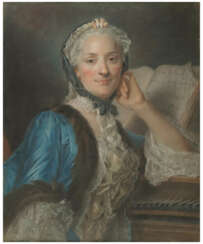



Maurice Denis, a French painter and writer, was an influential figure in the transition from impressionism to modern art. Born on November 25, 1870, in Granville, France, Denis's artistic journey began at the Académie Julian in Paris. Here, he met future collaborators like Paul Sérusier and Pierre Bonnard, with whom he later formed the Nabis group, a collective deriving its name from the Hebrew word "Nabi," meaning "Prophet".
Denis's style evolved from neoimpressionism, influenced by artists like Seurat, to a more decorative and colorful approach under the influence of Gauguin. This shift is evident in works like "Taches du soleil sur la terrace" (1890). He famously stated, "Art is no longer a visual sensation... it is a creation of our spirit," highlighting his belief in art as an idealistic expression, transcending mere imitation of nature.
Denis was also impacted by Japanese art, which influenced his compositions and styles, contributing to his unique and recognizable approach. His philosophy on art, encapsulated in his 1890 essay published in "Art et Critique," emphasized the importance of color and form in creating emotional depth, a notion that laid the groundwork for modernism. He argued that a painting's essence lies in its colors and composition, rather than its subject matter.
Throughout his career, Denis's work evolved towards a more classical approach. His involvement with the Ateliers d'Art Sacré, founded in 1919, demonstrated his interest in religious art and decoration. His notable works include "The Legend of Saint Hubert" (1897) and "The History of Music" for the Théâtre des Champs Elysées (1912-1913).
Tragically, Maurice Denis's life ended on November 13, 1943, when he was struck by a truck during the German occupation of Paris. However, his legacy endures through his contributions to modern art and symbolism, his influence on fellow artists, and his works displayed in various museums and galleries.
For collectors and art experts, Denis's work offers a unique glimpse into the evolution of modern art. His blend of symbolism, color, and form marks a significant shift in art history. To stay updated on new sales and auction events related to Maurice Denis's work, sign up for our newsletter. This subscription will keep you informed about the latest developments in the world of this remarkable artist.




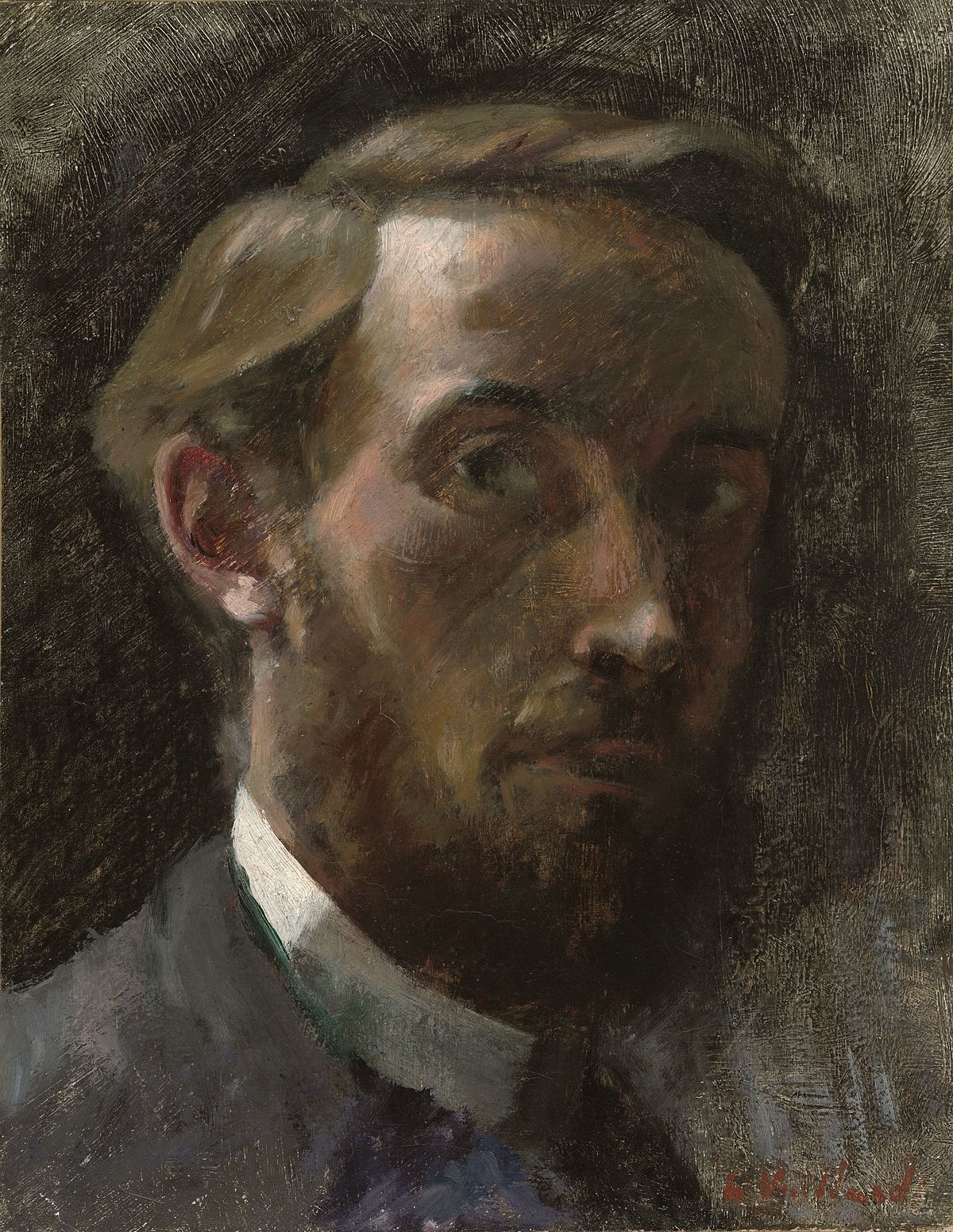
Jean-Édouard Vuillard was a French artist, celebrated for his role in the avant-garde group Les Nabis. Known for his decorative art and printmaking, Vuillard's work was heavily influenced by Japanese prints, which is evident in his unique style of flattened color planes and simplified forms. His paintings, often of interior scenes, are distinguished by their intimate and domestic subjects, displaying a keen sensitivity to the subtle dynamics of everyday life.
In the late 1880s, Vuillard joined Les Nabis, a group of artists who sought to break away from traditional artistic concepts. This association played a pivotal role in shaping his artistic philosophy. Vuillard’s early works, like "The Seamstresses" (1890) and "Child in an Orange Shawl" (1894–95), demonstrate his evolving style, marked by the use of vibrant colors and a distinct lack of perspective, aimed at exploring spatial relationships.
Vuillard's artistic journey included ventures into theater decoration and interior design. He designed stage sets and theater programs, notably for Lugné-Poe's Theatre de l’Oeuvre, and also worked on large-scale panel paintings for French patrons. His close collaboration with the Natanson brothers, founders of the cultural review La Revue Blanche, was significant in his career. This association brought him various commissions, including decorative works for private homes and public buildings.
Vuillard's art evolved over time, transitioning from his Nabis-style works to more naturalistic portraits in the 1920s and 1930s. Despite this shift, his focus remained on portraying the intricacies of domestic life, often featuring the people closest to him. Notable among his subjects were Misia Natanson, a prominent figure in the Parisian cultural scene, and Lucy Hessel, with whom Vuillard had a long-term relationship.
For art collectors and experts, Vuillard's works are a window into the intimate spaces of Parisian life at the turn of the century. His ability to transform everyday scenes into art makes his work particularly appealing. Pieces like "The Green Interior" (1891) and "Breakfast at Villerville" (1910) are exemplary of his style and are celebrated for their quiet yet profound depiction of ordinary life.
Vuillard's legacy lives on in galleries and museums worldwide. His work remains a testament to the power of domestic scenes in art, capturing the essence of the period with a unique blend of realism and abstraction.
For those interested in the subtle beauty of Vuillard's work, subscribing to our updates will ensure you stay informed about new sales and auction events featuring his art. Our updates are tailored for connoisseurs like you, providing insights into the world of art and antiques, with a focus on Vuillard's enduring legacy.





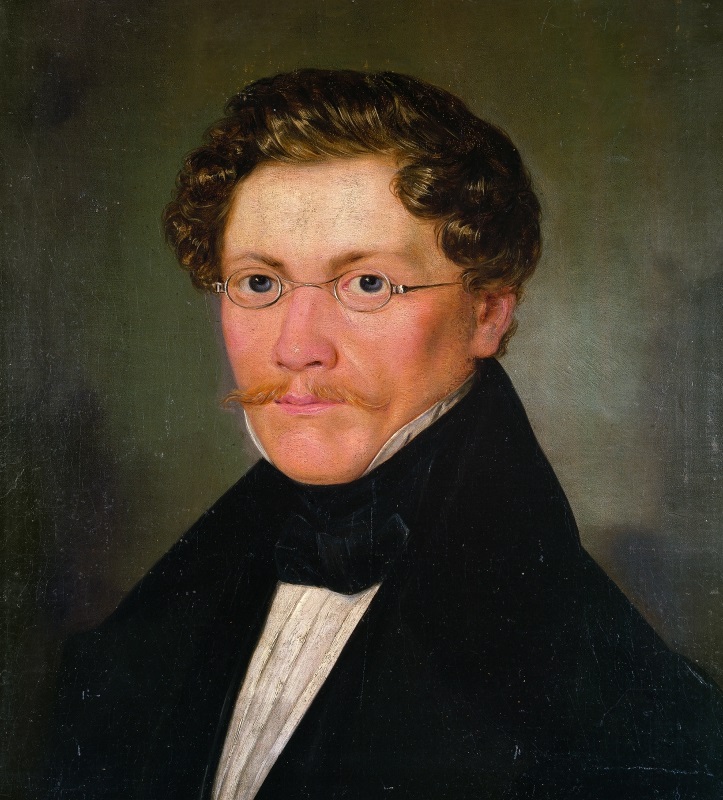
Carl Spitzweg was a German romanticist painter, especially of genre subjects. He is considered to be one of the most important artists of the Biedermeier era.


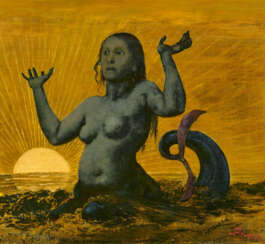

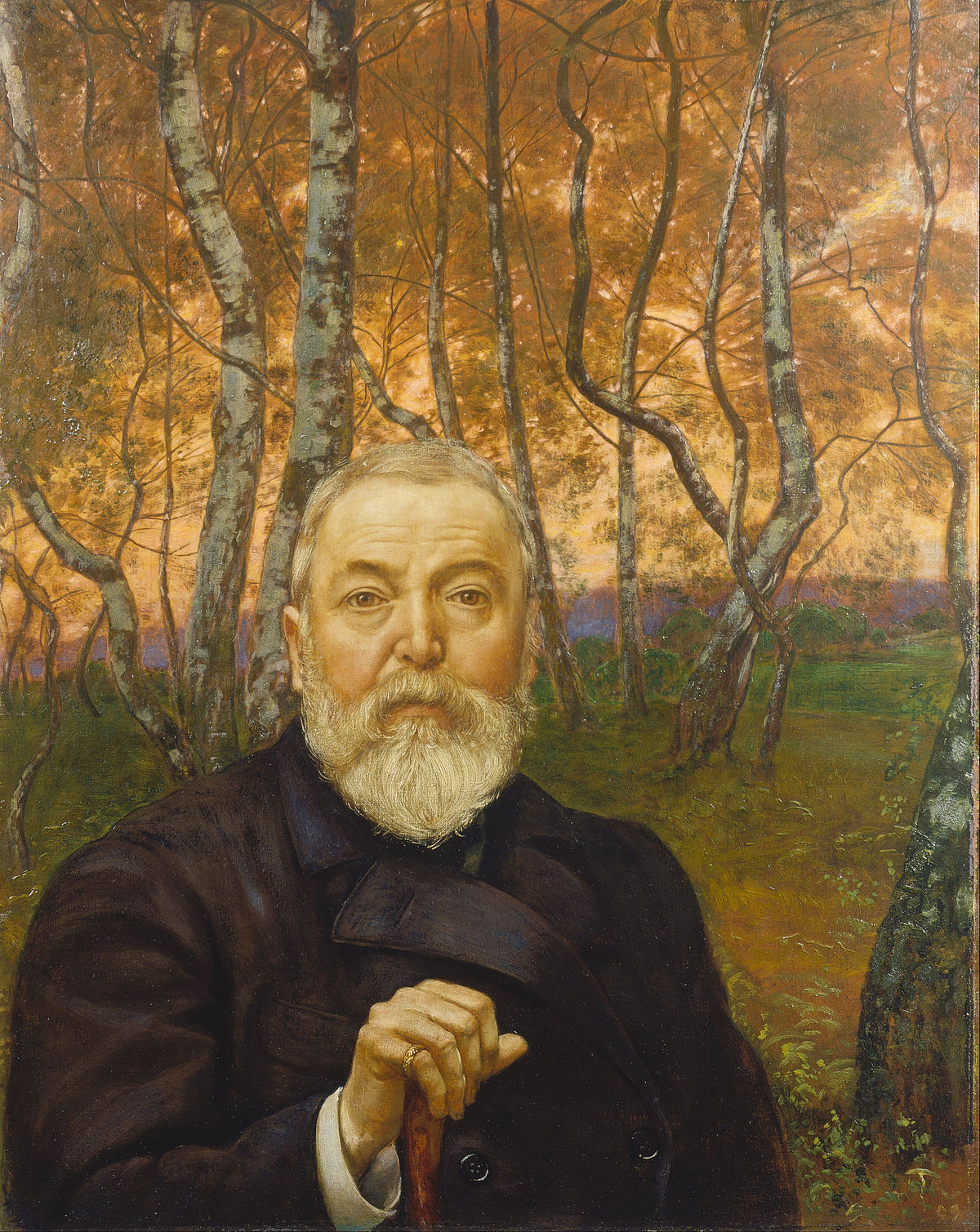
Hans Thoma was a German painter.
In spite of his studies under various masters, his art has little in common with modern ideas, and is formed partly by his early impressions of the simple idyllic life of his native district, partly by his sympathy with the early German masters, particularly with Albrecht Altdorfer and Lucas Cranach the Elder. In his love of the details of nature, in his precise drawing of outline, and in his predilection for local coloring, he has distinct affinities with the Pre-Raphaelites.
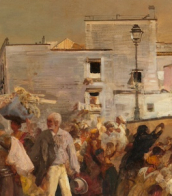
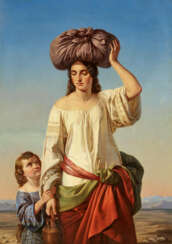

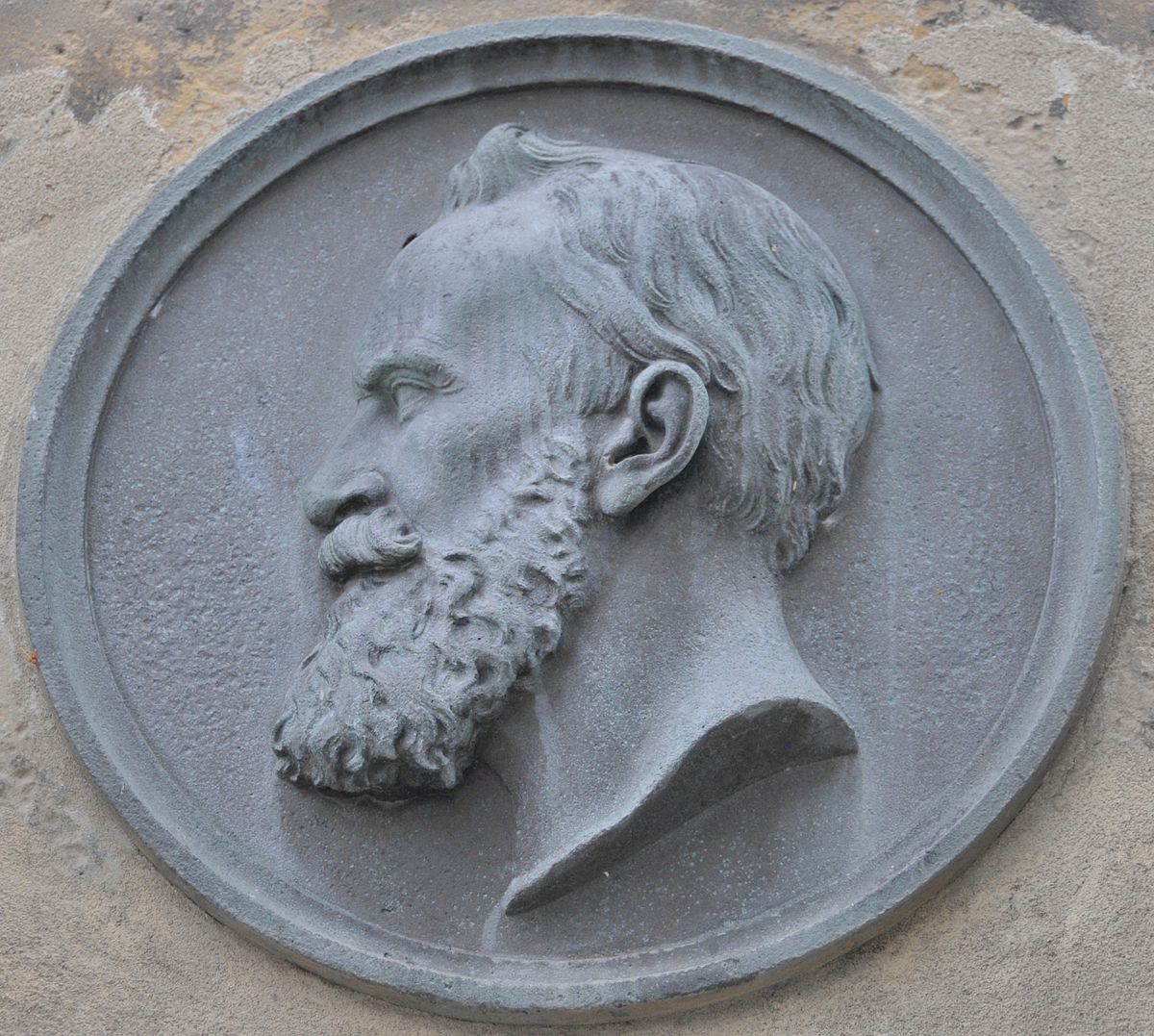
Paul Emil Jacobs was a German Orientalist painter and member of the Imperial Academy of Arts.
Jacobs was known for numerous paintings on Orientalist themes: harem beauties, picturesque Turks, and the slave market. He also painted scenes with religious and historical motifs.




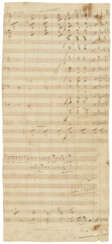

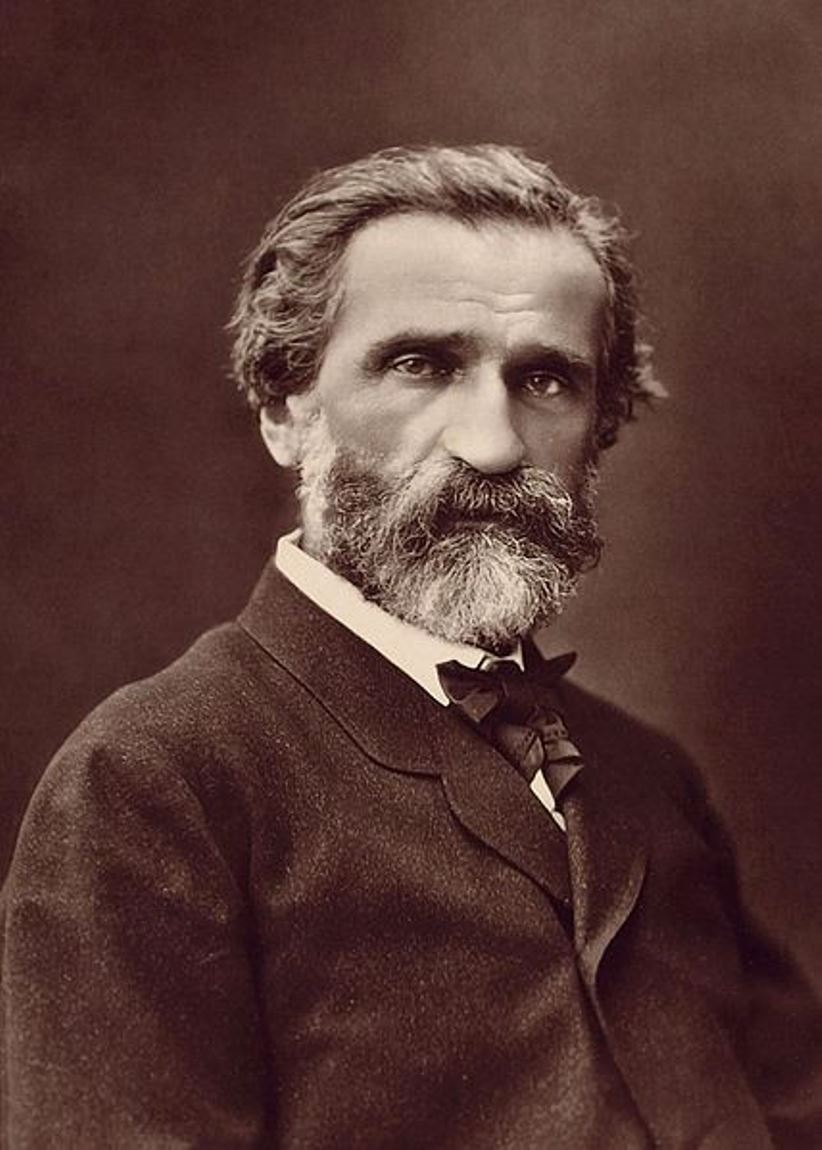
Giuseppe Verdi, full name Giuseppe Fortunino Francesco Verdi, was an Italian opera composer.
The son of a village innkeeper, Giuseppe showed musical talent very early, already playing the organ in church by the age of nine. He studied music in Milan, taught, and in March 1839 staged his first opera "Oberto, conte di San Bonifacio" at La Scala. In 1842 Verdi's opera "Nabucco" was a great success, passing through all the major theaters of Europe.
Verdi wrote a total of 26 operas during his career, the most famous of which are Rigoletto (1851), Trovatore (1853), La Traviata (1853), Don Carlos (1867), Aida (1871), Otello (1887) and Falstaff (1893).
In 1873, Giuseppe Verdi decided to retire from the world of opera. He settled in Sant'Agata, where he became a large landowner and a very wealthy man due to his tireless work in agriculture, he also financed large charitable organizations.
Verdi took a break from these activities for his opera Otello, but after a successful tour of Europe with it, he retreated again to Sant'Agata. The work of Giuseppe Verdi is one of the greatest achievements of world opera art. Many generations of opera lovers still enjoy the composer's brilliant works.
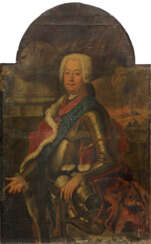


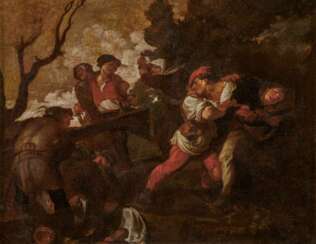

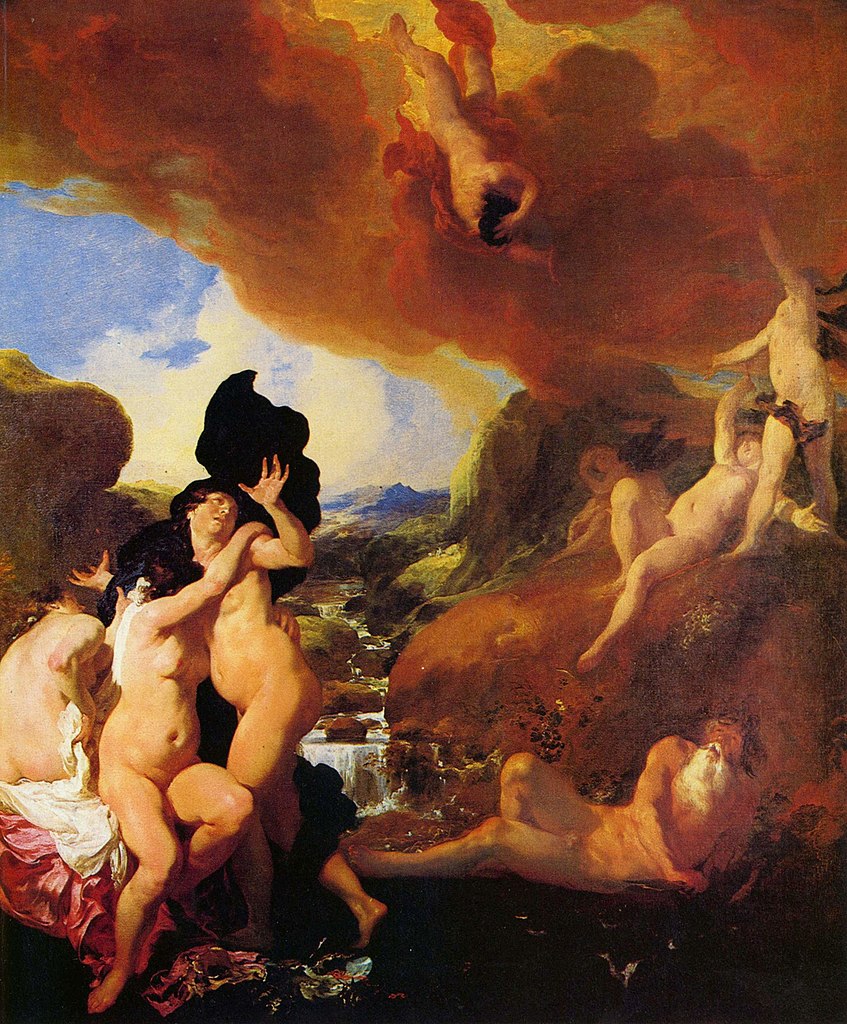
Johann Liss was a German painter of the first third of the 17th century. He is known as a painter, draughtsman and printmaker, who worked in Italy for much of his life, and as the son and namesake of Johann Liss, a painter at the court of the Dukes of Holstein.
Johann Liss worked primarily in the mythological genre. He is considered one of the key artists of the German Baroque and a prominent representative of the Venetian school. Early in his career, the artist traveled to the Netherlands, where he was influenced by a number of Dutch and Flemish masters. Italy inspired him to synthesize Dutch genre painting, Venetian style and Roman realism.
His paintings are in numerous European collections as well as in Russia and the United States.


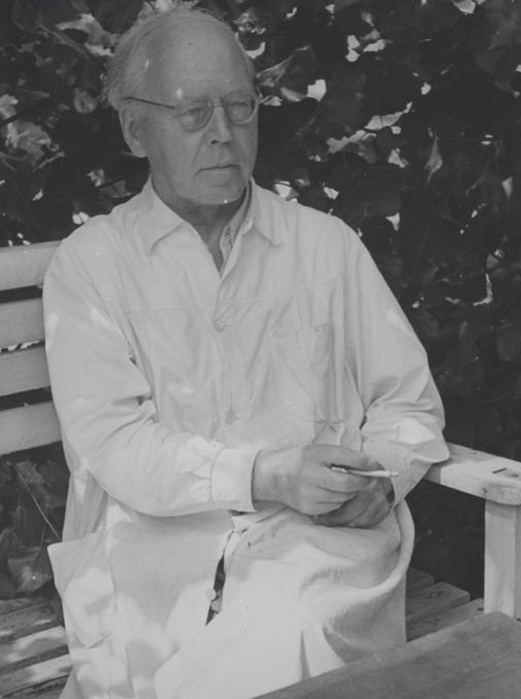
Georg Kolbe was a German sculptor of the first half of the twentieth century. He is known as a master of Classicism and Symbolism. Throughout most of his professional career he was an artist in demand by various German authorities.
Georg Kolbe, despite the strong influence of the Expressionists, managed to develop his own unique style. He left a notable mark not only in sculpture, his artistic legacy includes a large number of drawings and hundreds of engravings.
His biography is closely connected with Berlin, where he lived for more than 40 years. Kolbe is named for the prize awarded by the Artists' Union of Berlin. The artist's former studio now houses a museum with permanent solo exhibitions of works by renowned sculptors of modern art.


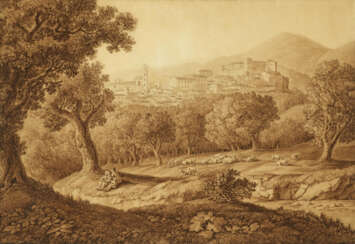

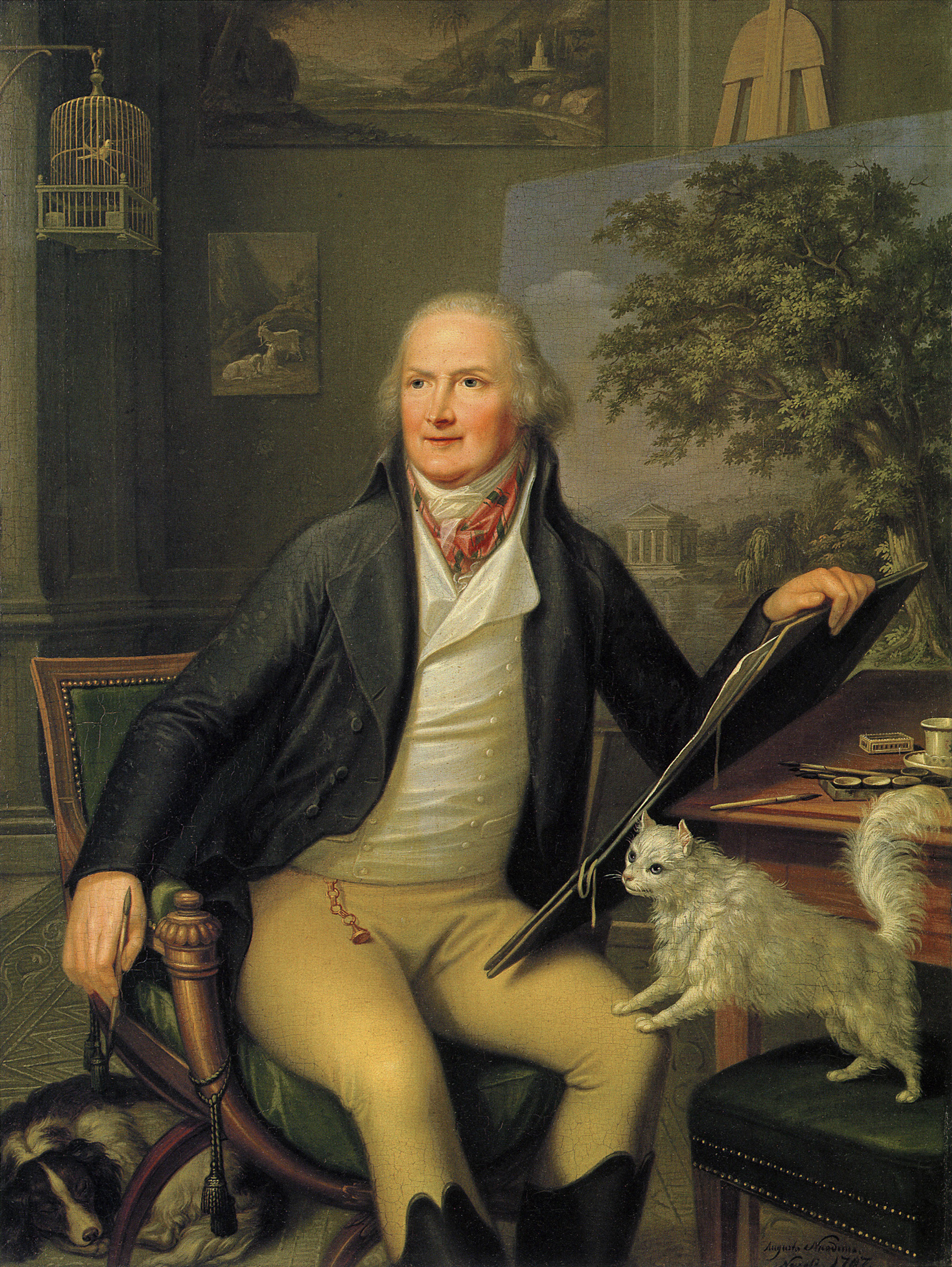
Jakob Philipp Hackert was a German painter of the second half of the 18th and early 19th centuries. He is known as a landscape painter and printmaker, a representative of neoclassicism and romanticism.
Hackert reached the peak of creative activity in 1770-1780. He was recognized by the European aristocracy, and for a time served as court painter to King Ferdinand IV of Naples, as well as receiving commissions from representatives of the Russian imperial family, such as Empress Catherine II and the heir to the throne, Paul Petrovich. His work, according to critics, was characterized by high craftsmanship and aristocratic elegance.


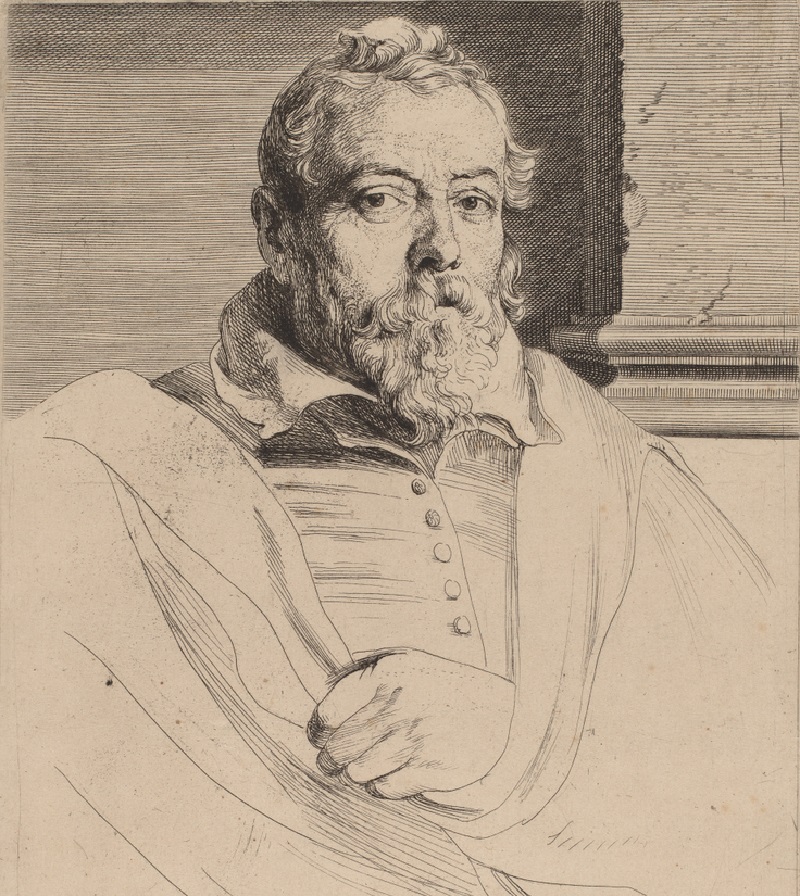
Frans Francken the Younger was a distinguished Flemish painter of the Baroque period, celebrated for his versatility and innovation in the art scene of the early 17th century. Born in 1581 in Antwerp, where he also died in 1642, Francken hailed from the prolific Francken family of artists, establishing himself as the most prominent among them. His contribution to Flemish art includes a wide array of subjects, spanning large altarpieces for churches to intricate cabinet pictures featuring historical, mythological, or allegorical themes.
Francken's work is particularly noted for his creation of collectors' cabinet paintings, a genre that depicted the interiors of collectors filled with art, curiosities, and natural specimens, embodying the era's intellectual pursuits and the burgeoning culture of connoisseurship. Moreover, Francken was instrumental in the development of singeries, humorous paintings featuring monkeys engaging in human activities, critiquing the follies of mankind through satire. His collaborative efforts with other artists enriched his work, allowing him to incorporate figures and narrative depth into various compositions, seamlessly blending his expertise with the landscapes, architectural settings, and still lifes created by his contemporaries.
Francken's artistic legacy is marked by his successful workshop, his role as a master in the Antwerp Saint Luke's Guild, and his significant influence on the development of new subject matter and genres within Flemish painting. His works, such as "Mankind's Eternal Dilemma: The Choice Between Virtue and Vice," remain celebrated for their detailed craftsmanship and symbolic richness, housed in prestigious museums including the Museum of Fine Arts, Boston.
For collectors and art history aficionados, Francken's oeuvre offers a rich tapestry of Baroque artistry, reflecting the dynamism of 17th-century Flemish culture and the depth of humanistic and religious themes explored during the period.
To delve deeper into the world of Frans Francken the Younger and to stay updated on new discoveries, sales, and auction events related to his works, consider signing up for specialized updates. This subscription is tailored for enthusiasts eager to explore the intersections of art, history, and culture, promising insightful content on one of Flemish art's most influential figures.
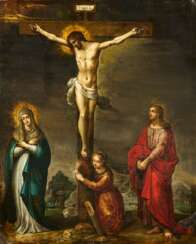

Frans Francken the Younger was a distinguished Flemish painter of the Baroque period, celebrated for his versatility and innovation in the art scene of the early 17th century. Born in 1581 in Antwerp, where he also died in 1642, Francken hailed from the prolific Francken family of artists, establishing himself as the most prominent among them. His contribution to Flemish art includes a wide array of subjects, spanning large altarpieces for churches to intricate cabinet pictures featuring historical, mythological, or allegorical themes.
Francken's work is particularly noted for his creation of collectors' cabinet paintings, a genre that depicted the interiors of collectors filled with art, curiosities, and natural specimens, embodying the era's intellectual pursuits and the burgeoning culture of connoisseurship. Moreover, Francken was instrumental in the development of singeries, humorous paintings featuring monkeys engaging in human activities, critiquing the follies of mankind through satire. His collaborative efforts with other artists enriched his work, allowing him to incorporate figures and narrative depth into various compositions, seamlessly blending his expertise with the landscapes, architectural settings, and still lifes created by his contemporaries.
Francken's artistic legacy is marked by his successful workshop, his role as a master in the Antwerp Saint Luke's Guild, and his significant influence on the development of new subject matter and genres within Flemish painting. His works, such as "Mankind's Eternal Dilemma: The Choice Between Virtue and Vice," remain celebrated for their detailed craftsmanship and symbolic richness, housed in prestigious museums including the Museum of Fine Arts, Boston.
For collectors and art history aficionados, Francken's oeuvre offers a rich tapestry of Baroque artistry, reflecting the dynamism of 17th-century Flemish culture and the depth of humanistic and religious themes explored during the period.
To delve deeper into the world of Frans Francken the Younger and to stay updated on new discoveries, sales, and auction events related to his works, consider signing up for specialized updates. This subscription is tailored for enthusiasts eager to explore the intersections of art, history, and culture, promising insightful content on one of Flemish art's most influential figures.
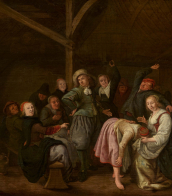


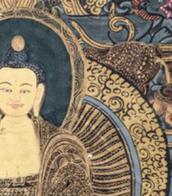
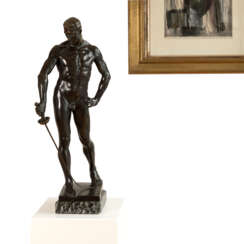

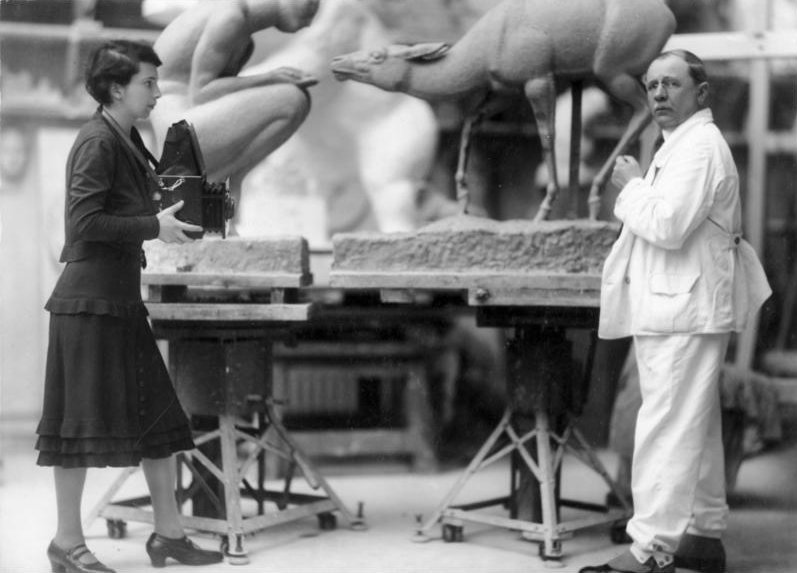
Hugo Lederer was a German sculptor and medallist. He lived and worked in Berlin during the reign of Kaiser Wilhelm II and the first German democracy. His most famous work is the monumental monument to Bismarck in Hamburg (1902-1906).
Hugo Lederer always stood on the side of upper-class modernism and opposed the anti-bourgeois left-wing or popular art scene. Initially he was still following Reinhold Begas and his neo-Baroque style, the Gründerzeit art movement favoured by Kaiser Wilhelm II and despised by many intellectuals of the time.


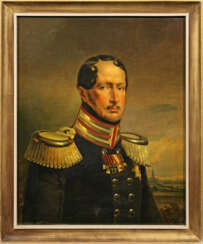

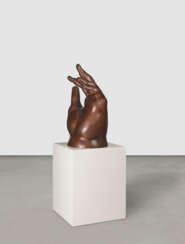

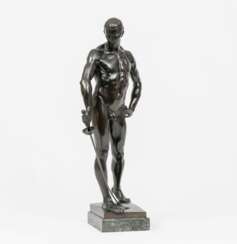

Hugo Lederer was a German sculptor and medallist. He lived and worked in Berlin during the reign of Kaiser Wilhelm II and the first German democracy. His most famous work is the monumental monument to Bismarck in Hamburg (1902-1906).
Hugo Lederer always stood on the side of upper-class modernism and opposed the anti-bourgeois left-wing or popular art scene. Initially he was still following Reinhold Begas and his neo-Baroque style, the Gründerzeit art movement favoured by Kaiser Wilhelm II and despised by many intellectuals of the time.
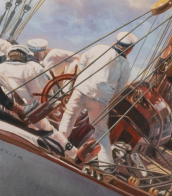
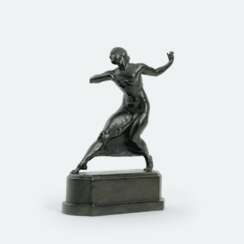

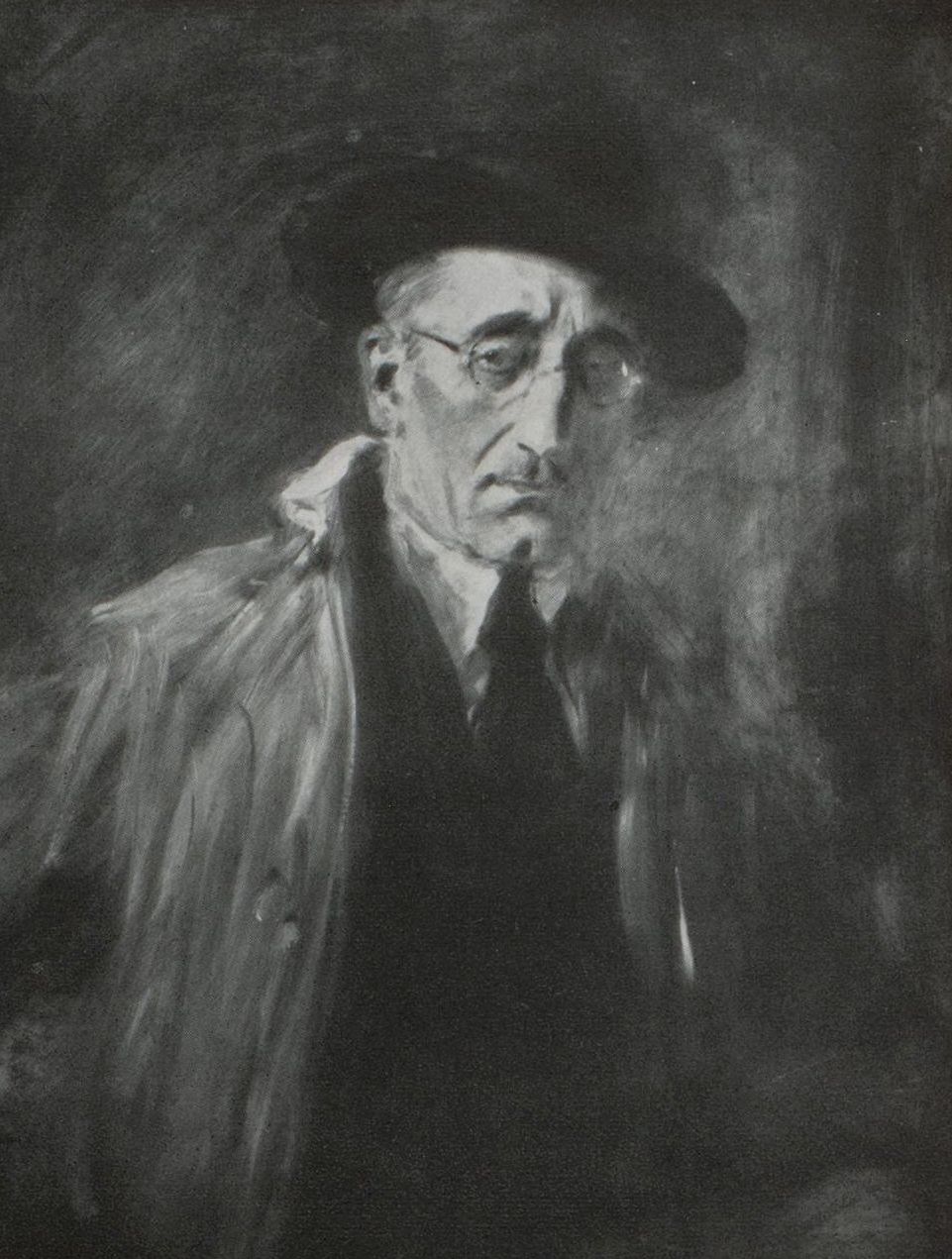
Ferdinand Liebermann was a German sculptor.
Liebermann studied sculpture at the School of Arts and Crafts and at the Academy in Munich with Heinrich Wadere. After additional studies in Rome and Paris, he opened his studio in Munich in 1910 and was awarded the Grand Austrian State Medal in gold for a small bronze the same year. In 1926 he became professor of monumental and portrait sculpture in Munich.
Ferdinand Liebermann's works include numerous sculptures of buildings, monuments and fountains, and he was also one of the most important figure designers for the Rosenthal manufactory.
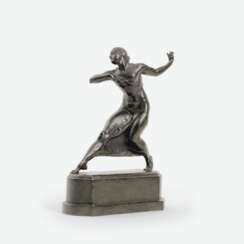

Ferdinand Liebermann was a German sculptor.
Liebermann studied sculpture at the School of Arts and Crafts and at the Academy in Munich with Heinrich Wadere. After additional studies in Rome and Paris, he opened his studio in Munich in 1910 and was awarded the Grand Austrian State Medal in gold for a small bronze the same year. In 1926 he became professor of monumental and portrait sculpture in Munich.
Ferdinand Liebermann's works include numerous sculptures of buildings, monuments and fountains, and he was also one of the most important figure designers for the Rosenthal manufactory.