vibrant colors


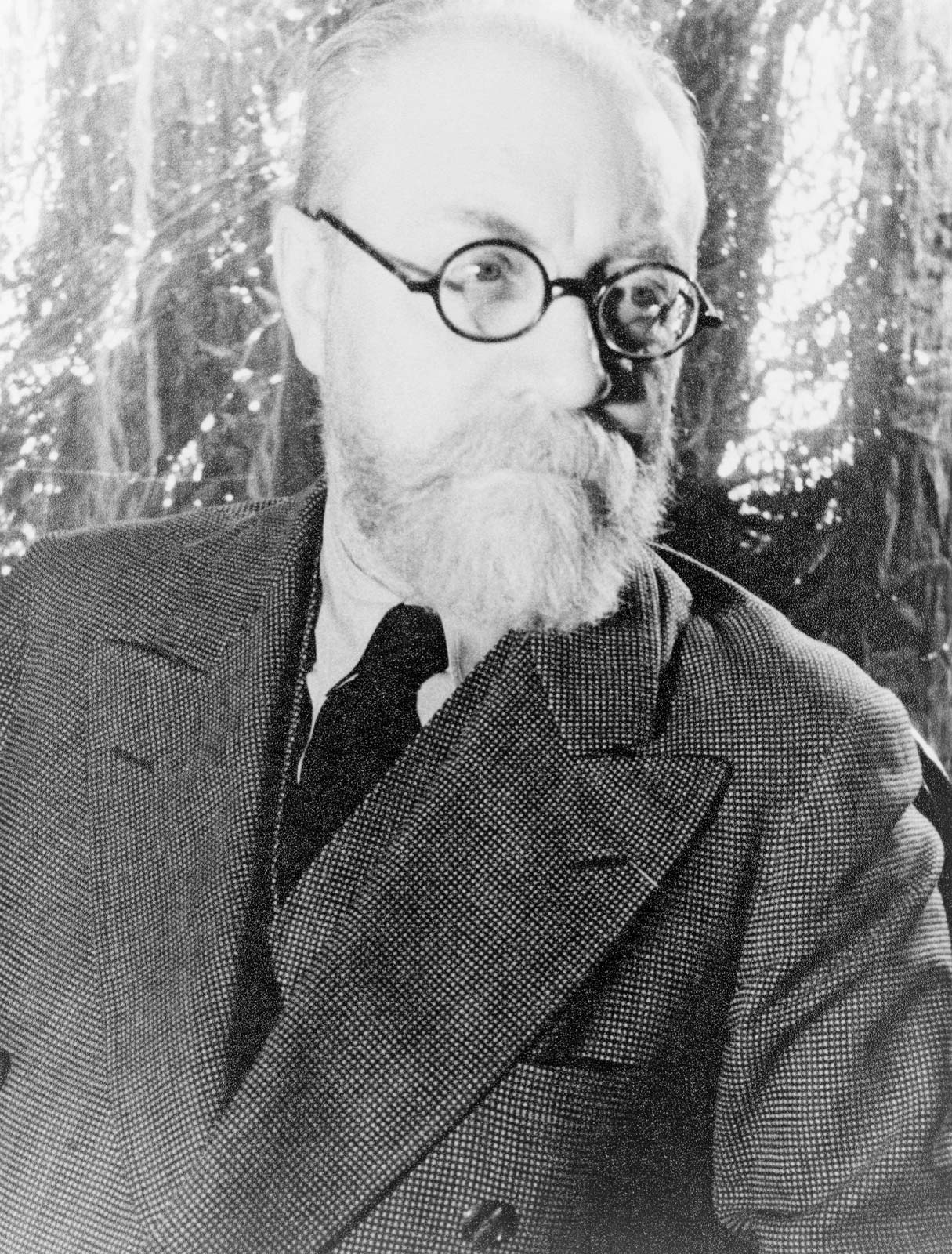
Henri Matisse, a renowned French visual artist, was celebrated for his vibrant use of color and fluid, original draughtsmanship. Born on December 31, 1869, in Le Cateau-Cambrésis, France, Matisse initially pursued a career in law before turning to art. He first began painting in 1889, a change inspired by convalescence art supplies his mother provided. This marked the beginning of a journey that would see him become a leading figure in modern art.
Matisse's career is notable for its stylistic evolution yet consistent aim to capture the "essential character of things." His early works, characterized by intense colorism, earned him recognition as one of the Fauves, or "wild beasts." The period from 1908 to 1913 was marked by significant developments, with works like "Reclining Odalisque" and "The Red Studio" showcasing his mastery in balance and serenity. In the 1920s, his style evolved to more relaxed forms, with a focus on light, color, and decorative patterns in paintings like his odalisque series.
Matisse's exploration of various mediums, including sculpture and paper collage, reflects his innovative spirit. His later years were dominated by cut paper collages, as health challenges limited his ability to paint. These works, alongside his bold drawings and sculptures, cemented his status as a pioneer in visual art.
For collectors and art experts, Matisse's work remains a testament to creative evolution and expressive use of color and form. His masterpieces can be found in prominent museums and galleries worldwide, continuing to inspire and fascinate art enthusiasts.
To stay updated on new product sales and auction events related to Henri Matisse's art, sign up for our updates. This subscription will keep you informed about opportunities to appreciate and acquire works connected to this iconic artist.


Raoul Dufy, a renowned French artist, is celebrated for his vibrant and decorative style, which left a significant mark in the realms of Fauvism and Post-Impressionism. Born in 1877 in Le Havre, France, Dufy's artistic journey was profoundly influenced by Henri Matisse's Fauvist work "Luxe, Calme et Volupté," which he encountered at the Salon des Indépendants in 1905. This experience steered him towards Fauvism, a style that emphasized bold contours and bright colors.
Dufy's artistic evolution saw him briefly embrace Cubism around 1920, after which he developed a unique approach. This approach, often referred to as stenographic, was characterized by skeletal structures, foreshortened perspectives, and the use of thin, quickly applied washes of color. His works, known for their cheerful and fashionably decorative nature, often depicted scenes of leisure like yachting, the French Riviera, and chic parties, capturing the essence of the period's optimism.
In addition to his painting, Dufy was also a commercial artist, illustrator, and designer, contributing significantly to textile design and public murals. His large-scale public art commissions combined modern and allegorical subjects with exuberant outlines and intense colors, showcasing a modernist take on traditional mural work. Notable works by Dufy include "The Regatta," "The Harvester," and the monumental "The Electricity Fairy," a large mural commissioned for the 1937 World's Fair in Paris.
His works are housed in prestigious public collections worldwide, including the Art Institute of Chicago, the Musée d'Art Moderne de Paris, and the National Gallery of Art in Washington, D.C. Despite his artistic achievements, Dufy's focus on decorative art and the lack of engagement with wider social concerns has led to a varied critical reception of his work. Nonetheless, his contribution to 20th-century art, particularly in popularizing a vibrant and illustrative style, remains undisputed.
If Raoul Dufy's artistry captivates you and you wish to stay informed about the latest artworks, exhibitions, and auction events related to this remarkable artist, we invite you to sign up for our updates. By subscribing, you'll receive timely notifications about new pieces for sale and upcoming auctions. This is a wonderful opportunity for collectors and art enthusiasts to enhance their appreciation and possibly their collections of Dufy's work. Stay connected with the world of art and don't miss any chance to acquire unique pieces by this celebrated artist.
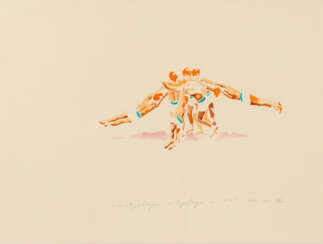

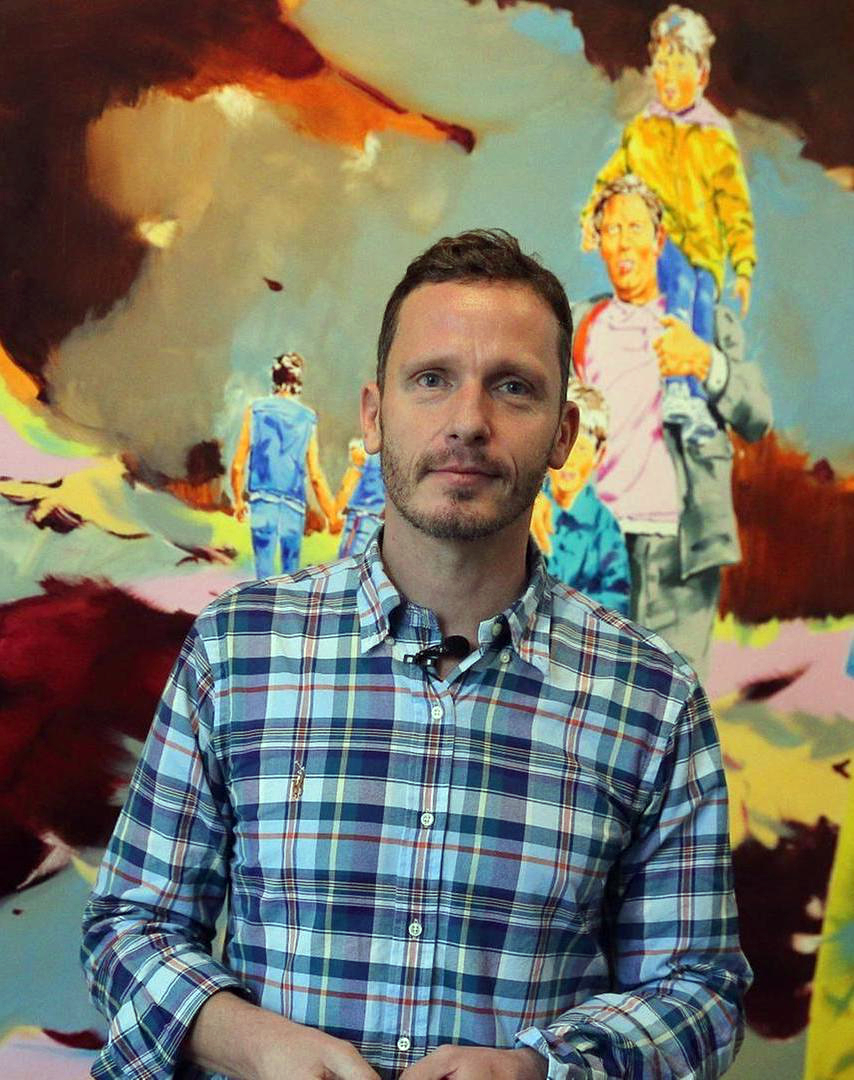
Norbert Bisky is a German artist based in Berlin. He is one of the most important representatives of a new figurative painting in the 21st century.


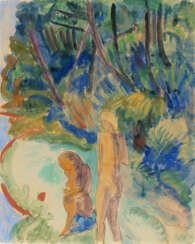

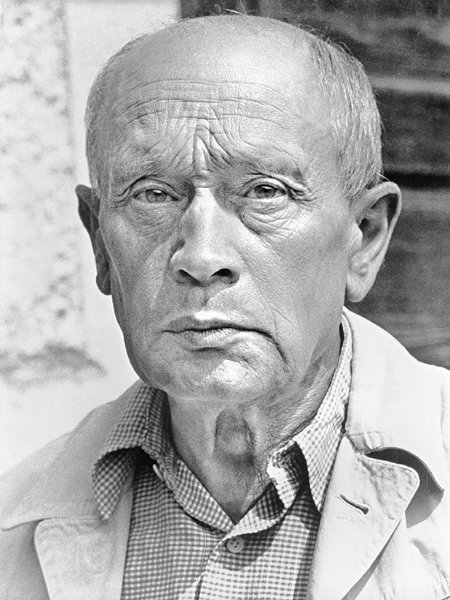
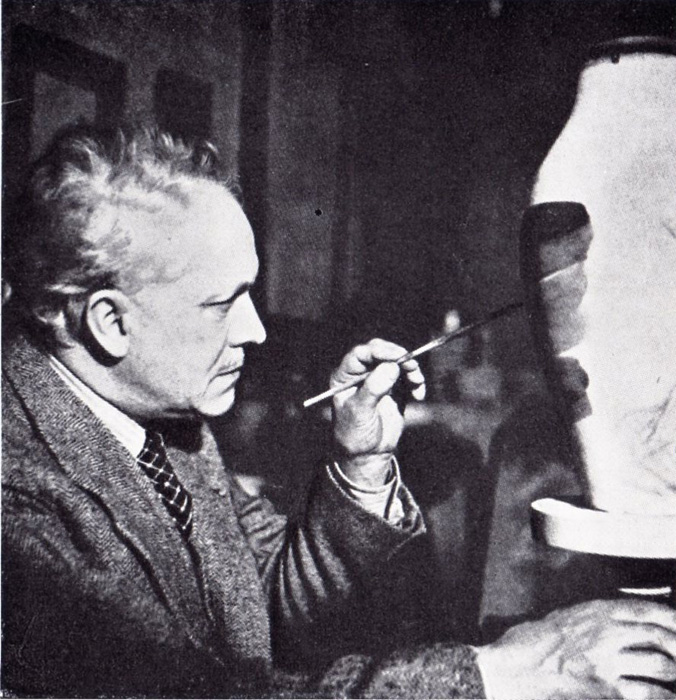
Erich Heckel was a German painter and printmaker, and a founding member of the group Die Brücke ("The Bridge") which existed 1905–1913. His work was part of the art competitions at the 1928 Summer Olympics and the 1932 Summer Olympics.





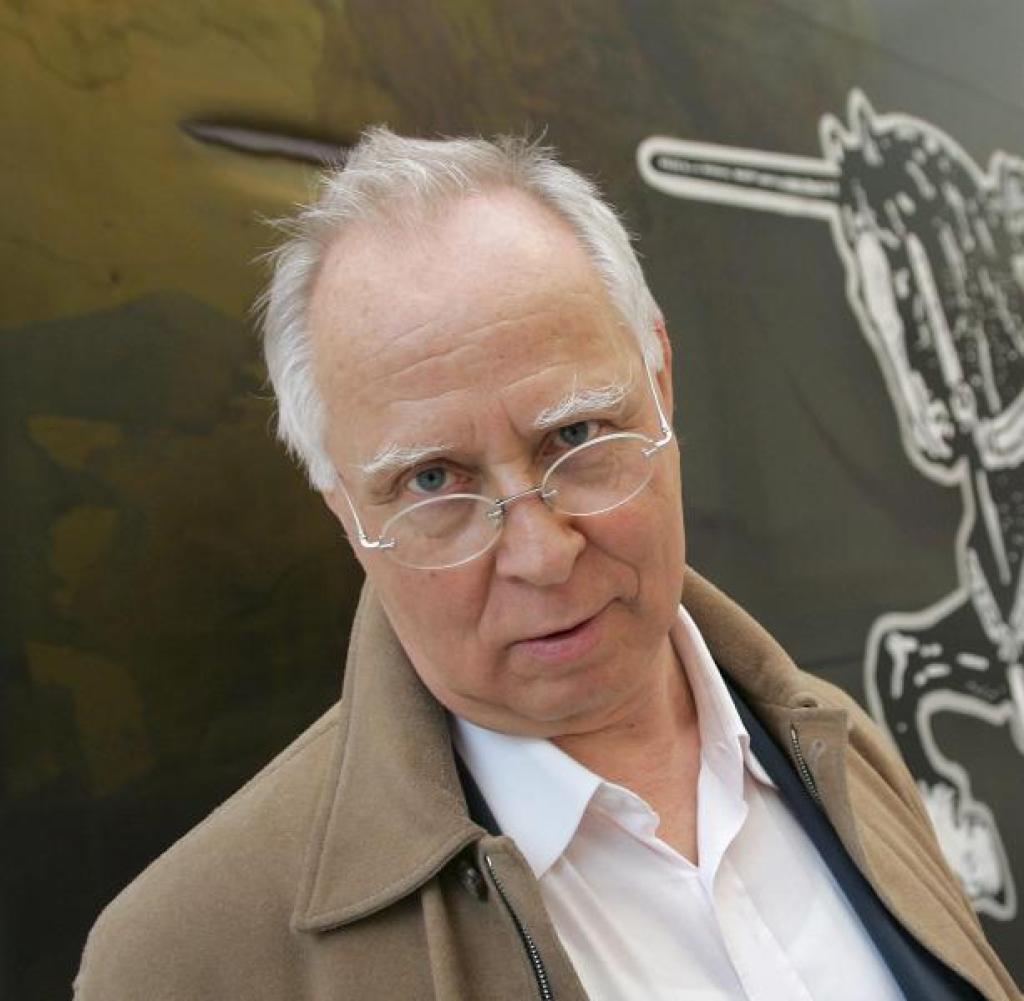
Sigmar Polke was a German painter and photographer.
Polke experimented with a wide range of styles, subject matters and materials. In the 1970s, he concentrated on photography, returning to paint in the 1980s, when he produced abstract works created by chance through chemical reactions between paint and other products. In the last 20 years of his life, he produced paintings focused on historical events and perceptions of them.

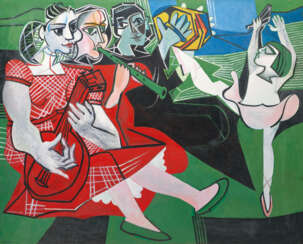

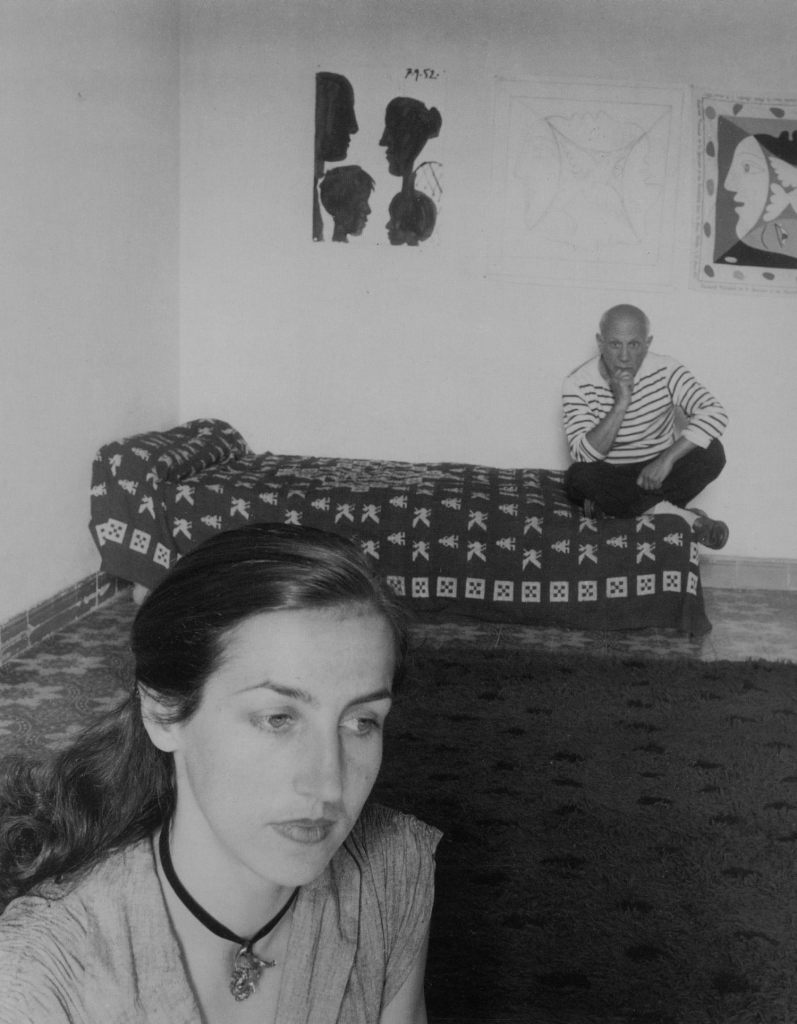
Françoise Gilot is a French painter, illustrator, and writer. She has published several books, including a memoir about her life with Pablo Picasso.
Gilot studied at the Sorbonne in Paris and later at the École des Beaux-Arts in Fontainebleau. She began exhibiting her work in the 1940s and quickly gained recognition for her colorful and vibrant paintings. Gilot's early work was influenced by the cubist and surrealist movements, but she developed her own unique style over time, characterized by bold colors and strong lines.
Gilot is also known for her personal life, particularly her relationship with Pablo Picasso, with whom she had two children. She wrote a memoir, "Life with Picasso," which was published in 1964 and became a bestseller. The book provided insight into Picasso's personality and working methods, as well as the challenges of being an artist in the mid-20th century.
Gilot has continued to paint throughout her life and has exhibited her work in galleries and museums around the world. She has also been recognized with numerous awards and honors, including being named a Chevalier de la Légion d'Honneur in 1990. Her work continues to be celebrated for its bold and expressive style, as well as for the way it reflects her experiences and insights as a woman and an artist.
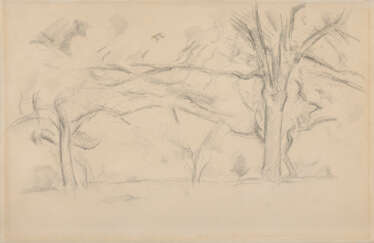

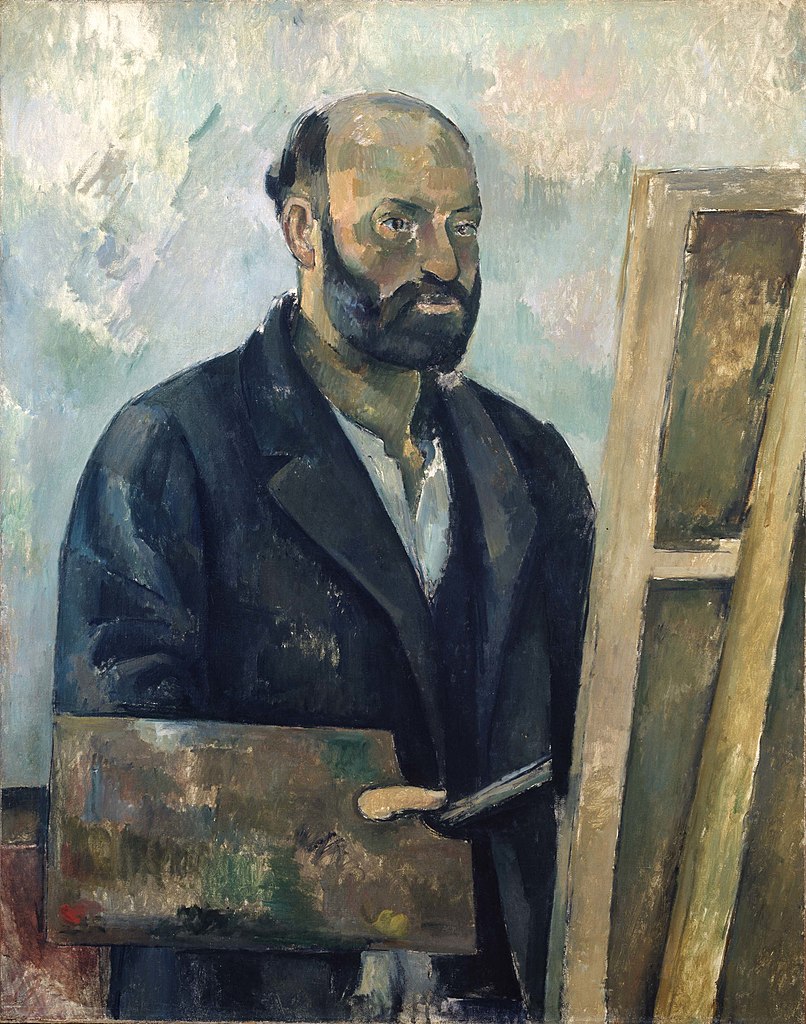
Paul Cézanne, a French Post-Impressionist painter, was pivotal in shaping the transition from 19th-century art to a new, revolutionary approach in the 20th century. His unique and exploratory brushstrokes, utilizing planes of color to form complex fields, made his work instantly recognizable and influential in the development of Cubism.
Cézanne’s early works, influenced by Romanticism and Realism, evolved into a groundbreaking artistic language. He challenged traditional perspective and academic art rules, focusing on objects' structural aspects and art's formal qualities. This approach led to a renewed emphasis on impressionistic color space and modulation principles.
His most notable works, like “Mont Sainte-Victoire,” “The Card Players,” and “The Bathers,” display his mastery in creating depth and dimension through color gradations. These paintings, initially met with skepticism, eventually cemented Cézanne’s reputation as a pioneering artist. His exhibitions, particularly the one-man show by dealer Ambroise Vollard in 1895, played a critical role in his recognition.
Cézanne’s impact on art history is profound, with greats like Henri Matisse and Pablo Picasso acknowledging him as a significant influence. His exploration of geometric forms and innovative use of light and color laid the groundwork for subsequent movements, particularly Cubism.
For collectors and art experts, Cézanne's works are more than just paintings; they are pivotal chapters in the narrative of modern art. His creations, bridging Impressionism and Cubism, continue to inspire and challenge contemporary artists.
To stay updated on new product sales and auction events related to Paul Cézanne, sign up for our updates. This subscription ensures you remain informed about the latest developments in the world of this revolutionary artist.
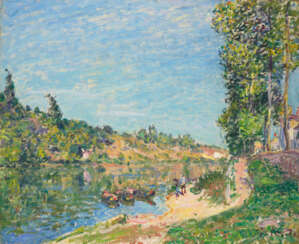

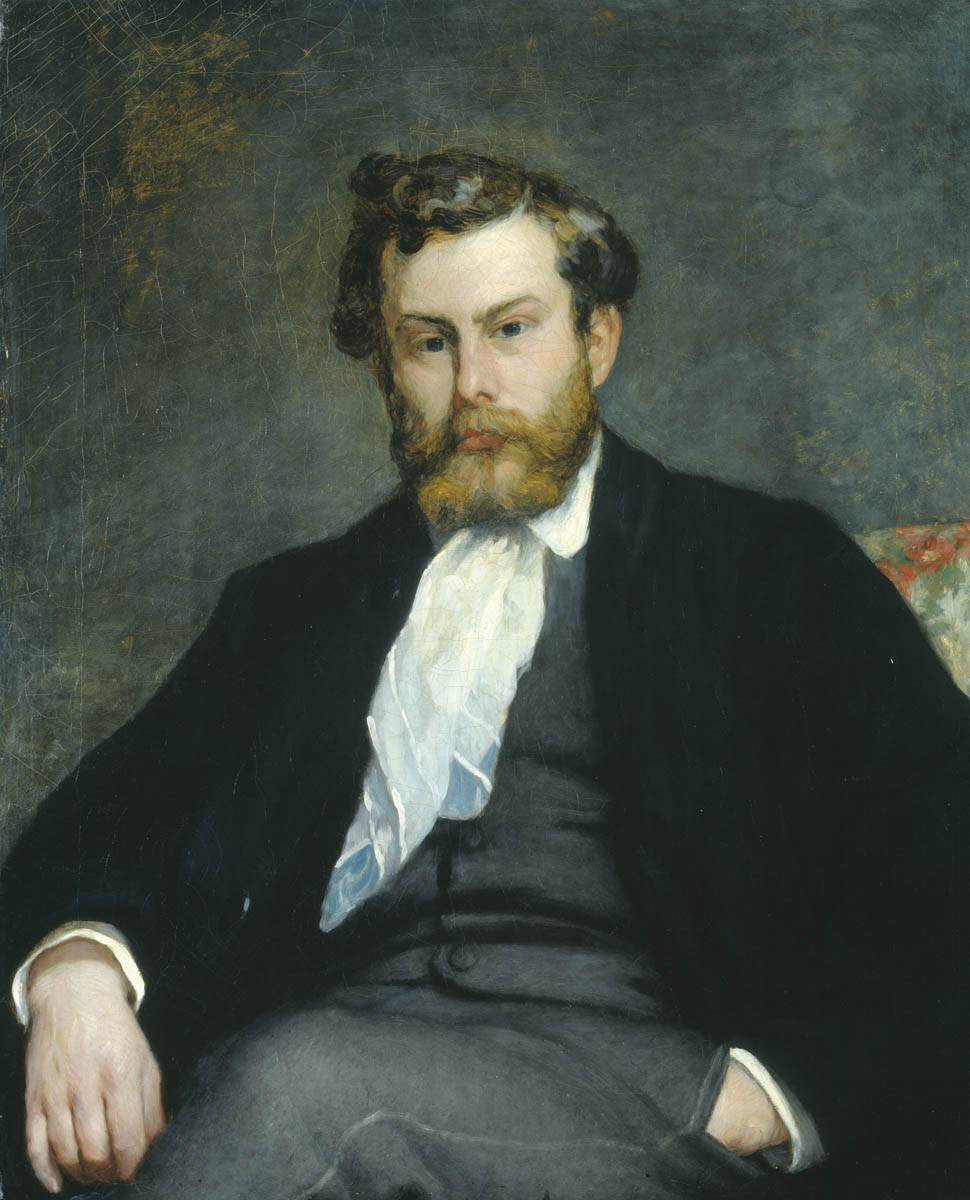
Alfred Sisley was a Franco-British painter, celebrated as a key figure in the Impressionist movement. Born in Paris to British parents, Sisley dedicated his artistic career to capturing the tranquil landscapes of his adopted France, particularly the areas around Paris and Moret-sur-Loing, where he spent his later years.
From the beginning, Alfred Sisley was a devoted landscape artist, preferring to work en plein air to capture the subtle shifts in the atmosphere and light of his surroundings. Unlike some of his contemporaries who explored urban scenes or human figures, Sisley's works predominantly feature rural settings, quiet streets, and serene river scenes, often devoid of people. His approach was deeply influenced by earlier landscape painters like Jean-Baptiste-Camille Corot, yet his style embodies the quintessential Impressionist focus on light and color.
Despite his dedication and prolific output, Alfred Sisley's work did not gain significant recognition or financial success during his lifetime. It was only posthumously that his paintings began to receive the acclaim they deserved, with his canvases now held in prestigious collections worldwide, including the Musée d'Orsay and the National Gallery.
For collectors and experts in art and antiques, Alfred Sisley's works represent a poignant chapter in the history of Impressionism, characterized by a gentle yet profound rendering of the natural world. His paintings not only reflect the beauty of the French countryside but also encapsulate the fleeting moments of light and weather, making them timeless masterpieces of Impressionist art.
For those interested in the serene beauty of Alfred Sisley's landscapes and updates on exhibitions or sales of his works, signing up for specialized newsletters can provide invaluable insights and opportunities.
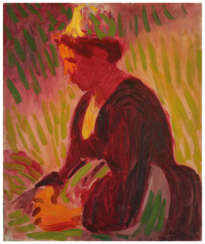

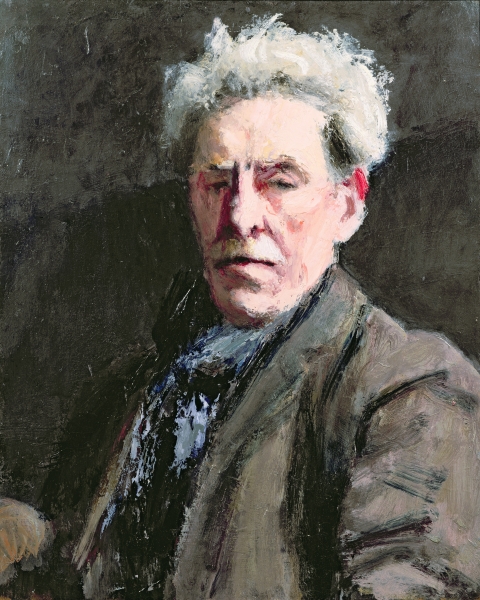
The Irish painter Roderic O'Conor was a pivotal figure in the post-impressionist movement during the late 19th and early 20th centuries. Aligning with the Pont-Aven School, his work thrived in France amidst the artistic revolution of the 1880s and 1890s.
O'Conor's artistic methodology was profoundly influenced by his time in France, spanning nearly five decades. His signature technique, characterized by thick, adjacent strokes of rich, contrasting colors, owes much to the discoveries of the Divisionists and Vincent Van Gogh.
His journey also included a transformative Parisian period beginning in 1886, marked by experimentation and innovation. Later, his Bretagne sojourn from 1891 to 1904 was interspersed with managing inherited estates back in Ireland, which allowed him financial independence from his painting sales. O'Conor's final years from 1934 until his passing in 1940 were spent in Nueil-sur-Layon.
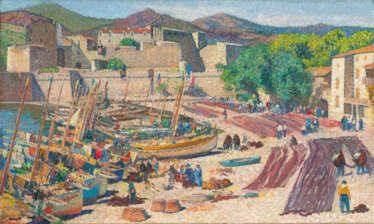

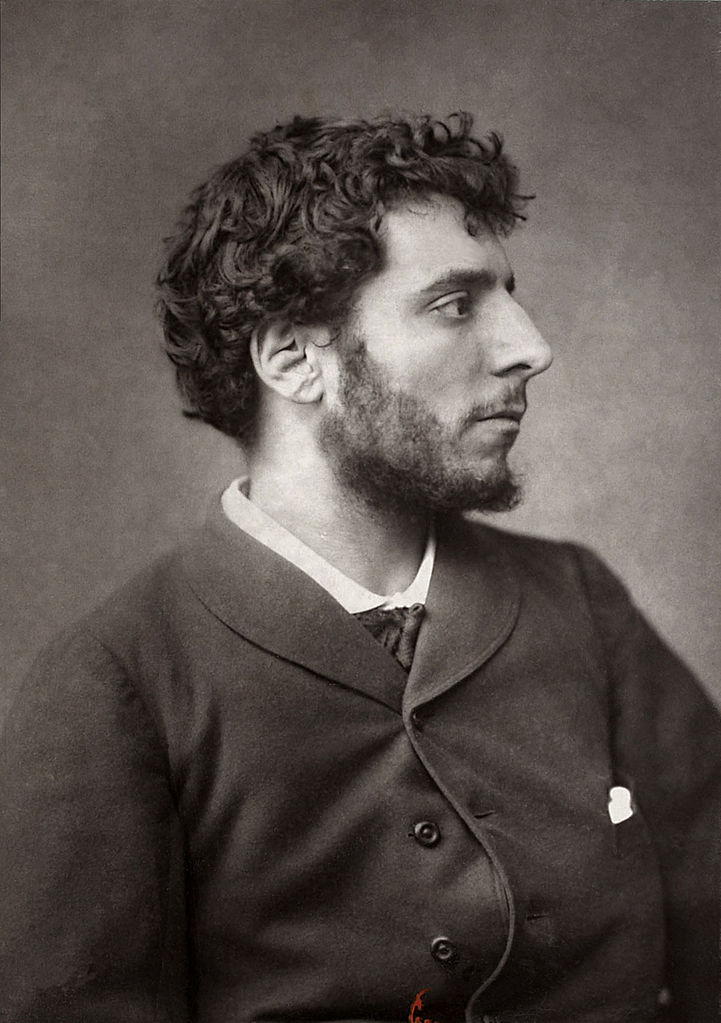
Henri-Jean Guillaume Martin was a French painter. Elected to the Académie des Beaux-Arts in 1917, he is known for his early 1920s work on the walls of the Salle de l'Assemblée générale, where the members of the Conseil d'État meet in the Palais-Royal in Paris. Other notable institutions that have featured his Post-Impressionist paintings in their halls through public procurement include the Élysée Palace, Sorbonne, Hôtel de Ville de Paris, Palais de Justice de Paris, as well as Capitole de Toulouse, although the Musée des Beaux-Arts de Bordeaux and Musée des Augustins also have sizeable public collections.
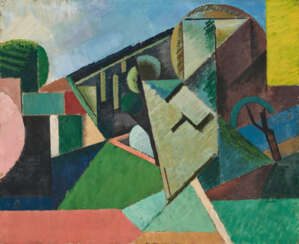

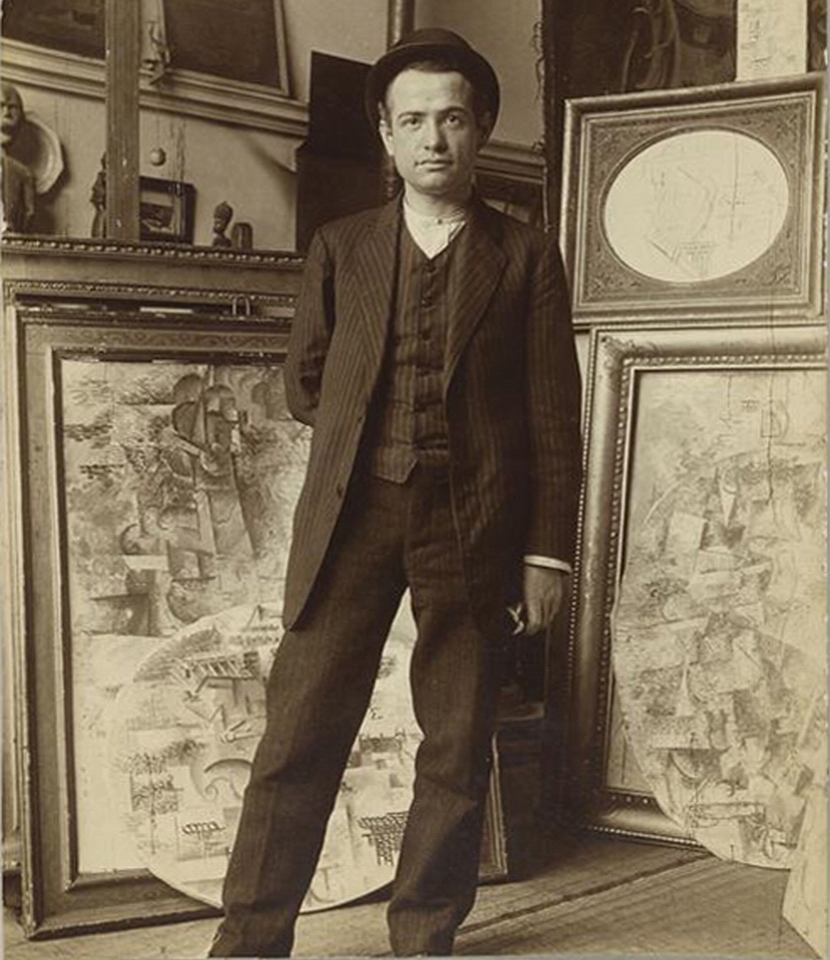
Auguste Herbin was a French painter, celebrated for his contributions to modern art, particularly within the realms of Cubism and abstract painting. Born on April 29, 1882, in Quiévy, Nord, France, Herbin's artistic journey took a significant turn after he moved to Paris in 1903. Initially influenced by Impressionism and Post-Impressionism, his style evolved significantly after 1909 when he became acquainted with Cubism, a movement that significantly influenced his work thereafter. By 1917, Herbin was fully immersed in creating abstract compositions, pioneering a unique blend of geometric abstraction that became his signature style. His abstract work, characterized by simple geometric shapes and vivid, unmodulated colors, adhered to a personal theory of art he detailed in his 1949 book, "L'Art non-figuratif, non-objectif".
Herbin's influence extended beyond his paintings; he was a co-founder of the groups Abstraction-Création and Salon des Réalités Nouvelles, advocating for non-figurative abstract art. Despite facing a significant challenge in 1953, when he became paralyzed on the right side and had to adapt by painting with his left hand, Herbin continued to create art until his passing on January 31, 1960, in Paris. His unfinished work, themed around the word "Fin," marks the poignant end of his prolific career.
Today, Herbin's works are housed in prestigious public collections worldwide, including the Museum de Fundatie in Zwolle, The Netherlands; Kröller-Müller Museum in Otterlo, The Netherlands; National Galleries of Scotland; Matisse Museum in Le Cateau-Cambrésis, France; and the KUNSTEN Museum of Modern Art Aalborg in Denmark, among others. These institutions celebrate Herbin's legacy, showcasing his innovative approach to abstract art that continues to inspire artists and collectors alike.
For enthusiasts and collectors interested in modern art and the evolution of abstract painting, Auguste Herbin's works offer a rich exploration of geometric abstraction and its theoretical underpinnings. Sign up for updates on new product sales and auction events related to Auguste Herbin, and delve deeper into the vibrant world of one of France's pioneering abstract artists.

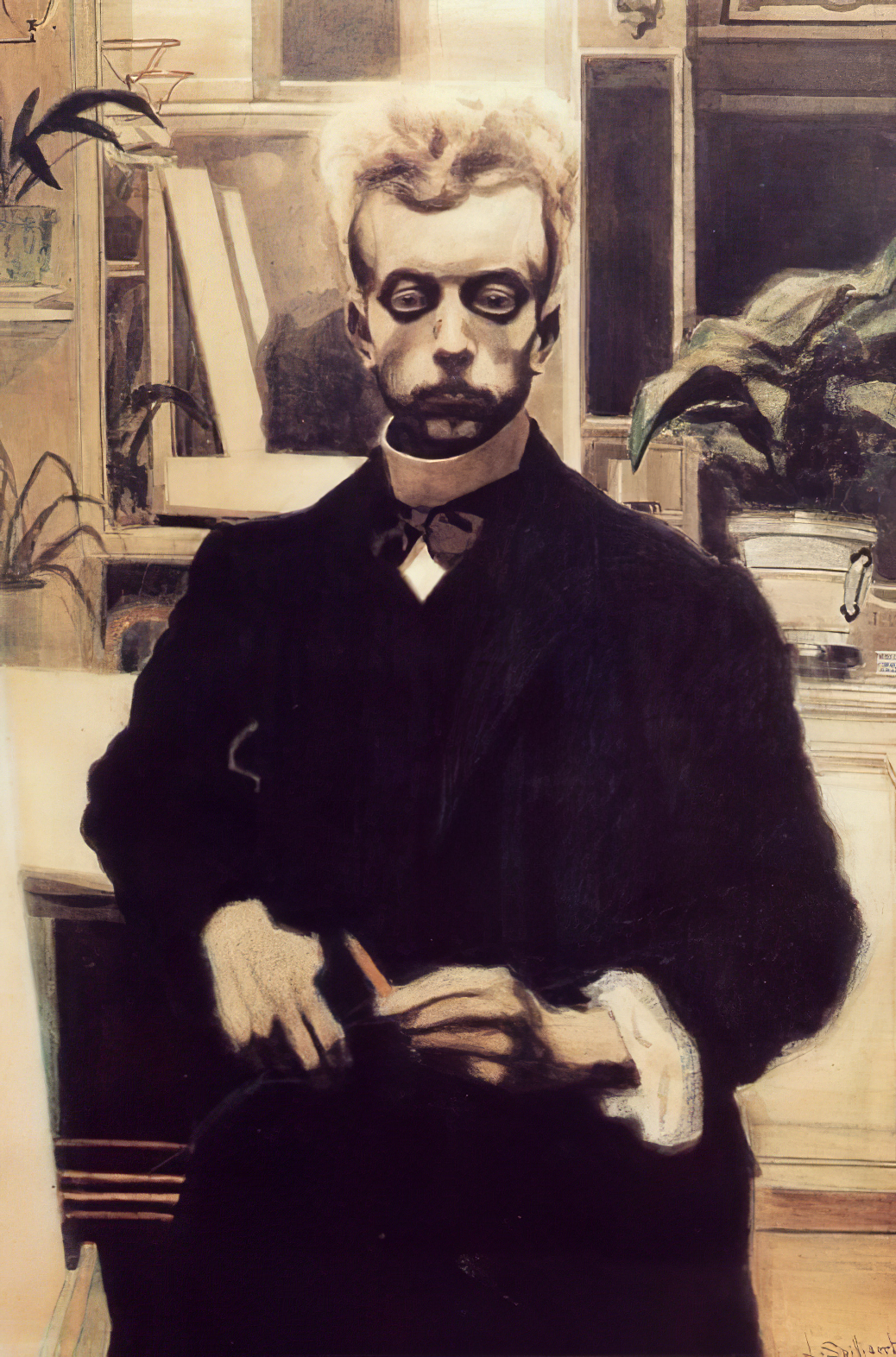
Léon Spilliaert was a Belgian artist. He is known for his unique style of symbolism, with many of his works featuring dream-like landscapes, eerie still lifes, and enigmatic figures.
Spilliaert grew up in a wealthy family, and he initially studied architecture before turning to art. He was largely self-taught, and his work was heavily influenced by the Belgian symbolist movement, as well as the works of artists such as James Ensor and Edvard Munch.
Spilliaert was particularly interested in exploring the mysteries of the human psyche, and many of his works reflect a sense of unease or uncertainty. He often used strong contrasts of light and shadow to create a sense of drama and tension in his works, and his use of color was often muted and subdued.
Despite his success as an artist, Spilliaert was a deeply private individual, and he rarely exhibited his work during his lifetime. He continued to work throughout his life, however, producing a large body of haunting and enigmatic works that continue to captivate audiences today.


Raoul Dufy, a renowned French artist, is celebrated for his vibrant and decorative style, which left a significant mark in the realms of Fauvism and Post-Impressionism. Born in 1877 in Le Havre, France, Dufy's artistic journey was profoundly influenced by Henri Matisse's Fauvist work "Luxe, Calme et Volupté," which he encountered at the Salon des Indépendants in 1905. This experience steered him towards Fauvism, a style that emphasized bold contours and bright colors.
Dufy's artistic evolution saw him briefly embrace Cubism around 1920, after which he developed a unique approach. This approach, often referred to as stenographic, was characterized by skeletal structures, foreshortened perspectives, and the use of thin, quickly applied washes of color. His works, known for their cheerful and fashionably decorative nature, often depicted scenes of leisure like yachting, the French Riviera, and chic parties, capturing the essence of the period's optimism.
In addition to his painting, Dufy was also a commercial artist, illustrator, and designer, contributing significantly to textile design and public murals. His large-scale public art commissions combined modern and allegorical subjects with exuberant outlines and intense colors, showcasing a modernist take on traditional mural work. Notable works by Dufy include "The Regatta," "The Harvester," and the monumental "The Electricity Fairy," a large mural commissioned for the 1937 World's Fair in Paris.
His works are housed in prestigious public collections worldwide, including the Art Institute of Chicago, the Musée d'Art Moderne de Paris, and the National Gallery of Art in Washington, D.C. Despite his artistic achievements, Dufy's focus on decorative art and the lack of engagement with wider social concerns has led to a varied critical reception of his work. Nonetheless, his contribution to 20th-century art, particularly in popularizing a vibrant and illustrative style, remains undisputed.
If Raoul Dufy's artistry captivates you and you wish to stay informed about the latest artworks, exhibitions, and auction events related to this remarkable artist, we invite you to sign up for our updates. By subscribing, you'll receive timely notifications about new pieces for sale and upcoming auctions. This is a wonderful opportunity for collectors and art enthusiasts to enhance their appreciation and possibly their collections of Dufy's work. Stay connected with the world of art and don't miss any chance to acquire unique pieces by this celebrated artist.
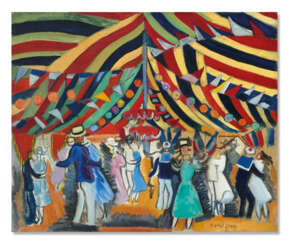

Raoul Dufy, a renowned French artist, is celebrated for his vibrant and decorative style, which left a significant mark in the realms of Fauvism and Post-Impressionism. Born in 1877 in Le Havre, France, Dufy's artistic journey was profoundly influenced by Henri Matisse's Fauvist work "Luxe, Calme et Volupté," which he encountered at the Salon des Indépendants in 1905. This experience steered him towards Fauvism, a style that emphasized bold contours and bright colors.
Dufy's artistic evolution saw him briefly embrace Cubism around 1920, after which he developed a unique approach. This approach, often referred to as stenographic, was characterized by skeletal structures, foreshortened perspectives, and the use of thin, quickly applied washes of color. His works, known for their cheerful and fashionably decorative nature, often depicted scenes of leisure like yachting, the French Riviera, and chic parties, capturing the essence of the period's optimism.
In addition to his painting, Dufy was also a commercial artist, illustrator, and designer, contributing significantly to textile design and public murals. His large-scale public art commissions combined modern and allegorical subjects with exuberant outlines and intense colors, showcasing a modernist take on traditional mural work. Notable works by Dufy include "The Regatta," "The Harvester," and the monumental "The Electricity Fairy," a large mural commissioned for the 1937 World's Fair in Paris.
His works are housed in prestigious public collections worldwide, including the Art Institute of Chicago, the Musée d'Art Moderne de Paris, and the National Gallery of Art in Washington, D.C. Despite his artistic achievements, Dufy's focus on decorative art and the lack of engagement with wider social concerns has led to a varied critical reception of his work. Nonetheless, his contribution to 20th-century art, particularly in popularizing a vibrant and illustrative style, remains undisputed.
If Raoul Dufy's artistry captivates you and you wish to stay informed about the latest artworks, exhibitions, and auction events related to this remarkable artist, we invite you to sign up for our updates. By subscribing, you'll receive timely notifications about new pieces for sale and upcoming auctions. This is a wonderful opportunity for collectors and art enthusiasts to enhance their appreciation and possibly their collections of Dufy's work. Stay connected with the world of art and don't miss any chance to acquire unique pieces by this celebrated artist.
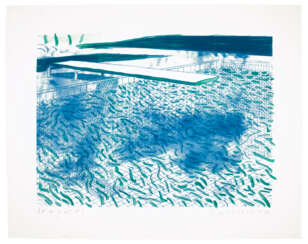

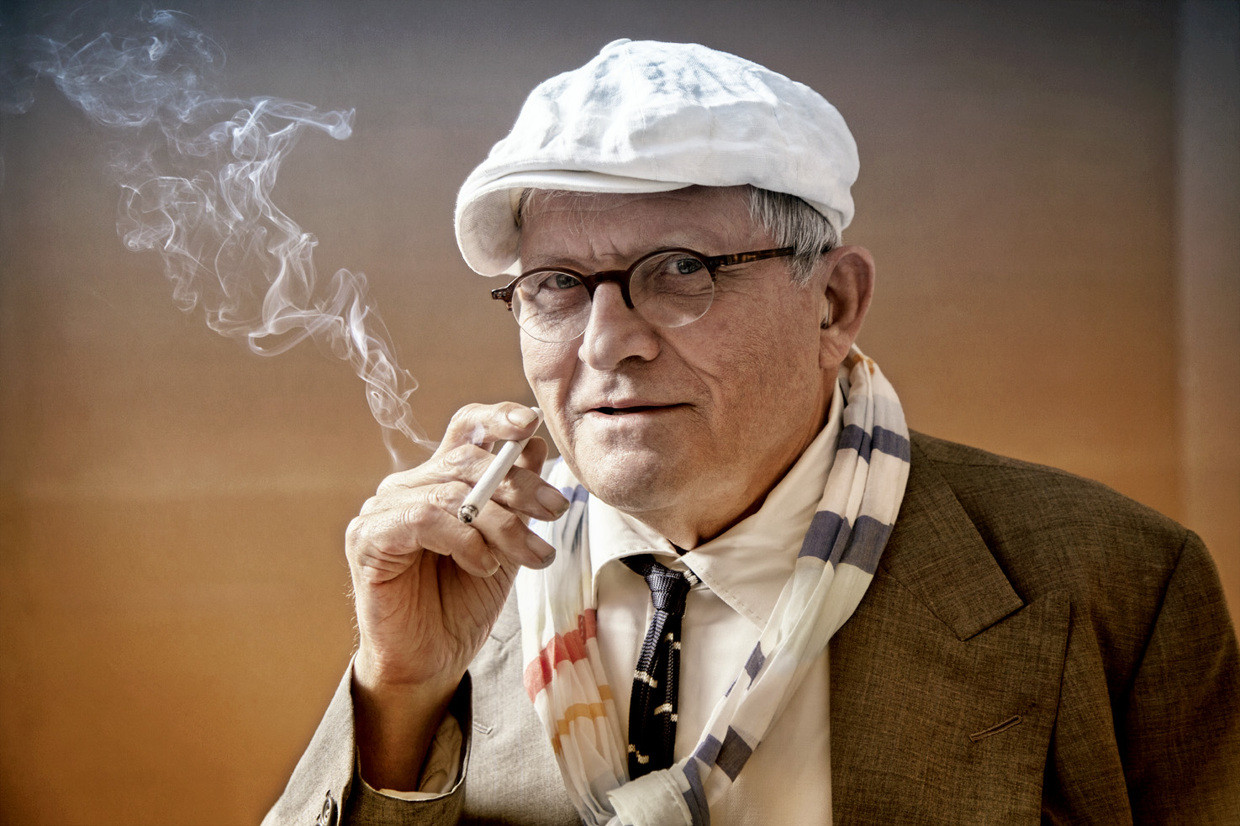
David Hockney, a British artist, has been a prominent figure in the art world for over six decades, renowned for his contributions to painting, drawing, printmaking, photography, and video art. His exploration of these mediums has made significant impacts on the Pop Art movement and beyond, making him one of the most influential artists of the 20th and 21st centuries. Hockney's work is celebrated for its vibrant color palette, emotional depth, and innovative use of technology in art.
One of Hockney's most distinctive features is his ability to blend traditional techniques with modern technology, notably in his iPad drawings and photographic collages. This fusion not only showcases his skillful adaptation to contemporary mediums but also highlights his ongoing quest to explore the nature of seeing and representation in art. Hockney's landscapes and portraits, characterized by their bright colors and meticulous detail, invite viewers to see the world through his unique perspective.
Significant works by Hockney, such as "A Bigger Splash" and "Portrait of an Artist (Pool with Two Figures)," are housed in major museums and galleries worldwide, attesting to his global influence and appeal. These pieces, among others, demonstrate Hockney's mastery over space, light, and narrative, securing his position as a pivotal figure in modern and contemporary art.
For collectors and experts in art and antiques, Hockney's oeuvre presents a fascinating study in the evolution of visual arts. His work not only offers insight into the artist's personal vision but also reflects broader cultural and technological shifts in society. As interest in Hockney's art continues to grow, keeping abreast of new sales and auction events becomes increasingly valuable.
To stay informed about the latest David Hockney sales and auction events, sign up for our updates. This subscription ensures that you receive timely notifications about new product sales and auction events related to David Hockney, offering unique opportunities for collectors and enthusiasts alike.
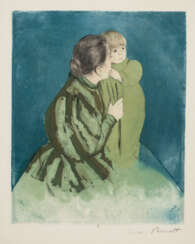

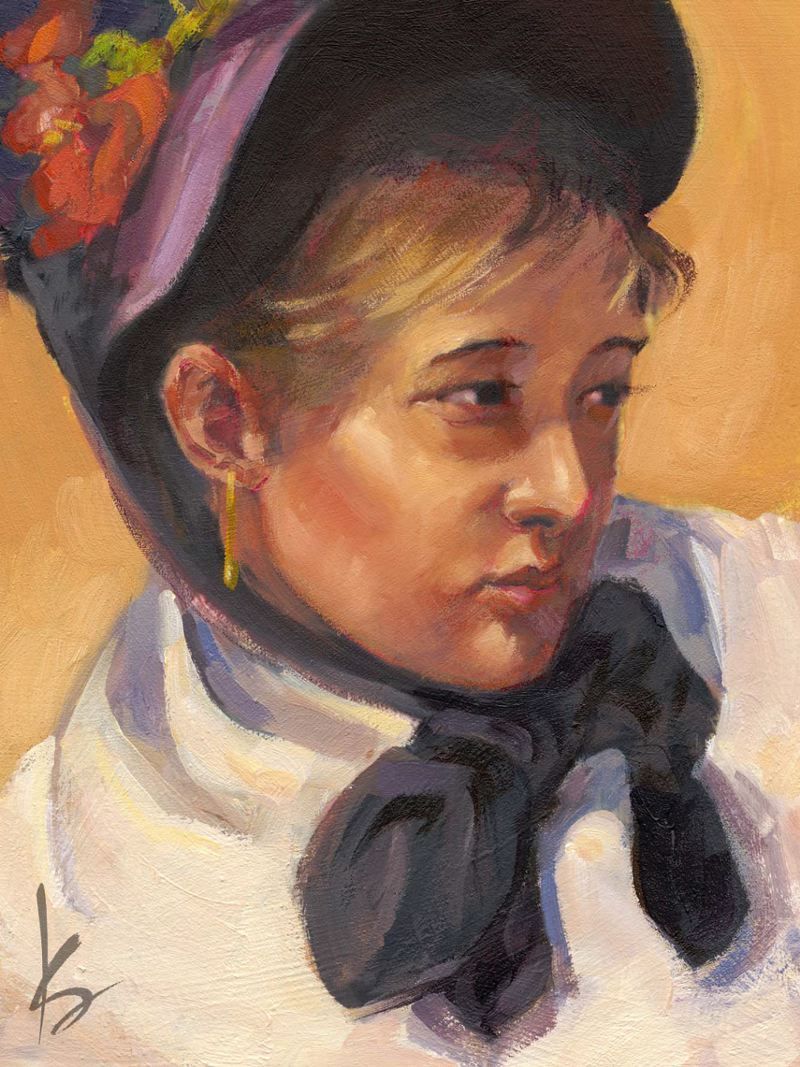
Mary Stevenson Cassatt was an influential American painter and printmaker known for her pivotal role in the Impressionist movement. Born on May 22, 1844, in Allegheny City, Pennsylvania, Cassatt spent much of her adult life in France, where she formed a significant professional relationship with Edgar Degas and exhibited with other Impressionists. Despite her family's initial reluctance, Cassatt pursued art from a young age, attending the Pennsylvania Academy of the Fine Arts at fifteen and later moving to Paris to continue her education under private tutors, including the renowned Jean-Léon Gérôme.
Cassatt's art mainly focused on women and children, encapsulating intimate moments with a profound sense of dignity and depth. Her works, such as "The Boating Party" and "Mother and Child," showcase her skill in portraying the nuanced interactions of everyday life. Cassatt's technique evolved from the light brushstrokes of early Impressionism to a more structured form, emphasizing solid figures and clear contours.
A prominent figure not just in art but also in art advocacy, Cassatt was instrumental in advising American collectors, including the Havemeyers, which helped enrich public and private American art collections significantly. Despite challenges related to her gender and later, her failing eyesight, Cassatt's contributions to art remain influential, reflecting her unique perspective and unyielding dedication to Impressionism.
For updates on exhibitions and sales related to Mary Stevenson Cassatt's works, consider signing up for our newsletter. This subscription will keep you informed about the latest auction events and product sales directly linked to Cassatt's enduring legacy.
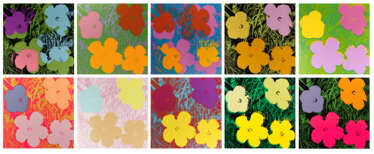

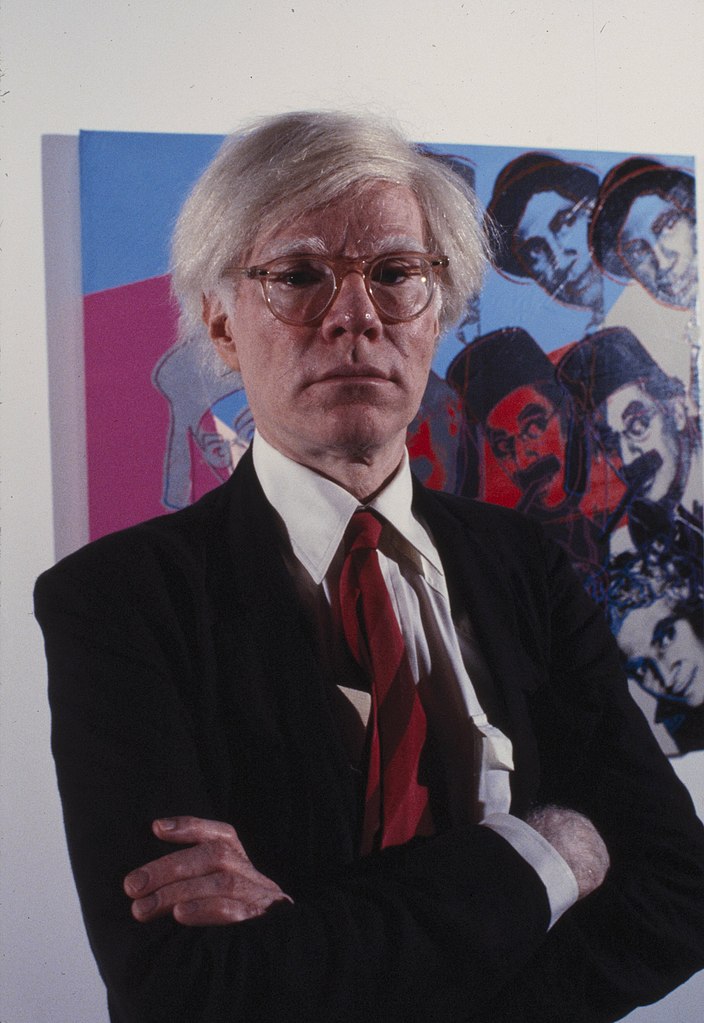
Andy Warhol, born as Andrew Warhola Jr., was an American visual artist, film director, and producer, who played a pivotal role in the development of the Pop Art movement. His art delved into the interplay between artistic expression, advertising, and celebrity culture, especially prevalent in the 1960s. Warhol was renowned for his diverse range of media, which included painting, silkscreening, photography, film, and sculpture.
Warhol's journey began in Pittsburgh, where he was born and raised, initially making a name for himself as a commercial illustrator. His New York studio, "The Factory," became a famous hub for intellectuals, celebrities, and various artistic minds. He was known for creating the notion of "Warhol superstars" and popularized the phrase "15 minutes of fame."
His contribution to the art world is significant, with notable works like "Campbell's Soup Cans" (1962) and "Marilyn Diptych" (1962), as well as his experimental films like "Empire" (1964) and "Chelsea Girls" (1966). These works not only define his career but also underscore the essence of the Pop Art movement.
Warhol's influence extended beyond his artwork. He managed and produced the experimental rock band The Velvet Underground, founded Interview magazine, and wrote several books, including "The Philosophy of Andy Warhol" and "Popism: The Warhol Sixties." Living openly as a gay man before the gay liberation movement, Warhol's personal life was as influential as his professional endeavors.
Tragically, Warhol's life was nearly cut short in 1968 when he was shot by radical feminist Valerie Solanas. He eventually passed away in 1987 due to cardiac arrhythmia following gallbladder surgery. His legacy continues, with The Andy Warhol Museum in Pittsburgh standing as the largest U.S. museum dedicated to a single artist.
Warhol's art remains highly collectible and valuable. His works, like the "Silver Car Crash (Double Disaster)" and "Shot Sage Blue Marilyn," have fetched staggering amounts at auctions, signifying his enduring impact on the art market.
For art collectors and experts, Andy Warhol's work represents a crucial intersection of pop culture and fine art, offering a unique perspective on consumerism and celebrity. His pieces are not just art; they are historical landmarks that capture a transformative era in both art and society.
To stay updated on new products, sales, and auction events related to Andy Warhol, sign up for our updates. This subscription will keep you informed about all things Warhol without overwhelming you with unnecessary information.
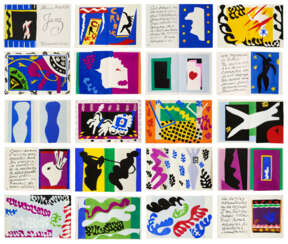

Henri Matisse, a renowned French visual artist, was celebrated for his vibrant use of color and fluid, original draughtsmanship. Born on December 31, 1869, in Le Cateau-Cambrésis, France, Matisse initially pursued a career in law before turning to art. He first began painting in 1889, a change inspired by convalescence art supplies his mother provided. This marked the beginning of a journey that would see him become a leading figure in modern art.
Matisse's career is notable for its stylistic evolution yet consistent aim to capture the "essential character of things." His early works, characterized by intense colorism, earned him recognition as one of the Fauves, or "wild beasts." The period from 1908 to 1913 was marked by significant developments, with works like "Reclining Odalisque" and "The Red Studio" showcasing his mastery in balance and serenity. In the 1920s, his style evolved to more relaxed forms, with a focus on light, color, and decorative patterns in paintings like his odalisque series.
Matisse's exploration of various mediums, including sculpture and paper collage, reflects his innovative spirit. His later years were dominated by cut paper collages, as health challenges limited his ability to paint. These works, alongside his bold drawings and sculptures, cemented his status as a pioneer in visual art.
For collectors and art experts, Matisse's work remains a testament to creative evolution and expressive use of color and form. His masterpieces can be found in prominent museums and galleries worldwide, continuing to inspire and fascinate art enthusiasts.
To stay updated on new product sales and auction events related to Henri Matisse's art, sign up for our updates. This subscription will keep you informed about opportunities to appreciate and acquire works connected to this iconic artist.
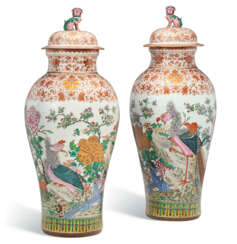

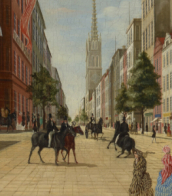




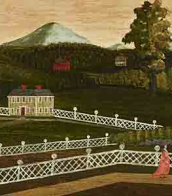
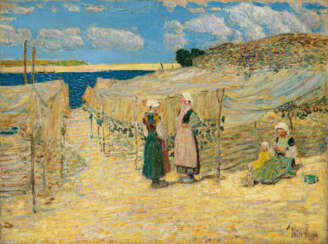

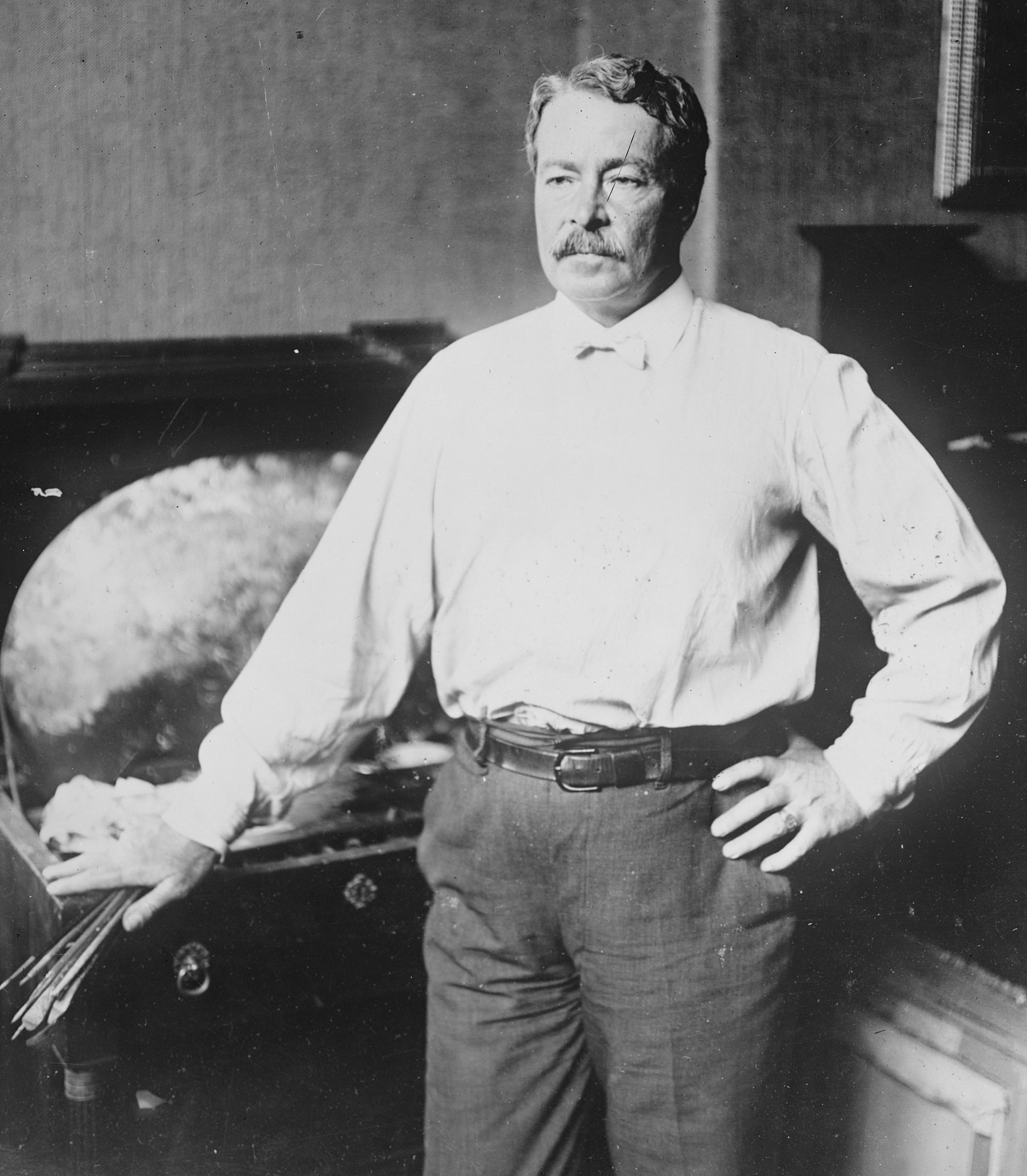
Frederick Childe Hassam was an American Impressionist painter, celebrated for his urban and coastal scenes. Born on October 17, 1859, in Dorchester, Massachusetts, Hassam was a pivotal figure in introducing French Impressionism to the American art scene. His prolific output includes over 3,000 works ranging from oils and watercolors to etchings and lithographs.
Hassam's technique was characterized by the use of light and vibrant colors, often focusing on bustling cityscapes and tranquil New England coastlines. He spent significant periods in Europe, particularly Paris, where he absorbed elements of the avant-garde styles of the time. Despite this, he often emphasized a connection to English landscape traditions over French ones.
Some of his most acclaimed works capture the essence of places like the Isles of Shoals in Maine and East Hampton in Long Island, where he later made his summer home. These settings often featured in his paintings, reflecting the picturesque and serene landscapes that contrasted with his urban subjects.
Hassam's legacy includes his influence on American collectors and institutions, helping to cultivate a taste for Impressionism in the United States. His works are held in major museums, including the Metropolitan Museum of Art and the Museum of Modern Art, ensuring his continued recognition as a key figure in American art history.
For those interested in exploring more about Hassam's life and works, signing up for updates on exhibitions and sales can provide valuable insights into his contributions to Impressionism. Subscribe for updates on new collections and auction events related to Frederick Childe Hassam's artworks.

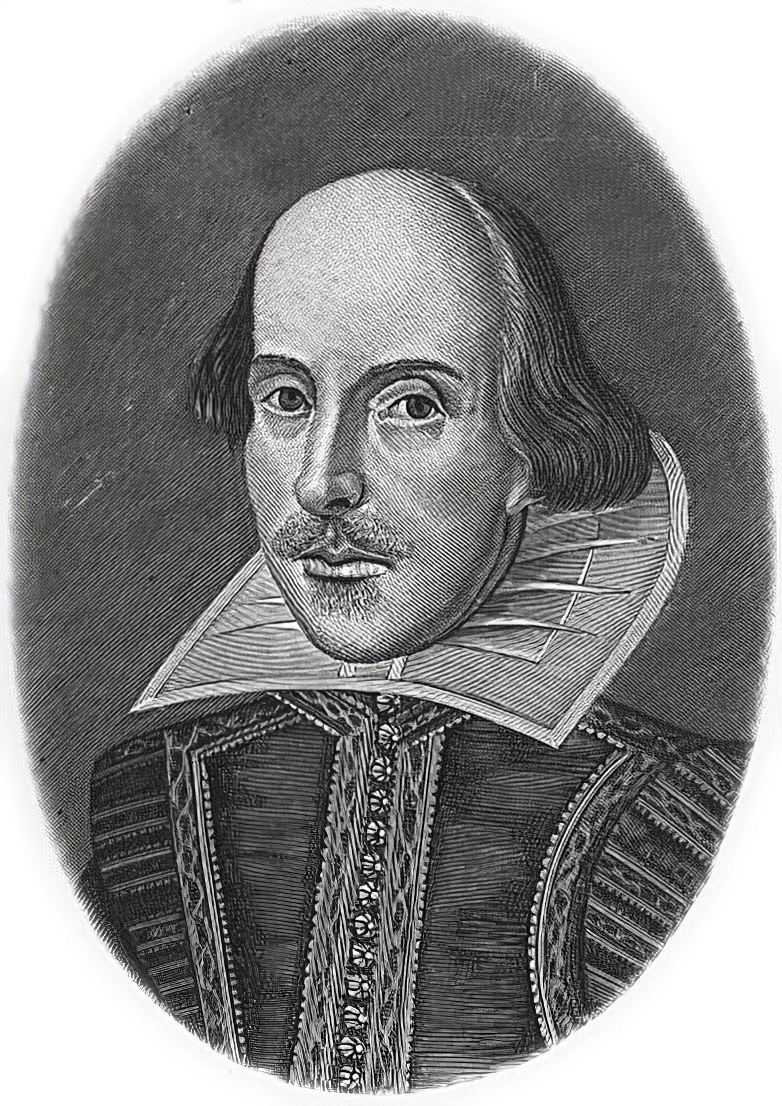
William Shakespeare was a British poet and playwright and writer.
William's father, John Shakespeare, was a merchant and official in Stratford. There are reports that he was a sailor for a time before joining a theater company in London. Beginning in the 1590s, Shakespeare began writing plays, and in 1593 he published a poem, Venus and Adonis, which became popular. He dedicated it to the Duke of Southampton, who was a philanthropist and patron of talent, and soon his business was booming.
From 1592 to 1600 Shakespeare wrote his dramas and romantic comedies "Richard III", "The Taming of the Shrew", "Romeo and Juliet", "A Midsummer Night's Dream" and "The Merchant of Venice", as well as the comedies "Much Ado About Nothing", "Twelfth Night" and the tragedy "Julius Caesar". The playwright's business was so successful that he even bought a large house in Stratford. In 1599, Shakespeare became one of the owners, playwright and actor of the new theater "Globe". In 1603 King James took Shakespeare's troupe under his direct patronage. In the mature period, the great playwright turned to tragedies, there were "Hamlet", "Othello", "King Lear", "Macbeth" and others.
Although in the 19th century researchers had some doubts about the authorship of many of these works, William Shakespeare is considered the greatest English playwright, one of the best playwrights in the world. His plays have been translated into all major languages and to this day form the basis of the world theatrical repertoire, most of them have been screened many times. According to the Guinness Book of Records, Shakespeare remains the world's best-selling playwright, and his plays and poems have sold more than 4 billion copies in the nearly 400 years since his death.



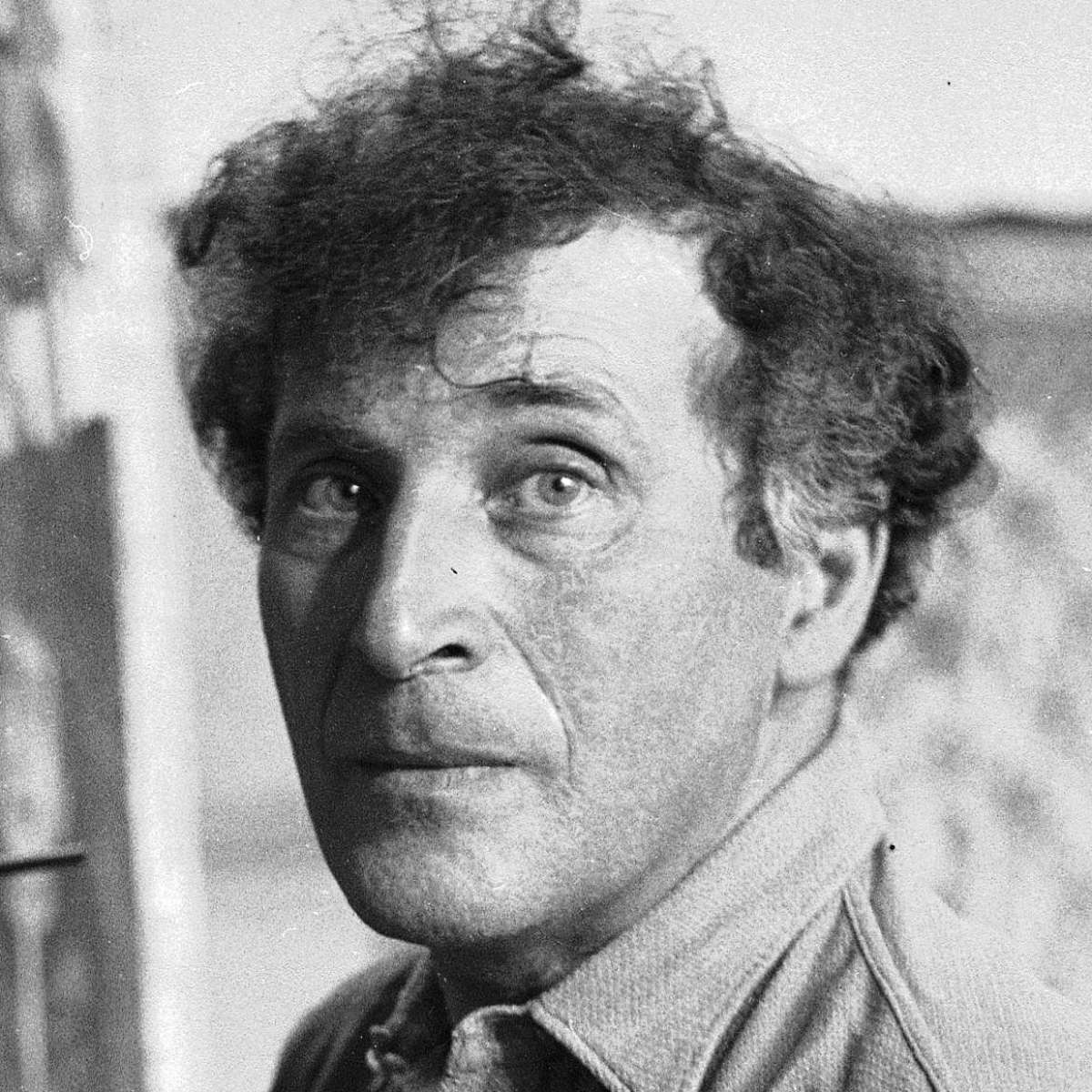
Marc Chagall (Russian: Марк Заха́рович Шага́л), born Moishe Shagal in 1887 near Vitebsk, Belarus (then part of the Russian Empire), was a Belarusian and French artist celebrated for his pivotal role in the avant-garde movement and his unique integration of Eastern European Jewish culture into modern art. His contributions spanned several artistic formats including painting, stained glass, stage sets, ceramics, tapestries, and fine art prints. Chagall's early modernist tendencies were enriched by his experiences across Saint Petersburg, Paris, and Berlin before World War I, leading to a distinctive style that melded Cubism, Symbolism, and Fauvism with his Jewish heritage.
Chagall's work is recognized for its emotional depth, often exploring themes of love, memory, and Jewish folklore through vibrant colors and dreamlike imagery. Notably, art critic Robert Hughes described him as "the quintessential Jewish artist of the twentieth century," a sentiment echoed by art historian Michael J. Lewis who regarded Chagall as a significant figure within European modernism and as the world's preeminent Jewish artist of his time.
Among Chagall's famed contributions are his stained-glass windows for the cathedrals of Reims and Metz, the UN, and the Jerusalem Windows in Israel. His monumental paintings include parts of the ceiling of the Paris Opéra and works that explore biblical themes, a hallmark of his oeuvre that underscores his enduring engagement with spiritual and religious motifs.
For art collectors and antiques experts, Chagall's works are notable not only for their artistic innovation but also for their rich cultural and historical significance. His art is housed in many prestigious museums worldwide, including the Marc Chagall National Museum in Nice, France, which focuses on his works inspired by religion and houses the series of paintings illustrating the biblical message.
For those interested in exploring Chagall's legacy and the vibrant intersection of culture, art, and history his work represents, signing up for updates on new product sales and auction events related to Marc Chagall can provide invaluable insights and opportunities. This is an invitation to engage more deeply with the world of art and culture that Chagall so uniquely encapsulated in his work.