

x bot\











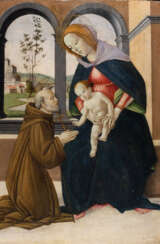


Sandro Botticelli, an Italian painter of the Early Renaissance, was renowned for his exquisite works that beautifully merged classical mythology with religious themes. Born Alessandro di Mariano di Vanni Filipepi in Florence around 1445, Botticelli became a pivotal figure in the Florentine art scene under the patronage of the Medici family. His education under Filippo Lippi honed his skills in painting, leading to a unique style that emphasized linear grace and ethereal beauty. Botticelli's art is celebrated for its elegance and for capturing the spirit of the Renaissance, a period marked by a rebirth of interest in classical antiquity and humanistic values.
Botticelli's oeuvre includes iconic mythological paintings like "The Birth of Venus" and "Primavera," both housed in the Uffizi Gallery in Florence. These masterpieces are distinguished by their allegorical complexity and the delicate portrayal of figures that seem to transcend the earthly realm, reflecting Botticelli's interest in blending myth with a narrative style that appeals to the viewer's sense of wonder and contemplation. His religious works, characterized by expressive emotion and devotional intensity, also earned him acclaim, particularly his contributions to the Sistine Chapel in Rome.
Despite his success, Botticelli's later years were marked by a shift in style influenced by the somber preachings of Savonarola, leading to a preference for more devotional themes. His reputation waned posthumously until the late 19th century, when a resurgence of interest in his work restored Botticelli to his rightful place as a master of the Renaissance. Today, Botticelli is regarded as an artist whose works encapsulate the innovative spirit of his time, bridging the Gothic tradition with the emerging Renaissance aesthetic. His legacy endures, inspiring art lovers and collectors who are drawn to the ethereal beauty and rich symbolism of his paintings.
For those captivated by the allure of Renaissance art, subscribing for updates on new discoveries, sales, and auction events related to Sandro Botticelli can enrich your appreciation and knowledge of this remarkable artist's contribution to the world of art and culture.
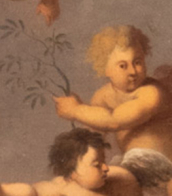
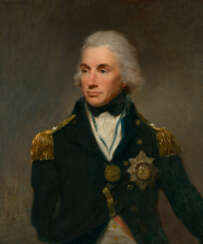

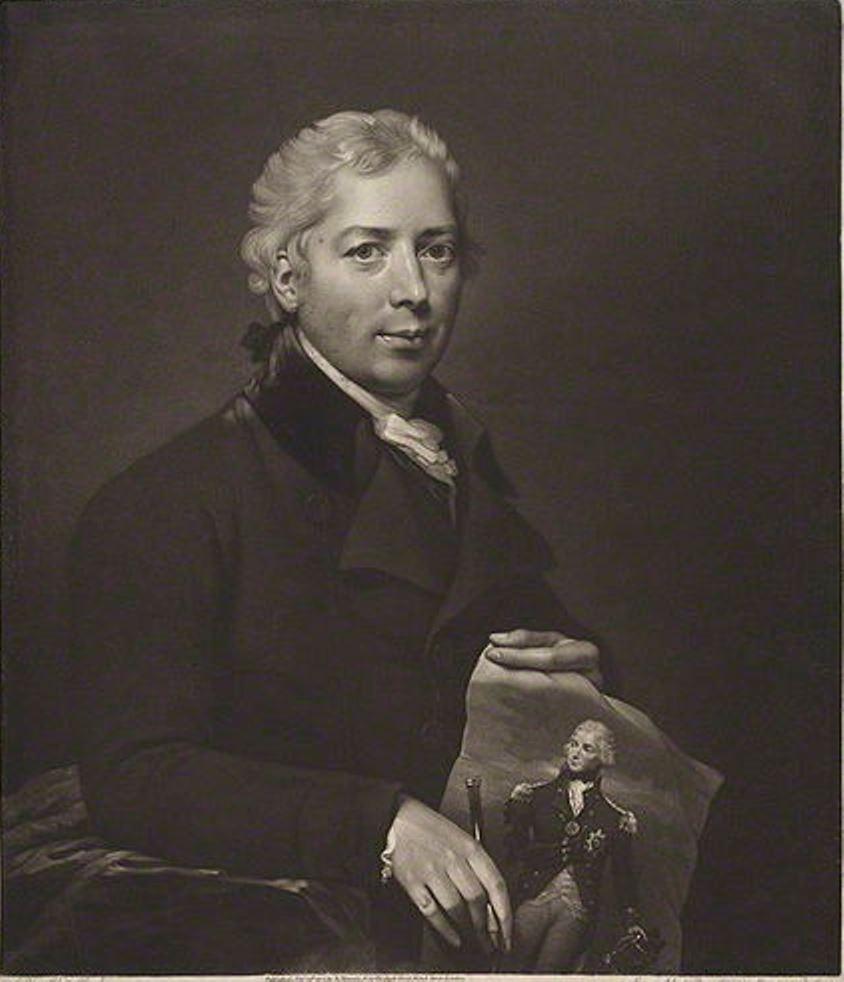
Lemuel Francis Abbott was an English portrait painter. His most famous work is the portrait of Nelson, exhibited at the residence of the British Prime Minister.
During his artistic life Abbott created many portraits of famous people of the 18th century - naval officers, literati, officials, ladies of the world. He was one of the first to portray golfers.


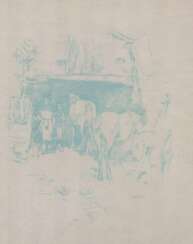

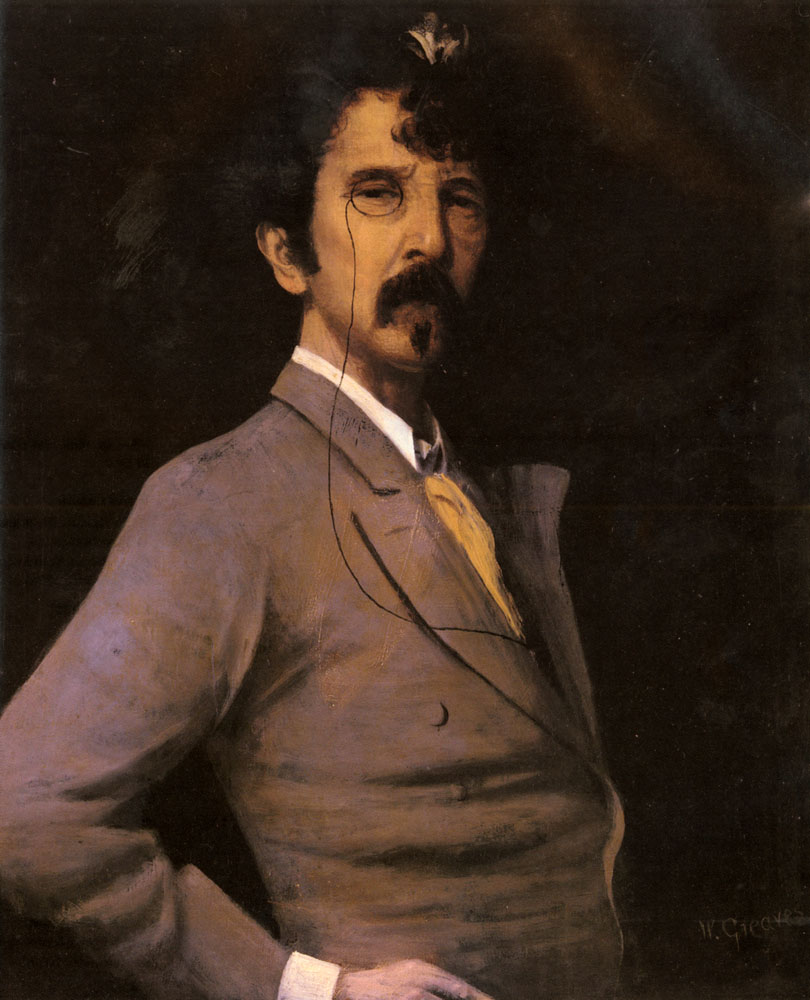
James Abbott McNeill Whistler was an American painter and printmaker, renowned for his role in the Aesthetic Movement and his advocacy of "art for art's sake." Born on July 11, 1834, in Lowell, Massachusetts, Whistler spent significant parts of his career in London and Paris, integrating modern French painting styles into his work.
Whistler's works often depicted nocturnal scenes of London and stylistically advanced portraits. His famous painting, Arrangement in Grey and Black No. 1, commonly known as Whistler's Mother, is a prime example of his skilled use of color and form to evoke emotion and atmosphere. This painting became iconic, influencing both peers and the wider culture, akin to works like Munch's The Scream.
Another notable work, Nocturne in Black and Gold: The Falling Rocket, stirred controversy and legal disputes due to its abstract quality, challenging conventional notions of art at the time. Whistler's influence extended beyond paintings, impacting interior design, furniture, and the overall aesthetic of visual arts through his detailed attention to harmony and composition.
For more detailed insights into James McNeill Whistler's life and work, you can visit comprehensive resources such as the Encyclopaedia Britannica or the Metropolitan Museum of Art's Heilbrunn Timeline of Art History.
If you're intrigued by the innovative techniques and enduring influence of James Abbott McNeill Whistler, consider subscribing to our updates. Stay informed about new sales, exhibitions, and auction events related to Whistler's works. Dive deeper into the world of art and discover pieces that celebrate the spirit of Aestheticism and artistic independence. Sign up today to enhance your collection and knowledge of one of the most visionary artists of the 19th century.
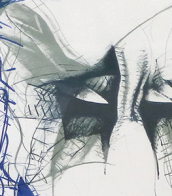


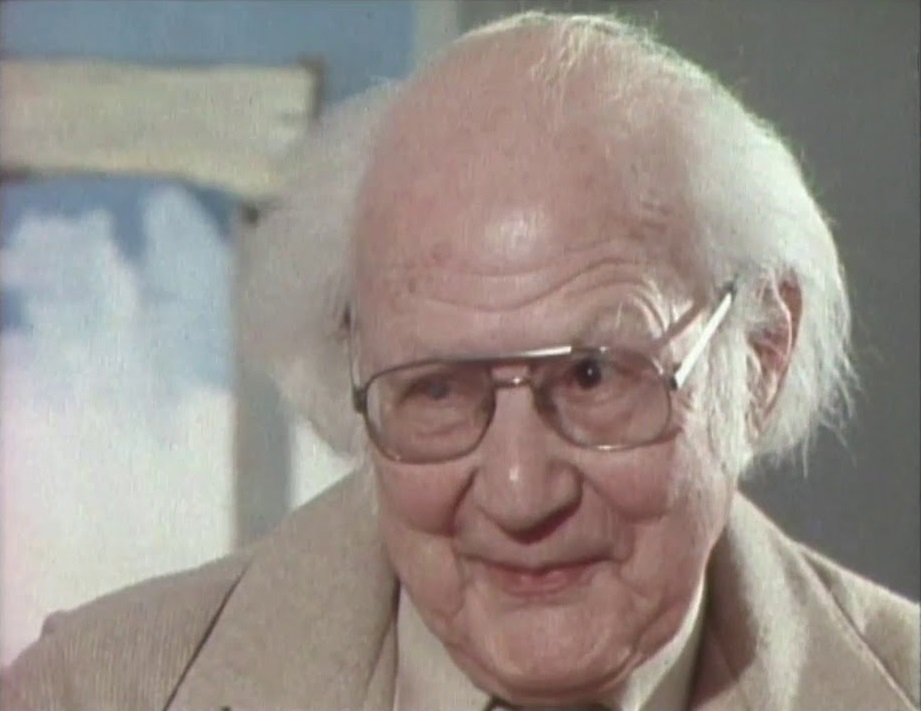
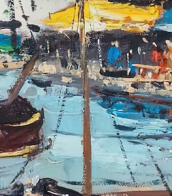
Francis Bott war als deutscher Maler ein Vertreter der „Zweiten École de Paris“, also des französischen „Informel“. Sein künstlerisches Schaffen weist zwei scheinbar gegensätzliche Schwerpunkte auf: surreale, phantastische Gegenständlichkeit und tachistisch, geometrische Abstraktion. Sein Werk besteht aus Gemälden, Glasmalereien, Handzeichnungen, Aquarellen, Gouachen, Plastiken und Objekten; auch als Bühnenbildner hat er sich betätigt.


Francis Bott war als deutscher Maler ein Vertreter der „Zweiten École de Paris“, also des französischen „Informel“. Sein künstlerisches Schaffen weist zwei scheinbar gegensätzliche Schwerpunkte auf: surreale, phantastische Gegenständlichkeit und tachistisch, geometrische Abstraktion. Sein Werk besteht aus Gemälden, Glasmalereien, Handzeichnungen, Aquarellen, Gouachen, Plastiken und Objekten; auch als Bühnenbildner hat er sich betätigt.
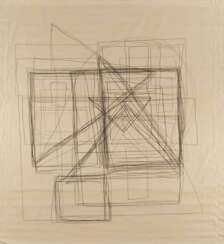


Peppi Bottrop is a German graphic artist who lives and works in Sicily.
He graduated from the Dusseldorf Academy of Arts and has participated in many exhibitions.
Bottrop is a color-blind painter who uses graphite on canvas which he paints directly on the wall. His monochrome paintings depict rectangles, circles and triangles - they are expressive, their skeleton-like abstract outlines reminiscent of a kind of music.


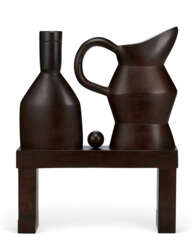

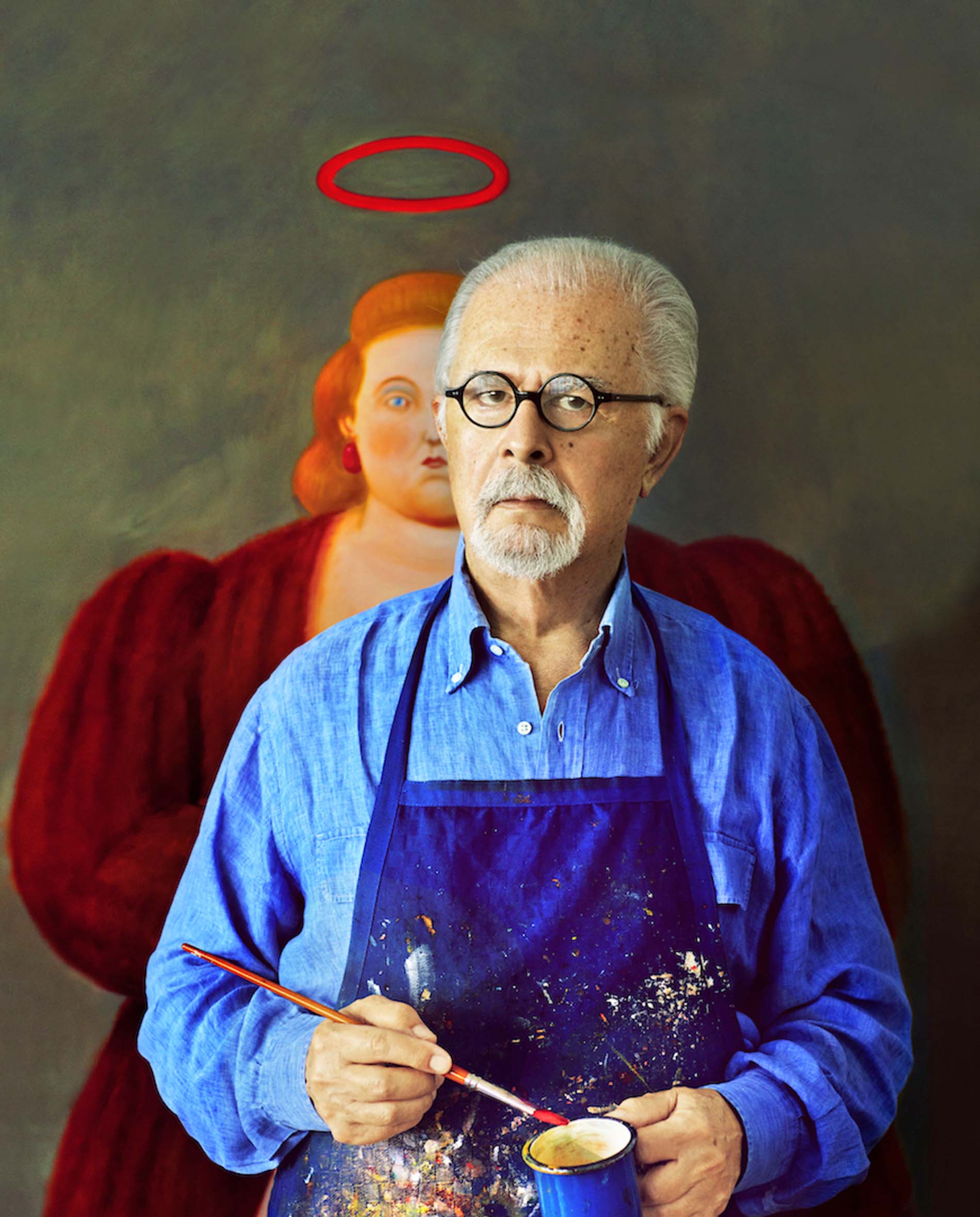
Fernando Botero Angulo was a Colombian painter and sculptor, celebrated for his volumetric stylization of figures and objects in his works. Born in Medellín, Colombia, Botero's signature style, known as "Boterismo", portrays people and animals in exaggerated and inflated shapes, often conveying social criticism or humor.
Fernando Botero's journey into the art world was marked by his early rejection of traditional artistic paths, opting instead to explore an innovative style that would later dominate his career. His art, infused with a mix of political satire and playful humor, has graced numerous galleries and public spaces worldwide. Notable public installations include his sculptures in Park Avenue, New York City, and the Champs-Élysées in Paris. His works are in the collections of many major international museums and have fetched high sums at auctions.
Fernando Botero's ability to capture the human condition through rounded, corpulent figures has endeared him to a global audience. His notable works such as "The Presidential Family" and "The Death of Pablo Escobar" are poignant commentaries on Colombian politics and society. Furthermore, Botero donated significant numbers of his works to Colombian museums, enriching the cultural heritage of his native country.
His influence extends beyond paintings and sculptures, as Fernando Botero has also engaged with social issues through his art. His series on Abu Ghraib prison abuses reflects his commitment to human rights and his capacity to address painful subjects through his distinct aesthetic.
For those interested in the vibrant world of art and culture, Botero's work remains a testament to the power of visual satire and cultural commentary. To stay updated on exhibitions and auctions featuring Fernando Botero’s works, sign up for alerts and dive deeper into the rich legacy of this monumental artist.



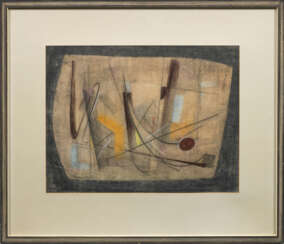

Francis Bott war als deutscher Maler ein Vertreter der „Zweiten École de Paris“, also des französischen „Informel“. Sein künstlerisches Schaffen weist zwei scheinbar gegensätzliche Schwerpunkte auf: surreale, phantastische Gegenständlichkeit und tachistisch, geometrische Abstraktion. Sein Werk besteht aus Gemälden, Glasmalereien, Handzeichnungen, Aquarellen, Gouachen, Plastiken und Objekten; auch als Bühnenbildner hat er sich betätigt.
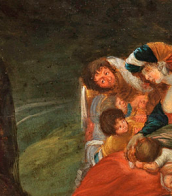
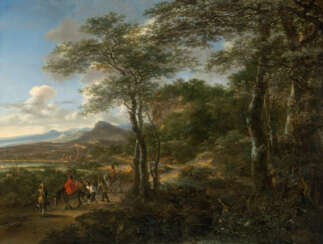

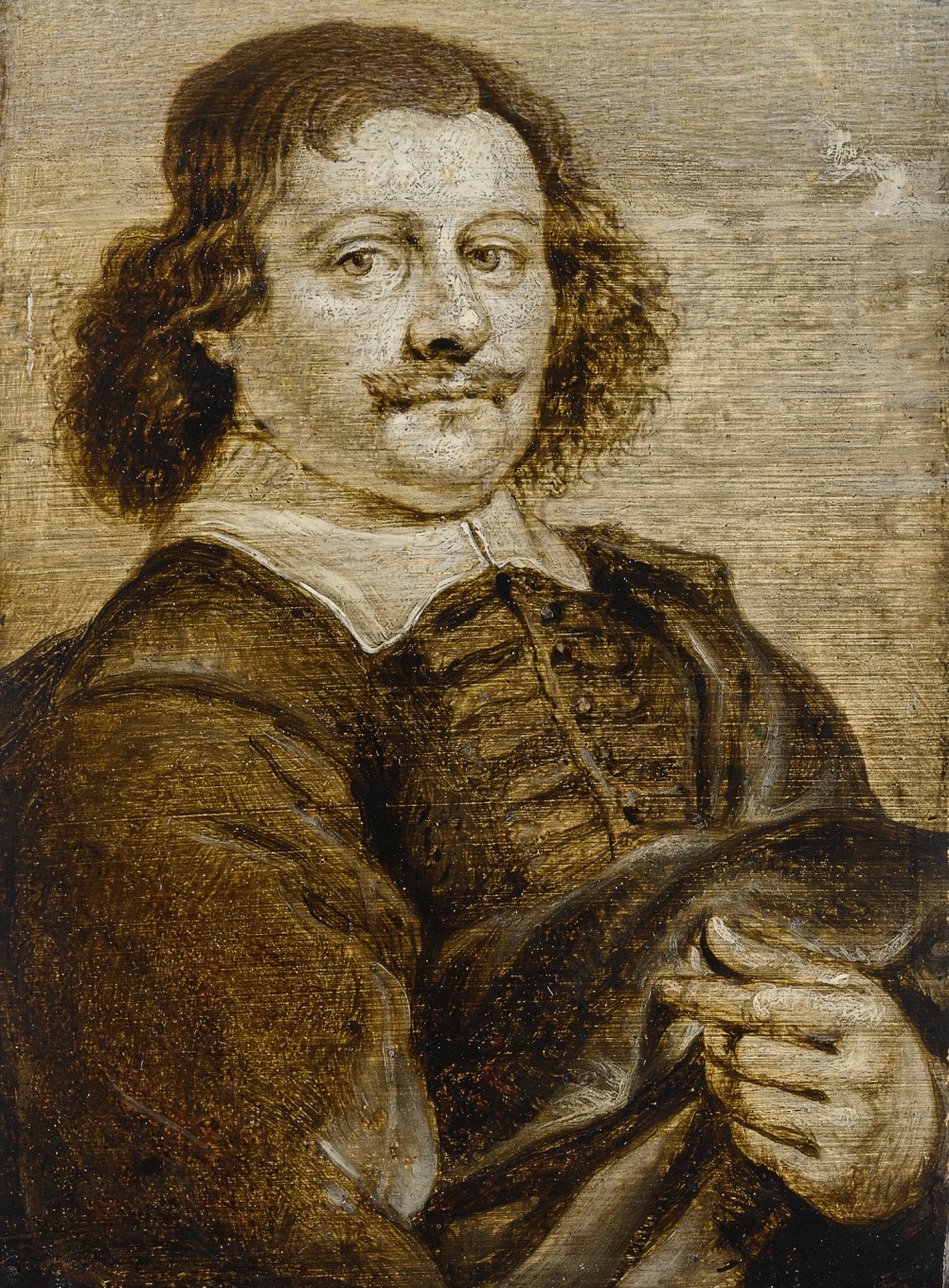
Jan Dirksz Both was a distinguished Dutch painter, draughtsman, and etcher renowned for his pivotal role in the evolution of Dutch Italianate landscape painting. His journey into the arts began in Utrecht, learning from his father before becoming a pupil of Abraham Bloemaert. Both's career took a significant turn when he, alongside his brother Andries, ventured to Rome, absorbing the influence of Claude Lorrain and contributing to projects such as the Buen Retiro Palace in Madrid.
By the mid-1640s, Jan had returned to Utrecht, further honing his craft to produce expansive landscapes illuminated by a Mediterranean glow, notable for their mixture of realism in the foreground against idyllic backgrounds. Noteworthy pieces include "Landscape with Bandits Leading Prisoners" and "Judgement of Paris," showcasing his mastery in blending naturalistic details with mythological and religious figures. His landscapes, characterized by their golden light and imaginative vistas, earned him a place among the leading masters of the Italianate trend in Dutch landscape painting.
Jan Both's legacy is preserved in prestigious collections worldwide, including the Fitzwilliam Museum, the Hermitage, the Kunsthistorisches Museum, the Louvre, and the National Gallery, among others. His work reflects a significant Italian influence merged with his native Dutch sensibilities, marking him as a key figure in the 17th-century art scene.
For collectors and experts in art and antiques, Jan Dirksz Both's oeuvre offers a fascinating glimpse into the blend of Dutch and Italian influences that characterize the Italianate landscape painting tradition. His contributions not only enriched Dutch art but also provided a bridge between the Renaissance and Baroque periods, capturing the beauty of landscapes with a unique, poetic light.
To explore more about Jan Dirksz Both's contributions to art and to stay informed about exhibitions or sales featuring his work, signing up for updates from art institutions can offer exclusive insights into the world of this influential Dutch painter. This subscription ensures enthusiasts and collectors are well-informed about developments related to Both's oeuvre, enhancing their appreciation and understanding of his artistic legacy.
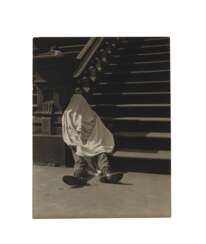

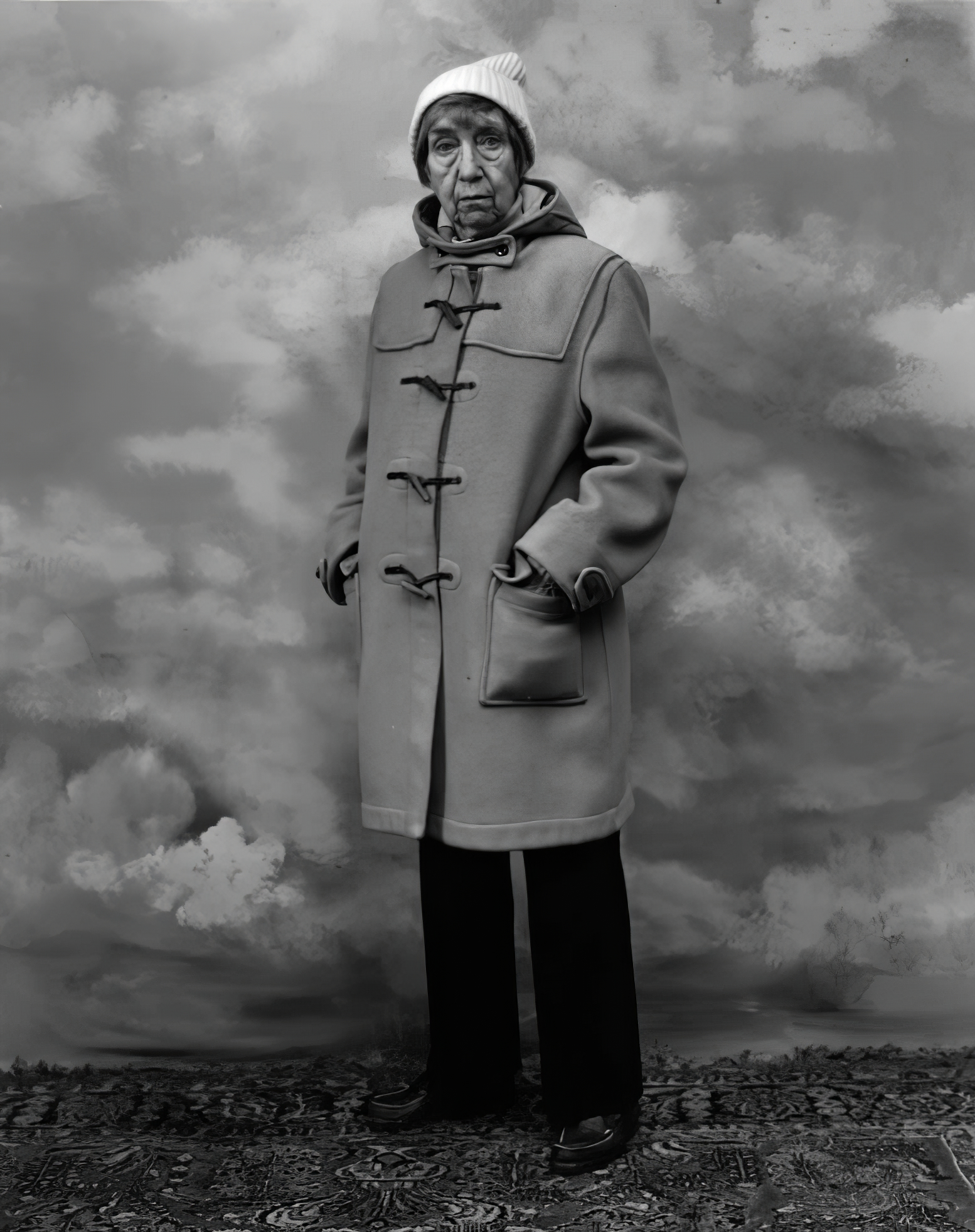
Berenice Alice Abbott was an American photographer best known for her portraits of between-the-wars 20th century cultural figures, New York City photographs of architecture and urban design of the 1930s, and science interpretation in the 1940s to 1960s.
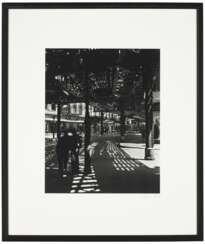

Berenice Alice Abbott was an American photographer best known for her portraits of between-the-wars 20th century cultural figures, New York City photographs of architecture and urban design of the 1930s, and science interpretation in the 1940s to 1960s.



James Abbott McNeill Whistler was an American painter and printmaker, renowned for his role in the Aesthetic Movement and his advocacy of "art for art's sake." Born on July 11, 1834, in Lowell, Massachusetts, Whistler spent significant parts of his career in London and Paris, integrating modern French painting styles into his work.
Whistler's works often depicted nocturnal scenes of London and stylistically advanced portraits. His famous painting, Arrangement in Grey and Black No. 1, commonly known as Whistler's Mother, is a prime example of his skilled use of color and form to evoke emotion and atmosphere. This painting became iconic, influencing both peers and the wider culture, akin to works like Munch's The Scream.
Another notable work, Nocturne in Black and Gold: The Falling Rocket, stirred controversy and legal disputes due to its abstract quality, challenging conventional notions of art at the time. Whistler's influence extended beyond paintings, impacting interior design, furniture, and the overall aesthetic of visual arts through his detailed attention to harmony and composition.
For more detailed insights into James McNeill Whistler's life and work, you can visit comprehensive resources such as the Encyclopaedia Britannica or the Metropolitan Museum of Art's Heilbrunn Timeline of Art History.
If you're intrigued by the innovative techniques and enduring influence of James Abbott McNeill Whistler, consider subscribing to our updates. Stay informed about new sales, exhibitions, and auction events related to Whistler's works. Dive deeper into the world of art and discover pieces that celebrate the spirit of Aestheticism and artistic independence. Sign up today to enhance your collection and knowledge of one of the most visionary artists of the 19th century.
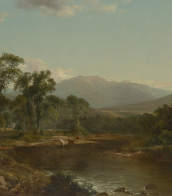
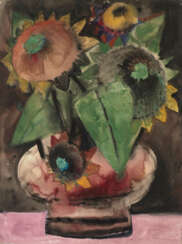

Fernando Botero Angulo was a Colombian painter and sculptor, celebrated for his volumetric stylization of figures and objects in his works. Born in Medellín, Colombia, Botero's signature style, known as "Boterismo", portrays people and animals in exaggerated and inflated shapes, often conveying social criticism or humor.
Fernando Botero's journey into the art world was marked by his early rejection of traditional artistic paths, opting instead to explore an innovative style that would later dominate his career. His art, infused with a mix of political satire and playful humor, has graced numerous galleries and public spaces worldwide. Notable public installations include his sculptures in Park Avenue, New York City, and the Champs-Élysées in Paris. His works are in the collections of many major international museums and have fetched high sums at auctions.
Fernando Botero's ability to capture the human condition through rounded, corpulent figures has endeared him to a global audience. His notable works such as "The Presidential Family" and "The Death of Pablo Escobar" are poignant commentaries on Colombian politics and society. Furthermore, Botero donated significant numbers of his works to Colombian museums, enriching the cultural heritage of his native country.
His influence extends beyond paintings and sculptures, as Fernando Botero has also engaged with social issues through his art. His series on Abu Ghraib prison abuses reflects his commitment to human rights and his capacity to address painful subjects through his distinct aesthetic.
For those interested in the vibrant world of art and culture, Botero's work remains a testament to the power of visual satire and cultural commentary. To stay updated on exhibitions and auctions featuring Fernando Botero’s works, sign up for alerts and dive deeper into the rich legacy of this monumental artist.
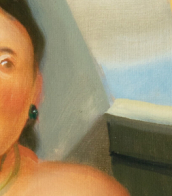


Fernando Botero Angulo was a Colombian painter and sculptor, celebrated for his volumetric stylization of figures and objects in his works. Born in Medellín, Colombia, Botero's signature style, known as "Boterismo", portrays people and animals in exaggerated and inflated shapes, often conveying social criticism or humor.
Fernando Botero's journey into the art world was marked by his early rejection of traditional artistic paths, opting instead to explore an innovative style that would later dominate his career. His art, infused with a mix of political satire and playful humor, has graced numerous galleries and public spaces worldwide. Notable public installations include his sculptures in Park Avenue, New York City, and the Champs-Élysées in Paris. His works are in the collections of many major international museums and have fetched high sums at auctions.
Fernando Botero's ability to capture the human condition through rounded, corpulent figures has endeared him to a global audience. His notable works such as "The Presidential Family" and "The Death of Pablo Escobar" are poignant commentaries on Colombian politics and society. Furthermore, Botero donated significant numbers of his works to Colombian museums, enriching the cultural heritage of his native country.
His influence extends beyond paintings and sculptures, as Fernando Botero has also engaged with social issues through his art. His series on Abu Ghraib prison abuses reflects his commitment to human rights and his capacity to address painful subjects through his distinct aesthetic.
For those interested in the vibrant world of art and culture, Botero's work remains a testament to the power of visual satire and cultural commentary. To stay updated on exhibitions and auctions featuring Fernando Botero’s works, sign up for alerts and dive deeper into the rich legacy of this monumental artist.
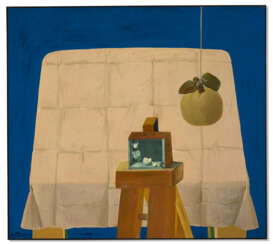

Fernando Botero Angulo was a Colombian painter and sculptor, celebrated for his volumetric stylization of figures and objects in his works. Born in Medellín, Colombia, Botero's signature style, known as "Boterismo", portrays people and animals in exaggerated and inflated shapes, often conveying social criticism or humor.
Fernando Botero's journey into the art world was marked by his early rejection of traditional artistic paths, opting instead to explore an innovative style that would later dominate his career. His art, infused with a mix of political satire and playful humor, has graced numerous galleries and public spaces worldwide. Notable public installations include his sculptures in Park Avenue, New York City, and the Champs-Élysées in Paris. His works are in the collections of many major international museums and have fetched high sums at auctions.
Fernando Botero's ability to capture the human condition through rounded, corpulent figures has endeared him to a global audience. His notable works such as "The Presidential Family" and "The Death of Pablo Escobar" are poignant commentaries on Colombian politics and society. Furthermore, Botero donated significant numbers of his works to Colombian museums, enriching the cultural heritage of his native country.
His influence extends beyond paintings and sculptures, as Fernando Botero has also engaged with social issues through his art. His series on Abu Ghraib prison abuses reflects his commitment to human rights and his capacity to address painful subjects through his distinct aesthetic.
For those interested in the vibrant world of art and culture, Botero's work remains a testament to the power of visual satire and cultural commentary. To stay updated on exhibitions and auctions featuring Fernando Botero’s works, sign up for alerts and dive deeper into the rich legacy of this monumental artist.
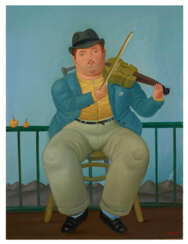

Fernando Botero Angulo was a Colombian painter and sculptor, celebrated for his volumetric stylization of figures and objects in his works. Born in Medellín, Colombia, Botero's signature style, known as "Boterismo", portrays people and animals in exaggerated and inflated shapes, often conveying social criticism or humor.
Fernando Botero's journey into the art world was marked by his early rejection of traditional artistic paths, opting instead to explore an innovative style that would later dominate his career. His art, infused with a mix of political satire and playful humor, has graced numerous galleries and public spaces worldwide. Notable public installations include his sculptures in Park Avenue, New York City, and the Champs-Élysées in Paris. His works are in the collections of many major international museums and have fetched high sums at auctions.
Fernando Botero's ability to capture the human condition through rounded, corpulent figures has endeared him to a global audience. His notable works such as "The Presidential Family" and "The Death of Pablo Escobar" are poignant commentaries on Colombian politics and society. Furthermore, Botero donated significant numbers of his works to Colombian museums, enriching the cultural heritage of his native country.
His influence extends beyond paintings and sculptures, as Fernando Botero has also engaged with social issues through his art. His series on Abu Ghraib prison abuses reflects his commitment to human rights and his capacity to address painful subjects through his distinct aesthetic.
For those interested in the vibrant world of art and culture, Botero's work remains a testament to the power of visual satire and cultural commentary. To stay updated on exhibitions and auctions featuring Fernando Botero’s works, sign up for alerts and dive deeper into the rich legacy of this monumental artist.
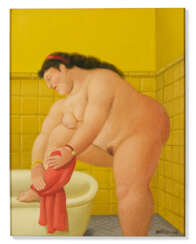

Fernando Botero Angulo was a Colombian painter and sculptor, celebrated for his volumetric stylization of figures and objects in his works. Born in Medellín, Colombia, Botero's signature style, known as "Boterismo", portrays people and animals in exaggerated and inflated shapes, often conveying social criticism or humor.
Fernando Botero's journey into the art world was marked by his early rejection of traditional artistic paths, opting instead to explore an innovative style that would later dominate his career. His art, infused with a mix of political satire and playful humor, has graced numerous galleries and public spaces worldwide. Notable public installations include his sculptures in Park Avenue, New York City, and the Champs-Élysées in Paris. His works are in the collections of many major international museums and have fetched high sums at auctions.
Fernando Botero's ability to capture the human condition through rounded, corpulent figures has endeared him to a global audience. His notable works such as "The Presidential Family" and "The Death of Pablo Escobar" are poignant commentaries on Colombian politics and society. Furthermore, Botero donated significant numbers of his works to Colombian museums, enriching the cultural heritage of his native country.
His influence extends beyond paintings and sculptures, as Fernando Botero has also engaged with social issues through his art. His series on Abu Ghraib prison abuses reflects his commitment to human rights and his capacity to address painful subjects through his distinct aesthetic.
For those interested in the vibrant world of art and culture, Botero's work remains a testament to the power of visual satire and cultural commentary. To stay updated on exhibitions and auctions featuring Fernando Botero’s works, sign up for alerts and dive deeper into the rich legacy of this monumental artist.


Fernando Botero Angulo was a Colombian painter and sculptor, celebrated for his volumetric stylization of figures and objects in his works. Born in Medellín, Colombia, Botero's signature style, known as "Boterismo", portrays people and animals in exaggerated and inflated shapes, often conveying social criticism or humor.
Fernando Botero's journey into the art world was marked by his early rejection of traditional artistic paths, opting instead to explore an innovative style that would later dominate his career. His art, infused with a mix of political satire and playful humor, has graced numerous galleries and public spaces worldwide. Notable public installations include his sculptures in Park Avenue, New York City, and the Champs-Élysées in Paris. His works are in the collections of many major international museums and have fetched high sums at auctions.
Fernando Botero's ability to capture the human condition through rounded, corpulent figures has endeared him to a global audience. His notable works such as "The Presidential Family" and "The Death of Pablo Escobar" are poignant commentaries on Colombian politics and society. Furthermore, Botero donated significant numbers of his works to Colombian museums, enriching the cultural heritage of his native country.
His influence extends beyond paintings and sculptures, as Fernando Botero has also engaged with social issues through his art. His series on Abu Ghraib prison abuses reflects his commitment to human rights and his capacity to address painful subjects through his distinct aesthetic.
For those interested in the vibrant world of art and culture, Botero's work remains a testament to the power of visual satire and cultural commentary. To stay updated on exhibitions and auctions featuring Fernando Botero’s works, sign up for alerts and dive deeper into the rich legacy of this monumental artist.


Fernando Botero Angulo was a Colombian painter and sculptor, celebrated for his volumetric stylization of figures and objects in his works. Born in Medellín, Colombia, Botero's signature style, known as "Boterismo", portrays people and animals in exaggerated and inflated shapes, often conveying social criticism or humor.
Fernando Botero's journey into the art world was marked by his early rejection of traditional artistic paths, opting instead to explore an innovative style that would later dominate his career. His art, infused with a mix of political satire and playful humor, has graced numerous galleries and public spaces worldwide. Notable public installations include his sculptures in Park Avenue, New York City, and the Champs-Élysées in Paris. His works are in the collections of many major international museums and have fetched high sums at auctions.
Fernando Botero's ability to capture the human condition through rounded, corpulent figures has endeared him to a global audience. His notable works such as "The Presidential Family" and "The Death of Pablo Escobar" are poignant commentaries on Colombian politics and society. Furthermore, Botero donated significant numbers of his works to Colombian museums, enriching the cultural heritage of his native country.
His influence extends beyond paintings and sculptures, as Fernando Botero has also engaged with social issues through his art. His series on Abu Ghraib prison abuses reflects his commitment to human rights and his capacity to address painful subjects through his distinct aesthetic.
For those interested in the vibrant world of art and culture, Botero's work remains a testament to the power of visual satire and cultural commentary. To stay updated on exhibitions and auctions featuring Fernando Botero’s works, sign up for alerts and dive deeper into the rich legacy of this monumental artist.
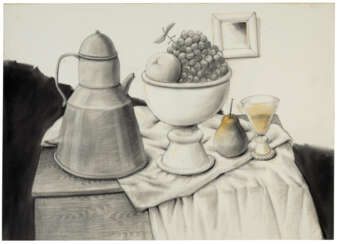

Fernando Botero Angulo was a Colombian painter and sculptor, celebrated for his volumetric stylization of figures and objects in his works. Born in Medellín, Colombia, Botero's signature style, known as "Boterismo", portrays people and animals in exaggerated and inflated shapes, often conveying social criticism or humor.
Fernando Botero's journey into the art world was marked by his early rejection of traditional artistic paths, opting instead to explore an innovative style that would later dominate his career. His art, infused with a mix of political satire and playful humor, has graced numerous galleries and public spaces worldwide. Notable public installations include his sculptures in Park Avenue, New York City, and the Champs-Élysées in Paris. His works are in the collections of many major international museums and have fetched high sums at auctions.
Fernando Botero's ability to capture the human condition through rounded, corpulent figures has endeared him to a global audience. His notable works such as "The Presidential Family" and "The Death of Pablo Escobar" are poignant commentaries on Colombian politics and society. Furthermore, Botero donated significant numbers of his works to Colombian museums, enriching the cultural heritage of his native country.
His influence extends beyond paintings and sculptures, as Fernando Botero has also engaged with social issues through his art. His series on Abu Ghraib prison abuses reflects his commitment to human rights and his capacity to address painful subjects through his distinct aesthetic.
For those interested in the vibrant world of art and culture, Botero's work remains a testament to the power of visual satire and cultural commentary. To stay updated on exhibitions and auctions featuring Fernando Botero’s works, sign up for alerts and dive deeper into the rich legacy of this monumental artist.
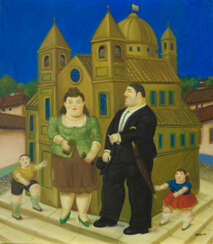

Fernando Botero Angulo was a Colombian painter and sculptor, celebrated for his volumetric stylization of figures and objects in his works. Born in Medellín, Colombia, Botero's signature style, known as "Boterismo", portrays people and animals in exaggerated and inflated shapes, often conveying social criticism or humor.
Fernando Botero's journey into the art world was marked by his early rejection of traditional artistic paths, opting instead to explore an innovative style that would later dominate his career. His art, infused with a mix of political satire and playful humor, has graced numerous galleries and public spaces worldwide. Notable public installations include his sculptures in Park Avenue, New York City, and the Champs-Élysées in Paris. His works are in the collections of many major international museums and have fetched high sums at auctions.
Fernando Botero's ability to capture the human condition through rounded, corpulent figures has endeared him to a global audience. His notable works such as "The Presidential Family" and "The Death of Pablo Escobar" are poignant commentaries on Colombian politics and society. Furthermore, Botero donated significant numbers of his works to Colombian museums, enriching the cultural heritage of his native country.
His influence extends beyond paintings and sculptures, as Fernando Botero has also engaged with social issues through his art. His series on Abu Ghraib prison abuses reflects his commitment to human rights and his capacity to address painful subjects through his distinct aesthetic.
For those interested in the vibrant world of art and culture, Botero's work remains a testament to the power of visual satire and cultural commentary. To stay updated on exhibitions and auctions featuring Fernando Botero’s works, sign up for alerts and dive deeper into the rich legacy of this monumental artist.