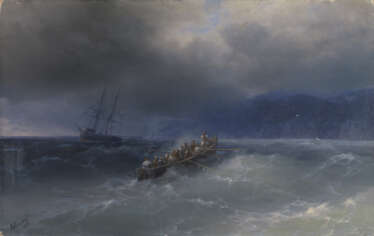
"wave"










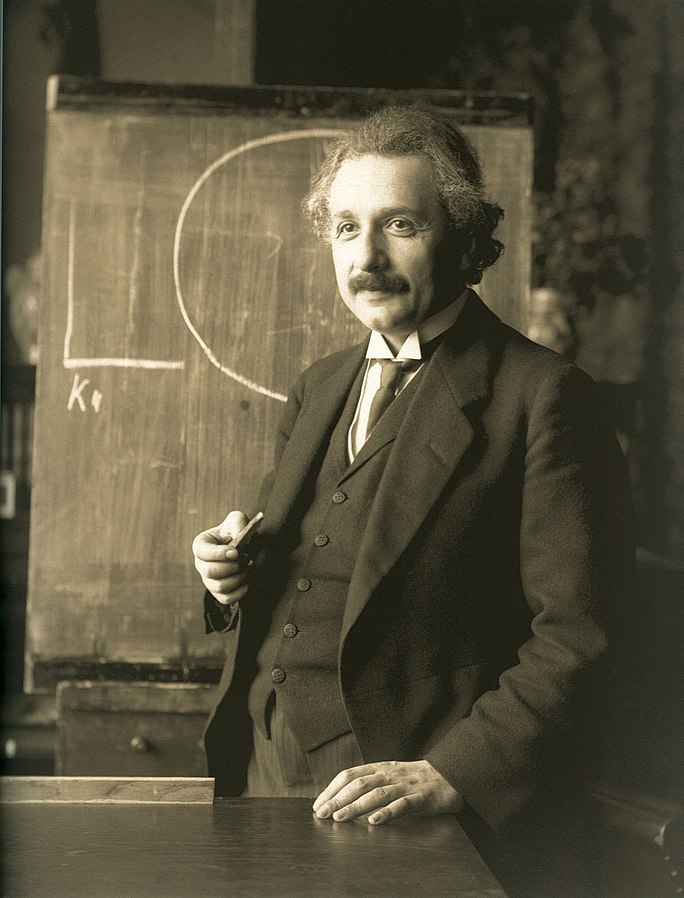
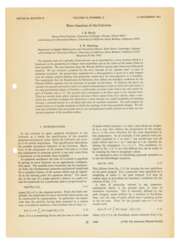
Albert Einstein was a German-born theoretical physicist, widely acknowledged to be one of the greatest and most influential physicists of all time. Einstein is best known for developing the theory of relativity, but he also made important contributions to the development of the theory of quantum mechanics. Relativity and quantum mechanics are together the two pillars of modern physics. His mass–energy equivalence formula E = mc2, which arises from relativity theory, has been dubbed "the world's most famous equation". His work is also known for its influence on the philosophy of science. He received the 1921 Nobel Prize in Physics "for his services to theoretical physics, and especially for his discovery of the law of the photoelectric effect", a pivotal step in the development of quantum theory. His intellectual achievements and originality resulted in "Einstein" becoming synonymous with "genius".
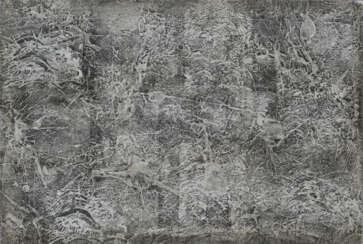

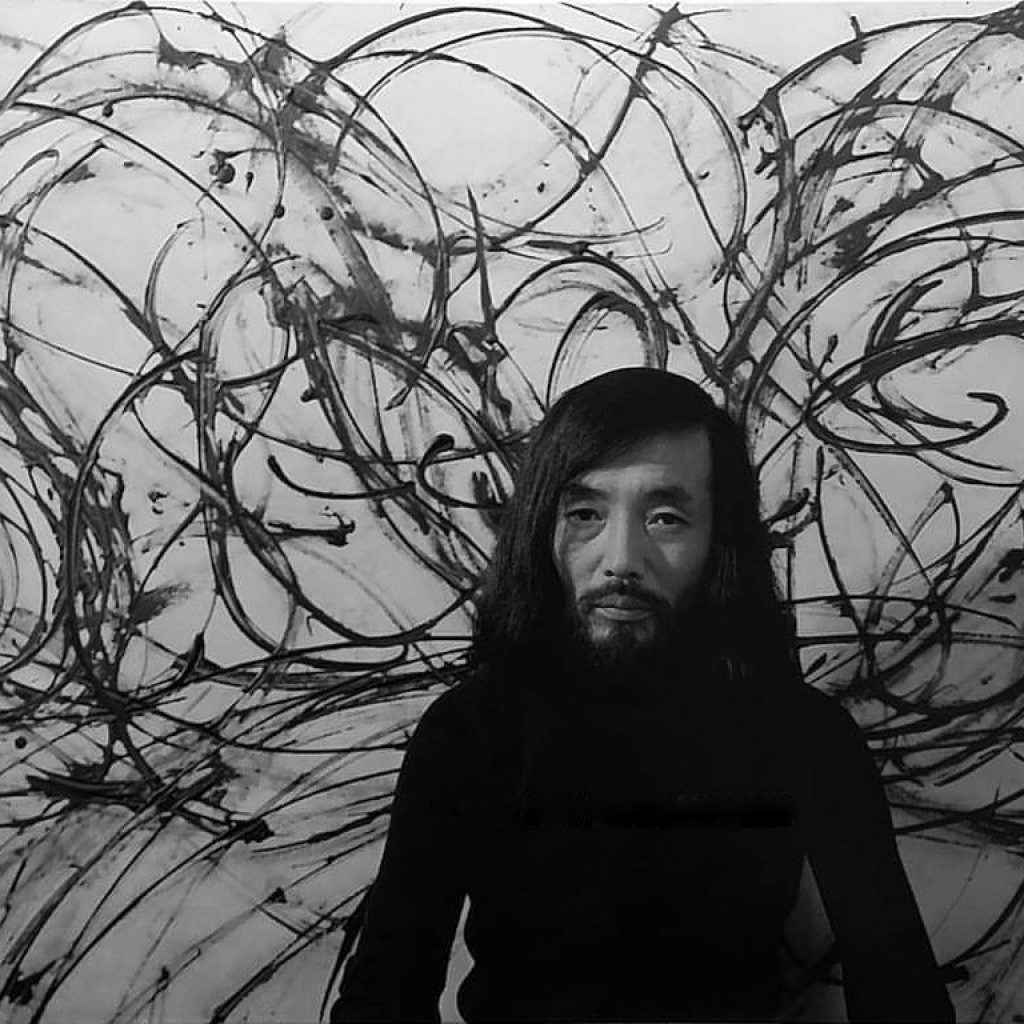
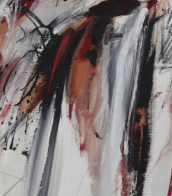
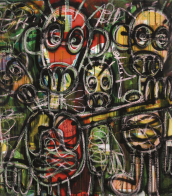
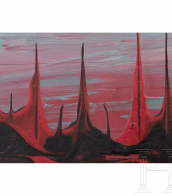
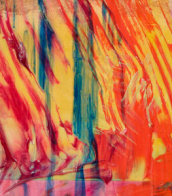
Toshimitsu Imai is a Japanese artist. He studied painting at the Tokyo State Academy of Art. He is known for his abstract paintings.
Toshimitsu Imai's work is dynamic and experimental. The artist has explored different techniques, including the use of unconventional materials and methods such as pouring, dripping and splashing paint onto canvases. His works were often characterised by bright colours, expressive brushwork and a sense of movement and energy.
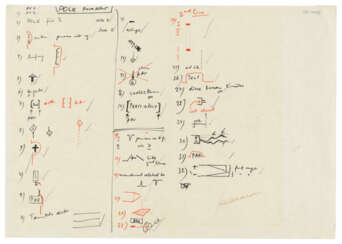

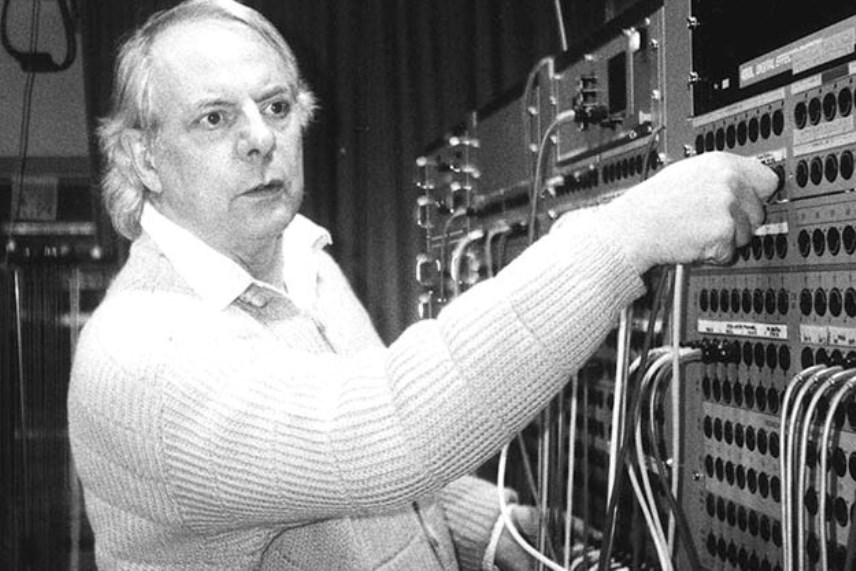
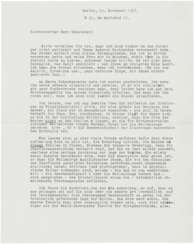
Karlheinz Stockhausen was a German innovative and avant-garde composer, conductor, and musical theorist.
Stockhausen studied at the State Academy of Music in Cologne and the University of Cologne, then in 1952 in Paris with composers Olivier Messiaen and Darius Millau. Returning to Cologne in 1953, he joined the electronic music studio West German Broadcasting (Westdeutscher Rundfunk), of which he was artistic director from 1963 to 1977. Stockhausen created his first electronic music piece in 1953.
In the mid-1950s Stockhausen studied phonetics, acoustics and information theory at the University of Bonn, all of which he used in his musical compositions. From 1953 he began teaching composition in Darmstadt and later organized seminars in Cologne. From 1971 to 1977 he was already professor of composition at the State Academy of Music in Cologne.
Stockhausen used both electronic and traditional instrumentation and supported his approach with rigorous theoretical reasoning and radical innovations in musical notation. He ensured that sounds were equally interesting regardless of the order in which they appeared; random decisions of musical order play an important role in many of his compositions.
Stockhausen lectured and gave concerts with his works throughout Europe and North America. As a creator and theorist of electronic and serial music, he had a significant influence on avant-garde composers of the 1950s and 1980s.








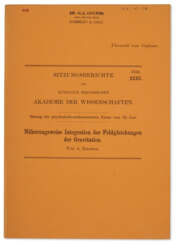

Albert Einstein was a German-born theoretical physicist, widely acknowledged to be one of the greatest and most influential physicists of all time. Einstein is best known for developing the theory of relativity, but he also made important contributions to the development of the theory of quantum mechanics. Relativity and quantum mechanics are together the two pillars of modern physics. His mass–energy equivalence formula E = mc2, which arises from relativity theory, has been dubbed "the world's most famous equation". His work is also known for its influence on the philosophy of science. He received the 1921 Nobel Prize in Physics "for his services to theoretical physics, and especially for his discovery of the law of the photoelectric effect", a pivotal step in the development of quantum theory. His intellectual achievements and originality resulted in "Einstein" becoming synonymous with "genius".













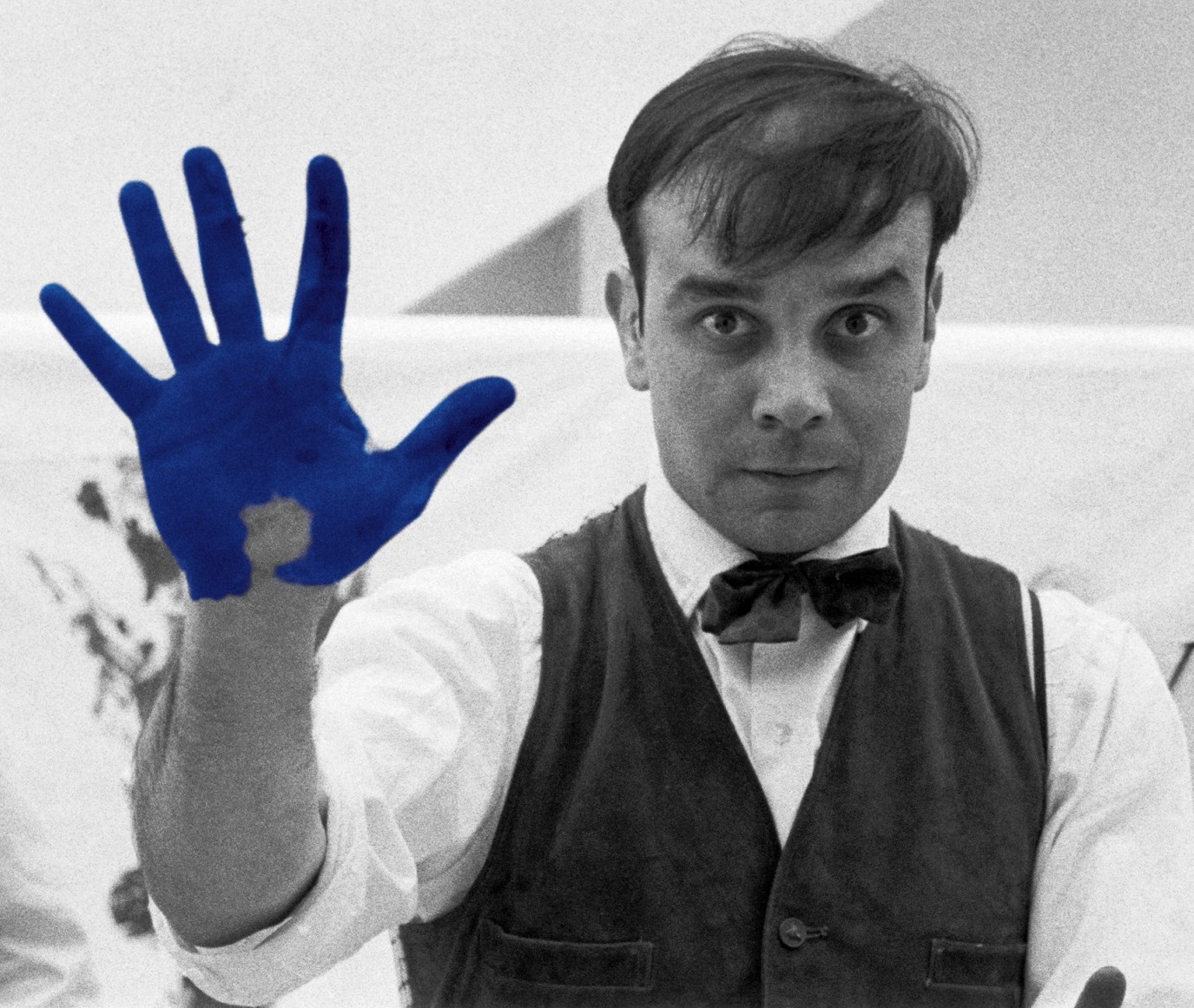
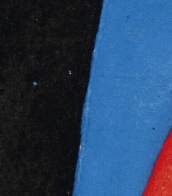
Yves Klein was a French artist, renowned for his innovative use of pure color and his approach to the conceptual aspects of monochrome painting. Klein, born in 1928 in Nice, France, left an indelible mark on the art world despite his brief career, which ended with his untimely death in 1962.
Klein is best known for his invention of International Klein Blue (IKB), a deep blue hue which he registered as a trademark color and used extensively in his works. This vibrant blue, which he developed in collaboration with a chemist, represented more than just a color; it was a means of evoking the immateriality and boundlessness of space. His monochrome blue canvases, large-scale public performances, and pioneering works in performance art established him as a leading figure in the Nouveau Réalisme movement in post-war Europe.
Aside from his famous blue monochromes, Klein’s Anthropometries series, where he used nude women as 'living brushes' to transfer blue paint onto canvases, is another testament to his innovative artistic methods. These performances, often accompanied by a small orchestra playing his "Monotone Symphony" — a single, continuous note played for twenty minutes followed by twenty minutes of silence — challenged traditional perceptions of the artist's role and the creation process.
Visit our gallery's website to explore more about Yves Klein and sign up for updates on new acquisitions and exclusive auction events related to his profound legacy.









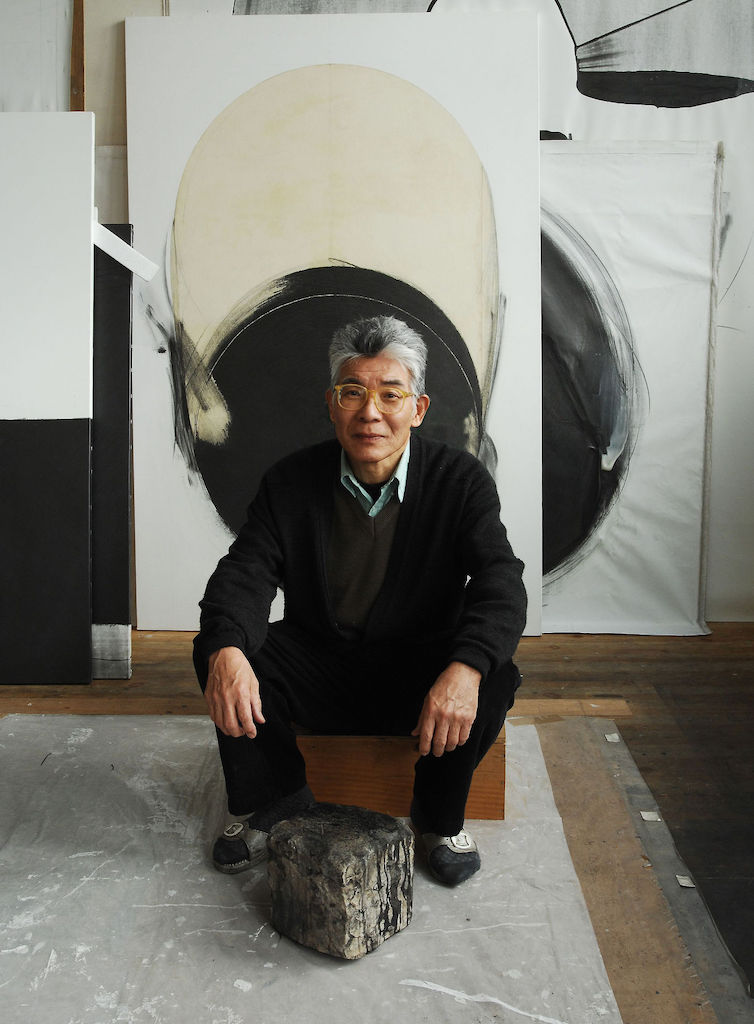
Takesada Matsutani (Japanese: 松谷 武判) is a Japanese contemporary mixed-media artist. He was a member of the Gutai group from 1963 to the dissolution of the group in 1972. His well-known work involves a technique of blowing a gust of air into a puddle of vinyl wood glue, creating bulges, bubbles, and drips, then covered by patient strokes of graphite pencil. Matsutani's works are represented in a large number of prestigious art museums and collections around the world.