éclairage


.jpg)
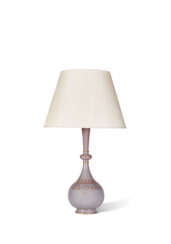
Jean Elysée Puiforcat was a French silversmith, sculptor and designer. Miller's Antiques Encyclopedia calls Puiforcat the «most important French Art Deco silversmith».


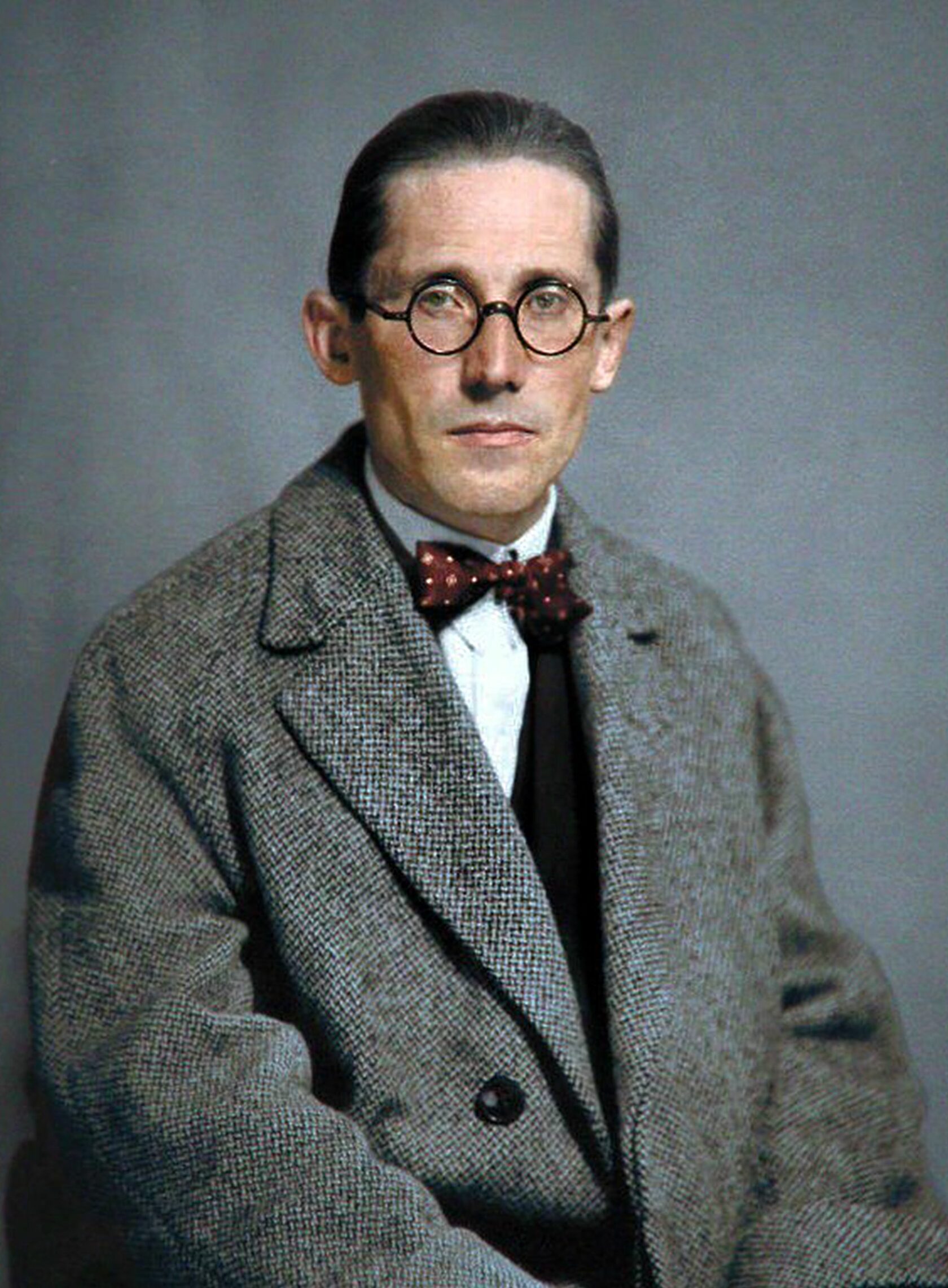
Le Corbusier, born Charles-Édouard Jeanneret in Switzerland, was a visionary French architect, designer, and writer who profoundly influenced modern architecture and urban planning. His innovative ideas blended functionalism with bold sculptural expressionism, embodying the essence of the International Style of architecture. Notably, Le Corbusier's designs, such as the Villa Savoye and the master plan for Chandigarh, India, are celebrated for their revolutionary approaches to living spaces and urban environments.
Le Corbusier's early life in La Chaux-de-Fonds, Switzerland, where he was immersed in the art and craft of watchmaking, significantly shaped his design principles. His architectural journey began without formal training, starting with his education in decorative arts and leading to significant collaborations across Europe. Le Corbusier's philosophy was deeply rooted in the belief that architecture should improve living conditions, particularly in crowded cities. This belief drove his contributions to the Congrès International d'Architecture Moderne and his development of influential architectural principles, such as the Five Points of Architecture, which are exemplified in Villa Savoye.
Villa Savoye, located in Poissy, France, stands as a testament to Le Corbusier's innovative approach, featuring pilotis (reinforced concrete stilts), a functional roof garden, an open floor plan, horizontal windows, and a free façade design. These elements collectively embody his vision of a "machine for living," integrating the house with its environment and the modern lifestyle. Despite facing issues with structural durability and weather resistance, Villa Savoye remains a pivotal work in architectural history, symbolizing the transition to modern architectural thought.
Le Corbusier's legacy is multifaceted, extending beyond architecture to furniture design and painting, showcasing his broad artistic talents. His work continues to inspire and provoke discussion, reflecting both his groundbreaking contributions to modern architecture and the complexities of his ideologies and methodologies.
If you are inspired by Le Corbusier's visionary approach to architecture and design, and wish to stay informed about related updates, consider signing up for our newsletter. This subscription will keep you in the loop about new product launches, sales, and auction events that are directly related to Le Corbusier's enduring legacy. Dive deeper into the world of architecture and design, and ensure you don't miss out on opportunities to engage with Le Corbusier's influential work. Sign up now to connect with the past, present, and future of architectural excellence.
Jean Elysée Puiforcat was a French silversmith, sculptor and designer. Miller's Antiques Encyclopedia calls Puiforcat the «most important French Art Deco silversmith».






.jpg)
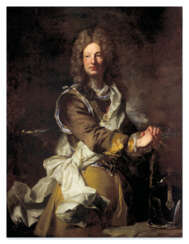
Jacint Rigau-Ros i Serra, known in French as Hyacinthe Rigaud, was a Catalan-French baroque painter most famous for his portraits of Louis XIV and other members of the French nobility.
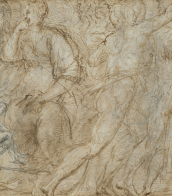
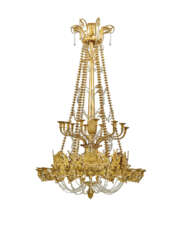

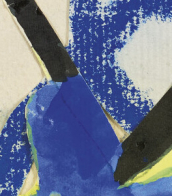


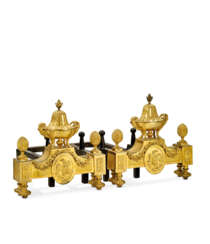



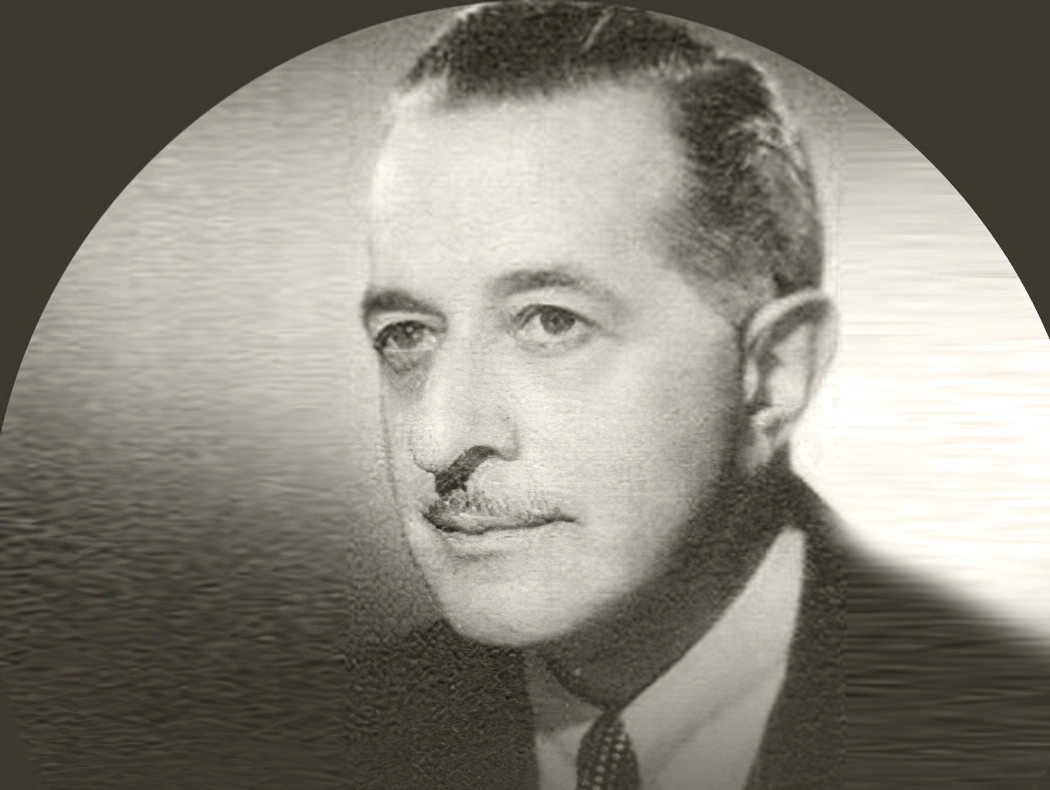
Marcel Coard is one of the great decorators and designers of the 1930s.


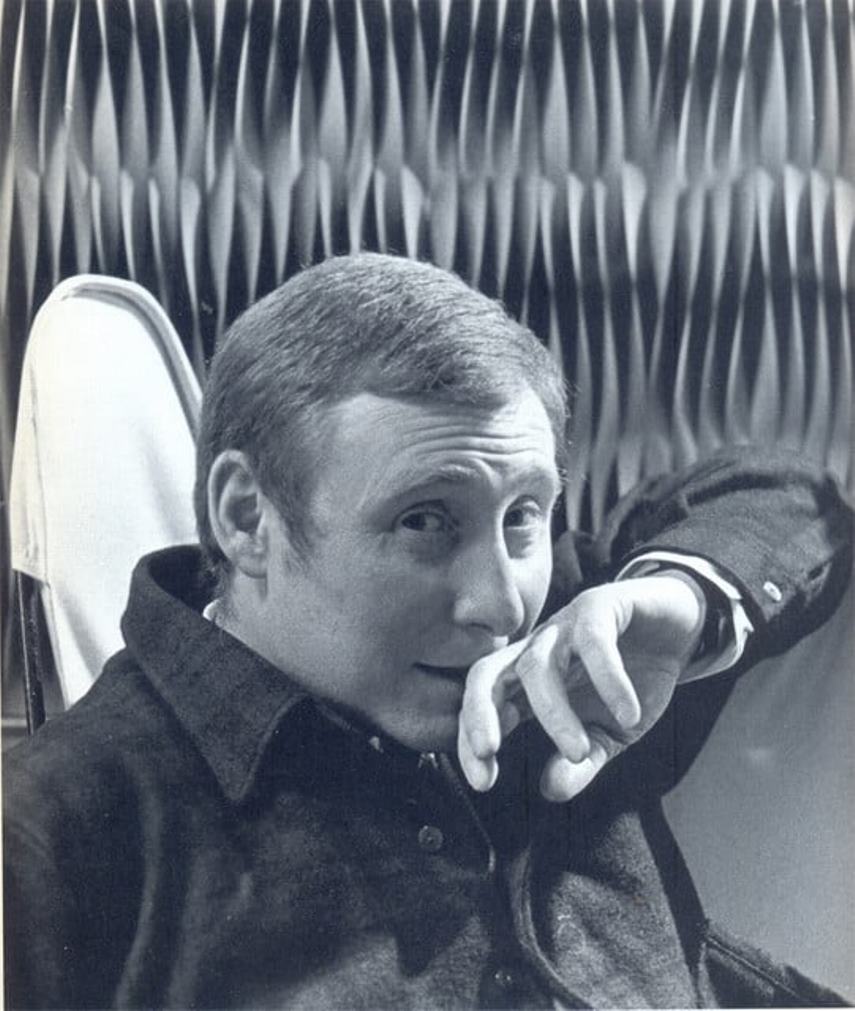
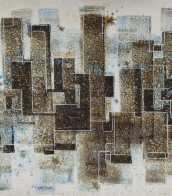
Walter Leblanc is a Belgian artist, one of the most important representatives of kinetic and optical art.
He studied at the Royal Academy of Fine Arts and the Higher Institute of Fine Arts in Antwerp.
Walter Leblanc gained international recognition as one of the founders and active participants in the avant-garde movements Nouvelle Tendance, ZERO, op art, kinetic art, concrete art. One of his famous works is the series "Twist Schemes".









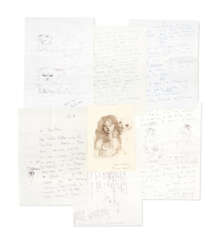

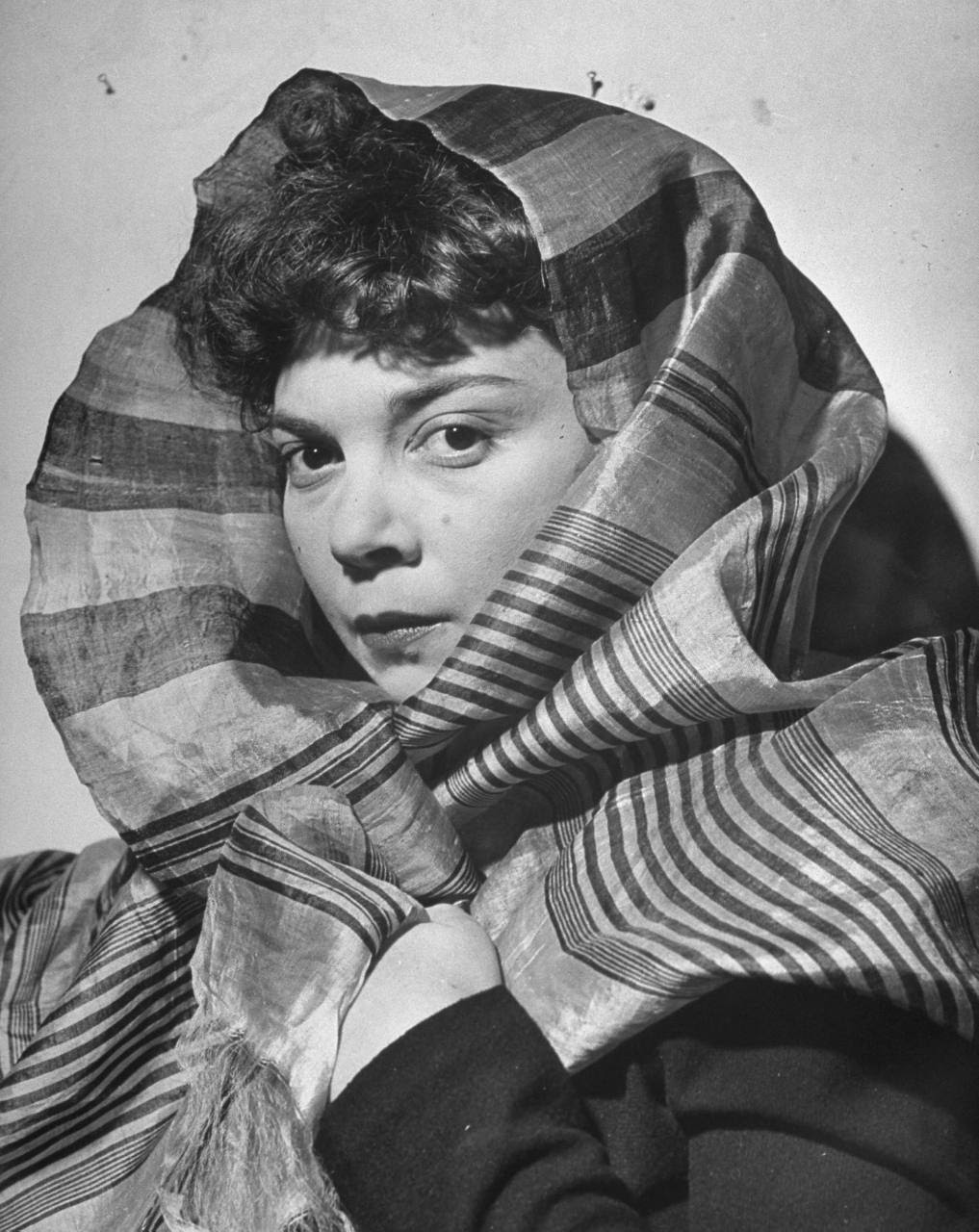
Leonor Fini was an Argentinian born Italian surrealist painter, designer, illustrator, and author, known for her depictions of powerful and erotic women.
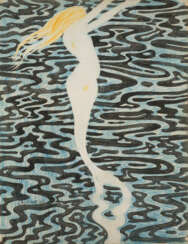

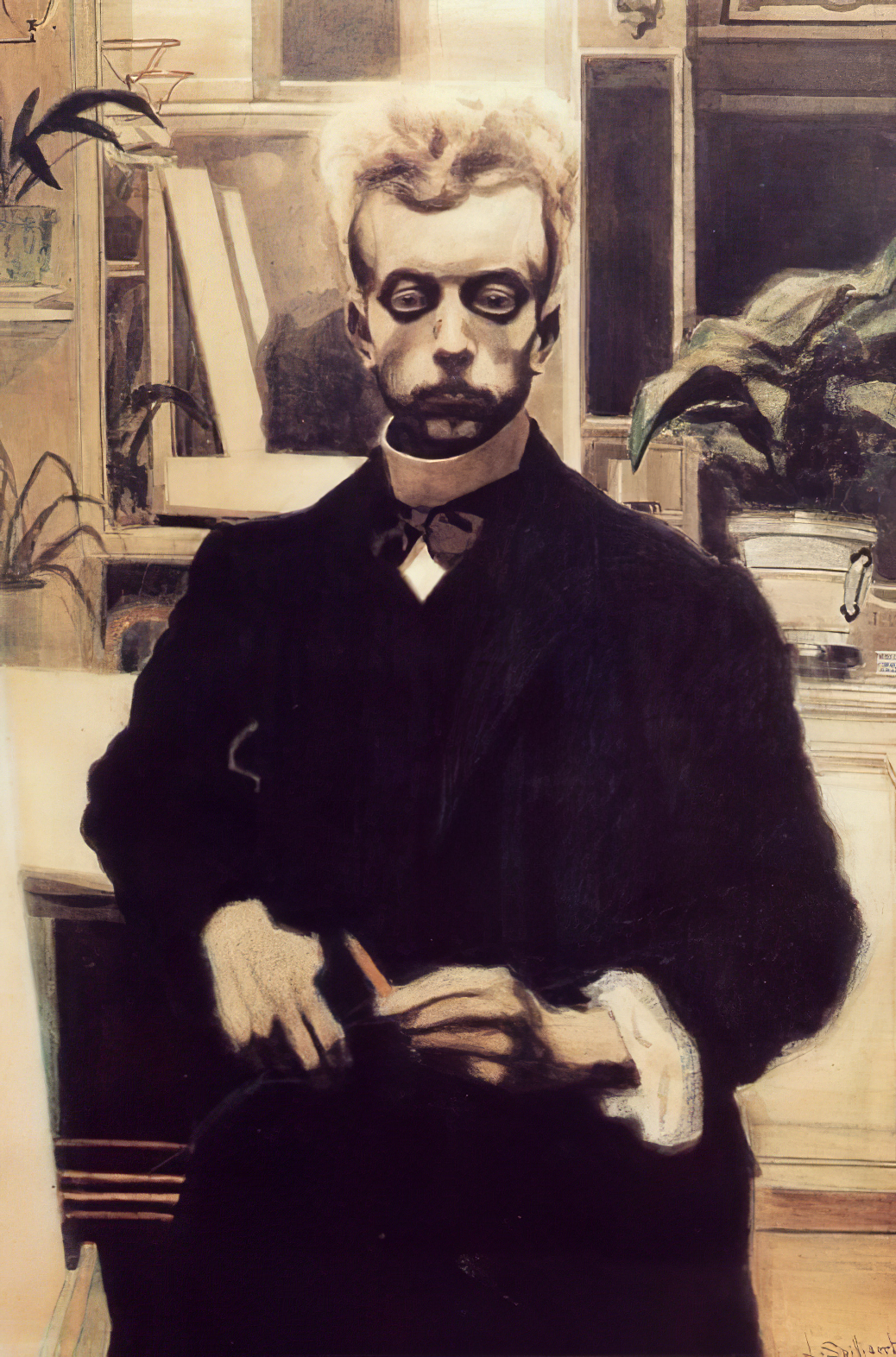
Léon Spilliaert was a Belgian artist. He is known for his unique style of symbolism, with many of his works featuring dream-like landscapes, eerie still lifes, and enigmatic figures.
Spilliaert grew up in a wealthy family, and he initially studied architecture before turning to art. He was largely self-taught, and his work was heavily influenced by the Belgian symbolist movement, as well as the works of artists such as James Ensor and Edvard Munch.
Spilliaert was particularly interested in exploring the mysteries of the human psyche, and many of his works reflect a sense of unease or uncertainty. He often used strong contrasts of light and shadow to create a sense of drama and tension in his works, and his use of color was often muted and subdued.
Despite his success as an artist, Spilliaert was a deeply private individual, and he rarely exhibited his work during his lifetime. He continued to work throughout his life, however, producing a large body of haunting and enigmatic works that continue to captivate audiences today.
















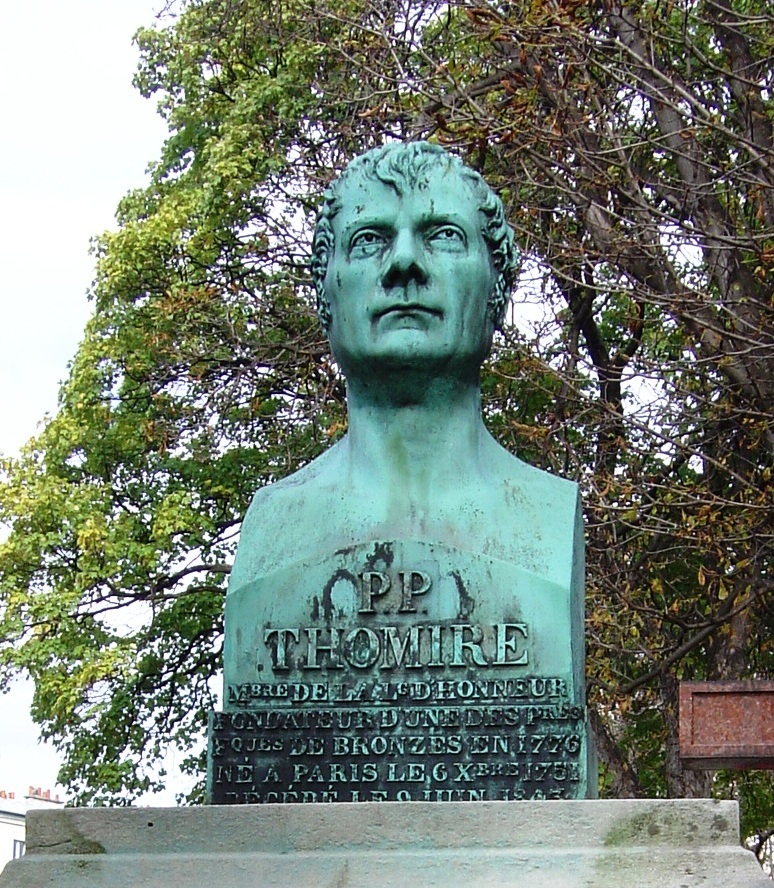
Pierre-Philippe Thomire a French sculptor, was the most prominent bronzier, or producer of ornamental patinated and gilt-bronze objects and furniture mounts of the First French Empire. His fashionable neoclassical and Empire style furnishing bronzes (bronzes d'ameublement) established the highest standard in refined finish in the craft that the French called that of the fondeur-ciseleur, "founder-finisher".