

британская живопись


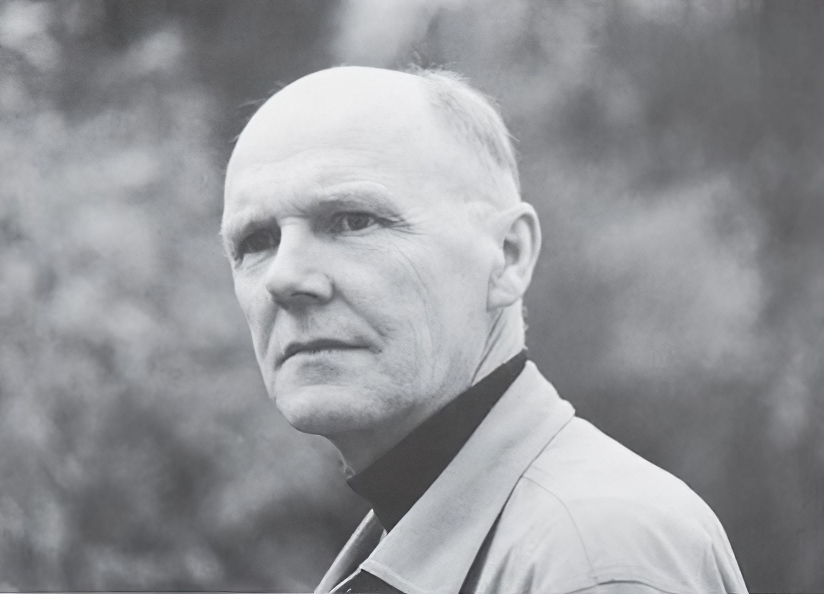
Donald Grant is one of Britain's leading wildlife artists who has used his art to raise funds for conservation and animal welfare charities around the world.







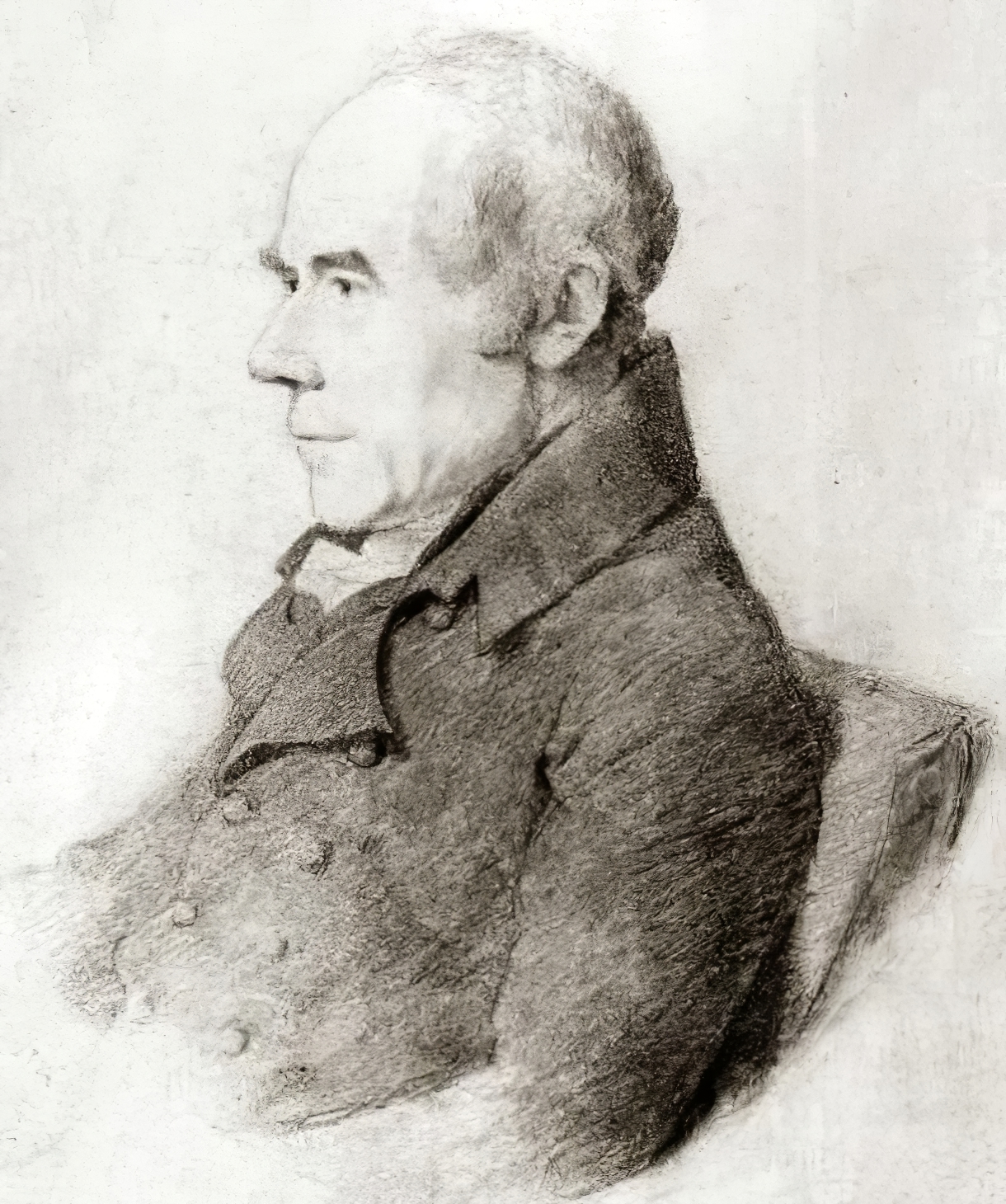
Thomas Daniell was an English landscape painter who also painted Orientalist themes. He spent seven years in India, accompanied by his nephew William, also an artist, and published several series of aquatints of the country.


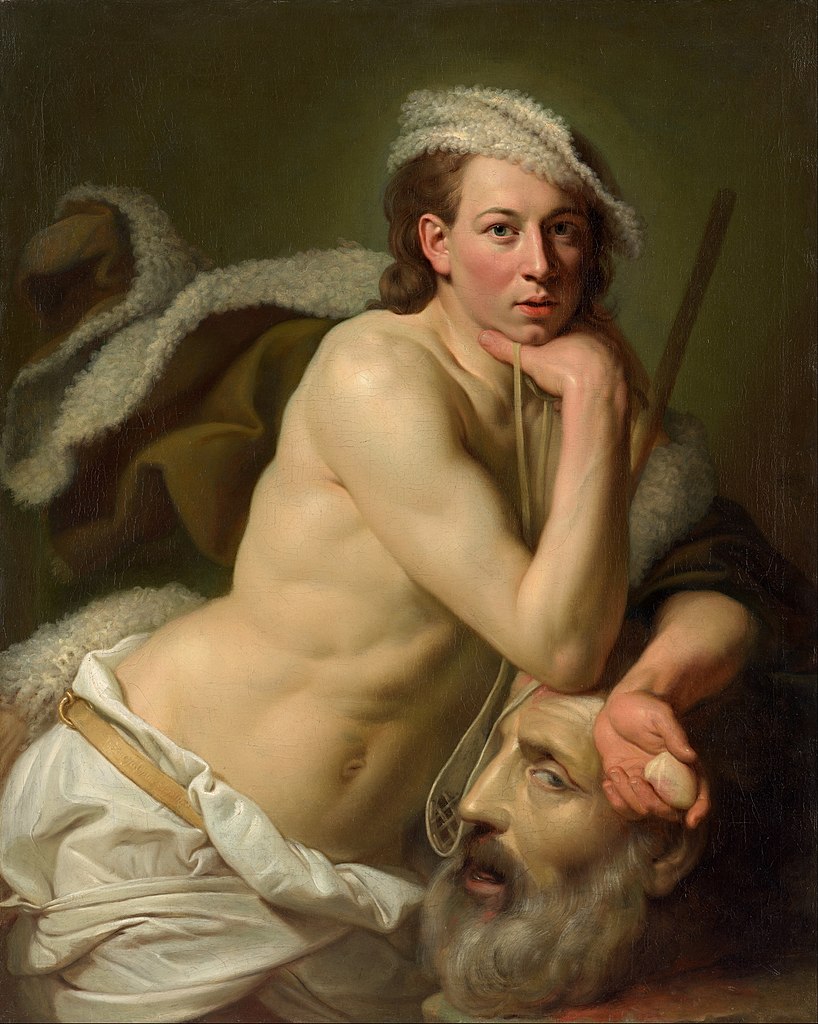
Johann Joseph Zoffany, born Johannes Josephus Zaufallij, was a German neoclassical painter who was active mainly in England, Italy and India. His works appear in many prominent British collections, including the National Gallery, the Tate Gallery and the Royal Collection, as well as institutions in continental Europe, India, the United States and Australia.

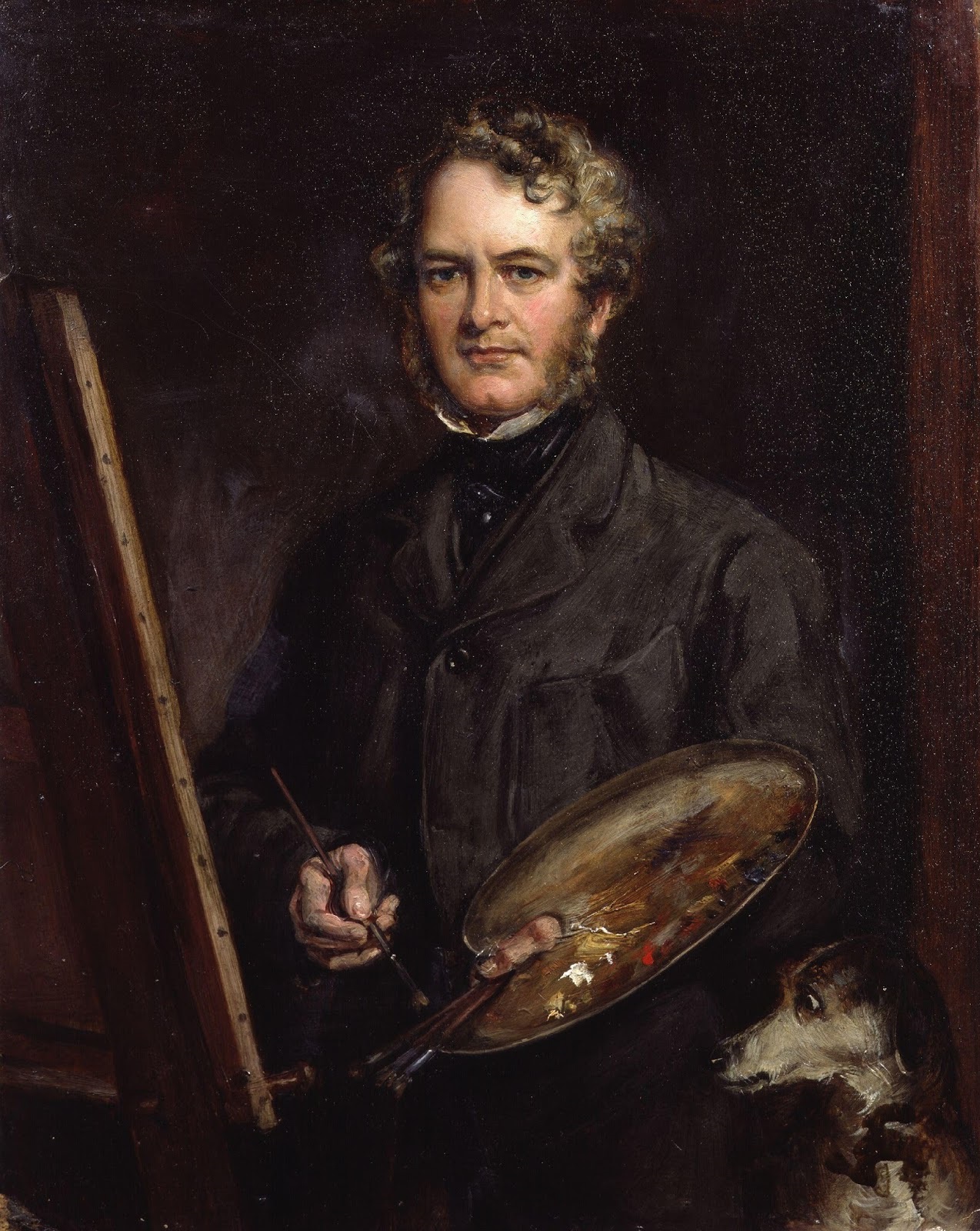
Edwin Henry Landseer was an English painter and sculptor, well known for his paintings of animals – particularly horses, dogs, and stags. However, his best-known works are the lion sculptures at the base of Nelson's Column in Trafalgar Square.


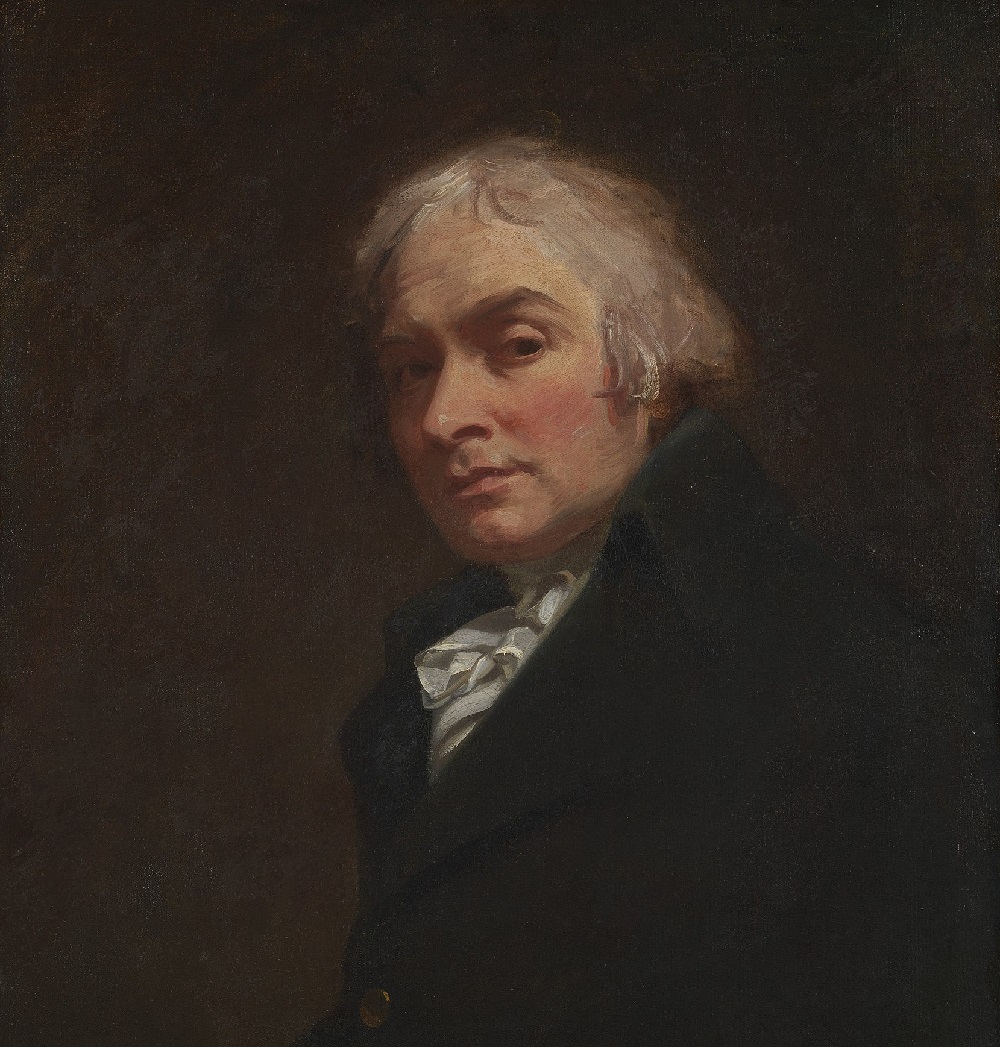
George Romney was an English portrait painter. He was the most fashionable artist of his day, painting many leading society figures – including his artistic muse, Emma Hamilton, mistress of Lord Nelson.


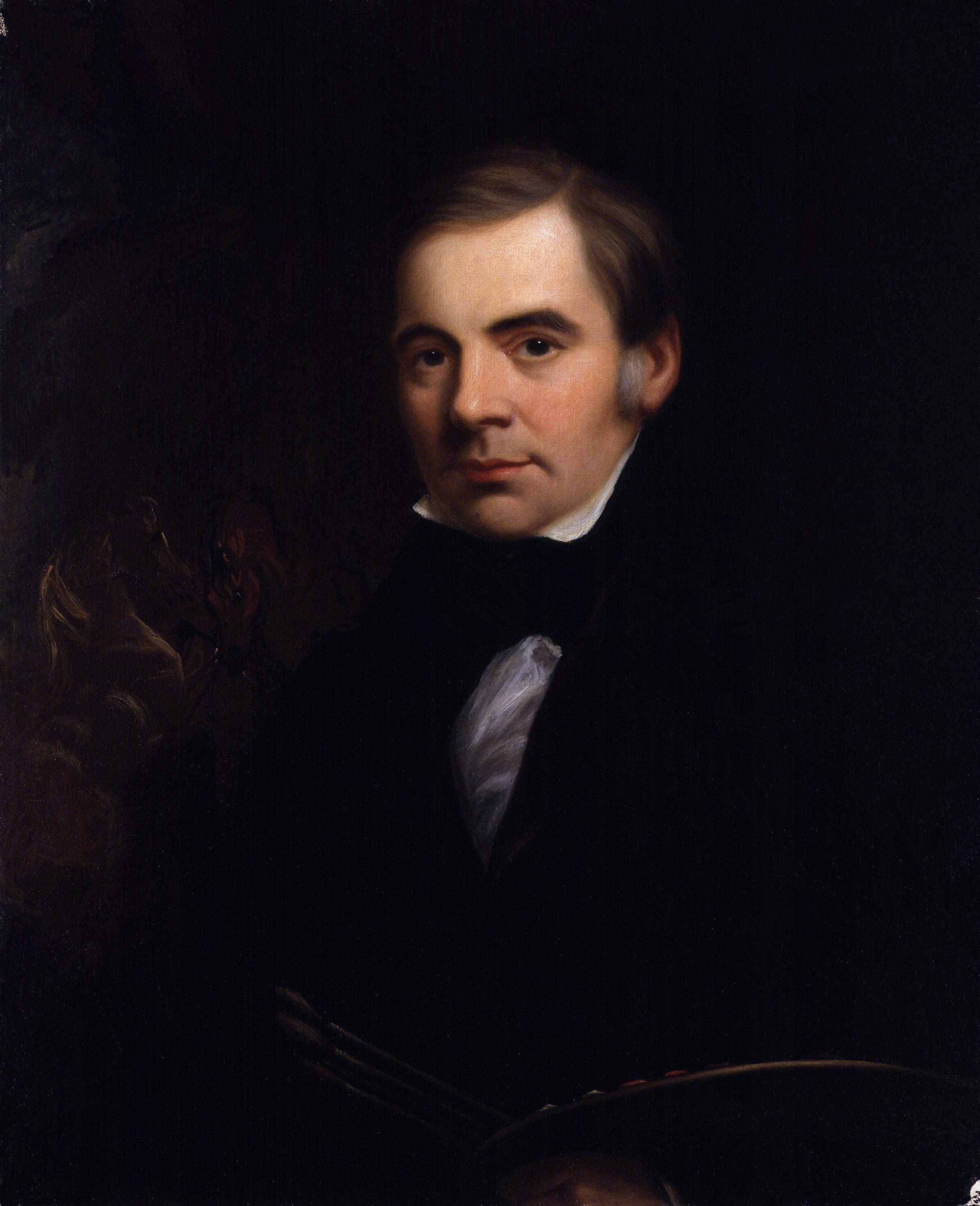
John E. Ferneley was an English artist who specialised in depicting sport horses and hunting scenes. Although his rendition of horses was stylised, he is regarded as one of the great British equine artists, second perhaps only to George Stubbs.
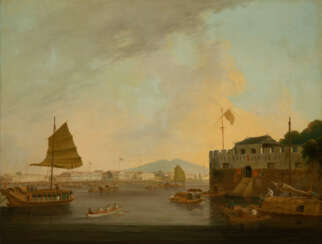

Thomas Daniell was an English landscape painter who also painted Orientalist themes. He spent seven years in India, accompanied by his nephew William, also an artist, and published several series of aquatints of the country.


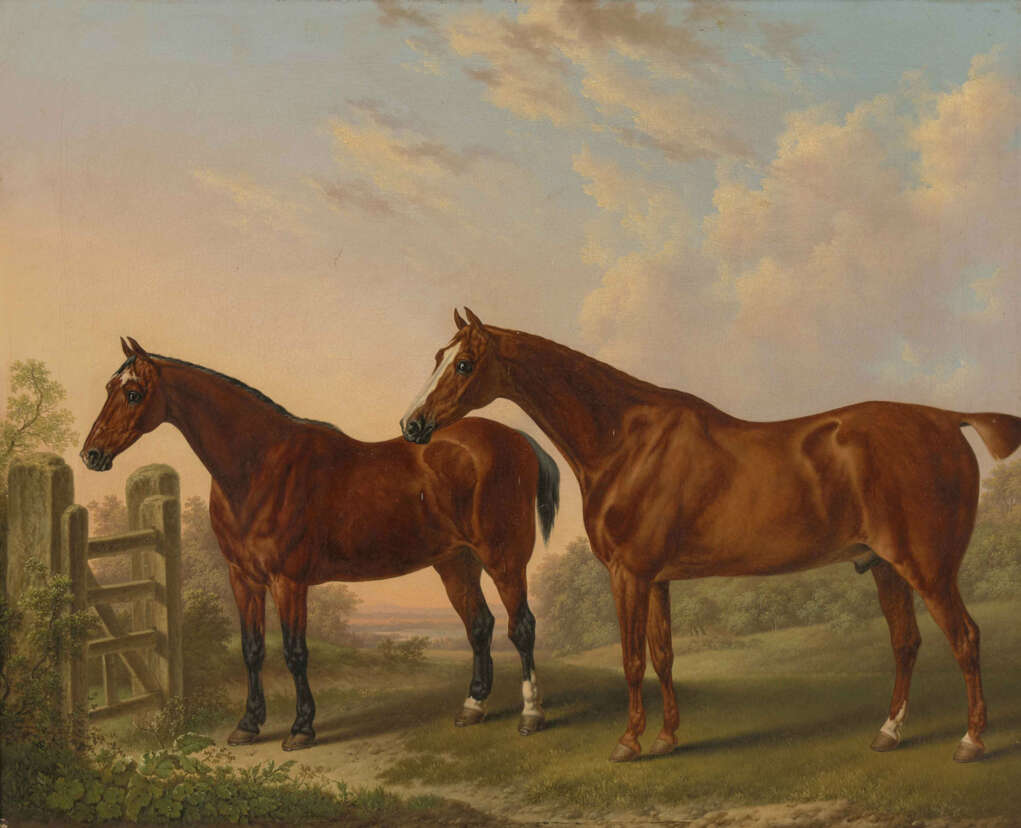
Charles Towne was an English painter of landscapes, horses and other animals, horse-racing and hunting scenes.
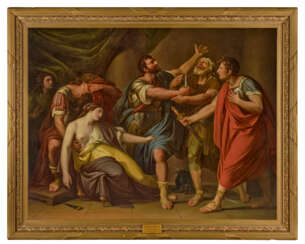

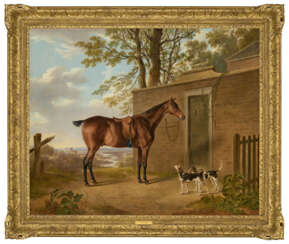

Charles Towne was an English painter of landscapes, horses and other animals, horse-racing and hunting scenes.
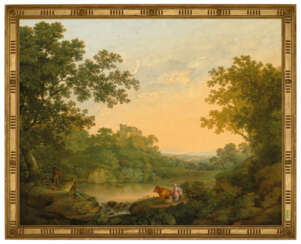

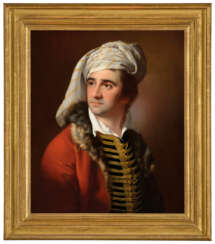

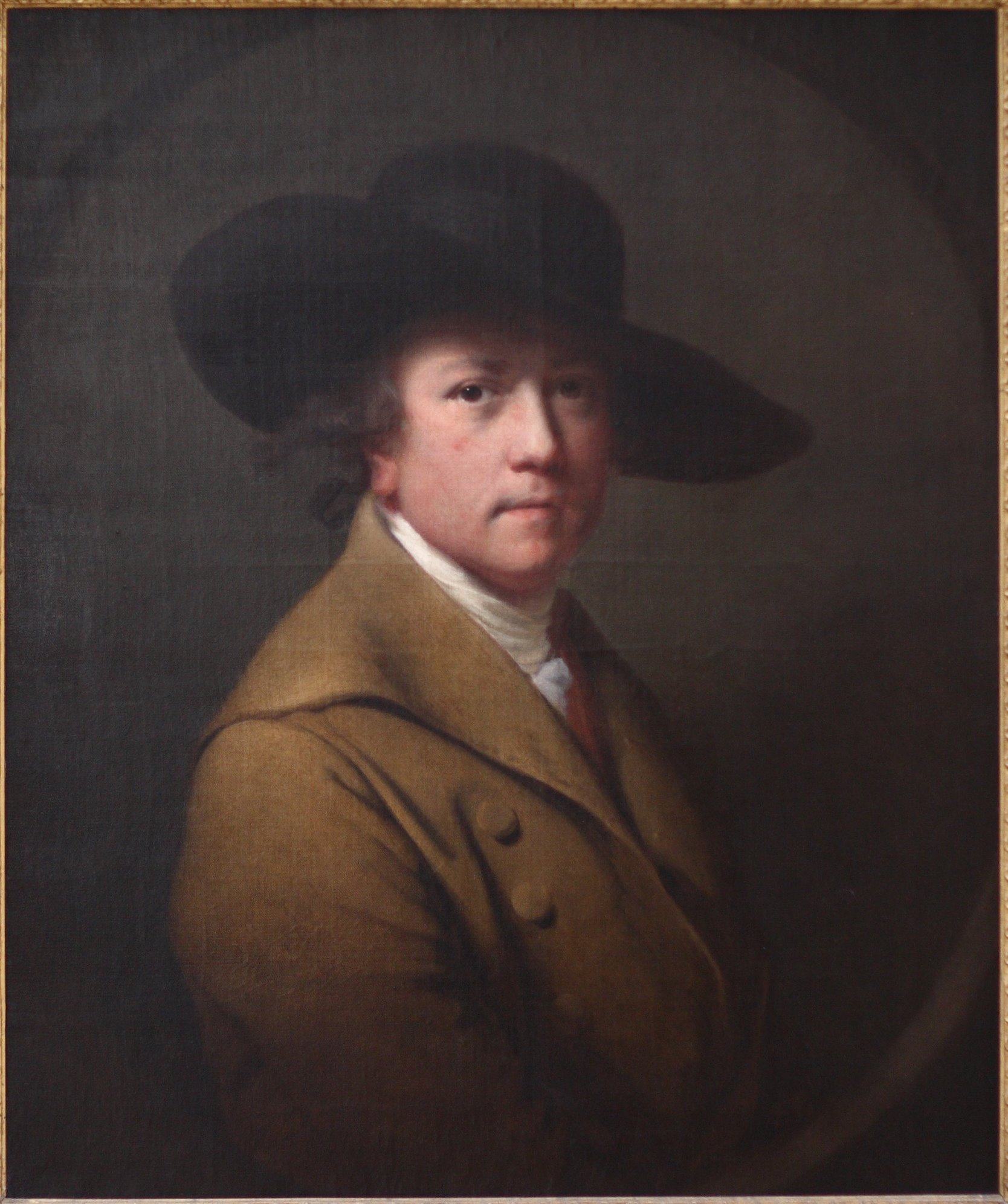
Joseph Wright, styled Joseph Wright of Derby, was an English landscape and portrait painter. He has been acclaimed as "the first professional painter to express the spirit of the Industrial Revolution".
Wright is notable for his use of tenebrism, an exaggerated form of the better known chiaroscuro effect, which emphasizes the contrast of light and dark, and for his paintings of candle-lit subjects. His paintings of the birth of science out of alchemy, often based on the meetings of the Lunar Society of Birmingham, a group of scientists and industrialists living in the English Midlands, are a significant record of the struggle of science against religious values in the period known as the Age of Enlightenment.
Many of Wright's paintings and drawings are owned by Derby City Council, and are on display at the Derby Museum and Art Gallery.
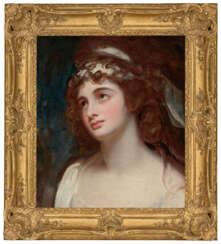

George Romney was an English portrait painter. He was the most fashionable artist of his day, painting many leading society figures – including his artistic muse, Emma Hamilton, mistress of Lord Nelson.


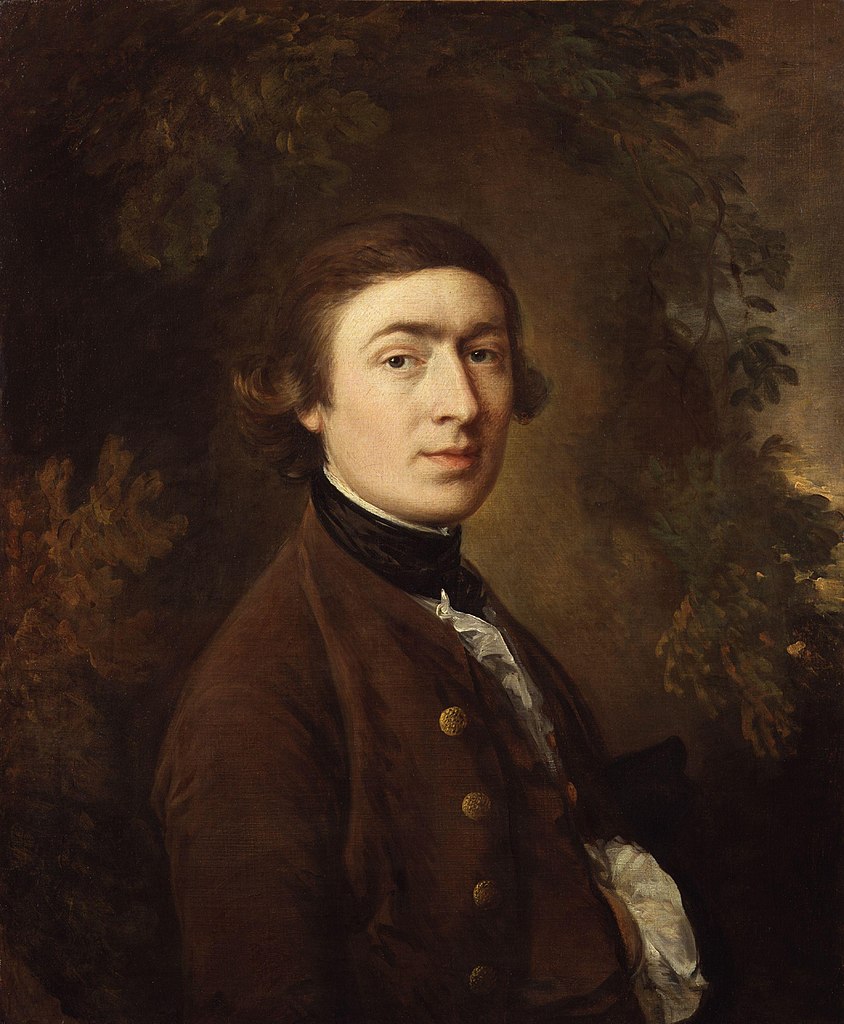
Thomas Gainsborough was an English painter, renowned for his mastery in both portraiture and landscape art, active during the 18th century. Born in Sudbury, Suffolk, Gainsborough displayed early artistic talent, which led him to London to study art seriously. He is often celebrated for his fluid and expressive brushwork and his innovative approach to portrait and landscape painting. Gainsborough was notably influenced by Dutch landscape paintings and the Rococo style, which is evident in his delicate and evocative use of color and light.
Thomas Gainsborough's career gained significant momentum when he moved to Bath, where he attracted a fashionable clientele. This period was marked by his creation of portraits that seamlessly integrated the sitters into lush, idyllic landscapes. Despite his success with portraits, Gainsborough preferred painting landscapes, often expressing a desire to escape the demands of portrait commissions to focus on these scenic representations.
Some of his most famous works include "The Blue Boy" and "Mr. and Mrs. Andrews." "The Blue Boy" is particularly noted for its vibrant blue costume and has been a hallmark of Gainsborough's style in capturing the personality and elegance of the youth. His works are held in high esteem and are part of collections across major museums globally, such as the National Gallery, Tate Britain, and the Huntington Library, to name a few.
For those interested in exploring Thomas Gainsborough's contributions to art, his paintings offer a glimpse into the social fabric and the natural beauty of 18th-century England, making him a pivotal figure in the English school of painting. His ability to convey character and atmosphere in his portraits and landscapes alike ensures his continued relevance and admiration in the art world today.
If you are keen on updates related to Thomas Gainsborough's art pieces, sales, and auctions, consider signing up for specialized newsletters or alerts that focus on his works and their presence in modern collections and sales events.


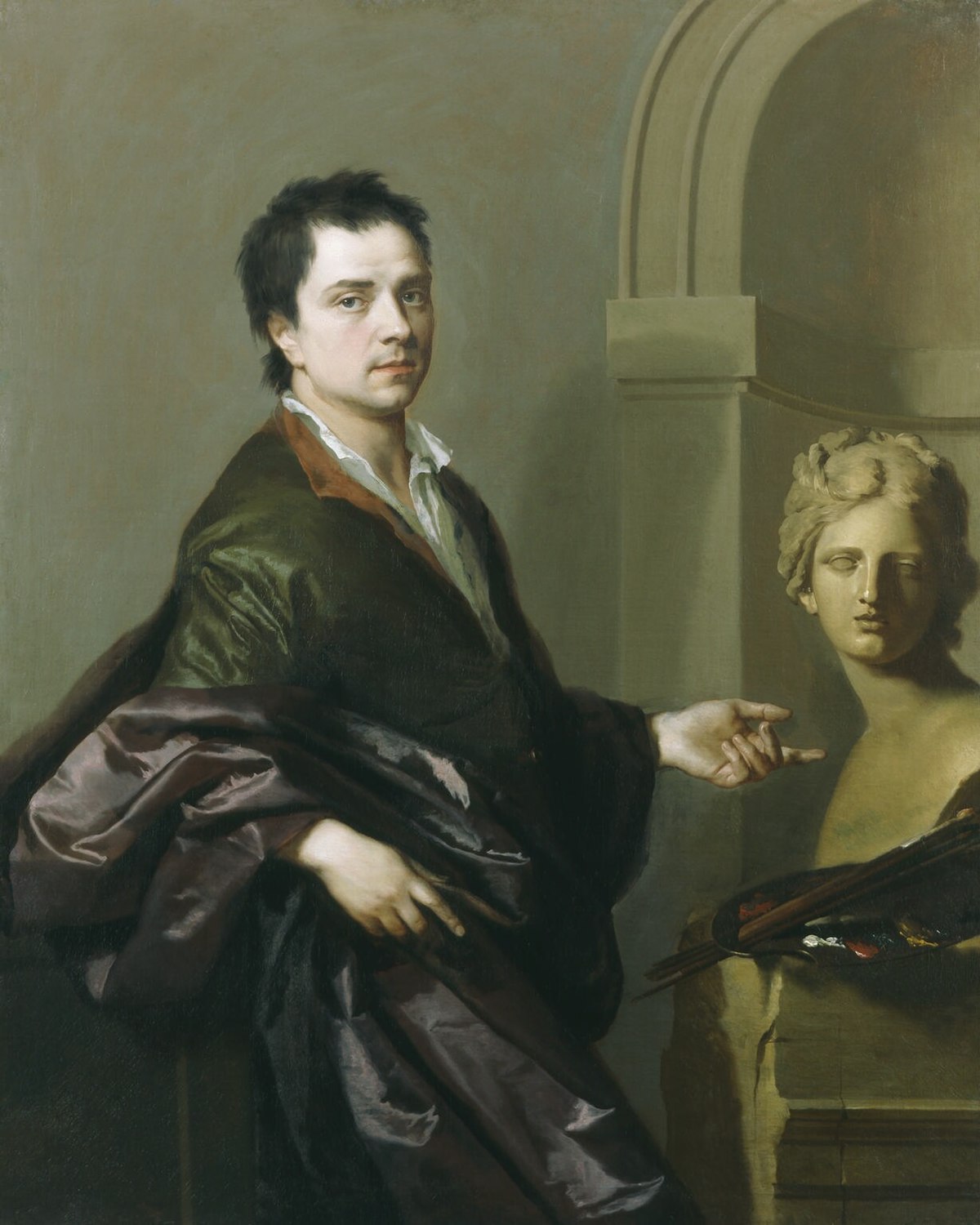
Michael Dahl was a Swedish portrait painter.
After several years of traveling in France and Italy, he finally settled in London in 1689, where he worked in the studio of Sir Godfrey Kneller. Dahl painted portraits of many aristocrats and some members of royal families. Michael Dahl soon became his teacher's chief rival and gained the patronage of Prince George of Denmark and his wife Princess Anne, whose portraits he also created. His studio practice flourished and he was the most popular portrait painter in London at the time.


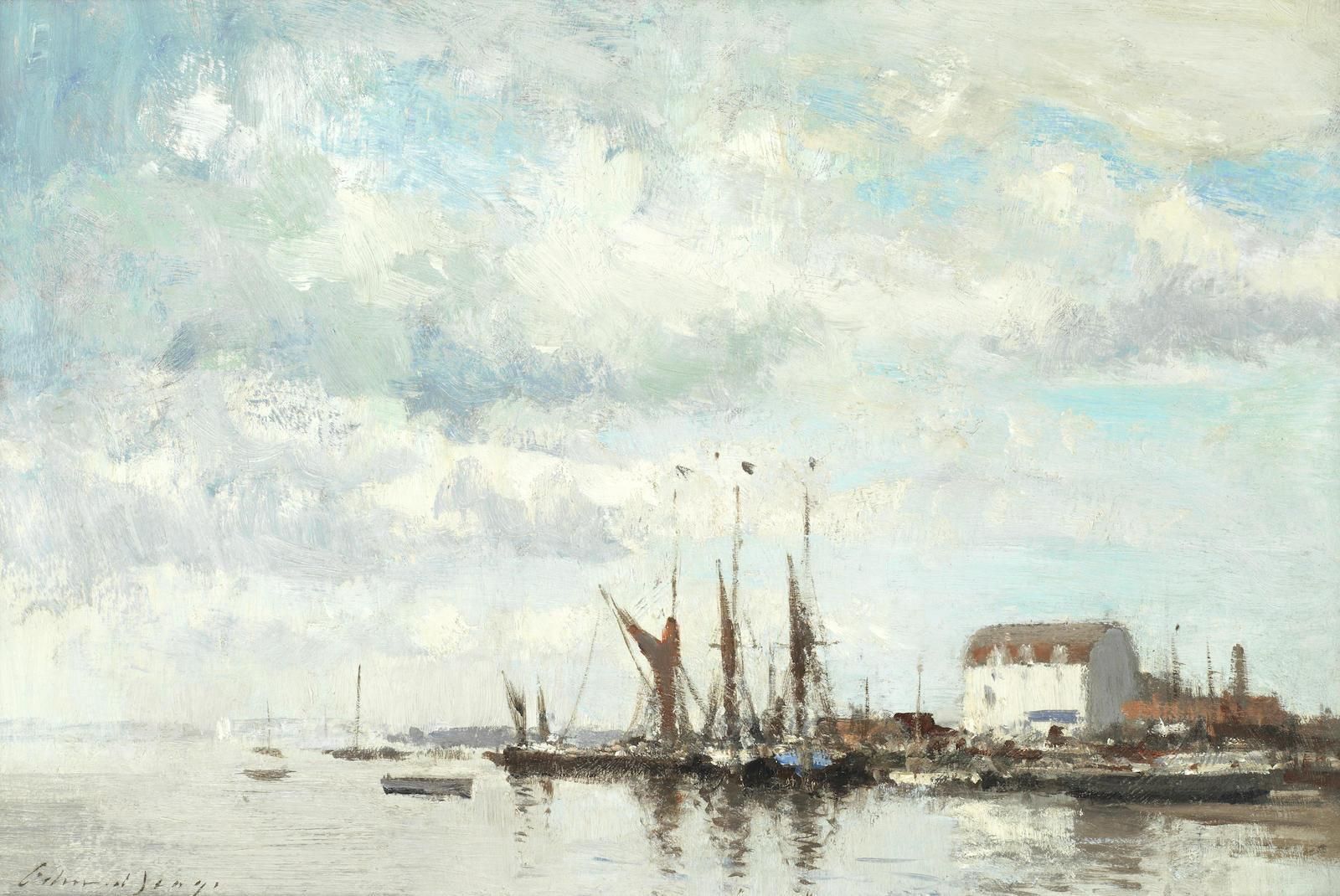
Edward Brian Seago was an English artist who painted in both oils and watercolours.
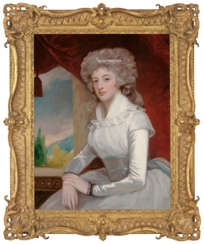

George Romney was an English portrait painter. He was the most fashionable artist of his day, painting many leading society figures – including his artistic muse, Emma Hamilton, mistress of Lord Nelson.
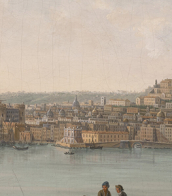
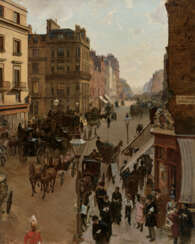

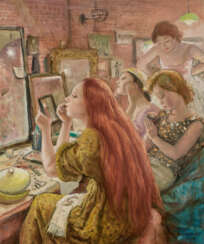

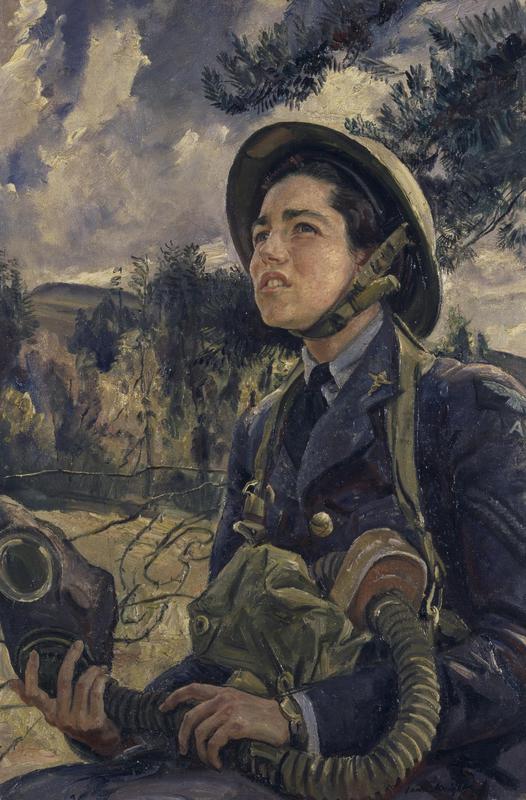
Dame Laura Knight was an English artist who worked in oils, watercolours, etching, engraving and drypoint. Knight was a painter in the figurative, realist tradition, who embraced English Impressionism. In her long career, Knight was among the most successful and popular painters in Britain. Her success in the male-dominated British art establishment paved the way for greater status and recognition for women artists.
In 1929 she was created a Dame, and in 1936 became the second woman elected to full membership of the Royal Academy. Her large retrospective exhibition at the Royal Academy in 1965 was the first for a woman. Knight was known for painting amidst the world of the theatre and ballet in London, and for being a war artist during the Second World War. She was also greatly interested in, and inspired by, marginalised communities and individuals, including Romani people and circus performers.

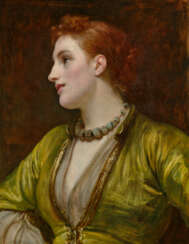

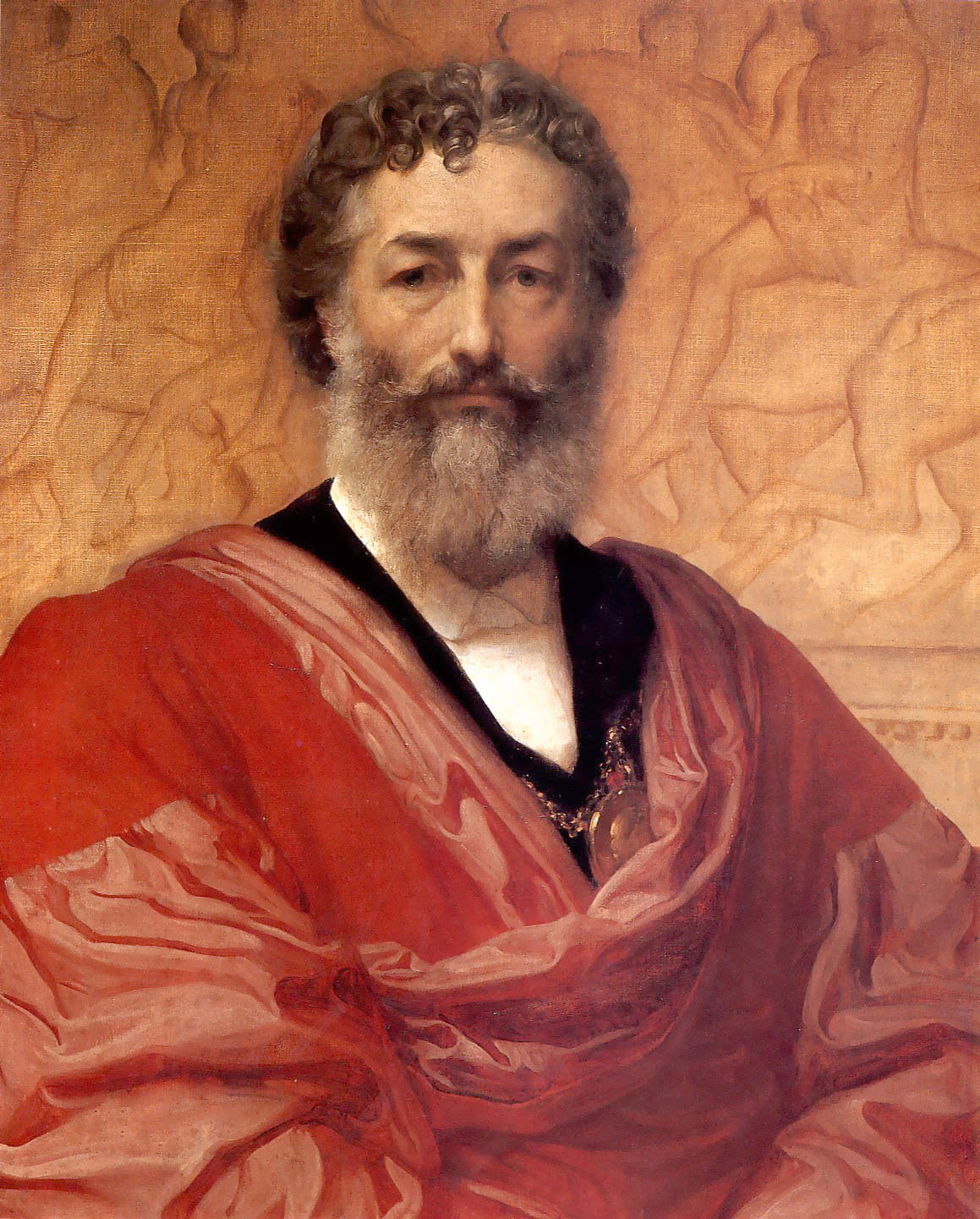
Frederic Leighton was a distinguished British artist renowned for his contributions to painting and sculpture during the Victorian era. His works, characterized by their classical themes and meticulous detail, have garnered appreciation from art collectors and historians alike. Notable for being the first painter to receive a peerage, Leighton's legacy in the art world is significant.
Frederic Leighton's art, particularly his paintings like "Flaming June" and "The Return of Persephone," showcases his mastery in depicting classical and mythological subjects with a unique blend of realism and idealism. His sculptures, such as "An Athlete Wrestling with a Python" and "The Sluggard," played a pivotal role in initiating the New Sculpture movement, emphasizing naturalism and dynamic forms.
Despite his illustrious career, Frederic Leighton's personal life remained private, with ongoing debates about his relationships and sexuality. His London home, now the Leighton House Museum, offers a glimpse into his artistic world, housing many of his works and collections that influenced his creations.
For art collectors and experts, Frederic Leighton's oeuvre represents a blend of academic tradition and innovative expression, making his works highly sought after in the realms of art and antiques. To stay informed about exhibitions and auction events featuring Frederic Leighton's art, subscribing to updates can be a valuable resource for enthusiasts eager to explore and acquire pieces from this influential Victorian artist.


Edward Brian Seago was an English artist who painted in both oils and watercolours.
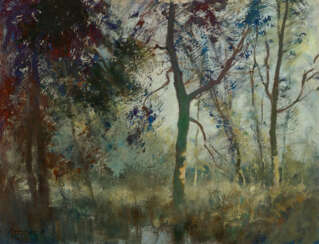

Edward Brian Seago was an English artist who painted in both oils and watercolours.
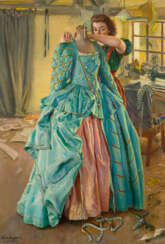

Dame Laura Knight was an English artist who worked in oils, watercolours, etching, engraving and drypoint. Knight was a painter in the figurative, realist tradition, who embraced English Impressionism. In her long career, Knight was among the most successful and popular painters in Britain. Her success in the male-dominated British art establishment paved the way for greater status and recognition for women artists.
In 1929 she was created a Dame, and in 1936 became the second woman elected to full membership of the Royal Academy. Her large retrospective exhibition at the Royal Academy in 1965 was the first for a woman. Knight was known for painting amidst the world of the theatre and ballet in London, and for being a war artist during the Second World War. She was also greatly interested in, and inspired by, marginalised communities and individuals, including Romani people and circus performers.
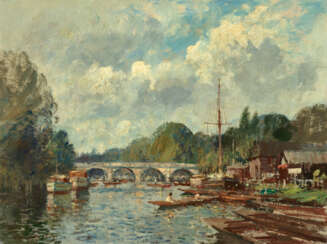

Edward Brian Seago was an English artist who painted in both oils and watercolours.
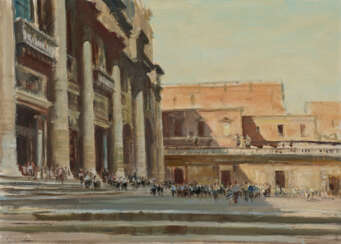

Edward Brian Seago was an English artist who painted in both oils and watercolours.
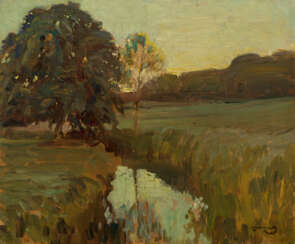

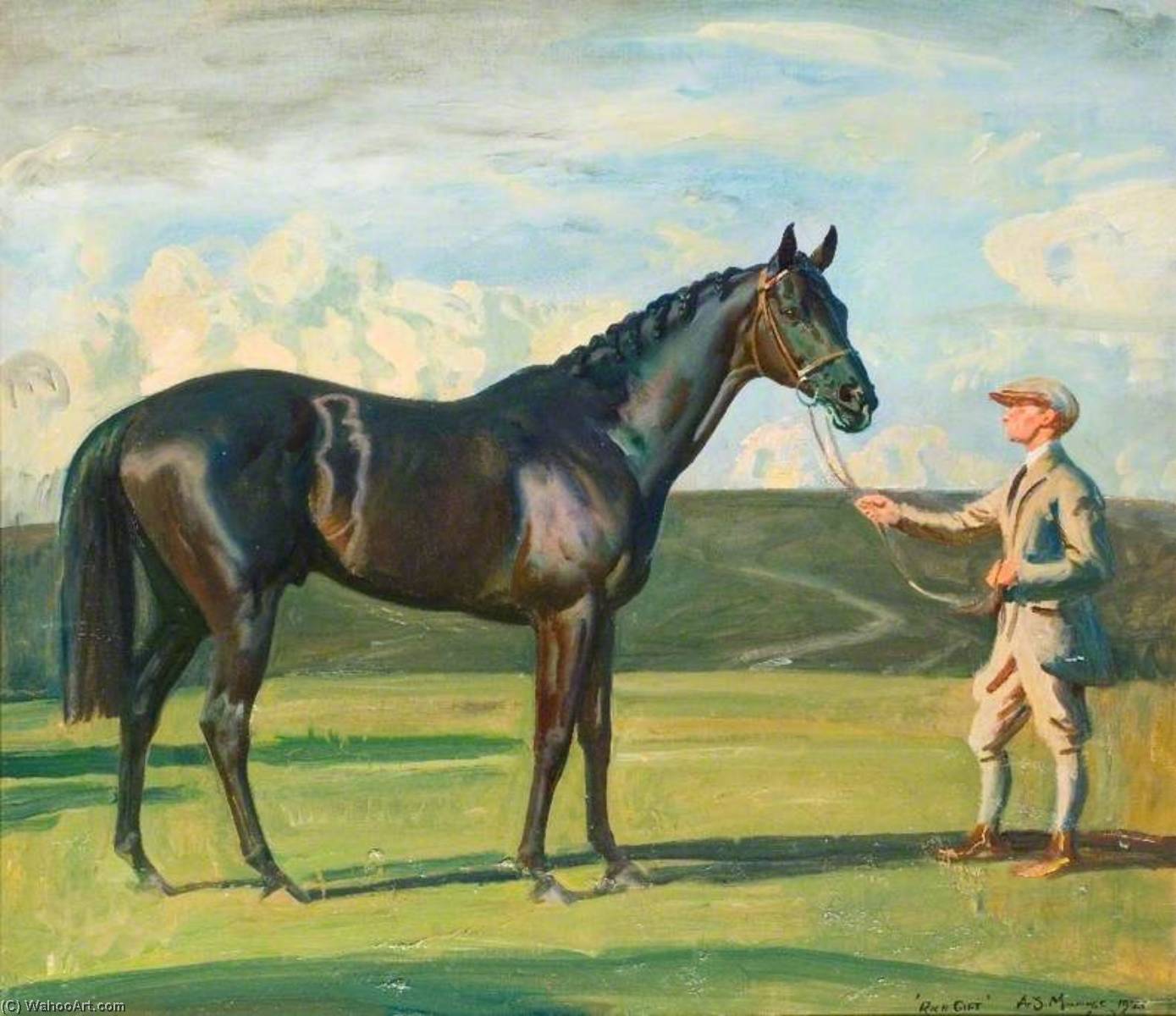
Alfred James Munnings was known as one of England's finest painters of horses, and as an outspoken critic of Modernism. Engaged by Lord Beaverbrook's Canadian War Memorials Fund, he earned several prestigious commissions after the Great War that made him wealthy. Between 1912 and 1914 he was a member of the Newlyn School of artists. His work was part of the art competitions at the 1928 Summer Olympics, the 1932 Summer Olympics, and the 1948 Summer Olympics.
Munnings was president of the Royal Academy of Arts from 1944 until his death.