1. modèle 1. t
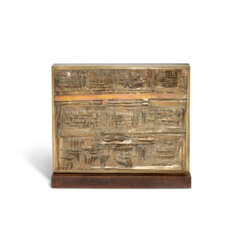

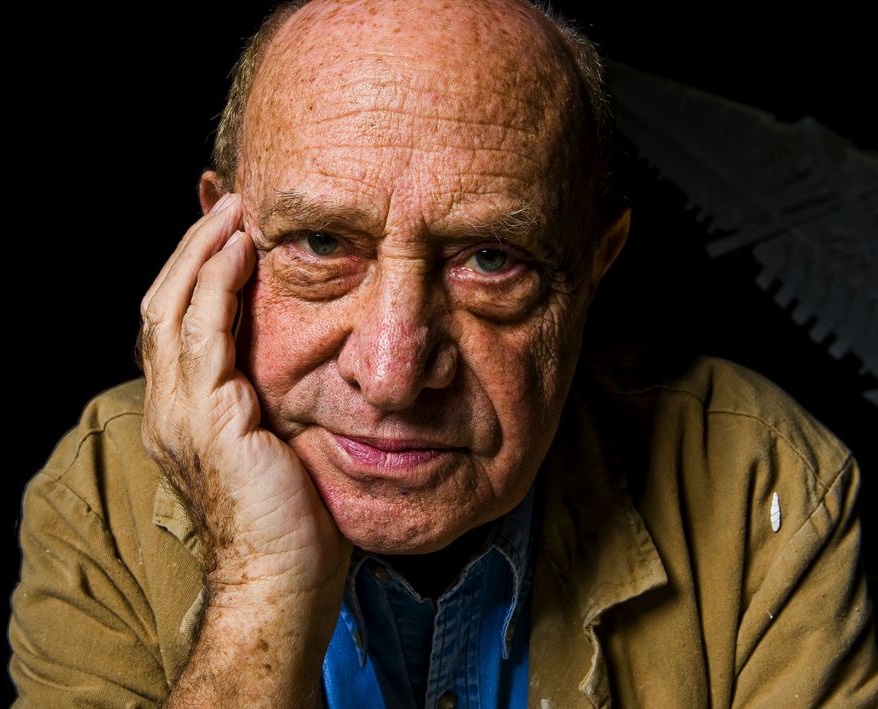
Arnaldo Pomodoro is an Italian sculptor. He was born in Morciano, Romagna, and lives and works in Milan. His brother, Giò Pomodoro (1930-2002) was also a sculptor.
Pomodoro designed a controversial fiberglass crucifix for the Cathedral of St. John the Evangelist in Milwaukee, Wisconsin. The piece is topped with a fourteen-foot diameter crown of thorns which hovers over the figure of Christ.
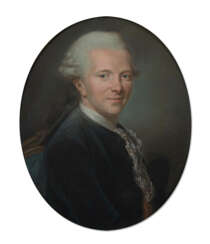


Elisabeth Vigee Le Brun was a celebrated French painter, renowned for her skill in portrait painting during the late 18th and early 19th centuries. Born in Paris in 1755, Vigee Le Brun's artistic talent was evident from a young age, leading her to become one of the most successful female artists of her time. Her father, a portraitist himself, was a significant influence on her early artistic development.
Vigee Le Brun is perhaps best known for her association with Queen Marie Antoinette. She painted more than 30 portraits of the queen, capturing her in a light that combined personal intimacy with the regal dignity required of royal portraiture. Her ability to portray her subjects with both elegance and psychological depth won her acclaim and patronage from the highest ranks of society across Europe.
Her career spanned one of Europe's most turbulent periods, including the French Revolution, which forced her into exile. During her years abroad, she lived and worked in major cultural centers such as Rome, Vienna, and St. Petersburg, further cementing her reputation among European aristocracy.
Vigee Le Brun's works are displayed in prestigious museums worldwide, including the Metropolitan Museum of Art in New York and the Louvre in Paris. Her legacy is not only in her portraits but also in her memoirs, which provide a vivid account of the cultural atmosphere of her time and her encounters with various historical figures.
For updates related to Elisabeth Vigee Le Brun, including new product sales and auction events featuring her work, consider signing up for updates. This subscription ensures you are informed about the latest developments and opportunities to appreciate or acquire works by this influential artist.
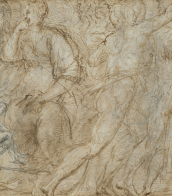
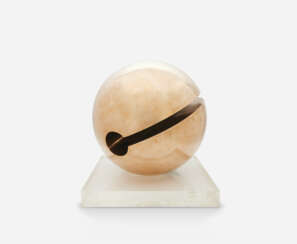

Arnaldo Pomodoro is an Italian sculptor. He was born in Morciano, Romagna, and lives and works in Milan. His brother, Giò Pomodoro (1930-2002) was also a sculptor.
Pomodoro designed a controversial fiberglass crucifix for the Cathedral of St. John the Evangelist in Milwaukee, Wisconsin. The piece is topped with a fourteen-foot diameter crown of thorns which hovers over the figure of Christ.
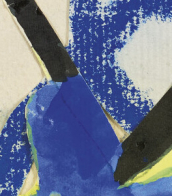






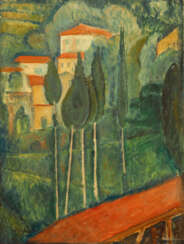

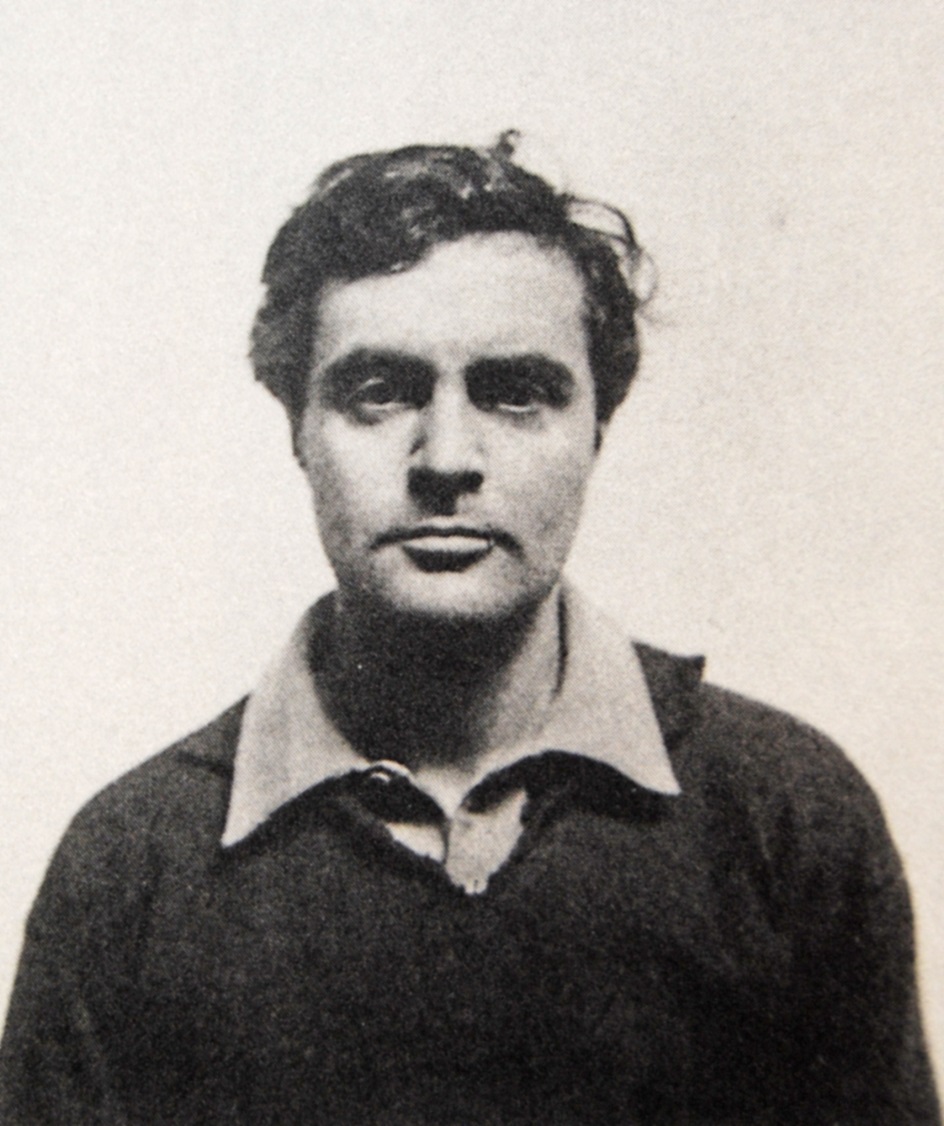
Amedeo Clemente Modigliani was an Italian painter and sculptor celebrated for his significant contributions to the School of Paris. Born into a Sephardic Jewish family in Livorno, Italy, on July 12, 1884, his upbringing in a culturally rich environment laid the foundation for his artistic pursuits. Despite facing health challenges from a young age, Modigliani's passion for art was evident, leading him to abandon traditional schooling in favor of artistic training. His early experiences with illness and his family's fluctuating fortunes deeply influenced his character and outlook on life.
In 1906, Modigliani moved to Paris, the epicenter of the avant-garde, where he mingled with iconic artists like Pablo Picasso and Constantin Brâncuși. This period was crucial for Modigliani as he sought to carve out a unique stylistic identity amid the burgeoning modern art scene. His work, characterized by elongated figures and faces, a modernist simplification of form, and a deeply expressive linearity, did not initially receive the recognition it deserved. Despite this, he remained committed to his art, producing an oeuvre that includes both paintings and sculptures, with a notable focus on portraits and nudes.
Modigliani's style is distinguished by its elegance and emotional depth, with his subjects often portrayed in a state of serene introspection. His works, such as "Jeanne Hébuterne in Red Shawl," "Portrait of Maude Abrantes," "Anna Akhmatova," "Madame Pompadour," "Portrait of Diego Rivera," "Portrait of Beatrice Hastings," and "Portrait of Moise Kisling," showcase his exceptional ability to capture the essence of his subjects with minimal yet impactful lines.
Despite his talent, Modigliani's life was marked by financial instability, health problems, and a struggle for critical recognition. He died of tubercular meningitis on January 24, 1920, in Paris, at the age of 35. Posthumously, Modigliani's work gained the recognition it had lacked during his lifetime, with his paintings and sculptures now commanding high prices and occupying prominent positions in museums and private collections worldwide.
For collectors and art and antiques experts, Modigliani's works offer a glimpse into the soul of an artist who transcended the adversities of his life through the beauty of his art. His contributions to modern art remain invaluable, with his unique approach to form and emotion continuing to inspire and captivate audiences.
If you're interested in staying updated on sales and auction events related to Amedeo Modigliani, we invite you to sign up for updates. This subscription service is tailored for enthusiasts eager to enrich their collections with pieces linked to this remarkable artist, ensuring you're informed of opportunities to acquire works that celebrate Modigliani's legacy.



Arnaldo Pomodoro is an Italian sculptor. He was born in Morciano, Romagna, and lives and works in Milan. His brother, Giò Pomodoro (1930-2002) was also a sculptor.
Pomodoro designed a controversial fiberglass crucifix for the Cathedral of St. John the Evangelist in Milwaukee, Wisconsin. The piece is topped with a fourteen-foot diameter crown of thorns which hovers over the figure of Christ.

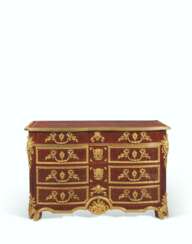

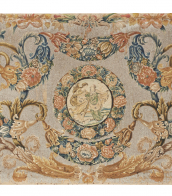
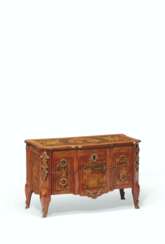

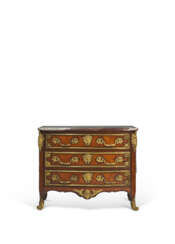



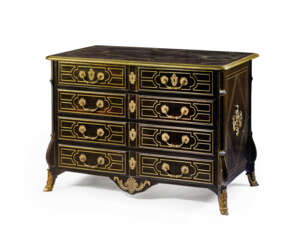

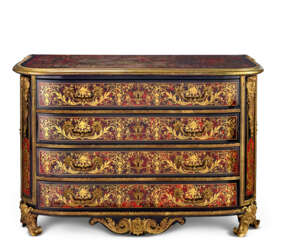

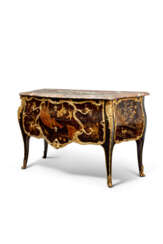

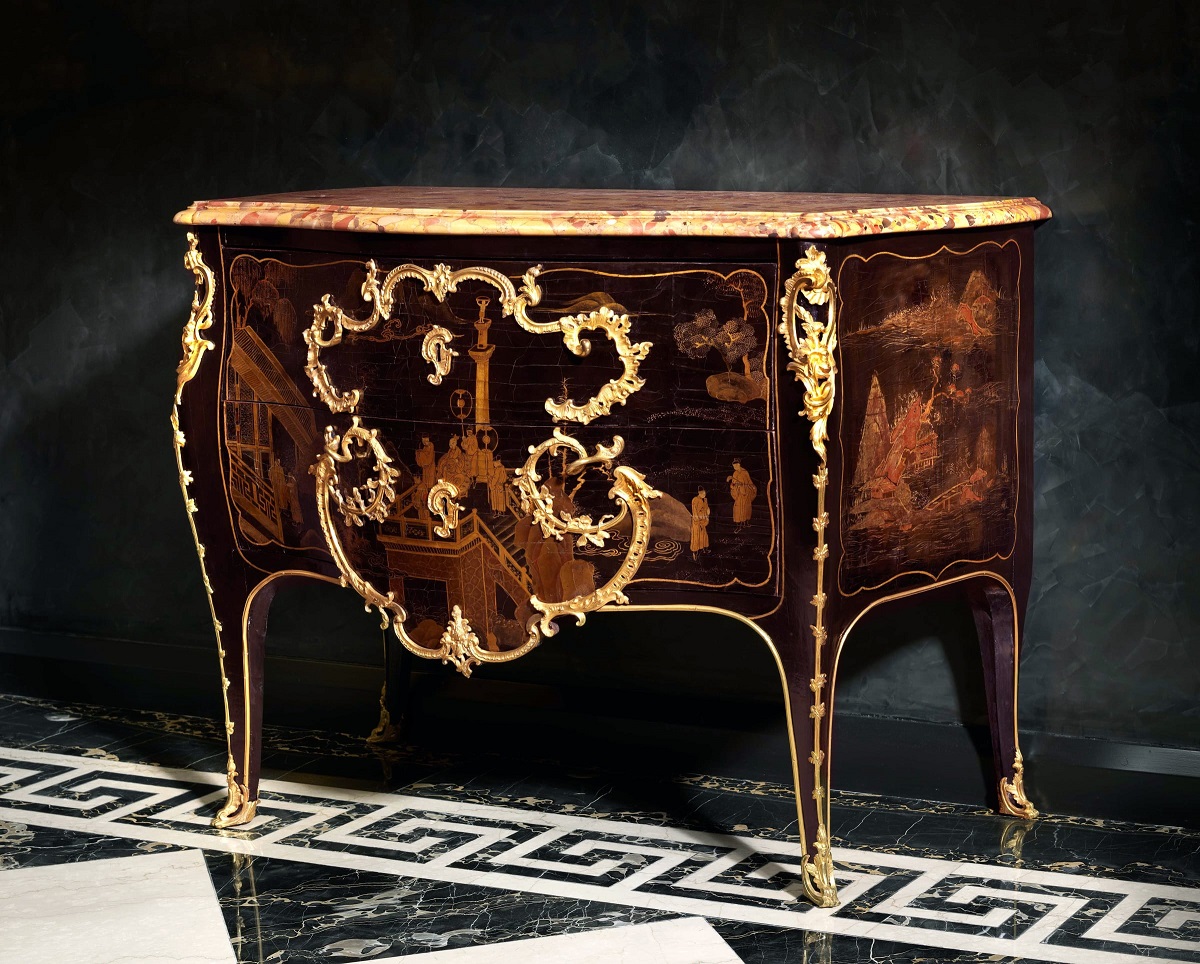
Jacques Dubois was a master cabinetmaker of the 18th century.
He was the king's cabinetmaker and also worked for Princess Louise Elisabeth, the Duchess of Parma, the Duke of Orleans and the nobility of the time.
He was one of the masters of the Louis XV style, a specialist in varnished veneers, reproducing the effects of Far Eastern lacquers, with black or red backgrounds, decorated with Chinese and pagodas, of a very high quality.
He also executed the delicately chiselled bronzes applied to his furniture.
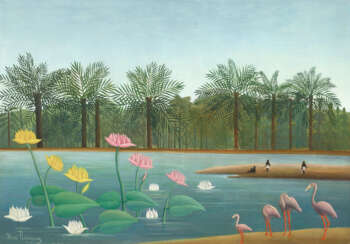

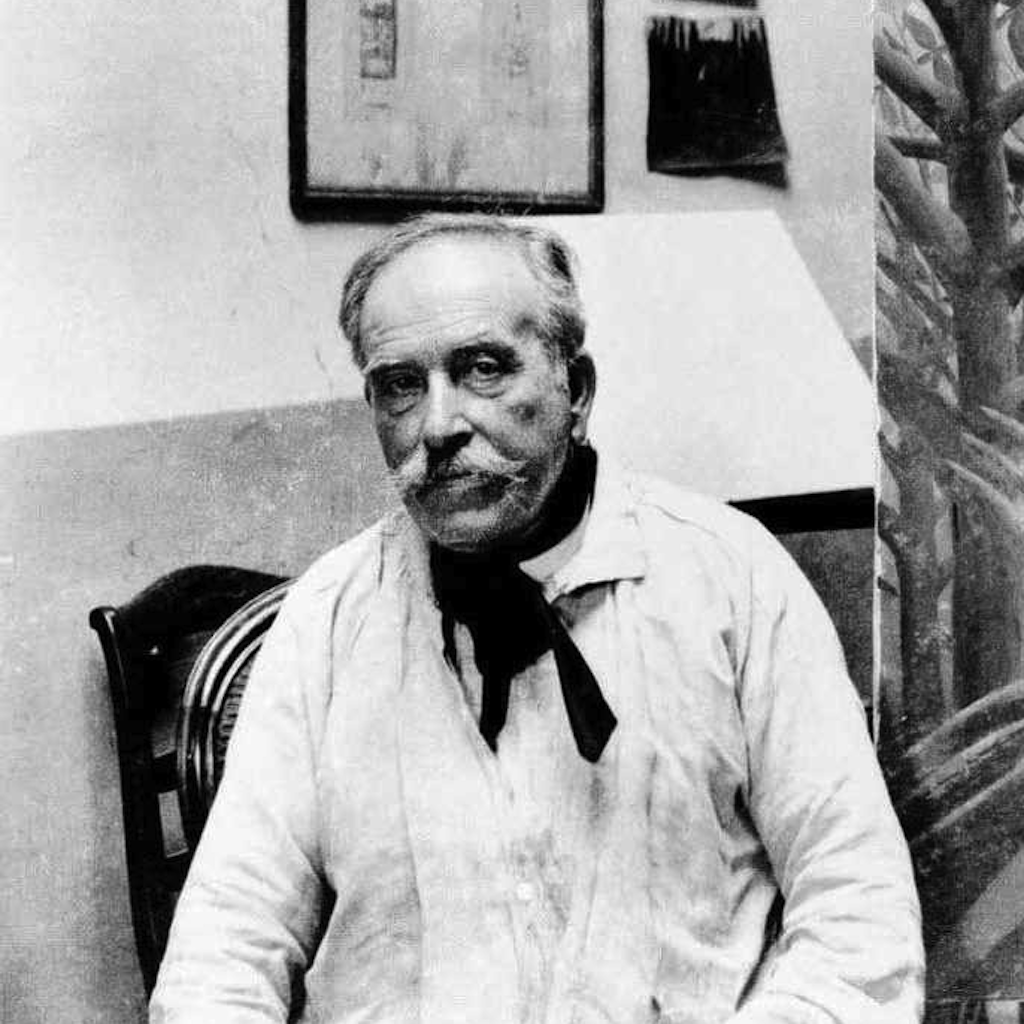
Henri Rousseau was a remarkable French painter, whose work continues to captivate art collectors and experts. Born in Laval, France, in 1844, Rousseau's artistic journey was unconventional. He began painting later in life, around the age of forty, and was primarily self-taught. Despite a lack of formal training, Rousseau developed a unique style that set him apart in the art world.
Rousseau's paintings, characterized by their rich colors and detailed depiction of jungle scenes, wild animals, and exotic figures, marked him as the archetype of the modern naïve artist. He regularly exhibited at the Salon des Indépendants from 1886, gaining attention and admiration over time, especially for works like "Tiger in a Tropical Storm (Surprised!)" and "The Sleeping Gypsy". His art was distinctive for its dreamlike quality and its blend of fantasy and reality.
In 1905, Rousseau exhibited "The Hungry Lion Throws Itself on the Antelope" at the Salon des Indépendants, alongside works by avant-garde artists such as Henri Matisse, marking the first showing of The Fauves. This exhibition was a significant moment, as it highlighted Rousseau's influence on and connection with contemporary art movements. His work, particularly his jungle scenes, was a precursor to surrealism, seen in later artists like René Magritte.
Rousseau's art also included suburban landscapes of Paris, offering a tranquil and cultivated view of the city in contrast to the emotionally charged jungles. These works often included modern elements like smokestacks and telephone poles, yet maintained an eerie stillness, making the familiar appear strange.
A notable event in Rousseau's life was the banquet held in his honor by Pablo Picasso in 1908, an event that signified Rousseau's growing recognition and influence in the art world. This gathering was attended by many influential artists and writers of the time.
Rousseau continued to paint until his death in 1910. His final painting, "The Dream", was exhibited in the same year. Today, Rousseau's works are celebrated for their originality and imaginative quality, and can be found in major museums and galleries worldwide.
For art collectors and experts, Rousseau's work represents a unique blend of naïve art and modern artistic movements. His influence on subsequent artists and his distinct style make his paintings a valuable addition to any collection.
Stay updated on new discoveries and sales related to Henri Rousseau by signing up for our updates. Please note, this subscription is specifically for alerts on new product sales and auction events related to Henri Rousseau.




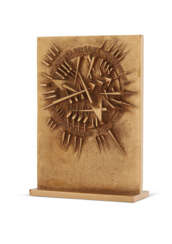

Arnaldo Pomodoro is an Italian sculptor. He was born in Morciano, Romagna, and lives and works in Milan. His brother, Giò Pomodoro (1930-2002) was also a sculptor.
Pomodoro designed a controversial fiberglass crucifix for the Cathedral of St. John the Evangelist in Milwaukee, Wisconsin. The piece is topped with a fourteen-foot diameter crown of thorns which hovers over the figure of Christ.












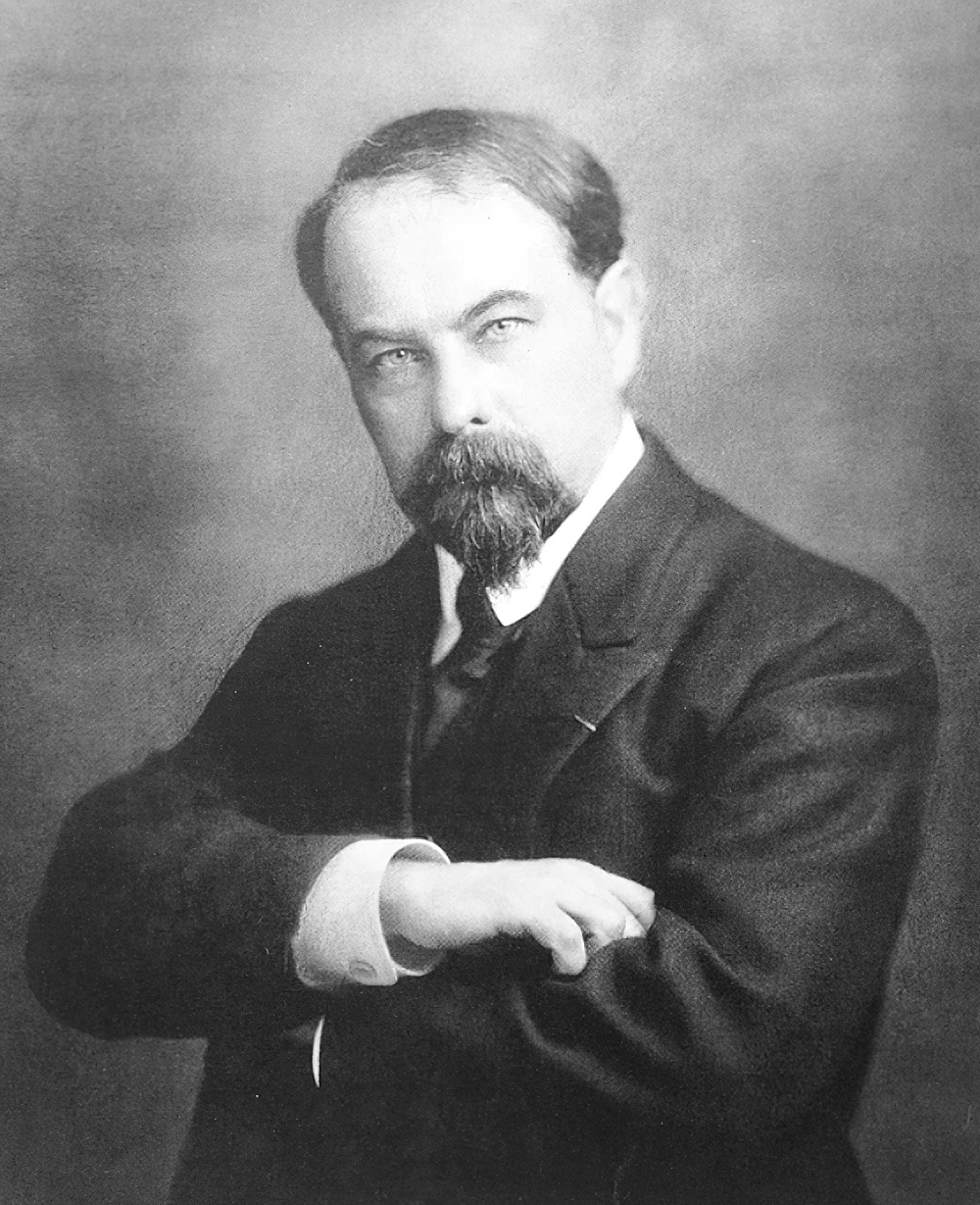
Henri Eugène Le Sidaner was a French painter known for his intimate, atmospheric landscapes and still-life paintings. He was born in Port Louis, Mauritius, but grew up in northern France and studied art at the École des Beaux-Arts in Paris.
Le Sidaner's early work was influenced by the Impressionists, but he later developed his own distinctive style characterized by a subdued palette, soft brushwork, and a focus on capturing the effects of light and atmosphere. His paintings often depict gardens, parks, and rural landscapes, as well as interiors and still-life arrangements.
Le Sidaner was also known for his use of light and shadow, which he used to create a sense of depth and mood in his paintings. He was particularly interested in the way that light and shadow interacted in interior spaces, and many of his paintings depict quiet, contemplative scenes bathed in a soft, diffuse light.
Le Sidaner's work was widely exhibited during his lifetime, and he received many awards and honors, including the Legion of Honor in France. His paintings are now included in many important collections, including the Musée d'Orsay in Paris and the Metropolitan Museum of Art in New York.


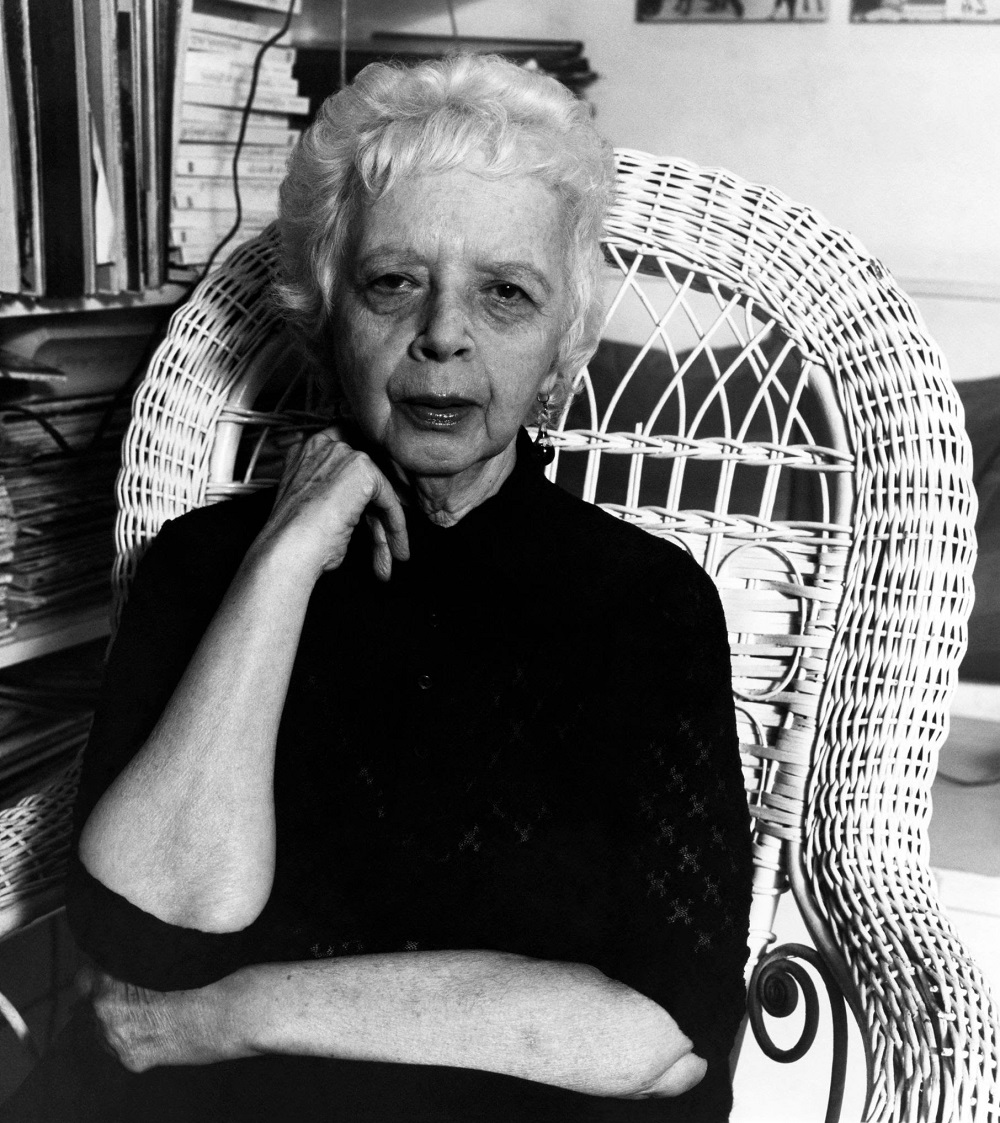
Lisette Model was an Austrian-born photographer who became known for her work in the United States in the mid-20th century. She was began her artistic career as a pianist before turning to photography.
Model's photographic style was characterized by her use of high-contrast black and white images and her interest in capturing the grit and energy of urban life. She often photographed people on the margins of society, such as street vendors, beggars, and nightclub performers, and her images were marked by a sense of empathy and intimacy with her subjects.
In addition to her work as a photographer, Model was also a teacher, and she taught photography at the New School for Social Research in New York City for many years. Her students included Diane Arbus and Bruce Weber, among others, and she was known for her direct and often challenging approach to teaching.
Model's work has had a significant impact on the field of photography, and her legacy continues to inspire new generations of artists. Her photographs are prized for their emotional intensity and their ability to capture the complexities of human experience, and she is remembered as one of the most important photographers of the 20th century.