101 hundred.

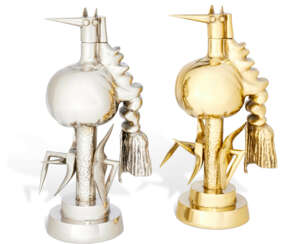

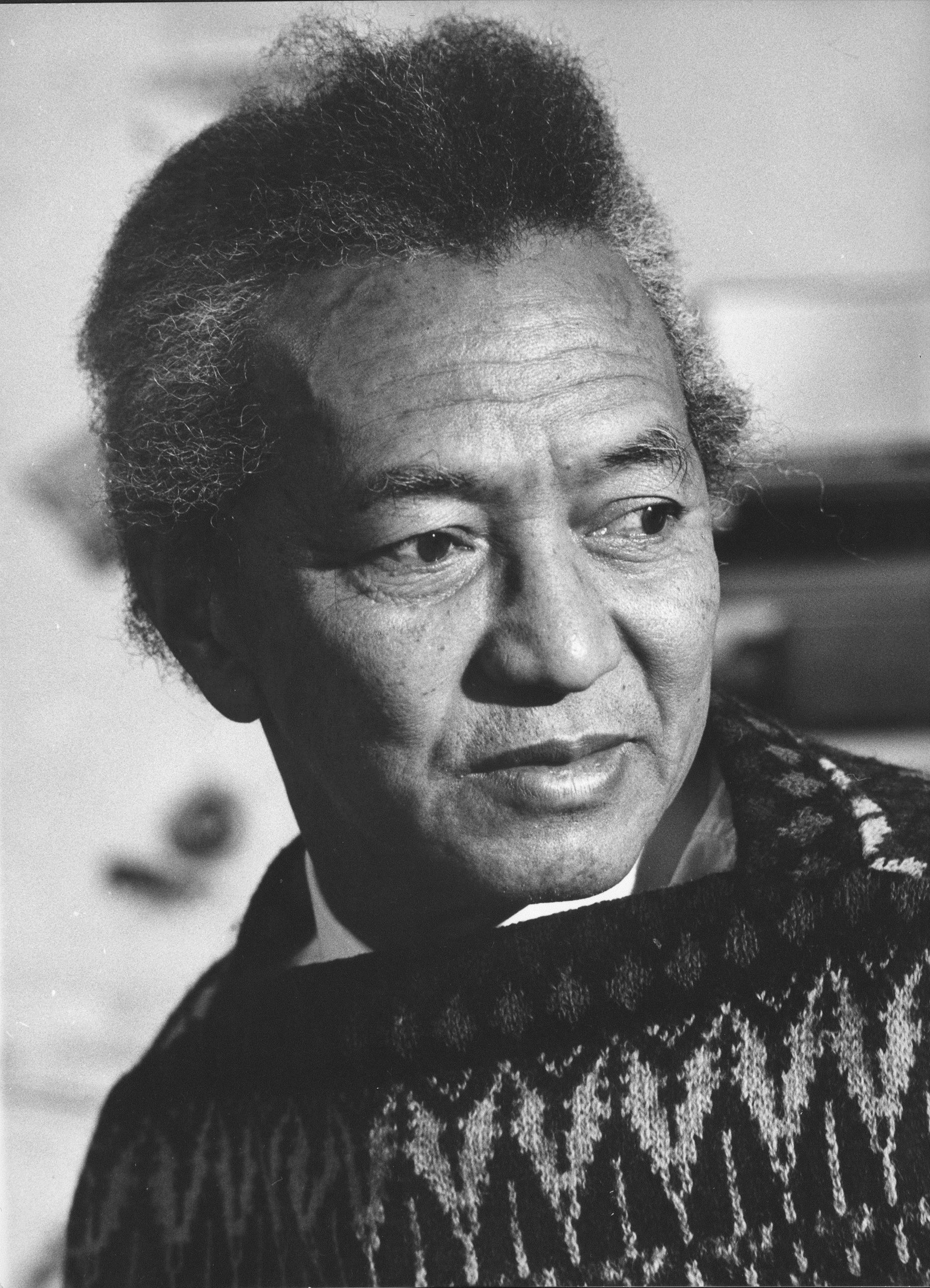
Wifredo Óscar de la Concepción Lam y Castilla, better known as Wifredo Lam, was a Cuban artist who sought to portray and revive the enduring Afro-Cuban spirit and culture. Inspired by and in contact with some of the most renowned artists of the 20th century, including Pablo Picasso, Henri Matisse, Frida Kahlo and Diego Rivera, Lam melded his influences and created a unique style, which was ultimately characterized by the prominence of hybrid figures. This distinctive visual style of his also influences many artists. Though he was predominantly a painter, he also worked with sculpture, ceramics and printmaking in his later life.
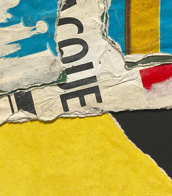


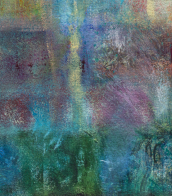








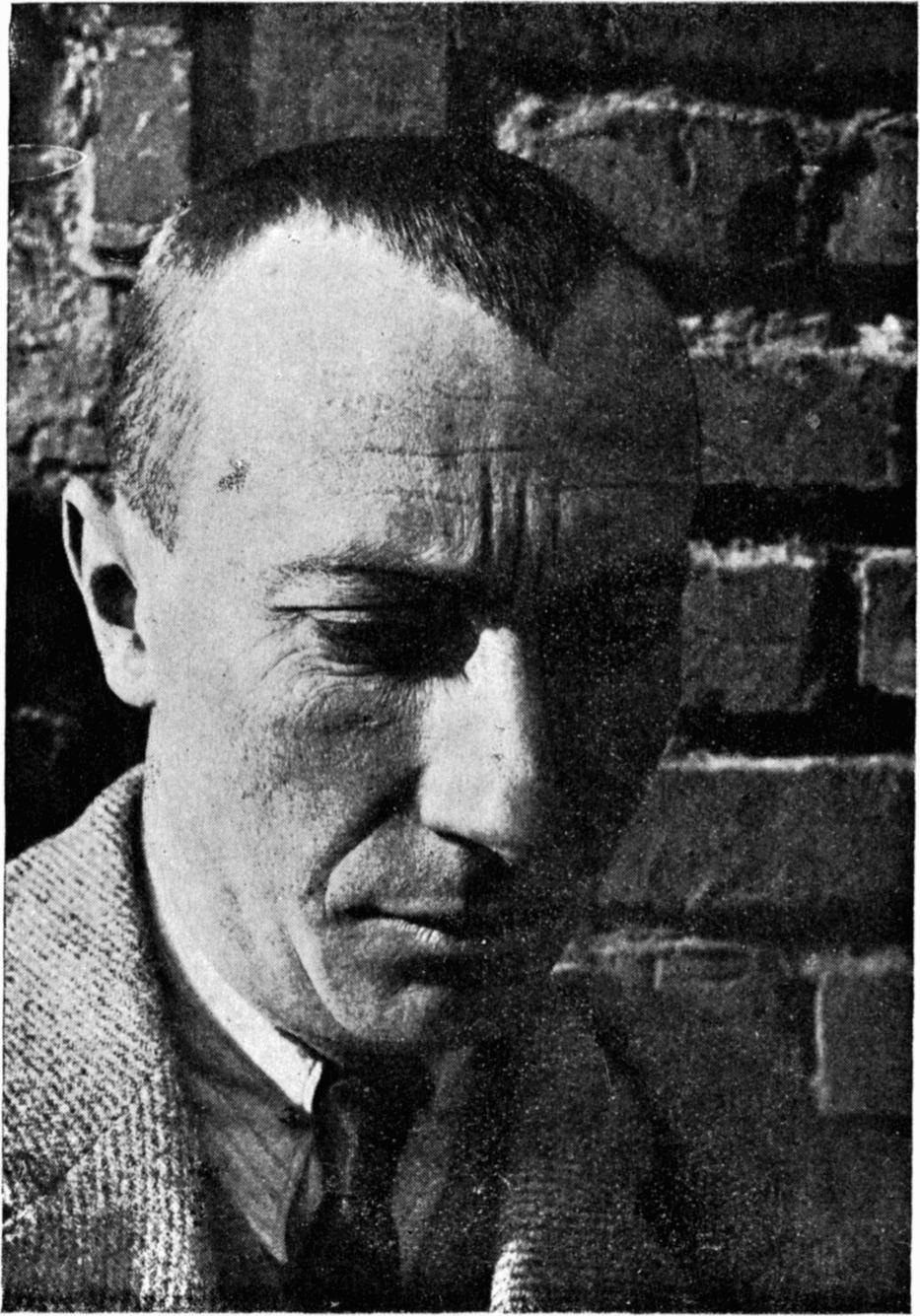
Jean Arp, born Hans Peter Wilhelm Arp, was a German and French poet, painter, graphic artist and sculptor. one of the founders of the Dada movement in Zurich.
Arp used abstract forms in his work and experimented with different materials such as wood, metal and stone. He was also known for his poetic works, in which he applied a method of randomly selecting words, called the "clutter method". Arp believed that this method helped him express his thoughts more precisely and originally. Arp's influence on the arts is still significant today.
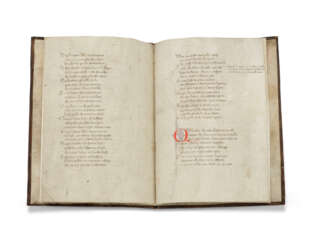
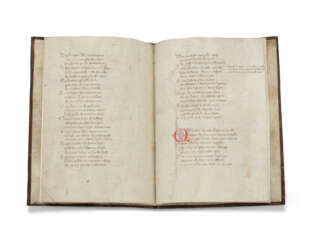
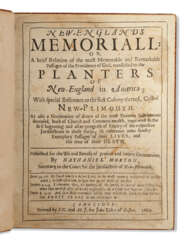
![FIBONACCI, Leonardo [c.1170-c.1250]; BOETHIUS, Anicius Manlius Severinus [c.480-524], GROSSETESTE, Robert [1175-1253]; [DE PULCHRO RIVO, Johannes, attrib.]](/assets/image/picture_2279440/69ac3/5672d49f6fe2176fe5b0465502ca1a9b1657663200jpg__fix_374_244.jpeg)
![FIBONACCI, Leonardo [c.1170-c.1250]; BOETHIUS, Anicius Manlius Severinus [c.480-524], GROSSETESTE, Robert [1175-1253]; [DE PULCHRO RIVO, Johannes, attrib.]](https://veryimportantlot.com/assets/image/picture_2279440/69ac3/5672d49f6fe2176fe5b0465502ca1a9b1657663200jpg__fix_374_244.jpeg)
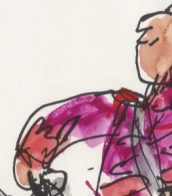


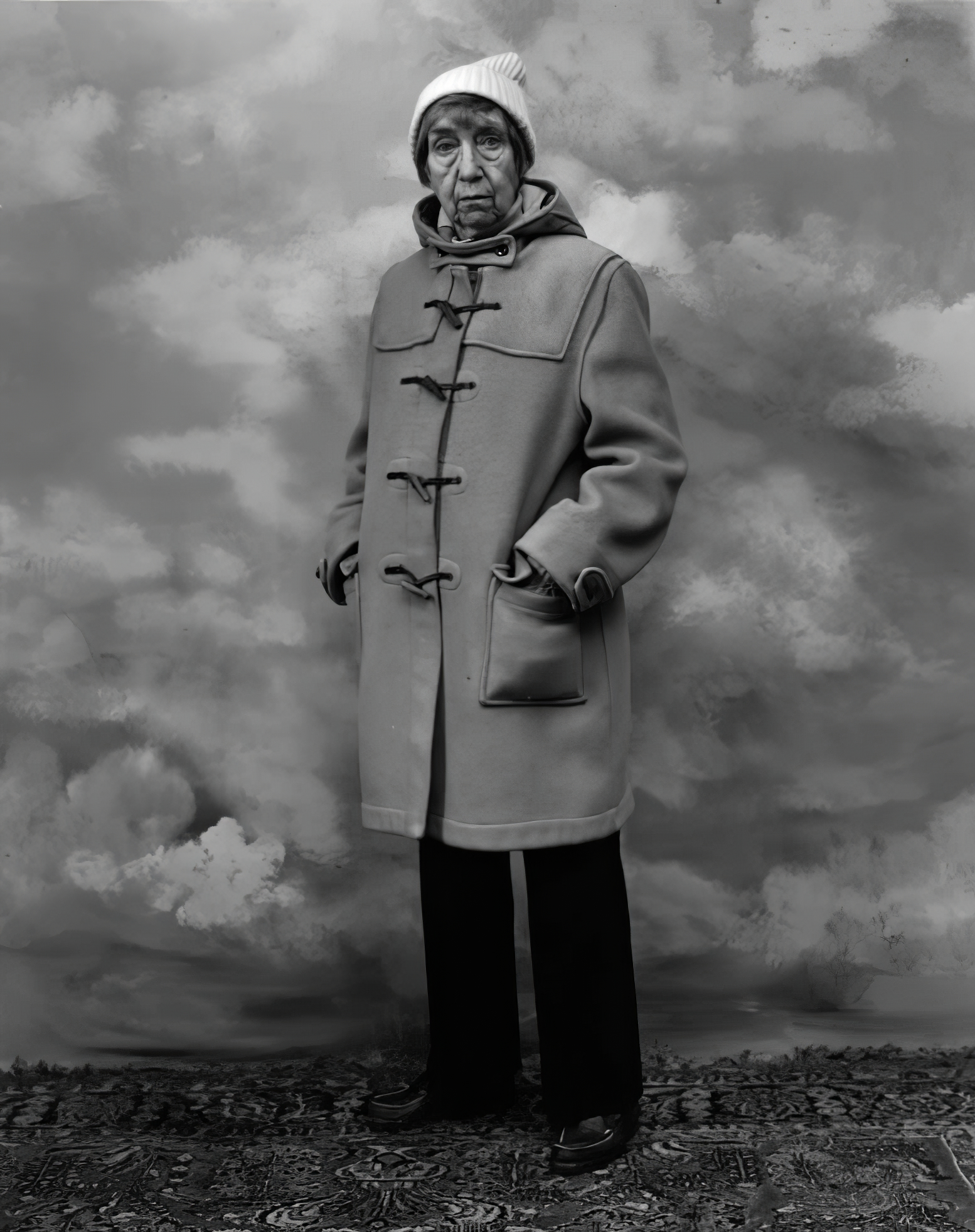
Berenice Alice Abbott was an American photographer best known for her portraits of between-the-wars 20th century cultural figures, New York City photographs of architecture and urban design of the 1930s, and science interpretation in the 1940s to 1960s.
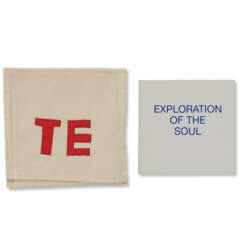


Tracey Karima Emin is a British artist known for her autobiographical and confessional artwork. Emin produces work in a variety of media including drawing, painting, sculpture, film, photography, neon text and sewn appliqué.

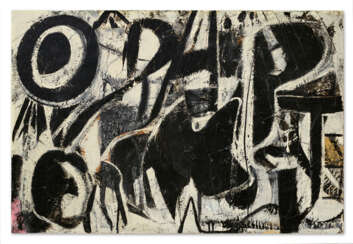

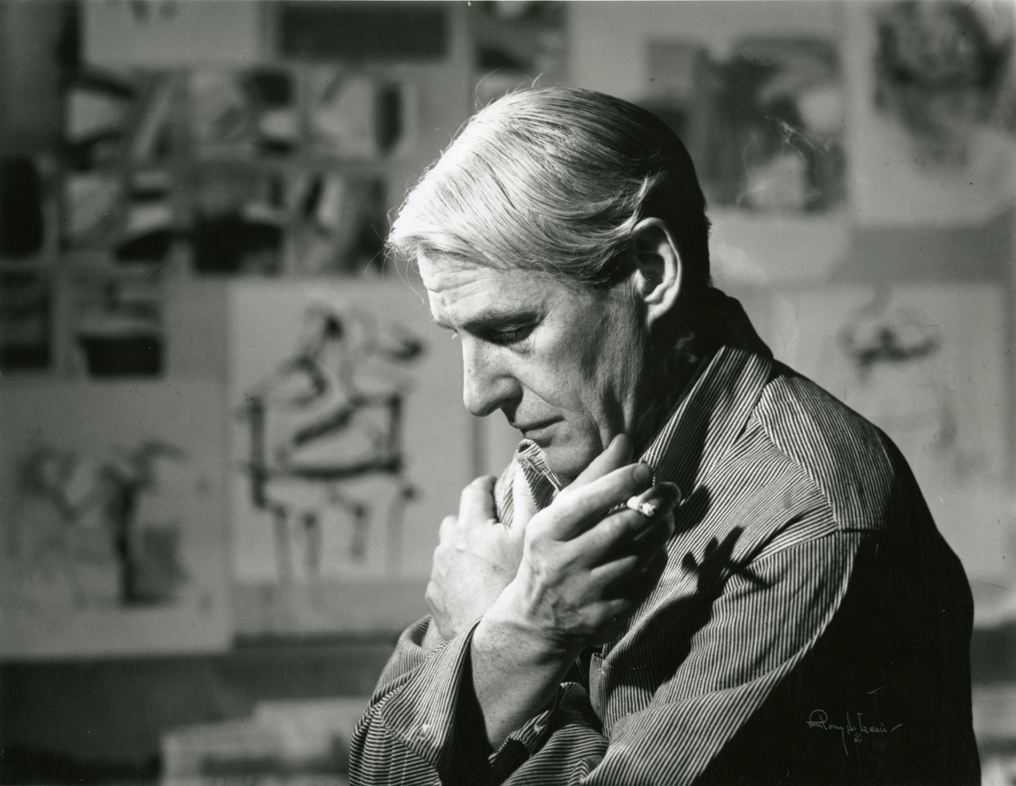
Willem de Kooning was a Dutch-American abstract expressionist painter. Born in Rotterdam, Netherlands, he moved to the United States in 1926, becoming a U.S. citizen in 1962. He was a leading figure in the Abstract Expressionism movement, known for his dramatic and often energetic style. He gained prominence between 1948 and 1953, creating some of his most iconic works, including the Woman series.
De Kooning's paintings combined abstraction with elements of Cubism, Surrealism, and Expressionism. His style evolved over time, with works that ranged from figurative to more abstract pieces. Among his most notable works are "Woman I" (1950-52) and "Excavation" (1950), which reflect his unique approach to painting, characterized by vigorous brushstrokes, bold colors, and complex textures.
Despite his success, de Kooning faced challenges, including personal struggles with alcoholism and deteriorating health due to Alzheimer's disease in his later years. His artwork has had a lasting impact on modern art, and his pieces can be found in major museums and galleries worldwide, such as the Museum of Modern Art (MoMA) and the Smithsonian American Art Museum.
Stay updated on new releases and auction events featuring works by Willem de Kooning by signing up for our exclusive email notifications. Get insider information and never miss a chance to add to your art collection.

.jfif)
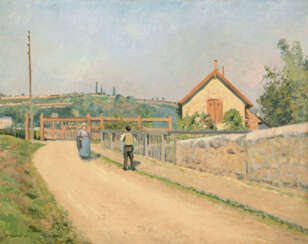
Camille Pissarro, a Danish-French artist, was a linchpin of the Impressionist and Neo-Impressionist movements. Born in 1830 on the island of St. Thomas, Pissarro's Jewish-Portuguese heritage and upbringing in the Danish West Indies infused his work with a unique perspective. He is celebrated for his depictions of rural and urban French life, particularly his landscapes that eschew artifice, highlighting the simple beauty of the natural world and the dignity of common people.
Pissarro's influence on the art world was profound. Not only was he a central figure in the Impressionist movement, helping to organize the collective's exhibitions, but he also mentored future Post-Impressionist masters like Cézanne, Gauguin, and van Gogh. His colleagues revered him for his wisdom, balance, and warmhearted nature. Pissarro's dedication to the Impressionist ethos was unparalleled; he was the only artist to exhibit in all eight Paris Impressionist exhibitions from 1874 to 1886.
Among his notable works, Pissarro's 'Hay Harvest at Eragny' (1887) exemplifies his shift towards Neo-Impressionism. This piece, housed at the Van Gogh Museum in Amsterdam, showcases his exploration of tonal values and pointillism. Another poignant work, 'Jeanne Holding a Fan', captures the fragile beauty of his young daughter during her illness, and is a testament to his ability to convey deep personal emotion through art. This work is displayed at The Ashmolean Museum in Oxford.
For art collectors and enthusiasts, Pissarro's works remain a testament to the transformative power of Impressionism and its impact on modern art. His paintings, characterized by their revolutionary depictions of everyday life and nature, continue to be celebrated in major museums around the world.
To stay informed about upcoming sales and auction events featuring works by Camille Pissarro, sign up for our updates. This subscription is an opportunity for collectors and art experts to connect with the enduring legacy of one of Impressionism's pivotal figures.
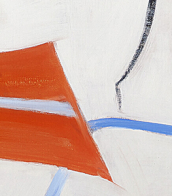


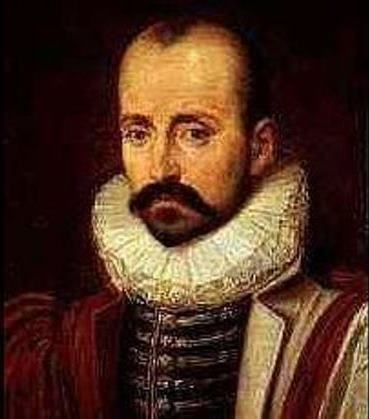

















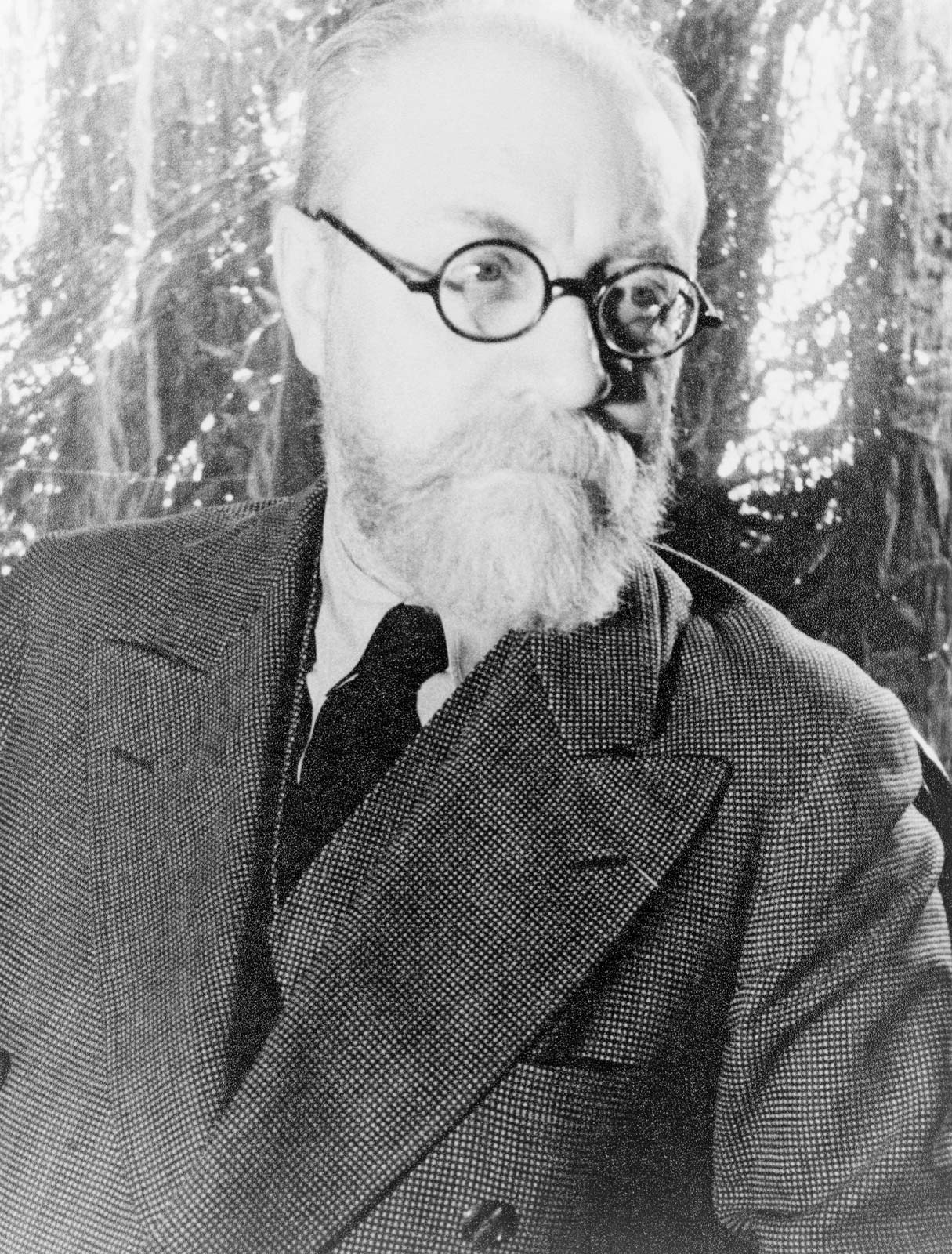
Henri Matisse, a renowned French visual artist, was celebrated for his vibrant use of color and fluid, original draughtsmanship. Born on December 31, 1869, in Le Cateau-Cambrésis, France, Matisse initially pursued a career in law before turning to art. He first began painting in 1889, a change inspired by convalescence art supplies his mother provided. This marked the beginning of a journey that would see him become a leading figure in modern art.
Matisse's career is notable for its stylistic evolution yet consistent aim to capture the "essential character of things." His early works, characterized by intense colorism, earned him recognition as one of the Fauves, or "wild beasts." The period from 1908 to 1913 was marked by significant developments, with works like "Reclining Odalisque" and "The Red Studio" showcasing his mastery in balance and serenity. In the 1920s, his style evolved to more relaxed forms, with a focus on light, color, and decorative patterns in paintings like his odalisque series.
Matisse's exploration of various mediums, including sculpture and paper collage, reflects his innovative spirit. His later years were dominated by cut paper collages, as health challenges limited his ability to paint. These works, alongside his bold drawings and sculptures, cemented his status as a pioneer in visual art.
For collectors and art experts, Matisse's work remains a testament to creative evolution and expressive use of color and form. His masterpieces can be found in prominent museums and galleries worldwide, continuing to inspire and fascinate art enthusiasts.
To stay updated on new product sales and auction events related to Henri Matisse's art, sign up for our updates. This subscription will keep you informed about opportunities to appreciate and acquire works connected to this iconic artist.

![[WILDE, Oscar (1854-1900)]](/assets/image/picture_4084566/95c2b/lahwoc3u4qf9a2monehopf8hrdgtqqfscop5zvi2iyvpfee2ozgaz9zixwfubjc1719907174jpg__fix_374_244.jpeg)
![[WILDE, Oscar (1854-1900)]](https://veryimportantlot.com/assets/image/picture_4084566/95c2b/lahwoc3u4qf9a2monehopf8hrdgtqqfscop5zvi2iyvpfee2ozgaz9zixwfubjc1719907174jpg__fix_374_244.jpeg)
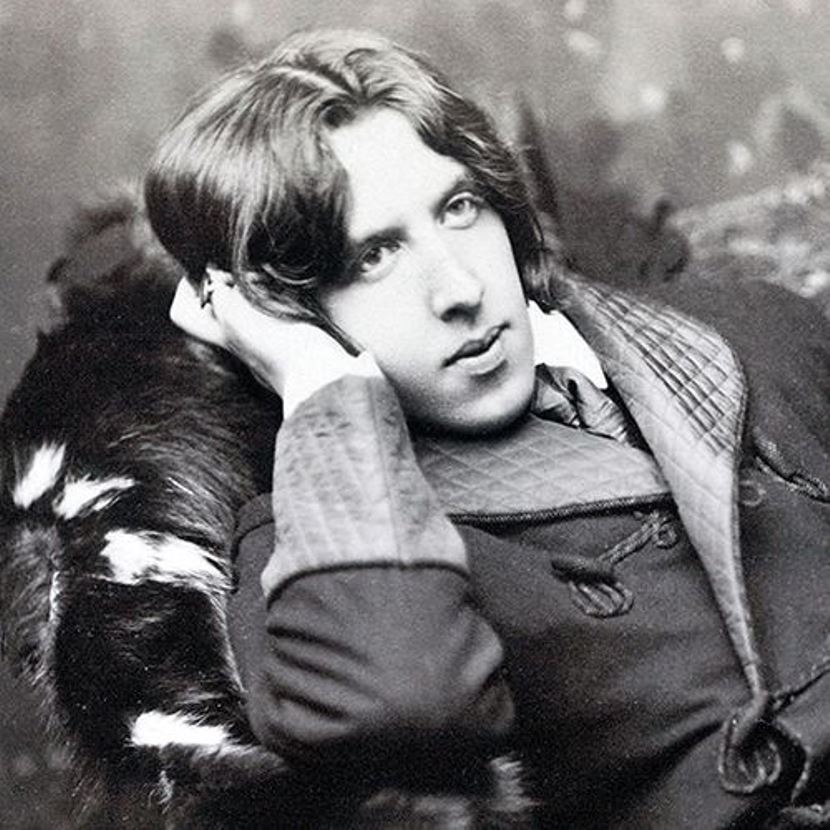
Oscar Fingal O'Flahertie Wills Wilde - Irish writer, poet, philosopher and playwright, a bright representative of the literature of the Victorian period.
Oscar's parents were fond of literature and history, gave their son an excellent education. After graduating from Oxford University, Oscar moved to London, where he quickly entered the circle of secular society. His first book, a collection of poems, was published in 1881. Over the next year, the aspiring writer traveled across America with lectures on art. Then he traveled to France, where he met key figures of French literature of the time - Victor Hugo, Paul Verlaine, Emile Zola and others. Returning to his homeland, Oscar married, thanks to which his children's fairy tales appeared. His popularity grew rapidly, his work was favorably reviewed by Bernard Shaw.
Next, "The Crime of Lord Arthur Seville", "The Canterville Ghost", "The Sphinx without a riddle" were written. In 1890 Oscar Wilde wrote the novel "The Portrait of Dorian Gray", which was considered immoral in high society, but it brought the author the greatest fame. This novel is still considered a classic of world literature to this day. In the early 1890s Oscar Wilde wrote comedy plays "Lady Windermere's Fan", "A Woman Not Worth Watching", "An Ideal Husband" and "How Important It Is to Be Serious". In them, the author shows himself a master of witty dialog. During his life, Wilde wrote nine plays, one novel, many poems, stories and essays.
Bright and full life of a successful and talented writer ended when he met Lord Alfred Douglas. For this scandalous connection with the man, Oscar Wilde was sentenced to two years in prison. After leaving prison, he settled in France under an assumed name, abandoned by everyone. He wrote his last work, the autobiographical "Ballad of Reading Prison" two years before his death at the age of 46.