1518
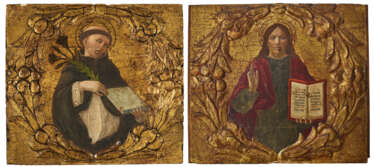


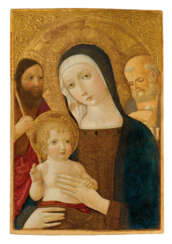
Benvenuto di Giovanni di Meo del Guasta, an Italian painter hailing from Siena, was recognized for his compelling panel paintings, frescoes, and manuscripts produced over a span of 43 years, during the Renaissance period. Born around 1436, his work life was largely based in Siena, where he was first documented as a young artist in 1453. His teacher was likely Vecchietta, with whom he collaborated on fresco decoration in Siena's baptistry. Di Giovanni married Jacopa di Tommaso da Cetona in 1466, which marked the beginning of a productive period that saw the creation of notable works such as the Annunciation and Saints (1466) and the Nativity (1470).
Benvenuto di Giovanni's style was characterized by its noble, classical forms and bright, intensely lit, glassy consistency, influenced by his interaction with North Italian miniaturists like Liberale da Verona and Girolamo da Cremona. His works, such as the triptych from Montepertuso (1475), the Borghesi altarpiece, and the triptych in the National Gallery, London (1479), stand as masterpieces of his sharply defined and surreal world. In the later years of his career, di Giovanni was commissioned for floor designs in the Siena cathedral and miniatures for its choir books, showing a style that occasionally simplified due to collaboration with his son, Girolamo di Benvenuto, but remained distinctively his.
Significant works by Benvenuto di Giovanni include "The Adoration of the Magi" and "The Crucifixion," both showcasing his mastery in perspective and religious narrative. For collectors and experts in art and antiques interested in the evocative and historically rich works of the Renaissance, Benvenuto di Giovanni's oeuvre offers a captivating exploration of 15th-century Sienese artistry.
To stay updated on sales and auction events featuring works by Benvenuto di Giovanni, sign up for updates. This subscription ensures that enthusiasts and collectors are always informed about new opportunities to engage with the exquisite works of this renowned Renaissance artist.
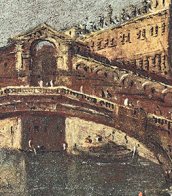


Benvenuto di Giovanni di Meo del Guasta, an Italian painter hailing from Siena, was recognized for his compelling panel paintings, frescoes, and manuscripts produced over a span of 43 years, during the Renaissance period. Born around 1436, his work life was largely based in Siena, where he was first documented as a young artist in 1453. His teacher was likely Vecchietta, with whom he collaborated on fresco decoration in Siena's baptistry. Di Giovanni married Jacopa di Tommaso da Cetona in 1466, which marked the beginning of a productive period that saw the creation of notable works such as the Annunciation and Saints (1466) and the Nativity (1470).
Benvenuto di Giovanni's style was characterized by its noble, classical forms and bright, intensely lit, glassy consistency, influenced by his interaction with North Italian miniaturists like Liberale da Verona and Girolamo da Cremona. His works, such as the triptych from Montepertuso (1475), the Borghesi altarpiece, and the triptych in the National Gallery, London (1479), stand as masterpieces of his sharply defined and surreal world. In the later years of his career, di Giovanni was commissioned for floor designs in the Siena cathedral and miniatures for its choir books, showing a style that occasionally simplified due to collaboration with his son, Girolamo di Benvenuto, but remained distinctively his.
Significant works by Benvenuto di Giovanni include "The Adoration of the Magi" and "The Crucifixion," both showcasing his mastery in perspective and religious narrative. For collectors and experts in art and antiques interested in the evocative and historically rich works of the Renaissance, Benvenuto di Giovanni's oeuvre offers a captivating exploration of 15th-century Sienese artistry.
To stay updated on sales and auction events featuring works by Benvenuto di Giovanni, sign up for updates. This subscription ensures that enthusiasts and collectors are always informed about new opportunities to engage with the exquisite works of this renowned Renaissance artist.
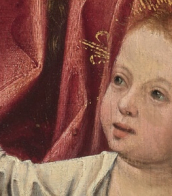
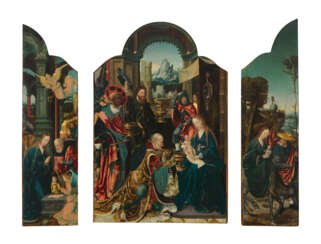

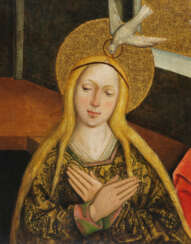

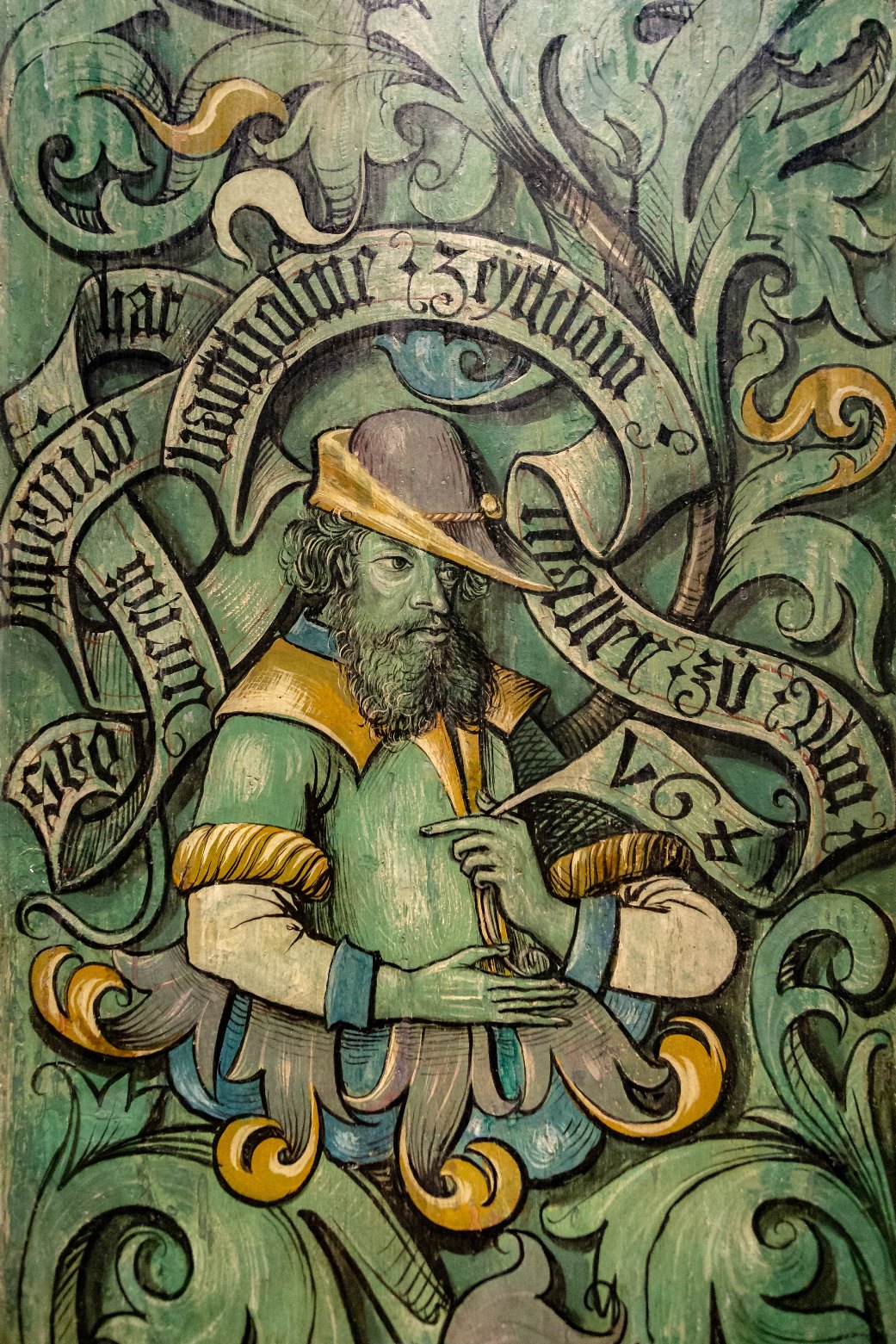
Bartholomäus Zeitblom was a German painter, master of altarpiece painting, and chief master of the Ulm School.
He created a lot of altarpieces and altar paintings. The people depicted by the artist are beautiful and sublime.


 Тинторетто. Автопортрет. 1588.jpg)
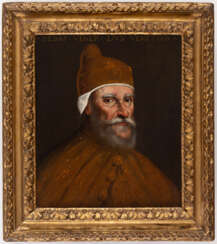
Jacopo Robusti Tintoretto was an Italian painter, a significant figure in the Venetian school, and one of the most notable artists of the late Renaissance. Born in Venice in 1518, Tintoretto was known for his rapid painting technique and bold brushwork, which both fascinated and sparked debate among his contemporaries. His early aspirations were evident when he was briefly apprenticed to Titian, a relationship that ended abruptly due to a clash of personalities or Titian's possible jealousy of Tintoretto's talent. Despite this setback, Tintoretto's self-driven studies, particularly his admiration for Michelangelo's drawing and Titian's coloring, shaped his artistic development.
Tintoretto's body of work is distinguished by its dramatic gestures and muscular figures, set in dynamic compositions with a masterful use of perspective and lighting, hallmarks of the Mannerist style. His paintings are celebrated for their emotional intensity and theatricality, elements that prefigured the Baroque movement. Among his numerous contributions to art and culture, Tintoretto's work in the Scuola Grande di San Rocco in Venice stands out, showcasing his skill in creating narrative and spiritual depth across a vast series of canvases dedicated to biblical stories and the life of Christ.
Significant works by Tintoretto include "The Last Supper" at San Giorgio Maggiore, which exemplifies his innovative approach to this traditional religious subject, and "The Miracle of the Slave," demonstrating his ability to convey divine intervention with dynamic realism. His legacy extends beyond his death in 1594, with his influence resonating in the works of later artists and contributing to the development of Baroque art.
Tintoretto's dedication to his craft and his unique approach to painting made him a pivotal figure in the transition from the Renaissance to the Baroque period. His works are housed in prestigious museums and galleries worldwide, continuing to inspire and captivate audiences with their intensity and beauty.
For collectors and experts in art and antiques, Tintoretto's oeuvre represents not only a high point of Venetian painting but also a bridge between eras in art history. His innovative techniques and expressive style offer rich insights into the evolving aesthetics of his time.
To stay updated on exhibitions, sales, and auction events related to Jacopo Robusti Tintoretto's work, signing up for updates is recommended. This subscription ensures access to the latest information on available pieces and upcoming showcases, tailored specifically to enthusiasts of Tintoretto's groundbreaking contributions to art and culture.




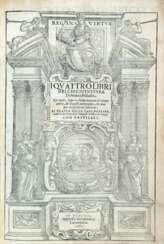

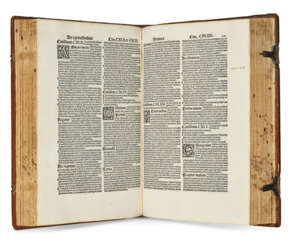
![PALLADIO, Andrea (1518-1580) - I quattro libri dell'architettura. Venice: Domenico De Franceschi, 1570 [ma Venezia, Giambattista Pasquali, circa 1768].](/assets/image/picture_1242560/558b7/a2nw3v1hqi3yf8bmxfcbfmuovd6yoyjpwab4bex95syyrsc2ry5a1sif0xqorghw1608651687jpg__fix_374_244.jpeg)
![PALLADIO, Andrea (1518-1580) - I quattro libri dell'architettura. Venice: Domenico De Franceschi, 1570 [ma Venezia, Giambattista Pasquali, circa 1768].](https://veryimportantlot.com/assets/image/picture_1242560/558b7/a2nw3v1hqi3yf8bmxfcbfmuovd6yoyjpwab4bex95syyrsc2ry5a1sif0xqorghw1608651687jpg__fix_374_244.jpeg)












Jacopo Robusti Tintoretto was an Italian painter, a significant figure in the Venetian school, and one of the most notable artists of the late Renaissance. Born in Venice in 1518, Tintoretto was known for his rapid painting technique and bold brushwork, which both fascinated and sparked debate among his contemporaries. His early aspirations were evident when he was briefly apprenticed to Titian, a relationship that ended abruptly due to a clash of personalities or Titian's possible jealousy of Tintoretto's talent. Despite this setback, Tintoretto's self-driven studies, particularly his admiration for Michelangelo's drawing and Titian's coloring, shaped his artistic development.
Tintoretto's body of work is distinguished by its dramatic gestures and muscular figures, set in dynamic compositions with a masterful use of perspective and lighting, hallmarks of the Mannerist style. His paintings are celebrated for their emotional intensity and theatricality, elements that prefigured the Baroque movement. Among his numerous contributions to art and culture, Tintoretto's work in the Scuola Grande di San Rocco in Venice stands out, showcasing his skill in creating narrative and spiritual depth across a vast series of canvases dedicated to biblical stories and the life of Christ.
Significant works by Tintoretto include "The Last Supper" at San Giorgio Maggiore, which exemplifies his innovative approach to this traditional religious subject, and "The Miracle of the Slave," demonstrating his ability to convey divine intervention with dynamic realism. His legacy extends beyond his death in 1594, with his influence resonating in the works of later artists and contributing to the development of Baroque art.
Tintoretto's dedication to his craft and his unique approach to painting made him a pivotal figure in the transition from the Renaissance to the Baroque period. His works are housed in prestigious museums and galleries worldwide, continuing to inspire and captivate audiences with their intensity and beauty.
For collectors and experts in art and antiques, Tintoretto's oeuvre represents not only a high point of Venetian painting but also a bridge between eras in art history. His innovative techniques and expressive style offer rich insights into the evolving aesthetics of his time.
To stay updated on exhibitions, sales, and auction events related to Jacopo Robusti Tintoretto's work, signing up for updates is recommended. This subscription ensures access to the latest information on available pieces and upcoming showcases, tailored specifically to enthusiasts of Tintoretto's groundbreaking contributions to art and culture.

Jacopo Robusti Tintoretto was an Italian painter, a significant figure in the Venetian school, and one of the most notable artists of the late Renaissance. Born in Venice in 1518, Tintoretto was known for his rapid painting technique and bold brushwork, which both fascinated and sparked debate among his contemporaries. His early aspirations were evident when he was briefly apprenticed to Titian, a relationship that ended abruptly due to a clash of personalities or Titian's possible jealousy of Tintoretto's talent. Despite this setback, Tintoretto's self-driven studies, particularly his admiration for Michelangelo's drawing and Titian's coloring, shaped his artistic development.
Tintoretto's body of work is distinguished by its dramatic gestures and muscular figures, set in dynamic compositions with a masterful use of perspective and lighting, hallmarks of the Mannerist style. His paintings are celebrated for their emotional intensity and theatricality, elements that prefigured the Baroque movement. Among his numerous contributions to art and culture, Tintoretto's work in the Scuola Grande di San Rocco in Venice stands out, showcasing his skill in creating narrative and spiritual depth across a vast series of canvases dedicated to biblical stories and the life of Christ.
Significant works by Tintoretto include "The Last Supper" at San Giorgio Maggiore, which exemplifies his innovative approach to this traditional religious subject, and "The Miracle of the Slave," demonstrating his ability to convey divine intervention with dynamic realism. His legacy extends beyond his death in 1594, with his influence resonating in the works of later artists and contributing to the development of Baroque art.
Tintoretto's dedication to his craft and his unique approach to painting made him a pivotal figure in the transition from the Renaissance to the Baroque period. His works are housed in prestigious museums and galleries worldwide, continuing to inspire and captivate audiences with their intensity and beauty.
For collectors and experts in art and antiques, Tintoretto's oeuvre represents not only a high point of Venetian painting but also a bridge between eras in art history. His innovative techniques and expressive style offer rich insights into the evolving aesthetics of his time.
To stay updated on exhibitions, sales, and auction events related to Jacopo Robusti Tintoretto's work, signing up for updates is recommended. This subscription ensures access to the latest information on available pieces and upcoming showcases, tailored specifically to enthusiasts of Tintoretto's groundbreaking contributions to art and culture.







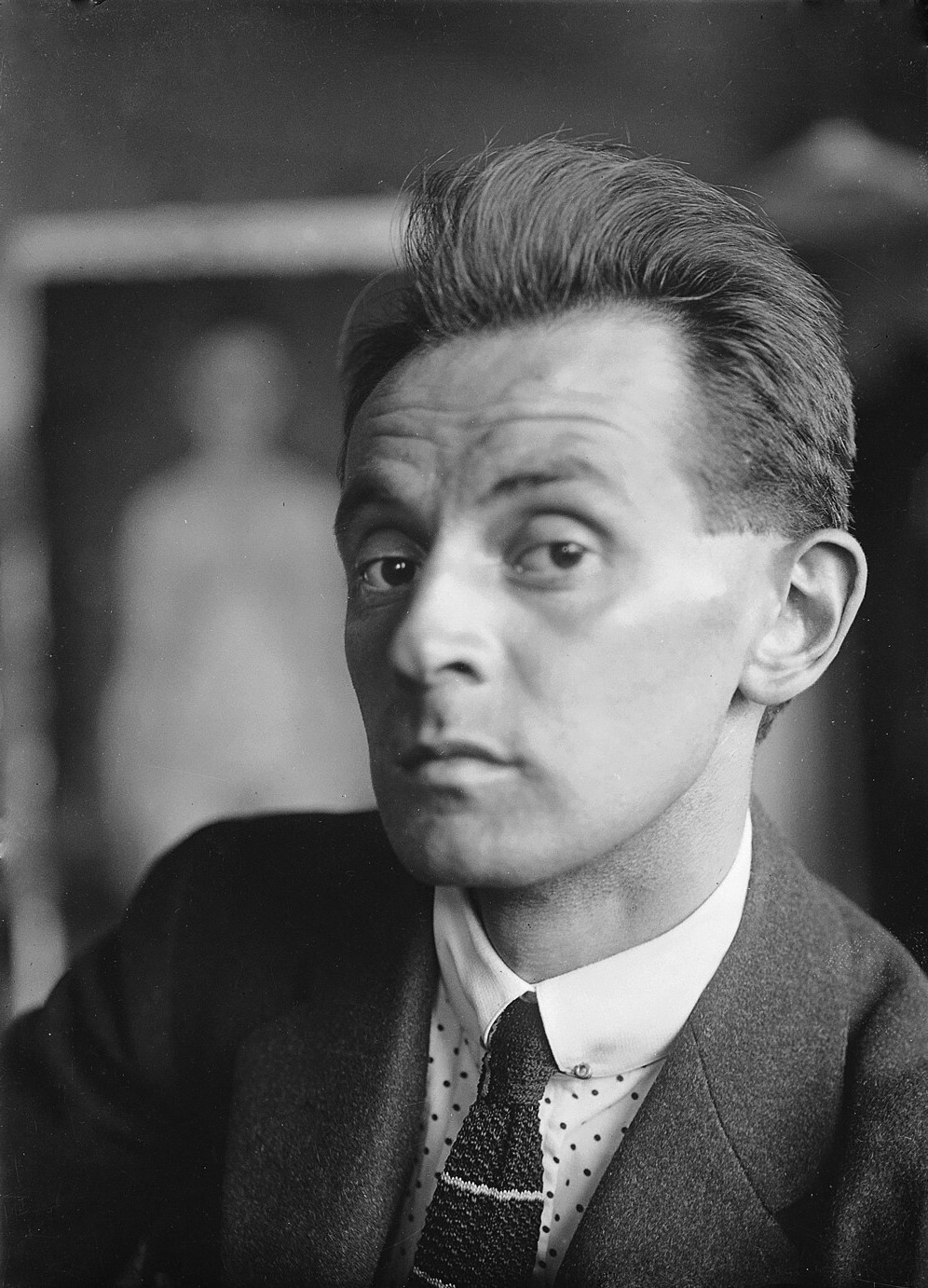
Egon Leo Adolf Ludwig Schiele, an Austrian Expressionist painter, is a figure whose work stands out for its raw intensity and exploration of sexuality, including a remarkable series of self-portraits that often featured nudity. Born in 1890 in Tulln, Lower Austria, Schiele's early life was marked by a fascination with trains and a troubled relationship with his family, especially following his father's death from syphilis when Schiele was just 15 years old. This event propelled him into the care of his uncle, who recognized Schiele's artistic talent despite his lack of interest in traditional academia, leading to Schiele's education at the Vienna Academy of Fine Arts.
Schiele's artistic journey was deeply influenced by his mentor Gustav Klimt, who introduced him to the Vienna Secession and the Wiener Werkstätte, enriching his art with elements of Art Nouveau and paving the way for his distinct style that evolved beyond the influence of his mentor. Schiele's art, characterized by its emotional and sexual honesty, utilized figural distortion to challenge conventional ideals of beauty, making his work groundbreaking for its time.
Throughout his career, Schiele focused on self-portraiture, the human body, and sexuality, often leading to controversy due to the explicit nature of his work. Despite his brief life, cut short by the Spanish flu in 1918 at the age of 28, Schiele's body of work left a lasting impact on the art world. His contributions are celebrated in numerous museums and galleries worldwide, with the Leopold Museum in Vienna housing the most extensive collection of his works, featuring over 43 paintings and 200 watercolors, drawings, and prints. Schiele's work remains influential, offering a stark, introspective look into the human condition and the existential crises of his time.
For collectors and experts in art and antiques, Schiele's work offers a profound exploration of expressionism, culture, and the avant-garde movements of early 20th-century Europe. His legacy is a testament to the power of art to challenge societal norms and to explore the depths of human emotion and sexuality.
To stay informed about new sales, auctions, and exhibitions related to Egon Leo Adolf Ludwig Schiele, consider signing up for updates. This subscription will ensure you're the first to know about opportunities to acquire pieces by this groundbreaking artist, enriching your collection with works that capture the essence of Viennese Modernism.


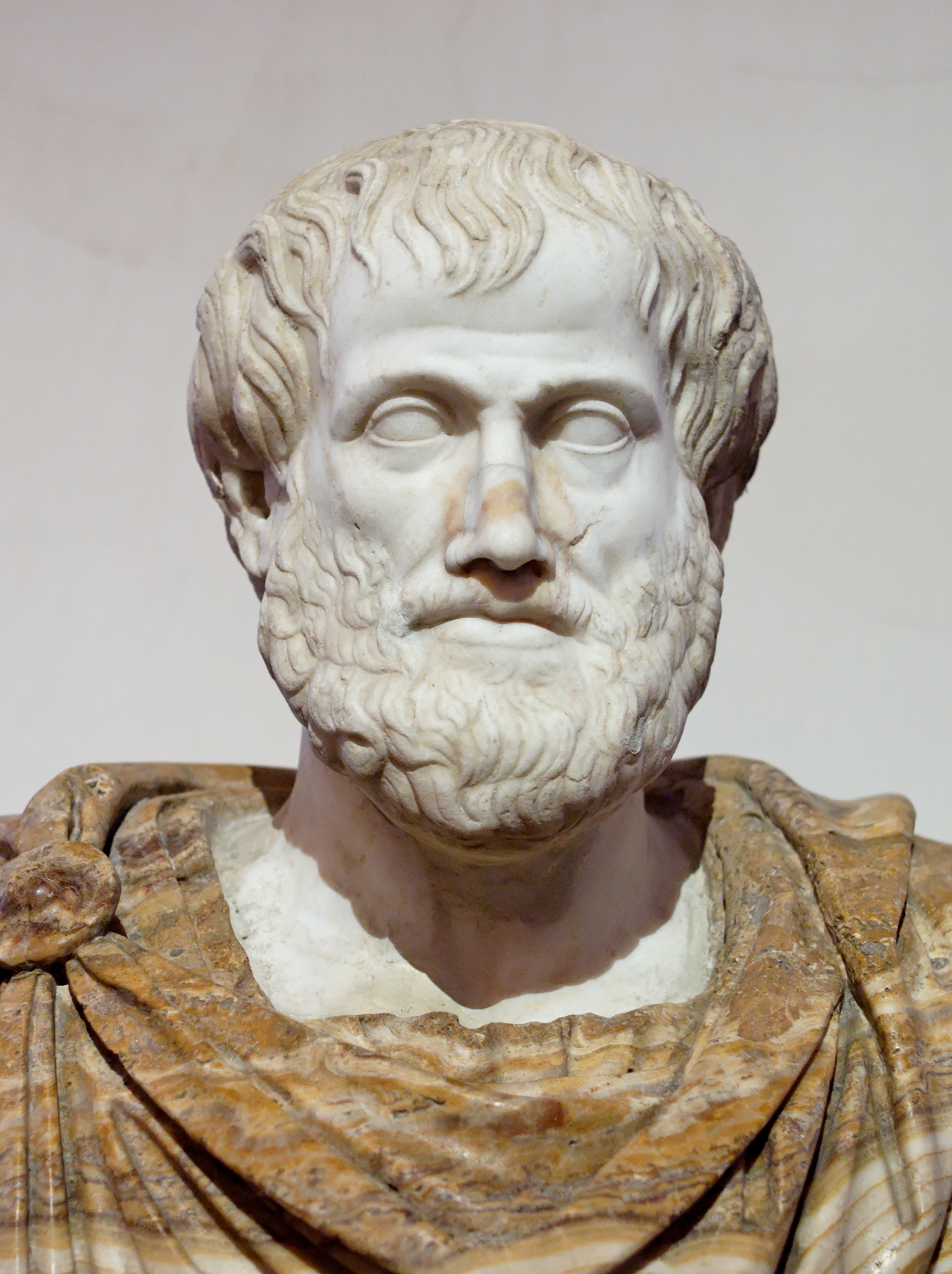
Aristotle (Greek: Ἀριστοτέλης) was an Ancient Greek philosopher and polymath, renowned for his profound impact on Western philosophy and science. Born in Stagira, Chalcidice, Aristotle's intellectual ventures spanned a multitude of subjects, including but not limited to physics, metaphysics, poetry, theater, music, logic, rhetoric, politics, government, ethics, biology, and zoology.
Educated in Plato's Academy in Athens, Aristotle distinguished himself as a scholar of vast knowledge and influence. His foundational works laid the groundwork for the development of modern science, while his teachings on logic and the syllogistic method continue to resonate in the realm of philosophy. As the tutor of Alexander the Great and the founder of the Lyceum in Athens, Aristotle's legacy extends beyond his prolific writings, with his teachings shaping medieval scholarship and influencing both Judeo-Islamic and Christian theologies.
Among Aristotle's notable works, his treatises such as "Nicomachean Ethics," "Politics," "Metaphysics," and "Poetics" have been studied for centuries. His concept of the "Golden Mean," advocating for a balanced and moderate approach to life, remains a cornerstone of ethical philosophy. His ideas on the "Prime Mover" and empirical evidence as a basis for understanding the world laid the foundation for scientific inquiry. Although only about a third of his original output has survived, Aristotle's contributions continue to be a subject of academic study and admiration.
For collectors and experts in art and antiques, the philosophical and scientific principles of Aristotle's works are not just historical artifacts but living ideas that continue to shape our understanding of the world and our place within it. His insights into the "good life" and the pursuit of happiness are as relevant today as they were in ancient Greece.
If you wish to stay informed about new product sales and auction events related to Aristotle, sign up for updates. This subscription is your gateway to the latest scholarly works, collections, and auctions connected to the great philosopher's legacy.