1574
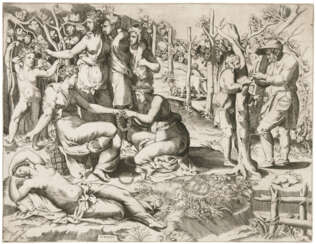

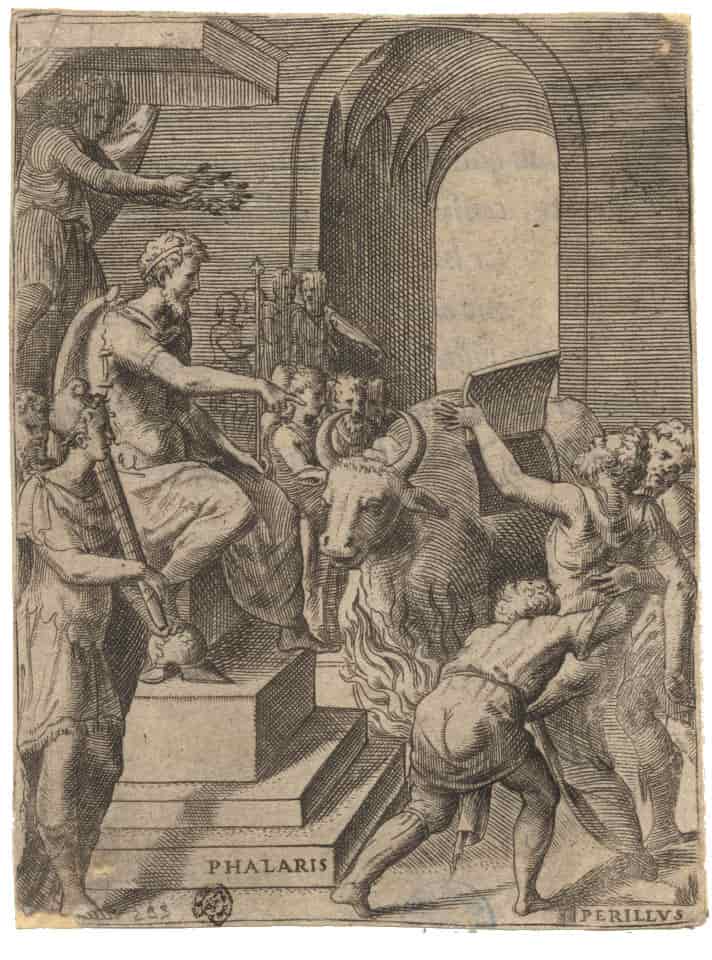
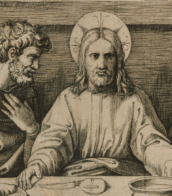
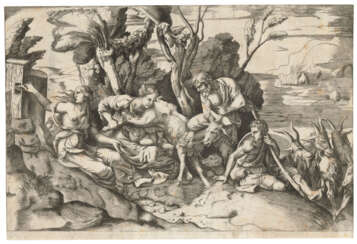
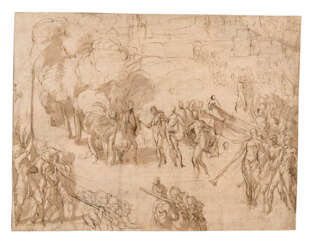
Giulio Antonio Bonasone was an Italian painter and engraver born in Bologna. He possibly studied painting under Lorenzo Sabbatini, and painted a Purgatory for the church of San Stefano, but all his paintings have been lost. He is better known as an engraver and is believed to have trained with Marcantonio Raimondi. He worked mainly in Mantua, Rome and Venice and with great success, producing etchings and engravings after the old masters and his own designs.
He has been regarded an engraver with extraordinary skills in reproducing, as he could accurately convey the sources' compositions, colours, and essence. Moreover, he expressed his understanding about the controversies about religion and culture in his time through his prints. He is considered among the most important and productive engravers of the sixteenth century.

Giulio Antonio Bonasone was an Italian painter and engraver born in Bologna. He possibly studied painting under Lorenzo Sabbatini, and painted a Purgatory for the church of San Stefano, but all his paintings have been lost. He is better known as an engraver and is believed to have trained with Marcantonio Raimondi. He worked mainly in Mantua, Rome and Venice and with great success, producing etchings and engravings after the old masters and his own designs.
He has been regarded an engraver with extraordinary skills in reproducing, as he could accurately convey the sources' compositions, colours, and essence. Moreover, he expressed his understanding about the controversies about religion and culture in his time through his prints. He is considered among the most important and productive engravers of the sixteenth century.


Giulio Antonio Bonasone was an Italian painter and engraver born in Bologna. He possibly studied painting under Lorenzo Sabbatini, and painted a Purgatory for the church of San Stefano, but all his paintings have been lost. He is better known as an engraver and is believed to have trained with Marcantonio Raimondi. He worked mainly in Mantua, Rome and Venice and with great success, producing etchings and engravings after the old masters and his own designs.
He has been regarded an engraver with extraordinary skills in reproducing, as he could accurately convey the sources' compositions, colours, and essence. Moreover, he expressed his understanding about the controversies about religion and culture in his time through his prints. He is considered among the most important and productive engravers of the sixteenth century.
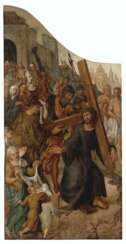



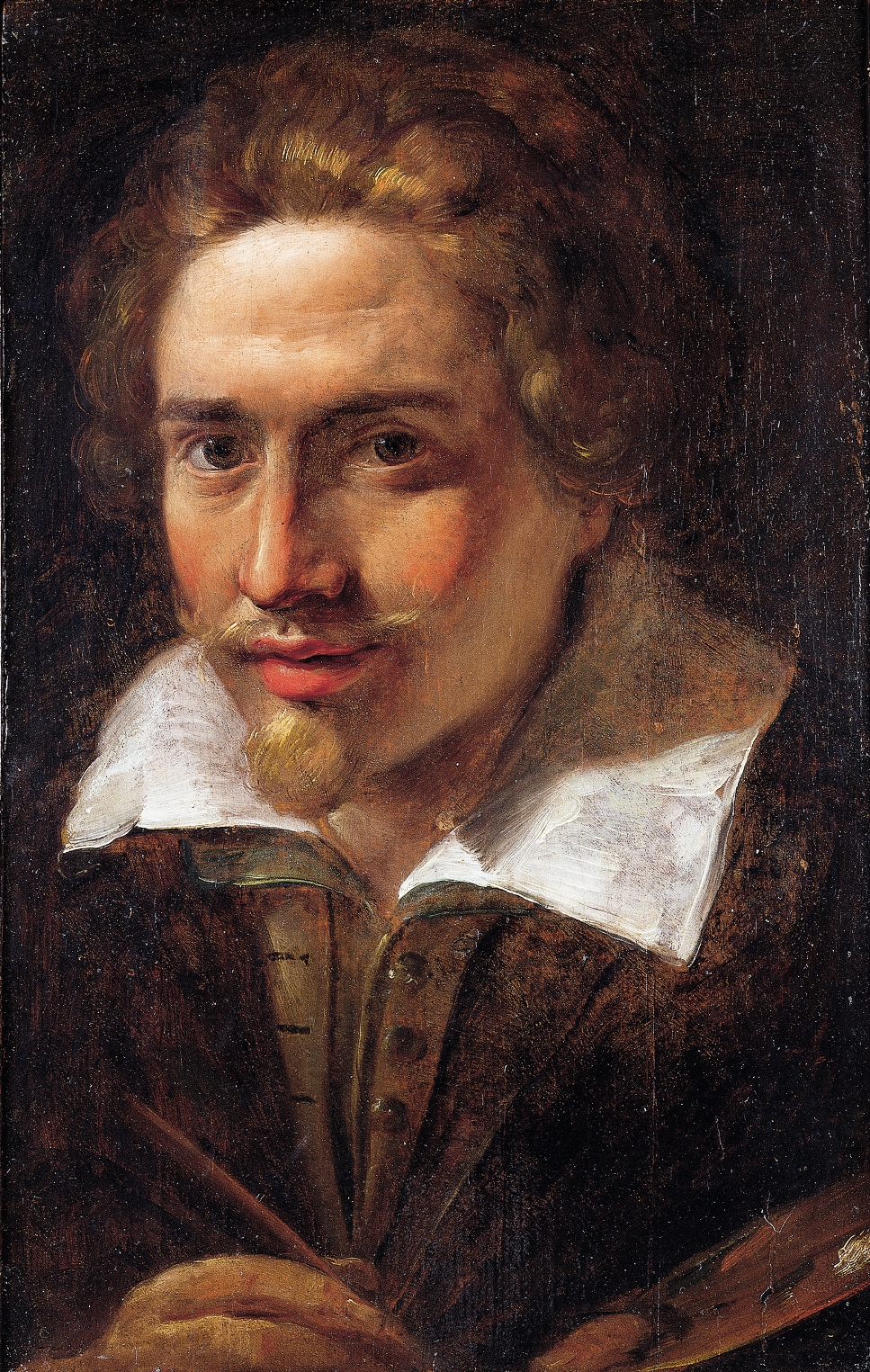
Giulio Cesare Procaccini was an illustrious Italian painter and sculptor of the Baroque period, celebrated for his dynamic and expressive works. Born in Bologna and later moving to Milan, Procaccini's artistry was deeply influenced by the emotional intensity of Mannerism and the vibrant colorism of Venetian painting, signaling the dawn of the Baroque era.
Procaccini's oeuvre includes significant altarpieces such as the "Circumcision" now in the Galleria Estense in Modena, and the "Last Supper" for the Basilica della Santissima Annunziata del Vastato in Genoa. His collaboration with artists like Giovanni Battista Crespi and Pier Francesco Mazzucchelli under the patronage of Cardinal Federico Borromeo highlighted his pivotal role in the Milanese art scene. Moreover, Procaccini's "Ecce Homo" at the Dallas Museum of Art and "The Agony in the Garden" at the Prado Museum in Madrid exemplify his mastery in depicting religious narratives with profound emotion and technical sophistication.
Procaccini's journey through the art world was marked by his initial work as a sculptor, later transitioning to painting, where he left a lasting legacy. Commissioned to paint scenes commemorating the life of Cardinal Carlo Borromeo in Milan Cathedral, his style evolved to exhibit increased clarity and a brighter palette, indicative of his maturation as an artist. His exposure to the works of Rubens and his travels across Italy allowed him to absorb and reinterpret the stylistic elements of Caravaggio, Correggio, and Parmigianino, enriching his own artistic language.
Though not represented in London's National Gallery, Procaccini's paintings grace collections across Europe and beyond, with notable works in the north of England, including "The Mocking of Christ" at Museums Sheffield and "The Raising of the Cross" at the National Galleries of Scotland. These pieces demonstrate his skillful use of color and ability to convey the physical and emotional weight of biblical stories.
For collectors and experts in art and antiques, Giulio Cesare Procaccini represents a fascinating study in the transition from Mannerism to Baroque, embodying the emotional depth and innovative spirit of early 17th-century Italian art. His contributions to the Baroque period remain a testament to his versatility and enduring appeal.
For updates on new discoveries, sales, and auction events related to Giulio Cesare Procaccini, consider signing up for relevant newsletters or alerts. This ensures that enthusiasts and collectors alike are well-informed about the latest opportunities to engage with the magnificent art of Procaccini.
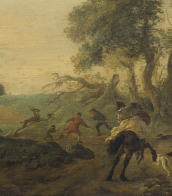


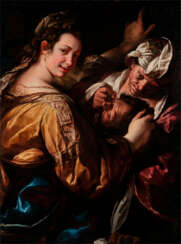

Giulio Cesare Procaccini was an illustrious Italian painter and sculptor of the Baroque period, celebrated for his dynamic and expressive works. Born in Bologna and later moving to Milan, Procaccini's artistry was deeply influenced by the emotional intensity of Mannerism and the vibrant colorism of Venetian painting, signaling the dawn of the Baroque era.
Procaccini's oeuvre includes significant altarpieces such as the "Circumcision" now in the Galleria Estense in Modena, and the "Last Supper" for the Basilica della Santissima Annunziata del Vastato in Genoa. His collaboration with artists like Giovanni Battista Crespi and Pier Francesco Mazzucchelli under the patronage of Cardinal Federico Borromeo highlighted his pivotal role in the Milanese art scene. Moreover, Procaccini's "Ecce Homo" at the Dallas Museum of Art and "The Agony in the Garden" at the Prado Museum in Madrid exemplify his mastery in depicting religious narratives with profound emotion and technical sophistication.
Procaccini's journey through the art world was marked by his initial work as a sculptor, later transitioning to painting, where he left a lasting legacy. Commissioned to paint scenes commemorating the life of Cardinal Carlo Borromeo in Milan Cathedral, his style evolved to exhibit increased clarity and a brighter palette, indicative of his maturation as an artist. His exposure to the works of Rubens and his travels across Italy allowed him to absorb and reinterpret the stylistic elements of Caravaggio, Correggio, and Parmigianino, enriching his own artistic language.
Though not represented in London's National Gallery, Procaccini's paintings grace collections across Europe and beyond, with notable works in the north of England, including "The Mocking of Christ" at Museums Sheffield and "The Raising of the Cross" at the National Galleries of Scotland. These pieces demonstrate his skillful use of color and ability to convey the physical and emotional weight of biblical stories.
For collectors and experts in art and antiques, Giulio Cesare Procaccini represents a fascinating study in the transition from Mannerism to Baroque, embodying the emotional depth and innovative spirit of early 17th-century Italian art. His contributions to the Baroque period remain a testament to his versatility and enduring appeal.
For updates on new discoveries, sales, and auction events related to Giulio Cesare Procaccini, consider signing up for relevant newsletters or alerts. This ensures that enthusiasts and collectors alike are well-informed about the latest opportunities to engage with the magnificent art of Procaccini.
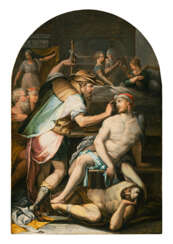

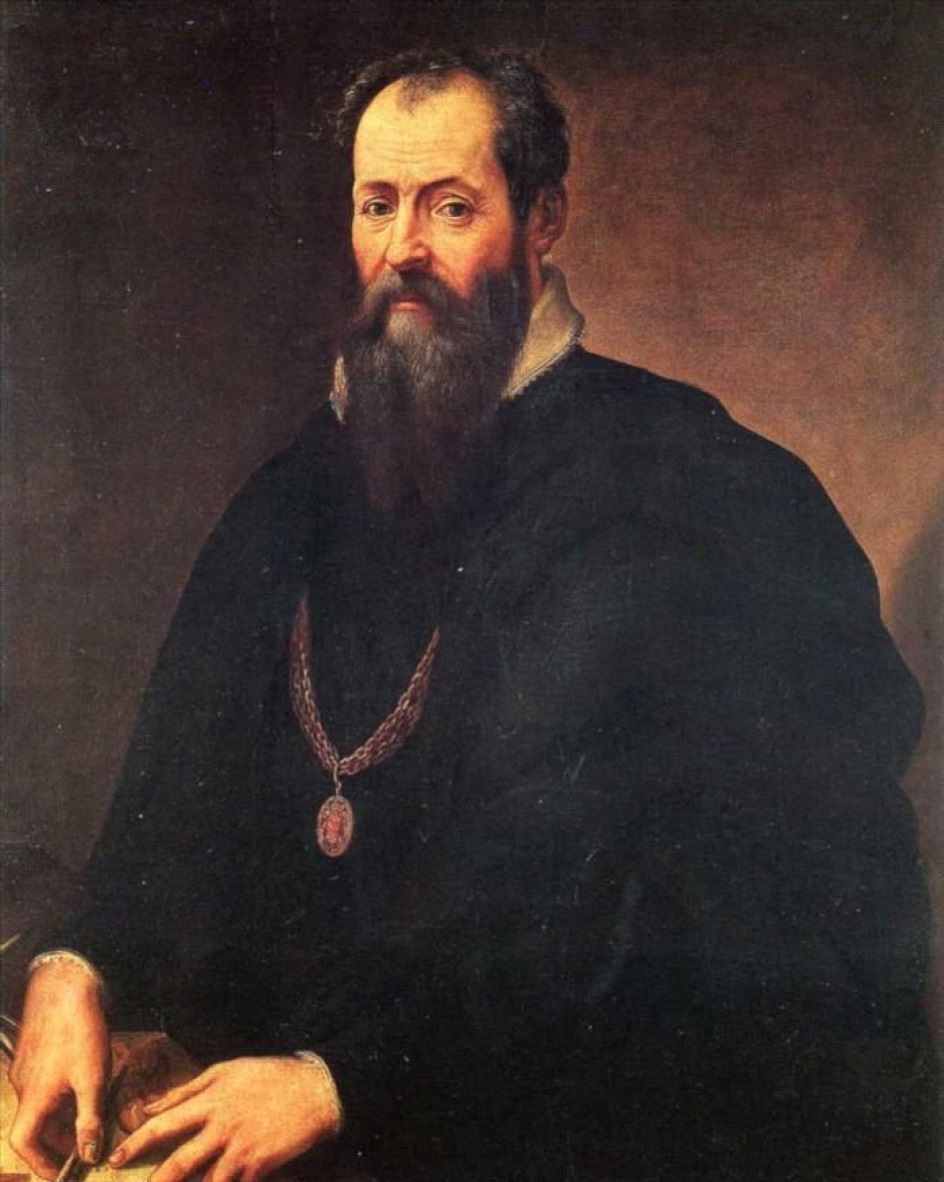
Giorgio Vasari, polymath of the Italian Renaissance, left an indelible mark on painting, architecture, and art history. Born on July 30, 1511, in Arezzo, Italy, Vasari was deeply influenced by the patronage of the Medici family during his artistic education in Florence. Exposure to the works of Andrea del Sarto and the profound influence of Michelangelo's work shaped his development as an artist and architect. Vasari's artistic career was characterized by his contributions throughout Italy, including significant works in Florence and Rome, and his role in founding the Florentine Academy and the Society of the Fine Arts in 1563 underscores his commitment to art and education.
Vasari's architectural skill is evident in the design of the Uffizi Loggia in Florence, testifying to his ability to combine functionality with aesthetic grandeur, creating a space that harmonizes with the urban landscape while blending into the riverside environment. His contribution extends to the Vasari Corridor, an architectural marvel that connects the Uffizi to Palazzo Pitti across the Arno River, demonstrating his innovative approach to public and private space.
Perhaps Vasari's most enduring legacy stems from his seminal work, Lives of the Most Excellent Painters, Sculptors, and Architects, in which he outlined biographies of Renaissance artists, laying the foundation for the discipline of art history. This work not only elevated the status of artists in society, but also created a history of the development of art that emphasizes the Renaissance as a period of rebirth and innovation. Vasari's narratives, although their accuracy is sometimes criticized, remain a cornerstone in the study of Renaissance art, offering invaluable insights into the lives and works of the era's most prominent figures.
Vasari's work is represented in prominent museums and galleries, including the Minneapolis Institute of Arts and the National Gallery of Art, which houses important works such as the Six Tuscan Poets and works commissioned by the Pope. His architectural and artistic contributions, combined with his innovative historiographical approach, have cemented his reputation as a key figure of the Renaissance and the annals of art history.
Giorgio Vasari's multifaceted contributions to painting, architecture, and art history not only underscore his genius, but also play a key role in shaping our understanding of the Renaissance. His works and writings continue to inspire collectors, experts, and enthusiasts. For those seeking to delve deeper into the world of Renaissance art and Vasari's profound influence, subscribing to updates on new sales and auction events related to Vasari can offer a wealth of information and the opportunity to explore his enduring legacy.


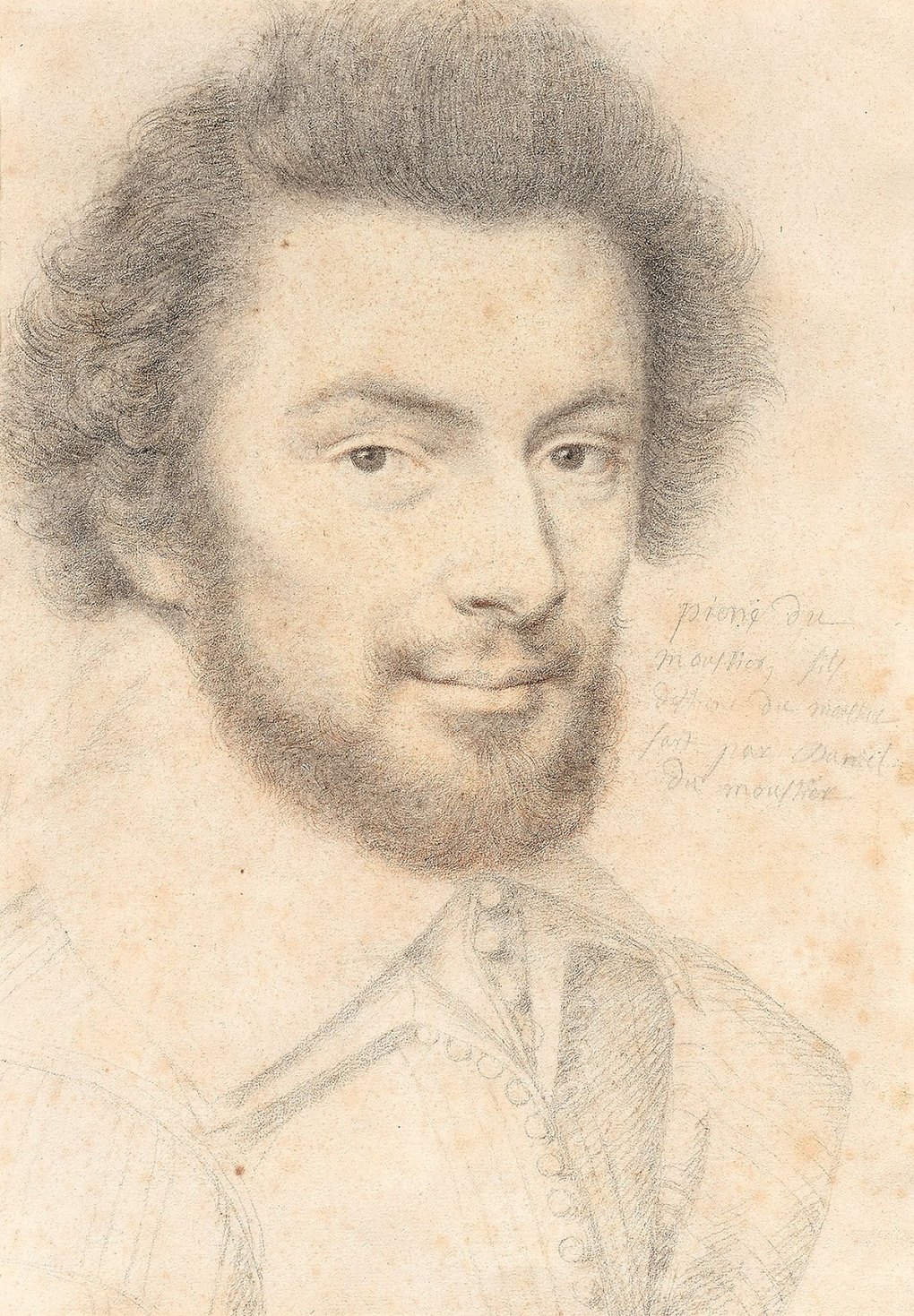



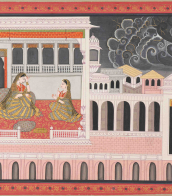
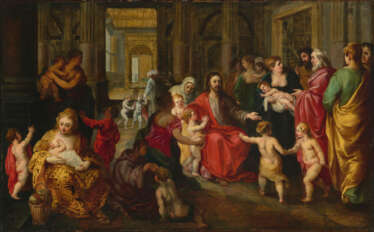

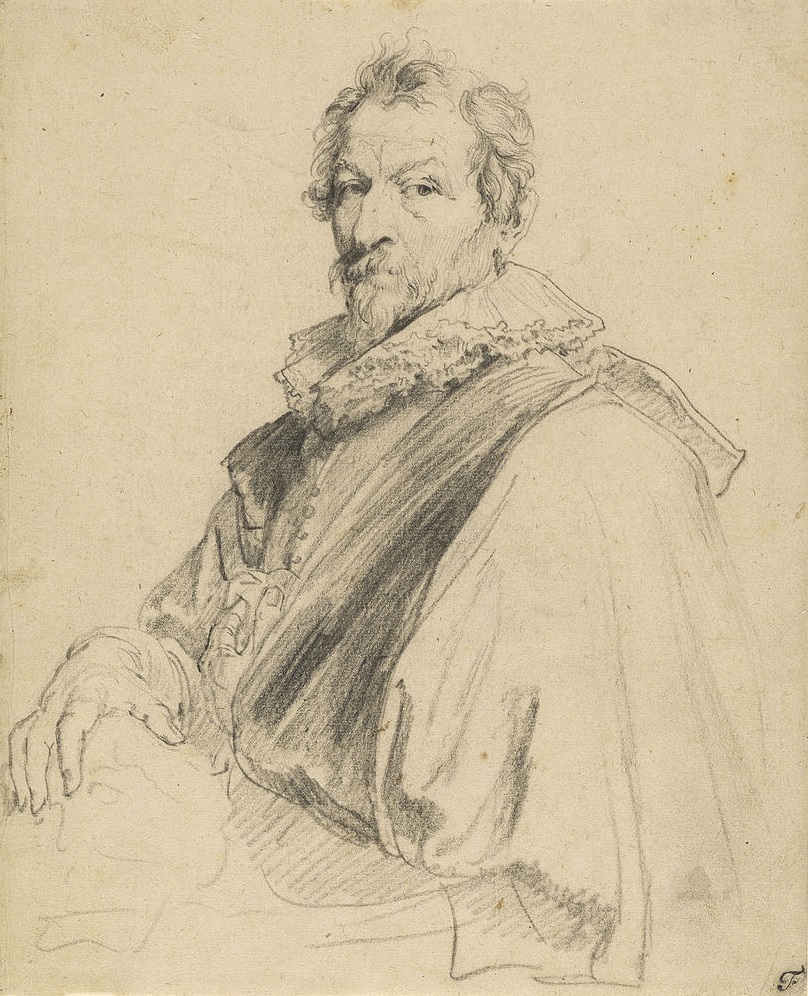
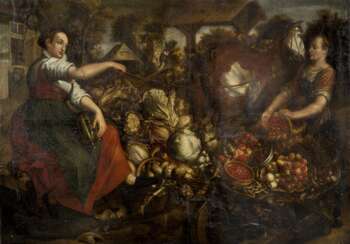
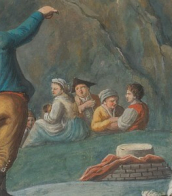
Hendrik van Balen the Elder was a Flemish Baroque painter and stained glass artist, member of the Guild of Saint Luke in Antwerp.
Hendrik van Balen specialized in small cabinet paintings, often painted on copperplate. The artist's work was inspired by mythological and allegorical as well as religious subjects. The artist played an important role in the renewal of Flemish painting at the beginning of the 17th century and was one of Antoni van Dyck's teachers.
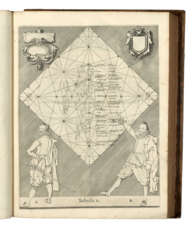




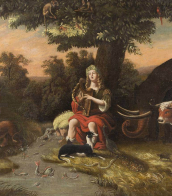


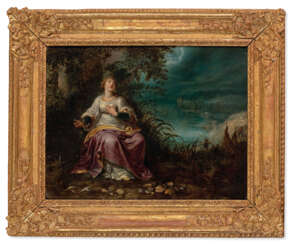






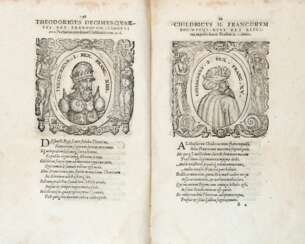



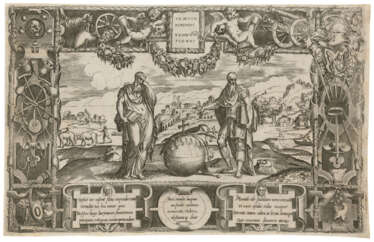

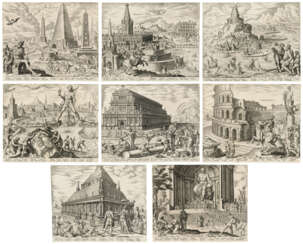

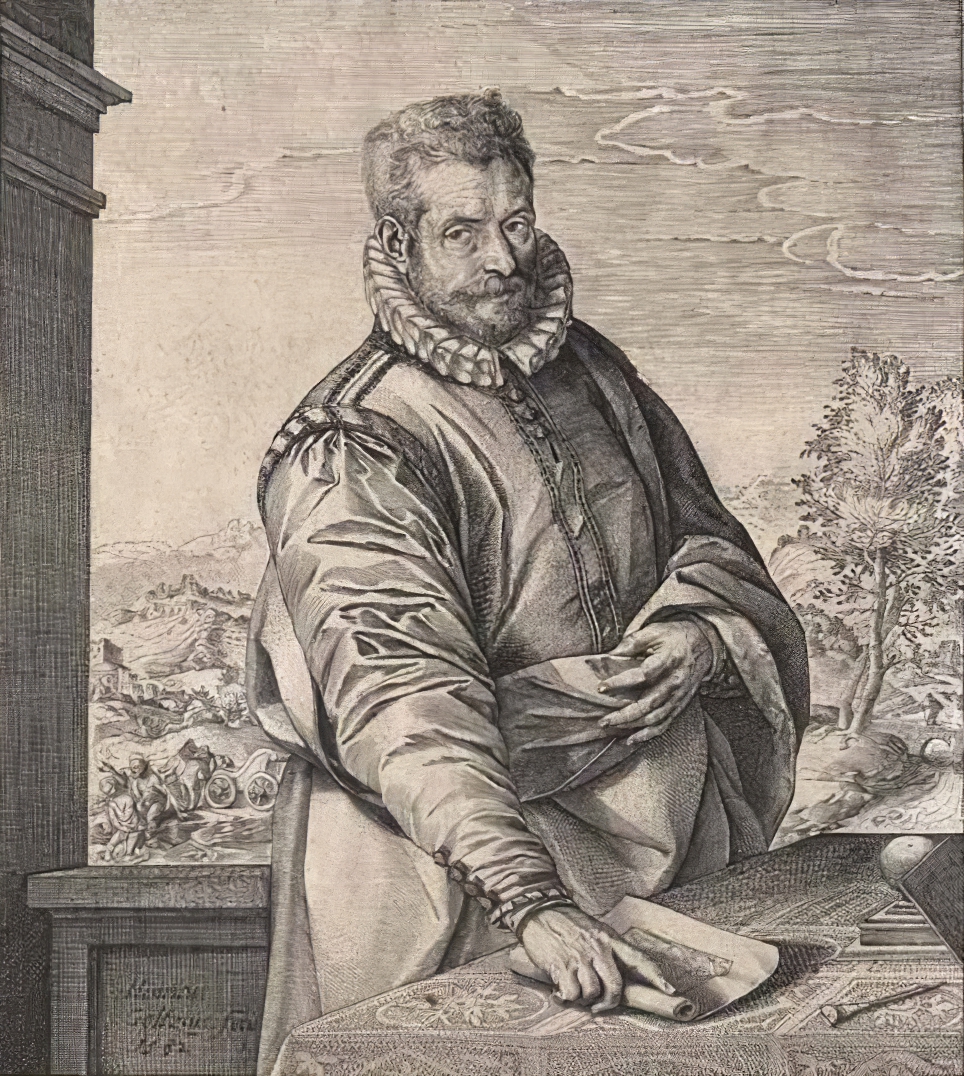
Philips Galle was a Dutch publisher, best known for publishing old master prints, which he also produced as designer and engraver. He is especially known for his reproductive engravings of paintings.
As a resident of Antwerp, Galle witnessed numerous events of the Eighty Years War, notably the siege and looting of the town in 1576 by the Spaniards, called "The Spanish Fury". This rather personal book, which was translated in several languages soon after its first publication, shows Galle as a peace-loving person who intended to stay far away from the political and military turmoil of his era.


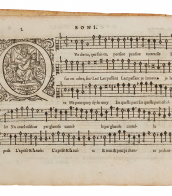
![DES MASURES, Louis (1515 - 1574). Œuvres poétiques. [suivi de] Le Jeu des Eschecz [suivi de] Vingt pseaumes de David [suivi de] Ludovici masurii nervii carmina. Lyon : Jean de Tournes et Guillaume Gazeau. 1557.](/assets/image/picture_1320932/db4a5/775f9434b16f9e6b5d511f55402899aa1616454000jpg__fix_374_244.jpeg)
![DES MASURES, Louis (1515 - 1574). Œuvres poétiques. [suivi de] Le Jeu des Eschecz [suivi de] Vingt pseaumes de David [suivi de] Ludovici masurii nervii carmina. Lyon : Jean de Tournes et Guillaume Gazeau. 1557.](https://veryimportantlot.com/assets/image/picture_1320932/db4a5/775f9434b16f9e6b5d511f55402899aa1616454000jpg__fix_374_244.jpeg)