1579
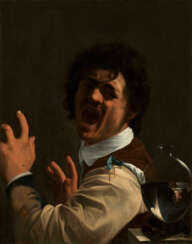

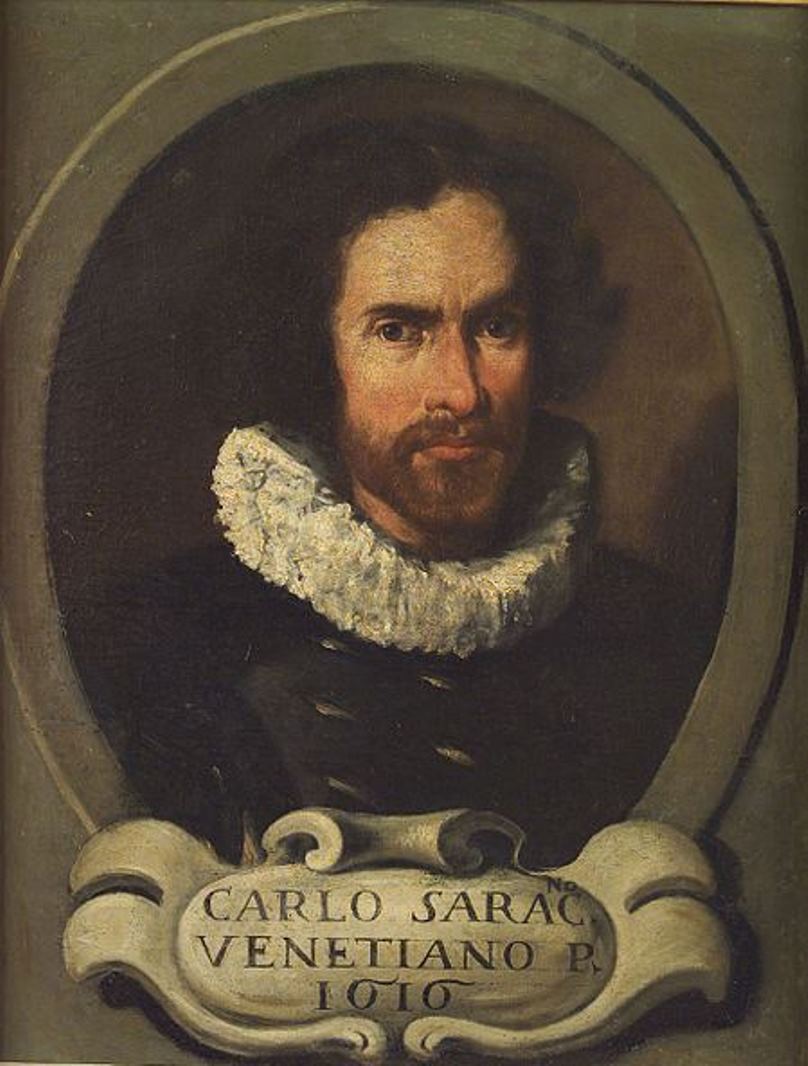
Carlo Saraceni was an Italian painter, renowned for his contributions to the Baroque art movement. Born in Venice around 1579, Saraceni spent a significant portion of his career in Rome, where he was deeply influenced by the works of Caravaggio and Elsheimer. His art is celebrated for its vivid naturalism and meticulous detail, reflecting the stylistic transitions of early 17th-century Italian painting.
Saraceni's ability to blend Venetian colorism with Roman naturalism allowed him to create works that resonated with patrons across Europe, securing commissions from prominent ecclesiastical and aristocratic figures. His paintings, such as "Judith and the Head of Holofernes" at the Kunsthistorisches Museum in Vienna and "Saint Sebastian" at the Picture Gallery of the Prague Castle, showcase his mastery in depicting biblical and mythological scenes with emotional depth and realism.
Notably, Saraceni's work "The Dormition of the Virgin" was commissioned to replace a rejected painting by Caravaggio, indicating his stature and recognition in the artistic community of Rome. This commission highlights the nuanced differences in interpretation and representation of religious themes that distinguished Saraceni's approach from Caravaggio's.
Throughout his career, Saraceni remained connected to the vibrant artistic scene in Rome, engaging with the broader European context through his international relations. His legacy is preserved in the numerous works held in galleries and museums worldwide, reflecting his enduring influence on the Baroque art movement.
For art collectors and experts, Saraceni's oeuvre represents a pivotal moment in the transition of artistic styles, offering a rich tapestry of themes and techniques that continue to inspire and captivate audiences.
To stay updated on new product sales and auction events related to Carlo Saraceni's works, consider signing up for updates. This subscription is a great way to remain informed about opportunities to engage with the art and legacy of this influential Baroque painter.


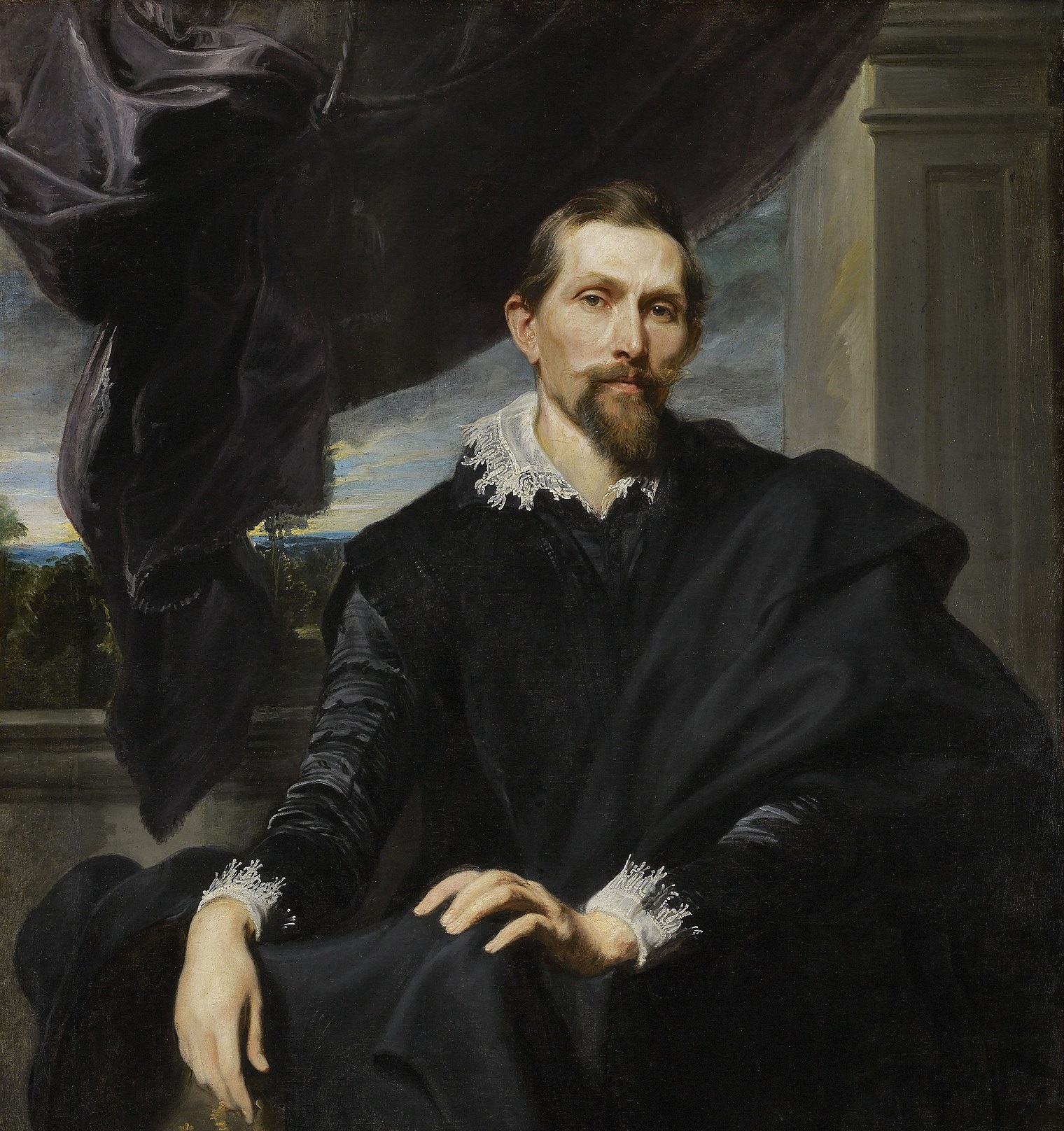
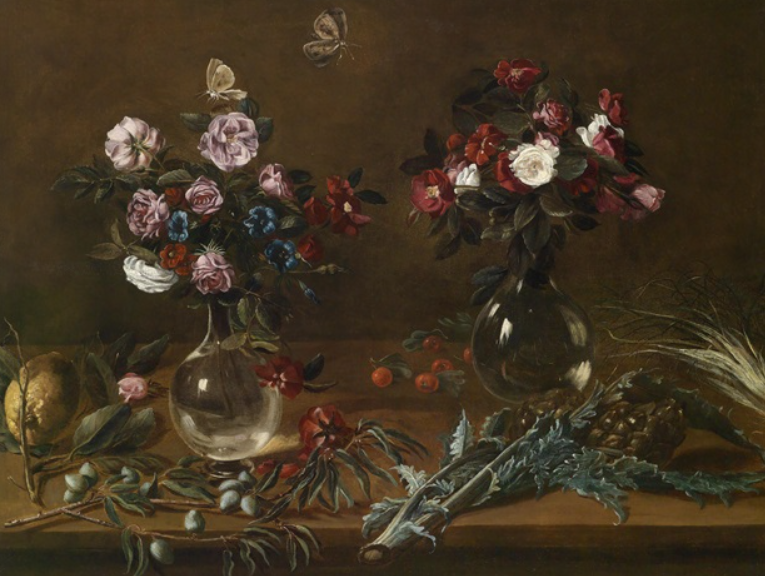
Frans Snyders was a Flemish painter of animals, hunting scenes, market scenes and still lifes. He was one of the earliest specialist animaliers and he is credited with initiating a wide variety of new still-life and animal subjects in Antwerp. He was a regular collaborator with leading Antwerp painters such as Peter Paul Rubens, Anthony van Dyck and Jacob Jordaens.

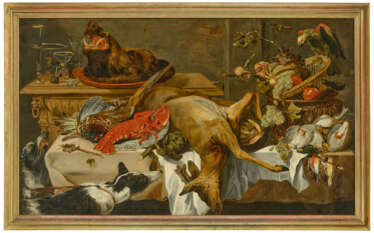

Frans Snyders was a Flemish painter of animals, hunting scenes, market scenes and still lifes. He was one of the earliest specialist animaliers and he is credited with initiating a wide variety of new still-life and animal subjects in Antwerp. He was a regular collaborator with leading Antwerp painters such as Peter Paul Rubens, Anthony van Dyck and Jacob Jordaens.
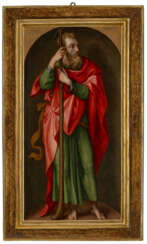

Marcello Venusti was an Italian Mannerist painter active in Rome in the mid-16th century.


Frans Snyders was a Flemish painter of animals, hunting scenes, market scenes and still lifes. He was one of the earliest specialist animaliers and he is credited with initiating a wide variety of new still-life and animal subjects in Antwerp. He was a regular collaborator with leading Antwerp painters such as Peter Paul Rubens, Anthony van Dyck and Jacob Jordaens.
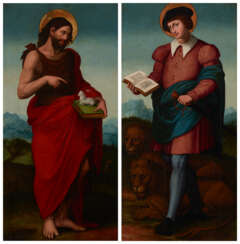

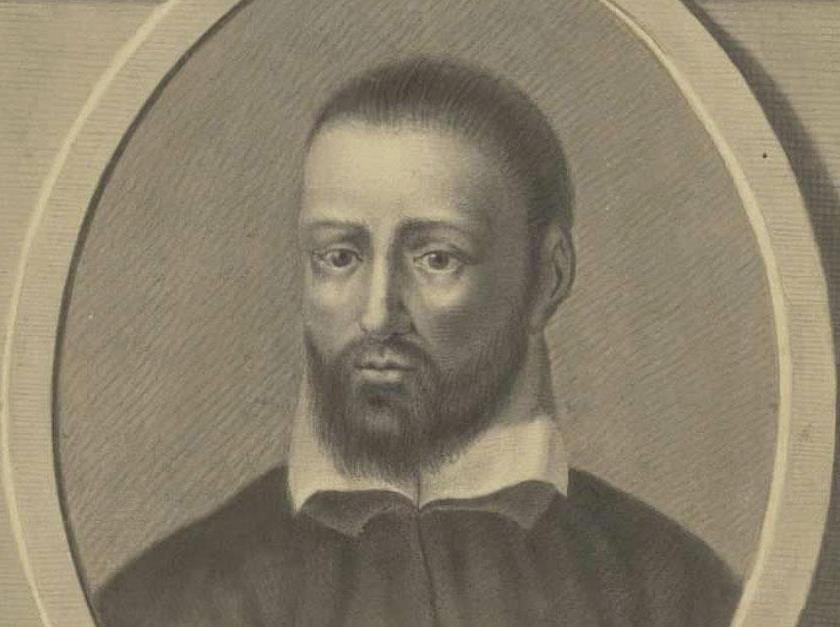
Vicente Juan Masip, also known as Joan de Joanes, was a Spanish painter, a member of the Valencian Renaissance painter dynasty.
He studied painting in Italy, imitating in his works the style of Raphael, and painted religious subjects as well as portraits.
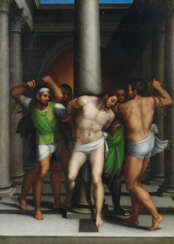

Marcello Venusti was an Italian Mannerist painter active in Rome in the mid-16th century.







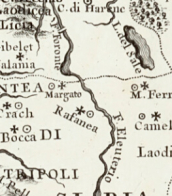
![[BINDING] - CICERONE, Marco Tullio (106 A.C.-43 A.C.) - Epistolarum volumen primum, quod est librorum XVI. Strasbourg: Iosias Rihelius, 1579.](/assets/image/picture_1242093/2b7bd/ubwrsrt56tvscs23af83okaoojrmoih54tutrhouanqyarwllumadxyyvpi2zyfo1608650265jpg__fix_374_244.jpeg)
![[BINDING] - CICERONE, Marco Tullio (106 A.C.-43 A.C.) - Epistolarum volumen primum, quod est librorum XVI. Strasbourg: Iosias Rihelius, 1579.](https://veryimportantlot.com/assets/image/picture_1242093/2b7bd/ubwrsrt56tvscs23af83okaoojrmoih54tutrhouanqyarwllumadxyyvpi2zyfo1608650265jpg__fix_374_244.jpeg)
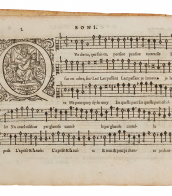
![[RONSARD, Pierre de (1524-1585)] BONI, Guillaume (actif 1565-1585). Contratenor. Sonetz de P. de Ronsard, mis en musique a IIII parties par G. Boni, de S. Flour en Auverne. Premier [-second] livre. Paris : Adrian Le Roy et Robert Ballard, 1579.](/assets/image/picture_1320906/c2588/b5e0e4c6c77de37de458ee9362a6fca11616454000jpg__fix_374_244.jpeg)
![[RONSARD, Pierre de (1524-1585)] BONI, Guillaume (actif 1565-1585). Contratenor. Sonetz de P. de Ronsard, mis en musique a IIII parties par G. Boni, de S. Flour en Auverne. Premier [-second] livre. Paris : Adrian Le Roy et Robert Ballard, 1579.](https://veryimportantlot.com/assets/image/picture_1320906/c2588/b5e0e4c6c77de37de458ee9362a6fca11616454000jpg__fix_374_244.jpeg)
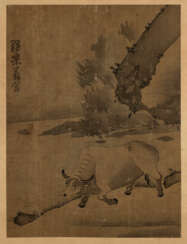

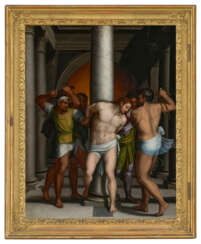

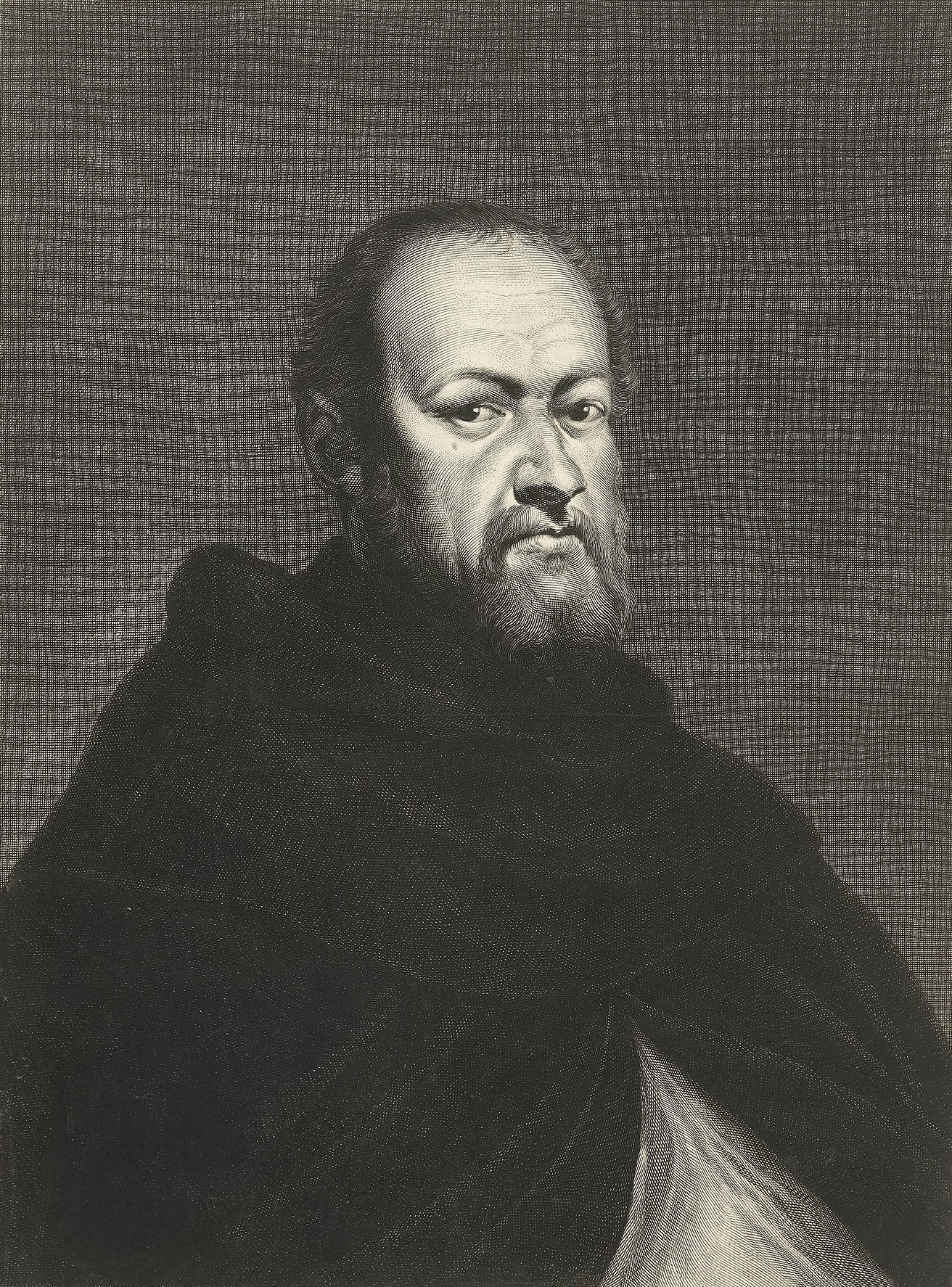
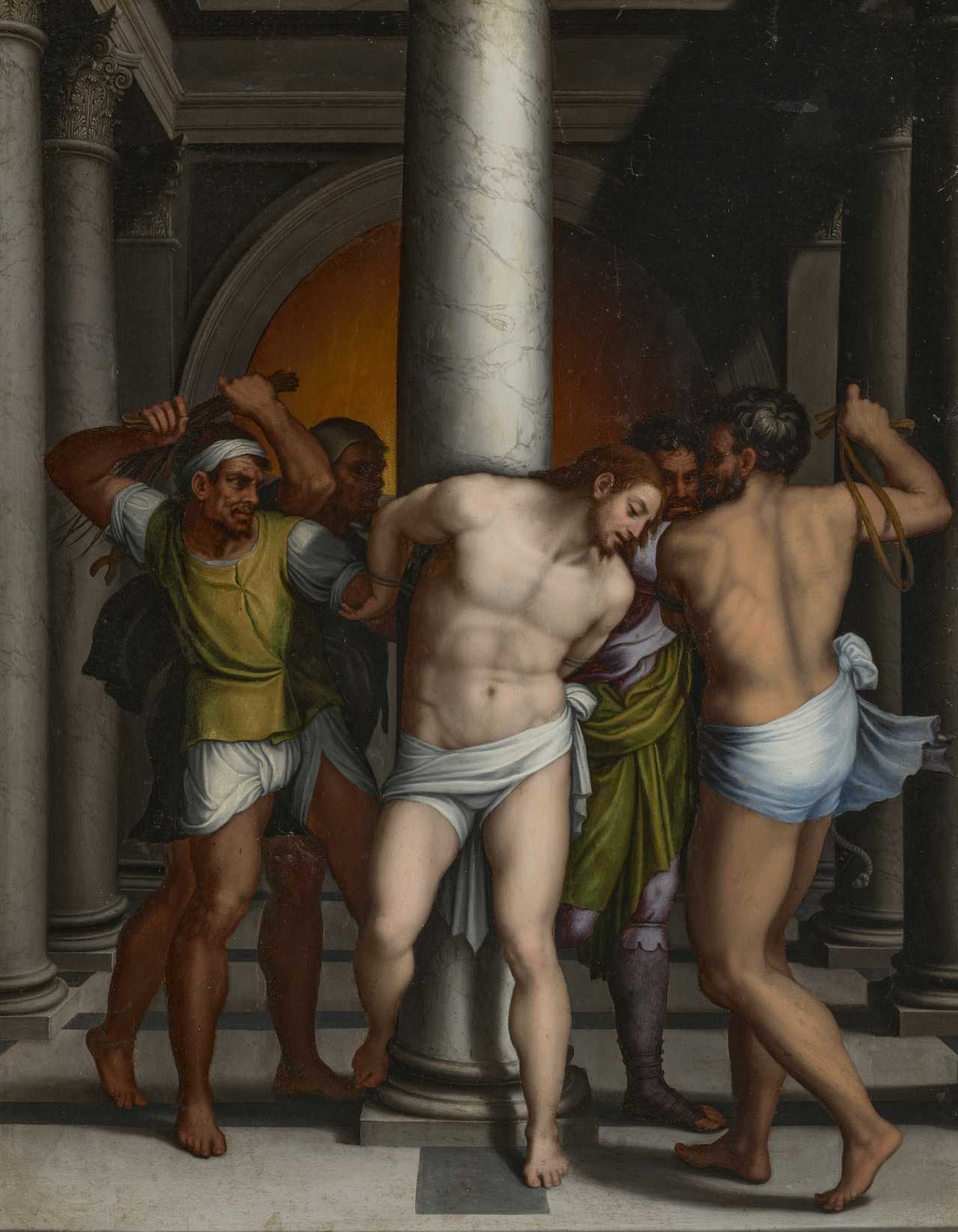
Sebastiano del Piombo was an Italian painter of the High Renaissance and early Mannerist periods famous as the only major artist of the period to combine the colouring of the Venetian school in which he was trained with the monumental forms of the Roman school. He belongs both to the painting school of his native city, Venice, where he made significant contributions before he left for Rome in 1511, and that of Rome, where he stayed for the rest of his life, and whose style he thoroughly adopted.


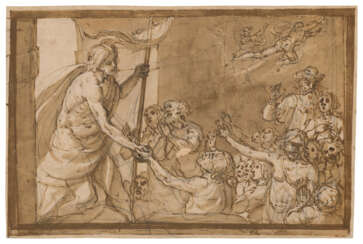

Astolfo Petrazzi was an Italian painter of the Baroque period, active mainly in his hometown of Siena, but also Spoleto and Rome. He was a pupil of mainly Francesco Vanni, but also worked under Ventura Salimbeni and Pietro Sorri.











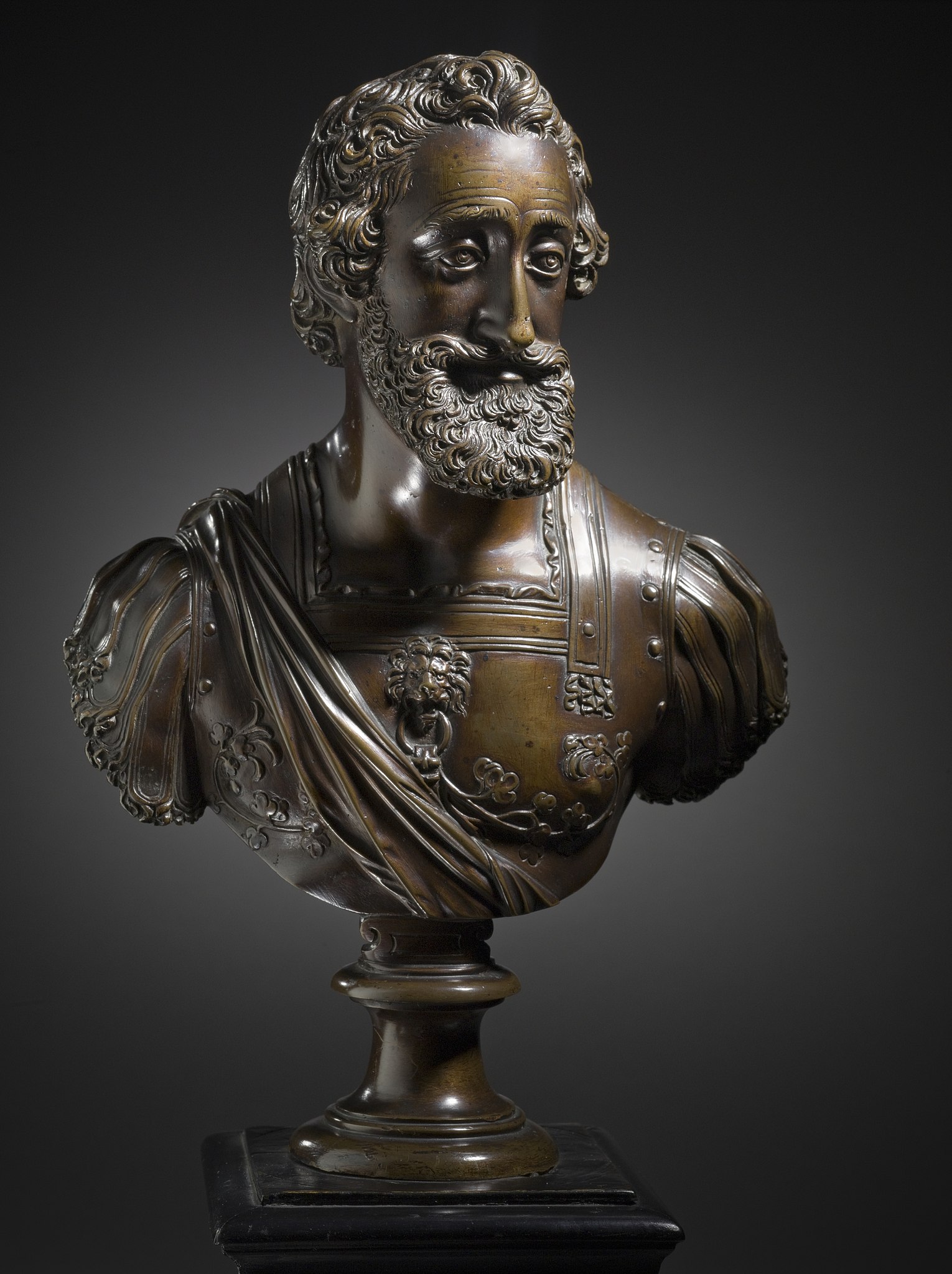
Barthelemy Prieur was a French sculptor.


Frans Snyders was a Flemish painter of animals, hunting scenes, market scenes and still lifes. He was one of the earliest specialist animaliers and he is credited with initiating a wide variety of new still-life and animal subjects in Antwerp. He was a regular collaborator with leading Antwerp painters such as Peter Paul Rubens, Anthony van Dyck and Jacob Jordaens.


Frans Snyders was a Flemish painter of animals, hunting scenes, market scenes and still lifes. He was one of the earliest specialist animaliers and he is credited with initiating a wide variety of new still-life and animal subjects in Antwerp. He was a regular collaborator with leading Antwerp painters such as Peter Paul Rubens, Anthony van Dyck and Jacob Jordaens.
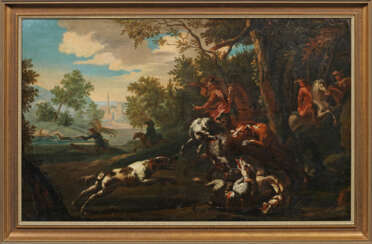

Frans Snyders was a Flemish painter of animals, hunting scenes, market scenes and still lifes. He was one of the earliest specialist animaliers and he is credited with initiating a wide variety of new still-life and animal subjects in Antwerp. He was a regular collaborator with leading Antwerp painters such as Peter Paul Rubens, Anthony van Dyck and Jacob Jordaens.




Frans Snyders was a Flemish painter of animals, hunting scenes, market scenes and still lifes. He was one of the earliest specialist animaliers and he is credited with initiating a wide variety of new still-life and animal subjects in Antwerp. He was a regular collaborator with leading Antwerp painters such as Peter Paul Rubens, Anthony van Dyck and Jacob Jordaens.