1590


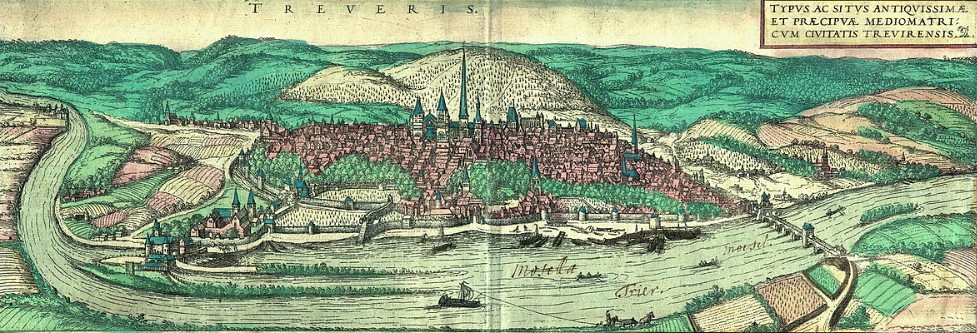
Frans Hogenberg was a Flemish and German painter, engraver, and mapmaker. He is known for portraits and topographical views as well as historical allegories. He also produced scenes of contemporary historical events. Hogenberg was the author of graphic works, engravings of city views and maps of the first four volumes of the six-volume atlas Theatrum Orbis Terrarum (Description and drawings of the most famous cities in the world), published in 1570 by the Flemish geographer Abraham Ortelius. Hogenberg's engravings are an invaluable source of information about urban development in medieval Europe.
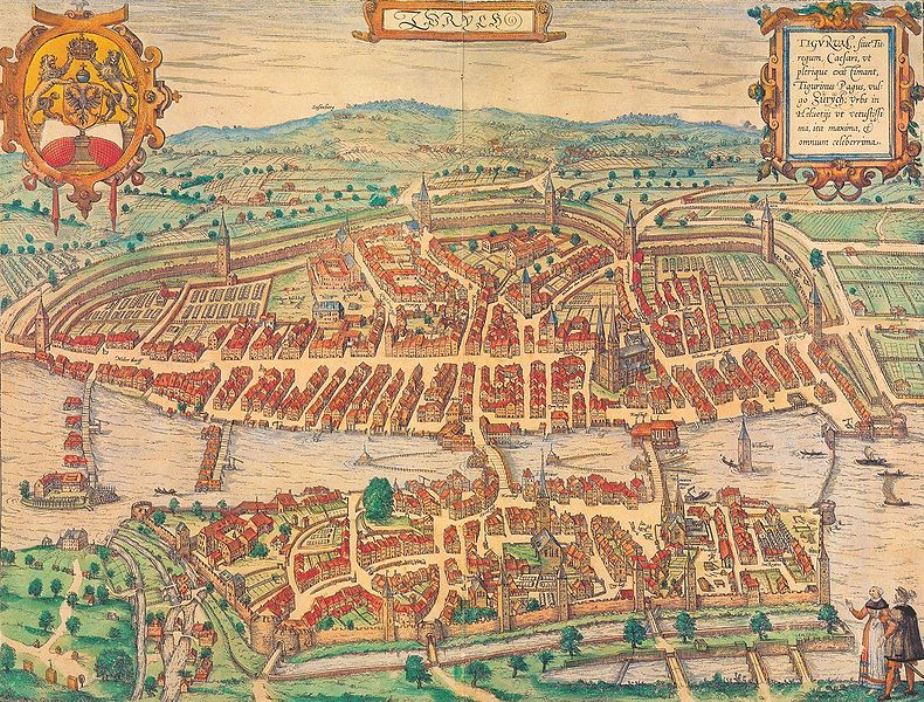
Georg Braun was a German topographical geographer, cartographer and publisher.
Braun was the editor-in-chief of the Civitates orbis terrarum, a groundbreaking atlas of cities, one of the major cartographic achievements of the 16th century. It was the first comprehensive and detailed atlas, with plans of the world's famous cities and bird's-eye views, and became one of the best-selling works of the time.
The book was prepared by Georg Braun in collaboration with the Flemish engraver and cartographer Frans Hoogenberg. Braun, as editor-in-chief, acquired tables, hired artists, and wrote the texts. They drew on existing maps as well as maps based on drawings by the Antwerp artist Joris Hofnagel and his son Jacob. Other authors include Pieter Bruegel the Elder (c. 1525-1569), Jacob van Deventer (c. 1505-1575), and more than a hundred other artists and engravers.
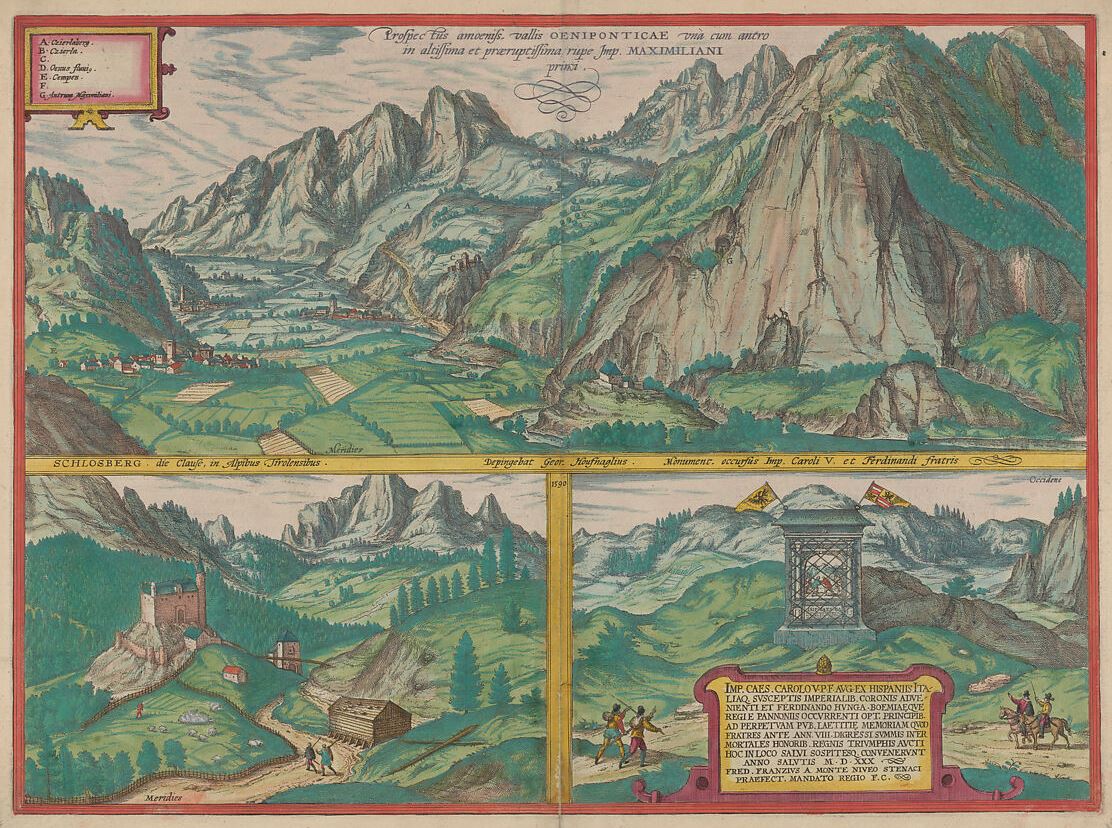
Simon Novellanus was a Dutch-born German artist, graphic artist and engraver who worked in Cologne in the second half of the 16th century.
He is known to have been a skilled engraver and collaborated with cartographer and engraver Franz Hogenberg in the production of books and atlases. Novellanus's sprawling, multi-layered landscapes are executed in a light and varied etching technique that creates intense light and atmosphere.


Frans Hogenberg was a Flemish and German painter, engraver, and mapmaker. He is known for portraits and topographical views as well as historical allegories. He also produced scenes of contemporary historical events. Hogenberg was the author of graphic works, engravings of city views and maps of the first four volumes of the six-volume atlas Theatrum Orbis Terrarum (Description and drawings of the most famous cities in the world), published in 1570 by the Flemish geographer Abraham Ortelius. Hogenberg's engravings are an invaluable source of information about urban development in medieval Europe.
Georg Braun was a German topographical geographer, cartographer and publisher.
Braun was the editor-in-chief of the Civitates orbis terrarum, a groundbreaking atlas of cities, one of the major cartographic achievements of the 16th century. It was the first comprehensive and detailed atlas, with plans of the world's famous cities and bird's-eye views, and became one of the best-selling works of the time.
The book was prepared by Georg Braun in collaboration with the Flemish engraver and cartographer Frans Hoogenberg. Braun, as editor-in-chief, acquired tables, hired artists, and wrote the texts. They drew on existing maps as well as maps based on drawings by the Antwerp artist Joris Hofnagel and his son Jacob. Other authors include Pieter Bruegel the Elder (c. 1525-1569), Jacob van Deventer (c. 1505-1575), and more than a hundred other artists and engravers.

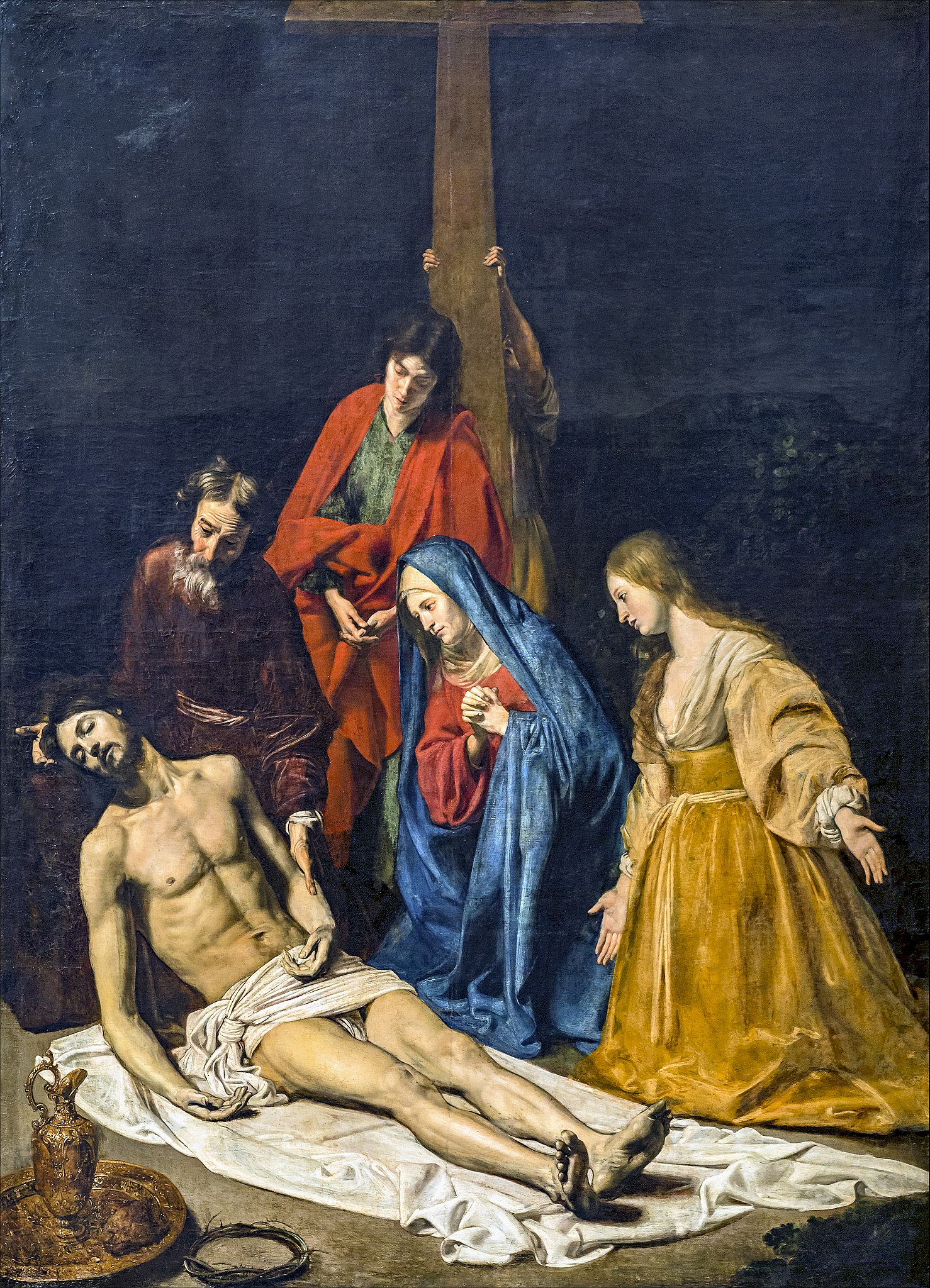
Nicolas Tournier was a French Baroque painter.
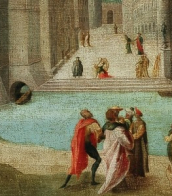
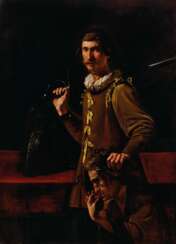

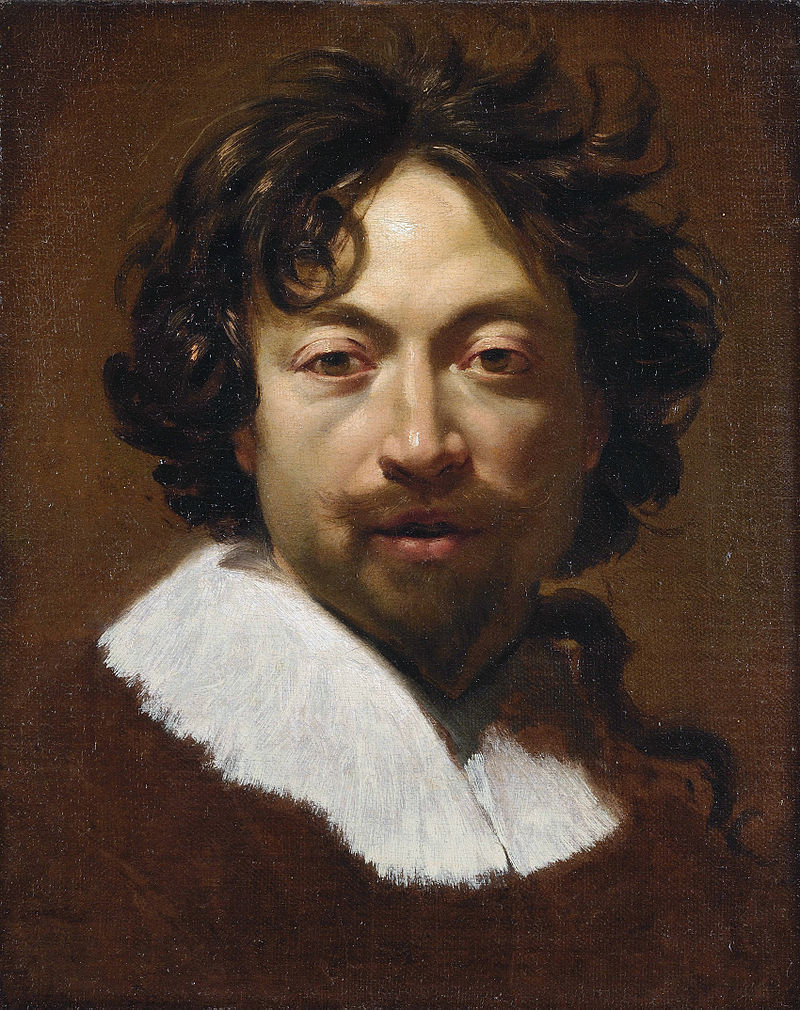
Simon Vouet was a French painter who studied and rose to prominence in Italy before being summoned by Louis XIII to serve as Premier peintre du Roi in France. He and his studio of artists created religious and mythological paintings, portraits, frescoes, tapestries, and massive decorative schemes for the king and for wealthy patrons, including Richelieu. During this time, "Vouet was indisputably the leading artist in Paris," and was immensely influential in introducing the Italian Baroque style of painting to France. He was also "without doubt one of the outstanding seventeenth-century draughtsmen, equal to Annibale Carracci and Lanfranco."
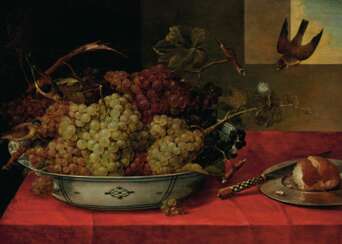

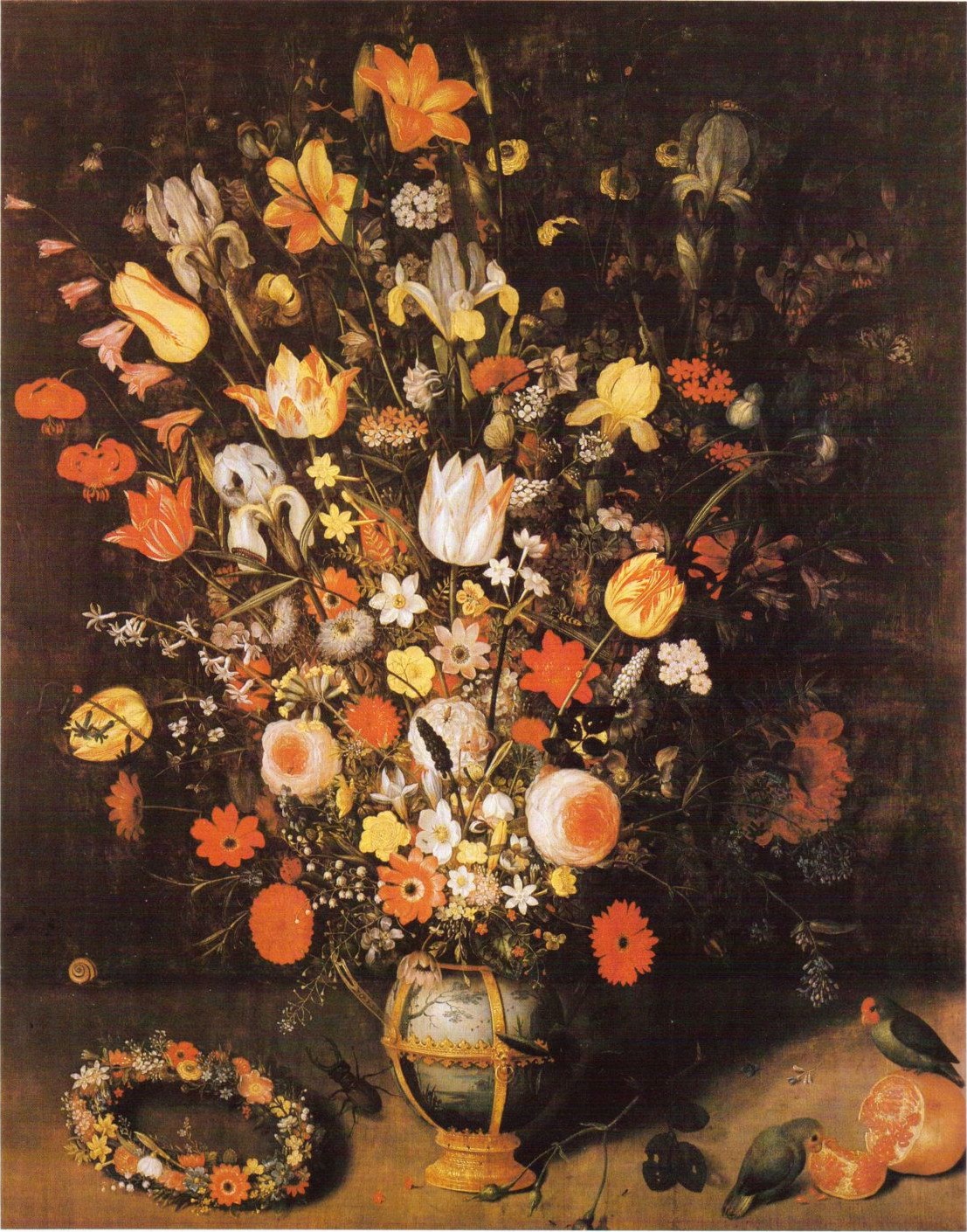
Peter Binoit was a German still life painter active during the early Baroque era at the beginning of the 17th century, who worked in Frankfurt am Main and Cologne.
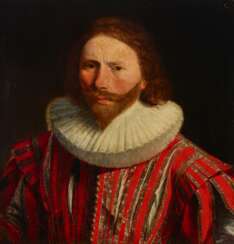

Simon Vouet was a French painter who studied and rose to prominence in Italy before being summoned by Louis XIII to serve as Premier peintre du Roi in France. He and his studio of artists created religious and mythological paintings, portraits, frescoes, tapestries, and massive decorative schemes for the king and for wealthy patrons, including Richelieu. During this time, "Vouet was indisputably the leading artist in Paris," and was immensely influential in introducing the Italian Baroque style of painting to France. He was also "without doubt one of the outstanding seventeenth-century draughtsmen, equal to Annibale Carracci and Lanfranco."


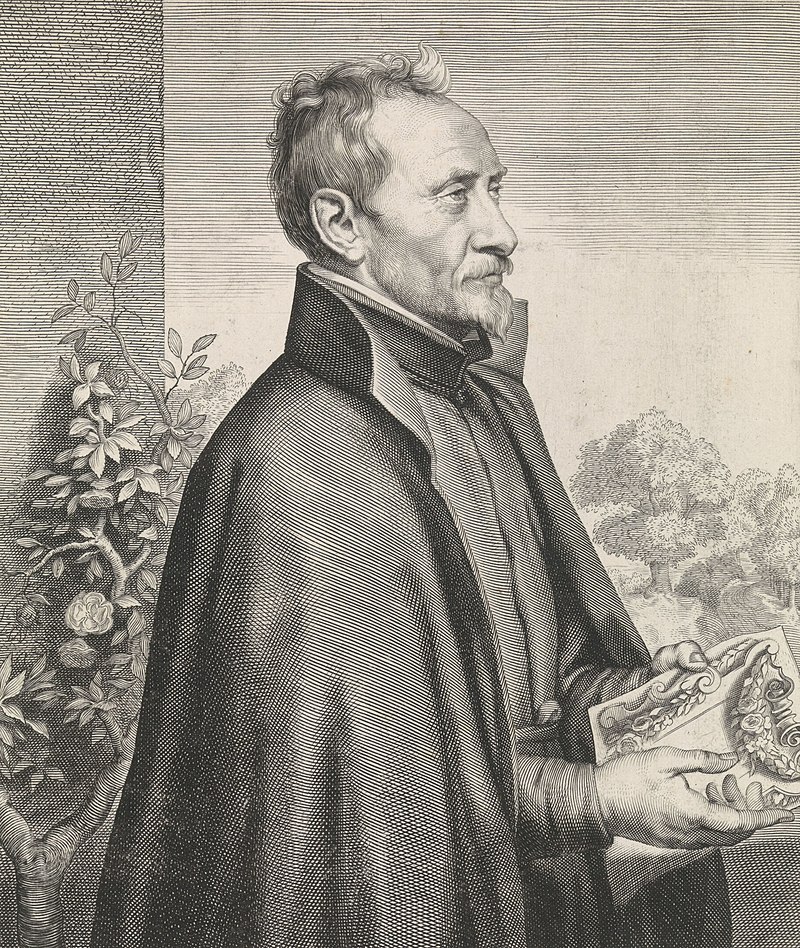
Daniël Seghers or Daniel Seghers was a Flemish Jesuit brother and painter who specialized in flower still lifes. He is particularly well known for his contributions to the genre of flower garland painting. His paintings were collected enthusiastically by aristocratic patrons and he had numerous followers and imitators.
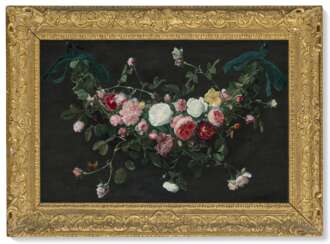

Daniël Seghers or Daniel Seghers was a Flemish Jesuit brother and painter who specialized in flower still lifes. He is particularly well known for his contributions to the genre of flower garland painting. His paintings were collected enthusiastically by aristocratic patrons and he had numerous followers and imitators.
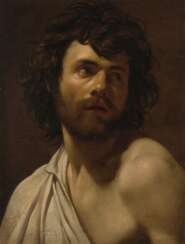

Simon Vouet was a French painter who studied and rose to prominence in Italy before being summoned by Louis XIII to serve as Premier peintre du Roi in France. He and his studio of artists created religious and mythological paintings, portraits, frescoes, tapestries, and massive decorative schemes for the king and for wealthy patrons, including Richelieu. During this time, "Vouet was indisputably the leading artist in Paris," and was immensely influential in introducing the Italian Baroque style of painting to France. He was also "without doubt one of the outstanding seventeenth-century draughtsmen, equal to Annibale Carracci and Lanfranco."
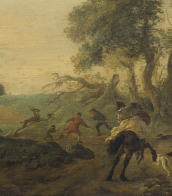


Hendrik van Cleve III was a Flemish painter, draughtsman and designer of prints. He is known for topographical views, including views of Rome and the Vatican, as well as imaginary landscapes. Traditionally, a large number of depictions of the construction of the Tower of Babel have been attributed to him but most of these are now attributed to anonymous Flemish painters, who are referred to as 'The Hendrik van Cleve III Group'.


Hendrik van Cleve III was a Flemish painter, draughtsman and designer of prints. He is known for topographical views, including views of Rome and the Vatican, as well as imaginary landscapes. Traditionally, a large number of depictions of the construction of the Tower of Babel have been attributed to him but most of these are now attributed to anonymous Flemish painters, who are referred to as 'The Hendrik van Cleve III Group'.


Frans Hogenberg was a Flemish and German painter, engraver, and mapmaker. He is known for portraits and topographical views as well as historical allegories. He also produced scenes of contemporary historical events. Hogenberg was the author of graphic works, engravings of city views and maps of the first four volumes of the six-volume atlas Theatrum Orbis Terrarum (Description and drawings of the most famous cities in the world), published in 1570 by the Flemish geographer Abraham Ortelius. Hogenberg's engravings are an invaluable source of information about urban development in medieval Europe.


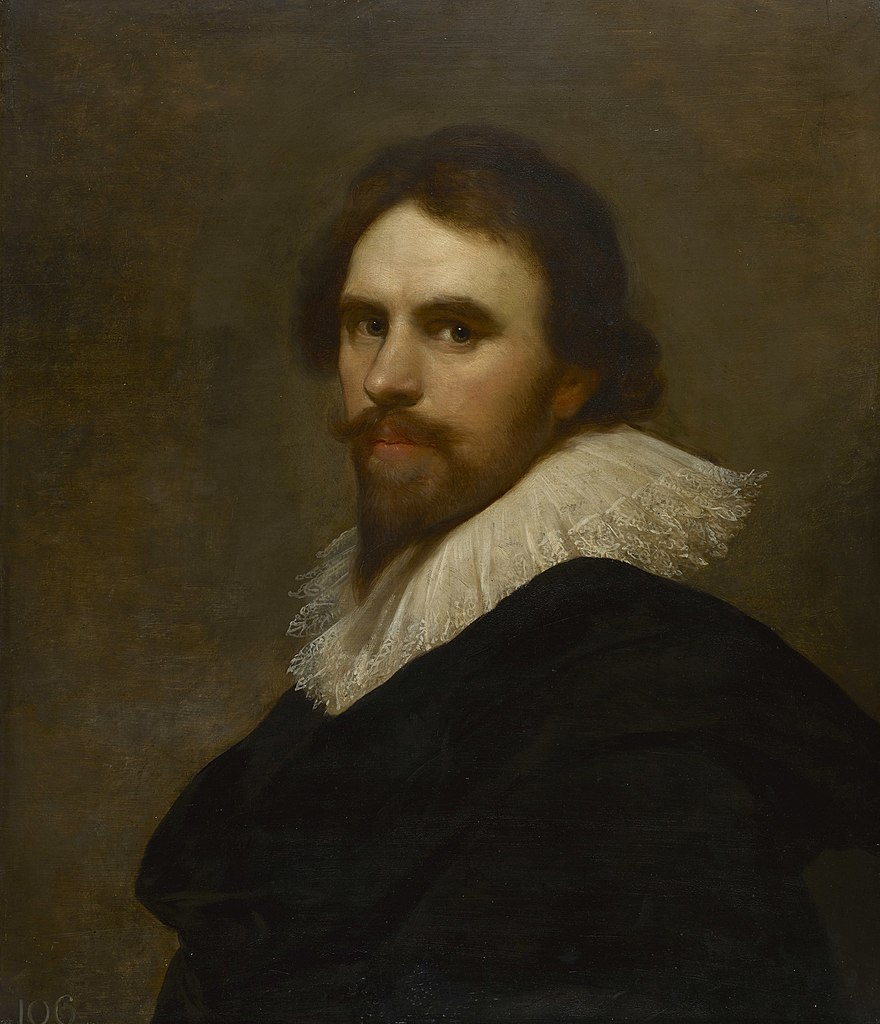
Daniël Mijtens was a Dutch painter, portrait painter, draughtsman and printmaker of the Golden Age of Dutch art. He worked in England for a significant part of his life.
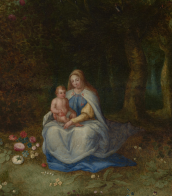
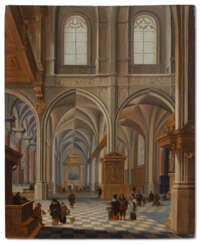

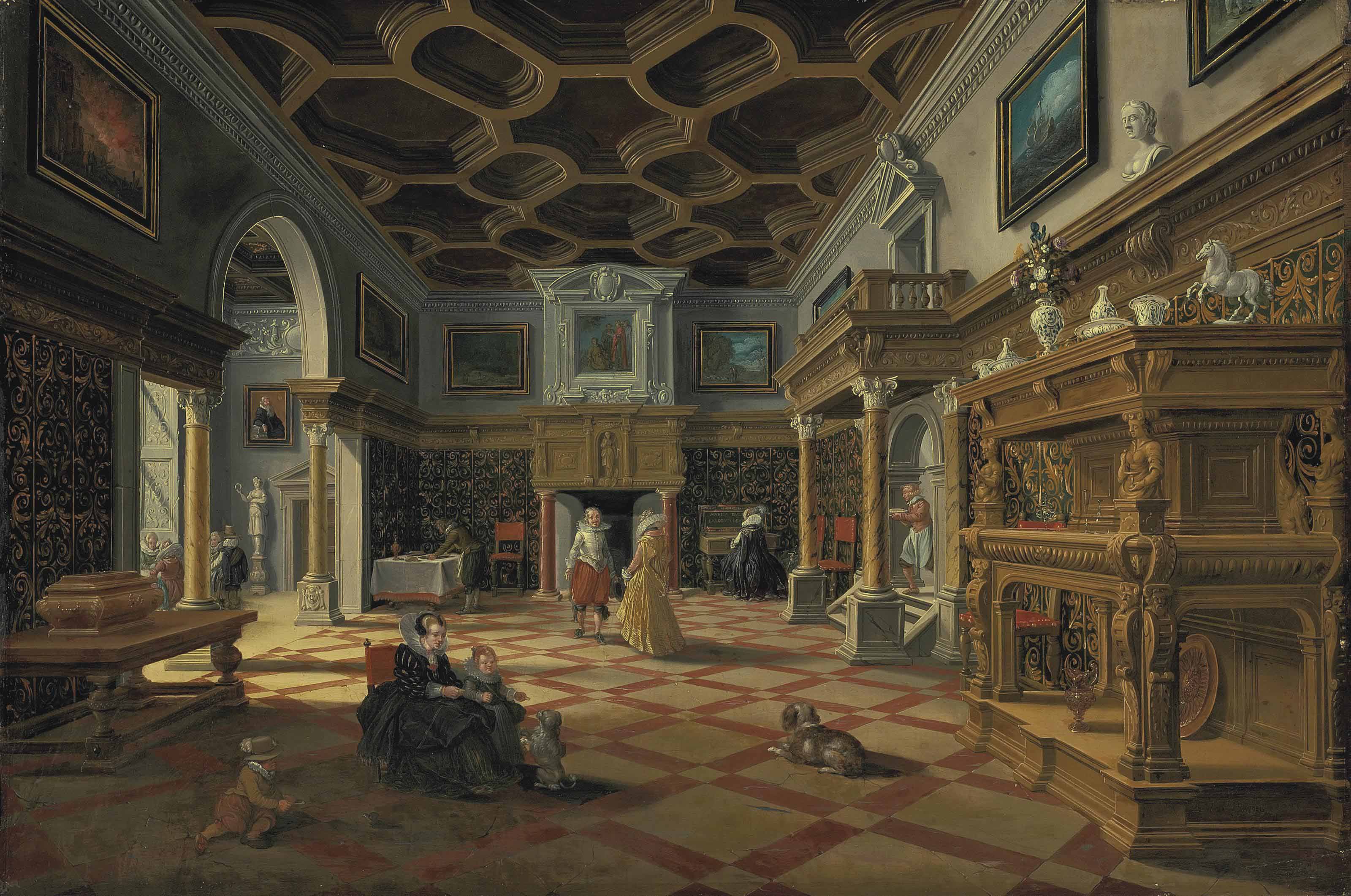
Bartholomeus Corneliszoon van Bassen was a Dutch Golden Age painter and architect.
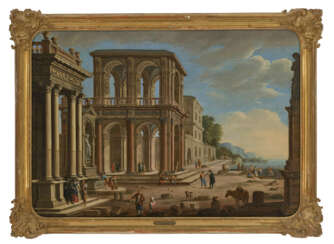

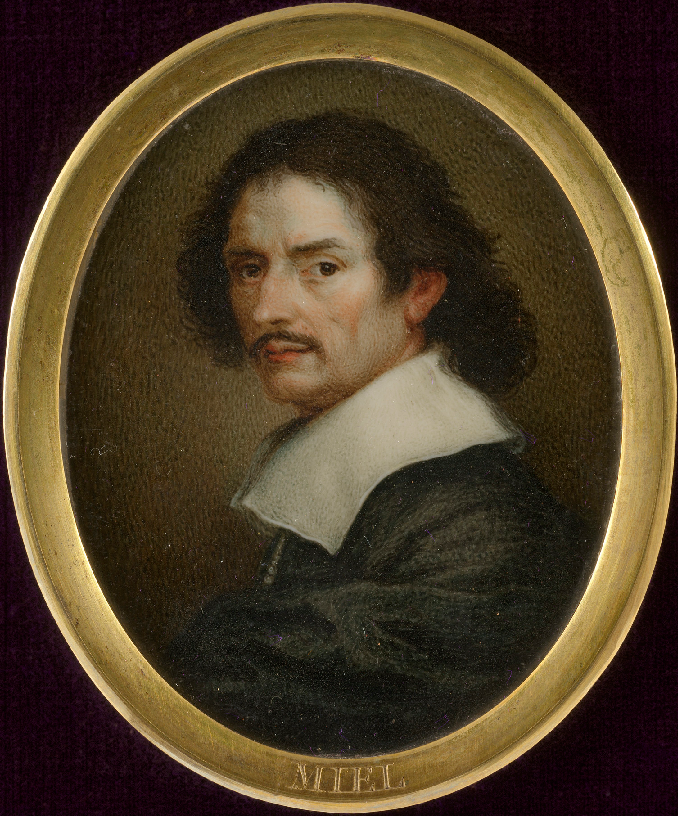
Jan Miel was a Flemish painter and printmaker who worked in Italy.
As a young man Miel worked in the Bamboschade genre: his paintings depict dancing villagers, gamblers and charlatans, barbers and shoemakers, traveling musicians and actors.
Miele diversified the genre painting of the time with carnival scenes. Miele also executed several frescoes in Roman churches, decorated the Quirinale Palace, and was court painter to the Duke of Savoy. Later he moved away from genre painting and painted historical subjects in the classical style.
Miele's works are kept in many museums in Europe and the United States, several of them in the Hermitage.


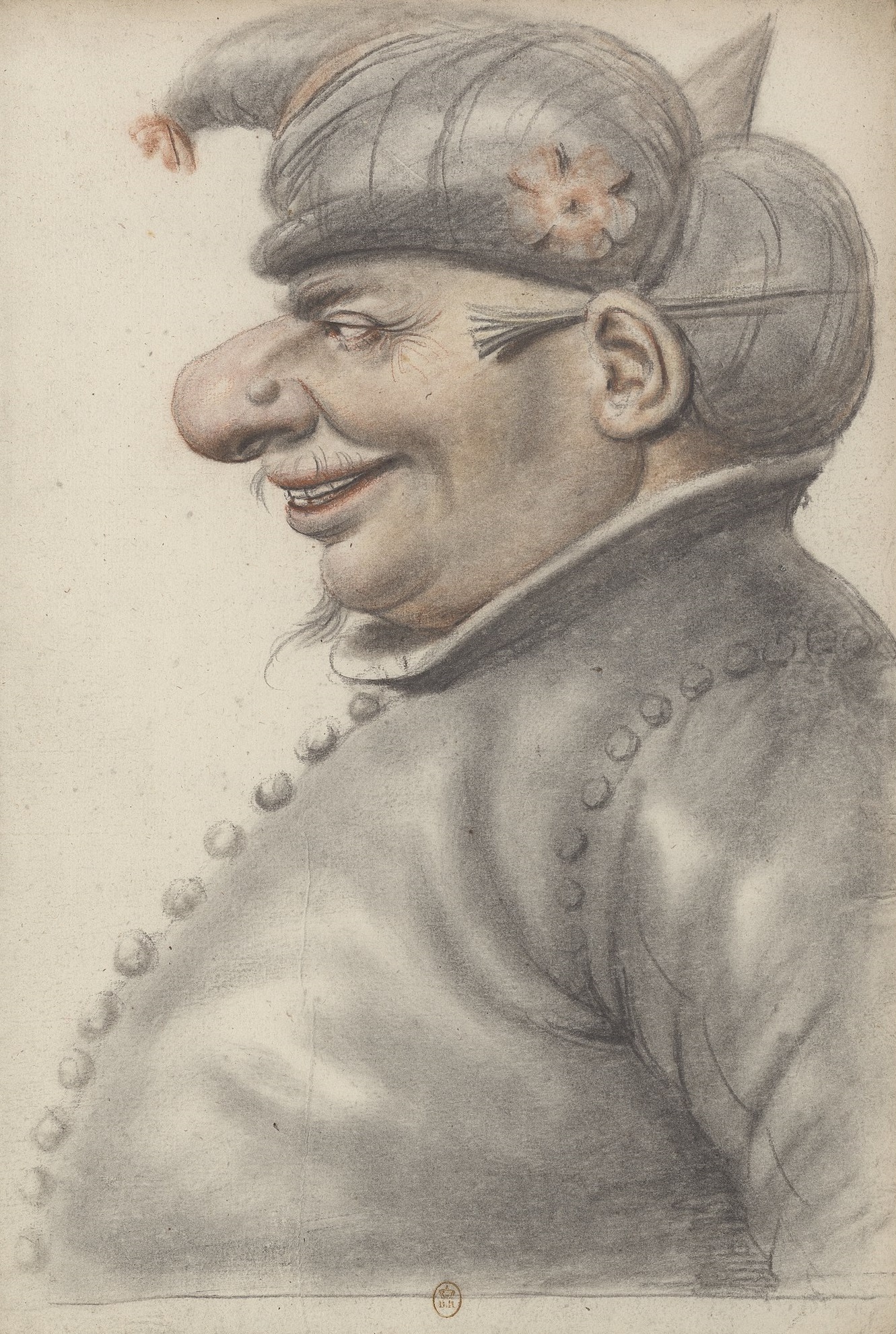
Nicolas Lagneau was a French draftsman noted for his portrait drawings. He was especially interested in grotesque physiognomies, which he drew in meticulous detail either from models or from his imagination. His drawings are usually executed in black and red chalk, sometimes with the addition of blue or yellow gouache. In their heightened realism, and their emphasis on facial expressions, wrinkles, and deformities, Lagneau's portraits reveal the influence of Rembrandt's early works.
Lagneau's drawings are plentiful in French and US museums.
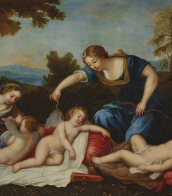
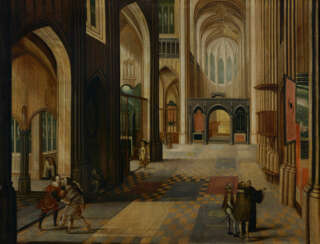

Bartholomeus Corneliszoon van Bassen was a Dutch Golden Age painter and architect.
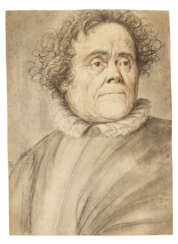

Nicolas Lagneau was a French draftsman noted for his portrait drawings. He was especially interested in grotesque physiognomies, which he drew in meticulous detail either from models or from his imagination. His drawings are usually executed in black and red chalk, sometimes with the addition of blue or yellow gouache. In their heightened realism, and their emphasis on facial expressions, wrinkles, and deformities, Lagneau's portraits reveal the influence of Rembrandt's early works.
Lagneau's drawings are plentiful in French and US museums.
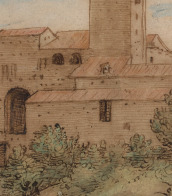


Frans Hogenberg was a Flemish and German painter, engraver, and mapmaker. He is known for portraits and topographical views as well as historical allegories. He also produced scenes of contemporary historical events. Hogenberg was the author of graphic works, engravings of city views and maps of the first four volumes of the six-volume atlas Theatrum Orbis Terrarum (Description and drawings of the most famous cities in the world), published in 1570 by the Flemish geographer Abraham Ortelius. Hogenberg's engravings are an invaluable source of information about urban development in medieval Europe.
Georg Braun was a German topographical geographer, cartographer and publisher.
Braun was the editor-in-chief of the Civitates orbis terrarum, a groundbreaking atlas of cities, one of the major cartographic achievements of the 16th century. It was the first comprehensive and detailed atlas, with plans of the world's famous cities and bird's-eye views, and became one of the best-selling works of the time.
The book was prepared by Georg Braun in collaboration with the Flemish engraver and cartographer Frans Hoogenberg. Braun, as editor-in-chief, acquired tables, hired artists, and wrote the texts. They drew on existing maps as well as maps based on drawings by the Antwerp artist Joris Hofnagel and his son Jacob. Other authors include Pieter Bruegel the Elder (c. 1525-1569), Jacob van Deventer (c. 1505-1575), and more than a hundred other artists and engravers.


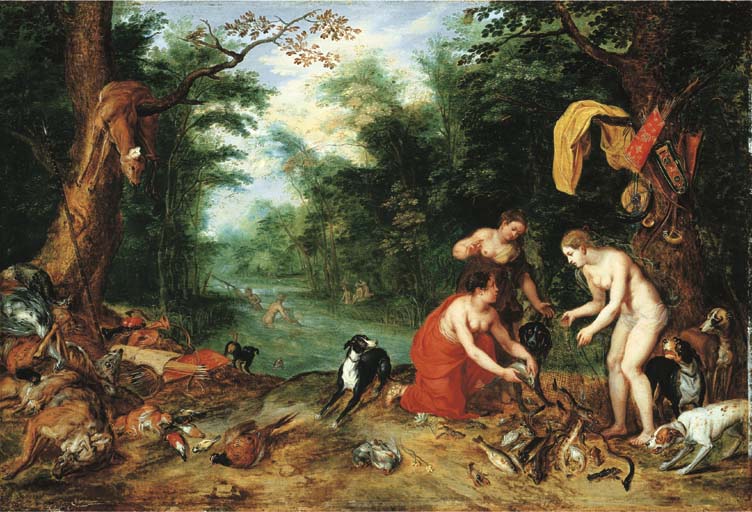
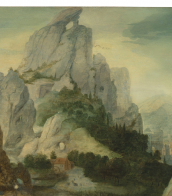
Jacob Grimmer was a Flemish painter who was active during the Late Renaissance. He specialised in landscapes and genre scenes, often depicting the everyday life of peasants.
His style was strongly influenced by Pieter Bruegel the Elder and the works of Leonardo da Vinci and Raphael.
Grimmer's paintings are characterized by detailed, realistic depictions of nature. His landscapes are characterized by wide expanses and intricate detail.
Jacob Grimmer was known for his ability to capture the nuances of human behaviour, so his genre works depict the lives of peasants with a touch of humour and whimsy.


Jacob Grimmer was a Flemish painter who was active during the Late Renaissance. He specialised in landscapes and genre scenes, often depicting the everyday life of peasants.
His style was strongly influenced by Pieter Bruegel the Elder and the works of Leonardo da Vinci and Raphael.
Grimmer's paintings are characterized by detailed, realistic depictions of nature. His landscapes are characterized by wide expanses and intricate detail.
Jacob Grimmer was known for his ability to capture the nuances of human behaviour, so his genre works depict the lives of peasants with a touch of humour and whimsy.
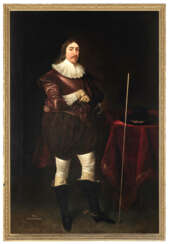

Daniël Mijtens was a Dutch painter, portrait painter, draughtsman and printmaker of the Golden Age of Dutch art. He worked in England for a significant part of his life.
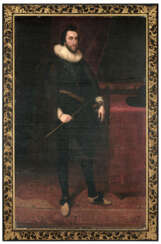

Daniël Mijtens was a Dutch painter, portrait painter, draughtsman and printmaker of the Golden Age of Dutch art. He worked in England for a significant part of his life.
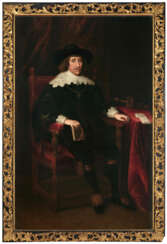

Daniël Mijtens was a Dutch painter, portrait painter, draughtsman and printmaker of the Golden Age of Dutch art. He worked in England for a significant part of his life.
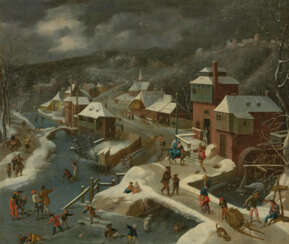

Jacob Grimmer was a Flemish painter who was active during the Late Renaissance. He specialised in landscapes and genre scenes, often depicting the everyday life of peasants.
His style was strongly influenced by Pieter Bruegel the Elder and the works of Leonardo da Vinci and Raphael.
Grimmer's paintings are characterized by detailed, realistic depictions of nature. His landscapes are characterized by wide expanses and intricate detail.
Jacob Grimmer was known for his ability to capture the nuances of human behaviour, so his genre works depict the lives of peasants with a touch of humour and whimsy.
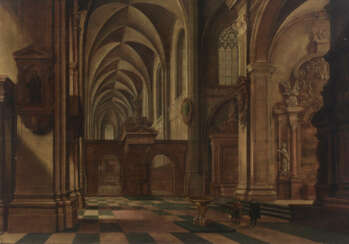

Bartholomeus Corneliszoon van Bassen was a Dutch Golden Age painter and architect.
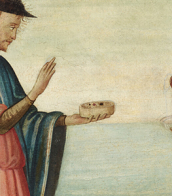
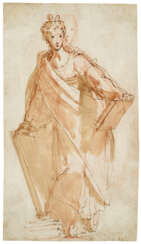

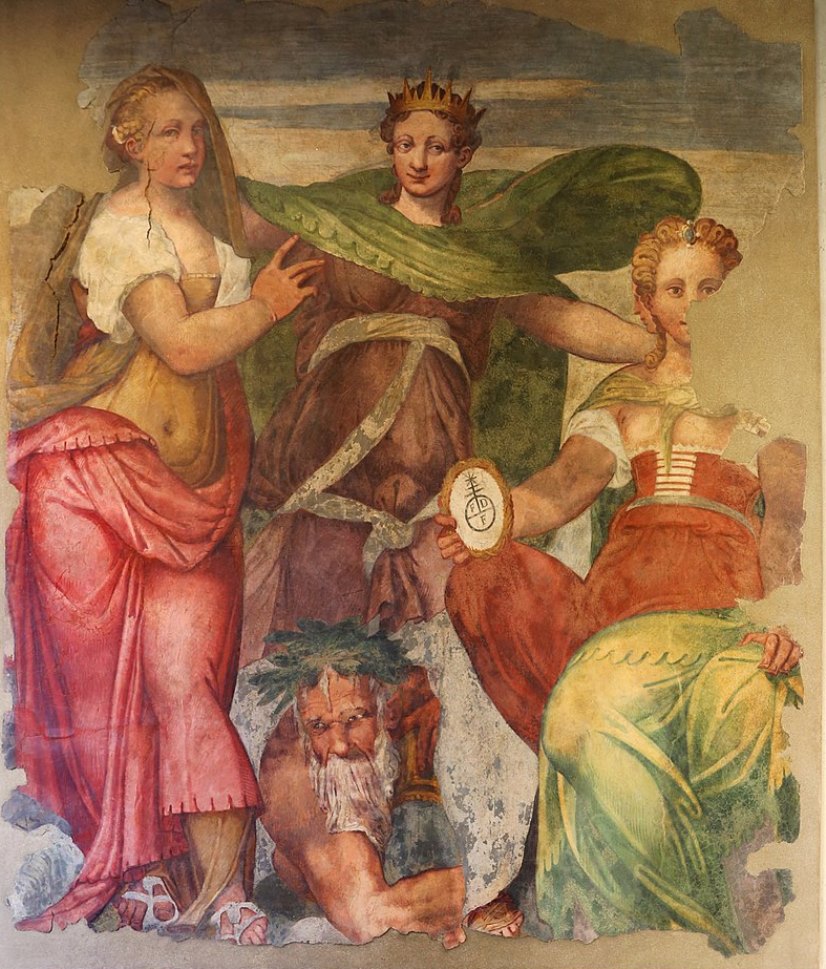
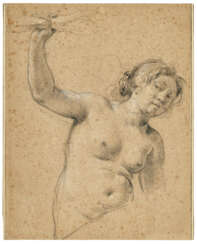

Simon Vouet was a French painter who studied and rose to prominence in Italy before being summoned by Louis XIII to serve as Premier peintre du Roi in France. He and his studio of artists created religious and mythological paintings, portraits, frescoes, tapestries, and massive decorative schemes for the king and for wealthy patrons, including Richelieu. During this time, "Vouet was indisputably the leading artist in Paris," and was immensely influential in introducing the Italian Baroque style of painting to France. He was also "without doubt one of the outstanding seventeenth-century draughtsmen, equal to Annibale Carracci and Lanfranco."
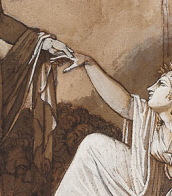
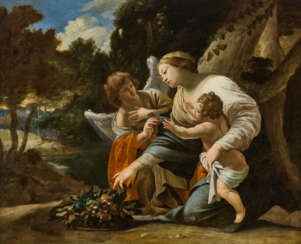

Simon Vouet was a French painter who studied and rose to prominence in Italy before being summoned by Louis XIII to serve as Premier peintre du Roi in France. He and his studio of artists created religious and mythological paintings, portraits, frescoes, tapestries, and massive decorative schemes for the king and for wealthy patrons, including Richelieu. During this time, "Vouet was indisputably the leading artist in Paris," and was immensely influential in introducing the Italian Baroque style of painting to France. He was also "without doubt one of the outstanding seventeenth-century draughtsmen, equal to Annibale Carracci and Lanfranco."
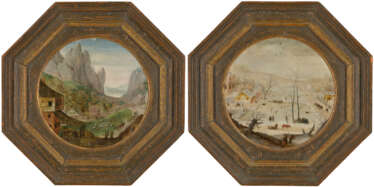

Jacob Grimmer was a Flemish painter who was active during the Late Renaissance. He specialised in landscapes and genre scenes, often depicting the everyday life of peasants.
His style was strongly influenced by Pieter Bruegel the Elder and the works of Leonardo da Vinci and Raphael.
Grimmer's paintings are characterized by detailed, realistic depictions of nature. His landscapes are characterized by wide expanses and intricate detail.
Jacob Grimmer was known for his ability to capture the nuances of human behaviour, so his genre works depict the lives of peasants with a touch of humour and whimsy.