1759


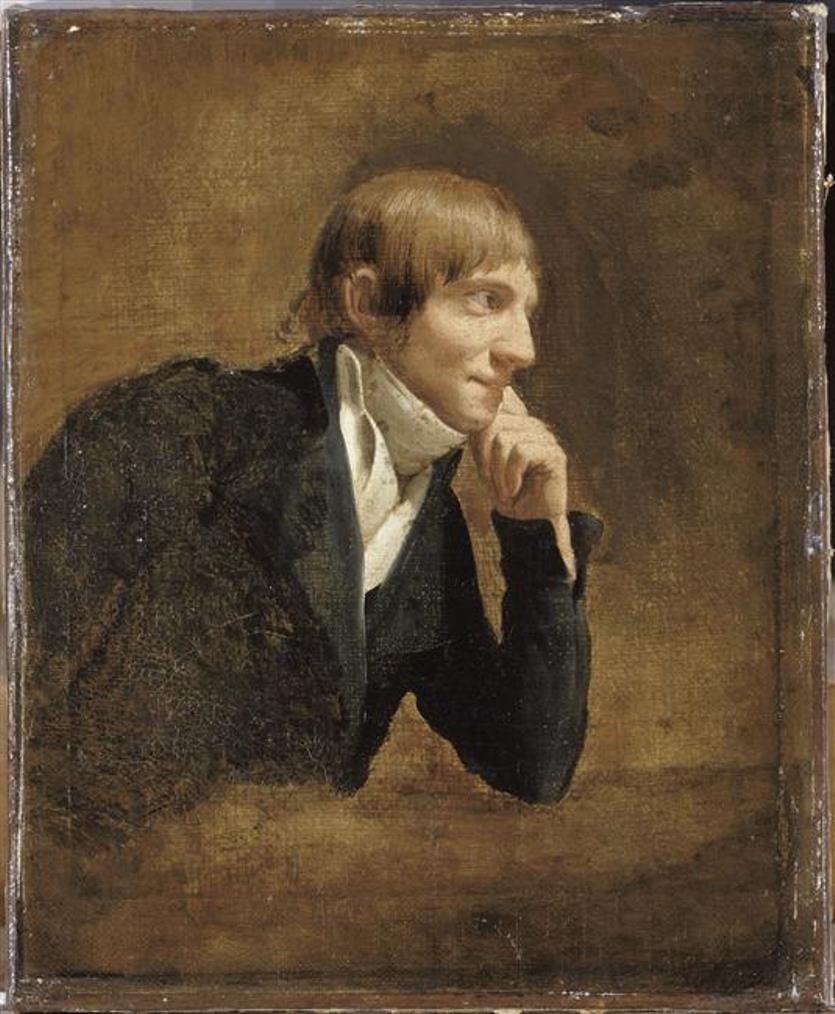
Pierre-Joseph Redouté was a French artist and botanist of Belgian origin, a royal painter and lithographer.
Redouté traveled extensively from his youth and carefully studied the pictorial art of various masters, but his main interest eventually became botanical illustration. He gained access to the Botanical Gardens in Paris and the botanical library. Over time, the talented Redouté became a very popular and successful painter of flowers and plants, publishing more and more albums.
In the 1790s, Redouté was internationally recognized as one of the most popular floral artists in the world. His depictions of plants are still as fresh as if they had just been painted. His album of watercolor illustrations, The Lilies, is one of the most expensive printed books in history.
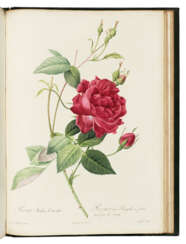

Pierre-Joseph Redouté was a French artist and botanist of Belgian origin, a royal painter and lithographer.
Redouté traveled extensively from his youth and carefully studied the pictorial art of various masters, but his main interest eventually became botanical illustration. He gained access to the Botanical Gardens in Paris and the botanical library. Over time, the talented Redouté became a very popular and successful painter of flowers and plants, publishing more and more albums.
In the 1790s, Redouté was internationally recognized as one of the most popular floral artists in the world. His depictions of plants are still as fresh as if they had just been painted. His album of watercolor illustrations, The Lilies, is one of the most expensive printed books in history.
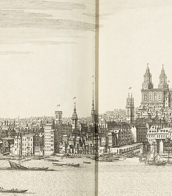
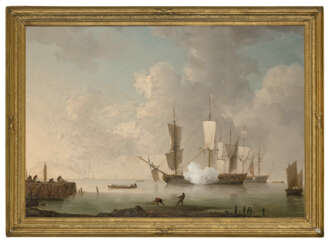

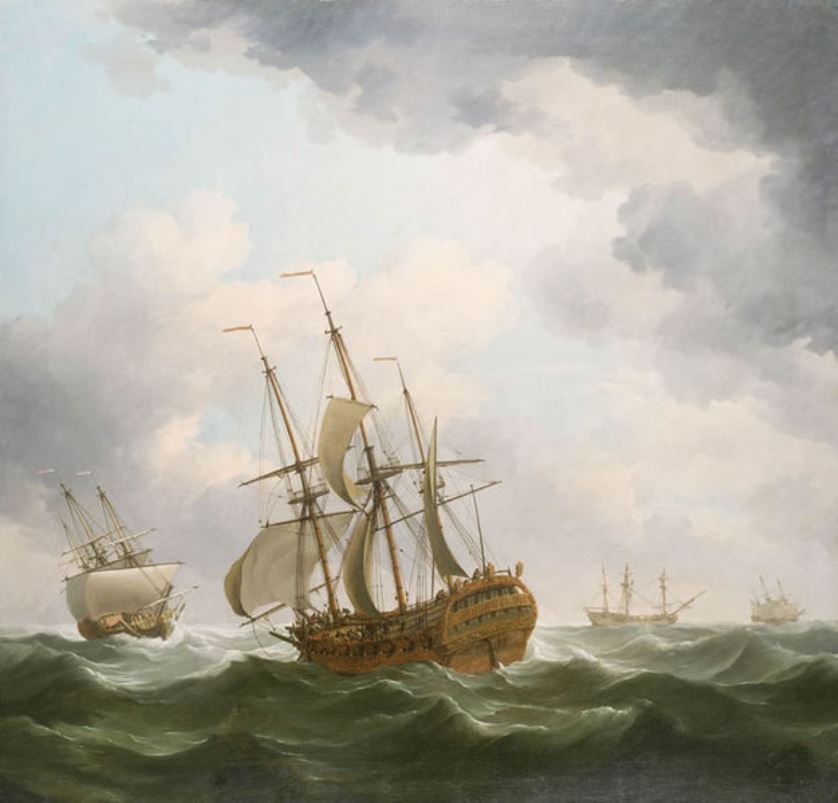
Charles Brooking is a British marine artist.
He is known for his paintings depicting various ships at sea. Researchers have noted great accuracy in depicting structures and ocean waves and wind, which may indicate that Brooking had experience at sea.
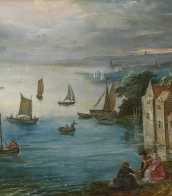
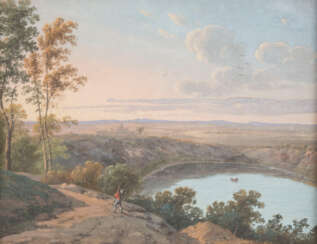

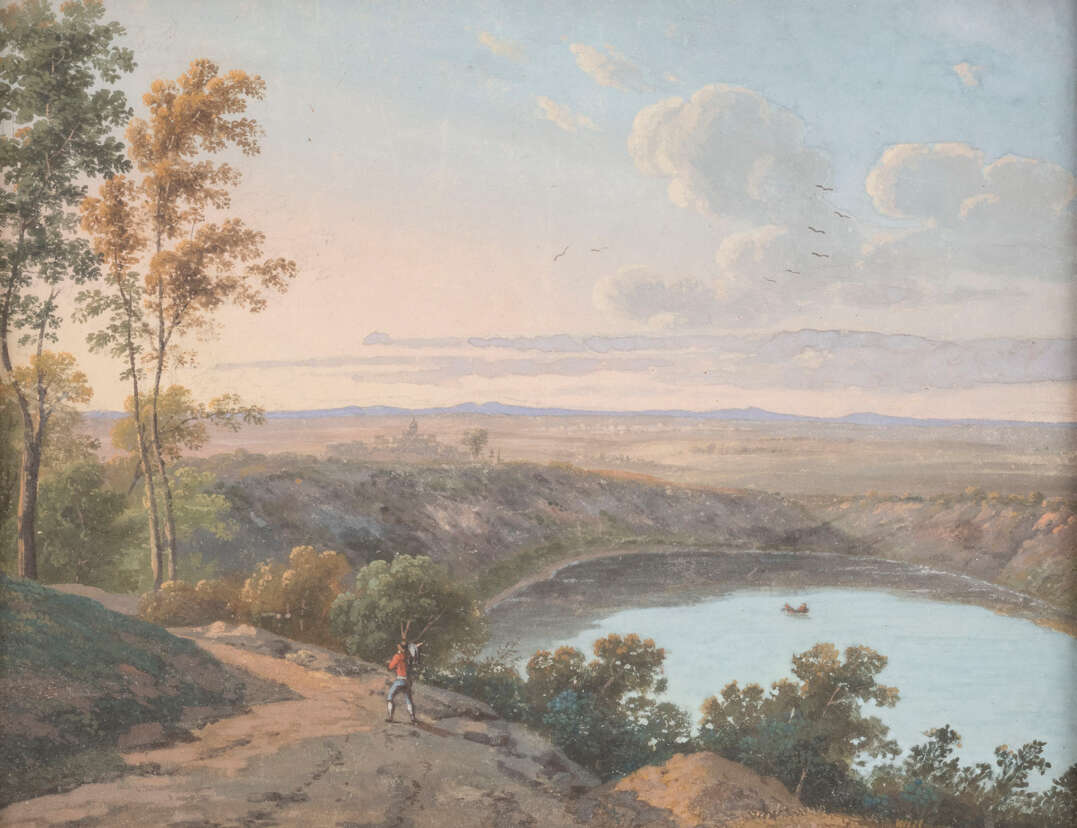
Peter Ludwig Lütke was a German landscape painter and etching artist. He was a pupil of Jakob Philipp Hackert in Italy and from 1787 a member and from 1789 a professor at the Berlin Academy of Arts. His son, Ludwig Eduard Lütke, also became a landscape painter.
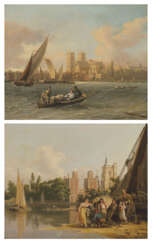

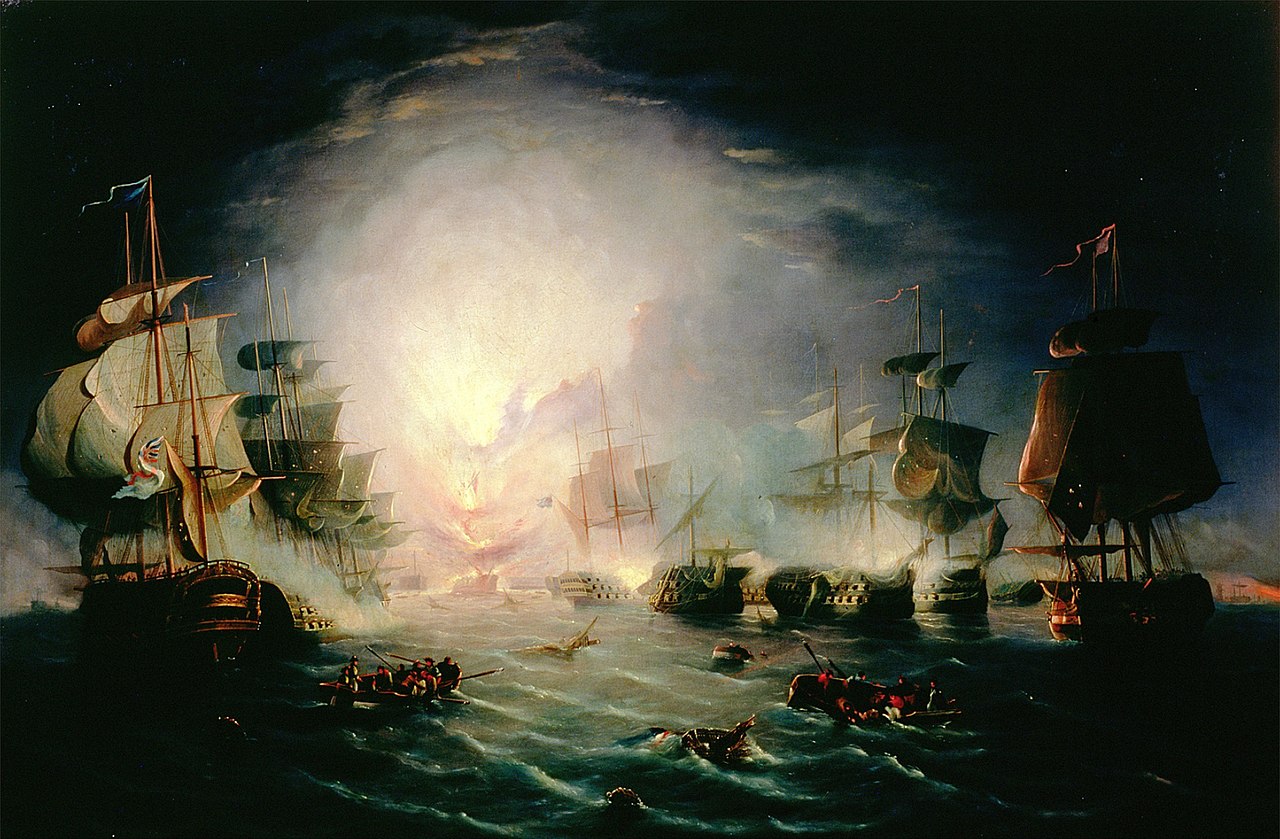
John Thomas Serres was an English maritime painter who enjoyed significant success, including exhibiting extensively at the Royal Academy, and was for a time Maritime Painter to King George III.
He is the son of Dominique Serres.


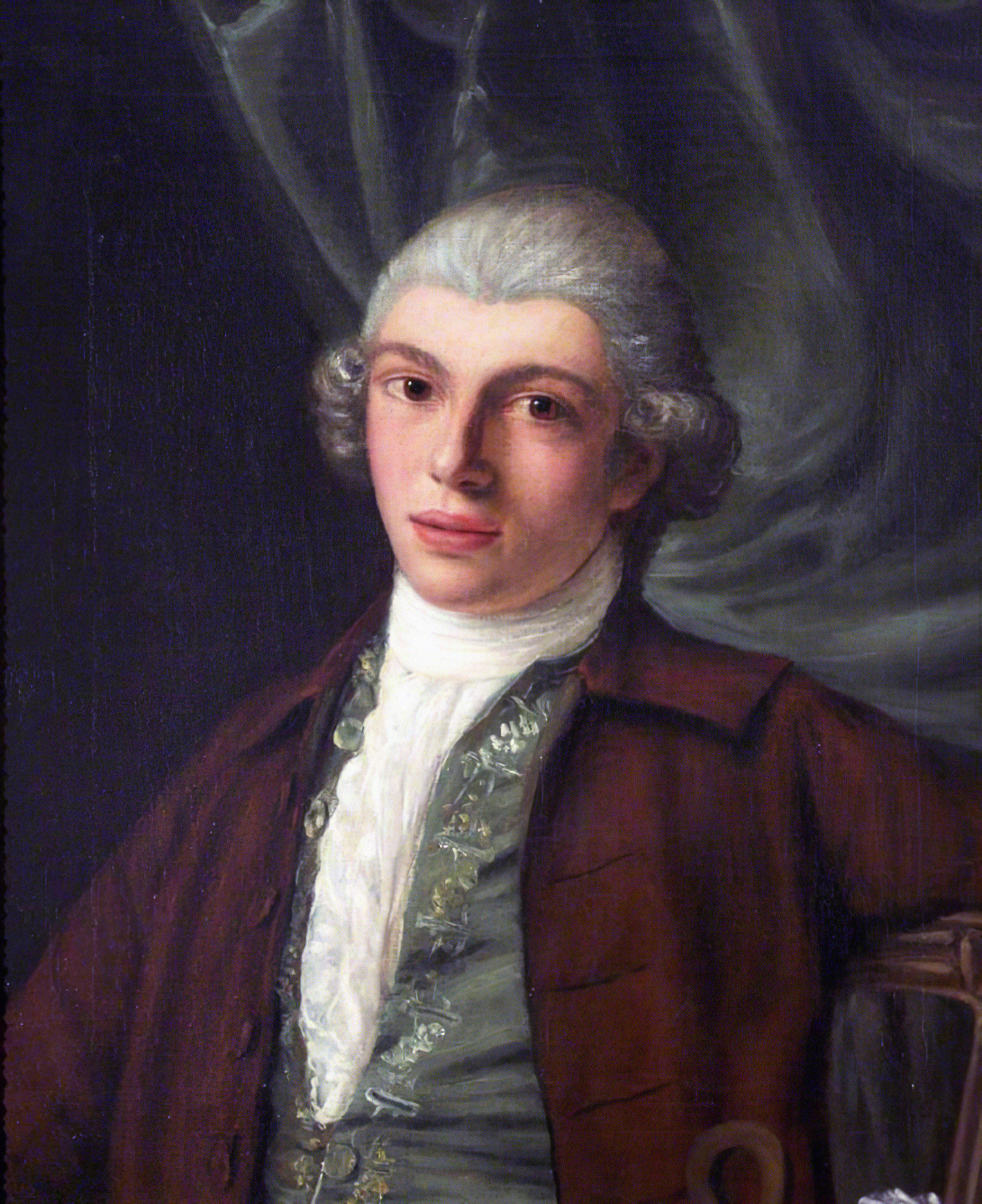
Thomas Luny was an English artist and painter, mostly of seascapes and other marine-based works. At the age of eleven, Luny left Cornwall to live in London. There he became the apprentice of Francis Holman, a marine painter who would have a great and long lasting artistic influence on Luny.
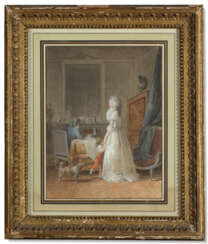

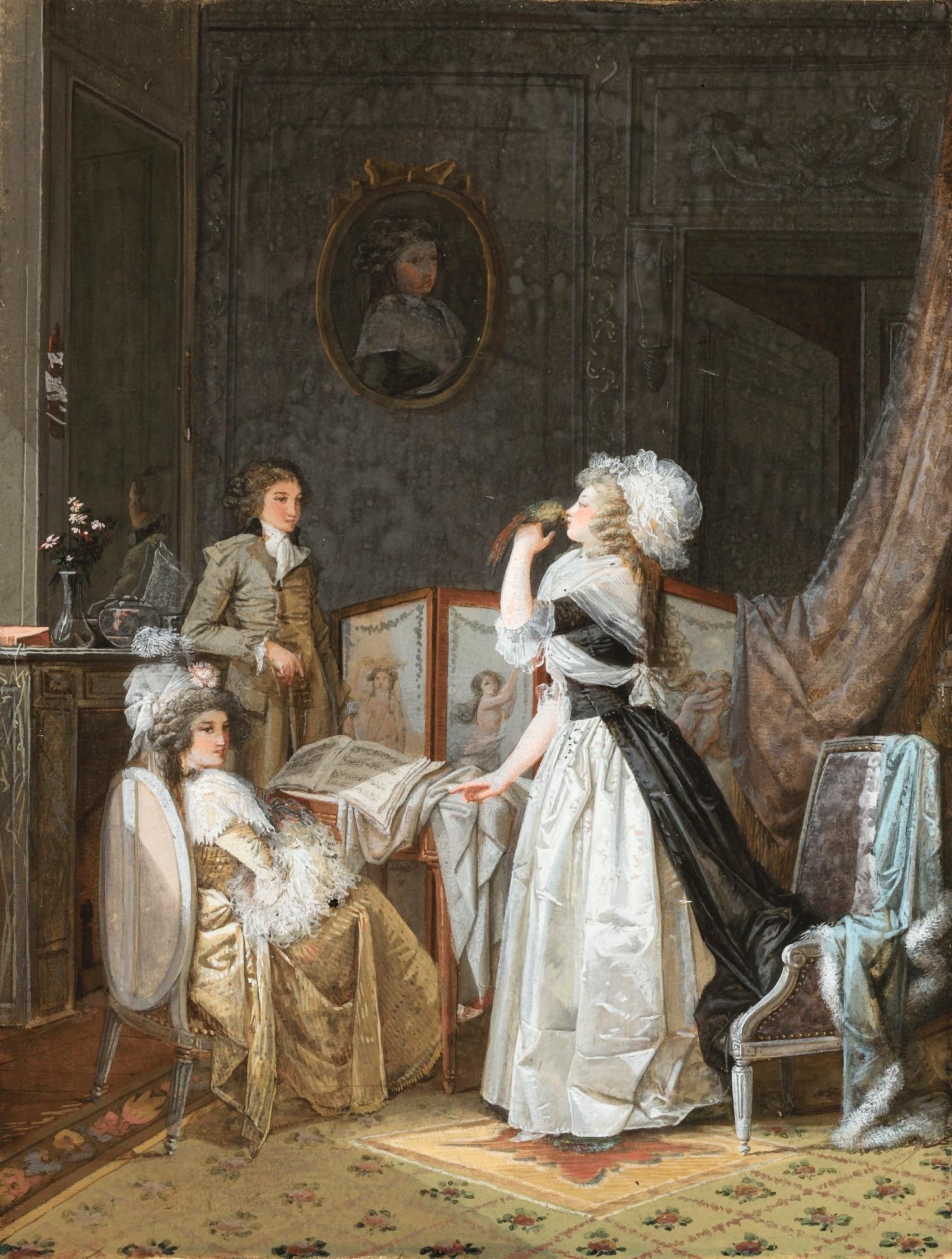
Jean-Baptiste Mallet was a French painter in the Troubadour style.
His style shows the strong influence of Jean-Baptiste Greuze, Jean-Honoré Fragonard (also from Grasse) and Louis Léopold Boilly. He is also known to have studied 17th-century Dutch painting.
Most of his works were gouaches and watercolors, done in relatively small formats, and consist largely of genre scenes depicting life under the Directorate and the First Empire.
His paintings were very popular and are an indispensable source of information about interior decorations and furnishings of the period. Most of his works were also available as prints.
Outside of France, his works may be seen at the National Gallery of Art and LACMA.


Thomas Luny was an English artist and painter, mostly of seascapes and other marine-based works. At the age of eleven, Luny left Cornwall to live in London. There he became the apprentice of Francis Holman, a marine painter who would have a great and long lasting artistic influence on Luny.
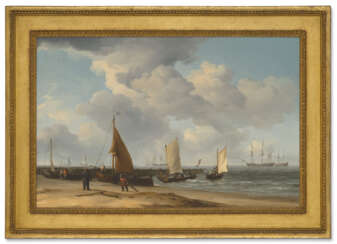

Charles Brooking is a British marine artist.
He is known for his paintings depicting various ships at sea. Researchers have noted great accuracy in depicting structures and ocean waves and wind, which may indicate that Brooking had experience at sea.


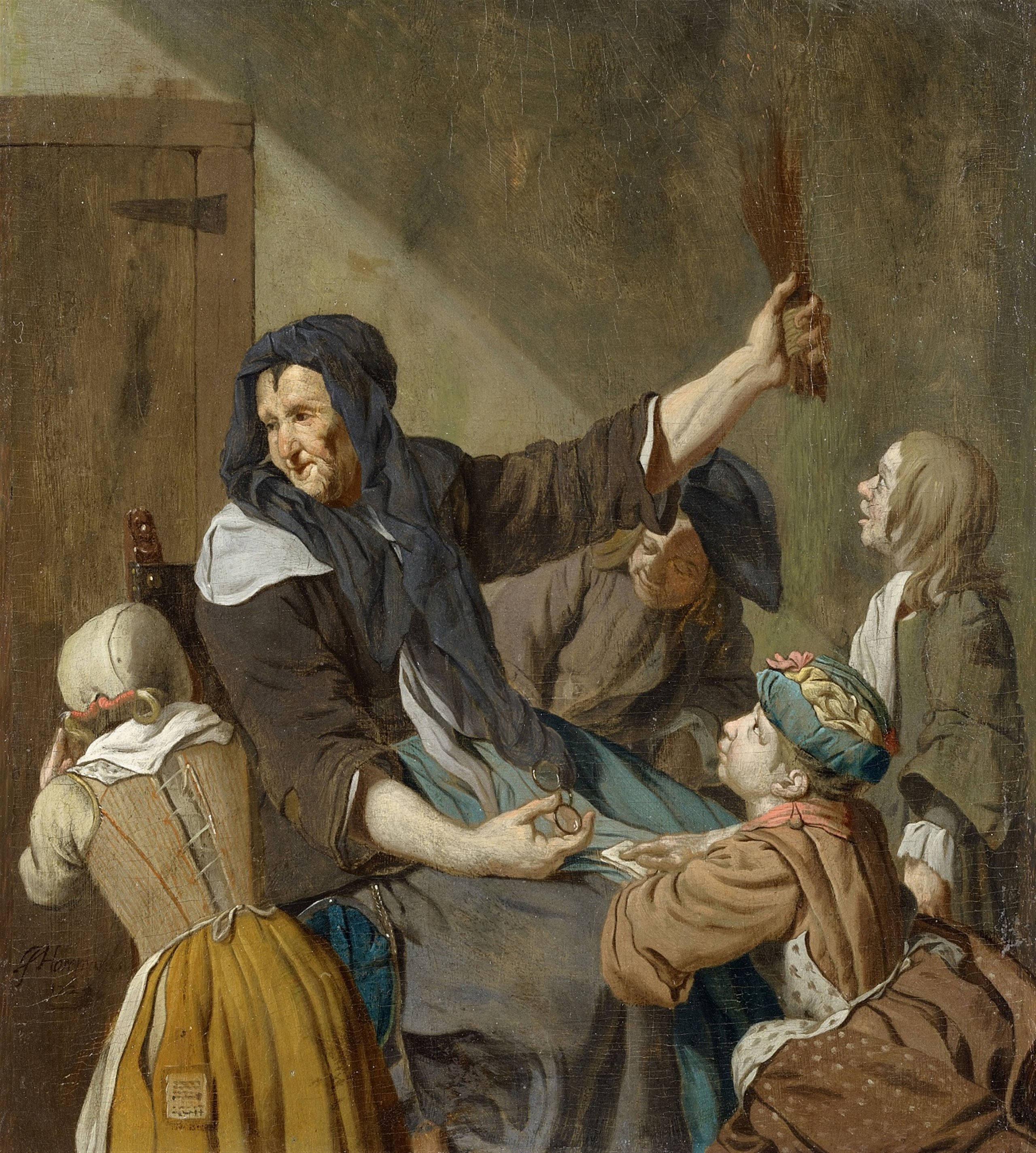
Jan Josef Horemans the Elder was a Flemish painter of the 18th-century. He was mainly known for his genre scenes but he also painted portraits and historical allegories.
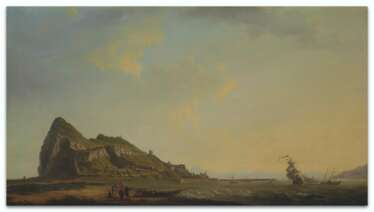

John Thomas Serres was an English maritime painter who enjoyed significant success, including exhibiting extensively at the Royal Academy, and was for a time Maritime Painter to King George III.
He is the son of Dominique Serres.


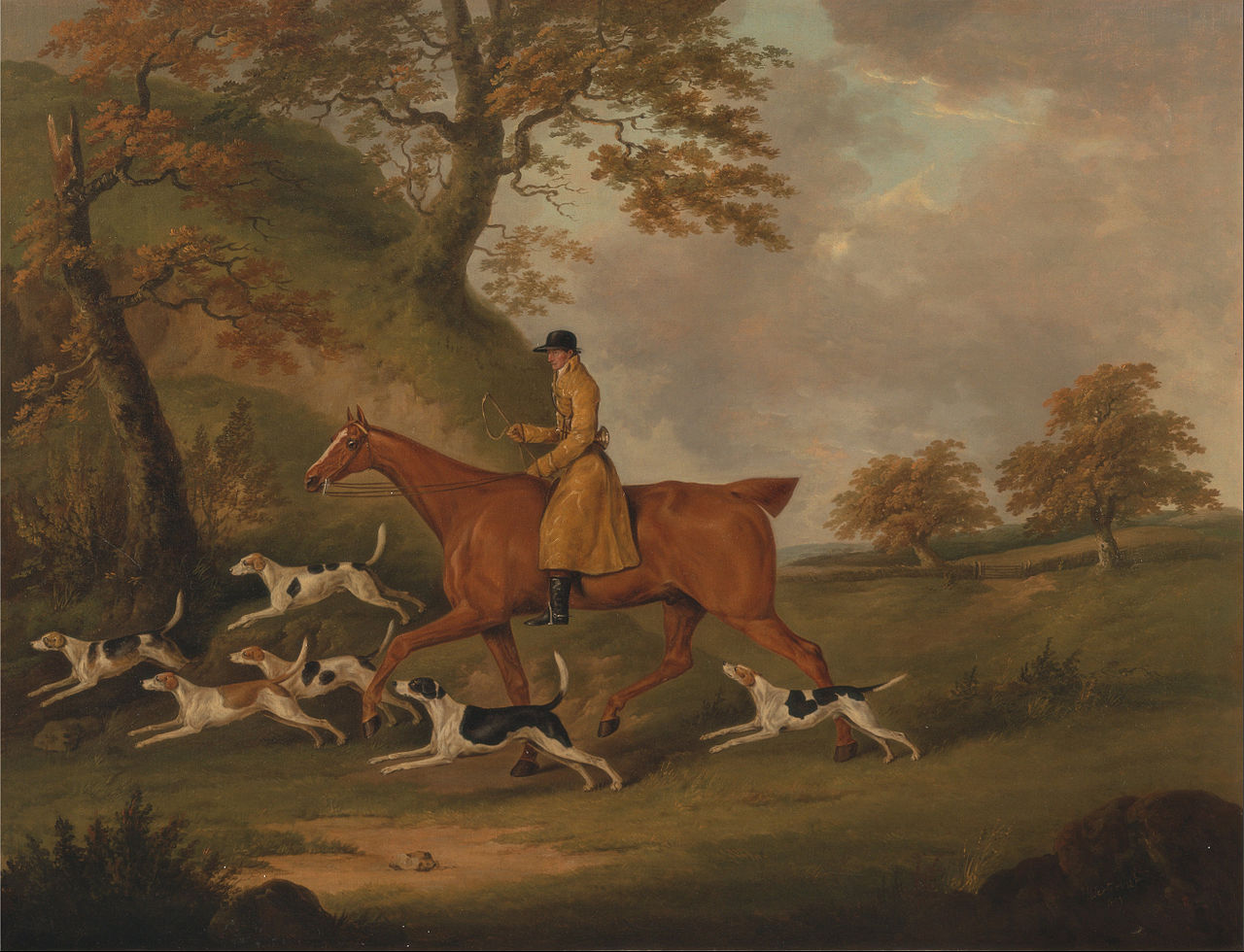
John Nost Sartorius was an English painter of horses, horse-racing and hunting scenes. He is considered the best-known and prolific of the Sartorius family of artists.


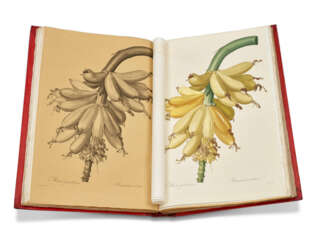

Pierre-Joseph Redouté was a French artist and botanist of Belgian origin, a royal painter and lithographer.
Redouté traveled extensively from his youth and carefully studied the pictorial art of various masters, but his main interest eventually became botanical illustration. He gained access to the Botanical Gardens in Paris and the botanical library. Over time, the talented Redouté became a very popular and successful painter of flowers and plants, publishing more and more albums.
In the 1790s, Redouté was internationally recognized as one of the most popular floral artists in the world. His depictions of plants are still as fresh as if they had just been painted. His album of watercolor illustrations, The Lilies, is one of the most expensive printed books in history.
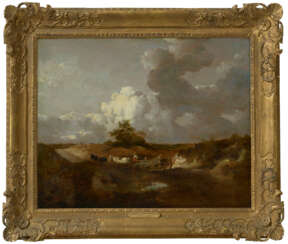

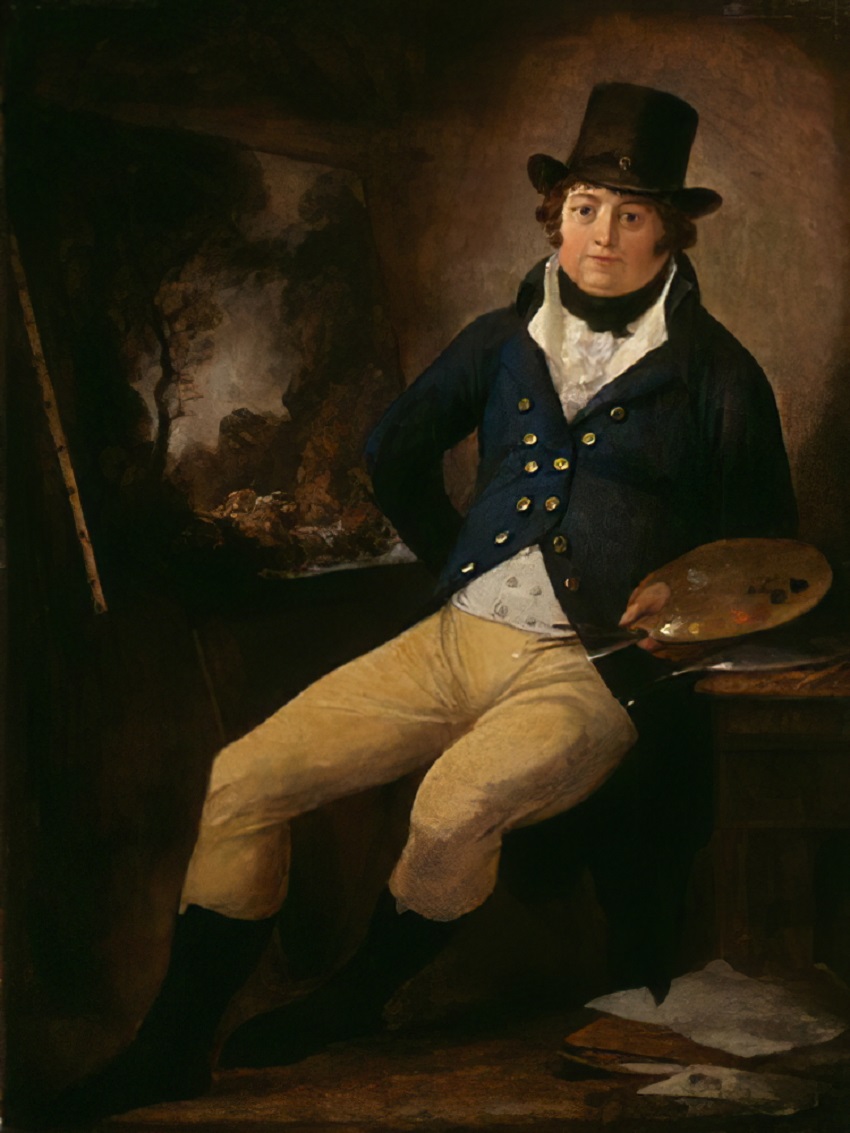
Julius Caesar Ibbetson was a British 18th-century landscape and watercolour painter.


Jan Josef Horemans the Elder was a Flemish painter of the 18th-century. He was mainly known for his genre scenes but he also painted portraits and historical allegories.

Jean-Baptiste Mallet was a French painter in the Troubadour style.
His style shows the strong influence of Jean-Baptiste Greuze, Jean-Honoré Fragonard (also from Grasse) and Louis Léopold Boilly. He is also known to have studied 17th-century Dutch painting.
Most of his works were gouaches and watercolors, done in relatively small formats, and consist largely of genre scenes depicting life under the Directorate and the First Empire.
His paintings were very popular and are an indispensable source of information about interior decorations and furnishings of the period. Most of his works were also available as prints.
Outside of France, his works may be seen at the National Gallery of Art and LACMA.


Pierre-Joseph Redouté was a French artist and botanist of Belgian origin, a royal painter and lithographer.
Redouté traveled extensively from his youth and carefully studied the pictorial art of various masters, but his main interest eventually became botanical illustration. He gained access to the Botanical Gardens in Paris and the botanical library. Over time, the talented Redouté became a very popular and successful painter of flowers and plants, publishing more and more albums.
In the 1790s, Redouté was internationally recognized as one of the most popular floral artists in the world. His depictions of plants are still as fresh as if they had just been painted. His album of watercolor illustrations, The Lilies, is one of the most expensive printed books in history.
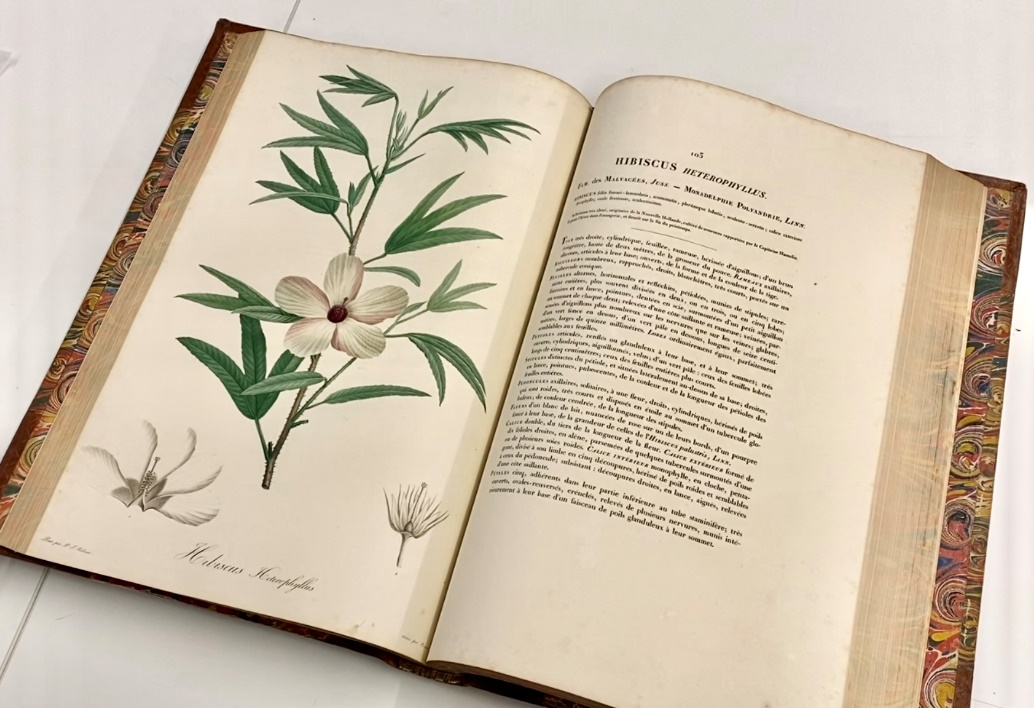
Etienne-Pierre Ventenat was a French botanist, mycologist and writer.
Etienne-Pierre Ventenat was one of the greatest botanists in France. Empress Josephine Bonaparte hired him to describe and catalog rare plants at her castle of Malmaison. Josephine enlisted eminent botanists such as Claes and Blaikie to collect plants on a grand scale. Ventenat was commissioned to write the text of the work on the Malmaison collection, and the illustrations were created by the talented artist Pierre-Joseph Redoute, nicknamed the "Raphael of Flowers." As a result, a sumptuous book entitled Jardin de la Malmaison (The Garden of Malmaison) was published in 1803.
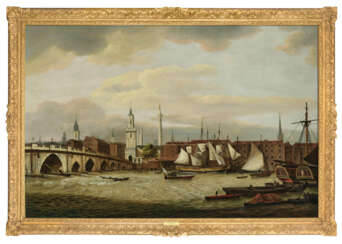

Thomas Luny was an English artist and painter, mostly of seascapes and other marine-based works. At the age of eleven, Luny left Cornwall to live in London. There he became the apprentice of Francis Holman, a marine painter who would have a great and long lasting artistic influence on Luny.


John Nost Sartorius was an English painter of horses, horse-racing and hunting scenes. He is considered the best-known and prolific of the Sartorius family of artists.

.jpg)

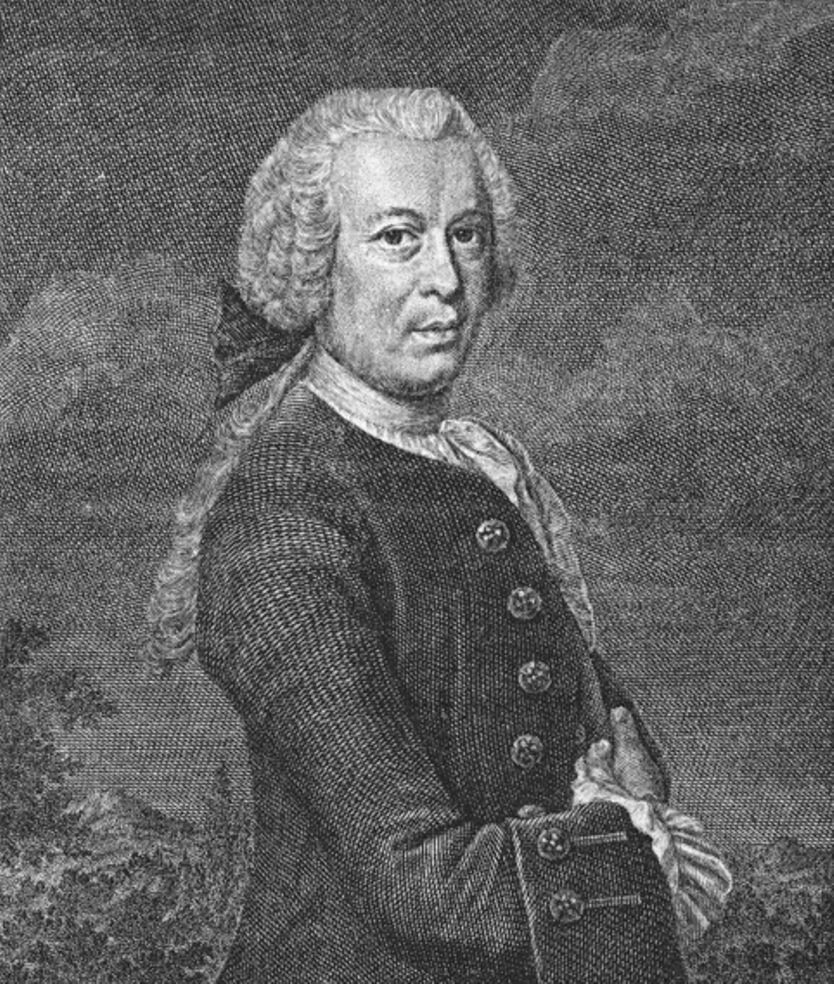
August Johann Rösel von Rosenhof was a German entomologist and zoologist, naturalist and miniature painter.
He graduated from the Nuremberg Academy of Artists and was practicing miniature painting and printmaking when he became acquainted with the works of the artist and entomologist Maria Sibylla Merian. Her famous Surinam book of 1705 inspired Rösel to create a similar book, but with illustrations of the plants and animals of Germany.
Rösel began to study natural sciences, he collected insects, caterpillars and butterflies, observed their metamorphosis and wrote down his observations accompanied by pictures. From 1740 Rösel published the results of his scientific and artistic work: the Monthly Entertainments of Insects, in four volumes. He also published Historia naturalis Ranarum nostratium, devoted to the frogs of Germany. In the quality of the illustrations this book is one of the most beautiful about these animals.

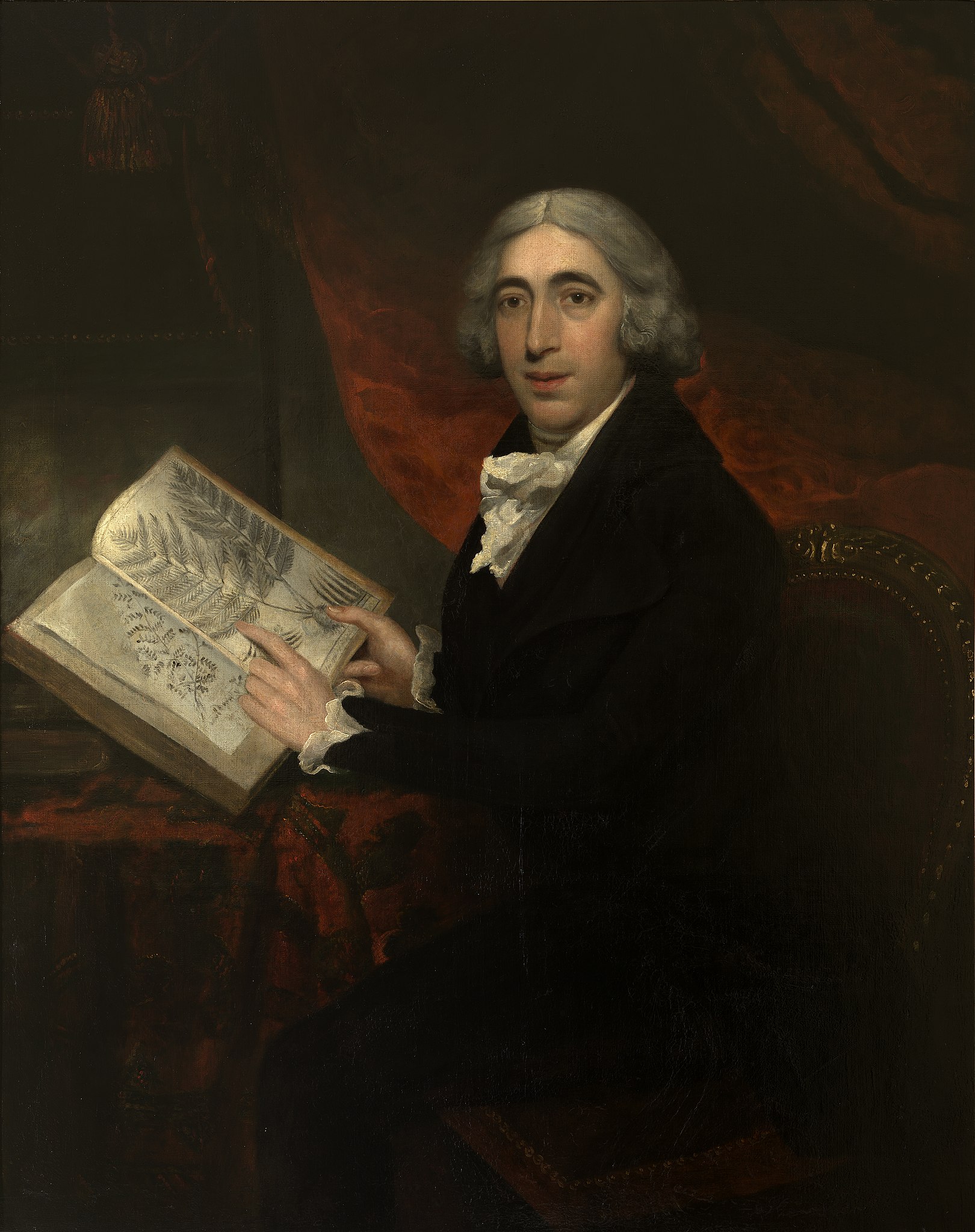
James Edward Smith was an English botanist and founder of the Linnean Society.
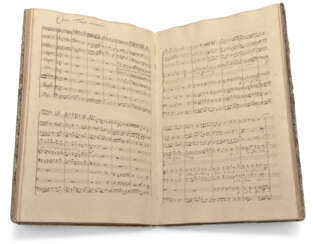

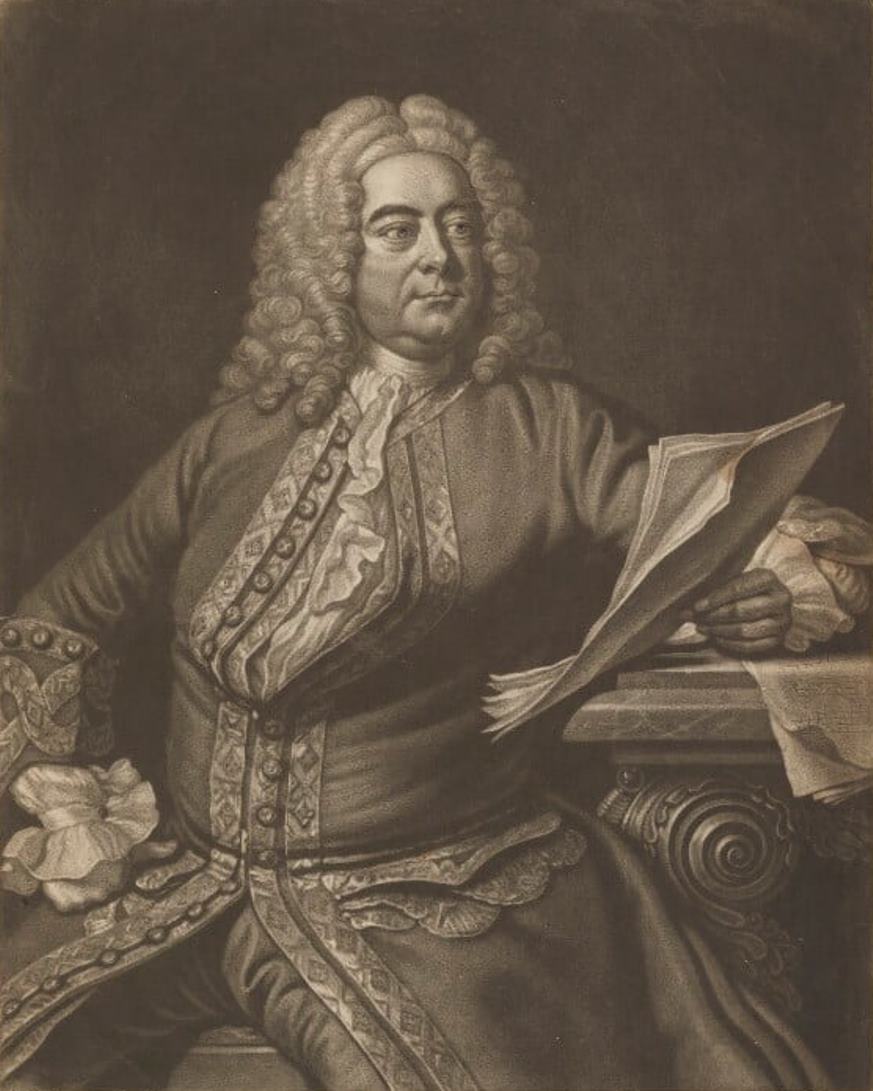
George Frideric Handel was a German-born English composer of the Baroque period.
After receiving a musical education, Handel worked briefly as an organist at the cathedral in Halle, then joined the violin section of the opera orchestra in Hamburg. After spending several years in Italy, he wrote many works there, including two operas. The style of Italian music permeated the composer's work throughout his life. Having become famous in Italy, in 1710 Handel was appointed Kapellmeister to the Elector of Hanover, the future King George I of England, and two years later he was already staging his operas in London.
In 1727 Handel became a British subject and was appointed composer to the Chapel Royal. In this capacity he wrote many musical works. From 1720 to 1728, operas at the Royal Theater in London were staged by the Royal Academy of Music, and Handel wrote the music for most of them.
In 1741, Handel wrote the most famous of his many oratorios, Messiah. Handel had a talent for musically portraying a human character in a single scene or aria - a gift he used with great dramatic power in his operas and oratorios. Although much of his music was vocal, Handel was also one of the recognized instrumental composers of the late Baroque era. Handel paid tribute to church music by composing many solemn hymns.
Handel's music has become an integral part of the national culture of England, and in Germany he is also honored as a major national composer.
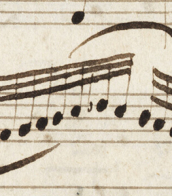
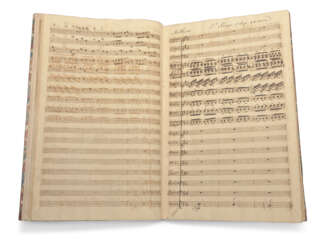

George Frideric Handel was a German-born English composer of the Baroque period.
After receiving a musical education, Handel worked briefly as an organist at the cathedral in Halle, then joined the violin section of the opera orchestra in Hamburg. After spending several years in Italy, he wrote many works there, including two operas. The style of Italian music permeated the composer's work throughout his life. Having become famous in Italy, in 1710 Handel was appointed Kapellmeister to the Elector of Hanover, the future King George I of England, and two years later he was already staging his operas in London.
In 1727 Handel became a British subject and was appointed composer to the Chapel Royal. In this capacity he wrote many musical works. From 1720 to 1728, operas at the Royal Theater in London were staged by the Royal Academy of Music, and Handel wrote the music for most of them.
In 1741, Handel wrote the most famous of his many oratorios, Messiah. Handel had a talent for musically portraying a human character in a single scene or aria - a gift he used with great dramatic power in his operas and oratorios. Although much of his music was vocal, Handel was also one of the recognized instrumental composers of the late Baroque era. Handel paid tribute to church music by composing many solemn hymns.
Handel's music has become an integral part of the national culture of England, and in Germany he is also honored as a major national composer.
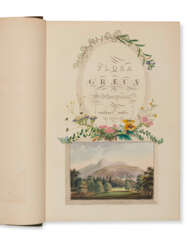

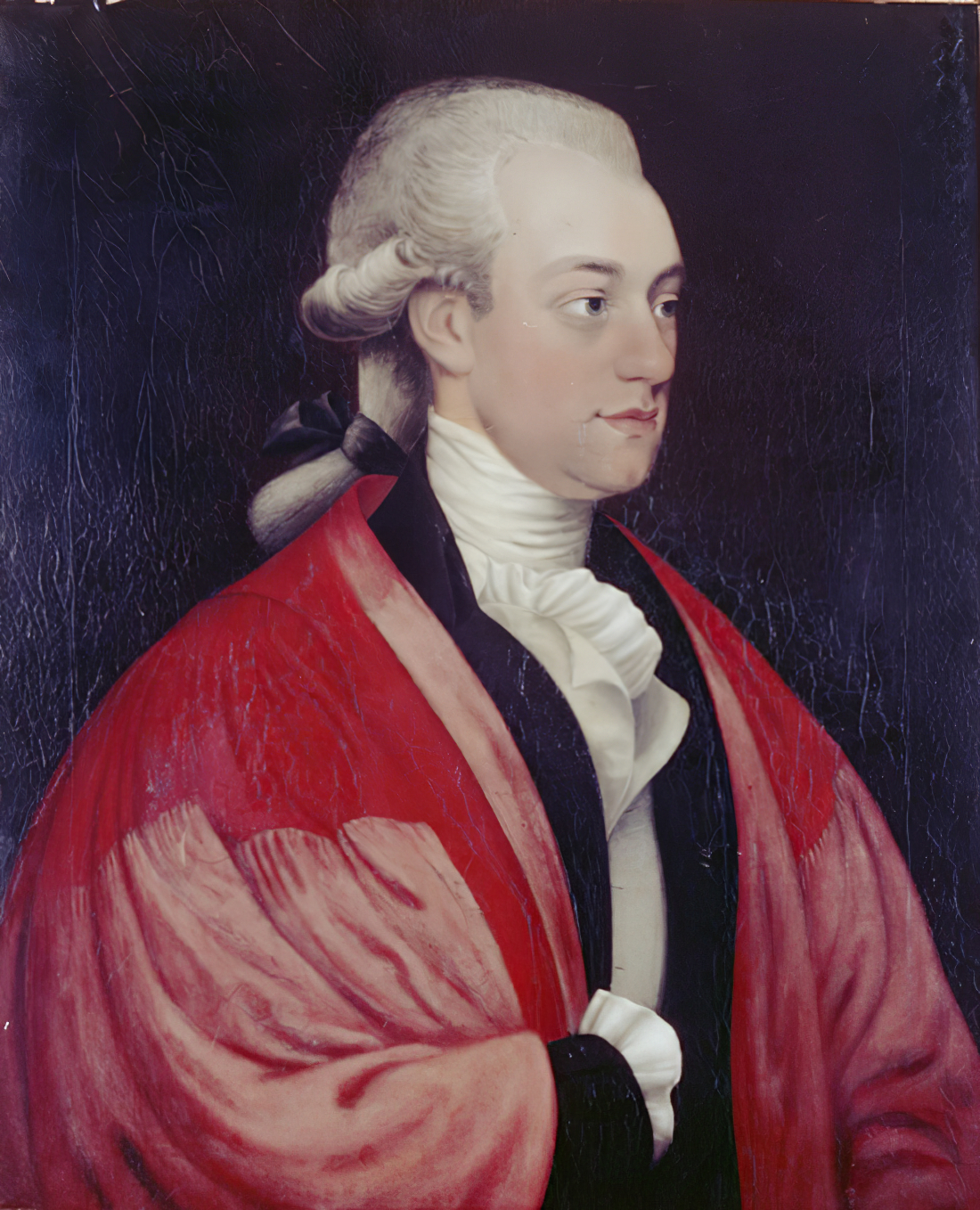
James Edward Smith was an English botanist and founder of the Linnean Society.
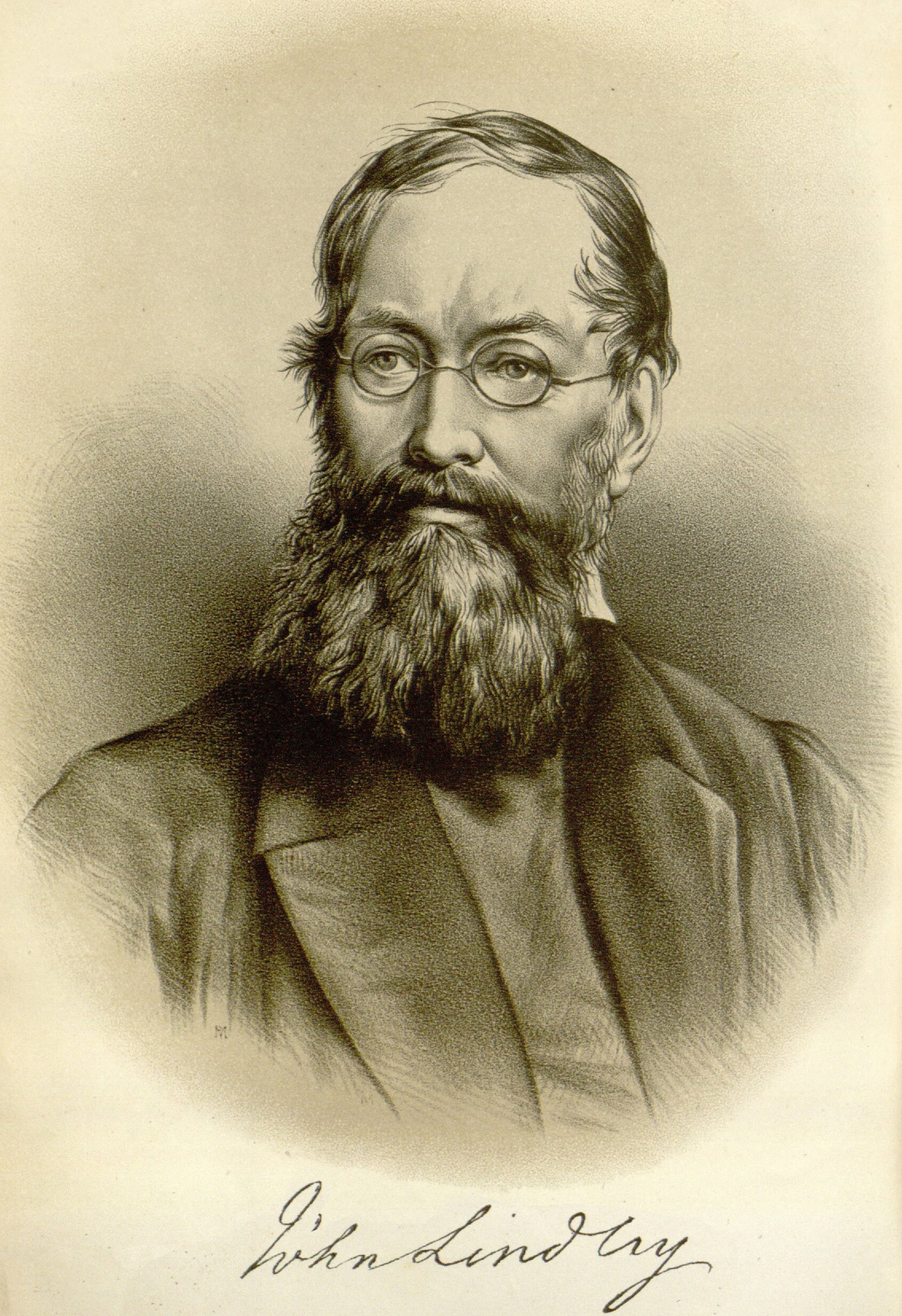
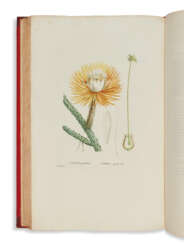

Pierre-Joseph Redouté was a French artist and botanist of Belgian origin, a royal painter and lithographer.
Redouté traveled extensively from his youth and carefully studied the pictorial art of various masters, but his main interest eventually became botanical illustration. He gained access to the Botanical Gardens in Paris and the botanical library. Over time, the talented Redouté became a very popular and successful painter of flowers and plants, publishing more and more albums.
In the 1790s, Redouté was internationally recognized as one of the most popular floral artists in the world. His depictions of plants are still as fresh as if they had just been painted. His album of watercolor illustrations, The Lilies, is one of the most expensive printed books in history.


George Frideric Handel was a German-born English composer of the Baroque period.
After receiving a musical education, Handel worked briefly as an organist at the cathedral in Halle, then joined the violin section of the opera orchestra in Hamburg. After spending several years in Italy, he wrote many works there, including two operas. The style of Italian music permeated the composer's work throughout his life. Having become famous in Italy, in 1710 Handel was appointed Kapellmeister to the Elector of Hanover, the future King George I of England, and two years later he was already staging his operas in London.
In 1727 Handel became a British subject and was appointed composer to the Chapel Royal. In this capacity he wrote many musical works. From 1720 to 1728, operas at the Royal Theater in London were staged by the Royal Academy of Music, and Handel wrote the music for most of them.
In 1741, Handel wrote the most famous of his many oratorios, Messiah. Handel had a talent for musically portraying a human character in a single scene or aria - a gift he used with great dramatic power in his operas and oratorios. Although much of his music was vocal, Handel was also one of the recognized instrumental composers of the late Baroque era. Handel paid tribute to church music by composing many solemn hymns.
Handel's music has become an integral part of the national culture of England, and in Germany he is also honored as a major national composer.
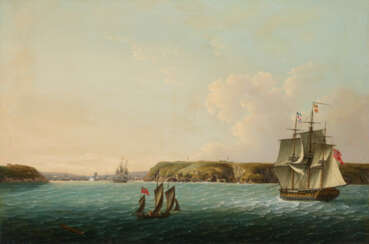

John Thomas Serres was an English maritime painter who enjoyed significant success, including exhibiting extensively at the Royal Academy, and was for a time Maritime Painter to King George III.
He is the son of Dominique Serres.


Pierre-Joseph Redouté was a French artist and botanist of Belgian origin, a royal painter and lithographer.
Redouté traveled extensively from his youth and carefully studied the pictorial art of various masters, but his main interest eventually became botanical illustration. He gained access to the Botanical Gardens in Paris and the botanical library. Over time, the talented Redouté became a very popular and successful painter of flowers and plants, publishing more and more albums.
In the 1790s, Redouté was internationally recognized as one of the most popular floral artists in the world. His depictions of plants are still as fresh as if they had just been painted. His album of watercolor illustrations, The Lilies, is one of the most expensive printed books in history.