4 in a row

























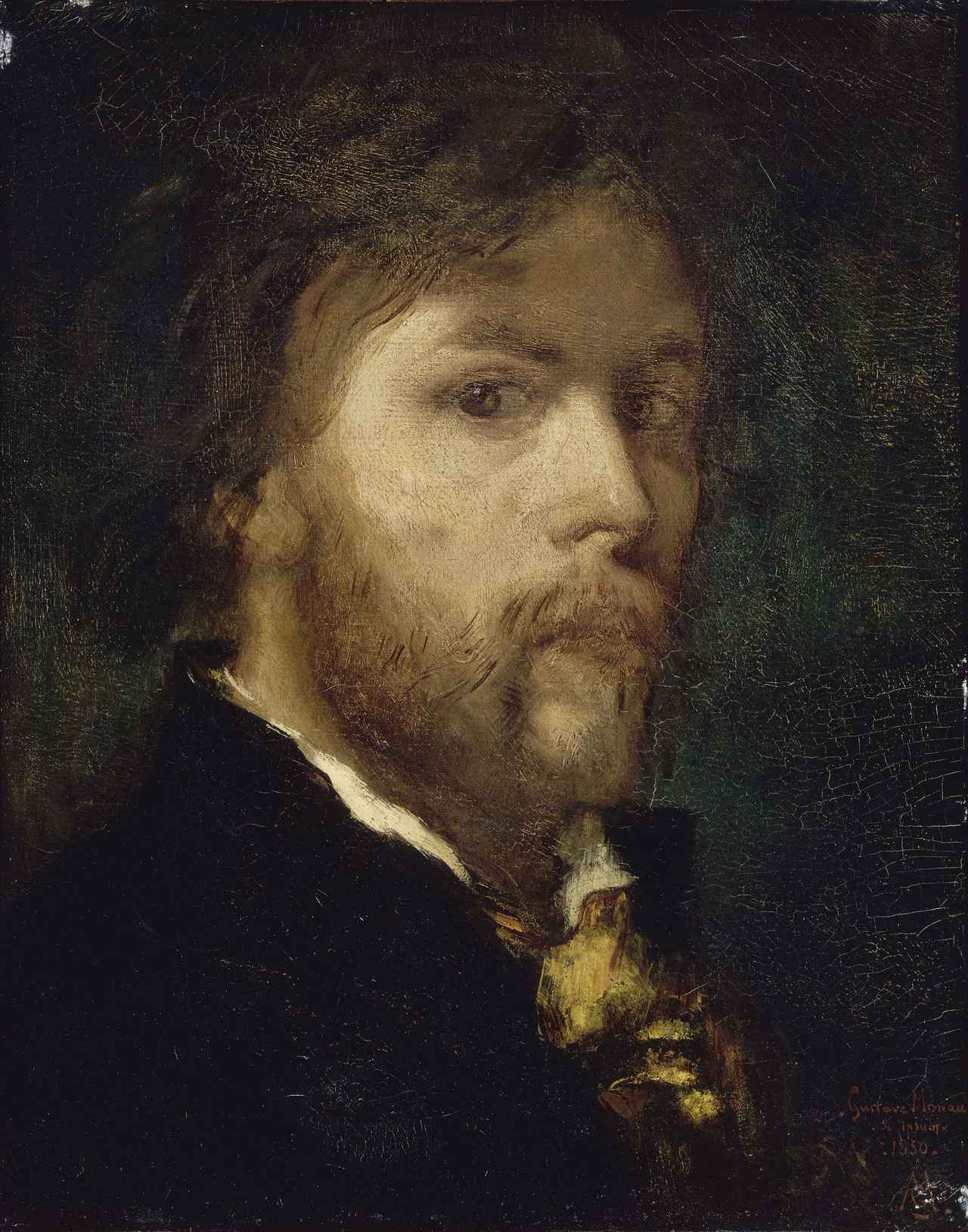
Gustave Moreau was a French artist and an important figure in the Symbolist movement. Jean Cassou called him "the Symbolist painter par excellence". He was an influential forerunner of symbolism in the visual arts in the 1860s, and at the height of the symbolist movement in the 1890s, he was among the most significant painters.
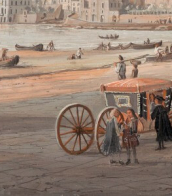


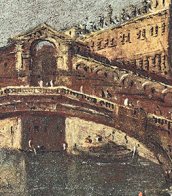
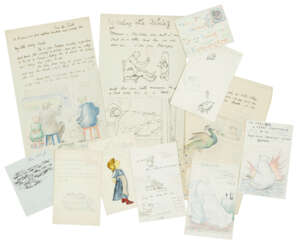

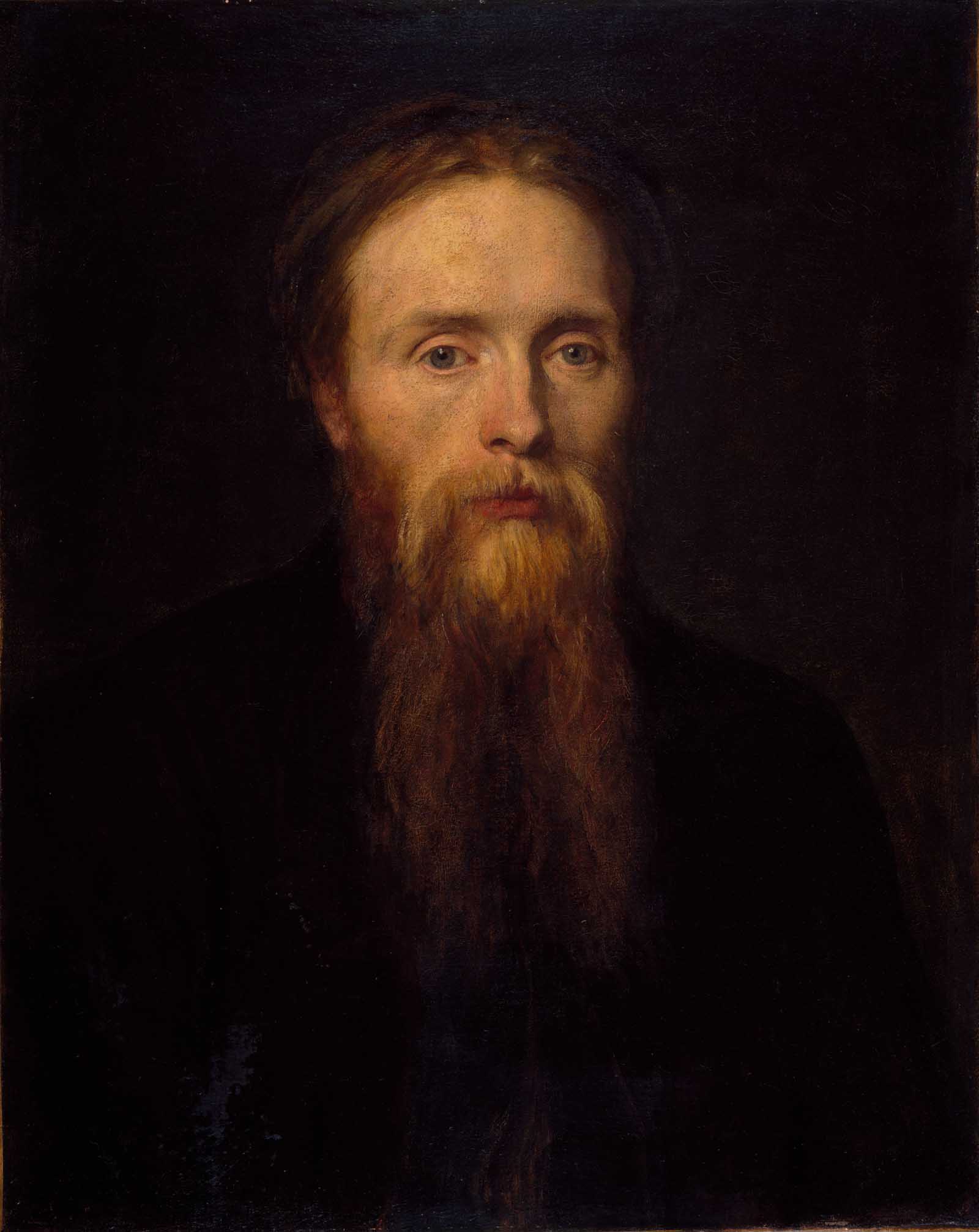






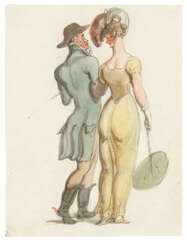

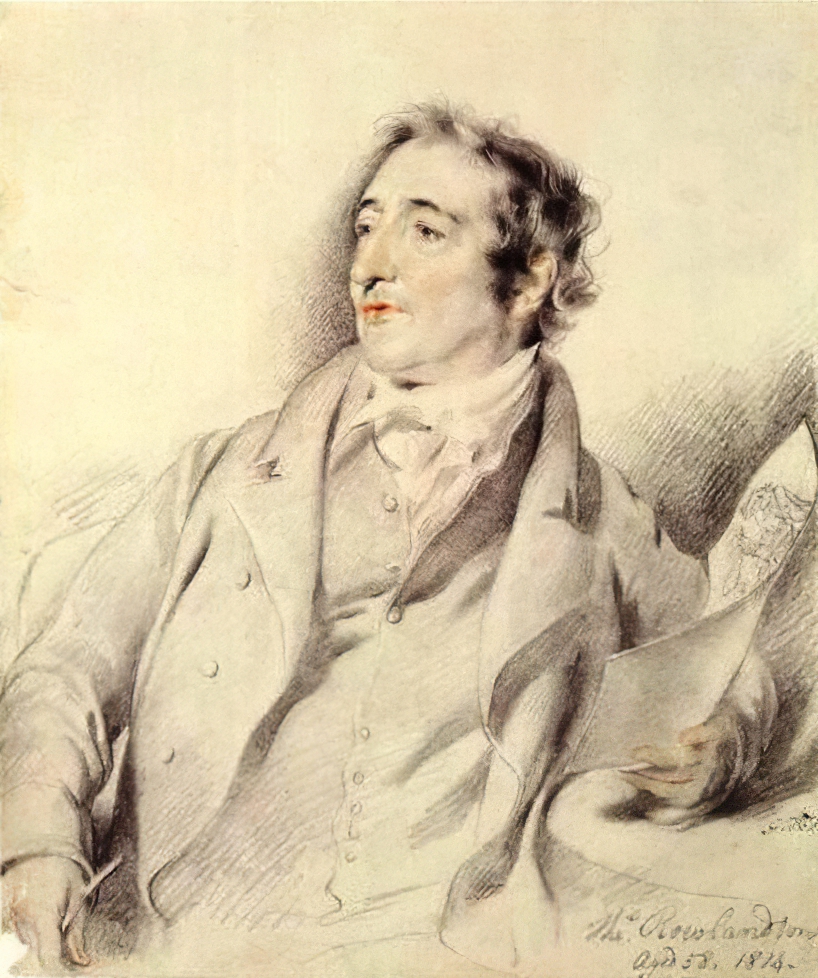
Thomas Rowlandson was an English artist and caricaturist of the Georgian Era, noted for his political satire and social observation. A prolific artist and printmaker, Rowlandson produced both individual social and political satires, as well as a large number of illustrations for novels, humorous books, and topographical works. Like other caricaturists of his age such as James Gillray, his caricatures are often robust or bawdy. Rowlandson also produced highly explicit erotica for a private clientele; this was never published publicly at the time and is now only found in a small number of collections. His caricatures included those of people in power such as the Duchess of Devonshire, William Pitt the Younger and Napoleon Bonaparte.


Thomas Rowlandson was an English artist and caricaturist of the Georgian Era, noted for his political satire and social observation. A prolific artist and printmaker, Rowlandson produced both individual social and political satires, as well as a large number of illustrations for novels, humorous books, and topographical works. Like other caricaturists of his age such as James Gillray, his caricatures are often robust or bawdy. Rowlandson also produced highly explicit erotica for a private clientele; this was never published publicly at the time and is now only found in a small number of collections. His caricatures included those of people in power such as the Duchess of Devonshire, William Pitt the Younger and Napoleon Bonaparte.
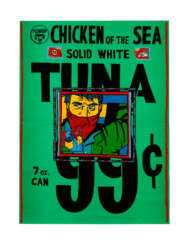

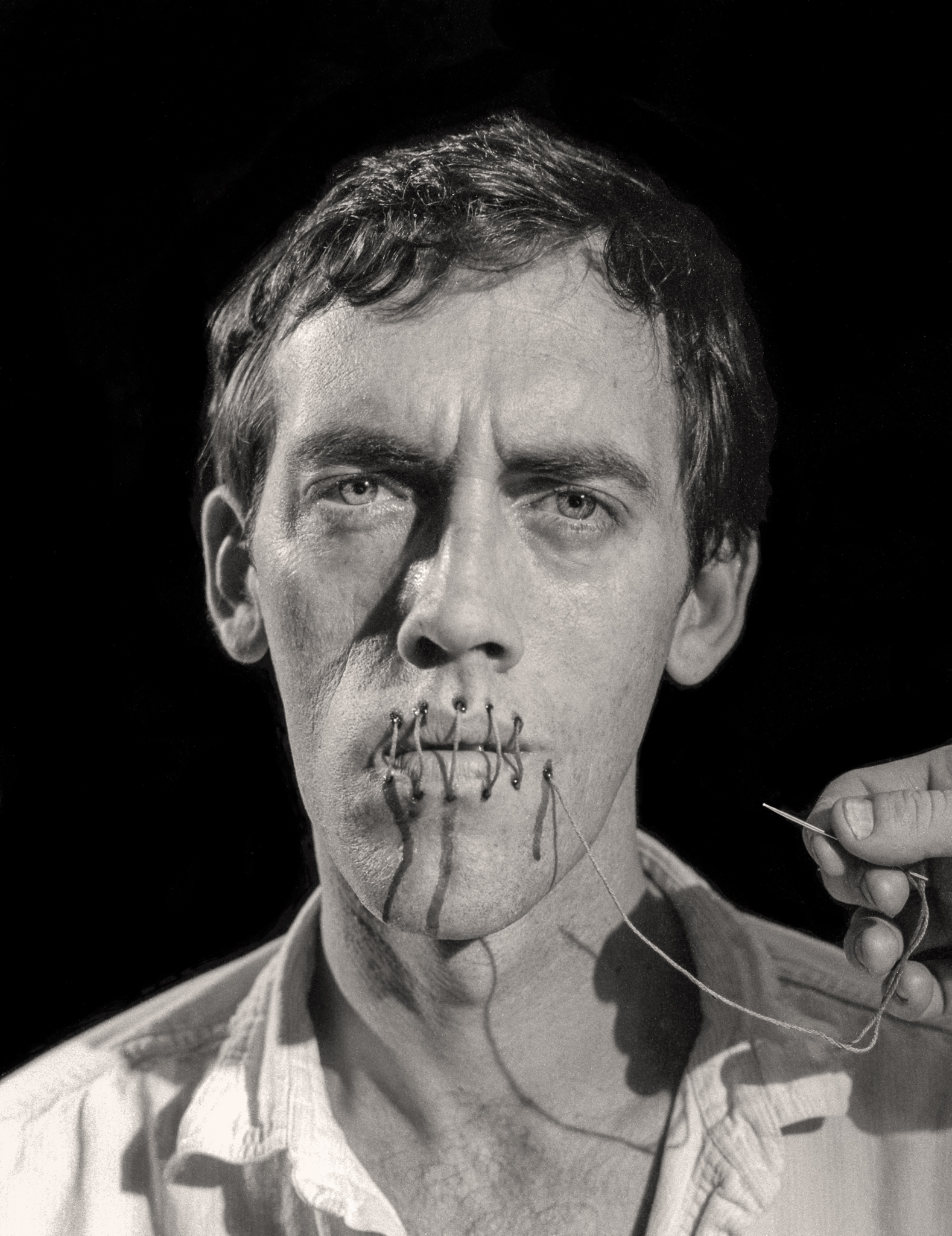
David Wojnarowicz was an American artist known for his multifaceted work, which included painting, film, video, performance, writing, and music. His art often addressed themes such as society's fragmentation, consumerism, and the juxtaposition of natural and industrial landscapes. After being diagnosed with AIDS at 33, Wojnarowicz's work became more activist-oriented, focusing on his sexuality and his illness, as exemplified in his piece "Untitled," also known as "One Day This Kid".
David Wojnarowicz's childhood was tumultuous, marked by abuse and neglect, which profoundly influenced his later work. Despite dropping out, he eventually completed his high school education and immersed himself in New York's underground art scene. His art from the 1980s, particularly after the death of his mentor and close friend Peter Hujar, increasingly addressed AIDS and became more politically charged.
His legacy includes notable works like "A Fire in My Belly," which sparked controversy and highlighted the ongoing struggles of the LGBTQ+ community and those affected by AIDS. Wojnarowicz's work continues to inspire and provoke, as seen in exhibitions like the Whitney Museum's retrospective, "David Wojnarowicz: History Keeps Me Awake at Night," and his influence on various artists and cultural movements.
For those interested in exploring the depth and breadth of David Wojnarowicz's work, staying informed about upcoming exhibitions and available collections can provide valuable insights into his impactful legacy. Subscribing to updates from art galleries and museums that feature his work is an excellent way to stay connected to the evolving appreciation and interpretation of his art.
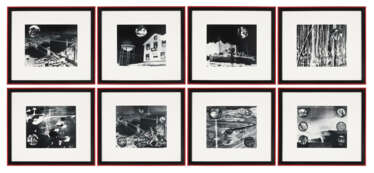

David Wojnarowicz was an American artist known for his multifaceted work, which included painting, film, video, performance, writing, and music. His art often addressed themes such as society's fragmentation, consumerism, and the juxtaposition of natural and industrial landscapes. After being diagnosed with AIDS at 33, Wojnarowicz's work became more activist-oriented, focusing on his sexuality and his illness, as exemplified in his piece "Untitled," also known as "One Day This Kid".
David Wojnarowicz's childhood was tumultuous, marked by abuse and neglect, which profoundly influenced his later work. Despite dropping out, he eventually completed his high school education and immersed himself in New York's underground art scene. His art from the 1980s, particularly after the death of his mentor and close friend Peter Hujar, increasingly addressed AIDS and became more politically charged.
His legacy includes notable works like "A Fire in My Belly," which sparked controversy and highlighted the ongoing struggles of the LGBTQ+ community and those affected by AIDS. Wojnarowicz's work continues to inspire and provoke, as seen in exhibitions like the Whitney Museum's retrospective, "David Wojnarowicz: History Keeps Me Awake at Night," and his influence on various artists and cultural movements.
For those interested in exploring the depth and breadth of David Wojnarowicz's work, staying informed about upcoming exhibitions and available collections can provide valuable insights into his impactful legacy. Subscribing to updates from art galleries and museums that feature his work is an excellent way to stay connected to the evolving appreciation and interpretation of his art.






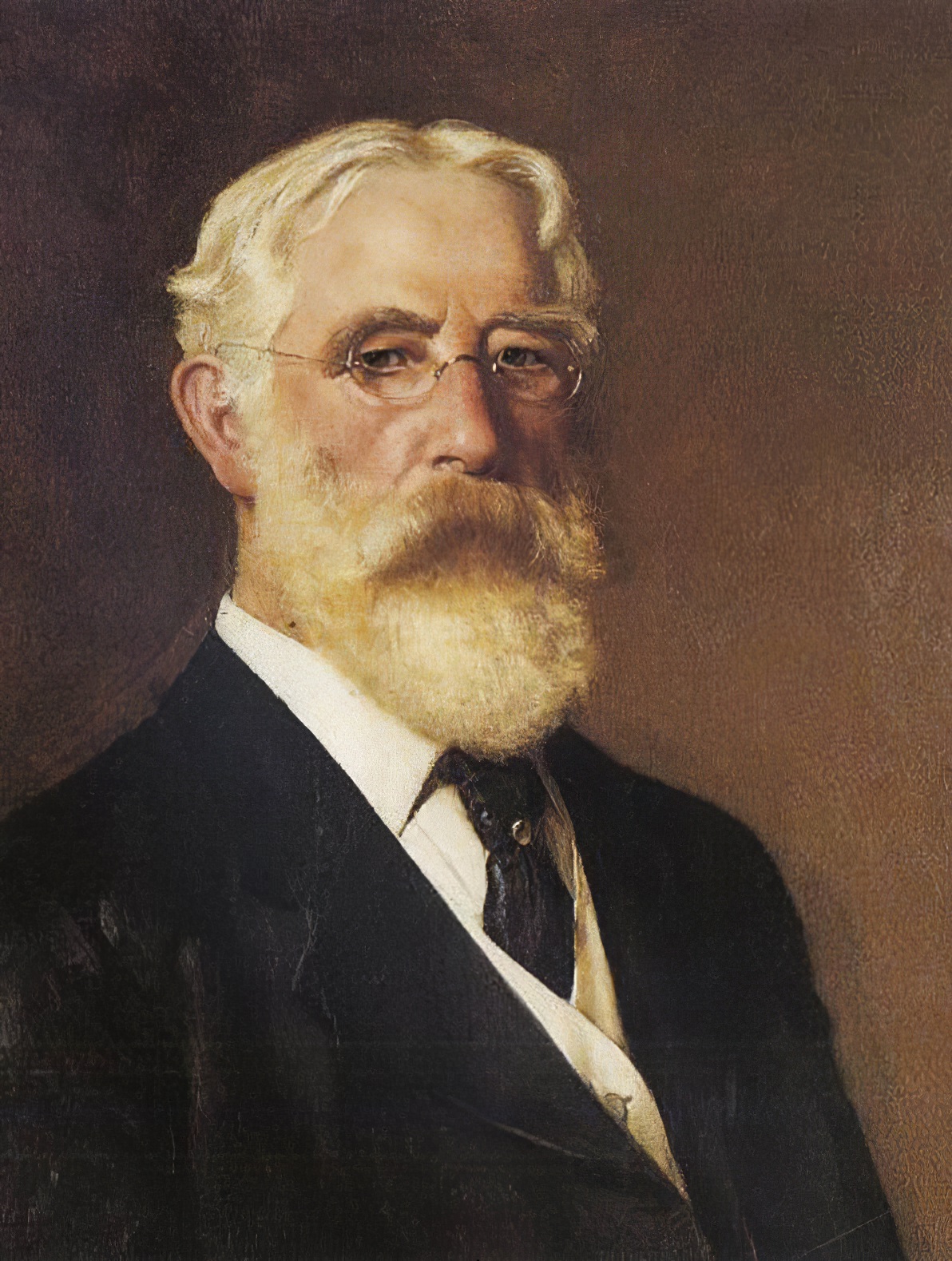
John George Brown was a British citizen and an American painter who specialized in genre scenes.

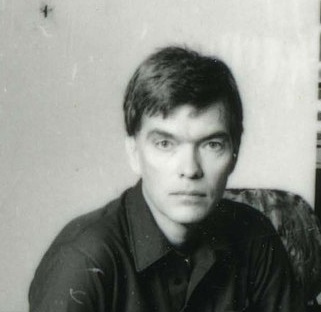
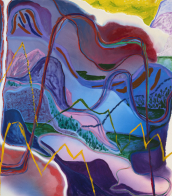


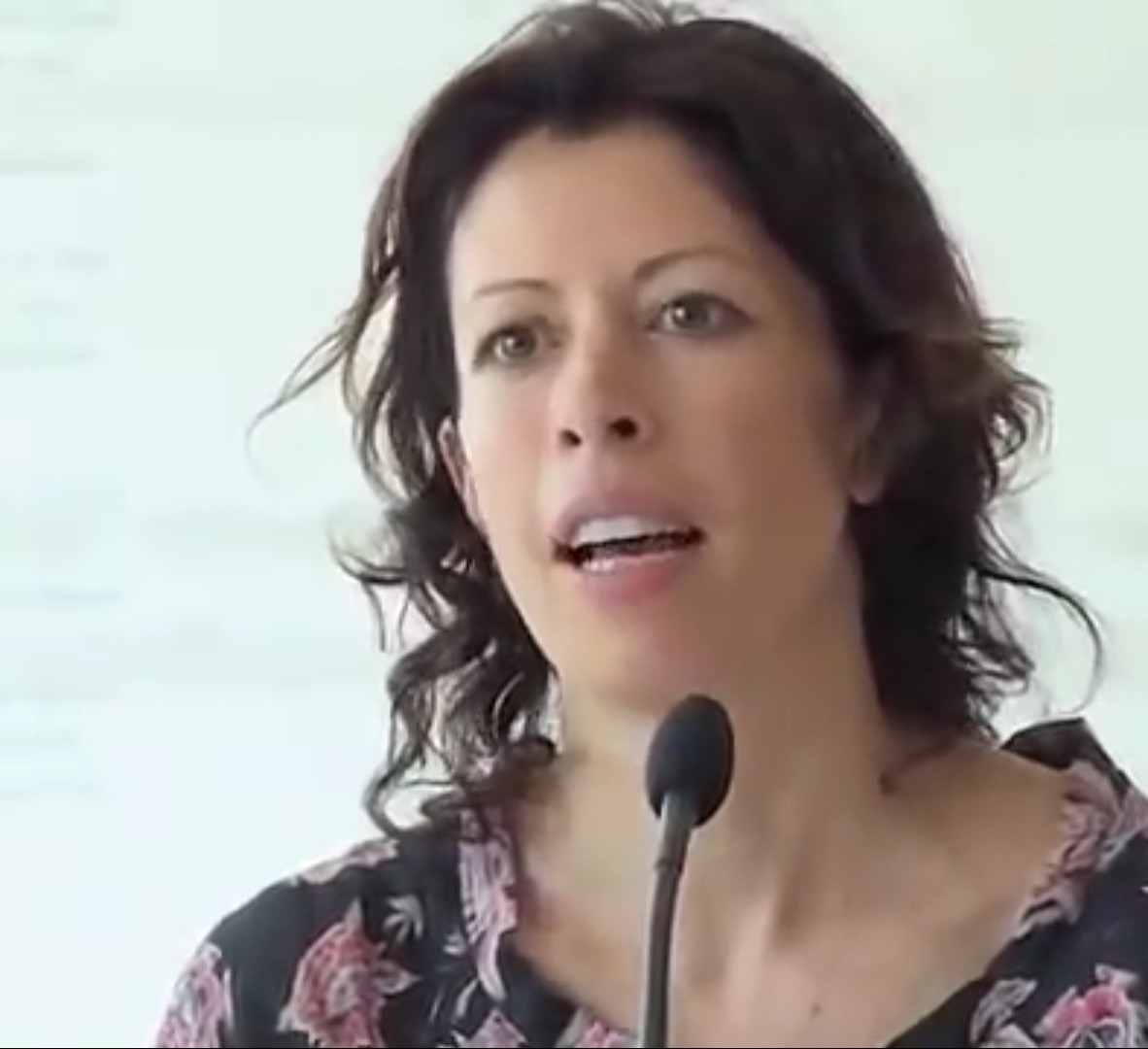
Cecily Brown is a British painter. Her style displays the influence of a variety of contemporary painters, from Willem de Kooning, Francis Bacon and Joan Mitchell, to Old Masters like Rubens, Poussin and Goya. Brown lives and works in New York.