529


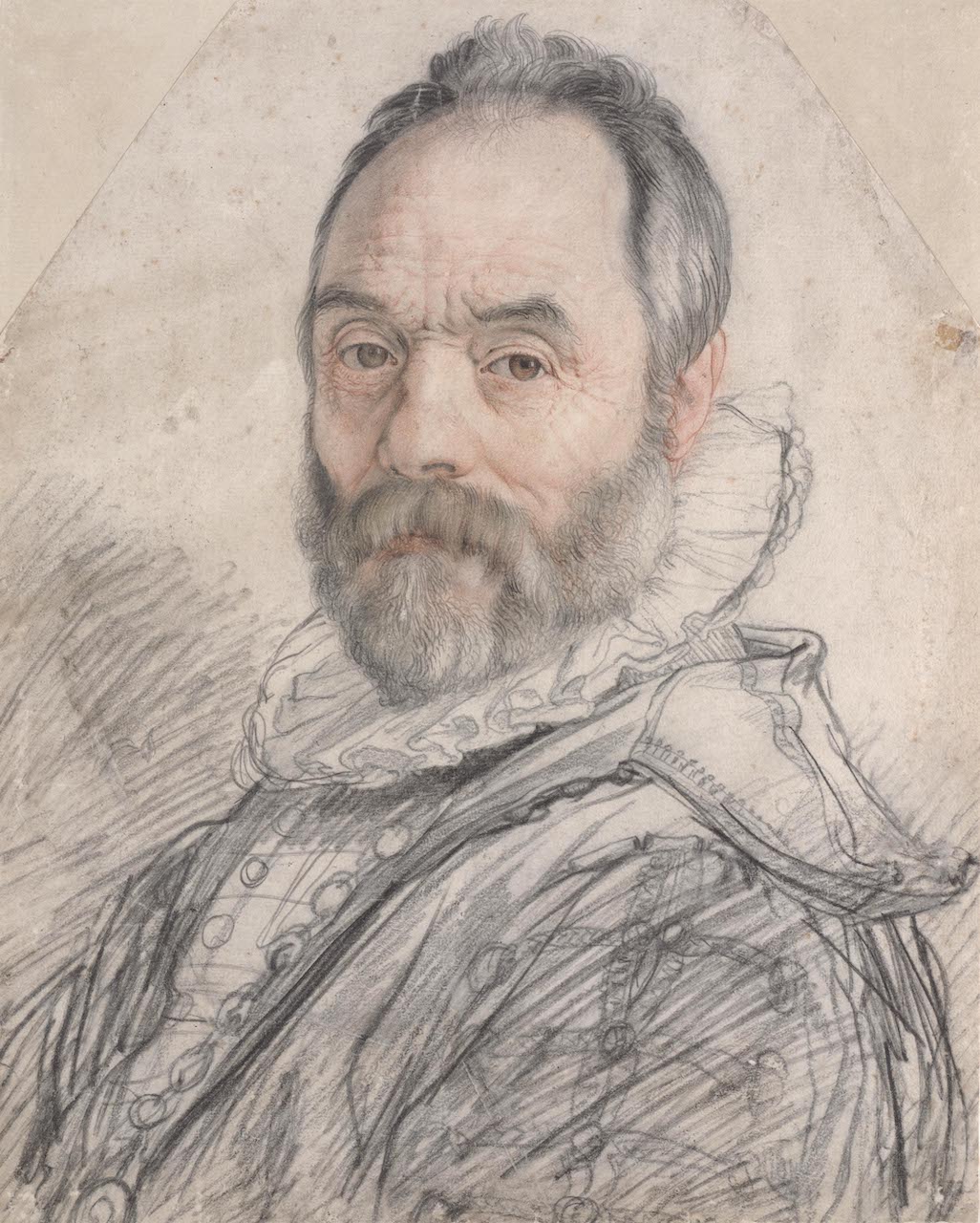
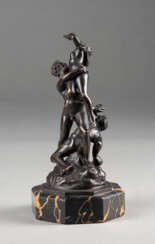
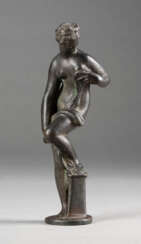
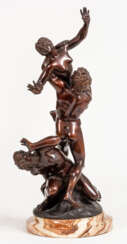
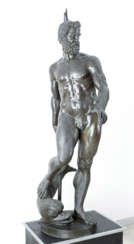
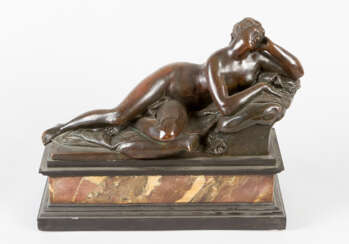
Giovanni da Bologna, also known as Jean de Boulogne (French), Giambologna (Italian), Fiammingo (Italian) and Jehan Boulongne (Flemish), was the last significant Italian Renaissance sculptor, with a large workshop producing large and small works in bronze and marble in a late Mannerist style.


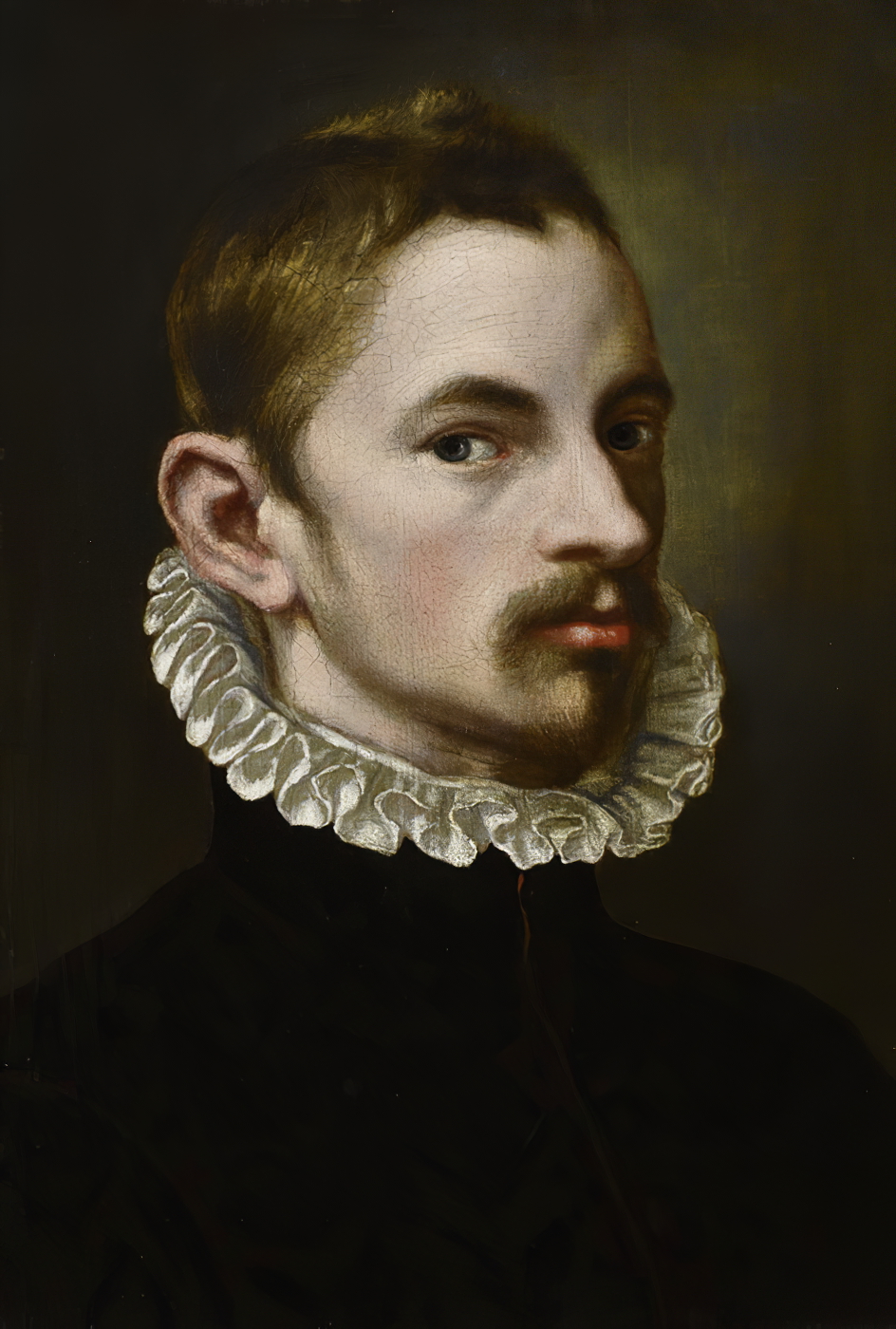
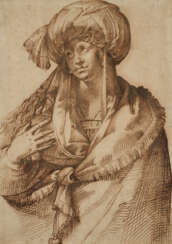
Bartolomeo Passerotti was an Italian painter of the mannerist period, who worked mainly in his native Bologna.
He influenced many Bolognese who would later play a role in the rise of the Baroque. Annibale Carracci (whose brother Agostino studied with Passerotti) was influenced by Passerotti's genre scenes in a select set of paintings (such as The Beaneater and The Butcher's Shop, the latter being originally attributed to Passerotti). Lucio Massari and Francesco Brizzi were among his pupils. Three of Passerotti's sons, including Ventura (1566–1618), Aurelio (1560–1609) and Tiburzio, were painters.


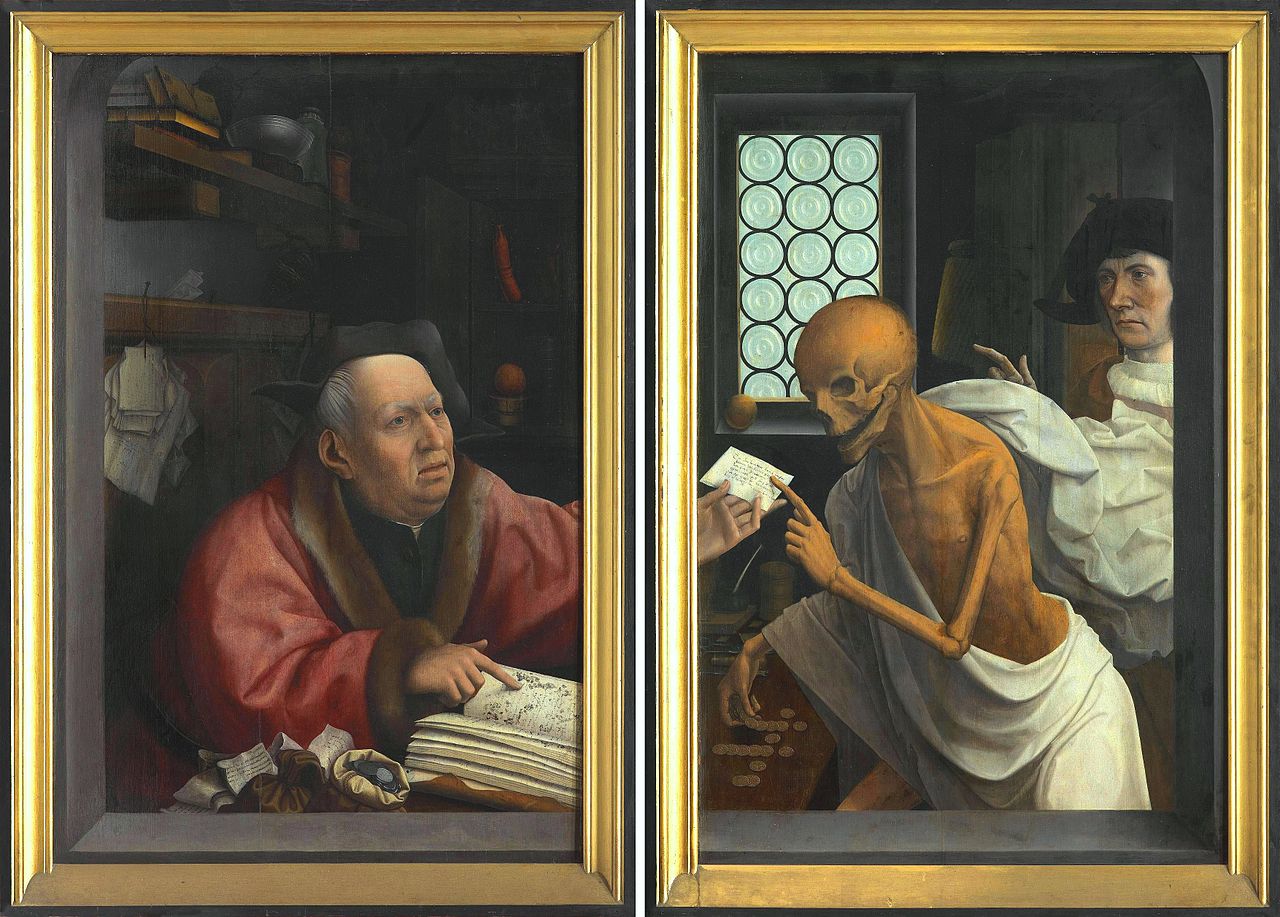
Jan Provoost was a Belgian painter born in Mons.
Provoost was also a cartographer, engineer, and architect.
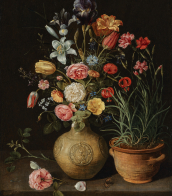


Bartolomeo Passerotti was an Italian painter of the mannerist period, who worked mainly in his native Bologna.
He influenced many Bolognese who would later play a role in the rise of the Baroque. Annibale Carracci (whose brother Agostino studied with Passerotti) was influenced by Passerotti's genre scenes in a select set of paintings (such as The Beaneater and The Butcher's Shop, the latter being originally attributed to Passerotti). Lucio Massari and Francesco Brizzi were among his pupils. Three of Passerotti's sons, including Ventura (1566–1618), Aurelio (1560–1609) and Tiburzio, were painters.
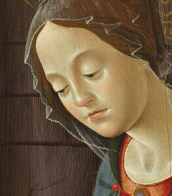
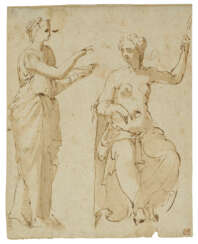

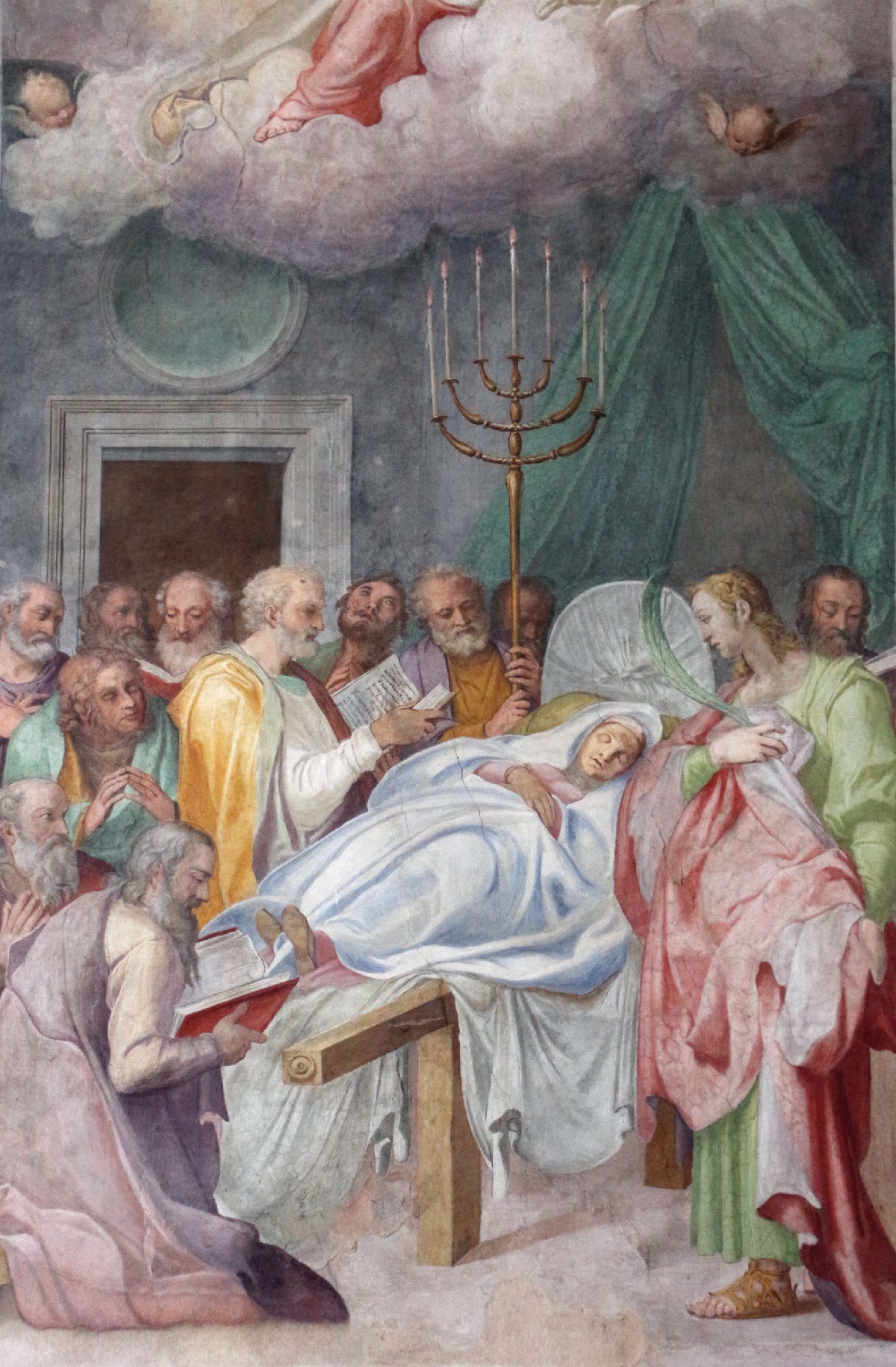
Taddeo Zuccaro was an Italian painter, one of the most popular members of the Roman mannerist school.
His best frescoes were a historical series in quadro riportato painted on the walls and ceiling of Villa Farnese at Caprarola, built for Cardinal Alessandro Farnese, for which Zuccaro also designed a great quantity of rich decorations in stucco relief after the style of Giulio Romano and other pupils of Raphael.
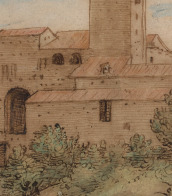
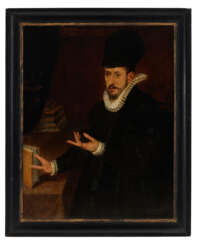

Bartolomeo Passerotti was an Italian painter of the mannerist period, who worked mainly in his native Bologna.
He influenced many Bolognese who would later play a role in the rise of the Baroque. Annibale Carracci (whose brother Agostino studied with Passerotti) was influenced by Passerotti's genre scenes in a select set of paintings (such as The Beaneater and The Butcher's Shop, the latter being originally attributed to Passerotti). Lucio Massari and Francesco Brizzi were among his pupils. Three of Passerotti's sons, including Ventura (1566–1618), Aurelio (1560–1609) and Tiburzio, were painters.
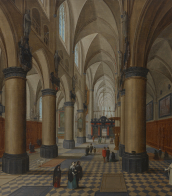
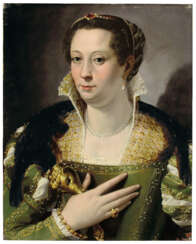

Bartolomeo Passerotti was an Italian painter of the mannerist period, who worked mainly in his native Bologna.
He influenced many Bolognese who would later play a role in the rise of the Baroque. Annibale Carracci (whose brother Agostino studied with Passerotti) was influenced by Passerotti's genre scenes in a select set of paintings (such as The Beaneater and The Butcher's Shop, the latter being originally attributed to Passerotti). Lucio Massari and Francesco Brizzi were among his pupils. Three of Passerotti's sons, including Ventura (1566–1618), Aurelio (1560–1609) and Tiburzio, were painters.
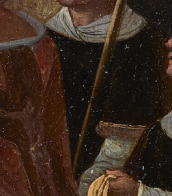


Giovanni da Bologna, also known as Jean de Boulogne (French), Giambologna (Italian), Fiammingo (Italian) and Jehan Boulongne (Flemish), was the last significant Italian Renaissance sculptor, with a large workshop producing large and small works in bronze and marble in a late Mannerist style.
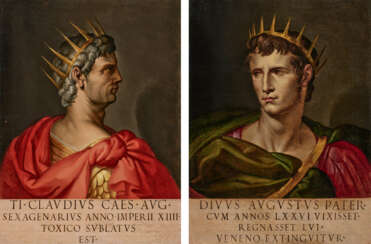

Bartolomeo Passerotti was an Italian painter of the mannerist period, who worked mainly in his native Bologna.
He influenced many Bolognese who would later play a role in the rise of the Baroque. Annibale Carracci (whose brother Agostino studied with Passerotti) was influenced by Passerotti's genre scenes in a select set of paintings (such as The Beaneater and The Butcher's Shop, the latter being originally attributed to Passerotti). Lucio Massari and Francesco Brizzi were among his pupils. Three of Passerotti's sons, including Ventura (1566–1618), Aurelio (1560–1609) and Tiburzio, were painters.
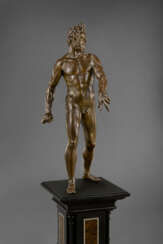

Giovanni da Bologna, also known as Jean de Boulogne (French), Giambologna (Italian), Fiammingo (Italian) and Jehan Boulongne (Flemish), was the last significant Italian Renaissance sculptor, with a large workshop producing large and small works in bronze and marble in a late Mannerist style.
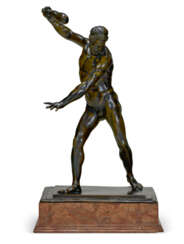

Giovanni da Bologna, also known as Jean de Boulogne (French), Giambologna (Italian), Fiammingo (Italian) and Jehan Boulongne (Flemish), was the last significant Italian Renaissance sculptor, with a large workshop producing large and small works in bronze and marble in a late Mannerist style.