664


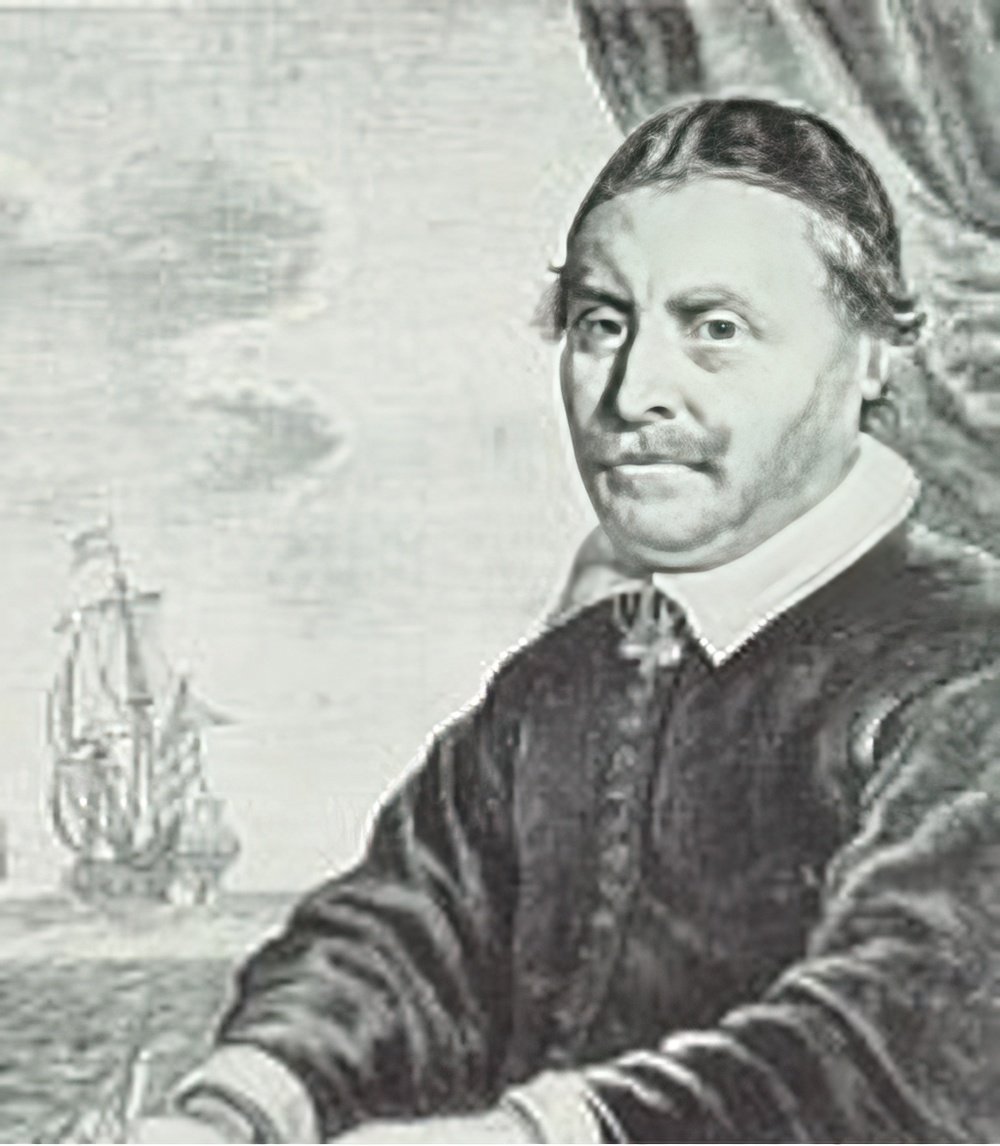
Johannes Janssonius was a Dutch cartographer, printer and publisher.
In 1616 Janssonius created his first maps of France and Italy, and every year he expanded and improved their publishing. The so-called "Great Atlas" already numbered eleven volumes. The editions were printed in Dutch, Latin, French and German.




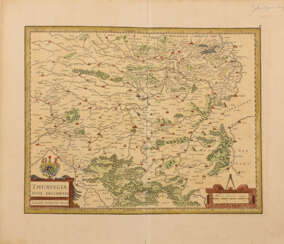

Johannes Janssonius was a Dutch cartographer, printer and publisher.
In 1616 Janssonius created his first maps of France and Italy, and every year he expanded and improved their publishing. The so-called "Great Atlas" already numbered eleven volumes. The editions were printed in Dutch, Latin, French and German.
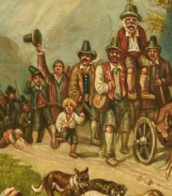
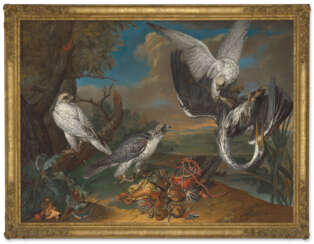

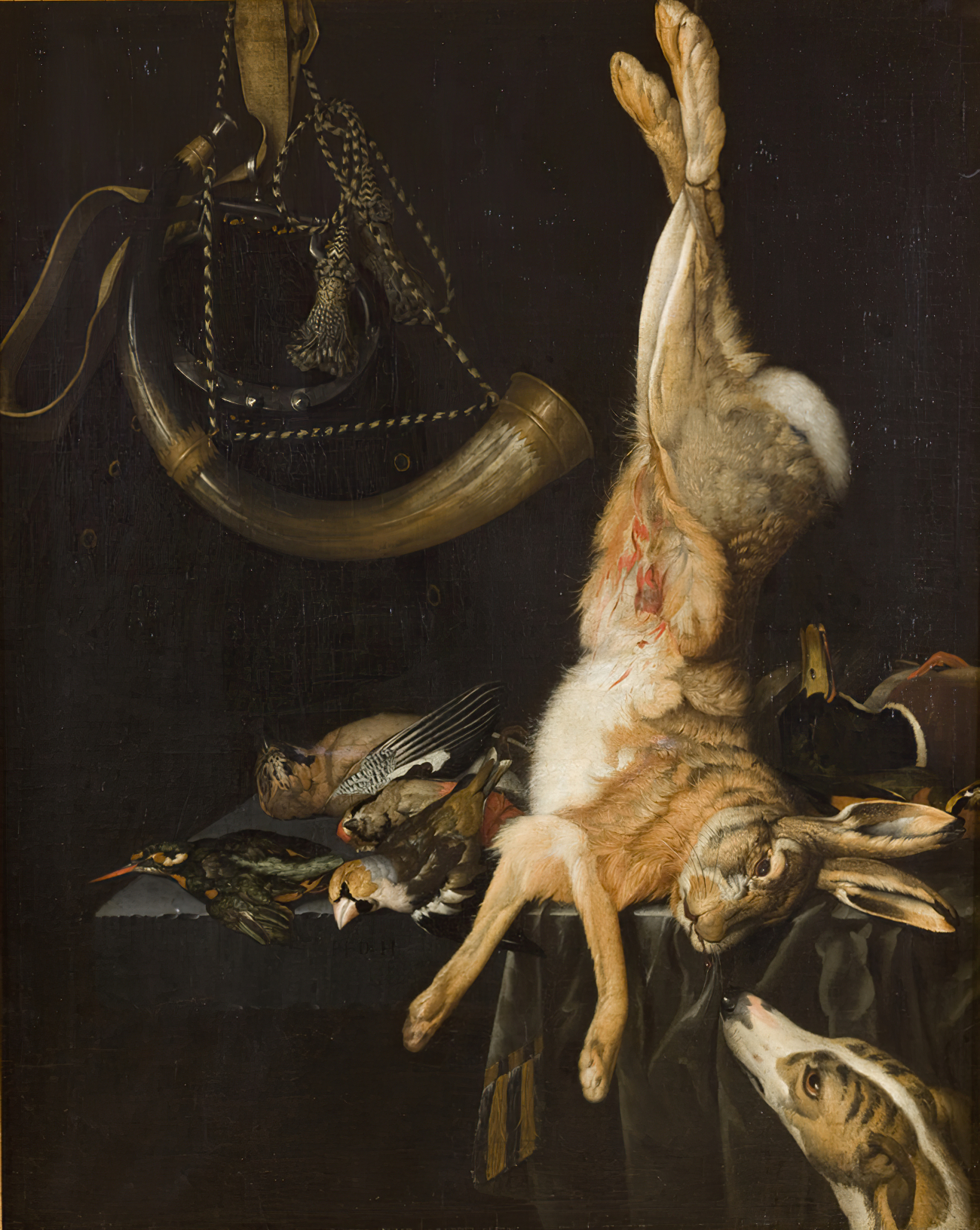
Philipp Ferdinand de Hamilton was an 18th-century painter from the Southern Netherlands active in Austria.


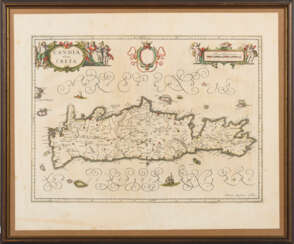

Johannes Janssonius was a Dutch cartographer, printer and publisher.
In 1616 Janssonius created his first maps of France and Italy, and every year he expanded and improved their publishing. The so-called "Great Atlas" already numbered eleven volumes. The editions were printed in Dutch, Latin, French and German.





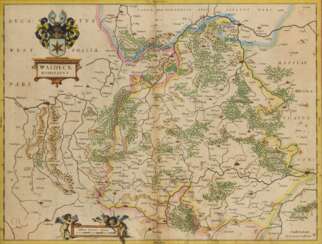

Johannes Janssonius was a Dutch cartographer, printer and publisher.
In 1616 Janssonius created his first maps of France and Italy, and every year he expanded and improved their publishing. The so-called "Great Atlas" already numbered eleven volumes. The editions were printed in Dutch, Latin, French and German.
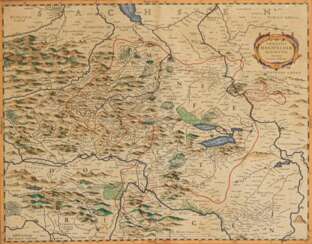

Johannes Janssonius was a Dutch cartographer, printer and publisher.
In 1616 Janssonius created his first maps of France and Italy, and every year he expanded and improved their publishing. The so-called "Great Atlas" already numbered eleven volumes. The editions were printed in Dutch, Latin, French and German.


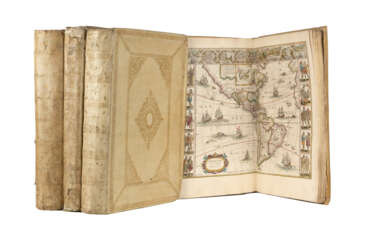

Johannes Janssonius was a Dutch cartographer, printer and publisher.
In 1616 Janssonius created his first maps of France and Italy, and every year he expanded and improved their publishing. The so-called "Great Atlas" already numbered eleven volumes. The editions were printed in Dutch, Latin, French and German.
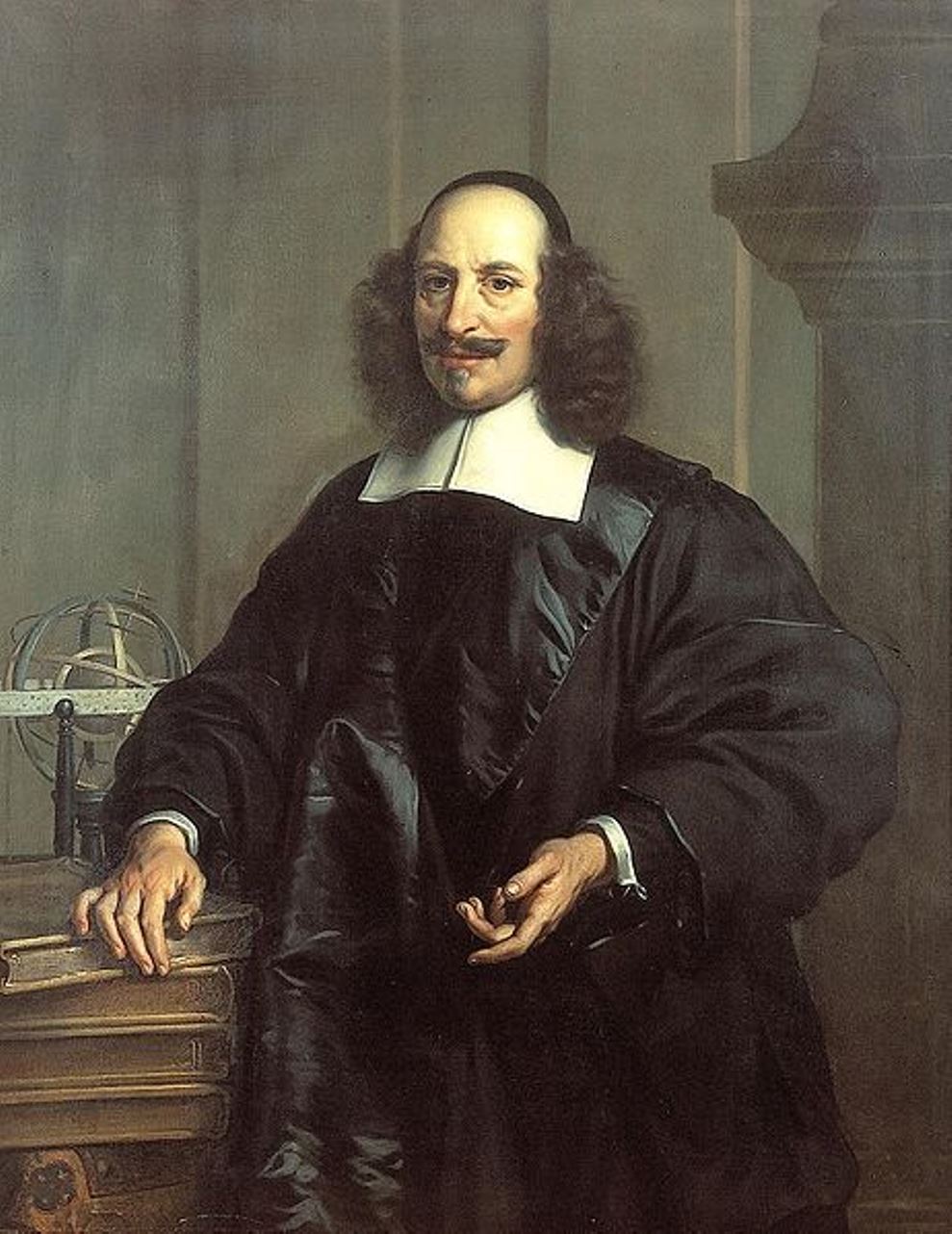
Jan (Joan) Willemsz. Blaeu was a Dutch cartographer, publisher and judge.
Jan was born into the family of the cartographer and publisher Willem Janszoon Blaeu (1571-1638). He studied in Leiden, where he earned a doctorate in law, and in Padua. He then began to assist his father, who was engaged in the manufacture of globes and maps. After his father's death, Jan, together with his brother Cornelius, continued his work, and succeeded him as cartographer for the Dutch East India Company.
In 1651 Blaeu was elected to the Amsterdam city council and later appointed as a judge. At the same time, he was engaged in his publishing business: he continued to publish volumes of Atlas novus, which contained maps of English counties and, for the first time, an atlas of Scotland, as well as one volume of maps of the Far East.
Blaeu did not have time to complete his most ambitious project, but it made him famous as the author of the famous 11-volume Dutch atlas. Based on his previous maps, Blaeu created the Great Atlas (Atlas Maior) - it contained nearly 600 maps and a total of 3,000 pages of Latin text - and was published in 1662. Blaeu's maps were groundbreaking for their time because they were created in accordance with the heliocentric theories of Nicolaus Copernicus.
In 1672, a great fire in Amsterdam destroyed Blaeu's workshop, and the cartographer died a year later, apparently never recovering from this stroke of fate.
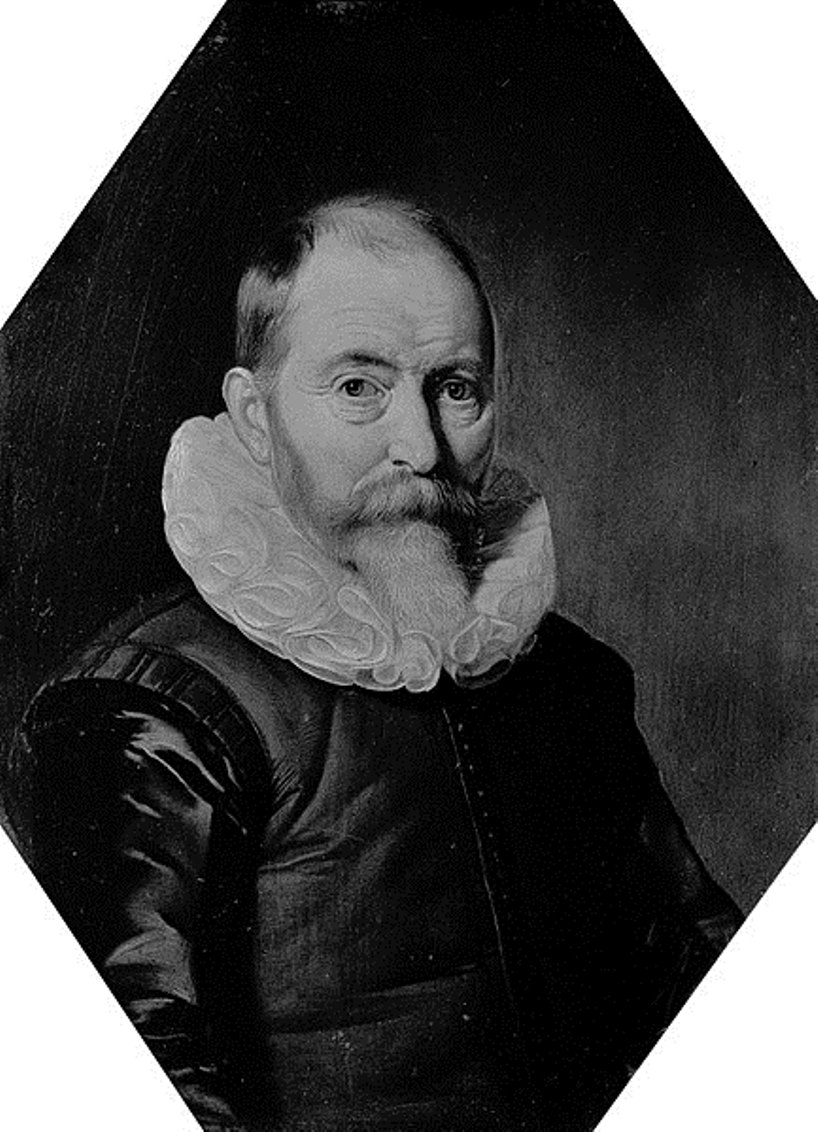
Willem Janszoon Blaeu was a Dutch cartographer and map publisher.
Willem studied astronomy and cartography under the Danish astronomer Tycho Brahe and even discovered the variable star P Swan in 1600. A little later Blaeu settled in Amsterdam, where he began making globes and also began producing land and sea maps, including a 1605 world map. In 1629 he managed to acquire the printing plates of the cartographer Jodok Hondius, with which he published his own atlas.
In 1633, Willem Blaeu was appointed cartographer of the Dutch Republic, as well as the official cartographer of the Dutch East India Company. Blau built up a large collection of maps and conducted an extensive publishing business. After Willem's death, his sons Jan Blaeu (1596-1673) and Cornelius Blaeu successfully continued his work. But in 1672, during a fire in Amsterdam, Blaeu's workshop was destroyed, and the company founded by Willem Blaeu ceased to exist in 1698.


Johannes Janssonius was a Dutch cartographer, printer and publisher.
In 1616 Janssonius created his first maps of France and Italy, and every year he expanded and improved their publishing. The so-called "Great Atlas" already numbered eleven volumes. The editions were printed in Dutch, Latin, French and German.
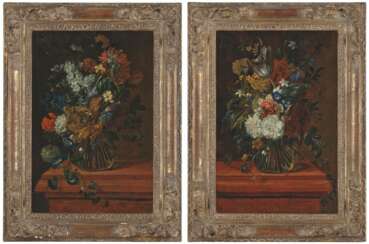

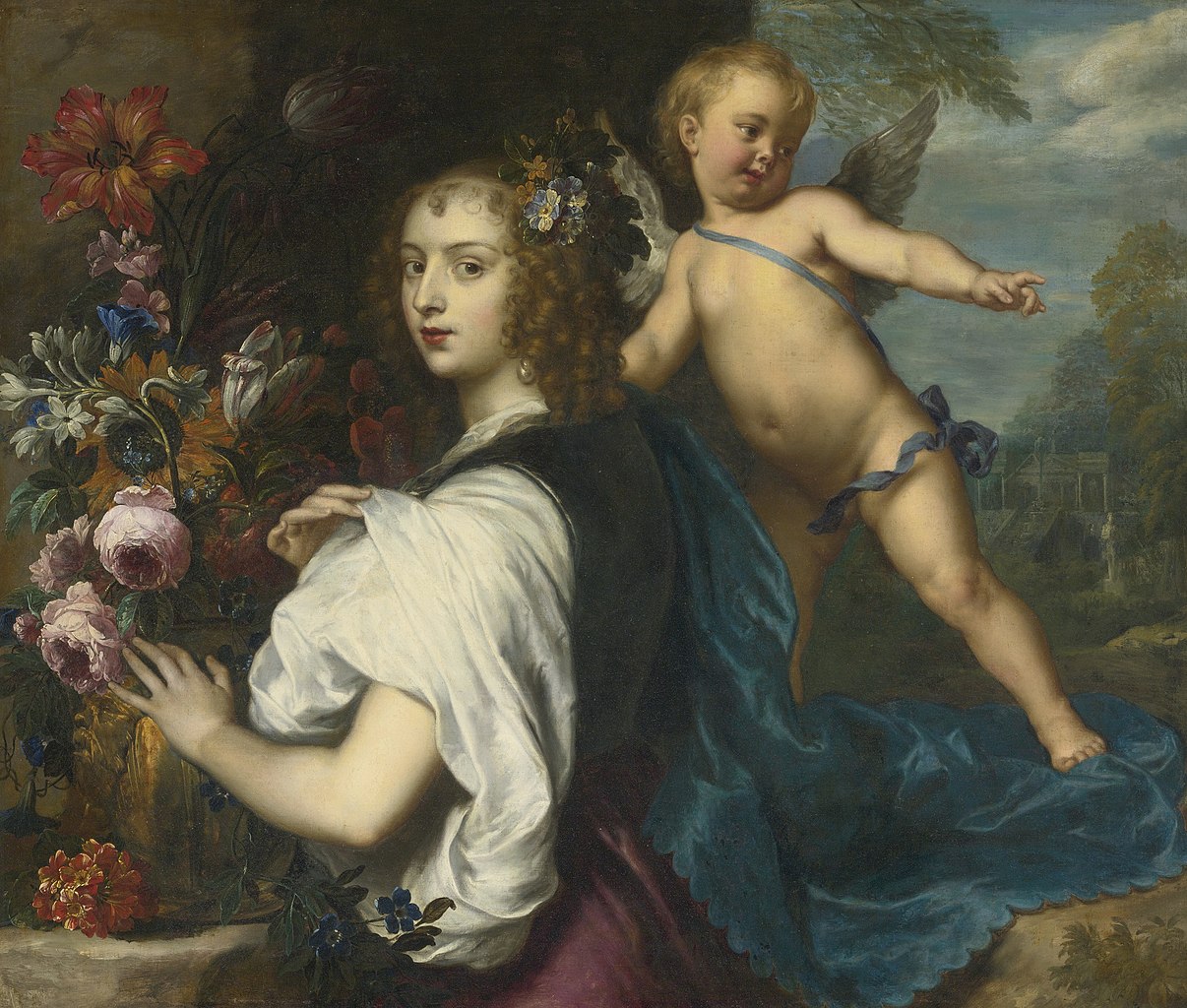
Gaspar Peeter Verbruggen was a Flemish still life painter who is principally known for his decorative still lifes with flowers and fruit. He collaborated with figure artists on compositions which combined figures with a still life element. He was active in Antwerp and The Hague.
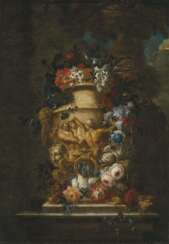

Gaspar Peeter Verbruggen was a Flemish still life painter who is principally known for his decorative still lifes with flowers and fruit. He collaborated with figure artists on compositions which combined figures with a still life element. He was active in Antwerp and The Hague.
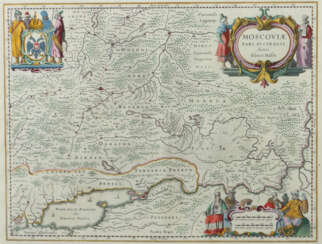

Johannes Janssonius was a Dutch cartographer, printer and publisher.
In 1616 Janssonius created his first maps of France and Italy, and every year he expanded and improved their publishing. The so-called "Great Atlas" already numbered eleven volumes. The editions were printed in Dutch, Latin, French and German.
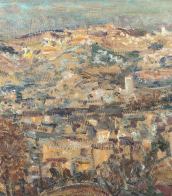


Gaspar Peeter Verbruggen was a Flemish still life painter who is principally known for his decorative still lifes with flowers and fruit. He collaborated with figure artists on compositions which combined figures with a still life element. He was active in Antwerp and The Hague.
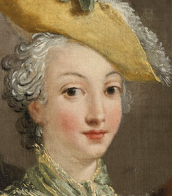
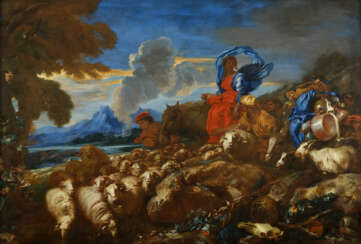

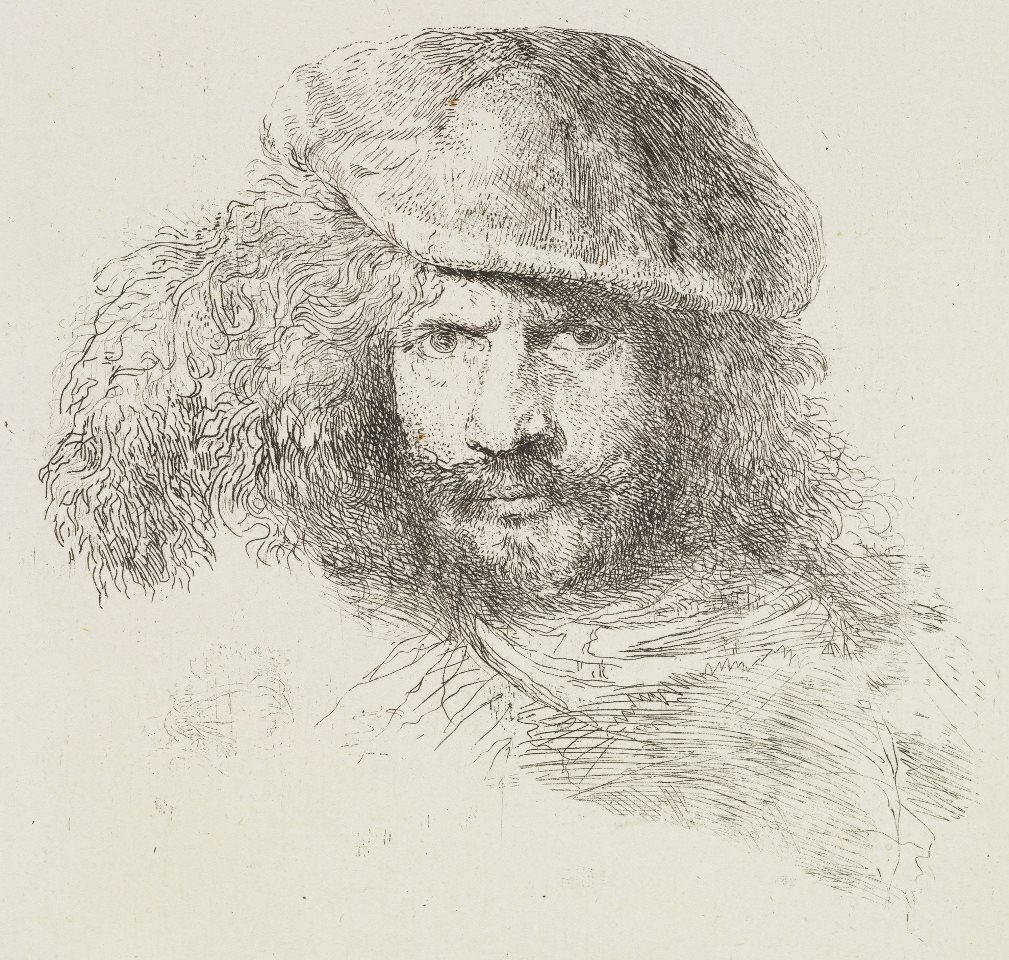
Giovanni Benedetto Castiglione or Il Grechetto was an Italian Baroque painter, draftsman and printmaker.
He is one of the prominent representatives of the Genoese school, working at various times in Genoa, Venice and Rome. Castiglione is believed to be the author of monotype, a type of graphic art and a technique of printmaking that is not engraving.
Castiglione was a versatile and prolific painter, while working in a wide variety of styles that he studied carefully. His paintings pay tribute to Rubens, Van Dyck and Bernardo Strozzi, who worked in Genoa, and his etchings pay tribute to Rembrandt. Castiglione painted expressive portraits, historical and religious works and landscapes, and excelled in rural scenes with animals.
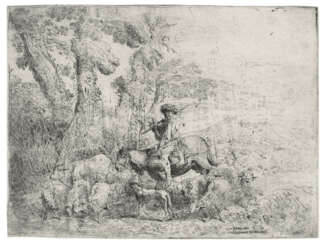

Giovanni Benedetto Castiglione or Il Grechetto was an Italian Baroque painter, draftsman and printmaker.
He is one of the prominent representatives of the Genoese school, working at various times in Genoa, Venice and Rome. Castiglione is believed to be the author of monotype, a type of graphic art and a technique of printmaking that is not engraving.
Castiglione was a versatile and prolific painter, while working in a wide variety of styles that he studied carefully. His paintings pay tribute to Rubens, Van Dyck and Bernardo Strozzi, who worked in Genoa, and his etchings pay tribute to Rembrandt. Castiglione painted expressive portraits, historical and religious works and landscapes, and excelled in rural scenes with animals.
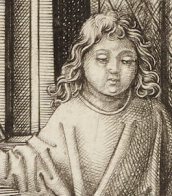
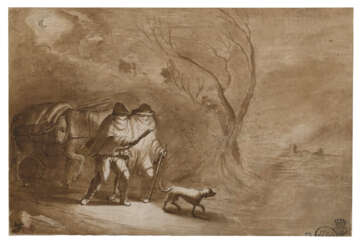


Egbert van der Poel was a Dutch Golden Age genre and landscape painter, son of a Delft goldsmith.
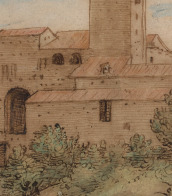
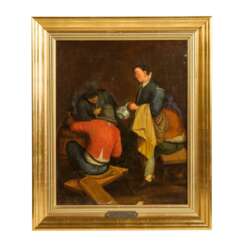

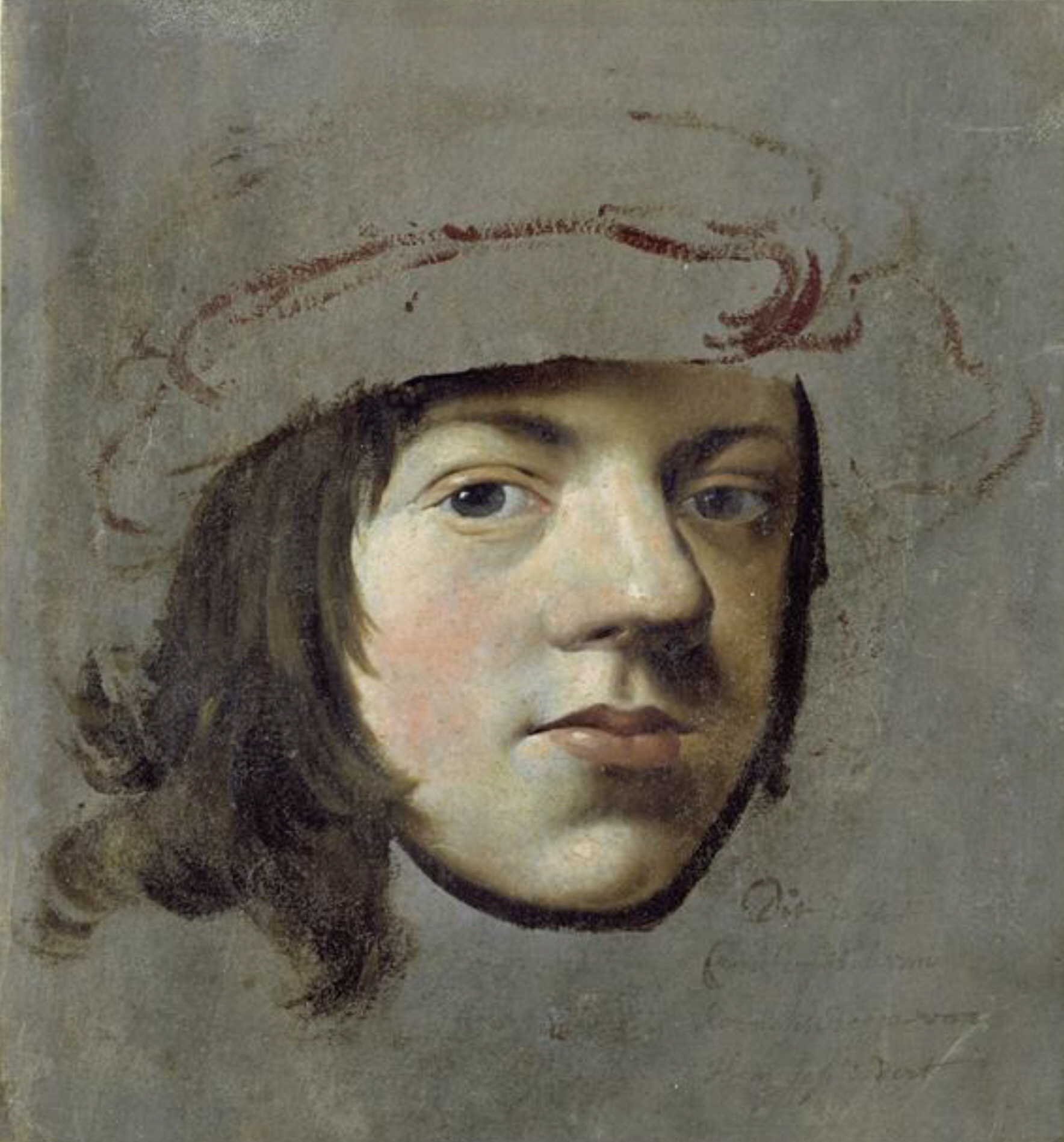
Cornelis Pietersz. Bega was a Dutch Golden Age painter and engraver.



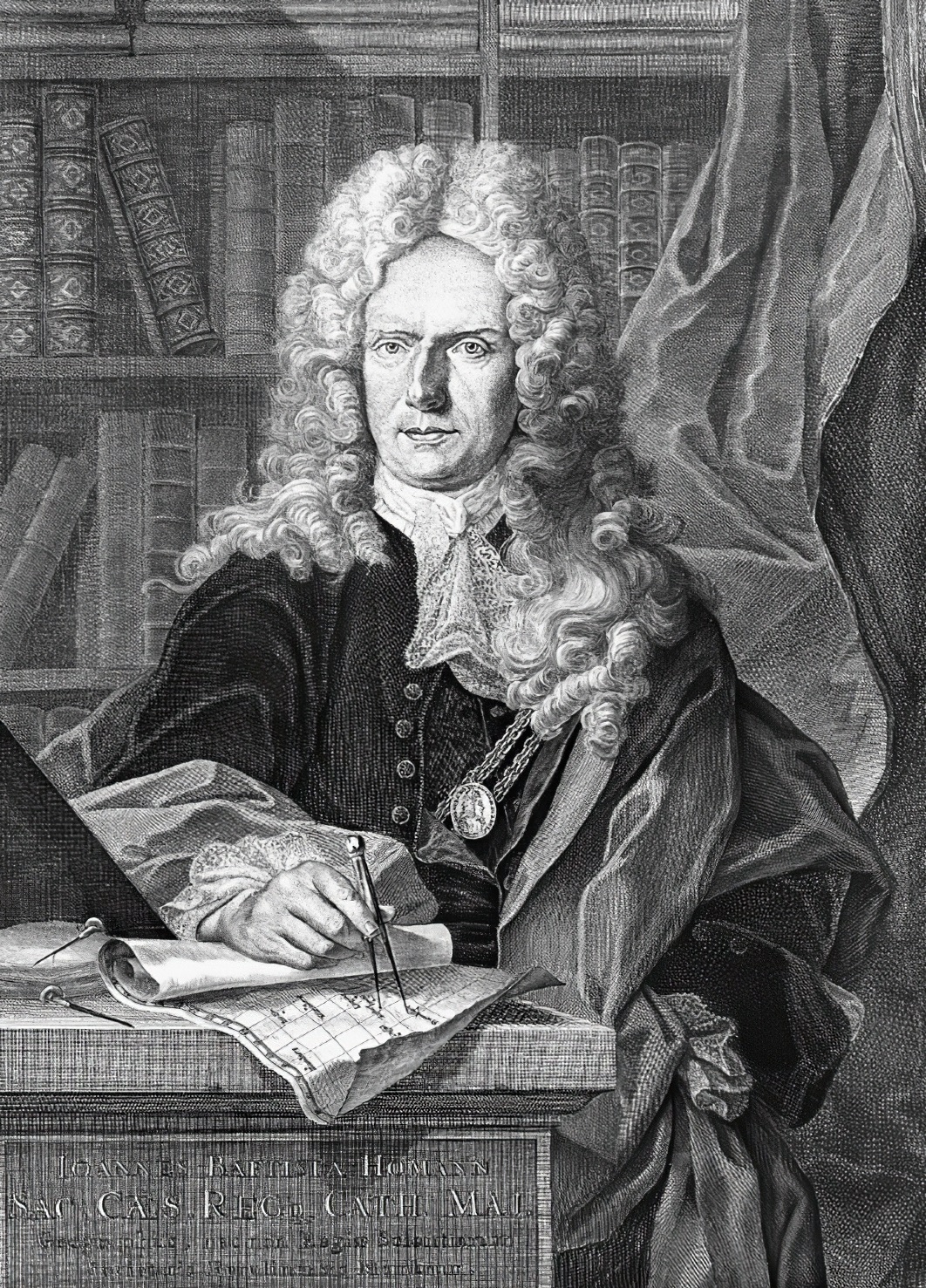
Johann Baptist Homann was a German geographer and cartographer, who also made maps of the Americas. In 1702 he founded his own publishing house. Homann acquired renown as a leading German cartographer, and in 1715 was appointed Imperial Geographer by Emperor Charles VI. In the same year he was also named a member of the Prussian Academy of Sciences in Berlin. In 1716 Homann published his masterpiece Grosser Atlas ueber die ganze Welt (Grand Atlas of all the World). Numerous maps were drawn up in cooperation with the engraver Christoph Weigel the Elder, who also published Siebmachers Wappenbuch.


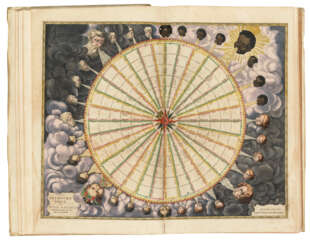

Johannes Janssonius was a Dutch cartographer, printer and publisher.
In 1616 Janssonius created his first maps of France and Italy, and every year he expanded and improved their publishing. The so-called "Great Atlas" already numbered eleven volumes. The editions were printed in Dutch, Latin, French and German.