673
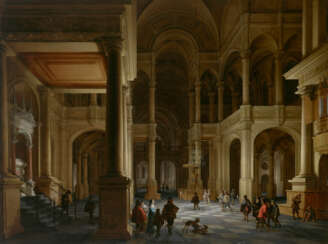

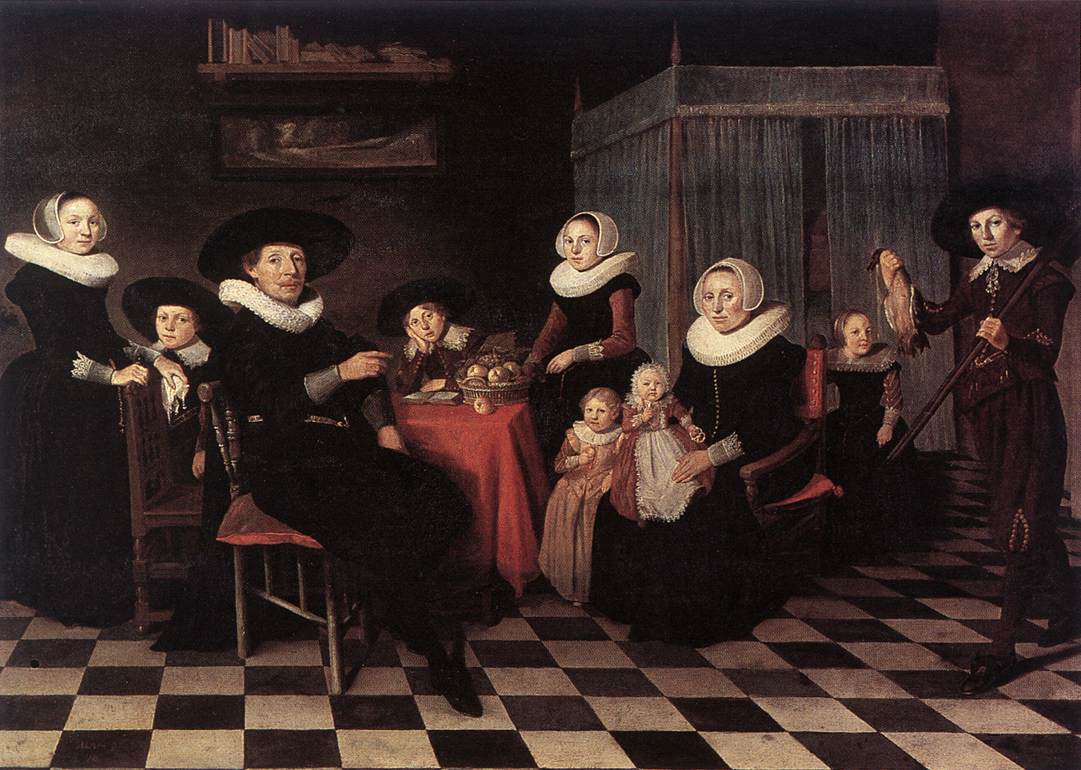
Anthonie Palamedesz was a Dutch portrait and genre painter. He is in particular known for his merry company paintings depicting elegant figures engaged in play, music and conversation as well as guardroom scenes showing soldiers in guardrooms. Like many Dutch painters of his time, he painted portraits and still lifes, including vanitas still lifes. He further painted the staffage in a few views of the interior of churches. He played a major role in the development of genre painting in Delft in the mid 17th century.
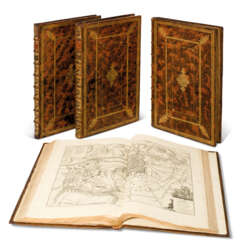

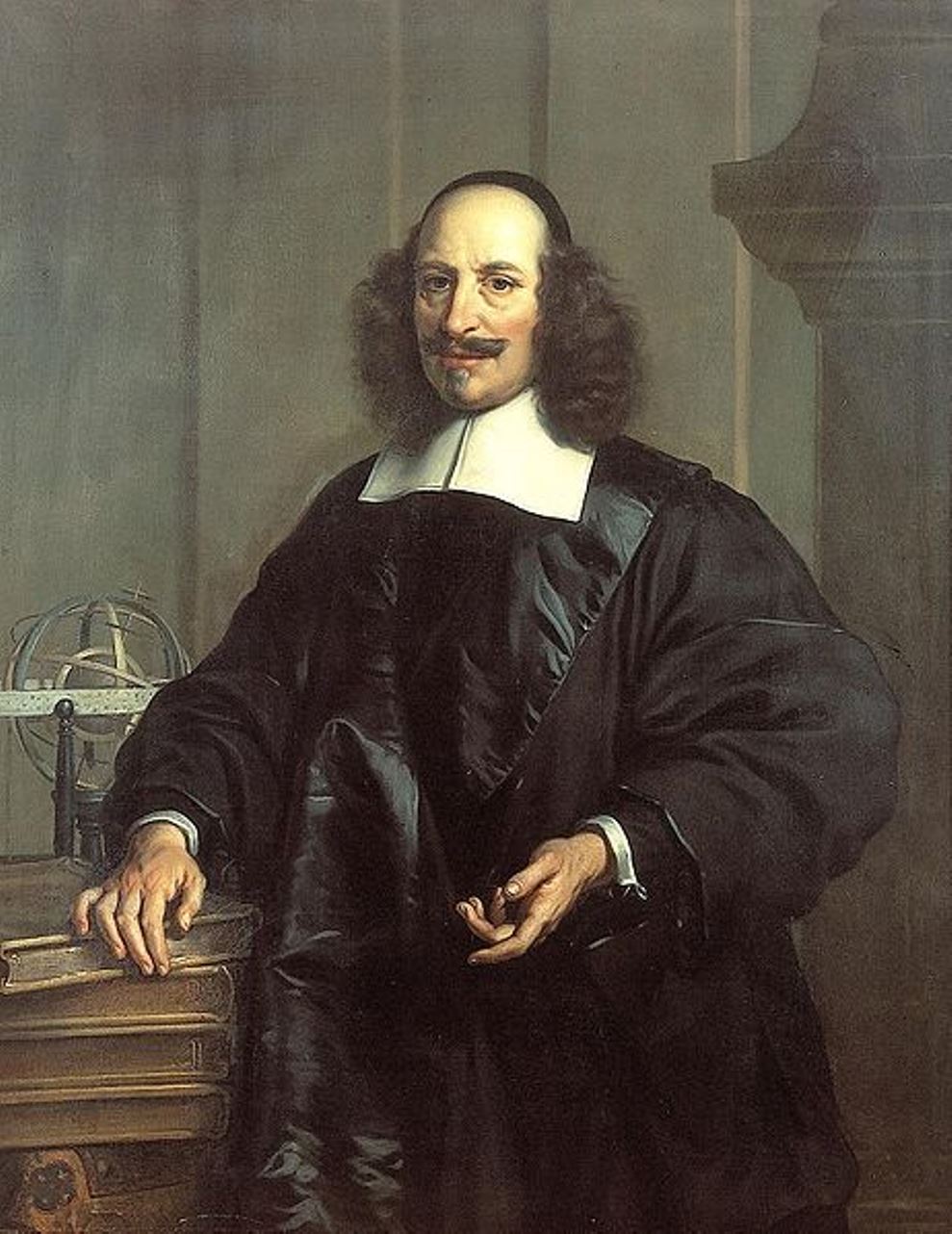
Jan (Joan) Willemsz. Blaeu was a Dutch cartographer, publisher and judge.
Jan was born into the family of the cartographer and publisher Willem Janszoon Blaeu (1571-1638). He studied in Leiden, where he earned a doctorate in law, and in Padua. He then began to assist his father, who was engaged in the manufacture of globes and maps. After his father's death, Jan, together with his brother Cornelius, continued his work, and succeeded him as cartographer for the Dutch East India Company.
In 1651 Blaeu was elected to the Amsterdam city council and later appointed as a judge. At the same time, he was engaged in his publishing business: he continued to publish volumes of Atlas novus, which contained maps of English counties and, for the first time, an atlas of Scotland, as well as one volume of maps of the Far East.
Blaeu did not have time to complete his most ambitious project, but it made him famous as the author of the famous 11-volume Dutch atlas. Based on his previous maps, Blaeu created the Great Atlas (Atlas Maior) - it contained nearly 600 maps and a total of 3,000 pages of Latin text - and was published in 1662. Blaeu's maps were groundbreaking for their time because they were created in accordance with the heliocentric theories of Nicolaus Copernicus.
In 1672, a great fire in Amsterdam destroyed Blaeu's workshop, and the cartographer died a year later, apparently never recovering from this stroke of fate.


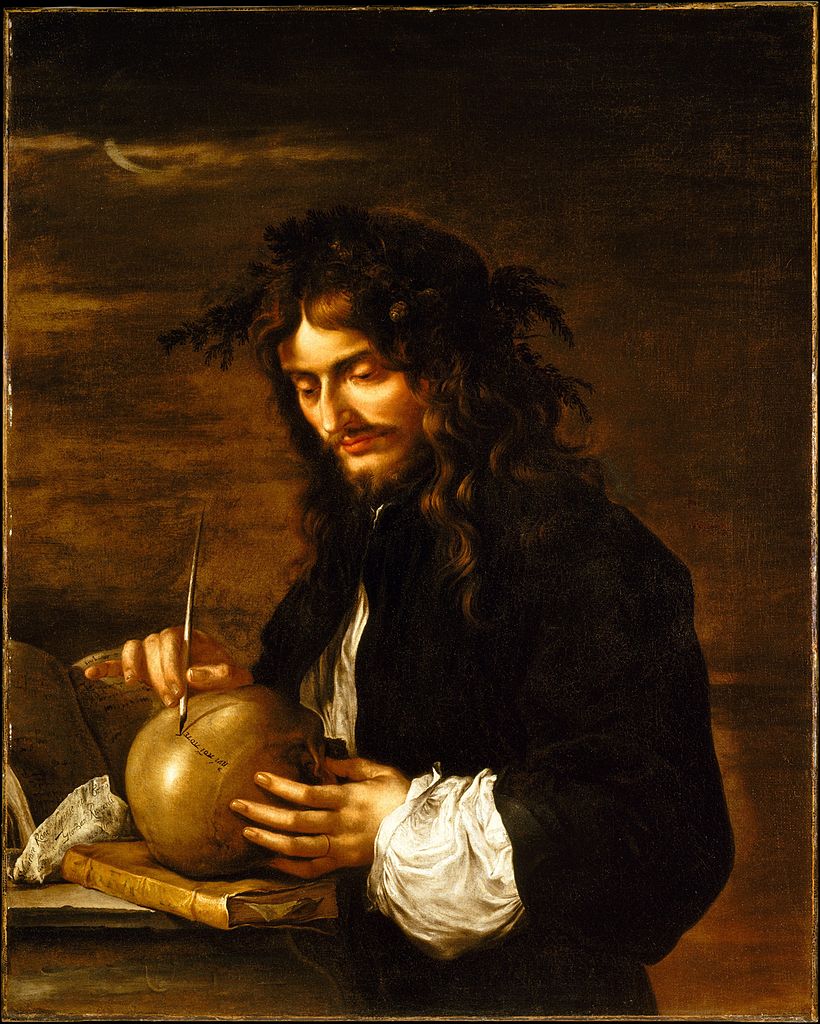
Salvator Rosa was a seventeenth-century Italian Baroque painter. He is also known as an engraver, poet and actor.
Salvator Rosa left a very diverse artistic heritage. He was interested in historical, religious, mythological and fantastic subjects, he painted landscapes, battle scenes, portraits, still lifes. Having joined the naturalists of the Neapolitan school of painting, Rosa, however, showed originality in his treatment of subjects. For example, in his paintings on historical themes he combined realistic images with fantastical composition.
The biography of Rosa himself, full of adventures, subsequently became the subject of legends, books, paintings and musical works.
Works of Salvator Rosa today are represented in many museums and private collections in Europe and Russia.


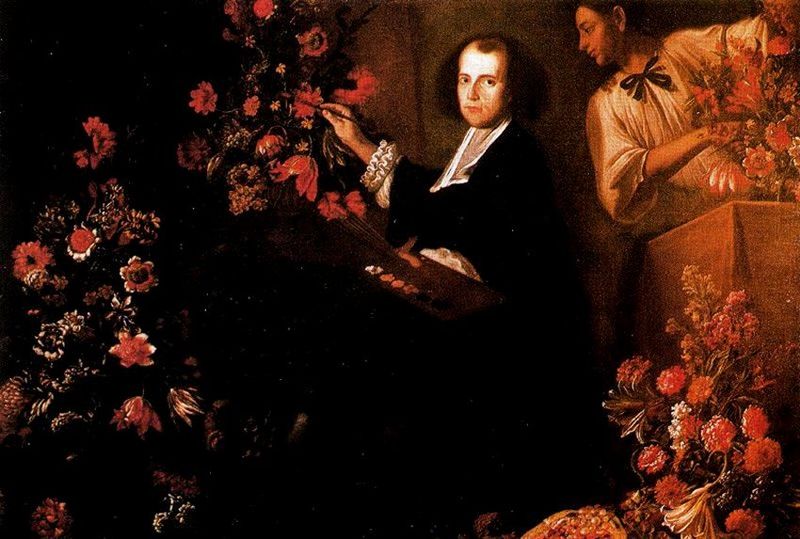
Mario Nuzzi, nicknamed De Fiori, was an Italian painter of the Baroque period.
Nuzzi was a pupil of the artist Tommaso Salini and was one of the first Italians to specialize in still lifes with floral compositions. From Salini he mastered the style of Caravaggismo. Nuzzi always painted flowers in his paintings, for which he was nicknamed De Fiori - "florist", and in this genre he was an unrivaled master. Floral compositions the artist depicted not only in numerous still lifes, but also necessarily included them in genre scenes of religious and domestic character. He also painted the famous "Concert of Birds", which was then repeated by many artists.
Mario Nuzzi enjoyed the patronage of the highest nobility, he was ordered paintings cardinals and noble family Barberini. In 1657, the Academy of St. Lucia in Rome awarded him the title of Academician. Mario Nuzzi had many famous pupils and followers, and with his work Nuzzi had a great influence on Italian and Spanish genre painting of the XVII century.
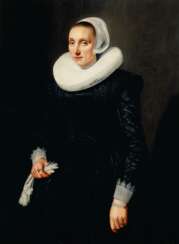

Anthonie Palamedesz was a Dutch portrait and genre painter. He is in particular known for his merry company paintings depicting elegant figures engaged in play, music and conversation as well as guardroom scenes showing soldiers in guardrooms. Like many Dutch painters of his time, he painted portraits and still lifes, including vanitas still lifes. He further painted the staffage in a few views of the interior of churches. He played a major role in the development of genre painting in Delft in the mid 17th century.
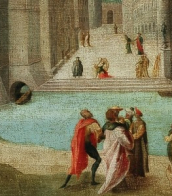


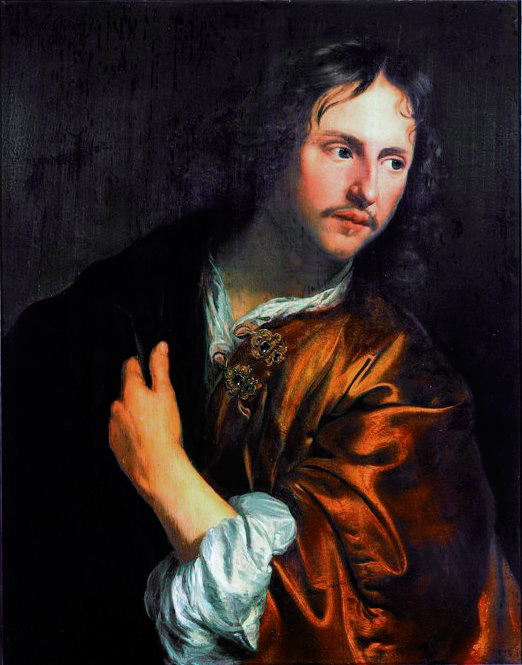
Adam Pynacker was a Dutch Golden Age painter, mostly of landscapes.
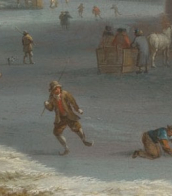
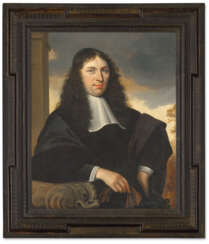

Anthonie Palamedesz was a Dutch portrait and genre painter. He is in particular known for his merry company paintings depicting elegant figures engaged in play, music and conversation as well as guardroom scenes showing soldiers in guardrooms. Like many Dutch painters of his time, he painted portraits and still lifes, including vanitas still lifes. He further painted the staffage in a few views of the interior of churches. He played a major role in the development of genre painting in Delft in the mid 17th century.


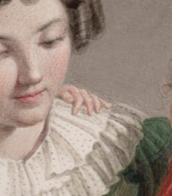
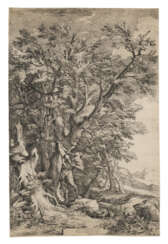

Salvator Rosa was a seventeenth-century Italian Baroque painter. He is also known as an engraver, poet and actor.
Salvator Rosa left a very diverse artistic heritage. He was interested in historical, religious, mythological and fantastic subjects, he painted landscapes, battle scenes, portraits, still lifes. Having joined the naturalists of the Neapolitan school of painting, Rosa, however, showed originality in his treatment of subjects. For example, in his paintings on historical themes he combined realistic images with fantastical composition.
The biography of Rosa himself, full of adventures, subsequently became the subject of legends, books, paintings and musical works.
Works of Salvator Rosa today are represented in many museums and private collections in Europe and Russia.
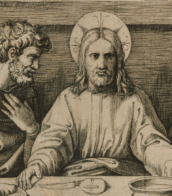
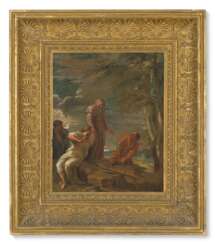

Salvator Rosa was a seventeenth-century Italian Baroque painter. He is also known as an engraver, poet and actor.
Salvator Rosa left a very diverse artistic heritage. He was interested in historical, religious, mythological and fantastic subjects, he painted landscapes, battle scenes, portraits, still lifes. Having joined the naturalists of the Neapolitan school of painting, Rosa, however, showed originality in his treatment of subjects. For example, in his paintings on historical themes he combined realistic images with fantastical composition.
The biography of Rosa himself, full of adventures, subsequently became the subject of legends, books, paintings and musical works.
Works of Salvator Rosa today are represented in many museums and private collections in Europe and Russia.
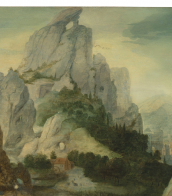
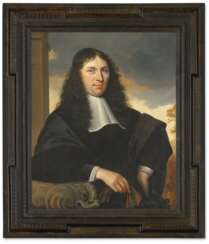

Anthonie Palamedesz was a Dutch portrait and genre painter. He is in particular known for his merry company paintings depicting elegant figures engaged in play, music and conversation as well as guardroom scenes showing soldiers in guardrooms. Like many Dutch painters of his time, he painted portraits and still lifes, including vanitas still lifes. He further painted the staffage in a few views of the interior of churches. He played a major role in the development of genre painting in Delft in the mid 17th century.


Salvator Rosa was a seventeenth-century Italian Baroque painter. He is also known as an engraver, poet and actor.
Salvator Rosa left a very diverse artistic heritage. He was interested in historical, religious, mythological and fantastic subjects, he painted landscapes, battle scenes, portraits, still lifes. Having joined the naturalists of the Neapolitan school of painting, Rosa, however, showed originality in his treatment of subjects. For example, in his paintings on historical themes he combined realistic images with fantastical composition.
The biography of Rosa himself, full of adventures, subsequently became the subject of legends, books, paintings and musical works.
Works of Salvator Rosa today are represented in many museums and private collections in Europe and Russia.
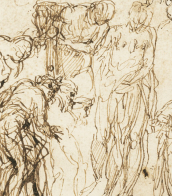


Mario Nuzzi, nicknamed De Fiori, was an Italian painter of the Baroque period.
Nuzzi was a pupil of the artist Tommaso Salini and was one of the first Italians to specialize in still lifes with floral compositions. From Salini he mastered the style of Caravaggismo. Nuzzi always painted flowers in his paintings, for which he was nicknamed De Fiori - "florist", and in this genre he was an unrivaled master. Floral compositions the artist depicted not only in numerous still lifes, but also necessarily included them in genre scenes of religious and domestic character. He also painted the famous "Concert of Birds", which was then repeated by many artists.
Mario Nuzzi enjoyed the patronage of the highest nobility, he was ordered paintings cardinals and noble family Barberini. In 1657, the Academy of St. Lucia in Rome awarded him the title of Academician. Mario Nuzzi had many famous pupils and followers, and with his work Nuzzi had a great influence on Italian and Spanish genre painting of the XVII century.
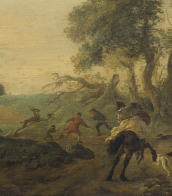
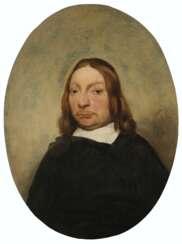

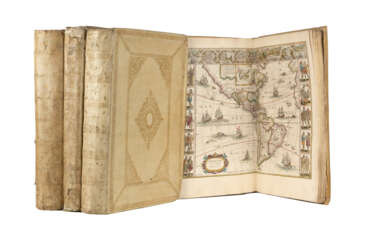

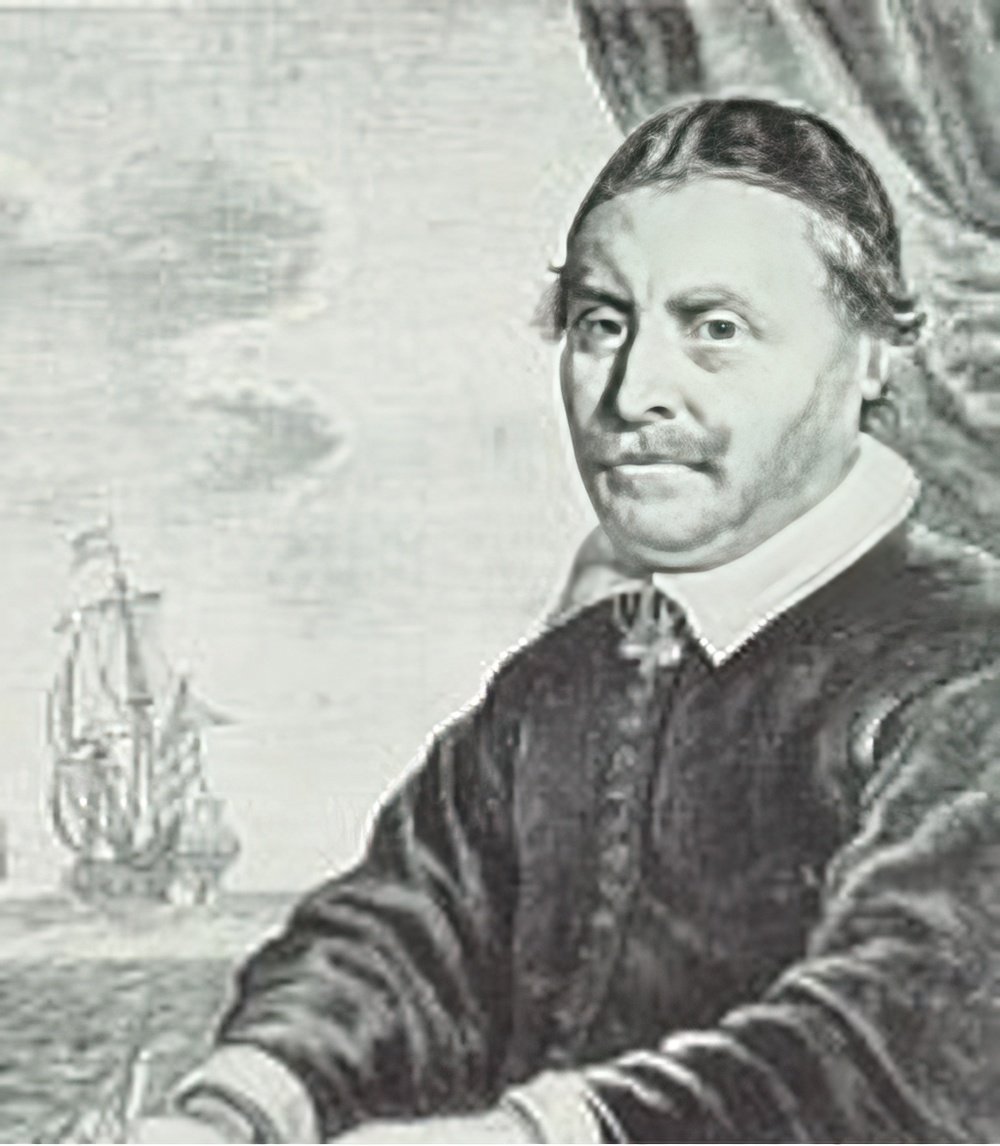
Johannes Janssonius was a Dutch cartographer, printer and publisher.
In 1616 Janssonius created his first maps of France and Italy, and every year he expanded and improved their publishing. The so-called "Great Atlas" already numbered eleven volumes. The editions were printed in Dutch, Latin, French and German.
Jan (Joan) Willemsz. Blaeu was a Dutch cartographer, publisher and judge.
Jan was born into the family of the cartographer and publisher Willem Janszoon Blaeu (1571-1638). He studied in Leiden, where he earned a doctorate in law, and in Padua. He then began to assist his father, who was engaged in the manufacture of globes and maps. After his father's death, Jan, together with his brother Cornelius, continued his work, and succeeded him as cartographer for the Dutch East India Company.
In 1651 Blaeu was elected to the Amsterdam city council and later appointed as a judge. At the same time, he was engaged in his publishing business: he continued to publish volumes of Atlas novus, which contained maps of English counties and, for the first time, an atlas of Scotland, as well as one volume of maps of the Far East.
Blaeu did not have time to complete his most ambitious project, but it made him famous as the author of the famous 11-volume Dutch atlas. Based on his previous maps, Blaeu created the Great Atlas (Atlas Maior) - it contained nearly 600 maps and a total of 3,000 pages of Latin text - and was published in 1662. Blaeu's maps were groundbreaking for their time because they were created in accordance with the heliocentric theories of Nicolaus Copernicus.
In 1672, a great fire in Amsterdam destroyed Blaeu's workshop, and the cartographer died a year later, apparently never recovering from this stroke of fate.
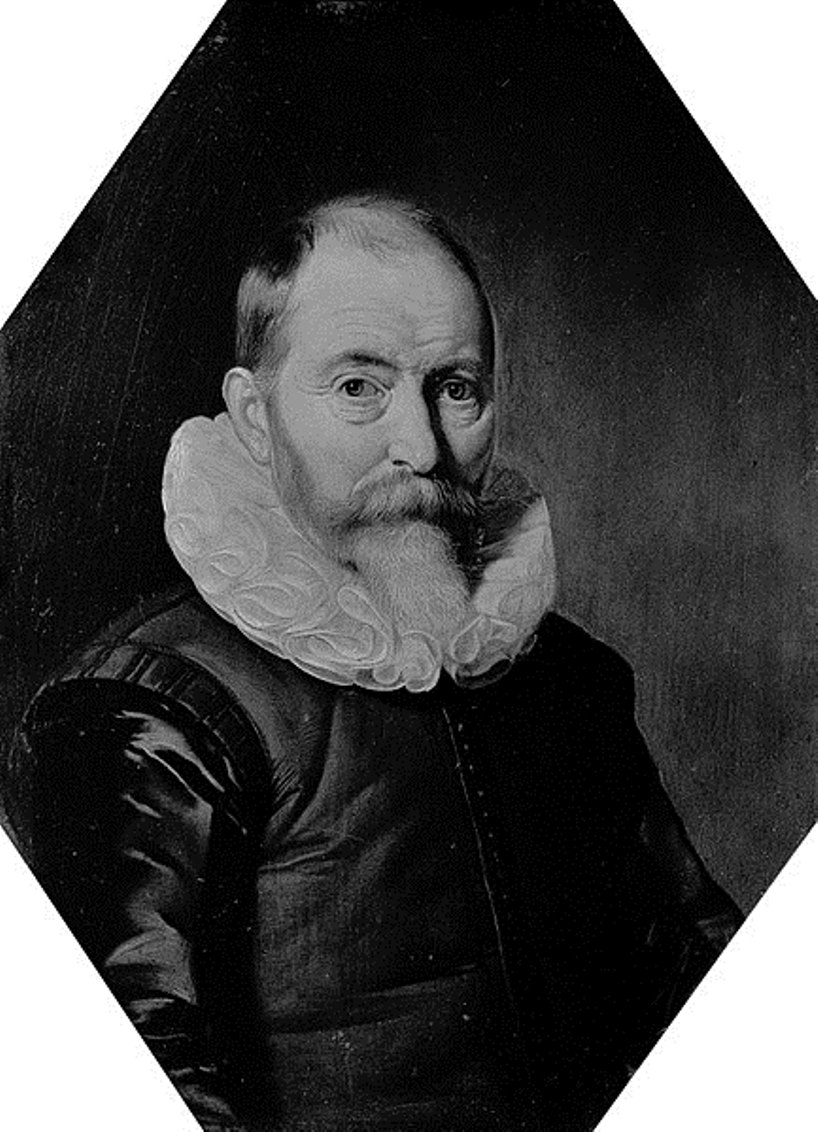
Willem Janszoon Blaeu was a Dutch cartographer and map publisher.
Willem studied astronomy and cartography under the Danish astronomer Tycho Brahe and even discovered the variable star P Swan in 1600. A little later Blaeu settled in Amsterdam, where he began making globes and also began producing land and sea maps, including a 1605 world map. In 1629 he managed to acquire the printing plates of the cartographer Jodok Hondius, with which he published his own atlas.
In 1633, Willem Blaeu was appointed cartographer of the Dutch Republic, as well as the official cartographer of the Dutch East India Company. Blau built up a large collection of maps and conducted an extensive publishing business. After Willem's death, his sons Jan Blaeu (1596-1673) and Cornelius Blaeu successfully continued his work. But in 1672, during a fire in Amsterdam, Blaeu's workshop was destroyed, and the company founded by Willem Blaeu ceased to exist in 1698.
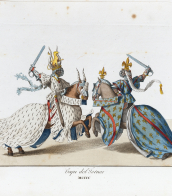
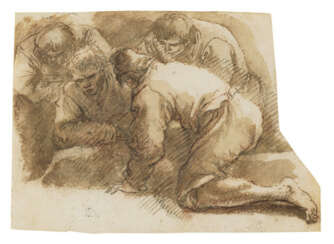

Salvator Rosa was a seventeenth-century Italian Baroque painter. He is also known as an engraver, poet and actor.
Salvator Rosa left a very diverse artistic heritage. He was interested in historical, religious, mythological and fantastic subjects, he painted landscapes, battle scenes, portraits, still lifes. Having joined the naturalists of the Neapolitan school of painting, Rosa, however, showed originality in his treatment of subjects. For example, in his paintings on historical themes he combined realistic images with fantastical composition.
The biography of Rosa himself, full of adventures, subsequently became the subject of legends, books, paintings and musical works.
Works of Salvator Rosa today are represented in many museums and private collections in Europe and Russia.


Anthonie Palamedesz was a Dutch portrait and genre painter. He is in particular known for his merry company paintings depicting elegant figures engaged in play, music and conversation as well as guardroom scenes showing soldiers in guardrooms. Like many Dutch painters of his time, he painted portraits and still lifes, including vanitas still lifes. He further painted the staffage in a few views of the interior of churches. He played a major role in the development of genre painting in Delft in the mid 17th century.
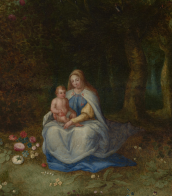
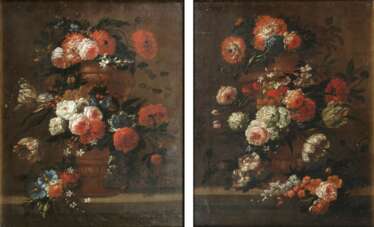

Mario Nuzzi, nicknamed De Fiori, was an Italian painter of the Baroque period.
Nuzzi was a pupil of the artist Tommaso Salini and was one of the first Italians to specialize in still lifes with floral compositions. From Salini he mastered the style of Caravaggismo. Nuzzi always painted flowers in his paintings, for which he was nicknamed De Fiori - "florist", and in this genre he was an unrivaled master. Floral compositions the artist depicted not only in numerous still lifes, but also necessarily included them in genre scenes of religious and domestic character. He also painted the famous "Concert of Birds", which was then repeated by many artists.
Mario Nuzzi enjoyed the patronage of the highest nobility, he was ordered paintings cardinals and noble family Barberini. In 1657, the Academy of St. Lucia in Rome awarded him the title of Academician. Mario Nuzzi had many famous pupils and followers, and with his work Nuzzi had a great influence on Italian and Spanish genre painting of the XVII century.
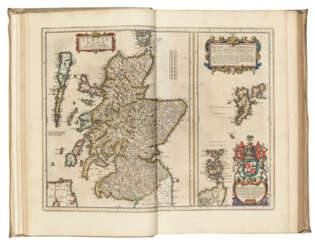

Jan (Joan) Willemsz. Blaeu was a Dutch cartographer, publisher and judge.
Jan was born into the family of the cartographer and publisher Willem Janszoon Blaeu (1571-1638). He studied in Leiden, where he earned a doctorate in law, and in Padua. He then began to assist his father, who was engaged in the manufacture of globes and maps. After his father's death, Jan, together with his brother Cornelius, continued his work, and succeeded him as cartographer for the Dutch East India Company.
In 1651 Blaeu was elected to the Amsterdam city council and later appointed as a judge. At the same time, he was engaged in his publishing business: he continued to publish volumes of Atlas novus, which contained maps of English counties and, for the first time, an atlas of Scotland, as well as one volume of maps of the Far East.
Blaeu did not have time to complete his most ambitious project, but it made him famous as the author of the famous 11-volume Dutch atlas. Based on his previous maps, Blaeu created the Great Atlas (Atlas Maior) - it contained nearly 600 maps and a total of 3,000 pages of Latin text - and was published in 1662. Blaeu's maps were groundbreaking for their time because they were created in accordance with the heliocentric theories of Nicolaus Copernicus.
In 1672, a great fire in Amsterdam destroyed Blaeu's workshop, and the cartographer died a year later, apparently never recovering from this stroke of fate.
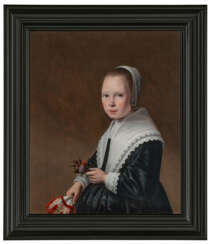

Anthonie Palamedesz was a Dutch portrait and genre painter. He is in particular known for his merry company paintings depicting elegant figures engaged in play, music and conversation as well as guardroom scenes showing soldiers in guardrooms. Like many Dutch painters of his time, he painted portraits and still lifes, including vanitas still lifes. He further painted the staffage in a few views of the interior of churches. He played a major role in the development of genre painting in Delft in the mid 17th century.
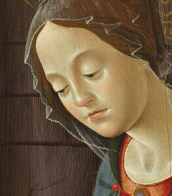


Adam Pynacker was a Dutch Golden Age painter, mostly of landscapes.


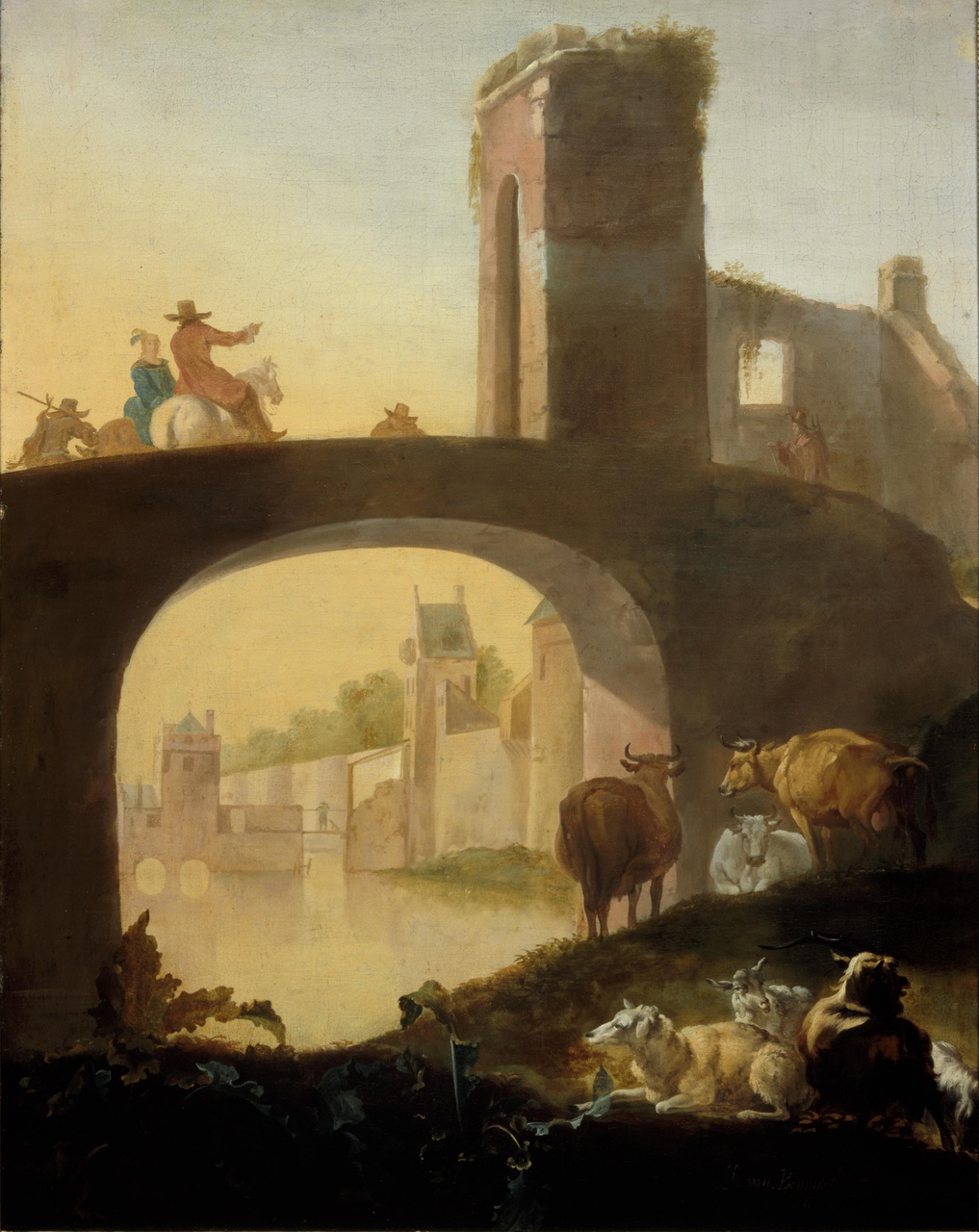
Jacob Gerritsz. van Bemmel was a Dutch landscape painter of the Dutch Golden Age of painting.


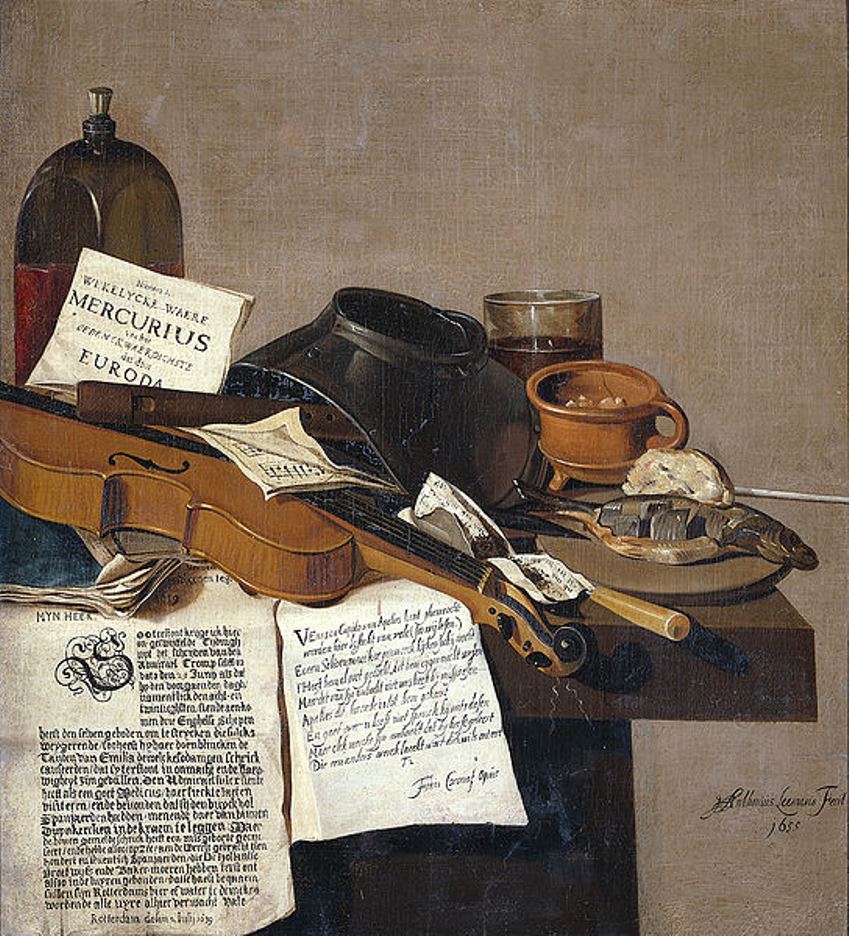
Anthonius Leemans or Antonie Leemans was a Dutch painter of the Golden Age.
He is the elder brother of the painter Johannes Leemans (1833-1688). Like his brother, Antonie Leemans painted trompe l'oeil, but also mainly on subjects related to hunting. He created still-lifes with hunting trophies and ammunition, and depicted hunters with dogs in camp.
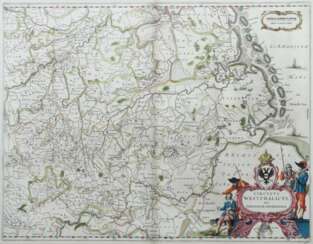

Jan (Joan) Willemsz. Blaeu was a Dutch cartographer, publisher and judge.
Jan was born into the family of the cartographer and publisher Willem Janszoon Blaeu (1571-1638). He studied in Leiden, where he earned a doctorate in law, and in Padua. He then began to assist his father, who was engaged in the manufacture of globes and maps. After his father's death, Jan, together with his brother Cornelius, continued his work, and succeeded him as cartographer for the Dutch East India Company.
In 1651 Blaeu was elected to the Amsterdam city council and later appointed as a judge. At the same time, he was engaged in his publishing business: he continued to publish volumes of Atlas novus, which contained maps of English counties and, for the first time, an atlas of Scotland, as well as one volume of maps of the Far East.
Blaeu did not have time to complete his most ambitious project, but it made him famous as the author of the famous 11-volume Dutch atlas. Based on his previous maps, Blaeu created the Great Atlas (Atlas Maior) - it contained nearly 600 maps and a total of 3,000 pages of Latin text - and was published in 1662. Blaeu's maps were groundbreaking for their time because they were created in accordance with the heliocentric theories of Nicolaus Copernicus.
In 1672, a great fire in Amsterdam destroyed Blaeu's workshop, and the cartographer died a year later, apparently never recovering from this stroke of fate.
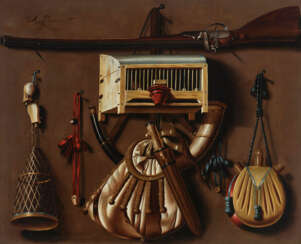

Anthonius Leemans or Antonie Leemans was a Dutch painter of the Golden Age.
He is the elder brother of the painter Johannes Leemans (1833-1688). Like his brother, Antonie Leemans painted trompe l'oeil, but also mainly on subjects related to hunting. He created still-lifes with hunting trophies and ammunition, and depicted hunters with dogs in camp.


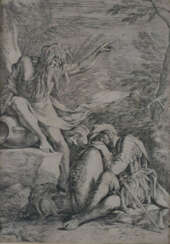

Salvator Rosa was a seventeenth-century Italian Baroque painter. He is also known as an engraver, poet and actor.
Salvator Rosa left a very diverse artistic heritage. He was interested in historical, religious, mythological and fantastic subjects, he painted landscapes, battle scenes, portraits, still lifes. Having joined the naturalists of the Neapolitan school of painting, Rosa, however, showed originality in his treatment of subjects. For example, in his paintings on historical themes he combined realistic images with fantastical composition.
The biography of Rosa himself, full of adventures, subsequently became the subject of legends, books, paintings and musical works.
Works of Salvator Rosa today are represented in many museums and private collections in Europe and Russia.
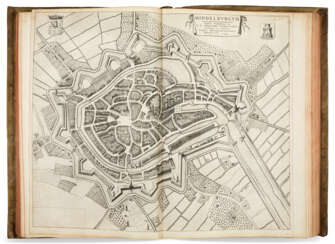

Jan (Joan) Willemsz. Blaeu was a Dutch cartographer, publisher and judge.
Jan was born into the family of the cartographer and publisher Willem Janszoon Blaeu (1571-1638). He studied in Leiden, where he earned a doctorate in law, and in Padua. He then began to assist his father, who was engaged in the manufacture of globes and maps. After his father's death, Jan, together with his brother Cornelius, continued his work, and succeeded him as cartographer for the Dutch East India Company.
In 1651 Blaeu was elected to the Amsterdam city council and later appointed as a judge. At the same time, he was engaged in his publishing business: he continued to publish volumes of Atlas novus, which contained maps of English counties and, for the first time, an atlas of Scotland, as well as one volume of maps of the Far East.
Blaeu did not have time to complete his most ambitious project, but it made him famous as the author of the famous 11-volume Dutch atlas. Based on his previous maps, Blaeu created the Great Atlas (Atlas Maior) - it contained nearly 600 maps and a total of 3,000 pages of Latin text - and was published in 1662. Blaeu's maps were groundbreaking for their time because they were created in accordance with the heliocentric theories of Nicolaus Copernicus.
In 1672, a great fire in Amsterdam destroyed Blaeu's workshop, and the cartographer died a year later, apparently never recovering from this stroke of fate.
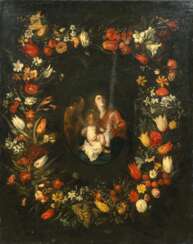

Mario Nuzzi, nicknamed De Fiori, was an Italian painter of the Baroque period.
Nuzzi was a pupil of the artist Tommaso Salini and was one of the first Italians to specialize in still lifes with floral compositions. From Salini he mastered the style of Caravaggismo. Nuzzi always painted flowers in his paintings, for which he was nicknamed De Fiori - "florist", and in this genre he was an unrivaled master. Floral compositions the artist depicted not only in numerous still lifes, but also necessarily included them in genre scenes of religious and domestic character. He also painted the famous "Concert of Birds", which was then repeated by many artists.
Mario Nuzzi enjoyed the patronage of the highest nobility, he was ordered paintings cardinals and noble family Barberini. In 1657, the Academy of St. Lucia in Rome awarded him the title of Academician. Mario Nuzzi had many famous pupils and followers, and with his work Nuzzi had a great influence on Italian and Spanish genre painting of the XVII century.