693
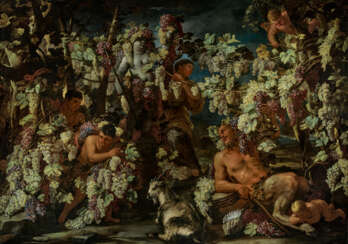

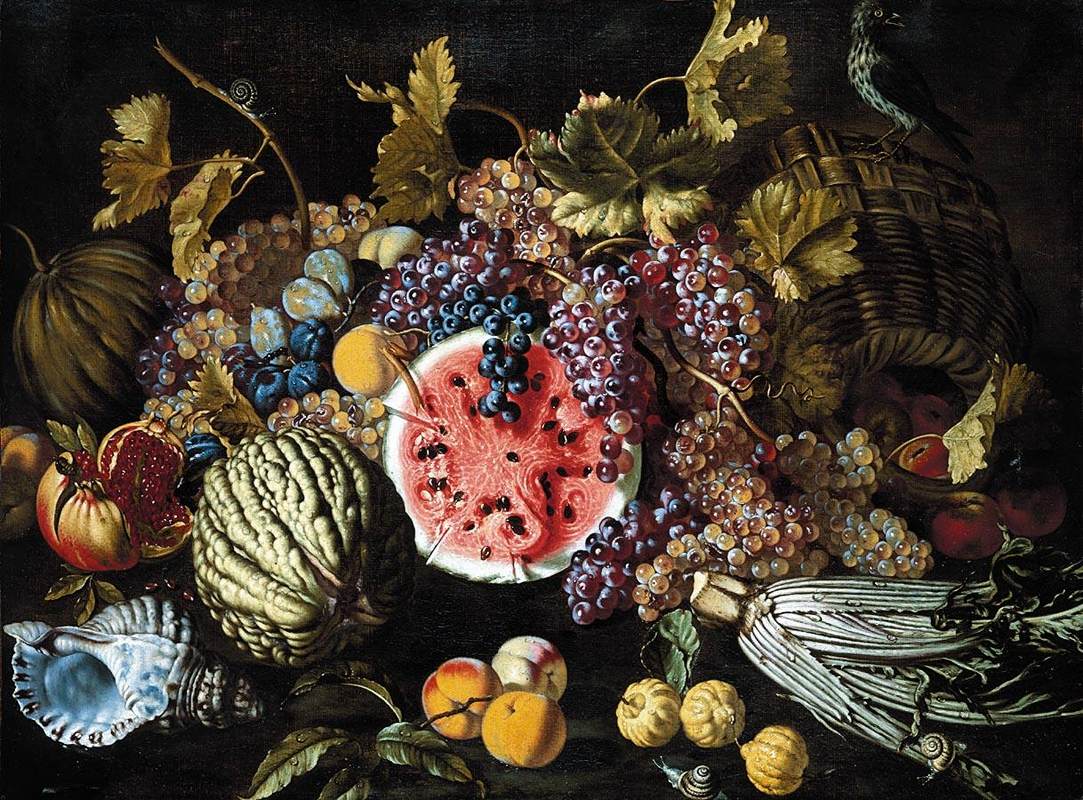
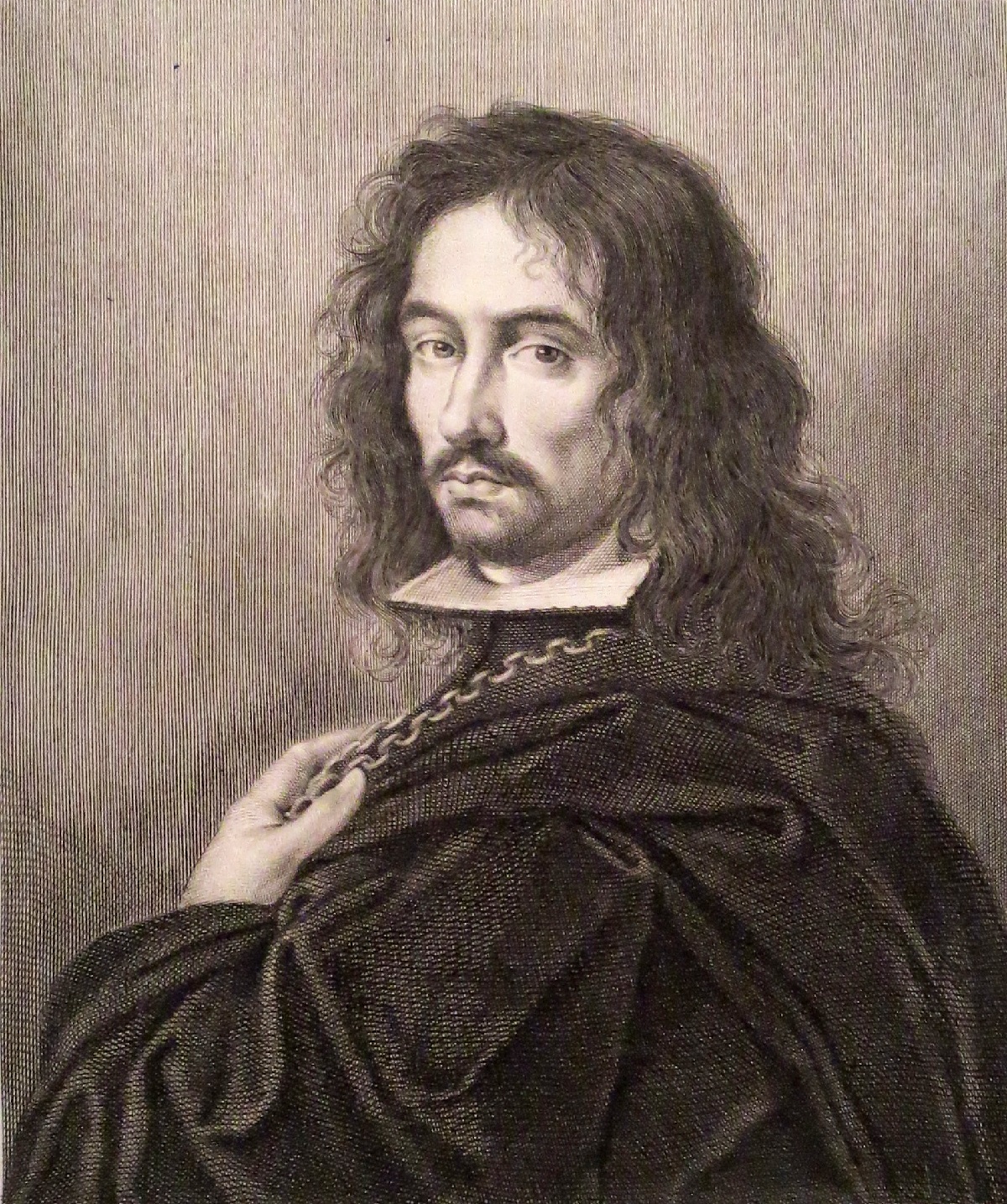
Luca Giordano, born on October 18, 1634, in Naples, emerged as the most celebrated Neapolitan painter of the late 17th century, known for his quick workmanship, which earned him the nickname "Luca Fa Presto" from his father's frequent admonitions to work quickly. His profound contribution to the development of Italianate landscape painting marked a significant chapter in art history.
Giordano's works are celebrated for their dynamic compositions, vibrant color palette, and the ability to infuse his subjects with vitality and emotion. His prolific career saw him working across Italy and Spain, leaving behind a legacy that includes monumental works such as the frescoes in the Palazzo Medici-Riccardi in Florence and the ceiling paintings in Santa Brigida Church in Naples. His late works, lighter and prefiguring the Rococo movement, were particularly influential and admired by later artists such as Fragonard.
Giordano's artistic prowess was not confined to a single genre; his oeuvre includes religious and mythological scenes, landscapes, and portraits. His versatility and ability to adapt his style to suit different subjects and patrons' preferences made him a pivotal figure in the transition from the Baroque to the Rococo style. Despite criticisms of superficiality due to his rapid execution, Giordano's work was fundamentally rooted in a deep understanding of his predecessors, combining the dramatic intensity of the Baroque with the emerging lighter Rococo aesthetic.
For collectors and experts in art and antiques, Luca Giordano's paintings represent a significant period in art history, bridging the gap between two major stylistic periods and reflecting the vibrant cultural exchanges of 17th-century Europe. His works, found in esteemed collections worldwide, continue to be studied and admired for their technical brilliance and artistic innovation.
To explore more about Luca Giordano's masterful contributions to the world of art and to stay updated on exhibitions or sales featuring his work, consider signing up for updates from art institutions. This subscription ensures enthusiasts and collectors are well-informed about developments related to Giordano's oeuvre, enhancing their appreciation and understanding of his enduring legacy.
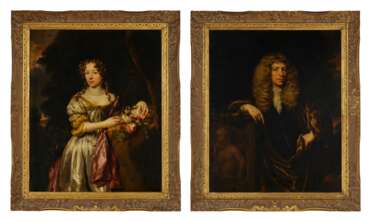

Nicolaes Maes was a Dutch painter known for his genre scenes, portraits, religious compositions and the occasional still life. A pupil of Rembrandt in Amsterdam, he returned to work in his native city of Dordrecht for 20 years. In the latter part of his career he returned to Amsterdam where he became the leading portrait painter of his time. Maes contributed to the development of genre painting in the Netherlands and was the most prominent portrait painter working in Amsterdam in the final three decades of the 17th century.
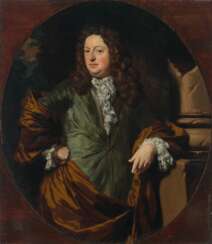

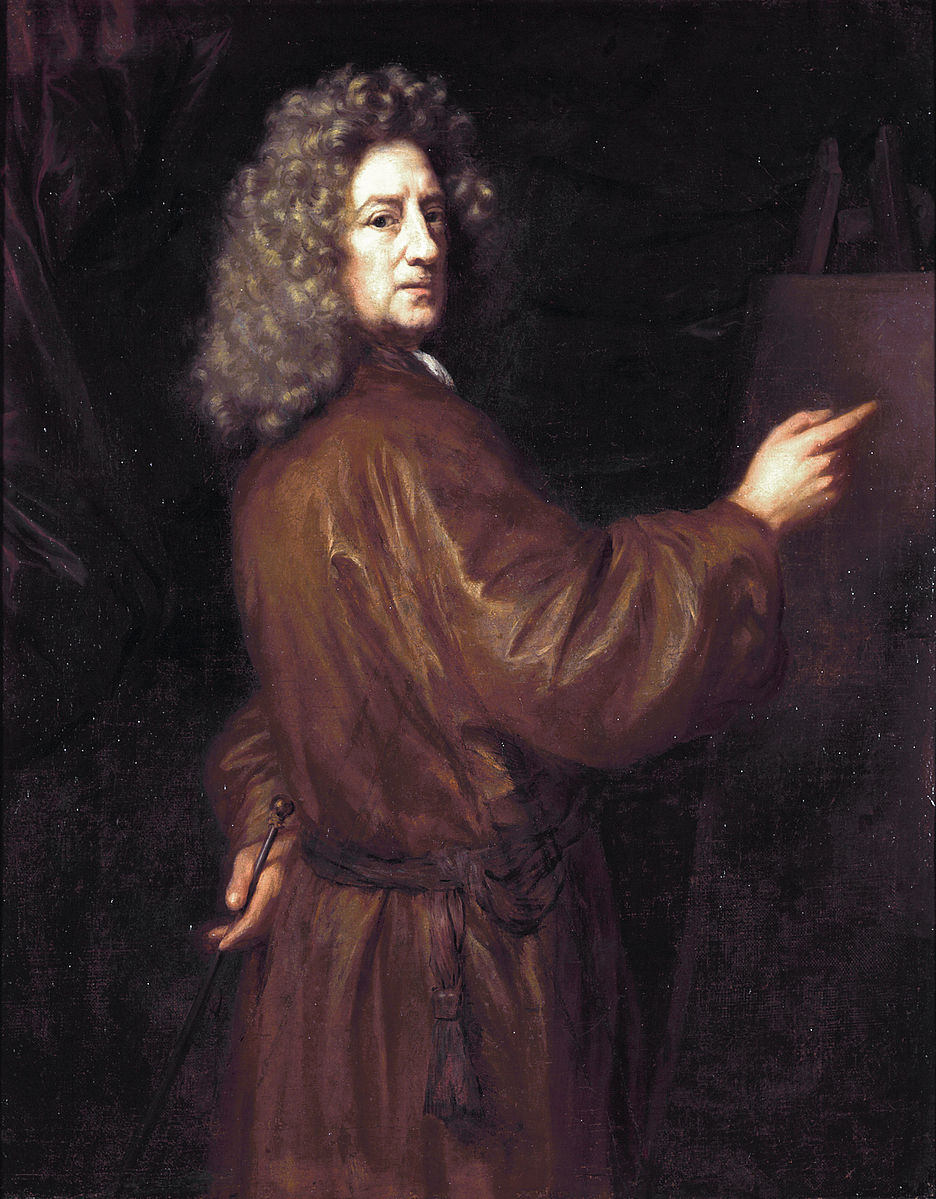
Nicolaes Maes was a Dutch painter known for his genre scenes, portraits, religious compositions and the occasional still life. A pupil of Rembrandt in Amsterdam, he returned to work in his native city of Dordrecht for 20 years. In the latter part of his career he returned to Amsterdam where he became the leading portrait painter of his time. Maes contributed to the development of genre painting in the Netherlands and was the most prominent portrait painter working in Amsterdam in the final three decades of the 17th century.

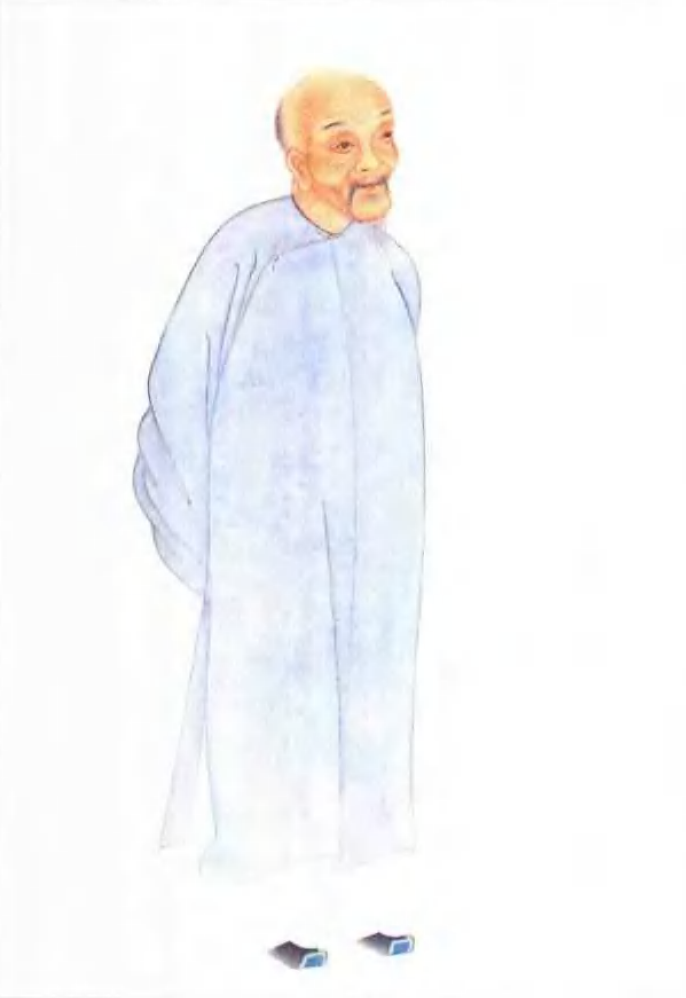
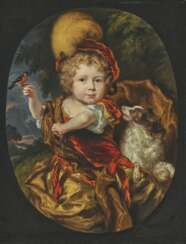

Nicolaes Maes was a Dutch painter known for his genre scenes, portraits, religious compositions and the occasional still life. A pupil of Rembrandt in Amsterdam, he returned to work in his native city of Dordrecht for 20 years. In the latter part of his career he returned to Amsterdam where he became the leading portrait painter of his time. Maes contributed to the development of genre painting in the Netherlands and was the most prominent portrait painter working in Amsterdam in the final three decades of the 17th century.
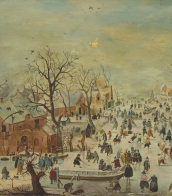
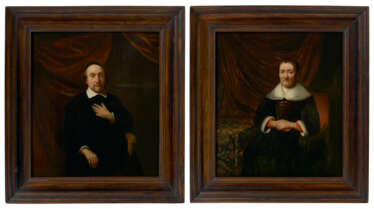

Nicolaes Maes was a Dutch painter known for his genre scenes, portraits, religious compositions and the occasional still life. A pupil of Rembrandt in Amsterdam, he returned to work in his native city of Dordrecht for 20 years. In the latter part of his career he returned to Amsterdam where he became the leading portrait painter of his time. Maes contributed to the development of genre painting in the Netherlands and was the most prominent portrait painter working in Amsterdam in the final three decades of the 17th century.
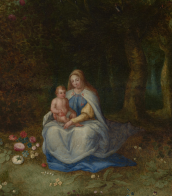


Nicolaes Maes was a Dutch painter known for his genre scenes, portraits, religious compositions and the occasional still life. A pupil of Rembrandt in Amsterdam, he returned to work in his native city of Dordrecht for 20 years. In the latter part of his career he returned to Amsterdam where he became the leading portrait painter of his time. Maes contributed to the development of genre painting in the Netherlands and was the most prominent portrait painter working in Amsterdam in the final three decades of the 17th century.
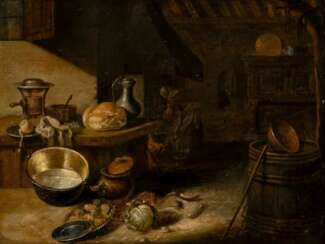

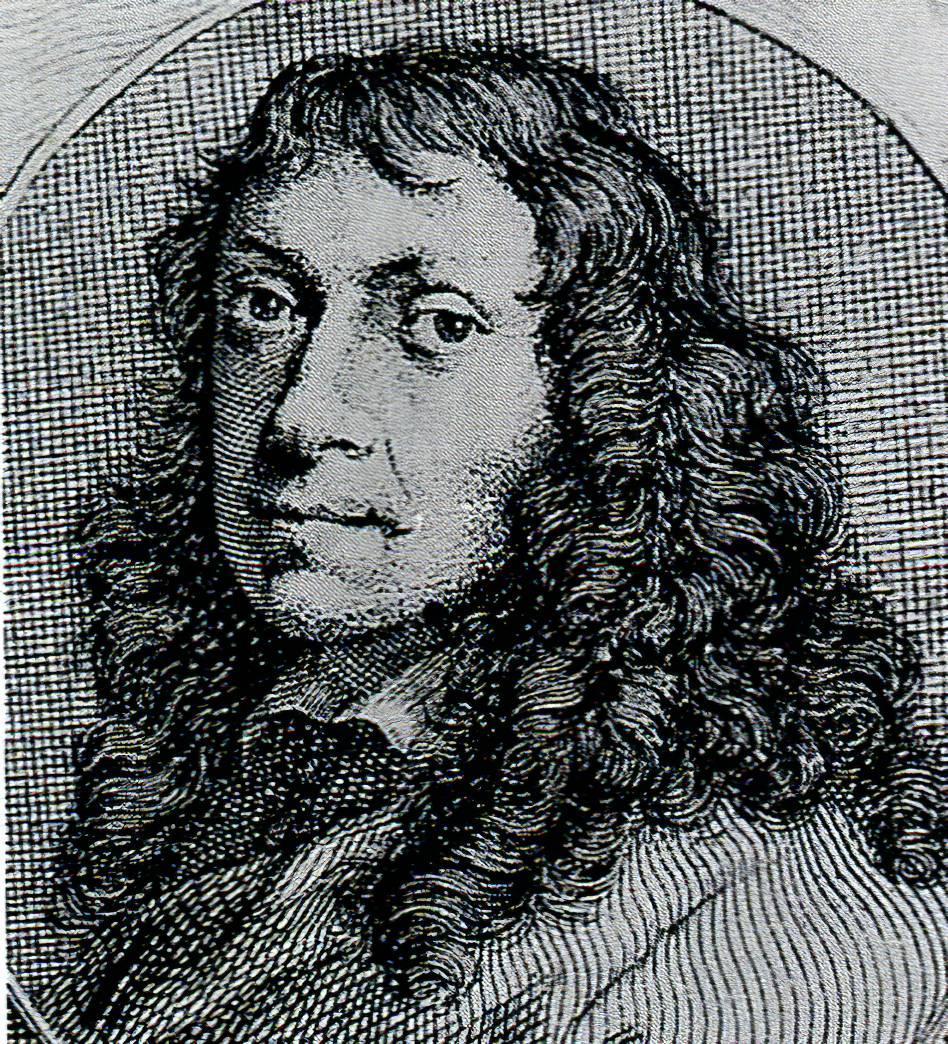
Willem Kalf was one of the most prominent Dutch still-life painters of the 17th century, the Dutch Golden Age.



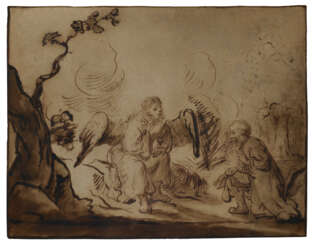

Nicolaes Maes was a Dutch painter known for his genre scenes, portraits, religious compositions and the occasional still life. A pupil of Rembrandt in Amsterdam, he returned to work in his native city of Dordrecht for 20 years. In the latter part of his career he returned to Amsterdam where he became the leading portrait painter of his time. Maes contributed to the development of genre painting in the Netherlands and was the most prominent portrait painter working in Amsterdam in the final three decades of the 17th century.


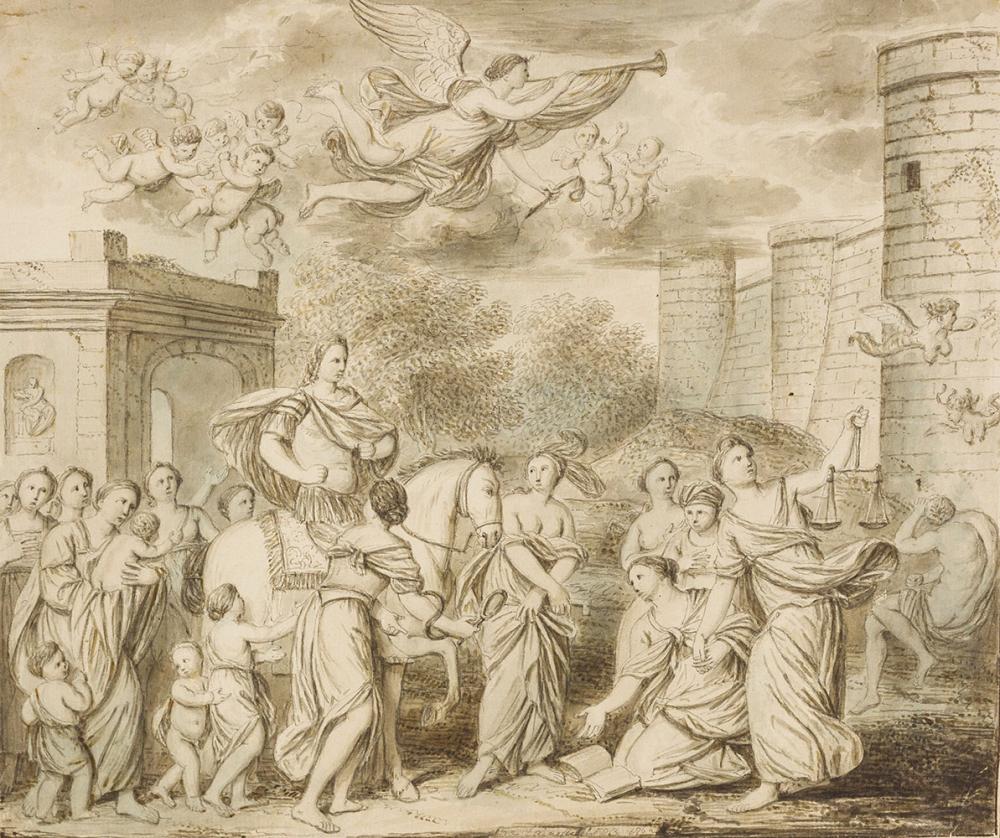
Louis Fabricius Dubourg (Louis Fabritius du Bourg) was an historical and academic painter of arcadian landscapes, and an engraver.
He was a pupil of Gerard de Lairesse, Gerrit Rademaker (1672-1711) and Jacob van Huysum. In 1718 he became sexton of a small wooden church on Kerkstraat. Around 1726 he was practising foreshortening and may have been a member of an academy; he produced a lot of nude (art) during his life.

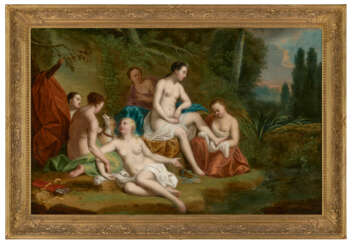

Louis Fabricius Dubourg (Louis Fabritius du Bourg) was an historical and academic painter of arcadian landscapes, and an engraver.
He was a pupil of Gerard de Lairesse, Gerrit Rademaker (1672-1711) and Jacob van Huysum. In 1718 he became sexton of a small wooden church on Kerkstraat. Around 1726 he was practising foreshortening and may have been a member of an academy; he produced a lot of nude (art) during his life.
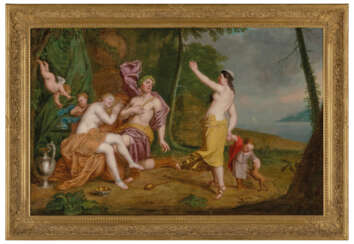

Louis Fabricius Dubourg (Louis Fabritius du Bourg) was an historical and academic painter of arcadian landscapes, and an engraver.
He was a pupil of Gerard de Lairesse, Gerrit Rademaker (1672-1711) and Jacob van Huysum. In 1718 he became sexton of a small wooden church on Kerkstraat. Around 1726 he was practising foreshortening and may have been a member of an academy; he produced a lot of nude (art) during his life.
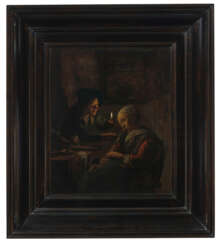

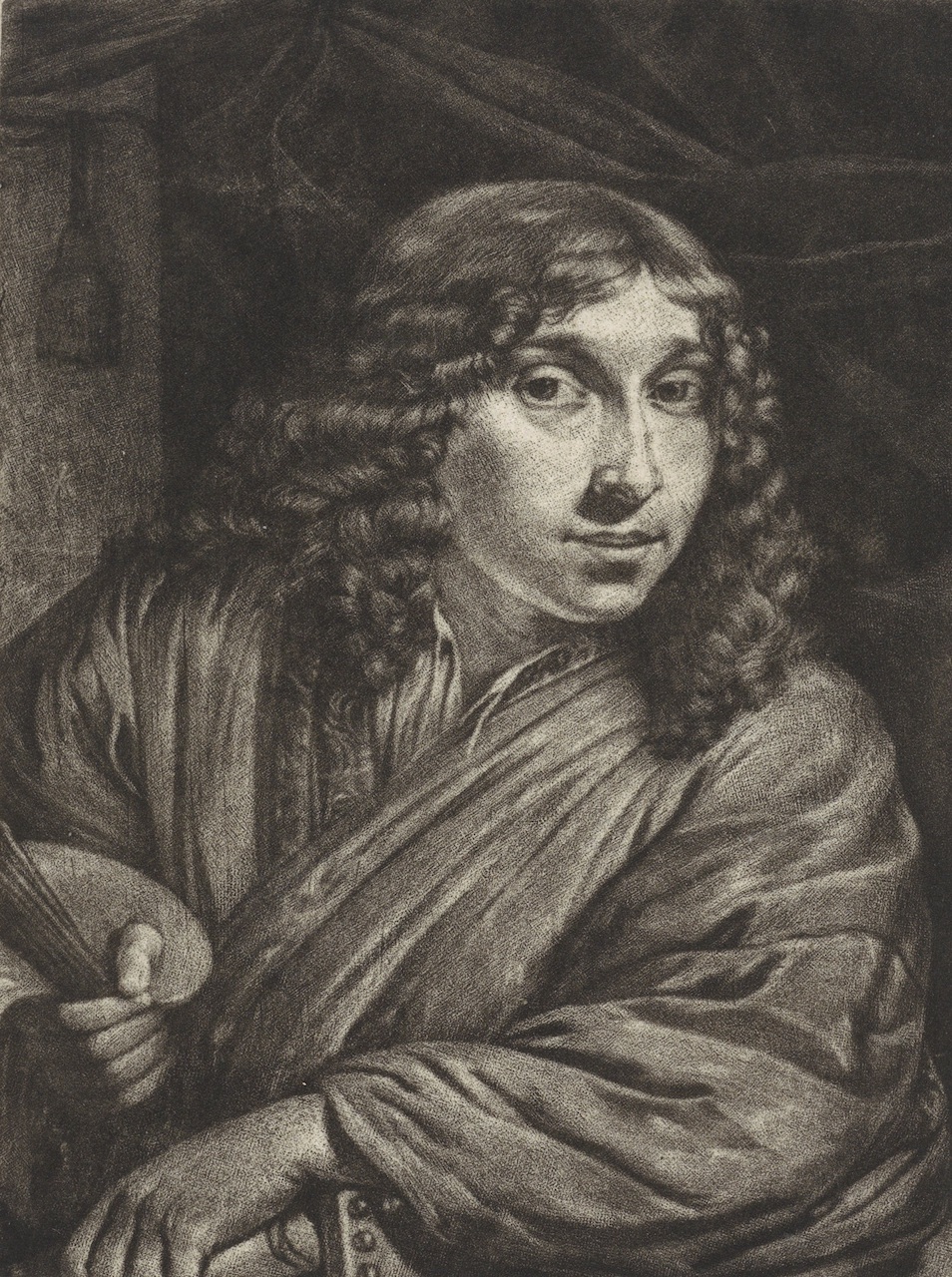
Jan Verkolje was a Dutch painter-drawer and engraver of the Golden Age. He is known for his portraits and genre scenes in interiors, and to a lesser extent for religious and mythological compositions. Vercolje was a gifted self-taught artist in various drawing techniques - drawing, engraving, metal carving (mezzotint).
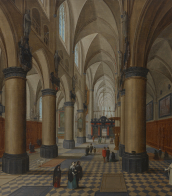


Nicolaes Maes was a Dutch painter known for his genre scenes, portraits, religious compositions and the occasional still life. A pupil of Rembrandt in Amsterdam, he returned to work in his native city of Dordrecht for 20 years. In the latter part of his career he returned to Amsterdam where he became the leading portrait painter of his time. Maes contributed to the development of genre painting in the Netherlands and was the most prominent portrait painter working in Amsterdam in the final three decades of the 17th century.
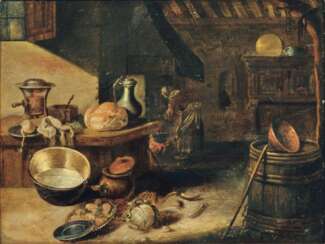

Willem Kalf was one of the most prominent Dutch still-life painters of the 17th century, the Dutch Golden Age.

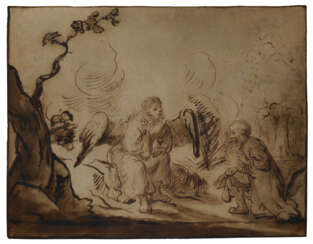

Nicolaes Maes was a Dutch painter known for his genre scenes, portraits, religious compositions and the occasional still life. A pupil of Rembrandt in Amsterdam, he returned to work in his native city of Dordrecht for 20 years. In the latter part of his career he returned to Amsterdam where he became the leading portrait painter of his time. Maes contributed to the development of genre painting in the Netherlands and was the most prominent portrait painter working in Amsterdam in the final three decades of the 17th century.
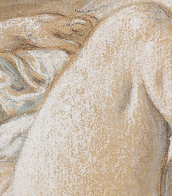
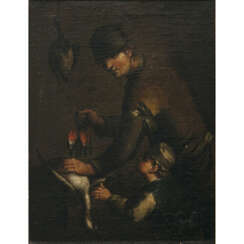

Nicolaes Maes was a Dutch painter known for his genre scenes, portraits, religious compositions and the occasional still life. A pupil of Rembrandt in Amsterdam, he returned to work in his native city of Dordrecht for 20 years. In the latter part of his career he returned to Amsterdam where he became the leading portrait painter of his time. Maes contributed to the development of genre painting in the Netherlands and was the most prominent portrait painter working in Amsterdam in the final three decades of the 17th century.
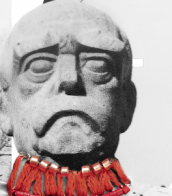
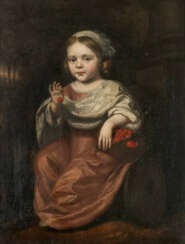

Nicolaes Maes was a Dutch painter known for his genre scenes, portraits, religious compositions and the occasional still life. A pupil of Rembrandt in Amsterdam, he returned to work in his native city of Dordrecht for 20 years. In the latter part of his career he returned to Amsterdam where he became the leading portrait painter of his time. Maes contributed to the development of genre painting in the Netherlands and was the most prominent portrait painter working in Amsterdam in the final three decades of the 17th century.

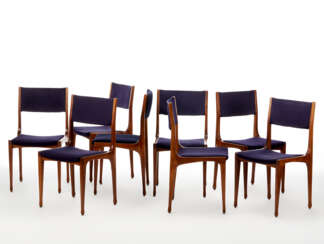

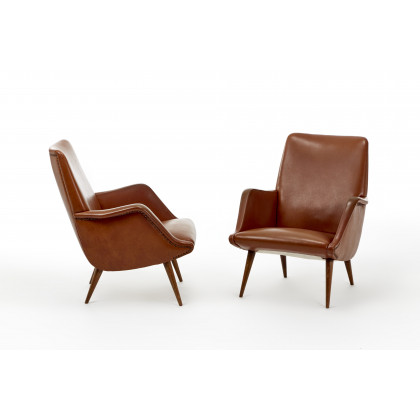
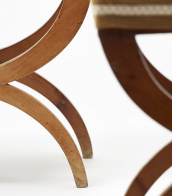
Carlo De Carli is an Italian architect, designer, essayist and academic, one of the protagonists of modern architecture, industrial design and their teaching.


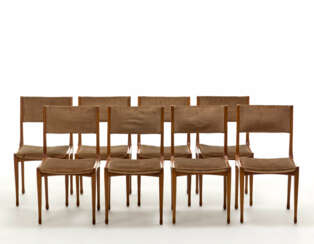

Carlo De Carli is an Italian architect, designer, essayist and academic, one of the protagonists of modern architecture, industrial design and their teaching.