allier


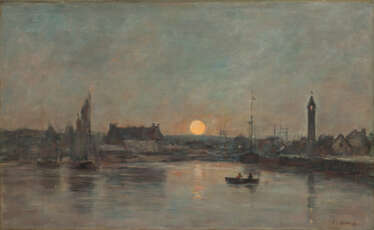

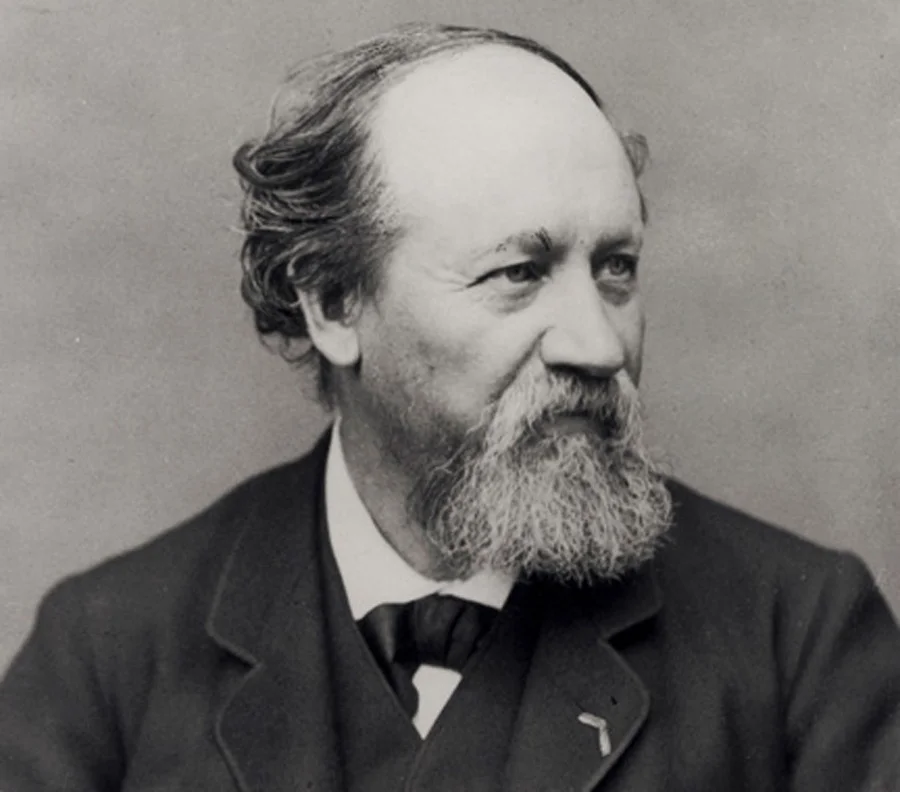
Eugène Louis Boudin was one of the first French landscape painters to paint outdoors. Boudin was a marine painter, and expert in the rendering of all that goes upon the sea and along its shores. His pastels, summary and economic, garnered the splendid eulogy of Baudelaire; and Corot called him the «King of the skies».


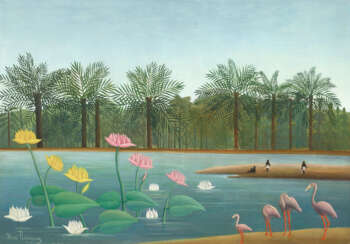

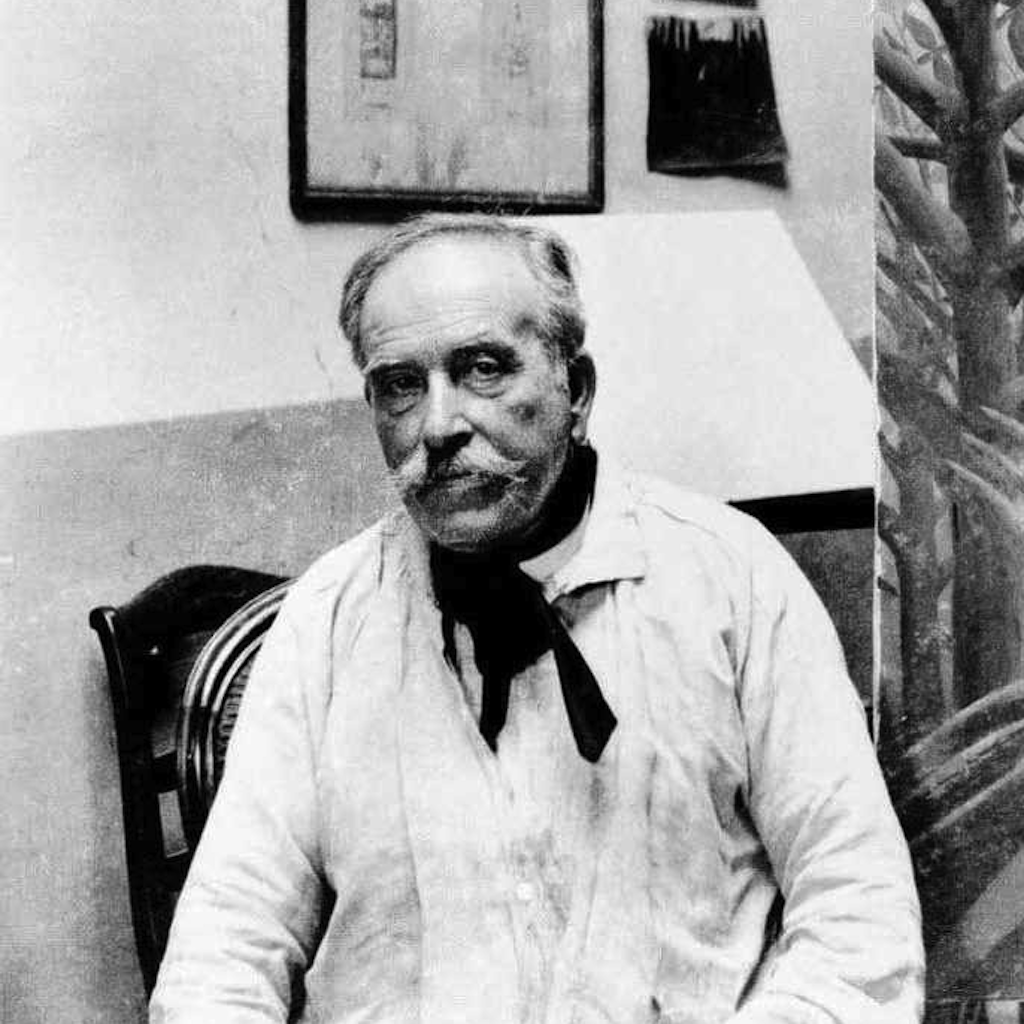
Henri Rousseau was a remarkable French painter, whose work continues to captivate art collectors and experts. Born in Laval, France, in 1844, Rousseau's artistic journey was unconventional. He began painting later in life, around the age of forty, and was primarily self-taught. Despite a lack of formal training, Rousseau developed a unique style that set him apart in the art world.
Rousseau's paintings, characterized by their rich colors and detailed depiction of jungle scenes, wild animals, and exotic figures, marked him as the archetype of the modern naïve artist. He regularly exhibited at the Salon des Indépendants from 1886, gaining attention and admiration over time, especially for works like "Tiger in a Tropical Storm (Surprised!)" and "The Sleeping Gypsy". His art was distinctive for its dreamlike quality and its blend of fantasy and reality.
In 1905, Rousseau exhibited "The Hungry Lion Throws Itself on the Antelope" at the Salon des Indépendants, alongside works by avant-garde artists such as Henri Matisse, marking the first showing of The Fauves. This exhibition was a significant moment, as it highlighted Rousseau's influence on and connection with contemporary art movements. His work, particularly his jungle scenes, was a precursor to surrealism, seen in later artists like René Magritte.
Rousseau's art also included suburban landscapes of Paris, offering a tranquil and cultivated view of the city in contrast to the emotionally charged jungles. These works often included modern elements like smokestacks and telephone poles, yet maintained an eerie stillness, making the familiar appear strange.
A notable event in Rousseau's life was the banquet held in his honor by Pablo Picasso in 1908, an event that signified Rousseau's growing recognition and influence in the art world. This gathering was attended by many influential artists and writers of the time.
Rousseau continued to paint until his death in 1910. His final painting, "The Dream", was exhibited in the same year. Today, Rousseau's works are celebrated for their originality and imaginative quality, and can be found in major museums and galleries worldwide.
For art collectors and experts, Rousseau's work represents a unique blend of naïve art and modern artistic movements. His influence on subsequent artists and his distinct style make his paintings a valuable addition to any collection.
Stay updated on new discoveries and sales related to Henri Rousseau by signing up for our updates. Please note, this subscription is specifically for alerts on new product sales and auction events related to Henri Rousseau.
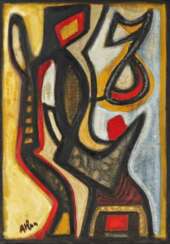

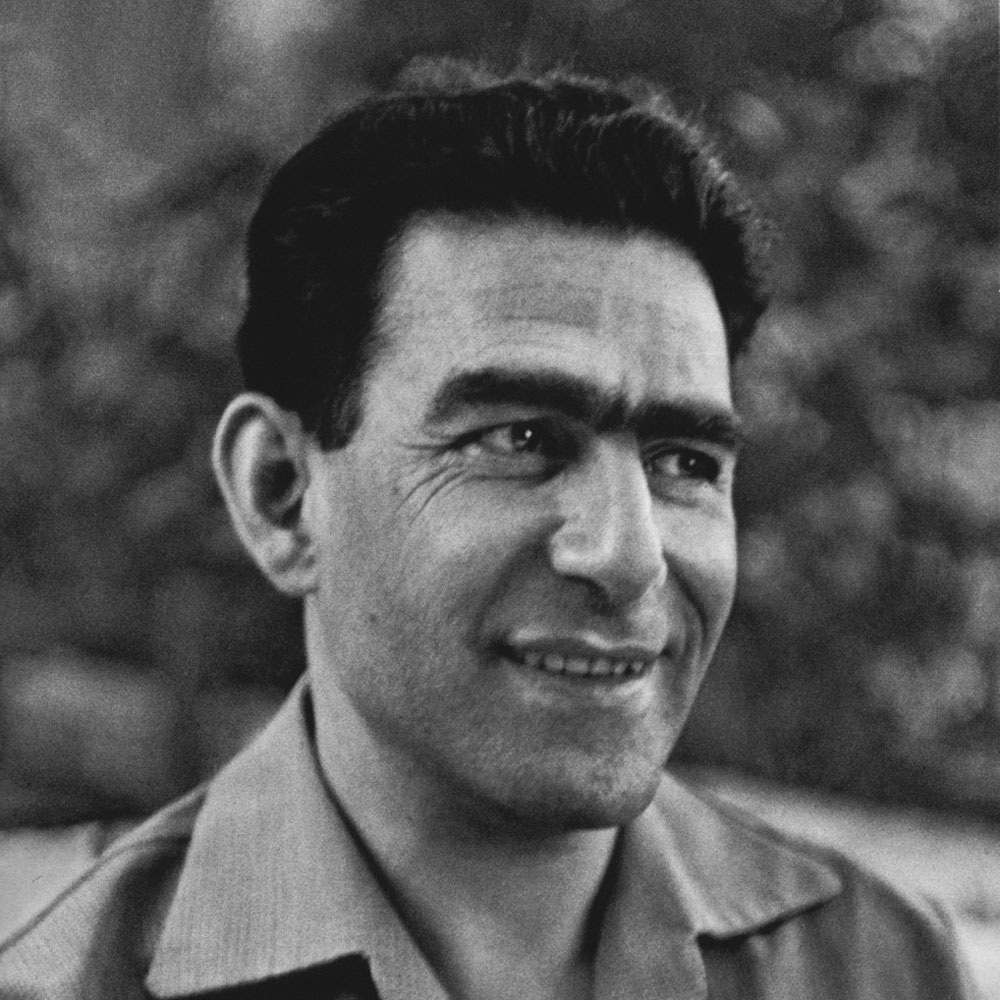
Jean-Michel Atlan was a French artist.
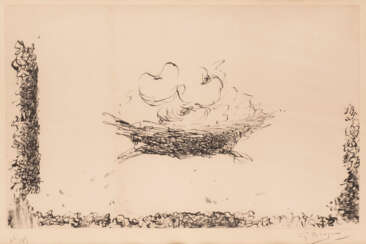

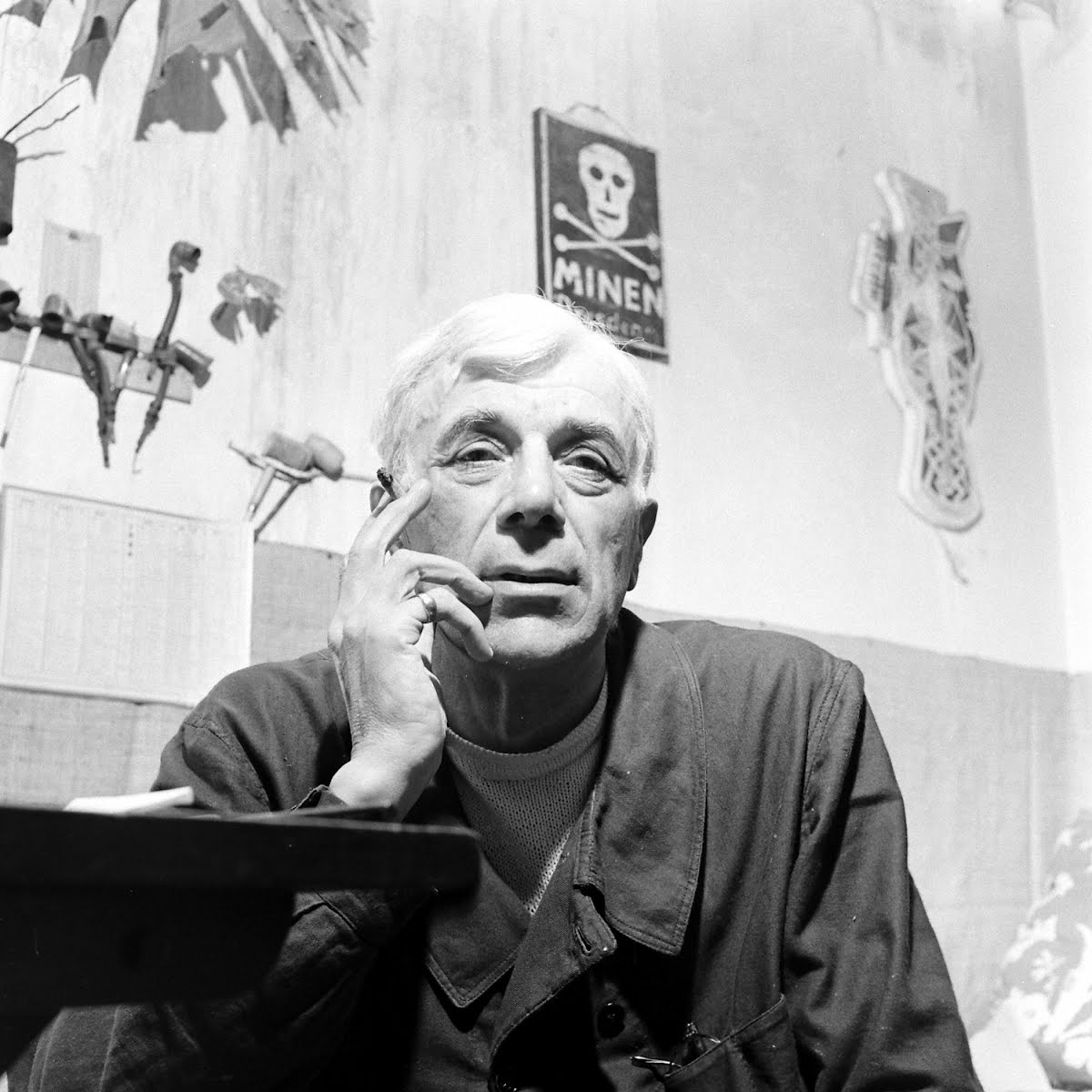
Georges Braque, a French artist, is celebrated as a pivotal figure in the development of Cubism, alongside Pablo Picasso. Braque's artistic journey transitioned from Impressionism to Fauvism before he delved into the groundbreaking realm of Cubism, characterized by its innovative use of perspective and geometric forms. His partnership with Picasso during the early 20th century marked a significant phase in art history, as they collectively pioneered the Analytic and Synthetic phases of Cubism.
Georges Braque's oeuvre is renowned for its technical precision, introspective quality, and harmonious color palettes. His contributions extended beyond painting to include sculpture and collage, demonstrating his versatile mastery over various mediums. Notable works like "Violin and Candlestick" and "Man with a Guitar" underscore his talent in transforming everyday objects into abstracted, multifaceted compositions.
Throughout his career, Georges Braque remained deeply committed to exploring the boundaries of visual perception and form. After World War I, his style evolved, incorporating brighter colors and new themes, yet he maintained a steadfast adherence to Cubist principles. His later years saw a focus on personal motifs, such as birds, which symbolized freedom and dynamism in his art.
Georges Braque's legacy is preserved in prestigious collections worldwide, including the Museum of Modern Art (MoMA), which houses a significant number of his works. His artistic innovations continue to inspire and influence the realms of art and culture.
For collectors and art enthusiasts, Georges Braque's work offers a profound insight into the evolution of modern art and the enduring allure of Cubism. His pieces are a testament to the enduring power of creativity and innovation in the face of changing artistic landscapes.
If you're keen on exploring Braque's contributions to art and wish to stay updated on exhibitions and sales featuring his work, consider subscribing for updates on Georges Braque's pieces and their presence in the art market today.
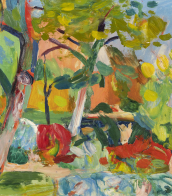
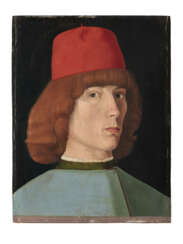

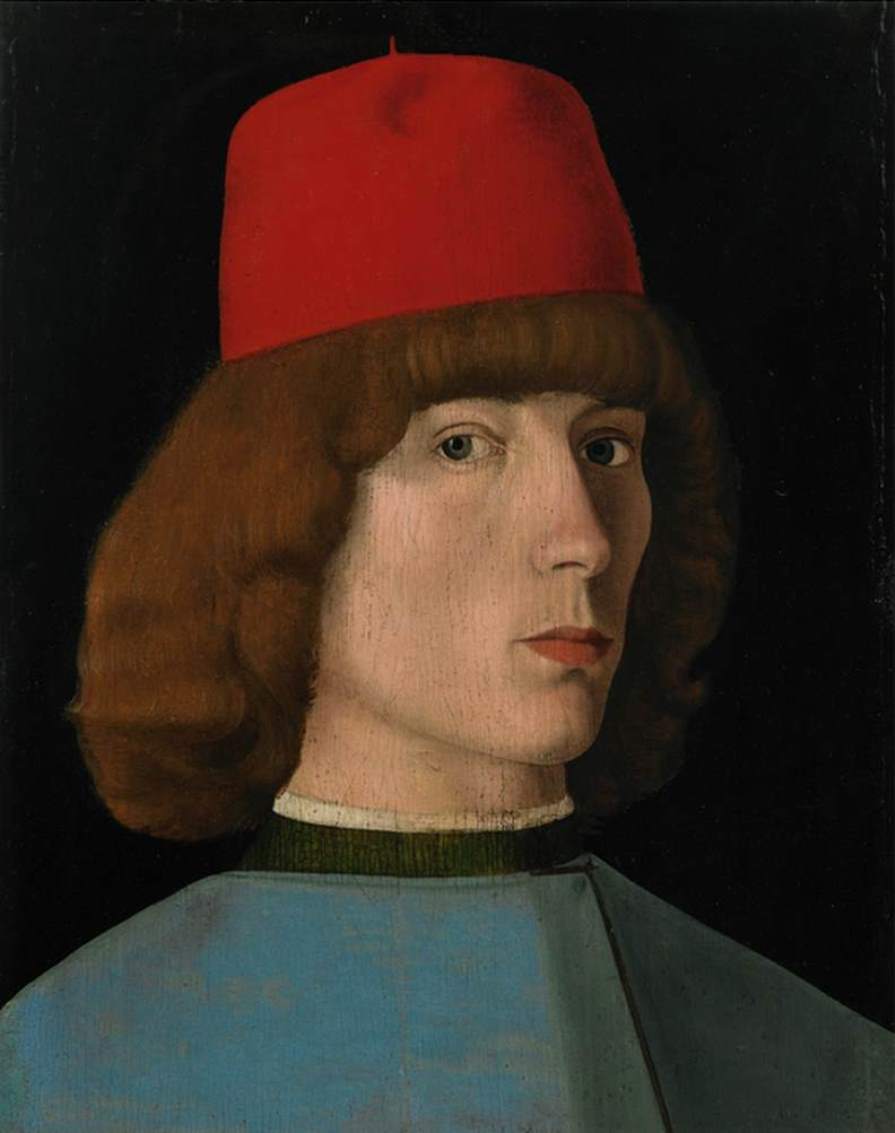
Jacopo da Valenza was an Italian Renaissance painter.
He worked between 1485 and 1509 in many churches in the Belluno and Vittoria districts of Veneto, creating altarpieces and altarpieces. Two of his most important works are now preserved in Vittorio Veneto, in their original locations: the Madonna and Child on the Throne in the cathedral of Ceneda, 1484, and the Madonna and Child in the church of San Giovanni Battista di Serravalle, 1502. Some works are in museums in Italy.
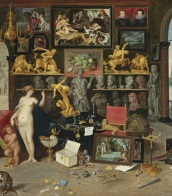
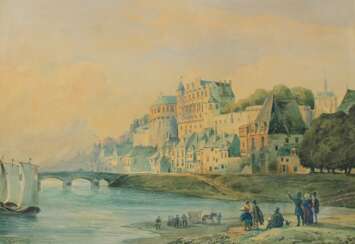

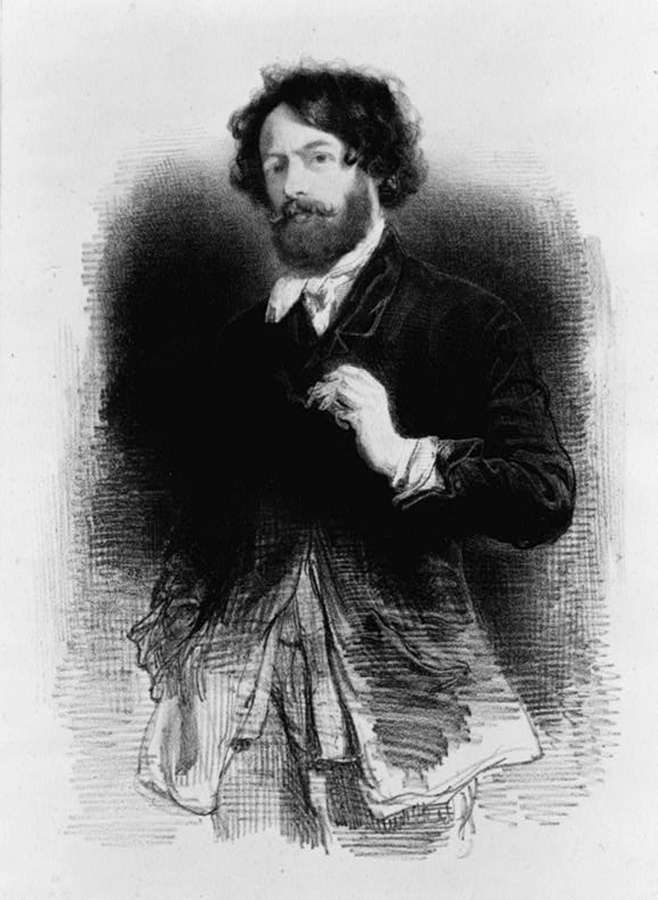
Paul Gavarni, real name Hippolyte Sulpice Guillaume Chevalier, was a French painter, cartoonist, illustrator, and a prominent 19th-century satirist.
Beginning his career as an assistant engineer, he showed signs of his future genius in the late 1820s as a fashion designer and illustrator. His talent for caricature and satirical art, however, led him to the editorship of Les Gens du Monde in 1835. Paul Gavarni, one of the smartest caricaturists, had no equal in drawing, capturing the follies and foibles of his time. He developed close friendships with many other leading artists and contemporary writers, including Honoré Balzac, Charles Dickens and William Maykpis Thackeray. His work was collected by Queen Victoria, as well as by Edgar Degas and Vincent van Gogh.
Gavarnie's long association with the popular magazine Le Charivari, with which Dumier and other cartoonists of the time also collaborated, was the pinnacle of his career. Working continuously from 1838 to 1844, he produced more than 900 engravings illustrating secular Parisian life with great wit, charm, and satire. He also illustrated the novels of Balzac and Eugène Sue and the short stories of Hoffmann. In addition to satirical works, Gavarni also distinguished himself in portraiture and sketches.
But it was not only in social circles that Gavarni revolved, where he was admired. In 1847 he spent a year in London, painting the inhabitants of the poor quarters around Whitechapel and producing some of his best work there.




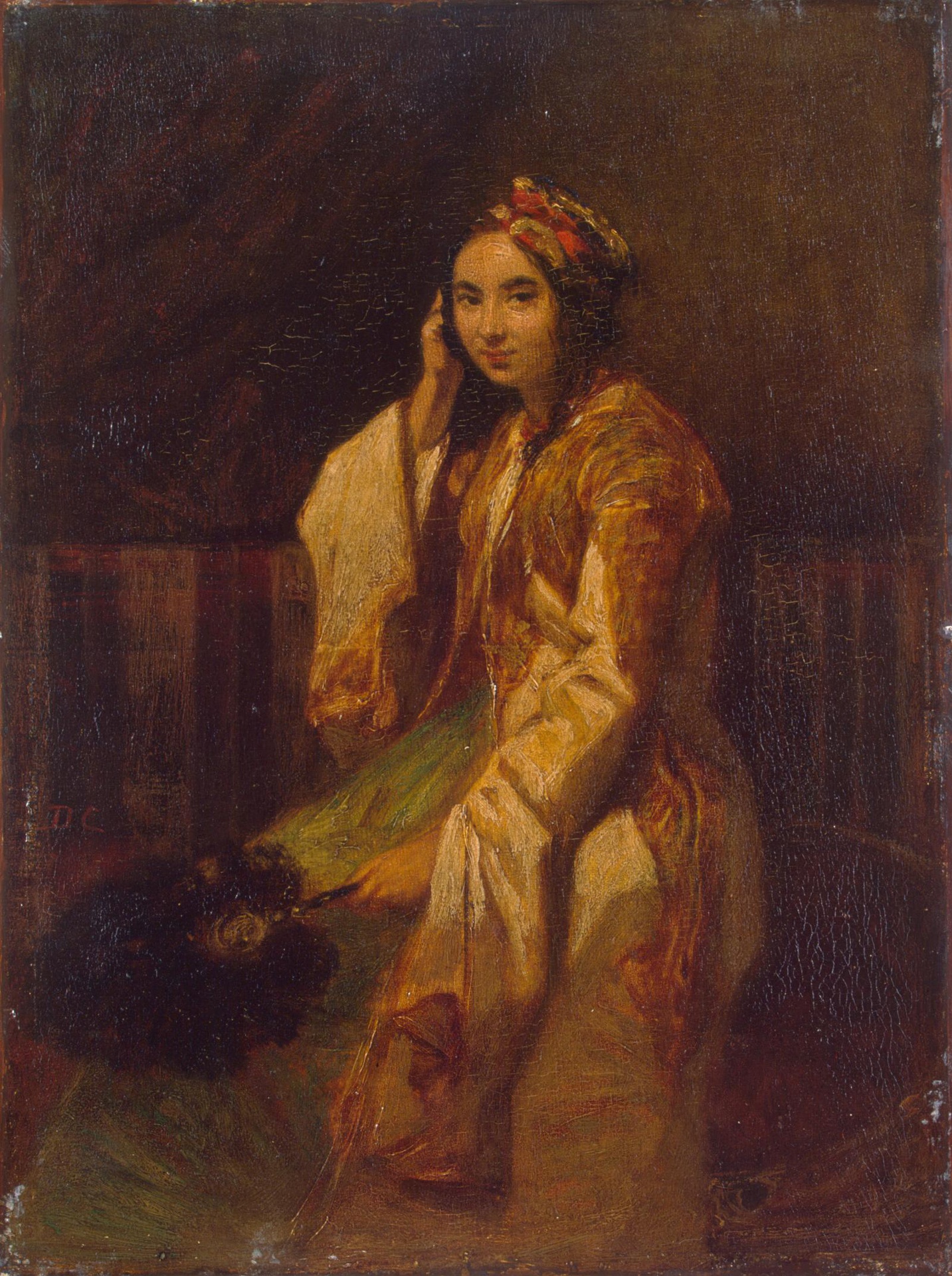
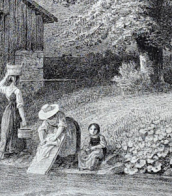
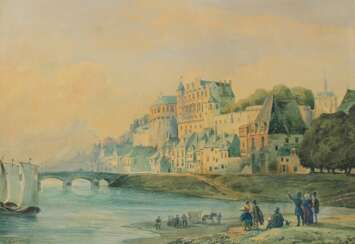



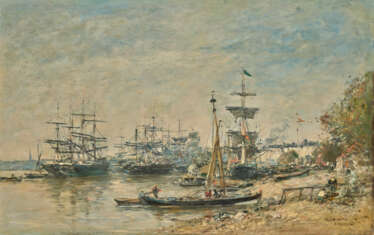

Eugène Louis Boudin was one of the first French landscape painters to paint outdoors. Boudin was a marine painter, and expert in the rendering of all that goes upon the sea and along its shores. His pastels, summary and economic, garnered the splendid eulogy of Baudelaire; and Corot called him the «King of the skies».





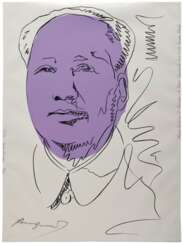

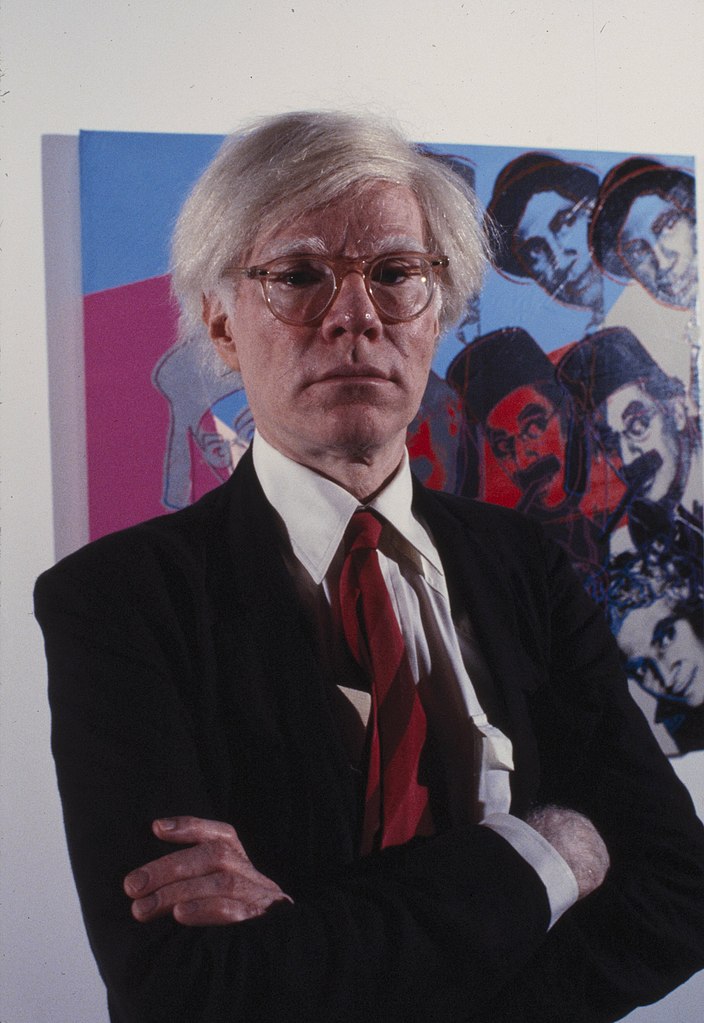
Andy Warhol, born as Andrew Warhola Jr., was an American visual artist, film director, and producer, who played a pivotal role in the development of the Pop Art movement. His art delved into the interplay between artistic expression, advertising, and celebrity culture, especially prevalent in the 1960s. Warhol was renowned for his diverse range of media, which included painting, silkscreening, photography, film, and sculpture.
Warhol's journey began in Pittsburgh, where he was born and raised, initially making a name for himself as a commercial illustrator. His New York studio, "The Factory," became a famous hub for intellectuals, celebrities, and various artistic minds. He was known for creating the notion of "Warhol superstars" and popularized the phrase "15 minutes of fame."
His contribution to the art world is significant, with notable works like "Campbell's Soup Cans" (1962) and "Marilyn Diptych" (1962), as well as his experimental films like "Empire" (1964) and "Chelsea Girls" (1966). These works not only define his career but also underscore the essence of the Pop Art movement.
Warhol's influence extended beyond his artwork. He managed and produced the experimental rock band The Velvet Underground, founded Interview magazine, and wrote several books, including "The Philosophy of Andy Warhol" and "Popism: The Warhol Sixties." Living openly as a gay man before the gay liberation movement, Warhol's personal life was as influential as his professional endeavors.
Tragically, Warhol's life was nearly cut short in 1968 when he was shot by radical feminist Valerie Solanas. He eventually passed away in 1987 due to cardiac arrhythmia following gallbladder surgery. His legacy continues, with The Andy Warhol Museum in Pittsburgh standing as the largest U.S. museum dedicated to a single artist.
Warhol's art remains highly collectible and valuable. His works, like the "Silver Car Crash (Double Disaster)" and "Shot Sage Blue Marilyn," have fetched staggering amounts at auctions, signifying his enduring impact on the art market.
For art collectors and experts, Andy Warhol's work represents a crucial intersection of pop culture and fine art, offering a unique perspective on consumerism and celebrity. His pieces are not just art; they are historical landmarks that capture a transformative era in both art and society.
To stay updated on new products, sales, and auction events related to Andy Warhol, sign up for our updates. This subscription will keep you informed about all things Warhol without overwhelming you with unnecessary information.


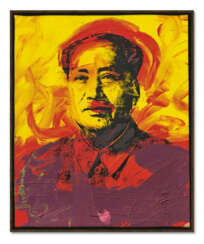

Andy Warhol, born as Andrew Warhola Jr., was an American visual artist, film director, and producer, who played a pivotal role in the development of the Pop Art movement. His art delved into the interplay between artistic expression, advertising, and celebrity culture, especially prevalent in the 1960s. Warhol was renowned for his diverse range of media, which included painting, silkscreening, photography, film, and sculpture.
Warhol's journey began in Pittsburgh, where he was born and raised, initially making a name for himself as a commercial illustrator. His New York studio, "The Factory," became a famous hub for intellectuals, celebrities, and various artistic minds. He was known for creating the notion of "Warhol superstars" and popularized the phrase "15 minutes of fame."
His contribution to the art world is significant, with notable works like "Campbell's Soup Cans" (1962) and "Marilyn Diptych" (1962), as well as his experimental films like "Empire" (1964) and "Chelsea Girls" (1966). These works not only define his career but also underscore the essence of the Pop Art movement.
Warhol's influence extended beyond his artwork. He managed and produced the experimental rock band The Velvet Underground, founded Interview magazine, and wrote several books, including "The Philosophy of Andy Warhol" and "Popism: The Warhol Sixties." Living openly as a gay man before the gay liberation movement, Warhol's personal life was as influential as his professional endeavors.
Tragically, Warhol's life was nearly cut short in 1968 when he was shot by radical feminist Valerie Solanas. He eventually passed away in 1987 due to cardiac arrhythmia following gallbladder surgery. His legacy continues, with The Andy Warhol Museum in Pittsburgh standing as the largest U.S. museum dedicated to a single artist.
Warhol's art remains highly collectible and valuable. His works, like the "Silver Car Crash (Double Disaster)" and "Shot Sage Blue Marilyn," have fetched staggering amounts at auctions, signifying his enduring impact on the art market.
For art collectors and experts, Andy Warhol's work represents a crucial intersection of pop culture and fine art, offering a unique perspective on consumerism and celebrity. His pieces are not just art; they are historical landmarks that capture a transformative era in both art and society.
To stay updated on new products, sales, and auction events related to Andy Warhol, sign up for our updates. This subscription will keep you informed about all things Warhol without overwhelming you with unnecessary information.
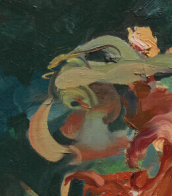
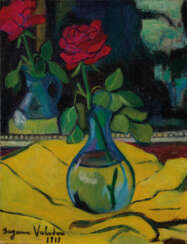

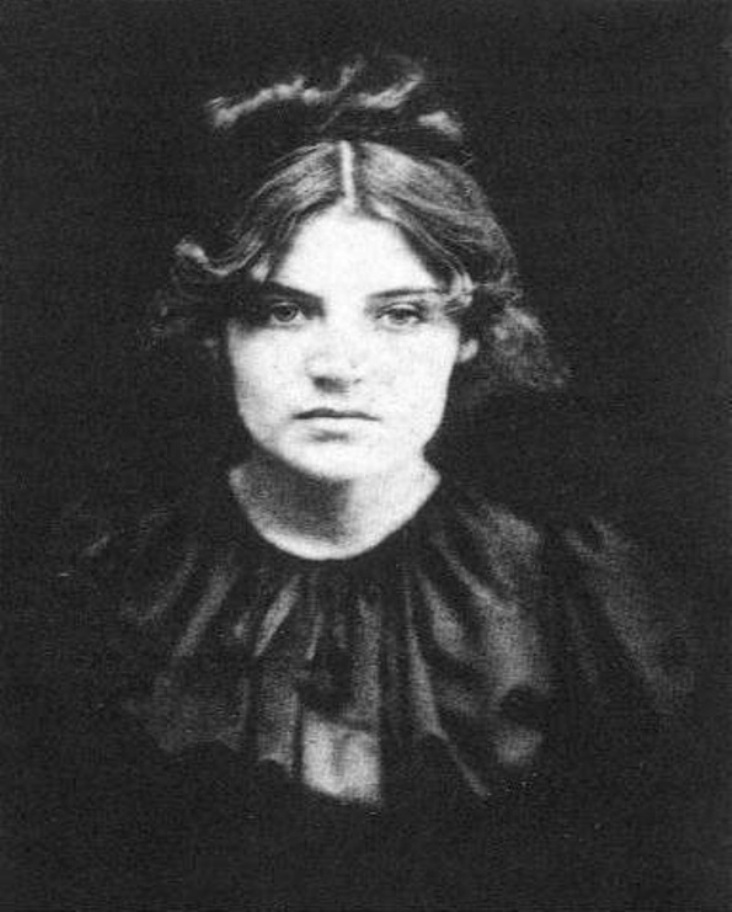
Suzanne Valadon was a trailblazing French artist, celebrated for her profound impact on the art world through her paintings, which vividly captured the essence of her subjects with bold colors and strong compositions. Born in 1865 in Bessines-sur-Gartempe, France, Valadon's journey from an artist's model to a respected painter is a testament to her relentless determination and unique talent. Her early years in Montmartre, the bohemian heart of Paris, shaped her rebellious spirit and artistic sensibility, leading her to mingle with and model for prominent artists like Edgar Degas and Pierre-Auguste Renoir. These experiences, alongside her unique perspective as a woman in a male-dominated field, infused her work with a distinct sense of authenticity and emotional depth.
Valadon's art is notable for its candid depictions of female nudes, a bold departure from the idealized representations prevalent at the time. Her works are celebrated for challenging societal norms and offering a raw, unfiltered portrayal of women's lives and bodies. One of her most significant contributions to art is her mastery of color and form, which drew comparisons to the works of Matisse and Gauguin, yet with a distinctive style that was all her own. Her painting "The Blue Room" is particularly renowned, housed in the Musée National d'Art Moderne, Centre Georges Pompidou in Paris, showcasing her ability to capture the essence of the female form and the changing social norms of her time.
Valadon's legacy extends beyond her individual achievements, inspiring future generations of female artists to explore themes of identity and femininity with honesty and courage. Through her pioneering spirit and exceptional talent, Suzanne Valadon remains a seminal figure in art history, celebrated for her contributions to the post-impressionist and modern art movements.
For collectors and experts in art and antiques, Valadon's work offers a compelling insight into the evolution of female representation in art and the enduring power of authenticity in creative expression. Her paintings not only adorn the walls of prestigious museums but also continue to influence and inspire discussions about gender, identity, and artistic innovation.
We invite those with a keen interest in the rich tapestry of art history to sign up for updates on new product sales and auction events related to Suzanne Valadon. This subscription promises to be a window to acquiring pieces that celebrate the legacy of an artist who defied conventions and paved the way for future generations of women in art.
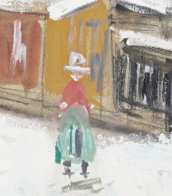
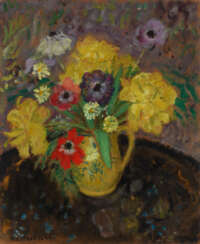

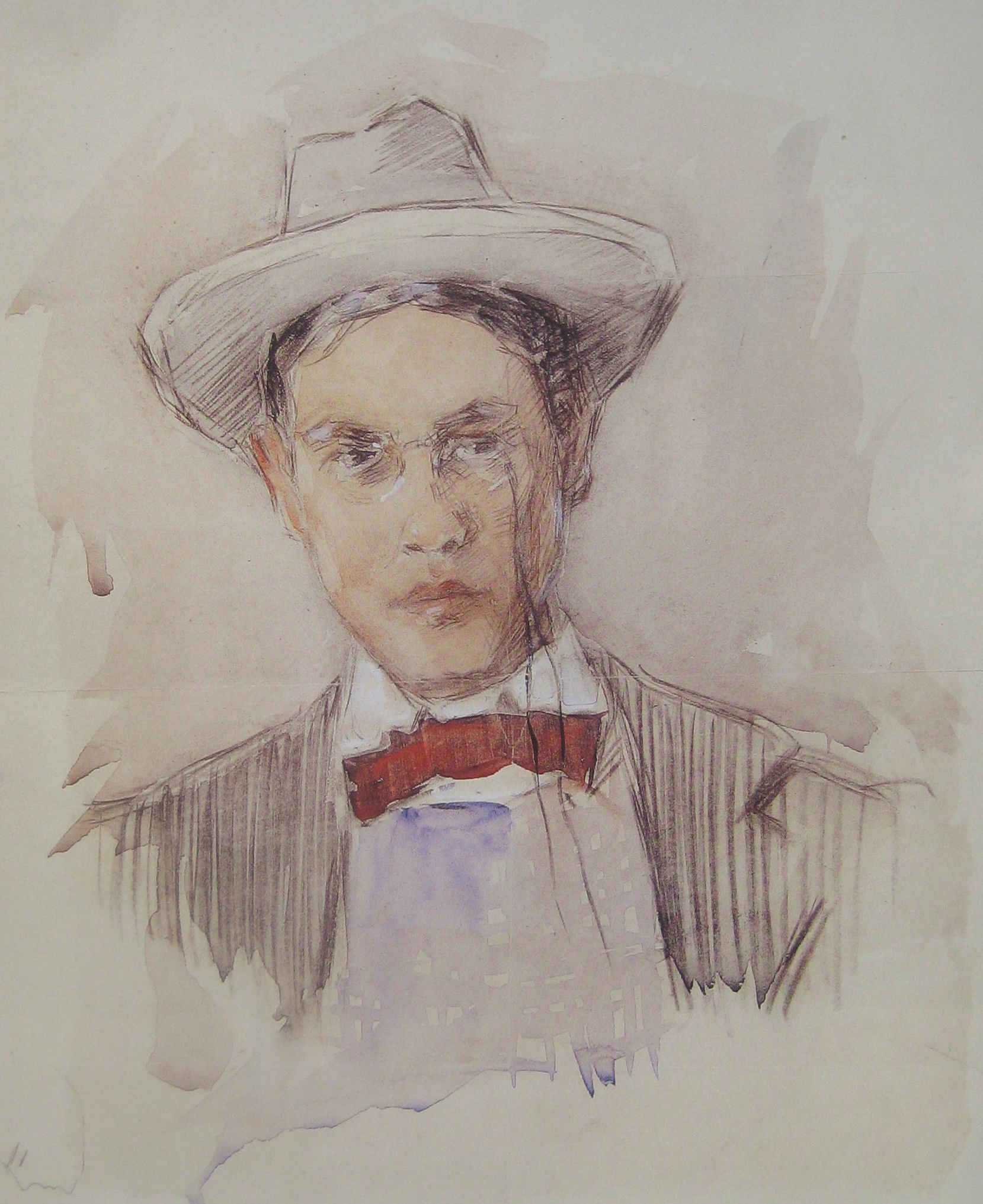
Frederick Carl Frieseke was an American Impressionist painter who spent most of his life as an expatriate in France. An influential member of the Giverny art colony, his paintings often concentrated on various effects of dappled sunlight. He is especially known for painting female subjects, both indoors and out.
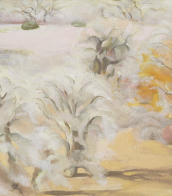
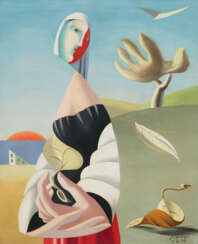

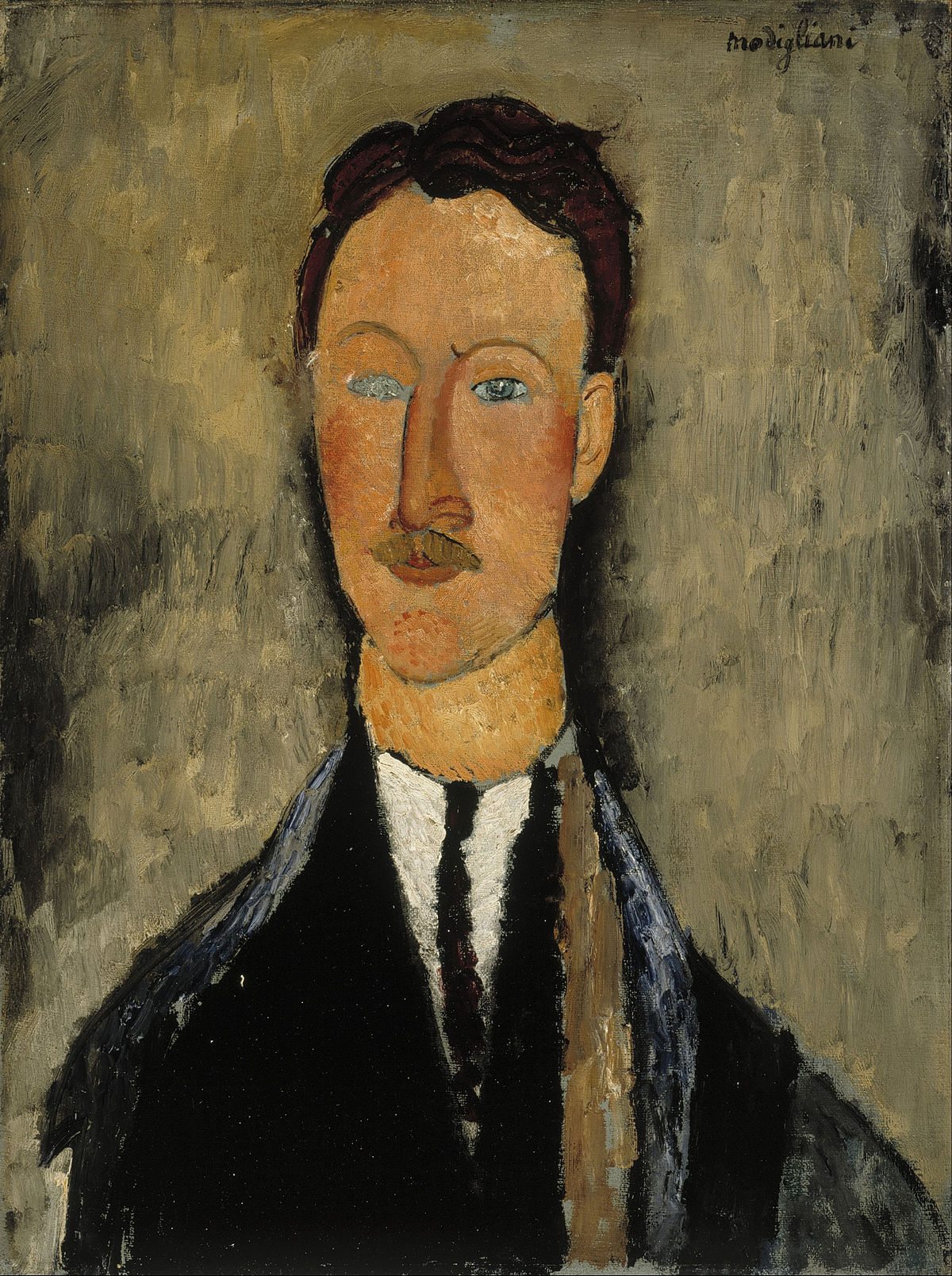
Léopold Survage was a French painter of Finnish origin. Trained in Moscow, he identified with the Russian avant-garde before moving to Paris, where he shared a studio with Amedeo Modigliani and experimented with abstract movies. He also gained commissions for Serge Diaghilev's Ballets Russes.



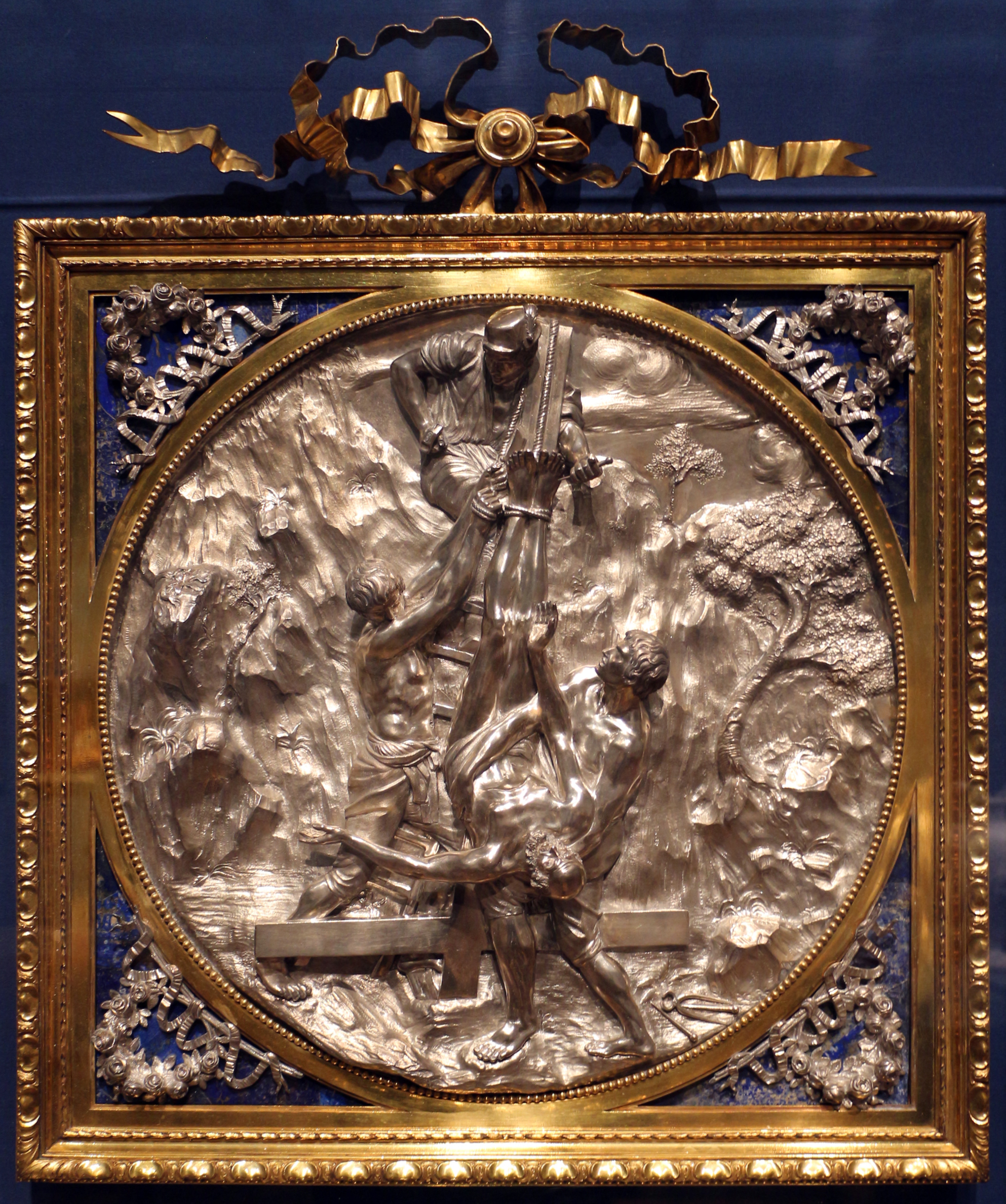
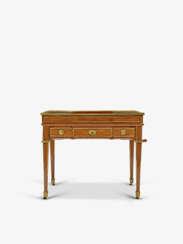

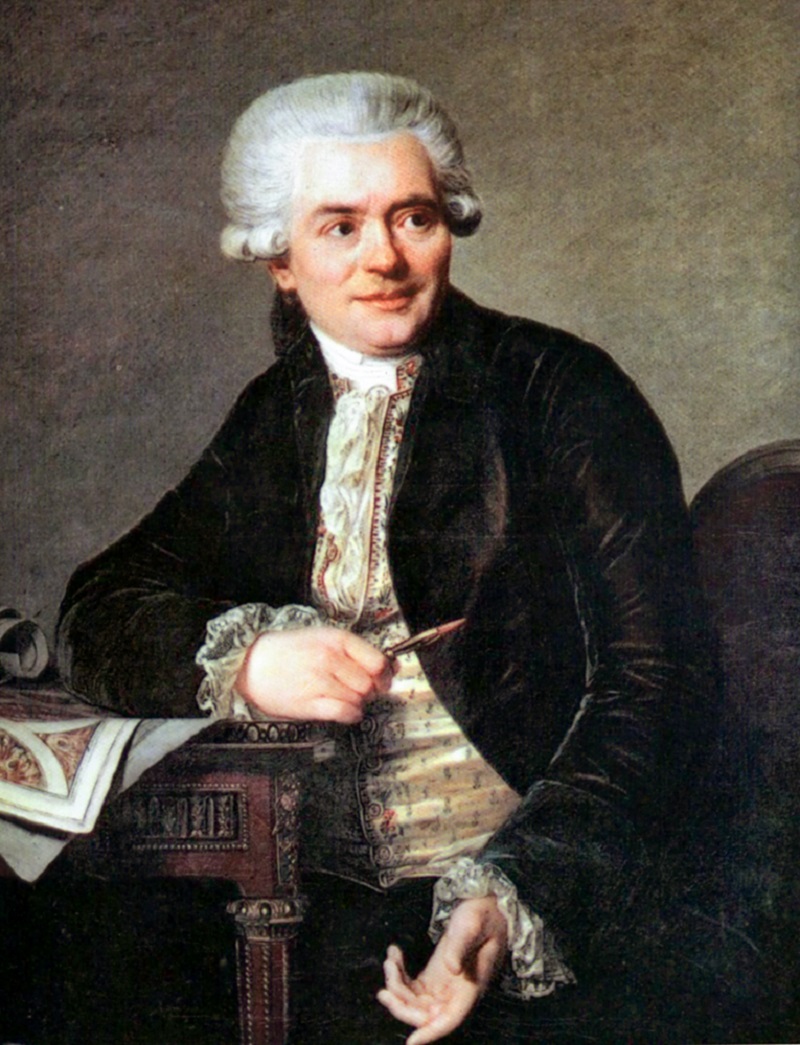
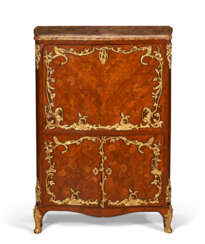
Jean-Henri Riesener was a famous German ébéniste (cabinetmaker), working in Paris, whose work exemplified the early neoclassical Louis XVI style.


.jpg)
Hubert Robert was a renowned French artist, celebrated for his captivating landscape paintings and architectural fantasies. Born in Paris in 1733, Robert's talent was nurtured early on, thanks to the patronage of the Choiseul family. His journey to Rome in 1754 marked a pivotal phase in his career, where he immersed himself in studying ancient and modern Italian architecture, significantly influencing his artistic style.
Hubert Robert's work is characterized by its romantic depiction of ruins, blending fantasy with historical accuracy, which earned him the nickname "Robert des Ruines." His landscapes and capricci, which are imaginative compositions of architectural elements, resonated with the art collectors and the aristocracy of his time, securing his place as a key figure in French art history.
Noteworthy are Hubert Robert's contributions to the design of picturesque gardens, where he provided atmospheric visions rather than practical layouts. His involvement in the creation of gardens at places like Ermenonville and Méréville showcases his ability to merge art with nature, creating spaces that were both innovative and inspirational.
His artworks, such as "The Port of Rome" and "The Old Bridge," are treasured in prestigious galleries worldwide, reflecting his enduring legacy in the realm of art and culture. For art collectors and experts, Hubert Robert's oeuvre offers a window into the 18th-century artistic landscape, where imagination and historical elements coalesce to form compelling visual narratives.
For updates on exhibitions and auction events related to Hubert Robert's works, sign up to stay informed about new discoveries and opportunities to appreciate the artistry of this exceptional French painter.