and collectible items


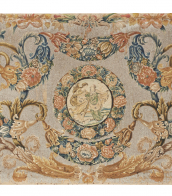
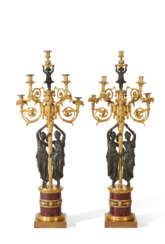

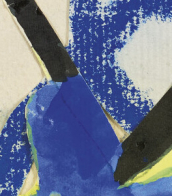







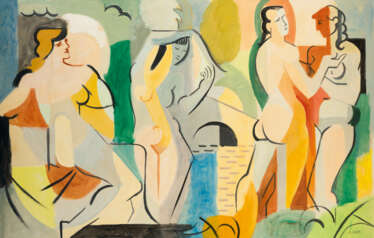

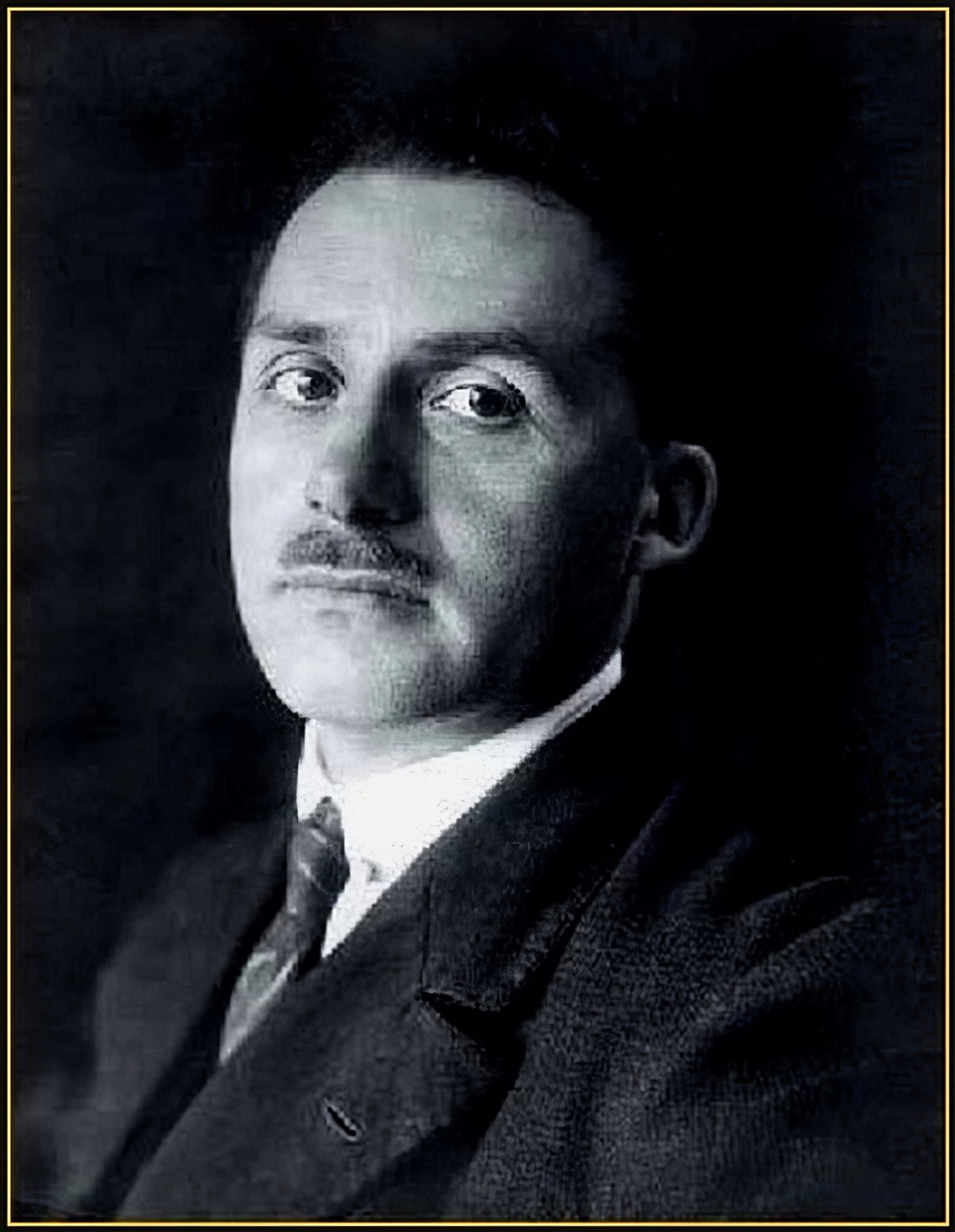
Andre Lhote, a French artist, was a pivotal figure in the Cubist movement, known for his contributions as a painter, theoretician, critic, and art teacher. His journey in the arts began at the École des Beaux-Arts in Bordeaux, focusing on decorative arts before shifting his full attention to painting after moving to Paris in 1906. Lhote's work initially drew influences from Paul Gauguin and Paul Cézanne, but by 1910, he was deeply entrenched in Cubism, aligning with artists like Fernand Léger and Jean Metzinger.
Andre Lhote's impact extended beyond his paintings; he was instrumental in developing Cubist theory through his writings and art criticism, notably contributing to La nouvelle revue française. In 1922, he founded the Académie André Lhote in Paris, shaping the future of many artists, including Henri Cartier-Bresson. His dedication to teaching and theoretical work earned him the Grand Prix National de Peinture in 1955 and a position as president of the UNESCO commission for sculpture's International Association of Painters, Engravers, and Sculptors.
For art collectors and experts, Andre Lhote's work represents a crucial chapter in the history of Cubism, offering insights into the movement's evolution and its theoretical underpinnings. To stay updated on exhibitions or sales featuring Andre Lhote's work, consider signing up for updates from reputable art institutions or galleries.


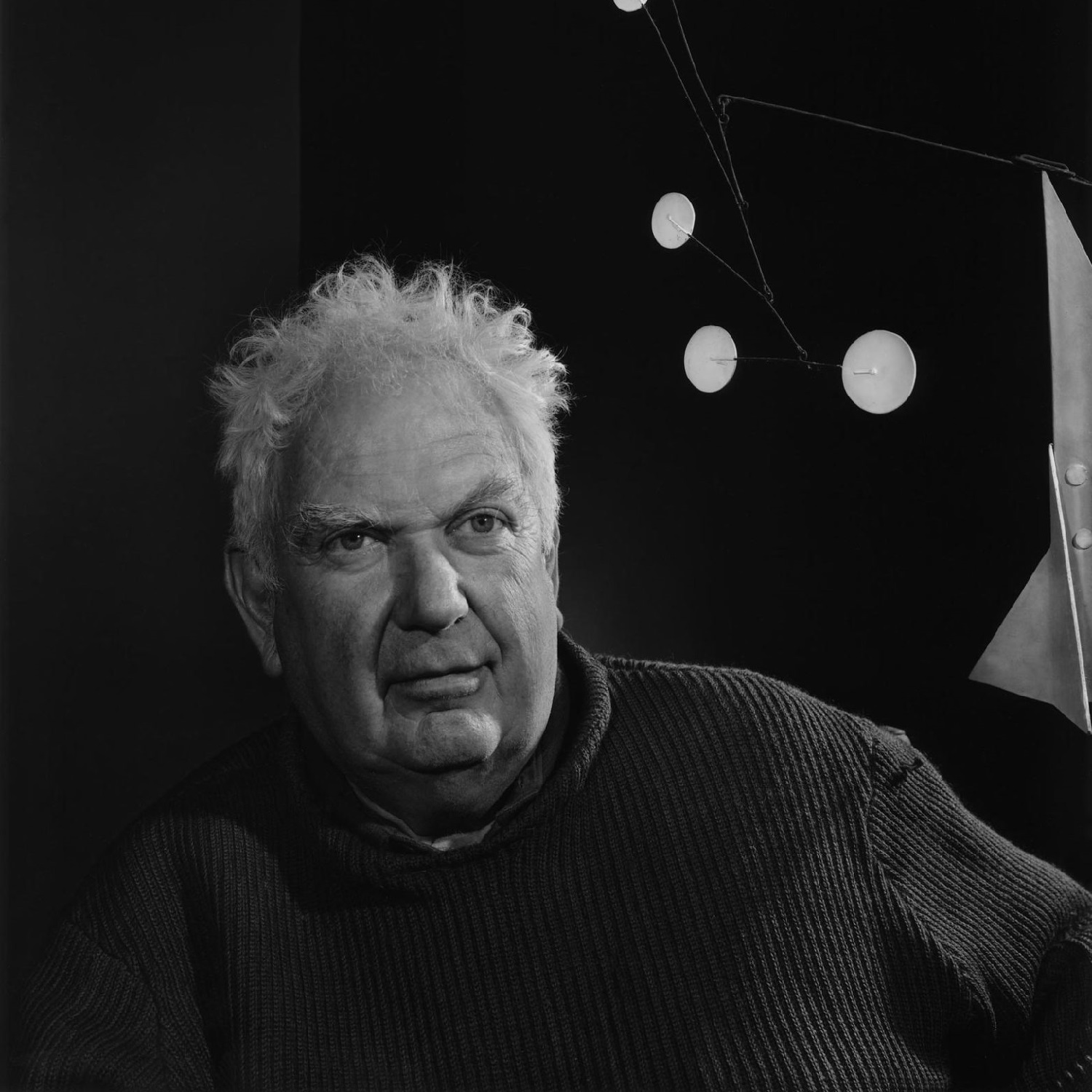
Alexander Calder was an American artist celebrated for his revolutionary contributions to modern sculpture, including his invention of the mobile. Born into a family of artists on July 22, 1898, in Lawnton, Pennsylvania, and passing away on November 11, 1976, in New York, Calder harnessed his background in mechanical engineering to create kinetic sculptures that moved with air currents, alongside his monumental stationary sculptures known as "stabiles".
Calder's early life was marked by his creation of toys and various objects, showcasing his inherent talent and creativity from a young age. Despite initially pursuing a career in mechanical engineering, Calder's true calling in the arts was undeniable. He moved to New York City, where he enrolled at the Art Students League, laying the groundwork for his iconic artistic style. In 1926, Calder relocated to Paris, which became a pivotal moment in his career, leading to the creation of "Calder's Circus," a whimsical assembly of wire figures that gained him entry into the avant-garde art circles of Europe.
Throughout the 1930s and beyond, Calder's work evolved from figurative painting to abstract sculptures that brought motion into the realm of art, a transition influenced by his visit to Piet Mondrian's studio. His innovative mobiles and stabiles were celebrated for their ingenuity and aesthetic appeal, earning Calder international recognition and numerous accolades. Among his well-known public commissions are the .125 mobile for John F. Kennedy Airport and the monumental red-painted steel stabile, "Flamingo," for the Federal Center Plaza in Chicago.
Calder's legacy extends far beyond his sculptures; his work encompassed painting, printmaking, jewelry design, and even set and costume design for theatre productions. His influence on modern art is profound, inspiring future generations of artists to explore the kinetic possibilities of sculpture.
For art enthusiasts and collectors interested in Alexander Calder's groundbreaking work, staying informed about upcoming sales and auctions is essential. Sign up for updates to never miss an opportunity to own a piece by this influential American sculptor, highlighting his unique contributions to the art world.
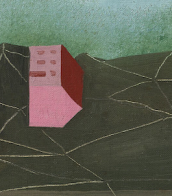
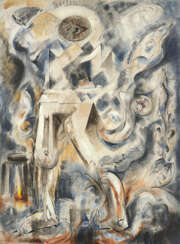

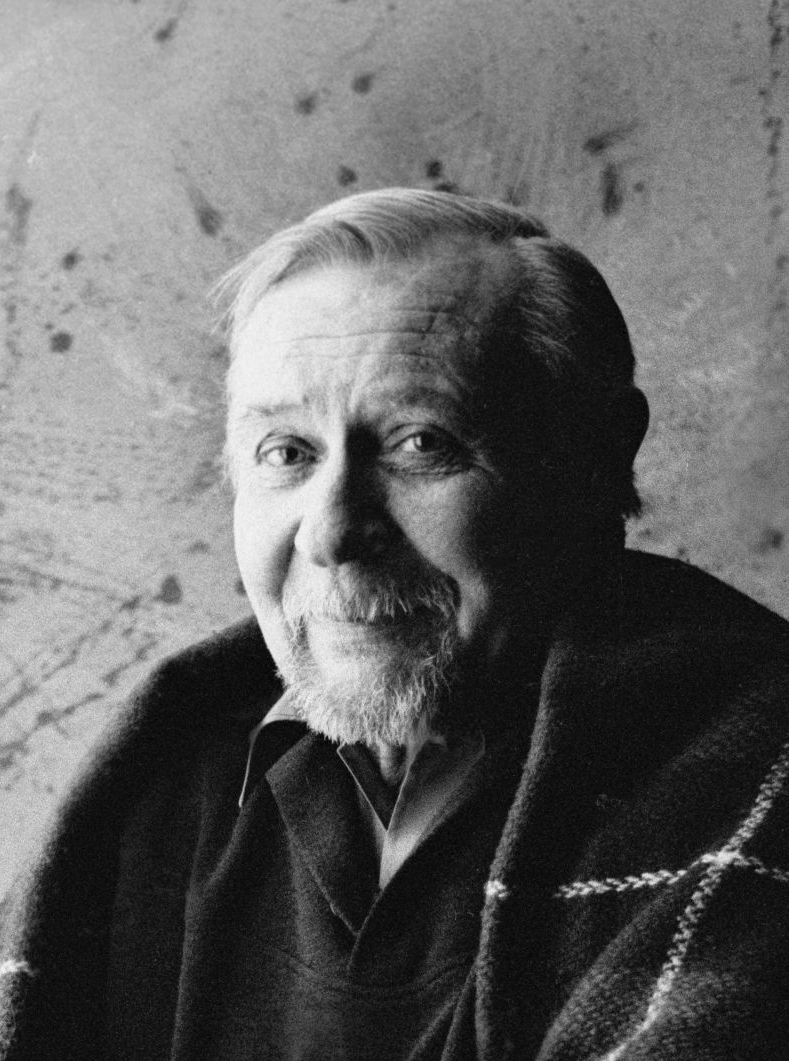
André-Aimé-René Masson was a French artist, celebrated for his profound influence on the world of modern art, particularly in painting and sculpture. Born in 1896, Masson's work is emblematic of the Surrealist movement, although his style evolved across different phases throughout his career. His ability to fuse dream-like imagery with abstract forms set him apart from his contemporaries, making him a pivotal figure in the development of Surrealism and beyond.
Masson's art is characterized by its dynamic forms and the integration of automatic drawing, where the unconscious mind is allowed to express itself without rational oversight. This technique not only foregrounded Surrealism's fascination with the subconscious but also highlighted Masson's unique ability to capture the complexity of human emotion and thought on canvas. His works, such as "The Metamorphosis of the Lovers" and "Battle of Fishes," are not just visual experiences but portals to the intricate layers of the psyche, showcasing his mastery over both form and content.
Notably, André-Aimé-René Masson's contributions extend beyond individual creativity; his works are housed in prestigious museums and galleries worldwide, including the Museum of Modern Art in New York and the Centre Georges Pompidou in Paris. These institutions recognize Masson's art not merely as aesthetic achievements but as cultural landmarks that continue to inspire and provoke. His legacy persists, offering rich insights into the intersections of art, psychology, and philosophy.
For collectors and experts in art and antiques, André-Aimé-René Masson's oeuvre represents a fascinating exploration of the Surrealist movement and its enduring impact on modern and contemporary art. His innovative approach to painting and sculpture invites ongoing discussion and appreciation among enthusiasts and scholars alike. We invite you to sign up for updates on new product sales and auction events related to André-Aimé-René Masson, ensuring you stay informed about opportunities to engage with the remarkable legacy of this pivotal artist. This subscription is your gateway to the forefront of art collection, focusing exclusively on Masson's influential body of work.


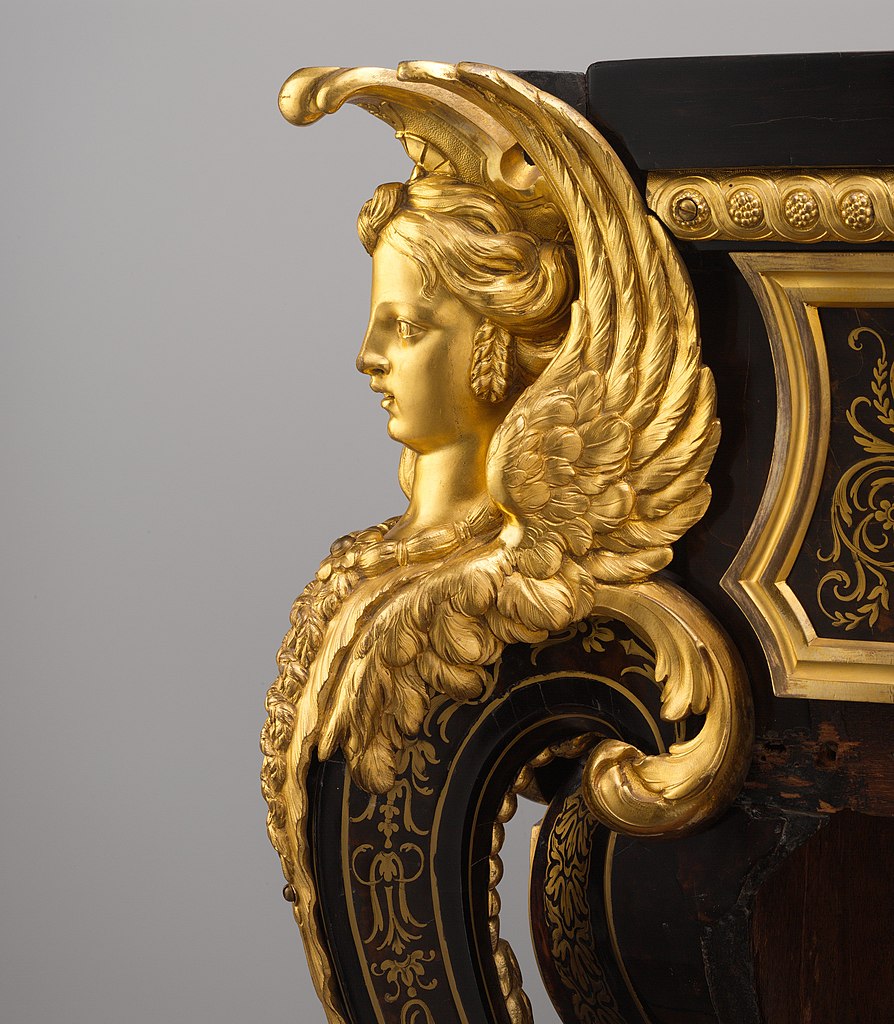
André-Charles Boulle, a French artist and cabinetmaker, was celebrated for his mastery in marquetry, a decorative technique involving inlaid veneers of wood, metal, and tortoiseshell. Born in Paris in 1642, Boulle's work defined luxury and sophistication in 17th and 18th-century French furniture, earning him the title of "Premier ébéniste du Roi" under Louis XIV. His contributions to art and culture extend beyond mere craftsmanship, embodying the opulence of the Louis XIV style and influencing European decorative arts profoundly.
Boulle's innovative techniques, particularly his unique use of marquetry, known as "Boulle work," involved intricate patterns of brass, pewter, and tortoiseshell, setting new standards for furniture design. This approach allowed him to create stunning visual effects, with his creations including clocks, cabinets, and tables that showcased both artistic flair and technical brilliance. His work, characterized by elaborate motifs and an exceptional blend of materials, is regarded as the epitome of Baroque artistry, blending sculpture, painting, and architecture into functional objects of beauty.
Several of Boulle's masterpieces are preserved in prestigious museums, such as the Louvre and the Palace of Versailles, where they continue to captivate visitors with their intricate details and historical significance. Notable works attributed to him, like the intricate coffers on stands and monumental cabinets housed in the J. Paul Getty Museum, reflect his role as a "painter in wood," celebrating French military victories and the grandeur of the Sun King's court. These pieces, never signed but attributed to him based on stylistic elements and historical records, highlight Boulle's innovative use of materials and his impact on the decorative arts.
For collectors and experts in art and antiques, André-Charles Boulle's work represents the zenith of French decorative arts. His legacy is not only in the beauty of his creations but also in the techniques he perfected, which continue to inspire contemporary designers and craftsmen. Those interested in the elegance and history of Boulle's work are encouraged to sign up for updates on new product sales and auction events related to this iconic artist. This subscription offers a unique opportunity to connect with the world of André-Charles Boulle, ensuring enthusiasts are informed of the latest discoveries and offerings that celebrate his enduring influence on culture, art, and design.


André-Charles Boulle, a French artist and cabinetmaker, was celebrated for his mastery in marquetry, a decorative technique involving inlaid veneers of wood, metal, and tortoiseshell. Born in Paris in 1642, Boulle's work defined luxury and sophistication in 17th and 18th-century French furniture, earning him the title of "Premier ébéniste du Roi" under Louis XIV. His contributions to art and culture extend beyond mere craftsmanship, embodying the opulence of the Louis XIV style and influencing European decorative arts profoundly.
Boulle's innovative techniques, particularly his unique use of marquetry, known as "Boulle work," involved intricate patterns of brass, pewter, and tortoiseshell, setting new standards for furniture design. This approach allowed him to create stunning visual effects, with his creations including clocks, cabinets, and tables that showcased both artistic flair and technical brilliance. His work, characterized by elaborate motifs and an exceptional blend of materials, is regarded as the epitome of Baroque artistry, blending sculpture, painting, and architecture into functional objects of beauty.
Several of Boulle's masterpieces are preserved in prestigious museums, such as the Louvre and the Palace of Versailles, where they continue to captivate visitors with their intricate details and historical significance. Notable works attributed to him, like the intricate coffers on stands and monumental cabinets housed in the J. Paul Getty Museum, reflect his role as a "painter in wood," celebrating French military victories and the grandeur of the Sun King's court. These pieces, never signed but attributed to him based on stylistic elements and historical records, highlight Boulle's innovative use of materials and his impact on the decorative arts.
For collectors and experts in art and antiques, André-Charles Boulle's work represents the zenith of French decorative arts. His legacy is not only in the beauty of his creations but also in the techniques he perfected, which continue to inspire contemporary designers and craftsmen. Those interested in the elegance and history of Boulle's work are encouraged to sign up for updates on new product sales and auction events related to this iconic artist. This subscription offers a unique opportunity to connect with the world of André-Charles Boulle, ensuring enthusiasts are informed of the latest discoveries and offerings that celebrate his enduring influence on culture, art, and design.

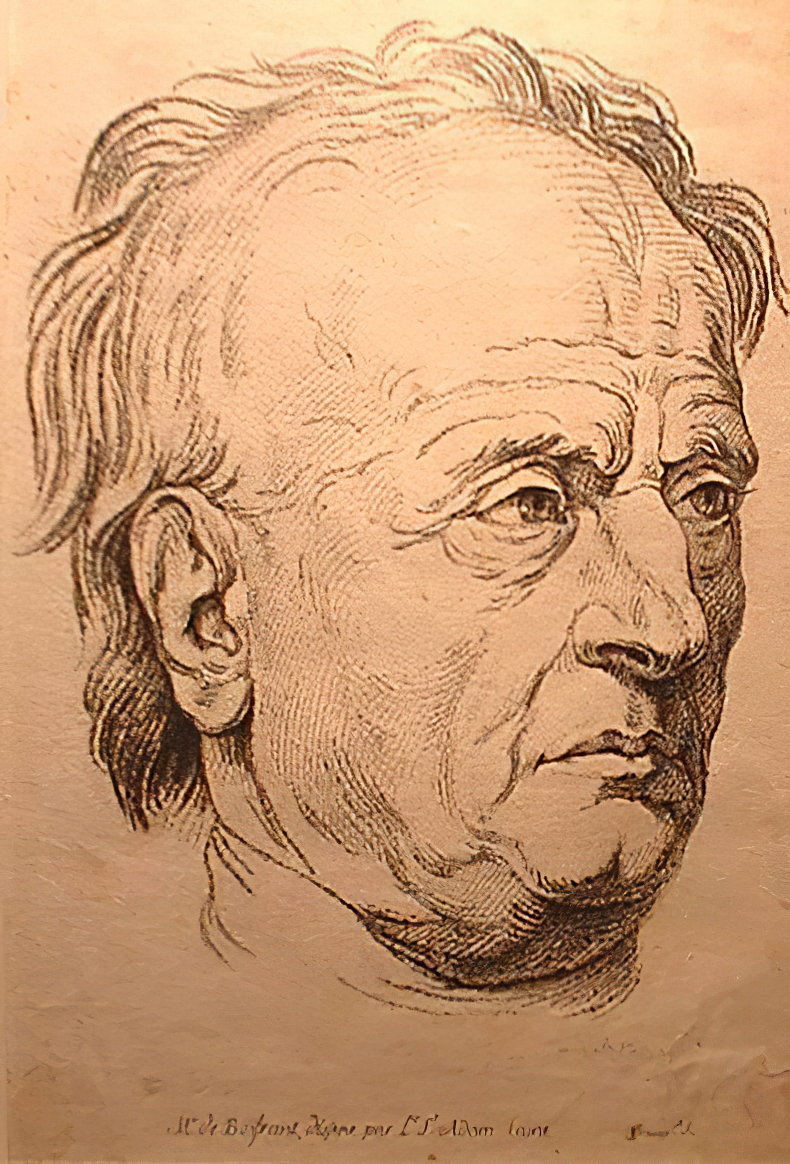


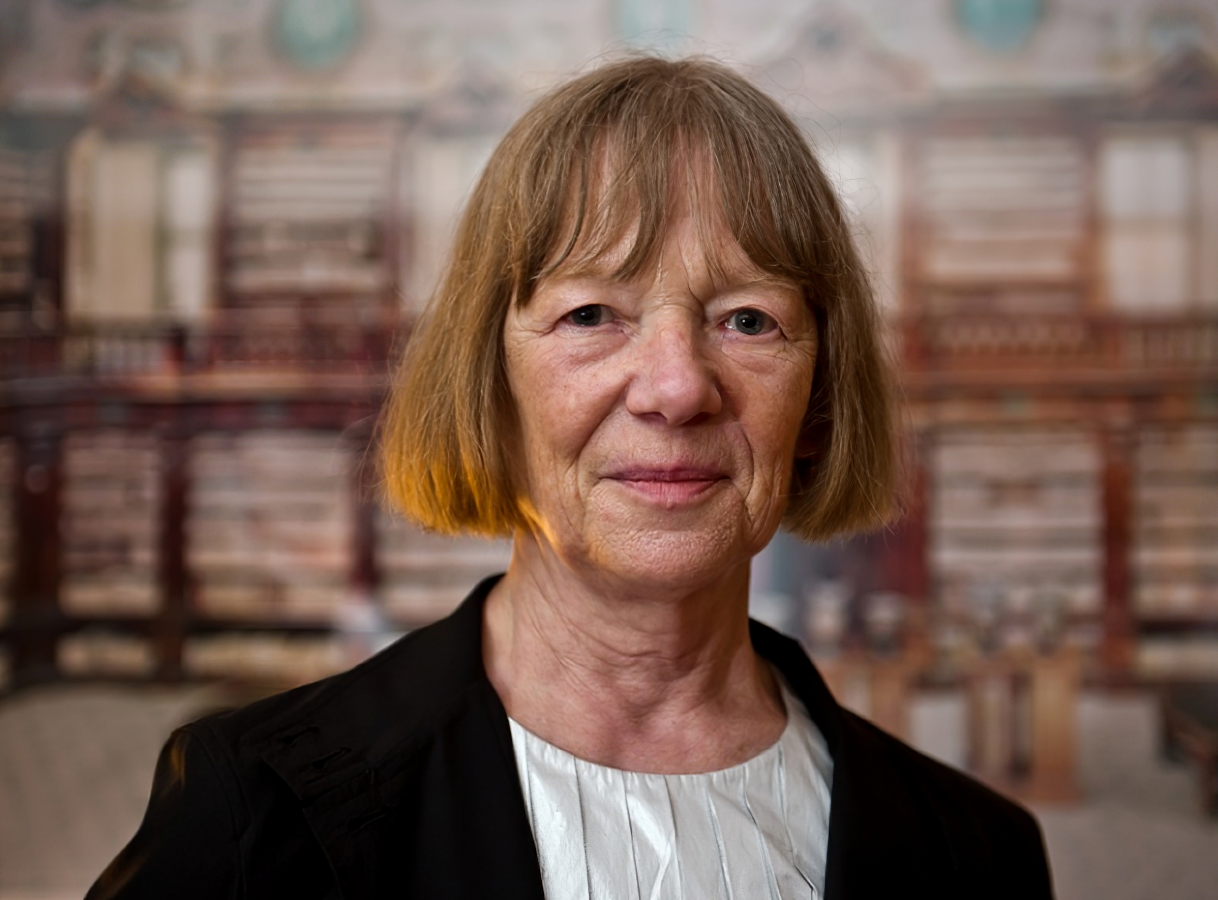
Candida Höfer is a German photographer. She is a former student of Bernd and Hilla Becher. Like other Becher students, Höfer's work is known for technical perfection and a strictly conceptual approach. From 1997 to 2000, she taught as professor at the Hochschule für Gestaltung, Karlsruhe. Höfer is the recipient of the 2018 Outstanding Contribution to Photography award, as part of the Sony World Photography awards. She is based in Cologne.
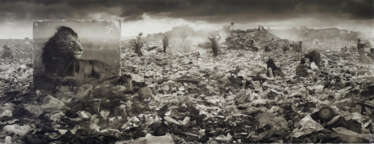


Nick Brandt is a British photographer. He is known for his black and white photographs of wildlife and landscapes in Africa.
Brandt began his career in photography working as a music video director in the 1990s before transitioning to fine art photography. His work often depicts the animals of Africa in a powerful and emotive way, highlighting the beauty and fragility of these creatures and their natural habitats.
Brandt's photographs have been widely exhibited and are included in the collections of many major museums, including the National Portrait Gallery in London, the Museum of Fine Arts in Houston, and the Smithsonian National Museum of African Art in Washington, D.C. He has also published several books of his photography, including "On This Earth," "A Shadow Falls," and "Across The Ravaged Land."
In addition to his photography, Brandt is also the founder of the Big Life Foundation, a non-profit organization dedicated to the conservation of wildlife and ecosystems in East Africa. He has received numerous awards and honors for his photography and conservation work, including the prestigious Wildlife Photographer of the Year award.


Candida Höfer is a German photographer. She is a former student of Bernd and Hilla Becher. Like other Becher students, Höfer's work is known for technical perfection and a strictly conceptual approach. From 1997 to 2000, she taught as professor at the Hochschule für Gestaltung, Karlsruhe. Höfer is the recipient of the 2018 Outstanding Contribution to Photography award, as part of the Sony World Photography awards. She is based in Cologne.


André-Charles Boulle, a French artist and cabinetmaker, was celebrated for his mastery in marquetry, a decorative technique involving inlaid veneers of wood, metal, and tortoiseshell. Born in Paris in 1642, Boulle's work defined luxury and sophistication in 17th and 18th-century French furniture, earning him the title of "Premier ébéniste du Roi" under Louis XIV. His contributions to art and culture extend beyond mere craftsmanship, embodying the opulence of the Louis XIV style and influencing European decorative arts profoundly.
Boulle's innovative techniques, particularly his unique use of marquetry, known as "Boulle work," involved intricate patterns of brass, pewter, and tortoiseshell, setting new standards for furniture design. This approach allowed him to create stunning visual effects, with his creations including clocks, cabinets, and tables that showcased both artistic flair and technical brilliance. His work, characterized by elaborate motifs and an exceptional blend of materials, is regarded as the epitome of Baroque artistry, blending sculpture, painting, and architecture into functional objects of beauty.
Several of Boulle's masterpieces are preserved in prestigious museums, such as the Louvre and the Palace of Versailles, where they continue to captivate visitors with their intricate details and historical significance. Notable works attributed to him, like the intricate coffers on stands and monumental cabinets housed in the J. Paul Getty Museum, reflect his role as a "painter in wood," celebrating French military victories and the grandeur of the Sun King's court. These pieces, never signed but attributed to him based on stylistic elements and historical records, highlight Boulle's innovative use of materials and his impact on the decorative arts.
For collectors and experts in art and antiques, André-Charles Boulle's work represents the zenith of French decorative arts. His legacy is not only in the beauty of his creations but also in the techniques he perfected, which continue to inspire contemporary designers and craftsmen. Those interested in the elegance and history of Boulle's work are encouraged to sign up for updates on new product sales and auction events related to this iconic artist. This subscription offers a unique opportunity to connect with the world of André-Charles Boulle, ensuring enthusiasts are informed of the latest discoveries and offerings that celebrate his enduring influence on culture, art, and design.
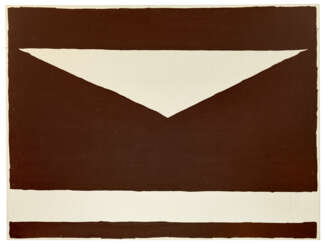

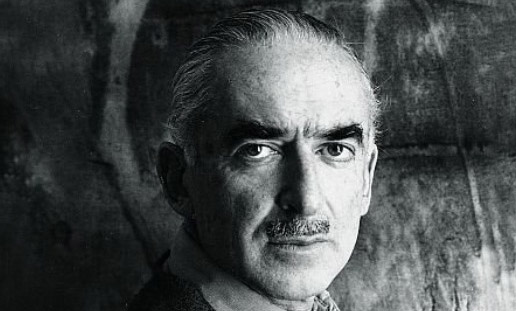
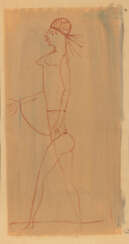

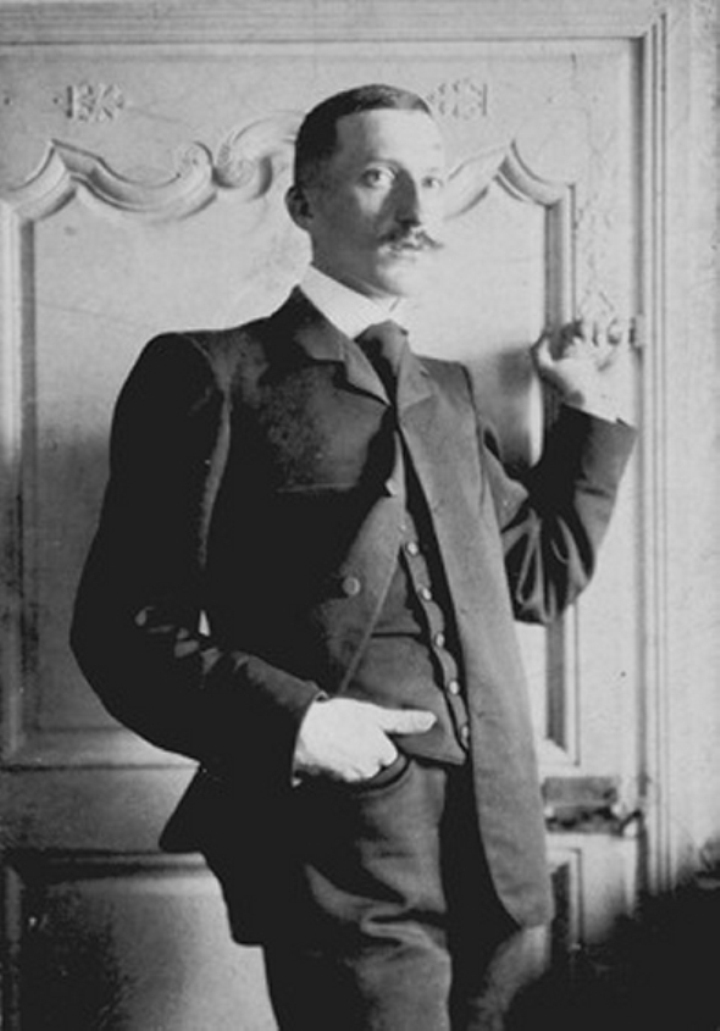
André Derain was a French artist, renowned as a painter, sculptor, and a pivotal figure in the development of Fauvism alongside Henri Matisse. Born on June 10, 1880, in Chatou, Yvelines, just outside Paris, Derain's artistic journey began in his youth. Despite initially studying to become an engineer, his passion for art led him to the Académie Julian and to acquaintances with notable artists like Matisse and Maurice de Vlaminck.
Derain's work, especially his paintings, is celebrated for its vibrant, expressive use of color and innovative compositions. His contributions to Fauvism, a movement characterized by the use of bold, non-naturalistic colors, marked a significant shift in the art world. The Fauvist period, particularly his collaboration with Matisse in the summer of 1905 in Collioure, culminated in works that were distinguished by their startling hues and wild brushwork, earning them the nickname "the wild beasts" or "les Fauves."
A notable period in Derain's career was his time in London in 1906, commissioned by art dealer Ambroise Vollard. His London series, including views of the Thames and Tower Bridge, are celebrated for their unique perspective and use of color, differing significantly from the traditional depictions of the city by artists like Whistler or Monet. These works stand out for their Pointillist influence and the effective conveyance of light and movement.
Derain's artistic evolution continued as he experimented with Cubism and was influenced by African art, as seen in his primitivist woodcuts for Guillaume Apollinaire's book "L'enchanteur pourrissant" (1909). His career, however, was not without controversy, particularly during World War II, when he was perceived as a collaborator due to his interactions with the Germans.
Despite the challenges and transformations in his career, André Derain left an indelible mark on the art world. His works are held in prestigious collections worldwide, including the Musée Cantini in Marseille and the Musée d'art moderne de Troyes. Derain's contribution to modern art, particularly through Fauvism, remains a subject of admiration and study among art collectors and experts.
If you're captivated by the artistic journey and pioneering spirit of André Derain, don't miss the opportunity to stay updated on his legacy. Sign up now to receive exclusive alerts on new product sales and auction events related to André Derain's work. Embrace your passion for art and culture, and ensure you're always informed about the latest offerings and unique pieces linked to this iconic artist.
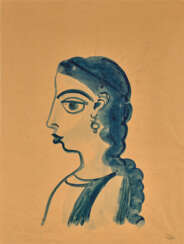

André Derain was a French artist, renowned as a painter, sculptor, and a pivotal figure in the development of Fauvism alongside Henri Matisse. Born on June 10, 1880, in Chatou, Yvelines, just outside Paris, Derain's artistic journey began in his youth. Despite initially studying to become an engineer, his passion for art led him to the Académie Julian and to acquaintances with notable artists like Matisse and Maurice de Vlaminck.
Derain's work, especially his paintings, is celebrated for its vibrant, expressive use of color and innovative compositions. His contributions to Fauvism, a movement characterized by the use of bold, non-naturalistic colors, marked a significant shift in the art world. The Fauvist period, particularly his collaboration with Matisse in the summer of 1905 in Collioure, culminated in works that were distinguished by their startling hues and wild brushwork, earning them the nickname "the wild beasts" or "les Fauves."
A notable period in Derain's career was his time in London in 1906, commissioned by art dealer Ambroise Vollard. His London series, including views of the Thames and Tower Bridge, are celebrated for their unique perspective and use of color, differing significantly from the traditional depictions of the city by artists like Whistler or Monet. These works stand out for their Pointillist influence and the effective conveyance of light and movement.
Derain's artistic evolution continued as he experimented with Cubism and was influenced by African art, as seen in his primitivist woodcuts for Guillaume Apollinaire's book "L'enchanteur pourrissant" (1909). His career, however, was not without controversy, particularly during World War II, when he was perceived as a collaborator due to his interactions with the Germans.
Despite the challenges and transformations in his career, André Derain left an indelible mark on the art world. His works are held in prestigious collections worldwide, including the Musée Cantini in Marseille and the Musée d'art moderne de Troyes. Derain's contribution to modern art, particularly through Fauvism, remains a subject of admiration and study among art collectors and experts.
If you're captivated by the artistic journey and pioneering spirit of André Derain, don't miss the opportunity to stay updated on his legacy. Sign up now to receive exclusive alerts on new product sales and auction events related to André Derain's work. Embrace your passion for art and culture, and ensure you're always informed about the latest offerings and unique pieces linked to this iconic artist.
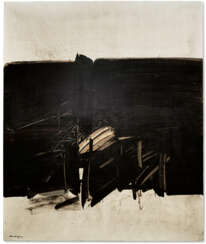

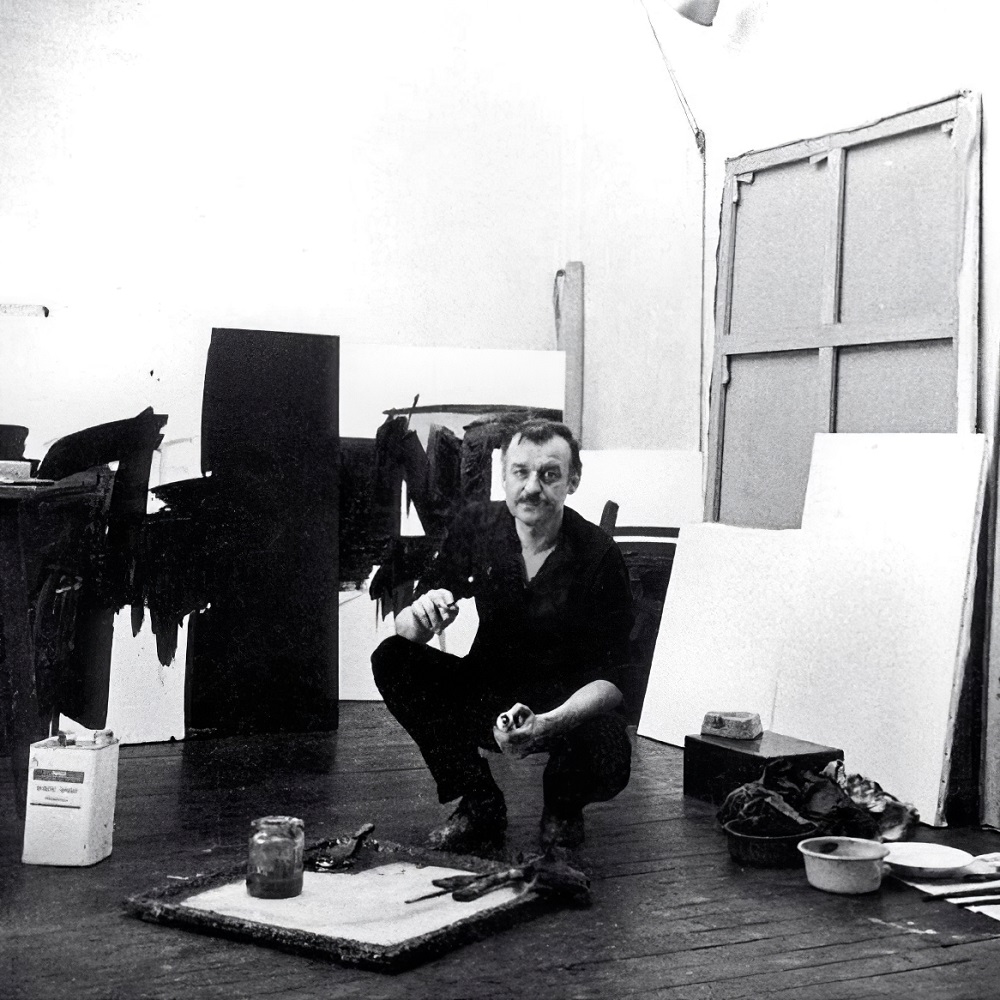
André Marfaing was a French artist known for his abstract paintings and prints.
Marfaing's work was heavily influenced by the Abstract Expressionist movement in the United States, which he discovered during a trip to New York in the early 1950s. He became interested in the potential of color and texture to convey emotion and mood, and he began to develop his own distinctive style characterized by bold, geometric forms and a limited palette of earthy tones.
Marfaing's work often featured large, block-like shapes that seemed to float or hover against a background of textured color. He worked primarily in oil on canvas, but also produced prints and drawings that reflected his interest in the relationship between line and form.
Throughout his career, Marfaing exhibited his work extensively in France and internationally. He was also awarded numerous prizes and honors.
Marfaing's work can be found in many private collections and museums, including the Museum of Modern Art in New York, the Centre Georges Pompidou in Paris, and the Guggenheim Museum in Bilbao.

.jfif)
Joseph Fernand Henri Léger was a French artist renowned for his innovative approach to Cubism and his transition towards a figurative, populist style. Born in Argentan, Orne, Lower Normandy, Léger's early career was marked by a stint as an architectural draftsman and a series of educational pursuits that eventually led him to Paris, where he embraced painting seriously. His artistic journey was significantly influenced by the bold abstractions of Cubism, characterized by geometric shapes and a vibrant palette, distinguishing his work from his contemporaries with what came to be known as "Tubism".
Léger's service in World War I profoundly impacted his artistic direction, leading him to adopt a 'mechanical' style that depicted the modern industrial world with sleek, tubular forms. This period saw creations like "Soldier with a Pipe" and "The Card Players," reflecting his war experiences and the mechanical aesthetics of the time. The post-war era encouraged Léger to explore the mechanical style further, evident in works like "The Bargeman" and "Mechanical Elements," highlighting the pace of technological advancement.
Throughout his career, Léger's work evolved, notably in the 1920s, where he aligned with Purist ideas, blending classicism with modernity. This phase is exemplified in "Woman with a Cat," showcasing a classical form with a modern, polished finish. By the 1930s, Léger's art took a more figurative, populist turn, aiming to democratize contemporary art and make it more accessible. His commitment to art education, especially for the common worker, underscored his belief in the social role of art.
For those intrigued by Joseph Fernand Henri Léger's groundbreaking contributions to modern art, his works can be found in prestigious museums worldwide. His legacy continues to inspire art collectors and enthusiasts alike. To stay updated on exhibitions and auction events featuring Léger's work, sign up for updates and embrace the unique opportunity to explore the richness of his artistic endeavors.
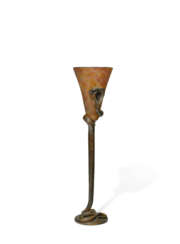

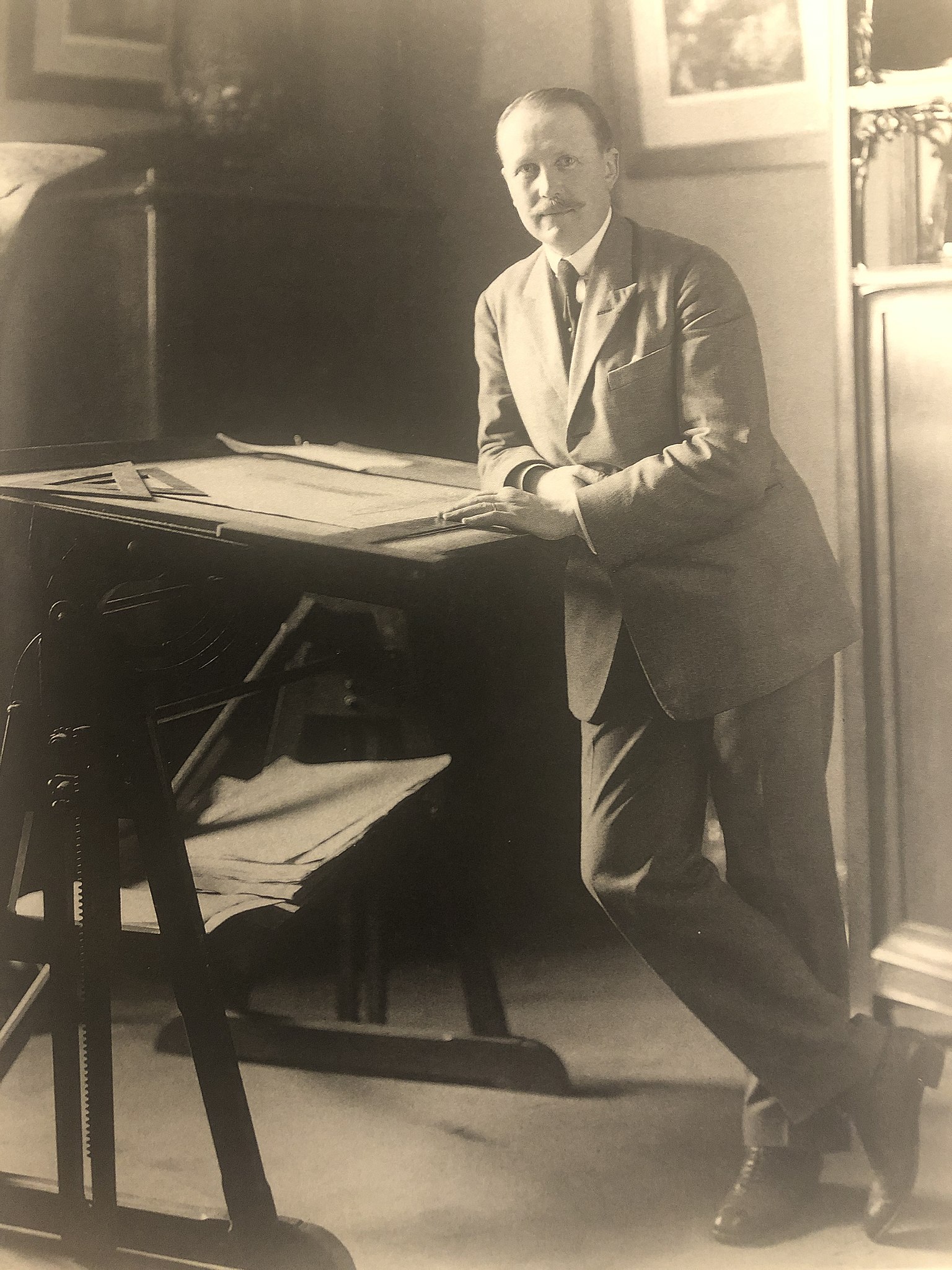
Edgar William Brandt was a French ironworker and prolific weapons designer. In 1901 he set up a small workshop at 76 rue Michel-Ange in the 16th arrondissement in Paris, where he began designing, silversmithing, and forging small items such as jewelry, crosses, and brooches. His business began to take off with special commissions such as the door of the French Embassy in Brussels, the Escalier Mollien stairs in the Louvre, and the stair and balcony railing for the Grand Theatre Municipal de Nancy.


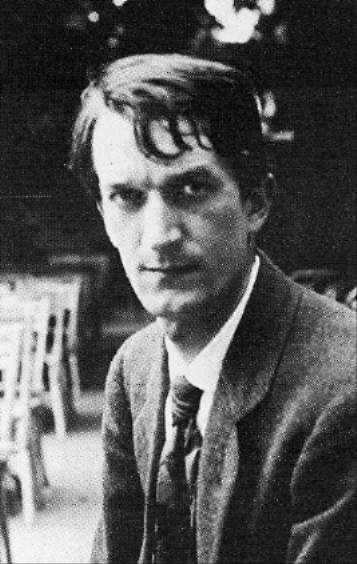
Rembrandt Bugatti was an Italian sculptor, known primarily for his bronze sculptures of wildlife subjects.


Edgar William Brandt was a French ironworker and prolific weapons designer. In 1901 he set up a small workshop at 76 rue Michel-Ange in the 16th arrondissement in Paris, where he began designing, silversmithing, and forging small items such as jewelry, crosses, and brooches. His business began to take off with special commissions such as the door of the French Embassy in Brussels, the Escalier Mollien stairs in the Louvre, and the stair and balcony railing for the Grand Theatre Municipal de Nancy.
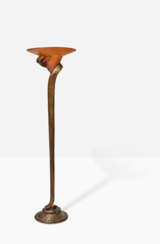

Edgar William Brandt was a French ironworker and prolific weapons designer. In 1901 he set up a small workshop at 76 rue Michel-Ange in the 16th arrondissement in Paris, where he began designing, silversmithing, and forging small items such as jewelry, crosses, and brooches. His business began to take off with special commissions such as the door of the French Embassy in Brussels, the Escalier Mollien stairs in the Louvre, and the stair and balcony railing for the Grand Theatre Municipal de Nancy.


Joseph Fernand Henri Léger was a French artist renowned for his innovative approach to Cubism and his transition towards a figurative, populist style. Born in Argentan, Orne, Lower Normandy, Léger's early career was marked by a stint as an architectural draftsman and a series of educational pursuits that eventually led him to Paris, where he embraced painting seriously. His artistic journey was significantly influenced by the bold abstractions of Cubism, characterized by geometric shapes and a vibrant palette, distinguishing his work from his contemporaries with what came to be known as "Tubism".
Léger's service in World War I profoundly impacted his artistic direction, leading him to adopt a 'mechanical' style that depicted the modern industrial world with sleek, tubular forms. This period saw creations like "Soldier with a Pipe" and "The Card Players," reflecting his war experiences and the mechanical aesthetics of the time. The post-war era encouraged Léger to explore the mechanical style further, evident in works like "The Bargeman" and "Mechanical Elements," highlighting the pace of technological advancement.
Throughout his career, Léger's work evolved, notably in the 1920s, where he aligned with Purist ideas, blending classicism with modernity. This phase is exemplified in "Woman with a Cat," showcasing a classical form with a modern, polished finish. By the 1930s, Léger's art took a more figurative, populist turn, aiming to democratize contemporary art and make it more accessible. His commitment to art education, especially for the common worker, underscored his belief in the social role of art.
For those intrigued by Joseph Fernand Henri Léger's groundbreaking contributions to modern art, his works can be found in prestigious museums worldwide. His legacy continues to inspire art collectors and enthusiasts alike. To stay updated on exhibitions and auction events featuring Léger's work, sign up for updates and embrace the unique opportunity to explore the richness of his artistic endeavors.


Rembrandt Bugatti was an Italian sculptor, known primarily for his bronze sculptures of wildlife subjects.


Joseph Fernand Henri Léger was a French artist renowned for his innovative approach to Cubism and his transition towards a figurative, populist style. Born in Argentan, Orne, Lower Normandy, Léger's early career was marked by a stint as an architectural draftsman and a series of educational pursuits that eventually led him to Paris, where he embraced painting seriously. His artistic journey was significantly influenced by the bold abstractions of Cubism, characterized by geometric shapes and a vibrant palette, distinguishing his work from his contemporaries with what came to be known as "Tubism".
Léger's service in World War I profoundly impacted his artistic direction, leading him to adopt a 'mechanical' style that depicted the modern industrial world with sleek, tubular forms. This period saw creations like "Soldier with a Pipe" and "The Card Players," reflecting his war experiences and the mechanical aesthetics of the time. The post-war era encouraged Léger to explore the mechanical style further, evident in works like "The Bargeman" and "Mechanical Elements," highlighting the pace of technological advancement.
Throughout his career, Léger's work evolved, notably in the 1920s, where he aligned with Purist ideas, blending classicism with modernity. This phase is exemplified in "Woman with a Cat," showcasing a classical form with a modern, polished finish. By the 1930s, Léger's art took a more figurative, populist turn, aiming to democratize contemporary art and make it more accessible. His commitment to art education, especially for the common worker, underscored his belief in the social role of art.
For those intrigued by Joseph Fernand Henri Léger's groundbreaking contributions to modern art, his works can be found in prestigious museums worldwide. His legacy continues to inspire art collectors and enthusiasts alike. To stay updated on exhibitions and auction events featuring Léger's work, sign up for updates and embrace the unique opportunity to explore the richness of his artistic endeavors.


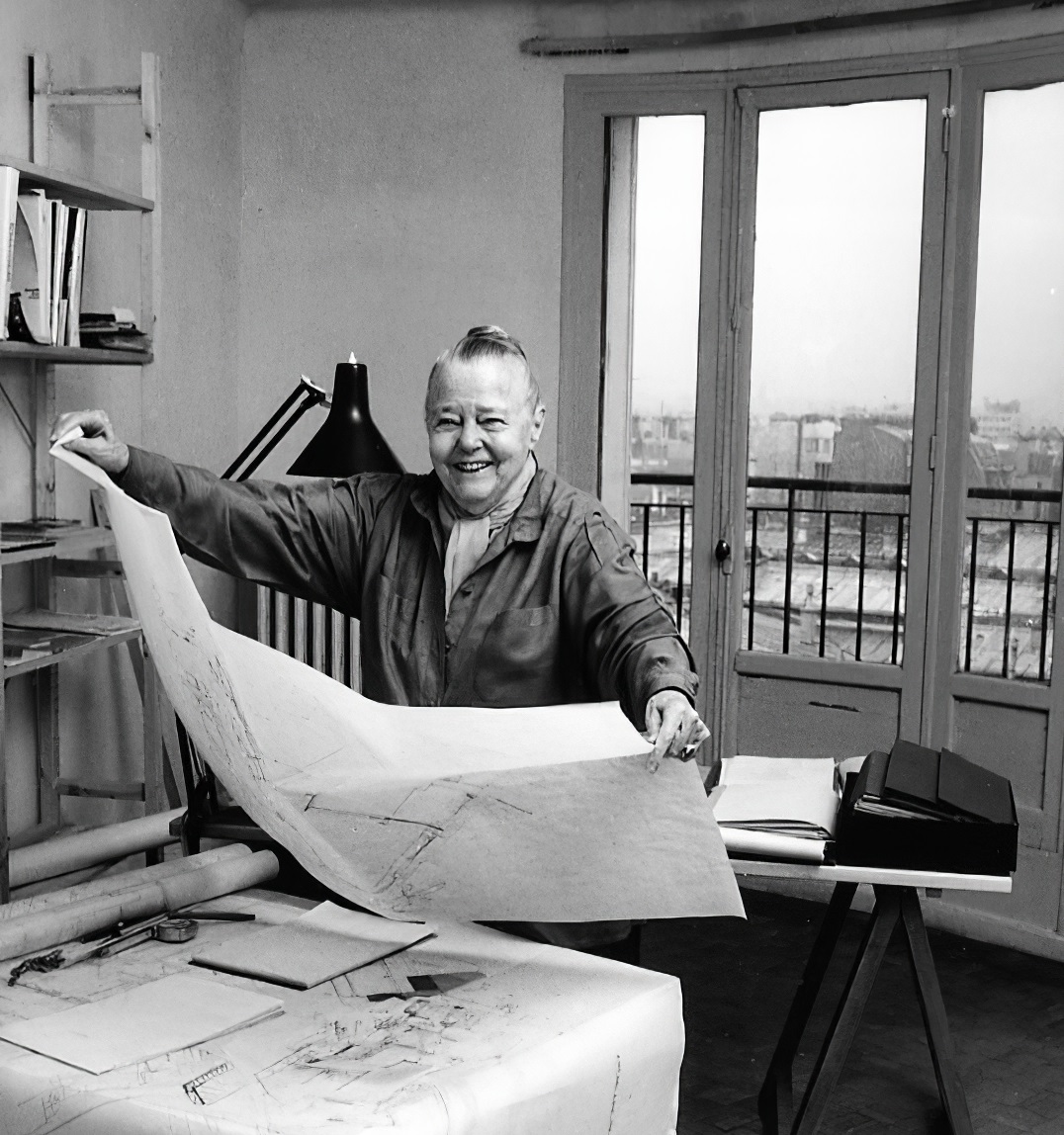
Charlotte Perriand was a French architect and designer. Her work aimed to create functional living spaces in the belief that better design helps in creating a better society. In her article "L'Art de Vivre" from 1981 she states "The extension of the art of dwelling is the art of living — living in harmony with man's deepest drives and with his adopted or fabricated environment." Charlotte liked to take her time in a space before starting the design process.