angleterre










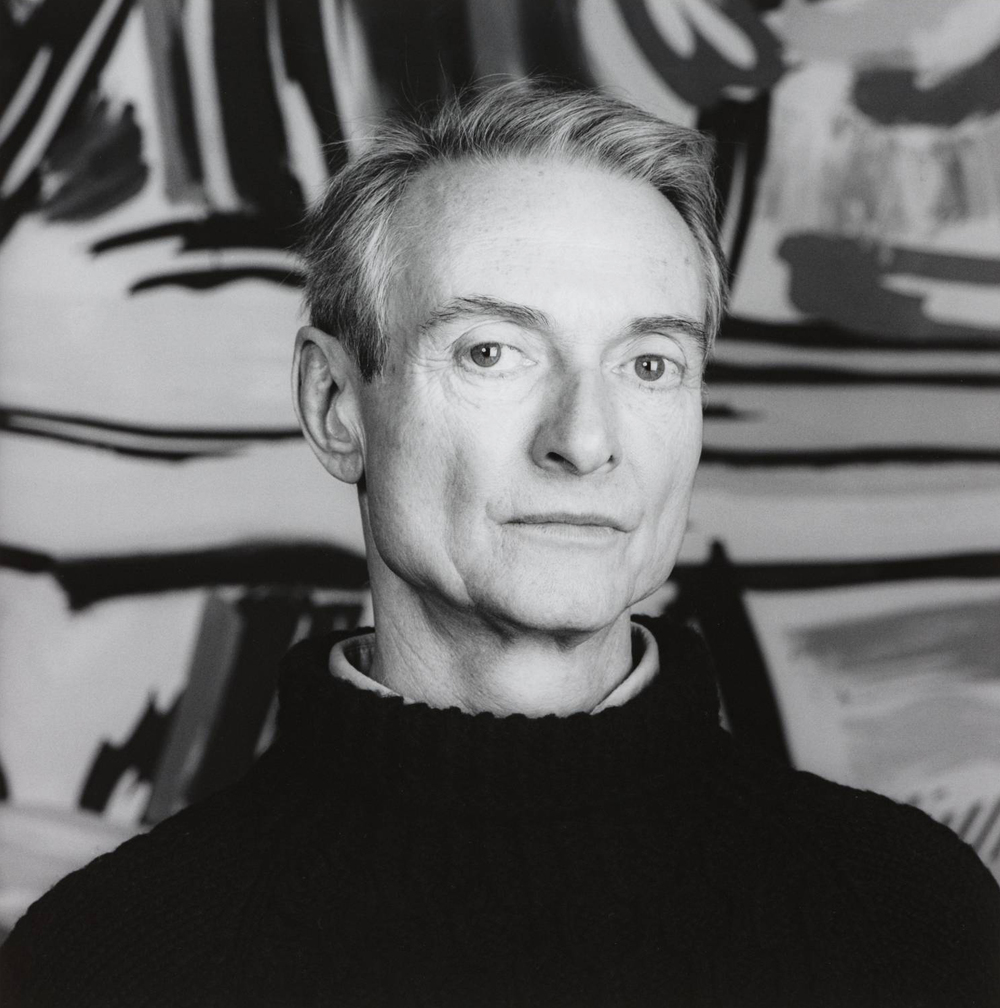
Roy Fox Lichtenstein, an American icon of the Pop Art movement, is celebrated for his comic strip-inspired art. Born in 1923 in New York City, Lichtenstein's journey into the art world was marked by various phases, evolving from Cubism and Abstract Expressionism to the distinctive Pop Art style he is renowned for.
Roy Lichtenstein's artistic career gained momentum in the 1960s, a period during which he embraced the comic strip as his primary source of inspiration. His pioneering use of Ben-Day dots, a technique borrowed from commercial printing, became his signature style, bringing a new visual language to fine art. His approach transformed mundane subjects from popular culture into compelling fine art, challenging traditional notions of artistry.
Among his most notable works, "Drowning Girl" (1963), displayed at the Museum of Modern Art in New York, exemplifies his iconic style with its bold lines, vivid colors, and Ben-Day dots. This piece, along with others like "Look Mickey" and "Whaam!", played a critical role in establishing Pop Art as a major art movement, contrasting starkly with the Abstract Expressionism prevalent at the time.
Roy Lichtenstein's art was not just limited to canvas; he explored multiple media, showcasing his versatility. His shift to Pop Art marked a significant turn in his career, bringing him fame and controversy alike. His works, often based on comic strips and advertisements, were both a parody and homage to the mass-produced, consumerist culture of his time.
For art collectors and experts, Lichtenstein's works offer a fascinating glimpse into a transformative era in art history. His approach to Pop Art remains influential, and his works are celebrated worldwide for their innovative and provocative style.
Interested in staying updated on sales and auction events featuring Roy Lichtenstein's works? Sign up for our updates. We provide straightforward, no-nonsense information on the latest in art sales and auctions related to Lichtenstein.







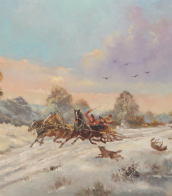
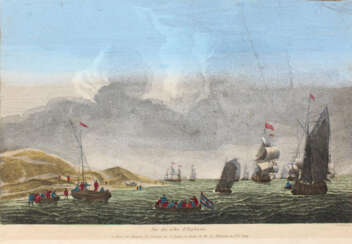

















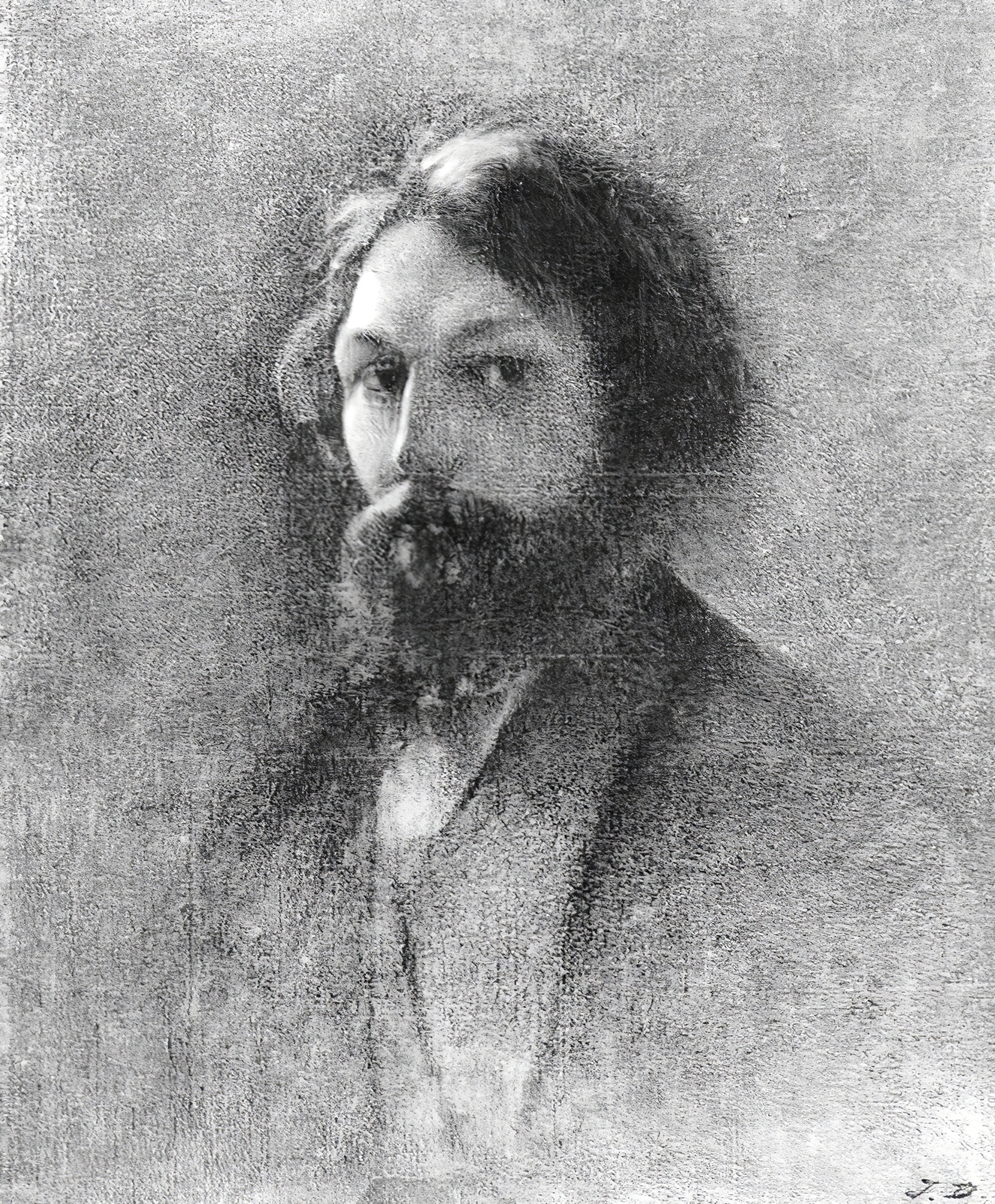
Jules Louis Dupré was a French painter, one of the chief members of the Barbizon school of landscape painters. If Corot stands for the lyric and Rousseau for the epic aspect of the poetry of nature, Dupré is the exponent of its tragic and dramatic aspects.
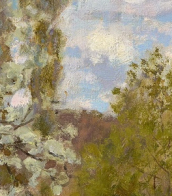
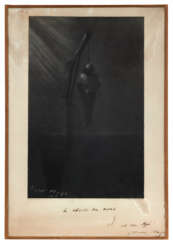




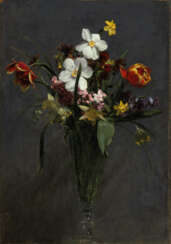

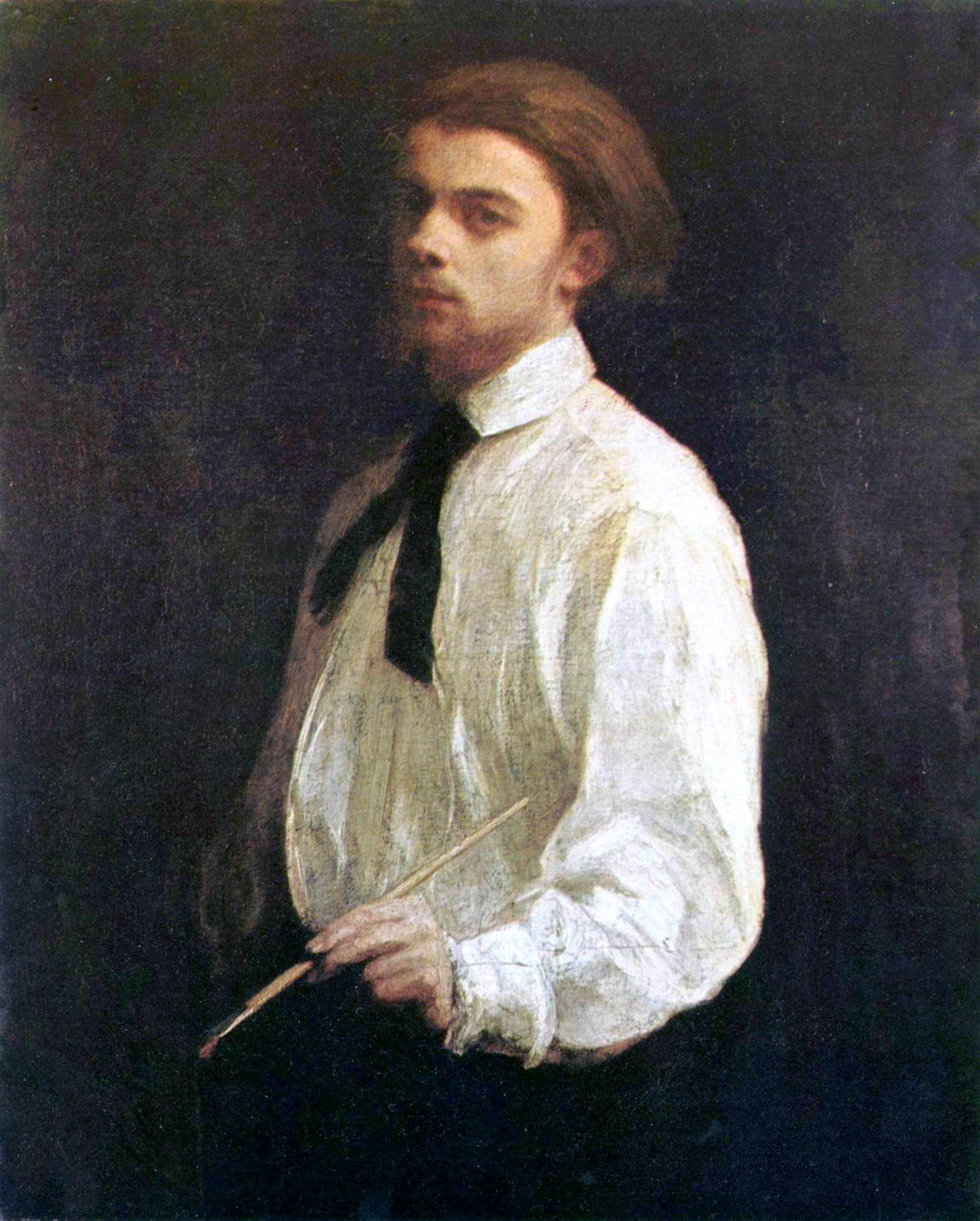
Henri Fantin-Latour was a French painter and lithographer renowned for his exquisite flower paintings and insightful group portraits of Parisian artists and writers. His artistic journey began in Grenoble, where he was born in 1836, but it flourished in Paris, where he moved at a young age to study art. Despite his associations with Impressionists like Édouard Manet and Claude Monet, Fantin-Latour carved his unique path, focusing on still life and portraiture rather than adopting the Impressionist style.
Henri Fantin-Latour's knack for capturing the essence of his subjects is evident in his group portraits, which were not just mere representations but insightful depictions of the artistic and literary circles of his time. His notable works like "A Studio at Les Batignolles" illustrate the camaraderie among artists like Manet, Renoir, and Monet, offering a window into the vibrant Parisian art scene of the 19th century. His still lifes, particularly his flower paintings, are celebrated for their realism and delicate precision, making them a favorite among collectors and art enthusiasts.
In addition to his painting, Henri Fantin-Latour's lithographs, inspired by classical music and imbued with a poetic and symbolic quality, reveal another dimension of his talent, showcasing his ability to transcend the boundaries of realism and delve into the realm of imagination.
For art collectors and experts, Henri Fantin-Latour's works offer a blend of technical mastery and a deep understanding of the interplay between art, music, and literature. His contributions to the art world are remembered and celebrated in museums around the globe, where his works continue to inspire and captivate audiences.
For those interested in exploring more about Henri Fantin-Latour's life and works, visiting exhibitions or keeping abreast of auctions featuring his art can provide valuable insights into his creative genius. To stay updated on related events and opportunities, consider subscribing to updates from art institutions or galleries specializing in 19th-century French art.