apartment in chicago
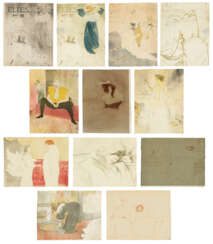

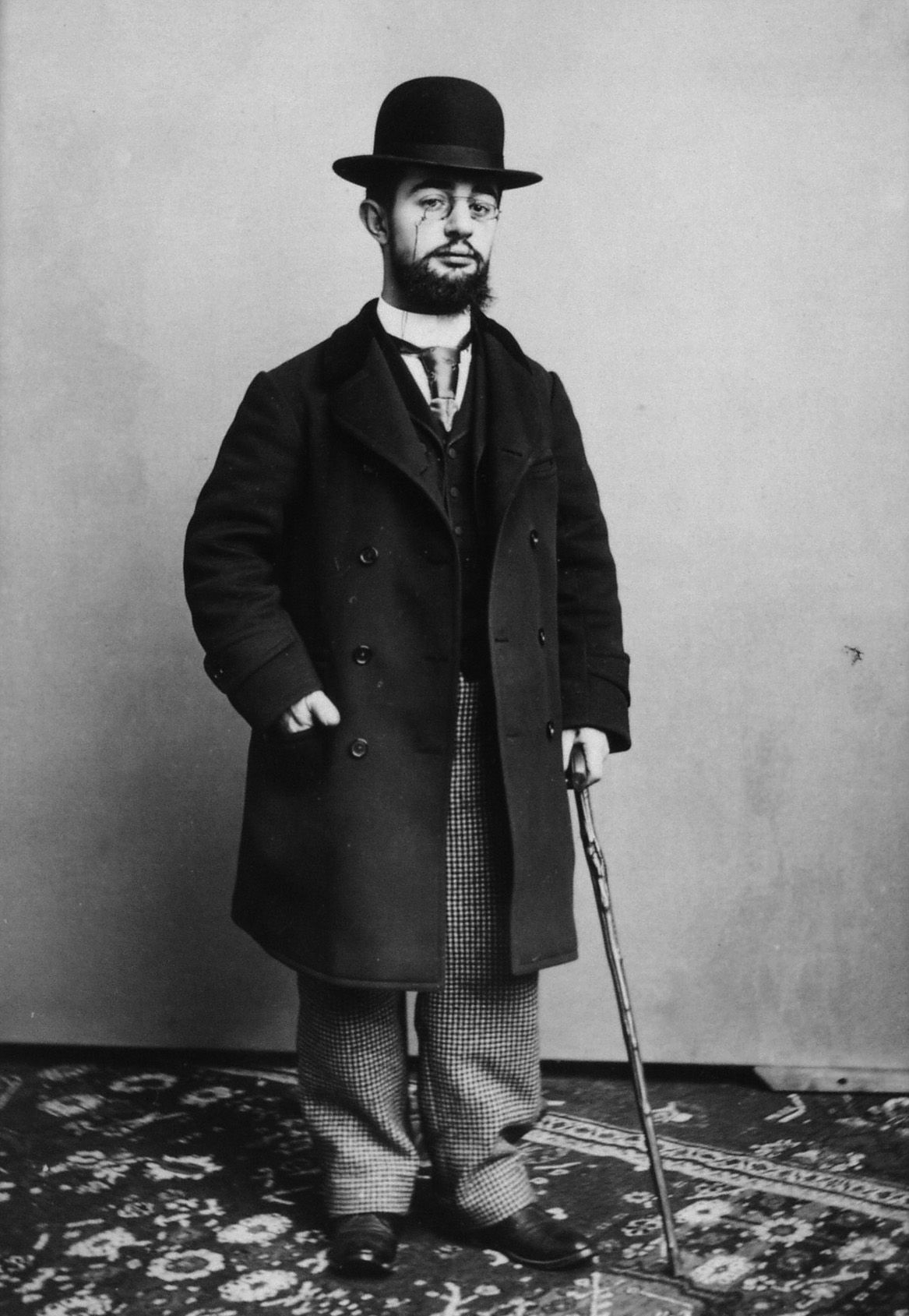
Henri de Toulouse-Lautrec was a distinguished French Post-Impressionist artist, renowned for his deep insights into Parisian nightlife and the world of entertainment in the 1890s. Born into an aristocratic family in Albi, France, Toulouse-Lautrec faced significant health challenges. He suffered from a rare condition, possibly pycnodysostosis, which stunted the growth of his legs following two fractures during his adolescence, leading to a notably short stature as an adult.
Despite his physical limitations, Toulouse-Lautrec immersed himself in art, becoming a key figure in the Post-Impressionist movement alongside artists like Paul Cézanne and Vincent van Gogh. He is particularly celebrated for his vibrant and expressive depictions of the bohemian lifestyle in late 19th-century Paris, often featuring scenes from brothels and nightlife venues. His unique style combined elements of Art Nouveau and lithography, as evidenced in famous works such as "Moulin Rouge: La Goulue" and "At the Moulin Rouge: The Dance".
Toulouse-Lautrec's work offers a window into the Parisian entertainment scene of his time, marked by a vivid use of color and a candid portrayal of his subjects. His ability to capture the essence of Parisian society, from dancers to prostitutes, in an era of great artistic and cultural dynamism, makes his work particularly valuable to art collectors and experts.
For those interested in the art and life of Henri de Toulouse-Lautrec, staying informed about sales and auction events is essential. Sign up for updates to receive the latest news on pieces by Toulouse-Lautrec available for purchase or auction. This subscription focuses exclusively on new product sales and auction events related to Toulouse-Lautrec, ensuring that enthusiasts and collectors don't miss out on any opportunity to acquire pieces from this iconic artist.


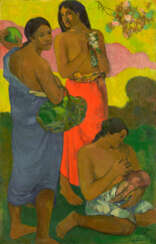


Paul Gauguin, a French artist born in Paris in 1848, is renowned for his significant contributions to Post-Impressionism, Primitivism, and Synthetism. Gauguin's art is distinguished by his experimental use of color and style, which set him apart from the traditional Impressionist movement.
Gauguin's early life was marked by a period in Peru, which influenced his artistic perspective. Initially, he pursued a career in stockbroking but soon turned to art, driven by financial necessity and a growing passion. His artistic journey began under the mentorship of Impressionist artist Camille Pissarro and through exposure to the works of other avant-garde artists.
The hallmark of Gauguin's work is his exploration of non-Western cultures, particularly during his time in Tahiti and the Marquesas Islands. This period saw the creation of some of his most famous works, including "Where Do We Come From? What Are We? Where Are We Going?" His paintings from this era, characterized by vivid colors and Symbolist themes, reflect a fusion of cultural influences and his quest for a "primitive" expression of spiritual and emotional states.
Despite his innovative style, Gauguin struggled with financial difficulties and health issues throughout his life. His work received little recognition during his lifetime, but posthumously, he gained acclaim for influencing modern artists like Pablo Picasso and Henri Matisse.
Today, Gauguin's works are celebrated in galleries and museums worldwide for their unique blend of cultural influences and artistic innovation. His enduring legacy is a testament to his unique vision and the profound impact he had on the art world.
Collectors and experts in art and antiques, stay updated on new product sales and auction events related to Paul Gauguin. Sign up now for exclusive updates and immerse yourself in the world of this visionary artist.
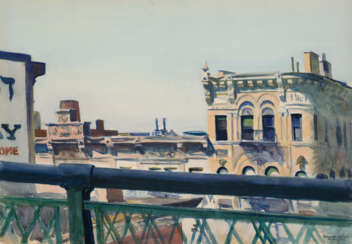

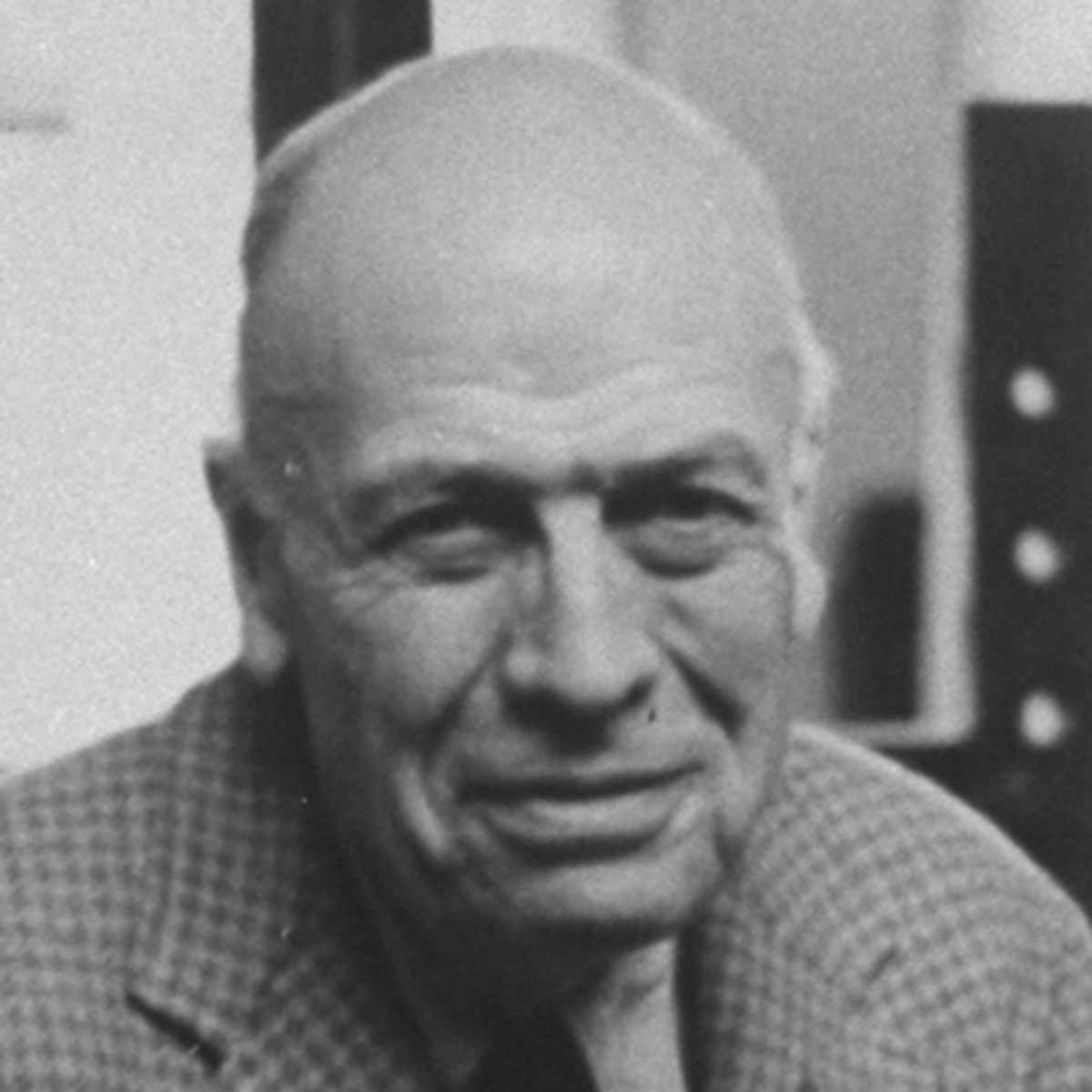
Edward Hopper was an American painter renowned for his skill in depicting the solitude of modern life with evocative uses of light and shadow. Born in 1882 in Nyack, New York, Hopper's early exposure to art came from his supportive parents who nurtured his talents. He began formal art studies at the New York School of Art, learning under influential teachers like William Merritt Chase and Robert Henri. Henri, in particular, encouraged his students to paint personal significance into their works.
Hopper’s style, characterized by its emphasis on solitude and the mundane aspects of American life, often featured settings such as diners, gas stations, and apartment interiors. One of his most famous works, Nighthawks, depicts patrons sitting in a brightly lit diner at night, each seemingly lost in their own thoughts—a perfect example of his theme of urban isolation.
Throughout his career, Hopper enjoyed considerable success and influence, culminating in several retrospectives, including a prominent one at the Museum of Modern Art. His approach to depicting light and his stark, realist views on everyday scenes influenced generations of artists and continue to captivate audiences today. His works are pivotal in understanding American realism and are held in high esteem in museums across the United States.
Lastly, for art collectors and enthusiasts keen on updates about exhibitions or sales featuring Edward Hopper's art, consider signing up for relevant newsletters or alerts. This ensures you remain informed about opportunities to appreciate or acquire works by this pivotal American artist.
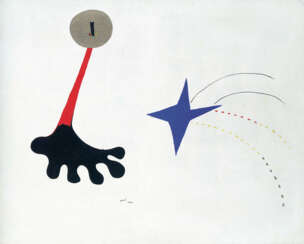

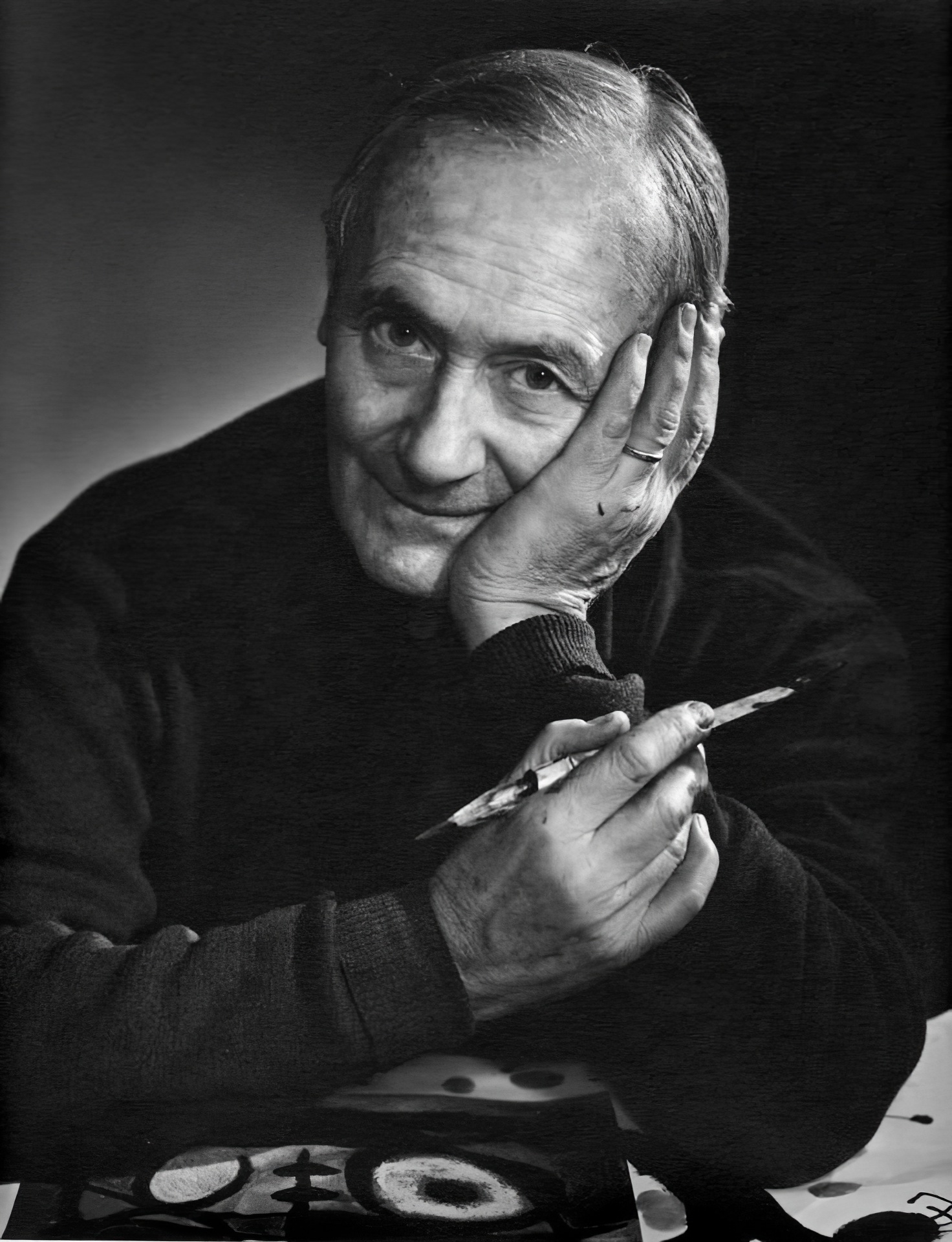
Joan Miró, a celebrated Spanish artist, was a master in painting, sculpture, and ceramics, renowned for his unique style that blurred the lines between Surrealism, Fauvism, and Expressionism. Born in Barcelona to a family of a goldsmith and a watchmaker, Miró grew up immersed in the rich cultural heritage of the Barri Gòtic neighborhood. His artistic journey began with drawing classes at the age of seven and continued at the prestigious La Llotja art academy. Despite an initial venture into the business world, Miró's passion for art prevailed, leading him to abandon his clerical career after a nervous breakdown.
Miró's work is noted for its exploration of the subconscious, often depicting a childlike perspective. This approach was both a critique of traditional painting methods and a means of expressing Catalan pride. His art, challenging to categorize, often featured symbolic elements and nationalistic qualities. One of his notable early works, "The Farm," reflects a transition to a more individual style, blending elements of his Catalan roots with broader artistic influences. This piece, later purchased by Ernest Hemingway, encapsulated the essence of Spain in its imagery.
In Paris, Miró joined the Surrealist movement in 1924, where his work began to reflect the influence of automatism, emphasizing spontaneous, automatic, or subconscious creation. He experimented with various mediums, including painting-poetry and collage, and even ventured into set and costume design for Sergei Diaghilev's Ballets Russes.
During World War II, Miró remained in Spain, and his work from this period, including the 22 Constellations series, reflected an interest in the night, music, and stars. His forms became increasingly abstracted, and he experimented with various techniques, often incorporating primary colors and evocative titles.
Miró's career spanned several decades, during which he continually evolved his style and explored new mediums. His contributions to art were recognized with numerous awards and retrospectives, including a major career retrospective at MoMA in 1941 and the Spanish Gold Medal for Fine Arts in 1980. Among his last major works was a tapestry for the World Trade Center in New York City, created in 1974.
For art collectors and enthusiasts, Joan Miró remains a figure of immense interest, not only for his distinct style and contributions to Surrealism but also for his ability to blend poetic imagery with political commentary. To stay updated on new product sales and auction events related to Joan Miró, sign up for our updates and immerse yourself in the world of this extraordinary artist.





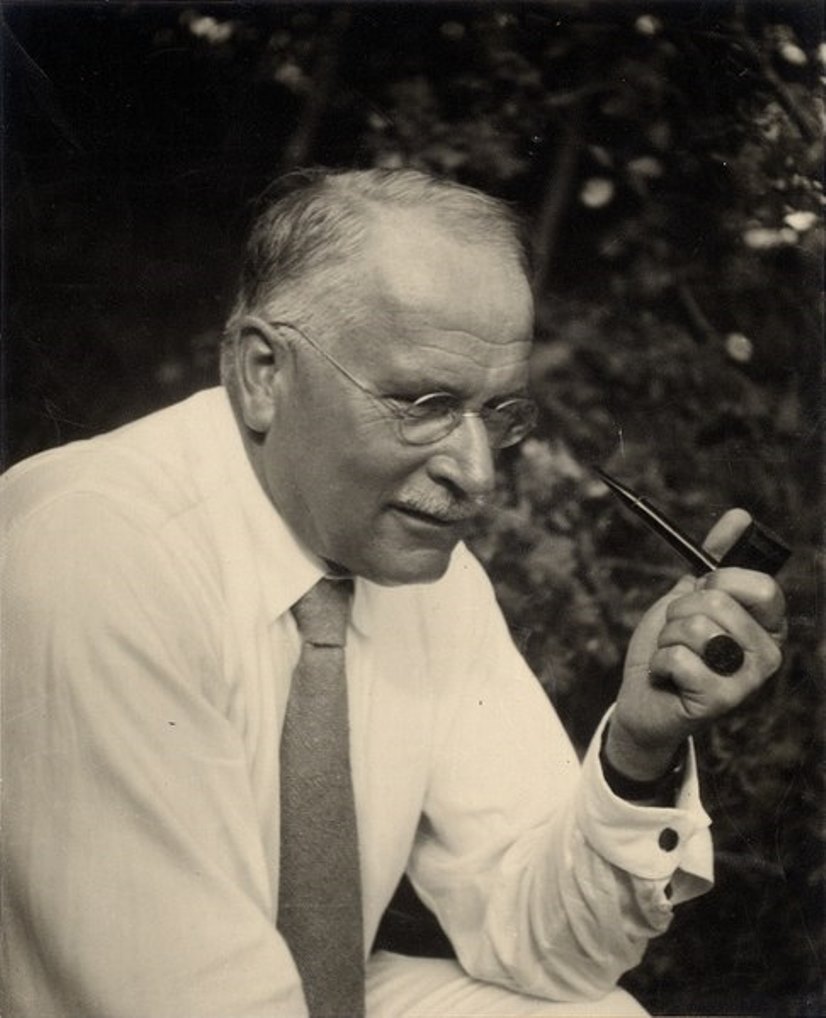
Carl Gustav Jung was a Swiss psychologist and psychiatrist, professor, and the founder of analytical psychology.
He studied at the University of Zurich and conducted many studies in scientific psychology and psychiatry. From 1907 to 1912, Jung was a close associate of Sigmund Freud, but later they had serious disagreements and parted ways.
Carl Jung proposed and developed the concepts of extraverted and introverted personality, archetypes and the collective unconscious. He introduced the term "collective unconscious" as a part of the mind containing memories and impulses of which the individual is unaware, common to humanity as a whole and deriving from inherited brain structure. It differs from the personal unconscious, which arises from the experience of the individual. According to Jung, the collective unconscious contains archetypes, or universal primordial images and ideas.
Historical research helped Jung pioneer psychotherapy for middle-aged and elderly people, especially those who felt their lives had lost meaning. He helped them appreciate the place of their lives in the sequence of history. Jung devoted many years of his life to developing his ideas, especially those concerning the relationship between psychology and religion. His work had a significant impact on psychiatry and the study of religion, literature, and related fields.