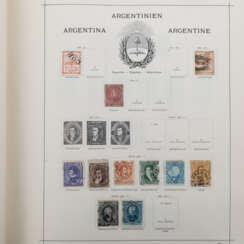
argentina













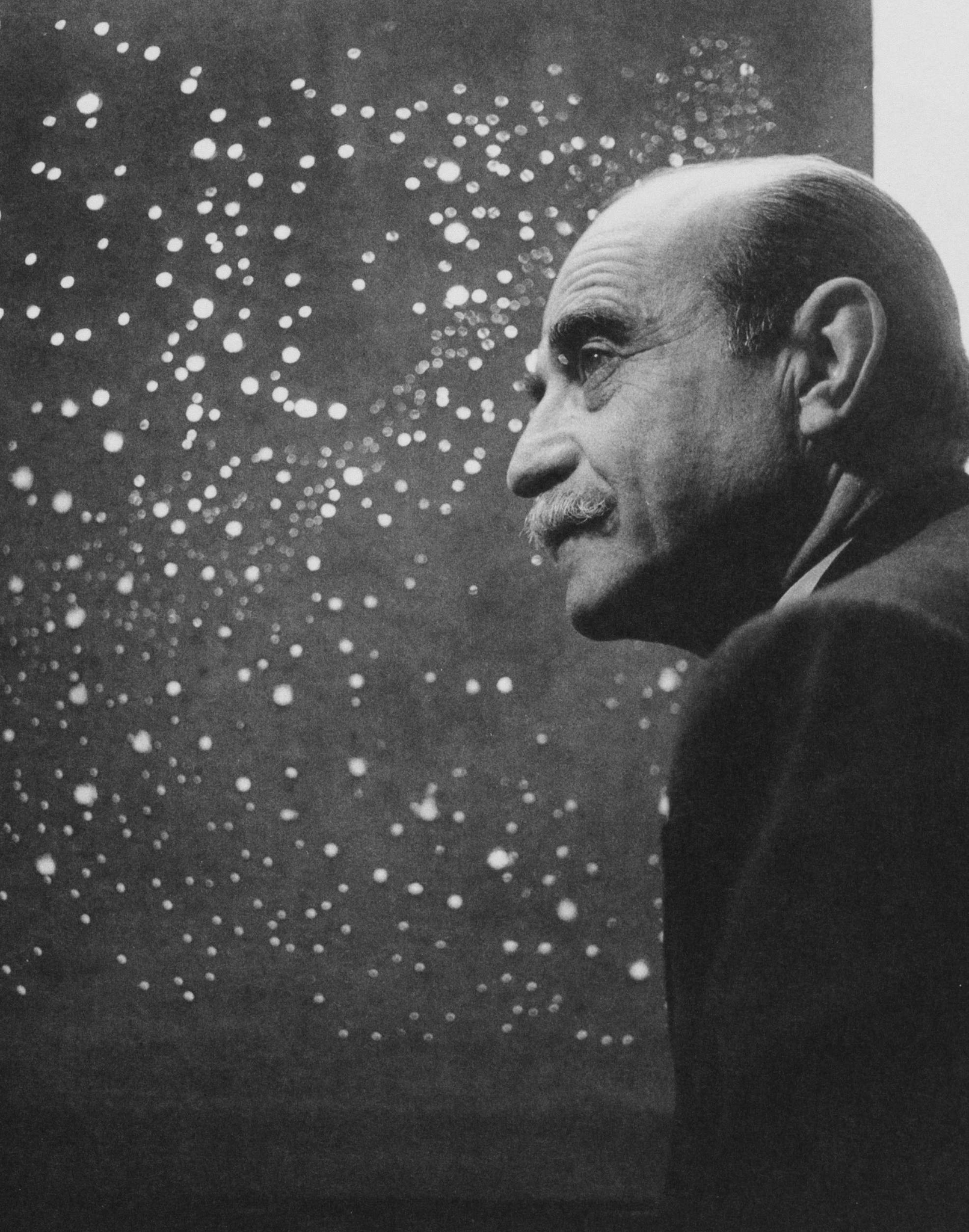
Lucio Fontana was an Argentine-Italian artist known for his pioneering work in the field of Spatialism, an artistic movement that explored the relationship between space and art.
Fontana studied sculpture at the Academy of Fine Arts in Milan, Italy. In the 1940s, he began experimenting with a technique he called "Spatial Concept," in which he punctured or cut holes into the canvas to create a sense of depth and dimensionality.
Throughout the 1950s and 1960s, Fontana continued to explore the possibilities of Spatialism, creating works in a variety of media, including sculpture, ceramics, and painting. One of his most famous series of works is the "Tagli" (Cuts), which consist of monochromatic canvases with one or more slashes or punctures.
Fontana's work had a significant influence on the development of the Arte Povera movement in Italy, as well as on the development of Minimalism and Conceptual Art. He exhibited his work widely in Europe and the United States, and his legacy continues to be celebrated by artists and critics today.
Fontana's innovative approach to art and his exploration of the relationship between space and form continue to be a source of inspiration for artists working in a wide range of media.
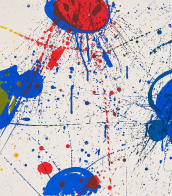


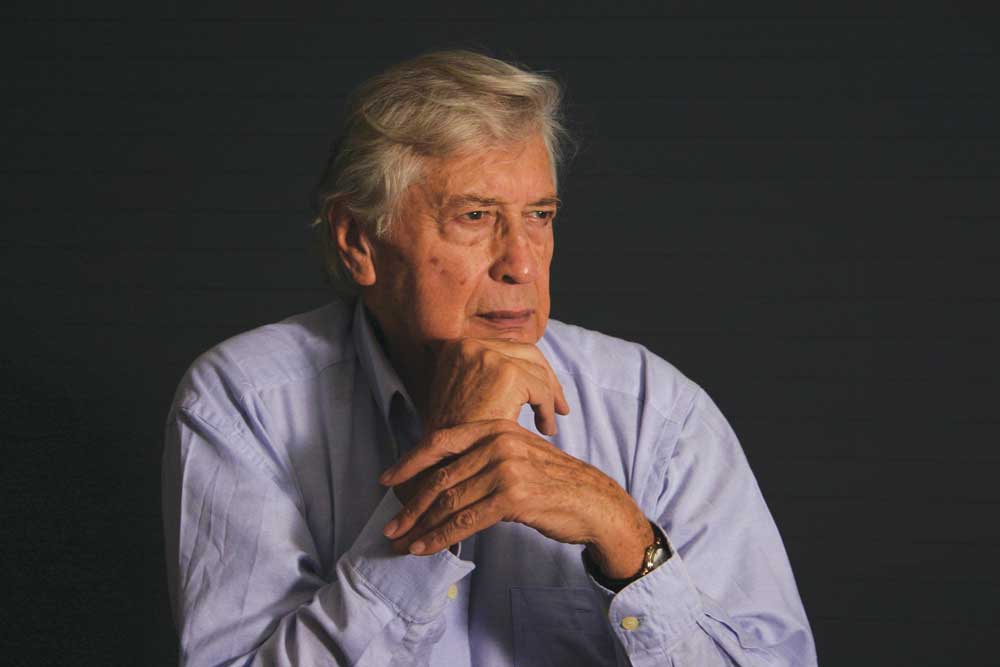
Julio Le Parc, an Argentine artist born in 1928, is celebrated for his significant contributions to modern op art and kinetic art. Educated at the School of Fine Arts in Argentina, Le Parc is a founding member of the influential Groupe de Recherche d’Art Visuel (GRAV) and has received numerous accolades for his work, cementing his status as a key figure in Argentine modern art.
Le Parc's art is renowned for its interactive nature, inviting viewers to experience his works through light, movement, and perception, rather than through narrative or representational content. His piece "Light in Movement" (1962), for example, uses painted drywall, mirrors, stainless steel, nylon thread, and spotlights to create an immersive environment of reflected and refracted light, exemplifying his focus on the sensory experience. Other notable works include "Celule Avec Luminere un Vibration" (1968), which employs light projections to create rhythmic patterns that immerse the viewer in a sensorial experience.
Le Parc's explorations extend to various series such as the "Alchemy" and "Modulation" series, where he experiments with elements like water and light to investigate movement and perception. "Alchemy 175" and "Alchemy 216," from 1991 and 1992 respectively, reflect his fascination with the transformative properties of water and light, while "Modulation 1160" (2004) is recognized for its illusion of motion, showcasing Le Parc's continuous innovation.
Julio Le Parc's works have been exhibited globally, including at prestigious venues like the Perez Art Museum Miami and the Serpentine Sackler Gallery, among others, highlighting his international acclaim and influence.
For those intrigued by the immersive and interactive qualities of Julio Le Parc's art, subscribing for updates on new product sales and auction events related to his works can offer exclusive insights and opportunities to engage with the artist's pioneering contributions to kinetic and op art.
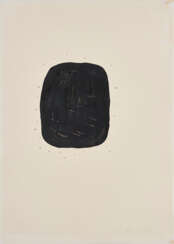

Lucio Fontana was an Argentine-Italian artist known for his pioneering work in the field of Spatialism, an artistic movement that explored the relationship between space and art.
Fontana studied sculpture at the Academy of Fine Arts in Milan, Italy. In the 1940s, he began experimenting with a technique he called "Spatial Concept," in which he punctured or cut holes into the canvas to create a sense of depth and dimensionality.
Throughout the 1950s and 1960s, Fontana continued to explore the possibilities of Spatialism, creating works in a variety of media, including sculpture, ceramics, and painting. One of his most famous series of works is the "Tagli" (Cuts), which consist of monochromatic canvases with one or more slashes or punctures.
Fontana's work had a significant influence on the development of the Arte Povera movement in Italy, as well as on the development of Minimalism and Conceptual Art. He exhibited his work widely in Europe and the United States, and his legacy continues to be celebrated by artists and critics today.
Fontana's innovative approach to art and his exploration of the relationship between space and form continue to be a source of inspiration for artists working in a wide range of media.


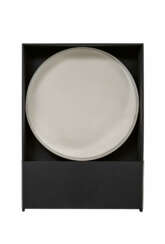

Julio Le Parc, an Argentine artist born in 1928, is celebrated for his significant contributions to modern op art and kinetic art. Educated at the School of Fine Arts in Argentina, Le Parc is a founding member of the influential Groupe de Recherche d’Art Visuel (GRAV) and has received numerous accolades for his work, cementing his status as a key figure in Argentine modern art.
Le Parc's art is renowned for its interactive nature, inviting viewers to experience his works through light, movement, and perception, rather than through narrative or representational content. His piece "Light in Movement" (1962), for example, uses painted drywall, mirrors, stainless steel, nylon thread, and spotlights to create an immersive environment of reflected and refracted light, exemplifying his focus on the sensory experience. Other notable works include "Celule Avec Luminere un Vibration" (1968), which employs light projections to create rhythmic patterns that immerse the viewer in a sensorial experience.
Le Parc's explorations extend to various series such as the "Alchemy" and "Modulation" series, where he experiments with elements like water and light to investigate movement and perception. "Alchemy 175" and "Alchemy 216," from 1991 and 1992 respectively, reflect his fascination with the transformative properties of water and light, while "Modulation 1160" (2004) is recognized for its illusion of motion, showcasing Le Parc's continuous innovation.
Julio Le Parc's works have been exhibited globally, including at prestigious venues like the Perez Art Museum Miami and the Serpentine Sackler Gallery, among others, highlighting his international acclaim and influence.
For those intrigued by the immersive and interactive qualities of Julio Le Parc's art, subscribing for updates on new product sales and auction events related to his works can offer exclusive insights and opportunities to engage with the artist's pioneering contributions to kinetic and op art.
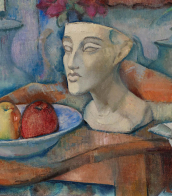
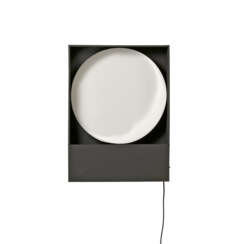

Julio Le Parc, an Argentine artist born in 1928, is celebrated for his significant contributions to modern op art and kinetic art. Educated at the School of Fine Arts in Argentina, Le Parc is a founding member of the influential Groupe de Recherche d’Art Visuel (GRAV) and has received numerous accolades for his work, cementing his status as a key figure in Argentine modern art.
Le Parc's art is renowned for its interactive nature, inviting viewers to experience his works through light, movement, and perception, rather than through narrative or representational content. His piece "Light in Movement" (1962), for example, uses painted drywall, mirrors, stainless steel, nylon thread, and spotlights to create an immersive environment of reflected and refracted light, exemplifying his focus on the sensory experience. Other notable works include "Celule Avec Luminere un Vibration" (1968), which employs light projections to create rhythmic patterns that immerse the viewer in a sensorial experience.
Le Parc's explorations extend to various series such as the "Alchemy" and "Modulation" series, where he experiments with elements like water and light to investigate movement and perception. "Alchemy 175" and "Alchemy 216," from 1991 and 1992 respectively, reflect his fascination with the transformative properties of water and light, while "Modulation 1160" (2004) is recognized for its illusion of motion, showcasing Le Parc's continuous innovation.
Julio Le Parc's works have been exhibited globally, including at prestigious venues like the Perez Art Museum Miami and the Serpentine Sackler Gallery, among others, highlighting his international acclaim and influence.
For those intrigued by the immersive and interactive qualities of Julio Le Parc's art, subscribing for updates on new product sales and auction events related to his works can offer exclusive insights and opportunities to engage with the artist's pioneering contributions to kinetic and op art.
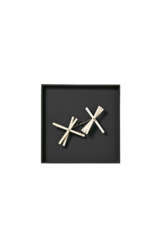

Julio Le Parc, an Argentine artist born in 1928, is celebrated for his significant contributions to modern op art and kinetic art. Educated at the School of Fine Arts in Argentina, Le Parc is a founding member of the influential Groupe de Recherche d’Art Visuel (GRAV) and has received numerous accolades for his work, cementing his status as a key figure in Argentine modern art.
Le Parc's art is renowned for its interactive nature, inviting viewers to experience his works through light, movement, and perception, rather than through narrative or representational content. His piece "Light in Movement" (1962), for example, uses painted drywall, mirrors, stainless steel, nylon thread, and spotlights to create an immersive environment of reflected and refracted light, exemplifying his focus on the sensory experience. Other notable works include "Celule Avec Luminere un Vibration" (1968), which employs light projections to create rhythmic patterns that immerse the viewer in a sensorial experience.
Le Parc's explorations extend to various series such as the "Alchemy" and "Modulation" series, where he experiments with elements like water and light to investigate movement and perception. "Alchemy 175" and "Alchemy 216," from 1991 and 1992 respectively, reflect his fascination with the transformative properties of water and light, while "Modulation 1160" (2004) is recognized for its illusion of motion, showcasing Le Parc's continuous innovation.
Julio Le Parc's works have been exhibited globally, including at prestigious venues like the Perez Art Museum Miami and the Serpentine Sackler Gallery, among others, highlighting his international acclaim and influence.
For those intrigued by the immersive and interactive qualities of Julio Le Parc's art, subscribing for updates on new product sales and auction events related to his works can offer exclusive insights and opportunities to engage with the artist's pioneering contributions to kinetic and op art.





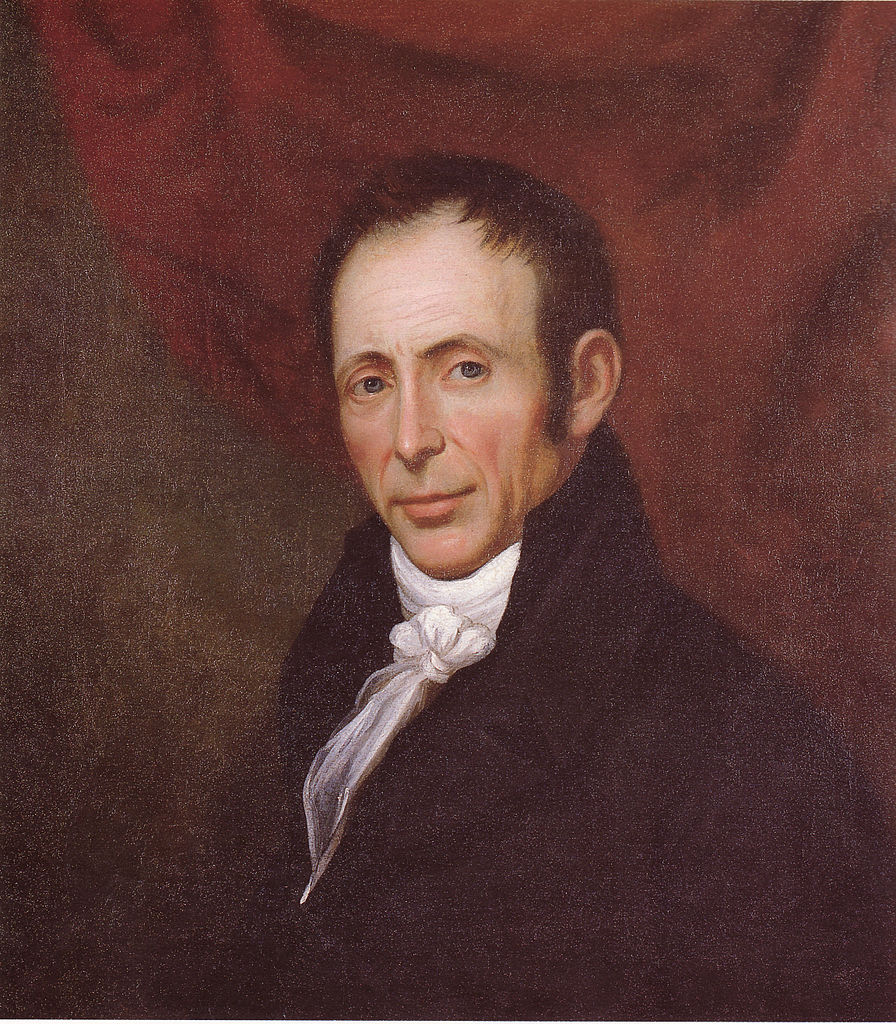
Charles Peale Polk was an American portrait painter and the nephew of artist Charles Willson Peale.
Polk’s earliest paintings were copies of his uncle's originals and he was highly dependent on his uncle's training and guidance. He continued to make copies of many paintings including his own. It is said that he produced fifty-seven reproductions of his George Washington portrait.








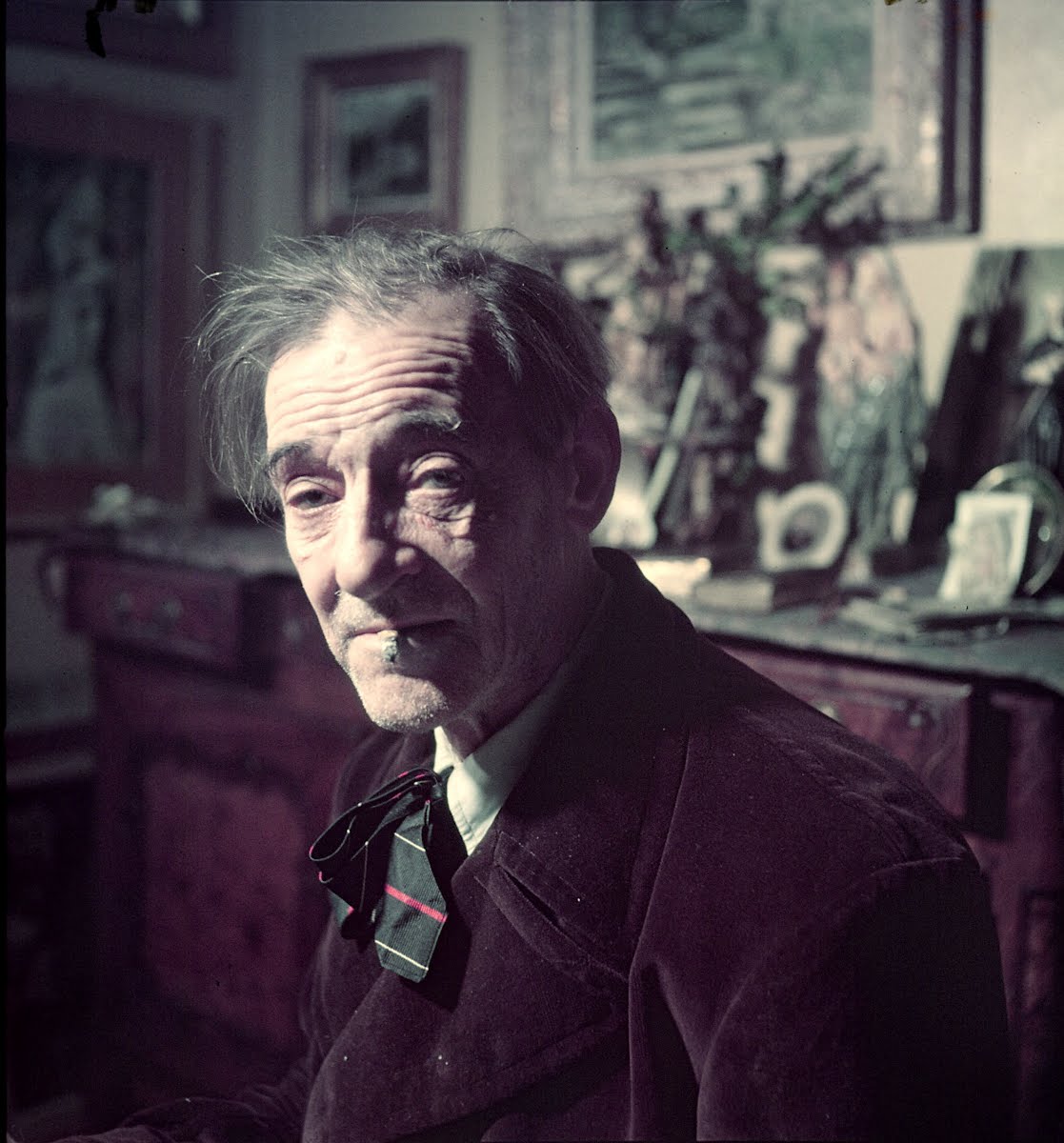
Maurice Utrillo was a French painter, celebrated for his depictions of cityscapes, particularly of the Montmartre district in Paris. His unique approach to painting, characterized by a vivid portrayal of urban landscapes, has captivated art collectors and experts alike. Utrillo's work is notable for its distinct use of color and perspective, offering viewers a glimpse into the picturesque and often serene streets of Montmartre. Despite challenges in his personal life, including struggles with alcoholism, Utrillo's artistry remained undiminished, showcasing his profound connection to the city he often portrayed from memory or postcards, especially in his later years when his health declined.
Utrillo's paintings are a testament to his skill in capturing the essence of Parisian life, with works such as "La Rue Norvins à Montmartre" and "Place du Tertre" highlighting his ability to blend color, light, and architecture into harmonious compositions. His "White Period" is particularly renowned, during which he used white zinc and sometimes plaster to achieve a unique texture and depth in his paintings. This period signifies a pivotal moment in Utrillo's career, marking a departure from Impressionism towards a style that emphasized the structural and geometric aspects of his subjects.
Utrillo's contributions to art extend beyond his innovative techniques and stylistic evolution. His life story, marked by periods of intense struggle and creativity, adds a layer of depth to his works, inviting viewers to explore not only the streets of Montmartre but also the complex landscape of the artist's inner world. His paintings, many of which are now housed in prestigious museums and galleries, continue to attract admiration from around the globe.
For collectors and experts in art and antiques, Maurice Utrillo's works offer a unique investment in the beauty and history of Parisian culture. His ability to capture the spirit of Montmartre, combined with his innovative use of materials and color, makes his paintings a valuable addition to any collection.
If you're passionate about art and wish to stay informed about new product sales and auction events related to Maurice Utrillo, consider signing up for updates. This subscription service is tailored specifically for enthusiasts eager to enhance their collections with works by this remarkable artist, ensuring you're always in the know about opportunities to acquire pieces by Utrillo and related cultural events.








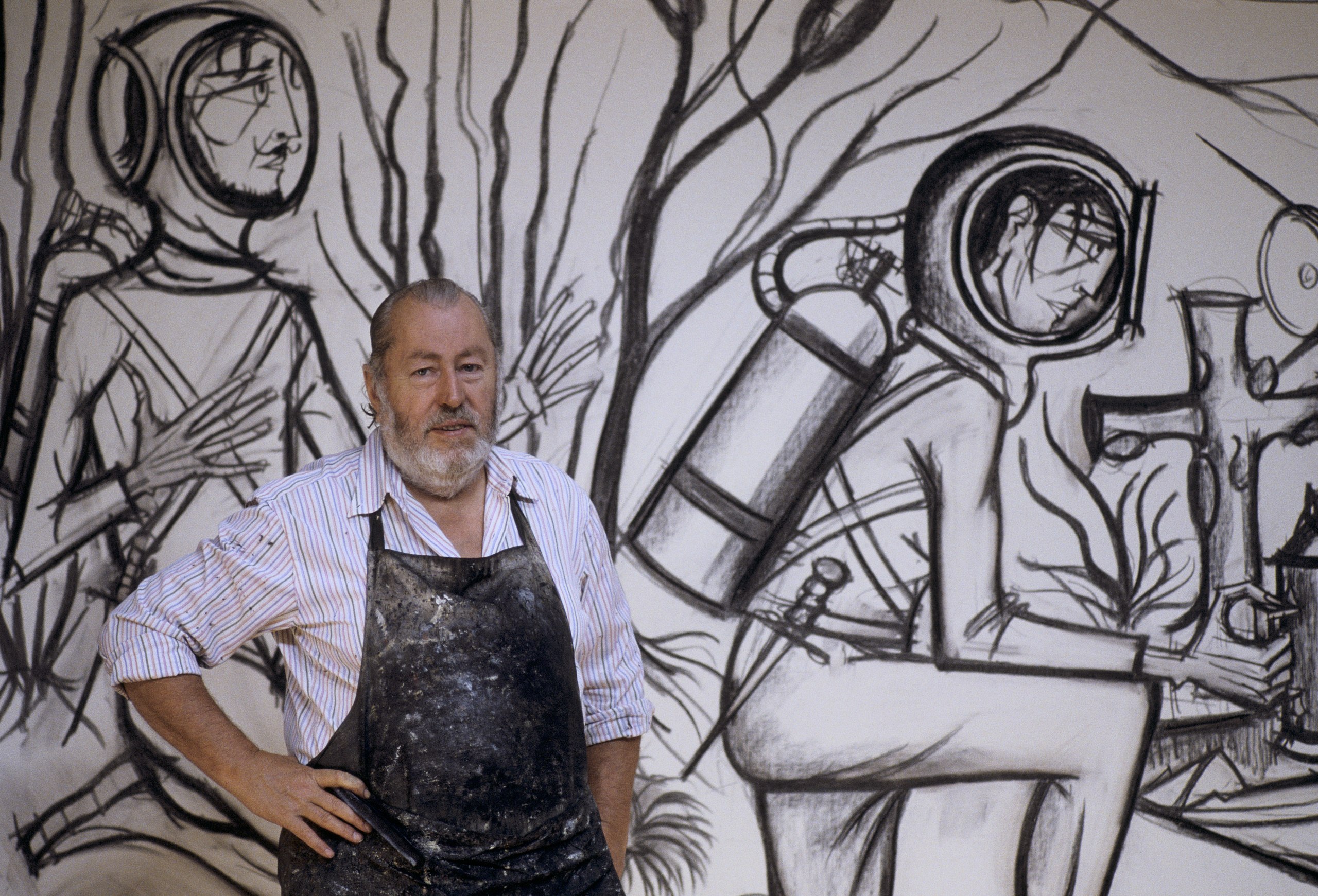
Bernard Buffet was a French artist renowned for his distinctive style of painting, printmaking, and sculpture. His work, characterized by expressive, angular lines and somber themes, has captivated collectors and art enthusiasts worldwide. Buffet's art, deeply influenced by the post-war period in France, reflects themes of despair, loneliness, and the human condition, often portrayed through his iconic clowns and desolate landscapes. His approach to art, marked by stark compositions and a vivid portrayal of existential angst, positioned him as a leading figure in the modern expressionist movement.
Buffet's career was meteoric from its onset; by his early twenties, he was celebrated alongside cultural icons of the time, earning him a spot among the "Fabulous Five" of post-war France. Despite his early acclaim, Buffet's later years were marked by controversy and a decline in popularity, as shifts in artistic trends and criticism over his lifestyle choices overshadowed his contributions. Nevertheless, his work remained prolific, with more than 8,000 paintings to his name, illustrating an unwavering commitment to his art until his tragic death in 1999.
Today, Bernard Buffet's legacy is undergoing a renaissance, with a renewed appreciation for his artistic achievements. Exhibitions and retrospectives across the globe, particularly in Japan and Europe, have reignited interest in his oeuvre, showcasing the enduring relevance of his work. Notably, the Bernard Buffet Museum in Japan, founded during his lifetime, stands as a testament to his impact and the global admiration for his art.
For collectors and experts in the field of art and antiques, Buffet's work offers a unique insight into the complexities of the human psyche and the existential dilemmas of the 20th century. His ability to evoke profound emotional responses through his distinctive visual language makes his work highly sought after in the art market today.
To stay informed about new product sales and auction events related to Bernard Buffet, we encourage you to sign up for updates. This subscription service is tailored specifically for enthusiasts keen on exploring the profound legacy of Bernard Buffet, ensuring you remain at the forefront of notable developments in the art world.