block-wise



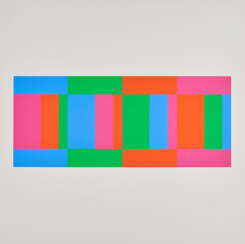

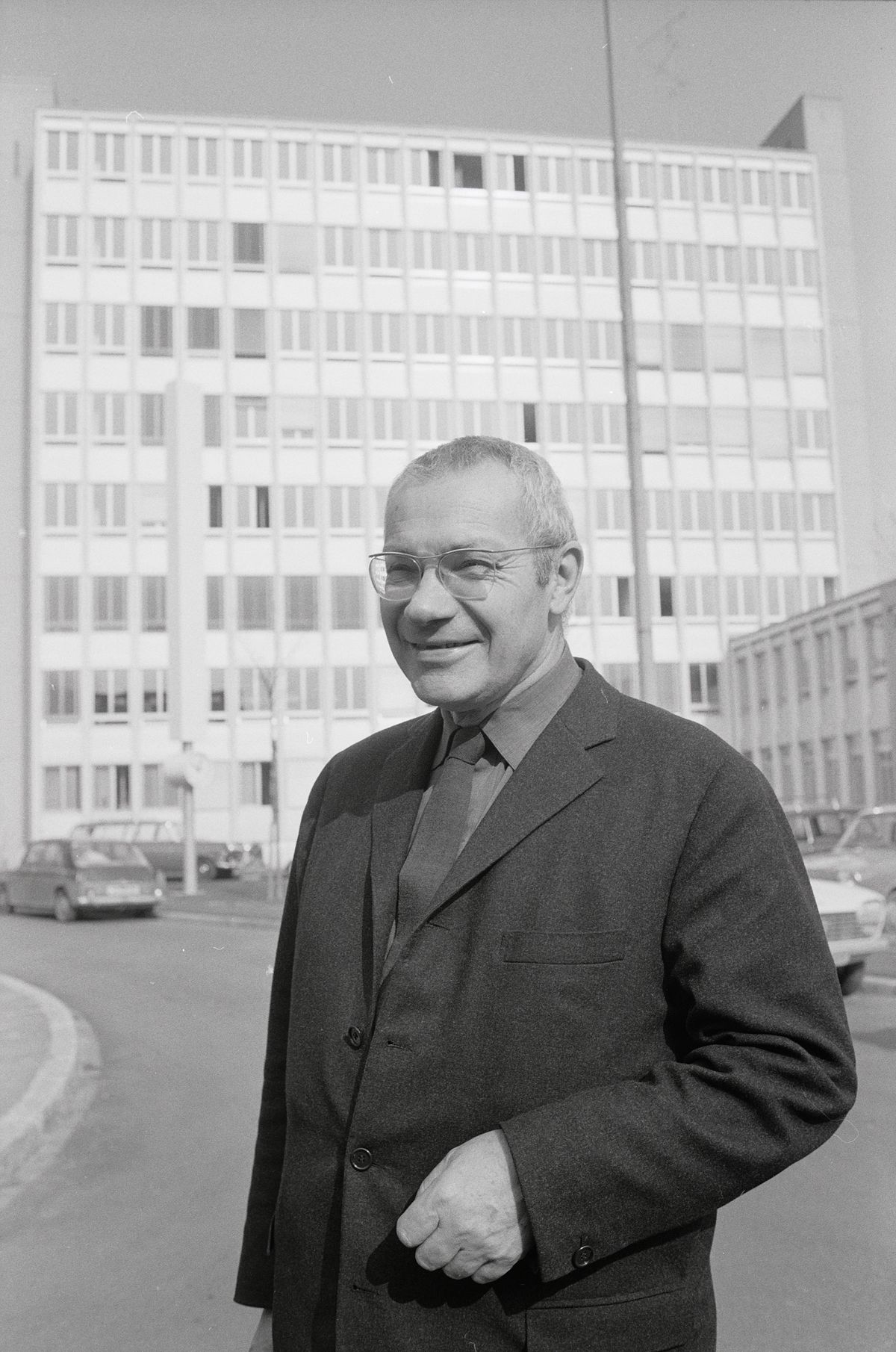
Max Bill, a Swiss artist, architect, painter, typeface designer, industrial designer, and graphic designer, emerged as a key figure in 20th-century art and design. Born in Winterthur, Switzerland, in 1908, Bill's education at the Bauhaus under luminaries like Wassily Kandinsky, Paul Klee, and Oskar Schlemmer profoundly influenced his multidisciplinary approach. His work spans from graphic design, where he was instrumental in shaping Swiss design from the 1950s, to product design with iconic creations like the Ulmer Hocker, a versatile stool designed in 1954.
Bill's contributions to concrete art and his role in founding the Ulm School of Design alongside Inge Aicher-Scholl and Otl Aicher in 1953, mark him as a pioneer who blurred the lines between art, design, and architecture. His theoretical writings and teaching at the Ulm School further underscored his commitment to integrating art with science, shaping a generation of designers and artists.
Noteworthy among his architectural works are his own house and studio built in Zurich-Höngg in the early 1930s and a series of public sculptures that challenge perceptions and engage public spaces in innovative ways. His legacy also includes influential roles in politics, contributions to the field of education, and the establishment of foundations to preserve his work and ideals.
Bill's extensive oeuvre, which also includes timepieces designed for Junghans and a multitude of sculptures, demonstrates his belief in the unity of form and function and the possibility of art to embody the principles of the new physics of the 20th century. His works are not only held in high regard for their aesthetic and functional qualities but also for their ability to convey complex theoretical ideas in tangible forms.
For collectors and experts in art and antiques, Max Bill remains a figure of immense importance, whose works continue to inspire and influence contemporary design and art practices. Sign up for updates related to Max Bill to stay informed about new product sales and auction events showcasing his remarkable contributions to modern art and design.




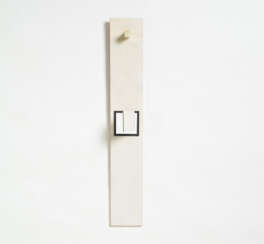

Christian Megert is a Swiss sculptor, object artist, installation and kinetic artist, known for his work with mirrors.


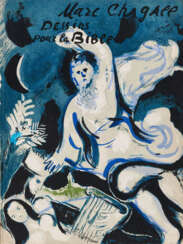

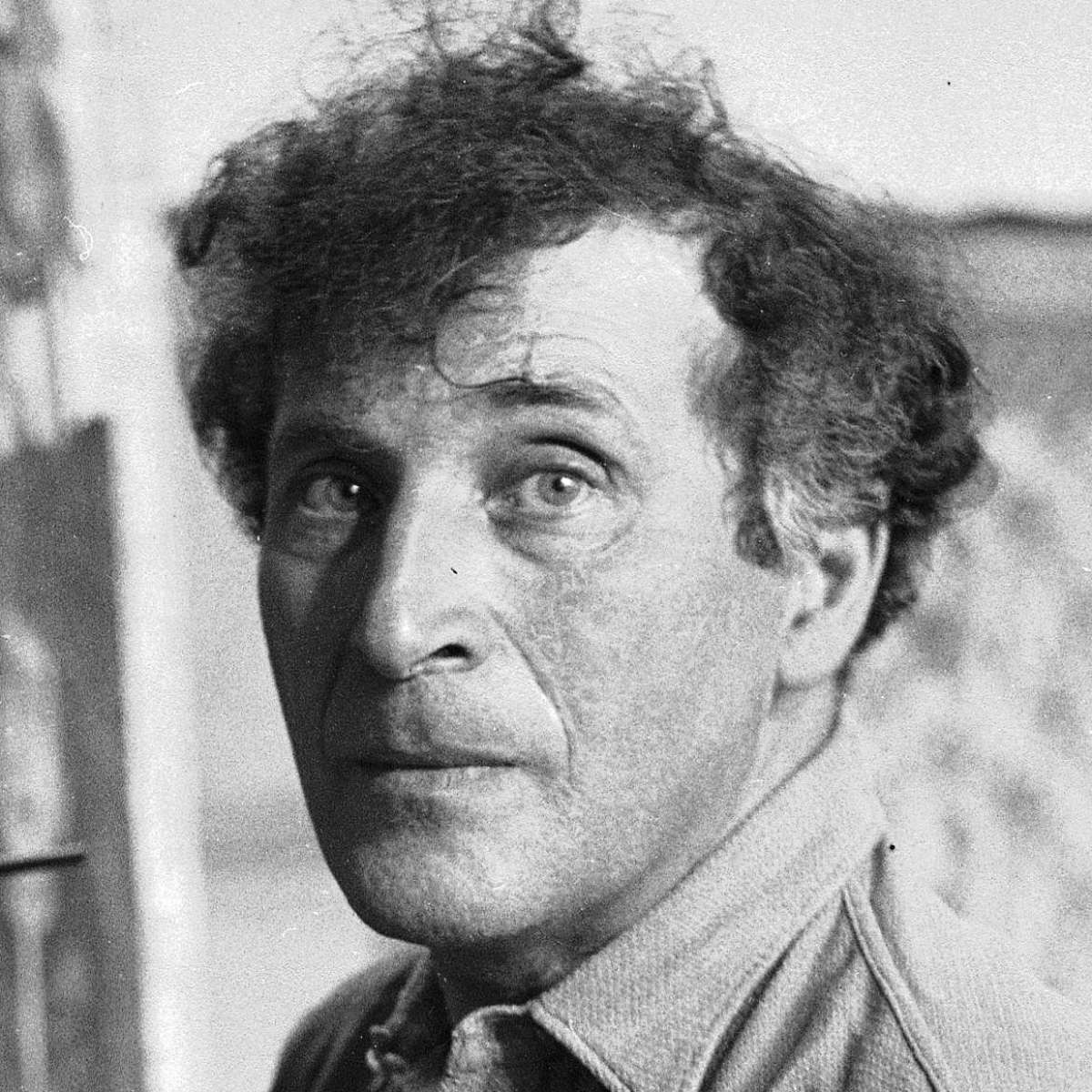
Marc Chagall (Russian: Марк Заха́рович Шага́л), born Moishe Shagal in 1887 near Vitebsk, Belarus (then part of the Russian Empire), was a Belarusian and French artist celebrated for his pivotal role in the avant-garde movement and his unique integration of Eastern European Jewish culture into modern art. His contributions spanned several artistic formats including painting, stained glass, stage sets, ceramics, tapestries, and fine art prints. Chagall's early modernist tendencies were enriched by his experiences across Saint Petersburg, Paris, and Berlin before World War I, leading to a distinctive style that melded Cubism, Symbolism, and Fauvism with his Jewish heritage.
Chagall's work is recognized for its emotional depth, often exploring themes of love, memory, and Jewish folklore through vibrant colors and dreamlike imagery. Notably, art critic Robert Hughes described him as "the quintessential Jewish artist of the twentieth century," a sentiment echoed by art historian Michael J. Lewis who regarded Chagall as a significant figure within European modernism and as the world's preeminent Jewish artist of his time.
Among Chagall's famed contributions are his stained-glass windows for the cathedrals of Reims and Metz, the UN, and the Jerusalem Windows in Israel. His monumental paintings include parts of the ceiling of the Paris Opéra and works that explore biblical themes, a hallmark of his oeuvre that underscores his enduring engagement with spiritual and religious motifs.
For art collectors and antiques experts, Chagall's works are notable not only for their artistic innovation but also for their rich cultural and historical significance. His art is housed in many prestigious museums worldwide, including the Marc Chagall National Museum in Nice, France, which focuses on his works inspired by religion and houses the series of paintings illustrating the biblical message.
For those interested in exploring Chagall's legacy and the vibrant intersection of culture, art, and history his work represents, signing up for updates on new product sales and auction events related to Marc Chagall can provide invaluable insights and opportunities. This is an invitation to engage more deeply with the world of art and culture that Chagall so uniquely encapsulated in his work.

Marc Chagall (Russian: Марк Заха́рович Шага́л), born Moishe Shagal in 1887 near Vitebsk, Belarus (then part of the Russian Empire), was a Belarusian and French artist celebrated for his pivotal role in the avant-garde movement and his unique integration of Eastern European Jewish culture into modern art. His contributions spanned several artistic formats including painting, stained glass, stage sets, ceramics, tapestries, and fine art prints. Chagall's early modernist tendencies were enriched by his experiences across Saint Petersburg, Paris, and Berlin before World War I, leading to a distinctive style that melded Cubism, Symbolism, and Fauvism with his Jewish heritage.
Chagall's work is recognized for its emotional depth, often exploring themes of love, memory, and Jewish folklore through vibrant colors and dreamlike imagery. Notably, art critic Robert Hughes described him as "the quintessential Jewish artist of the twentieth century," a sentiment echoed by art historian Michael J. Lewis who regarded Chagall as a significant figure within European modernism and as the world's preeminent Jewish artist of his time.
Among Chagall's famed contributions are his stained-glass windows for the cathedrals of Reims and Metz, the UN, and the Jerusalem Windows in Israel. His monumental paintings include parts of the ceiling of the Paris Opéra and works that explore biblical themes, a hallmark of his oeuvre that underscores his enduring engagement with spiritual and religious motifs.
For art collectors and antiques experts, Chagall's works are notable not only for their artistic innovation but also for their rich cultural and historical significance. His art is housed in many prestigious museums worldwide, including the Marc Chagall National Museum in Nice, France, which focuses on his works inspired by religion and houses the series of paintings illustrating the biblical message.
For those interested in exploring Chagall's legacy and the vibrant intersection of culture, art, and history his work represents, signing up for updates on new product sales and auction events related to Marc Chagall can provide invaluable insights and opportunities. This is an invitation to engage more deeply with the world of art and culture that Chagall so uniquely encapsulated in his work.
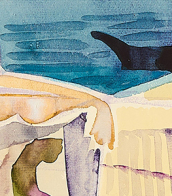
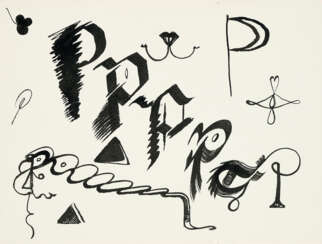

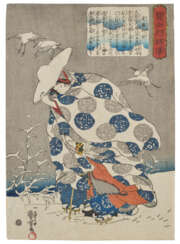




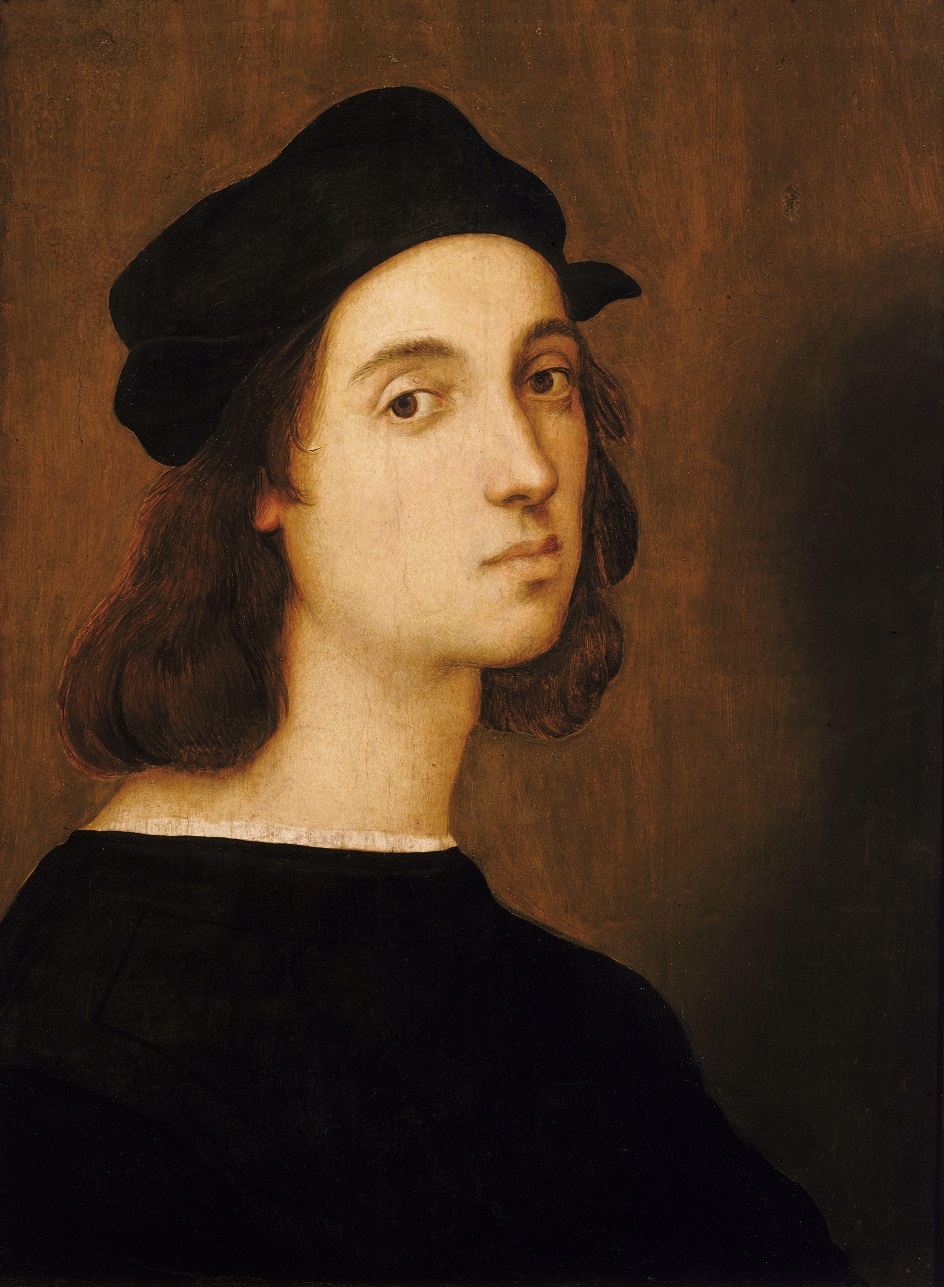
Raffaello Santi was an Italian artist, famously known for his contributions to the world of culture and art. Born in Urbino, Italy, in 1483, Raffaello Santi, commonly known as Raphael, was a renowned painter and architect during the Italian Renaissance. His exceptional talents in the realms of painting and sculpture have left an indelible mark on the art world, earning him a place among the greatest artists of all time.
Raphael's works are celebrated for their exquisite detail, harmonious compositions, and the graceful beauty of his subjects. He is best known for his remarkable frescoes in the Vatican Palace, including the famous "School of Athens," which exemplifies his mastery in blending classical antiquity with contemporary artistic sensibilities. His ability to capture the human form with unparalleled accuracy and sensitivity has earned him a reputation as a true virtuoso.
Among his other notable works are "The Sistine Madonna" and "The Transfiguration," both of which showcase his exceptional skills in portraying religious subjects with a captivating emotional depth. These paintings, along with many others, are now cherished treasures in museums and galleries worldwide, drawing art enthusiasts and experts alike to admire Raphael's timeless creations.
For collectors and art connoisseurs, Raphael's works are highly sought after, not only for their historical significance but also for their aesthetic appeal. His pieces continue to command great value in the art market, making them a valuable addition to any art collection.
If you are passionate about culture, art, and the works of this celebrated artist, consider signing up for updates related to Raphael Santi. Stay informed about new product sales and auction events featuring his masterpieces, and have the opportunity to acquire a piece of art history for yourself. Don't miss the chance to immerse yourself in the world of Raphael and his timeless contributions to the realm of art. Subscribe today and be a part of preserving his legacy.
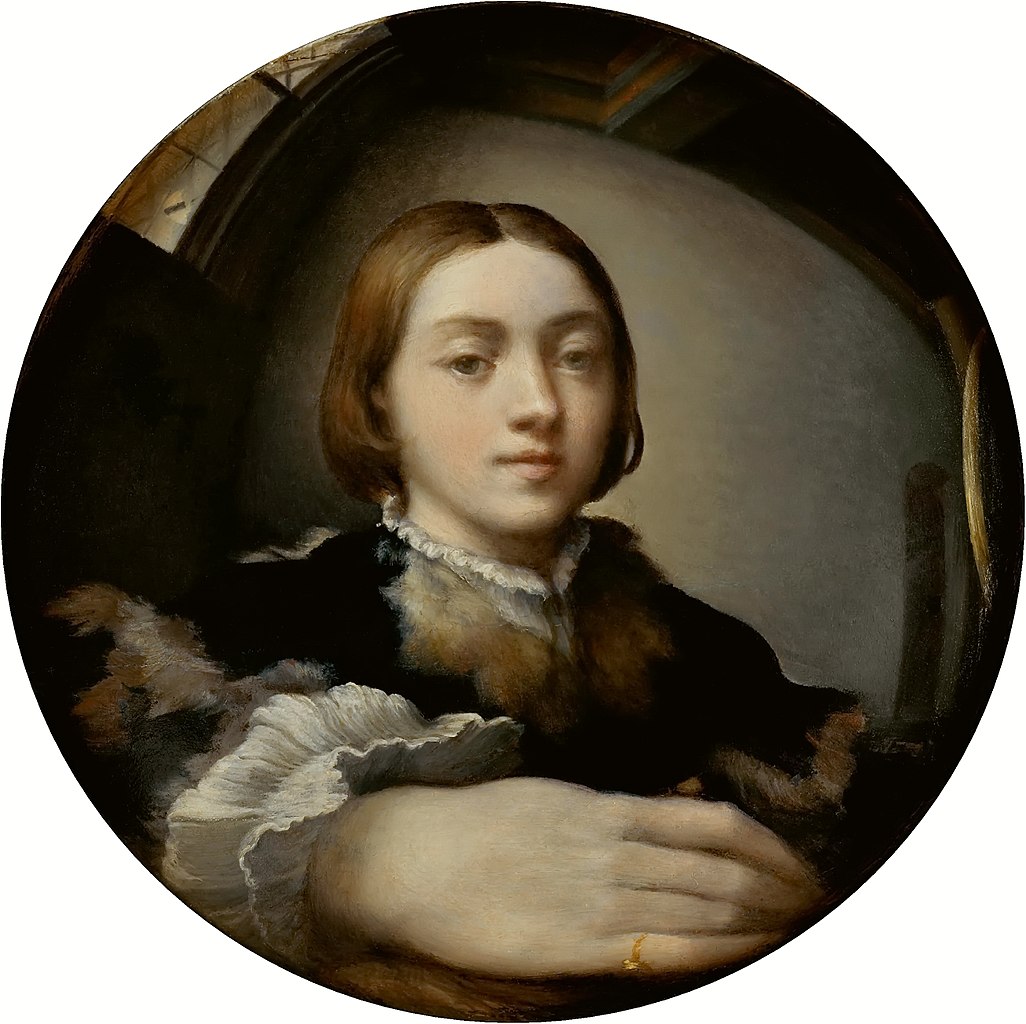
Parmigianino, an Italian Mannerist painter born Girolamo Francesco Maria Mazzola, was a pivotal figure in the development of the Mannerist style, known for his sophisticated and elegant approach to painting. He was a leading figure in Parma's art scene following Correggio and had a significant influence on the artistic developments during the post-High Renaissance period through his expressive and stylish works.
Parmigianino's journey as an artist took him from Parma to Rome and then to Bologna, with his last years spent in Parma. His works, including the renowned "Madonna with the Long Neck," display a unique blend of grace and elegance, coupled with an idiosyncratic use of elongation and distortion, typical of Mannerist aesthetics. This painting, in particular, is noted for its unusual composition and the elongation of figures, embodying the Mannerist style's departure from the proportional norms established during the Renaissance.
He was also an early Italian etcher, utilizing this technique to express the spontaneity of an artist's hand. His etchings and drawings had a considerable influence on printmaking and the visual arts in Italy and Europe. In addition to his paintings, Parmigianino's contributions to the arts include his work in the church of the Steccata in Parma and his innovative approach to integrating painting with architectural elements.
For art collectors and experts, Parmigianino's work represents a critical link between the High Renaissance and the emergence of Baroque and Rococo styles, offering a unique insight into the evolution of European art. His works continue to be celebrated for their originality and mastery, making him a subject of enduring interest in the study of art history.
For those interested in exploring Parmigianino's contributions to art further, subscribing to updates from art institutions or platforms specializing in Renaissance and Mannerist art could provide valuable insights into his life, works, and ongoing exhibitions or sales of his artworks.


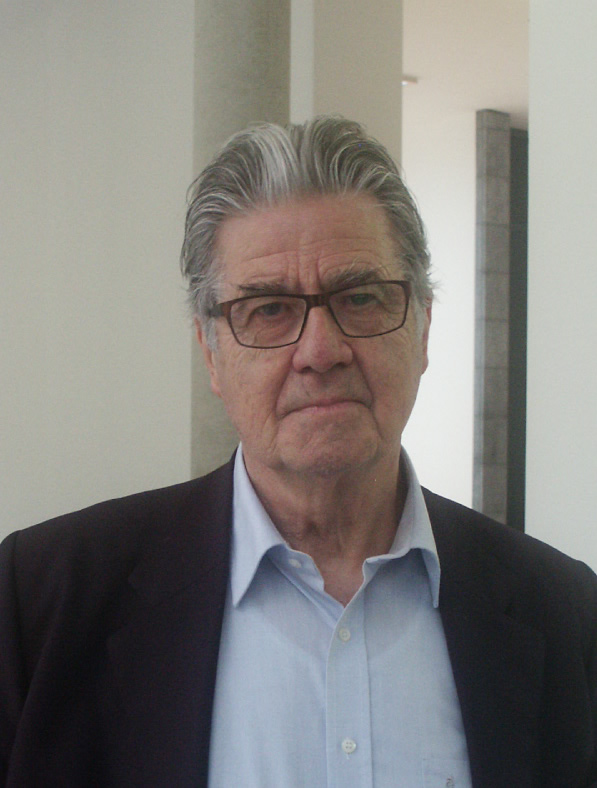
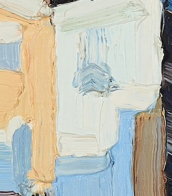
Franz Gertsch is one of Switzerland's most outstanding contemporary artists. Throughout his career, he has produced a wide range of paintings and graphic works in which he tries to find a particular approach to reality. Although the author uses photographs or slide projections as his starting points, the paintings adhere to a logic of their own which seeks the correctness of all elements. Woodcuts also occupy a special place in Franz Gertsch's work.

_portrait.png)
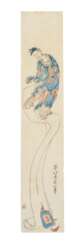
Katsushika Hokusai (Jap. 葛飾 北斎) was a well-known Japanese ukiyo-e artist, illustrator, etcher of the Edo period. He worked under many pseudonyms. He is one of the most famous Japanese engravers in the West, master of the concluding period of Japanese woodblock prints.


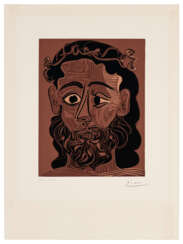

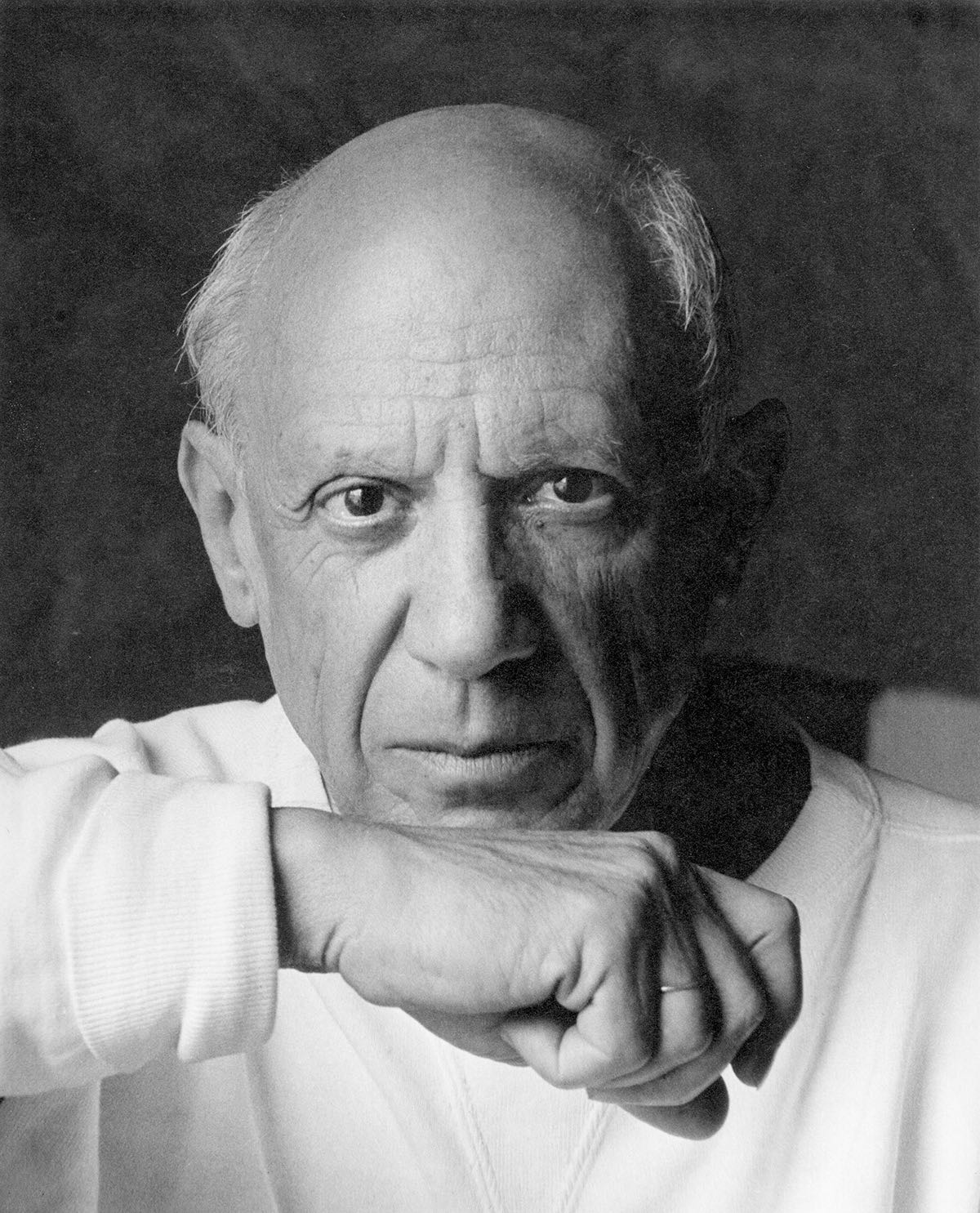
Pablo Ruiz Picasso, a Spanish artist renowned for his revolutionary contributions to the 20th-century art scene, is a figure that resonates profoundly with collectors and art experts. His unique blend of talents in painting, sculpture, printmaking, and ceramic art, infused with his time in France, positioned him as a pivotal character in modern art history.
Picasso's artistic journey was marked by distinct periods, each showcasing his evolving style and genius. His early years were characterized by the Blue Period (1901-1904), followed by the Rose Period (1904-1906), and then the African-influenced Period (1907-1909). Picasso's name is synonymous with Cubism, a movement he co-founded, which significantly altered artistic perspectives and methods. Works like "Les Demoiselles d'Avignon" (1907) and "Guernica" (1937) are emblematic of his cubist legacy, the latter being a poignant anti-war statement that remains influential.
His later years saw a return to more traditional styles, with neoclassical and surrealist influences becoming evident. Works from these phases reflect a deep engagement with mythological themes, as seen in "Faun with Stars" (1955), symbolizing his late-life romance with Jacqueline Roque, his second wife.
Picasso's prolific output and innovative spirit made him a legend in his own time, a status that only grew after his death. His works, housed in major museums and private collections worldwide, continue to captivate and inspire.
As a collector or expert in art and antiques, staying informed about Picasso's works, their auction events, and sales is essential. To stay updated on the latest developments and opportunities related to Pablo Picasso, sign up for our specialized updates. Rest assured, this subscription will focus solely on new product sales and auction events pertaining to Picasso's art, ensuring that you receive only the most relevant and valuable information.

.jpeg)
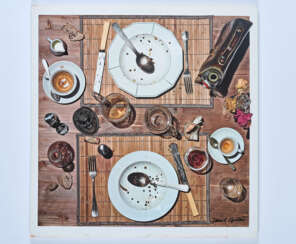
Daniel Spoerri was a Swiss artist of Romanian-Jewish descent, renowned for his contributions to the art world as a key figure in the Nouveau Réalisme (New Realism) movement. Born in Romania in 1930, Spoerri made significant strides in visual art, particularly in his development of "snare-pictures," a method where he captured a group of objects, such as table settings and the remnants of meals, in a state of apparent disorder yet meticulously fixed to the tabletop.
His works are celebrated for turning ordinary moments into a tableau of frozen time, capturing life's ephemeral qualities through the permanence of art. Notably, his piece "Tableau piège" involves the fixation of objects to a board or table, which is then displayed vertically, challenging traditional art display norms and viewer perceptions. This innovative approach allowed him to explore themes of consumption, waste, and the mundane, making the everyday profound.
Daniel Spoerri's art is housed in many esteemed institutions, including the Museum of Modern Art in New York and the Centre Georges Pompidou in Paris. His work continues to influence contemporary art, offering a unique perspective on the art of assemblage and the beauty in the banal.
For those interested in exploring more about Daniel Spoerri's life and works, or in keeping updated with sales and auction events related to his art, signing up for our updates is highly recommended. This subscription ensures you stay informed about the latest offerings and exhibitions featuring Spoerri's intriguing creations.
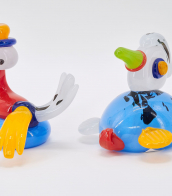
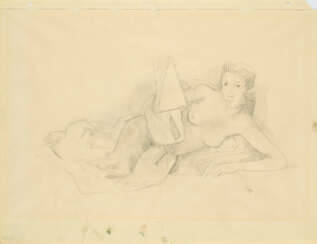

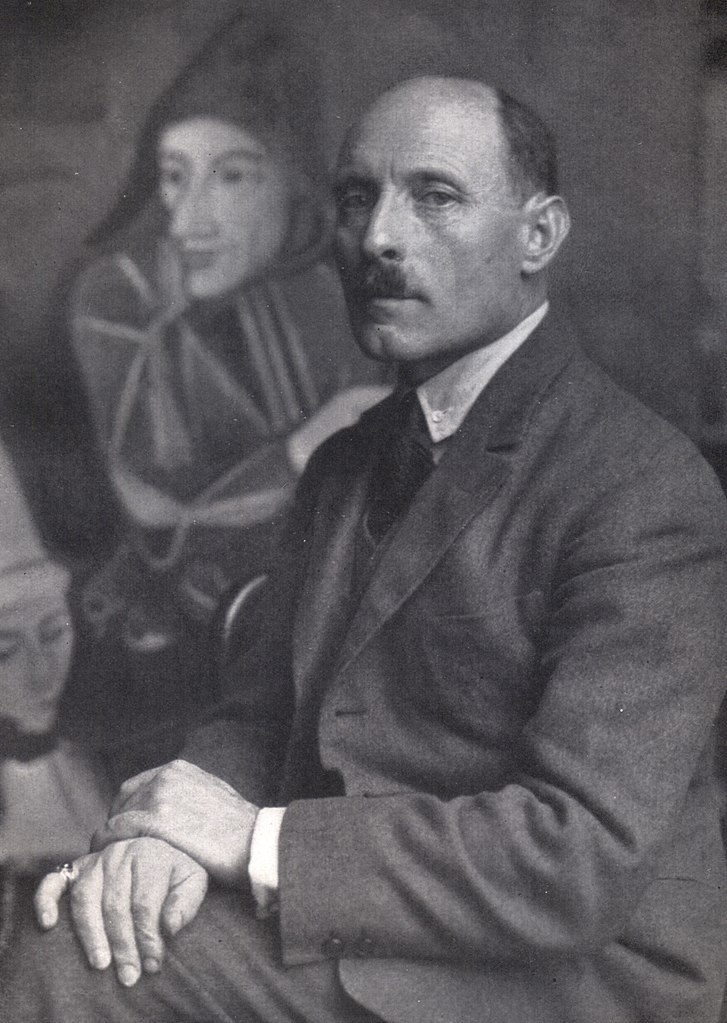
Karl Hofer was a German expressionist painter. He was director of the Berlin Academy of Fine Arts.
One of the most prominent painters of expressionism, he never was a member of one of the expressionist painting groups, like "Die Brücke", but was influenced by their painters. His work was among those considered degenerate art by the Nazis, but after World War II he regained recognition as one of the leading German painters.
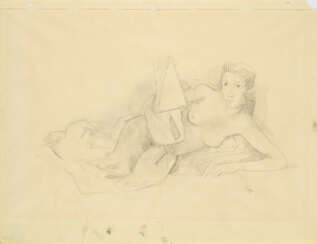

Karl Hofer was a German expressionist painter. He was director of the Berlin Academy of Fine Arts.
One of the most prominent painters of expressionism, he never was a member of one of the expressionist painting groups, like "Die Brücke", but was influenced by their painters. His work was among those considered degenerate art by the Nazis, but after World War II he regained recognition as one of the leading German painters.
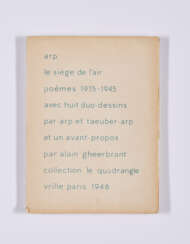

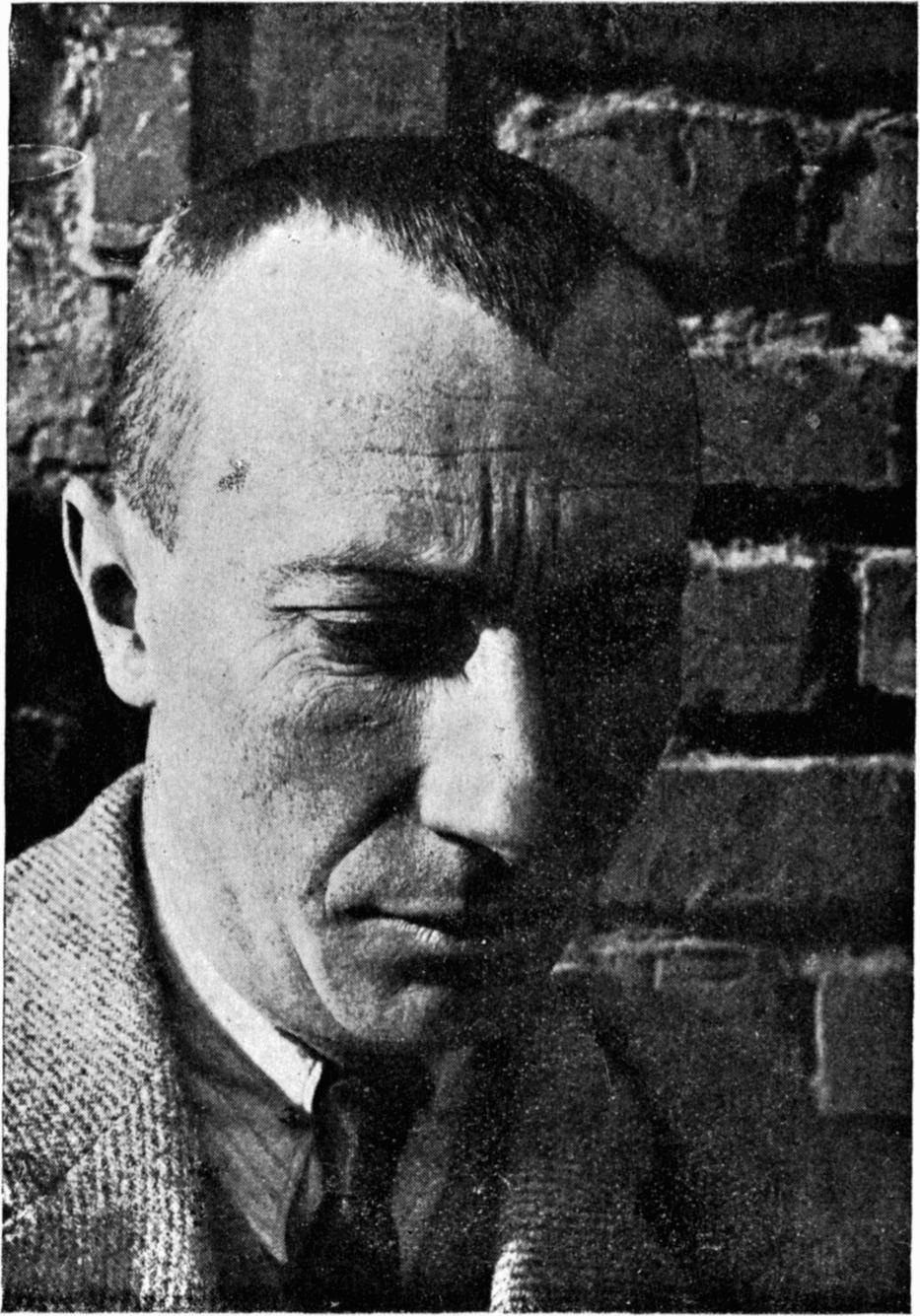
Jean Arp, born Hans Peter Wilhelm Arp, was a German and French poet, painter, graphic artist and sculptor. one of the founders of the Dada movement in Zurich.
Arp used abstract forms in his work and experimented with different materials such as wood, metal and stone. He was also known for his poetic works, in which he applied a method of randomly selecting words, called the "clutter method". Arp believed that this method helped him express his thoughts more precisely and originally. Arp's influence on the arts is still significant today.
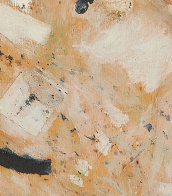
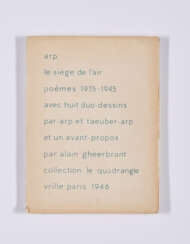

Jean Arp, born Hans Peter Wilhelm Arp, was a German and French poet, painter, graphic artist and sculptor. one of the founders of the Dada movement in Zurich.
Arp used abstract forms in his work and experimented with different materials such as wood, metal and stone. He was also known for his poetic works, in which he applied a method of randomly selecting words, called the "clutter method". Arp believed that this method helped him express his thoughts more precisely and originally. Arp's influence on the arts is still significant today.
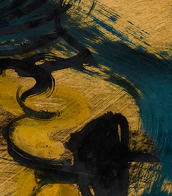


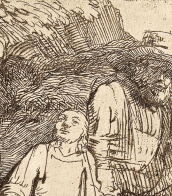





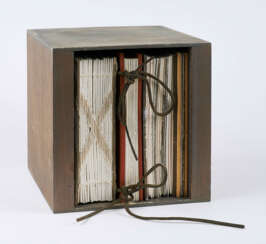



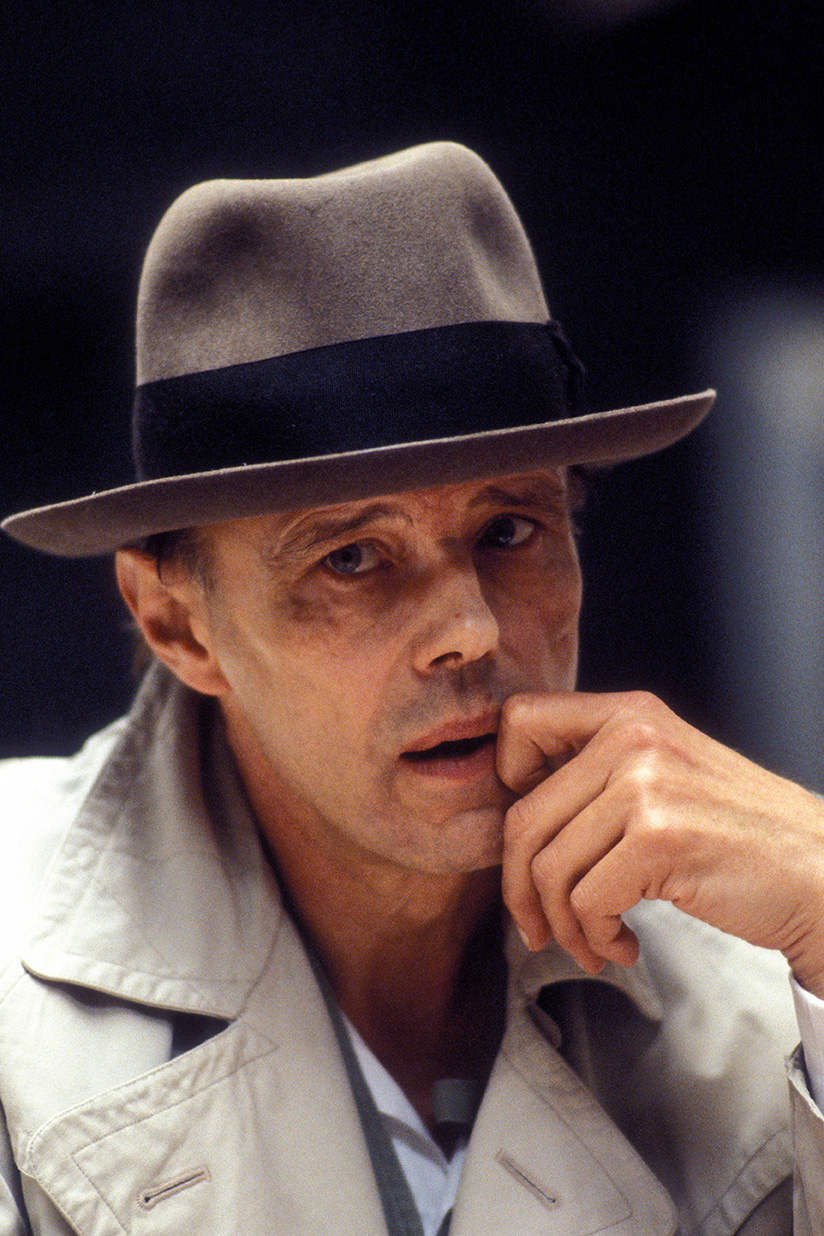
Joseph Heinrich Beuys was a German artist, renowned for his significant contributions to the realms of sculpture, painting, and installation art, which have left a lasting impact on the culture and art world. His work transcended traditional boundaries, merging art with social theory and politics, thus redefining the role of the artist in society. Beuys's unique approach to materials, incorporating substances like fat and felt, symbolized healing and insulation, reflecting his broader philosophical and ecological concerns.
Beuys's art was deeply influenced by his experiences during World War II and his academic background in natural sciences and sculpture. His concept of "social sculpture" proposed that art could transform society, emphasizing creativity as a fundamental component of human existence. This vision led him to use his performances, or "actions," as a medium to communicate his ideas, making him a pivotal figure in the Fluxus movement. Notable works such as "How to Explain Pictures to a Dead Hare" and "7000 Oaks" exemplify his innovative use of performance and environmental art to engage and challenge the public.
His legacy is preserved in major museums and galleries worldwide, including the Museum of Modern Art in New York and the Tate Modern in London. These institutions house key pieces that exemplify Beuys's diverse artistic output, from his early drawings and sculptures to his later installations and public interventions. His influence extends beyond the art world, impacting environmental activism and educational reform, underscoring his belief in the transformative power of art.
For collectors and experts in art and antiques, Joseph Heinrich Beuys remains a figure of immense interest, not only for his groundbreaking artworks but also for his profound impact on contemporary art theory and practice. To stay informed about new product sales and auction events related to Beuys, we invite you to sign up for updates. This subscription ensures you are always in the loop regarding opportunities to engage with the enduring legacy of one of the most influential artists of the 20th century.
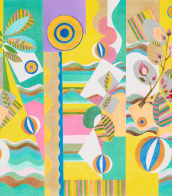
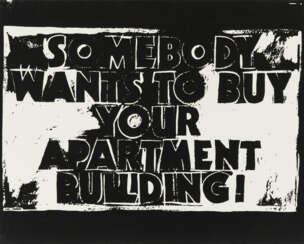

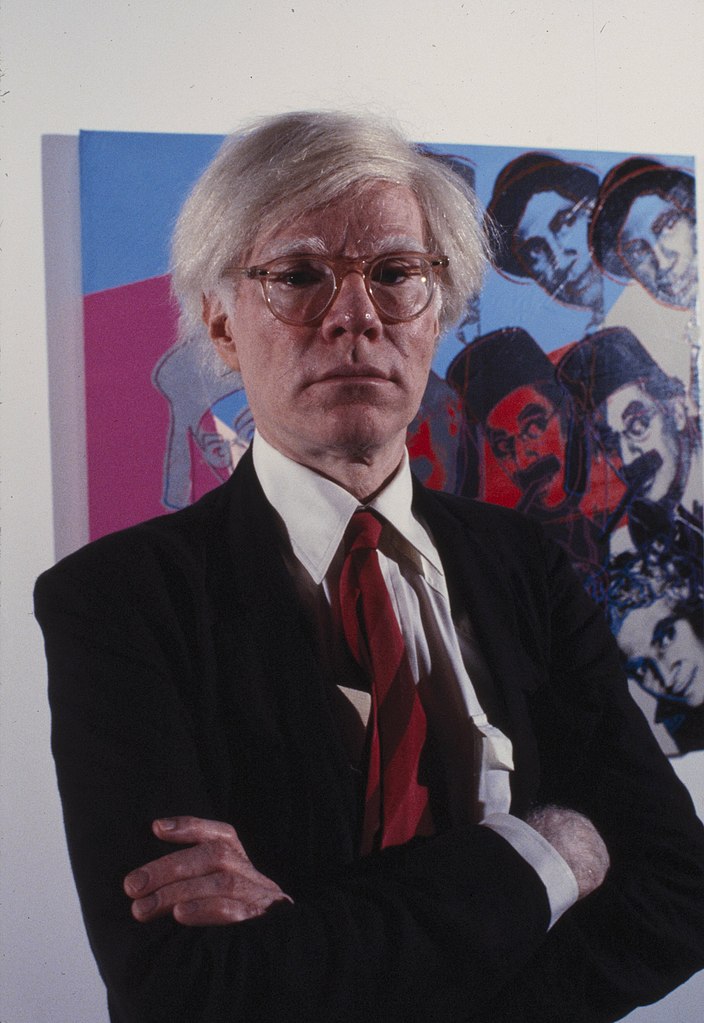
Andy Warhol, born as Andrew Warhola Jr., was an American visual artist, film director, and producer, who played a pivotal role in the development of the Pop Art movement. His art delved into the interplay between artistic expression, advertising, and celebrity culture, especially prevalent in the 1960s. Warhol was renowned for his diverse range of media, which included painting, silkscreening, photography, film, and sculpture.
Warhol's journey began in Pittsburgh, where he was born and raised, initially making a name for himself as a commercial illustrator. His New York studio, "The Factory," became a famous hub for intellectuals, celebrities, and various artistic minds. He was known for creating the notion of "Warhol superstars" and popularized the phrase "15 minutes of fame."
His contribution to the art world is significant, with notable works like "Campbell's Soup Cans" (1962) and "Marilyn Diptych" (1962), as well as his experimental films like "Empire" (1964) and "Chelsea Girls" (1966). These works not only define his career but also underscore the essence of the Pop Art movement.
Warhol's influence extended beyond his artwork. He managed and produced the experimental rock band The Velvet Underground, founded Interview magazine, and wrote several books, including "The Philosophy of Andy Warhol" and "Popism: The Warhol Sixties." Living openly as a gay man before the gay liberation movement, Warhol's personal life was as influential as his professional endeavors.
Tragically, Warhol's life was nearly cut short in 1968 when he was shot by radical feminist Valerie Solanas. He eventually passed away in 1987 due to cardiac arrhythmia following gallbladder surgery. His legacy continues, with The Andy Warhol Museum in Pittsburgh standing as the largest U.S. museum dedicated to a single artist.
Warhol's art remains highly collectible and valuable. His works, like the "Silver Car Crash (Double Disaster)" and "Shot Sage Blue Marilyn," have fetched staggering amounts at auctions, signifying his enduring impact on the art market.
For art collectors and experts, Andy Warhol's work represents a crucial intersection of pop culture and fine art, offering a unique perspective on consumerism and celebrity. His pieces are not just art; they are historical landmarks that capture a transformative era in both art and society.
To stay updated on new products, sales, and auction events related to Andy Warhol, sign up for our updates. This subscription will keep you informed about all things Warhol without overwhelming you with unnecessary information.