bois de citronnier
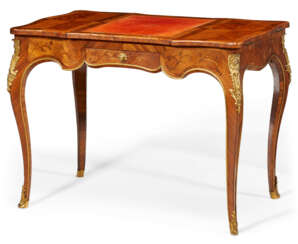

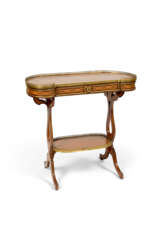

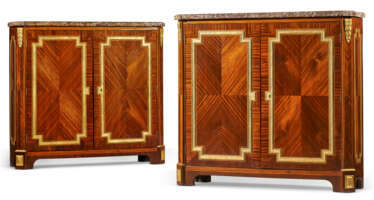

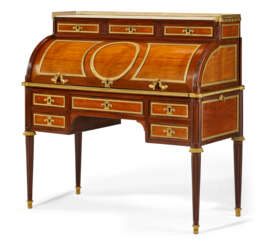

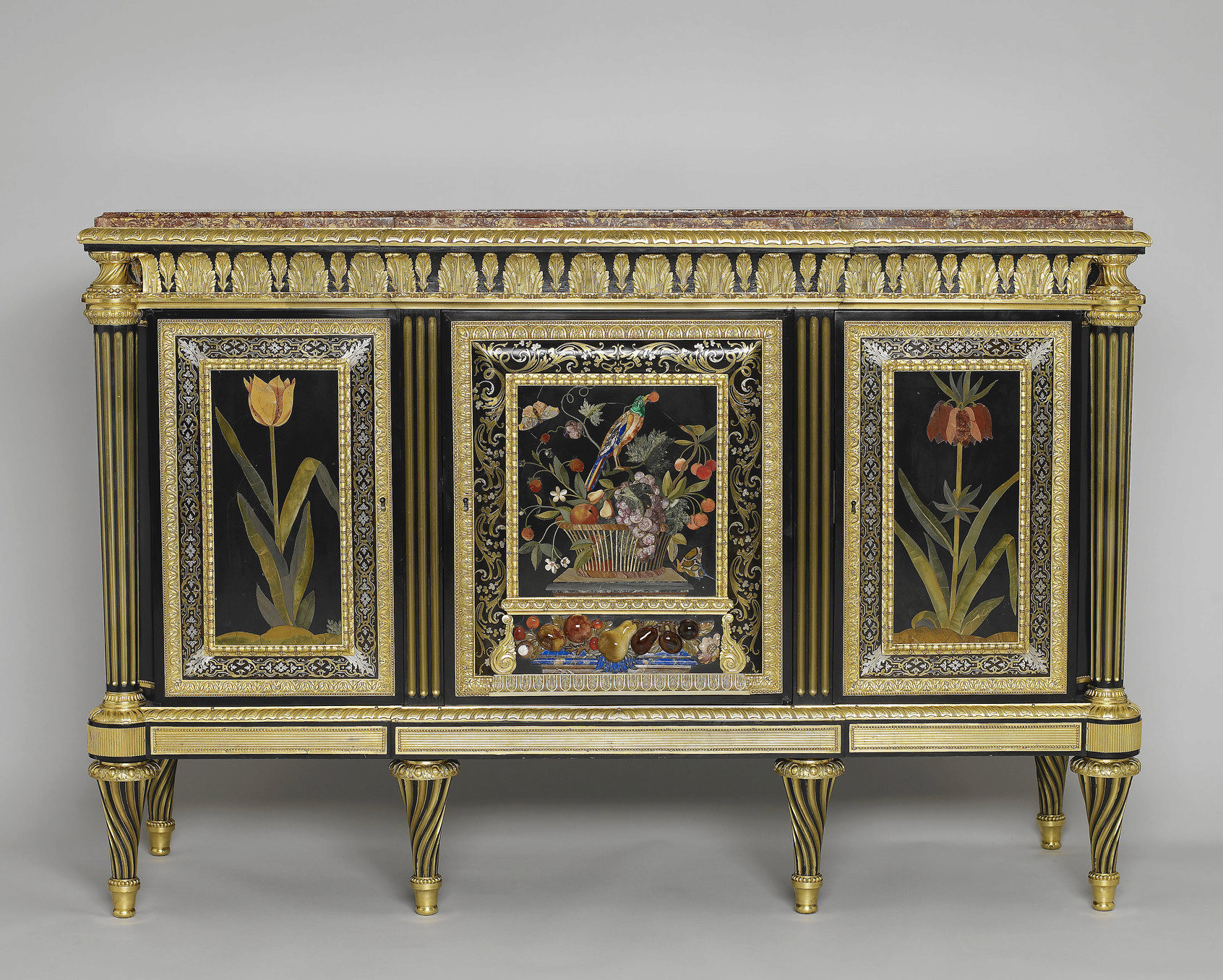
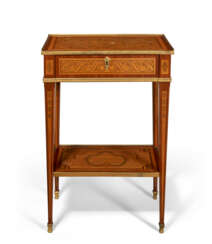
Adam Weisweiler was a distinguished French cabinetmaker, renowned for his exceptional creations that resonated deeply with the culture and art of his time. Originating from Germany, Weisweiler moved to Paris, where he became an emblematic figure in the realm of fine furniture making during the late 18th century. His specialization in crafting exquisite pieces, often adorned with intricate marquetry and mounted with elegant bronzes, set new standards in the world of decorative arts.
Weisweiler's work is celebrated for its refined elegance and the harmonious blend of functionality with aesthetic appeal. His ability to incorporate elements of sculpture and painting into his furniture designs elevated the pieces from mere objects of utility to cherished works of art. The meticulous attention to detail and the innovative use of materials like ebony and mahogany, coupled with his mastery over the classical motifs, made his creations highly sought after by the aristocracy and collectors alike.
Several of Adam Weisweiler's masterpieces find their homes in prestigious museums and galleries around the world, serving as testaments to his enduring legacy in the art and antiques sphere. His contributions to the field have not only enriched the cultural heritage of France but have also left an indelible mark on the global appreciation of fine antique furniture.
For collectors and experts in art and antiques, Adam Weisweiler's work represents the pinnacle of craftsmanship and artistic vision. His creations continue to inspire and captivate, embodying the quintessence of French decorative arts. To stay informed about new product sales and auction events related to Adam Weisweiler, we invite you to sign up for updates. This subscription ensures you are always in the know, without any unwelcome intrusions, focusing solely on opportunities to acquire pieces linked to this illustrious artist's legacy.





Adam Weisweiler was a distinguished French cabinetmaker, renowned for his exceptional creations that resonated deeply with the culture and art of his time. Originating from Germany, Weisweiler moved to Paris, where he became an emblematic figure in the realm of fine furniture making during the late 18th century. His specialization in crafting exquisite pieces, often adorned with intricate marquetry and mounted with elegant bronzes, set new standards in the world of decorative arts.
Weisweiler's work is celebrated for its refined elegance and the harmonious blend of functionality with aesthetic appeal. His ability to incorporate elements of sculpture and painting into his furniture designs elevated the pieces from mere objects of utility to cherished works of art. The meticulous attention to detail and the innovative use of materials like ebony and mahogany, coupled with his mastery over the classical motifs, made his creations highly sought after by the aristocracy and collectors alike.
Several of Adam Weisweiler's masterpieces find their homes in prestigious museums and galleries around the world, serving as testaments to his enduring legacy in the art and antiques sphere. His contributions to the field have not only enriched the cultural heritage of France but have also left an indelible mark on the global appreciation of fine antique furniture.
For collectors and experts in art and antiques, Adam Weisweiler's work represents the pinnacle of craftsmanship and artistic vision. His creations continue to inspire and captivate, embodying the quintessence of French decorative arts. To stay informed about new product sales and auction events related to Adam Weisweiler, we invite you to sign up for updates. This subscription ensures you are always in the know, without any unwelcome intrusions, focusing solely on opportunities to acquire pieces linked to this illustrious artist's legacy.





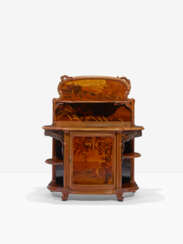

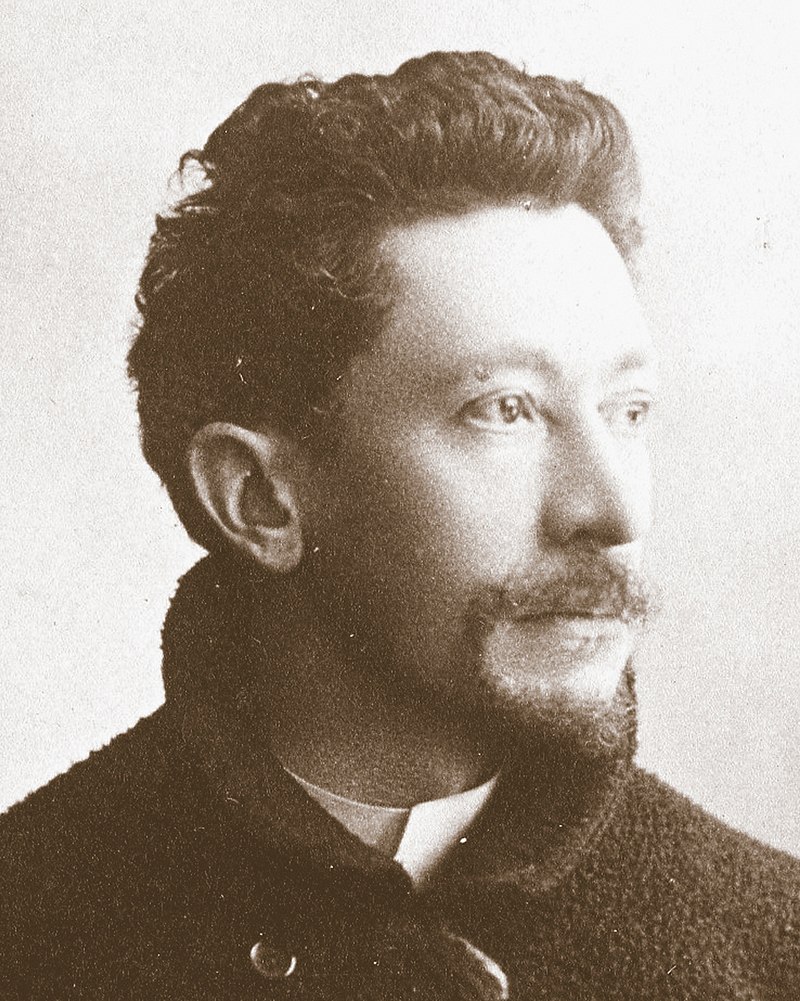
Emile Gallé was a French artist and designer who worked in glass, and is considered to be one of the major innovators in the French Art Nouveau movement. He was noted for his designs of Art Nouveau glass art and Art Nouveau furniture, and was a founder of the École de Nancy or Nancy School, a movement of design in the city of Nancy, France.
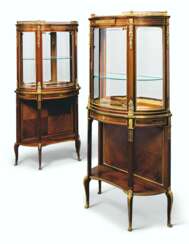



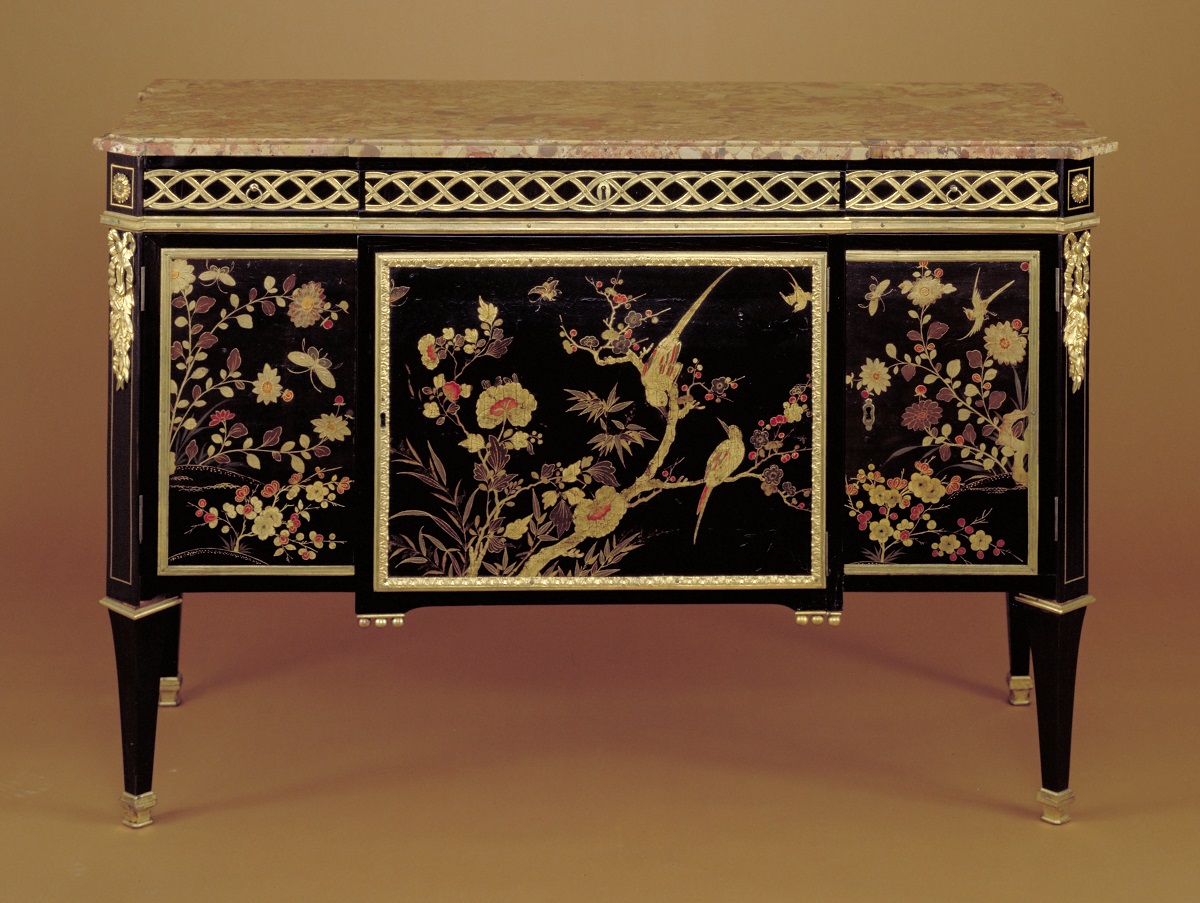
Claude-Charles Saunier was a famous French cabinetmaker.


















.jpg)
Jean Elysée Puiforcat was a French silversmith, sculptor and designer. Miller's Antiques Encyclopedia calls Puiforcat the «most important French Art Deco silversmith».
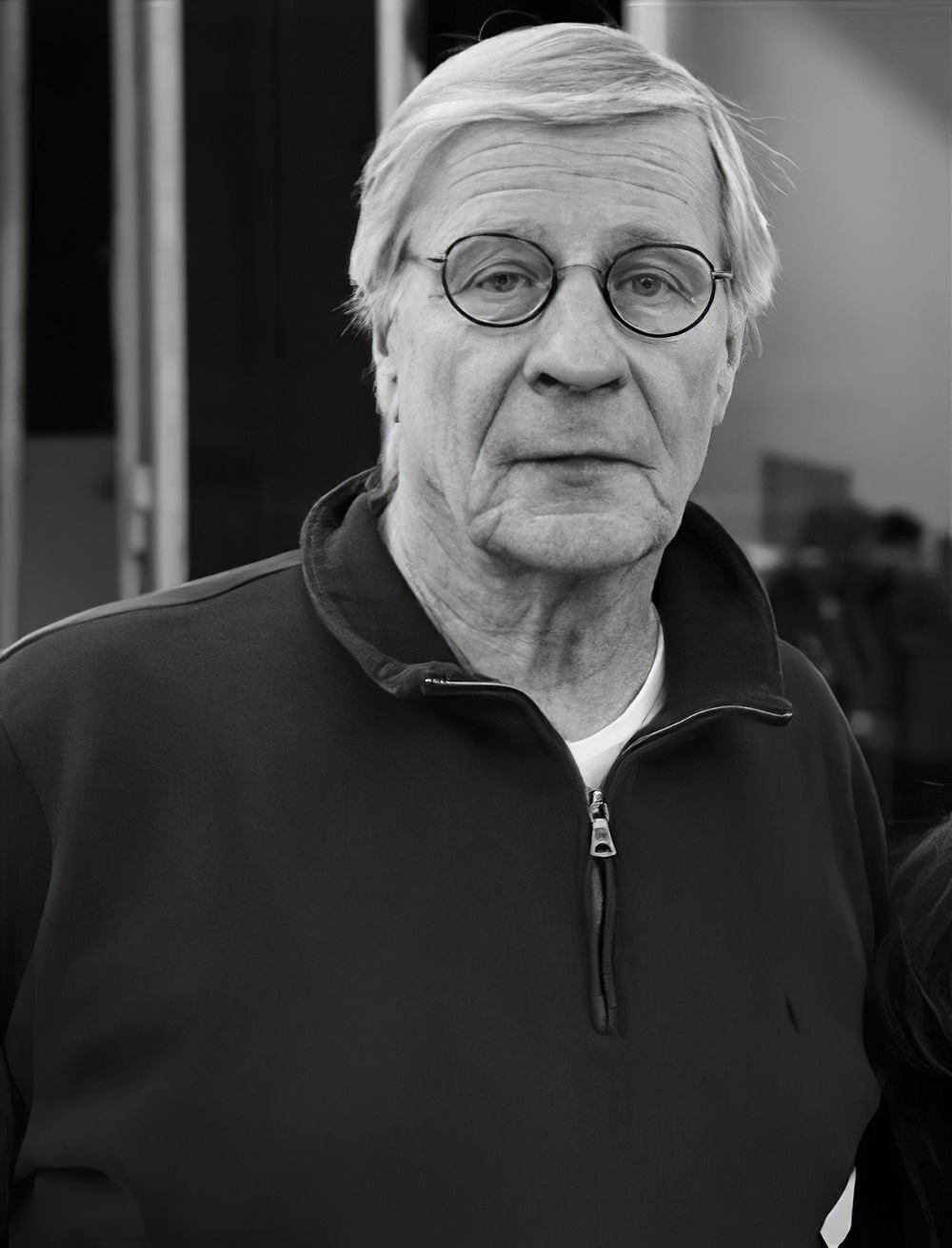
Louis Cane is a contemporary French painter, sculptor and furniture designer. Louis Cane attended the National School of Decorative Arts in Nice then the Superior School of Decorative arts in Paris in 1961. Cane was a part of the Supports/Surfaces Movement in France that lasted from 1969 to 1972 and co-founded and edited the Peinture, Cahiers Theoriques. In 1978, began sculpting again. They consisted of female figures in a traditional style. Cane focused on the concept of deconstruction of the canvas. By 1970, Cane transitioned into a series of cut-out paintings, the toiles découpées, which he worked with for several years. From 1972 to 1972, he produced a series called Sol/Mur as apart of the Supports/Surfaces movement. In 1978, Cane went from abstract painting to figuration. He reflected on the history of pictorial forms. He also started integrating sculpture into his practice. The statues were almost exclusively female occasionally appearing in form of burlesque or baroque expressionism.


Adam Weisweiler was a distinguished French cabinetmaker, renowned for his exceptional creations that resonated deeply with the culture and art of his time. Originating from Germany, Weisweiler moved to Paris, where he became an emblematic figure in the realm of fine furniture making during the late 18th century. His specialization in crafting exquisite pieces, often adorned with intricate marquetry and mounted with elegant bronzes, set new standards in the world of decorative arts.
Weisweiler's work is celebrated for its refined elegance and the harmonious blend of functionality with aesthetic appeal. His ability to incorporate elements of sculpture and painting into his furniture designs elevated the pieces from mere objects of utility to cherished works of art. The meticulous attention to detail and the innovative use of materials like ebony and mahogany, coupled with his mastery over the classical motifs, made his creations highly sought after by the aristocracy and collectors alike.
Several of Adam Weisweiler's masterpieces find their homes in prestigious museums and galleries around the world, serving as testaments to his enduring legacy in the art and antiques sphere. His contributions to the field have not only enriched the cultural heritage of France but have also left an indelible mark on the global appreciation of fine antique furniture.
For collectors and experts in art and antiques, Adam Weisweiler's work represents the pinnacle of craftsmanship and artistic vision. His creations continue to inspire and captivate, embodying the quintessence of French decorative arts. To stay informed about new product sales and auction events related to Adam Weisweiler, we invite you to sign up for updates. This subscription ensures you are always in the know, without any unwelcome intrusions, focusing solely on opportunities to acquire pieces linked to this illustrious artist's legacy.


Emile Gallé was a French artist and designer who worked in glass, and is considered to be one of the major innovators in the French Art Nouveau movement. He was noted for his designs of Art Nouveau glass art and Art Nouveau furniture, and was a founder of the École de Nancy or Nancy School, a movement of design in the city of Nancy, France.
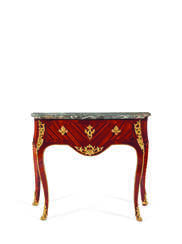

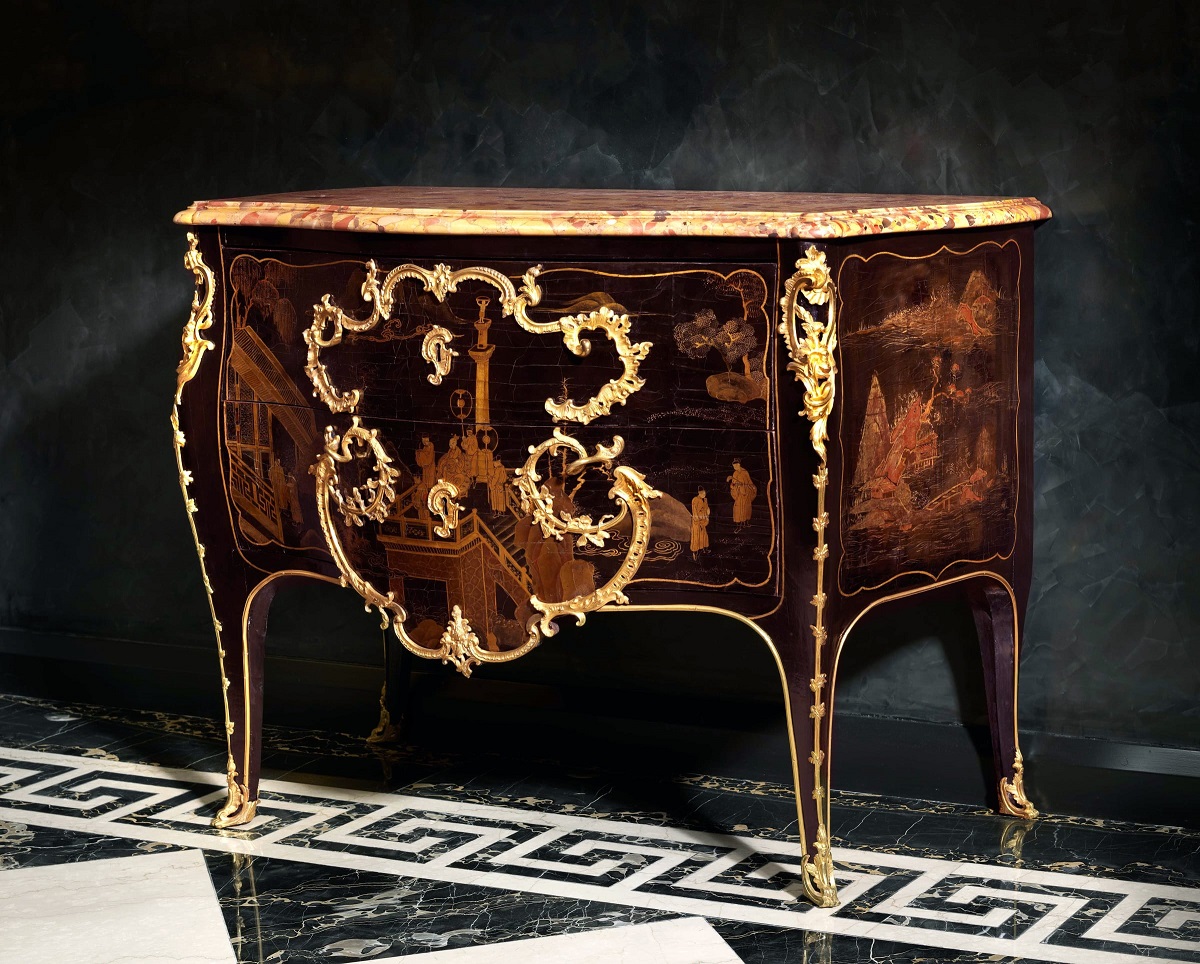
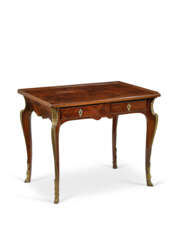
Jacques Dubois was a master cabinetmaker of the 18th century.
He was the king's cabinetmaker and also worked for Princess Louise Elisabeth, the Duchess of Parma, the Duke of Orleans and the nobility of the time.
He was one of the masters of the Louis XV style, a specialist in varnished veneers, reproducing the effects of Far Eastern lacquers, with black or red backgrounds, decorated with Chinese and pagodas, of a very high quality.
He also executed the delicately chiselled bronzes applied to his furniture.