bon


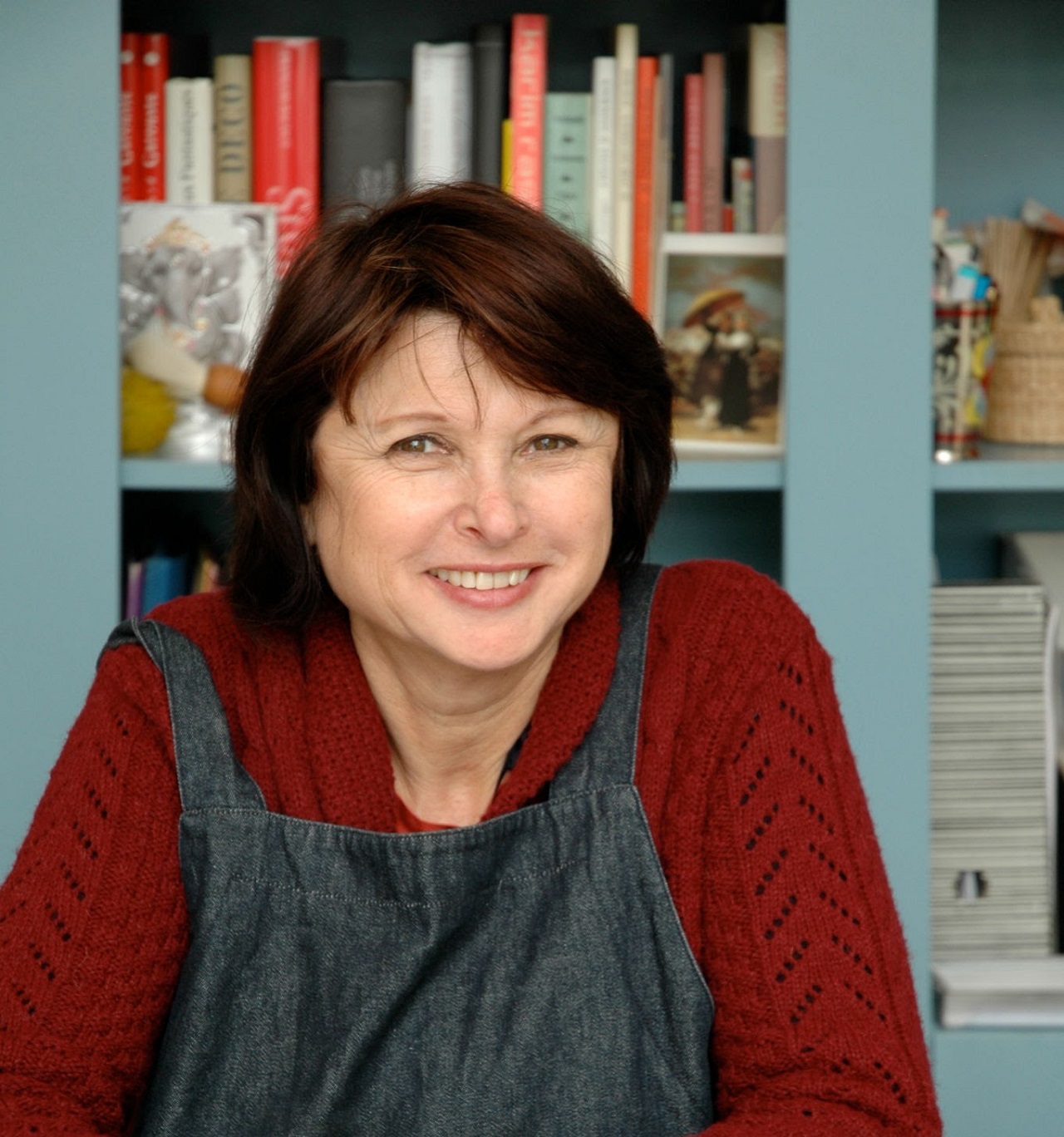
Élisabeth Garouste is a French interior designer.
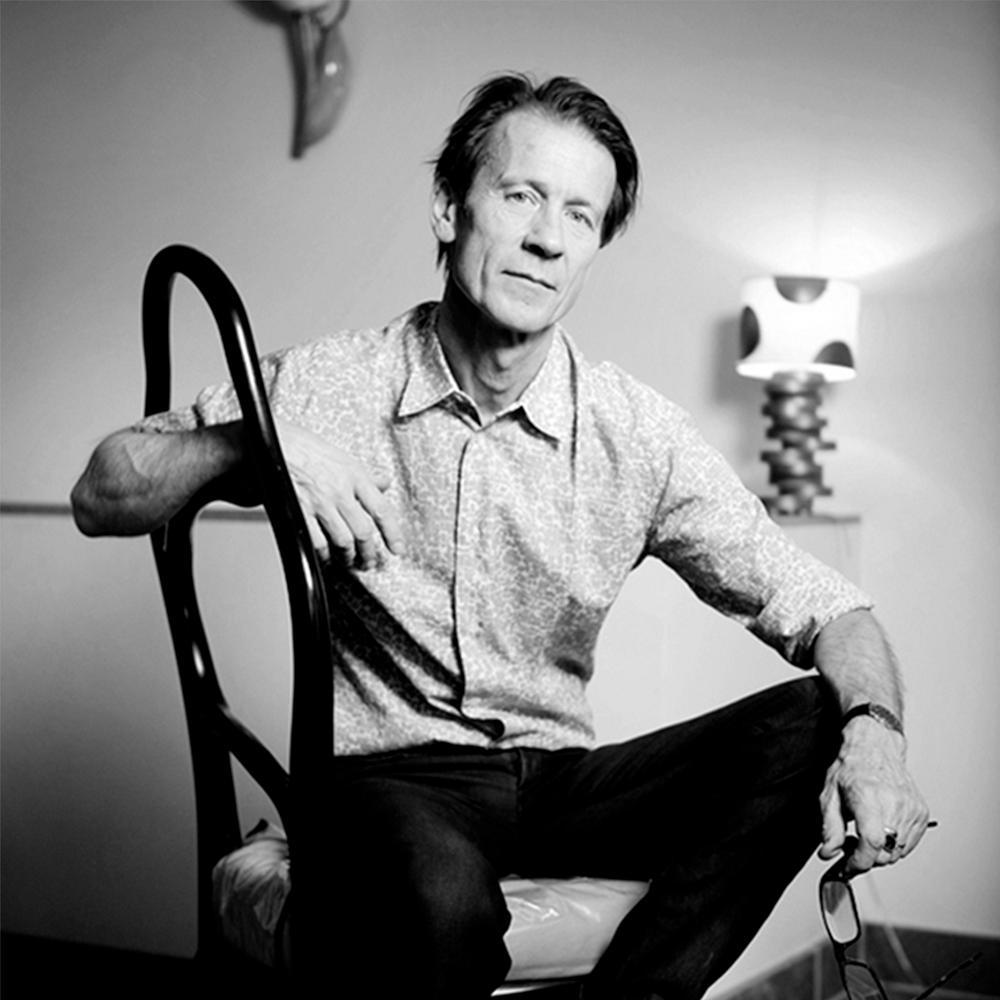
Mattia Bonetti is a Swiss artist and designer who lives and works in Paris. At first he was a stylist and photographer. In 1979 he became involved in furniture design, which he still does to this day.


Élisabeth Garouste is a French interior designer.
.jpg)
Jean Elysée Puiforcat was a French silversmith, sculptor and designer. Miller's Antiques Encyclopedia calls Puiforcat the «most important French Art Deco silversmith».
Mattia Bonetti is a Swiss artist and designer who lives and works in Paris. At first he was a stylist and photographer. In 1979 he became involved in furniture design, which he still does to this day.


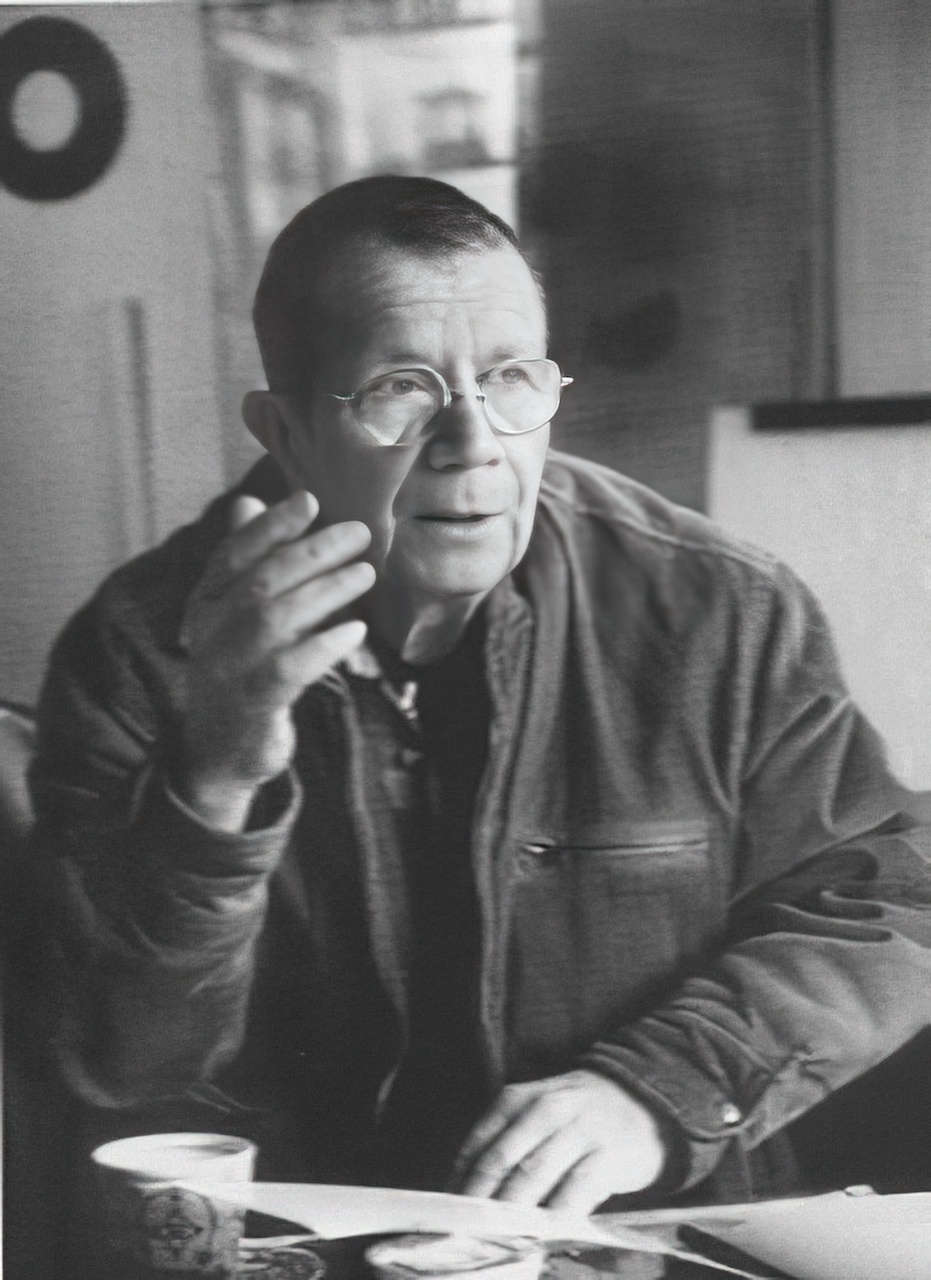
Victor Bonato, formerly Vittorio Bonato, was a German artist.



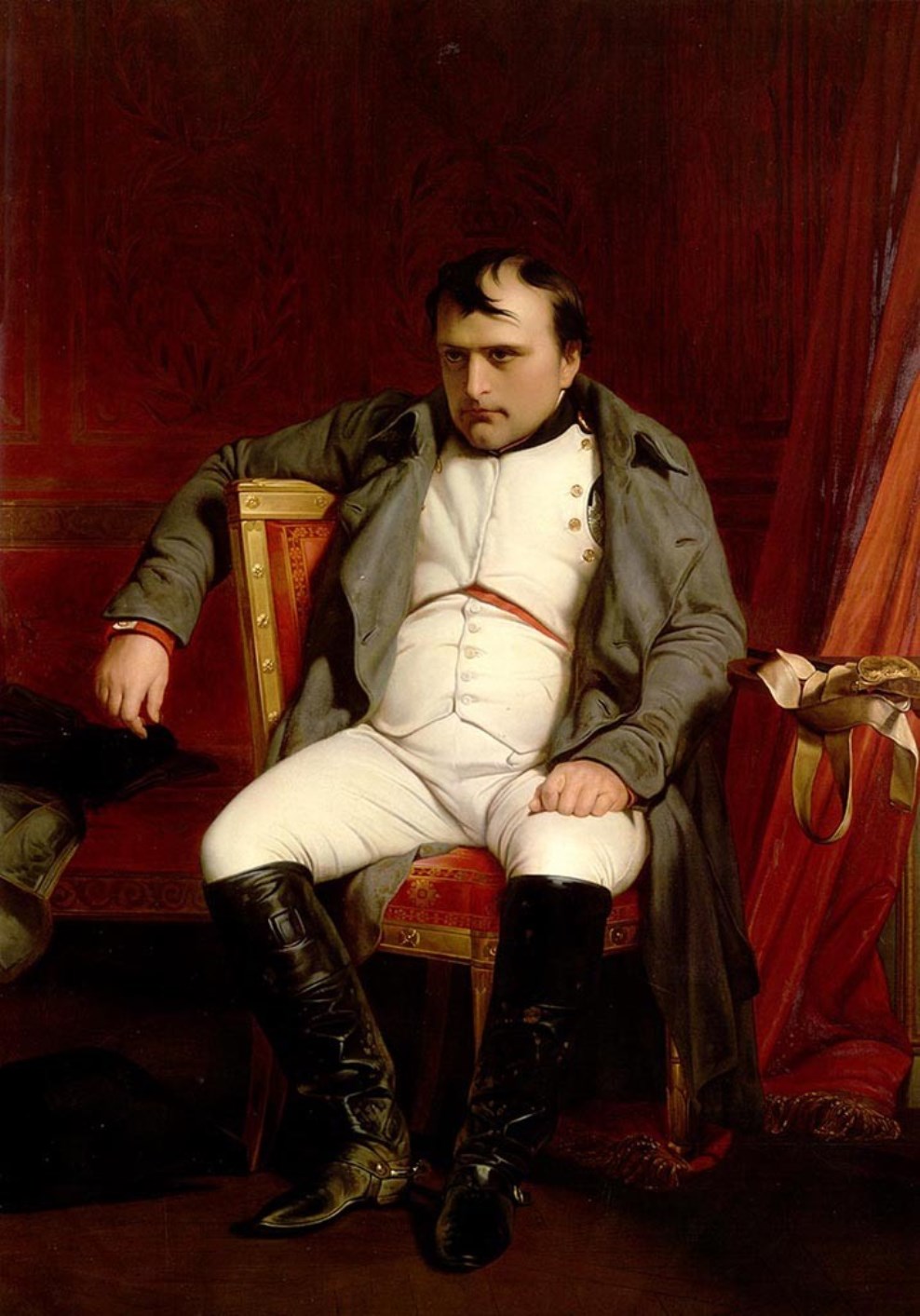
Napoleon I Bonaparte was a French statesman and military leader, Emperor of France (1804-1815).
Napoleon was born in the family of an ignorant Corsican nobleman, graduated from the Brienne military school, then the Paris military school. In 1785 he began military service in the rank of junior lieutenant of artillery in the Royal Army. From the first days of the Great French Revolution of 1789-1799 Bonaparte joined the political struggle on the island of Corsica, in 1792 in Valence joined the Jacobin Club and actively participated in all the turbulent political and military events.
In November 1799 Napoleon was at the head of a coup d'état: the government of the Directory was deposed, and the French Republic was headed by three consuls, the first of whom was Napoleon. In June 1804 Bonaparte was proclaimed Emperor Napoleon I of France, and in December a lavish coronation ceremony took place. After Italy recognized him as its king, in March 1805 he was also crowned in Milan.
With his rise to power, France entered a period of almost continuous warfare. Napoleon greatly expanded the territory of the empire, made most of the states of Western and Central Europe dependent on France. His brothers became kings: Joseph in Naples, Louis in Holland, and Jerome in Westphalia. In 1812, Napoleon made a campaign against Russia and even reached Moscow, but the Russian troops under the leadership of commander M.I. Kutuzov with the active support of all the people completely defeated the "invincible army". This military campaign was the beginning of the collapse of Napoleon's empire. The entry of the anti-French coalition troops into Paris in March 1814 forced Napoleon I to abdicate (April 6, 1814).
Napoleon retained the title of Emperor and was given possession of the island of Elba in the Mediterranean Sea. However, in March 1815, the deposed emperor at the head of a small detachment suddenly landed in the south of France and three weeks later, without a single shot entered Paris. But the emperor failed to live up to the hopes of the people of France, plus his defeat at the Battle of Waterloo all led to his second abdication. As a result, Napoleon Bonaparte was exiled to the island of St. Helena in the Atlantic Ocean, where he died on May 5, 1821.
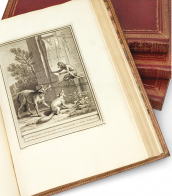


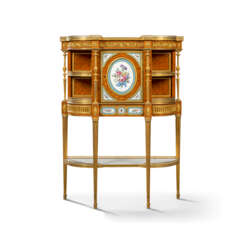

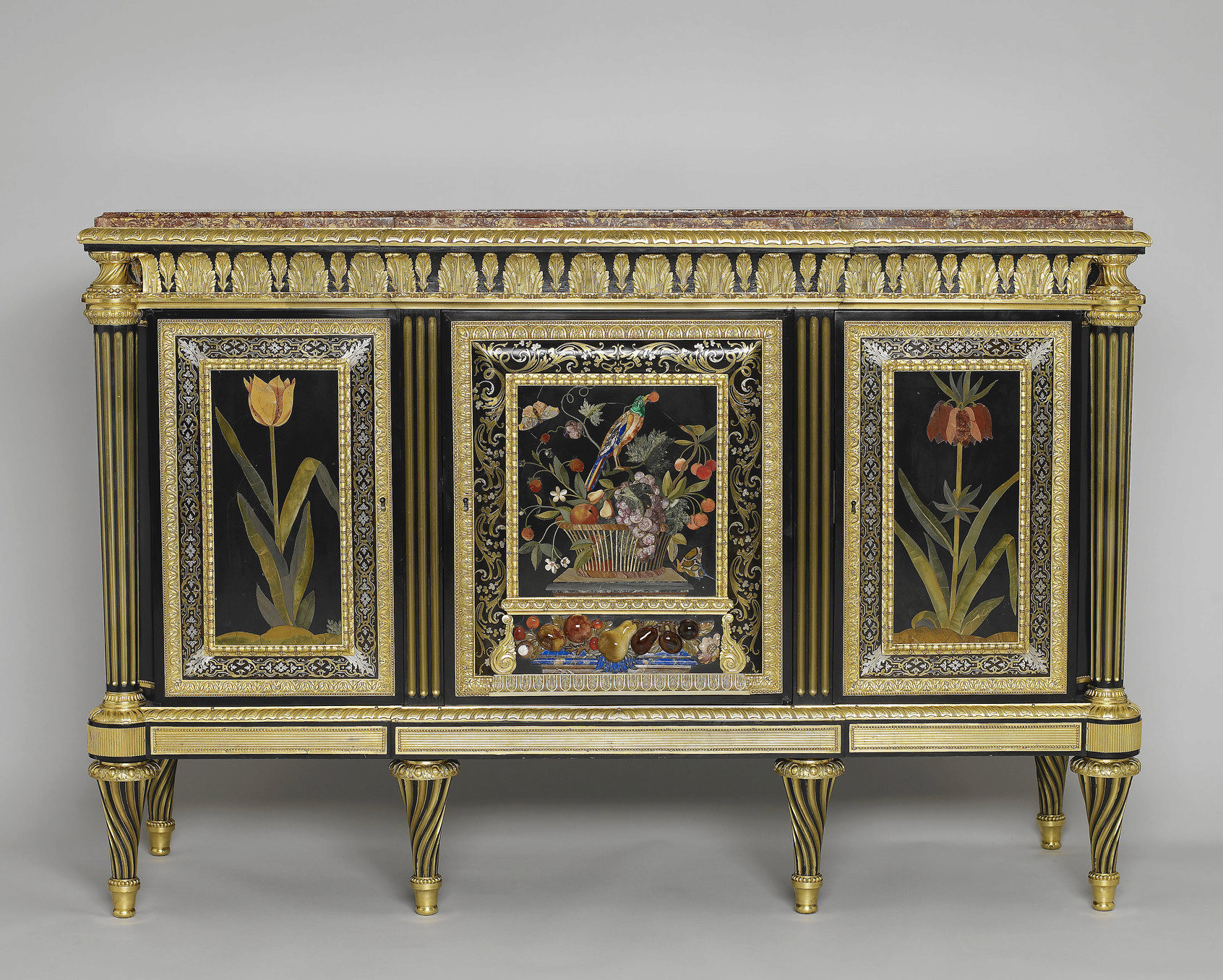
Adam Weisweiler was a distinguished French cabinetmaker, renowned for his exceptional creations that resonated deeply with the culture and art of his time. Originating from Germany, Weisweiler moved to Paris, where he became an emblematic figure in the realm of fine furniture making during the late 18th century. His specialization in crafting exquisite pieces, often adorned with intricate marquetry and mounted with elegant bronzes, set new standards in the world of decorative arts.
Weisweiler's work is celebrated for its refined elegance and the harmonious blend of functionality with aesthetic appeal. His ability to incorporate elements of sculpture and painting into his furniture designs elevated the pieces from mere objects of utility to cherished works of art. The meticulous attention to detail and the innovative use of materials like ebony and mahogany, coupled with his mastery over the classical motifs, made his creations highly sought after by the aristocracy and collectors alike.
Several of Adam Weisweiler's masterpieces find their homes in prestigious museums and galleries around the world, serving as testaments to his enduring legacy in the art and antiques sphere. His contributions to the field have not only enriched the cultural heritage of France but have also left an indelible mark on the global appreciation of fine antique furniture.
For collectors and experts in art and antiques, Adam Weisweiler's work represents the pinnacle of craftsmanship and artistic vision. His creations continue to inspire and captivate, embodying the quintessence of French decorative arts. To stay informed about new product sales and auction events related to Adam Weisweiler, we invite you to sign up for updates. This subscription ensures you are always in the know, without any unwelcome intrusions, focusing solely on opportunities to acquire pieces linked to this illustrious artist's legacy.
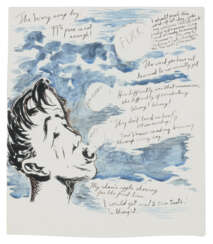

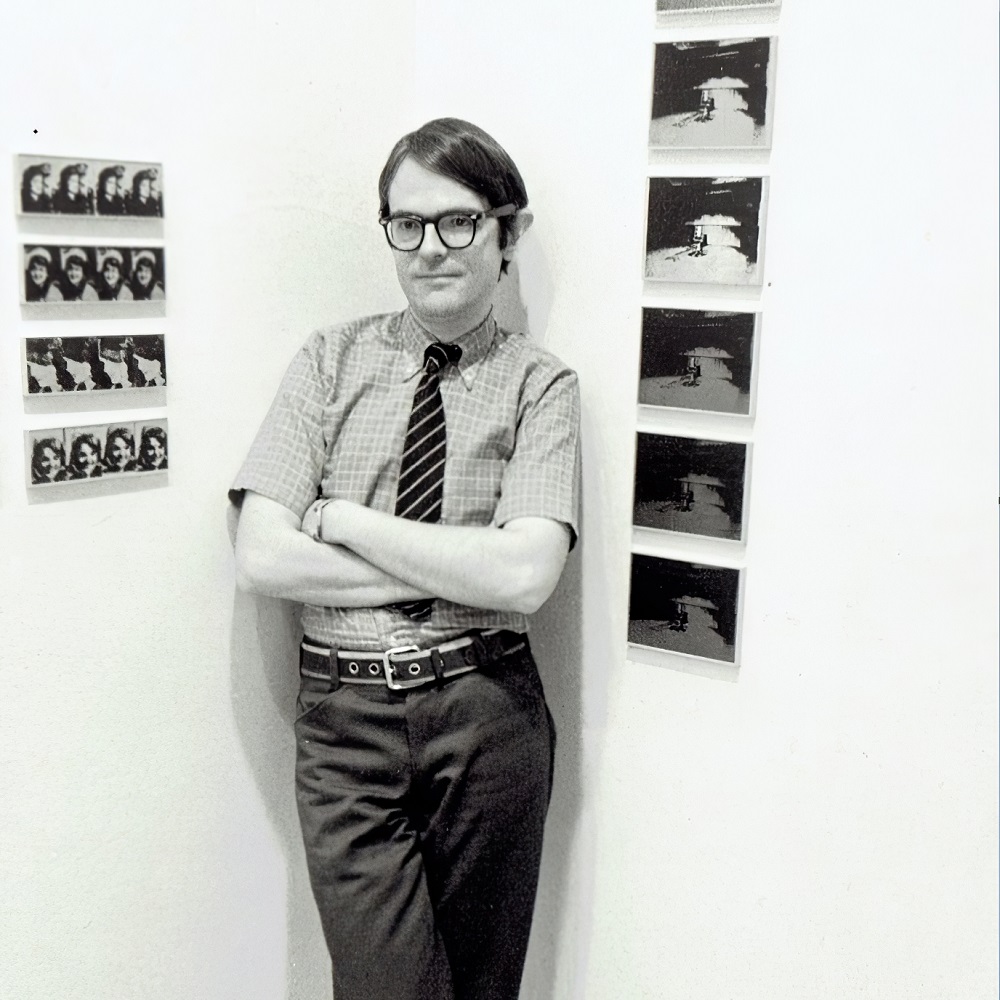
Richard Pettibone is an American painter, sculptor, graphic artist and illustrator. He created replicas of the works of pop art artists such as Andy Warhol, Roy Lichtenstein and Ed Rusch. Reproduced works by leading avant-garde artists Marcel Duchamp and Constantin Brancusi.

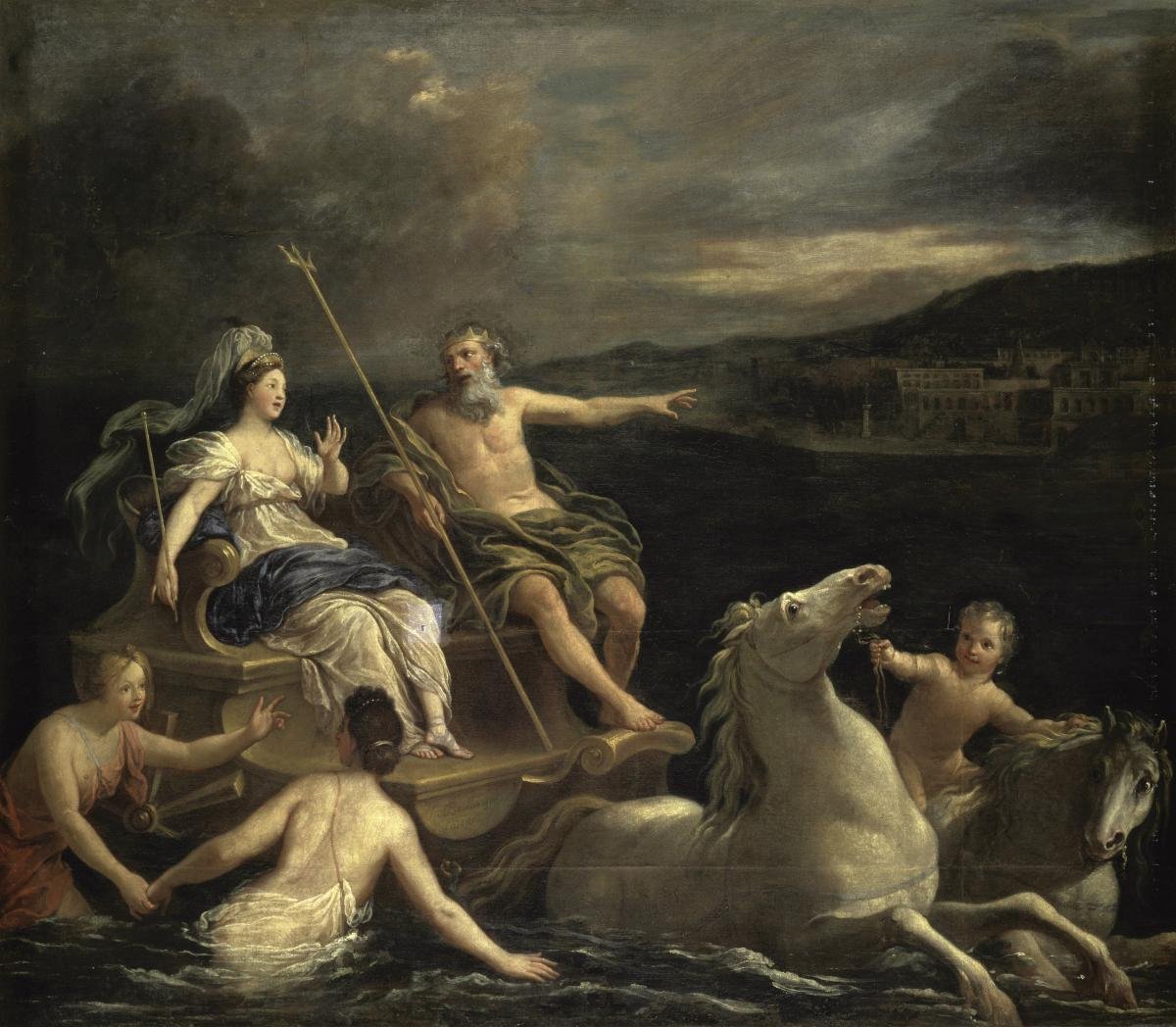
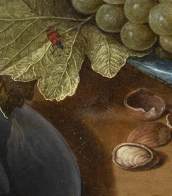
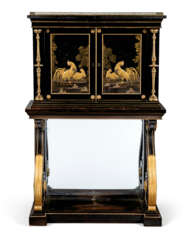

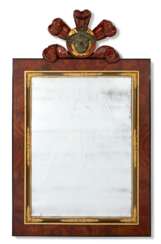

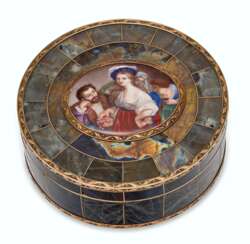

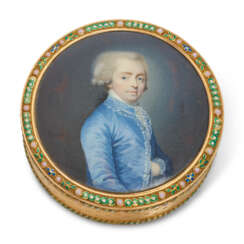

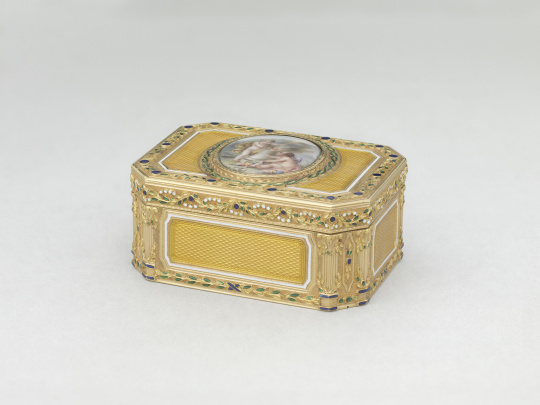
Charles Le Bastier, son of a Paris mercer of the same name, was apprenticed on 3 October 1738 at the age of 14, to Gabriel Vougny, marchand-orfèvre-joaillier. With the sponsorship of Jean Moynat, himself a noted gold box maker, Le Bastier became master goldsmith on 20 December 1754. He worked from the same premises in the rue Thévenot, near the rue St-Denis, until last recorded in 1783. Le Bastier was a successful and prolific maker of gold boxes who also supplied other retailers such as Jean-François Garand and Grancher of Du Petit Dunkerque, whose name or shop name appear engraved on the rims of several of Le Bastier's boxes. In the special tax list of 1774, he was listed 9th in order of the importance of his business. Since a number of Le Bastier's boxes survive in various collections (most notably in the Louvre and the Thurn und Taxis Museum, Regensburg), it is possible to trace the progression of his work from the earliest silver boxes with coloured gold ornament through a series of richly chased but comparatively plain gold boxes to the almost immediately recognisable gold and enamel boxes of his maturity.




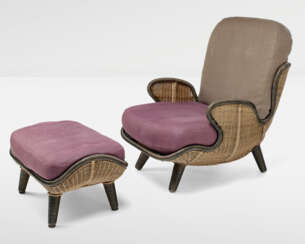

Mattia Bonetti is a Swiss artist and designer who lives and works in Paris. At first he was a stylist and photographer. In 1979 he became involved in furniture design, which he still does to this day.
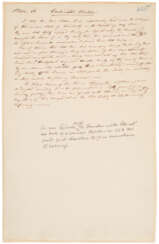

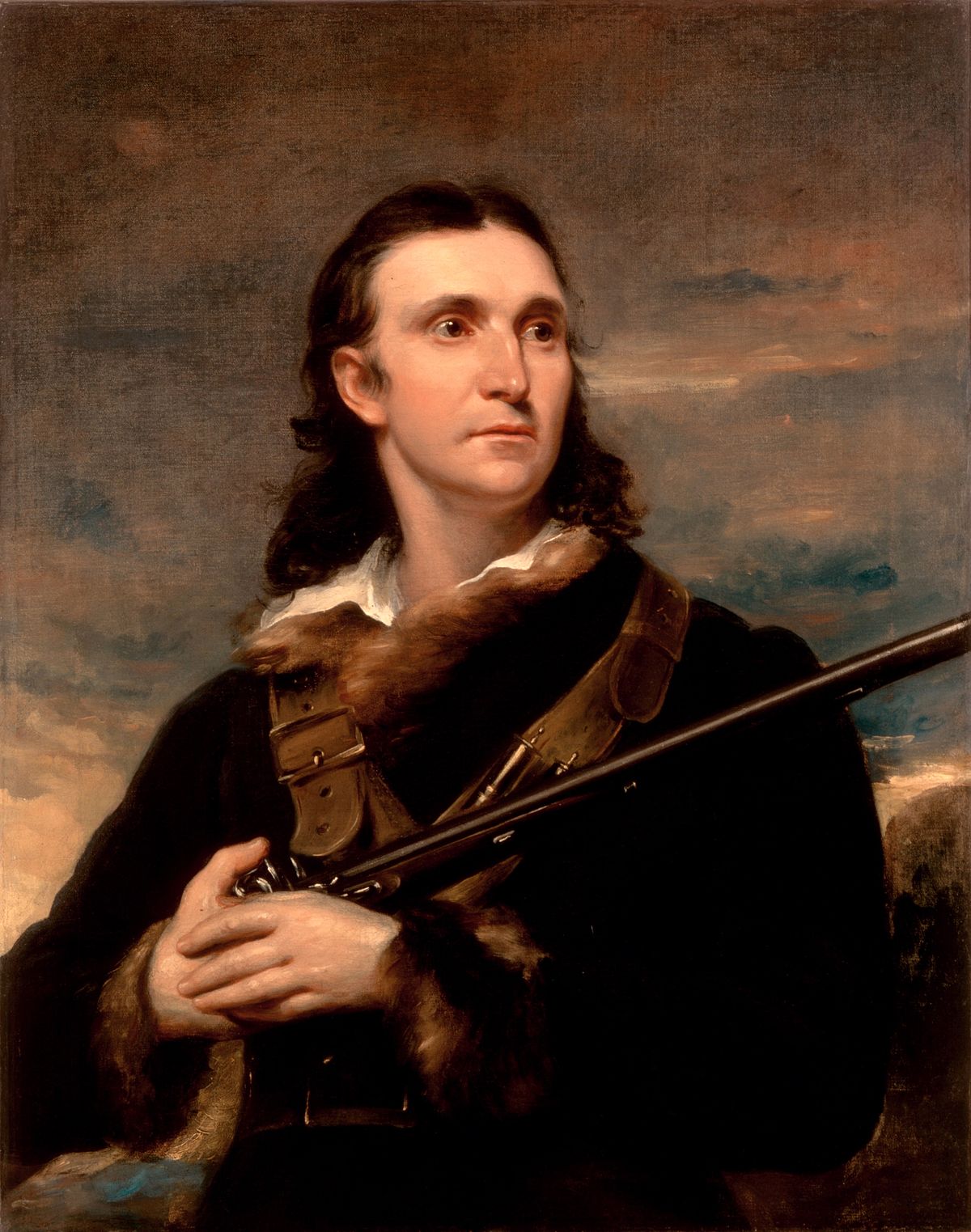
John James Audubon was a French-American ornithologist and painter, renowned for his groundbreaking illustrations of American birds. Born in 1785 in Les Cayes, Saint-Domingue (now Haiti), Audubon is remembered for his keen observation skills and innovative artistic techniques.
Audubon's most famous work, "The Birds of America," transformed the field of ornithology by presenting birds in lifelike poses and detailed backgrounds. Published between 1827 and 1838, it contained 435 hand-colored engravings, showcasing over 489 bird species. His unique approach to illustrating birds in their natural habitats was a departure from traditional methods, which often portrayed birds in rigid poses.
Audubon used a wire armature to position freshly-killed specimens, allowing him to depict birds with a sense of movement and vitality. This innovative technique was truly revolutionary and set him apart from his contemporaries. Additionally, Audubon's artistic skill and attention to detail made his illustrations highly sought after, with surviving copies of "The Birds of America" considered valuable collectibles today.
For art collectors and enthusiasts, Audubon's work continues to be a source of inspiration and admiration. His legacy endures through his contributions to ornithology and the art world, with museums and galleries showcasing his work. If you're interested in learning more about John James Audubon and his famous illustrations, consider subscribing to our newsletter for updates on new product sales and auction events related to his work.
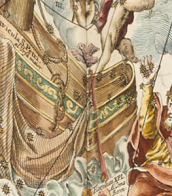
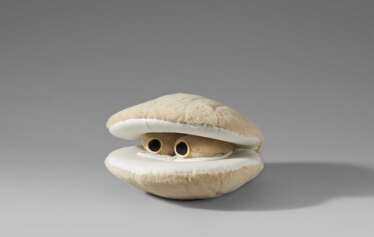

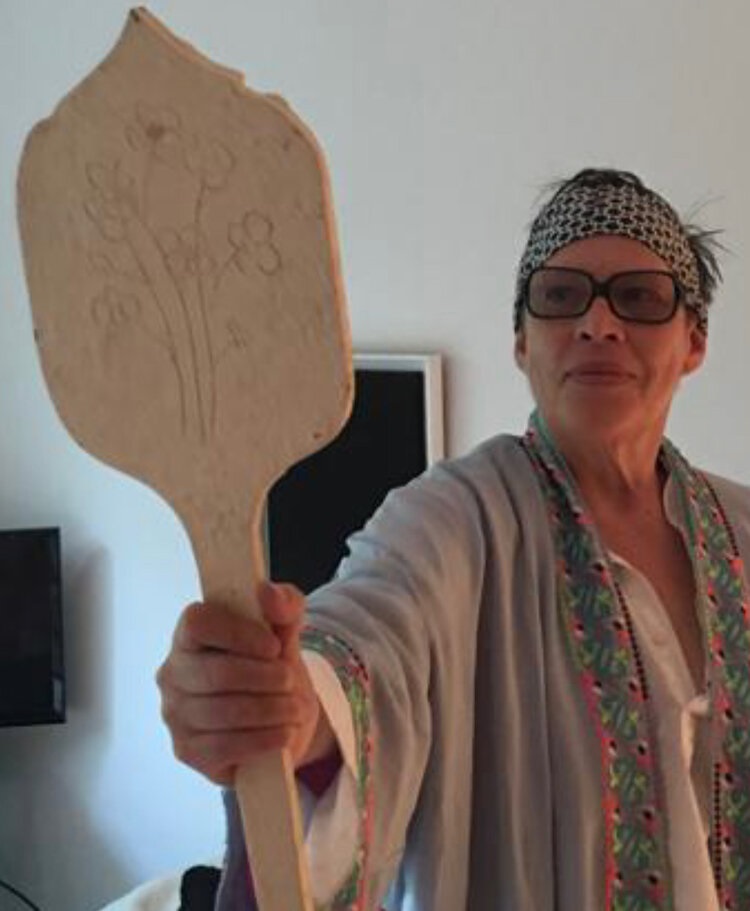
Cosima von Bonin is a German contemporary artist. Von Bonin's practice features the use of sculptures, textiles, sound, film and performances. von Bonin draws inspiration from the intellectual, artistic, and musical culture of her neighborhood in Cologne, Germany, where she lives and works.
One focus of von Bonin's artistic works is the relationship between works of art and the world of fashion, music and architecture. She often focuses on collective artistic production frequently including collaboration with other artists as well as parties, DJ sets, music performances and audio and video exhibitions. The exhibitions are of an ephemeral nature intended to reject the classical idea of the individual artistic genius.
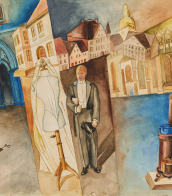
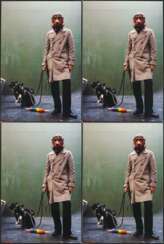

Cosima von Bonin is a German contemporary artist. Von Bonin's practice features the use of sculptures, textiles, sound, film and performances. von Bonin draws inspiration from the intellectual, artistic, and musical culture of her neighborhood in Cologne, Germany, where she lives and works.
One focus of von Bonin's artistic works is the relationship between works of art and the world of fashion, music and architecture. She often focuses on collective artistic production frequently including collaboration with other artists as well as parties, DJ sets, music performances and audio and video exhibitions. The exhibitions are of an ephemeral nature intended to reject the classical idea of the individual artistic genius.
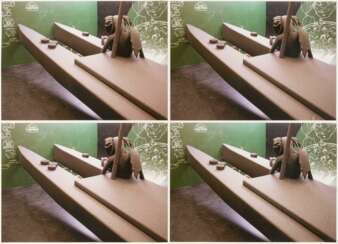

Cosima von Bonin is a German contemporary artist. Von Bonin's practice features the use of sculptures, textiles, sound, film and performances. von Bonin draws inspiration from the intellectual, artistic, and musical culture of her neighborhood in Cologne, Germany, where she lives and works.
One focus of von Bonin's artistic works is the relationship between works of art and the world of fashion, music and architecture. She often focuses on collective artistic production frequently including collaboration with other artists as well as parties, DJ sets, music performances and audio and video exhibitions. The exhibitions are of an ephemeral nature intended to reject the classical idea of the individual artistic genius.
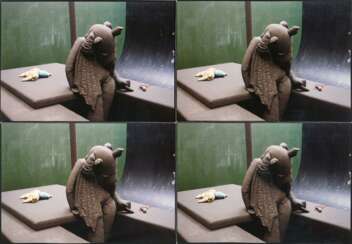

Cosima von Bonin is a German contemporary artist. Von Bonin's practice features the use of sculptures, textiles, sound, film and performances. von Bonin draws inspiration from the intellectual, artistic, and musical culture of her neighborhood in Cologne, Germany, where she lives and works.
One focus of von Bonin's artistic works is the relationship between works of art and the world of fashion, music and architecture. She often focuses on collective artistic production frequently including collaboration with other artists as well as parties, DJ sets, music performances and audio and video exhibitions. The exhibitions are of an ephemeral nature intended to reject the classical idea of the individual artistic genius.
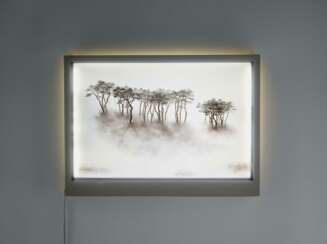



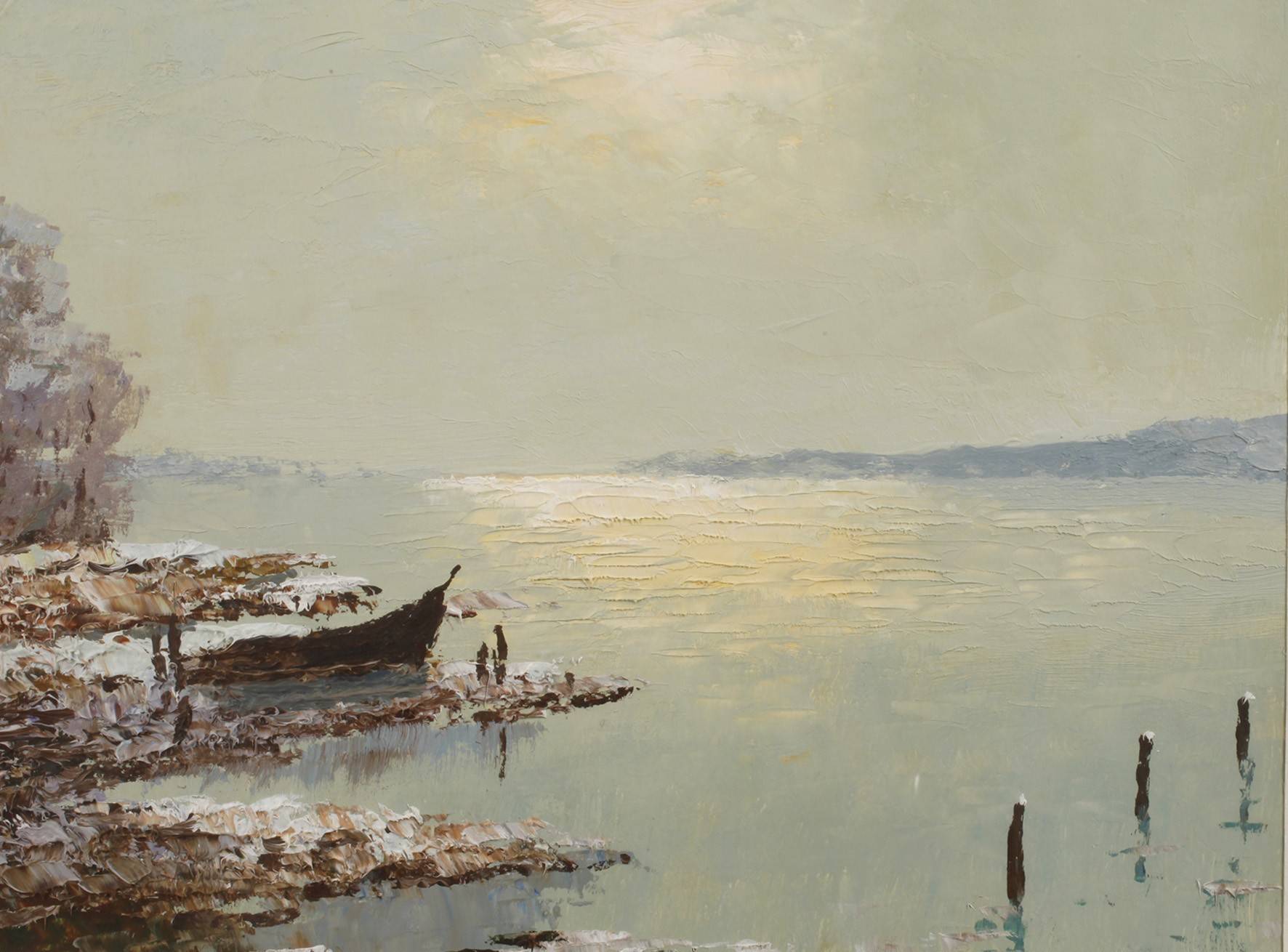
Georg Arnold-Graboné was a painter of German impressionism and an art teacher.
Arnold-Graboné became well known for his unique style of Palette knife painting. His technique used the texture of thickly applied paint to create an actual three-dimensional representation of a landscape. In Graboné's works, the colors are remarkable for their brilliance, distinguishing his landscapes from those of other pallet-knife painters. The brilliance is a result of Graboné's color-separation technique in knife-painting. His favorite subjects were of the Alps of Bavaria and South Tirole, the Isle of Capri, the English Garden in Munich, the lake region surrounding Starnberg, and fishing boats on the North Sea. His unusual signature is incised into the wet paint with the opposite end of the brush, almost invariably on the bottom left hand of his oil paintings (and on the bottom right for watercolors).


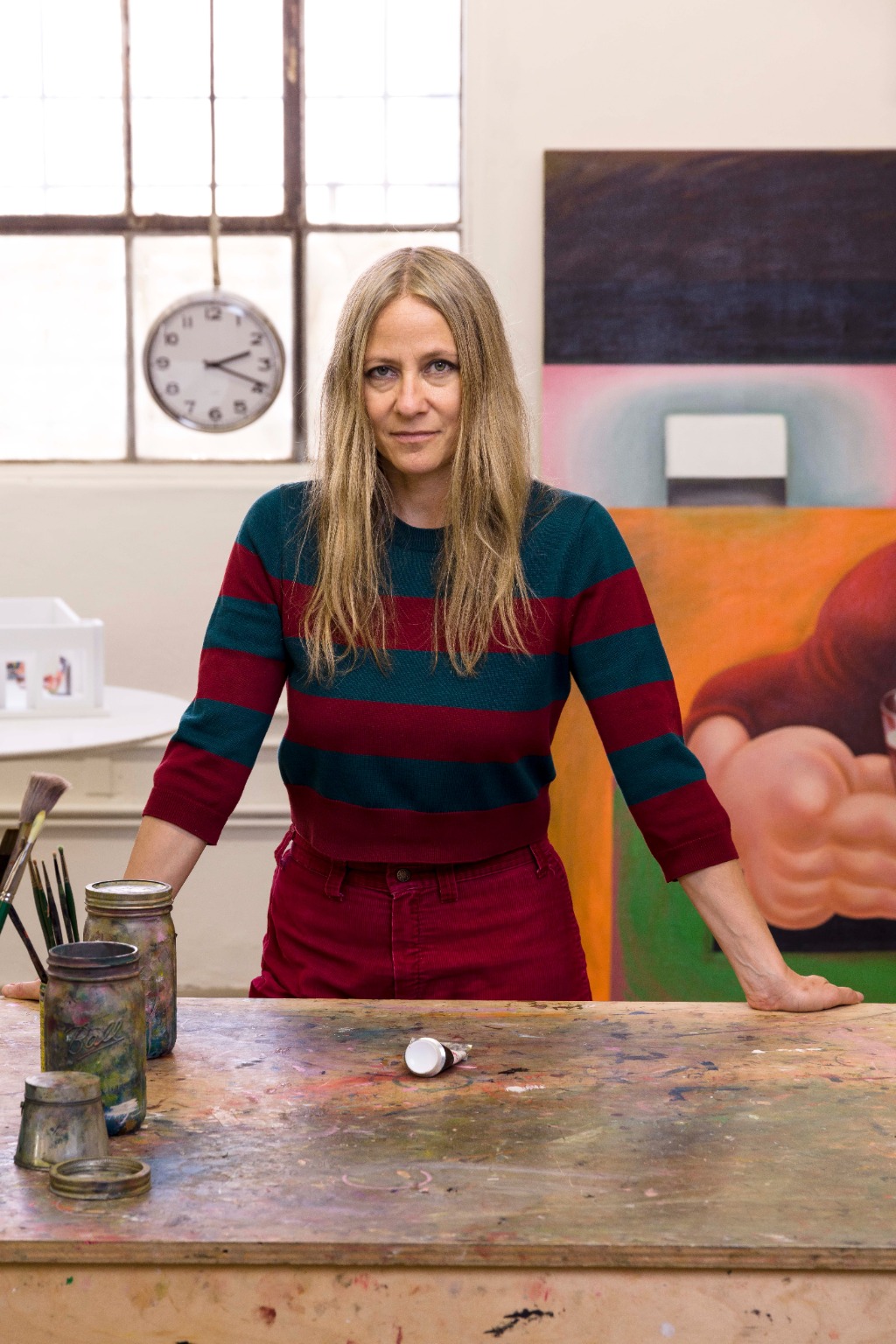
Louise Bonnet is a Swiss surrealist painter informed by alternative comix and dark humour. Her grotesque, corporeal figures often dominate the dreamlike settings they exist in, drawing on themes of gender, sexuality, and shame.
Victor Bonato, formerly Vittorio Bonato, was a German artist.
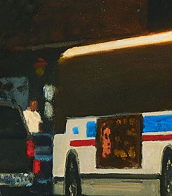
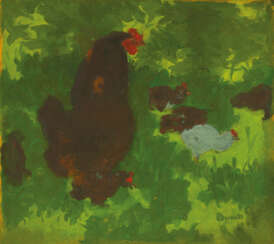

 Пьер Боннар. «Автопортрет», 1889.jpg)
Pierre Bonnard was a distinguished French painter and printmaker, recognized as one of the foremost colorists of modern art. Born on October 3, 1867, in Fontenay-aux-Roses, France, Bonnard initially pursued law studies before embracing his true calling in art. He attended the École des Beaux-Arts and the Académie Julian, where his journey as an artist began in earnest.
Bonnard's art is characterized by its vibrant use of color and the portrayal of intimate, sunlit domestic interiors and gardens. His works often include scenes populated with friends and family, creating a narrative that is both personal and relatable. His distinctive style was influenced by Japanese prints, evident in his use of bold patterns and flat color planes. This influence earned him the nickname "Le Nabi très japonard" among his peers in the Les Nabis group, an avant-garde artists' group he joined in his twenties.
His early work, such as "Woman in Checkered Dress" (1890), showcases the influence of Japanese prints. Bonnard's talent was evident from the beginning of his career, with Claude Roger-Marx noting in 1893 his ability to capture fleeting poses and expressions. His work evolved over time, moving towards a style that resonated with the Intimists' focus on personal and intimate spaces.
Bonnard's wife, Marthe, was a recurring subject in his paintings, often depicted in everyday scenarios. Their relationship, spanning several decades, was a significant influence on his work. His paintings, such as "Dining Room on the Garden" and "Landscape at Le Cannet," demonstrate his mastery in capturing light and color, creating a sense of warmth and intimacy.
Bonnard's work remains influential and celebrated, with his paintings held in esteemed collections worldwide. His ability to transform everyday scenes into vibrant, color-filled canvases has made him a beloved figure in the world of modern art.
Art collectors and experts in the field will find Bonnard's work a study in the transformative power of color and composition. For those interested in staying updated on sales and auction events related to Pierre Bonnard's works, signing up for updates would provide valuable insights into this remarkable artist's enduring legacy.
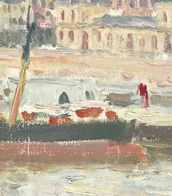

Victor Bonato, formerly Vittorio Bonato, was a German artist.