bust up meaning

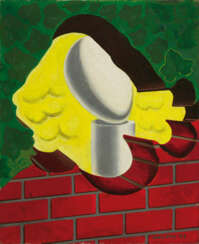

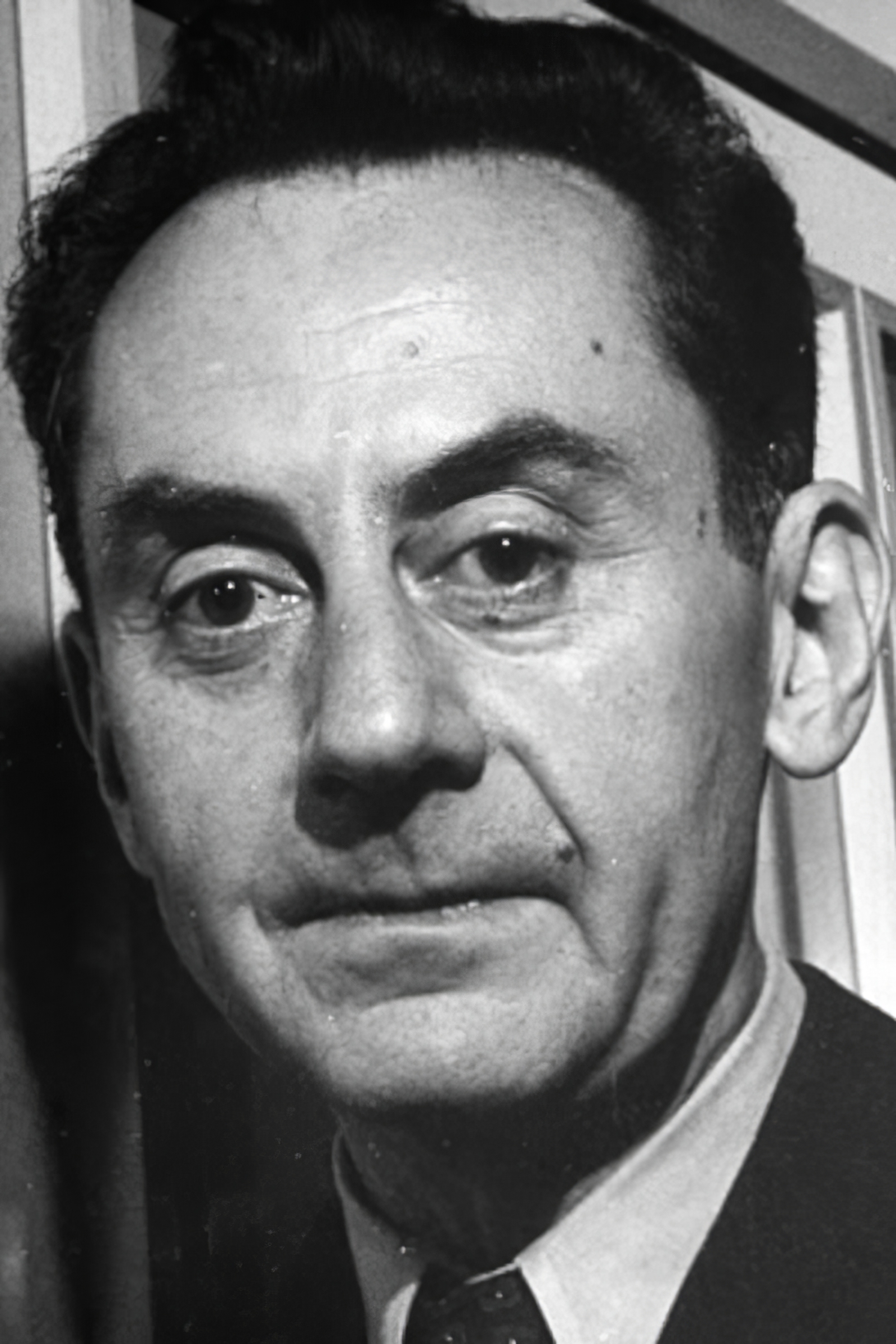
Man Ray, born Emmanuel Radnitzky, was an American visual artist who played a significant role in the Dada and Surrealist movements. His pioneering efforts in photography, alongside his work in painting and sculpture, have cemented his place as a major figure in modern art. Known for his innovative techniques and the ability to convey complex ideas through simple, striking visuals, Man Ray's contribution to the art world is profound.
Throughout his career, Man Ray was celebrated for his avant-garde approach and his ability to transcend traditional boundaries between different artistic mediums. His photography, characterized by experimental techniques such as solarization and rayographs (cameraless photographs), challenged conventional perceptions of photography as merely a means of representation. These artistic innovations made him a central figure in both Parisian and American art circles.
Man Ray's works are housed in some of the world's most prestigious museums and galleries, including the Museum of Modern Art in New York and the Centre Pompidou in Paris. His pieces, such as "Le Violon d'Ingres" and "Noire et Blanche," are iconic images that continue to influence artists today. His ability to blend the abstract with the realistic, and the humorous with the serious, has left a lasting legacy in the world of art.
For collectors and experts in art and antiques, the work of Man Ray offers a glimpse into the revolutionary changes that shaped the visual arts in the 20th century. His unique perspective and pioneering techniques continue to inspire and challenge those interested in the boundaries of creativity and expression.
If you're passionate about the avant-garde, or simply wish to explore the fascinating world of Man Ray further, sign up for our updates. You'll receive alerts on new product sales and auction events related to Man Ray, ensuring you never miss an opportunity to engage with the legacy of this extraordinary artist.

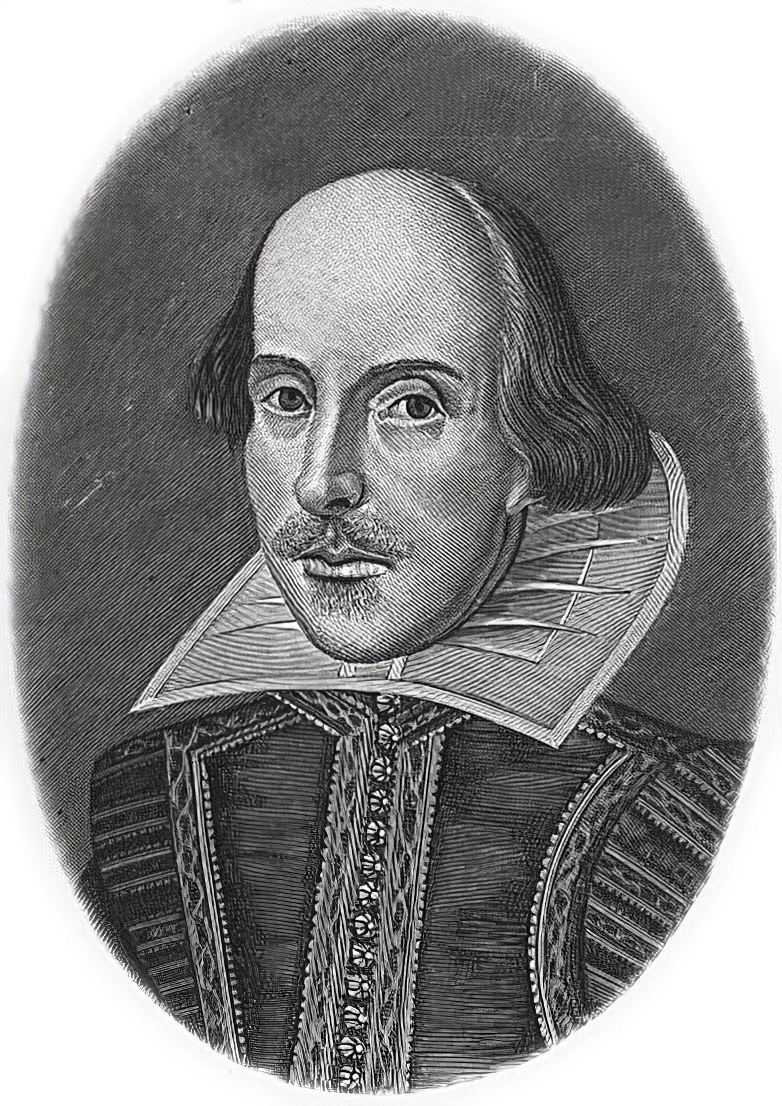
William Shakespeare was a British poet and playwright and writer.
William's father, John Shakespeare, was a merchant and official in Stratford. There are reports that he was a sailor for a time before joining a theater company in London. Beginning in the 1590s, Shakespeare began writing plays, and in 1593 he published a poem, Venus and Adonis, which became popular. He dedicated it to the Duke of Southampton, who was a philanthropist and patron of talent, and soon his business was booming.
From 1592 to 1600 Shakespeare wrote his dramas and romantic comedies "Richard III", "The Taming of the Shrew", "Romeo and Juliet", "A Midsummer Night's Dream" and "The Merchant of Venice", as well as the comedies "Much Ado About Nothing", "Twelfth Night" and the tragedy "Julius Caesar". The playwright's business was so successful that he even bought a large house in Stratford. In 1599, Shakespeare became one of the owners, playwright and actor of the new theater "Globe". In 1603 King James took Shakespeare's troupe under his direct patronage. In the mature period, the great playwright turned to tragedies, there were "Hamlet", "Othello", "King Lear", "Macbeth" and others.
Although in the 19th century researchers had some doubts about the authorship of many of these works, William Shakespeare is considered the greatest English playwright, one of the best playwrights in the world. His plays have been translated into all major languages and to this day form the basis of the world theatrical repertoire, most of them have been screened many times. According to the Guinness Book of Records, Shakespeare remains the world's best-selling playwright, and his plays and poems have sold more than 4 billion copies in the nearly 400 years since his death.

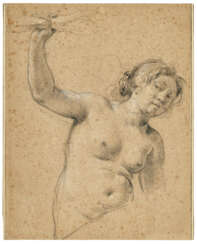

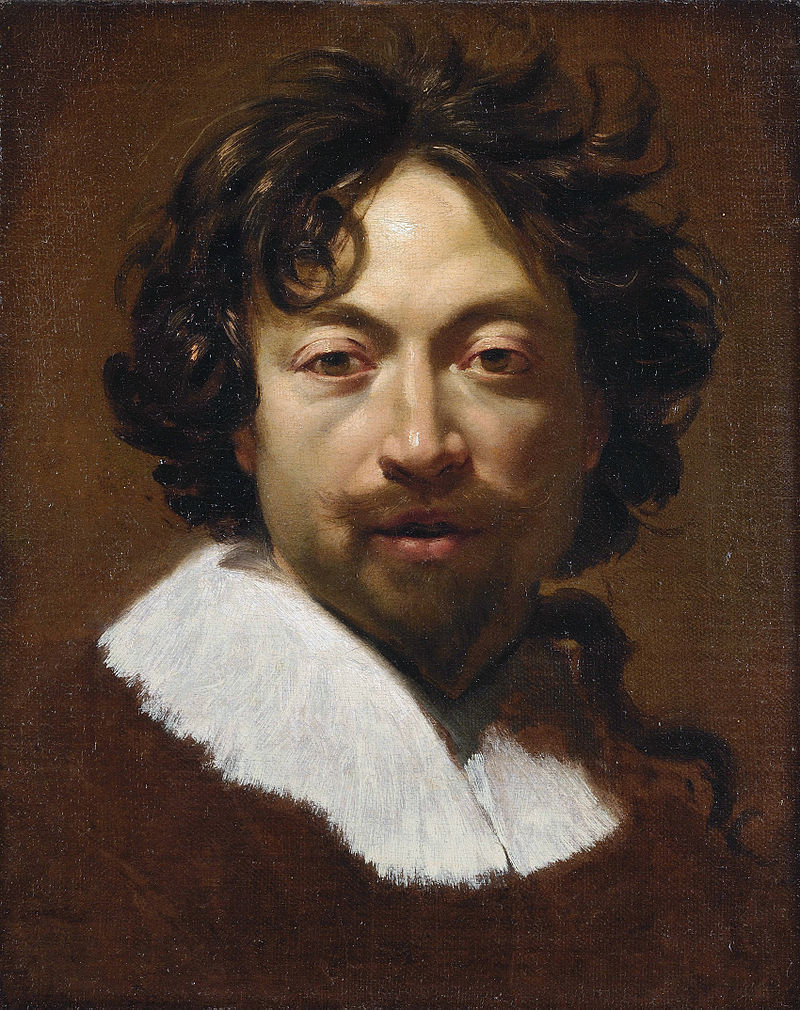
Simon Vouet was a French painter who studied and rose to prominence in Italy before being summoned by Louis XIII to serve as Premier peintre du Roi in France. He and his studio of artists created religious and mythological paintings, portraits, frescoes, tapestries, and massive decorative schemes for the king and for wealthy patrons, including Richelieu. During this time, "Vouet was indisputably the leading artist in Paris," and was immensely influential in introducing the Italian Baroque style of painting to France. He was also "without doubt one of the outstanding seventeenth-century draughtsmen, equal to Annibale Carracci and Lanfranco."
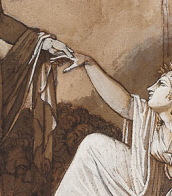
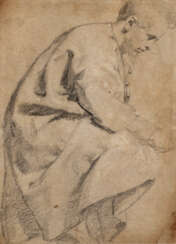

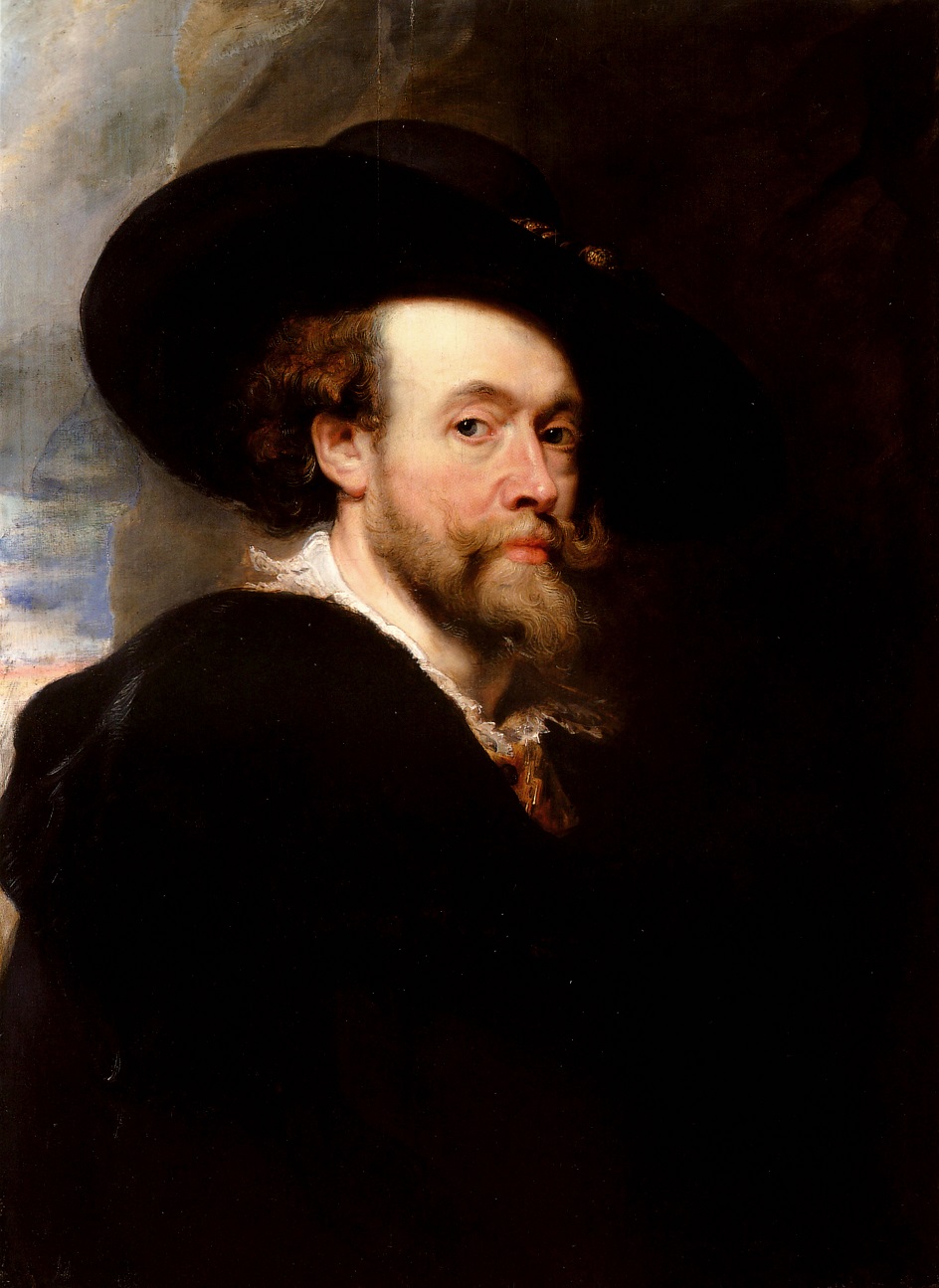
Peter Paul Rubens was a distinguished Flemish Baroque painter, renowned for his dynamic, vibrant, and sensuous paintings. Born on June 28, 1577, in Siegen, Westphalia, Germany, Rubens' family moved back to Antwerp in the Spanish Netherlands (now Belgium) after his father's death. He was raised in his mother’s Roman Catholic faith and received a classical education. He began his artistic training in 1591 and later traveled to Italy, where he was profoundly influenced by Renaissance masters like Titian, Tintoretto, and Veronese. This experience significantly shaped his artistic style.
Rubens' art is celebrated for its emphasis on movement, color, and sensuality. He was particularly skilled in depicting religious and mythological scenes, portraits, and landscapes. Some of his notable works include "The Descent from the Cross" and "The Raising of the Cross," which are prime examples of Baroque religious art, showcasing his unique style that blended influences from Italian Renaissance and his own innovations.
Rubens was not just a painter but also a diplomat, serving at various European courts. He was knighted by both Philip IV of Spain and Charles I of England. His diplomatic missions often intertwined with his artistic endeavors, as seen during his travels to Spain and Italy. In addition to painting, he was involved in designing tapestries, prints, and book title-pages. He ran a large workshop in Antwerp, producing works that were popular with nobility and art collectors across Europe. His studio was in his home, the Rubenshuis, now a museum.
His influence extended to his students, notably Anthony van Dyck, and his collaborative works with other artists like Jan Brueghel the Elder. Rubens' work continued to be celebrated for its vitality and influence on the Baroque style, making him one of the most influential artists of his time.
For those interested in the work and life of Peter Paul Rubens, many of his works can be found in museums and galleries worldwide, including the National Gallery in London, which houses several of his paintings like "A View of Het Steen in the Early Morning" and "Minerva protects Pax from Mars ('Peace and War')".
To stay updated on new product sales, auction events, and more related to Peter Paul Rubens, sign up for our updates. We provide essential information tailored for collectors and experts in art and antiques, focusing on the magnificent work of Rubens and his enduring legacy in the world of art.