

cäsar w




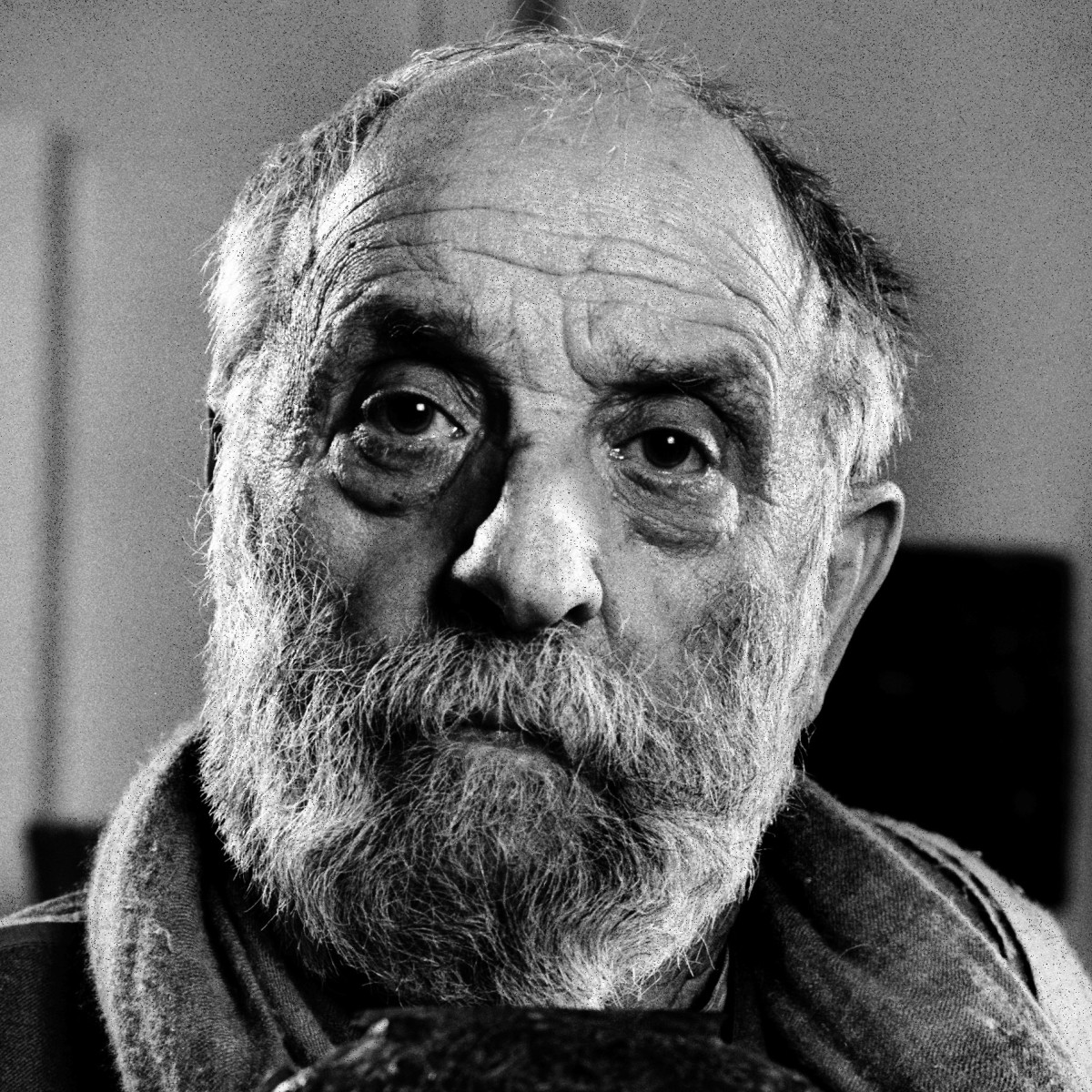
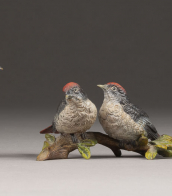
César (born Cesare Baldaccini) was a noted French sculptor.
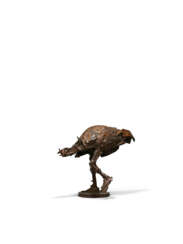
César was at the forefront of the Nouveau Réalisme movement with his radical compressions (compacted automobiles, discarded metal, or rubbish), expansions (polyurethane foam sculptures), and fantastic representations of animals and insects.





.jfif)
Camille Pissarro, a Danish-French artist, was a linchpin of the Impressionist and Neo-Impressionist movements. Born in 1830 on the island of St. Thomas, Pissarro's Jewish-Portuguese heritage and upbringing in the Danish West Indies infused his work with a unique perspective. He is celebrated for his depictions of rural and urban French life, particularly his landscapes that eschew artifice, highlighting the simple beauty of the natural world and the dignity of common people.
Pissarro's influence on the art world was profound. Not only was he a central figure in the Impressionist movement, helping to organize the collective's exhibitions, but he also mentored future Post-Impressionist masters like Cézanne, Gauguin, and van Gogh. His colleagues revered him for his wisdom, balance, and warmhearted nature. Pissarro's dedication to the Impressionist ethos was unparalleled; he was the only artist to exhibit in all eight Paris Impressionist exhibitions from 1874 to 1886.
Among his notable works, Pissarro's 'Hay Harvest at Eragny' (1887) exemplifies his shift towards Neo-Impressionism. This piece, housed at the Van Gogh Museum in Amsterdam, showcases his exploration of tonal values and pointillism. Another poignant work, 'Jeanne Holding a Fan', captures the fragile beauty of his young daughter during her illness, and is a testament to his ability to convey deep personal emotion through art. This work is displayed at The Ashmolean Museum in Oxford.
For art collectors and enthusiasts, Pissarro's works remain a testament to the transformative power of Impressionism and its impact on modern art. His paintings, characterized by their revolutionary depictions of everyday life and nature, continue to be celebrated in major museums around the world.
To stay informed about upcoming sales and auction events featuring works by Camille Pissarro, sign up for our updates. This subscription is an opportunity for collectors and art experts to connect with the enduring legacy of one of Impressionism's pivotal figures.
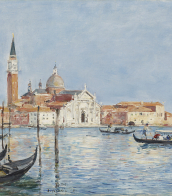


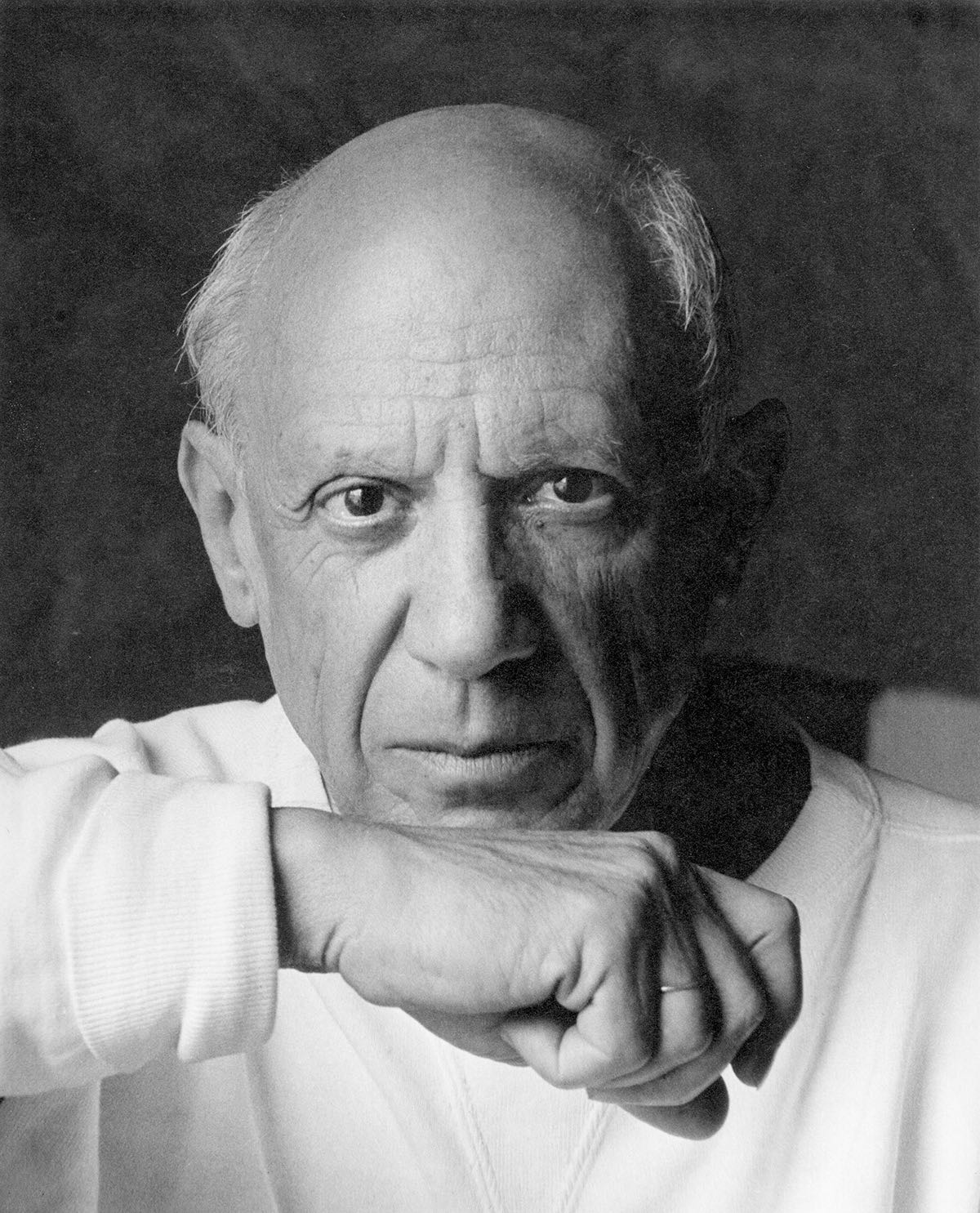
Pablo Ruiz Picasso, a Spanish artist renowned for his revolutionary contributions to the 20th-century art scene, is a figure that resonates profoundly with collectors and art experts. His unique blend of talents in painting, sculpture, printmaking, and ceramic art, infused with his time in France, positioned him as a pivotal character in modern art history.
Picasso's artistic journey was marked by distinct periods, each showcasing his evolving style and genius. His early years were characterized by the Blue Period (1901-1904), followed by the Rose Period (1904-1906), and then the African-influenced Period (1907-1909). Picasso's name is synonymous with Cubism, a movement he co-founded, which significantly altered artistic perspectives and methods. Works like "Les Demoiselles d'Avignon" (1907) and "Guernica" (1937) are emblematic of his cubist legacy, the latter being a poignant anti-war statement that remains influential.
His later years saw a return to more traditional styles, with neoclassical and surrealist influences becoming evident. Works from these phases reflect a deep engagement with mythological themes, as seen in "Faun with Stars" (1955), symbolizing his late-life romance with Jacqueline Roque, his second wife.
Picasso's prolific output and innovative spirit made him a legend in his own time, a status that only grew after his death. His works, housed in major museums and private collections worldwide, continue to captivate and inspire.
As a collector or expert in art and antiques, staying informed about Picasso's works, their auction events, and sales is essential. To stay updated on the latest developments and opportunities related to Pablo Picasso, sign up for our specialized updates. Rest assured, this subscription will focus solely on new product sales and auction events pertaining to Picasso's art, ensuring that you receive only the most relevant and valuable information.


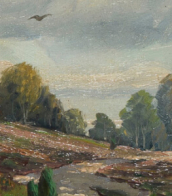
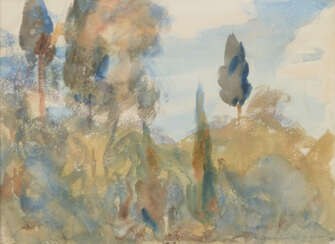

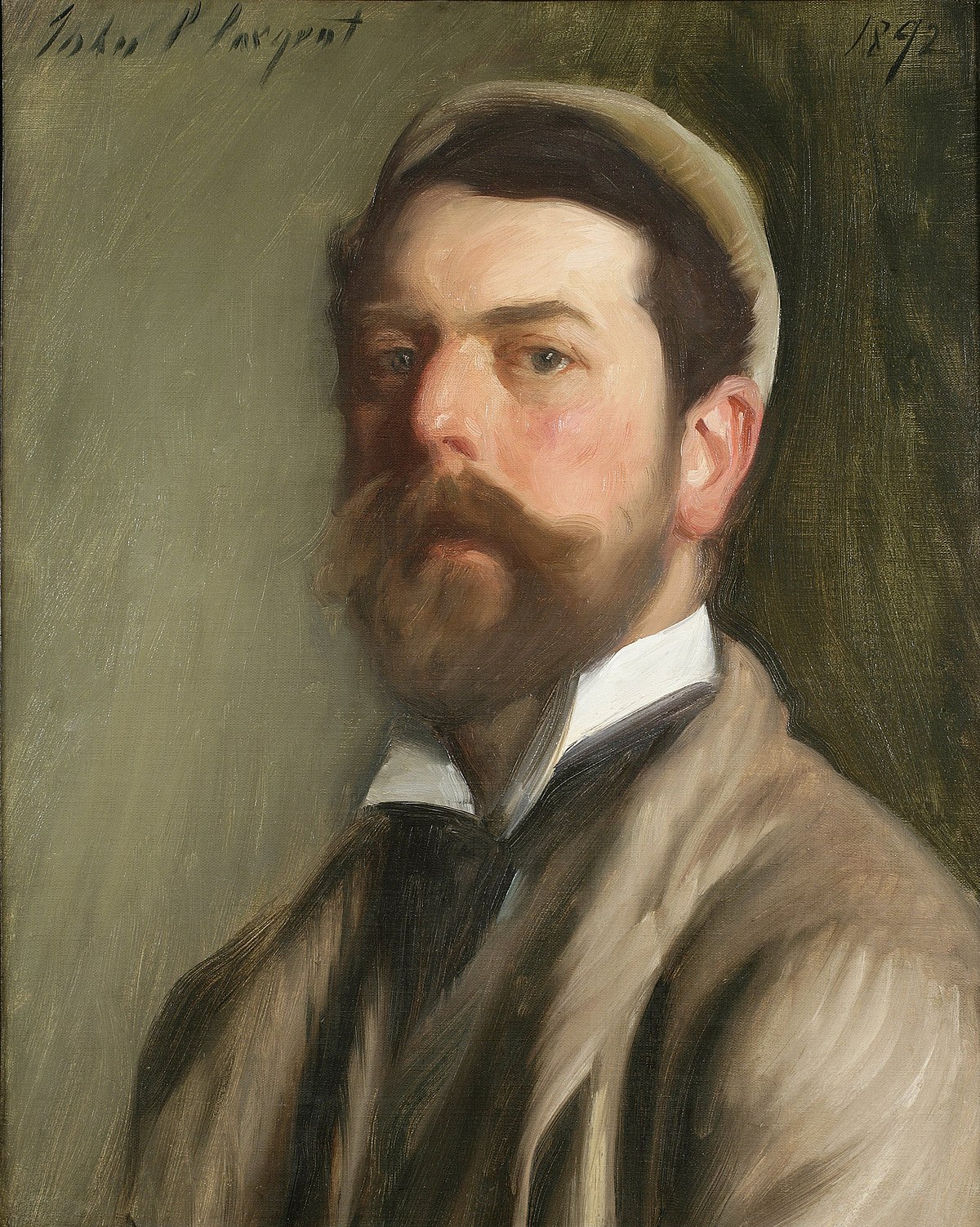
John Singer Sargent was an American artist celebrated for his captivating portraits, which mirrored the luxury of the Edwardian era. Born to American parents in Florence, Italy, Sargent was a well-traveled individual, fluent in multiple languages, and exposed to European art from a young age. His early artistic training came under the tutelage of Carolus-Duran in Paris, which significantly influenced his style and approach to art. Sargent's work, characterized by its striking realism and attention to detail, gained international acclaim, especially among the aristocracy in England and the United States.
Noteworthy is John Singer Sargent's "Carnation, Lily, Lily, Rose," a piece that, after its display at the Royal Academy in 1887, solidified his status in the London art scene. This painting, along with many others, showcases his ability to capture the essence of his subjects, earning him numerous commissions from prominent figures of his time. However, by the early 20th century, Sargent shifted his focus to watercolors and murals, seeking respite from the demands of portrait commissions. His mural works, like those for the Boston Public Library, highlight his versatility and commitment to art beyond portraiture.
For collectors and art experts, understanding John Singer Sargent's journey—from his early days in Florence and Paris to his ultimate success as a portraitist and muralist—offers valuable insights into his artistic evolution and the historical context of his work. His pieces, housed in prestigious institutions worldwide, continue to captivate audiences with their elegance and technical prowess.
If you're keen on staying updated with events and sales related to John Singer Sargent's art, consider signing up for updates. This subscription will keep you informed about new product sales and auction events specifically related to Sargent's works, ensuring you don't miss out on valuable opportunities.


John Singer Sargent was an American artist celebrated for his captivating portraits, which mirrored the luxury of the Edwardian era. Born to American parents in Florence, Italy, Sargent was a well-traveled individual, fluent in multiple languages, and exposed to European art from a young age. His early artistic training came under the tutelage of Carolus-Duran in Paris, which significantly influenced his style and approach to art. Sargent's work, characterized by its striking realism and attention to detail, gained international acclaim, especially among the aristocracy in England and the United States.
Noteworthy is John Singer Sargent's "Carnation, Lily, Lily, Rose," a piece that, after its display at the Royal Academy in 1887, solidified his status in the London art scene. This painting, along with many others, showcases his ability to capture the essence of his subjects, earning him numerous commissions from prominent figures of his time. However, by the early 20th century, Sargent shifted his focus to watercolors and murals, seeking respite from the demands of portrait commissions. His mural works, like those for the Boston Public Library, highlight his versatility and commitment to art beyond portraiture.
For collectors and art experts, understanding John Singer Sargent's journey—from his early days in Florence and Paris to his ultimate success as a portraitist and muralist—offers valuable insights into his artistic evolution and the historical context of his work. His pieces, housed in prestigious institutions worldwide, continue to captivate audiences with their elegance and technical prowess.
If you're keen on staying updated with events and sales related to John Singer Sargent's art, consider signing up for updates. This subscription will keep you informed about new product sales and auction events specifically related to Sargent's works, ensuring you don't miss out on valuable opportunities.


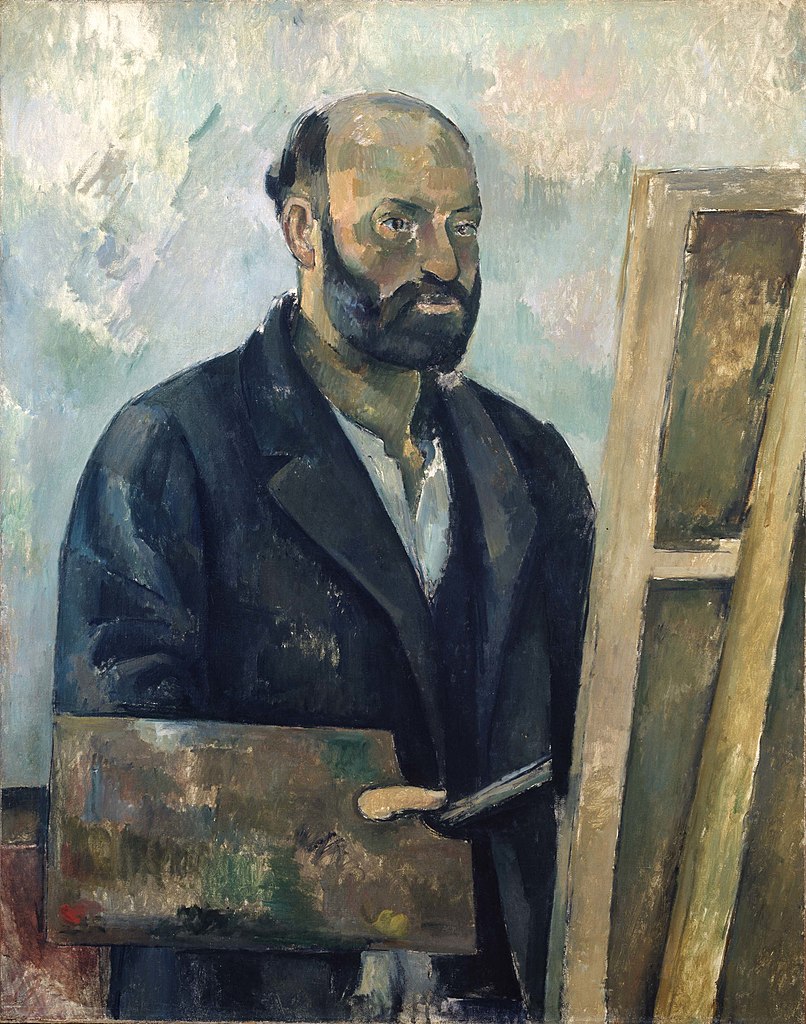
Paul Cézanne, a French Post-Impressionist painter, was pivotal in shaping the transition from 19th-century art to a new, revolutionary approach in the 20th century. His unique and exploratory brushstrokes, utilizing planes of color to form complex fields, made his work instantly recognizable and influential in the development of Cubism.
Cézanne’s early works, influenced by Romanticism and Realism, evolved into a groundbreaking artistic language. He challenged traditional perspective and academic art rules, focusing on objects' structural aspects and art's formal qualities. This approach led to a renewed emphasis on impressionistic color space and modulation principles.
His most notable works, like “Mont Sainte-Victoire,” “The Card Players,” and “The Bathers,” display his mastery in creating depth and dimension through color gradations. These paintings, initially met with skepticism, eventually cemented Cézanne’s reputation as a pioneering artist. His exhibitions, particularly the one-man show by dealer Ambroise Vollard in 1895, played a critical role in his recognition.
Cézanne’s impact on art history is profound, with greats like Henri Matisse and Pablo Picasso acknowledging him as a significant influence. His exploration of geometric forms and innovative use of light and color laid the groundwork for subsequent movements, particularly Cubism.
For collectors and art experts, Cézanne's works are more than just paintings; they are pivotal chapters in the narrative of modern art. His creations, bridging Impressionism and Cubism, continue to inspire and challenge contemporary artists.
To stay updated on new product sales and auction events related to Paul Cézanne, sign up for our updates. This subscription ensures you remain informed about the latest developments in the world of this revolutionary artist.
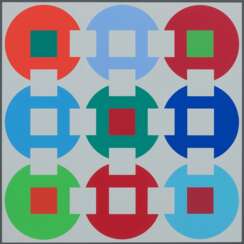


Victor Vasarely, a seminal figure in the Op art movement, was a Hungarian-French artist celebrated for his pioneering contributions to geometric abstract art. Born Győző Vásárhelyi in Pécs, Hungary, in 1906, Vasarely's artistic journey led him to Paris, where he honed a distinctive style marked by optical illusions and kinetic art. By the late 1940s, he had developed his iconic approach, utilizing geometric shapes and a limited color palette to create artworks that seemed to move and vibrate. His work "Zebra," created in 1937, is often cited as one of the earliest examples of Op art, showcasing his fascination with creating the illusion of depth and movement on a flat surface.
Throughout the 1950s and 1960s, Vasarely's exploration into optical effects deepened, leading to significant series like his "Vega" works. These pieces are characterized by their illusionary three-dimensional space, seemingly pushing and pulling the viewer into the canvas. His dedication to optical and geometric abstraction was not just a pursuit of aesthetic innovation but also an exploration of the viewer's perception, making the observer an integral part of the artwork.
Vasarely's influence extended beyond the canvas, impacting architecture, sculpture, and even space exploration. In 1970, he founded the first museum dedicated to his works in Gordes, followed by the establishment of the Fondation Vasarely in Aix-en-Provence in 1976, showcasing his vision of integrating art with the environment. His artworks have found homes in prestigious institutions like the Museum of Modern Art and have been celebrated in exhibitions worldwide.
For collectors and experts in art and antiques, Vasarely's works offer a mesmerizing blend of scientific precision and artistic expression, encapsulating a moment in art history where the boundaries between viewer and artwork blurred. His legacy is a testament to the power of visual perception and the endless possibilities of abstract art.
For those interested in delving deeper into Victor Vasarely's visionary world and perhaps acquiring a piece of this history, signing up for updates on new product sales and auction events related to Vasarely's works is highly recommended. Stay informed and embrace the opportunity to own a part of the optical and geometric abstraction movement that Vasarely so brilliantly pioneered.
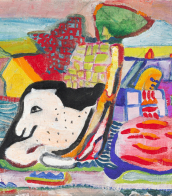
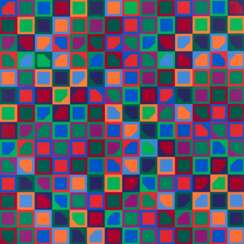

Victor Vasarely, a seminal figure in the Op art movement, was a Hungarian-French artist celebrated for his pioneering contributions to geometric abstract art. Born Győző Vásárhelyi in Pécs, Hungary, in 1906, Vasarely's artistic journey led him to Paris, where he honed a distinctive style marked by optical illusions and kinetic art. By the late 1940s, he had developed his iconic approach, utilizing geometric shapes and a limited color palette to create artworks that seemed to move and vibrate. His work "Zebra," created in 1937, is often cited as one of the earliest examples of Op art, showcasing his fascination with creating the illusion of depth and movement on a flat surface.
Throughout the 1950s and 1960s, Vasarely's exploration into optical effects deepened, leading to significant series like his "Vega" works. These pieces are characterized by their illusionary three-dimensional space, seemingly pushing and pulling the viewer into the canvas. His dedication to optical and geometric abstraction was not just a pursuit of aesthetic innovation but also an exploration of the viewer's perception, making the observer an integral part of the artwork.
Vasarely's influence extended beyond the canvas, impacting architecture, sculpture, and even space exploration. In 1970, he founded the first museum dedicated to his works in Gordes, followed by the establishment of the Fondation Vasarely in Aix-en-Provence in 1976, showcasing his vision of integrating art with the environment. His artworks have found homes in prestigious institutions like the Museum of Modern Art and have been celebrated in exhibitions worldwide.
For collectors and experts in art and antiques, Vasarely's works offer a mesmerizing blend of scientific precision and artistic expression, encapsulating a moment in art history where the boundaries between viewer and artwork blurred. His legacy is a testament to the power of visual perception and the endless possibilities of abstract art.
For those interested in delving deeper into Victor Vasarely's visionary world and perhaps acquiring a piece of this history, signing up for updates on new product sales and auction events related to Vasarely's works is highly recommended. Stay informed and embrace the opportunity to own a part of the optical and geometric abstraction movement that Vasarely so brilliantly pioneered.


Camille Pissarro, a Danish-French artist, was a linchpin of the Impressionist and Neo-Impressionist movements. Born in 1830 on the island of St. Thomas, Pissarro's Jewish-Portuguese heritage and upbringing in the Danish West Indies infused his work with a unique perspective. He is celebrated for his depictions of rural and urban French life, particularly his landscapes that eschew artifice, highlighting the simple beauty of the natural world and the dignity of common people.
Pissarro's influence on the art world was profound. Not only was he a central figure in the Impressionist movement, helping to organize the collective's exhibitions, but he also mentored future Post-Impressionist masters like Cézanne, Gauguin, and van Gogh. His colleagues revered him for his wisdom, balance, and warmhearted nature. Pissarro's dedication to the Impressionist ethos was unparalleled; he was the only artist to exhibit in all eight Paris Impressionist exhibitions from 1874 to 1886.
Among his notable works, Pissarro's 'Hay Harvest at Eragny' (1887) exemplifies his shift towards Neo-Impressionism. This piece, housed at the Van Gogh Museum in Amsterdam, showcases his exploration of tonal values and pointillism. Another poignant work, 'Jeanne Holding a Fan', captures the fragile beauty of his young daughter during her illness, and is a testament to his ability to convey deep personal emotion through art. This work is displayed at The Ashmolean Museum in Oxford.
For art collectors and enthusiasts, Pissarro's works remain a testament to the transformative power of Impressionism and its impact on modern art. His paintings, characterized by their revolutionary depictions of everyday life and nature, continue to be celebrated in major museums around the world.
To stay informed about upcoming sales and auction events featuring works by Camille Pissarro, sign up for our updates. This subscription is an opportunity for collectors and art experts to connect with the enduring legacy of one of Impressionism's pivotal figures.

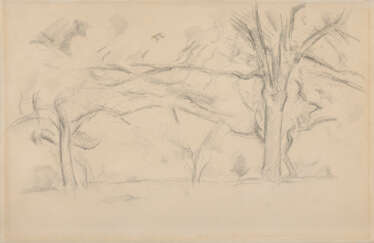

Paul Cézanne, a French Post-Impressionist painter, was pivotal in shaping the transition from 19th-century art to a new, revolutionary approach in the 20th century. His unique and exploratory brushstrokes, utilizing planes of color to form complex fields, made his work instantly recognizable and influential in the development of Cubism.
Cézanne’s early works, influenced by Romanticism and Realism, evolved into a groundbreaking artistic language. He challenged traditional perspective and academic art rules, focusing on objects' structural aspects and art's formal qualities. This approach led to a renewed emphasis on impressionistic color space and modulation principles.
His most notable works, like “Mont Sainte-Victoire,” “The Card Players,” and “The Bathers,” display his mastery in creating depth and dimension through color gradations. These paintings, initially met with skepticism, eventually cemented Cézanne’s reputation as a pioneering artist. His exhibitions, particularly the one-man show by dealer Ambroise Vollard in 1895, played a critical role in his recognition.
Cézanne’s impact on art history is profound, with greats like Henri Matisse and Pablo Picasso acknowledging him as a significant influence. His exploration of geometric forms and innovative use of light and color laid the groundwork for subsequent movements, particularly Cubism.
For collectors and art experts, Cézanne's works are more than just paintings; they are pivotal chapters in the narrative of modern art. His creations, bridging Impressionism and Cubism, continue to inspire and challenge contemporary artists.
To stay updated on new product sales and auction events related to Paul Cézanne, sign up for our updates. This subscription ensures you remain informed about the latest developments in the world of this revolutionary artist.
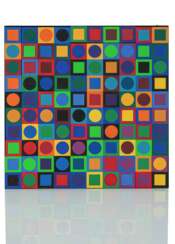

Victor Vasarely, a seminal figure in the Op art movement, was a Hungarian-French artist celebrated for his pioneering contributions to geometric abstract art. Born Győző Vásárhelyi in Pécs, Hungary, in 1906, Vasarely's artistic journey led him to Paris, where he honed a distinctive style marked by optical illusions and kinetic art. By the late 1940s, he had developed his iconic approach, utilizing geometric shapes and a limited color palette to create artworks that seemed to move and vibrate. His work "Zebra," created in 1937, is often cited as one of the earliest examples of Op art, showcasing his fascination with creating the illusion of depth and movement on a flat surface.
Throughout the 1950s and 1960s, Vasarely's exploration into optical effects deepened, leading to significant series like his "Vega" works. These pieces are characterized by their illusionary three-dimensional space, seemingly pushing and pulling the viewer into the canvas. His dedication to optical and geometric abstraction was not just a pursuit of aesthetic innovation but also an exploration of the viewer's perception, making the observer an integral part of the artwork.
Vasarely's influence extended beyond the canvas, impacting architecture, sculpture, and even space exploration. In 1970, he founded the first museum dedicated to his works in Gordes, followed by the establishment of the Fondation Vasarely in Aix-en-Provence in 1976, showcasing his vision of integrating art with the environment. His artworks have found homes in prestigious institutions like the Museum of Modern Art and have been celebrated in exhibitions worldwide.
For collectors and experts in art and antiques, Vasarely's works offer a mesmerizing blend of scientific precision and artistic expression, encapsulating a moment in art history where the boundaries between viewer and artwork blurred. His legacy is a testament to the power of visual perception and the endless possibilities of abstract art.
For those interested in delving deeper into Victor Vasarely's visionary world and perhaps acquiring a piece of this history, signing up for updates on new product sales and auction events related to Vasarely's works is highly recommended. Stay informed and embrace the opportunity to own a part of the optical and geometric abstraction movement that Vasarely so brilliantly pioneered.
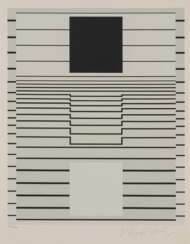

Victor Vasarely, a seminal figure in the Op art movement, was a Hungarian-French artist celebrated for his pioneering contributions to geometric abstract art. Born Győző Vásárhelyi in Pécs, Hungary, in 1906, Vasarely's artistic journey led him to Paris, where he honed a distinctive style marked by optical illusions and kinetic art. By the late 1940s, he had developed his iconic approach, utilizing geometric shapes and a limited color palette to create artworks that seemed to move and vibrate. His work "Zebra," created in 1937, is often cited as one of the earliest examples of Op art, showcasing his fascination with creating the illusion of depth and movement on a flat surface.
Throughout the 1950s and 1960s, Vasarely's exploration into optical effects deepened, leading to significant series like his "Vega" works. These pieces are characterized by their illusionary three-dimensional space, seemingly pushing and pulling the viewer into the canvas. His dedication to optical and geometric abstraction was not just a pursuit of aesthetic innovation but also an exploration of the viewer's perception, making the observer an integral part of the artwork.
Vasarely's influence extended beyond the canvas, impacting architecture, sculpture, and even space exploration. In 1970, he founded the first museum dedicated to his works in Gordes, followed by the establishment of the Fondation Vasarely in Aix-en-Provence in 1976, showcasing his vision of integrating art with the environment. His artworks have found homes in prestigious institutions like the Museum of Modern Art and have been celebrated in exhibitions worldwide.
For collectors and experts in art and antiques, Vasarely's works offer a mesmerizing blend of scientific precision and artistic expression, encapsulating a moment in art history where the boundaries between viewer and artwork blurred. His legacy is a testament to the power of visual perception and the endless possibilities of abstract art.
For those interested in delving deeper into Victor Vasarely's visionary world and perhaps acquiring a piece of this history, signing up for updates on new product sales and auction events related to Vasarely's works is highly recommended. Stay informed and embrace the opportunity to own a part of the optical and geometric abstraction movement that Vasarely so brilliantly pioneered.
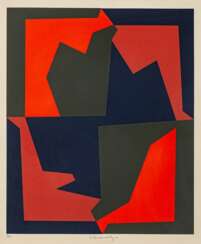

Victor Vasarely, a seminal figure in the Op art movement, was a Hungarian-French artist celebrated for his pioneering contributions to geometric abstract art. Born Győző Vásárhelyi in Pécs, Hungary, in 1906, Vasarely's artistic journey led him to Paris, where he honed a distinctive style marked by optical illusions and kinetic art. By the late 1940s, he had developed his iconic approach, utilizing geometric shapes and a limited color palette to create artworks that seemed to move and vibrate. His work "Zebra," created in 1937, is often cited as one of the earliest examples of Op art, showcasing his fascination with creating the illusion of depth and movement on a flat surface.
Throughout the 1950s and 1960s, Vasarely's exploration into optical effects deepened, leading to significant series like his "Vega" works. These pieces are characterized by their illusionary three-dimensional space, seemingly pushing and pulling the viewer into the canvas. His dedication to optical and geometric abstraction was not just a pursuit of aesthetic innovation but also an exploration of the viewer's perception, making the observer an integral part of the artwork.
Vasarely's influence extended beyond the canvas, impacting architecture, sculpture, and even space exploration. In 1970, he founded the first museum dedicated to his works in Gordes, followed by the establishment of the Fondation Vasarely in Aix-en-Provence in 1976, showcasing his vision of integrating art with the environment. His artworks have found homes in prestigious institutions like the Museum of Modern Art and have been celebrated in exhibitions worldwide.
For collectors and experts in art and antiques, Vasarely's works offer a mesmerizing blend of scientific precision and artistic expression, encapsulating a moment in art history where the boundaries between viewer and artwork blurred. His legacy is a testament to the power of visual perception and the endless possibilities of abstract art.
For those interested in delving deeper into Victor Vasarely's visionary world and perhaps acquiring a piece of this history, signing up for updates on new product sales and auction events related to Vasarely's works is highly recommended. Stay informed and embrace the opportunity to own a part of the optical and geometric abstraction movement that Vasarely so brilliantly pioneered.
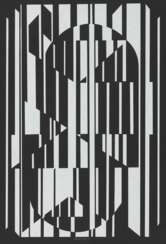

Victor Vasarely, a seminal figure in the Op art movement, was a Hungarian-French artist celebrated for his pioneering contributions to geometric abstract art. Born Győző Vásárhelyi in Pécs, Hungary, in 1906, Vasarely's artistic journey led him to Paris, where he honed a distinctive style marked by optical illusions and kinetic art. By the late 1940s, he had developed his iconic approach, utilizing geometric shapes and a limited color palette to create artworks that seemed to move and vibrate. His work "Zebra," created in 1937, is often cited as one of the earliest examples of Op art, showcasing his fascination with creating the illusion of depth and movement on a flat surface.
Throughout the 1950s and 1960s, Vasarely's exploration into optical effects deepened, leading to significant series like his "Vega" works. These pieces are characterized by their illusionary three-dimensional space, seemingly pushing and pulling the viewer into the canvas. His dedication to optical and geometric abstraction was not just a pursuit of aesthetic innovation but also an exploration of the viewer's perception, making the observer an integral part of the artwork.
Vasarely's influence extended beyond the canvas, impacting architecture, sculpture, and even space exploration. In 1970, he founded the first museum dedicated to his works in Gordes, followed by the establishment of the Fondation Vasarely in Aix-en-Provence in 1976, showcasing his vision of integrating art with the environment. His artworks have found homes in prestigious institutions like the Museum of Modern Art and have been celebrated in exhibitions worldwide.
For collectors and experts in art and antiques, Vasarely's works offer a mesmerizing blend of scientific precision and artistic expression, encapsulating a moment in art history where the boundaries between viewer and artwork blurred. His legacy is a testament to the power of visual perception and the endless possibilities of abstract art.
For those interested in delving deeper into Victor Vasarely's visionary world and perhaps acquiring a piece of this history, signing up for updates on new product sales and auction events related to Vasarely's works is highly recommended. Stay informed and embrace the opportunity to own a part of the optical and geometric abstraction movement that Vasarely so brilliantly pioneered.
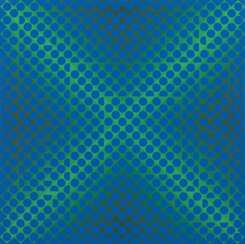

Victor Vasarely, a seminal figure in the Op art movement, was a Hungarian-French artist celebrated for his pioneering contributions to geometric abstract art. Born Győző Vásárhelyi in Pécs, Hungary, in 1906, Vasarely's artistic journey led him to Paris, where he honed a distinctive style marked by optical illusions and kinetic art. By the late 1940s, he had developed his iconic approach, utilizing geometric shapes and a limited color palette to create artworks that seemed to move and vibrate. His work "Zebra," created in 1937, is often cited as one of the earliest examples of Op art, showcasing his fascination with creating the illusion of depth and movement on a flat surface.
Throughout the 1950s and 1960s, Vasarely's exploration into optical effects deepened, leading to significant series like his "Vega" works. These pieces are characterized by their illusionary three-dimensional space, seemingly pushing and pulling the viewer into the canvas. His dedication to optical and geometric abstraction was not just a pursuit of aesthetic innovation but also an exploration of the viewer's perception, making the observer an integral part of the artwork.
Vasarely's influence extended beyond the canvas, impacting architecture, sculpture, and even space exploration. In 1970, he founded the first museum dedicated to his works in Gordes, followed by the establishment of the Fondation Vasarely in Aix-en-Provence in 1976, showcasing his vision of integrating art with the environment. His artworks have found homes in prestigious institutions like the Museum of Modern Art and have been celebrated in exhibitions worldwide.
For collectors and experts in art and antiques, Vasarely's works offer a mesmerizing blend of scientific precision and artistic expression, encapsulating a moment in art history where the boundaries between viewer and artwork blurred. His legacy is a testament to the power of visual perception and the endless possibilities of abstract art.
For those interested in delving deeper into Victor Vasarely's visionary world and perhaps acquiring a piece of this history, signing up for updates on new product sales and auction events related to Vasarely's works is highly recommended. Stay informed and embrace the opportunity to own a part of the optical and geometric abstraction movement that Vasarely so brilliantly pioneered.
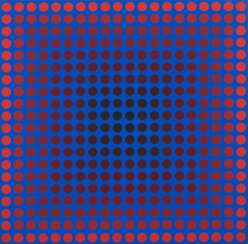

Victor Vasarely, a seminal figure in the Op art movement, was a Hungarian-French artist celebrated for his pioneering contributions to geometric abstract art. Born Győző Vásárhelyi in Pécs, Hungary, in 1906, Vasarely's artistic journey led him to Paris, where he honed a distinctive style marked by optical illusions and kinetic art. By the late 1940s, he had developed his iconic approach, utilizing geometric shapes and a limited color palette to create artworks that seemed to move and vibrate. His work "Zebra," created in 1937, is often cited as one of the earliest examples of Op art, showcasing his fascination with creating the illusion of depth and movement on a flat surface.
Throughout the 1950s and 1960s, Vasarely's exploration into optical effects deepened, leading to significant series like his "Vega" works. These pieces are characterized by their illusionary three-dimensional space, seemingly pushing and pulling the viewer into the canvas. His dedication to optical and geometric abstraction was not just a pursuit of aesthetic innovation but also an exploration of the viewer's perception, making the observer an integral part of the artwork.
Vasarely's influence extended beyond the canvas, impacting architecture, sculpture, and even space exploration. In 1970, he founded the first museum dedicated to his works in Gordes, followed by the establishment of the Fondation Vasarely in Aix-en-Provence in 1976, showcasing his vision of integrating art with the environment. His artworks have found homes in prestigious institutions like the Museum of Modern Art and have been celebrated in exhibitions worldwide.
For collectors and experts in art and antiques, Vasarely's works offer a mesmerizing blend of scientific precision and artistic expression, encapsulating a moment in art history where the boundaries between viewer and artwork blurred. His legacy is a testament to the power of visual perception and the endless possibilities of abstract art.
For those interested in delving deeper into Victor Vasarely's visionary world and perhaps acquiring a piece of this history, signing up for updates on new product sales and auction events related to Vasarely's works is highly recommended. Stay informed and embrace the opportunity to own a part of the optical and geometric abstraction movement that Vasarely so brilliantly pioneered.
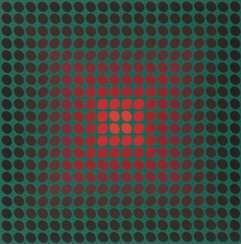

Victor Vasarely, a seminal figure in the Op art movement, was a Hungarian-French artist celebrated for his pioneering contributions to geometric abstract art. Born Győző Vásárhelyi in Pécs, Hungary, in 1906, Vasarely's artistic journey led him to Paris, where he honed a distinctive style marked by optical illusions and kinetic art. By the late 1940s, he had developed his iconic approach, utilizing geometric shapes and a limited color palette to create artworks that seemed to move and vibrate. His work "Zebra," created in 1937, is often cited as one of the earliest examples of Op art, showcasing his fascination with creating the illusion of depth and movement on a flat surface.
Throughout the 1950s and 1960s, Vasarely's exploration into optical effects deepened, leading to significant series like his "Vega" works. These pieces are characterized by their illusionary three-dimensional space, seemingly pushing and pulling the viewer into the canvas. His dedication to optical and geometric abstraction was not just a pursuit of aesthetic innovation but also an exploration of the viewer's perception, making the observer an integral part of the artwork.
Vasarely's influence extended beyond the canvas, impacting architecture, sculpture, and even space exploration. In 1970, he founded the first museum dedicated to his works in Gordes, followed by the establishment of the Fondation Vasarely in Aix-en-Provence in 1976, showcasing his vision of integrating art with the environment. His artworks have found homes in prestigious institutions like the Museum of Modern Art and have been celebrated in exhibitions worldwide.
For collectors and experts in art and antiques, Vasarely's works offer a mesmerizing blend of scientific precision and artistic expression, encapsulating a moment in art history where the boundaries between viewer and artwork blurred. His legacy is a testament to the power of visual perception and the endless possibilities of abstract art.
For those interested in delving deeper into Victor Vasarely's visionary world and perhaps acquiring a piece of this history, signing up for updates on new product sales and auction events related to Vasarely's works is highly recommended. Stay informed and embrace the opportunity to own a part of the optical and geometric abstraction movement that Vasarely so brilliantly pioneered.
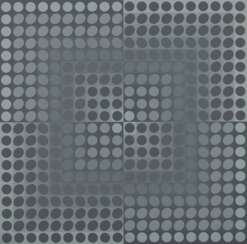

Victor Vasarely, a seminal figure in the Op art movement, was a Hungarian-French artist celebrated for his pioneering contributions to geometric abstract art. Born Győző Vásárhelyi in Pécs, Hungary, in 1906, Vasarely's artistic journey led him to Paris, where he honed a distinctive style marked by optical illusions and kinetic art. By the late 1940s, he had developed his iconic approach, utilizing geometric shapes and a limited color palette to create artworks that seemed to move and vibrate. His work "Zebra," created in 1937, is often cited as one of the earliest examples of Op art, showcasing his fascination with creating the illusion of depth and movement on a flat surface.
Throughout the 1950s and 1960s, Vasarely's exploration into optical effects deepened, leading to significant series like his "Vega" works. These pieces are characterized by their illusionary three-dimensional space, seemingly pushing and pulling the viewer into the canvas. His dedication to optical and geometric abstraction was not just a pursuit of aesthetic innovation but also an exploration of the viewer's perception, making the observer an integral part of the artwork.
Vasarely's influence extended beyond the canvas, impacting architecture, sculpture, and even space exploration. In 1970, he founded the first museum dedicated to his works in Gordes, followed by the establishment of the Fondation Vasarely in Aix-en-Provence in 1976, showcasing his vision of integrating art with the environment. His artworks have found homes in prestigious institutions like the Museum of Modern Art and have been celebrated in exhibitions worldwide.
For collectors and experts in art and antiques, Vasarely's works offer a mesmerizing blend of scientific precision and artistic expression, encapsulating a moment in art history where the boundaries between viewer and artwork blurred. His legacy is a testament to the power of visual perception and the endless possibilities of abstract art.
For those interested in delving deeper into Victor Vasarely's visionary world and perhaps acquiring a piece of this history, signing up for updates on new product sales and auction events related to Vasarely's works is highly recommended. Stay informed and embrace the opportunity to own a part of the optical and geometric abstraction movement that Vasarely so brilliantly pioneered.
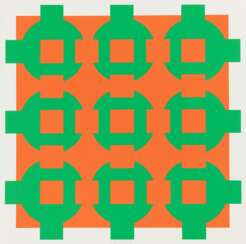

Victor Vasarely, a seminal figure in the Op art movement, was a Hungarian-French artist celebrated for his pioneering contributions to geometric abstract art. Born Győző Vásárhelyi in Pécs, Hungary, in 1906, Vasarely's artistic journey led him to Paris, where he honed a distinctive style marked by optical illusions and kinetic art. By the late 1940s, he had developed his iconic approach, utilizing geometric shapes and a limited color palette to create artworks that seemed to move and vibrate. His work "Zebra," created in 1937, is often cited as one of the earliest examples of Op art, showcasing his fascination with creating the illusion of depth and movement on a flat surface.
Throughout the 1950s and 1960s, Vasarely's exploration into optical effects deepened, leading to significant series like his "Vega" works. These pieces are characterized by their illusionary three-dimensional space, seemingly pushing and pulling the viewer into the canvas. His dedication to optical and geometric abstraction was not just a pursuit of aesthetic innovation but also an exploration of the viewer's perception, making the observer an integral part of the artwork.
Vasarely's influence extended beyond the canvas, impacting architecture, sculpture, and even space exploration. In 1970, he founded the first museum dedicated to his works in Gordes, followed by the establishment of the Fondation Vasarely in Aix-en-Provence in 1976, showcasing his vision of integrating art with the environment. His artworks have found homes in prestigious institutions like the Museum of Modern Art and have been celebrated in exhibitions worldwide.
For collectors and experts in art and antiques, Vasarely's works offer a mesmerizing blend of scientific precision and artistic expression, encapsulating a moment in art history where the boundaries between viewer and artwork blurred. His legacy is a testament to the power of visual perception and the endless possibilities of abstract art.
For those interested in delving deeper into Victor Vasarely's visionary world and perhaps acquiring a piece of this history, signing up for updates on new product sales and auction events related to Vasarely's works is highly recommended. Stay informed and embrace the opportunity to own a part of the optical and geometric abstraction movement that Vasarely so brilliantly pioneered.
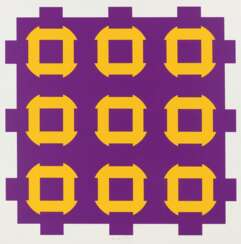

Victor Vasarely, a seminal figure in the Op art movement, was a Hungarian-French artist celebrated for his pioneering contributions to geometric abstract art. Born Győző Vásárhelyi in Pécs, Hungary, in 1906, Vasarely's artistic journey led him to Paris, where he honed a distinctive style marked by optical illusions and kinetic art. By the late 1940s, he had developed his iconic approach, utilizing geometric shapes and a limited color palette to create artworks that seemed to move and vibrate. His work "Zebra," created in 1937, is often cited as one of the earliest examples of Op art, showcasing his fascination with creating the illusion of depth and movement on a flat surface.
Throughout the 1950s and 1960s, Vasarely's exploration into optical effects deepened, leading to significant series like his "Vega" works. These pieces are characterized by their illusionary three-dimensional space, seemingly pushing and pulling the viewer into the canvas. His dedication to optical and geometric abstraction was not just a pursuit of aesthetic innovation but also an exploration of the viewer's perception, making the observer an integral part of the artwork.
Vasarely's influence extended beyond the canvas, impacting architecture, sculpture, and even space exploration. In 1970, he founded the first museum dedicated to his works in Gordes, followed by the establishment of the Fondation Vasarely in Aix-en-Provence in 1976, showcasing his vision of integrating art with the environment. His artworks have found homes in prestigious institutions like the Museum of Modern Art and have been celebrated in exhibitions worldwide.
For collectors and experts in art and antiques, Vasarely's works offer a mesmerizing blend of scientific precision and artistic expression, encapsulating a moment in art history where the boundaries between viewer and artwork blurred. His legacy is a testament to the power of visual perception and the endless possibilities of abstract art.
For those interested in delving deeper into Victor Vasarely's visionary world and perhaps acquiring a piece of this history, signing up for updates on new product sales and auction events related to Vasarely's works is highly recommended. Stay informed and embrace the opportunity to own a part of the optical and geometric abstraction movement that Vasarely so brilliantly pioneered.
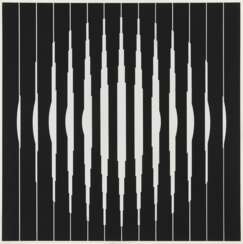

Victor Vasarely, a seminal figure in the Op art movement, was a Hungarian-French artist celebrated for his pioneering contributions to geometric abstract art. Born Győző Vásárhelyi in Pécs, Hungary, in 1906, Vasarely's artistic journey led him to Paris, where he honed a distinctive style marked by optical illusions and kinetic art. By the late 1940s, he had developed his iconic approach, utilizing geometric shapes and a limited color palette to create artworks that seemed to move and vibrate. His work "Zebra," created in 1937, is often cited as one of the earliest examples of Op art, showcasing his fascination with creating the illusion of depth and movement on a flat surface.
Throughout the 1950s and 1960s, Vasarely's exploration into optical effects deepened, leading to significant series like his "Vega" works. These pieces are characterized by their illusionary three-dimensional space, seemingly pushing and pulling the viewer into the canvas. His dedication to optical and geometric abstraction was not just a pursuit of aesthetic innovation but also an exploration of the viewer's perception, making the observer an integral part of the artwork.
Vasarely's influence extended beyond the canvas, impacting architecture, sculpture, and even space exploration. In 1970, he founded the first museum dedicated to his works in Gordes, followed by the establishment of the Fondation Vasarely in Aix-en-Provence in 1976, showcasing his vision of integrating art with the environment. His artworks have found homes in prestigious institutions like the Museum of Modern Art and have been celebrated in exhibitions worldwide.
For collectors and experts in art and antiques, Vasarely's works offer a mesmerizing blend of scientific precision and artistic expression, encapsulating a moment in art history where the boundaries between viewer and artwork blurred. His legacy is a testament to the power of visual perception and the endless possibilities of abstract art.
For those interested in delving deeper into Victor Vasarely's visionary world and perhaps acquiring a piece of this history, signing up for updates on new product sales and auction events related to Vasarely's works is highly recommended. Stay informed and embrace the opportunity to own a part of the optical and geometric abstraction movement that Vasarely so brilliantly pioneered.