c.c.





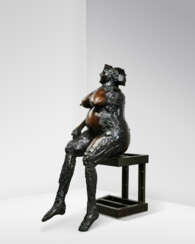

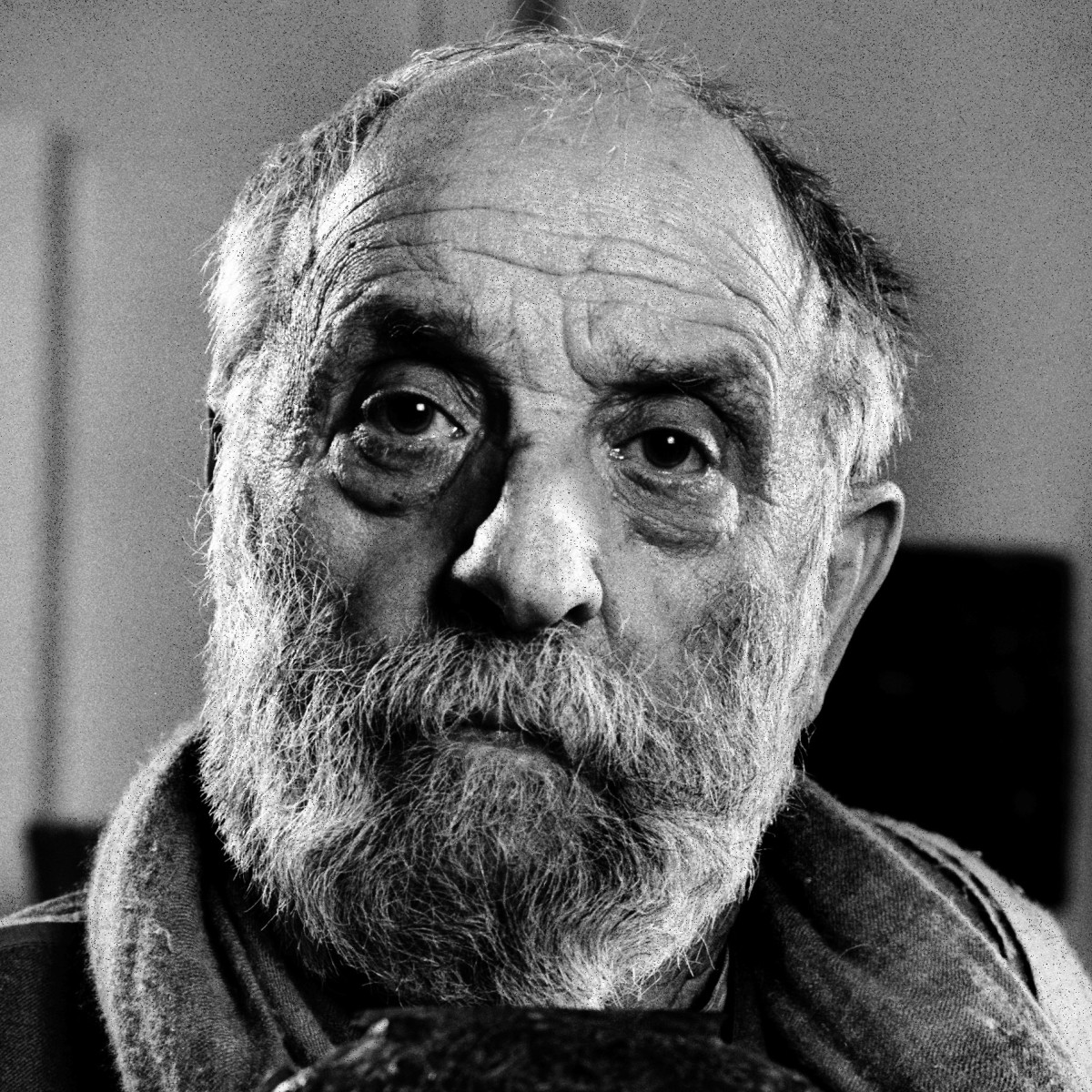
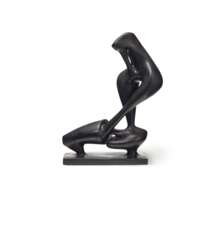
César (born Cesare Baldaccini) was a noted French sculptor.
César was at the forefront of the Nouveau Réalisme movement with his radical compressions (compacted automobiles, discarded metal, or rubbish), expansions (polyurethane foam sculptures), and fantastic representations of animals and insects.
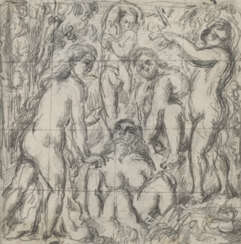

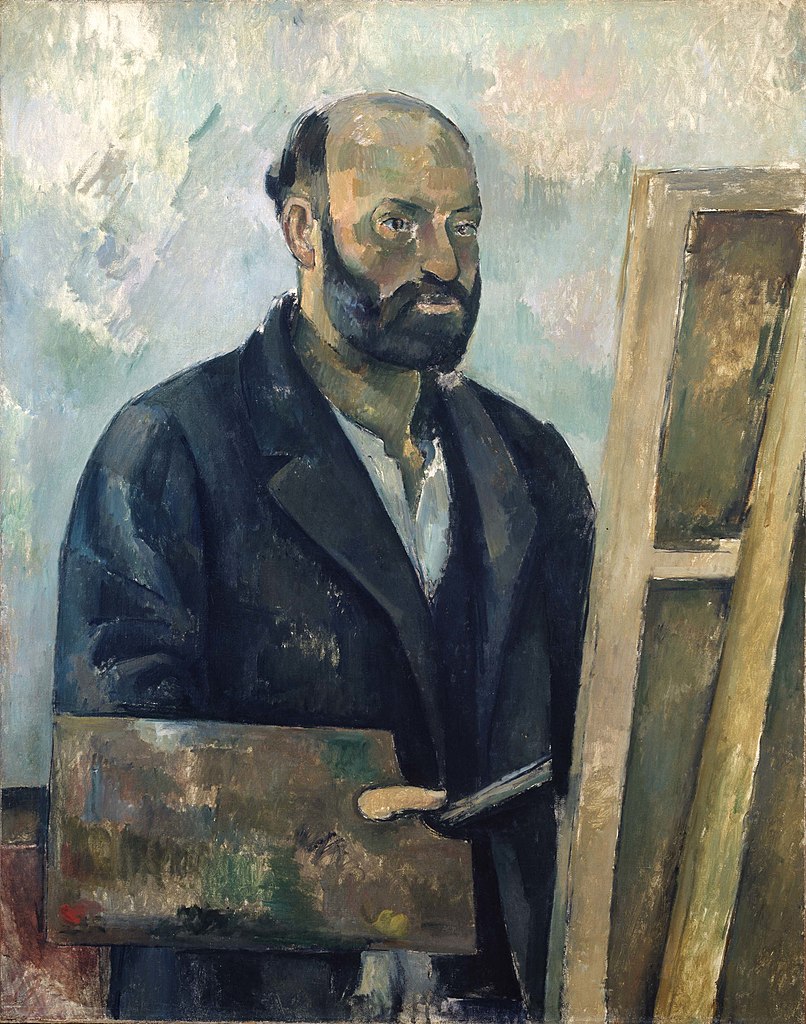
Paul Cézanne, a French Post-Impressionist painter, was pivotal in shaping the transition from 19th-century art to a new, revolutionary approach in the 20th century. His unique and exploratory brushstrokes, utilizing planes of color to form complex fields, made his work instantly recognizable and influential in the development of Cubism.
Cézanne’s early works, influenced by Romanticism and Realism, evolved into a groundbreaking artistic language. He challenged traditional perspective and academic art rules, focusing on objects' structural aspects and art's formal qualities. This approach led to a renewed emphasis on impressionistic color space and modulation principles.
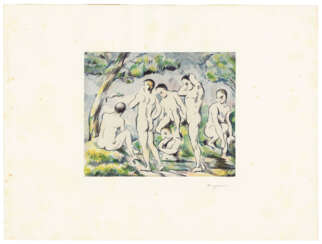
His most notable works, like “Mont Sainte-Victoire,” “The Card Players,” and “The Bathers,” display his mastery in creating depth and dimension through color gradations. These paintings, initially met with skepticism, eventually cemented Cézanne’s reputation as a pioneering artist. His exhibitions, particularly the one-man show by dealer Ambroise Vollard in 1895, played a critical role in his recognition.
Cézanne’s impact on art history is profound, with greats like Henri Matisse and Pablo Picasso acknowledging him as a significant influence. His exploration of geometric forms and innovative use of light and color laid the groundwork for subsequent movements, particularly Cubism.
For collectors and art experts, Cézanne's works are more than just paintings; they are pivotal chapters in the narrative of modern art. His creations, bridging Impressionism and Cubism, continue to inspire and challenge contemporary artists.
To stay updated on new product sales and auction events related to Paul Cézanne, sign up for our updates. This subscription ensures you remain informed about the latest developments in the world of this revolutionary artist.
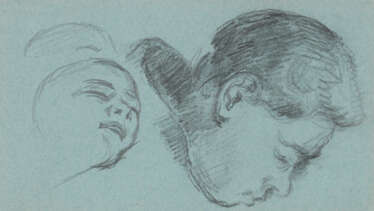

Paul Cézanne, a French Post-Impressionist painter, was pivotal in shaping the transition from 19th-century art to a new, revolutionary approach in the 20th century. His unique and exploratory brushstrokes, utilizing planes of color to form complex fields, made his work instantly recognizable and influential in the development of Cubism.
Cézanne’s early works, influenced by Romanticism and Realism, evolved into a groundbreaking artistic language. He challenged traditional perspective and academic art rules, focusing on objects' structural aspects and art's formal qualities. This approach led to a renewed emphasis on impressionistic color space and modulation principles.
His most notable works, like “Mont Sainte-Victoire,” “The Card Players,” and “The Bathers,” display his mastery in creating depth and dimension through color gradations. These paintings, initially met with skepticism, eventually cemented Cézanne’s reputation as a pioneering artist. His exhibitions, particularly the one-man show by dealer Ambroise Vollard in 1895, played a critical role in his recognition.
Cézanne’s impact on art history is profound, with greats like Henri Matisse and Pablo Picasso acknowledging him as a significant influence. His exploration of geometric forms and innovative use of light and color laid the groundwork for subsequent movements, particularly Cubism.
For collectors and art experts, Cézanne's works are more than just paintings; they are pivotal chapters in the narrative of modern art. His creations, bridging Impressionism and Cubism, continue to inspire and challenge contemporary artists.
To stay updated on new product sales and auction events related to Paul Cézanne, sign up for our updates. This subscription ensures you remain informed about the latest developments in the world of this revolutionary artist.
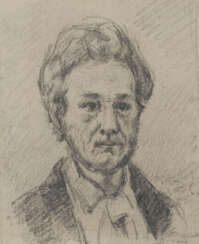

Paul Cézanne, a French Post-Impressionist painter, was pivotal in shaping the transition from 19th-century art to a new, revolutionary approach in the 20th century. His unique and exploratory brushstrokes, utilizing planes of color to form complex fields, made his work instantly recognizable and influential in the development of Cubism.
Cézanne’s early works, influenced by Romanticism and Realism, evolved into a groundbreaking artistic language. He challenged traditional perspective and academic art rules, focusing on objects' structural aspects and art's formal qualities. This approach led to a renewed emphasis on impressionistic color space and modulation principles.
His most notable works, like “Mont Sainte-Victoire,” “The Card Players,” and “The Bathers,” display his mastery in creating depth and dimension through color gradations. These paintings, initially met with skepticism, eventually cemented Cézanne’s reputation as a pioneering artist. His exhibitions, particularly the one-man show by dealer Ambroise Vollard in 1895, played a critical role in his recognition.
Cézanne’s impact on art history is profound, with greats like Henri Matisse and Pablo Picasso acknowledging him as a significant influence. His exploration of geometric forms and innovative use of light and color laid the groundwork for subsequent movements, particularly Cubism.
For collectors and art experts, Cézanne's works are more than just paintings; they are pivotal chapters in the narrative of modern art. His creations, bridging Impressionism and Cubism, continue to inspire and challenge contemporary artists.
To stay updated on new product sales and auction events related to Paul Cézanne, sign up for our updates. This subscription ensures you remain informed about the latest developments in the world of this revolutionary artist.


Paul Cézanne, a French Post-Impressionist painter, was pivotal in shaping the transition from 19th-century art to a new, revolutionary approach in the 20th century. His unique and exploratory brushstrokes, utilizing planes of color to form complex fields, made his work instantly recognizable and influential in the development of Cubism.
Cézanne’s early works, influenced by Romanticism and Realism, evolved into a groundbreaking artistic language. He challenged traditional perspective and academic art rules, focusing on objects' structural aspects and art's formal qualities. This approach led to a renewed emphasis on impressionistic color space and modulation principles.
His most notable works, like “Mont Sainte-Victoire,” “The Card Players,” and “The Bathers,” display his mastery in creating depth and dimension through color gradations. These paintings, initially met with skepticism, eventually cemented Cézanne’s reputation as a pioneering artist. His exhibitions, particularly the one-man show by dealer Ambroise Vollard in 1895, played a critical role in his recognition.
Cézanne’s impact on art history is profound, with greats like Henri Matisse and Pablo Picasso acknowledging him as a significant influence. His exploration of geometric forms and innovative use of light and color laid the groundwork for subsequent movements, particularly Cubism.
For collectors and art experts, Cézanne's works are more than just paintings; they are pivotal chapters in the narrative of modern art. His creations, bridging Impressionism and Cubism, continue to inspire and challenge contemporary artists.
To stay updated on new product sales and auction events related to Paul Cézanne, sign up for our updates. This subscription ensures you remain informed about the latest developments in the world of this revolutionary artist.
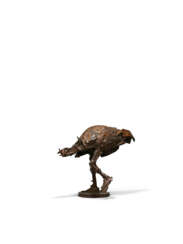

César (born Cesare Baldaccini) was a noted French sculptor.
César was at the forefront of the Nouveau Réalisme movement with his radical compressions (compacted automobiles, discarded metal, or rubbish), expansions (polyurethane foam sculptures), and fantastic representations of animals and insects.
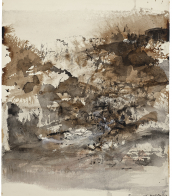


César (born Cesare Baldaccini) was a noted French sculptor.
César was at the forefront of the Nouveau Réalisme movement with his radical compressions (compacted automobiles, discarded metal, or rubbish), expansions (polyurethane foam sculptures), and fantastic representations of animals and insects.
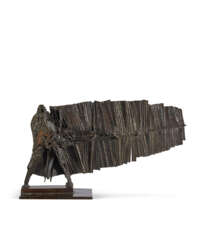

César (born Cesare Baldaccini) was a noted French sculptor.
César was at the forefront of the Nouveau Réalisme movement with his radical compressions (compacted automobiles, discarded metal, or rubbish), expansions (polyurethane foam sculptures), and fantastic representations of animals and insects.
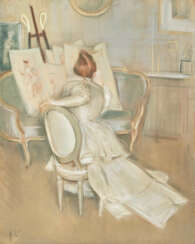


Paul César Helleu was a French oil painter, pastel artist, drypoint etcher, and designer, best known for his numerous portraits of beautiful society women of the Belle Époque. He also conceived the ceiling mural of night sky constellations for Grand Central Terminal in New York City. He was also the father of Jean Helleu and the grandfather of Jacques Helleu, both artistic directors for Parfums Chanel.
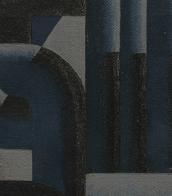
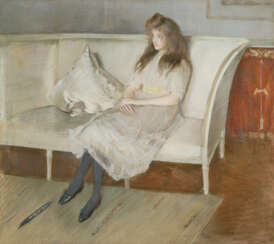

Paul César Helleu was a French oil painter, pastel artist, drypoint etcher, and designer, best known for his numerous portraits of beautiful society women of the Belle Époque. He also conceived the ceiling mural of night sky constellations for Grand Central Terminal in New York City. He was also the father of Jean Helleu and the grandfather of Jacques Helleu, both artistic directors for Parfums Chanel.
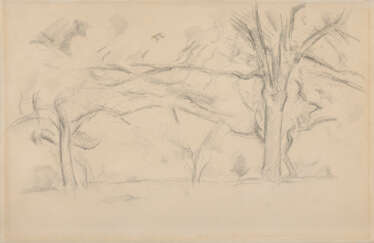

Paul Cézanne, a French Post-Impressionist painter, was pivotal in shaping the transition from 19th-century art to a new, revolutionary approach in the 20th century. His unique and exploratory brushstrokes, utilizing planes of color to form complex fields, made his work instantly recognizable and influential in the development of Cubism.
Cézanne’s early works, influenced by Romanticism and Realism, evolved into a groundbreaking artistic language. He challenged traditional perspective and academic art rules, focusing on objects' structural aspects and art's formal qualities. This approach led to a renewed emphasis on impressionistic color space and modulation principles.
His most notable works, like “Mont Sainte-Victoire,” “The Card Players,” and “The Bathers,” display his mastery in creating depth and dimension through color gradations. These paintings, initially met with skepticism, eventually cemented Cézanne’s reputation as a pioneering artist. His exhibitions, particularly the one-man show by dealer Ambroise Vollard in 1895, played a critical role in his recognition.
Cézanne’s impact on art history is profound, with greats like Henri Matisse and Pablo Picasso acknowledging him as a significant influence. His exploration of geometric forms and innovative use of light and color laid the groundwork for subsequent movements, particularly Cubism.
For collectors and art experts, Cézanne's works are more than just paintings; they are pivotal chapters in the narrative of modern art. His creations, bridging Impressionism and Cubism, continue to inspire and challenge contemporary artists.
To stay updated on new product sales and auction events related to Paul Cézanne, sign up for our updates. This subscription ensures you remain informed about the latest developments in the world of this revolutionary artist.
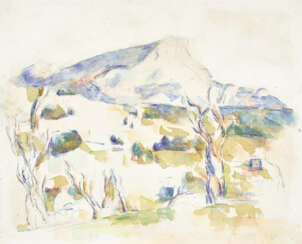

Paul Cézanne, a French Post-Impressionist painter, was pivotal in shaping the transition from 19th-century art to a new, revolutionary approach in the 20th century. His unique and exploratory brushstrokes, utilizing planes of color to form complex fields, made his work instantly recognizable and influential in the development of Cubism.
Cézanne’s early works, influenced by Romanticism and Realism, evolved into a groundbreaking artistic language. He challenged traditional perspective and academic art rules, focusing on objects' structural aspects and art's formal qualities. This approach led to a renewed emphasis on impressionistic color space and modulation principles.
His most notable works, like “Mont Sainte-Victoire,” “The Card Players,” and “The Bathers,” display his mastery in creating depth and dimension through color gradations. These paintings, initially met with skepticism, eventually cemented Cézanne’s reputation as a pioneering artist. His exhibitions, particularly the one-man show by dealer Ambroise Vollard in 1895, played a critical role in his recognition.
Cézanne’s impact on art history is profound, with greats like Henri Matisse and Pablo Picasso acknowledging him as a significant influence. His exploration of geometric forms and innovative use of light and color laid the groundwork for subsequent movements, particularly Cubism.
For collectors and art experts, Cézanne's works are more than just paintings; they are pivotal chapters in the narrative of modern art. His creations, bridging Impressionism and Cubism, continue to inspire and challenge contemporary artists.
To stay updated on new product sales and auction events related to Paul Cézanne, sign up for our updates. This subscription ensures you remain informed about the latest developments in the world of this revolutionary artist.

Paul Cézanne, a French Post-Impressionist painter, was pivotal in shaping the transition from 19th-century art to a new, revolutionary approach in the 20th century. His unique and exploratory brushstrokes, utilizing planes of color to form complex fields, made his work instantly recognizable and influential in the development of Cubism.
Cézanne’s early works, influenced by Romanticism and Realism, evolved into a groundbreaking artistic language. He challenged traditional perspective and academic art rules, focusing on objects' structural aspects and art's formal qualities. This approach led to a renewed emphasis on impressionistic color space and modulation principles.
His most notable works, like “Mont Sainte-Victoire,” “The Card Players,” and “The Bathers,” display his mastery in creating depth and dimension through color gradations. These paintings, initially met with skepticism, eventually cemented Cézanne’s reputation as a pioneering artist. His exhibitions, particularly the one-man show by dealer Ambroise Vollard in 1895, played a critical role in his recognition.
Cézanne’s impact on art history is profound, with greats like Henri Matisse and Pablo Picasso acknowledging him as a significant influence. His exploration of geometric forms and innovative use of light and color laid the groundwork for subsequent movements, particularly Cubism.
For collectors and art experts, Cézanne's works are more than just paintings; they are pivotal chapters in the narrative of modern art. His creations, bridging Impressionism and Cubism, continue to inspire and challenge contemporary artists.
To stay updated on new product sales and auction events related to Paul Cézanne, sign up for our updates. This subscription ensures you remain informed about the latest developments in the world of this revolutionary artist.

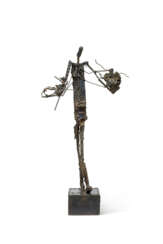

César (born Cesare Baldaccini) was a noted French sculptor.
César was at the forefront of the Nouveau Réalisme movement with his radical compressions (compacted automobiles, discarded metal, or rubbish), expansions (polyurethane foam sculptures), and fantastic representations of animals and insects.
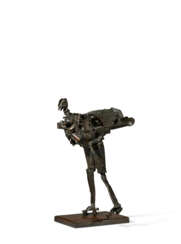

César (born Cesare Baldaccini) was a noted French sculptor.
César was at the forefront of the Nouveau Réalisme movement with his radical compressions (compacted automobiles, discarded metal, or rubbish), expansions (polyurethane foam sculptures), and fantastic representations of animals and insects.
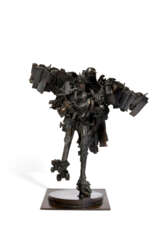

César (born Cesare Baldaccini) was a noted French sculptor.
César was at the forefront of the Nouveau Réalisme movement with his radical compressions (compacted automobiles, discarded metal, or rubbish), expansions (polyurethane foam sculptures), and fantastic representations of animals and insects.
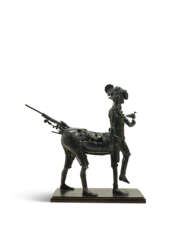

César (born Cesare Baldaccini) was a noted French sculptor.
César was at the forefront of the Nouveau Réalisme movement with his radical compressions (compacted automobiles, discarded metal, or rubbish), expansions (polyurethane foam sculptures), and fantastic representations of animals and insects.
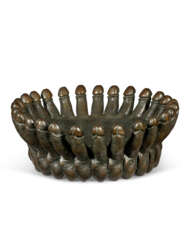

César (born Cesare Baldaccini) was a noted French sculptor.
César was at the forefront of the Nouveau Réalisme movement with his radical compressions (compacted automobiles, discarded metal, or rubbish), expansions (polyurethane foam sculptures), and fantastic representations of animals and insects.


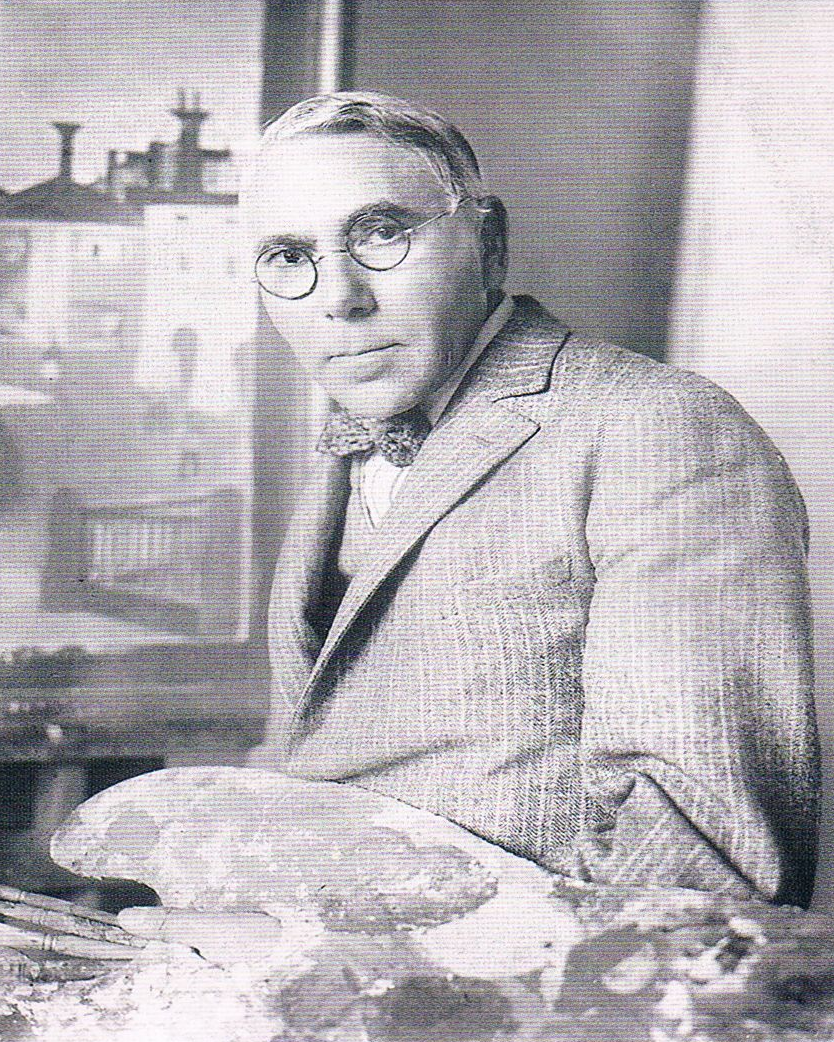
César Klein was a German Expressionist painter and designer, probably best known as one of the founders the November Group and the Arbeitsrat für Kunst. He is associated with the Düsseldorf school of painting.
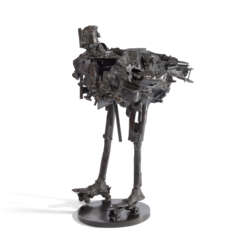

César (born Cesare Baldaccini) was a noted French sculptor.
César was at the forefront of the Nouveau Réalisme movement with his radical compressions (compacted automobiles, discarded metal, or rubbish), expansions (polyurethane foam sculptures), and fantastic representations of animals and insects.


César (born Cesare Baldaccini) was a noted French sculptor.
César was at the forefront of the Nouveau Réalisme movement with his radical compressions (compacted automobiles, discarded metal, or rubbish), expansions (polyurethane foam sculptures), and fantastic representations of animals and insects.
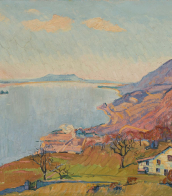
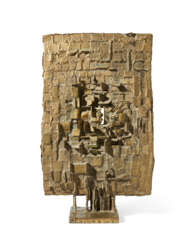

César (born Cesare Baldaccini) was a noted French sculptor.
César was at the forefront of the Nouveau Réalisme movement with his radical compressions (compacted automobiles, discarded metal, or rubbish), expansions (polyurethane foam sculptures), and fantastic representations of animals and insects.
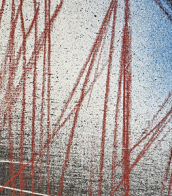

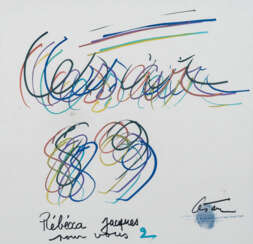

César (born Cesare Baldaccini) was a noted French sculptor.
César was at the forefront of the Nouveau Réalisme movement with his radical compressions (compacted automobiles, discarded metal, or rubbish), expansions (polyurethane foam sculptures), and fantastic representations of animals and insects.



César (born Cesare Baldaccini) was a noted French sculptor.
César was at the forefront of the Nouveau Réalisme movement with his radical compressions (compacted automobiles, discarded metal, or rubbish), expansions (polyurethane foam sculptures), and fantastic representations of animals and insects.
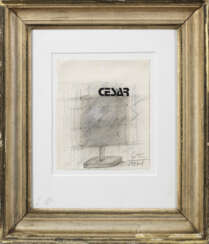

César (born Cesare Baldaccini) was a noted French sculptor.
César was at the forefront of the Nouveau Réalisme movement with his radical compressions (compacted automobiles, discarded metal, or rubbish), expansions (polyurethane foam sculptures), and fantastic representations of animals and insects.
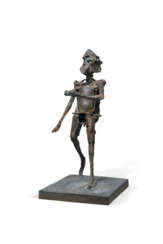

César (born Cesare Baldaccini) was a noted French sculptor.
César was at the forefront of the Nouveau Réalisme movement with his radical compressions (compacted automobiles, discarded metal, or rubbish), expansions (polyurethane foam sculptures), and fantastic representations of animals and insects.
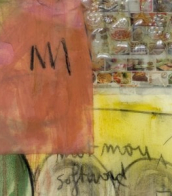


César (born Cesare Baldaccini) was a noted French sculptor.
César was at the forefront of the Nouveau Réalisme movement with his radical compressions (compacted automobiles, discarded metal, or rubbish), expansions (polyurethane foam sculptures), and fantastic representations of animals and insects.


César (born Cesare Baldaccini) was a noted French sculptor.
César was at the forefront of the Nouveau Réalisme movement with his radical compressions (compacted automobiles, discarded metal, or rubbish), expansions (polyurethane foam sculptures), and fantastic representations of animals and insects.
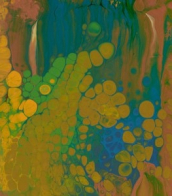
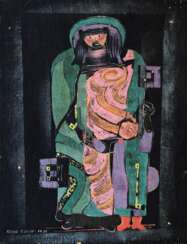

César Klein was a German Expressionist painter and designer, probably best known as one of the founders the November Group and the Arbeitsrat für Kunst. He is associated with the Düsseldorf school of painting.
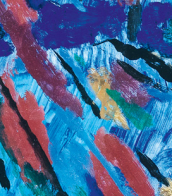
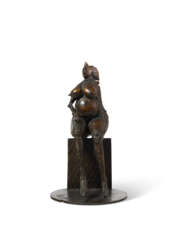

César (born Cesare Baldaccini) was a noted French sculptor.
César was at the forefront of the Nouveau Réalisme movement with his radical compressions (compacted automobiles, discarded metal, or rubbish), expansions (polyurethane foam sculptures), and fantastic representations of animals and insects.
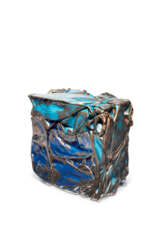

César (born Cesare Baldaccini) was a noted French sculptor.
César was at the forefront of the Nouveau Réalisme movement with his radical compressions (compacted automobiles, discarded metal, or rubbish), expansions (polyurethane foam sculptures), and fantastic representations of animals and insects.


César (born Cesare Baldaccini) was a noted French sculptor.
César was at the forefront of the Nouveau Réalisme movement with his radical compressions (compacted automobiles, discarded metal, or rubbish), expansions (polyurethane foam sculptures), and fantastic representations of animals and insects.
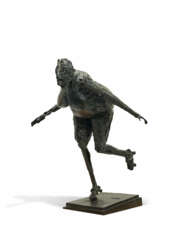

César (born Cesare Baldaccini) was a noted French sculptor.
César was at the forefront of the Nouveau Réalisme movement with his radical compressions (compacted automobiles, discarded metal, or rubbish), expansions (polyurethane foam sculptures), and fantastic representations of animals and insects.


César (born Cesare Baldaccini) was a noted French sculptor.
César was at the forefront of the Nouveau Réalisme movement with his radical compressions (compacted automobiles, discarded metal, or rubbish), expansions (polyurethane foam sculptures), and fantastic representations of animals and insects.
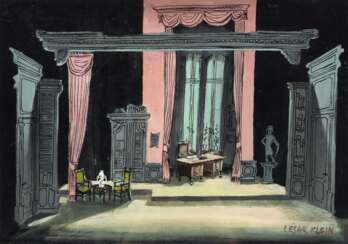

César Klein was a German Expressionist painter and designer, probably best known as one of the founders the November Group and the Arbeitsrat für Kunst. He is associated with the Düsseldorf school of painting.


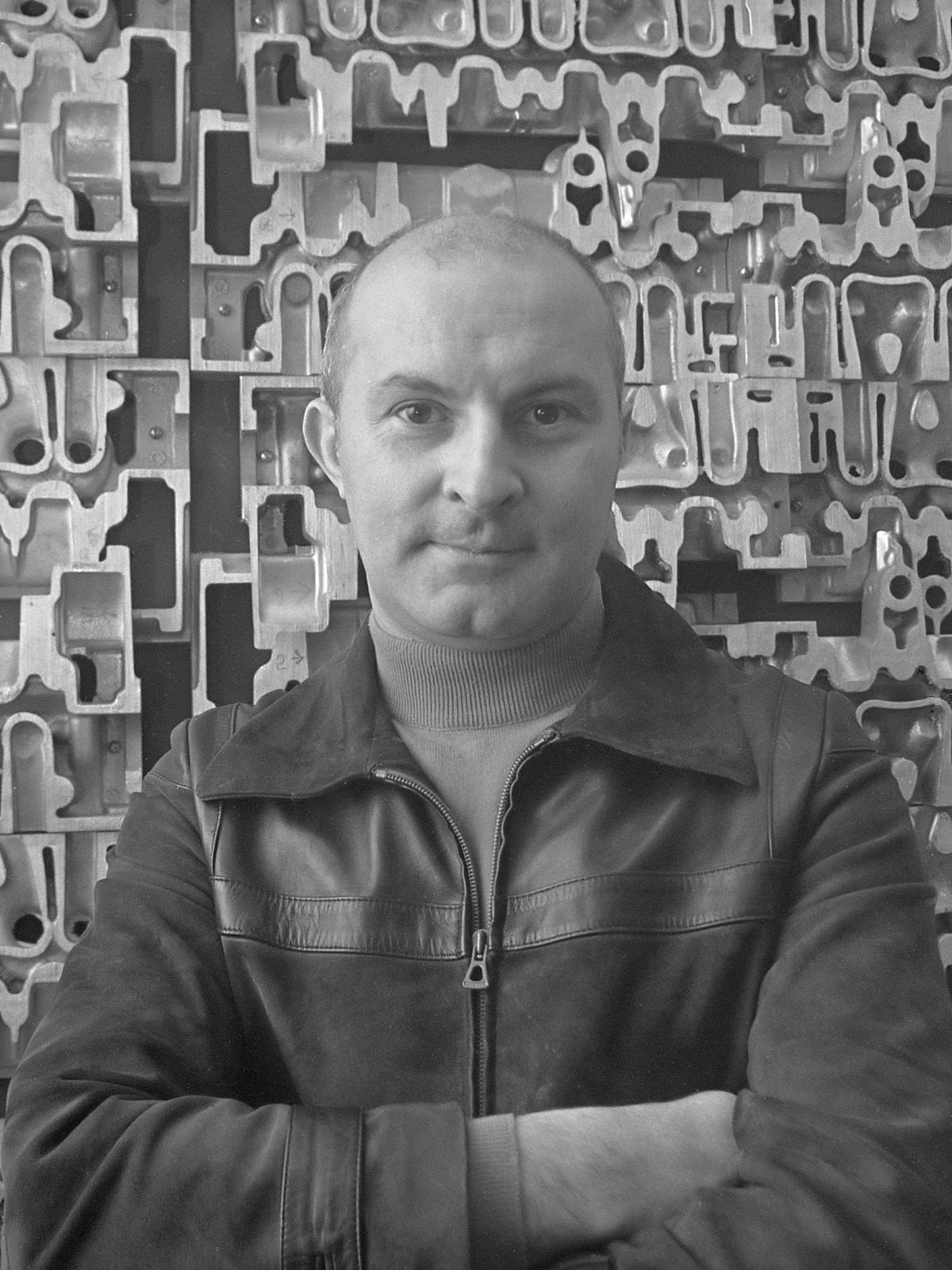
Armand Pierre Fernandez, widely known by his mononym Arman, was a French-born American artist celebrated for his innovative contributions to the Nouveau Réalisme movement and his radical use of everyday objects in art. Born in Nice, France, on November 17, 1928, Arman's early exposure to art came from his father, an antiques dealer and amateur artist, which deeply influenced his later artistic endeavors.
Arman moved beyond traditional painting techniques early in his career, instead creating his signature "Accumulations" and "Poubelles" (trash) sculptures. These works involved assembling and compacting everyday items like watches, clocks, and even automobiles, embedding these objects in layers of concrete or encasing them in Plexiglas. One of his most notable large-scale works is "Long Term Parking," a 60-foot high sculpture made of concrete-encased cars, situated in Jouy-en-Josas, France.
His work is an essential bridge between European and American trends in Pop art and has been widely exhibited in major institutions like the Metropolitan Museum of Art in New York, the Tate Gallery in London, and the Centre Pompidou in Paris. Arman's innovative techniques and philosophical approach to materials challenged conventional categorizations of art and inspired future generations of artists.
For collectors and enthusiasts interested in staying updated on exhibitions and sales related to Arman's work, signing up for updates can provide essential insights and opportunities related to this influential artist. Join our community to ensure you don't miss out on new discoveries and auction events associated with Arman's legacy.
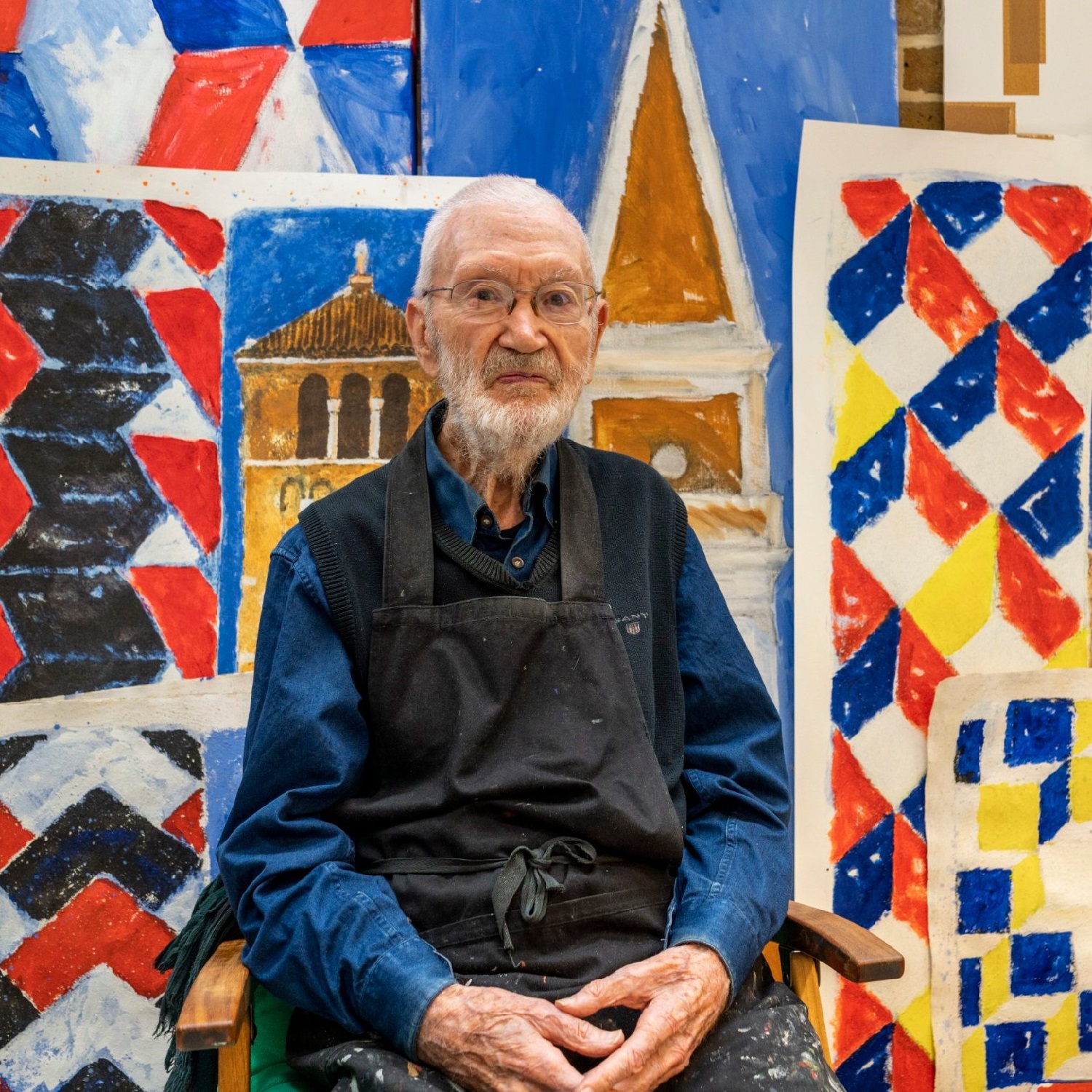
Joseph Charles Tilson is a British artist and fellow of the Royal Academy. He was involved in the Pop Art movement in the 1960s; he has made paintings, prints and constructions.
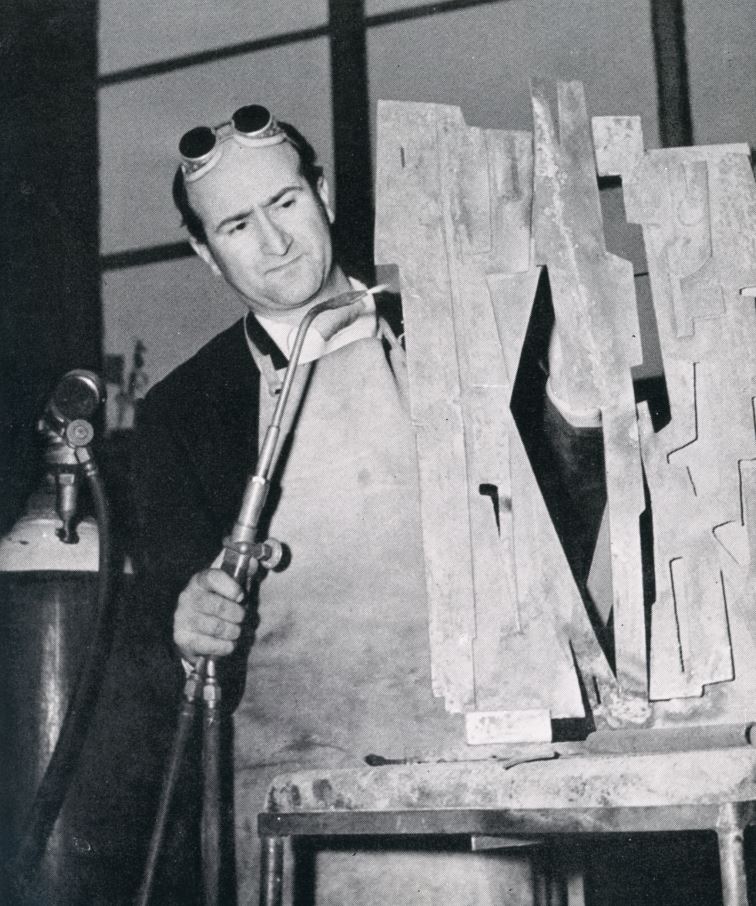
Pietro Consagra was an Italian sculptor and one of the leading figures in the post-war Italian art movement known as Arte Informale or Forma 1.
Pietro Consagra's early work was influenced by traditional figurative sculpture, but he soon became fascinated by the abstract art movement. He rejected the idea of creating sculptures that imitated reality and instead focused on exploring the relationship between form, space and the viewer's perception.
Consagra's sculptures often feature simplified geometric forms, emphasising clean lines and solid volumes. His works are characterised by a sense of balance, harmony and spatial tension.
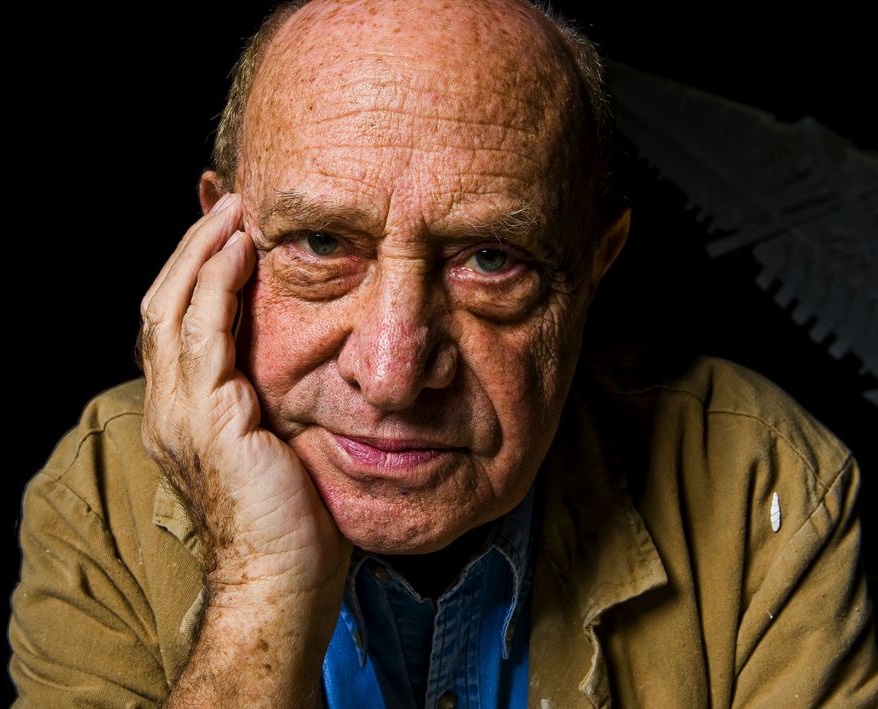
Arnaldo Pomodoro is an Italian sculptor. He was born in Morciano, Romagna, and lives and works in Milan. His brother, Giò Pomodoro (1930-2002) was also a sculptor.
Pomodoro designed a controversial fiberglass crucifix for the Cathedral of St. John the Evangelist in Milwaukee, Wisconsin. The piece is topped with a fourteen-foot diameter crown of thorns which hovers over the figure of Christ.
César (born Cesare Baldaccini) was a noted French sculptor.
César was at the forefront of the Nouveau Réalisme movement with his radical compressions (compacted automobiles, discarded metal, or rubbish), expansions (polyurethane foam sculptures), and fantastic representations of animals and insects.
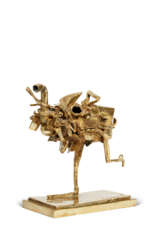

César (born Cesare Baldaccini) was a noted French sculptor.
César was at the forefront of the Nouveau Réalisme movement with his radical compressions (compacted automobiles, discarded metal, or rubbish), expansions (polyurethane foam sculptures), and fantastic representations of animals and insects.
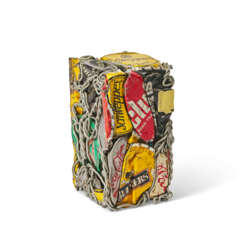

César (born Cesare Baldaccini) was a noted French sculptor.
César was at the forefront of the Nouveau Réalisme movement with his radical compressions (compacted automobiles, discarded metal, or rubbish), expansions (polyurethane foam sculptures), and fantastic representations of animals and insects.
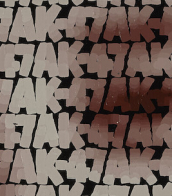


César (born Cesare Baldaccini) was a noted French sculptor.
César was at the forefront of the Nouveau Réalisme movement with his radical compressions (compacted automobiles, discarded metal, or rubbish), expansions (polyurethane foam sculptures), and fantastic representations of animals and insects.


César (born Cesare Baldaccini) was a noted French sculptor.
César was at the forefront of the Nouveau Réalisme movement with his radical compressions (compacted automobiles, discarded metal, or rubbish), expansions (polyurethane foam sculptures), and fantastic representations of animals and insects.
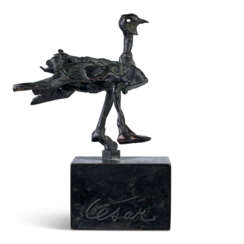

César (born Cesare Baldaccini) was a noted French sculptor.
César was at the forefront of the Nouveau Réalisme movement with his radical compressions (compacted automobiles, discarded metal, or rubbish), expansions (polyurethane foam sculptures), and fantastic representations of animals and insects.
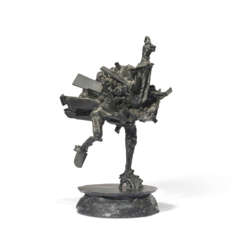

César (born Cesare Baldaccini) was a noted French sculptor.
César was at the forefront of the Nouveau Réalisme movement with his radical compressions (compacted automobiles, discarded metal, or rubbish), expansions (polyurethane foam sculptures), and fantastic representations of animals and insects.
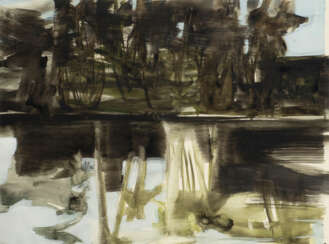

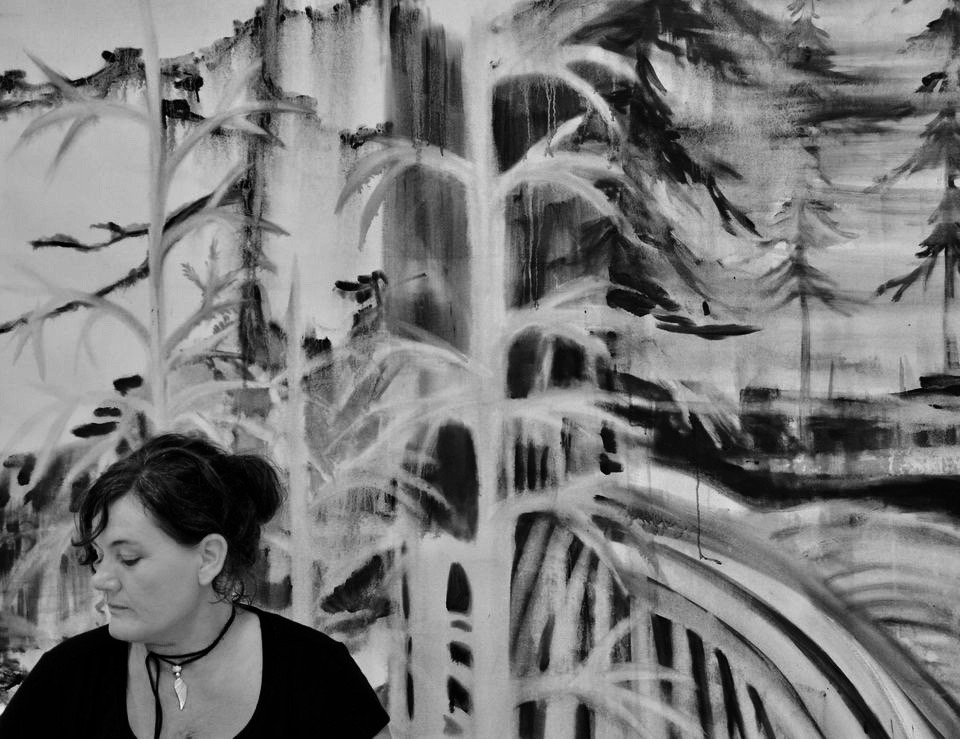
Andrea C. Hoffer is a German artist who lives and works in Düsseldorf and Tobago, West India.
She studied costume and scenography at the Dusseldorf Academy of Art and painting with Professor A. R. Penck. Hoffner's work focuses on the surrounding Indian landscape in a psychedelic representation and kaleidoscope of colors. She uses egg tempura.
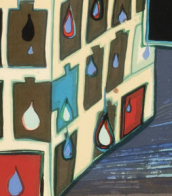
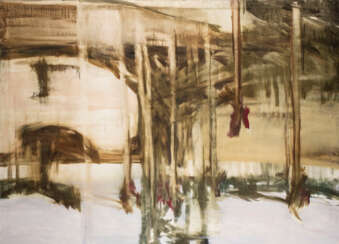

Andrea C. Hoffer is a German artist who lives and works in Düsseldorf and Tobago, West India.
She studied costume and scenography at the Dusseldorf Academy of Art and painting with Professor A. R. Penck. Hoffner's work focuses on the surrounding Indian landscape in a psychedelic representation and kaleidoscope of colors. She uses egg tempura.
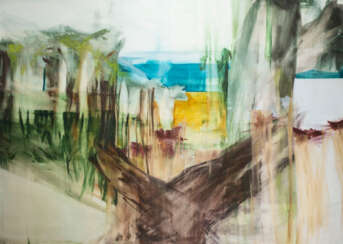

Andrea C. Hoffer is a German artist who lives and works in Düsseldorf and Tobago, West India.
She studied costume and scenography at the Dusseldorf Academy of Art and painting with Professor A. R. Penck. Hoffner's work focuses on the surrounding Indian landscape in a psychedelic representation and kaleidoscope of colors. She uses egg tempura.
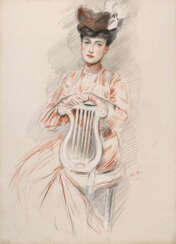

Paul César Helleu was a French oil painter, pastel artist, drypoint etcher, and designer, best known for his numerous portraits of beautiful society women of the Belle Époque. He also conceived the ceiling mural of night sky constellations for Grand Central Terminal in New York City. He was also the father of Jean Helleu and the grandfather of Jacques Helleu, both artistic directors for Parfums Chanel.
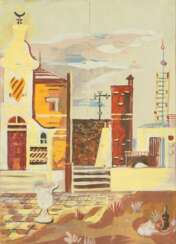

César Klein was a German Expressionist painter and designer, probably best known as one of the founders the November Group and the Arbeitsrat für Kunst. He is associated with the Düsseldorf school of painting.
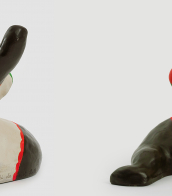
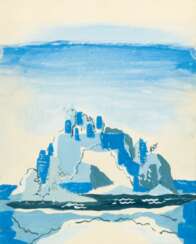

César Klein was a German Expressionist painter and designer, probably best known as one of the founders the November Group and the Arbeitsrat für Kunst. He is associated with the Düsseldorf school of painting.
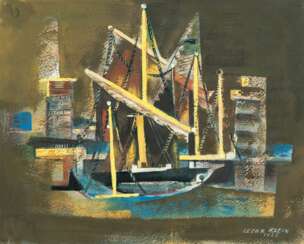

César Klein was a German Expressionist painter and designer, probably best known as one of the founders the November Group and the Arbeitsrat für Kunst. He is associated with the Düsseldorf school of painting.
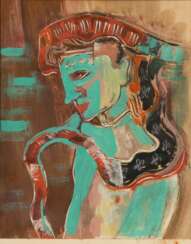

César Klein was a German Expressionist painter and designer, probably best known as one of the founders the November Group and the Arbeitsrat für Kunst. He is associated with the Düsseldorf school of painting.
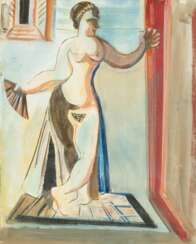

César Klein was a German Expressionist painter and designer, probably best known as one of the founders the November Group and the Arbeitsrat für Kunst. He is associated with the Düsseldorf school of painting.
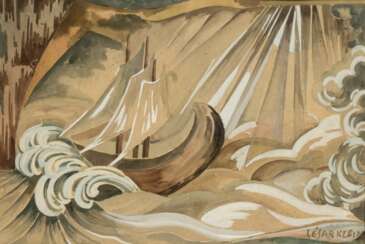

César Klein was a German Expressionist painter and designer, probably best known as one of the founders the November Group and the Arbeitsrat für Kunst. He is associated with the Düsseldorf school of painting.
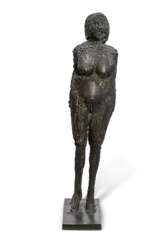

César (born Cesare Baldaccini) was a noted French sculptor.
César was at the forefront of the Nouveau Réalisme movement with his radical compressions (compacted automobiles, discarded metal, or rubbish), expansions (polyurethane foam sculptures), and fantastic representations of animals and insects.
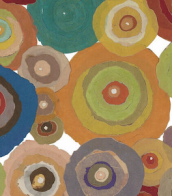


Andrea C. Hoffer is a German artist who lives and works in Düsseldorf and Tobago, West India.
She studied costume and scenography at the Dusseldorf Academy of Art and painting with Professor A. R. Penck. Hoffner's work focuses on the surrounding Indian landscape in a psychedelic representation and kaleidoscope of colors. She uses egg tempura.
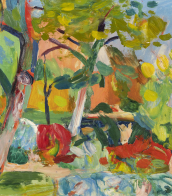
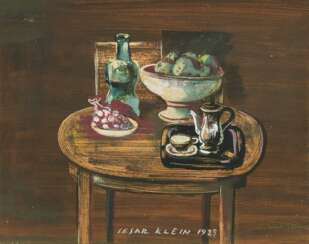

César Klein was a German Expressionist painter and designer, probably best known as one of the founders the November Group and the Arbeitsrat für Kunst. He is associated with the Düsseldorf school of painting.
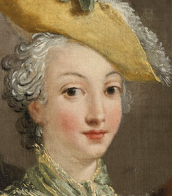
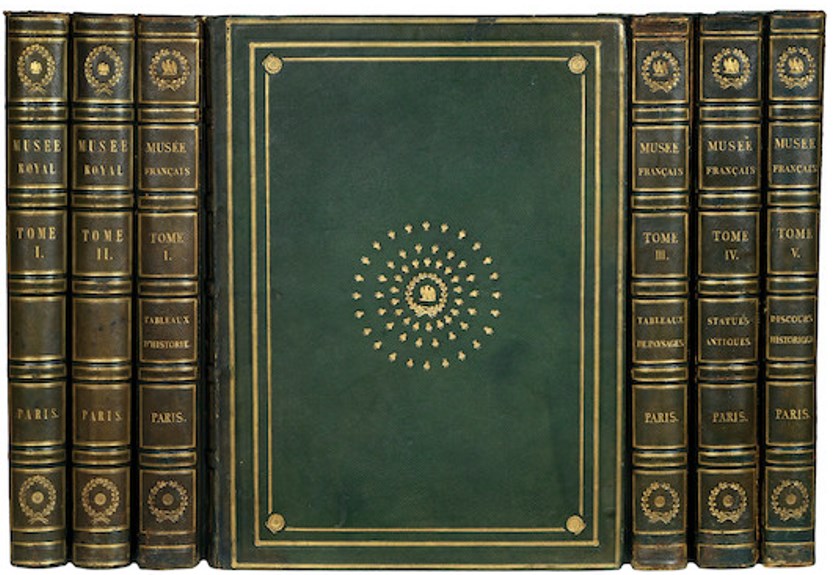
![[CROZE-MAGNAN, Simon-Célestin (1750-1818)]](/assets/image/picture_3601567/220be/d0wmc8hc5q4uzrvuueuwclde4blacwzs32pisfyfv6nkjfhlabnwjdfdqpjnf-1700207106jpg__fix_374_244.jpeg)
![[CROZE-MAGNAN, Simon-Célestin (1750-1818)]](https://veryimportantlot.com/assets/image/picture_3601567/220be/d0wmc8hc5q4uzrvuueuwclde4blacwzs32pisfyfv6nkjfhlabnwjdfdqpjnf-1700207106jpg__fix_374_244.jpeg)
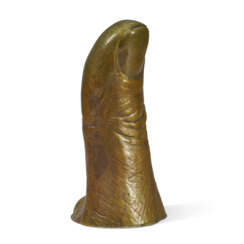

César (born Cesare Baldaccini) was a noted French sculptor.
César was at the forefront of the Nouveau Réalisme movement with his radical compressions (compacted automobiles, discarded metal, or rubbish), expansions (polyurethane foam sculptures), and fantastic representations of animals and insects.

César (born Cesare Baldaccini) was a noted French sculptor.
César was at the forefront of the Nouveau Réalisme movement with his radical compressions (compacted automobiles, discarded metal, or rubbish), expansions (polyurethane foam sculptures), and fantastic representations of animals and insects.
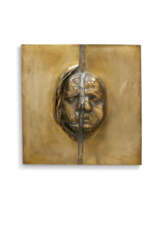

César (born Cesare Baldaccini) was a noted French sculptor.
César was at the forefront of the Nouveau Réalisme movement with his radical compressions (compacted automobiles, discarded metal, or rubbish), expansions (polyurethane foam sculptures), and fantastic representations of animals and insects.
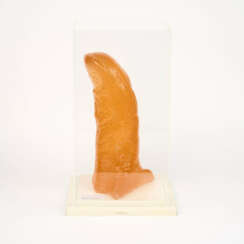

César (born Cesare Baldaccini) was a noted French sculptor.
César was at the forefront of the Nouveau Réalisme movement with his radical compressions (compacted automobiles, discarded metal, or rubbish), expansions (polyurethane foam sculptures), and fantastic representations of animals and insects.
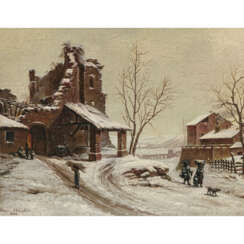


César Klein was a German Expressionist painter and designer, probably best known as one of the founders the November Group and the Arbeitsrat für Kunst. He is associated with the Düsseldorf school of painting.
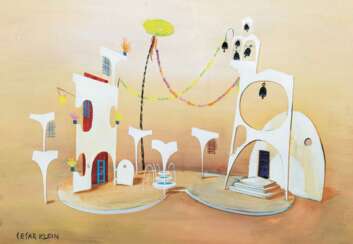

César Klein was a German Expressionist painter and designer, probably best known as one of the founders the November Group and the Arbeitsrat für Kunst. He is associated with the Düsseldorf school of painting.
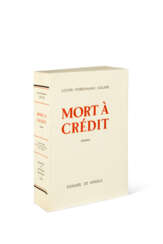

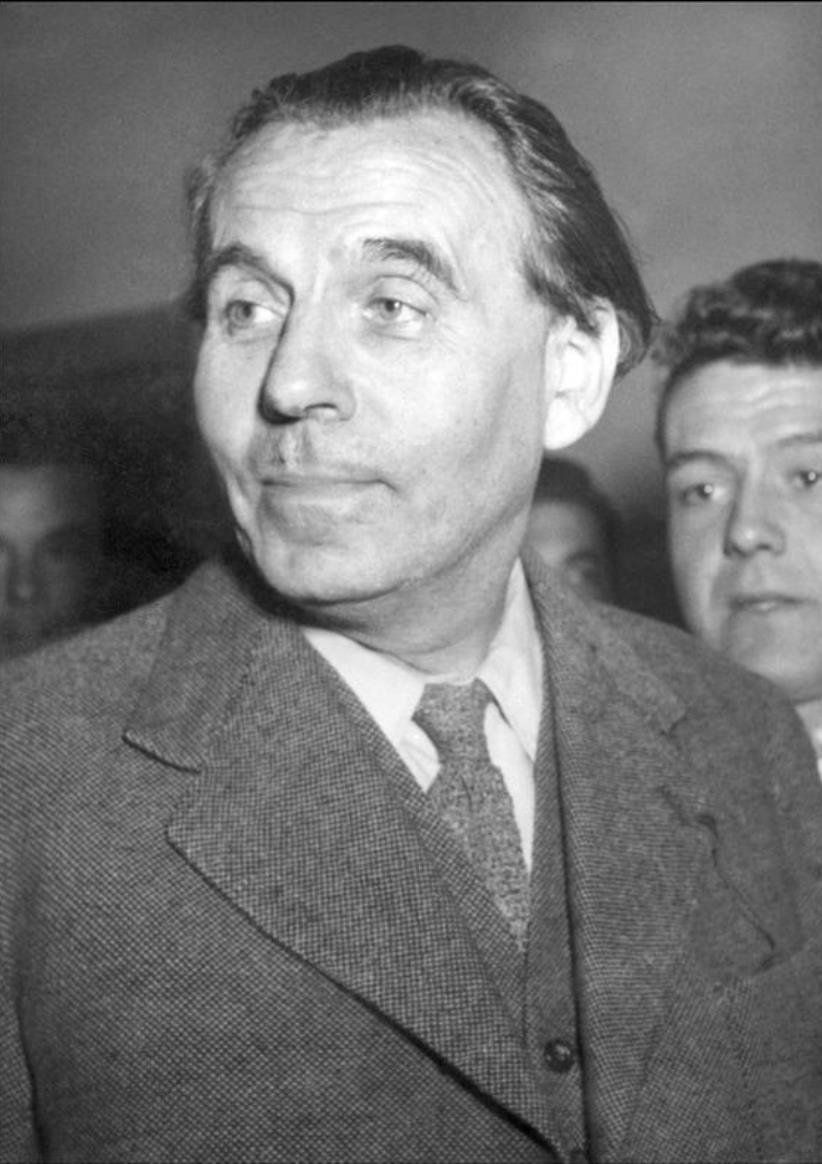
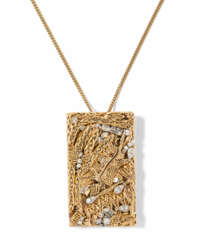

César (born Cesare Baldaccini) was a noted French sculptor.
César was at the forefront of the Nouveau Réalisme movement with his radical compressions (compacted automobiles, discarded metal, or rubbish), expansions (polyurethane foam sculptures), and fantastic representations of animals and insects.


César (born Cesare Baldaccini) was a noted French sculptor.
César was at the forefront of the Nouveau Réalisme movement with his radical compressions (compacted automobiles, discarded metal, or rubbish), expansions (polyurethane foam sculptures), and fantastic representations of animals and insects.


César (born Cesare Baldaccini) was a noted French sculptor.
César was at the forefront of the Nouveau Réalisme movement with his radical compressions (compacted automobiles, discarded metal, or rubbish), expansions (polyurethane foam sculptures), and fantastic representations of animals and insects.


César (born Cesare Baldaccini) was a noted French sculptor.
César was at the forefront of the Nouveau Réalisme movement with his radical compressions (compacted automobiles, discarded metal, or rubbish), expansions (polyurethane foam sculptures), and fantastic representations of animals and insects.
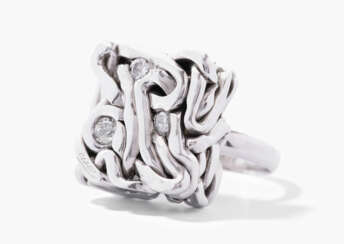

César (born Cesare Baldaccini) was a noted French sculptor.
César was at the forefront of the Nouveau Réalisme movement with his radical compressions (compacted automobiles, discarded metal, or rubbish), expansions (polyurethane foam sculptures), and fantastic representations of animals and insects.
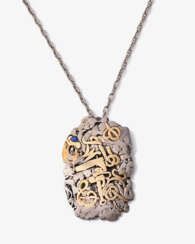

César (born Cesare Baldaccini) was a noted French sculptor.
César was at the forefront of the Nouveau Réalisme movement with his radical compressions (compacted automobiles, discarded metal, or rubbish), expansions (polyurethane foam sculptures), and fantastic representations of animals and insects.
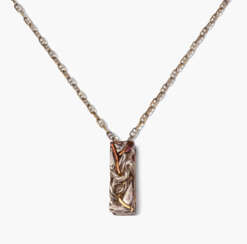

César (born Cesare Baldaccini) was a noted French sculptor.
César was at the forefront of the Nouveau Réalisme movement with his radical compressions (compacted automobiles, discarded metal, or rubbish), expansions (polyurethane foam sculptures), and fantastic representations of animals and insects.
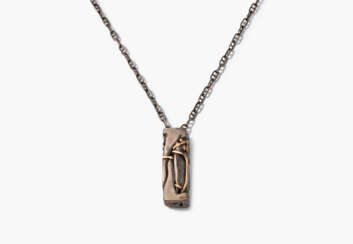

César (born Cesare Baldaccini) was a noted French sculptor.
César was at the forefront of the Nouveau Réalisme movement with his radical compressions (compacted automobiles, discarded metal, or rubbish), expansions (polyurethane foam sculptures), and fantastic representations of animals and insects.
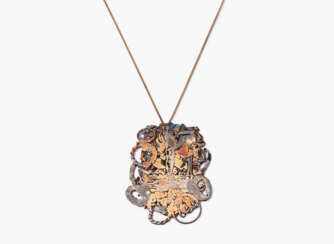

César (born Cesare Baldaccini) was a noted French sculptor.
César was at the forefront of the Nouveau Réalisme movement with his radical compressions (compacted automobiles, discarded metal, or rubbish), expansions (polyurethane foam sculptures), and fantastic representations of animals and insects.
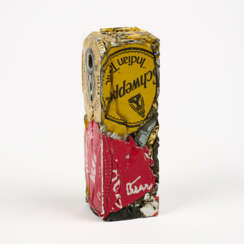

César (born Cesare Baldaccini) was a noted French sculptor.
César was at the forefront of the Nouveau Réalisme movement with his radical compressions (compacted automobiles, discarded metal, or rubbish), expansions (polyurethane foam sculptures), and fantastic representations of animals and insects.




César (born Cesare Baldaccini) was a noted French sculptor.
César was at the forefront of the Nouveau Réalisme movement with his radical compressions (compacted automobiles, discarded metal, or rubbish), expansions (polyurethane foam sculptures), and fantastic representations of animals and insects.

César (born Cesare Baldaccini) was a noted French sculptor.
César was at the forefront of the Nouveau Réalisme movement with his radical compressions (compacted automobiles, discarded metal, or rubbish), expansions (polyurethane foam sculptures), and fantastic representations of animals and insects.



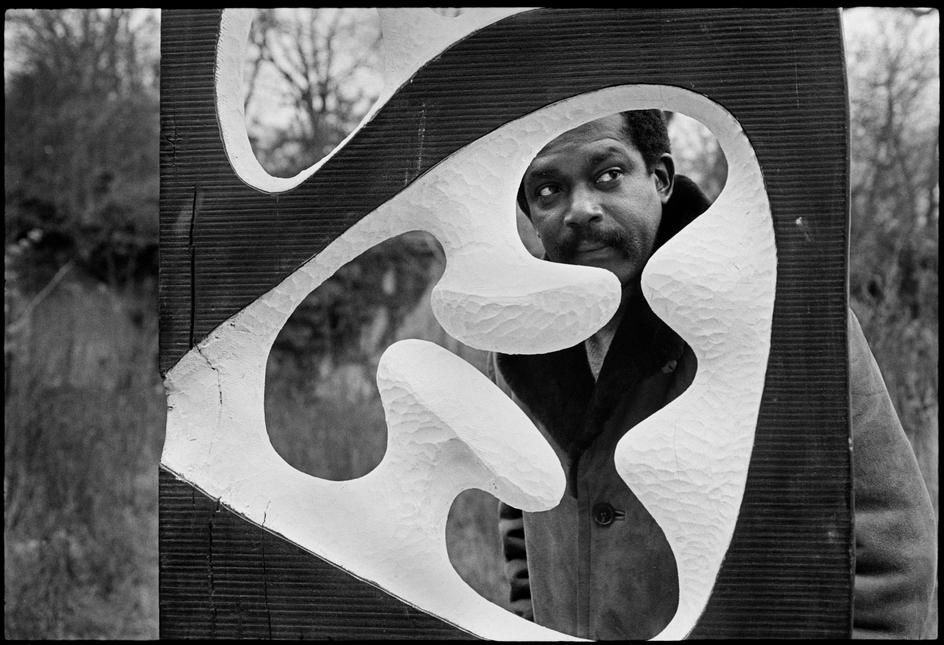
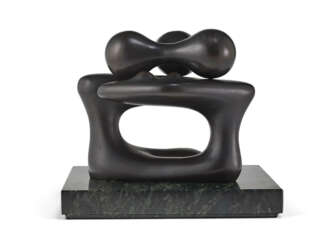

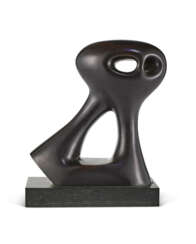

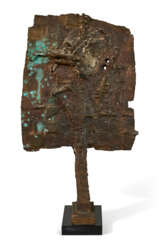

César (born Cesare Baldaccini) was a noted French sculptor.
César was at the forefront of the Nouveau Réalisme movement with his radical compressions (compacted automobiles, discarded metal, or rubbish), expansions (polyurethane foam sculptures), and fantastic representations of animals and insects.
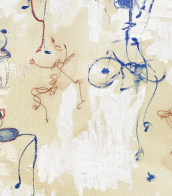


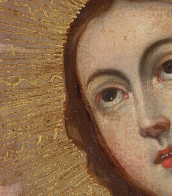
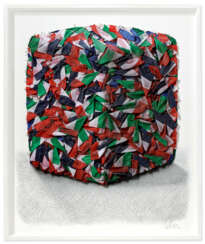

César (born Cesare Baldaccini) was a noted French sculptor.
César was at the forefront of the Nouveau Réalisme movement with his radical compressions (compacted automobiles, discarded metal, or rubbish), expansions (polyurethane foam sculptures), and fantastic representations of animals and insects.
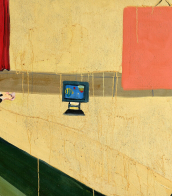


Paul Cézanne, a French Post-Impressionist painter, was pivotal in shaping the transition from 19th-century art to a new, revolutionary approach in the 20th century. His unique and exploratory brushstrokes, utilizing planes of color to form complex fields, made his work instantly recognizable and influential in the development of Cubism.
Cézanne’s early works, influenced by Romanticism and Realism, evolved into a groundbreaking artistic language. He challenged traditional perspective and academic art rules, focusing on objects' structural aspects and art's formal qualities. This approach led to a renewed emphasis on impressionistic color space and modulation principles.
His most notable works, like “Mont Sainte-Victoire,” “The Card Players,” and “The Bathers,” display his mastery in creating depth and dimension through color gradations. These paintings, initially met with skepticism, eventually cemented Cézanne’s reputation as a pioneering artist. His exhibitions, particularly the one-man show by dealer Ambroise Vollard in 1895, played a critical role in his recognition.
Cézanne’s impact on art history is profound, with greats like Henri Matisse and Pablo Picasso acknowledging him as a significant influence. His exploration of geometric forms and innovative use of light and color laid the groundwork for subsequent movements, particularly Cubism.
For collectors and art experts, Cézanne's works are more than just paintings; they are pivotal chapters in the narrative of modern art. His creations, bridging Impressionism and Cubism, continue to inspire and challenge contemporary artists.
To stay updated on new product sales and auction events related to Paul Cézanne, sign up for our updates. This subscription ensures you remain informed about the latest developments in the world of this revolutionary artist.
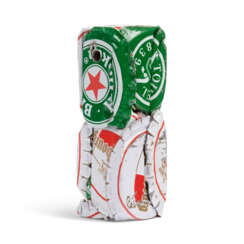

César (born Cesare Baldaccini) was a noted French sculptor.
César was at the forefront of the Nouveau Réalisme movement with his radical compressions (compacted automobiles, discarded metal, or rubbish), expansions (polyurethane foam sculptures), and fantastic representations of animals and insects.


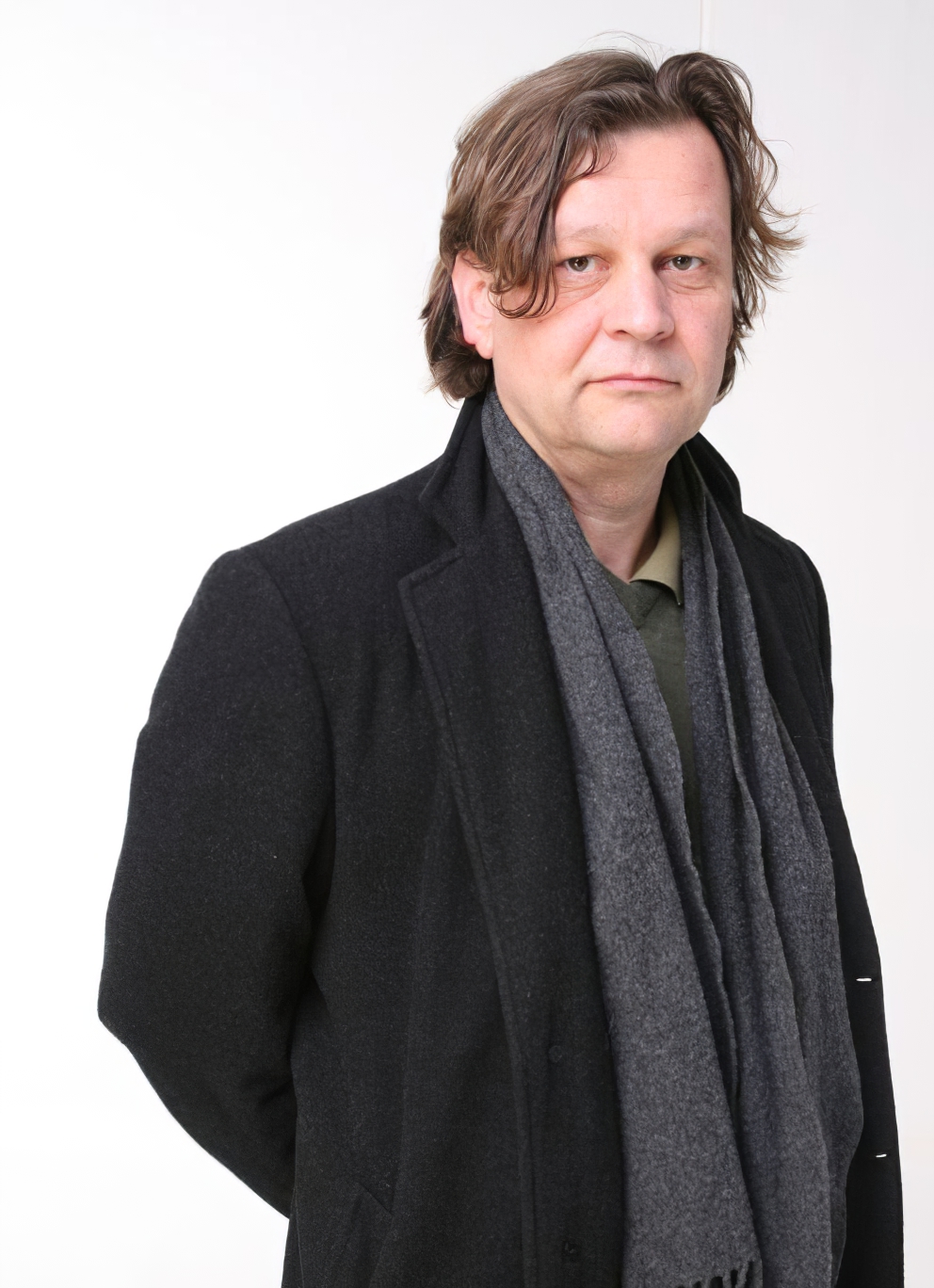
Heribert C. Ottersbach is a German painter.
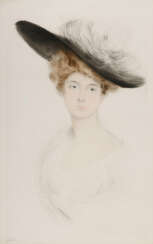

Paul César Helleu was a French oil painter, pastel artist, drypoint etcher, and designer, best known for his numerous portraits of beautiful society women of the Belle Époque. He also conceived the ceiling mural of night sky constellations for Grand Central Terminal in New York City. He was also the father of Jean Helleu and the grandfather of Jacques Helleu, both artistic directors for Parfums Chanel.
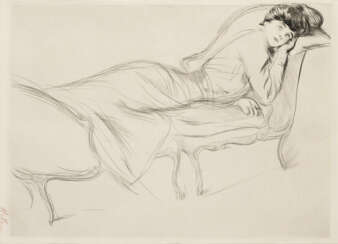

Paul César Helleu was a French oil painter, pastel artist, drypoint etcher, and designer, best known for his numerous portraits of beautiful society women of the Belle Époque. He also conceived the ceiling mural of night sky constellations for Grand Central Terminal in New York City. He was also the father of Jean Helleu and the grandfather of Jacques Helleu, both artistic directors for Parfums Chanel.
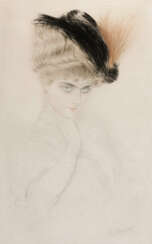

Paul César Helleu was a French oil painter, pastel artist, drypoint etcher, and designer, best known for his numerous portraits of beautiful society women of the Belle Époque. He also conceived the ceiling mural of night sky constellations for Grand Central Terminal in New York City. He was also the father of Jean Helleu and the grandfather of Jacques Helleu, both artistic directors for Parfums Chanel.
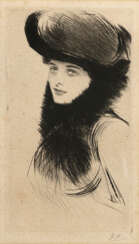

Paul César Helleu was a French oil painter, pastel artist, drypoint etcher, and designer, best known for his numerous portraits of beautiful society women of the Belle Époque. He also conceived the ceiling mural of night sky constellations for Grand Central Terminal in New York City. He was also the father of Jean Helleu and the grandfather of Jacques Helleu, both artistic directors for Parfums Chanel.
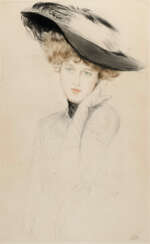

Paul César Helleu was a French oil painter, pastel artist, drypoint etcher, and designer, best known for his numerous portraits of beautiful society women of the Belle Époque. He also conceived the ceiling mural of night sky constellations for Grand Central Terminal in New York City. He was also the father of Jean Helleu and the grandfather of Jacques Helleu, both artistic directors for Parfums Chanel.
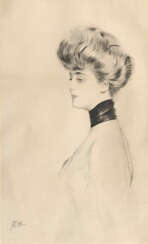

Paul César Helleu was a French oil painter, pastel artist, drypoint etcher, and designer, best known for his numerous portraits of beautiful society women of the Belle Époque. He also conceived the ceiling mural of night sky constellations for Grand Central Terminal in New York City. He was also the father of Jean Helleu and the grandfather of Jacques Helleu, both artistic directors for Parfums Chanel.
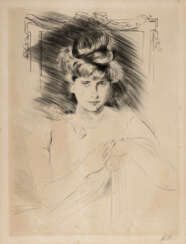

Paul César Helleu was a French oil painter, pastel artist, drypoint etcher, and designer, best known for his numerous portraits of beautiful society women of the Belle Époque. He also conceived the ceiling mural of night sky constellations for Grand Central Terminal in New York City. He was also the father of Jean Helleu and the grandfather of Jacques Helleu, both artistic directors for Parfums Chanel.
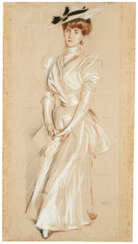

Paul César Helleu was a French oil painter, pastel artist, drypoint etcher, and designer, best known for his numerous portraits of beautiful society women of the Belle Époque. He also conceived the ceiling mural of night sky constellations for Grand Central Terminal in New York City. He was also the father of Jean Helleu and the grandfather of Jacques Helleu, both artistic directors for Parfums Chanel.



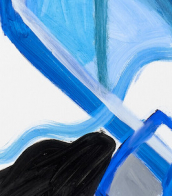
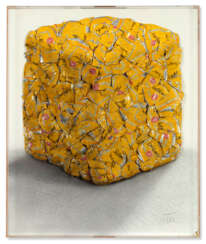

César (born Cesare Baldaccini) was a noted French sculptor.
César was at the forefront of the Nouveau Réalisme movement with his radical compressions (compacted automobiles, discarded metal, or rubbish), expansions (polyurethane foam sculptures), and fantastic representations of animals and insects.
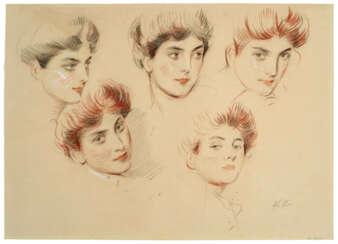

Paul César Helleu was a French oil painter, pastel artist, drypoint etcher, and designer, best known for his numerous portraits of beautiful society women of the Belle Époque. He also conceived the ceiling mural of night sky constellations for Grand Central Terminal in New York City. He was also the father of Jean Helleu and the grandfather of Jacques Helleu, both artistic directors for Parfums Chanel.
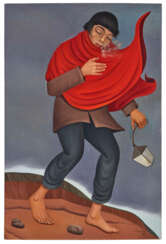

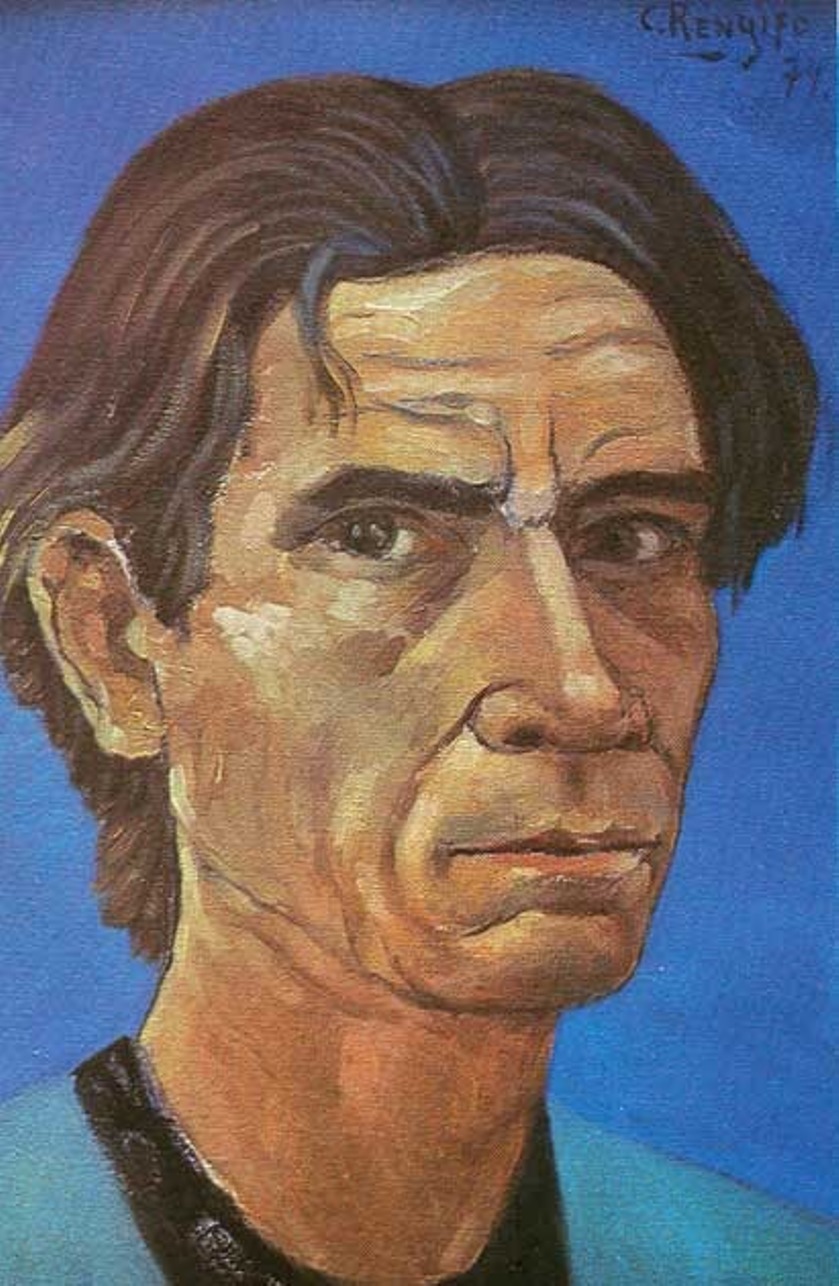
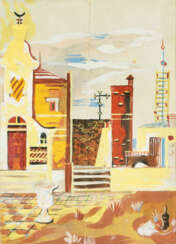

César Klein was a German Expressionist painter and designer, probably best known as one of the founders the November Group and the Arbeitsrat für Kunst. He is associated with the Düsseldorf school of painting.
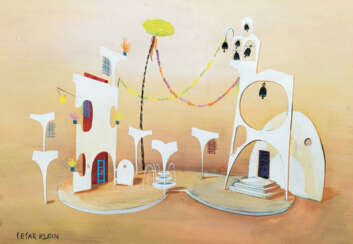

César Klein was a German Expressionist painter and designer, probably best known as one of the founders the November Group and the Arbeitsrat für Kunst. He is associated with the Düsseldorf school of painting.
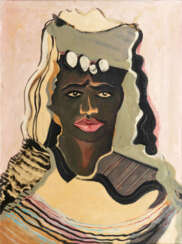

César Klein was a German Expressionist painter and designer, probably best known as one of the founders the November Group and the Arbeitsrat für Kunst. He is associated with the Düsseldorf school of painting.


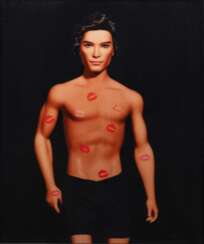



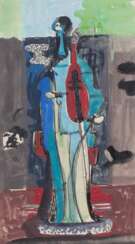

César Klein was a German Expressionist painter and designer, probably best known as one of the founders the November Group and the Arbeitsrat für Kunst. He is associated with the Düsseldorf school of painting.
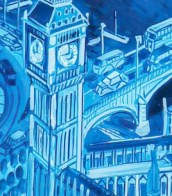
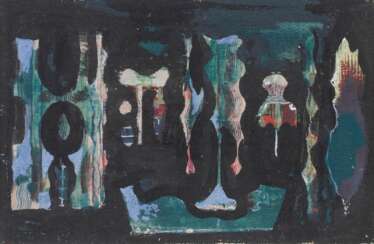

César Klein was a German Expressionist painter and designer, probably best known as one of the founders the November Group and the Arbeitsrat für Kunst. He is associated with the Düsseldorf school of painting.


César Klein was a German Expressionist painter and designer, probably best known as one of the founders the November Group and the Arbeitsrat für Kunst. He is associated with the Düsseldorf school of painting.
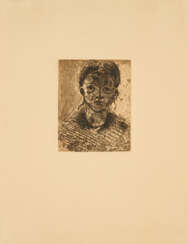

Paul Cézanne, a French Post-Impressionist painter, was pivotal in shaping the transition from 19th-century art to a new, revolutionary approach in the 20th century. His unique and exploratory brushstrokes, utilizing planes of color to form complex fields, made his work instantly recognizable and influential in the development of Cubism.
Cézanne’s early works, influenced by Romanticism and Realism, evolved into a groundbreaking artistic language. He challenged traditional perspective and academic art rules, focusing on objects' structural aspects and art's formal qualities. This approach led to a renewed emphasis on impressionistic color space and modulation principles.
His most notable works, like “Mont Sainte-Victoire,” “The Card Players,” and “The Bathers,” display his mastery in creating depth and dimension through color gradations. These paintings, initially met with skepticism, eventually cemented Cézanne’s reputation as a pioneering artist. His exhibitions, particularly the one-man show by dealer Ambroise Vollard in 1895, played a critical role in his recognition.
Cézanne’s impact on art history is profound, with greats like Henri Matisse and Pablo Picasso acknowledging him as a significant influence. His exploration of geometric forms and innovative use of light and color laid the groundwork for subsequent movements, particularly Cubism.
For collectors and art experts, Cézanne's works are more than just paintings; they are pivotal chapters in the narrative of modern art. His creations, bridging Impressionism and Cubism, continue to inspire and challenge contemporary artists.
To stay updated on new product sales and auction events related to Paul Cézanne, sign up for our updates. This subscription ensures you remain informed about the latest developments in the world of this revolutionary artist.



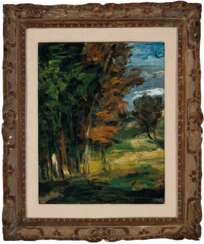

Paul Cézanne, a French Post-Impressionist painter, was pivotal in shaping the transition from 19th-century art to a new, revolutionary approach in the 20th century. His unique and exploratory brushstrokes, utilizing planes of color to form complex fields, made his work instantly recognizable and influential in the development of Cubism.
Cézanne’s early works, influenced by Romanticism and Realism, evolved into a groundbreaking artistic language. He challenged traditional perspective and academic art rules, focusing on objects' structural aspects and art's formal qualities. This approach led to a renewed emphasis on impressionistic color space and modulation principles.
His most notable works, like “Mont Sainte-Victoire,” “The Card Players,” and “The Bathers,” display his mastery in creating depth and dimension through color gradations. These paintings, initially met with skepticism, eventually cemented Cézanne’s reputation as a pioneering artist. His exhibitions, particularly the one-man show by dealer Ambroise Vollard in 1895, played a critical role in his recognition.
Cézanne’s impact on art history is profound, with greats like Henri Matisse and Pablo Picasso acknowledging him as a significant influence. His exploration of geometric forms and innovative use of light and color laid the groundwork for subsequent movements, particularly Cubism.
For collectors and art experts, Cézanne's works are more than just paintings; they are pivotal chapters in the narrative of modern art. His creations, bridging Impressionism and Cubism, continue to inspire and challenge contemporary artists.
To stay updated on new product sales and auction events related to Paul Cézanne, sign up for our updates. This subscription ensures you remain informed about the latest developments in the world of this revolutionary artist.
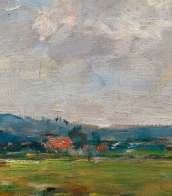
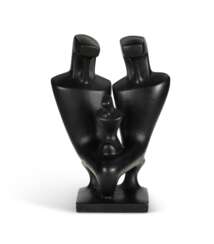

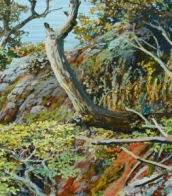


Paul Cézanne, a French Post-Impressionist painter, was pivotal in shaping the transition from 19th-century art to a new, revolutionary approach in the 20th century. His unique and exploratory brushstrokes, utilizing planes of color to form complex fields, made his work instantly recognizable and influential in the development of Cubism.
Cézanne’s early works, influenced by Romanticism and Realism, evolved into a groundbreaking artistic language. He challenged traditional perspective and academic art rules, focusing on objects' structural aspects and art's formal qualities. This approach led to a renewed emphasis on impressionistic color space and modulation principles.
His most notable works, like “Mont Sainte-Victoire,” “The Card Players,” and “The Bathers,” display his mastery in creating depth and dimension through color gradations. These paintings, initially met with skepticism, eventually cemented Cézanne’s reputation as a pioneering artist. His exhibitions, particularly the one-man show by dealer Ambroise Vollard in 1895, played a critical role in his recognition.
Cézanne’s impact on art history is profound, with greats like Henri Matisse and Pablo Picasso acknowledging him as a significant influence. His exploration of geometric forms and innovative use of light and color laid the groundwork for subsequent movements, particularly Cubism.
For collectors and art experts, Cézanne's works are more than just paintings; they are pivotal chapters in the narrative of modern art. His creations, bridging Impressionism and Cubism, continue to inspire and challenge contemporary artists.
To stay updated on new product sales and auction events related to Paul Cézanne, sign up for our updates. This subscription ensures you remain informed about the latest developments in the world of this revolutionary artist.