canada






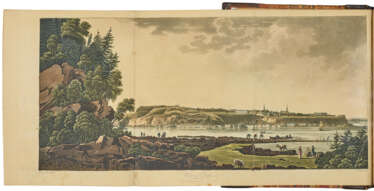

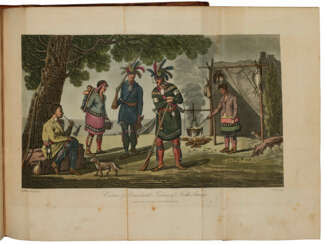

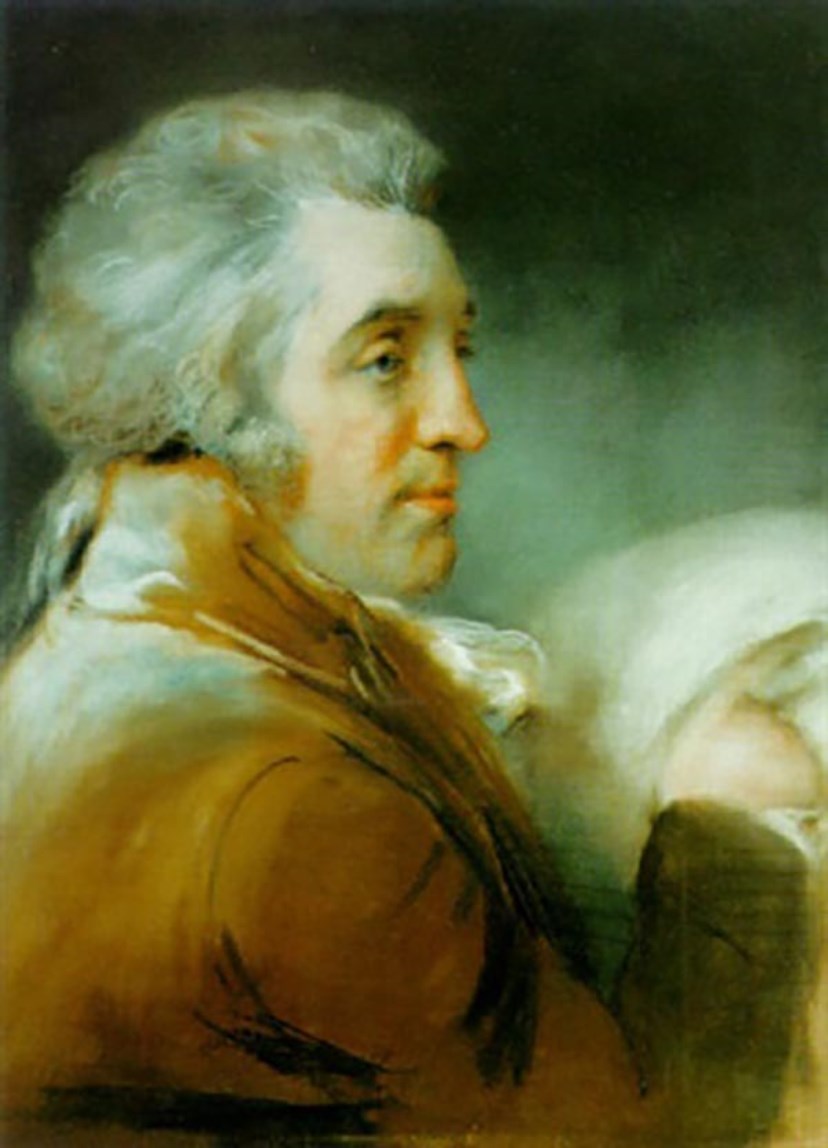
George Heriot was a Scottish and Canadian civil servant, writer and artist.
As a young man, Heriot traveled to the West Indies, wrote and sketched extensively during his stay in the Caribbean, and, returning to London in 1781, published a "Descriptive Poem". He then studied art at the Royal Military Academy at Woolwich and taught painting.
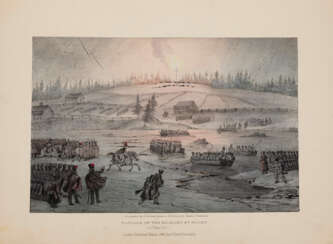
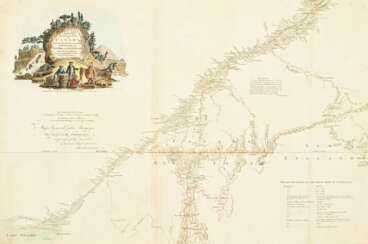
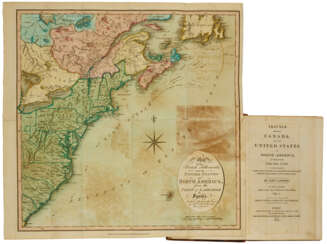
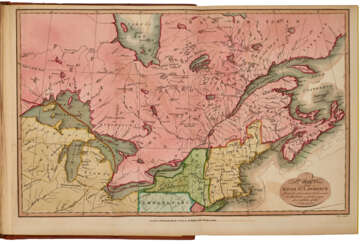
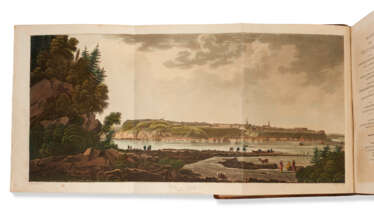
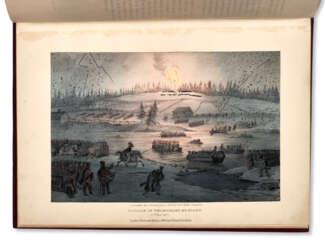
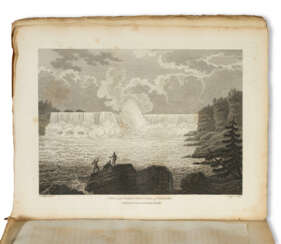
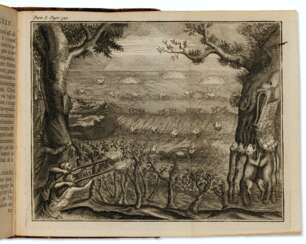
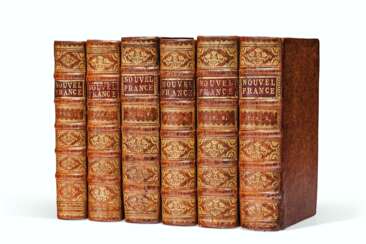
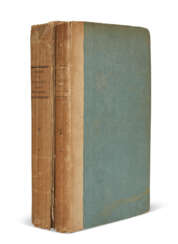
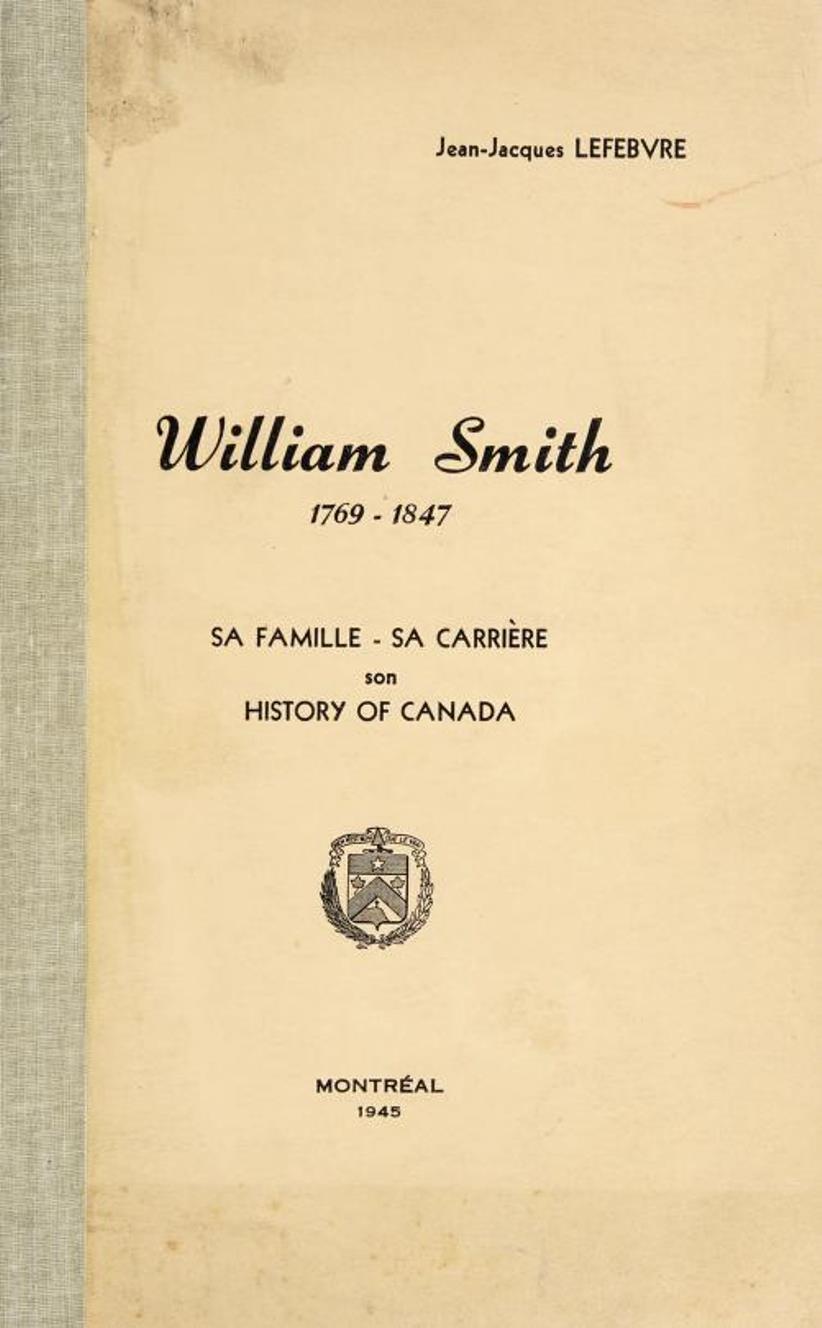
In 1792 he was sent to Quebec as clerk in the artillery department. From 1800 to 1816. Heriot served as deputy postmaster general of British North America, and upon retirement returned to Britain. During his time in Canada, in addition to his main job, George Heriot traveled extensively, as well as painting and writing. He published two books based on his experiences in the country: A History of Canada since its First Discovery (1804) and A Journey through Canada (1807), with his own illustrations.









George Heriot was a Scottish and Canadian civil servant, writer and artist.
As a young man, Heriot traveled to the West Indies, wrote and sketched extensively during his stay in the Caribbean, and, returning to London in 1781, published a "Descriptive Poem". He then studied art at the Royal Military Academy at Woolwich and taught painting.
In 1792 he was sent to Quebec as clerk in the artillery department. From 1800 to 1816. Heriot served as deputy postmaster general of British North America, and upon retirement returned to Britain. During his time in Canada, in addition to his main job, George Heriot traveled extensively, as well as painting and writing. He published two books based on his experiences in the country: A History of Canada since its First Discovery (1804) and A Journey through Canada (1807), with his own illustrations.




George Heriot was a Scottish and Canadian civil servant, writer and artist.
As a young man, Heriot traveled to the West Indies, wrote and sketched extensively during his stay in the Caribbean, and, returning to London in 1781, published a "Descriptive Poem". He then studied art at the Royal Military Academy at Woolwich and taught painting.
In 1792 he was sent to Quebec as clerk in the artillery department. From 1800 to 1816. Heriot served as deputy postmaster general of British North America, and upon retirement returned to Britain. During his time in Canada, in addition to his main job, George Heriot traveled extensively, as well as painting and writing. He published two books based on his experiences in the country: A History of Canada since its First Discovery (1804) and A Journey through Canada (1807), with his own illustrations.



George Heriot was a Scottish and Canadian civil servant, writer and artist.
As a young man, Heriot traveled to the West Indies, wrote and sketched extensively during his stay in the Caribbean, and, returning to London in 1781, published a "Descriptive Poem". He then studied art at the Royal Military Academy at Woolwich and taught painting.
In 1792 he was sent to Quebec as clerk in the artillery department. From 1800 to 1816. Heriot served as deputy postmaster general of British North America, and upon retirement returned to Britain. During his time in Canada, in addition to his main job, George Heriot traveled extensively, as well as painting and writing. He published two books based on his experiences in the country: A History of Canada since its First Discovery (1804) and A Journey through Canada (1807), with his own illustrations.













![[Four Indian Kings of Canada]](/assets/image/picture_2155617/8cf1c/f5c7262754e9e14e95fdfc2839f68f8f1653429600jpg__fix_374_244.jpeg)
![[Four Indian Kings of Canada]](https://veryimportantlot.com/assets/image/picture_2155617/8cf1c/f5c7262754e9e14e95fdfc2839f68f8f1653429600jpg__fix_374_244.jpeg)







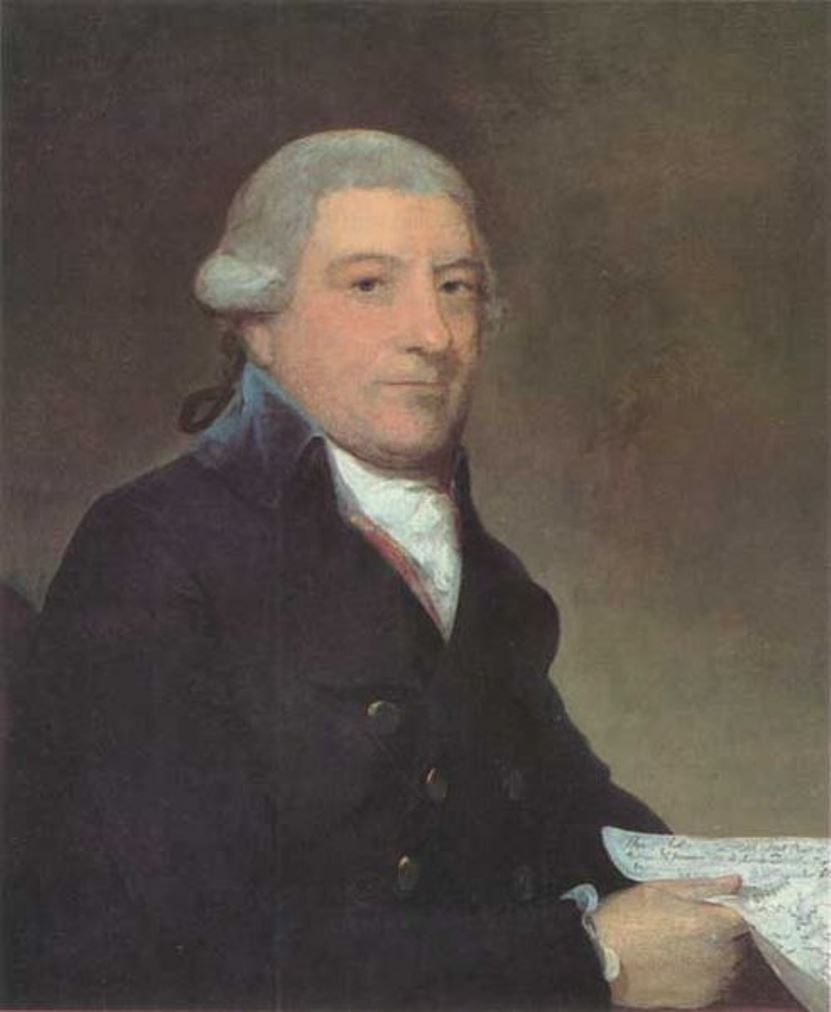

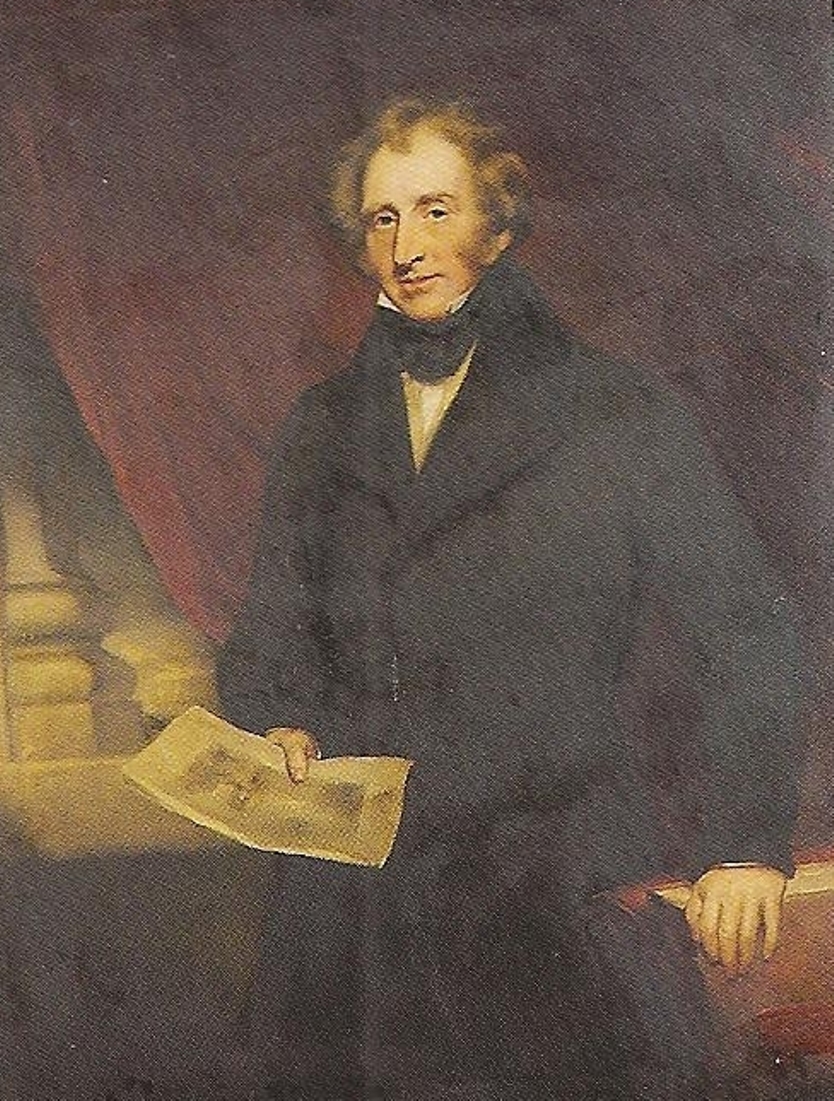
Isaac Weld was an Irish explorer, writer, and artist.
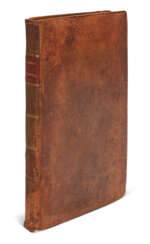
After completing his studies, Isaac Weld traveled to the new lands of America in 1795, meeting Thomas Jefferson and George Washington. The purpose of his journey was to learn of opportunities for Irish resettlement. Returning in 1797, Weld soon published his book, A Journey through the States of North America and the Provinces of Upper and Lower Canada. In general, Weld did not like the United States; he particularly noted the practice of slavery and the treatment of Native peoples by the rude new Americans. But he liked Canada and Quebec: he praised the views from the Citadel and reported that because of the low cost of land, a middle-income person could easily settle in the country for himself and his family.
This book by Weld was quite popular: it went through several editions from its first publication in 1799 to 1807. By 1820, it had also been translated into French, German, Italian, and Dutch.
In 1800 Weld was elected a member of the Royal Society of Dublin. In 1811 and 1812 he served on the library committee, and on December 4, 1828, he was elected honorary secretary. His first act in this capacity was to establish an annual exhibition of specimens of the manufactures and products of Ireland. Isaac Weld published several other books on Ireland and Great Britain, illustrated with his own drawings. Of these, his Statistical Survey of the County of Roscommon, over seven hundred pages long, published by the Royal Dublin Society in 1832, stands out.






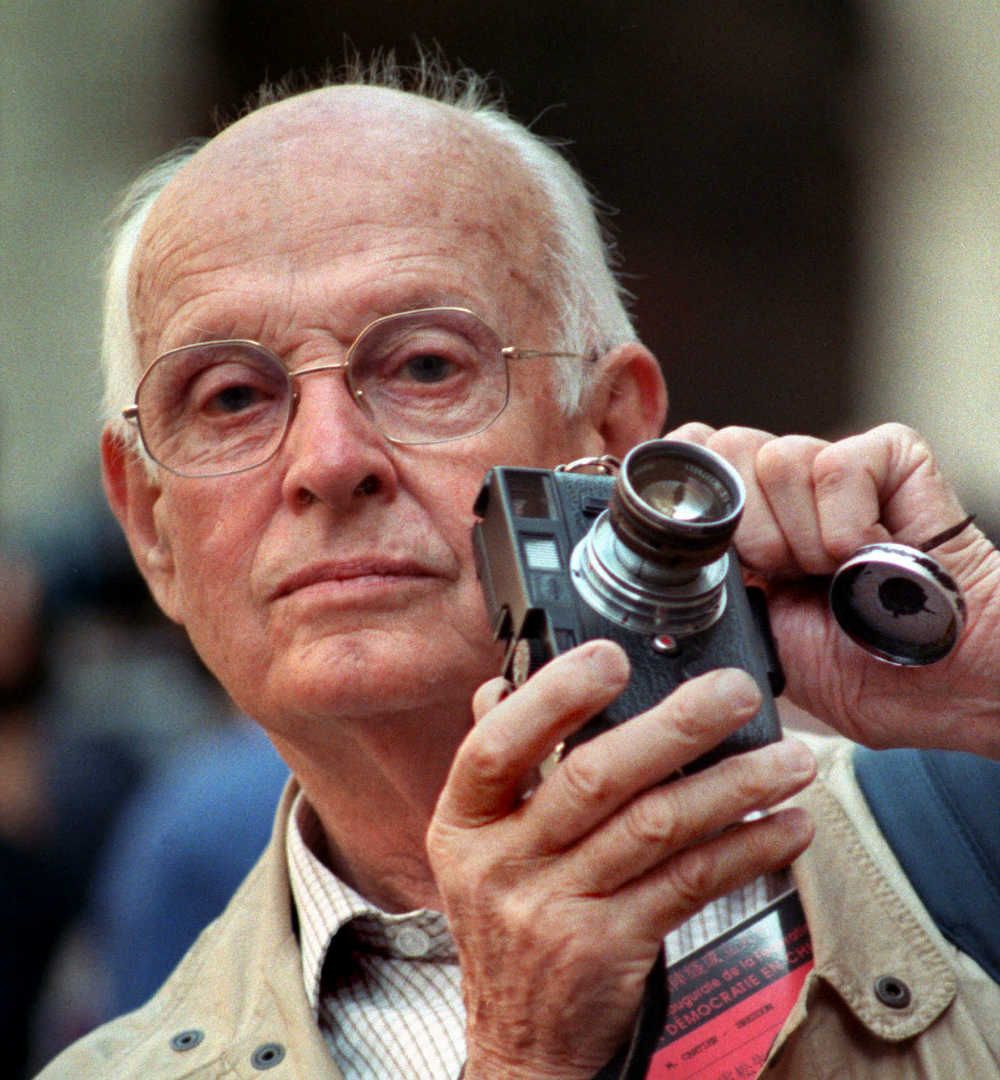
Henri Cartier-Bresson was a French artist renowned for his groundbreaking work in photography, particularly in the realms of photojournalism and street photography. Born on August 22, 1908, in Chanteloup, France, Cartier-Bresson's early artistic endeavors were in painting, which he began studying at the age of five. His transition to photography was marked by his adoption of a 35mm Leica camera in 1931, a tool that became synonymous with his work.
Henri Cartier-Bresson's photography is celebrated for its unique blend of spontaneity and composition, capturing moments that reveal deeper truths about their subjects. His theory of "the decisive moment" – that is, capturing an event that is ephemeral and spontaneous, yet significant – has had a profound influence on the field of photography. His work has been exhibited in prestigious venues such as the Museum of Modern Art in New York and is held in high esteem in art collections worldwide.
In addition to his personal achievements, Henri Cartier-Bresson was a co-founder of Magnum Photos in 1947, a cooperative agency for worldwide photographers that significantly influenced photojournalism. Later in his career, Cartier-Bresson returned to painting and drawing, demonstrating his lifelong commitment to the arts.
For art collectors and experts, Henri Cartier-Bresson's work offers a pivotal exploration of 20th-century photography, blending artistic vision with the unguarded moments of life. His influence extends beyond his images, shaping the way we perceive and engage with visual narratives.
To explore more about Henri Cartier-Bresson's influential career and works, and to stay updated on exhibitions or sales featuring his photography, you might consider subscribing to updates from art institutions or galleries that frequently showcase his work.



















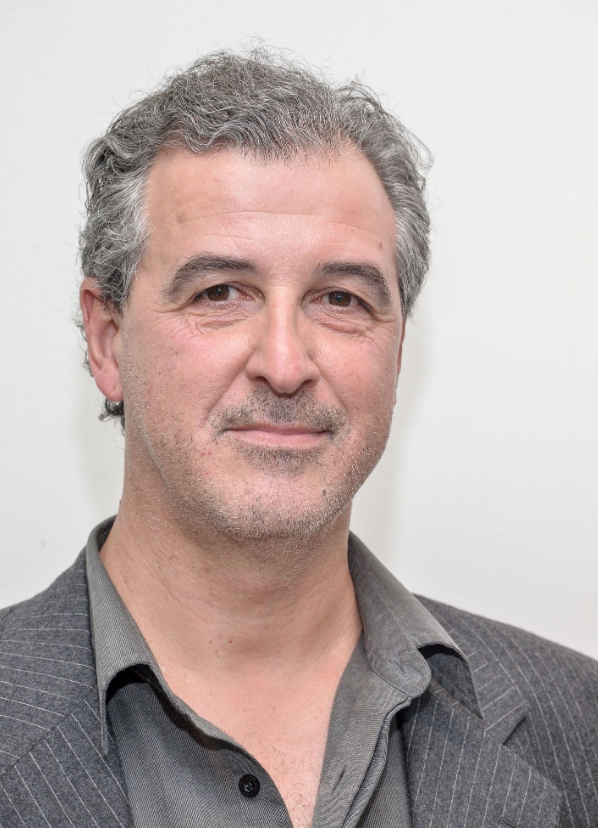
Jean-Yves Klein is a Canadian post-war and contemporary artist.
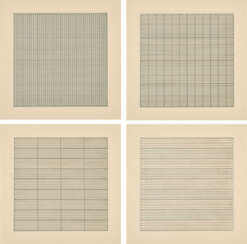

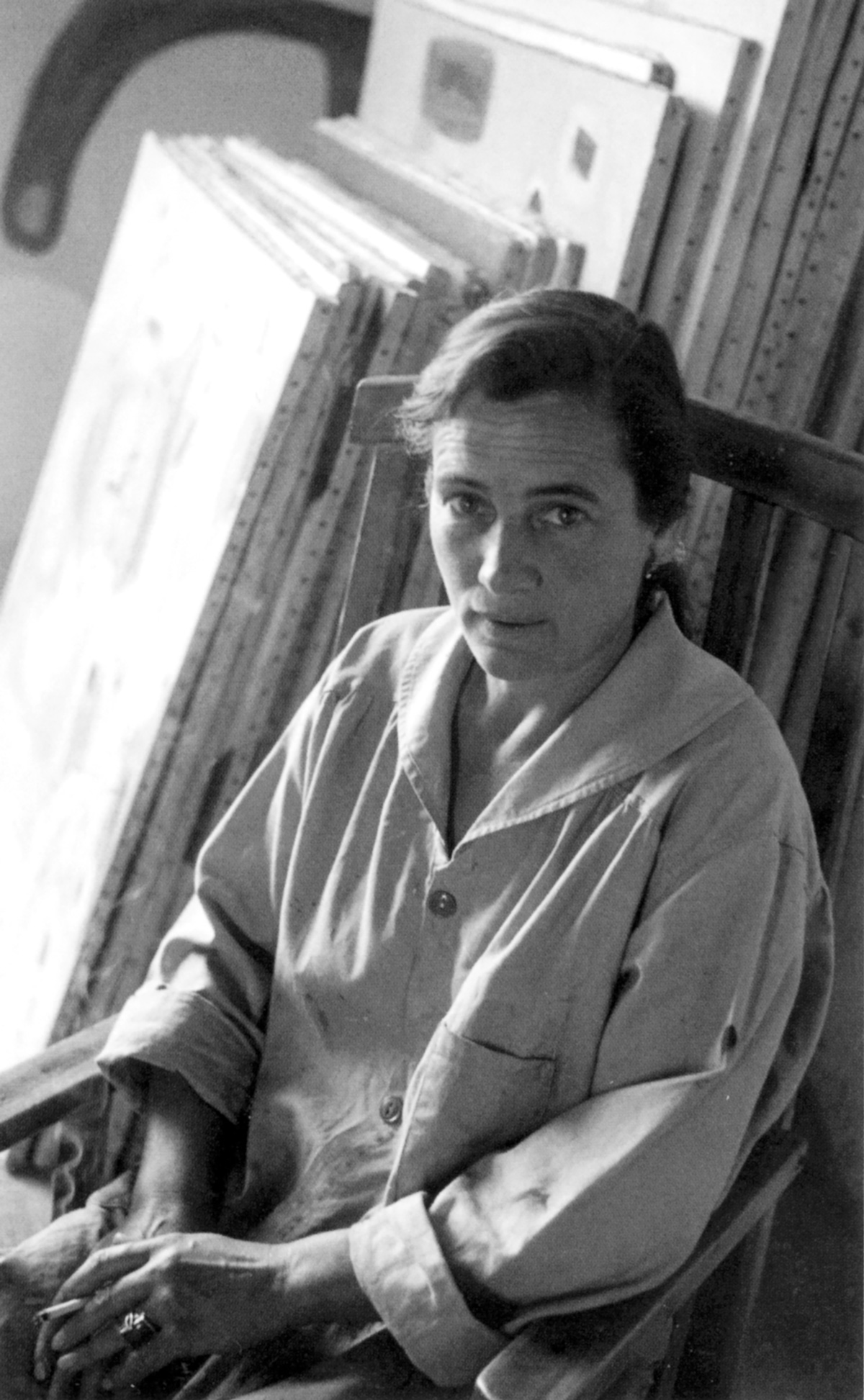
Agnes Martin was an American abstract painter. Her work has been defined as an "essay in discretion on inward-ness and silence". Although she is often considered or referred to as a minimalist, Martin considered herself an abstract expressionist and was one of the leading practitioners of Abstract Expressionism in the 20th century. She was awarded a National Medal of Arts from the National Endowment for the Arts in 1998. She was elected to the Royal Canadian Academy of Arts in 2004.