caricature











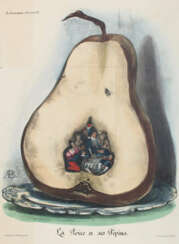



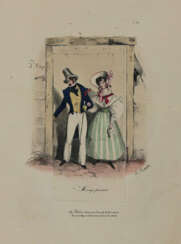

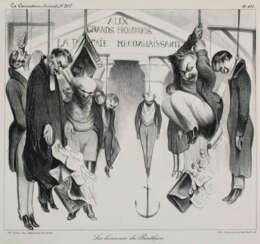

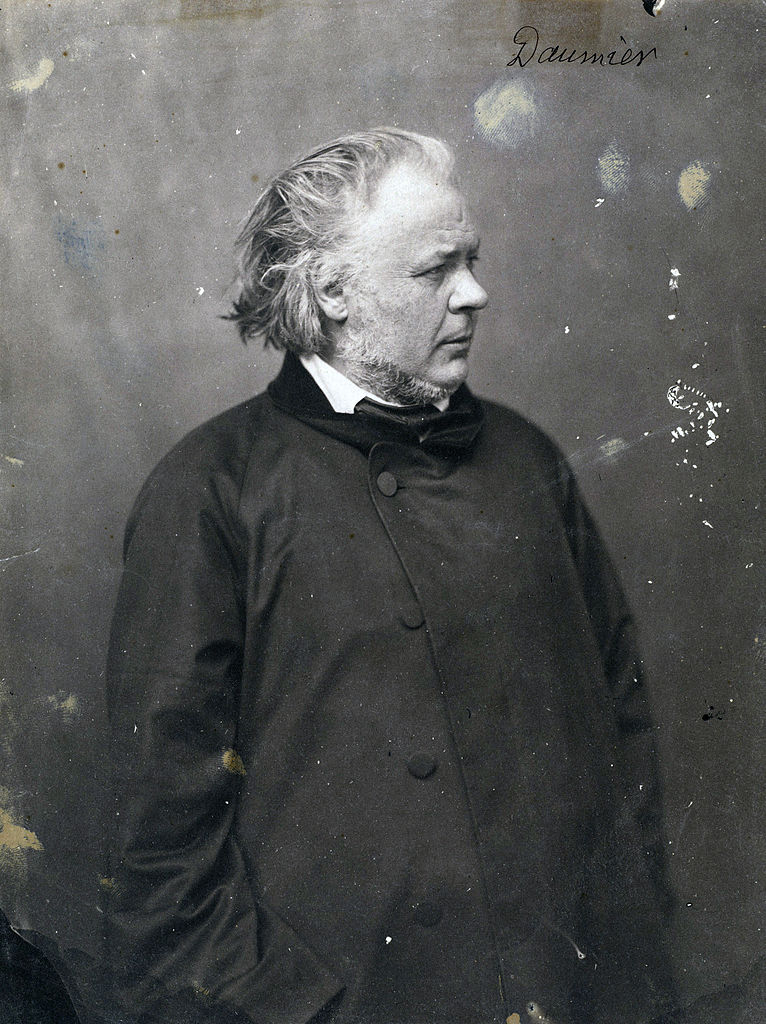
Honoré Daumier, a French artist, is renowned for his profound impact on 19th-century art through his work as a caricaturist, painter, and sculptor. His art, which satirized French politics and society, is celebrated for its insightful commentary on the human condition and the social landscape of his time. While Daumier is perhaps best known for his incisive and humorous lithographs that critiqued the French bourgeoisie and political figures, his contributions to painting and sculpture are equally significant, demonstrating a keen observation of everyday life and a masterful use of expression.
Honoré Daumier's early involvement with lithography, a relatively new printmaking technique at the time, allowed him to produce works that were both accessible and impactful, resonating with a wide audience. His imprisonment in 1832 for his caricature of King Louis Philippe as Gargantua highlights the daring nature of his work and the personal risks he took to express his political views. Despite the challenges he faced, including eventual blindness, Daumier continued to create art that spoke to the societal issues of his day, transitioning to painting and sculpture while maintaining the critical edge that defined his earlier works.
His later years were spent in Valmondois, where he focused more on painting, capturing scenes of daily life with a technique that distanced itself from the caricatural style he was famous for but retained his keen observational skills. Despite his struggles with poverty and illness, Honoré Daumier's legacy endures, with his works housed in prestigious institutions like the British Museum and being recognized for their contribution to the development of modern art, particularly in their influence on Impressionist techniques.
For collectors and enthusiasts of art and antiques, Honoré Daumier's work offers a unique window into 19th-century French society, marked by a blend of humor, social critique, and poignant observation. His diverse body of work, from lithographs to paintings, continues to inspire and provoke thought, making him a pivotal figure in the history of art.
To stay informed about the latest exhibitions, sales, and events related to Honoré Daumier's work, signing up for updates is a valuable way to ensure you don't miss out on the opportunity to engage with the rich legacy of this influential artist.
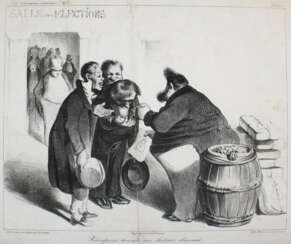

Honoré Daumier, a French artist, is renowned for his profound impact on 19th-century art through his work as a caricaturist, painter, and sculptor. His art, which satirized French politics and society, is celebrated for its insightful commentary on the human condition and the social landscape of his time. While Daumier is perhaps best known for his incisive and humorous lithographs that critiqued the French bourgeoisie and political figures, his contributions to painting and sculpture are equally significant, demonstrating a keen observation of everyday life and a masterful use of expression.
Honoré Daumier's early involvement with lithography, a relatively new printmaking technique at the time, allowed him to produce works that were both accessible and impactful, resonating with a wide audience. His imprisonment in 1832 for his caricature of King Louis Philippe as Gargantua highlights the daring nature of his work and the personal risks he took to express his political views. Despite the challenges he faced, including eventual blindness, Daumier continued to create art that spoke to the societal issues of his day, transitioning to painting and sculpture while maintaining the critical edge that defined his earlier works.
His later years were spent in Valmondois, where he focused more on painting, capturing scenes of daily life with a technique that distanced itself from the caricatural style he was famous for but retained his keen observational skills. Despite his struggles with poverty and illness, Honoré Daumier's legacy endures, with his works housed in prestigious institutions like the British Museum and being recognized for their contribution to the development of modern art, particularly in their influence on Impressionist techniques.
For collectors and enthusiasts of art and antiques, Honoré Daumier's work offers a unique window into 19th-century French society, marked by a blend of humor, social critique, and poignant observation. His diverse body of work, from lithographs to paintings, continues to inspire and provoke thought, making him a pivotal figure in the history of art.
To stay informed about the latest exhibitions, sales, and events related to Honoré Daumier's work, signing up for updates is a valuable way to ensure you don't miss out on the opportunity to engage with the rich legacy of this influential artist.
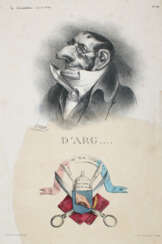

Honoré Daumier, a French artist, is renowned for his profound impact on 19th-century art through his work as a caricaturist, painter, and sculptor. His art, which satirized French politics and society, is celebrated for its insightful commentary on the human condition and the social landscape of his time. While Daumier is perhaps best known for his incisive and humorous lithographs that critiqued the French bourgeoisie and political figures, his contributions to painting and sculpture are equally significant, demonstrating a keen observation of everyday life and a masterful use of expression.
Honoré Daumier's early involvement with lithography, a relatively new printmaking technique at the time, allowed him to produce works that were both accessible and impactful, resonating with a wide audience. His imprisonment in 1832 for his caricature of King Louis Philippe as Gargantua highlights the daring nature of his work and the personal risks he took to express his political views. Despite the challenges he faced, including eventual blindness, Daumier continued to create art that spoke to the societal issues of his day, transitioning to painting and sculpture while maintaining the critical edge that defined his earlier works.
His later years were spent in Valmondois, where he focused more on painting, capturing scenes of daily life with a technique that distanced itself from the caricatural style he was famous for but retained his keen observational skills. Despite his struggles with poverty and illness, Honoré Daumier's legacy endures, with his works housed in prestigious institutions like the British Museum and being recognized for their contribution to the development of modern art, particularly in their influence on Impressionist techniques.
For collectors and enthusiasts of art and antiques, Honoré Daumier's work offers a unique window into 19th-century French society, marked by a blend of humor, social critique, and poignant observation. His diverse body of work, from lithographs to paintings, continues to inspire and provoke thought, making him a pivotal figure in the history of art.
To stay informed about the latest exhibitions, sales, and events related to Honoré Daumier's work, signing up for updates is a valuable way to ensure you don't miss out on the opportunity to engage with the rich legacy of this influential artist.
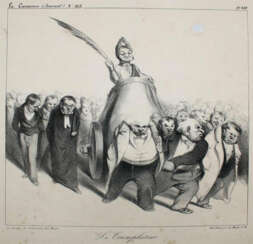

Honoré Daumier, a French artist, is renowned for his profound impact on 19th-century art through his work as a caricaturist, painter, and sculptor. His art, which satirized French politics and society, is celebrated for its insightful commentary on the human condition and the social landscape of his time. While Daumier is perhaps best known for his incisive and humorous lithographs that critiqued the French bourgeoisie and political figures, his contributions to painting and sculpture are equally significant, demonstrating a keen observation of everyday life and a masterful use of expression.
Honoré Daumier's early involvement with lithography, a relatively new printmaking technique at the time, allowed him to produce works that were both accessible and impactful, resonating with a wide audience. His imprisonment in 1832 for his caricature of King Louis Philippe as Gargantua highlights the daring nature of his work and the personal risks he took to express his political views. Despite the challenges he faced, including eventual blindness, Daumier continued to create art that spoke to the societal issues of his day, transitioning to painting and sculpture while maintaining the critical edge that defined his earlier works.
His later years were spent in Valmondois, where he focused more on painting, capturing scenes of daily life with a technique that distanced itself from the caricatural style he was famous for but retained his keen observational skills. Despite his struggles with poverty and illness, Honoré Daumier's legacy endures, with his works housed in prestigious institutions like the British Museum and being recognized for their contribution to the development of modern art, particularly in their influence on Impressionist techniques.
For collectors and enthusiasts of art and antiques, Honoré Daumier's work offers a unique window into 19th-century French society, marked by a blend of humor, social critique, and poignant observation. His diverse body of work, from lithographs to paintings, continues to inspire and provoke thought, making him a pivotal figure in the history of art.
To stay informed about the latest exhibitions, sales, and events related to Honoré Daumier's work, signing up for updates is a valuable way to ensure you don't miss out on the opportunity to engage with the rich legacy of this influential artist.
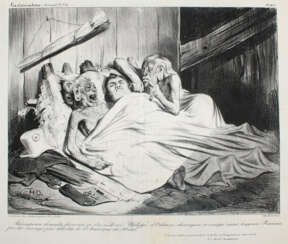

Honoré Daumier, a French artist, is renowned for his profound impact on 19th-century art through his work as a caricaturist, painter, and sculptor. His art, which satirized French politics and society, is celebrated for its insightful commentary on the human condition and the social landscape of his time. While Daumier is perhaps best known for his incisive and humorous lithographs that critiqued the French bourgeoisie and political figures, his contributions to painting and sculpture are equally significant, demonstrating a keen observation of everyday life and a masterful use of expression.
Honoré Daumier's early involvement with lithography, a relatively new printmaking technique at the time, allowed him to produce works that were both accessible and impactful, resonating with a wide audience. His imprisonment in 1832 for his caricature of King Louis Philippe as Gargantua highlights the daring nature of his work and the personal risks he took to express his political views. Despite the challenges he faced, including eventual blindness, Daumier continued to create art that spoke to the societal issues of his day, transitioning to painting and sculpture while maintaining the critical edge that defined his earlier works.
His later years were spent in Valmondois, where he focused more on painting, capturing scenes of daily life with a technique that distanced itself from the caricatural style he was famous for but retained his keen observational skills. Despite his struggles with poverty and illness, Honoré Daumier's legacy endures, with his works housed in prestigious institutions like the British Museum and being recognized for their contribution to the development of modern art, particularly in their influence on Impressionist techniques.
For collectors and enthusiasts of art and antiques, Honoré Daumier's work offers a unique window into 19th-century French society, marked by a blend of humor, social critique, and poignant observation. His diverse body of work, from lithographs to paintings, continues to inspire and provoke thought, making him a pivotal figure in the history of art.
To stay informed about the latest exhibitions, sales, and events related to Honoré Daumier's work, signing up for updates is a valuable way to ensure you don't miss out on the opportunity to engage with the rich legacy of this influential artist.
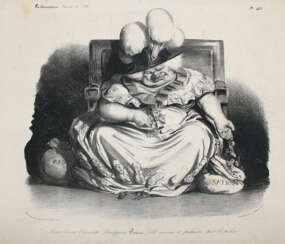

Honoré Daumier, a French artist, is renowned for his profound impact on 19th-century art through his work as a caricaturist, painter, and sculptor. His art, which satirized French politics and society, is celebrated for its insightful commentary on the human condition and the social landscape of his time. While Daumier is perhaps best known for his incisive and humorous lithographs that critiqued the French bourgeoisie and political figures, his contributions to painting and sculpture are equally significant, demonstrating a keen observation of everyday life and a masterful use of expression.
Honoré Daumier's early involvement with lithography, a relatively new printmaking technique at the time, allowed him to produce works that were both accessible and impactful, resonating with a wide audience. His imprisonment in 1832 for his caricature of King Louis Philippe as Gargantua highlights the daring nature of his work and the personal risks he took to express his political views. Despite the challenges he faced, including eventual blindness, Daumier continued to create art that spoke to the societal issues of his day, transitioning to painting and sculpture while maintaining the critical edge that defined his earlier works.
His later years were spent in Valmondois, where he focused more on painting, capturing scenes of daily life with a technique that distanced itself from the caricatural style he was famous for but retained his keen observational skills. Despite his struggles with poverty and illness, Honoré Daumier's legacy endures, with his works housed in prestigious institutions like the British Museum and being recognized for their contribution to the development of modern art, particularly in their influence on Impressionist techniques.
For collectors and enthusiasts of art and antiques, Honoré Daumier's work offers a unique window into 19th-century French society, marked by a blend of humor, social critique, and poignant observation. His diverse body of work, from lithographs to paintings, continues to inspire and provoke thought, making him a pivotal figure in the history of art.
To stay informed about the latest exhibitions, sales, and events related to Honoré Daumier's work, signing up for updates is a valuable way to ensure you don't miss out on the opportunity to engage with the rich legacy of this influential artist.
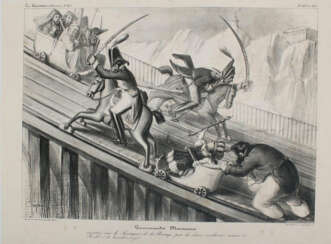

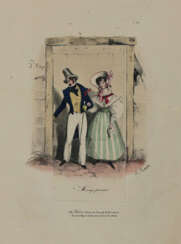

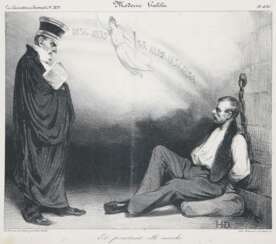



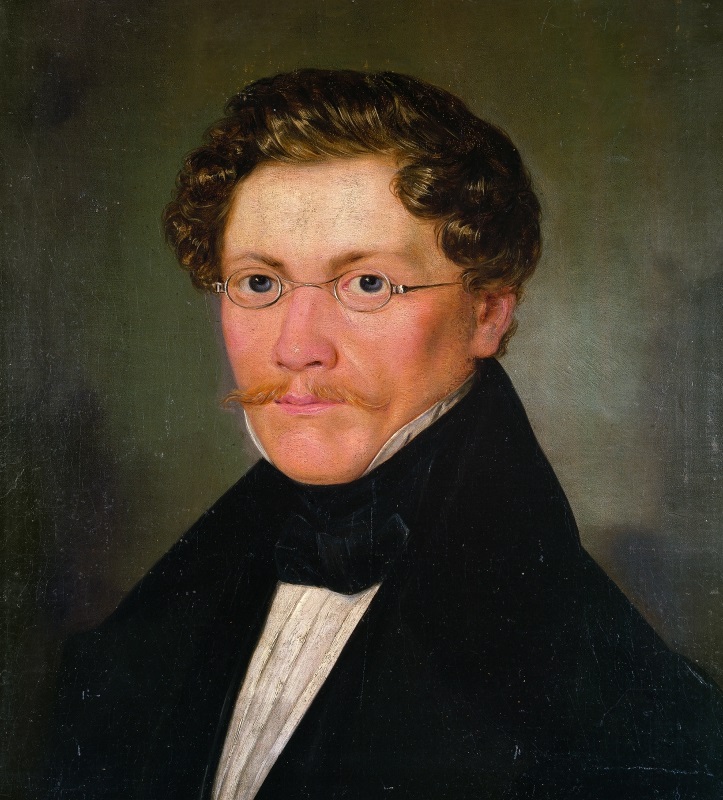
Carl Spitzweg was a German romanticist painter, especially of genre subjects. He is considered to be one of the most important artists of the Biedermeier era.


Carl Spitzweg was a German romanticist painter, especially of genre subjects. He is considered to be one of the most important artists of the Biedermeier era.


Carl Spitzweg was a German romanticist painter, especially of genre subjects. He is considered to be one of the most important artists of the Biedermeier era.
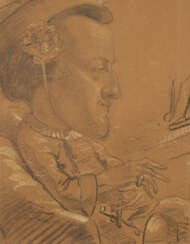

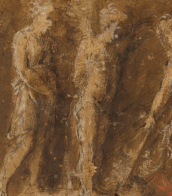
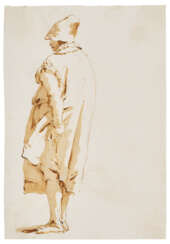

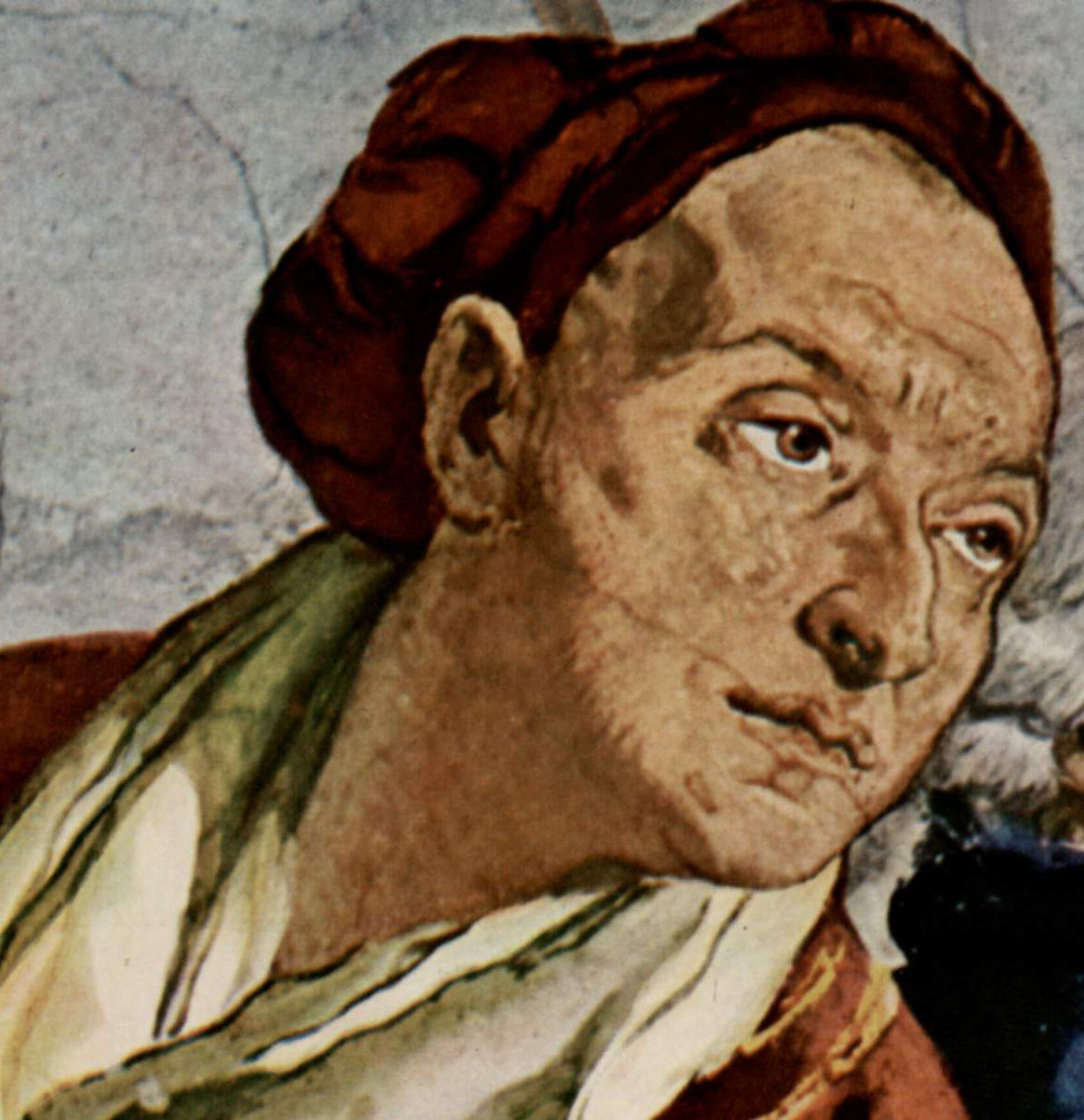
Giovanni Battista Tiepolo, an illustrious Italian painter of the 18th century, is renowned for his radiant and poetic frescoes that beautifully extend the tradition of Baroque ceiling decoration, encapsulating the essence of the Rococo period. Born in Venice, Tiepolo was significantly influenced by his contemporaries and predecessors, such as Piazzetta, Ricci, Tintoretto, and Veronese, which is evident in his dynamic and vibrant works.
Giovanni Battista Tiepolo's expertise in creating grand frescoed ceilings for churches, villas, and palaces across Italy, Germany, and Spain is particularly noteworthy. His work at the Würzburg Residenz, where he painted a vast ceiling depicting Apollo and the continents, is considered a high point of his career. This masterpiece demonstrates his skill in creating spatial illusions and integrating multiple perspectives to enhance the viewer's experience.
In addition to his frescoes, Giovanni Battista Tiepolo's prowess as a draftsman and printmaker was widely acclaimed. His prints, characterized by imaginative and sometimes enigmatic imagery, enjoyed widespread popularity and may have influenced subsequent artists like Francisco de Goya.
Throughout his career, Giovanni Battista Tiepolo received numerous commissions across Europe, reflecting his international fame. His later works in Spain, where he moved with his sons to serve the Spanish monarchy, showcase a quieter yet profound style, focusing on religious and allegorical themes.
For collectors and experts in art and antiques, Giovanni Battista Tiepolo's legacy represents an essential chapter in the history of art, offering insights into the interplay of light, color, and narrative in 18th-century European painting. His works, housed in various museums and collections worldwide, continue to captivate and inspire audiences with their elegance and grandeur.
If you wish to stay updated on new product sales and auction events related to Giovanni Battista Tiepolo, signing up for updates is an excellent way to ensure you don't miss out on any valuable information.
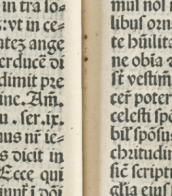
![[DUSART, Cornelis (1660-1704) et GOLE, Jacob (1660-1737)]](/assets/image/picture_1431240/3a82b/69f71d476ff02e2fc171a063be0bea8e1620043200jpg__fix_374_244.jpeg)
![[DUSART, Cornelis (1660-1704) et GOLE, Jacob (1660-1737)]](https://veryimportantlot.com/assets/image/picture_1431240/3a82b/69f71d476ff02e2fc171a063be0bea8e1620043200jpg__fix_374_244.jpeg)

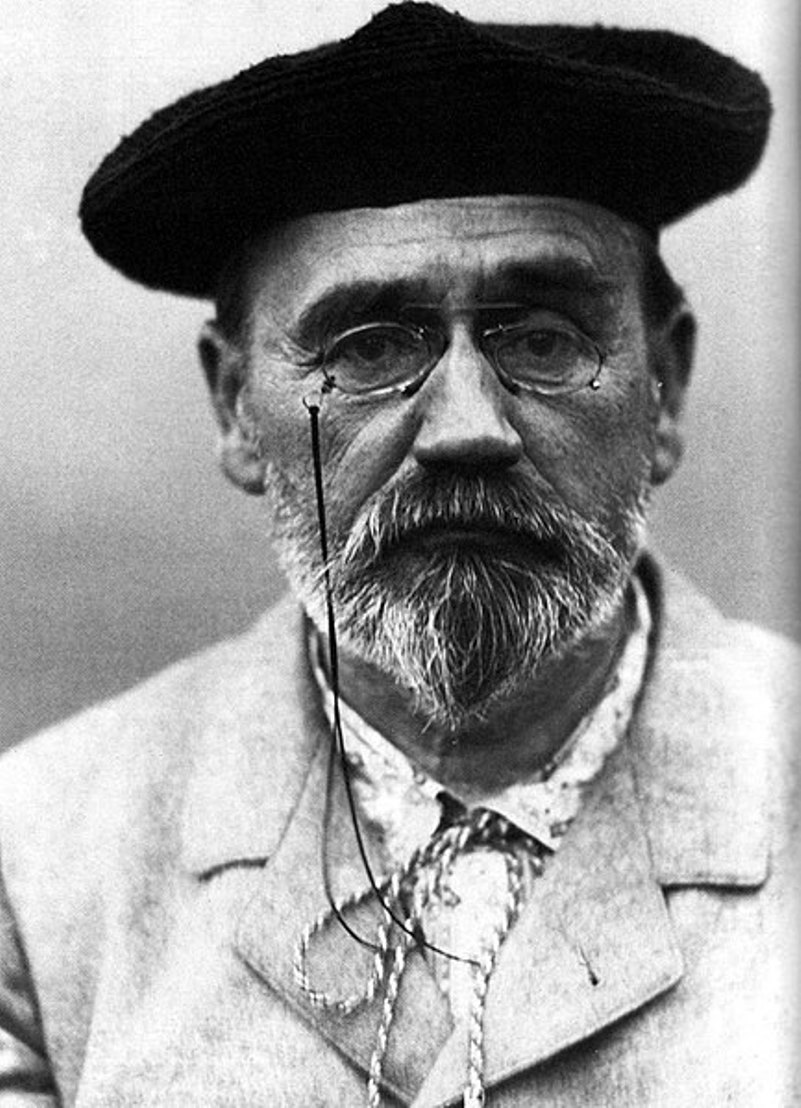
![[DREYFUS, Alfred (1859-1935), Émile ZOLA (1840-1902), et d'autres]](/assets/image/picture_3807103/5d00c/d2f79b90c4beceb027e4274f129bfdc41710234000jpg__fix_374_244.jpeg)
![[DREYFUS, Alfred (1859-1935), Émile ZOLA (1840-1902), et d'autres]](https://veryimportantlot.com/assets/image/picture_3807103/5d00c/d2f79b90c4beceb027e4274f129bfdc41710234000jpg__fix_374_244.jpeg)
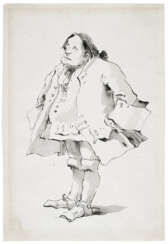

Giovanni Battista Tiepolo, an illustrious Italian painter of the 18th century, is renowned for his radiant and poetic frescoes that beautifully extend the tradition of Baroque ceiling decoration, encapsulating the essence of the Rococo period. Born in Venice, Tiepolo was significantly influenced by his contemporaries and predecessors, such as Piazzetta, Ricci, Tintoretto, and Veronese, which is evident in his dynamic and vibrant works.
Giovanni Battista Tiepolo's expertise in creating grand frescoed ceilings for churches, villas, and palaces across Italy, Germany, and Spain is particularly noteworthy. His work at the Würzburg Residenz, where he painted a vast ceiling depicting Apollo and the continents, is considered a high point of his career. This masterpiece demonstrates his skill in creating spatial illusions and integrating multiple perspectives to enhance the viewer's experience.
In addition to his frescoes, Giovanni Battista Tiepolo's prowess as a draftsman and printmaker was widely acclaimed. His prints, characterized by imaginative and sometimes enigmatic imagery, enjoyed widespread popularity and may have influenced subsequent artists like Francisco de Goya.
Throughout his career, Giovanni Battista Tiepolo received numerous commissions across Europe, reflecting his international fame. His later works in Spain, where he moved with his sons to serve the Spanish monarchy, showcase a quieter yet profound style, focusing on religious and allegorical themes.
For collectors and experts in art and antiques, Giovanni Battista Tiepolo's legacy represents an essential chapter in the history of art, offering insights into the interplay of light, color, and narrative in 18th-century European painting. His works, housed in various museums and collections worldwide, continue to captivate and inspire audiences with their elegance and grandeur.
If you wish to stay updated on new product sales and auction events related to Giovanni Battista Tiepolo, signing up for updates is an excellent way to ensure you don't miss out on any valuable information.