catel
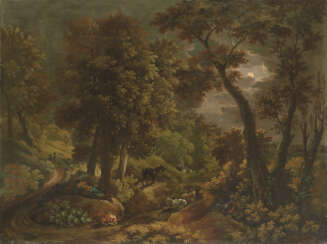

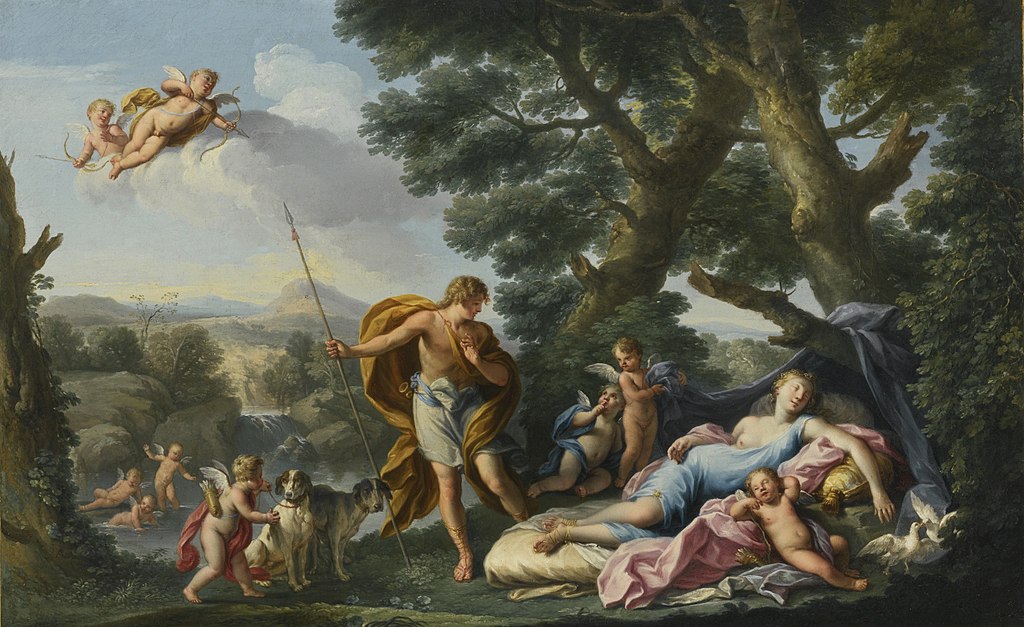
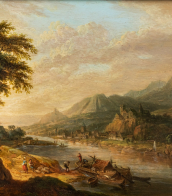
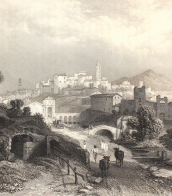
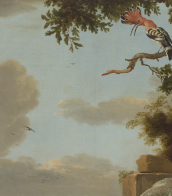
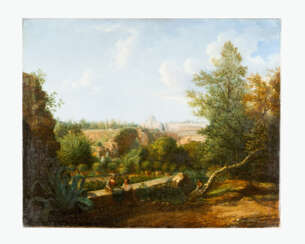
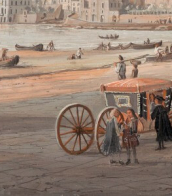
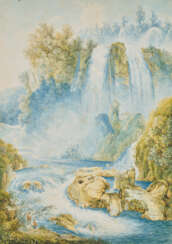
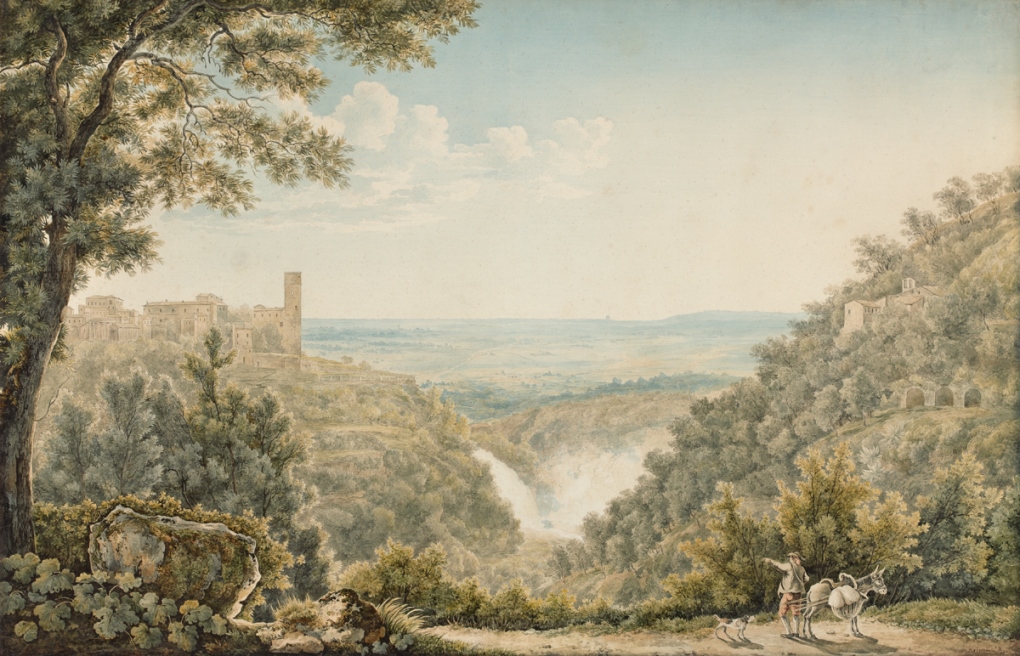
Andrea Locatelli was an Italian painter of landscapes (vedute).
The subject matter most popular with the academic artists of this time was mainly sacred, historical or mythological themes. Locatelli broke with these traditions and concentrated on landscapes, a genre thought to be inferior by the art critics of his day. In fact, he was never allowed induction into the Accademia di San Luca, a very prestigious mark of honor, even though his work was in great demand.


Andrea Locatelli was an Italian painter of landscapes (vedute).
The subject matter most popular with the academic artists of this time was mainly sacred, historical or mythological themes. Locatelli broke with these traditions and concentrated on landscapes, a genre thought to be inferior by the art critics of his day. In fact, he was never allowed induction into the Accademia di San Luca, a very prestigious mark of honor, even though his work was in great demand.
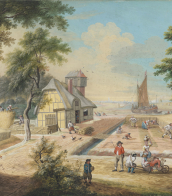
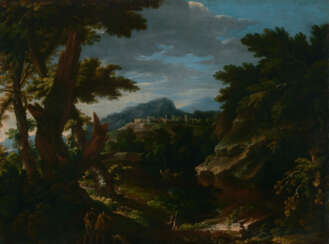

Andrea Locatelli was an Italian painter of landscapes (vedute).
The subject matter most popular with the academic artists of this time was mainly sacred, historical or mythological themes. Locatelli broke with these traditions and concentrated on landscapes, a genre thought to be inferior by the art critics of his day. In fact, he was never allowed induction into the Accademia di San Luca, a very prestigious mark of honor, even though his work was in great demand.





Andrea Locatelli was an Italian painter of landscapes (vedute).
The subject matter most popular with the academic artists of this time was mainly sacred, historical or mythological themes. Locatelli broke with these traditions and concentrated on landscapes, a genre thought to be inferior by the art critics of his day. In fact, he was never allowed induction into the Accademia di San Luca, a very prestigious mark of honor, even though his work was in great demand.


Andrea Locatelli was an Italian painter of landscapes (vedute).
The subject matter most popular with the academic artists of this time was mainly sacred, historical or mythological themes. Locatelli broke with these traditions and concentrated on landscapes, a genre thought to be inferior by the art critics of his day. In fact, he was never allowed induction into the Accademia di San Luca, a very prestigious mark of honor, even though his work was in great demand.









































































































.jpg)
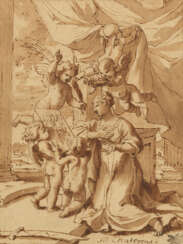
Jean-François Millet was a French artist and one of the founders of the Barbizon school in rural France. Millet is noted for his paintings of peasant farmers and can be categorized as part of the Realism art movement. Toward the end of his career, he became increasingly interested in painting pure landscapes. He is known best for his oil paintings but is also noted for his pastels, conte crayon drawings, and etchings.



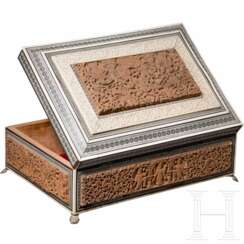


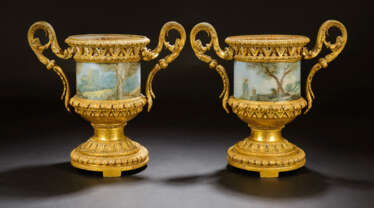

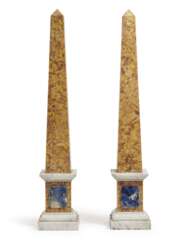









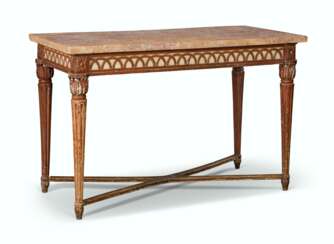

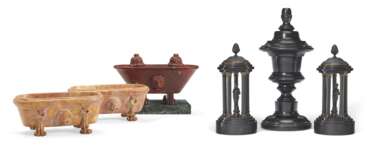


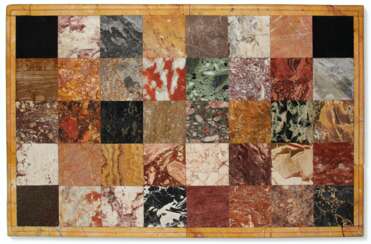

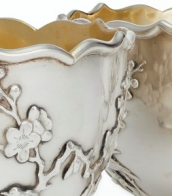
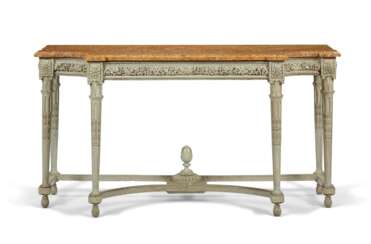




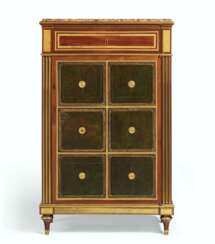

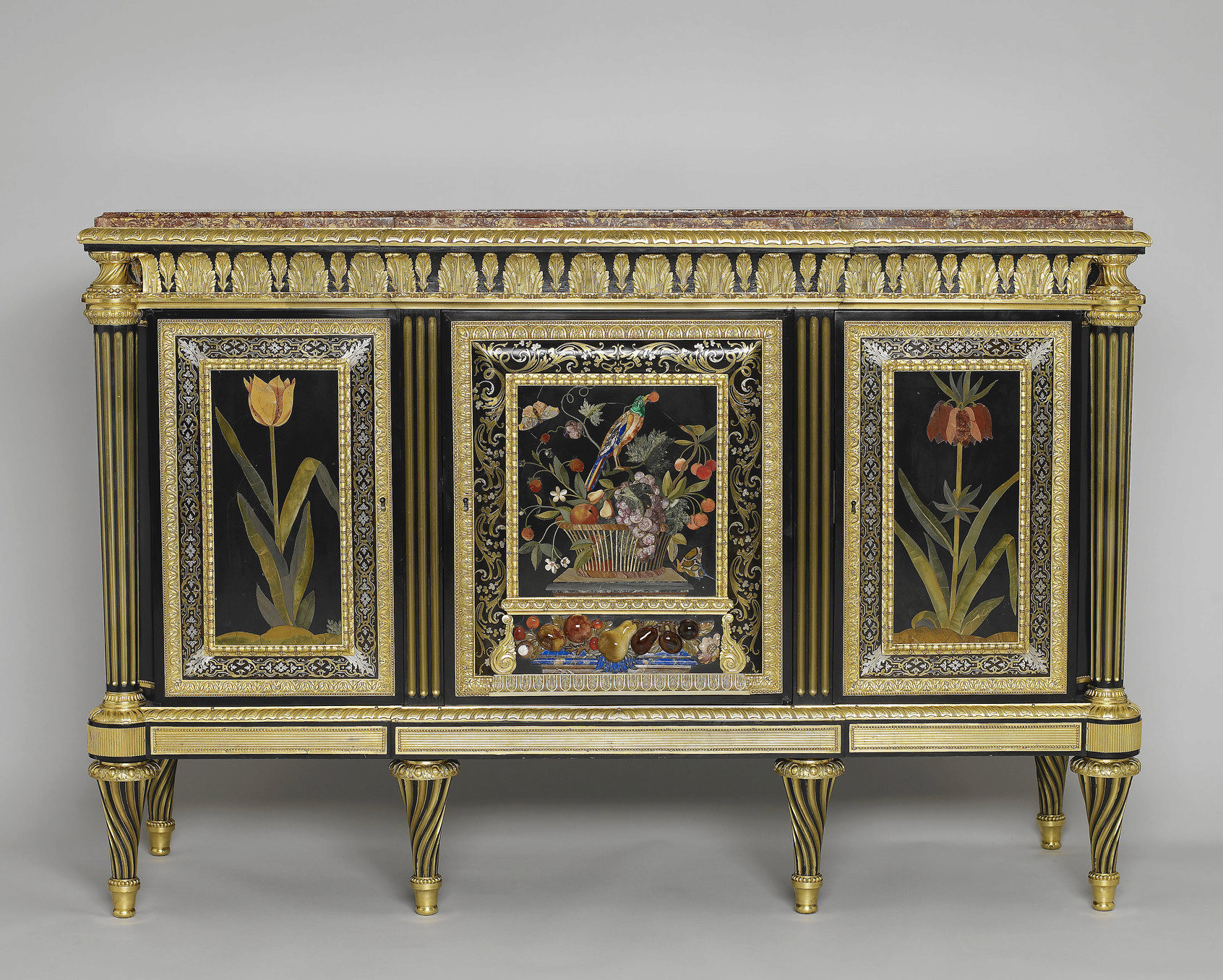
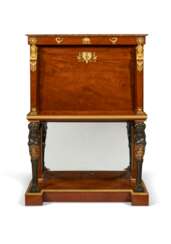
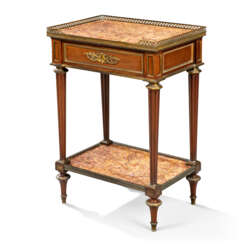
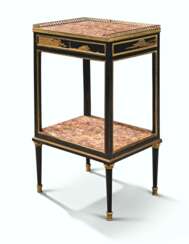
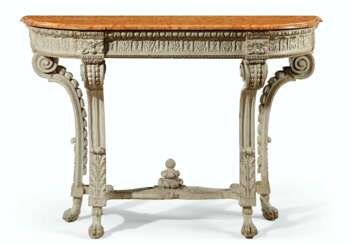
Adam Weisweiler was a distinguished French cabinetmaker, renowned for his exceptional creations that resonated deeply with the culture and art of his time. Originating from Germany, Weisweiler moved to Paris, where he became an emblematic figure in the realm of fine furniture making during the late 18th century. His specialization in crafting exquisite pieces, often adorned with intricate marquetry and mounted with elegant bronzes, set new standards in the world of decorative arts.
Weisweiler's work is celebrated for its refined elegance and the harmonious blend of functionality with aesthetic appeal. His ability to incorporate elements of sculpture and painting into his furniture designs elevated the pieces from mere objects of utility to cherished works of art. The meticulous attention to detail and the innovative use of materials like ebony and mahogany, coupled with his mastery over the classical motifs, made his creations highly sought after by the aristocracy and collectors alike.
Several of Adam Weisweiler's masterpieces find their homes in prestigious museums and galleries around the world, serving as testaments to his enduring legacy in the art and antiques sphere. His contributions to the field have not only enriched the cultural heritage of France but have also left an indelible mark on the global appreciation of fine antique furniture.
For collectors and experts in art and antiques, Adam Weisweiler's work represents the pinnacle of craftsmanship and artistic vision. His creations continue to inspire and captivate, embodying the quintessence of French decorative arts. To stay informed about new product sales and auction events related to Adam Weisweiler, we invite you to sign up for updates. This subscription ensures you are always in the know, without any unwelcome intrusions, focusing solely on opportunities to acquire pieces linked to this illustrious artist's legacy.





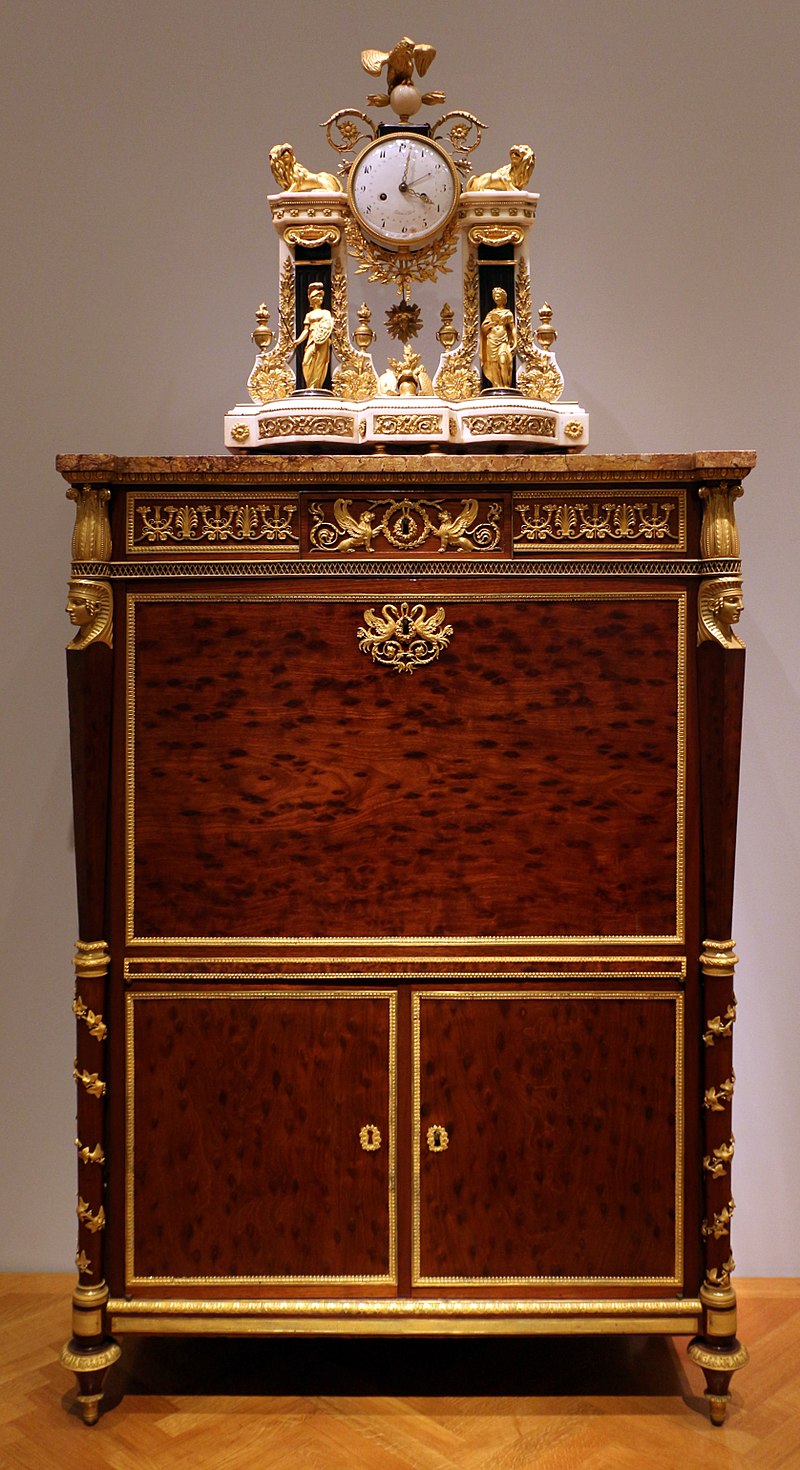
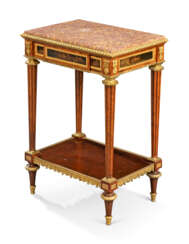
Bernard Molitor was a Luxembourgish cabinet-maker.
Molitor's furniture was often veneered with precious woods and decorated with applications of gilded bronze. Napoleon Bonaparte ordered several pieces of furniture for his residence in Saint-Cloud from him. In 1811, Molitor became fournisseur de la Cour impériale (purveyor to the imperial court).











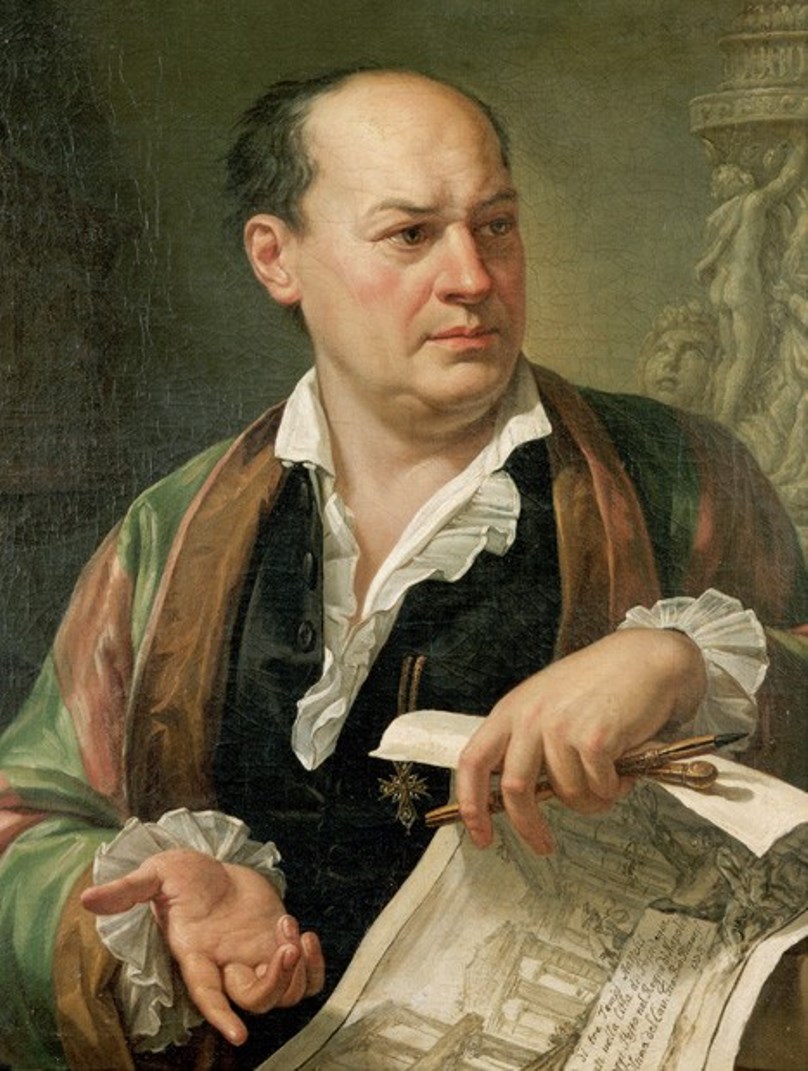
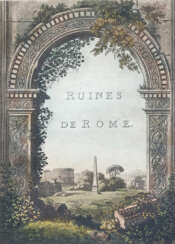
Giovanni Battista Piranesi was an 18th-century Italian painter, engraver, architect, and archaeologist who represented Neoclassicism and Romanticism. He was famous for creating a lot of original etchings with images of antique architecture monuments.
Giovanni Piranesi created hundreds of drawings and drafts in which he depicted the reconstructed ruins of ancient Roman buildings. His works are still used as teaching aids in the education of architectural students in many prestigious European universities. Piranesi periodically printed voluminous books with dozens of his own engravings depicting modified ancient architectural masterpieces - "graphic fantasies". His works were in demand among professional architects, who borrowed Piranesi's original ideas for their designs.
The peak of Piranesi's career came in the 1760s when, in recognition of his merits, he became an honorary member of the Guild of St. Luke and received from the Pope the title of Knight of the Golden Spur.
More than 700 of the master's original etchings have survived, printed in scholarly works.