coran











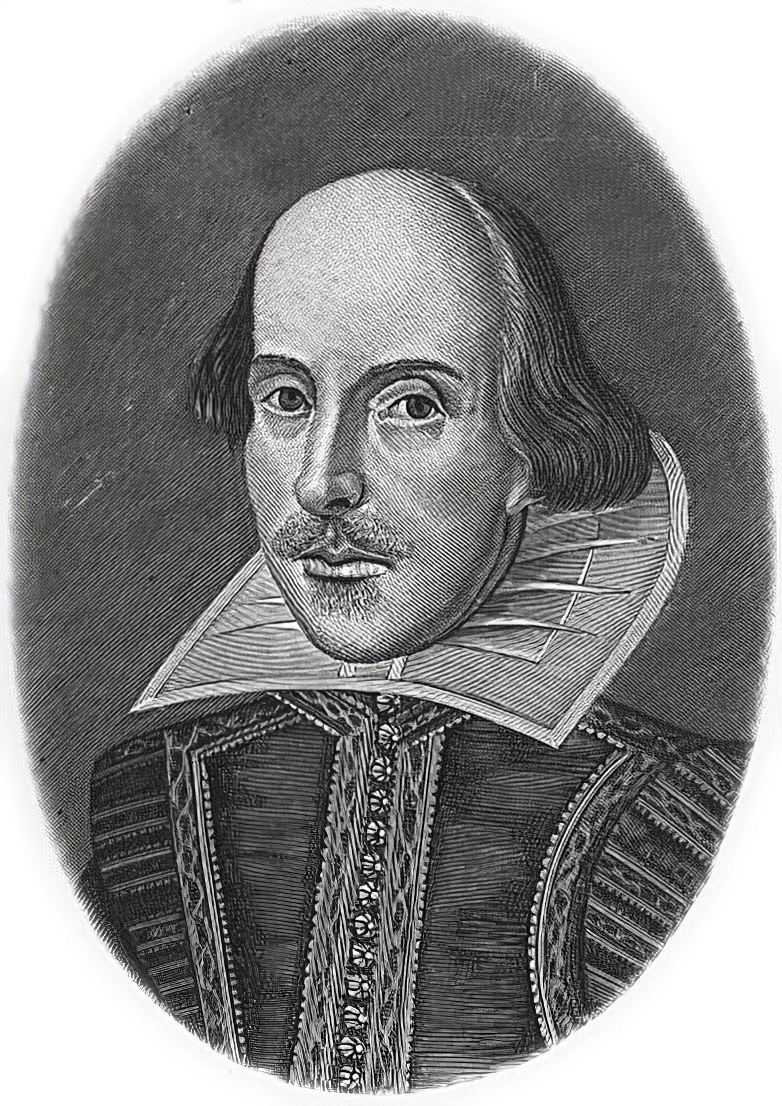
William Shakespeare was a British poet and playwright and writer.
William's father, John Shakespeare, was a merchant and official in Stratford. There are reports that he was a sailor for a time before joining a theater company in London. Beginning in the 1590s, Shakespeare began writing plays, and in 1593 he published a poem, Venus and Adonis, which became popular. He dedicated it to the Duke of Southampton, who was a philanthropist and patron of talent, and soon his business was booming.
From 1592 to 1600 Shakespeare wrote his dramas and romantic comedies "Richard III", "The Taming of the Shrew", "Romeo and Juliet", "A Midsummer Night's Dream" and "The Merchant of Venice", as well as the comedies "Much Ado About Nothing", "Twelfth Night" and the tragedy "Julius Caesar". The playwright's business was so successful that he even bought a large house in Stratford. In 1599, Shakespeare became one of the owners, playwright and actor of the new theater "Globe". In 1603 King James took Shakespeare's troupe under his direct patronage. In the mature period, the great playwright turned to tragedies, there were "Hamlet", "Othello", "King Lear", "Macbeth" and others.
Although in the 19th century researchers had some doubts about the authorship of many of these works, William Shakespeare is considered the greatest English playwright, one of the best playwrights in the world. His plays have been translated into all major languages and to this day form the basis of the world theatrical repertoire, most of them have been screened many times. According to the Guinness Book of Records, Shakespeare remains the world's best-selling playwright, and his plays and poems have sold more than 4 billion copies in the nearly 400 years since his death.




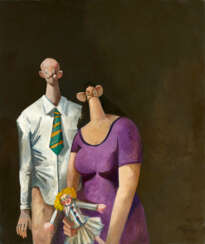

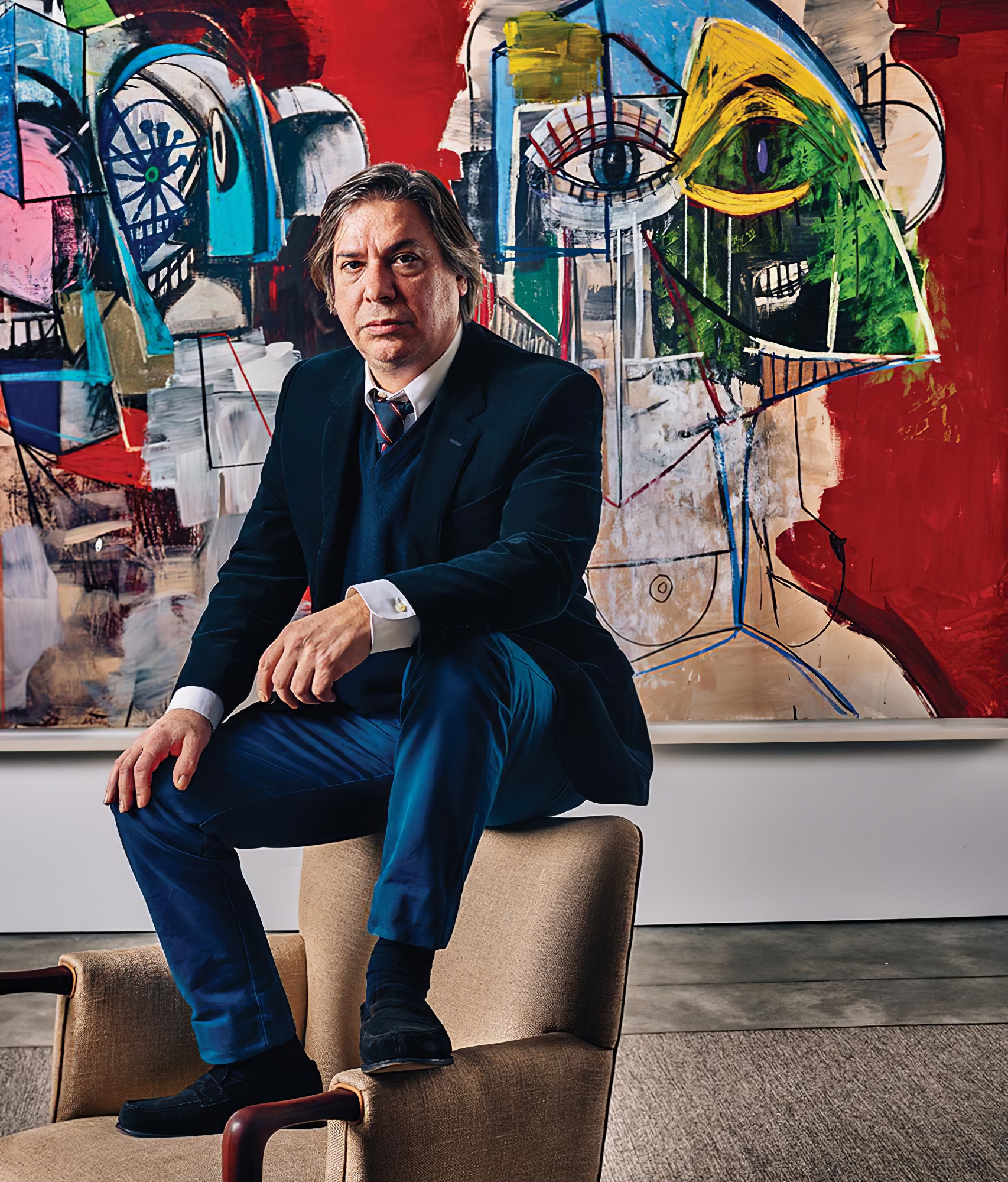
George Condo is an American visual artist who works in painting, drawing, sculpture and printmaking.
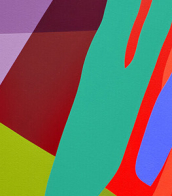

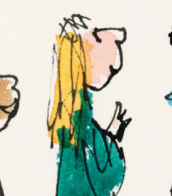


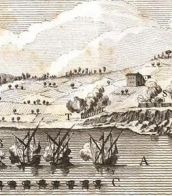


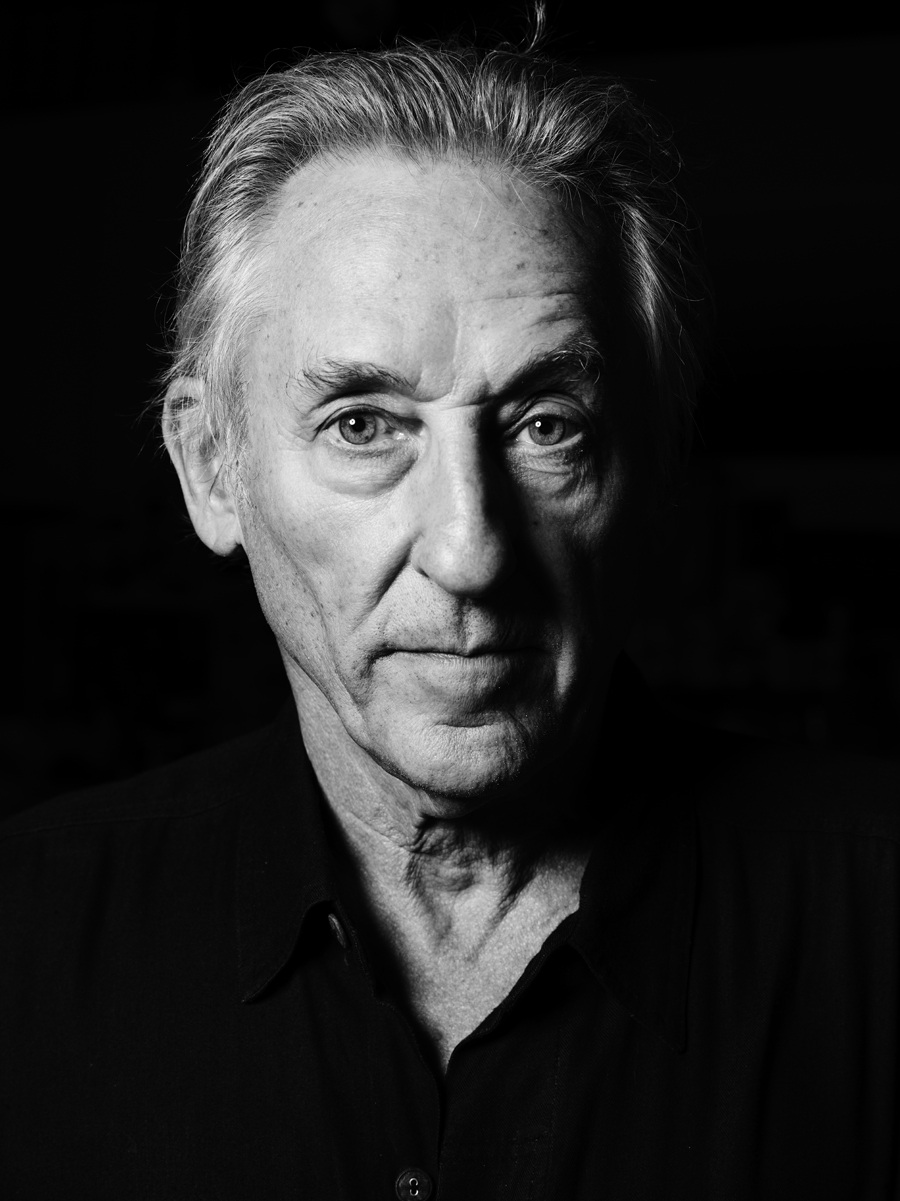
Edward Ruscha, an American artist born in 1937, is a prominent figure associated with West Coast Pop art, celebrated for his innovative approach to blending visual and verbal language within his works. Ruscha's journey in the art world began after moving to Los Angeles in 1956, where his fascination with the urban landscape and commercial culture flourished. He attended Chouinard Art Institute, now known as CalArts, which laid the foundation for his artistic exploration.
Edward Ruscha's art is deeply influenced by the Hollywood film industry, with works like "Large Trademark with Eight Spotlights" echoing the commercial graphics and cinematic influence of his time. His "Word paintings" series, starting in the 1960s, showcases his unique approach to typography and language, setting monosyllabic words against solid backgrounds, a style that continued to evolve throughout his career.
During the 1970s, Edward Ruscha expanded his narrative, incorporating phrases into his works, further exploring the relationship between text and image. His work in the 1980s and beyond includes landscapes juxtaposed with text, creating intriguing visual narratives that challenge viewers to find connections between the words and the images.
Edward Ruscha's contributions to the art world are significant, with his works held in major collections and institutions. His career spans various mediums, including painting, printmaking, photography, and artist's books, showcasing his versatility and enduring influence on contemporary art.
For enthusiasts and collectors of modern art, Edward Ruscha's works offer a unique blend of visual artistry and linguistic play. His innovative approach to combining text and image has cemented his status as a pivotal figure in contemporary art. To stay updated on the latest exhibitions, sales, and insights related to Edward Ruscha's art, consider subscribing to updates from renowned art galleries and auction houses. This subscription will ensure you're informed about new opportunities to engage with and appreciate the distinct and influential art of Edward Ruscha.
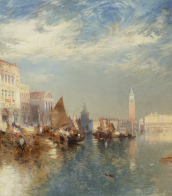
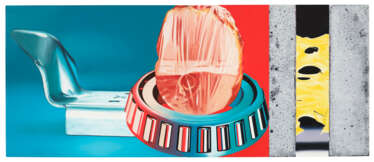

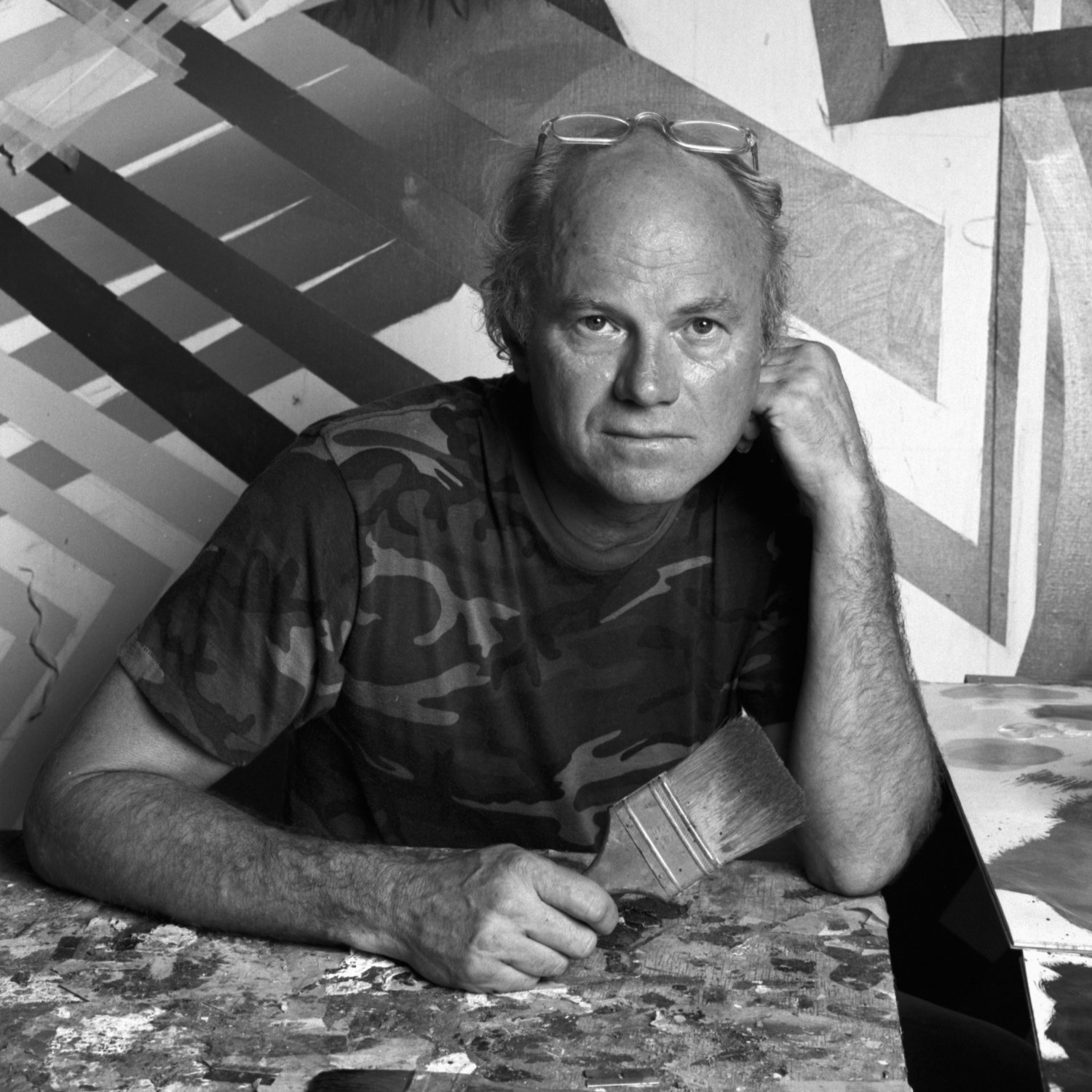
James Rosenquist was a towering figure in the American art scene, best known for his pivotal role in defining the Pop Art movement. Born in North Dakota, Rosenquist transformed his early experiences as a billboard painter into a revolutionary art form that blurred the lines between commercial and fine art. His unique approach to painting, characterized by the use of fragmented and juxtaposed imagery, mirrored the bombardment of mass media and advertising in American culture. This technique not only challenged traditional perceptions of art but also reflected the artist's critique of the consumerist society.
Rosenquist's most famous work, "F-111," an ambitious 86-foot-long mural, exemplifies his innovative style. Displayed at the Museum of Modern Art in New York, this piece encapsulates the essence of Pop Art by combining consumer goods, military imagery, and a fighter plane. The artwork serves as a powerful commentary on the military-industrial complex and the pervasive influence of advertising on American life. Another notable piece, "Stowaway Peers Out of the Speed of Light," showcases Rosenquist's later exploration into abstract expressionism, depicting a chaotic yet captivating vision of motion and light.
Throughout his career, Rosenquist's work remained deeply influential, earning him a place in prominent collections and museums worldwide. His ability to merge commercial techniques with fine art not only elevated his status as an artist but also left an indelible mark on the art world. Rosenquist's legacy continues to inspire artists and collectors alike, challenging them to see beyond the surface of everyday imagery.
For collectors and experts in art and antiques, James Rosenquist's work represents a pivotal moment in the history of modern art, where the lines between commercial and fine art were not just blurred but beautifully intertwined. To stay updated on new product sales and auction events related to James Rosenquist, we invite you to sign up for our updates. This subscription is your gateway to the evolving world of art collecting, where the legacy of innovators like Rosenquist continues to influence the market and inspire new generations of artists and collectors.


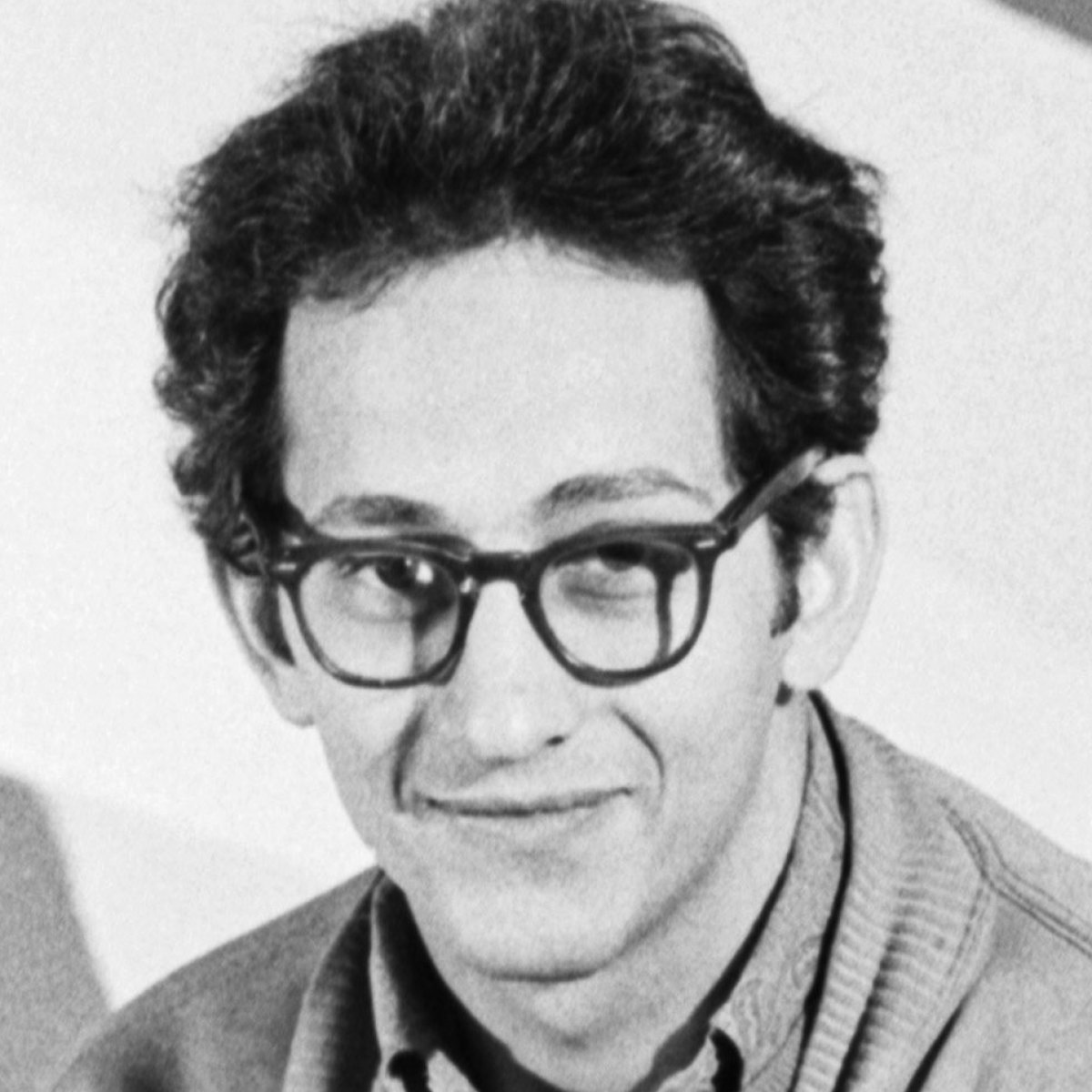
Frank Philip Stella, an American icon in the realms of painting, sculpture, and printmaking, has left an indelible mark on the art world with his pioneering work in minimalism and post-painterly abstraction. Born on May 12, 1936, in Malden, Massachusetts, Stella's artistic journey commenced with his studies in painting at Phillips Academy, Andover, and history at Princeton University. His move to New York City in 1958 heralded the start of an illustrious career that would see him challenge and redefine artistic boundaries.
Stella's work is celebrated for its innovative approach to form, color, and composition. His early endeavors in the late 1950s showcased black paintings characterized by bands of bare canvas, which played a pivotal role in emphasizing the flatness of the picture plane. This deliberate artificiality in his work garnered considerable attention and positioned him at the forefront of Post-Painterly Abstraction, a movement that reacted against the emotive excesses of Abstract Expressionism.
Throughout his career, Stella continued to push the limits of abstraction. His vocabulary expanded to include vibrant and dynamic assemblages that projected out from the wall, utilizing a variety of materials from steel to plastic. This evolution of his style is not only a testament to his ingenuity but also his influence on contemporary art. Notable works that exemplify his groundbreaking approach include "Grajau I," "Harran II," and "Eskimo Curlew," among others, which can be found in prestigious collections such as The Glass House and the Solomon R. Guggenheim Museum.
For art collectors and enthusiasts alike, Stella's oeuvre offers a captivating exploration into the possibilities of abstract art. His continued relevance and the profound impact of his work on both his peers and successive generations of artists underscore his status as a seminal figure in modern art.
Stay updated on new discoveries, sales, and auction events related to Frank Philip Stella by signing up for our newsletter. This subscription is your gateway to the latest in the world of Frank Stella, ensuring you never miss an opportunity to engage with the works of this monumental artist.
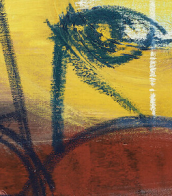


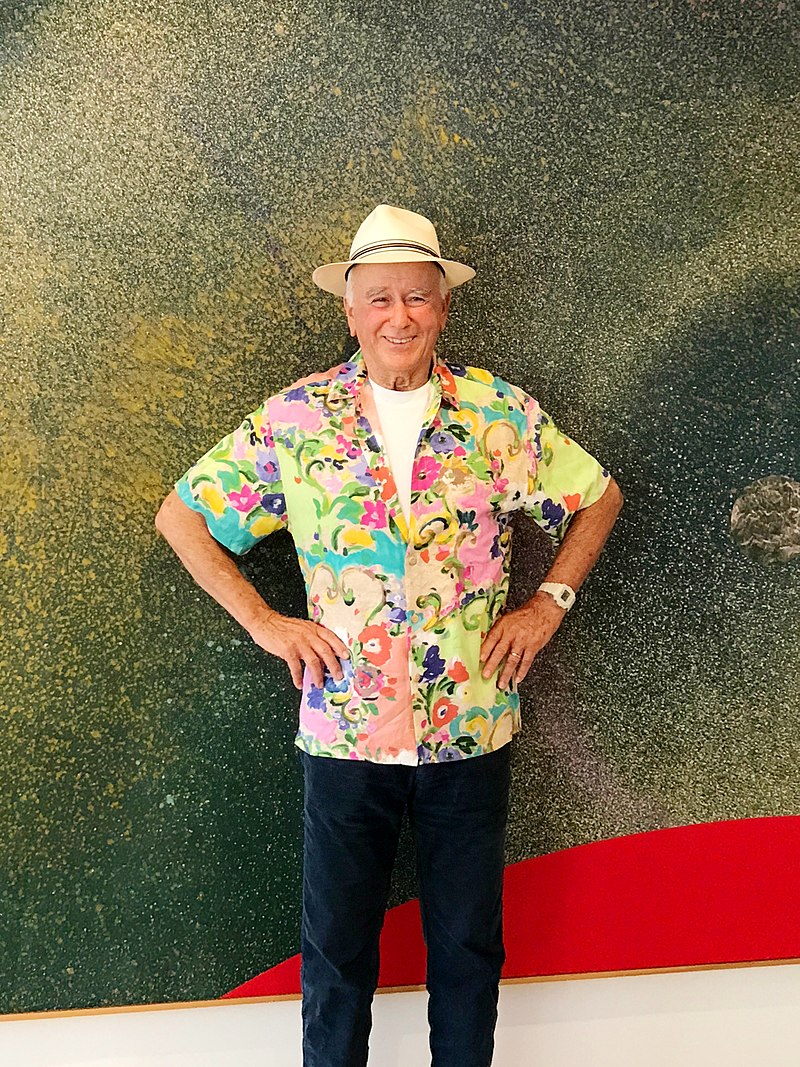
Billy Al Bengston was an American visual artist and sculptor who lived and worked in Venice, California, and Honolulu, Hawaii. Bengston was probably best known for work he created that reflected California's "Kustom" car and motorcycle culture. He pioneered the use of sprayed layers of automobile lacquer in fine art and often used colors that were psychedelic and shapes that were mandala-like. ARTnews referred to Bengston as a "giant of Los Angeles's postwar art scene."
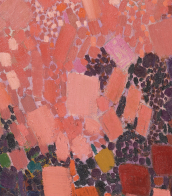
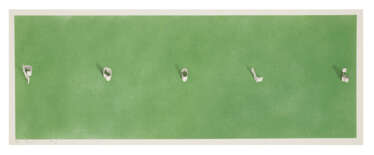

Edward Ruscha, an American artist born in 1937, is a prominent figure associated with West Coast Pop art, celebrated for his innovative approach to blending visual and verbal language within his works. Ruscha's journey in the art world began after moving to Los Angeles in 1956, where his fascination with the urban landscape and commercial culture flourished. He attended Chouinard Art Institute, now known as CalArts, which laid the foundation for his artistic exploration.
Edward Ruscha's art is deeply influenced by the Hollywood film industry, with works like "Large Trademark with Eight Spotlights" echoing the commercial graphics and cinematic influence of his time. His "Word paintings" series, starting in the 1960s, showcases his unique approach to typography and language, setting monosyllabic words against solid backgrounds, a style that continued to evolve throughout his career.
During the 1970s, Edward Ruscha expanded his narrative, incorporating phrases into his works, further exploring the relationship between text and image. His work in the 1980s and beyond includes landscapes juxtaposed with text, creating intriguing visual narratives that challenge viewers to find connections between the words and the images.
Edward Ruscha's contributions to the art world are significant, with his works held in major collections and institutions. His career spans various mediums, including painting, printmaking, photography, and artist's books, showcasing his versatility and enduring influence on contemporary art.
For enthusiasts and collectors of modern art, Edward Ruscha's works offer a unique blend of visual artistry and linguistic play. His innovative approach to combining text and image has cemented his status as a pivotal figure in contemporary art. To stay updated on the latest exhibitions, sales, and insights related to Edward Ruscha's art, consider subscribing to updates from renowned art galleries and auction houses. This subscription will ensure you're informed about new opportunities to engage with and appreciate the distinct and influential art of Edward Ruscha.




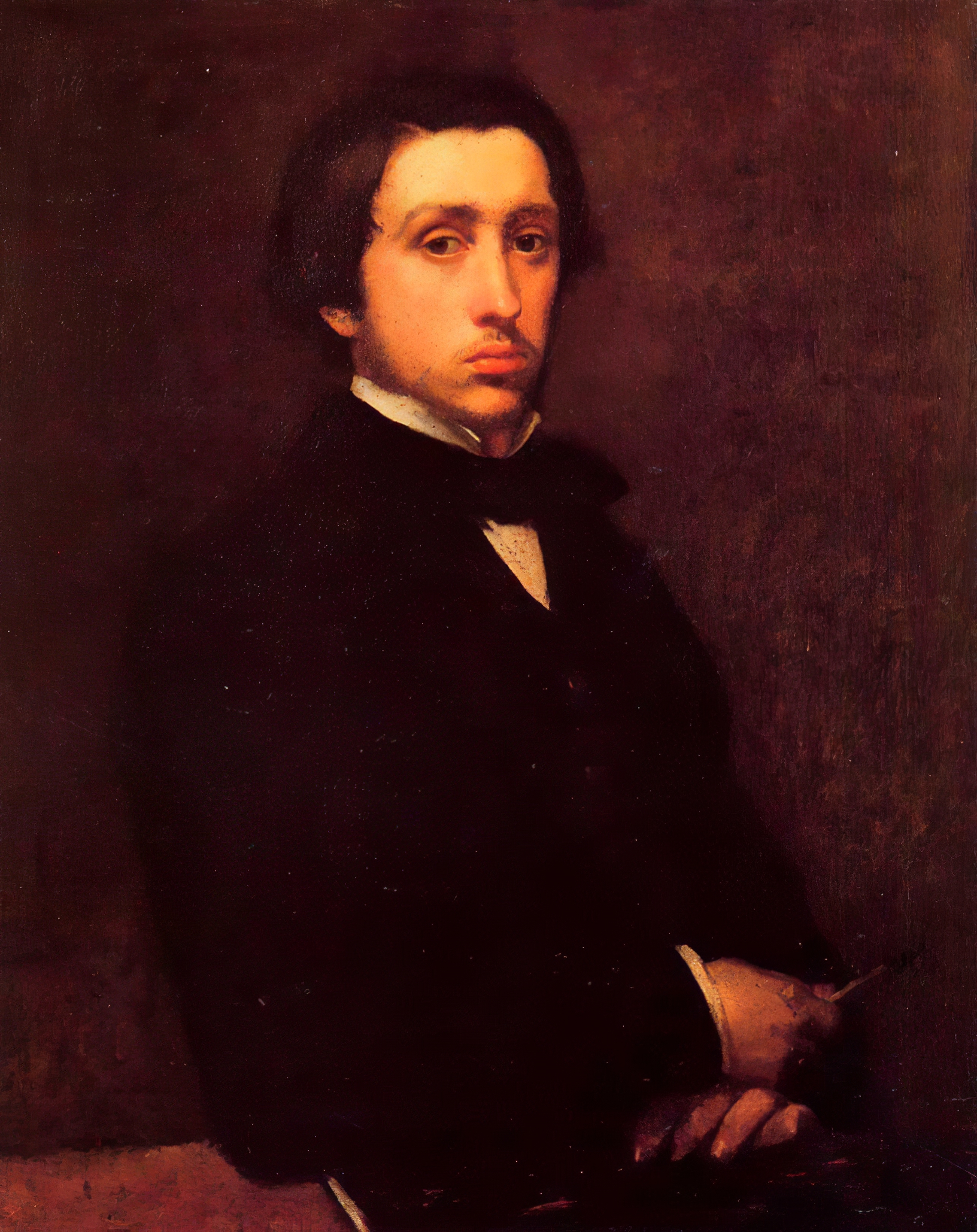
Edgar Degas, a French artist, was a master of painting, sculpture, and drawing, celebrated for his profound influence on the Impressionist movement despite his preference for being called a realist. Degas was born into a well-off family in Paris, France, and demonstrated a keen interest in art from an early age, eventually shaping his path to become one of the most sophisticated draftsmen of his time. His rigorous academic training and close study of classical art initially aimed him towards a career in history painting, but Degas soon pivoted towards contemporary subject matter, thus cementing his role as a classical painter of modern life.
Degas is renowned for his dynamic portrayals of movement, particularly in his depictions of dancers, racehorses, and everyday Parisian life. His works are characterized by their psychological depth and the isolation of his figures, showcasing his unique ability to capture the essence of his subjects with both empathy and critical distance. More than half of his oeuvre focuses on dancers, reflecting not only his fascination with the ballet but also his innovative approach to composition and form. This focus on the human figure, explored in various media including oil, pastel, and sculpture, underscores Degas's commitment to studying the nuances of human movement and expression.
Degas's artistic career is marked by his experimentation with various techniques and materials, as seen in his bronze sculptures and pastel nudes. One of his most famous sculptures, the study of the young ballet student Marie van Goethem, showcases his pioneering use of real objects in sculpture, a practice that prefigured later artistic innovations. Despite the controversies that sometimes surrounded his work, particularly in his depictions of the female nude, Degas's legacy as an artist who bridged the gap between traditional academic art and the modern movements of the early 20th century remains undisputed.
For collectors and experts in art and antiques, Degas's work offers a fascinating study in the evolution of modern art, highlighting the artist's deep engagement with the cultural and social dynamics of his time. His pieces, whether in the form of paintings, sculptures, or prints, continue to captivate audiences with their complexity, beauty, and innovative spirit.
If you are keen to stay updated on sales and auction events related to Edgar Degas, signing up for updates is a prudent choice. This subscription service ensures that you remain informed about new opportunities to acquire works by this pivotal figure in the art world, without overwhelming you with unnecessary information.
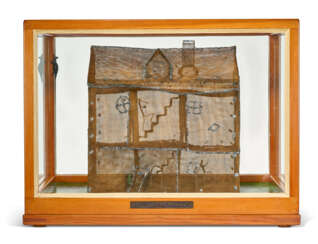

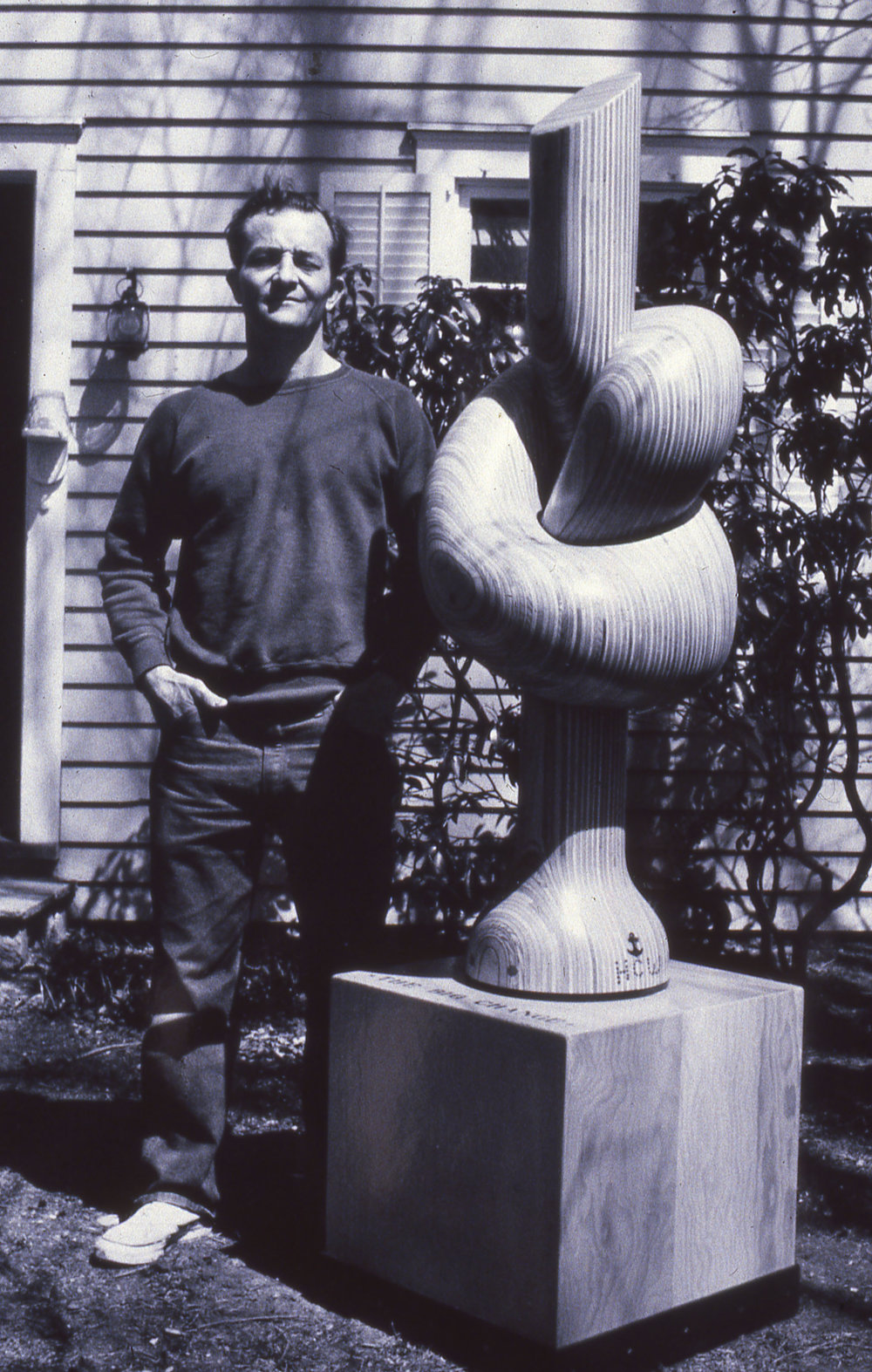
Horace Clifford (Cliff) Westermann was an American sculptor and printmaker. His sculptures frequently incorporated traditional carpentry and marquetry techniques. From the late 1950s until his death in 1981, Westermann worked with a number of materials and formal devices to address a range of personal, literary, artistic, and pop-cultural references. The artist's sculptural oeuvre is distinguished by its intricate craftsmanship, in which wood, metal, glass, and other materials are laboriously hand-tooled, and by its ability to convey an offbeat, often humorous, individualistic sensibility.
Westermann's sculptures reveal not only the influence of craft traditions, but also of varied art historical precedents. The artist's ability to convey subtle and uncanny effects through the presentation of seemingly simple objects has often led critics to compare his work to that of Surrealist-inspired artists such as Joseph Cornell. However, Westermann's work encompasses elements from a broad and diverse range of artistic practices, including Assemblage, Dada, and Folk Art. His sculptures, moreover, point to minimal and post-minimal art of the late 1960s and beyond, in terms of their rigorous craftsmanship, formal sophistication, unconventional use of materials, and sense of humor.




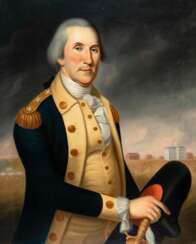

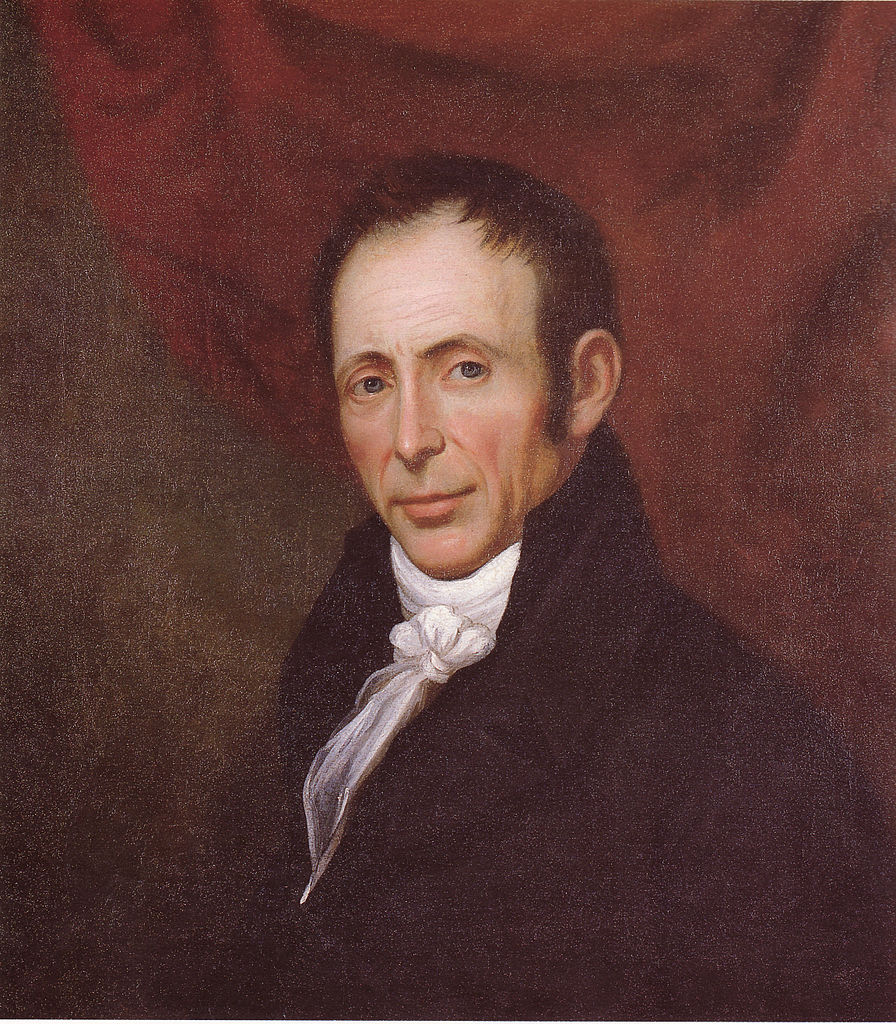
Charles Peale Polk was an American portrait painter and the nephew of artist Charles Willson Peale.
Polk’s earliest paintings were copies of his uncle's originals and he was highly dependent on his uncle's training and guidance. He continued to make copies of many paintings including his own. It is said that he produced fifty-seven reproductions of his George Washington portrait.


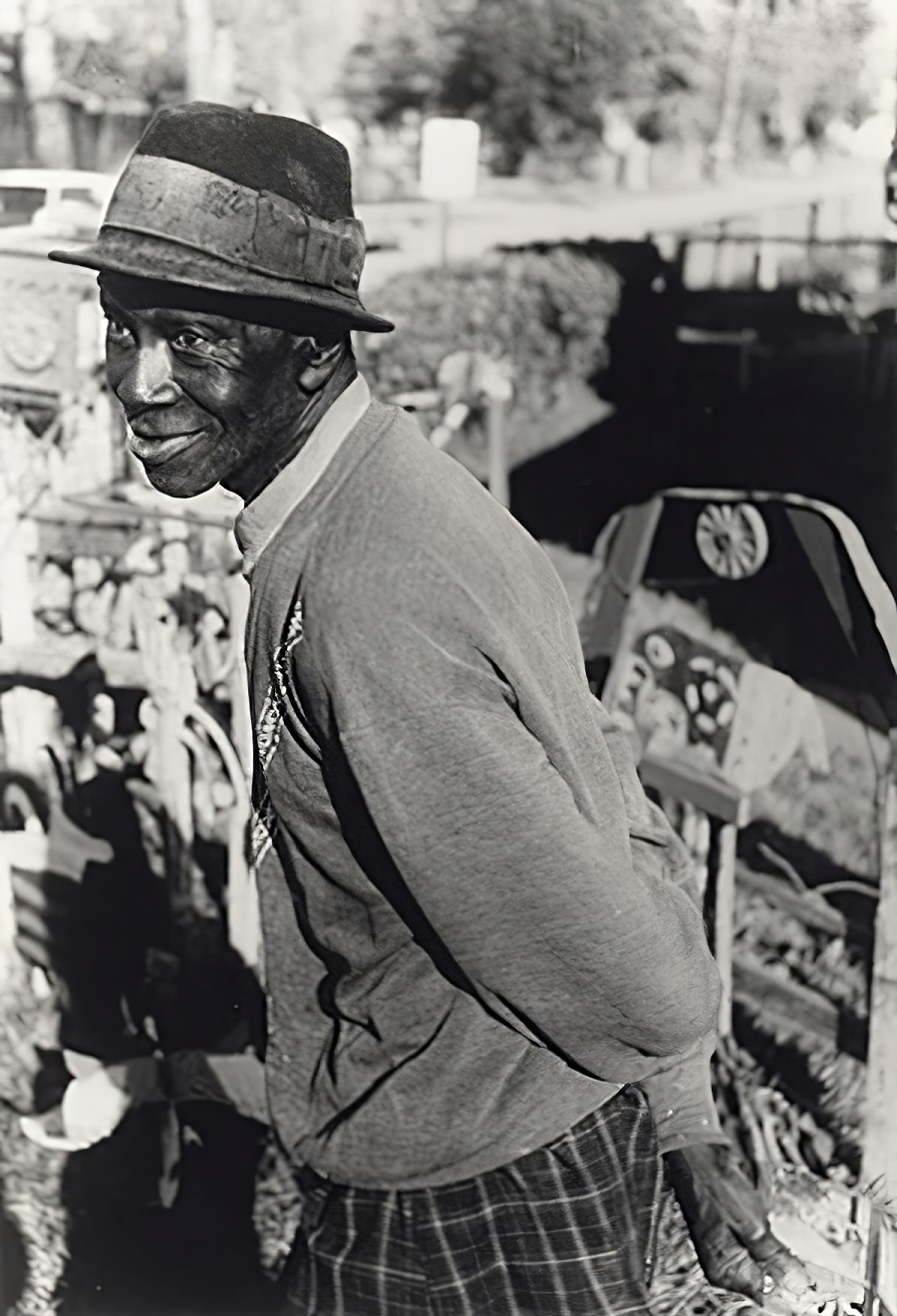
David Butler was an African American sculptor and painter from Good Hope, Louisiana. His style is epitomized by kinetic sculptures made from recycled tin or wood, which he embellished with saturated colors and geometric patterns. His work is now in the permanent collections of the Smithsonian American Art Museum, the American Folk Art Museum, and the Philadelphia Museum of Art.
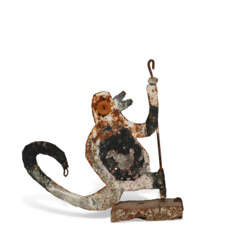

David Butler was an African American sculptor and painter from Good Hope, Louisiana. His style is epitomized by kinetic sculptures made from recycled tin or wood, which he embellished with saturated colors and geometric patterns. His work is now in the permanent collections of the Smithsonian American Art Museum, the American Folk Art Museum, and the Philadelphia Museum of Art.


David Butler was an African American sculptor and painter from Good Hope, Louisiana. His style is epitomized by kinetic sculptures made from recycled tin or wood, which he embellished with saturated colors and geometric patterns. His work is now in the permanent collections of the Smithsonian American Art Museum, the American Folk Art Museum, and the Philadelphia Museum of Art.


David Butler was an African American sculptor and painter from Good Hope, Louisiana. His style is epitomized by kinetic sculptures made from recycled tin or wood, which he embellished with saturated colors and geometric patterns. His work is now in the permanent collections of the Smithsonian American Art Museum, the American Folk Art Museum, and the Philadelphia Museum of Art.


David Butler was an African American sculptor and painter from Good Hope, Louisiana. His style is epitomized by kinetic sculptures made from recycled tin or wood, which he embellished with saturated colors and geometric patterns. His work is now in the permanent collections of the Smithsonian American Art Museum, the American Folk Art Museum, and the Philadelphia Museum of Art.


David Butler was an African American sculptor and painter from Good Hope, Louisiana. His style is epitomized by kinetic sculptures made from recycled tin or wood, which he embellished with saturated colors and geometric patterns. His work is now in the permanent collections of the Smithsonian American Art Museum, the American Folk Art Museum, and the Philadelphia Museum of Art.


David Butler was an African American sculptor and painter from Good Hope, Louisiana. His style is epitomized by kinetic sculptures made from recycled tin or wood, which he embellished with saturated colors and geometric patterns. His work is now in the permanent collections of the Smithsonian American Art Museum, the American Folk Art Museum, and the Philadelphia Museum of Art.

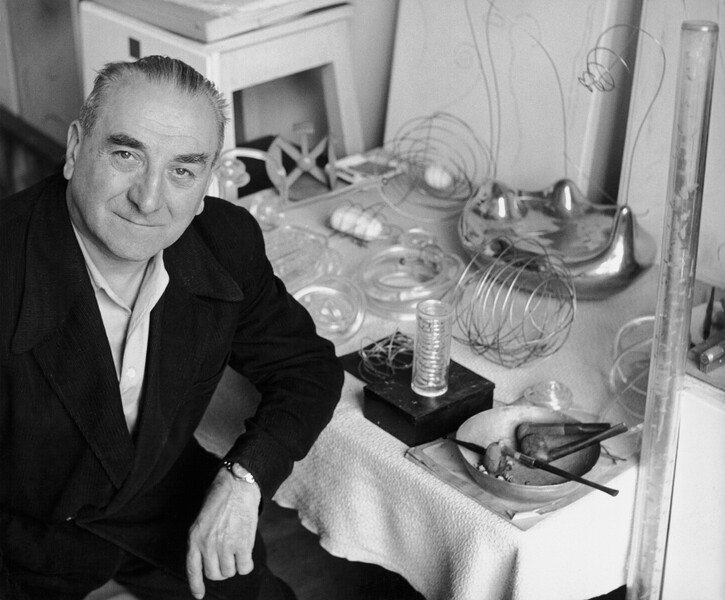
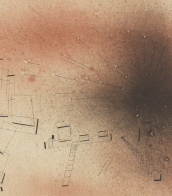
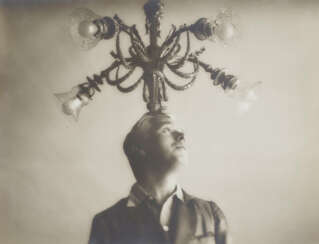


Lee Miller was an American photographer and photojournalist. She was a fashion model in New York City in the 1920s before going to Paris, where she became a fashion and fine art photographer. During the Second World War, she was a war correspondent for Vogue, covering events such as the London Blitz, the liberation of Paris, and the concentration camps at Buchenwald and Dachau.


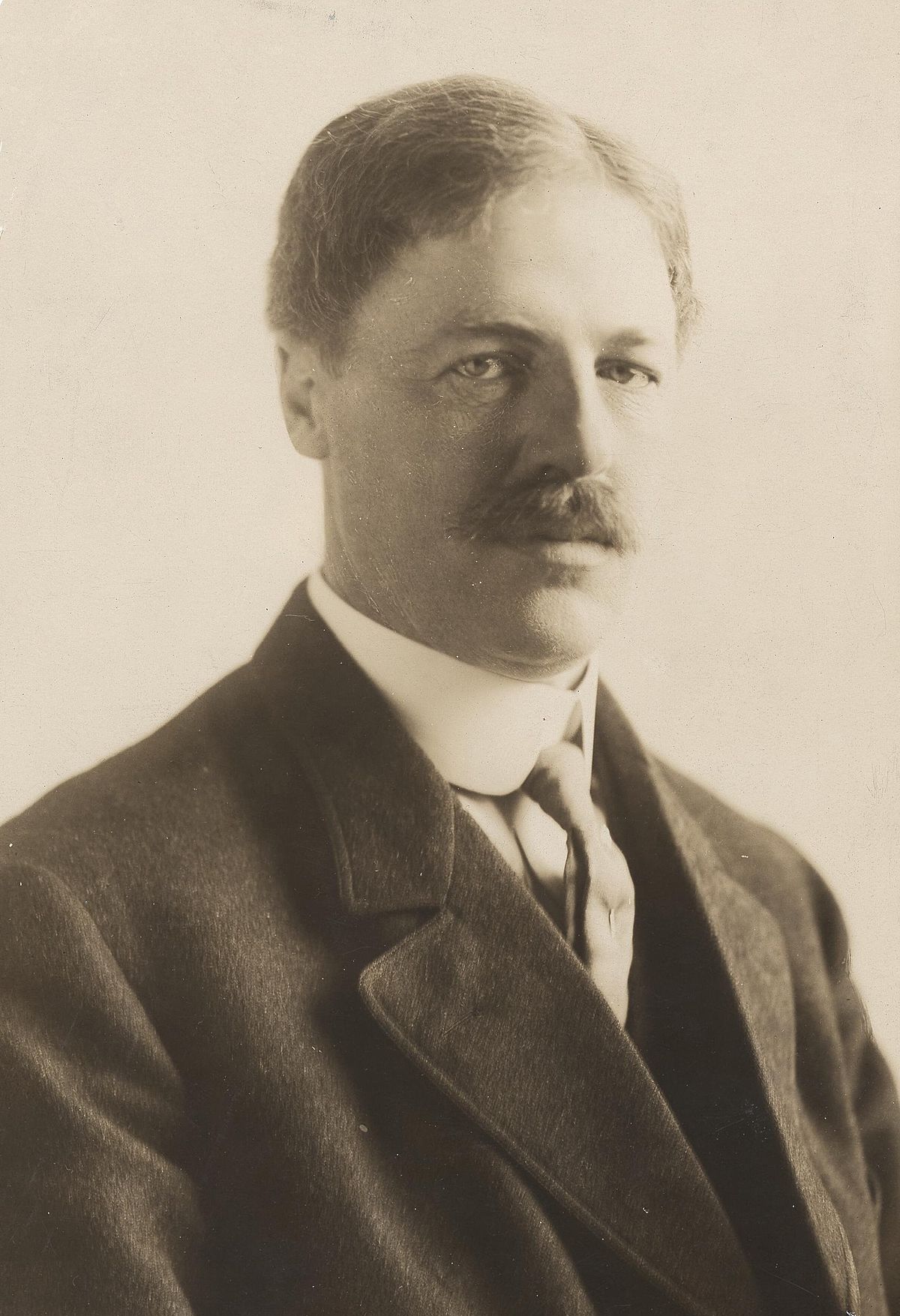


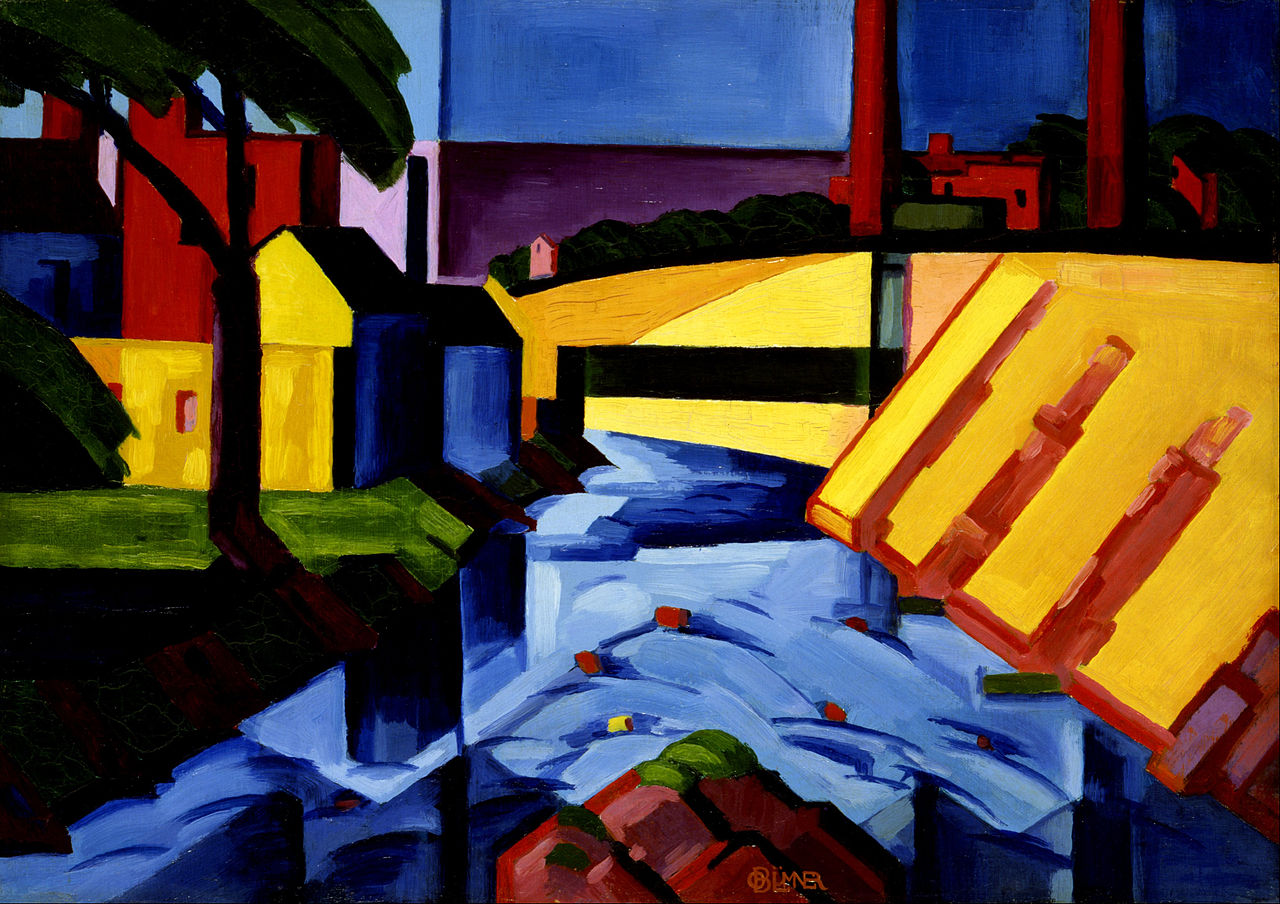


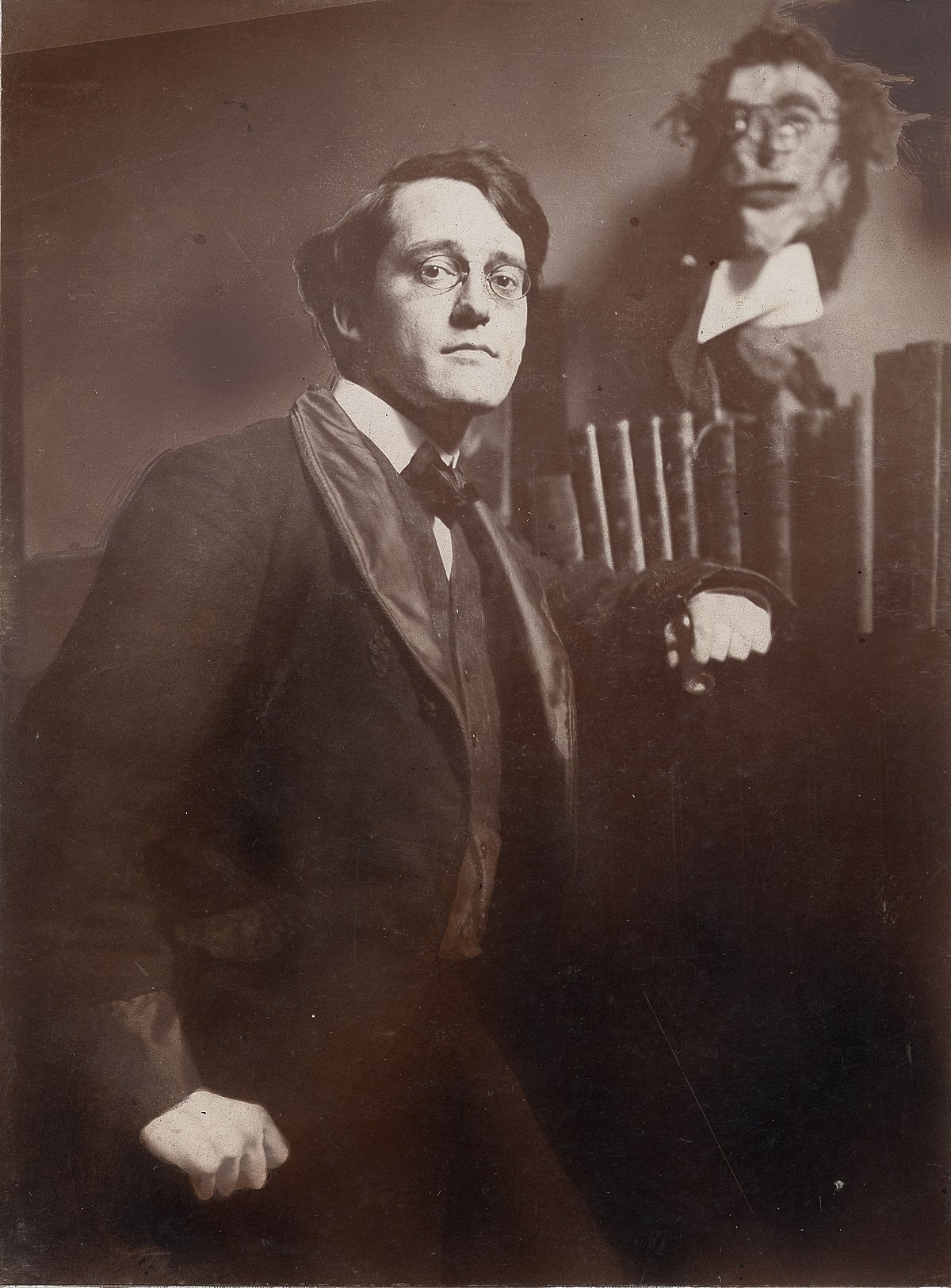
John French Sloan was an American impressionist painter, considered one of the founders of the Ashcan school of American art. He is best known for his urban, everyday genre scenes and his ability to capture the essence of New York City neighborhood life, which he observed from his studio window in Chelsea.


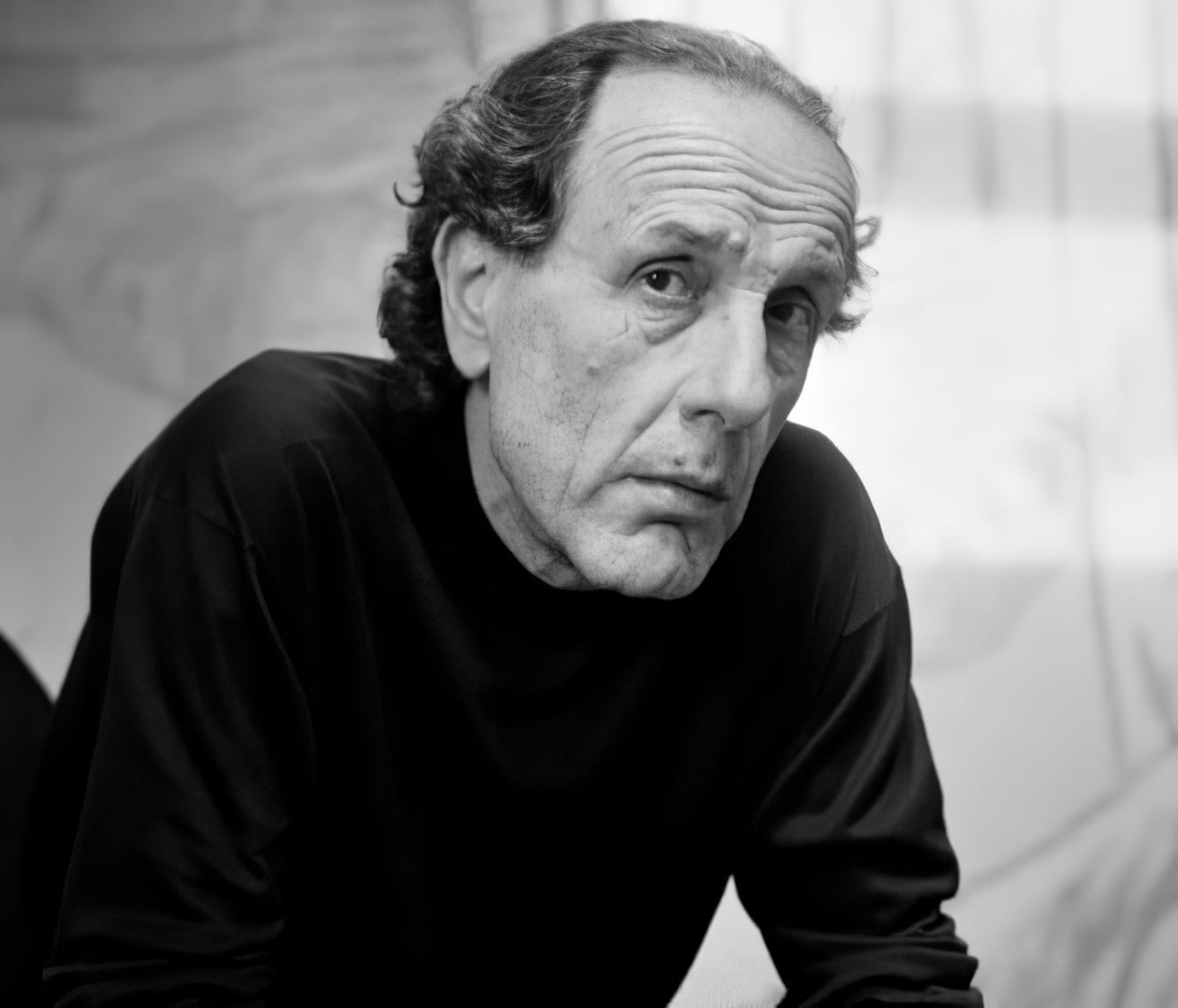
Enzo Cucchi is an Italian painter. He was a key member of the Italian Transavanguardia movement, along with his countrymen Francesco Clemente, Mimmo Paladino, Nicola De Maria, and Sandro Chia. The movement was at its peak during the 1980s and was part of the worldwide movement of Neo-Expressionist painters.
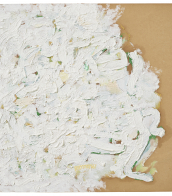
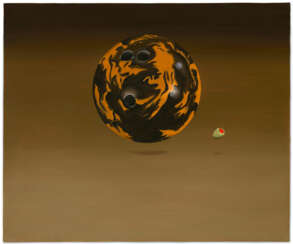

Edward Ruscha, an American artist born in 1937, is a prominent figure associated with West Coast Pop art, celebrated for his innovative approach to blending visual and verbal language within his works. Ruscha's journey in the art world began after moving to Los Angeles in 1956, where his fascination with the urban landscape and commercial culture flourished. He attended Chouinard Art Institute, now known as CalArts, which laid the foundation for his artistic exploration.
Edward Ruscha's art is deeply influenced by the Hollywood film industry, with works like "Large Trademark with Eight Spotlights" echoing the commercial graphics and cinematic influence of his time. His "Word paintings" series, starting in the 1960s, showcases his unique approach to typography and language, setting monosyllabic words against solid backgrounds, a style that continued to evolve throughout his career.
During the 1970s, Edward Ruscha expanded his narrative, incorporating phrases into his works, further exploring the relationship between text and image. His work in the 1980s and beyond includes landscapes juxtaposed with text, creating intriguing visual narratives that challenge viewers to find connections between the words and the images.
Edward Ruscha's contributions to the art world are significant, with his works held in major collections and institutions. His career spans various mediums, including painting, printmaking, photography, and artist's books, showcasing his versatility and enduring influence on contemporary art.
For enthusiasts and collectors of modern art, Edward Ruscha's works offer a unique blend of visual artistry and linguistic play. His innovative approach to combining text and image has cemented his status as a pivotal figure in contemporary art. To stay updated on the latest exhibitions, sales, and insights related to Edward Ruscha's art, consider subscribing to updates from renowned art galleries and auction houses. This subscription will ensure you're informed about new opportunities to engage with and appreciate the distinct and influential art of Edward Ruscha.
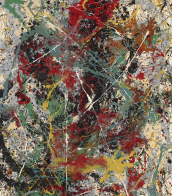


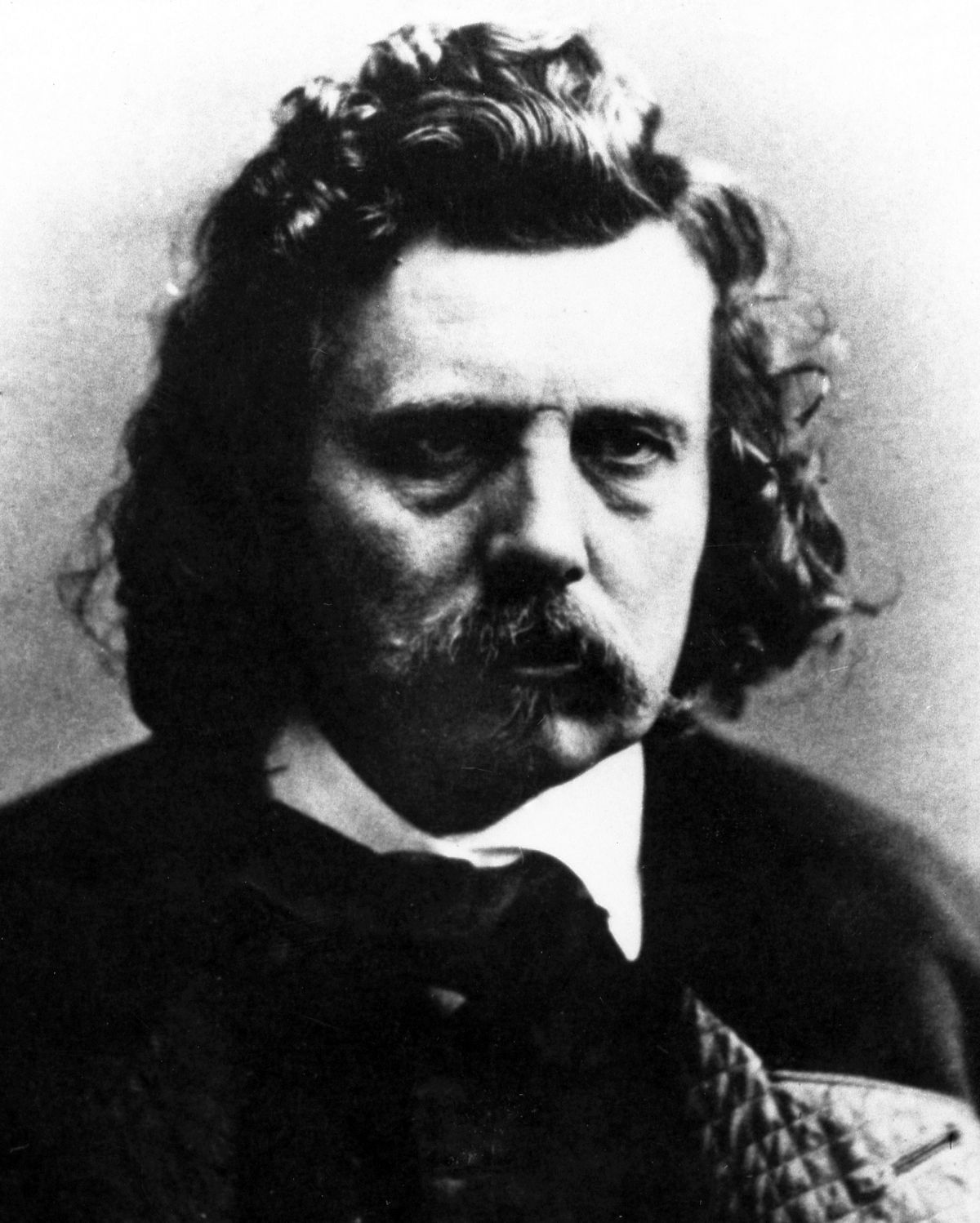
Emanuel Leutze was an American and German painter of the mid-nineteenth century. He is known as a painter who worked in the historical genre and is considered a representative of the Düsseldorf School of painting.
Emanuel Leutze was born in Germany and moved to America at the age of nine. He received his art education in Philadelphia, then, returning to Germany, at the Düsseldorf Academy of Fine Arts. His most famous painting, "Washington Crossing the Delaware," was painted in his native country, with views of the Delaware River taken from Rhenish landscapes. Returning to the United States in 1859, the artist decorated the Washington Capitol with his historical paintings. His work is highly regarded in America for its patriotic orientation.
In Germany, Leutze was one of the founders of the Association of Artists "Malkasten", the Association of German Artists, headed the Union of Mutual Aid of Düsseldorf artists.


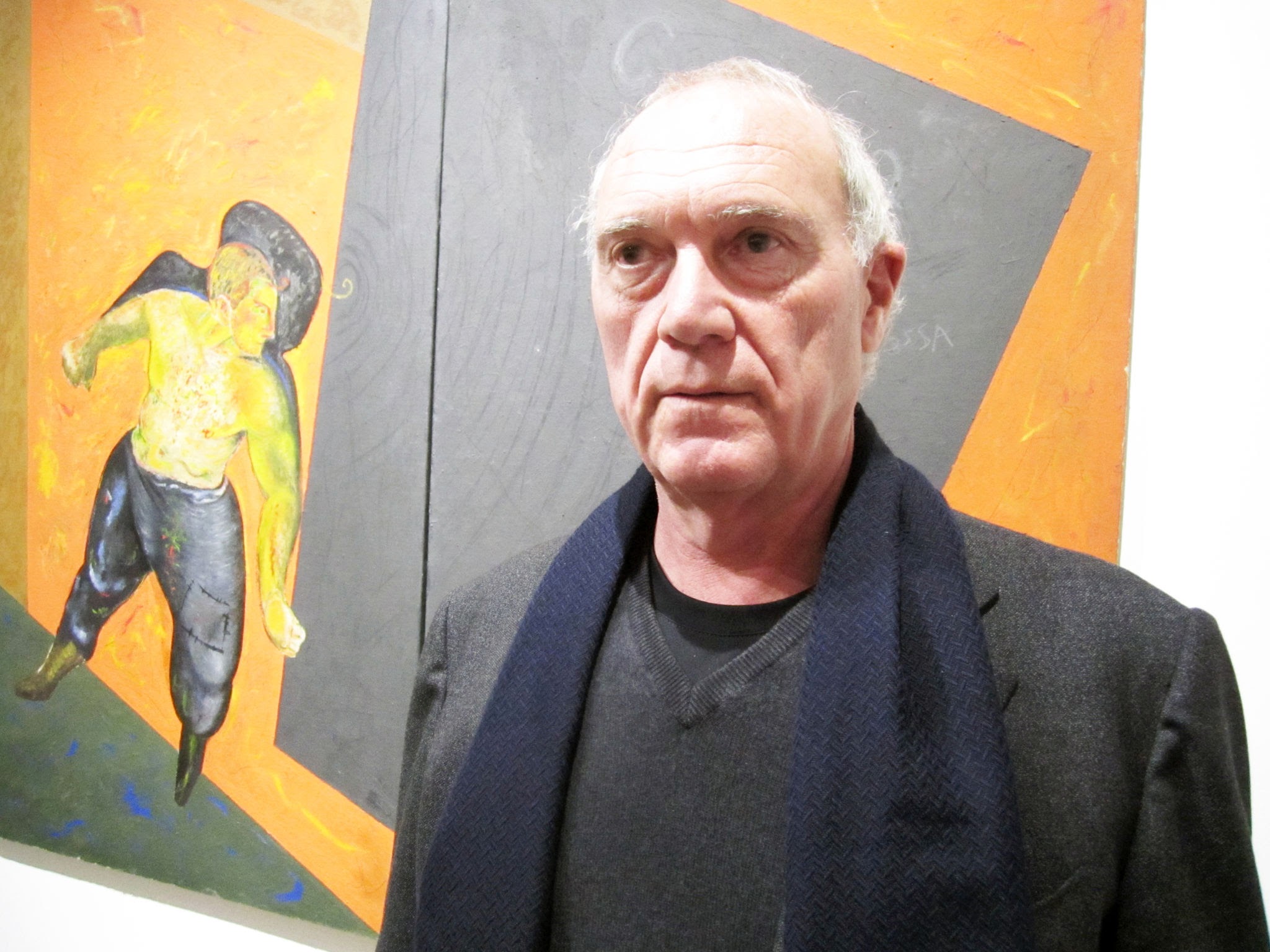
Sandro Chia is an Italian painter and sculptor. In the late 1970s and early 1980s he was, with Francesco Clemente, Enzo Cucchi, Nicola De Maria, and Mimmo Paladino, a principal member of the Italian Neo-Expressionist movement which was baptised Transavanguardia by Achille Bonito Oliva.
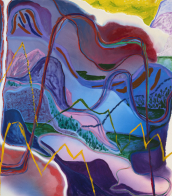


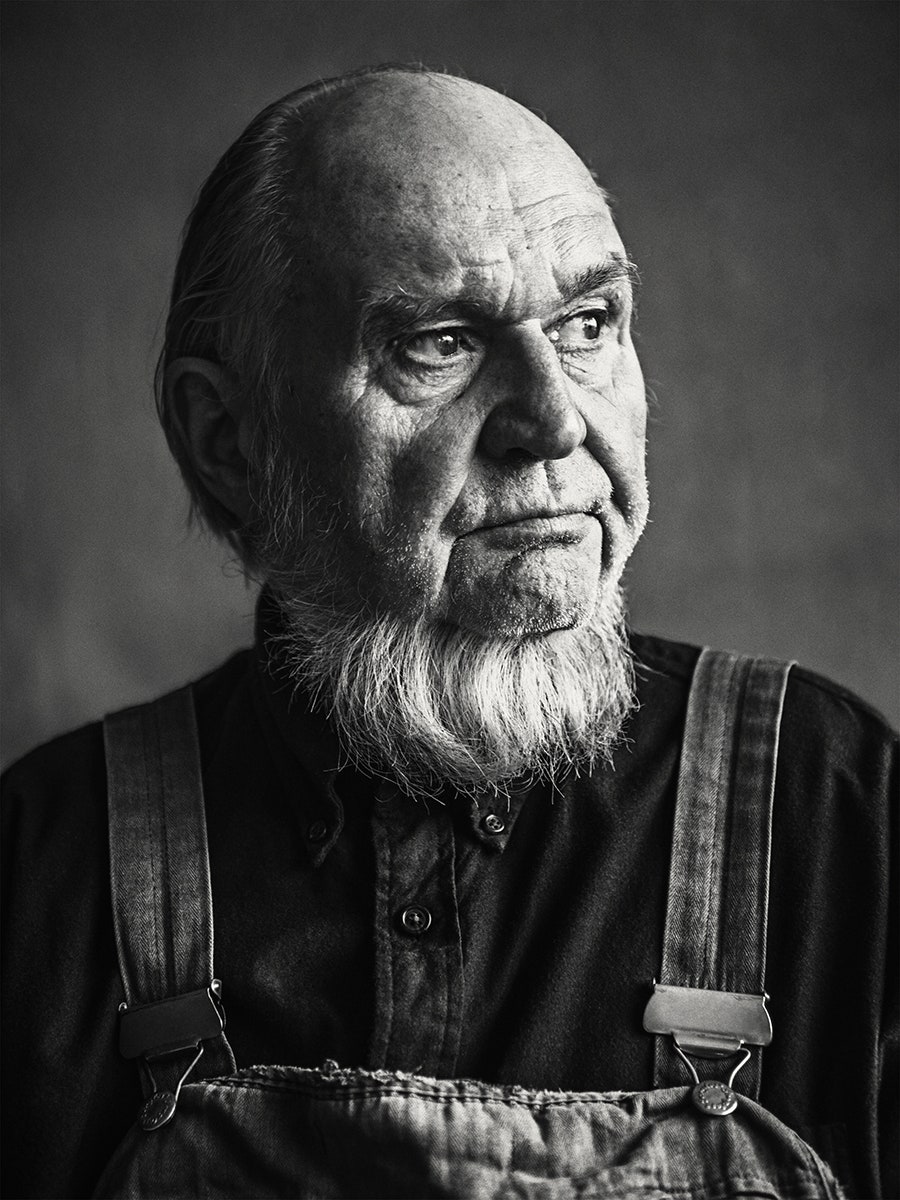
Carl Andre is an American minimalist artist known for his sculptural works made of industrial materials such as metal plates, bricks, and concrete blocks. He was a key figure in the Minimalist art movement of the 1960s and 1970s, which emphasized the use of simplified forms and materials.
In the 1960s, Andre began creating his signature floor sculptures, which consisted of standardized units of metal, wood, or other materials arranged in simple geometric patterns directly on the ground. His work was often controversial, as many critics saw it as overly simplistic or even nihilistic. However, Andre's sculptures were also celebrated for their understated beauty and their ability to challenge traditional notions of art and sculpture.
Throughout his career, Andre has exhibited his work in major museums and galleries around the world. Andre continues to live and work in New York City, where he remains an influential figure in the art world.

.jfif)
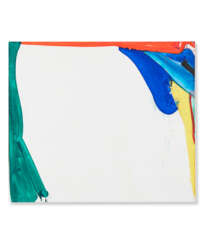
Samuel Lewis Francis, an American painter and printmaker, was known for his pivotal role in postwar American painting and his contributions to the Abstract Expressionism and Color Field painting movements. Born in San Mateo, California, Francis' early life was marked by a deep personal loss and a significant injury during his service in the Army Air Corps, which led him to pursue painting while recovering in a hospital. His work, characterized by splashes of bright contrasting colors against expansive white canvases, drew international acclaim, particularly in Europe and Japan, underscoring his influence on the global art scene.
Francis' art evolved through various phases, from monochromatic works to vibrant, large-scale pieces, and was deeply influenced by his time in Paris and Japan, reflecting elements of Tachisme and possibly Zen Buddhism. Notable for creating large murals and his "Edge" series, Francis also founded The Lapis Press, further contributing to the art community by producing visually compelling texts. Despite facing health challenges towards the end of his life, he remained prolific, leaving behind a legacy celebrated through the Sam Francis Foundation, which aims to perpetuate his creative legacy.
Francis' artworks are held in prestigious collections worldwide, including The Metropolitan Museum of Art, The Museum of Modern Art, New York, and the Centre Pompidou-Musee National d'Art Moderne, Paris, highlighting his enduring influence on contemporary art. His auction records and continued recognition in solo exhibitions posthumously underscore the lasting impact of his work on both collectors and the art community.
For those passionate about modern art and its history, staying informed about Samuel Lewis Francis' contributions and the ongoing exhibitions of his works can be enriching. Sign up for updates related to Francis to ensure you don't miss out on new sales and auction events showcasing his vibrant legacy.


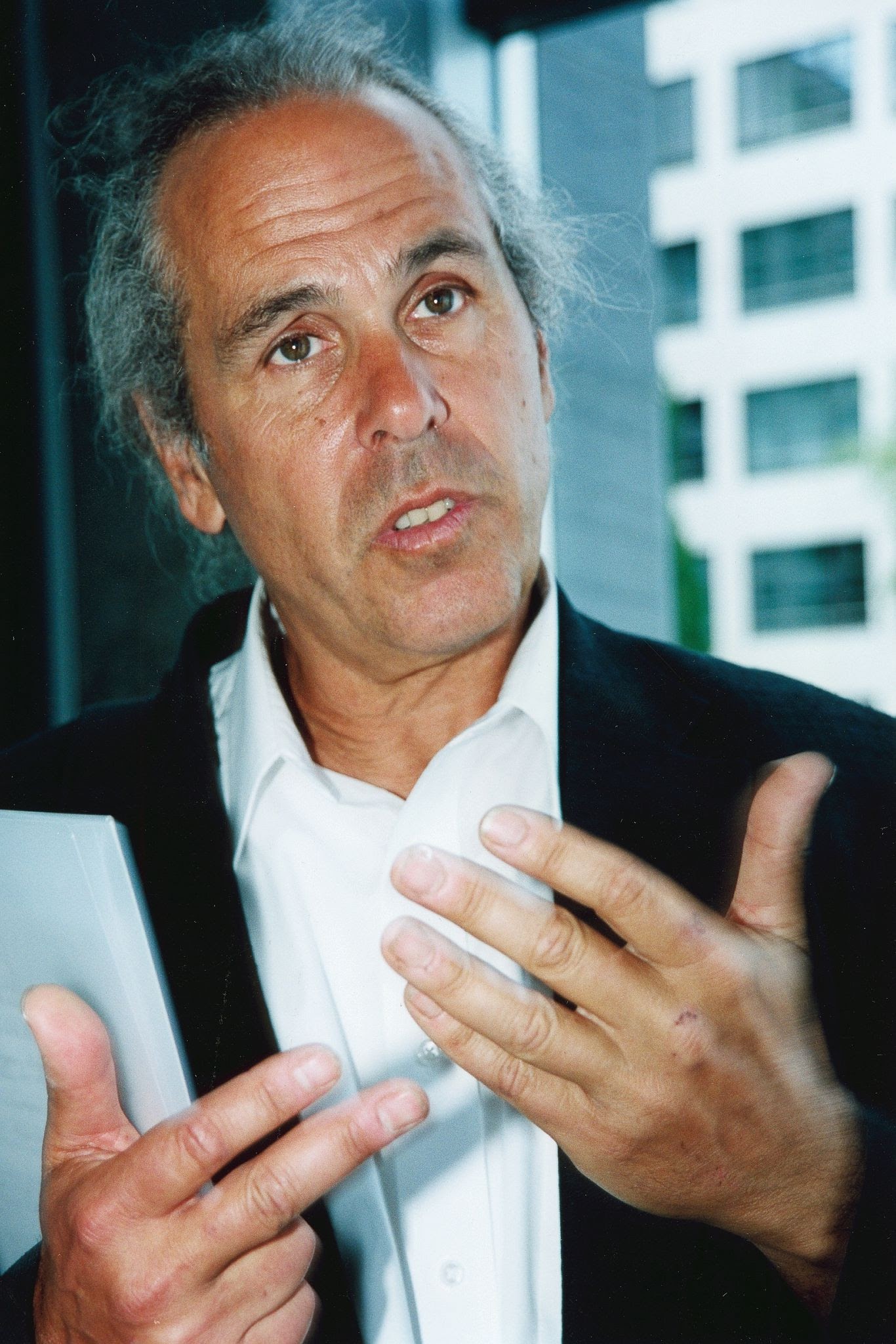
Jonathan Borofsky is an American artist known for his public sculptures and installations that explore themes of human consciousness, individuality, and interconnectedness.
Borofsky studied at Carnegie Mellon University and Yale University. In the 1970s, he gained recognition for his conceptual and performance works, which often incorporated elements of language, text, and repetition.
In the 1980s, Borofsky began creating large-scale public sculptures, many of which feature human figures or silhouettes. One of his most famous works is "Molecule Man," a 100-foot-tall sculpture of three interconnected figures located in Berlin, Germany.
Borofsky's work has been exhibited in major museums and galleries around the world, including the Museum of Modern Art in New York, the Centre Georges Pompidou in Paris, and the National Museum of Contemporary Art in Seoul. He has also created public artworks in cities such as New York, Tokyo, and Tel Aviv.
In addition to his art, Borofsky is known for his interest in meditation and spirituality, which he often incorporates into his work. He has published several books on these topics.
Borofsky continues to live and work in Ogunquit, Maine, where he maintains a studio and creates new works of art.


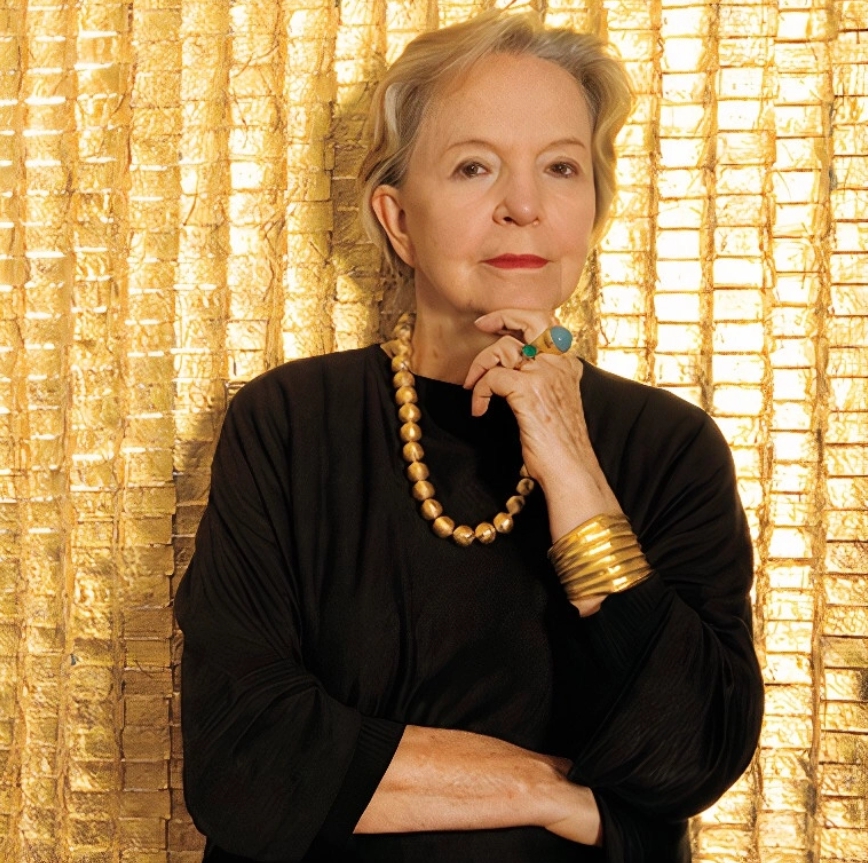
Olga de Amaral is a Colombian textile and visual artist known for her large-scale abstract works made with fibers and covered in gold and/or silver leaf. Because of her ability to reconcile local concerns with international developments, de Amaral became one of the few artists from South America to become internationally known for her work in fiber during the 1960s and ‘70s. She is also considered an important practitioner in the development of postwar Latin American Abstraction. She currently lives and works in Bogotá, Colombia.
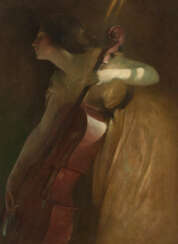

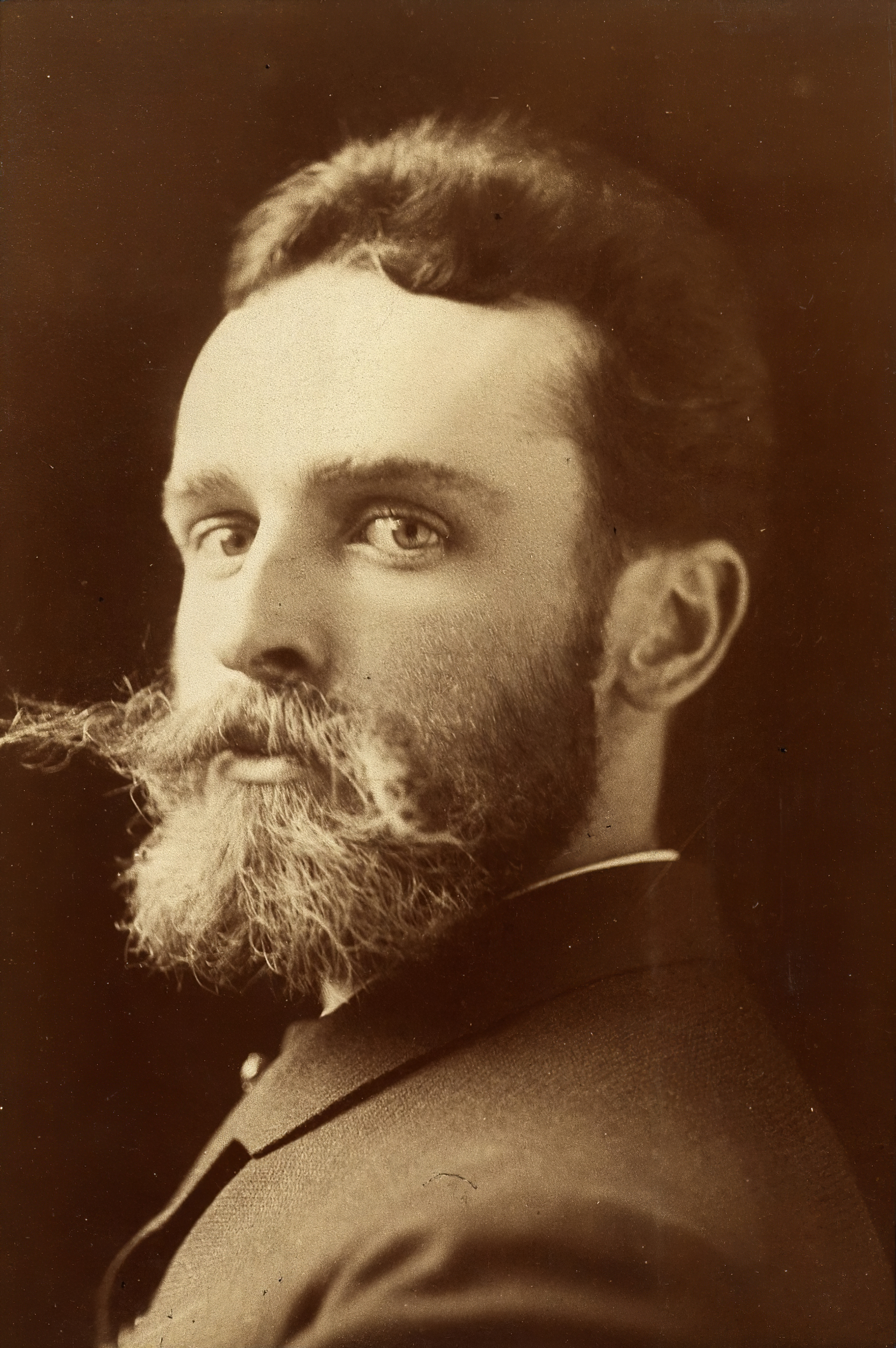
John White Alexander was an American portrait, figure, and decorative painter and illustrator.

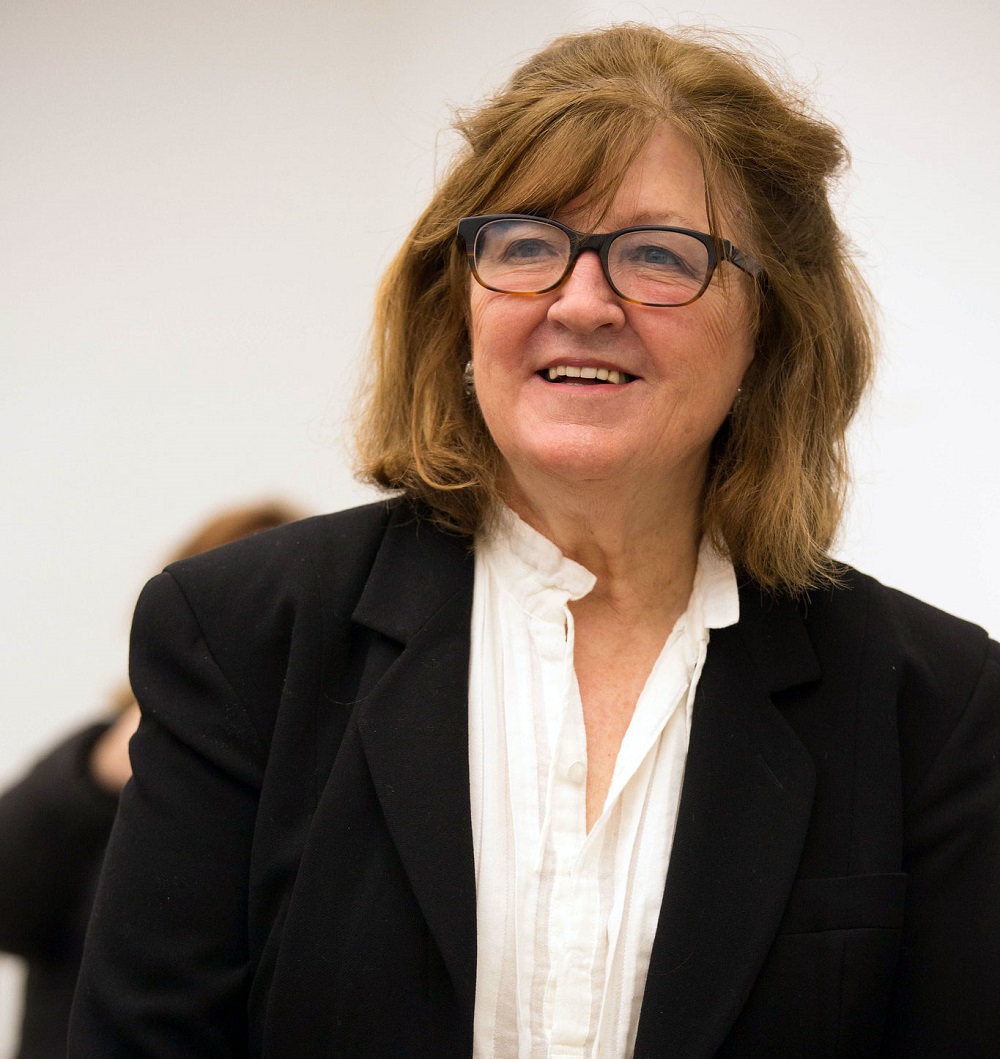
Vija Celmins is a Latvian-American artist. She is best known for her photorealistic paintings and drawings of natural and man-made objects.
Celmins and her family fled Latvia during World War II and eventually settled in the United States. She studied art at the John Herron School of Art in Indianapolis and later at the University of California, Los Angeles.
Celmins began her career as a painter in the 1960s, and by the 1970s she had developed her signature style of photorealism. She is known for her painstaking attention to detail, and her paintings and drawings often take months or even years to complete. Some of her most famous works include images of the night sky, oceans, and rocks.
Celmins has been the subject of numerous solo exhibitions in museums and galleries around the world, including a retrospective at the Centre Pompidou in Paris in 2006. Her work is held in the collections of many major museums, including the Metropolitan Museum of Art in New York, the Museum of Modern Art in New York, and the National Gallery of Art in Washington, D.C.
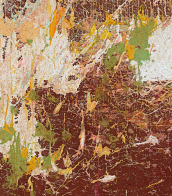


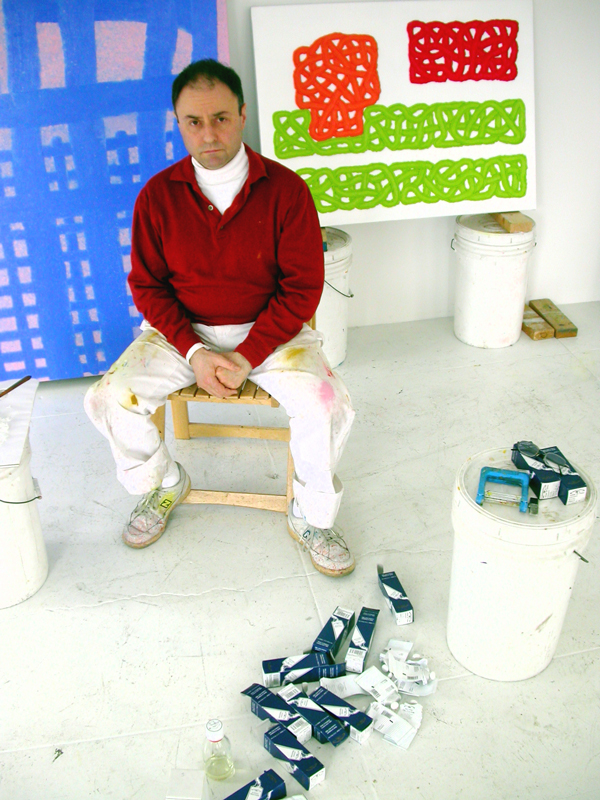
Jonathan Lasker is an American abstract painter whose work has played an integral role in the development of Postmodern Painting. He currently lives and works in New York City.
Lasker has been awarded National Endowment for the Arts Fellowship Grants in 1987 and again in 1989. In 1989 he was also awarded the New York Foundation for the Arts Fellowship Grant. His work has been covered in Artforum, Artscribe, Arts Magazine, Flash Art, New Art Examiner, New York Magazine, The New York Times, Tema Celeste, Village Voice, Bomb Magazine, and The Washington Post among others. He was the subject of the 2005 book Jonathan Lasker: Expressions Become Things by Richard Milazzo which documented his process of developing abstract compositions from sketches to paintings.
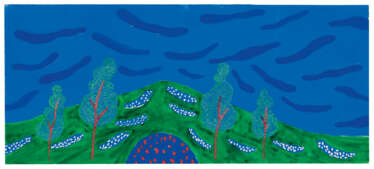

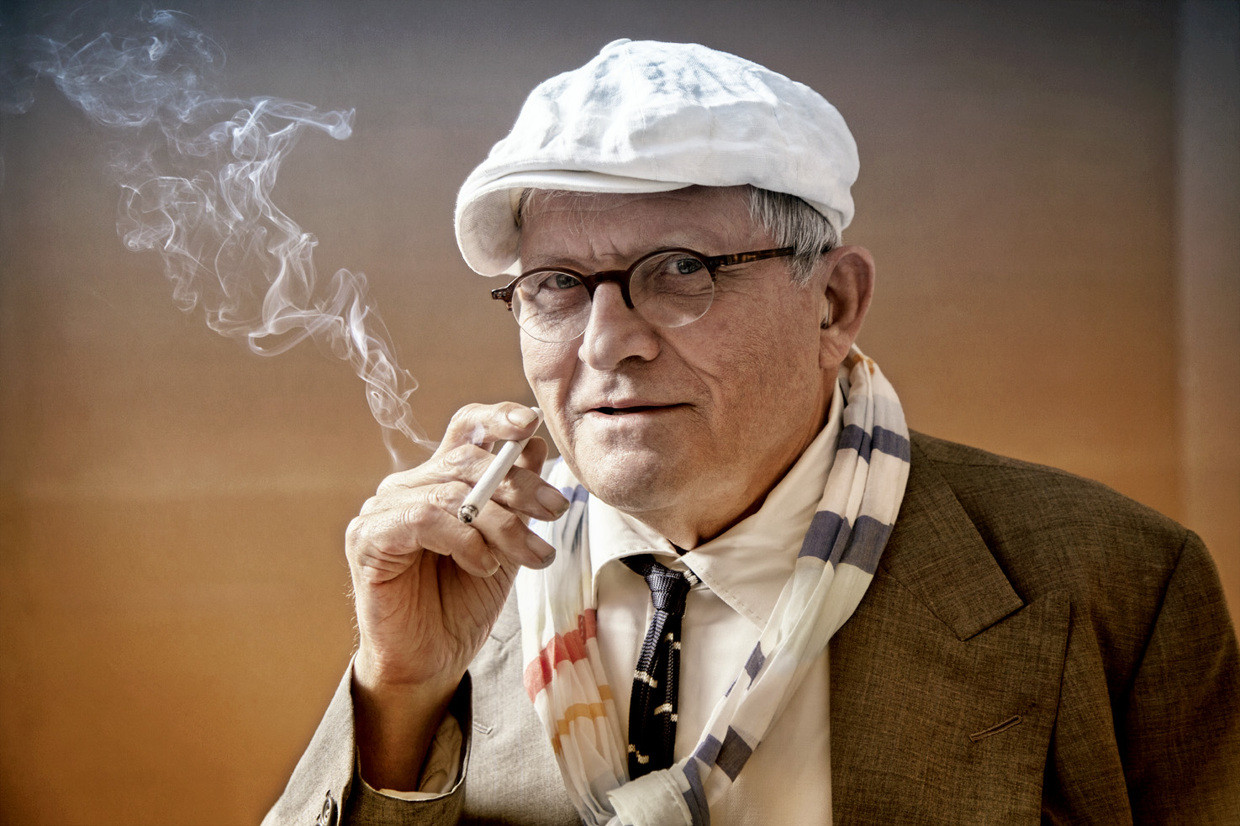
David Hockney, a British artist, has been a prominent figure in the art world for over six decades, renowned for his contributions to painting, drawing, printmaking, photography, and video art. His exploration of these mediums has made significant impacts on the Pop Art movement and beyond, making him one of the most influential artists of the 20th and 21st centuries. Hockney's work is celebrated for its vibrant color palette, emotional depth, and innovative use of technology in art.
One of Hockney's most distinctive features is his ability to blend traditional techniques with modern technology, notably in his iPad drawings and photographic collages. This fusion not only showcases his skillful adaptation to contemporary mediums but also highlights his ongoing quest to explore the nature of seeing and representation in art. Hockney's landscapes and portraits, characterized by their bright colors and meticulous detail, invite viewers to see the world through his unique perspective.
Significant works by Hockney, such as "A Bigger Splash" and "Portrait of an Artist (Pool with Two Figures)," are housed in major museums and galleries worldwide, attesting to his global influence and appeal. These pieces, among others, demonstrate Hockney's mastery over space, light, and narrative, securing his position as a pivotal figure in modern and contemporary art.
For collectors and experts in art and antiques, Hockney's oeuvre presents a fascinating study in the evolution of visual arts. His work not only offers insight into the artist's personal vision but also reflects broader cultural and technological shifts in society. As interest in Hockney's art continues to grow, keeping abreast of new sales and auction events becomes increasingly valuable.
To stay informed about the latest David Hockney sales and auction events, sign up for our updates. This subscription ensures that you receive timely notifications about new product sales and auction events related to David Hockney, offering unique opportunities for collectors and enthusiasts alike.
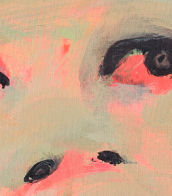


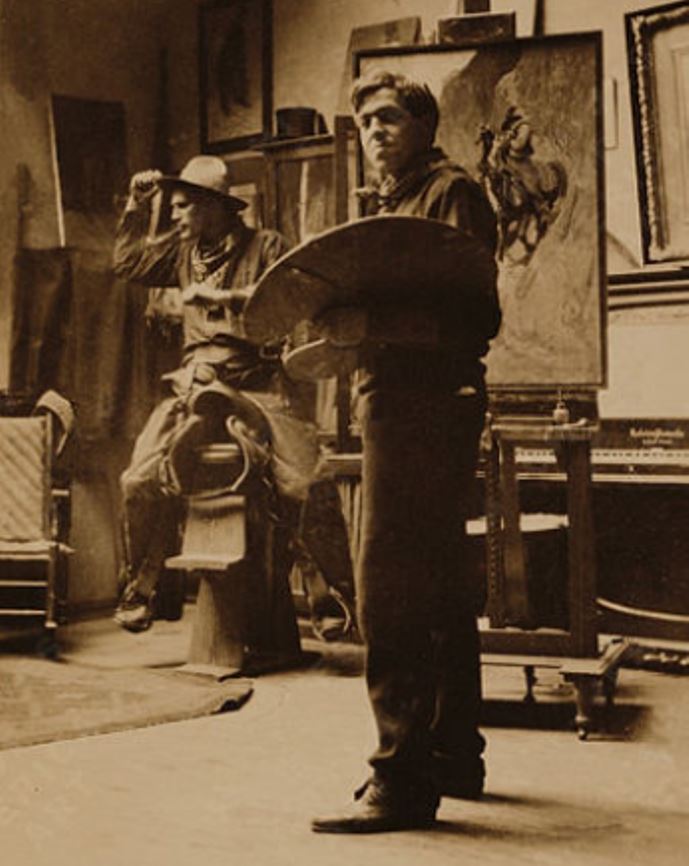
Andrew Newell Wyeth, an American visual artist, is renowned for his mastery in realism and regionalism. Born in 1917 in Chadds Ford, Pennsylvania, Wyeth was primarily a realist painter, deeply influenced by his father, N.C. Wyeth, a notable artist himself. Andrew's artwork, characterized by its clear, razor-sharp technique and a hauntingly eerie atmosphere, often depicted the land and people around him in rural Pennsylvania and Maine.
Wyeth's most celebrated work, Christina's World (1948), is housed in the Museum of Modern Art in New York City. This painting illustrates a woman lying in a field, looking toward a distant farmhouse, an image that has become an icon of American art due to its emotional depth and simplicity of composition. The work encapsulates Wyeth's ability to invoke profound personal and emotional landscapes through the meticulous depiction of physical settings and figures.
Andrew Newell Wyeth continued painting almost up until his death in 2009, leaving behind a vast legacy that has influenced many artists. His works remain highly valued by collectors and are often featured in major museums and galleries worldwide. To stay updated on exhibitions and sales of Andrew Wyeth’s art, sign up for our newsletter—ensuring you're informed about the latest auction events and product sales related to this profound artist.
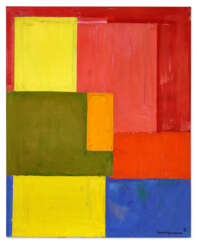

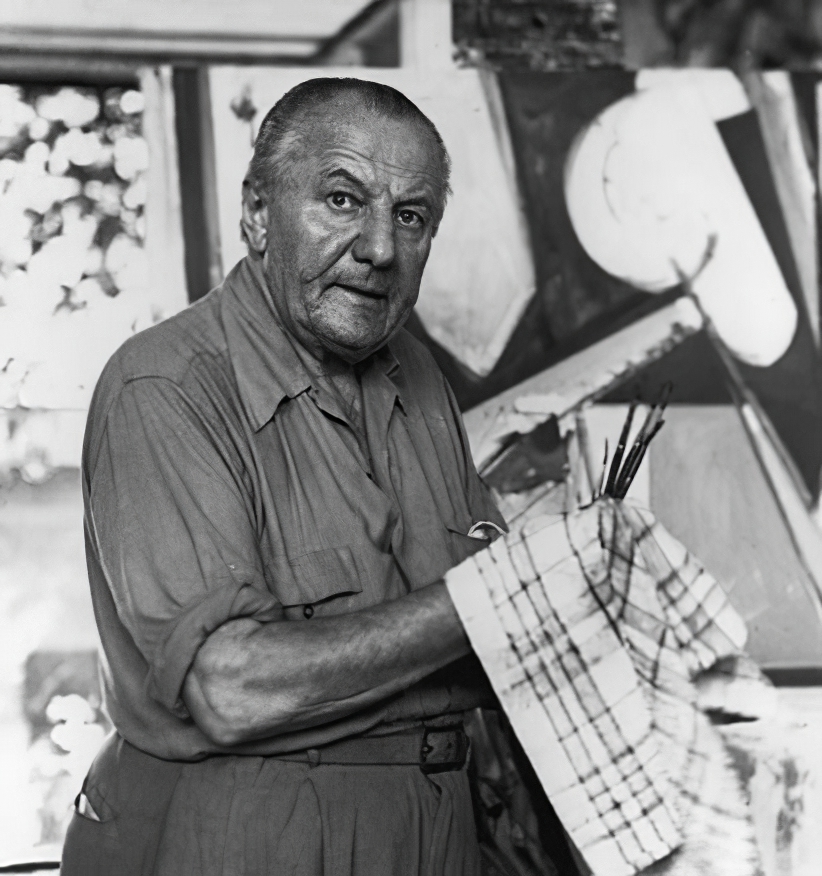
Hans Hofmann, a German-American painter, stands as a towering figure in the 20th-century art world, celebrated for his vibrant contributions to abstract expressionism. Born in Germany in 1880, Hofmann's journey in art took him across continents, from Europe to the United States, where his innovative teaching methods and bold, color-filled canvases left an indelible mark on generations of artists. His unique approach to painting, characterized by a dynamic interplay of color and form, helped bridge the gap between the European modernist traditions and the emerging American abstract art scene.
Hofmann's work is distinguished by its intense color palettes and the technique he termed "push and pull," which refers to the careful balance of color and shape to create depth and movement within the canvas. This technique not only showcased his mastery over the medium but also influenced the development of abstract expressionism, making Hofmann a pivotal figure among his contemporaries. His paintings, such as "The Gate" (1959-60), exemplify this approach and are celebrated in prestigious museums worldwide, including the Museum of Modern Art in New York and the San Francisco Museum of Modern Art.
Beyond his personal contributions as an artist, Hofmann was an esteemed educator, guiding the next generation of artists through his schools in New York and Provincetown. His teaching philosophy emphasized the importance of understanding the fundamental elements of art—color, form, and space—and their interrelation, which he believed was key to achieving harmony and expression in painting.
For collectors and experts in art and antiques, Hans Hofmann's works represent not just significant artistic achievements but also valuable pieces of cultural history. His paintings and teachings continue to inspire and influence the art world, making his pieces highly sought after in galleries and auctions.
We invite you to sign up for updates on new product sales and auction events related to Hans Hofmann. This subscription is your gateway to owning a piece of art history, ensuring you're informed of the latest opportunities to add to your collection. Join us in celebrating the legacy of a master whose work transcends time and continues to dazzle the art world.



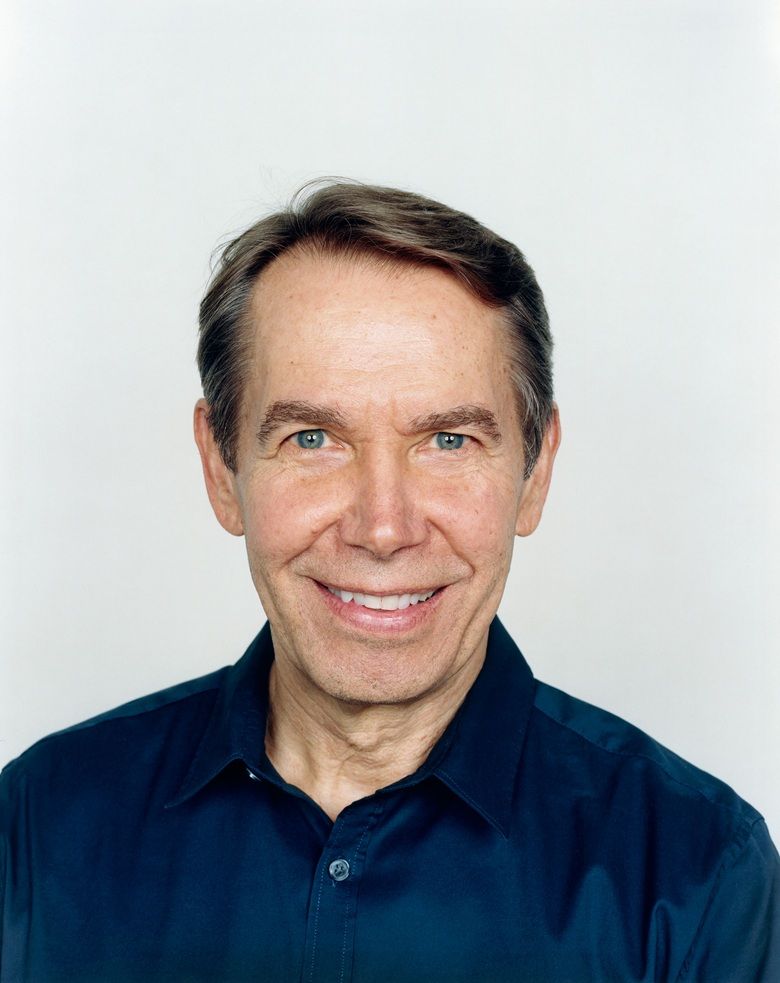
Jeffrey Lynn Koons is an American artist recognized for his work dealing with popular culture and his sculptures depicting everyday objects, including balloon animals produced in stainless steel with mirror-finish surfaces. He lives and works in both New York City and his hometown of York, Pennsylvania. His works have sold for substantial sums, including at least two record auction prices for a work by a living artist: US$58.4 million for Balloon Dog (Orange) in 2013 and US$91.1 million for Rabbit in 2019.
Critics are sharply divided in their views of Koons. Some view his work as pioneering and of major art-historical importance. Others dismiss his work as kitsch, crass, and based on cynical self-merchandising. Koons has stated that there are no hidden meanings and critiques in his works.


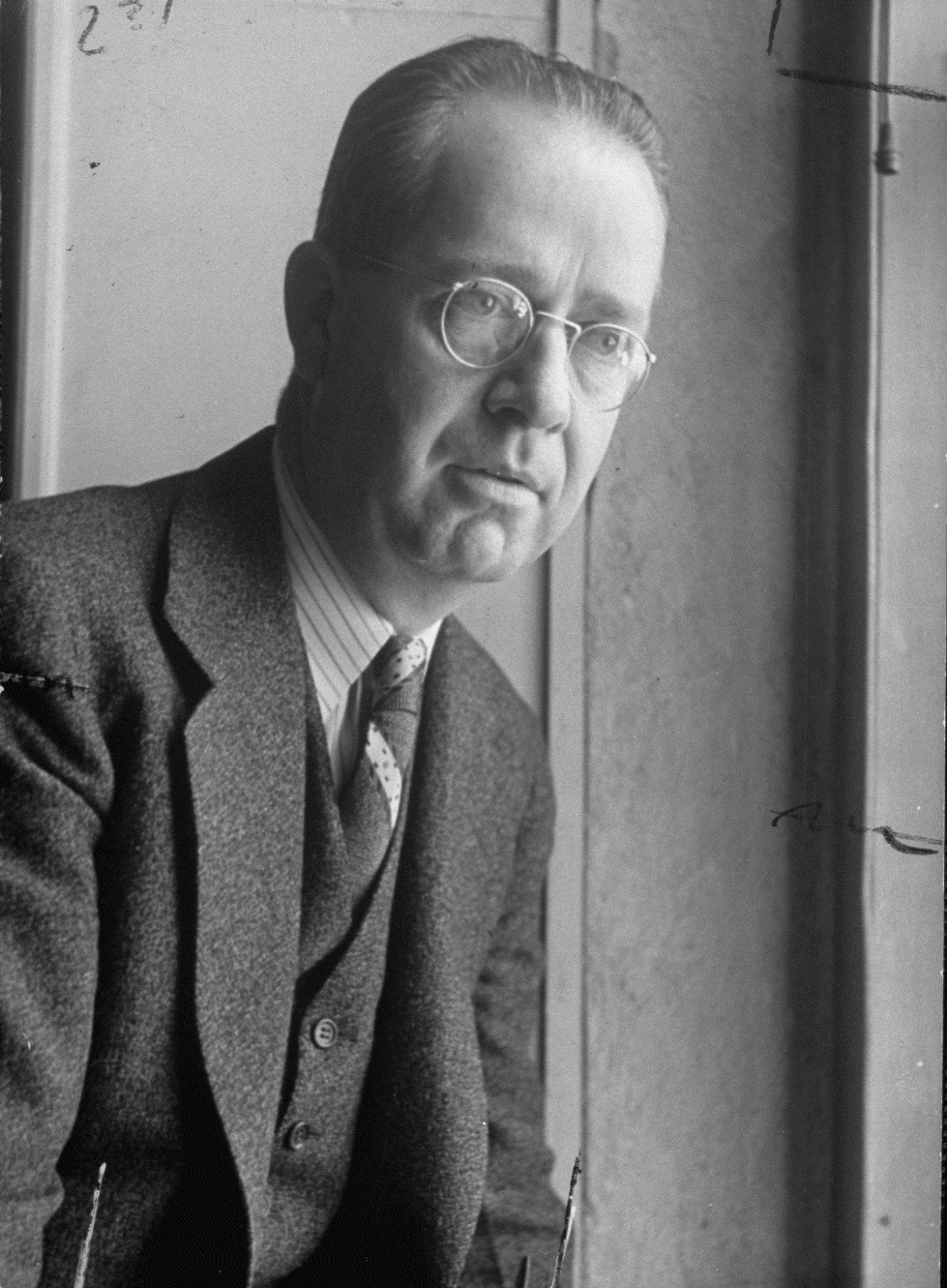
Charles Ephraim Burchfield is an American artist known for his watercolor landscapes and mystical depictions of the world around him.
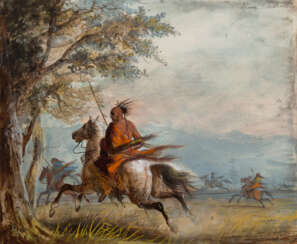

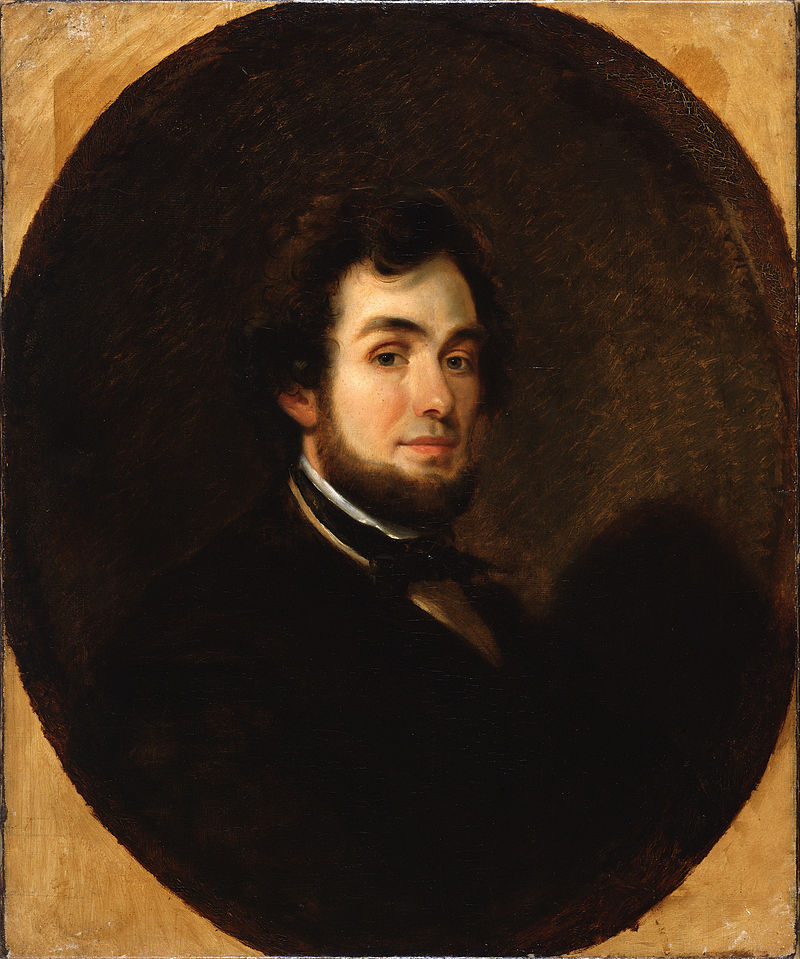
Alfred Jacob Miller was an American artist best known for his paintings of trappers and Native Americans in the fur trade of the western United States. He also painted numerous portraits and genre paintings in and around Baltimore during the mid-nineteenth century.
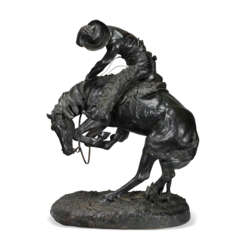

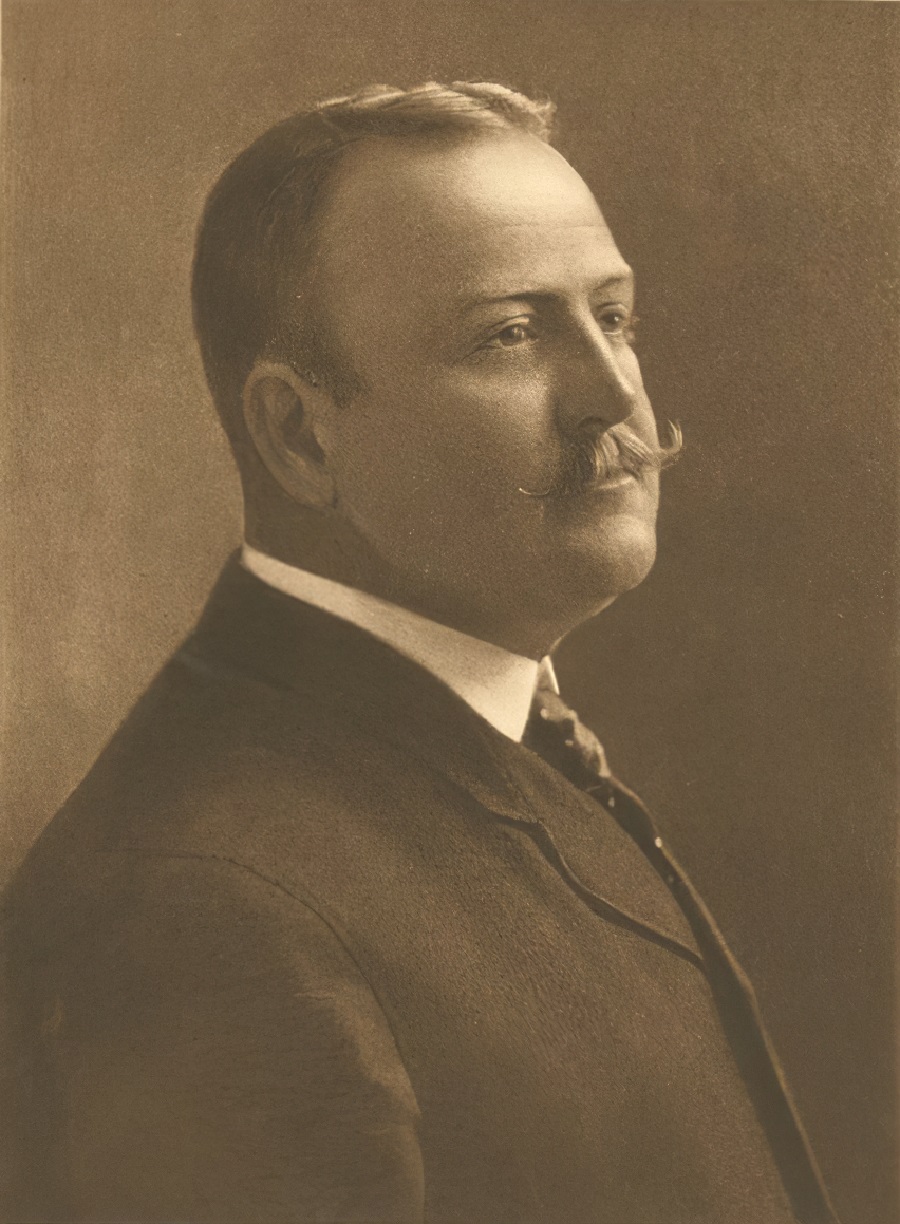
Frederic Sackrider Remington, an American artist born in 1861 in Canton, New York, is celebrated for his vivid portrayals of the American West. Specializing in painting, sculpture, and illustration, Remington captured the essence of Western life through dynamic scenes of cowboys, Native Americans, and the U.S. Cavalry, evoking a nostalgic era that was quickly vanishing by the late 19th century.
Remington's early experiences in the West, which included ventures into sheepherding and prospecting, profoundly influenced his artwork. Despite initial business failures and personal setbacks, his first-hand encounters with the rugged landscapes and frontier characters provided authentic material for his art. By the mid-1880s, Remington’s work began to gain recognition, and he quickly established himself as a significant figure in Western art, contributing illustrations to popular magazines like Harper’s Weekly.
In his later years, Remington's style evolved, displaying a notable shift towards impressionism and atmospheric mood in his "Nocturnes" series. These paintings are characterized by a dramatic use of light and shadow to convey the mystery and tension of nighttime in the West. Despite his own critical self-view, these works were highly regarded and marked a significant contribution to American art history. Remington’s art is featured in major collections, including the Metropolitan Museum of Art and the Frederic Remington Art Museum in Ogdensburg, New York, preserving his legacy as an icon of American culture.
For those interested in exploring more about Frederic Remington’s life and works, updates on exhibitions and sales can be subscribed to, keeping enthusiasts connected to new insights and offerings related to this influential artist.

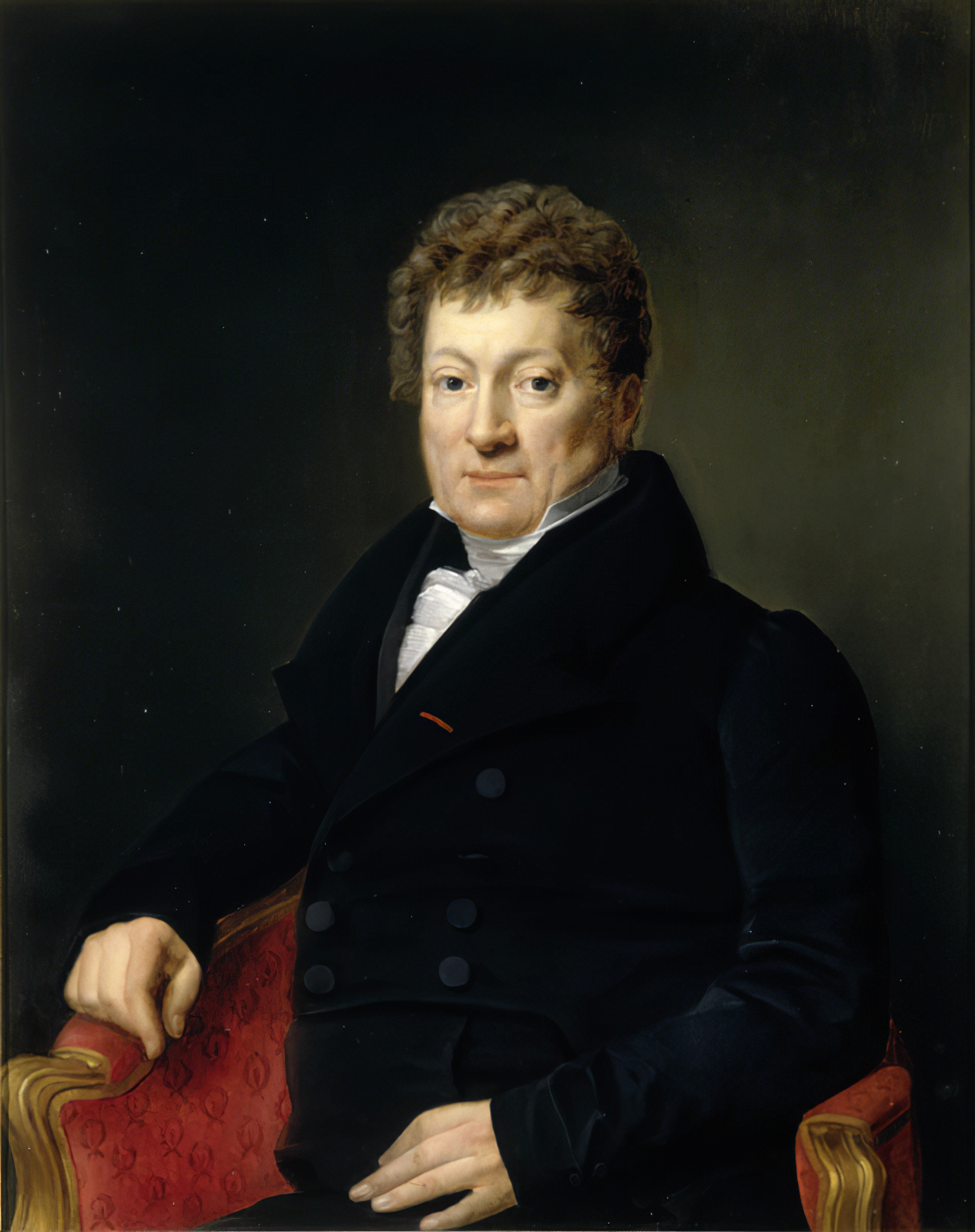
Charles Balthazar Julien Févret de Saint-Memin was a distinguished French portrait artist, celebrated for his intricate and lifelike chalk drawings and engravings. Born in Dijon, France, in 1770, he found refuge in the United States during the tumultuous years of the French Revolution. Between 1798 and 1814, Saint-Memin created over a thousand portraits of notable American figures, utilizing a unique physiognotrace device to capture the essence of his subjects with remarkable accuracy.
After returning to France in 1814, he became the director of the Musée des Beaux-Arts de Dijon, where he served until his death in 1852. His works, which include profiles of figures such as Thomas Jefferson and Meriwether Lewis, provide a fascinating glimpse into the faces that shaped early American history and are preserved in institutions like the Smithsonian and the Library of Congress.
For collectors and art history enthusiasts, Saint-Memin's oeuvre offers a unique perspective on American portraiture and the artistic exchange between France and the United States during a pivotal era. His contributions to art continue to be studied and appreciated for their historical value and artistic merit.
To stay informed about developments and events related to Charles Balthazar Julien Févret de Saint-Memin and his works, consider subscribing for updates. This subscription will keep you updated on new discoveries, exhibitions, and auction events featuring his works, ensuring you remain connected to the legacy of this remarkable artist.
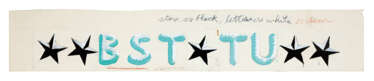

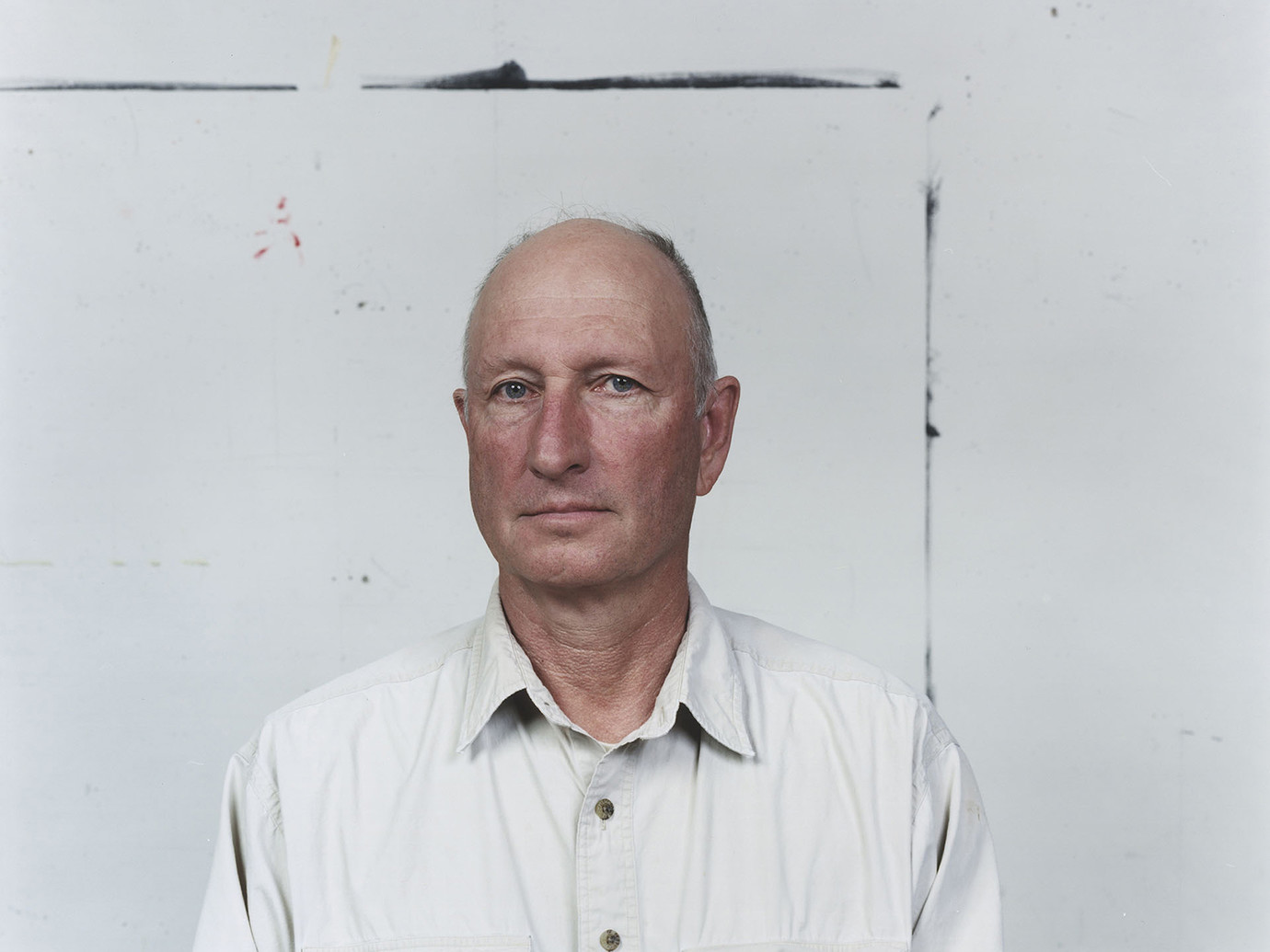
Bruce Nauman is an American artist. His practice spans a broad range of media including sculpture, photography, neon, video, drawing, printmaking, and performance. Nauman lives near Galisteo, New Mexico.
Much of his work is characterized by an interest in language, often manifesting itself as visual puns.
Nauman's use of neon as a medium recurs in his works over the decades. He uses neon to make allusions to the numinous connotations of light, similar to Mario Merz, who used neon to bring new life to assemblages of mundane objects. Neon also connotes the public atmosphere by the means of advertising, and in his later works he uses it ironically with private, erotic imagery.

 Пьер Боннар. «Автопортрет», 1889.jpg)
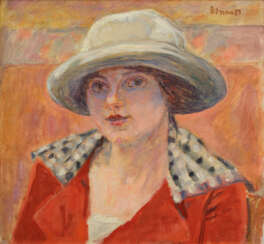
Pierre Bonnard was a distinguished French painter and printmaker, recognized as one of the foremost colorists of modern art. Born on October 3, 1867, in Fontenay-aux-Roses, France, Bonnard initially pursued law studies before embracing his true calling in art. He attended the École des Beaux-Arts and the Académie Julian, where his journey as an artist began in earnest.
Bonnard's art is characterized by its vibrant use of color and the portrayal of intimate, sunlit domestic interiors and gardens. His works often include scenes populated with friends and family, creating a narrative that is both personal and relatable. His distinctive style was influenced by Japanese prints, evident in his use of bold patterns and flat color planes. This influence earned him the nickname "Le Nabi très japonard" among his peers in the Les Nabis group, an avant-garde artists' group he joined in his twenties.
His early work, such as "Woman in Checkered Dress" (1890), showcases the influence of Japanese prints. Bonnard's talent was evident from the beginning of his career, with Claude Roger-Marx noting in 1893 his ability to capture fleeting poses and expressions. His work evolved over time, moving towards a style that resonated with the Intimists' focus on personal and intimate spaces.
Bonnard's wife, Marthe, was a recurring subject in his paintings, often depicted in everyday scenarios. Their relationship, spanning several decades, was a significant influence on his work. His paintings, such as "Dining Room on the Garden" and "Landscape at Le Cannet," demonstrate his mastery in capturing light and color, creating a sense of warmth and intimacy.
Bonnard's work remains influential and celebrated, with his paintings held in esteemed collections worldwide. His ability to transform everyday scenes into vibrant, color-filled canvases has made him a beloved figure in the world of modern art.
Art collectors and experts in the field will find Bonnard's work a study in the transformative power of color and composition. For those interested in staying updated on sales and auction events related to Pierre Bonnard's works, signing up for updates would provide valuable insights into this remarkable artist's enduring legacy.