

d/p number dell
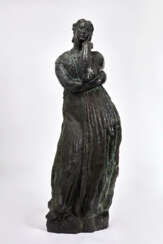

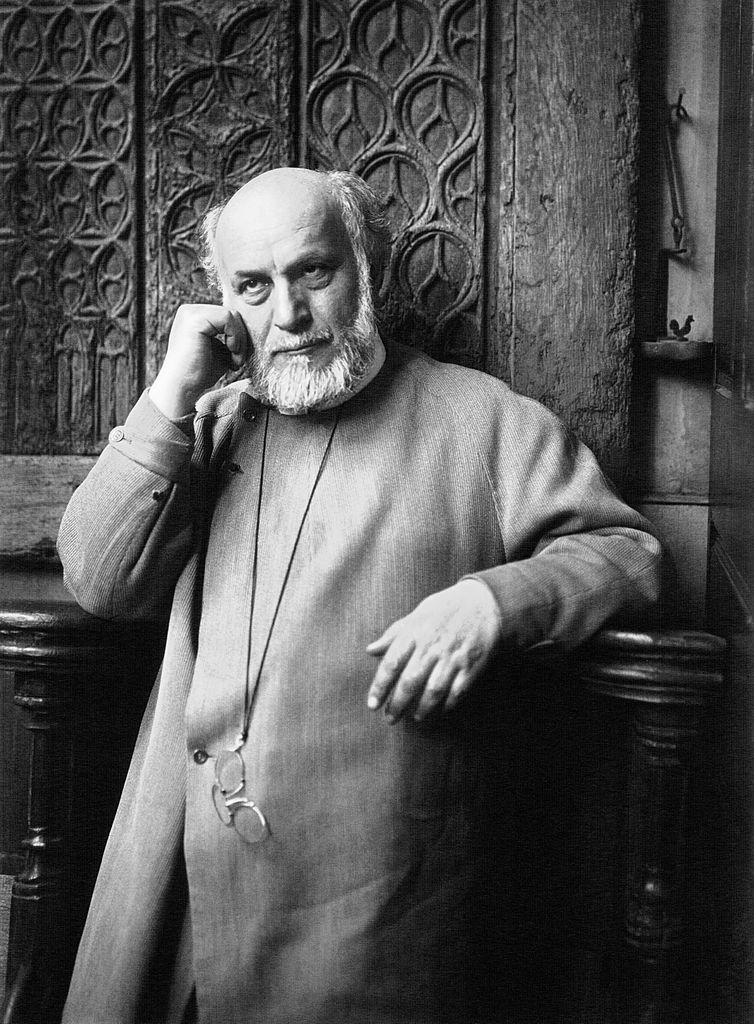
Emile Antoine Bourdelle was an influential and prolific French sculptor and teacher. He was a student of Auguste Rodin, a teacher of Giacometti and Henri Matisse, and an important figure in the Art Deco movement and the transition from the Beaux-Arts style to modern sculpture.
His studio became the Musée Bourdelle, an art museum dedicated to his work.


Emile Antoine Bourdelle was an influential and prolific French sculptor and teacher. He was a student of Auguste Rodin, a teacher of Giacometti and Henri Matisse, and an important figure in the Art Deco movement and the transition from the Beaux-Arts style to modern sculpture.
His studio became the Musée Bourdelle, an art museum dedicated to his work.
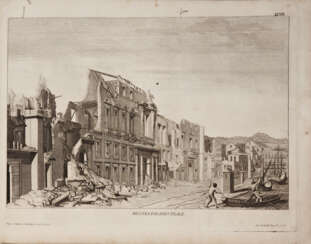


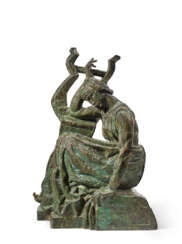

Emile Antoine Bourdelle was an influential and prolific French sculptor and teacher. He was a student of Auguste Rodin, a teacher of Giacometti and Henri Matisse, and an important figure in the Art Deco movement and the transition from the Beaux-Arts style to modern sculpture.
His studio became the Musée Bourdelle, an art museum dedicated to his work.
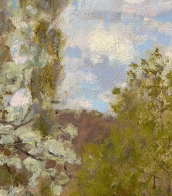


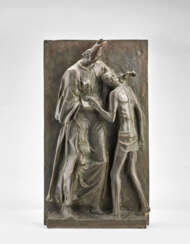

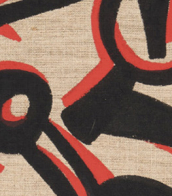
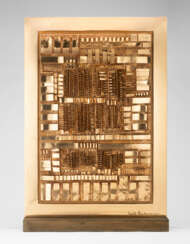

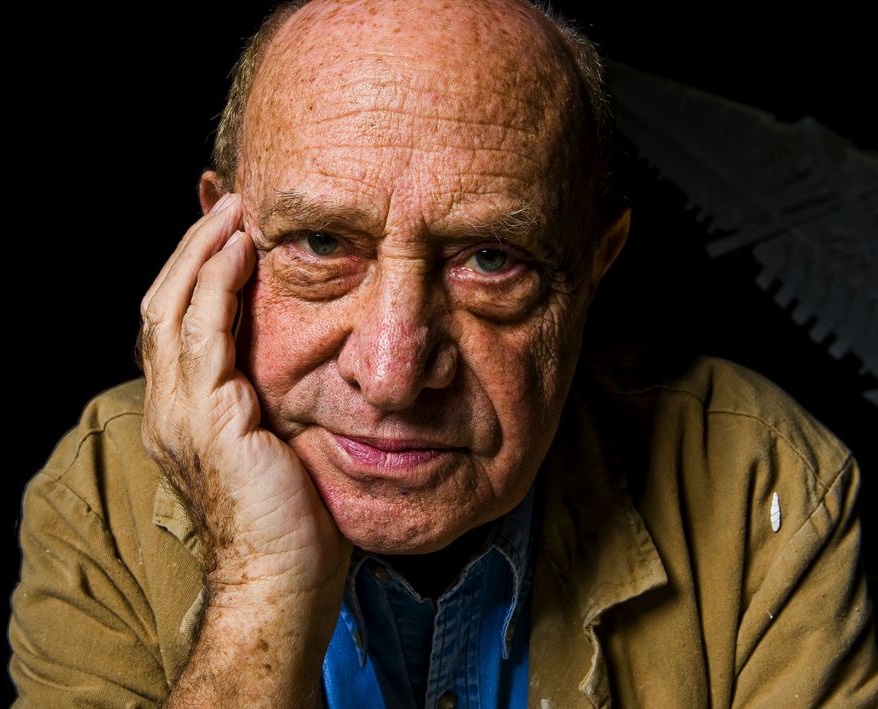
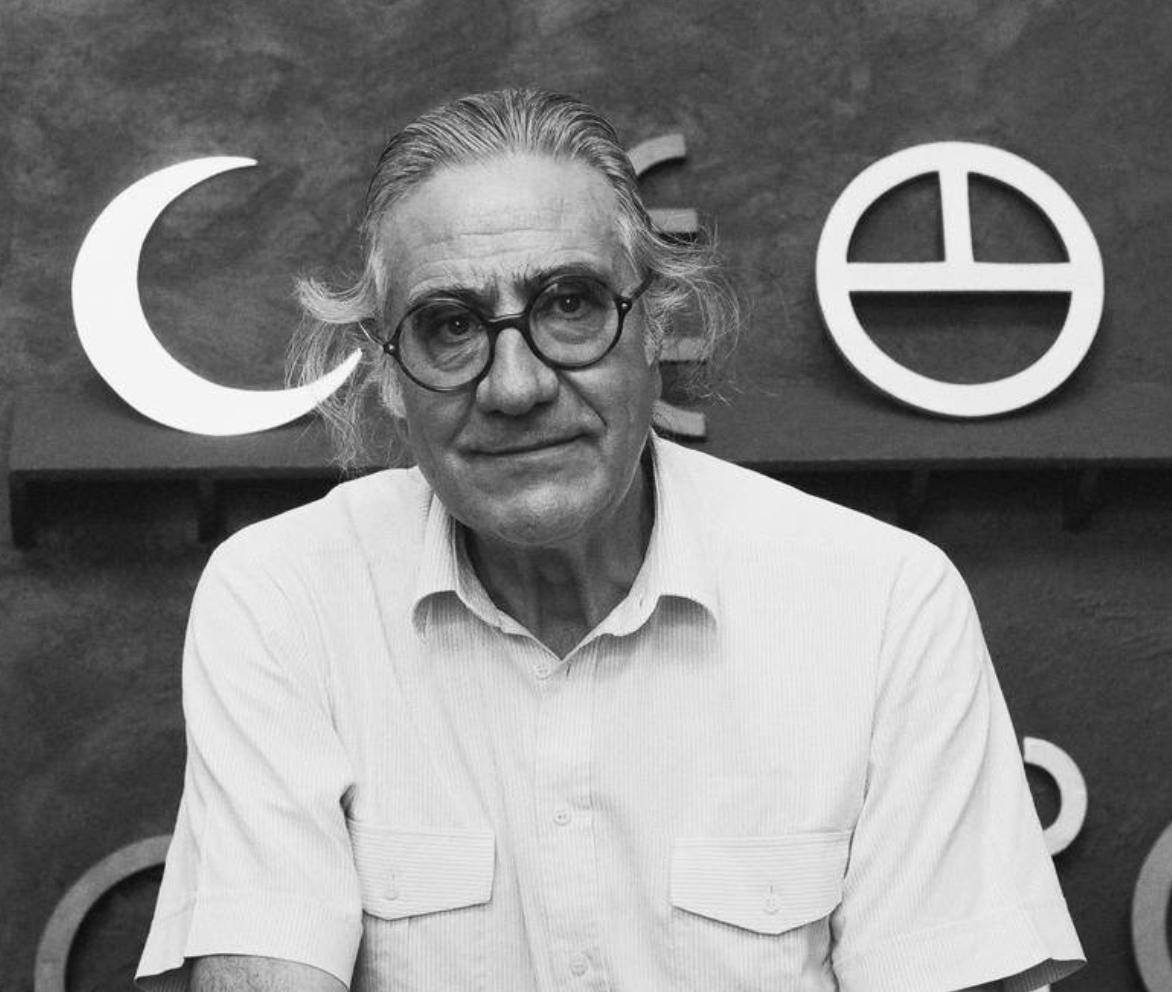
Arnaldo Pomodoro is an Italian sculptor. He was born in Morciano, Romagna, and lives and works in Milan. His brother, Giò Pomodoro (1930-2002) was also a sculptor.
Pomodoro designed a controversial fiberglass crucifix for the Cathedral of St. John the Evangelist in Milwaukee, Wisconsin. The piece is topped with a fourteen-foot diameter crown of thorns which hovers over the figure of Christ.
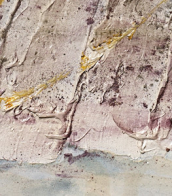


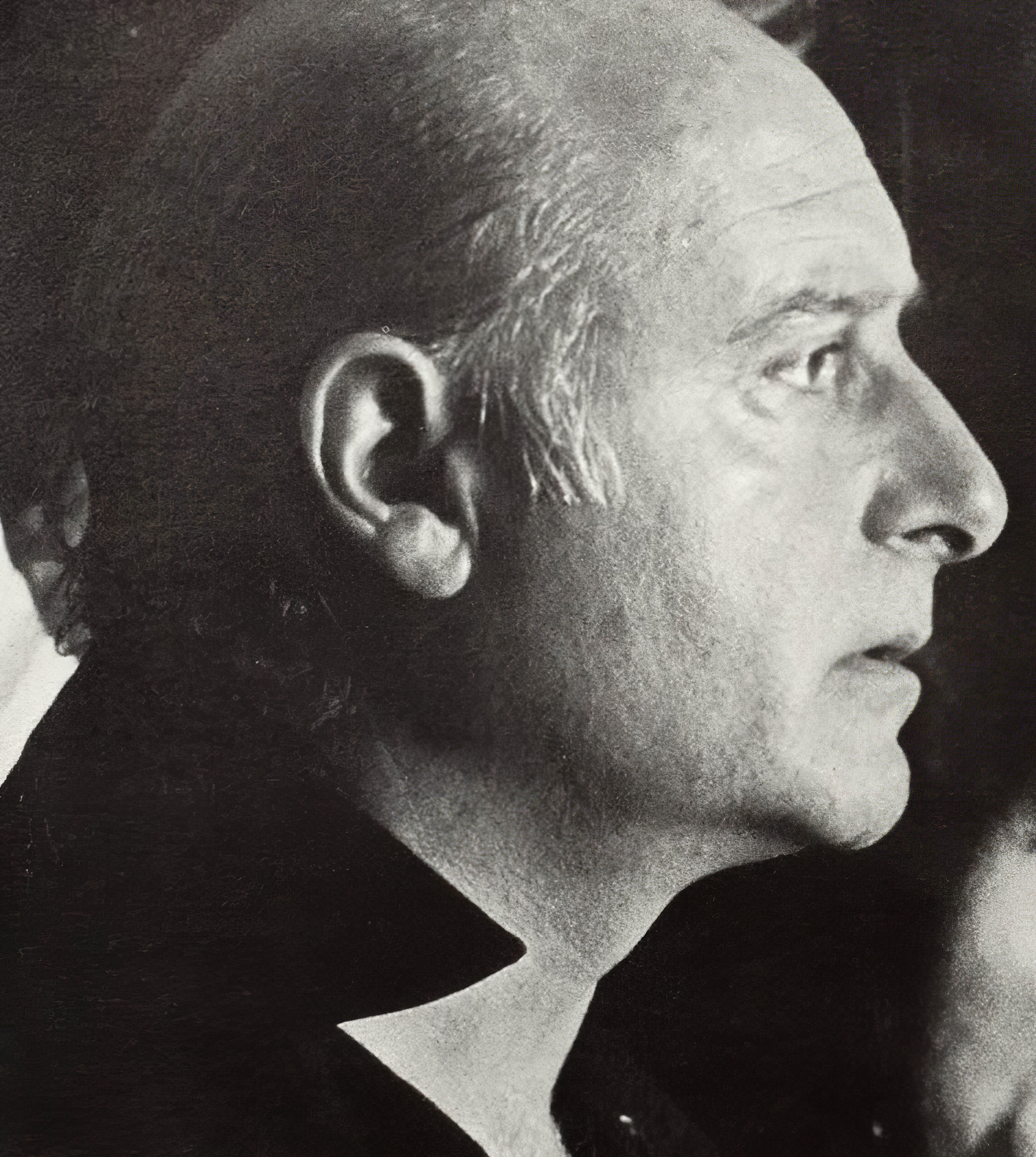
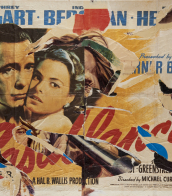
Domenico (Mimmo) Rotella was an Italian artist considered an important figure in post-war European art. Best known for his works of décollage and psychogeographics, made from torn advertising posters. He was associated to the Ultra-Lettrists an offshoot of Lettrism and later was a member of the Nouveau Réalisme, founded in 1960 by the art critic Pierre Restany.
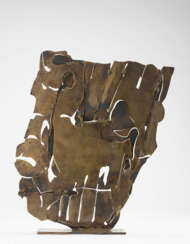

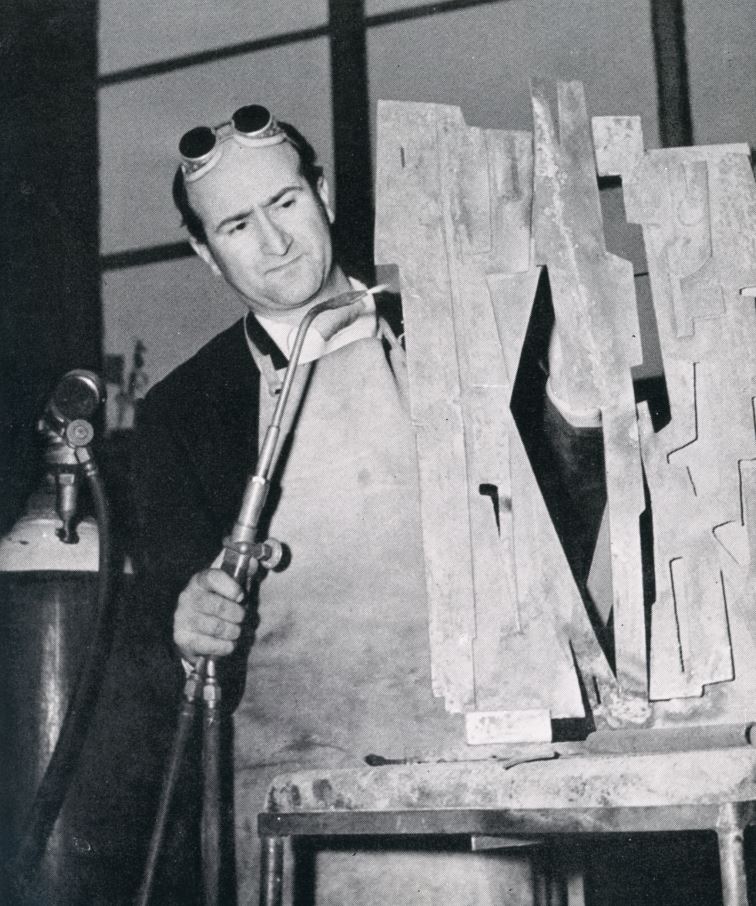
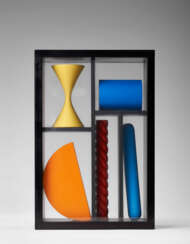
Pietro Consagra was an Italian sculptor and one of the leading figures in the post-war Italian art movement known as Arte Informale or Forma 1.
Pietro Consagra's early work was influenced by traditional figurative sculpture, but he soon became fascinated by the abstract art movement. He rejected the idea of creating sculptures that imitated reality and instead focused on exploring the relationship between form, space and the viewer's perception.
Consagra's sculptures often feature simplified geometric forms, emphasising clean lines and solid volumes. His works are characterised by a sense of balance, harmony and spatial tension.
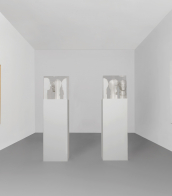
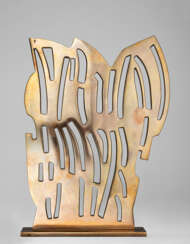

Pietro Consagra was an Italian sculptor and one of the leading figures in the post-war Italian art movement known as Arte Informale or Forma 1.
Pietro Consagra's early work was influenced by traditional figurative sculpture, but he soon became fascinated by the abstract art movement. He rejected the idea of creating sculptures that imitated reality and instead focused on exploring the relationship between form, space and the viewer's perception.
Consagra's sculptures often feature simplified geometric forms, emphasising clean lines and solid volumes. His works are characterised by a sense of balance, harmony and spatial tension.


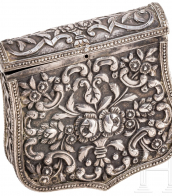
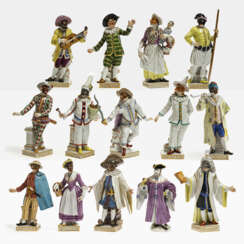




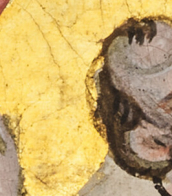
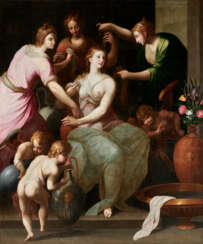

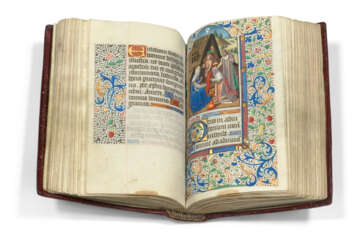

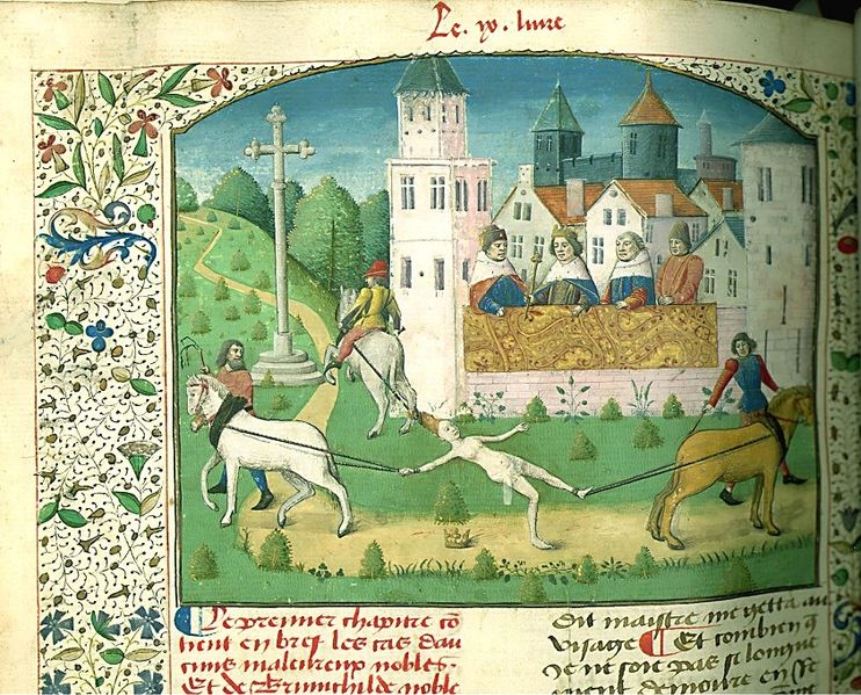
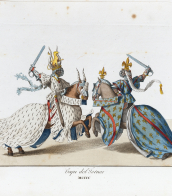
Maître François was a French illustrator who worked in Paris in the 1460s-1480s.
The identity of Maître François as an artist is first mentioned in a letter written by Robert Gauguin in 1473. Most of the prestigious commissions from the court and leading ecclesiastical figures of the time were carried out in François' studio. In Paris in the second half of the fifteenth century, one can trace the predominant style of illumination by the works of Master Jean Rolin, Maître François, and Master Jacques de Besançon. Bibliophiles close to the royal court encouraged the work of miniaturists through private commissions. In particular, Jacques d'Armagnac owned six manuscripts of Maitre Francois and his entourage.
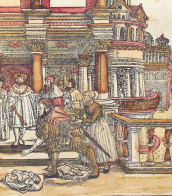
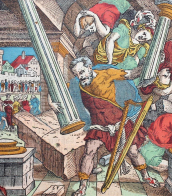
Boccaccio's De casibus virorum illustrium was very popular in the 15th century, where the author retells the fates and downfalls of famous personalities from the Bible, antiquity and medieval history, ending with Boccaccio's own contemporaries in 14th-century Florence. For a long time this book was even more famous and successful than Boccaccio's Decameron. The text was translated into French in 1409 for Jean, Duke de Berry, by his secretary Laurent Premieffe. And the illustrations for the book were later created in the workshop of the then respected Maître François.










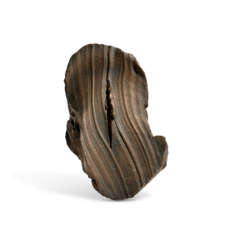

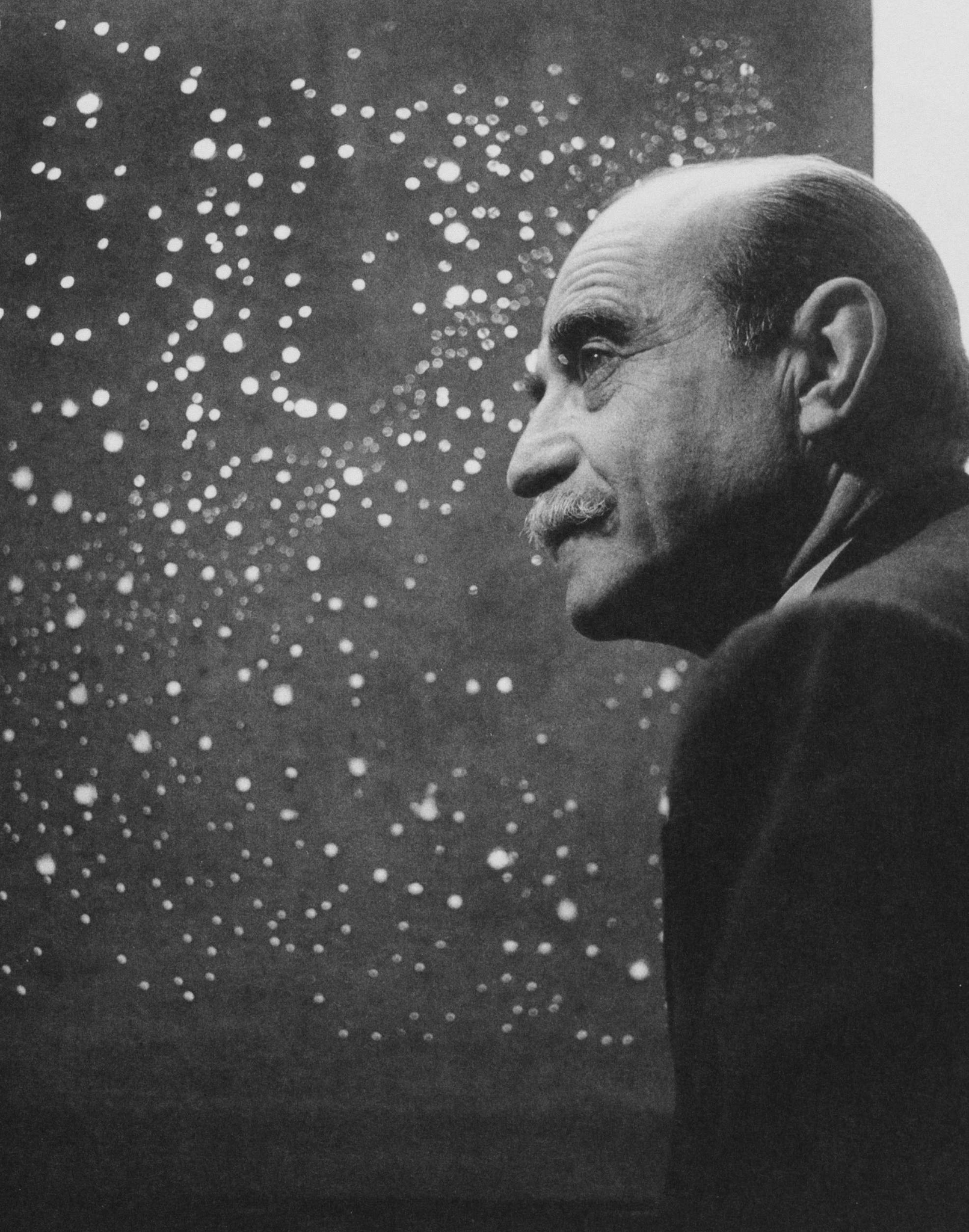
Lucio Fontana was an Argentine-Italian artist known for his pioneering work in the field of Spatialism, an artistic movement that explored the relationship between space and art.
Fontana studied sculpture at the Academy of Fine Arts in Milan, Italy. In the 1940s, he began experimenting with a technique he called "Spatial Concept," in which he punctured or cut holes into the canvas to create a sense of depth and dimensionality.
Throughout the 1950s and 1960s, Fontana continued to explore the possibilities of Spatialism, creating works in a variety of media, including sculpture, ceramics, and painting. One of his most famous series of works is the "Tagli" (Cuts), which consist of monochromatic canvases with one or more slashes or punctures.
Fontana's work had a significant influence on the development of the Arte Povera movement in Italy, as well as on the development of Minimalism and Conceptual Art. He exhibited his work widely in Europe and the United States, and his legacy continues to be celebrated by artists and critics today.
Fontana's innovative approach to art and his exploration of the relationship between space and form continue to be a source of inspiration for artists working in a wide range of media.
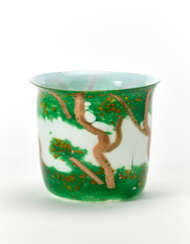

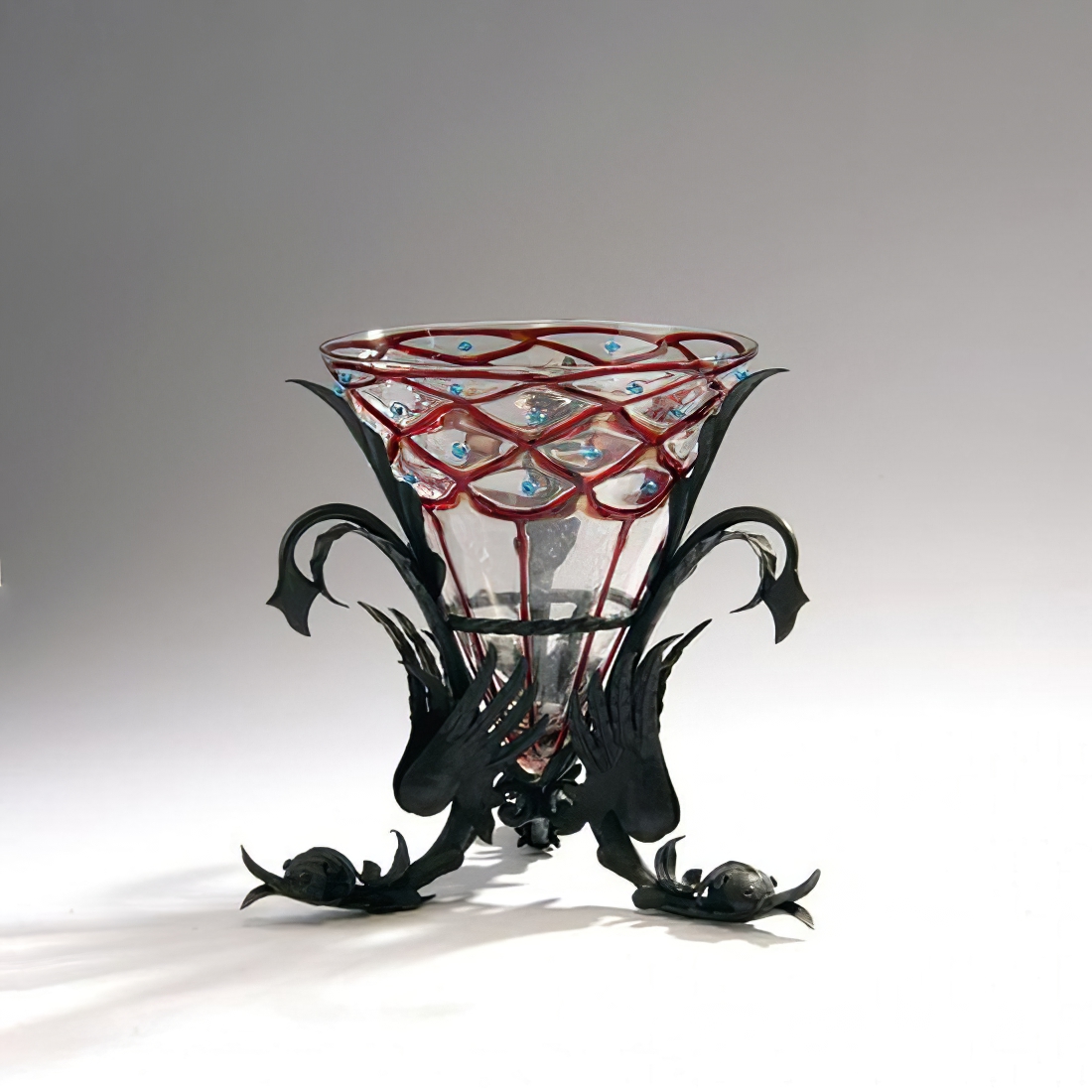
Umberto Bellotto is an Italian artist and craftsman.


Umberto Bellotto is an Italian artist and craftsman.

Umberto Bellotto is an Italian artist and craftsman.
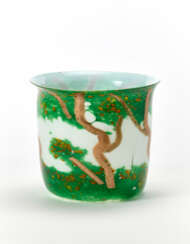

Umberto Bellotto is an Italian artist and craftsman.