décollage



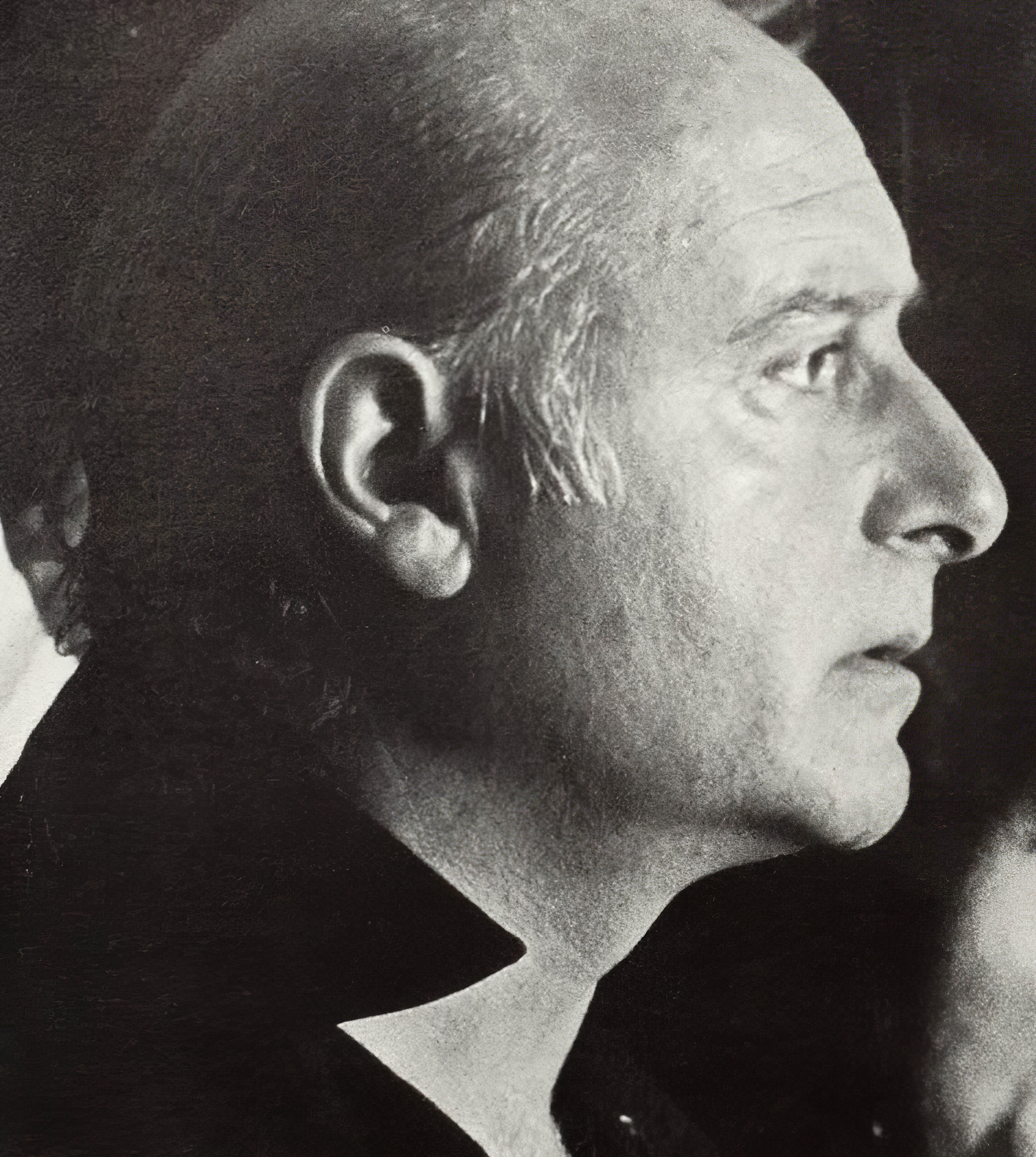
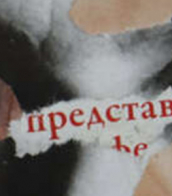
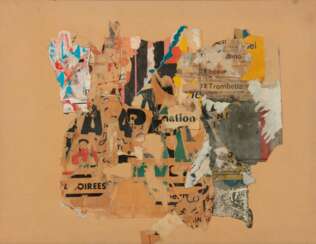
Domenico (Mimmo) Rotella was an Italian artist considered an important figure in post-war European art. Best known for his works of décollage and psychogeographics, made from torn advertising posters. He was associated to the Ultra-Lettrists an offshoot of Lettrism and later was a member of the Nouveau Réalisme, founded in 1960 by the art critic Pierre Restany.
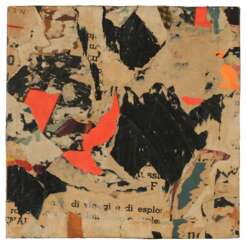

Domenico (Mimmo) Rotella was an Italian artist considered an important figure in post-war European art. Best known for his works of décollage and psychogeographics, made from torn advertising posters. He was associated to the Ultra-Lettrists an offshoot of Lettrism and later was a member of the Nouveau Réalisme, founded in 1960 by the art critic Pierre Restany.
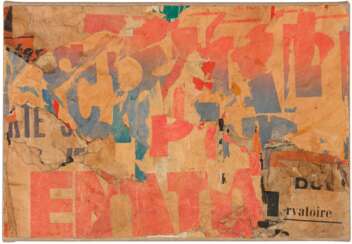



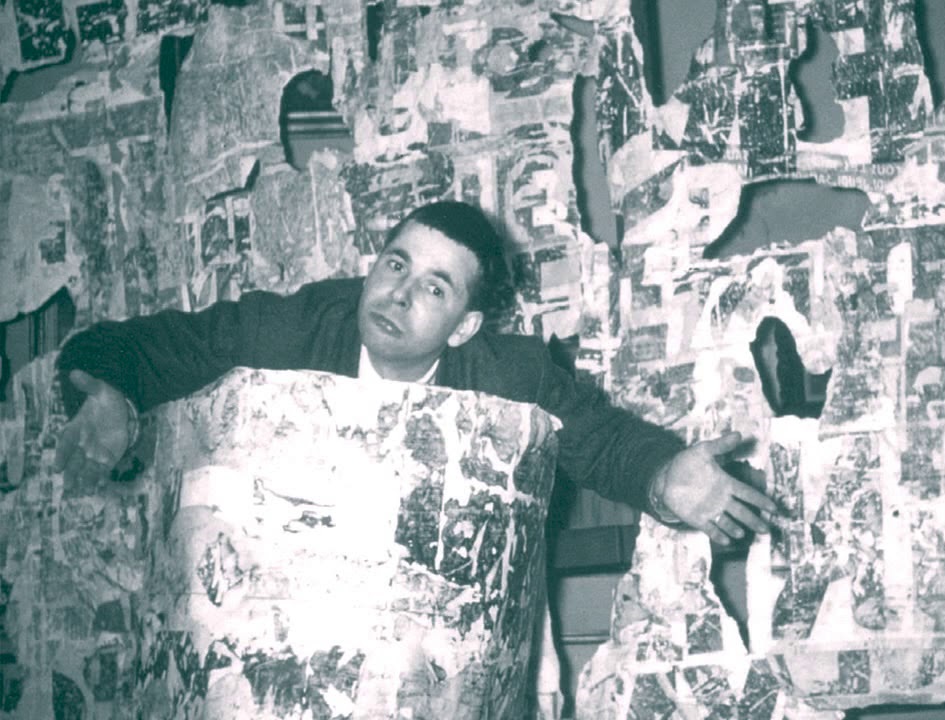
François Dufrêne was a French Nouveau realist visual artist, Lettrist and Ultra-Lettrist poet. He is primarily known as a pioneer in sound poetry and for his use of décollage within Nouveau réalisme.


François Dufrêne was a French Nouveau realist visual artist, Lettrist and Ultra-Lettrist poet. He is primarily known as a pioneer in sound poetry and for his use of décollage within Nouveau réalisme.
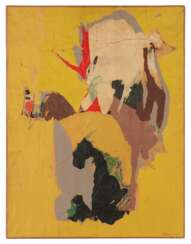

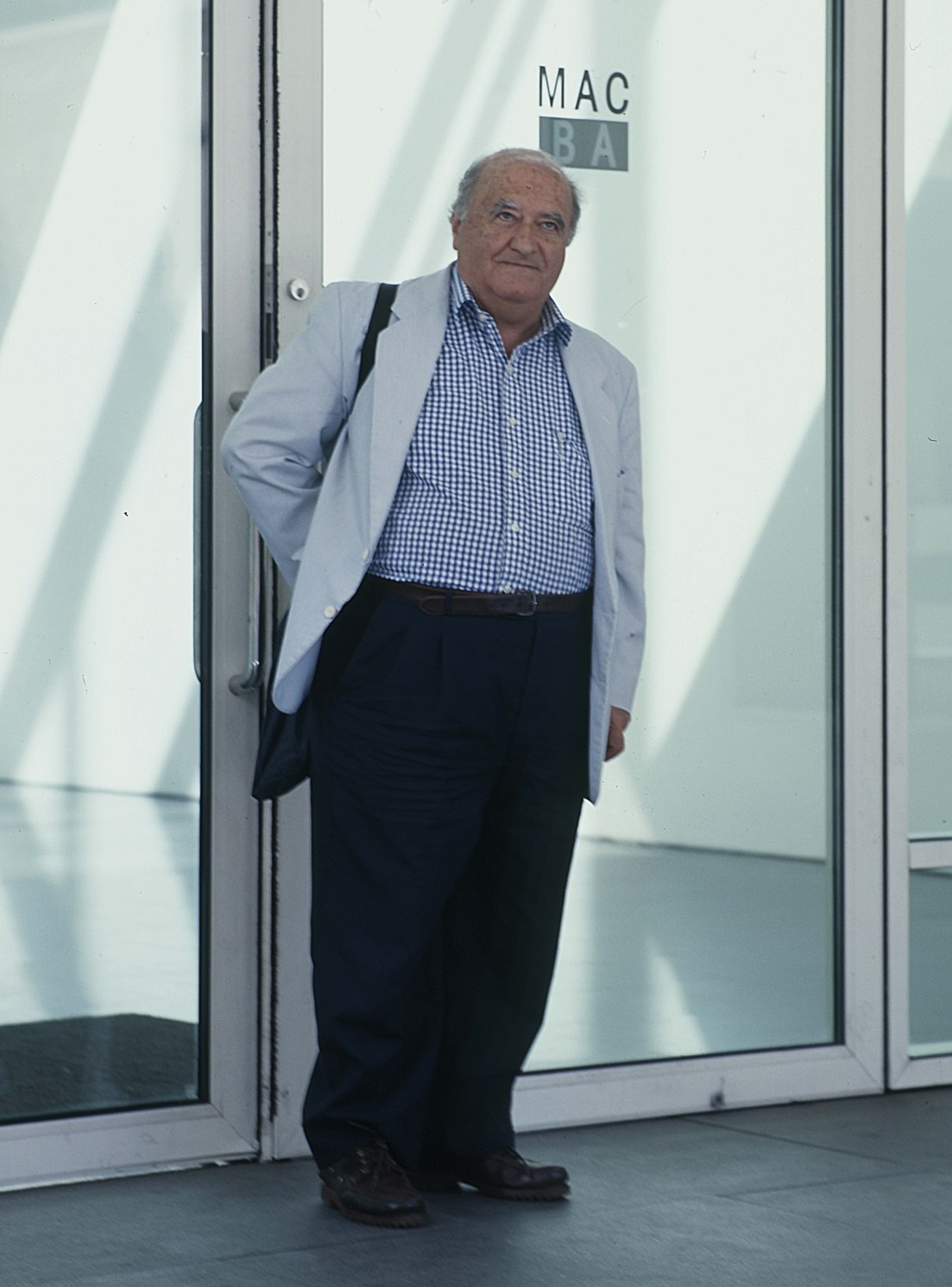
Raymond Hains was a prominent French visual artist and a founder of the Nouveau réalisme movement.

Raymond Hains was a prominent French visual artist and a founder of the Nouveau réalisme movement.

Raymond Hains was a prominent French visual artist and a founder of the Nouveau réalisme movement.


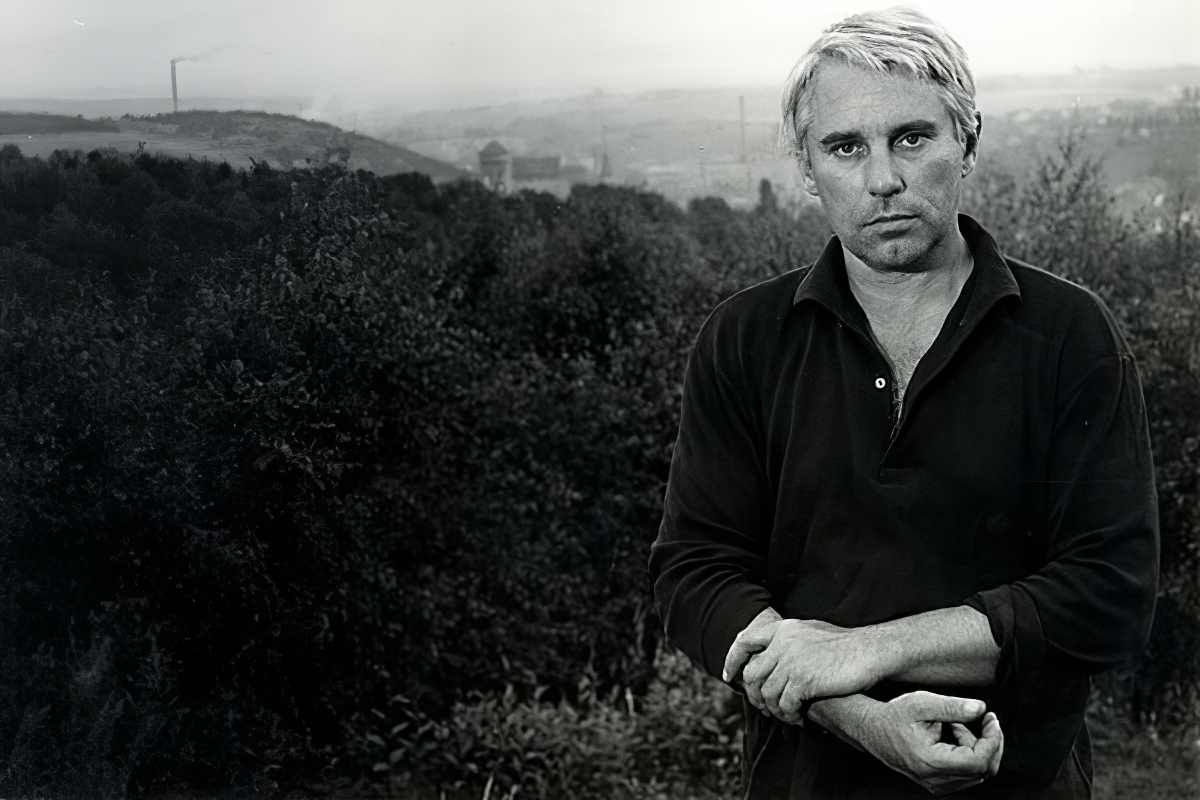
Karl Fred Dahmen is a German artist, one of the most important representatives of German post-war art and the Informel movement. In 1967 he took up the post of Professor of Fine Arts at the Munich Academy.
He painted expressive abstract pictures with a tectonic structure, and since the mid-1950s, relief paintings and collages on the damage to the local landscape caused by open-pit mining. Later in Dahmen's oeuvre, glazed object boxes appear, recounting the impressions of his daily working life.

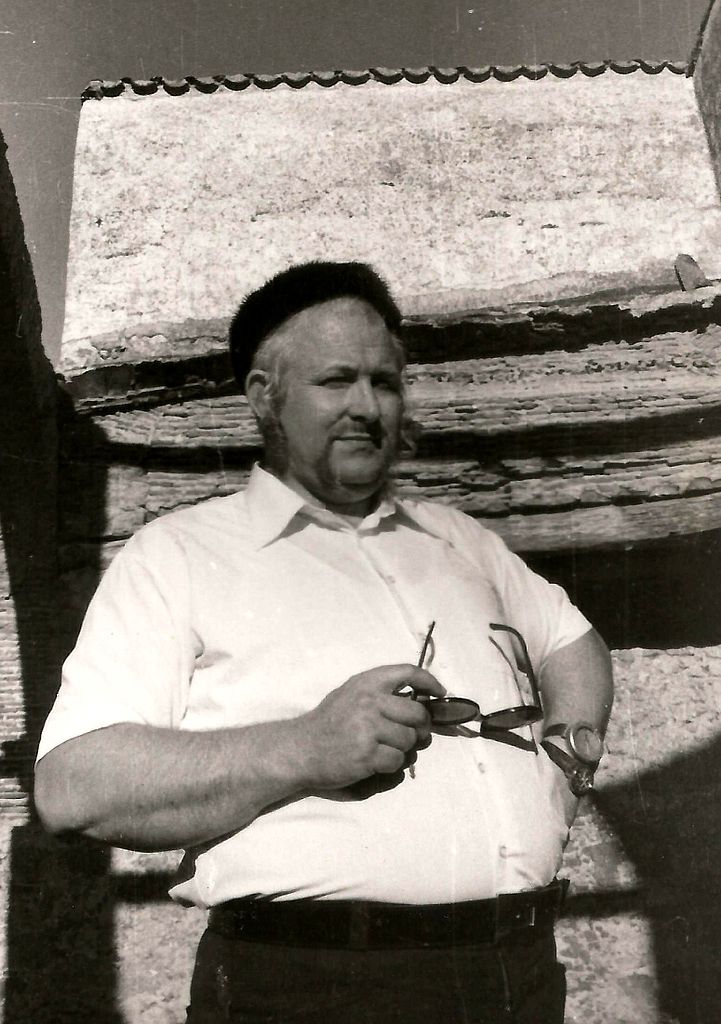
Wolf Vostell was a German artist who is considered a pioneer of video and installation art, and a key figure in the Fluxus movement. He studied at the Academy of Fine Arts in Wuppertal and later at the École Nationale Supérieure des Beaux-Arts in Paris.
Vostell's art was heavily influenced by the horrors of World War II, and he often incorporated themes of violence and destruction in his work. He was interested in exploring the relationship between art and technology, and he experimented with new media such as television, video, and sound.
One of Vostell's most famous works is "Concrete Traffic," a 1970 installation in which he placed a Cadillac in a block of concrete. The piece was intended to comment on the impact of automobile culture on society and the environment.
Another notable work is "TV-Burying," a performance piece in which Vostell buried a television set in the ground, with only the screen visible. The work was a commentary on the pervasive influence of television on modern life.
Vostell's work has been exhibited extensively around the world, including at the Museum of Modern Art in New York, the Venice Biennale, and the Centre Georges Pompidou in Paris.


.jpg)
Josef Albers was a German-born artist and educator. The first living artist to be given a solo shows at MoMA and at the Metropolitan Museum of Art in New York, he taught at the Bauhaus and Black Mountain College, headed Yale University's department of design, and is considered one of the most influential teachers of the visual arts in the twentieth century.
As an artist, Albers worked in several disciplines, including photography, typography, murals and printmaking. He is best known for his work as an abstract painter and a theorist. His book Interaction of Color was published in 1963.

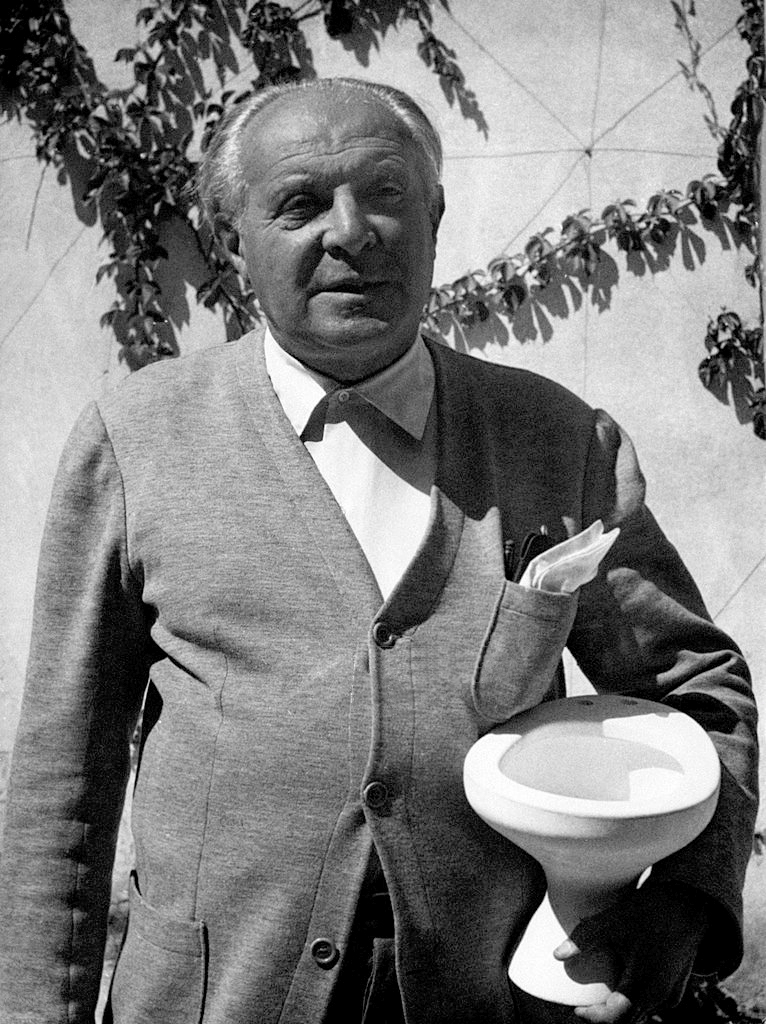
Giovanni (Gio) Ponti was an Italian architect, industrial designer, furniture designer, artist, teacher, writer and publisher.


Allan D'Arcangelo was an American artist and printmaker, best known for his paintings of highways and road signs that border on pop art and minimalism, precisionism and hard-edge painting, and also surrealism. His subject matter is distinctly American and evokes, at times, a cautious outlook on the future of this country.


Allan D'Arcangelo was an American artist and printmaker, best known for his paintings of highways and road signs that border on pop art and minimalism, precisionism and hard-edge painting, and also surrealism. His subject matter is distinctly American and evokes, at times, a cautious outlook on the future of this country.
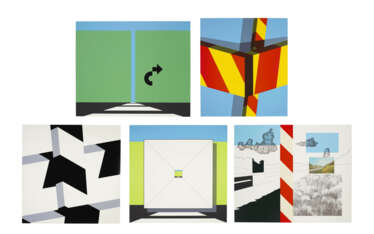

Allan D'Arcangelo was an American artist and printmaker, best known for his paintings of highways and road signs that border on pop art and minimalism, precisionism and hard-edge painting, and also surrealism. His subject matter is distinctly American and evokes, at times, a cautious outlook on the future of this country.
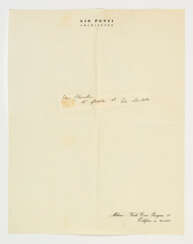

Giovanni (Gio) Ponti was an Italian architect, industrial designer, furniture designer, artist, teacher, writer and publisher.

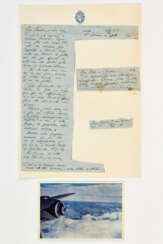

Giovanni (Gio) Ponti was an Italian architect, industrial designer, furniture designer, artist, teacher, writer and publisher.
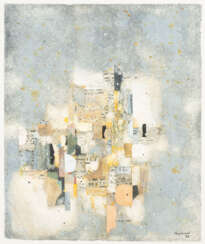

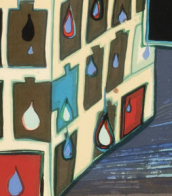
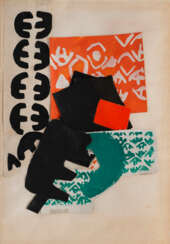

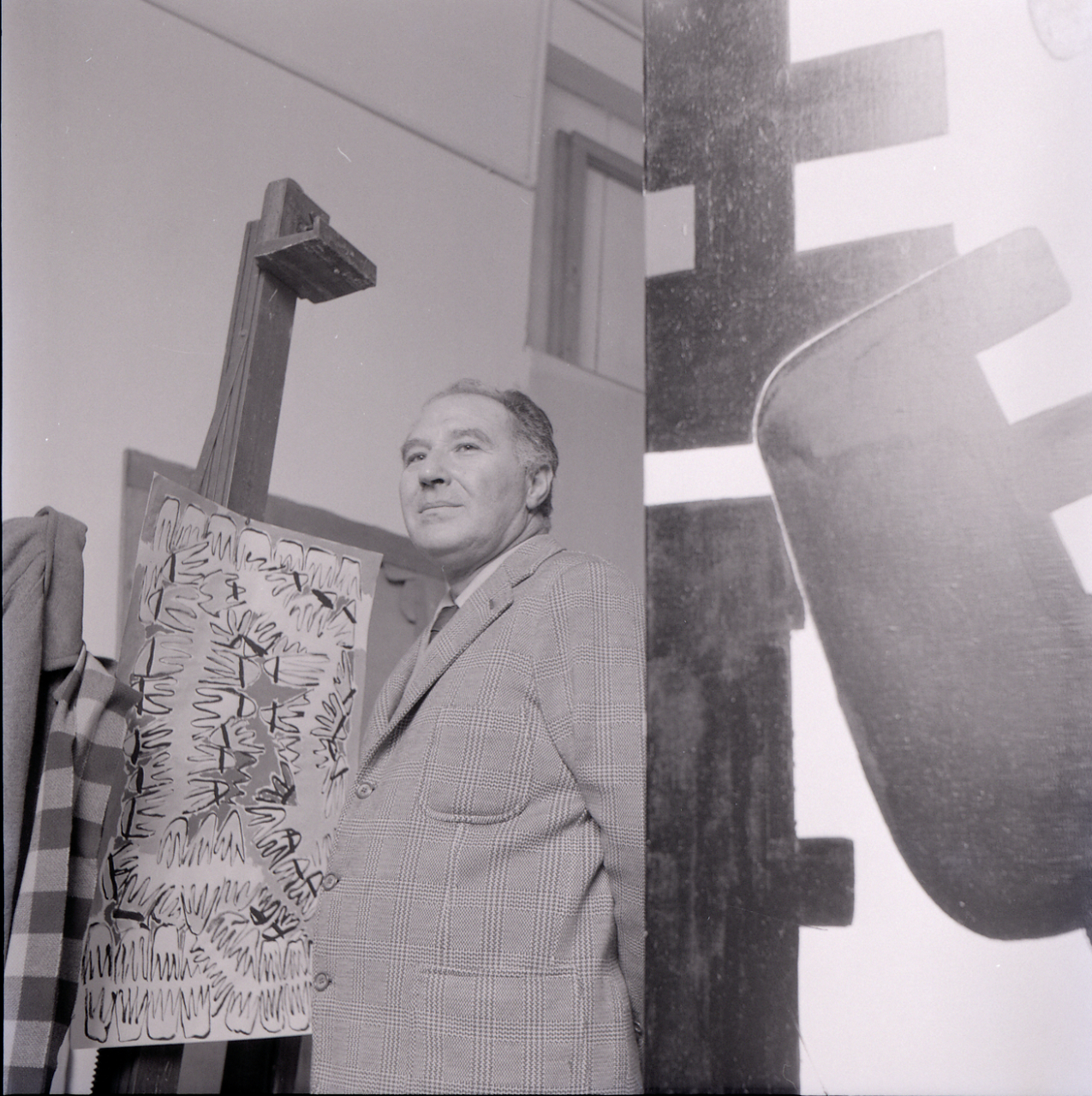
Giuseppe Capogrossi was an Italian painter.
In the years following World War II, Capogrossi's work changed in favour of a more abstract style. His work was part of the painting event in the art competition at the 1948 Summer Olympics.
Capogrossi subsequently became one of the main exponents of Italian informal art, together with Lucio Fontana and Alberto Burri.
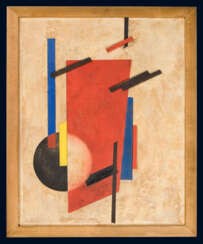

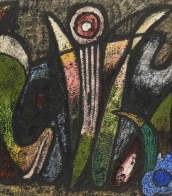


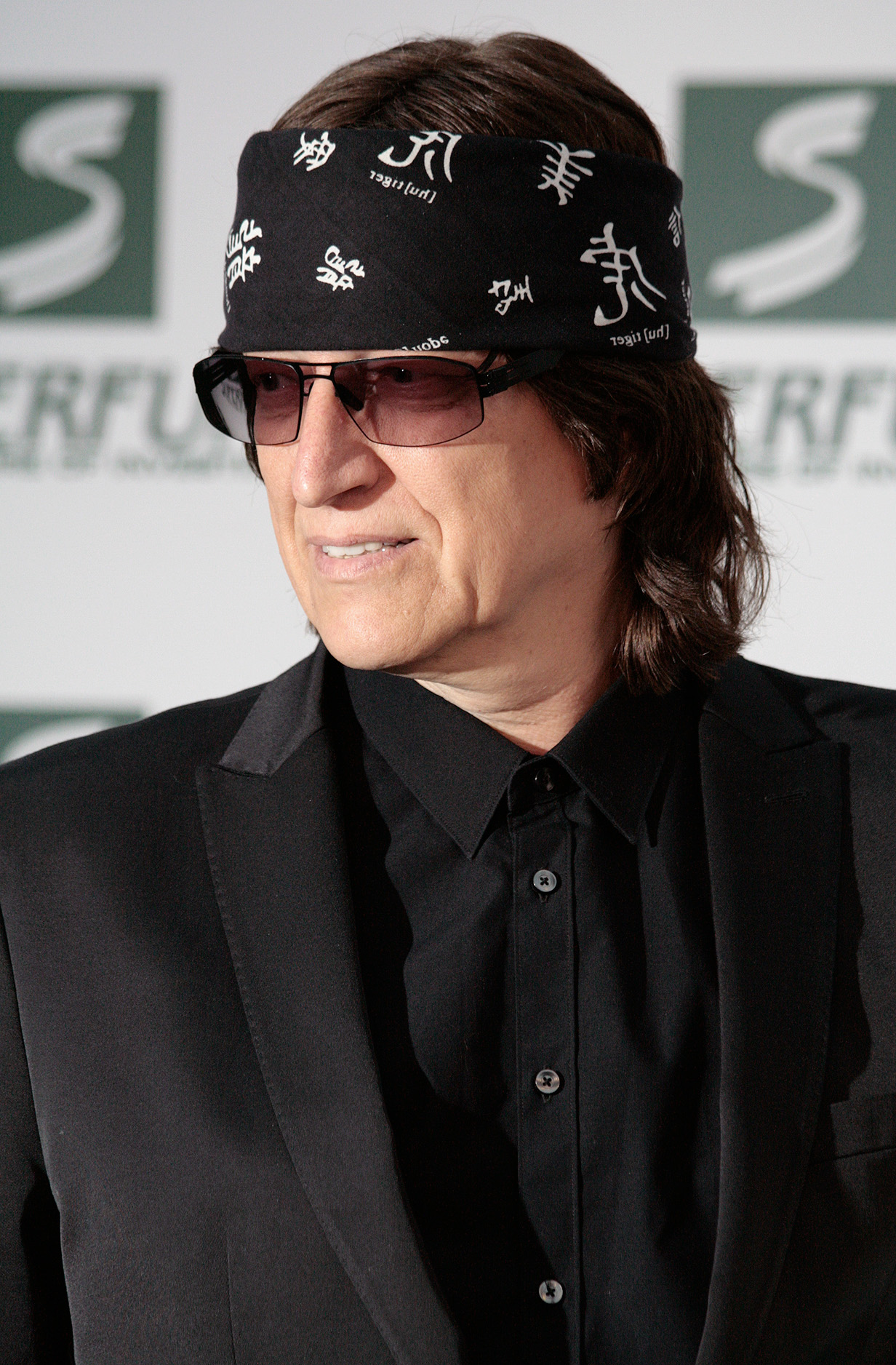
Gottfried Helnwein is an Austrian-Irish visual artist. He has worked as a painter, draftsman, photographer, muralist, sculptor, installation and performance artist, using a wide variety of techniques and media.
His work is concerned primarily with psychological and sociological anxiety, historical issues and political topics. His subject matter is the human condition. The metaphor for his art is dominated by the image of the child, particularly the wounded child, scarred physically and emotionally from within. His works often reference taboo and controversial issues from recent history, especially the Nazi rule and the horror of the Holocaust. As a result, his work is often considered provocative and controversial.
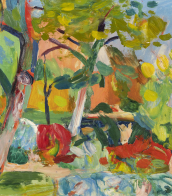
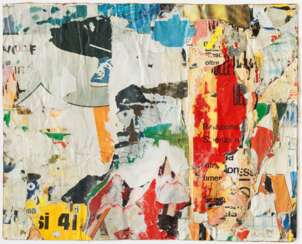

Domenico (Mimmo) Rotella was an Italian artist considered an important figure in post-war European art. Best known for his works of décollage and psychogeographics, made from torn advertising posters. He was associated to the Ultra-Lettrists an offshoot of Lettrism and later was a member of the Nouveau Réalisme, founded in 1960 by the art critic Pierre Restany.
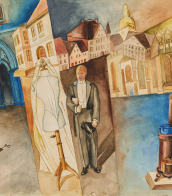
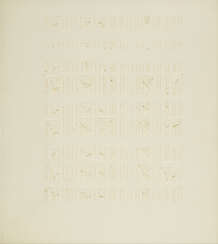

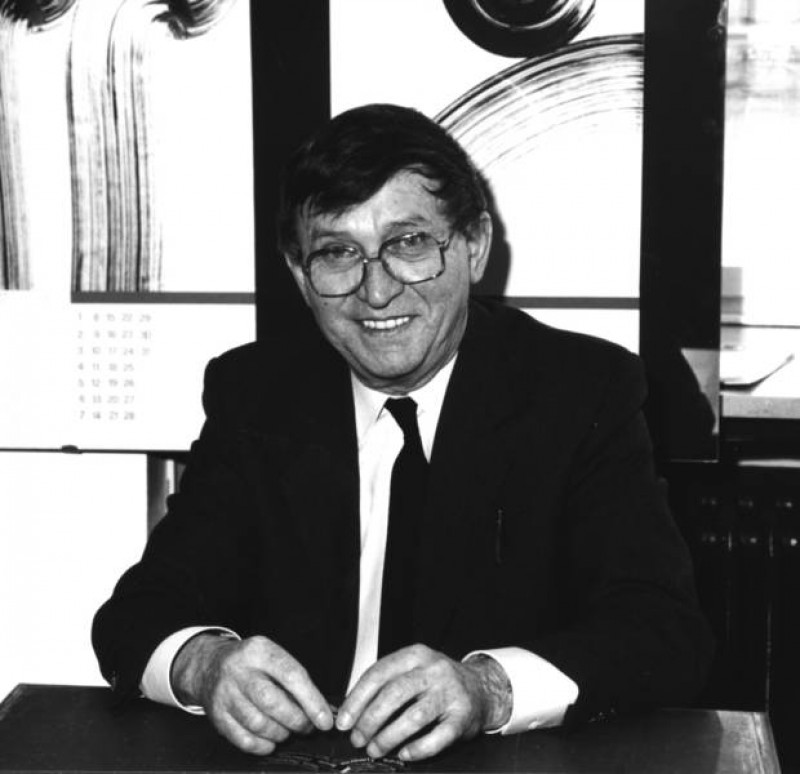
Oskar Holweck was a German painter and sculptor on paper.
After World War II, in which he went to the front and into captivity, Holweck studied applied art at the Paris Academy of Fine Arts, worked as a teacher, and was a member of the German Artists Association.
Since the 1960s, Holweck has created artworks almost exclusively with his own paper technique. Through various manipulations with this material, the artist actually created sculptures.
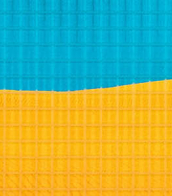
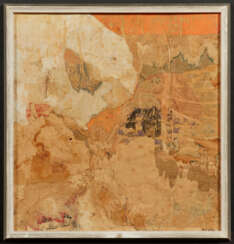



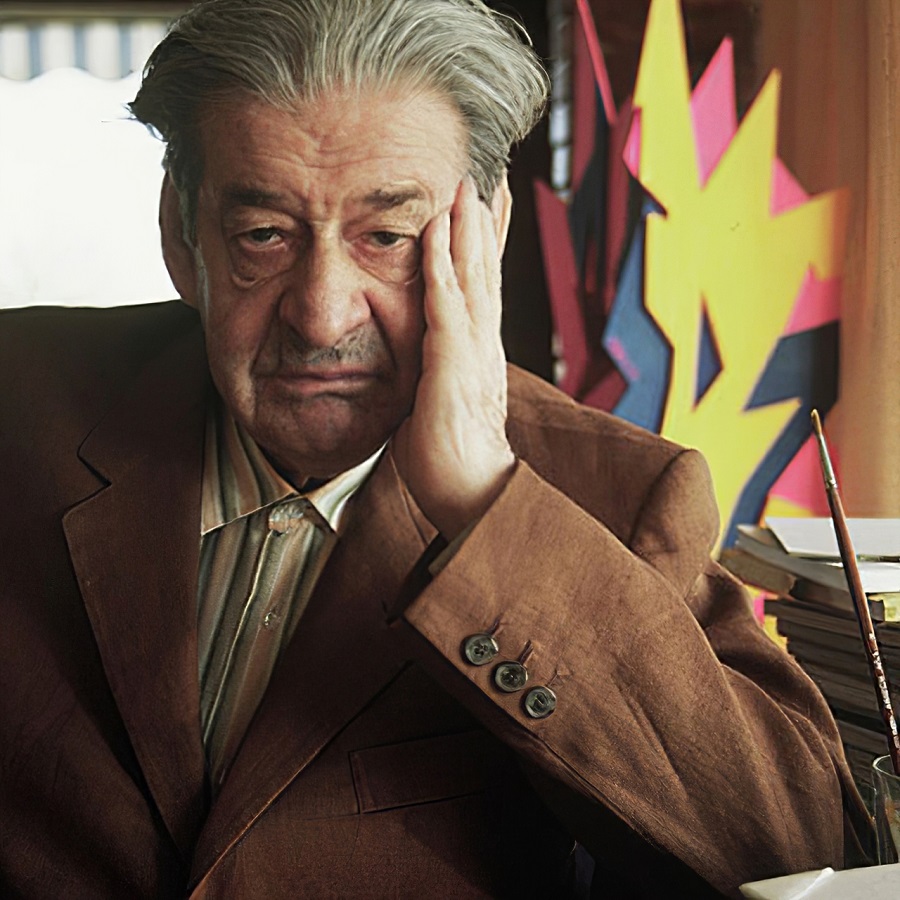
Giulio Turcato was an influential Italian painter, recognized for his contributions to both figurative and abstract expressionist art. Born in Mantua in 1912, Turcato's early artistic journey led him to the Accademia di Belle Arti di Venezia. His career path took him through various Italian cities, culminating in a significant move to Rome in 1943, where he immersed himself in the Resistance and the Communist Party.
Giulio Turcato's work, characterized by a unique blend of political engagement and artistic innovation, stood at the crossroads of critical movements and artistic groups of his time. He was a key member of Forma 1, a group advocating Marxist-leaning abstract art, and the Fronte Nuovo delle Arti. His reluctance to fully embrace either politically engaged art or formalist abstraction marked him as a distinctive voice in the Italian art scene.
His artistic oeuvre includes participating in the Venice Biennale and showcasing his work at prominent venues such as the MoMA in New York and the Staatsgalerie Moderner Kunst in Munich. Turcato's exploration of materials, evident in his "Lunar Surfaces" series, showcased his innovative approach, incorporating elements like sand and foam to create textured, dynamic compositions.
For art collectors and enthusiasts, Giulio Turcato's work offers a deep dive into a pivotal moment in Italian art history, reflecting a complex interplay of political, social, and artistic narratives. To stay updated on new sales and auction events related to Giulio Turcato's art, consider signing up for updates, ensuring you remain informed about opportunities to engage with the legacy of this pivotal artist.


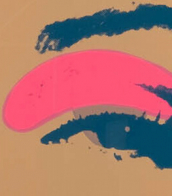
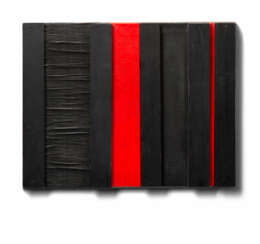

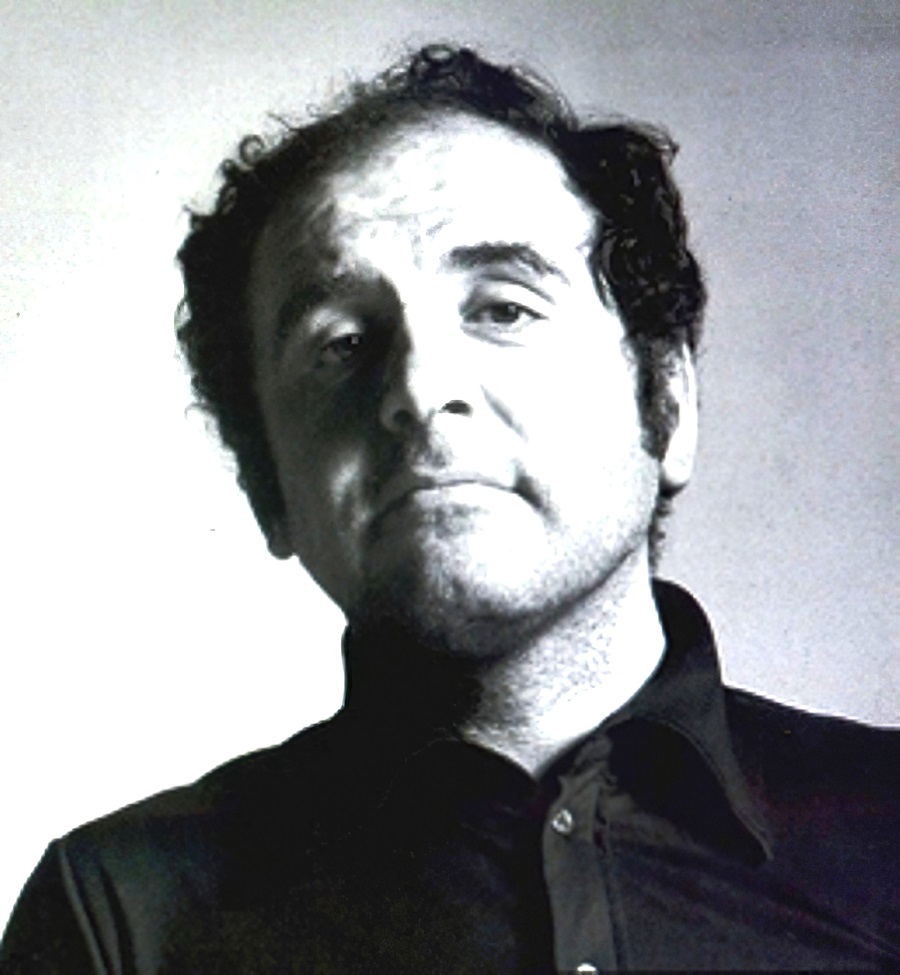
Tano Festa was an Italian painter, graphic artist and photographer.
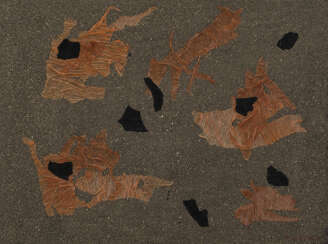

Giulio Turcato was an influential Italian painter, recognized for his contributions to both figurative and abstract expressionist art. Born in Mantua in 1912, Turcato's early artistic journey led him to the Accademia di Belle Arti di Venezia. His career path took him through various Italian cities, culminating in a significant move to Rome in 1943, where he immersed himself in the Resistance and the Communist Party.
Giulio Turcato's work, characterized by a unique blend of political engagement and artistic innovation, stood at the crossroads of critical movements and artistic groups of his time. He was a key member of Forma 1, a group advocating Marxist-leaning abstract art, and the Fronte Nuovo delle Arti. His reluctance to fully embrace either politically engaged art or formalist abstraction marked him as a distinctive voice in the Italian art scene.
His artistic oeuvre includes participating in the Venice Biennale and showcasing his work at prominent venues such as the MoMA in New York and the Staatsgalerie Moderner Kunst in Munich. Turcato's exploration of materials, evident in his "Lunar Surfaces" series, showcased his innovative approach, incorporating elements like sand and foam to create textured, dynamic compositions.
For art collectors and enthusiasts, Giulio Turcato's work offers a deep dive into a pivotal moment in Italian art history, reflecting a complex interplay of political, social, and artistic narratives. To stay updated on new sales and auction events related to Giulio Turcato's art, consider signing up for updates, ensuring you remain informed about opportunities to engage with the legacy of this pivotal artist.
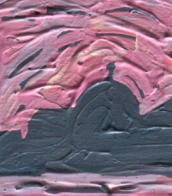
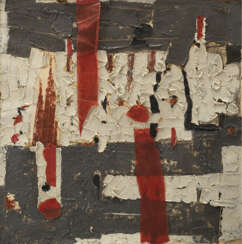

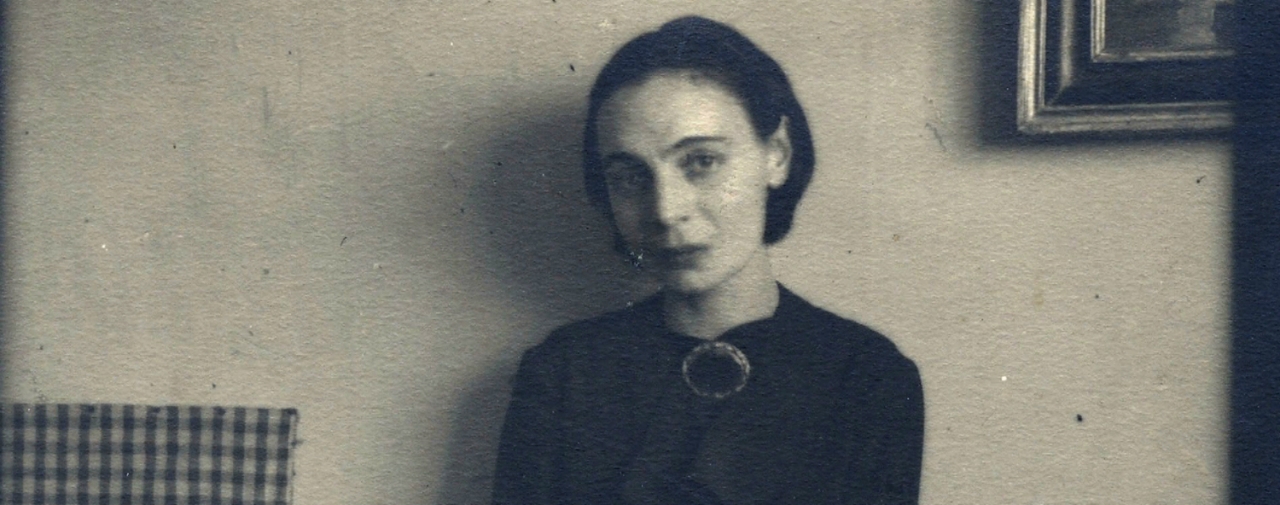
Beatrice "Bice" Lazzari was an Italian abstract painter. She is considered to be the leader of post-war painting in Italy.
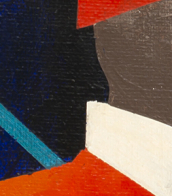


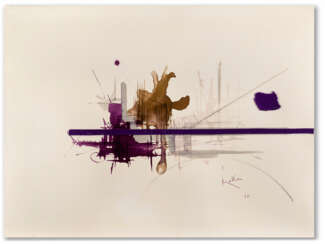

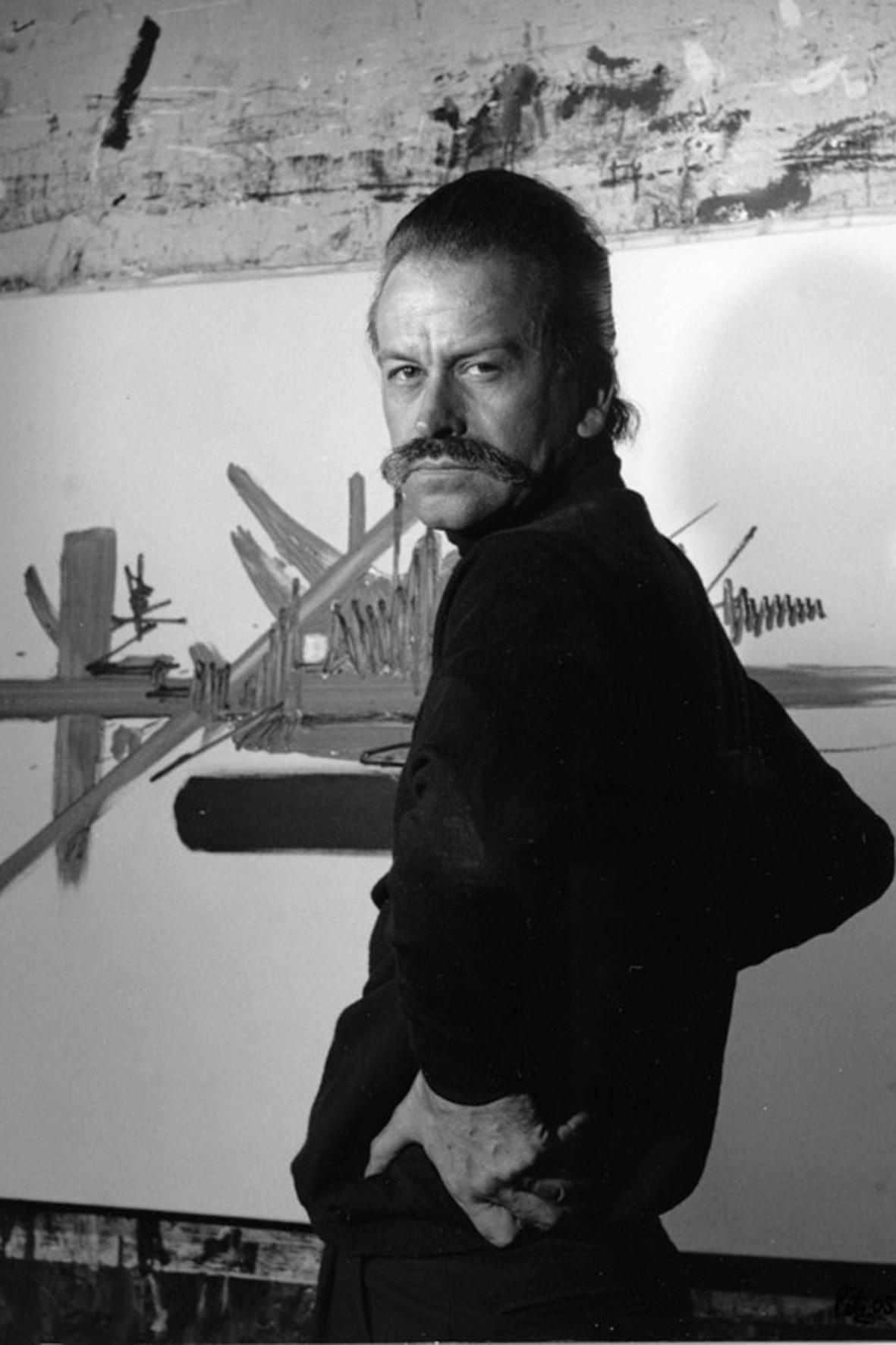
Georges Mathieu was a French abstract painter, art theorist, and member of the Académie des Beaux-Arts in Paris. He is considered one of the fathers of European lyrical abstraction, a trend of informalism.


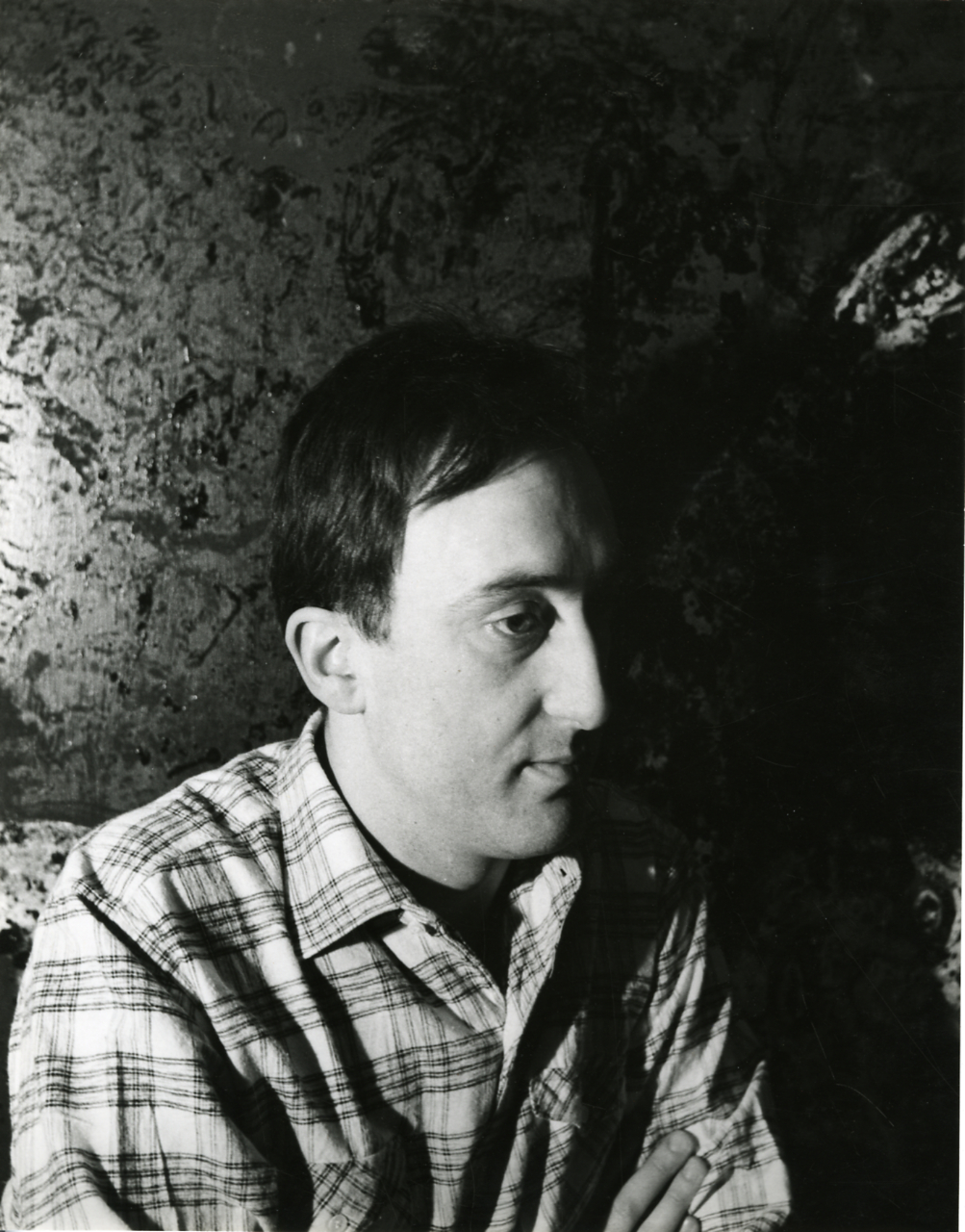
Enrico Bai was an Italian sculptor, painter, art theorist and anarchist.
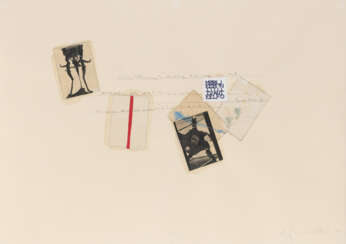

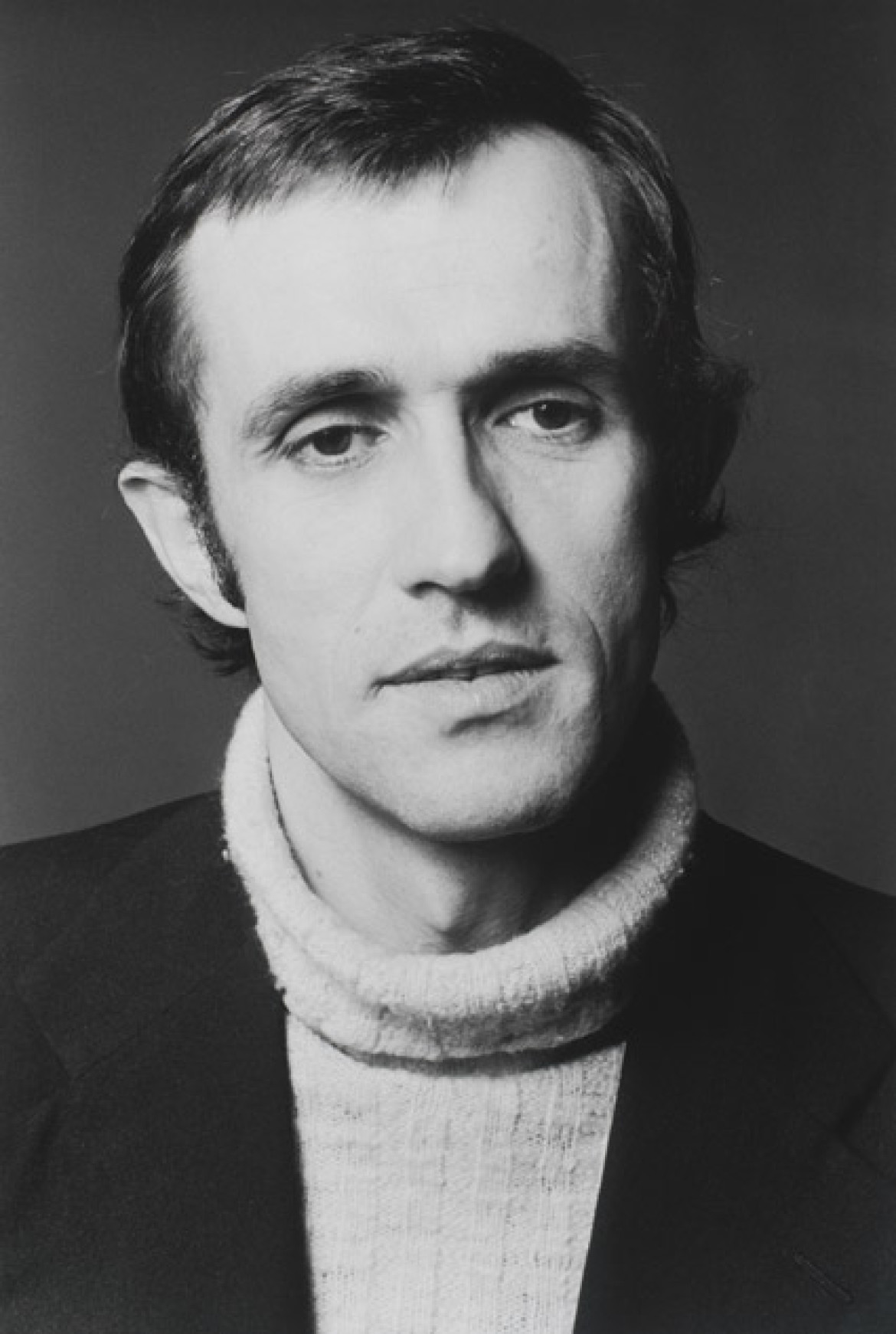
Alighiero Fabrizio Boetti, known as Alighiero e Boetti, was an Italian conceptual artist, considered to be a member of the art movement Arte Povera.
Perhaps best known is Boetti's series of large embroidered maps of the world, called simply Mappa.


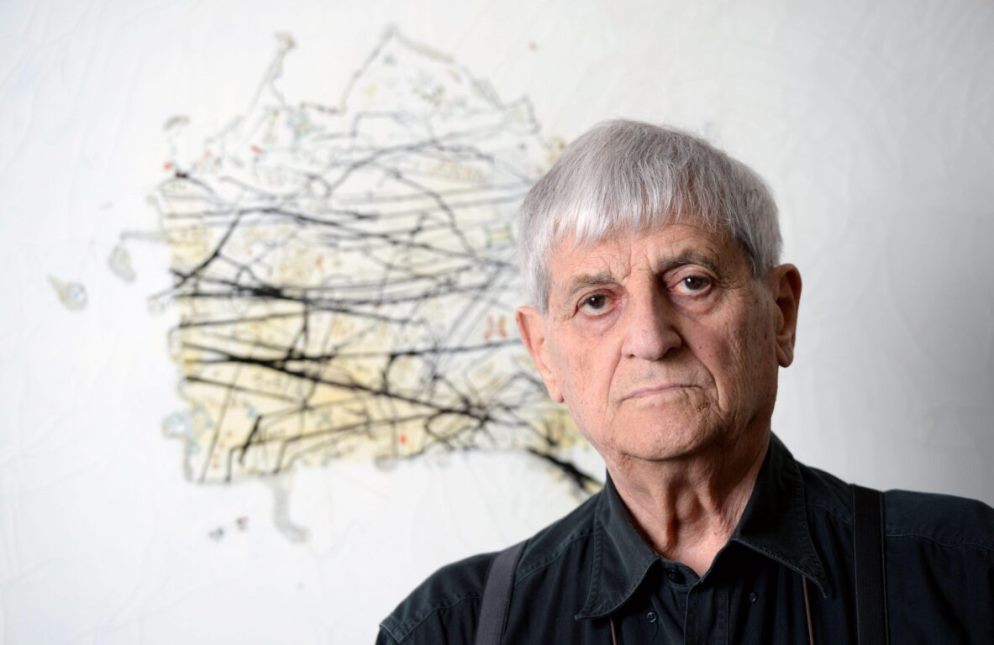
Gianfranco Baruchello is an Italian artist, poet and film director. He was a partner of Marcel Duchamp who introduced him to the New York art scene, Pop Art and American Abstract Expressionism.

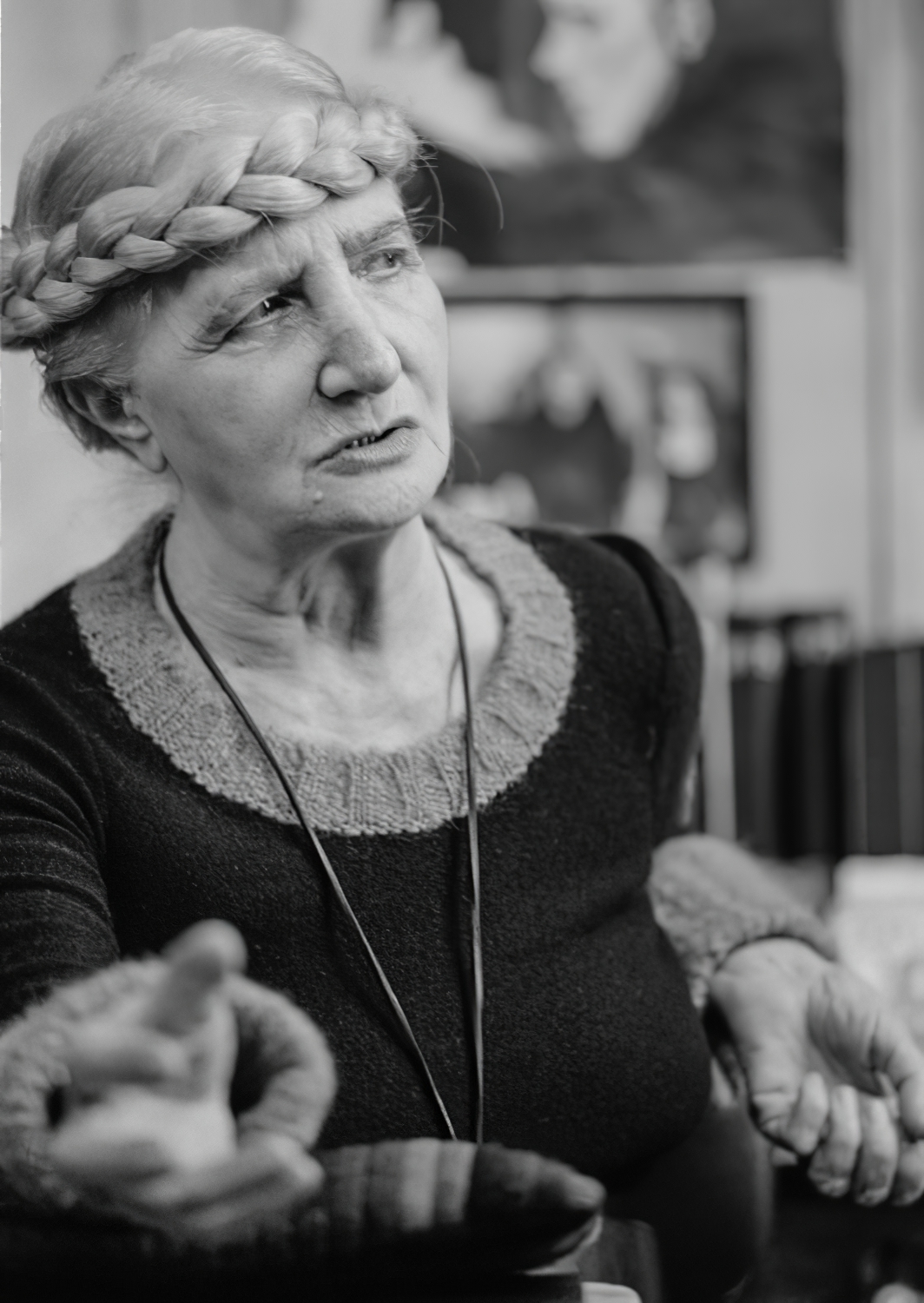
Carol Rama, actually Olga Carolina Rama, was an Italian self-taught artist. Her paintings embrace erotic and sexual identity with particular references to female sensuality. Mussolini's fascist regime deemed her work obscene and they were stigmatised as pornography.
By the early 1950s, Karol Rama was painting irregular geometric compositions of rhythmic rhombuses and squares, often connected by long spider-like lines or forming a directed field of implied movement.
Gradually she began to abolish the geometric conventions of concrete art. And after more than thirty years of inventing poisonous abstractions, Rama returned to figuration.




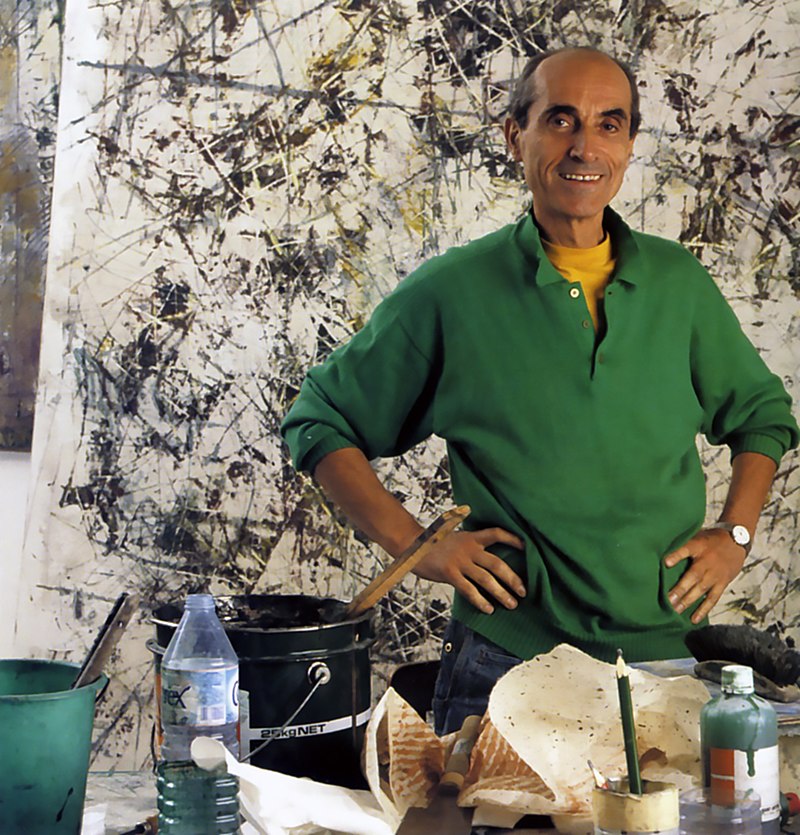
Georges Noël was a French artist, a representative of French informel.
In the mid-1950s he moved to the United States and began to create works in impasto, or, as he called them, palimpsests.
Palimpsests are old handwritten pages that have been partially scraped and then reused. Georges Noël uses the concept of palimpsest and creates his canvases with sand, crushed silica and raw pigment, giving each work a three-dimensional and energetic feel.
Georges Noël was a professor at the Minneapolis School of Art before returning to Paris.
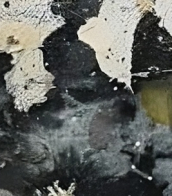


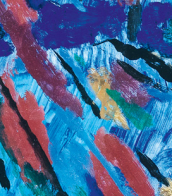


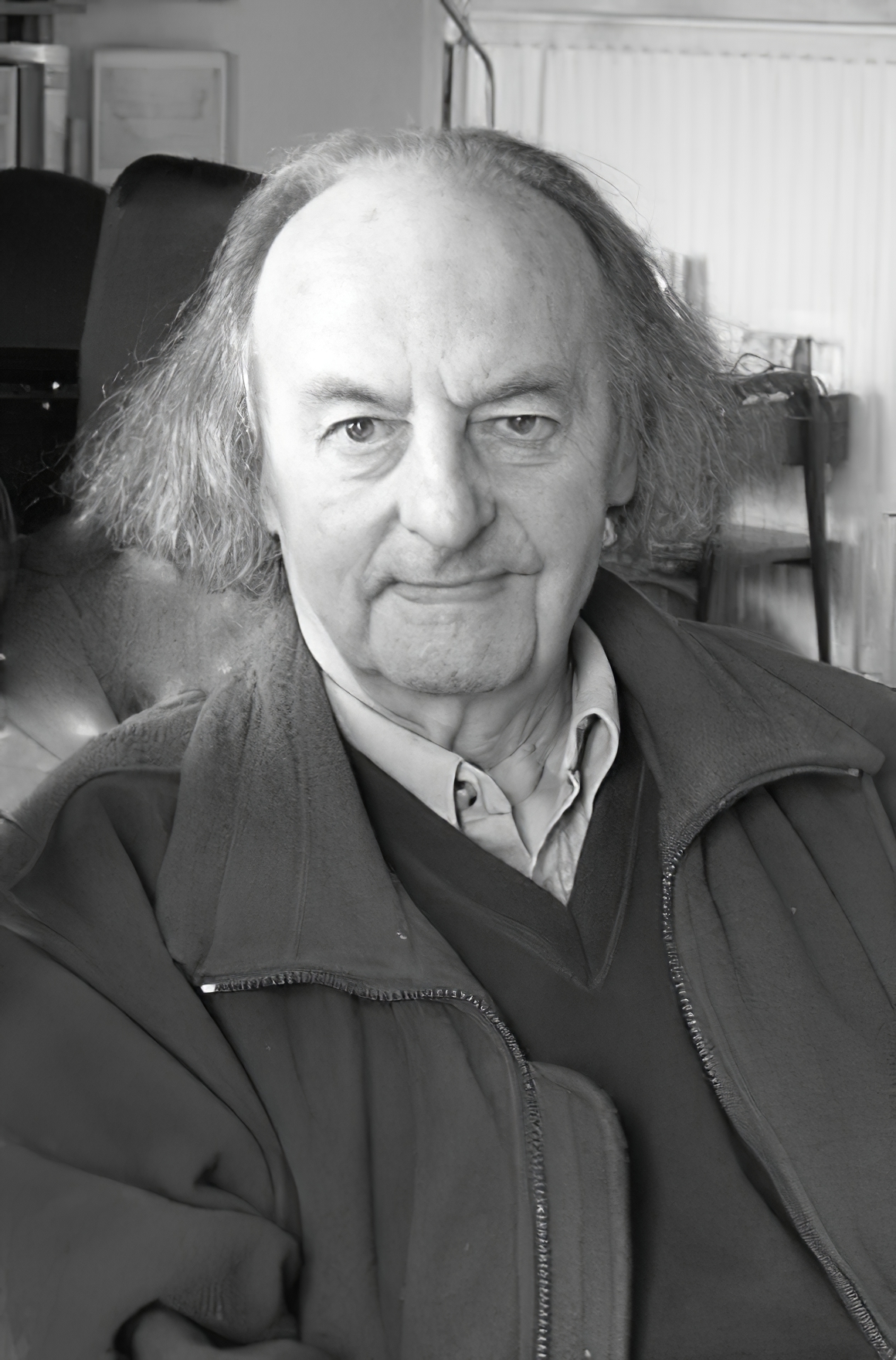
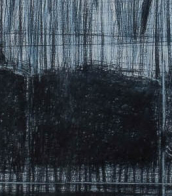


Domenico (Mimmo) Rotella was an Italian artist considered an important figure in post-war European art. Best known for his works of décollage and psychogeographics, made from torn advertising posters. He was associated to the Ultra-Lettrists an offshoot of Lettrism and later was a member of the Nouveau Réalisme, founded in 1960 by the art critic Pierre Restany.
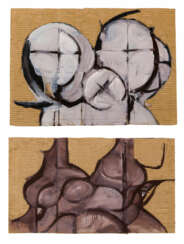

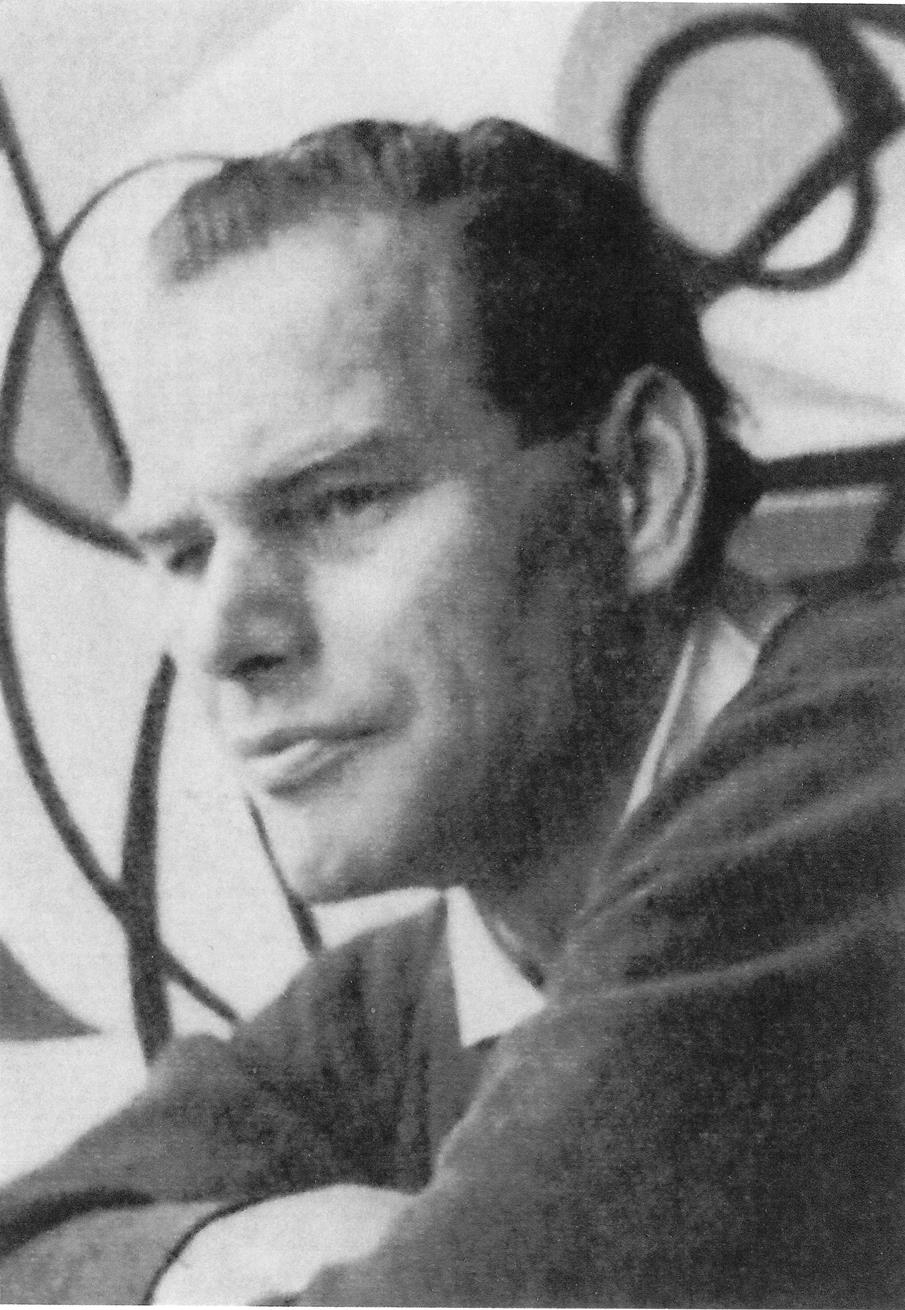
Hans Werdehausen is a German expressionist painter.
Werdehausen is a vivid representative of the new wave of postwar art. In 1948 he co-founded the group "Young West", later joined the Association of German Artists, and in 1955 - the Association of West German Artists.
Hans Werdehausen's individual style of painting combines expression, abstraction, constructivism and cubism.



Domenico (Mimmo) Rotella was an Italian artist considered an important figure in post-war European art. Best known for his works of décollage and psychogeographics, made from torn advertising posters. He was associated to the Ultra-Lettrists an offshoot of Lettrism and later was a member of the Nouveau Réalisme, founded in 1960 by the art critic Pierre Restany.
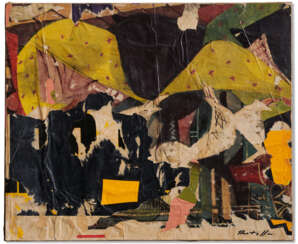

Domenico (Mimmo) Rotella was an Italian artist considered an important figure in post-war European art. Best known for his works of décollage and psychogeographics, made from torn advertising posters. He was associated to the Ultra-Lettrists an offshoot of Lettrism and later was a member of the Nouveau Réalisme, founded in 1960 by the art critic Pierre Restany.
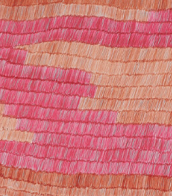
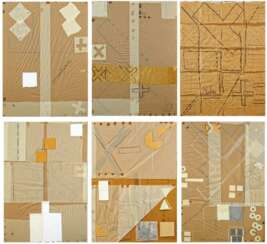

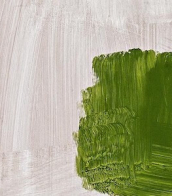


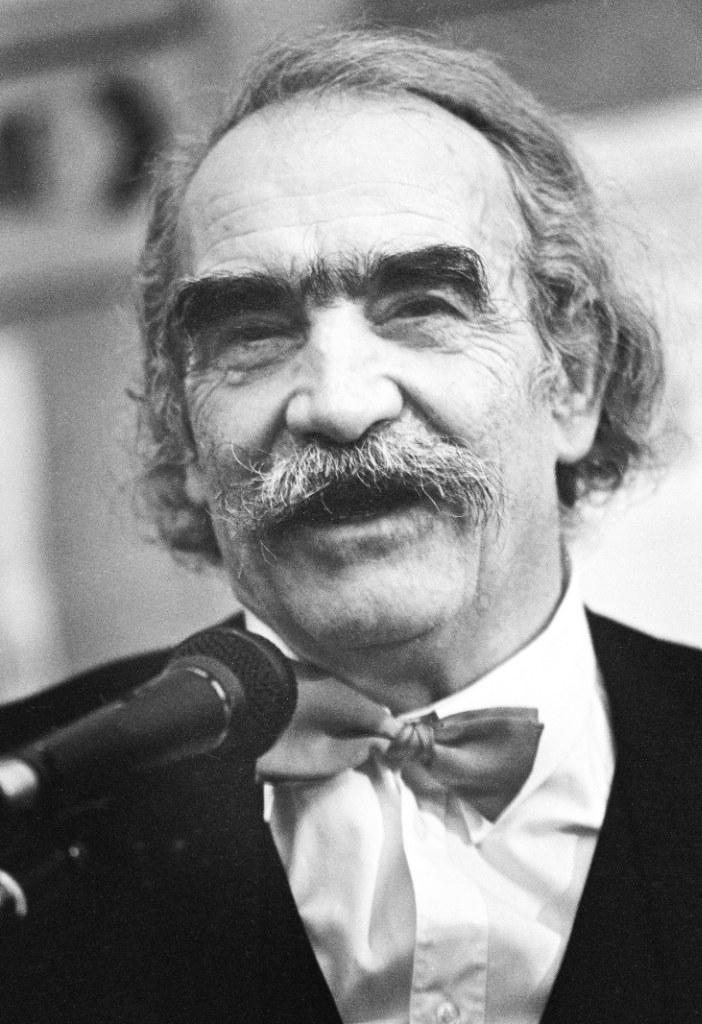
Jean Tinguely, a Swiss sculptor born in Fribourg, Switzerland, in 1925, carved a unique niche in art history with his kinetic sculptures, integrating movement and self-destruction into his works. Notably, his pieces extend the Dada tradition into the latter part of the 20th century, satirizing automation and the technological overproduction of material goods. Tinguely's innovative approach is exemplified in his Metamatic drawing machines, allowing viewers to create abstract images automatically, and his spectacular self-destroying sculpture "Homage to New York" at MoMA in 1960, showcasing his flair for blending performance and art.
His artistry evolved through collaboration with other artists, including his wife Niki de Saint Phalle, leading to vibrant, large-scale projects like the colorful "Stravinsky Fountain" near the Centre Pompidou in Paris. Tinguely's works, characterized by their use of scrap metal and mechanical parts, not only challenge the conventional boundaries of art but also engage with themes of destruction, renewal, and the intersection of art and life. His significant contributions to kinetic art and his involvement with the Nouveau Réalisme group highlight his pioneering role in post-war European art.
Tinguely's legacy is preserved in the Museum Tinguely in Basel, dedicated to his life and work, ensuring his innovative spirit continues to inspire. His works, such as "Méta-Harmonie" and the "Carnival Fountain" in Basel, remain influential, blending artistic exploration with mechanical invention.
For art collectors and experts, Tinguely's creations represent not only significant artistic achievements but also compelling investments, as his works continue to command high prices at auctions, reflecting their enduring appeal and historical importance.
To stay updated on sales and auction events featuring Jean Tinguely's art, sign up for updates. This subscription will ensure you're informed about new opportunities to explore and acquire pieces by this visionary artist, bringing the dynamic energy of kinetic art into your collection.
![DELAUNAY, Robert (1885-1941) et Anatole JAKOVSKY (1909-1938) [sous le pseudonyme d’Anatole Delagrave]](/assets/image/picture_2160007/f333f/0a9982de42702699f74597fdba7229c11651492800jpg__fix_374_244.jpeg)
![DELAUNAY, Robert (1885-1941) et Anatole JAKOVSKY (1909-1938) [sous le pseudonyme d’Anatole Delagrave]](https://veryimportantlot.com/assets/image/picture_2160007/f333f/0a9982de42702699f74597fdba7229c11651492800jpg__fix_374_244.jpeg)
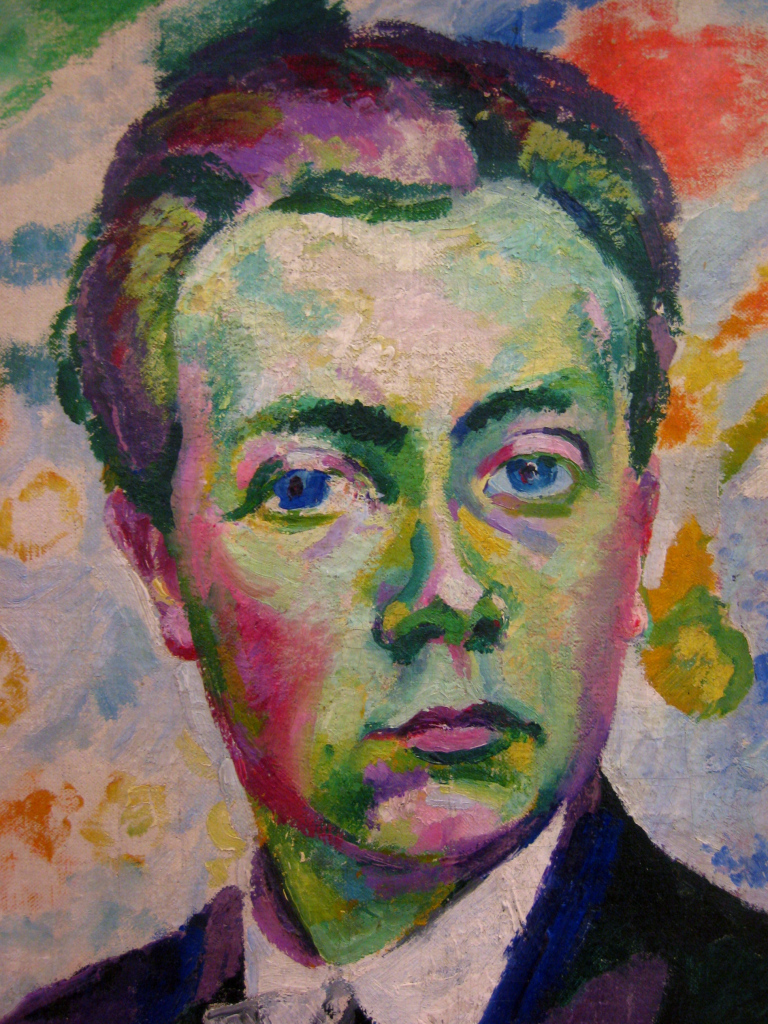
Robert Delaunay, a French artist, emerged as a pivotal figure in the development of early 20th-century art, blending the realms of painting and sculpture with his innovative approaches. His work is celebrated for its dynamic use of color and geometric shapes, making him a cornerstone in the Orphism movement, which he co-founded alongside his wife Sonia Delaunay and others. This movement is distinguished by its focus on vibrant colors and geometric forms, contributing significantly to the abstract art landscape.
Delaunay's artistic journey began earnestly at the age of 19 when he decided to fully dedicate himself to painting, contributing works to the Salon des Indépendants. His early career was marked by a deep engagement with Neo-Impressionism and Cubism, as evidenced by his collaborative work with Jean Metzinger and his exploration of color theory. Notable works from this period include "Paysage au disque" (1906–07) and "Champs de Mars: The Red Tower" (1911), showcasing his departure from representational art towards a more abstract, color-driven aesthetic.
Among Delaunay's celebrated series are the Eiffel Tower and Simultaneous Windows, reflecting his fascination with Parisian architecture and the dynamic interplay of light and color. These works, along with others like "L'Équipe de Cardiff" (1912-13) and "Endless Rhythm" (1934), are housed in prestigious museums such as the Musée d'Art Moderne de la Ville de Paris, The Solomon R. Guggenheim Museum, and the Tate collection. These pieces illustrate his evolving style, from the depiction of movement and technology in pre-war Paris to the rhythmic abstraction of later years.
Delaunay's influence extended beyond France, with significant contributions to exhibitions in Germany, Switzerland, and Russia, particularly through his involvement with Der Blaue Reiter group. His work not only captured the essence of the technological and cultural shifts of his time but also laid the groundwork for future artistic explorations into color and form.
For collectors and experts in art and antiques, Delaunay's oeuvre offers a rich study in the evolution of modern art, from its roots in Cubism and Neo-Impressionism to the heights of abstract expression. His works serve as a testament to the power of color and shape in conveying emotion and motion, making them invaluable to the understanding of 20th-century art history.
To stay informed on new sales, auctions, and exhibitions related to Robert Delaunay, sign up for updates. This subscription ensures you remain updated on opportunities to engage with Delaunay's influential body of work, reflecting the ongoing interest in his contributions to modern art.
![JAKOVSKY, Anatole (1909-1938) [sous le pseudonyme d’Anatole Delagrave] et Robert DELAUNAY (1885-1941)](/assets/image/picture_3807168/23ba7/c5e3d2b0fc5d81954ae9a4542b646a081710234000jpg__fix_374_244.jpeg)
![JAKOVSKY, Anatole (1909-1938) [sous le pseudonyme d’Anatole Delagrave] et Robert DELAUNAY (1885-1941)](https://veryimportantlot.com/assets/image/picture_3807168/23ba7/c5e3d2b0fc5d81954ae9a4542b646a081710234000jpg__fix_374_244.jpeg)
Robert Delaunay, a French artist, emerged as a pivotal figure in the development of early 20th-century art, blending the realms of painting and sculpture with his innovative approaches. His work is celebrated for its dynamic use of color and geometric shapes, making him a cornerstone in the Orphism movement, which he co-founded alongside his wife Sonia Delaunay and others. This movement is distinguished by its focus on vibrant colors and geometric forms, contributing significantly to the abstract art landscape.
Delaunay's artistic journey began earnestly at the age of 19 when he decided to fully dedicate himself to painting, contributing works to the Salon des Indépendants. His early career was marked by a deep engagement with Neo-Impressionism and Cubism, as evidenced by his collaborative work with Jean Metzinger and his exploration of color theory. Notable works from this period include "Paysage au disque" (1906–07) and "Champs de Mars: The Red Tower" (1911), showcasing his departure from representational art towards a more abstract, color-driven aesthetic.
Among Delaunay's celebrated series are the Eiffel Tower and Simultaneous Windows, reflecting his fascination with Parisian architecture and the dynamic interplay of light and color. These works, along with others like "L'Équipe de Cardiff" (1912-13) and "Endless Rhythm" (1934), are housed in prestigious museums such as the Musée d'Art Moderne de la Ville de Paris, The Solomon R. Guggenheim Museum, and the Tate collection. These pieces illustrate his evolving style, from the depiction of movement and technology in pre-war Paris to the rhythmic abstraction of later years.
Delaunay's influence extended beyond France, with significant contributions to exhibitions in Germany, Switzerland, and Russia, particularly through his involvement with Der Blaue Reiter group. His work not only captured the essence of the technological and cultural shifts of his time but also laid the groundwork for future artistic explorations into color and form.
For collectors and experts in art and antiques, Delaunay's oeuvre offers a rich study in the evolution of modern art, from its roots in Cubism and Neo-Impressionism to the heights of abstract expression. His works serve as a testament to the power of color and shape in conveying emotion and motion, making them invaluable to the understanding of 20th-century art history.
To stay informed on new sales, auctions, and exhibitions related to Robert Delaunay, sign up for updates. This subscription ensures you remain updated on opportunities to engage with Delaunay's influential body of work, reflecting the ongoing interest in his contributions to modern art.
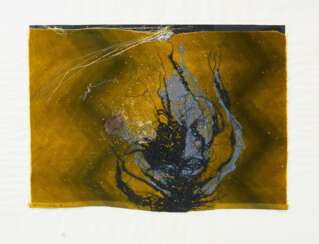

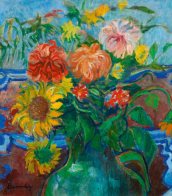
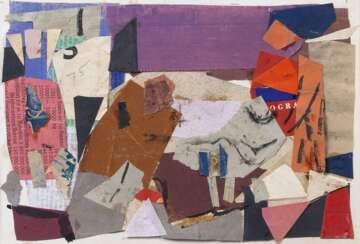

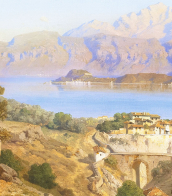


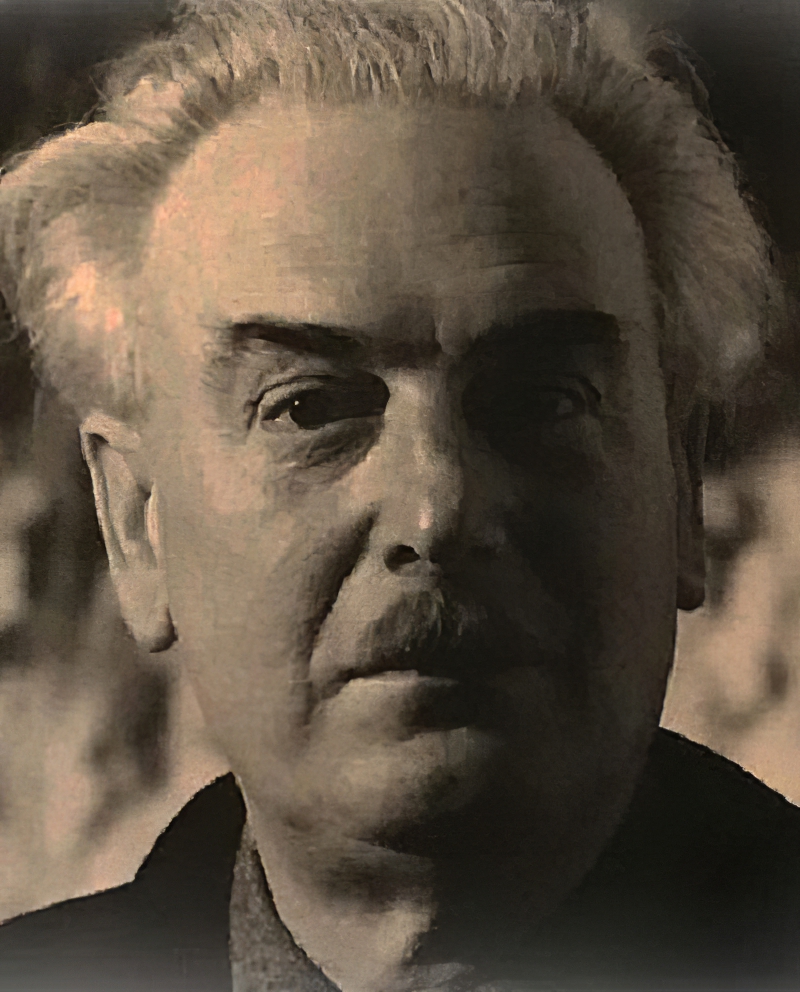
Heinrich Siepmann was a painter and belonged to the second generation of Constructivism.