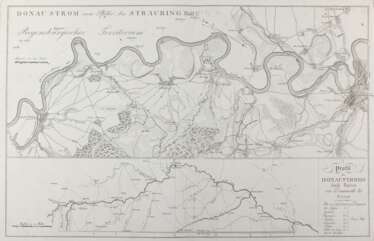
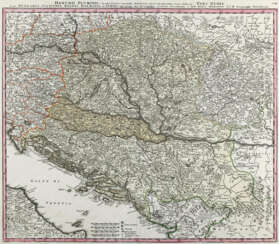
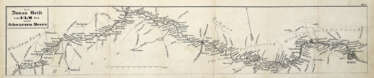
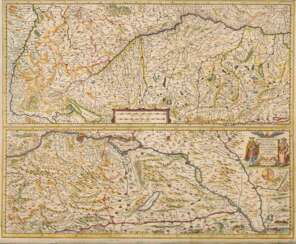
donau















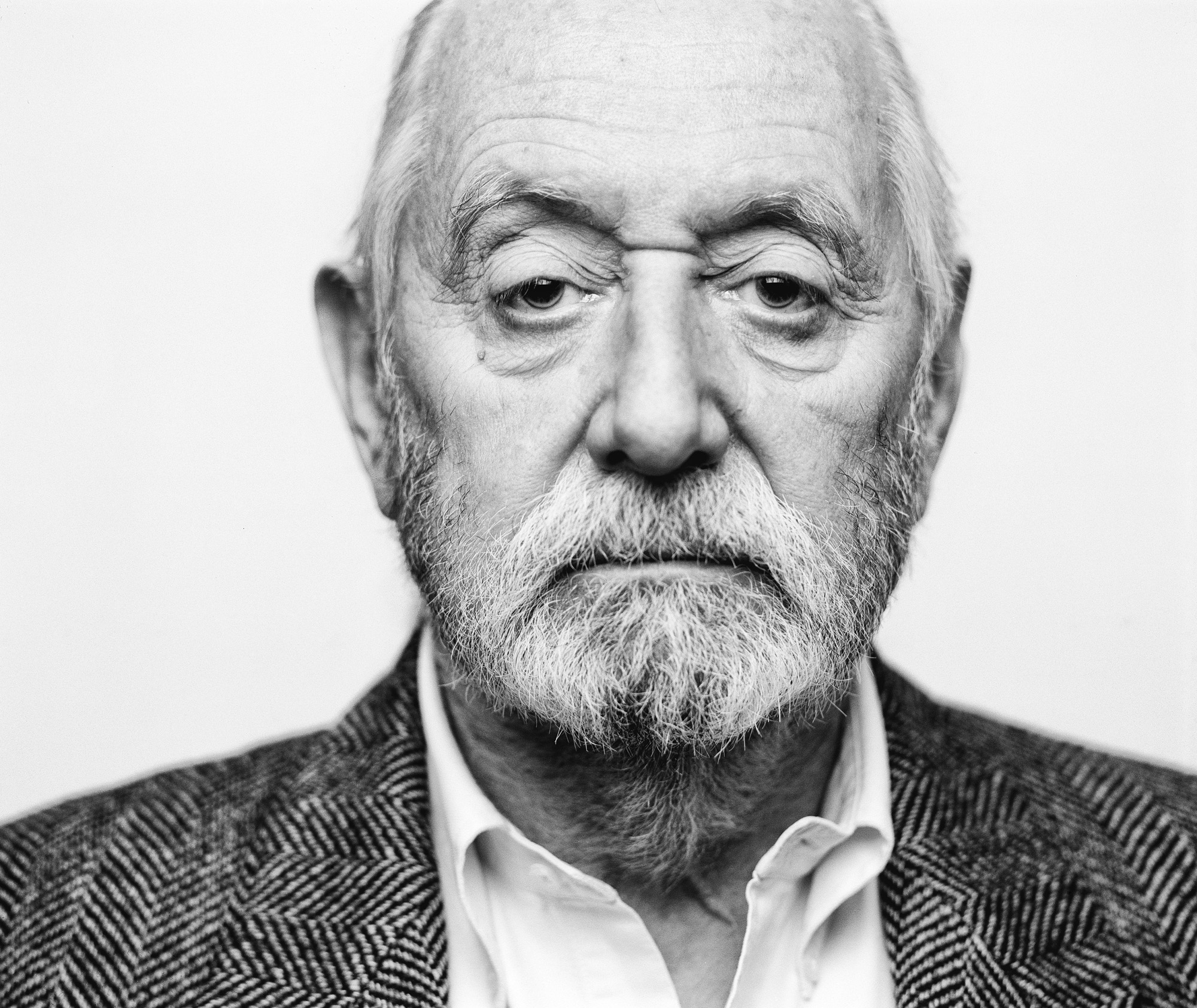
Ettore Sottsass was a 20th century Italian architect, noted for also designing furniture, jewellery, glass, lighting, home and office wares, as well as numerous buildings and interiors — often defined by bold colours.
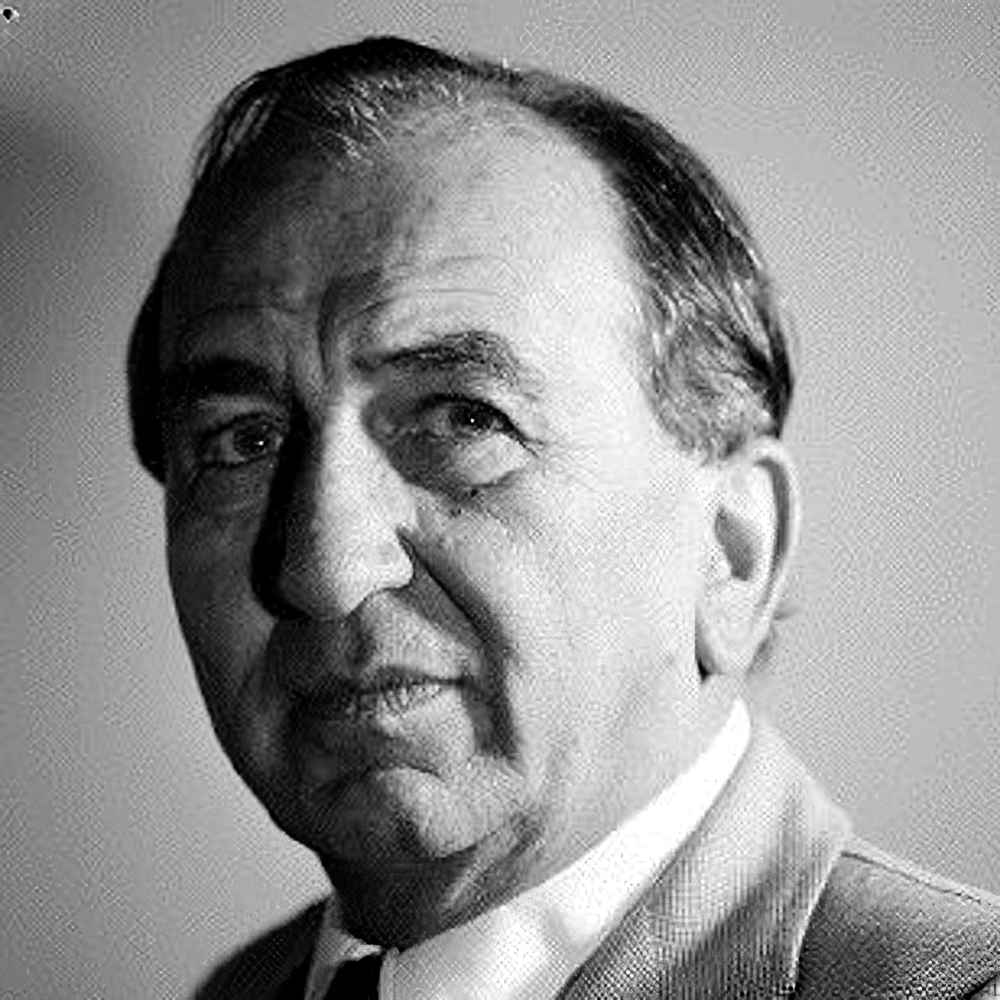
Marco Zanuso was a leading Italian Modernist architect and designer.
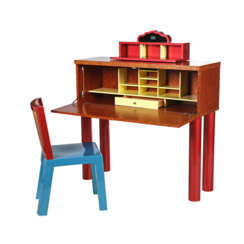

Ettore Sottsass was a 20th century Italian architect, noted for also designing furniture, jewellery, glass, lighting, home and office wares, as well as numerous buildings and interiors — often defined by bold colours.
Marco Zanuso was a leading Italian Modernist architect and designer.








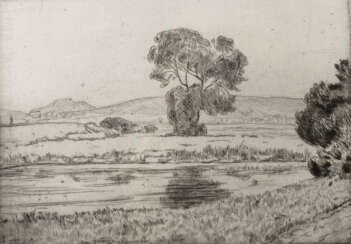




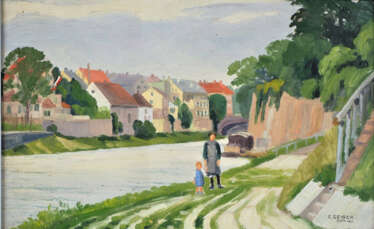



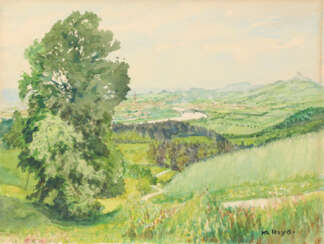





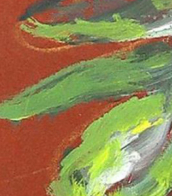
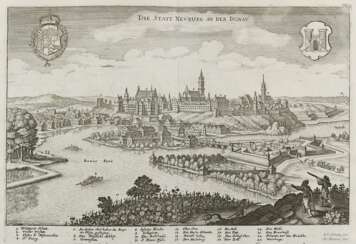

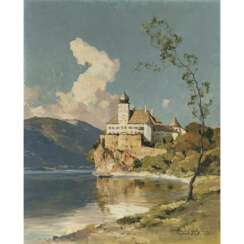

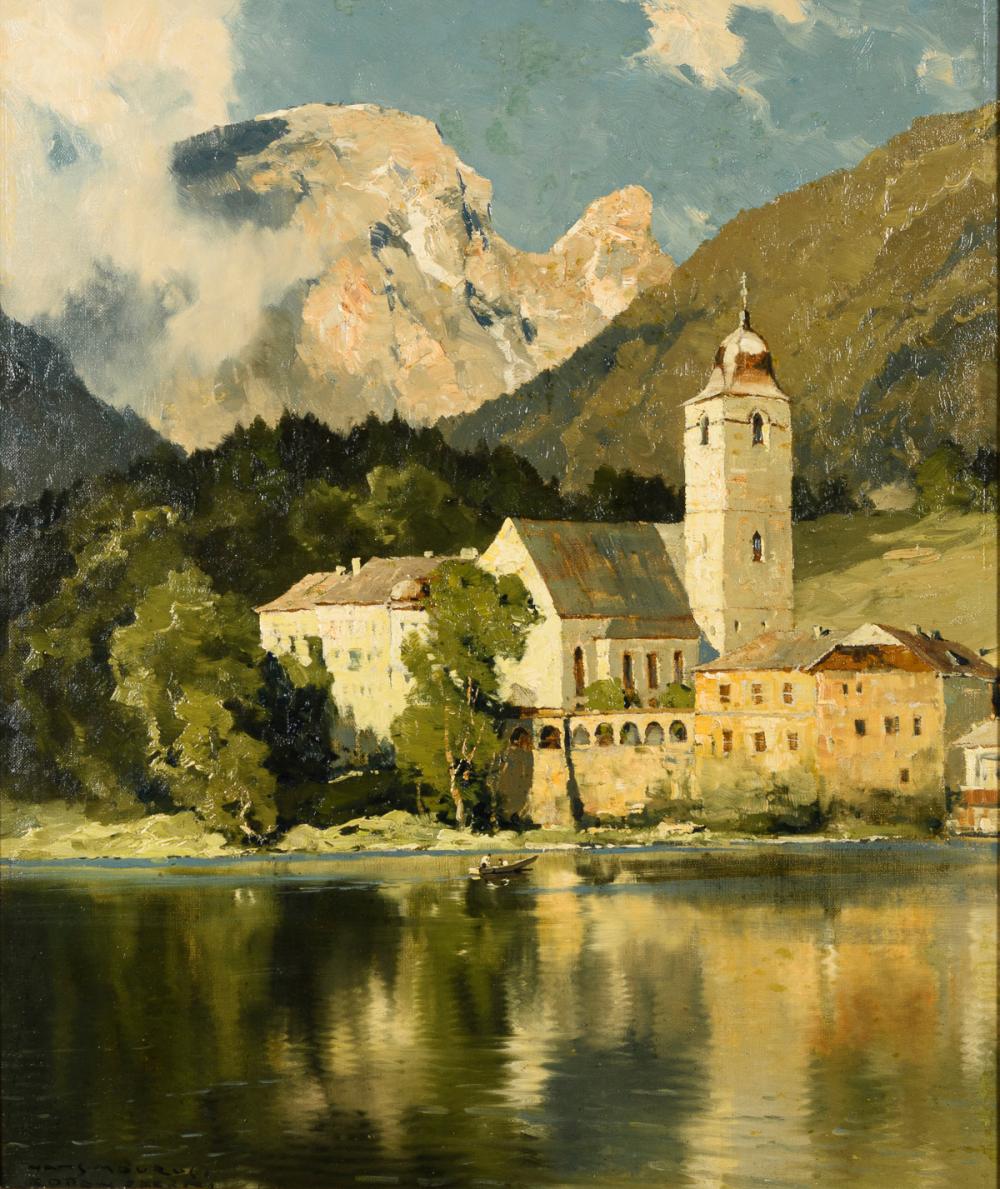
Hans Maurus was a German painter best known for his realistic portrayals of alpine views and specific mountains like the famed Matterhorn peak. Despite his relatively short career, the artist achieved widespread national appreciation and recognition for his talent at capturing these dynamic landscapes.



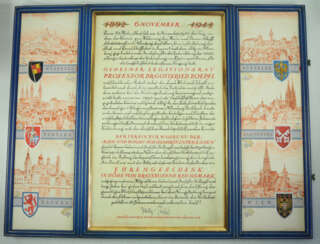

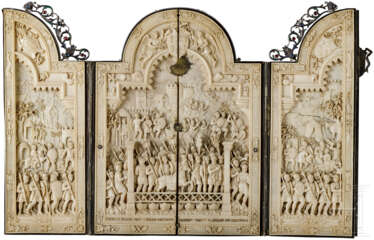












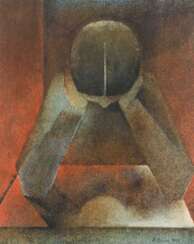

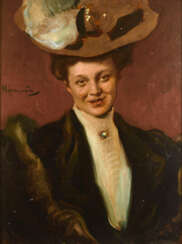

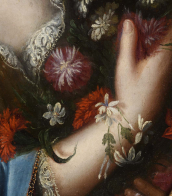


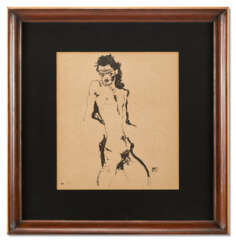

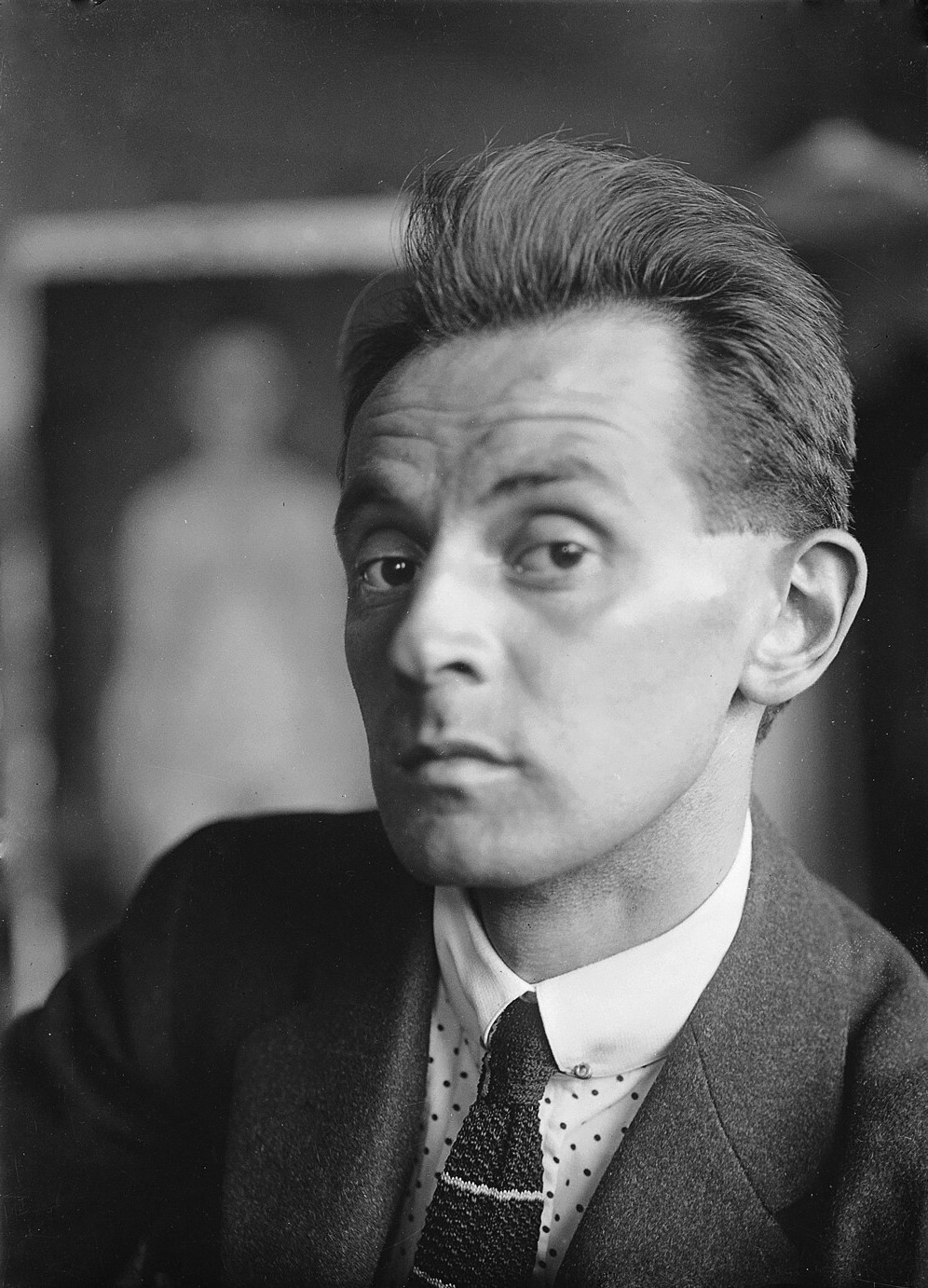
Egon Leo Adolf Ludwig Schiele, an Austrian Expressionist painter, is a figure whose work stands out for its raw intensity and exploration of sexuality, including a remarkable series of self-portraits that often featured nudity. Born in 1890 in Tulln, Lower Austria, Schiele's early life was marked by a fascination with trains and a troubled relationship with his family, especially following his father's death from syphilis when Schiele was just 15 years old. This event propelled him into the care of his uncle, who recognized Schiele's artistic talent despite his lack of interest in traditional academia, leading to Schiele's education at the Vienna Academy of Fine Arts.
Schiele's artistic journey was deeply influenced by his mentor Gustav Klimt, who introduced him to the Vienna Secession and the Wiener Werkstätte, enriching his art with elements of Art Nouveau and paving the way for his distinct style that evolved beyond the influence of his mentor. Schiele's art, characterized by its emotional and sexual honesty, utilized figural distortion to challenge conventional ideals of beauty, making his work groundbreaking for its time.
Throughout his career, Schiele focused on self-portraiture, the human body, and sexuality, often leading to controversy due to the explicit nature of his work. Despite his brief life, cut short by the Spanish flu in 1918 at the age of 28, Schiele's body of work left a lasting impact on the art world. His contributions are celebrated in numerous museums and galleries worldwide, with the Leopold Museum in Vienna housing the most extensive collection of his works, featuring over 43 paintings and 200 watercolors, drawings, and prints. Schiele's work remains influential, offering a stark, introspective look into the human condition and the existential crises of his time.
For collectors and experts in art and antiques, Schiele's work offers a profound exploration of expressionism, culture, and the avant-garde movements of early 20th-century Europe. His legacy is a testament to the power of art to challenge societal norms and to explore the depths of human emotion and sexuality.
To stay informed about new sales, auctions, and exhibitions related to Egon Leo Adolf Ludwig Schiele, consider signing up for updates. This subscription will ensure you're the first to know about opportunities to acquire pieces by this groundbreaking artist, enriching your collection with works that capture the essence of Viennese Modernism.





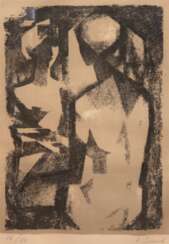



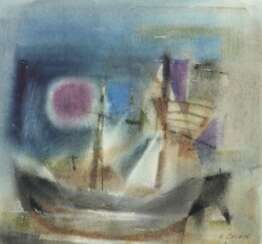




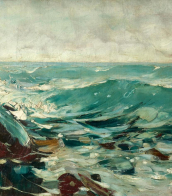




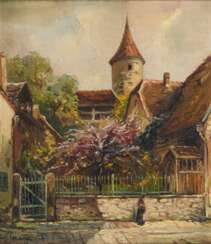








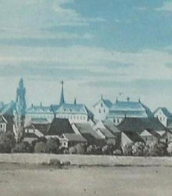
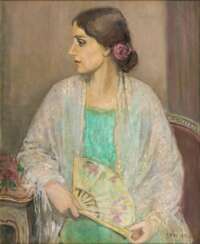

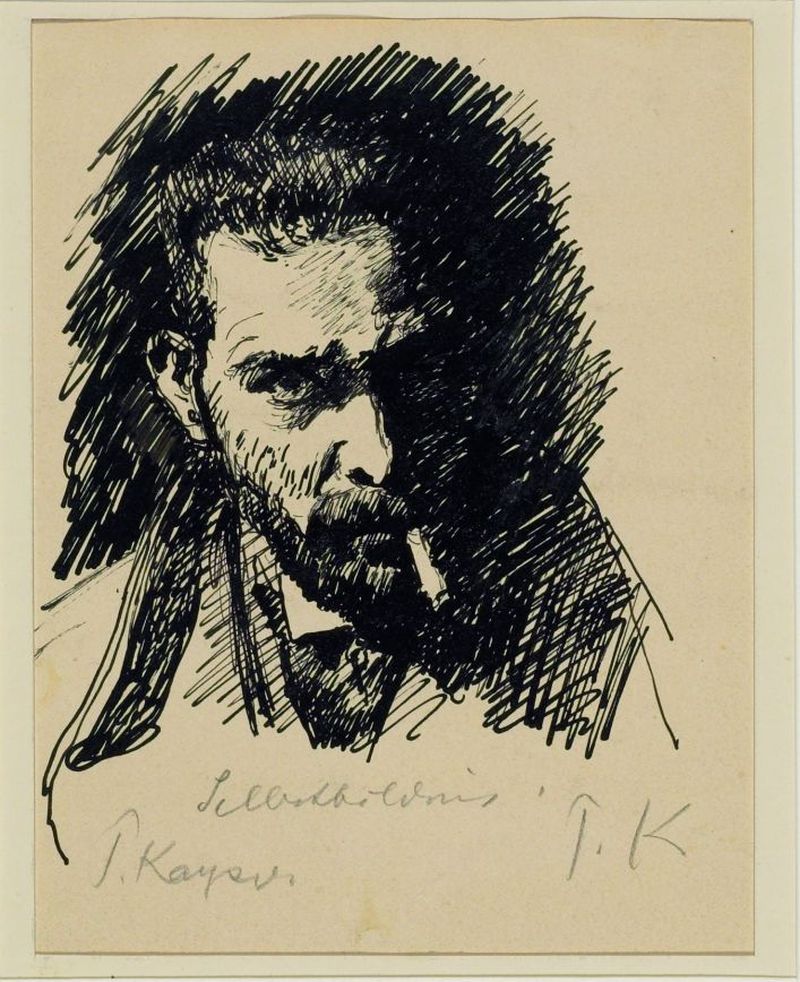
Paul Kayser was a German painter and graphic artist. After training as a painter-decorator, Kayser attended the Schools of Applied Art in Munich and Dresden.
Paul Kayser was a founding member of the Hamburg Artists' Club 1897 and the Hamburg Secession, and a member of the Hamburg Artists' Association and the Altona Artists' Association. His style was decisively influenced by Albert Marquet, whom Kaiser met in 1909.
In 1937, Kaiser's still life was confiscated from the museum in Husum as part of the Nazi "Degenerate Art" campaign.


Paul Kayser was a German painter and graphic artist. After training as a painter-decorator, Kayser attended the Schools of Applied Art in Munich and Dresden.
Paul Kayser was a founding member of the Hamburg Artists' Club 1897 and the Hamburg Secession, and a member of the Hamburg Artists' Association and the Altona Artists' Association. His style was decisively influenced by Albert Marquet, whom Kaiser met in 1909.
In 1937, Kaiser's still life was confiscated from the museum in Husum as part of the Nazi "Degenerate Art" campaign.


Paul Kayser was a German painter and graphic artist. After training as a painter-decorator, Kayser attended the Schools of Applied Art in Munich and Dresden.
Paul Kayser was a founding member of the Hamburg Artists' Club 1897 and the Hamburg Secession, and a member of the Hamburg Artists' Association and the Altona Artists' Association. His style was decisively influenced by Albert Marquet, whom Kaiser met in 1909.
In 1937, Kaiser's still life was confiscated from the museum in Husum as part of the Nazi "Degenerate Art" campaign.
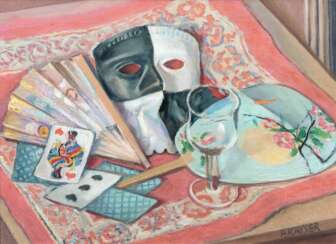

Paul Kayser was a German painter and graphic artist. After training as a painter-decorator, Kayser attended the Schools of Applied Art in Munich and Dresden.
Paul Kayser was a founding member of the Hamburg Artists' Club 1897 and the Hamburg Secession, and a member of the Hamburg Artists' Association and the Altona Artists' Association. His style was decisively influenced by Albert Marquet, whom Kaiser met in 1909.
In 1937, Kaiser's still life was confiscated from the museum in Husum as part of the Nazi "Degenerate Art" campaign.
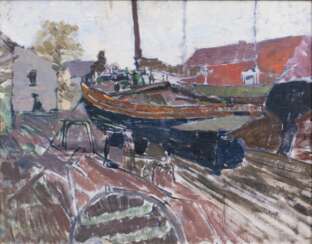

Paul Kayser was a German painter and graphic artist. After training as a painter-decorator, Kayser attended the Schools of Applied Art in Munich and Dresden.
Paul Kayser was a founding member of the Hamburg Artists' Club 1897 and the Hamburg Secession, and a member of the Hamburg Artists' Association and the Altona Artists' Association. His style was decisively influenced by Albert Marquet, whom Kaiser met in 1909.
In 1937, Kaiser's still life was confiscated from the museum in Husum as part of the Nazi "Degenerate Art" campaign.
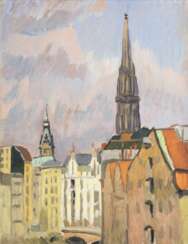

Paul Kayser was a German painter and graphic artist. After training as a painter-decorator, Kayser attended the Schools of Applied Art in Munich and Dresden.
Paul Kayser was a founding member of the Hamburg Artists' Club 1897 and the Hamburg Secession, and a member of the Hamburg Artists' Association and the Altona Artists' Association. His style was decisively influenced by Albert Marquet, whom Kaiser met in 1909.
In 1937, Kaiser's still life was confiscated from the museum in Husum as part of the Nazi "Degenerate Art" campaign.
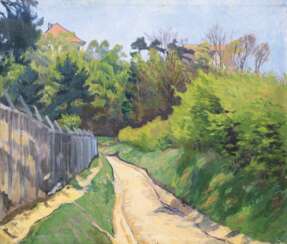

Paul Kayser was a German painter and graphic artist. After training as a painter-decorator, Kayser attended the Schools of Applied Art in Munich and Dresden.
Paul Kayser was a founding member of the Hamburg Artists' Club 1897 and the Hamburg Secession, and a member of the Hamburg Artists' Association and the Altona Artists' Association. His style was decisively influenced by Albert Marquet, whom Kaiser met in 1909.
In 1937, Kaiser's still life was confiscated from the museum in Husum as part of the Nazi "Degenerate Art" campaign.


Paul Kayser was a German painter and graphic artist. After training as a painter-decorator, Kayser attended the Schools of Applied Art in Munich and Dresden.
Paul Kayser was a founding member of the Hamburg Artists' Club 1897 and the Hamburg Secession, and a member of the Hamburg Artists' Association and the Altona Artists' Association. His style was decisively influenced by Albert Marquet, whom Kaiser met in 1909.
In 1937, Kaiser's still life was confiscated from the museum in Husum as part of the Nazi "Degenerate Art" campaign.


Paul Kayser was a German painter and graphic artist. After training as a painter-decorator, Kayser attended the Schools of Applied Art in Munich and Dresden.
Paul Kayser was a founding member of the Hamburg Artists' Club 1897 and the Hamburg Secession, and a member of the Hamburg Artists' Association and the Altona Artists' Association. His style was decisively influenced by Albert Marquet, whom Kaiser met in 1909.
In 1937, Kaiser's still life was confiscated from the museum in Husum as part of the Nazi "Degenerate Art" campaign.
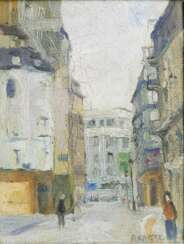

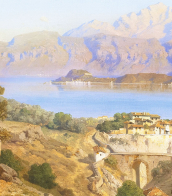
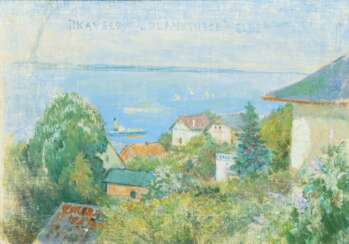

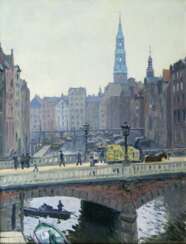

Paul Kayser was a German painter and graphic artist. After training as a painter-decorator, Kayser attended the Schools of Applied Art in Munich and Dresden.
Paul Kayser was a founding member of the Hamburg Artists' Club 1897 and the Hamburg Secession, and a member of the Hamburg Artists' Association and the Altona Artists' Association. His style was decisively influenced by Albert Marquet, whom Kaiser met in 1909.
In 1937, Kaiser's still life was confiscated from the museum in Husum as part of the Nazi "Degenerate Art" campaign.
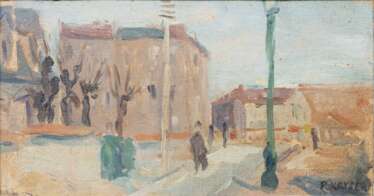

Paul Kayser was a German painter and graphic artist. After training as a painter-decorator, Kayser attended the Schools of Applied Art in Munich and Dresden.
Paul Kayser was a founding member of the Hamburg Artists' Club 1897 and the Hamburg Secession, and a member of the Hamburg Artists' Association and the Altona Artists' Association. His style was decisively influenced by Albert Marquet, whom Kaiser met in 1909.
In 1937, Kaiser's still life was confiscated from the museum in Husum as part of the Nazi "Degenerate Art" campaign.
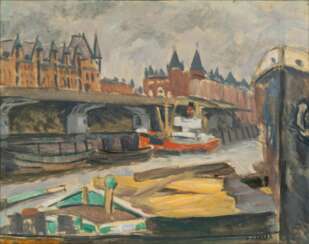

Paul Kayser was a German painter and graphic artist. After training as a painter-decorator, Kayser attended the Schools of Applied Art in Munich and Dresden.
Paul Kayser was a founding member of the Hamburg Artists' Club 1897 and the Hamburg Secession, and a member of the Hamburg Artists' Association and the Altona Artists' Association. His style was decisively influenced by Albert Marquet, whom Kaiser met in 1909.
In 1937, Kaiser's still life was confiscated from the museum in Husum as part of the Nazi "Degenerate Art" campaign.

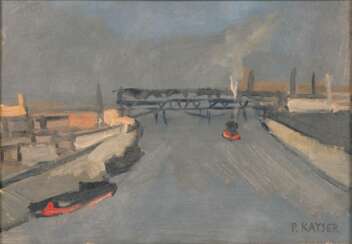

Paul Kayser was a German painter and graphic artist. After training as a painter-decorator, Kayser attended the Schools of Applied Art in Munich and Dresden.
Paul Kayser was a founding member of the Hamburg Artists' Club 1897 and the Hamburg Secession, and a member of the Hamburg Artists' Association and the Altona Artists' Association. His style was decisively influenced by Albert Marquet, whom Kaiser met in 1909.
In 1937, Kaiser's still life was confiscated from the museum in Husum as part of the Nazi "Degenerate Art" campaign.
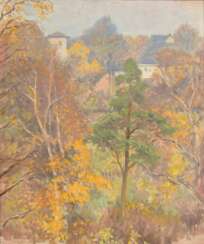

Paul Kayser was a German painter and graphic artist. After training as a painter-decorator, Kayser attended the Schools of Applied Art in Munich and Dresden.
Paul Kayser was a founding member of the Hamburg Artists' Club 1897 and the Hamburg Secession, and a member of the Hamburg Artists' Association and the Altona Artists' Association. His style was decisively influenced by Albert Marquet, whom Kaiser met in 1909.
In 1937, Kaiser's still life was confiscated from the museum in Husum as part of the Nazi "Degenerate Art" campaign.
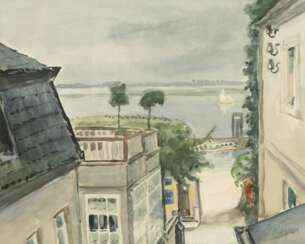

Paul Kayser was a German painter and graphic artist. After training as a painter-decorator, Kayser attended the Schools of Applied Art in Munich and Dresden.
Paul Kayser was a founding member of the Hamburg Artists' Club 1897 and the Hamburg Secession, and a member of the Hamburg Artists' Association and the Altona Artists' Association. His style was decisively influenced by Albert Marquet, whom Kaiser met in 1909.
In 1937, Kaiser's still life was confiscated from the museum in Husum as part of the Nazi "Degenerate Art" campaign.


Paul Kayser was a German painter and graphic artist. After training as a painter-decorator, Kayser attended the Schools of Applied Art in Munich and Dresden.
Paul Kayser was a founding member of the Hamburg Artists' Club 1897 and the Hamburg Secession, and a member of the Hamburg Artists' Association and the Altona Artists' Association. His style was decisively influenced by Albert Marquet, whom Kaiser met in 1909.
In 1937, Kaiser's still life was confiscated from the museum in Husum as part of the Nazi "Degenerate Art" campaign.
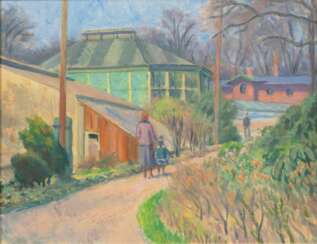

Paul Kayser was a German painter and graphic artist. After training as a painter-decorator, Kayser attended the Schools of Applied Art in Munich and Dresden.
Paul Kayser was a founding member of the Hamburg Artists' Club 1897 and the Hamburg Secession, and a member of the Hamburg Artists' Association and the Altona Artists' Association. His style was decisively influenced by Albert Marquet, whom Kaiser met in 1909.
In 1937, Kaiser's still life was confiscated from the museum in Husum as part of the Nazi "Degenerate Art" campaign.
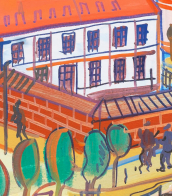
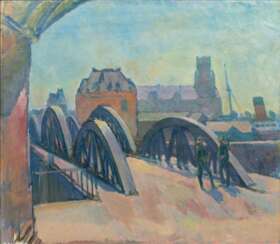

Paul Kayser was a German painter and graphic artist. After training as a painter-decorator, Kayser attended the Schools of Applied Art in Munich and Dresden.
Paul Kayser was a founding member of the Hamburg Artists' Club 1897 and the Hamburg Secession, and a member of the Hamburg Artists' Association and the Altona Artists' Association. His style was decisively influenced by Albert Marquet, whom Kaiser met in 1909.
In 1937, Kaiser's still life was confiscated from the museum in Husum as part of the Nazi "Degenerate Art" campaign.
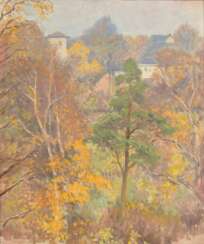

Paul Kayser was a German painter and graphic artist. After training as a painter-decorator, Kayser attended the Schools of Applied Art in Munich and Dresden.
Paul Kayser was a founding member of the Hamburg Artists' Club 1897 and the Hamburg Secession, and a member of the Hamburg Artists' Association and the Altona Artists' Association. His style was decisively influenced by Albert Marquet, whom Kaiser met in 1909.
In 1937, Kaiser's still life was confiscated from the museum in Husum as part of the Nazi "Degenerate Art" campaign.
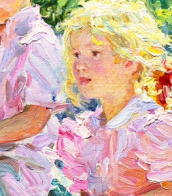


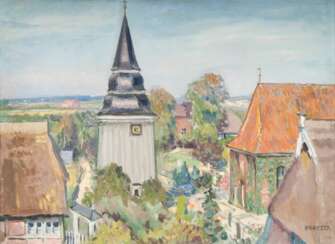

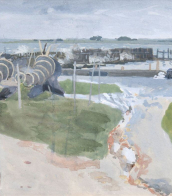




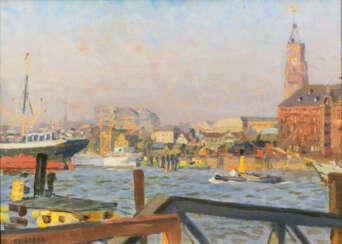

Paul Kayser was a German painter and graphic artist. After training as a painter-decorator, Kayser attended the Schools of Applied Art in Munich and Dresden.
Paul Kayser was a founding member of the Hamburg Artists' Club 1897 and the Hamburg Secession, and a member of the Hamburg Artists' Association and the Altona Artists' Association. His style was decisively influenced by Albert Marquet, whom Kaiser met in 1909.
In 1937, Kaiser's still life was confiscated from the museum in Husum as part of the Nazi "Degenerate Art" campaign.





Paul Kayser was a German painter and graphic artist. After training as a painter-decorator, Kayser attended the Schools of Applied Art in Munich and Dresden.
Paul Kayser was a founding member of the Hamburg Artists' Club 1897 and the Hamburg Secession, and a member of the Hamburg Artists' Association and the Altona Artists' Association. His style was decisively influenced by Albert Marquet, whom Kaiser met in 1909.
In 1937, Kaiser's still life was confiscated from the museum in Husum as part of the Nazi "Degenerate Art" campaign.


Paul Kayser was a German painter and graphic artist. After training as a painter-decorator, Kayser attended the Schools of Applied Art in Munich and Dresden.
Paul Kayser was a founding member of the Hamburg Artists' Club 1897 and the Hamburg Secession, and a member of the Hamburg Artists' Association and the Altona Artists' Association. His style was decisively influenced by Albert Marquet, whom Kaiser met in 1909.
In 1937, Kaiser's still life was confiscated from the museum in Husum as part of the Nazi "Degenerate Art" campaign.


Paul Kayser was a German painter and graphic artist. After training as a painter-decorator, Kayser attended the Schools of Applied Art in Munich and Dresden.
Paul Kayser was a founding member of the Hamburg Artists' Club 1897 and the Hamburg Secession, and a member of the Hamburg Artists' Association and the Altona Artists' Association. His style was decisively influenced by Albert Marquet, whom Kaiser met in 1909.
In 1937, Kaiser's still life was confiscated from the museum in Husum as part of the Nazi "Degenerate Art" campaign.


Paul Kayser was a German painter and graphic artist. After training as a painter-decorator, Kayser attended the Schools of Applied Art in Munich and Dresden.
Paul Kayser was a founding member of the Hamburg Artists' Club 1897 and the Hamburg Secession, and a member of the Hamburg Artists' Association and the Altona Artists' Association. His style was decisively influenced by Albert Marquet, whom Kaiser met in 1909.
In 1937, Kaiser's still life was confiscated from the museum in Husum as part of the Nazi "Degenerate Art" campaign.


Paul Kayser was a German painter and graphic artist. After training as a painter-decorator, Kayser attended the Schools of Applied Art in Munich and Dresden.
Paul Kayser was a founding member of the Hamburg Artists' Club 1897 and the Hamburg Secession, and a member of the Hamburg Artists' Association and the Altona Artists' Association. His style was decisively influenced by Albert Marquet, whom Kaiser met in 1909.
In 1937, Kaiser's still life was confiscated from the museum in Husum as part of the Nazi "Degenerate Art" campaign.

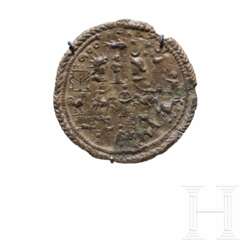

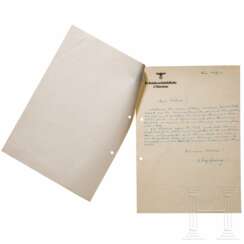


















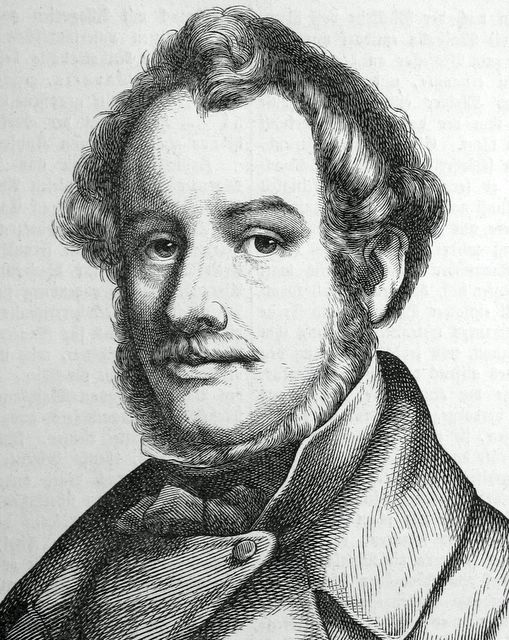
Ludwig Michael Schwanthaler, ennobled as Ritter von Schwanthaler, was a Bavarian sculptor and a key figure in the Classical movement in southern Germany. He was born on 26 August 1802 in Munich to a family that had been involved in sculpture for centuries.
Schwanthaler's journey began under his father's tutelage before he formally trained at the Munich Academy. His talent was so profound that he received commissions from royalty and mentorship from the likes of Peter von Cornelius. He further honed his skills in Rome, where he was influenced by Bertel Thorvaldsen. Returning to Munich, Schwanthaler met the demands for sculpture head-on, collaborating with architects and painters to revive the arts in Bavaria.
Among his many works, the statues in the Neues Palais and the figures in the Alte Pinakothek are notable. His versatility also shone in sacred art, with his contributions to St Ludwig and St Mariahilf churches. The Ruhmeshalle's metopes and the monumental Bavaria statue demonstrate his artistic bravery. Schwanthaler's life was dedicated to his craft, and upon his death on November 14, 1848, he bequeathed his models and studies to the Munich Academy, forming the Schwanthaler Museum.
For art enthusiasts, Schwanthaler's legacy offers a deep dive into classical sculpture's golden age. His works remain a testament to the neoclassical aesthetic and are celebrated for their historical and artistic significance.
Engage with the grandeur of Schwanthaler's art by signing up for updates, and take part in preserving the memory of one of Bavaria's master sculptors.