drawings
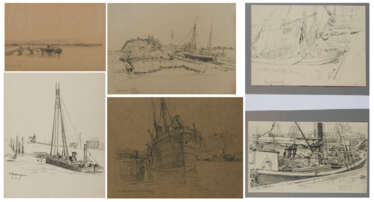

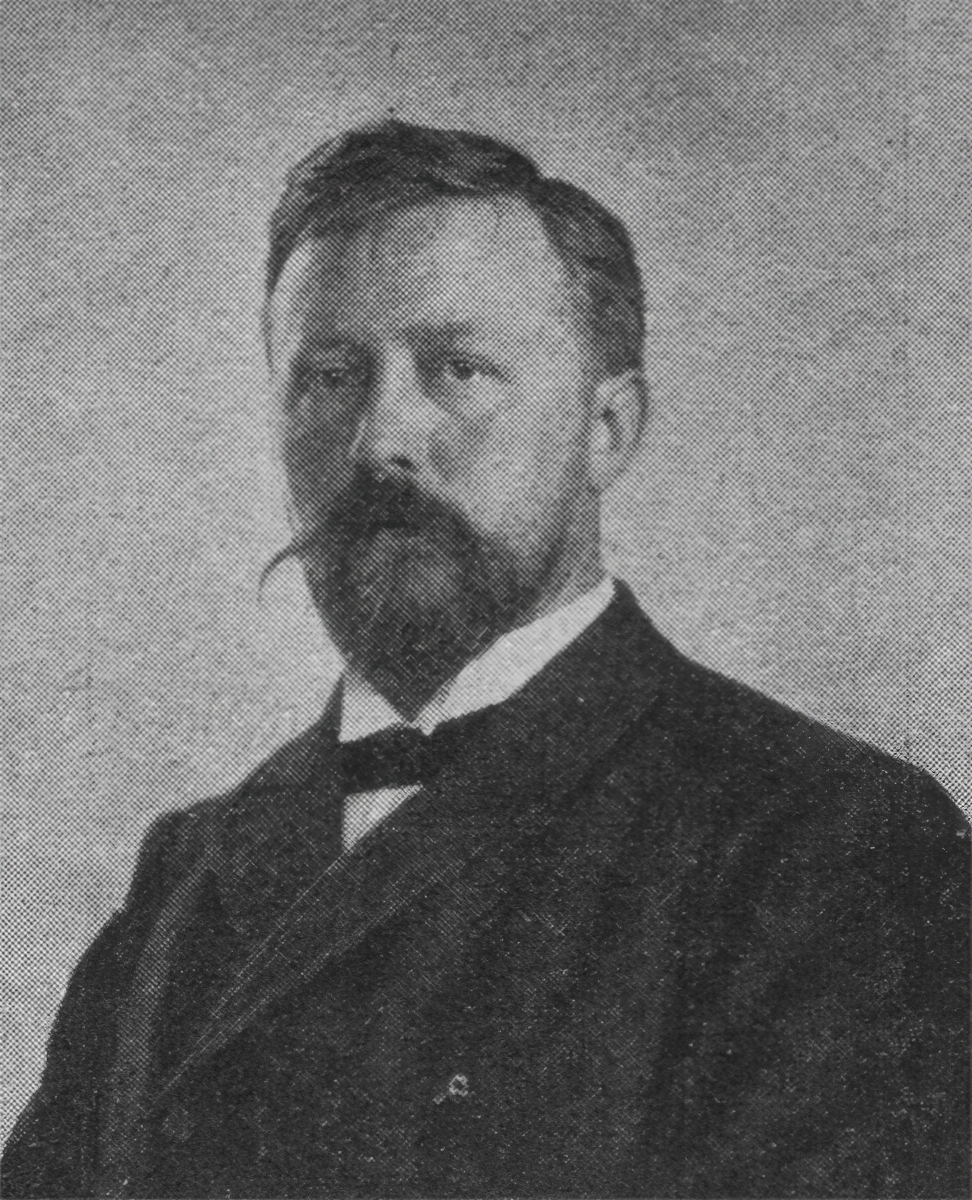
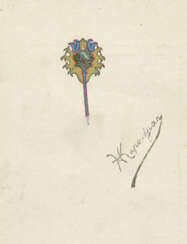
Friedrich Kallmorgen was a German Impressionist painter who specialized in landscapes and cityscapes.


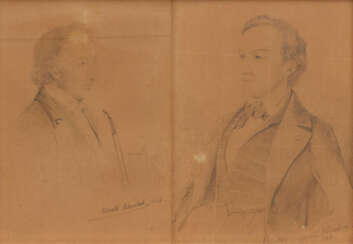

Oswald Achenbach was a German painter associated with the Düsseldorf school of painting. Though little known today, during his lifetime he was counted among the most important landscape painters of Europe. Through his teaching activities, he influenced the Kunstakademie Düsseldorf. His brother, Andreas Achenbach, who was twelve years older, was also among the most important German landscape painters of the 19th century. The two brothers were humorously called "the A and O of Landscapes" (a reference to their initials matching a common German reference to the Alpha and Omega).
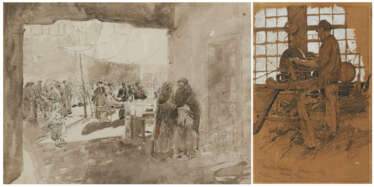

Friedrich Kallmorgen was a German Impressionist painter who specialized in landscapes and cityscapes.
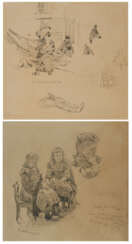

Friedrich Kallmorgen was a German Impressionist painter who specialized in landscapes and cityscapes.
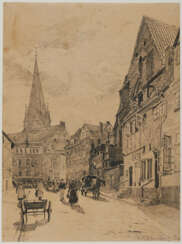

Friedrich Kallmorgen was a German Impressionist painter who specialized in landscapes and cityscapes.


Friedrich Kallmorgen was a German Impressionist painter who specialized in landscapes and cityscapes.
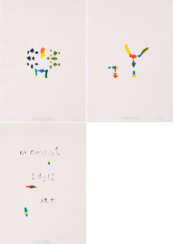

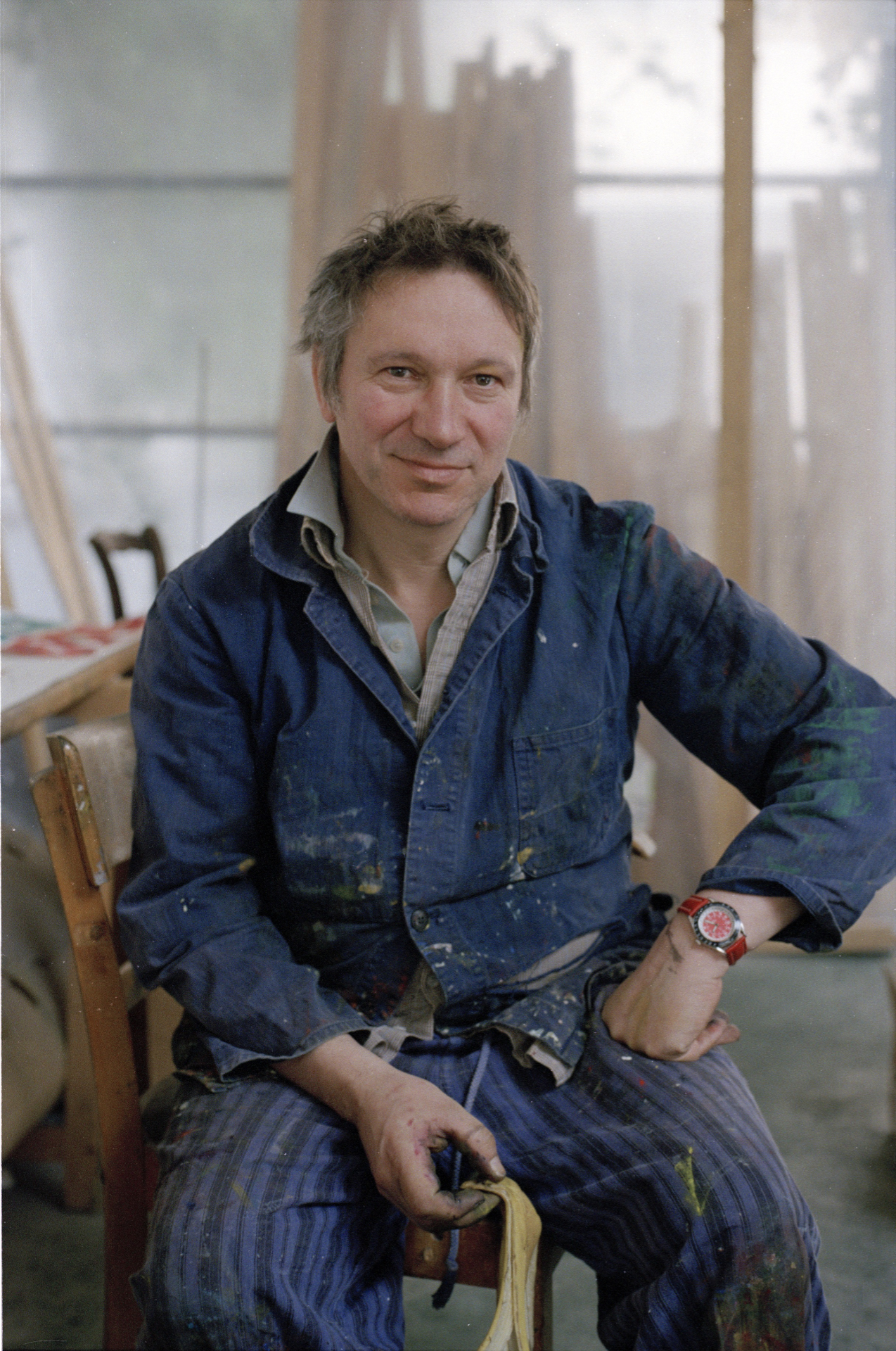
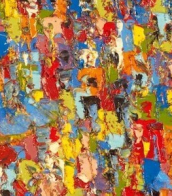
Norbert Prangenberg was an abstract painter, sculptor, and engraver. Though he had no formal training and did not fully engage with art until his 30s, Prangenberg did finally come up with a style that was uniquely his own, not fitting comfortably into the neo-expressionist or neo-geo movements of his time, in the 1970s and 1980s. At this time, he was considered a major figure in contemporary German art. Though he got his start with abstract paintings, he also became known for making sculptures of all sizes; and while his work initially appears abstract, the titles given sometimes allude to the human body or a landscape. As a trained gold- and silversmith, as well as a glassblower, he always showed an attention to materials and how they could be physically engaged with. He was interested in how his own two hands could affect the painting or sculpture's surface. Traces of the artist's hand appear literally throughout his entire oeuvre, before he lost the battle with liver cancer in 2012.

Friedrich Kallmorgen was a German Impressionist painter who specialized in landscapes and cityscapes.


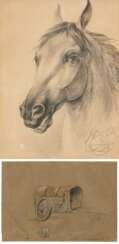

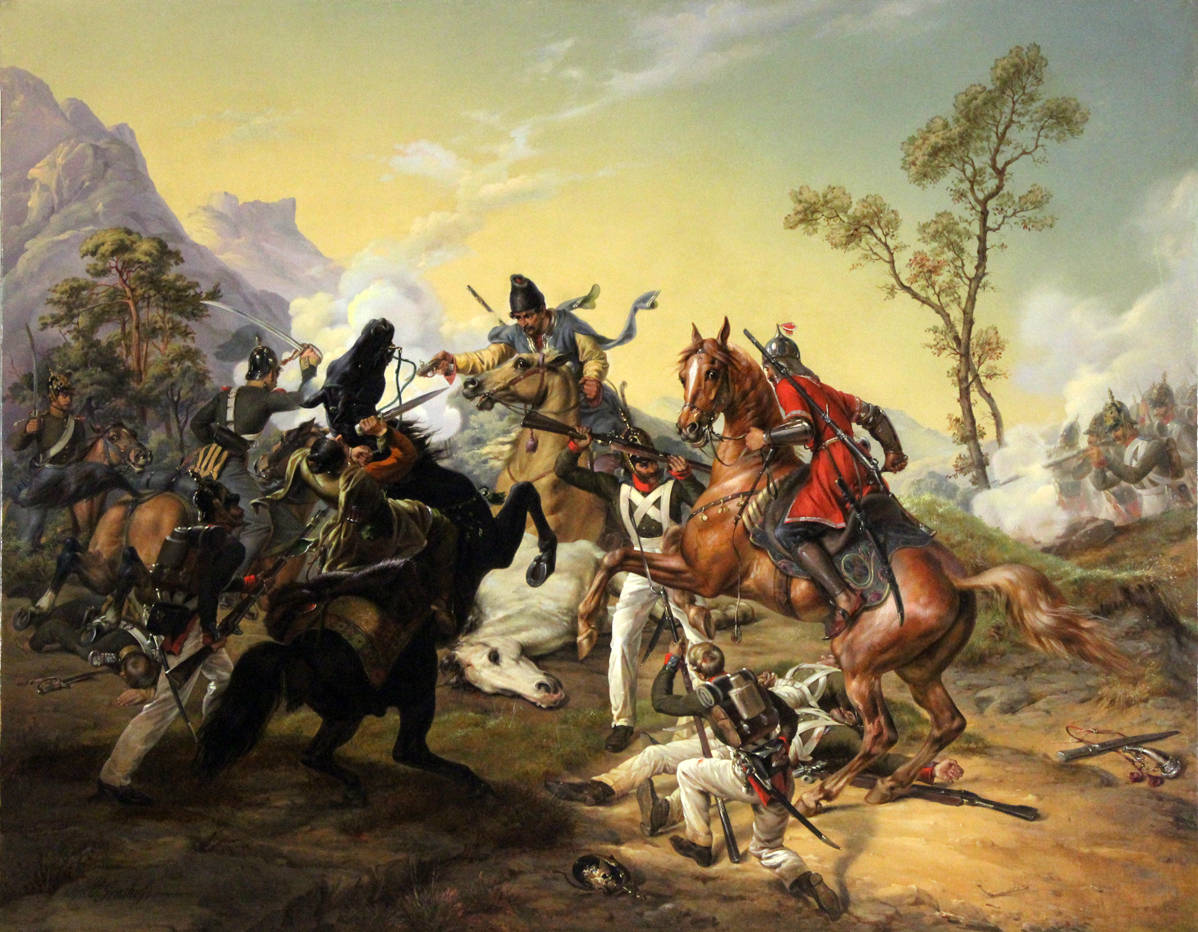
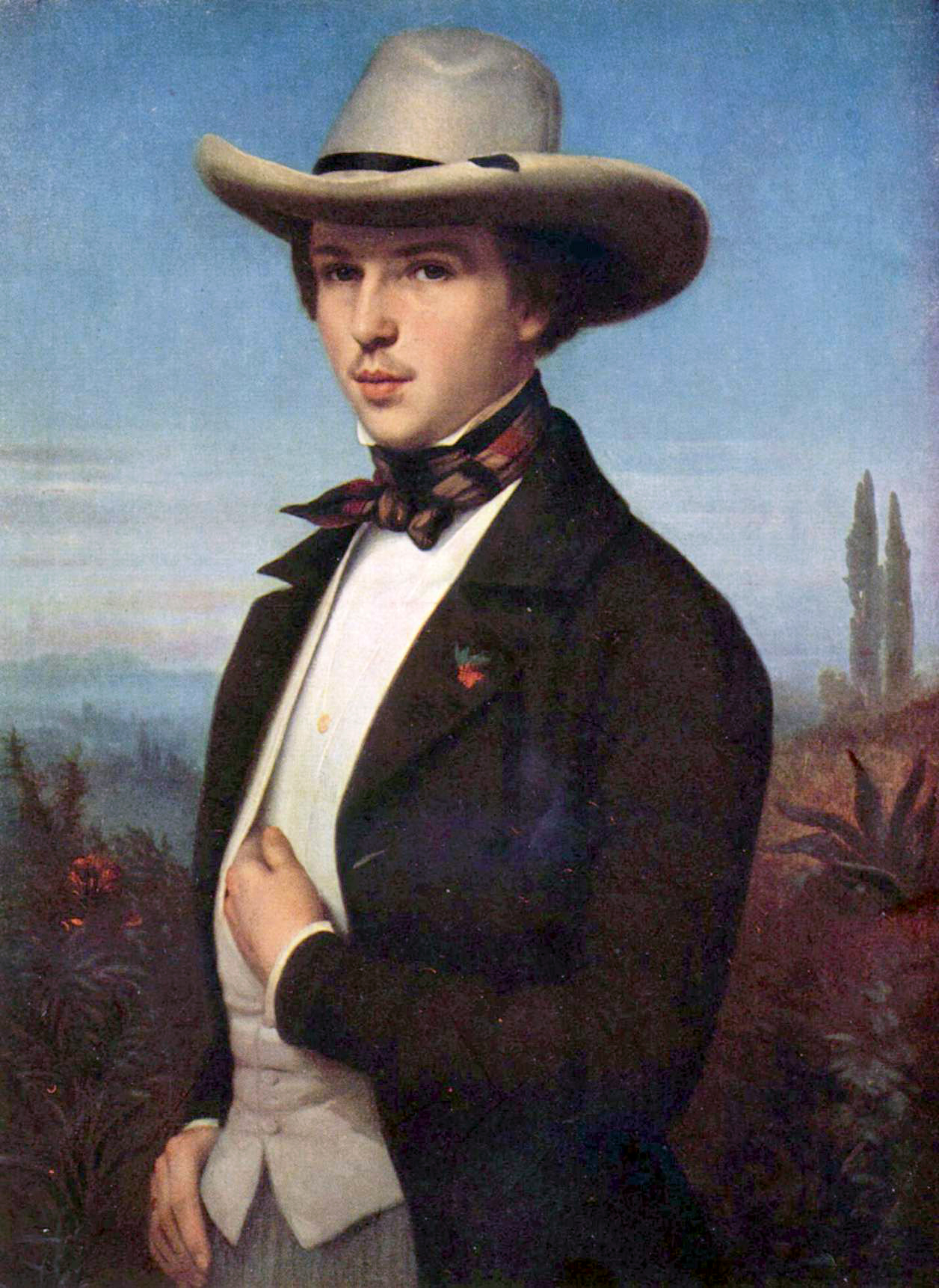
Otto Grashof was a German painter of the mid-nineteenth century. He is known as a draftsman, engraver, and portrait painter. He also did historical painting, battle-painting, animal studies, and landscape art. Grashof is considered one of the founders of Chilean painting.
Grashof went to St. Petersburg in 1838, where he carried out portrait commissions for the aristocracy, and some of his works ended up in the collection of Emperor Nicholas I. Later he visited Chile as well as Brazil. He held the titles of "painter to the Russian emperor and Brazilian court painter."


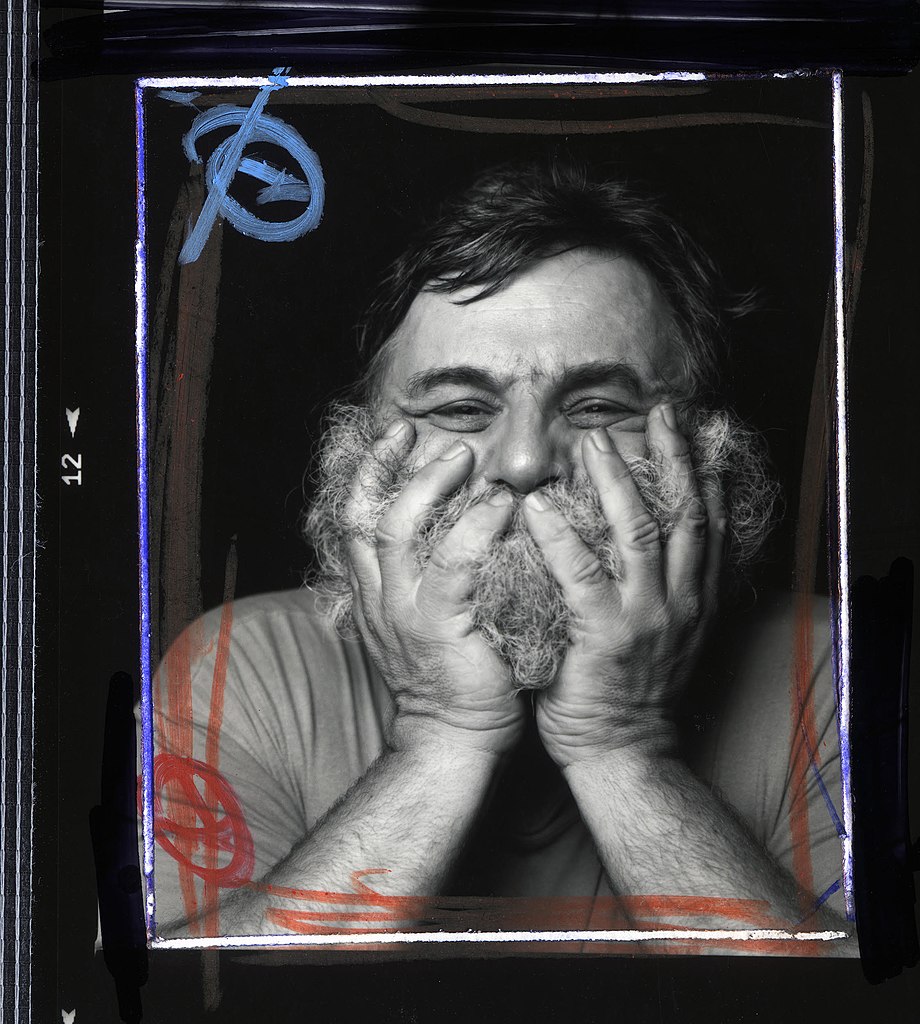
Ralf Winkler, alias A. R. Penck, was a German painter, printmaker, sculptor, and jazz drummer. A neo-expressionist, he became known for his visual style, reminiscent of the influence of primitive art.
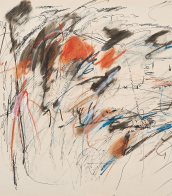


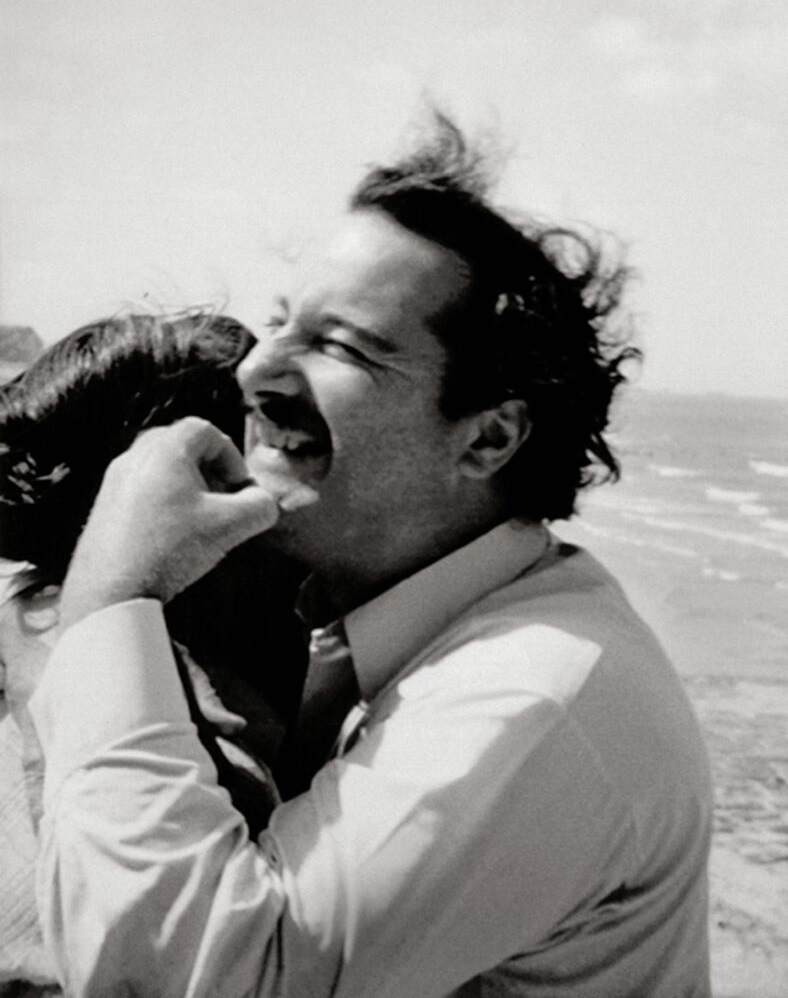
André Thomkins was a Swiss painter, illustrator, and poet. From 1952, he lived in Germany and taught at the Kunstakademie Düsseldorf between 1971 and 1973.
Thomkins painted and drew ironic and fantastic pictures influenced by surrealism and dadaism. Together with Dieter Roth and Daniel Spoerri he prepared works of Eat Art. He also was a writer of palindromes.
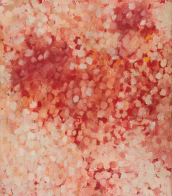
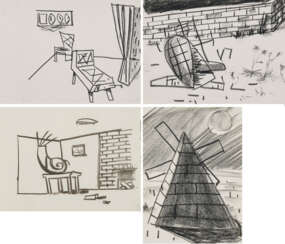

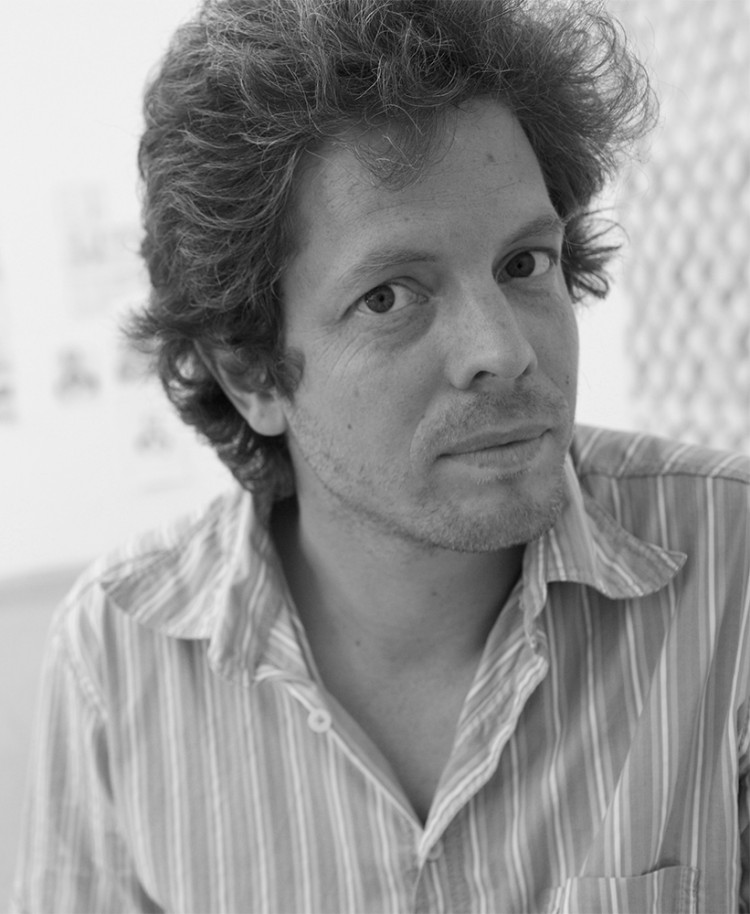
Matthias Weischer is a German artist and painter.
He graduated from the School of Graphic Arts and Book Art in Leipzig and also lives and works in Leipzig. Weischer's imaginative, incompatible interiors have become his calling card.
The never-populated, deserted rooms in his paintings create psychological tension and inexplicable anxiety in the viewer.






















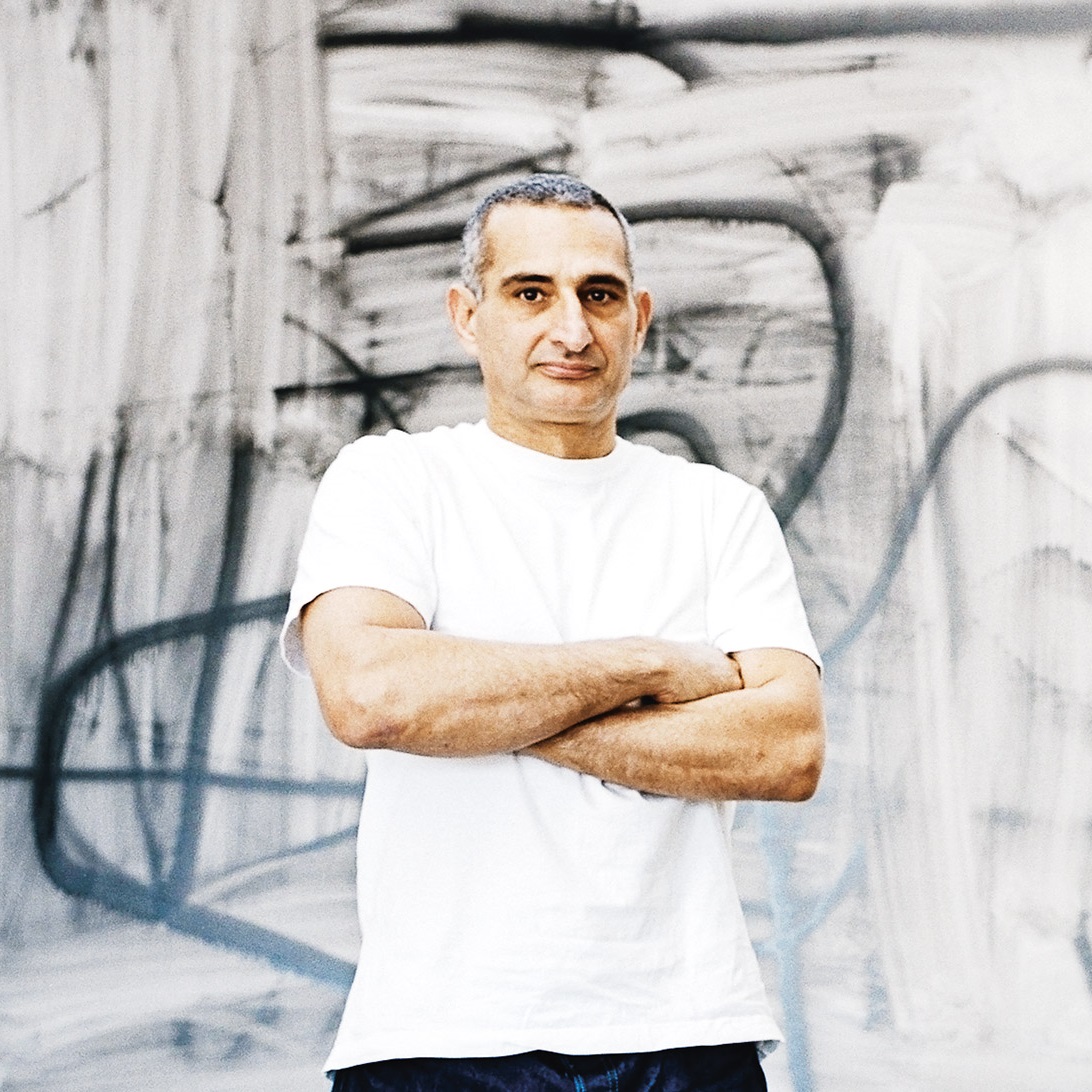
Christopher Wool is an American artist. Since the 1980s, Wool's art has incorporated issues surrounding post-conceptual ideas. He lives and works in New York City and Marfa, Texas, together with his wife and fellow painter Charline von Heyl.
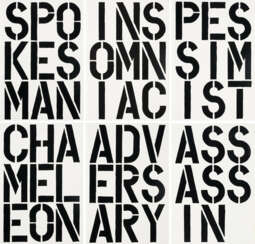
Wool is best known for his paintings of large, black, stenciled letters on white canvases. Wool began to create word paintings in the late 1980s, reportedly after having seen graffiti on a brand new white truck. Using a system of alliteration, with the words often broken up by a grid system, or with the vowels removed (as in 'TRBL' or 'DRNK'), Wool's word paintings often demand reading aloud to make sense.