drawings & pastels





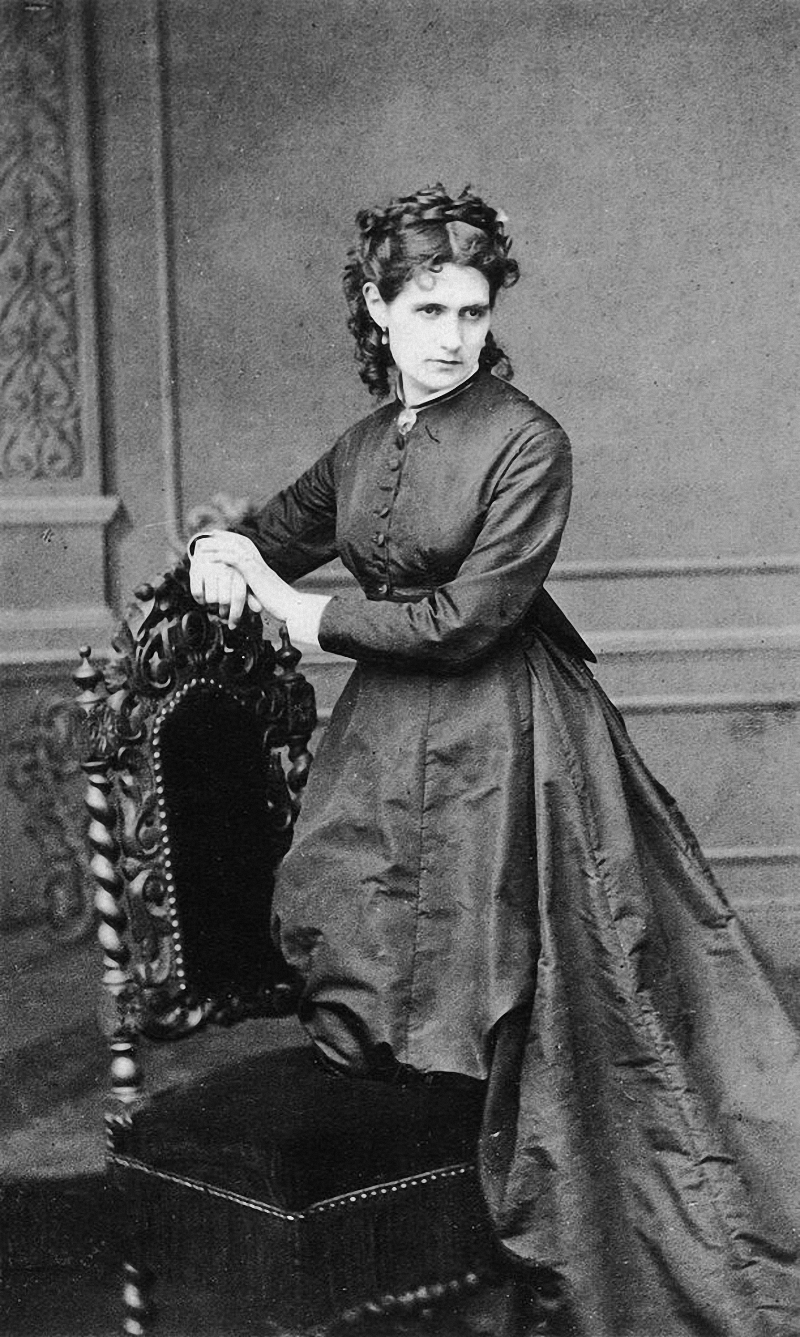
Berthe Morisot was a French painter, renowned for her pivotal role in the Impressionist movement. Born into an affluent family in 1841, Morisot's upbringing was steeped in culture, and she received a comprehensive art education alongside her sisters. Despite societal constraints, she pursued a career in art, initially exhibiting at Paris' salons before transitioning to the more avant-garde Impressionist exhibitions.
Berthe Morisot's artistry is characterized by a unique blend of color, light, and texture, embodying a distinctly "feminine" style that garnered admiration from her peers and critics alike. Her works, such as "The Cradle" and "Hanging the Laundry out to Dry," showcase her ability to capture the ephemeral qualities of everyday life with a tender and nuanced touch. Morisot's palette, dominated by pastel tones and an interplay of light, lends her paintings an ethereal quality, while her brushwork reflects a freedom and delicacy that became her signature.
Throughout her career, Berthe Morisot's evolving style reflected broader artistic trends, integrating influences from photography and Japanese prints. Yet, she remained faithful to the Impressionist ethos, capturing the transient moments of life with grace and sensitivity. Today, her works are celebrated in museums like the Musée d'Orsay, testament to her enduring influence in the realm of art and culture.
As we remember Berthe Morisot, her legacy continues to inspire art collectors and enthusiasts, reminding us of the profound impact one individual can have on the course of art history. For those captivated by Berthe Morisot's contribution to art and culture, we invite you to sign up for updates on upcoming sales and auction events featuring her works. Join us in celebrating the timeless beauty and historical significance of Morisot's artistry.
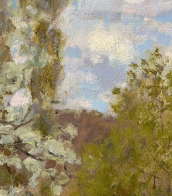


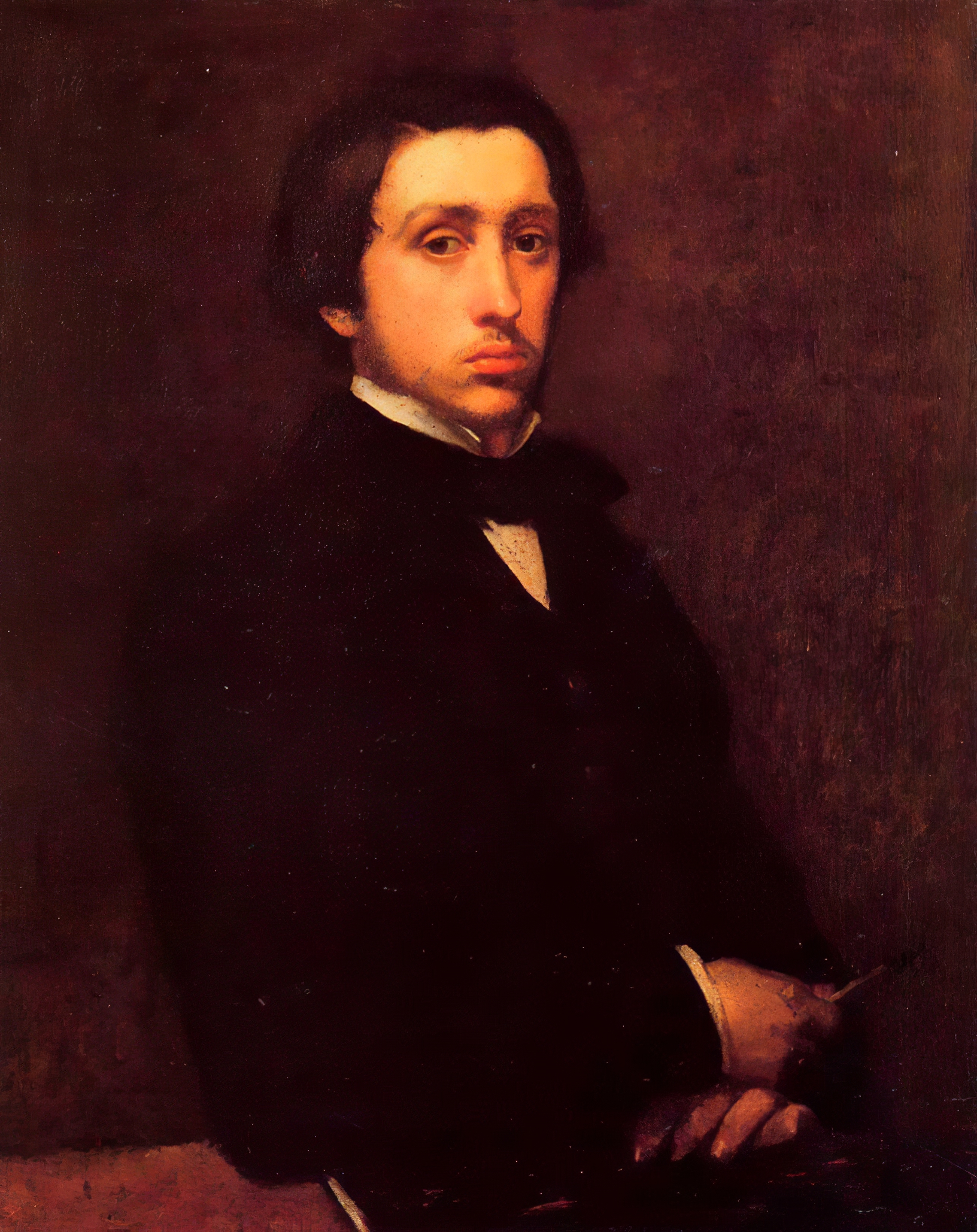
Edgar Degas, a French artist, was a master of painting, sculpture, and drawing, celebrated for his profound influence on the Impressionist movement despite his preference for being called a realist. Degas was born into a well-off family in Paris, France, and demonstrated a keen interest in art from an early age, eventually shaping his path to become one of the most sophisticated draftsmen of his time. His rigorous academic training and close study of classical art initially aimed him towards a career in history painting, but Degas soon pivoted towards contemporary subject matter, thus cementing his role as a classical painter of modern life.
Degas is renowned for his dynamic portrayals of movement, particularly in his depictions of dancers, racehorses, and everyday Parisian life. His works are characterized by their psychological depth and the isolation of his figures, showcasing his unique ability to capture the essence of his subjects with both empathy and critical distance. More than half of his oeuvre focuses on dancers, reflecting not only his fascination with the ballet but also his innovative approach to composition and form. This focus on the human figure, explored in various media including oil, pastel, and sculpture, underscores Degas's commitment to studying the nuances of human movement and expression.
Degas's artistic career is marked by his experimentation with various techniques and materials, as seen in his bronze sculptures and pastel nudes. One of his most famous sculptures, the study of the young ballet student Marie van Goethem, showcases his pioneering use of real objects in sculpture, a practice that prefigured later artistic innovations. Despite the controversies that sometimes surrounded his work, particularly in his depictions of the female nude, Degas's legacy as an artist who bridged the gap between traditional academic art and the modern movements of the early 20th century remains undisputed.
For collectors and experts in art and antiques, Degas's work offers a fascinating study in the evolution of modern art, highlighting the artist's deep engagement with the cultural and social dynamics of his time. His pieces, whether in the form of paintings, sculptures, or prints, continue to captivate audiences with their complexity, beauty, and innovative spirit.
If you are keen to stay updated on sales and auction events related to Edgar Degas, signing up for updates is a prudent choice. This subscription service ensures that you remain informed about new opportunities to acquire works by this pivotal figure in the art world, without overwhelming you with unnecessary information.
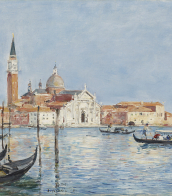
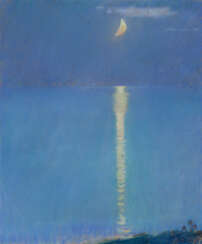

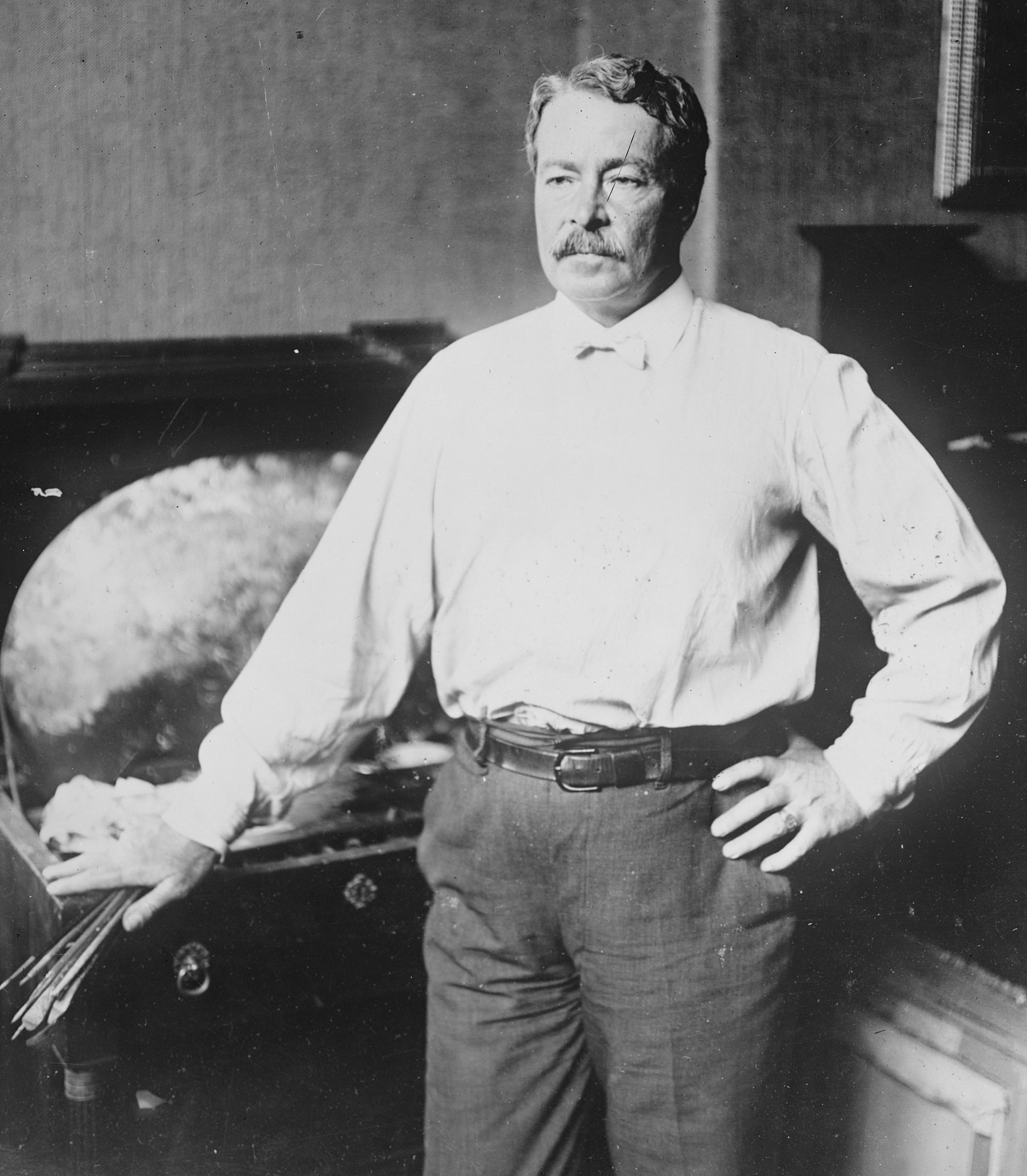
Frederick Childe Hassam was an American Impressionist painter, celebrated for his urban and coastal scenes. Born on October 17, 1859, in Dorchester, Massachusetts, Hassam was a pivotal figure in introducing French Impressionism to the American art scene. His prolific output includes over 3,000 works ranging from oils and watercolors to etchings and lithographs.
Hassam's technique was characterized by the use of light and vibrant colors, often focusing on bustling cityscapes and tranquil New England coastlines. He spent significant periods in Europe, particularly Paris, where he absorbed elements of the avant-garde styles of the time. Despite this, he often emphasized a connection to English landscape traditions over French ones.
Some of his most acclaimed works capture the essence of places like the Isles of Shoals in Maine and East Hampton in Long Island, where he later made his summer home. These settings often featured in his paintings, reflecting the picturesque and serene landscapes that contrasted with his urban subjects.
Hassam's legacy includes his influence on American collectors and institutions, helping to cultivate a taste for Impressionism in the United States. His works are held in major museums, including the Metropolitan Museum of Art and the Museum of Modern Art, ensuring his continued recognition as a key figure in American art history.
For those interested in exploring more about Hassam's life and works, signing up for updates on exhibitions and sales can provide valuable insights into his contributions to Impressionism. Subscribe for updates on new collections and auction events related to Frederick Childe Hassam's artworks.








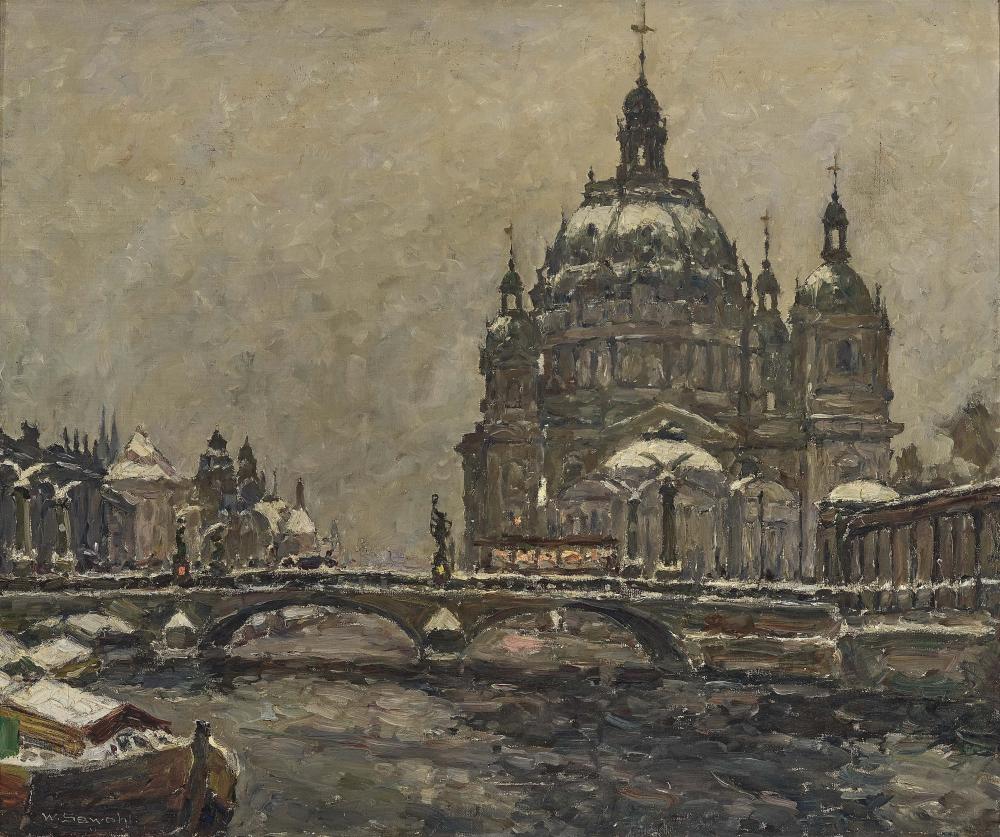


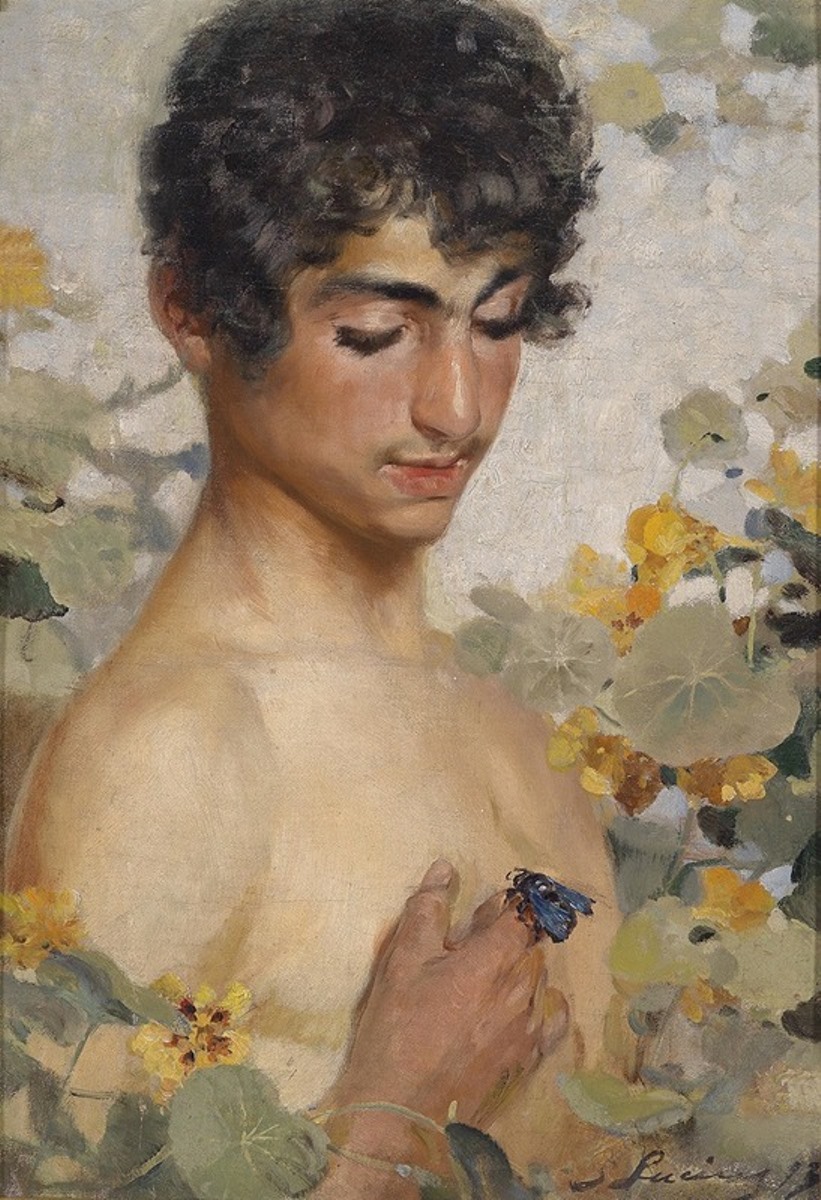


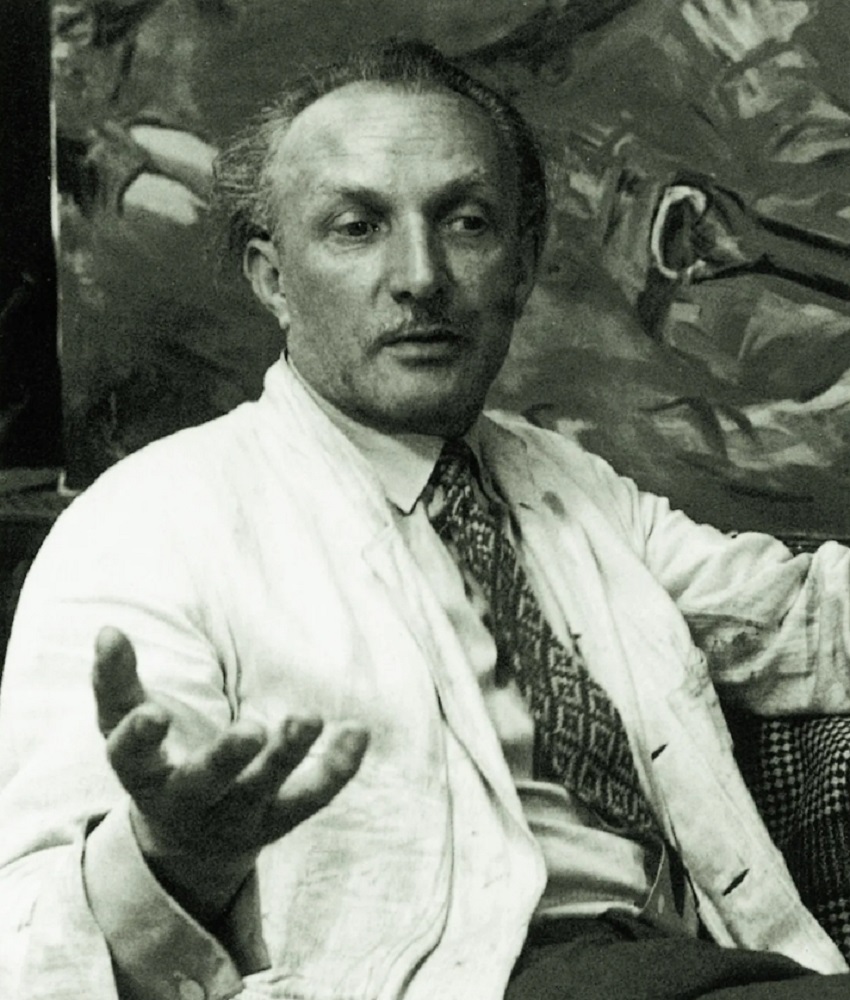
Karl Kluth was a German painter. He was a member of the Hamburg Künstlerverein, the Hamburg Artists' Association and the Hamburg Secession.


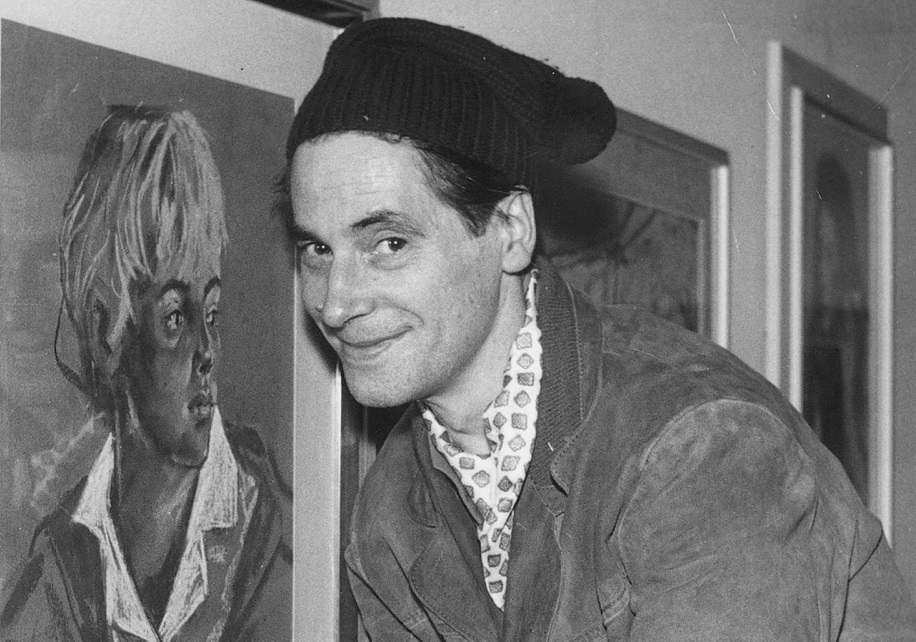
Lothar Malskat was a German painter and art restorer who repainted medieval frescoes of the Marienkirche in Lübeck, critically damaged during WWII.