du peuple et de l&





.jfif)
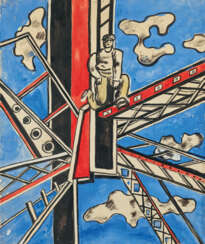
Joseph Fernand Henri Léger was a French artist renowned for his innovative approach to Cubism and his transition towards a figurative, populist style. Born in Argentan, Orne, Lower Normandy, Léger's early career was marked by a stint as an architectural draftsman and a series of educational pursuits that eventually led him to Paris, where he embraced painting seriously. His artistic journey was significantly influenced by the bold abstractions of Cubism, characterized by geometric shapes and a vibrant palette, distinguishing his work from his contemporaries with what came to be known as "Tubism".
Léger's service in World War I profoundly impacted his artistic direction, leading him to adopt a 'mechanical' style that depicted the modern industrial world with sleek, tubular forms. This period saw creations like "Soldier with a Pipe" and "The Card Players," reflecting his war experiences and the mechanical aesthetics of the time. The post-war era encouraged Léger to explore the mechanical style further, evident in works like "The Bargeman" and "Mechanical Elements," highlighting the pace of technological advancement.
Throughout his career, Léger's work evolved, notably in the 1920s, where he aligned with Purist ideas, blending classicism with modernity. This phase is exemplified in "Woman with a Cat," showcasing a classical form with a modern, polished finish. By the 1930s, Léger's art took a more figurative, populist turn, aiming to democratize contemporary art and make it more accessible. His commitment to art education, especially for the common worker, underscored his belief in the social role of art.
For those intrigued by Joseph Fernand Henri Léger's groundbreaking contributions to modern art, his works can be found in prestigious museums worldwide. His legacy continues to inspire art collectors and enthusiasts alike. To stay updated on exhibitions and auction events featuring Léger's work, sign up for updates and embrace the unique opportunity to explore the richness of his artistic endeavors.

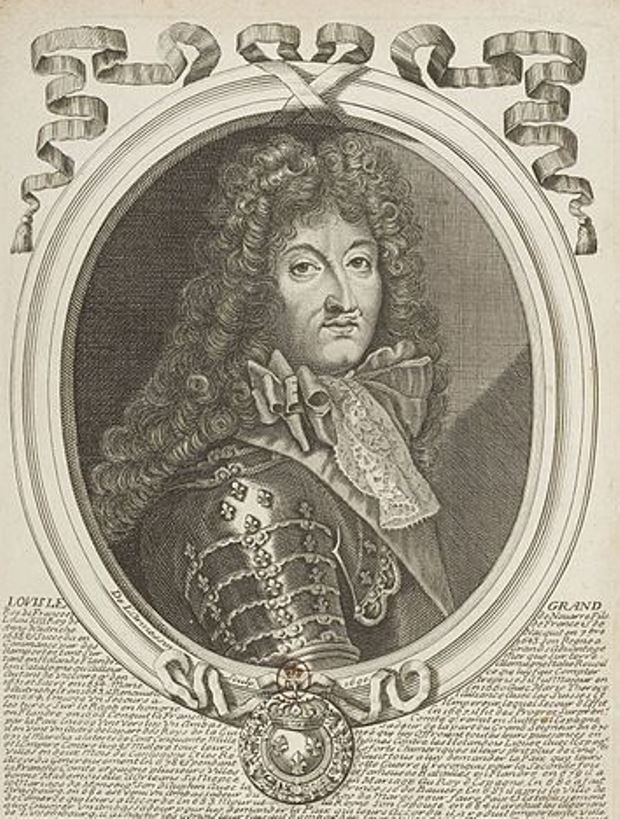
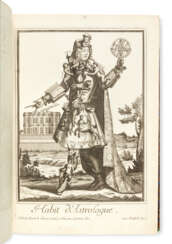
![[VAUBAN, Sébastien Le Prestre, marquis de (1633-1707)]](/assets/image/picture_3601557/4e357/lxe2nv2jvhdppszm1zilhiurbvzx9q9vxoyxgr52ta0ogi4zdn3-n-enqqjpdx1700207013jpg__fix_374_244.jpeg)
![[VAUBAN, Sébastien Le Prestre, marquis de (1633-1707)]](https://veryimportantlot.com/assets/image/picture_3601557/4e357/lxe2nv2jvhdppszm1zilhiurbvzx9q9vxoyxgr52ta0ogi4zdn3-n-enqqjpdx1700207013jpg__fix_374_244.jpeg)

















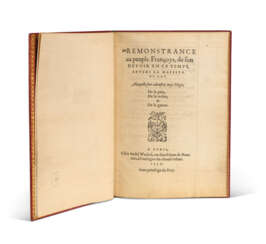
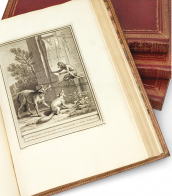
![RONSARD, Pierre de (1524-1585). Exhortation au Camp du Roy pour bien combattre le jour de la bataille. Lyon : Michel Jove, 1558. [réuni avec, du même] Remonstrance au peuple de France. S.l.n.d. [Lyon] : 1563.](/assets/image/picture_1320904/42485/6834427b9028594cc4d365db8a7f168f1616454000jpg__fix_374_244.jpeg)
![RONSARD, Pierre de (1524-1585). Exhortation au Camp du Roy pour bien combattre le jour de la bataille. Lyon : Michel Jove, 1558. [réuni avec, du même] Remonstrance au peuple de France. S.l.n.d. [Lyon] : 1563.](https://veryimportantlot.com/assets/image/picture_1320904/42485/6834427b9028594cc4d365db8a7f168f1616454000jpg__fix_374_244.jpeg)

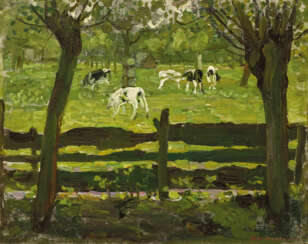

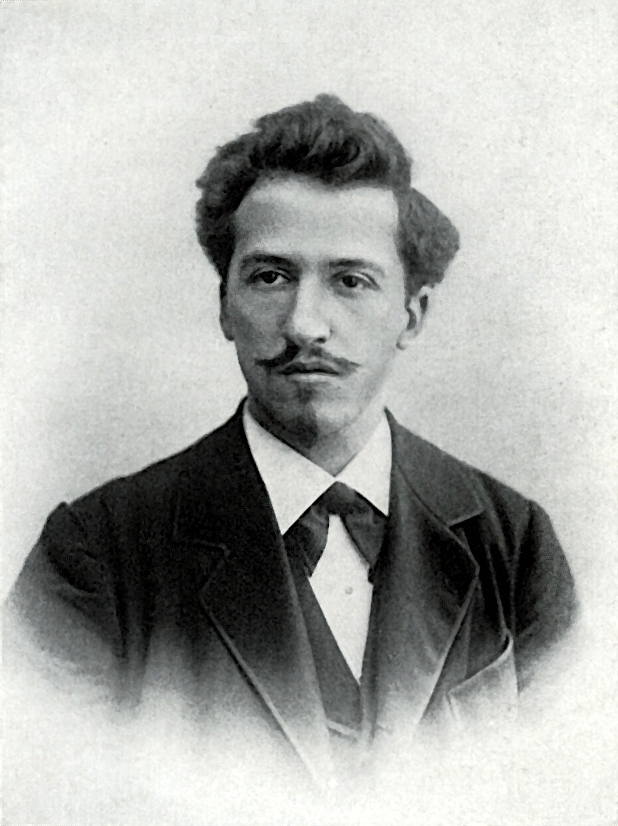
Pieter Cornelis Mondriaan, later known as Piet Mondrian, was a Dutch painter and art theoretician, whose transformation from figurative art to an abstract modernist style revolutionized the visual arts landscape of the 20th century. Born on March 7, 1872, in Amersfoort, Netherlands, and passing away on February 1, 1944, in New York, Mondrian's journey in art began in a devoutly Calvinist home where both art and music were encouraged. His early works were influenced by his surroundings, featuring landscapes in an Impressionist manner, but it was his shift to Paris in 1911 that marked the beginning of his profound evolution towards abstraction.
Mondrian co-founded the De Stijl art movement, aiming to achieve a universal aesthetic through the simplification of visual elements to their essentials: straight lines, right angles, primary colors, and the use of black, white, and gray. This reductionist approach, termed Neoplasticism, was Mondrian's contribution to creating 'universal beauty'. His philosophy extended beyond the canvas, influencing architecture, design, and fashion, encapsulating the modernist ideal and becoming synonymous with Modernism itself.
Some of Mondrian's notable works, such as "Composition with Red, Blue, and Yellow" and "Broadway Boogie Woogie", exemplify his revolutionary style, characterized by an economy of color and a rigorously abstract geometry that aimed to express the dynamic equilibrium of universal forces. These masterpieces, along with his theoretical writings, left a lasting impact on the course of abstract painting and several major art movements including Color Field painting, Abstract Expressionism, and Minimalism.
Mondrian's art is celebrated in museums and galleries worldwide, notably at the Gemeentemuseum Den Haag and the Museum of Modern Art in New York, where his evolution from figuration to geometric abstraction continues to inspire and captivate audiences. His commitment to exploring the spiritual in art through a radical simplification of form and color has cemented his legacy as one of the pioneers of 20th-century abstract art.
For collectors and experts in art and antiques, Mondrian's works represent not just significant artistic achievements but also pivotal moments in the history of modern art. His influence extends far beyond his own creations, shaping the development of modern aesthetics in numerous fields. If you're intrigued by Mondrian's vision of harmony and order through abstraction, we invite you to sign up for updates. This subscription will keep you informed about new product sales and auction events related to Mondrian's work, ensuring you stay connected to the ever-evolving world of art and design inspired by this iconic figure.
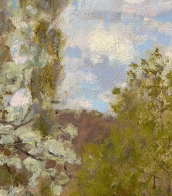


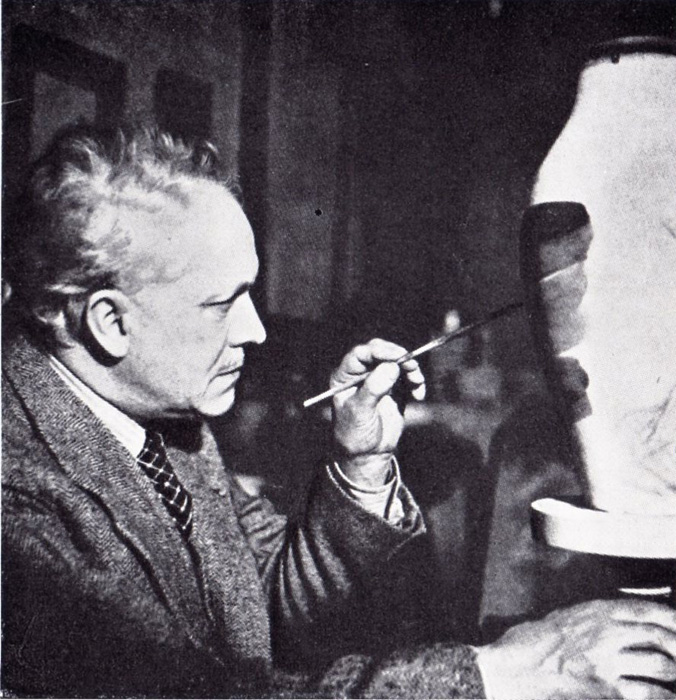
Raoul Dufy, a renowned French artist, is celebrated for his vibrant and decorative style, which left a significant mark in the realms of Fauvism and Post-Impressionism. Born in 1877 in Le Havre, France, Dufy's artistic journey was profoundly influenced by Henri Matisse's Fauvist work "Luxe, Calme et Volupté," which he encountered at the Salon des Indépendants in 1905. This experience steered him towards Fauvism, a style that emphasized bold contours and bright colors.
Dufy's artistic evolution saw him briefly embrace Cubism around 1920, after which he developed a unique approach. This approach, often referred to as stenographic, was characterized by skeletal structures, foreshortened perspectives, and the use of thin, quickly applied washes of color. His works, known for their cheerful and fashionably decorative nature, often depicted scenes of leisure like yachting, the French Riviera, and chic parties, capturing the essence of the period's optimism.
In addition to his painting, Dufy was also a commercial artist, illustrator, and designer, contributing significantly to textile design and public murals. His large-scale public art commissions combined modern and allegorical subjects with exuberant outlines and intense colors, showcasing a modernist take on traditional mural work. Notable works by Dufy include "The Regatta," "The Harvester," and the monumental "The Electricity Fairy," a large mural commissioned for the 1937 World's Fair in Paris.
His works are housed in prestigious public collections worldwide, including the Art Institute of Chicago, the Musée d'Art Moderne de Paris, and the National Gallery of Art in Washington, D.C. Despite his artistic achievements, Dufy's focus on decorative art and the lack of engagement with wider social concerns has led to a varied critical reception of his work. Nonetheless, his contribution to 20th-century art, particularly in popularizing a vibrant and illustrative style, remains undisputed.
If Raoul Dufy's artistry captivates you and you wish to stay informed about the latest artworks, exhibitions, and auction events related to this remarkable artist, we invite you to sign up for our updates. By subscribing, you'll receive timely notifications about new pieces for sale and upcoming auctions. This is a wonderful opportunity for collectors and art enthusiasts to enhance their appreciation and possibly their collections of Dufy's work. Stay connected with the world of art and don't miss any chance to acquire unique pieces by this celebrated artist.