e billia
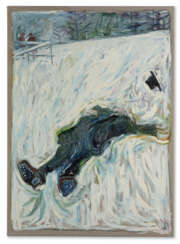

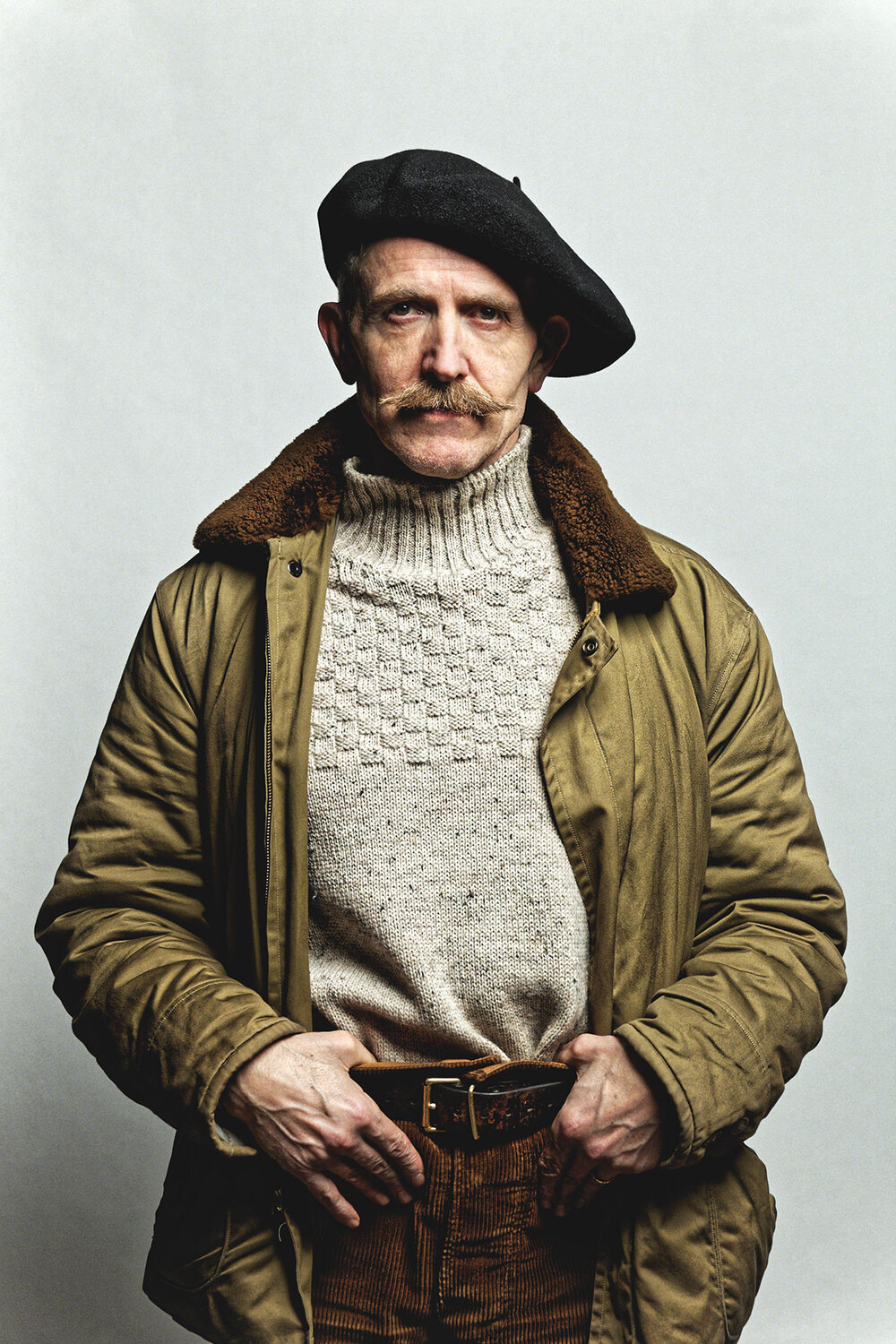
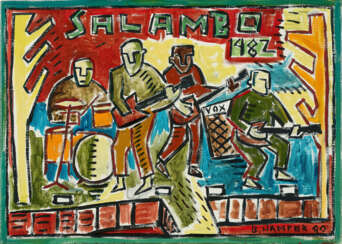
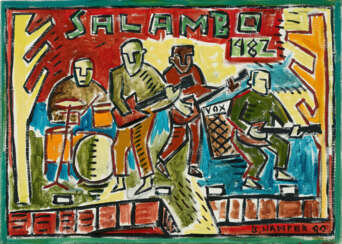
Billy Childish (born Steven John Hamper) is an English painter, author, poet, photographer, film maker, singer and guitarist.























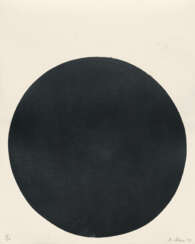


Richard Serra was a prominent American sculptor, renowned for his monumental steel sculptures that transform viewers' perceptions of space and environment. Born on November 2, 1938, in San Francisco, California, Serra pursued his education in Art History and Fine Arts at Yale University, where he graduated with a BA and an MFA in 1964. His early career was marked by experimentation with nontraditional materials such as rubber, neon, and lead, reflecting a departure from traditional sculptural forms towards more abstract expressions.
Serra's work is characterized by its engagement with the physical properties of his materials and the spatial dynamics of his installation sites. He is perhaps best known for "Tilted Arc" (1981), a controversial installation in New York City's Federal Plaza, which was eventually removed following public debate over its presence. Despite the controversy, "Tilted Arc" exemplifies Serra's interest in site-specificity and the relationship between artwork, site, and viewer.
Throughout his career, Serra's sculptures have been exhibited globally, with significant works like "Snake" (1994-97) at the Guggenheim Bilbao and "Torqued Ellipse" series, reflecting his ongoing exploration of curvilinear forms and the interaction between space, viewer, and sculpture. His contributions to art have been acknowledged with awards such as the Praemium Imperiale in 1994.
For collectors and experts in art and antiques, Serra's work represents a pivotal shift in contemporary sculpture, emphasizing the materiality and physical engagement of artworks within their environments. To stay updated on exhibitions and auction events related to Richard Serra's influential sculptures, signing up for updates is highly recommended, ensuring enthusiasts are informed about the latest developments and opportunities to engage with his groundbreaking work.
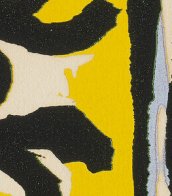
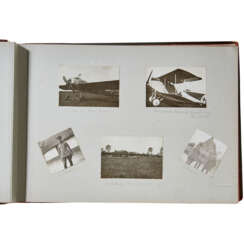



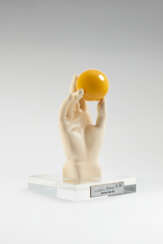

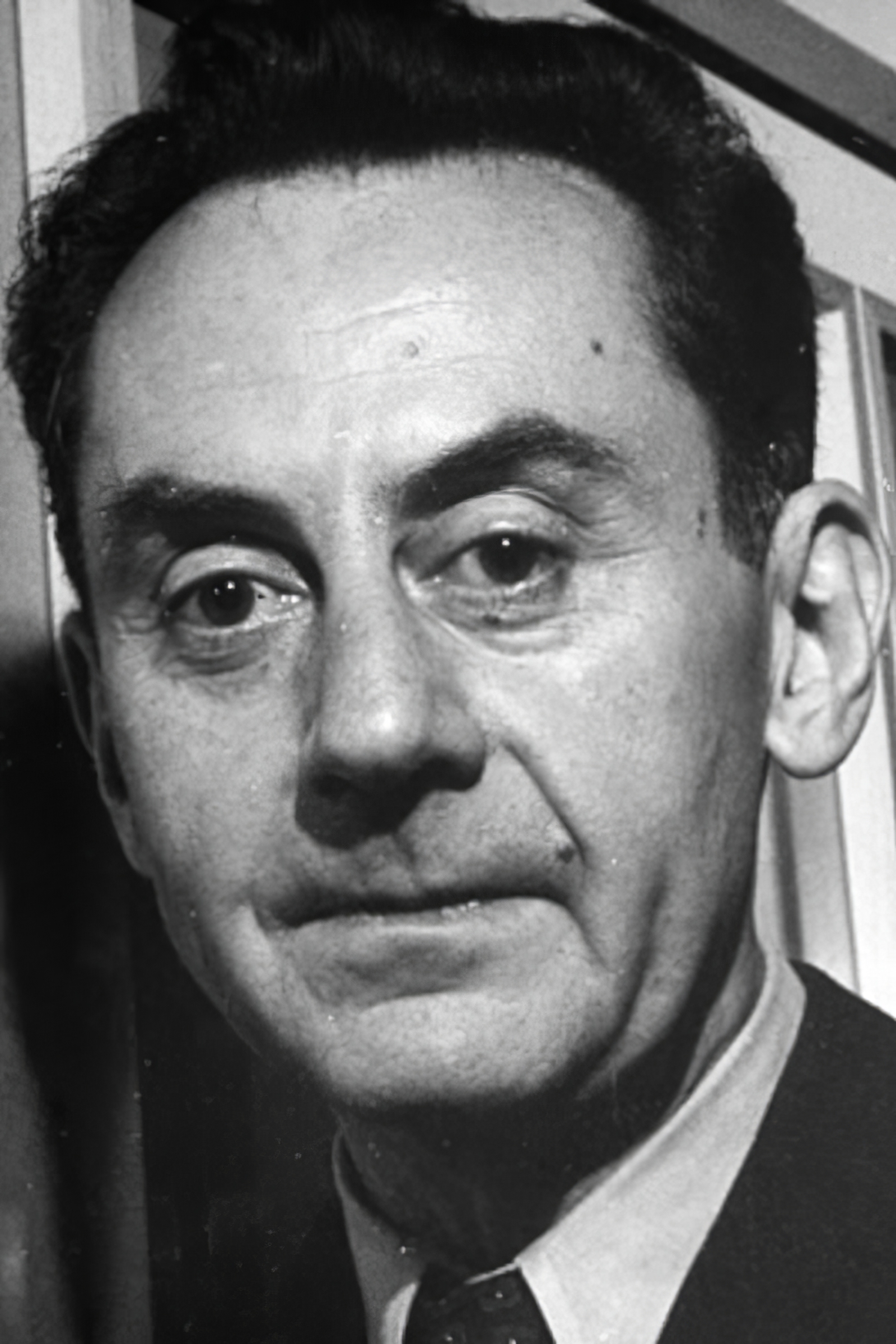
Man Ray, born Emmanuel Radnitzky, was an American visual artist who played a significant role in the Dada and Surrealist movements. His pioneering efforts in photography, alongside his work in painting and sculpture, have cemented his place as a major figure in modern art. Known for his innovative techniques and the ability to convey complex ideas through simple, striking visuals, Man Ray's contribution to the art world is profound.
Throughout his career, Man Ray was celebrated for his avant-garde approach and his ability to transcend traditional boundaries between different artistic mediums. His photography, characterized by experimental techniques such as solarization and rayographs (cameraless photographs), challenged conventional perceptions of photography as merely a means of representation. These artistic innovations made him a central figure in both Parisian and American art circles.
Man Ray's works are housed in some of the world's most prestigious museums and galleries, including the Museum of Modern Art in New York and the Centre Pompidou in Paris. His pieces, such as "Le Violon d'Ingres" and "Noire et Blanche," are iconic images that continue to influence artists today. His ability to blend the abstract with the realistic, and the humorous with the serious, has left a lasting legacy in the world of art.
For collectors and experts in art and antiques, the work of Man Ray offers a glimpse into the revolutionary changes that shaped the visual arts in the 20th century. His unique perspective and pioneering techniques continue to inspire and challenge those interested in the boundaries of creativity and expression.
If you're passionate about the avant-garde, or simply wish to explore the fascinating world of Man Ray further, sign up for our updates. You'll receive alerts on new product sales and auction events related to Man Ray, ensuring you never miss an opportunity to engage with the legacy of this extraordinary artist.


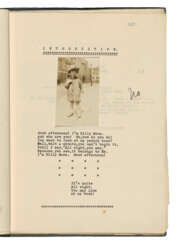

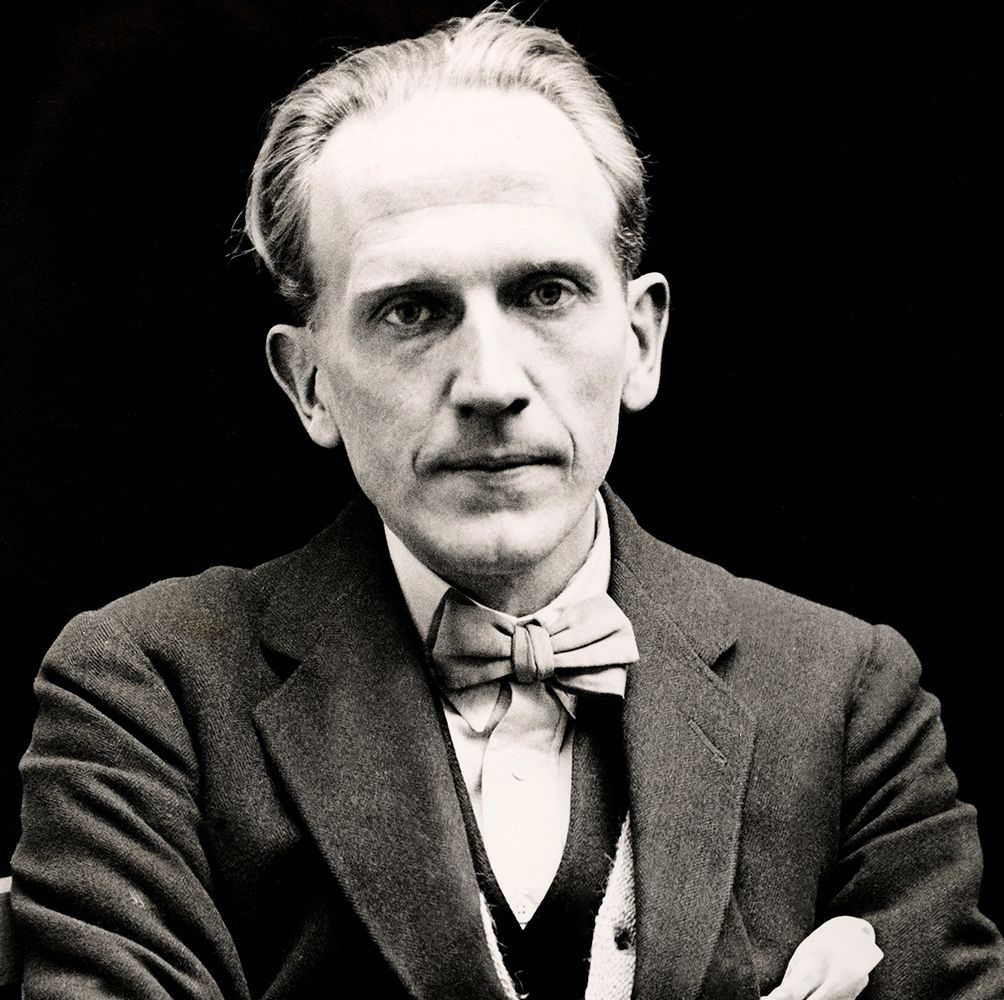
Alan Alexander Milne was a British journalist, playwright and children's author.
While studying at Trinity College, Cambridge, Milne began writing for Granta magazine, and in 1906 he joined the humor magazine Punch, where he wrote humorous poems and quirky essays until 1914. During World War I he served as a communications officer, and afterward, in 1920, Milne had a son, Christopher Robin, whose name soon became known to the world.
From 1921 Milne wrote several comedy plays and also began writing children's poetry and prose for his young son, having finally found his calling. Milne's major successes were his books Winnie the Pooh (1926) and The House on Pooh Corner (1928). These two volumes tell the adventures of a boy named Christopher Robin and his playmates - animals that were "born" from the toys of the real Christopher Robin. The central character is Winnie the Pooh Bear, accompanied by the fussy Rabbit, the sullen Donkey Ia, the bouncy tiger Tigger, the kind kangaroo Kanga and her baby Roo, the wise Owl and the timid Piglet. The adventures of Pooh and his friends in the forest of One Hundred Acres with illustrations by Ernest Shepard became bestsellers.
They were translated into different languages of the world and reprinted many times, filmed cartoons. In 1929 Milne adapted another children's classic, Kenneth Graham's The Wind in the Willows, for stage production as Toad of Toad Hall. Ten years later he wrote an autobiography, Now It's Too Late.
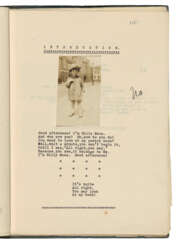

Alan Alexander Milne was a British journalist, playwright and children's author.
While studying at Trinity College, Cambridge, Milne began writing for Granta magazine, and in 1906 he joined the humor magazine Punch, where he wrote humorous poems and quirky essays until 1914. During World War I he served as a communications officer, and afterward, in 1920, Milne had a son, Christopher Robin, whose name soon became known to the world.
From 1921 Milne wrote several comedy plays and also began writing children's poetry and prose for his young son, having finally found his calling. Milne's major successes were his books Winnie the Pooh (1926) and The House on Pooh Corner (1928). These two volumes tell the adventures of a boy named Christopher Robin and his playmates - animals that were "born" from the toys of the real Christopher Robin. The central character is Winnie the Pooh Bear, accompanied by the fussy Rabbit, the sullen Donkey Ia, the bouncy tiger Tigger, the kind kangaroo Kanga and her baby Roo, the wise Owl and the timid Piglet. The adventures of Pooh and his friends in the forest of One Hundred Acres with illustrations by Ernest Shepard became bestsellers.
They were translated into different languages of the world and reprinted many times, filmed cartoons. In 1929 Milne adapted another children's classic, Kenneth Graham's The Wind in the Willows, for stage production as Toad of Toad Hall. Ten years later he wrote an autobiography, Now It's Too Late.

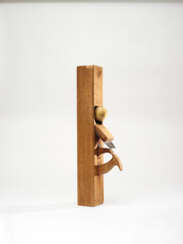

Man Ray, born Emmanuel Radnitzky, was an American visual artist who played a significant role in the Dada and Surrealist movements. His pioneering efforts in photography, alongside his work in painting and sculpture, have cemented his place as a major figure in modern art. Known for his innovative techniques and the ability to convey complex ideas through simple, striking visuals, Man Ray's contribution to the art world is profound.
Throughout his career, Man Ray was celebrated for his avant-garde approach and his ability to transcend traditional boundaries between different artistic mediums. His photography, characterized by experimental techniques such as solarization and rayographs (cameraless photographs), challenged conventional perceptions of photography as merely a means of representation. These artistic innovations made him a central figure in both Parisian and American art circles.
Man Ray's works are housed in some of the world's most prestigious museums and galleries, including the Museum of Modern Art in New York and the Centre Pompidou in Paris. His pieces, such as "Le Violon d'Ingres" and "Noire et Blanche," are iconic images that continue to influence artists today. His ability to blend the abstract with the realistic, and the humorous with the serious, has left a lasting legacy in the world of art.
For collectors and experts in art and antiques, the work of Man Ray offers a glimpse into the revolutionary changes that shaped the visual arts in the 20th century. His unique perspective and pioneering techniques continue to inspire and challenge those interested in the boundaries of creativity and expression.
If you're passionate about the avant-garde, or simply wish to explore the fascinating world of Man Ray further, sign up for our updates. You'll receive alerts on new product sales and auction events related to Man Ray, ensuring you never miss an opportunity to engage with the legacy of this extraordinary artist.




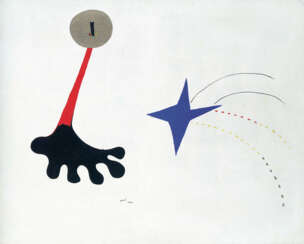

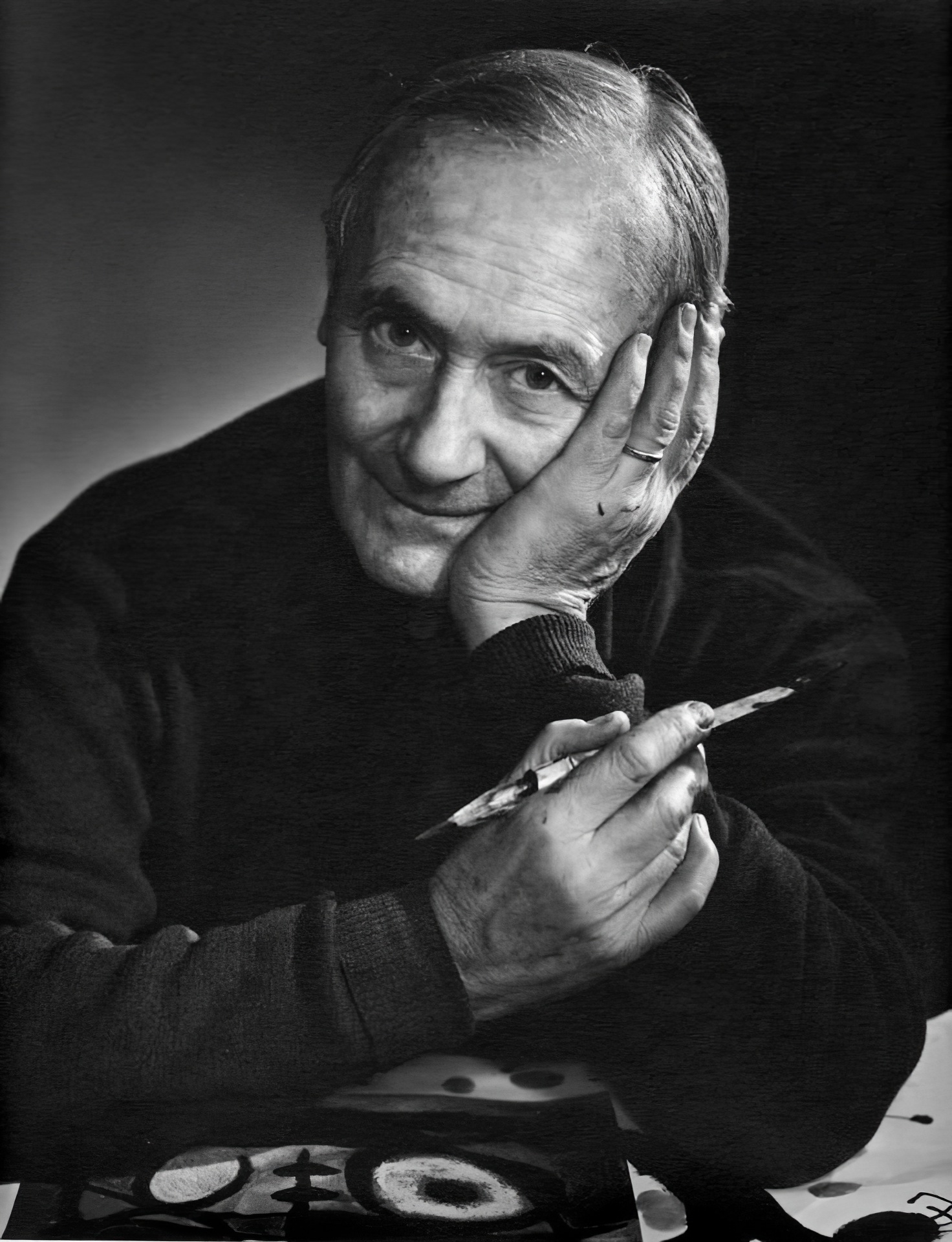
Joan Miró, a celebrated Spanish artist, was a master in painting, sculpture, and ceramics, renowned for his unique style that blurred the lines between Surrealism, Fauvism, and Expressionism. Born in Barcelona to a family of a goldsmith and a watchmaker, Miró grew up immersed in the rich cultural heritage of the Barri Gòtic neighborhood. His artistic journey began with drawing classes at the age of seven and continued at the prestigious La Llotja art academy. Despite an initial venture into the business world, Miró's passion for art prevailed, leading him to abandon his clerical career after a nervous breakdown.
Miró's work is noted for its exploration of the subconscious, often depicting a childlike perspective. This approach was both a critique of traditional painting methods and a means of expressing Catalan pride. His art, challenging to categorize, often featured symbolic elements and nationalistic qualities. One of his notable early works, "The Farm," reflects a transition to a more individual style, blending elements of his Catalan roots with broader artistic influences. This piece, later purchased by Ernest Hemingway, encapsulated the essence of Spain in its imagery.
In Paris, Miró joined the Surrealist movement in 1924, where his work began to reflect the influence of automatism, emphasizing spontaneous, automatic, or subconscious creation. He experimented with various mediums, including painting-poetry and collage, and even ventured into set and costume design for Sergei Diaghilev's Ballets Russes.
During World War II, Miró remained in Spain, and his work from this period, including the 22 Constellations series, reflected an interest in the night, music, and stars. His forms became increasingly abstracted, and he experimented with various techniques, often incorporating primary colors and evocative titles.
Miró's career spanned several decades, during which he continually evolved his style and explored new mediums. His contributions to art were recognized with numerous awards and retrospectives, including a major career retrospective at MoMA in 1941 and the Spanish Gold Medal for Fine Arts in 1980. Among his last major works was a tapestry for the World Trade Center in New York City, created in 1974.
For art collectors and enthusiasts, Joan Miró remains a figure of immense interest, not only for his distinct style and contributions to Surrealism but also for his ability to blend poetic imagery with political commentary. To stay updated on new product sales and auction events related to Joan Miró, sign up for our updates and immerse yourself in the world of this extraordinary artist.