eau













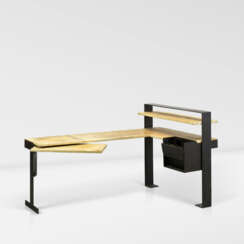

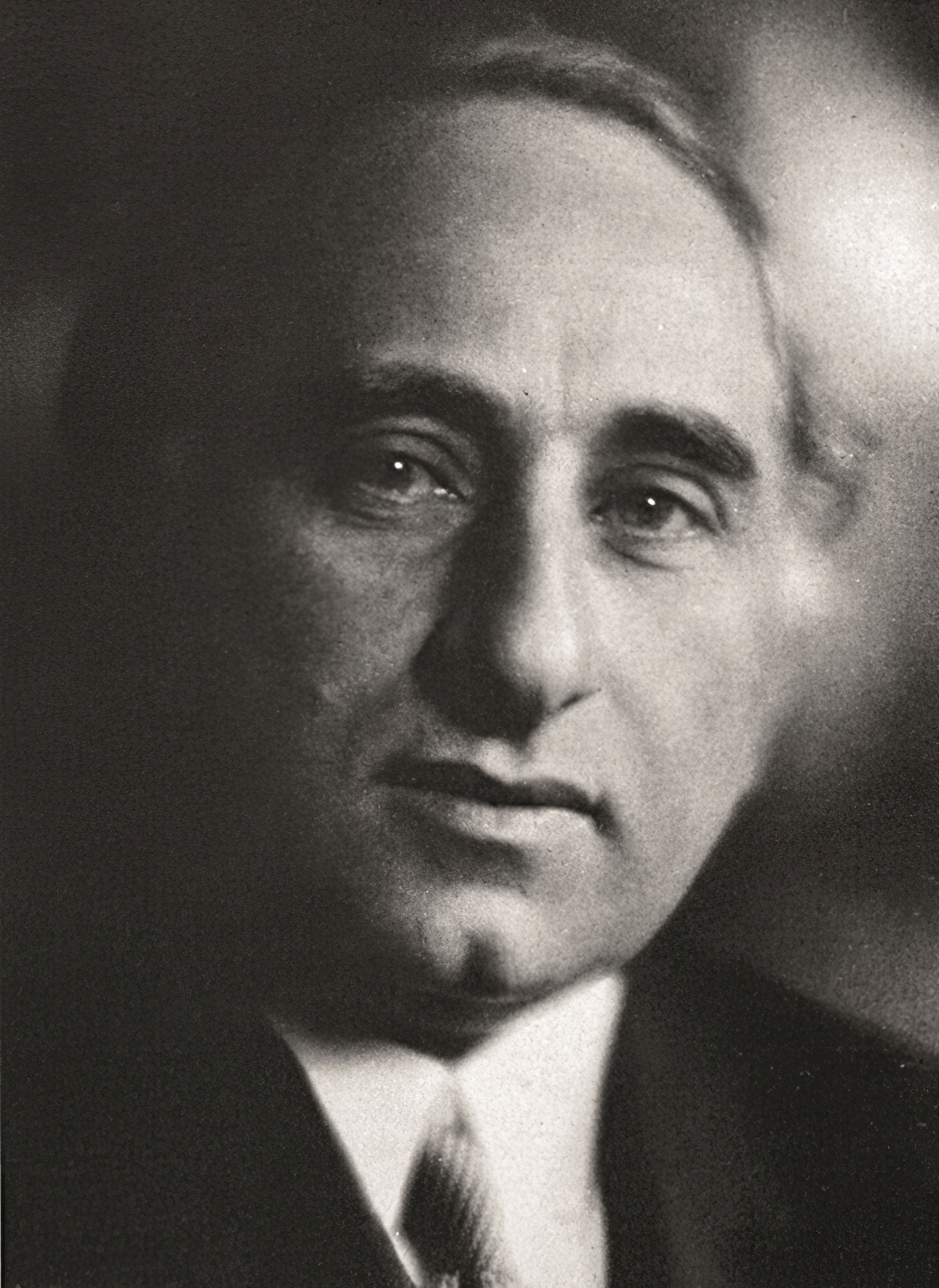
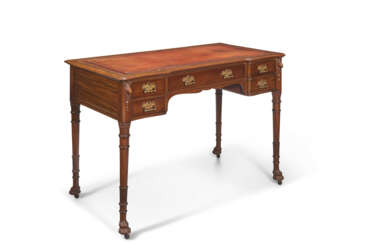
Pierre Chareau was a French architect and designer.
Chareau designed the first house in France made of steel and glass, the Maison de Verre.
Chareau was a member of Congrès International d'Architecture Moderne.

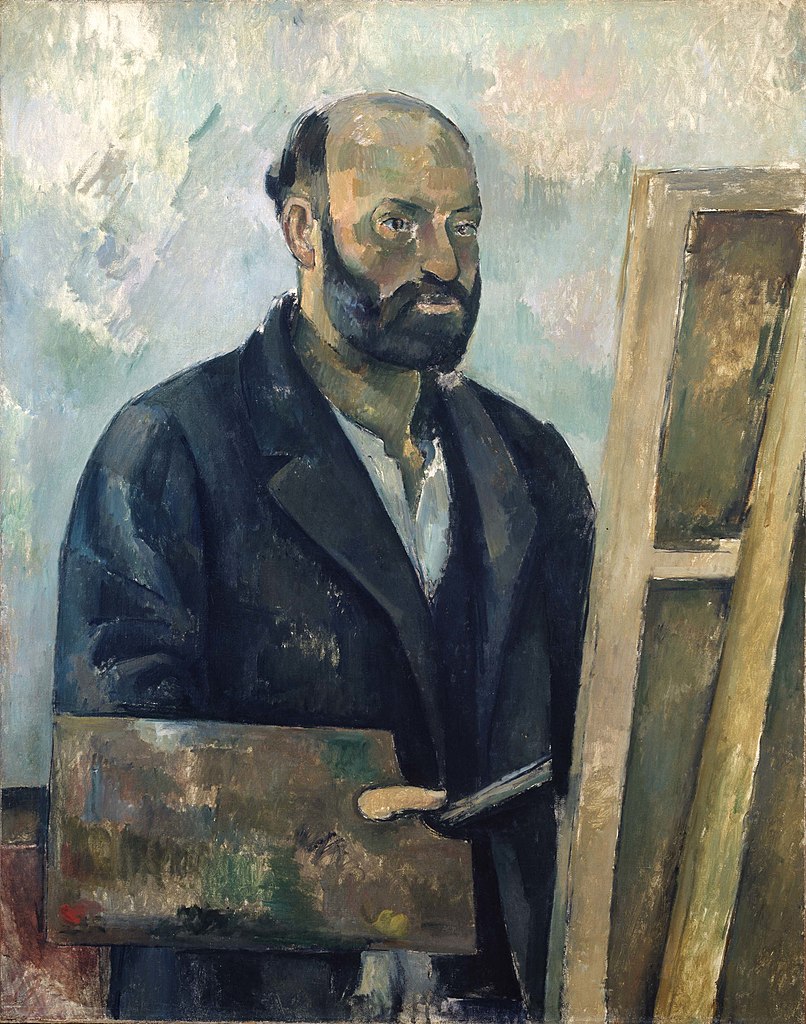
Paul Cézanne, a French Post-Impressionist painter, was pivotal in shaping the transition from 19th-century art to a new, revolutionary approach in the 20th century. His unique and exploratory brushstrokes, utilizing planes of color to form complex fields, made his work instantly recognizable and influential in the development of Cubism.
Cézanne’s early works, influenced by Romanticism and Realism, evolved into a groundbreaking artistic language. He challenged traditional perspective and academic art rules, focusing on objects' structural aspects and art's formal qualities. This approach led to a renewed emphasis on impressionistic color space and modulation principles.
His most notable works, like “Mont Sainte-Victoire,” “The Card Players,” and “The Bathers,” display his mastery in creating depth and dimension through color gradations. These paintings, initially met with skepticism, eventually cemented Cézanne’s reputation as a pioneering artist. His exhibitions, particularly the one-man show by dealer Ambroise Vollard in 1895, played a critical role in his recognition.
Cézanne’s impact on art history is profound, with greats like Henri Matisse and Pablo Picasso acknowledging him as a significant influence. His exploration of geometric forms and innovative use of light and color laid the groundwork for subsequent movements, particularly Cubism.
For collectors and art experts, Cézanne's works are more than just paintings; they are pivotal chapters in the narrative of modern art. His creations, bridging Impressionism and Cubism, continue to inspire and challenge contemporary artists.
To stay updated on new product sales and auction events related to Paul Cézanne, sign up for our updates. This subscription ensures you remain informed about the latest developments in the world of this revolutionary artist.

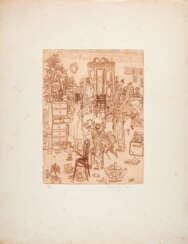

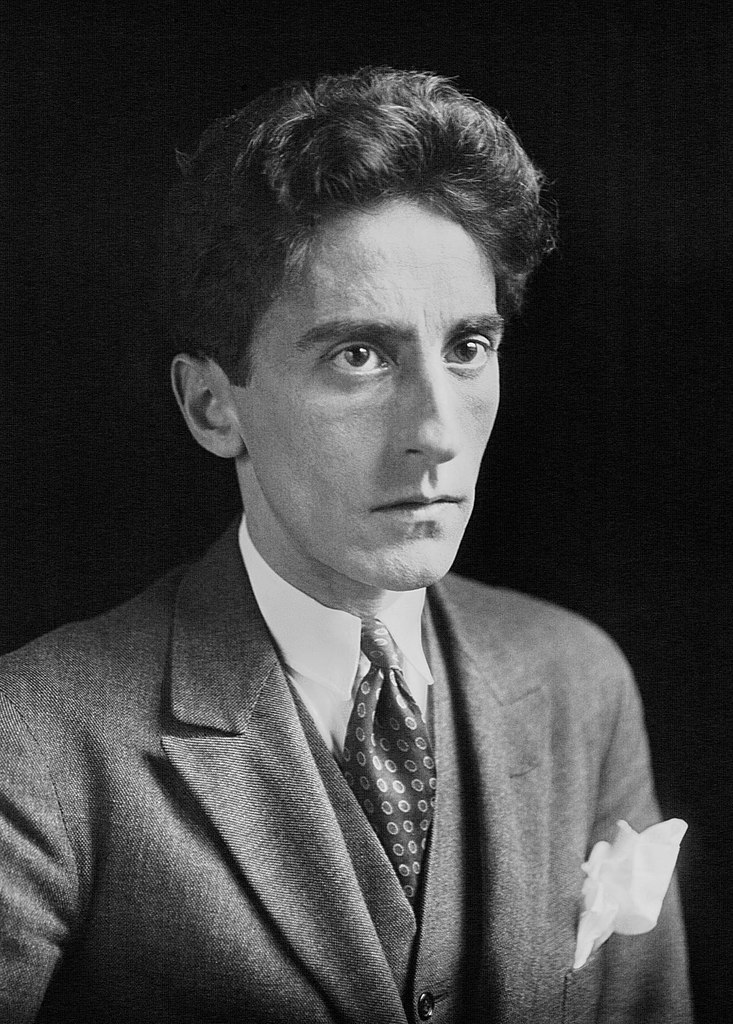
Jean Maurice Eugène Clément Cocteau was a French poet, playwright, novelist, designer, filmmaker, visual artist and critic. He was one of the foremost creatives of the surrealist, avant-garde, and Dadaist movements; and one of the most influential figures in early 20th-century art as a whole. The National Observer suggested that, “of the artistic generation whose daring gave birth to Twentieth Century Art, Cocteau came closest to being a Renaissance man.”
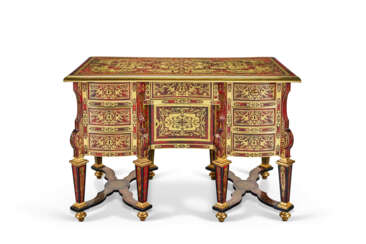



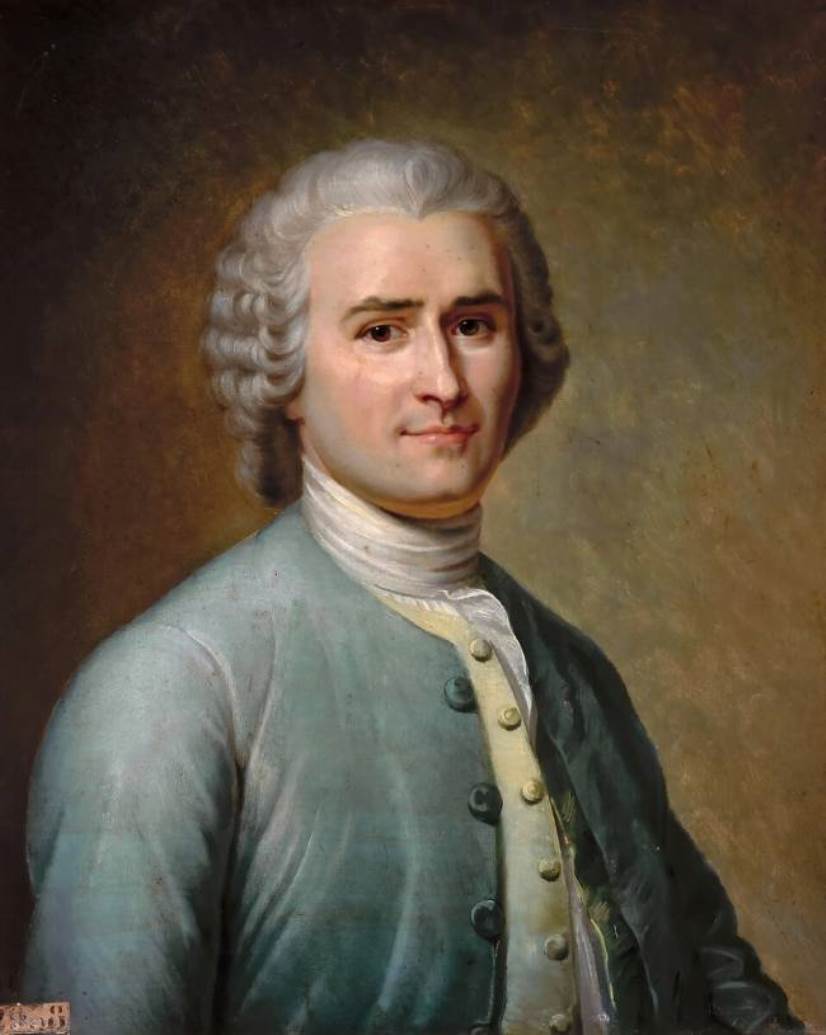


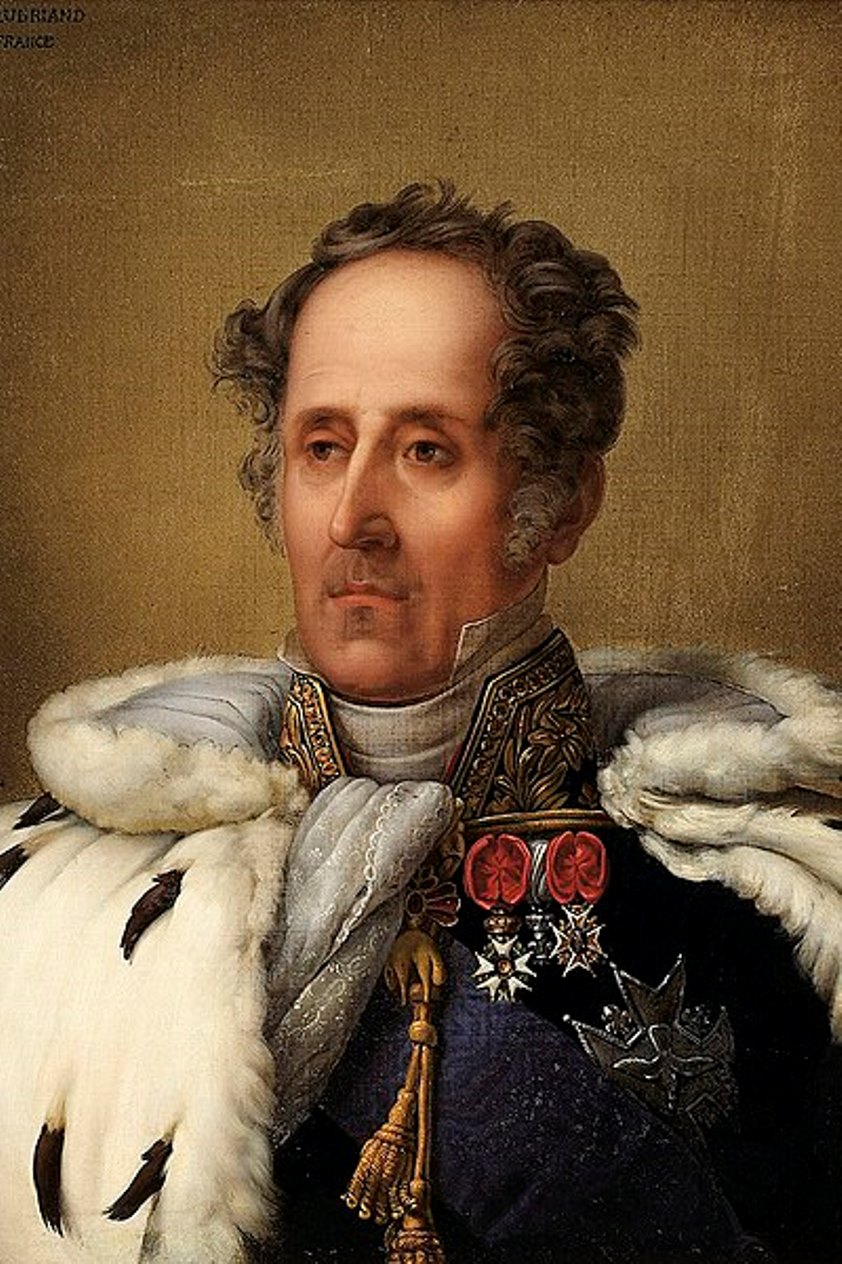
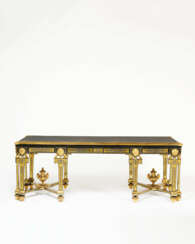

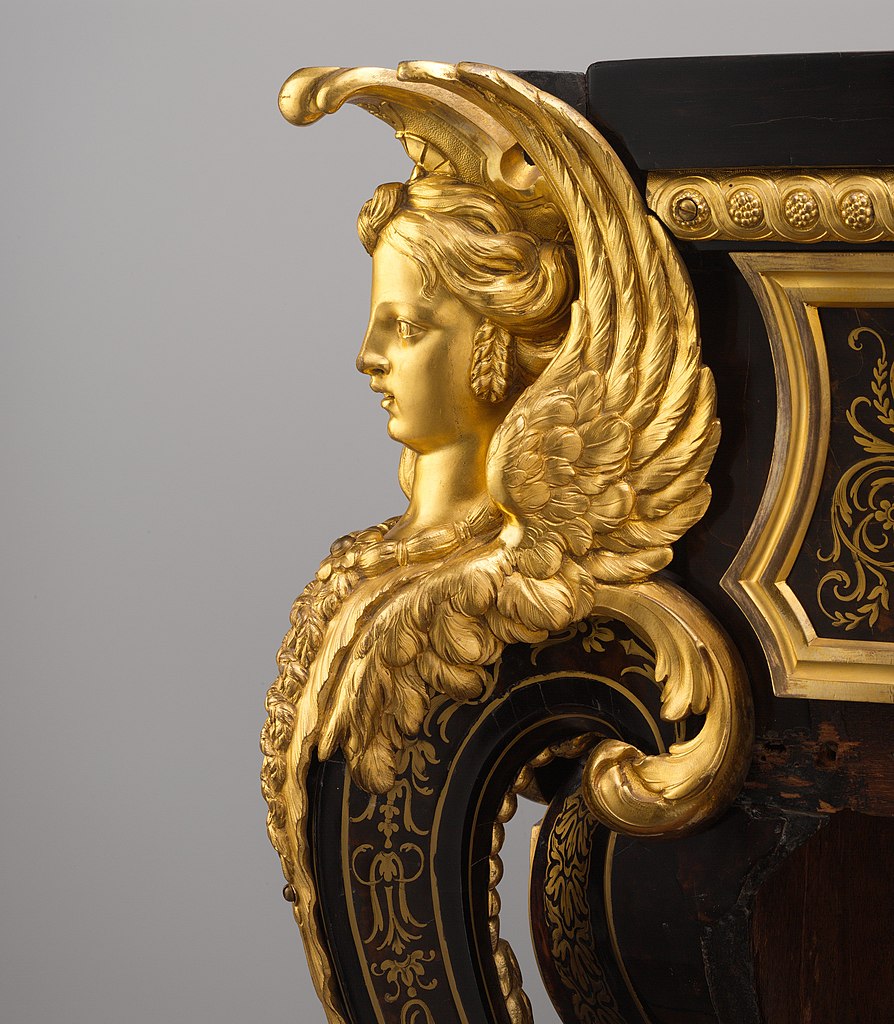
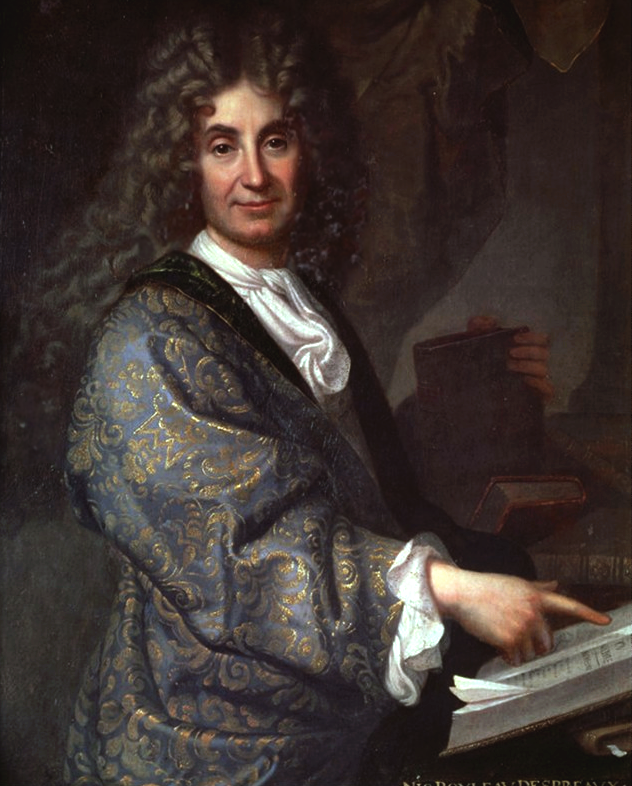
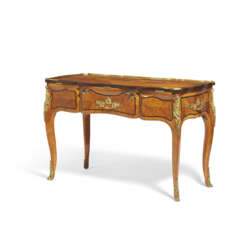
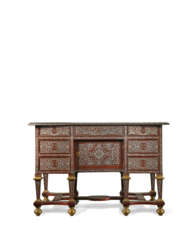
André-Charles Boulle, a French artist and cabinetmaker, was celebrated for his mastery in marquetry, a decorative technique involving inlaid veneers of wood, metal, and tortoiseshell. Born in Paris in 1642, Boulle's work defined luxury and sophistication in 17th and 18th-century French furniture, earning him the title of "Premier ébéniste du Roi" under Louis XIV. His contributions to art and culture extend beyond mere craftsmanship, embodying the opulence of the Louis XIV style and influencing European decorative arts profoundly.
Boulle's innovative techniques, particularly his unique use of marquetry, known as "Boulle work," involved intricate patterns of brass, pewter, and tortoiseshell, setting new standards for furniture design. This approach allowed him to create stunning visual effects, with his creations including clocks, cabinets, and tables that showcased both artistic flair and technical brilliance. His work, characterized by elaborate motifs and an exceptional blend of materials, is regarded as the epitome of Baroque artistry, blending sculpture, painting, and architecture into functional objects of beauty.
Several of Boulle's masterpieces are preserved in prestigious museums, such as the Louvre and the Palace of Versailles, where they continue to captivate visitors with their intricate details and historical significance. Notable works attributed to him, like the intricate coffers on stands and monumental cabinets housed in the J. Paul Getty Museum, reflect his role as a "painter in wood," celebrating French military victories and the grandeur of the Sun King's court. These pieces, never signed but attributed to him based on stylistic elements and historical records, highlight Boulle's innovative use of materials and his impact on the decorative arts.
For collectors and experts in art and antiques, André-Charles Boulle's work represents the zenith of French decorative arts. His legacy is not only in the beauty of his creations but also in the techniques he perfected, which continue to inspire contemporary designers and craftsmen. Those interested in the elegance and history of Boulle's work are encouraged to sign up for updates on new product sales and auction events related to this iconic artist. This subscription offers a unique opportunity to connect with the world of André-Charles Boulle, ensuring enthusiasts are informed of the latest discoveries and offerings that celebrate his enduring influence on culture, art, and design.


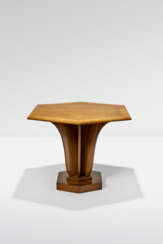

Pierre Chareau was a French architect and designer.
Chareau designed the first house in France made of steel and glass, the Maison de Verre.
Chareau was a member of Congrès International d'Architecture Moderne.
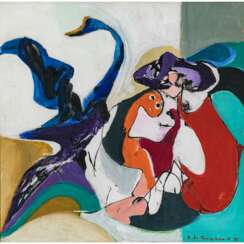

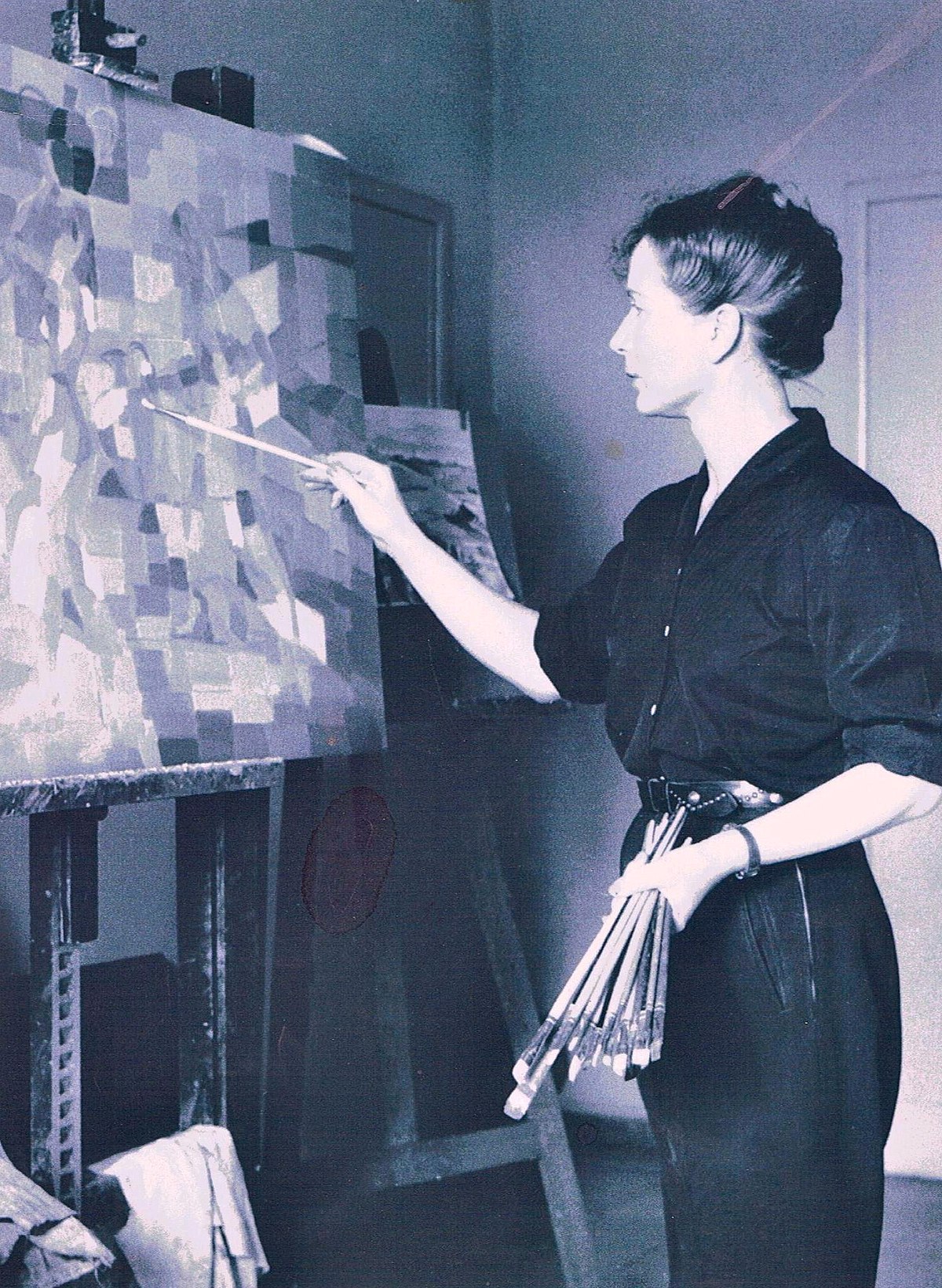
Hélène de Beauvoir was a French painter. She was the younger sister of philosopher Simone de Beauvoir. Her art was exhibited in Europe, Japan, and the US.
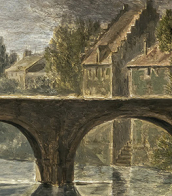

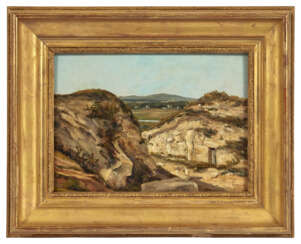

Théodore Rousseau was a prominent French painter, celebrated for his pioneering contributions to the Barbizon school of landscape art. His dedication to capturing nature's essence made him a pivotal figure in landscape painting's evolution. Rousseau's technique involved painting directly from nature, a method that infused his works with a profound sense of realism and vitality. This approach was notably evident in his masterpiece "An Avenue of Trees, Forest of l'Isle-Adam," where he meticulously captured a scene entirely outdoors, a testament to his commitment to authenticity and detail.
Théodore Rousseau's artistry wasn't confined to painting alone; his drawings, like the detailed "Study of an Oak Tree," demonstrate his versatility and deep connection with nature. His works received significant recognition, culminating in a triumphant display at the Universal Exposition of 1855. However, his life was not devoid of challenges. Personal tragedies and professional setbacks marked his later years, yet his resolve and dedication to art remained unshaken.
For art enthusiasts and collectors, Théodore Rousseau's works are pivotal, not just for their beauty but also for their role in the history of landscape painting. His pieces like "The Great Oaks of Old Bas-Bréau" are cherished in collections worldwide, serving as enduring symbols of his talent and his profound influence on subsequent art movements.
For those interested in the intersection of nature and art, subscribing to updates on Théodore Rousseau can provide invaluable insights into his life's work, his contributions to the Barbizon school, and his lasting impact on the world of art. Stay informed about new discoveries, sales, and auction events related to Rousseau's oeuvre to deepen your appreciation and understanding of this illustrious artist's legacy.



Théodore Rousseau was a prominent French painter, celebrated for his pioneering contributions to the Barbizon school of landscape art. His dedication to capturing nature's essence made him a pivotal figure in landscape painting's evolution. Rousseau's technique involved painting directly from nature, a method that infused his works with a profound sense of realism and vitality. This approach was notably evident in his masterpiece "An Avenue of Trees, Forest of l'Isle-Adam," where he meticulously captured a scene entirely outdoors, a testament to his commitment to authenticity and detail.
Théodore Rousseau's artistry wasn't confined to painting alone; his drawings, like the detailed "Study of an Oak Tree," demonstrate his versatility and deep connection with nature. His works received significant recognition, culminating in a triumphant display at the Universal Exposition of 1855. However, his life was not devoid of challenges. Personal tragedies and professional setbacks marked his later years, yet his resolve and dedication to art remained unshaken.
For art enthusiasts and collectors, Théodore Rousseau's works are pivotal, not just for their beauty but also for their role in the history of landscape painting. His pieces like "The Great Oaks of Old Bas-Bréau" are cherished in collections worldwide, serving as enduring symbols of his talent and his profound influence on subsequent art movements.
For those interested in the intersection of nature and art, subscribing to updates on Théodore Rousseau can provide invaluable insights into his life's work, his contributions to the Barbizon school, and his lasting impact on the world of art. Stay informed about new discoveries, sales, and auction events related to Rousseau's oeuvre to deepen your appreciation and understanding of this illustrious artist's legacy.

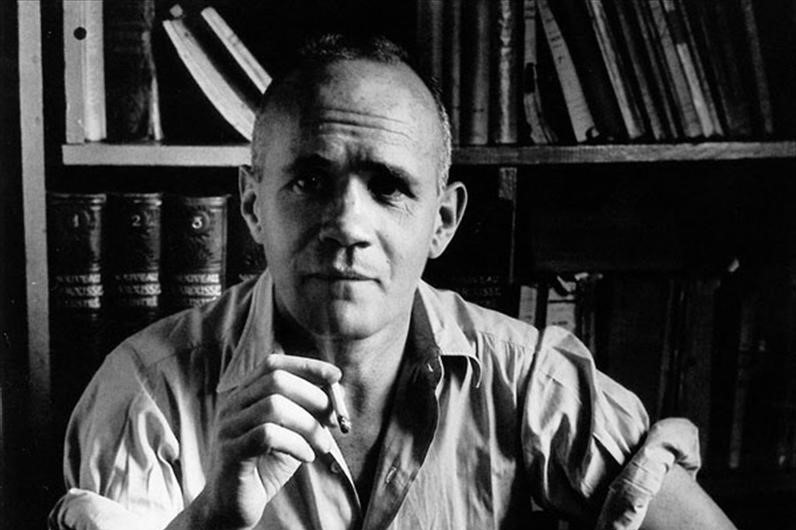
![[COCTEAU, Jean (1889-1963) et Jean GENET (1910-1986)] Roger LANNES (1909-1982)](/assets/image/picture_3807187/de5ba/ab39deff39960a102a0c67fccd003e501710234000jpg__fix_374_244.jpeg)
![[COCTEAU, Jean (1889-1963) et Jean GENET (1910-1986)] Roger LANNES (1909-1982)](https://veryimportantlot.com/assets/image/picture_3807187/de5ba/ab39deff39960a102a0c67fccd003e501710234000jpg__fix_374_244.jpeg)
Jean Maurice Eugène Clément Cocteau was a French poet, playwright, novelist, designer, filmmaker, visual artist and critic. He was one of the foremost creatives of the surrealist, avant-garde, and Dadaist movements; and one of the most influential figures in early 20th-century art as a whole. The National Observer suggested that, “of the artistic generation whose daring gave birth to Twentieth Century Art, Cocteau came closest to being a Renaissance man.”