england and usa
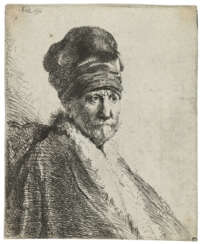


Rembrandt Harmenszoon van Rijn, a Dutch Baroque painter and printmaker, was born on July 15, 1606, in Leiden, Netherlands, and died on October 4, 1669, in Amsterdam. He is celebrated as one of the greatest storytellers in art history, acclaimed for his adept portrayal of human emotions and dramatic narratives. Rembrandt's extensive oeuvre includes portraits, self-portraits, landscapes, genre scenes, allegorical, historical, and biblical themes, as well as animal studies. His artistry shined during the Dutch Golden Age, a period marked by cultural and scientific achievements in the Netherlands.
Rembrandt's education in art began around the age of 10 when he left the Latin School in Leiden to train as an artist. He apprenticed with artists like Jacob van Swanenburg and Pieter Lastman, mastering various aspects of painting. He opened his own studio in Leiden around 1624 or 1625, sharing it with his colleague Jan Lievens. By 1631, he had moved to Amsterdam, where he achieved significant success and trained many important Dutch painters.
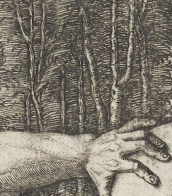
Among Rembrandt's notable works are "The Anatomy Lesson of Dr. Nicolaes Tulp" (1632), "The Night Watch" (1642), and "The Syndics of the Amsterdam Drapers’ Guild" (1662). He was also renowned for his self-portraits, creating around 80 over his lifetime, more than any other artist until the 20th century. These self-portraits were not just artistic endeavors but also experiments with facial expressions and lighting effects. Additionally, Rembrandt was a master etcher, transforming etching from a reproductive technique into an art form.
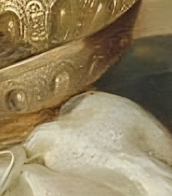
Rembrandt's painting style is characterized by its dramatic use of light and shadow, known as chiaroscuro. His ability to depict materials realistically was unparalleled; his portrayal of metals and fabrics was so lifelike that they appeared to glow and be tangible. He was also known for his impasto technique, applying paint thickly to the canvas, adding a three-dimensional quality to his works.
Despite his artistic prowess, Rembrandt faced financial difficulties and personal tragedies throughout his life. He declared bankruptcy in 1656, a downfall attributed partly to his extensive collection of art objects and curiosities. His masterpieces, however, continued to garner appreciation and influence generations of artists that followed.
For collectors and experts in art and antiques, Rembrandt's works represent a pinnacle of artistic achievement in the Dutch Golden Age. His mastery in portraying the human condition and his innovative techniques in painting and etching make his works highly prized and influential in the art world.
To stay updated on new product sales and auction events related to Rembrandt van Rijn, sign up for our updates. This subscription service is dedicated exclusively to news and events concerning works related to this unparalleled master of the Dutch Golden Age.





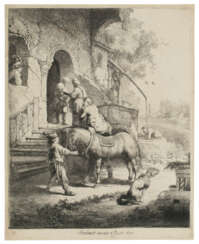

Rembrandt Harmenszoon van Rijn, a Dutch Baroque painter and printmaker, was born on July 15, 1606, in Leiden, Netherlands, and died on October 4, 1669, in Amsterdam. He is celebrated as one of the greatest storytellers in art history, acclaimed for his adept portrayal of human emotions and dramatic narratives. Rembrandt's extensive oeuvre includes portraits, self-portraits, landscapes, genre scenes, allegorical, historical, and biblical themes, as well as animal studies. His artistry shined during the Dutch Golden Age, a period marked by cultural and scientific achievements in the Netherlands.
Rembrandt's education in art began around the age of 10 when he left the Latin School in Leiden to train as an artist. He apprenticed with artists like Jacob van Swanenburg and Pieter Lastman, mastering various aspects of painting. He opened his own studio in Leiden around 1624 or 1625, sharing it with his colleague Jan Lievens. By 1631, he had moved to Amsterdam, where he achieved significant success and trained many important Dutch painters.
Among Rembrandt's notable works are "The Anatomy Lesson of Dr. Nicolaes Tulp" (1632), "The Night Watch" (1642), and "The Syndics of the Amsterdam Drapers’ Guild" (1662). He was also renowned for his self-portraits, creating around 80 over his lifetime, more than any other artist until the 20th century. These self-portraits were not just artistic endeavors but also experiments with facial expressions and lighting effects. Additionally, Rembrandt was a master etcher, transforming etching from a reproductive technique into an art form.
Rembrandt's painting style is characterized by its dramatic use of light and shadow, known as chiaroscuro. His ability to depict materials realistically was unparalleled; his portrayal of metals and fabrics was so lifelike that they appeared to glow and be tangible. He was also known for his impasto technique, applying paint thickly to the canvas, adding a three-dimensional quality to his works.
Despite his artistic prowess, Rembrandt faced financial difficulties and personal tragedies throughout his life. He declared bankruptcy in 1656, a downfall attributed partly to his extensive collection of art objects and curiosities. His masterpieces, however, continued to garner appreciation and influence generations of artists that followed.
For collectors and experts in art and antiques, Rembrandt's works represent a pinnacle of artistic achievement in the Dutch Golden Age. His mastery in portraying the human condition and his innovative techniques in painting and etching make his works highly prized and influential in the art world.
To stay updated on new product sales and auction events related to Rembrandt van Rijn, sign up for our updates. This subscription service is dedicated exclusively to news and events concerning works related to this unparalleled master of the Dutch Golden Age.
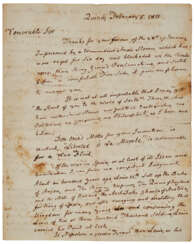

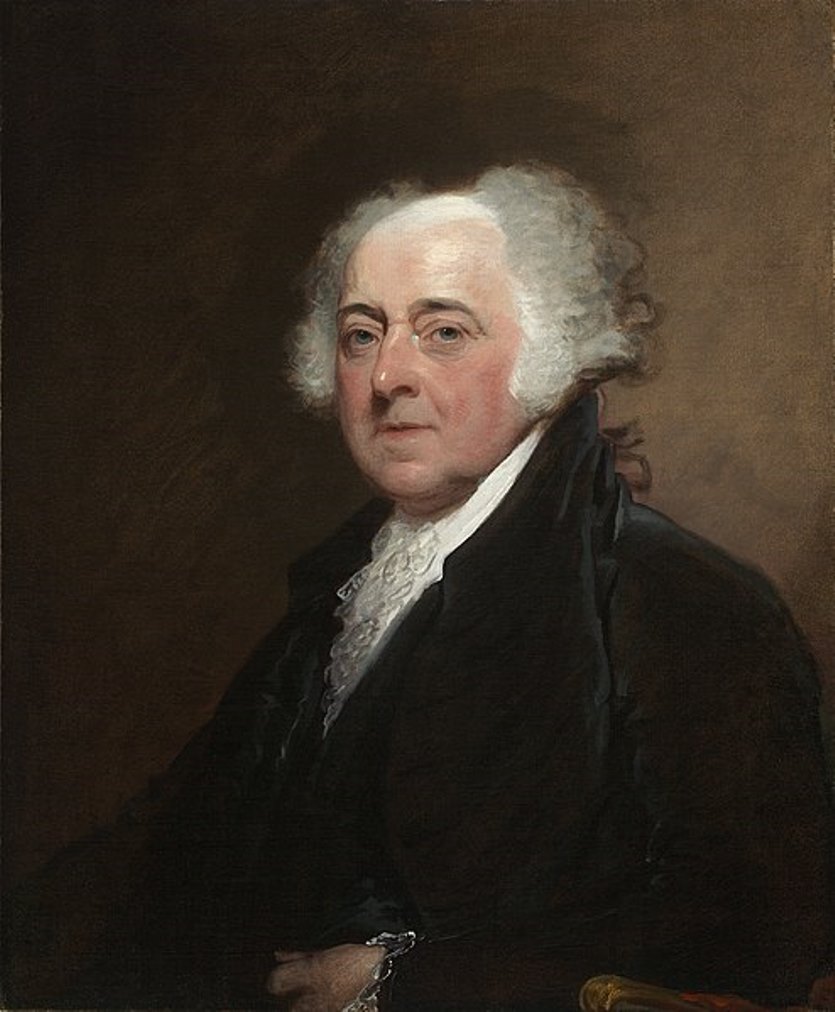
John Adams was an American statesman and politician and the second President of the United States (1797-1801).
The Adamses were among the first Puritan settlers in New England, and John's father was a farmer and shoemaker. John Adams graduated from Harvard College, taught grammar school in Worcester, Massachusetts, and then practiced law in Boston. In 1764, Adams married Abigail Smith, a minister's daughter, who became his confidante and lifelong political partner.
In 1765, Adams wrote "A Dissertation on Canon Law and Feudal Law," where he justified his opposition to British interference in the colonies. In the summer of 1774, Adams was elected to the Massachusetts delegation to the First Continental Congress, in which he became a major figure. He wrote Thoughts on Government as a basic guide to drafting new state constitutions. In July 1776, John Adams drafted the Plan of Treaties, which became the basis for the treaty with France and set the strategic priorities that would shape American foreign policy over the next century.
He was elected to the post of head of the War Council, in 1780 he became the author of the Massachusetts Constitution, which became a model for other states, in 1783 he signed the Treaty of Paris. From 1785 to 1788 John Adams served as the first American ambassador to Great Britain and proved himself worthy in this difficult situation, being the official embodiment of American independence from the British Empire. He studied European history extensively and the result was his three-volume book entitled A Defense of the Constitution of the Government of the United States of America (1787).
In 1789 Adams became the country's first vice president (Washington was the first president of the United States), and in 1797 he was elected the second president of the United States. However, his reign was not the best in the history of the new country. Deteriorating relations with France led to an undeclared naval war between the former allies. In 1798, Adams signed the controversial Alien and Sedition Acts, which restricted free speech rights. They met widespread opposition across the country. Adams resisted opposition demands for all-out war with France, but lost the 1800 election to Thomas Jefferson.
John Adams retired from politics and settled in his hometown of Quincy. He became the founder of an entire dynasty of politicians and died on July 4, 1826 (the 50th anniversary of the Declaration of Independence), living to see his eldest son John Quincy elected as the sixth president.
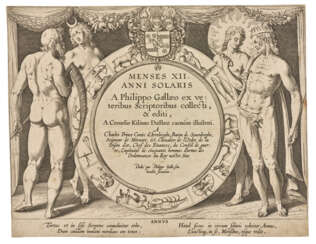

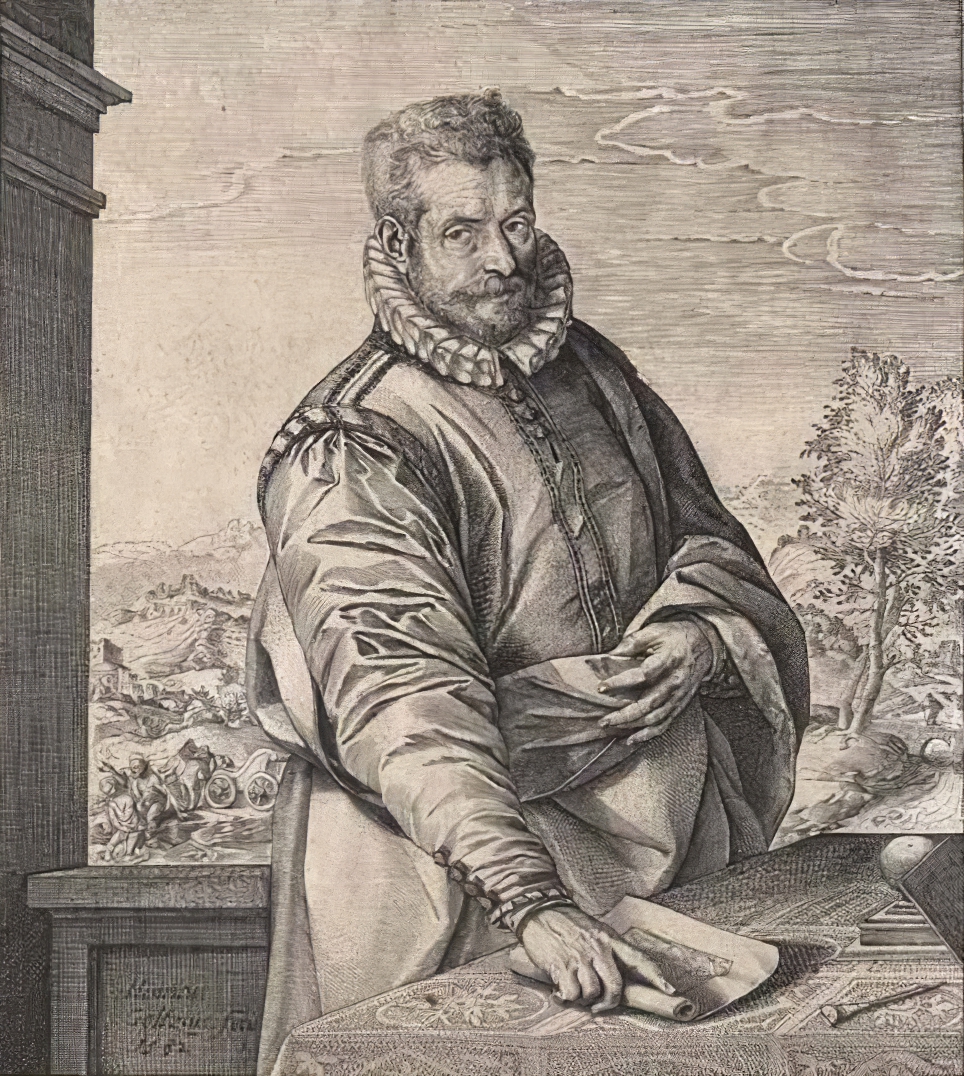
Philips Galle was a Dutch publisher, best known for publishing old master prints, which he also produced as designer and engraver. He is especially known for his reproductive engravings of paintings.
As a resident of Antwerp, Galle witnessed numerous events of the Eighty Years War, notably the siege and looting of the town in 1576 by the Spaniards, called "The Spanish Fury". This rather personal book, which was translated in several languages soon after its first publication, shows Galle as a peace-loving person who intended to stay far away from the political and military turmoil of his era.
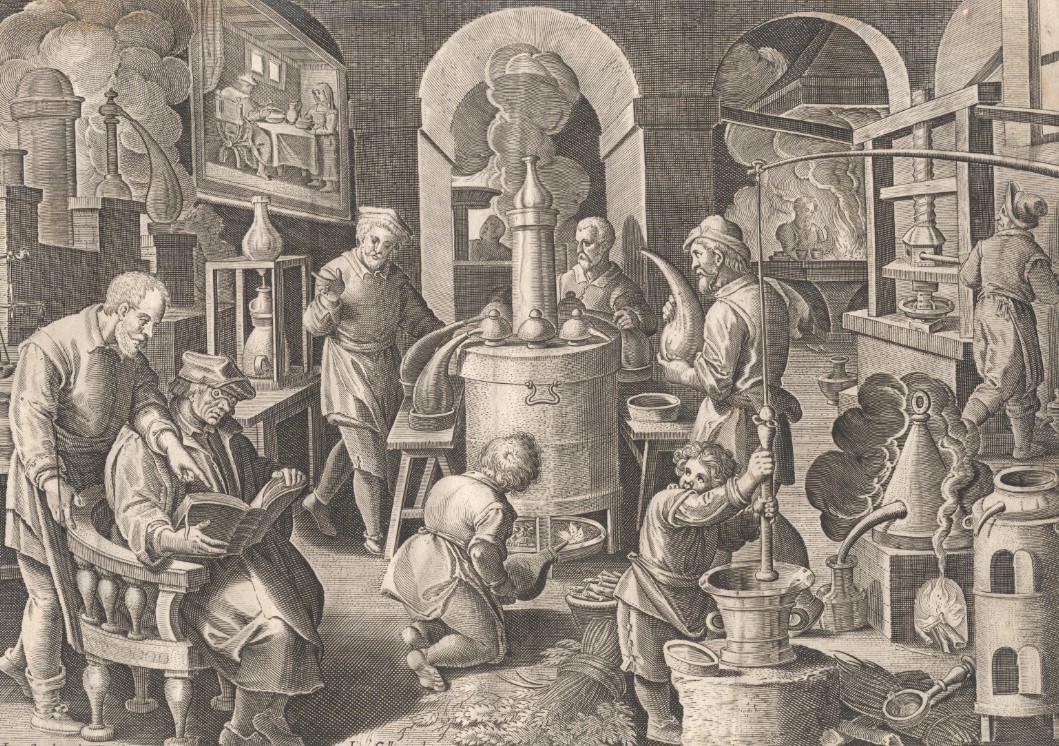
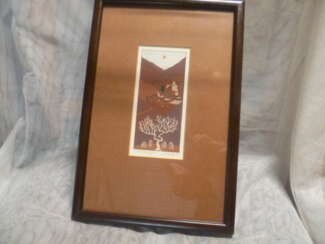








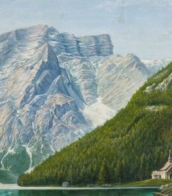


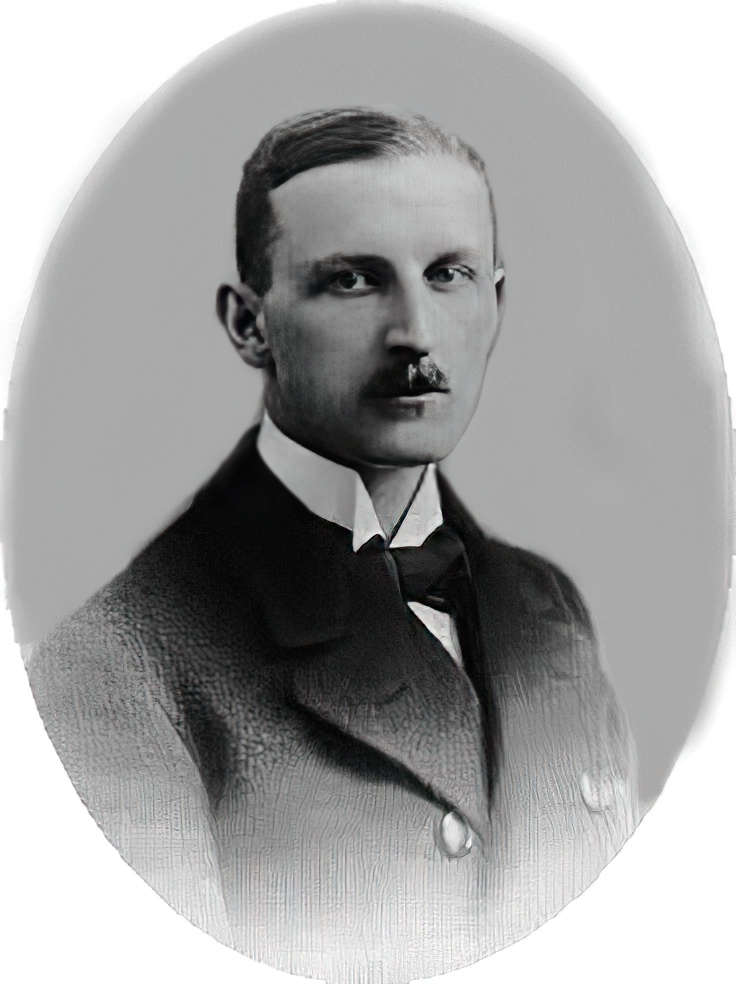
Claus Friedrich Bergen was a German painter of the first half of the twentieth century. He is known as a marine painter and illustrator.
Claus Bergen illustrated Karl May's adventure tales early in his career, creating more than 450 works. He specialized in nautical subjects, depictions of fishing and coastal landscapes, and traveled to Norway, England, the Mediterranean and America. During World War I, Bergen created paintings depicting sea battles; he was the only artist of his time to participate in a submarine raid. In World War II, he was included by the Nazis in the "God-given list" and his work was exhibited in Nazi exhibitions in Munich from 1937 to 1944.
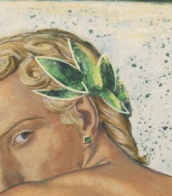
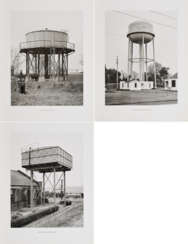

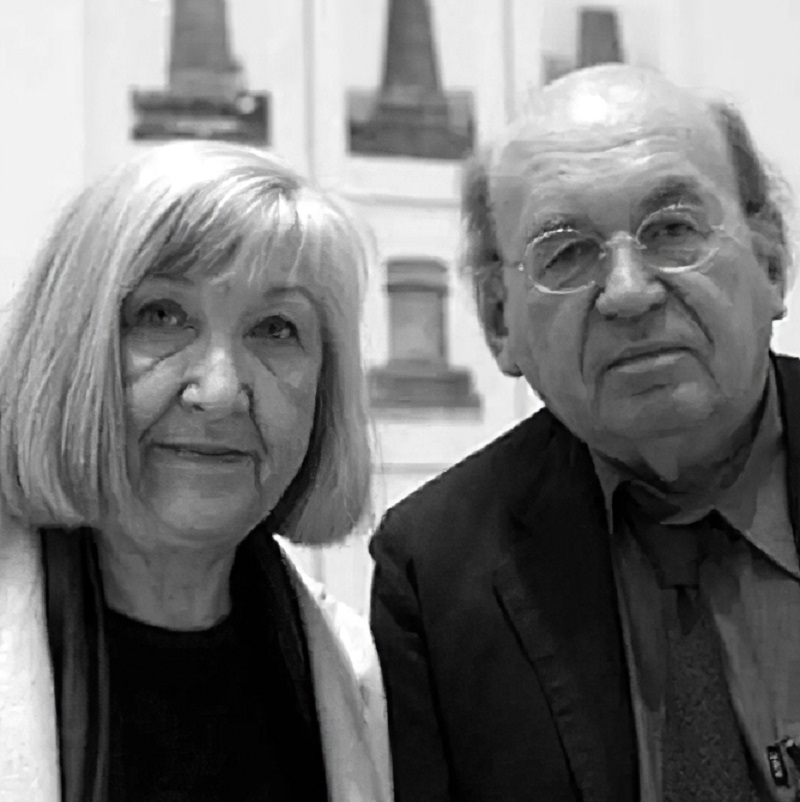
Bernhard (Bernd) Becher and Hilla Becher were German conceptual artists and photographers working as a collaborative duo. They are best known for their extensive series of photographic images, or typologies, of industrial buildings and structures, often organised in grids. As the founders of what has come to be known as the 'Becher school' or the 'Düsseldorf School' they influenced generations of documentary photographers and artists. They have been awarded the Erasmus Prize and the Hasselblad Award.


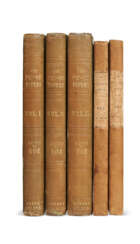

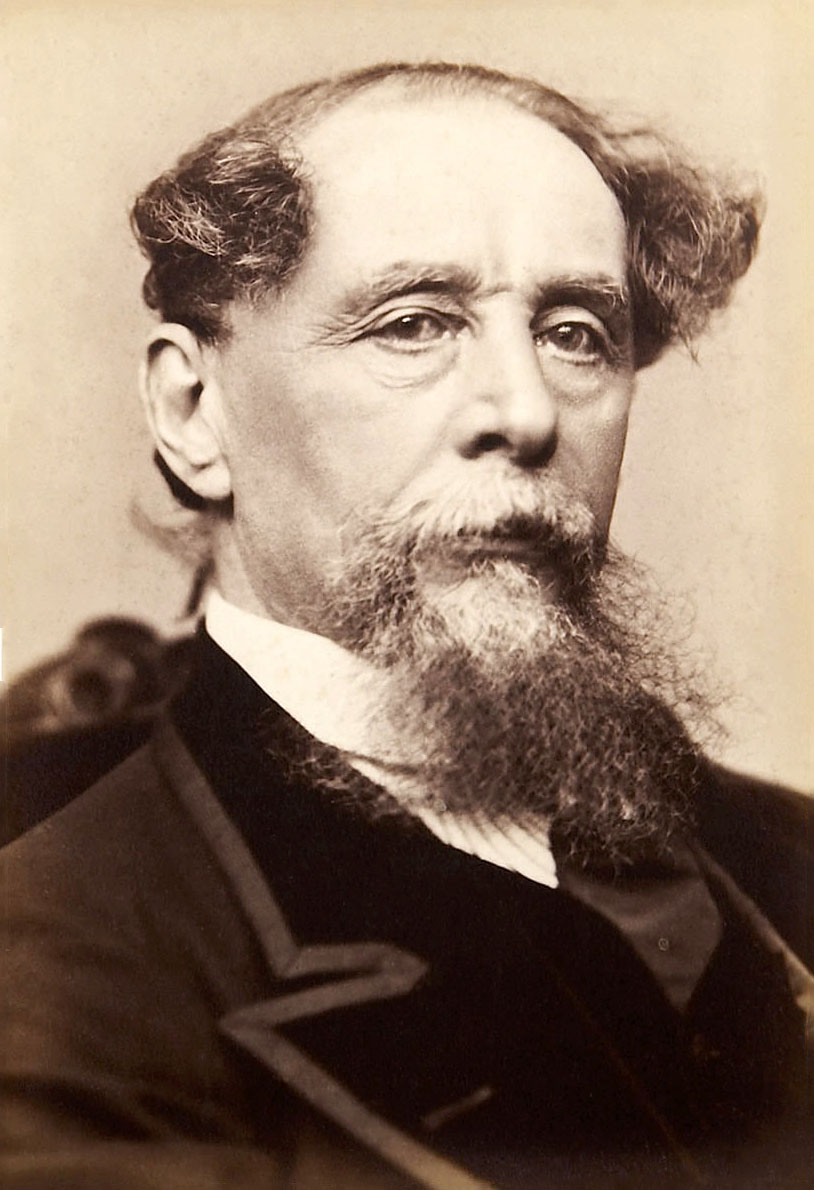
Charles Dickens, full name Charles John Huffam Dickens, is the most famous British writer of the Victorian era, a classic of world literature.
From childhood the future writer learned all the hardships of life in poverty: his father in prison for debts, hard work in a factory. Then service stenographer in court and reporter developed in him a strong attachment to journalism and contempt for both the law and parliament.
Dickens had many talents: in addition to literary work, he was an actor, published periodicals, arranged numerous literary readings, where he reveled in the admiration and love of the public. Fecund and versatile, Charles Dickens wrote many brilliant and often comic works. His novels cover a wide range of social, moral, emotional and other aspects. As a subtle psychologist, he is also very interested in the most ordinary people, but also the eccentric, the flawed, and even the insane.
Dickens was immensely popular around the world during his lifetime. His intellect, worldview, and deep reflections on society and its faults enriched his novels and made him one of the great figures of nineteenth-century literature, an influential spokesman for the conscience of his time.
Dickens' best-known and most popular novels are The Pickwick Club Posthumous Notes, Oliver Twist, Nicholas Nickleby, David Copperfield, Cold House, A Tale of Two Cities, Our Mutual Friend, Great Expectations, and The Mystery of Edwin Drood.
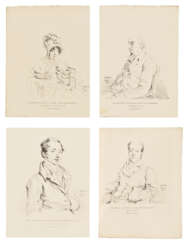

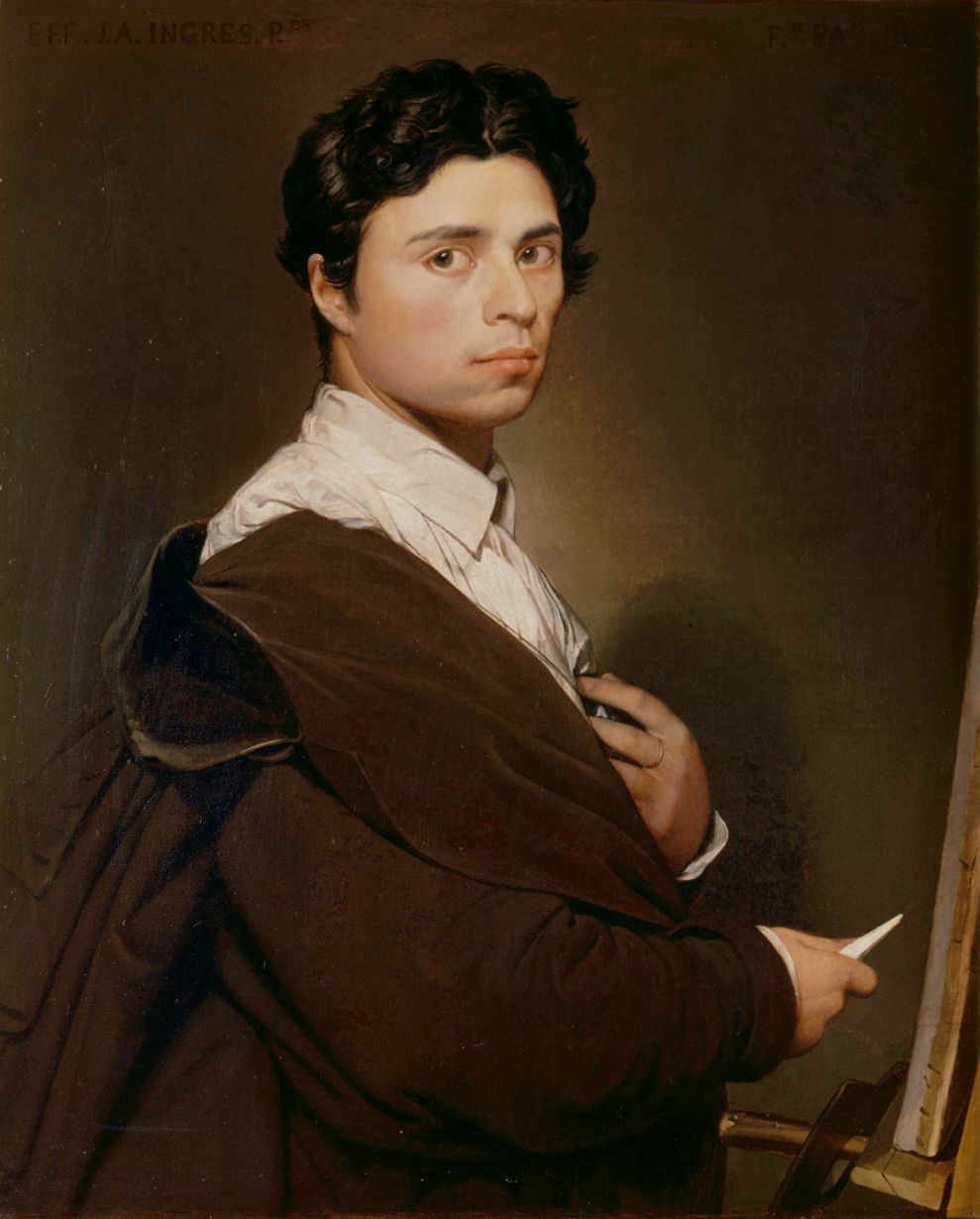
Jean-Auguste-Dominique Ingres, a French Neoclassical painter, carved a niche for himself in the art world with his profound influence from past traditions and his aspiration to uphold academic orthodoxy amidst the burgeoning Romantic style. Born in Montauban, France, on August 29, 1780, Ingres' journey into the realms of art was marked by his early study under Jacques-Louis David, leading to a fully developed style that scarcely changed throughout his life.
Ingres is celebrated for his expressive distortions of form and space, which have positioned him as a crucial precursor to modern art, influencing modernists such as Picasso and Matisse. His oeuvre, renowned for its meticulous precision and sinuous lines, skillfully bridges elements of Neoclassical and Romantic styles. Despite never traveling to the Near East or Africa, Ingres was deeply inspired by the exotic, as evidenced in his detailed and sensuous portrayals of odalisques, contributing to his posthumous recognition among avant-garde circles.
His contributions include significant commissions like "The Vow of Louis XIII," which solidified his position as a leader of the Neoclassical school in France, and "The Turkish Bath," his last major work, showcasing his enduring fascination with the female form and Orientalism. His works, including the iconic "Portrait of Monsieur Bertin" and other masterful portraits, continue to captivate, housed in esteemed collections such as the Musée du Louvre in Paris.
Art collectors and experts appreciate Ingres for his dedication to classical techniques and his innovative approach to composition and form. His legacy, encompassing both his Neoclassical roots and his pioneering forays into early modernism, underscores his unique position in art history.
For updates on exhibitions and auctions featuring works by Jean-Auguste-Dominique Ingres, sign up for our newsletter. Stay informed about new discoveries and opportunities to acquire pieces by this master of Neoclassicism and precursor to modern art.
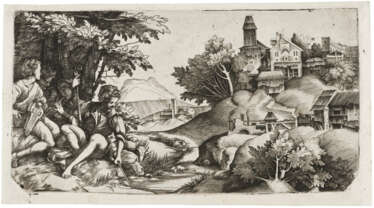

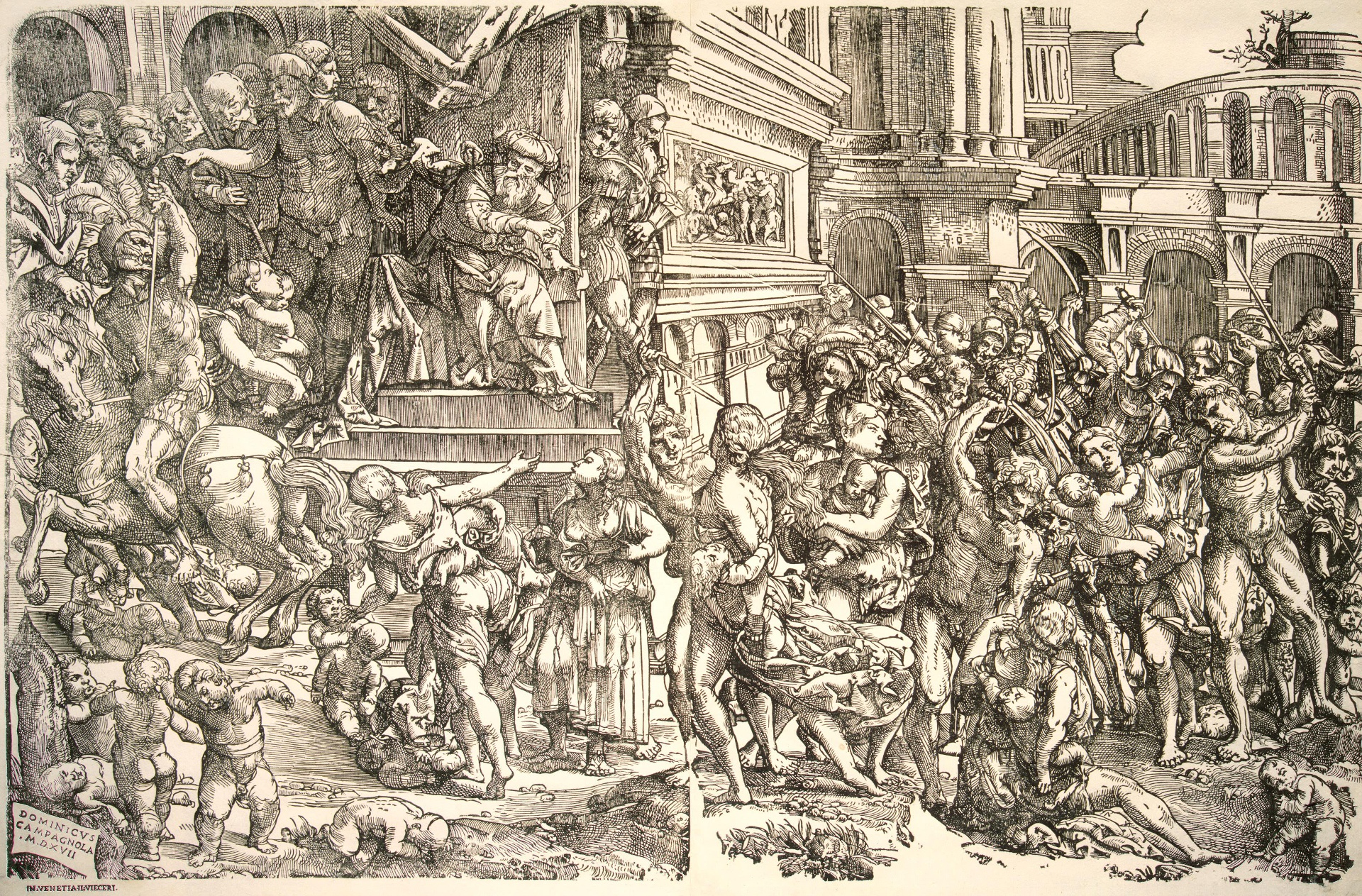
Domenico Campagnola was an Italian painter and printmaker in engraving and woodcut of the Venetian Renaissance, but whose most influential works were his drawings of landscapes.
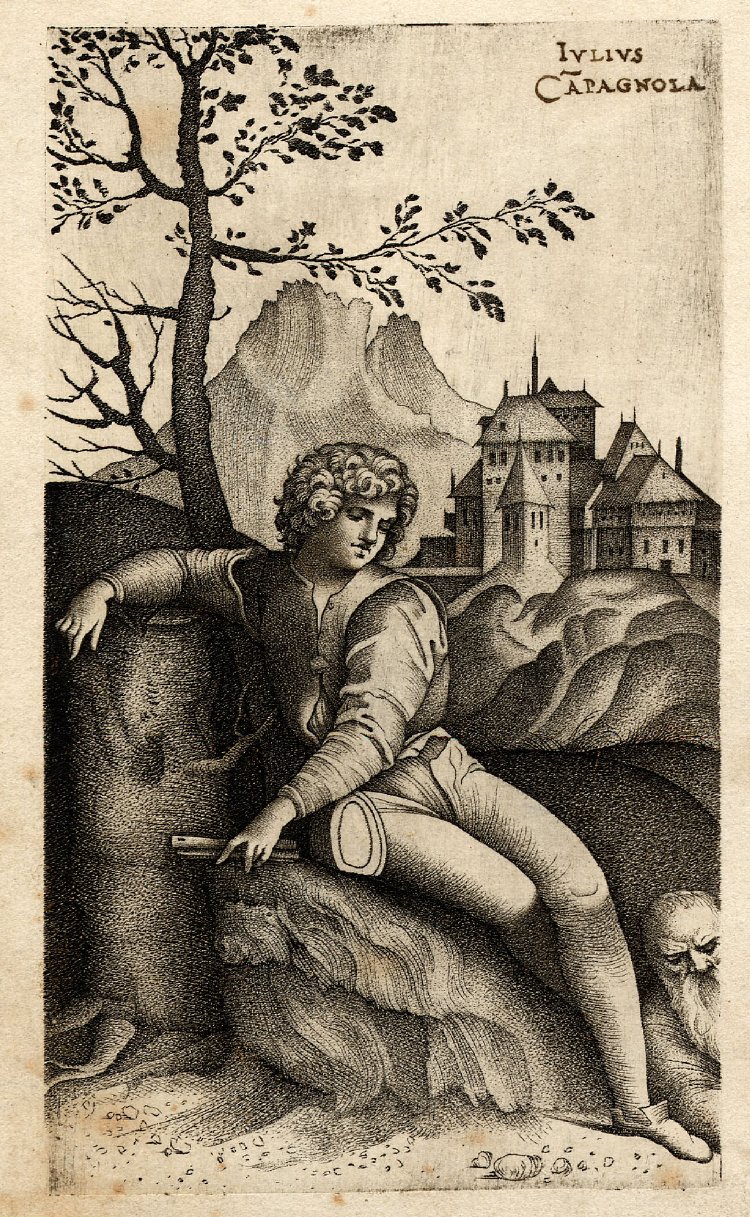
Giulio Campagnola was an Italian engraver, painter and miniaturist. Inventor of the original punctuation technique, which influenced the further development of European letterpress and etching.
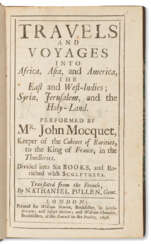



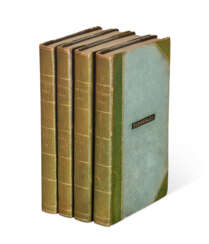

![The Holy Land, Syria, Idumea, Arabia, Egypt & Nubia [With:] Egypt & Nubia](/assets/image/picture_5228522/f2c4a/62c2300fe14f52f338500e3ccd12d6bd1769094000jpg__fix_374_244.jpeg)
![The Holy Land, Syria, Idumea, Arabia, Egypt & Nubia [With:] Egypt & Nubia](https://veryimportantlot.com/assets/image/picture_5228522/f2c4a/62c2300fe14f52f338500e3ccd12d6bd1769094000jpg__fix_374_244.jpeg)