farmer self
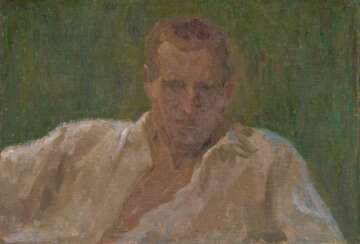

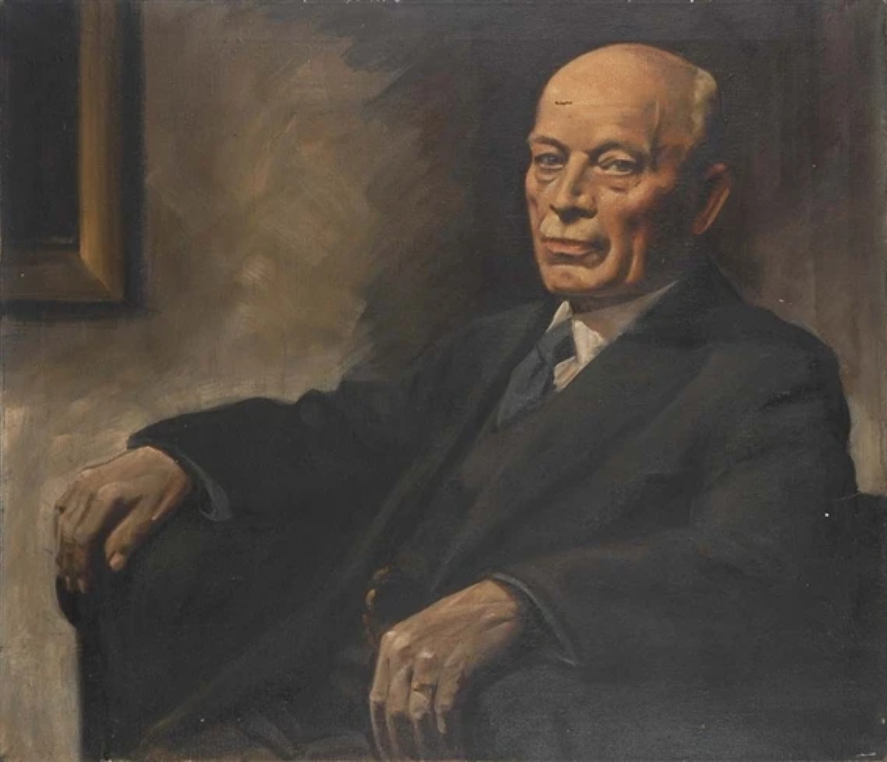
Carl Ludwig Noah Bantzer was a painter, professor and art critic; associated with the Willingshausen Artists' Colony.







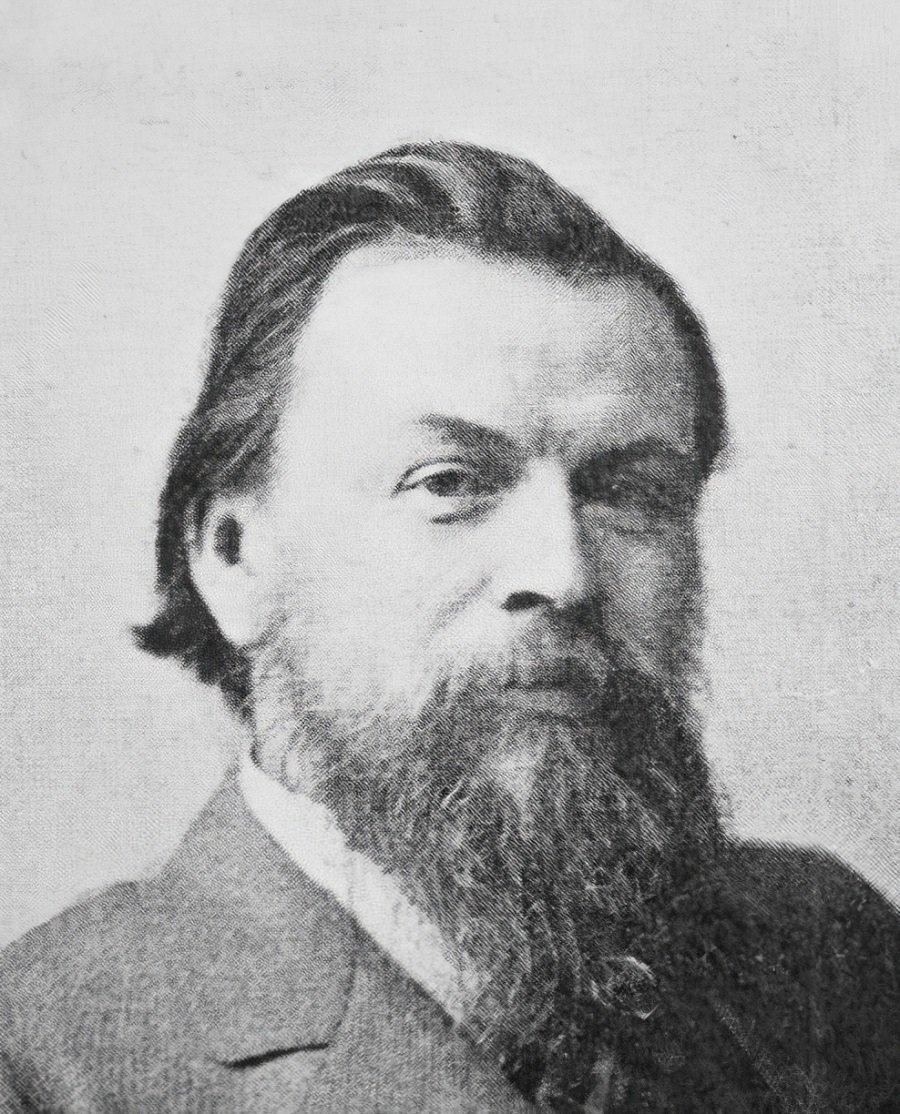
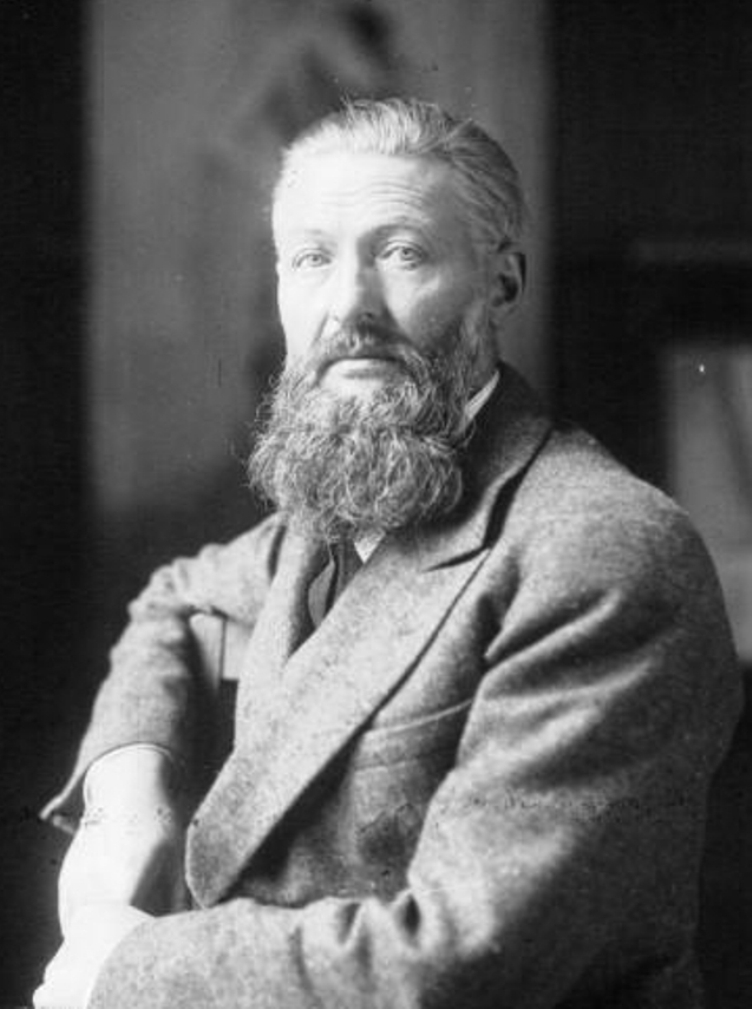
Gregor von Bochmann was a Baltic-German landscape and genre painter.




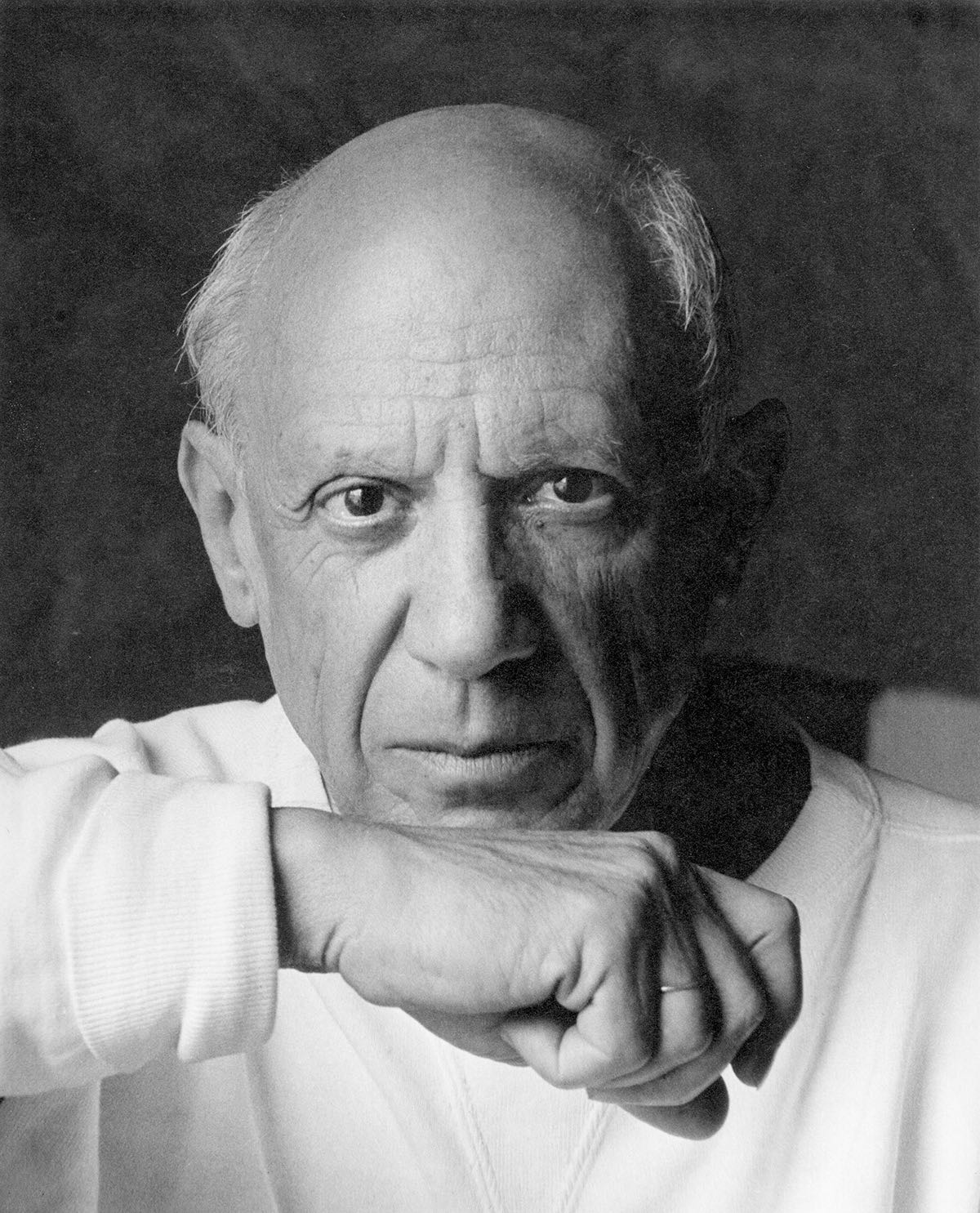
Pablo Ruiz Picasso, a Spanish artist renowned for his revolutionary contributions to the 20th-century art scene, is a figure that resonates profoundly with collectors and art experts. His unique blend of talents in painting, sculpture, printmaking, and ceramic art, infused with his time in France, positioned him as a pivotal character in modern art history.
Picasso's artistic journey was marked by distinct periods, each showcasing his evolving style and genius. His early years were characterized by the Blue Period (1901-1904), followed by the Rose Period (1904-1906), and then the African-influenced Period (1907-1909). Picasso's name is synonymous with Cubism, a movement he co-founded, which significantly altered artistic perspectives and methods. Works like "Les Demoiselles d'Avignon" (1907) and "Guernica" (1937) are emblematic of his cubist legacy, the latter being a poignant anti-war statement that remains influential.
His later years saw a return to more traditional styles, with neoclassical and surrealist influences becoming evident. Works from these phases reflect a deep engagement with mythological themes, as seen in "Faun with Stars" (1955), symbolizing his late-life romance with Jacqueline Roque, his second wife.
Picasso's prolific output and innovative spirit made him a legend in his own time, a status that only grew after his death. His works, housed in major museums and private collections worldwide, continue to captivate and inspire.
As a collector or expert in art and antiques, staying informed about Picasso's works, their auction events, and sales is essential. To stay updated on the latest developments and opportunities related to Pablo Picasso, sign up for our specialized updates. Rest assured, this subscription will focus solely on new product sales and auction events pertaining to Picasso's art, ensuring that you receive only the most relevant and valuable information.
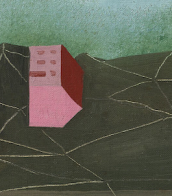
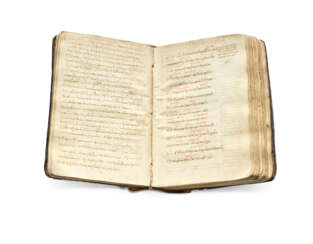



Kees van Dongen was a Dutch-French painter renowned for his vivid and expressive works that placed him at the forefront of the Fauvist movement. Born in 1877 in Delfshaven, Netherlands, van Dongen's journey into the art world began with his education at the Akademie voor Beeldende Kunsten in Rotterdam. His move to Paris in 1897 marked a pivotal moment in his career, immersing him in the bustling avant-garde scene and connecting him with influential circles, including Pablo Picasso and the Fauves. Van Dongen's art, characterized by its striking use of color and bold brushwork, captured the essence of his subjects with a unique blend of realism and abstraction.
Van Dongen's work evolved significantly over time, initially influenced by the dark tones of his Dutch heritage and the works of Rembrandt. His encounter with Fauvism around 1906 brought a dramatic shift towards brighter, more vibrant colors, marking his most iconic phase. His ability to capture the sensuousness and personality of his subjects made him a sought-after portraitist among the French bourgeoisie and celebrities of his time. Notable works include "Femme aux bas noirs" (Woman with Black Stockings), "Les lutteuses" (Lutteuses du Tabarin), and "The Dancer Anita," showcasing his fascination with the human figure, particularly sensuous depictions of women.
Beyond his remarkable contributions to Fauvism, van Dongen's ventures into illustration and his role as a society portraitist underscore his diverse talents and adaptability to the changing tastes of the art market. His works are celebrated in major collections worldwide, including the Hermitage Museum and the National Gallery of Denmark, affirming his lasting impact on the art world.
Collectors and art experts continue to appreciate van Dongen's work for its bold experimentation with color, form, and the evocative portrayal of his subjects. His legacy lives on as a testament to the vibrancy and dynamism of early 20th-century modern art.
For those keen to explore van Dongen's captivating works further and stay informed about new discoveries, exhibitions, and auction events related to his art, signing up for updates is a must. This ensures direct access to the latest sales and scholarly insights into the painter's rich oeuvre, a valuable resource for collectors and enthusiasts alike.
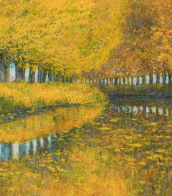
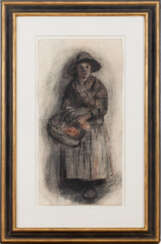

Kees van Dongen was a Dutch-French painter renowned for his vivid and expressive works that placed him at the forefront of the Fauvist movement. Born in 1877 in Delfshaven, Netherlands, van Dongen's journey into the art world began with his education at the Akademie voor Beeldende Kunsten in Rotterdam. His move to Paris in 1897 marked a pivotal moment in his career, immersing him in the bustling avant-garde scene and connecting him with influential circles, including Pablo Picasso and the Fauves. Van Dongen's art, characterized by its striking use of color and bold brushwork, captured the essence of his subjects with a unique blend of realism and abstraction.
Van Dongen's work evolved significantly over time, initially influenced by the dark tones of his Dutch heritage and the works of Rembrandt. His encounter with Fauvism around 1906 brought a dramatic shift towards brighter, more vibrant colors, marking his most iconic phase. His ability to capture the sensuousness and personality of his subjects made him a sought-after portraitist among the French bourgeoisie and celebrities of his time. Notable works include "Femme aux bas noirs" (Woman with Black Stockings), "Les lutteuses" (Lutteuses du Tabarin), and "The Dancer Anita," showcasing his fascination with the human figure, particularly sensuous depictions of women.
Beyond his remarkable contributions to Fauvism, van Dongen's ventures into illustration and his role as a society portraitist underscore his diverse talents and adaptability to the changing tastes of the art market. His works are celebrated in major collections worldwide, including the Hermitage Museum and the National Gallery of Denmark, affirming his lasting impact on the art world.
Collectors and art experts continue to appreciate van Dongen's work for its bold experimentation with color, form, and the evocative portrayal of his subjects. His legacy lives on as a testament to the vibrancy and dynamism of early 20th-century modern art.
For those keen to explore van Dongen's captivating works further and stay informed about new discoveries, exhibitions, and auction events related to his art, signing up for updates is a must. This ensures direct access to the latest sales and scholarly insights into the painter's rich oeuvre, a valuable resource for collectors and enthusiasts alike.
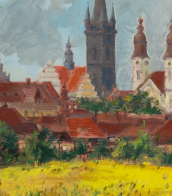





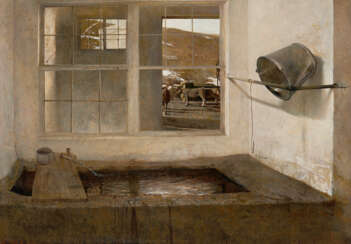

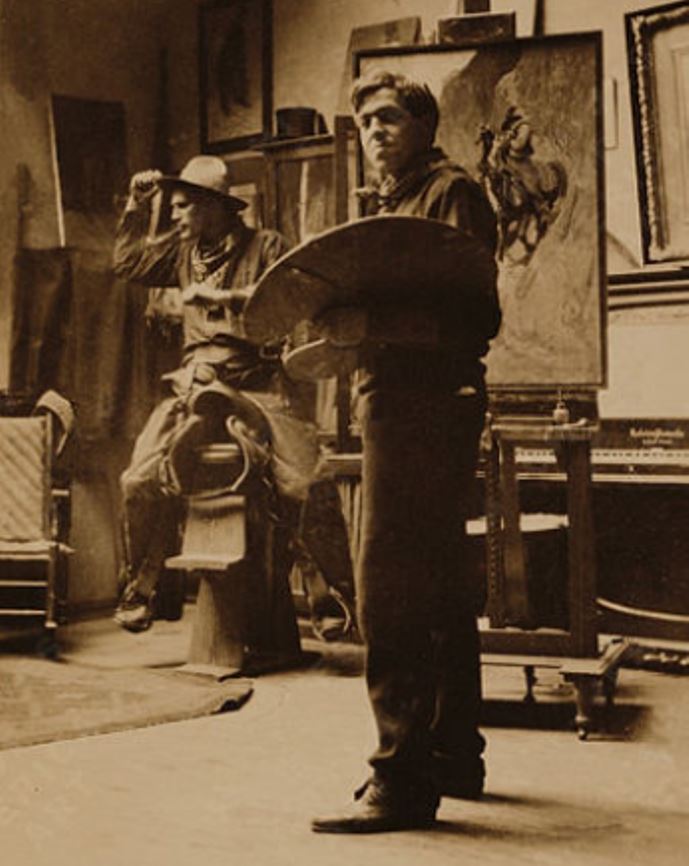
Andrew Newell Wyeth, an American visual artist, is renowned for his mastery in realism and regionalism. Born in 1917 in Chadds Ford, Pennsylvania, Wyeth was primarily a realist painter, deeply influenced by his father, N.C. Wyeth, a notable artist himself. Andrew's artwork, characterized by its clear, razor-sharp technique and a hauntingly eerie atmosphere, often depicted the land and people around him in rural Pennsylvania and Maine.
Wyeth's most celebrated work, Christina's World (1948), is housed in the Museum of Modern Art in New York City. This painting illustrates a woman lying in a field, looking toward a distant farmhouse, an image that has become an icon of American art due to its emotional depth and simplicity of composition. The work encapsulates Wyeth's ability to invoke profound personal and emotional landscapes through the meticulous depiction of physical settings and figures.
Andrew Newell Wyeth continued painting almost up until his death in 2009, leaving behind a vast legacy that has influenced many artists. His works remain highly valued by collectors and are often featured in major museums and galleries worldwide. To stay updated on exhibitions and sales of Andrew Wyeth’s art, sign up for our newsletter—ensuring you're informed about the latest auction events and product sales related to this profound artist.


Charles A. Garlick, real name Abel Bogguess, was a Civil War soldier born into slavery.
His father was a planter and his mother a slave. At the age of sixteen, Abel left Virginia, gave himself a new name, and came to an abolitionist center in northeastern Ohio. There he received formal education, including at Oberlin College. He later served in the 3rd U.S. Heavy Artillery during the Civil War.
He wrote about all of this in an autobiographical book titled Life, Including the Escape and Struggle for Freedom of Charles A. Garlick. Born a slave in old Virginia. Who achieved his freedom by escaping from his master's farm in 1843." The book was first published in 1902.

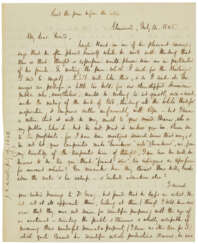

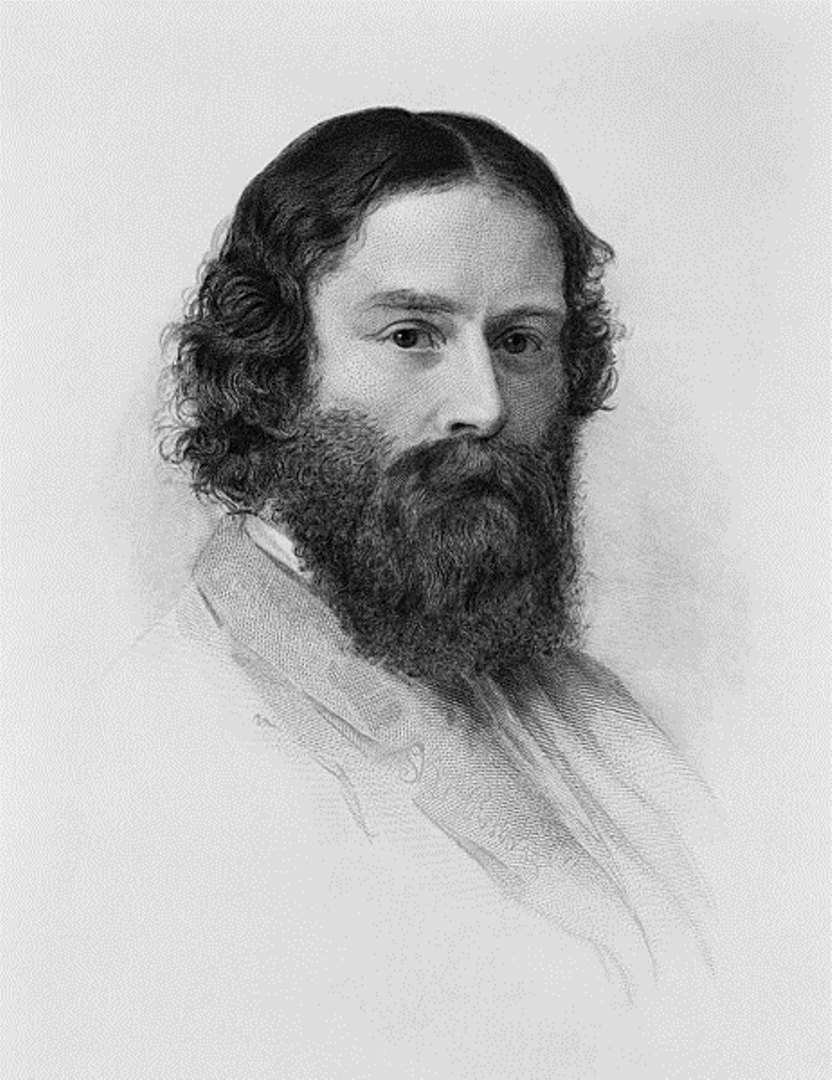
James Russell Lowell was an American poet, educator, and diplomat.
From 1845 to 1850, he wrote about 50 articles against slavery for periodicals. Two of Lowell's other two most important works were also published in 1848: the poem "Sir Launfal's Vision," praising the brotherhood of man, and "A Fable for Critics," a witty appraisal of contemporary American authors. These books, together with the publication in the same year of a second series of his poems, made Lowell the most popular new figure in 19th-century American literature.
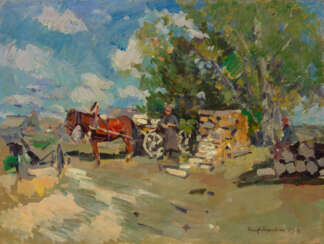

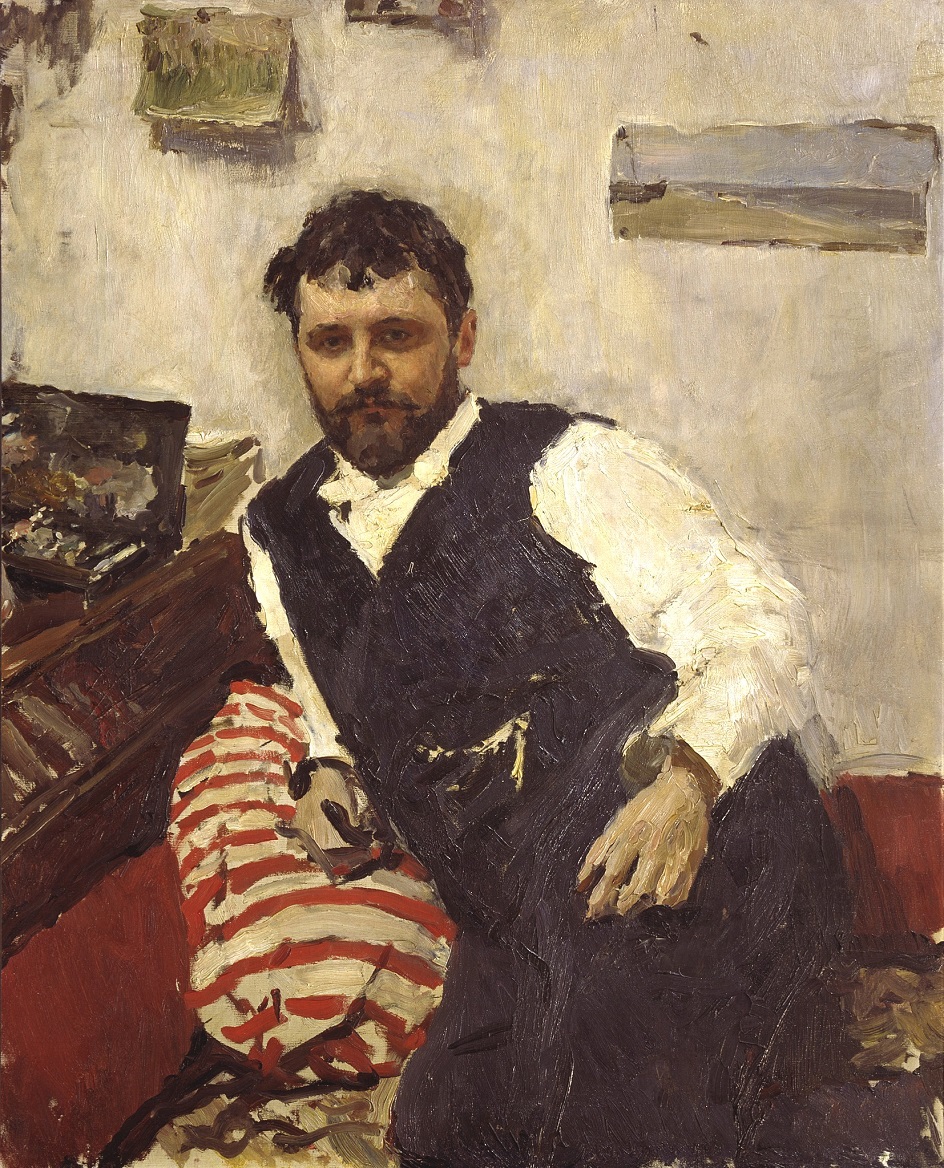
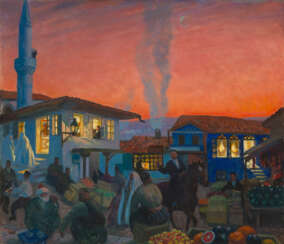
Konstantin Alekseyevich Korovin (Russian: Константи́н Алексе́евич Коро́вин) was a Russian artist and stage designer, renowned for his pivotal role in the transition from Russian Realism to Impressionism. Born in Moscow in 1861, Korovin's artistic journey began at the Moscow School of Painting, Sculpture, and Architecture, where he was heavily influenced by his mentor, Alexei Savrasov. His early work reflected the Realist tradition, but his style evolved after exposure to the vibrant art scenes of Paris and the influence of French Impressionists.
Korovin's contribution to art is marked by his vibrant palette and dynamic brushwork, capturing the transient effects of light and color with a spontaneity that was novel to Russian painting at the time. His works, ranging from lush landscapes and intimate still lifes to vivid portraits, showcase his mastery in evoking mood and atmosphere. Notably, his paintings of the Russian North and scenes of Parisian life have been celebrated for their lively, atmospheric qualities and are held in high esteem in museums and galleries worldwide, including the Tretyakov Gallery in Moscow and the Russian Museum in Saint Petersburg.
Beyond painting, Korovin's legacy includes significant contributions to theater design, where his innovative use of color and lighting brought new dimensions to stage productions in Russia, collaborating closely with the Moscow Art Theatre. His scenic designs for operas and ballets are credited with revolutionizing the visual aspect of Russian theater, making him a pivotal figure in both the visual and performing arts.
For collectors and experts in art and antiques, Korovin's works represent a unique blend of Russian tradition and Western artistic movements, making them highly sought after. His ability to capture the essence of a moment, whether in the tranquil Russian countryside or the bustling streets of Paris, continues to captivate audiences and scholars alike.
To stay informed on new sales and auction events featuring works by Konstantin Alekseyevich Korovin, sign up for our updates. This subscription ensures you're the first to know about valuable opportunities to add to your collection, focusing exclusively on Korovin's art and related events.
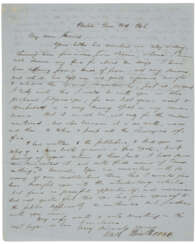

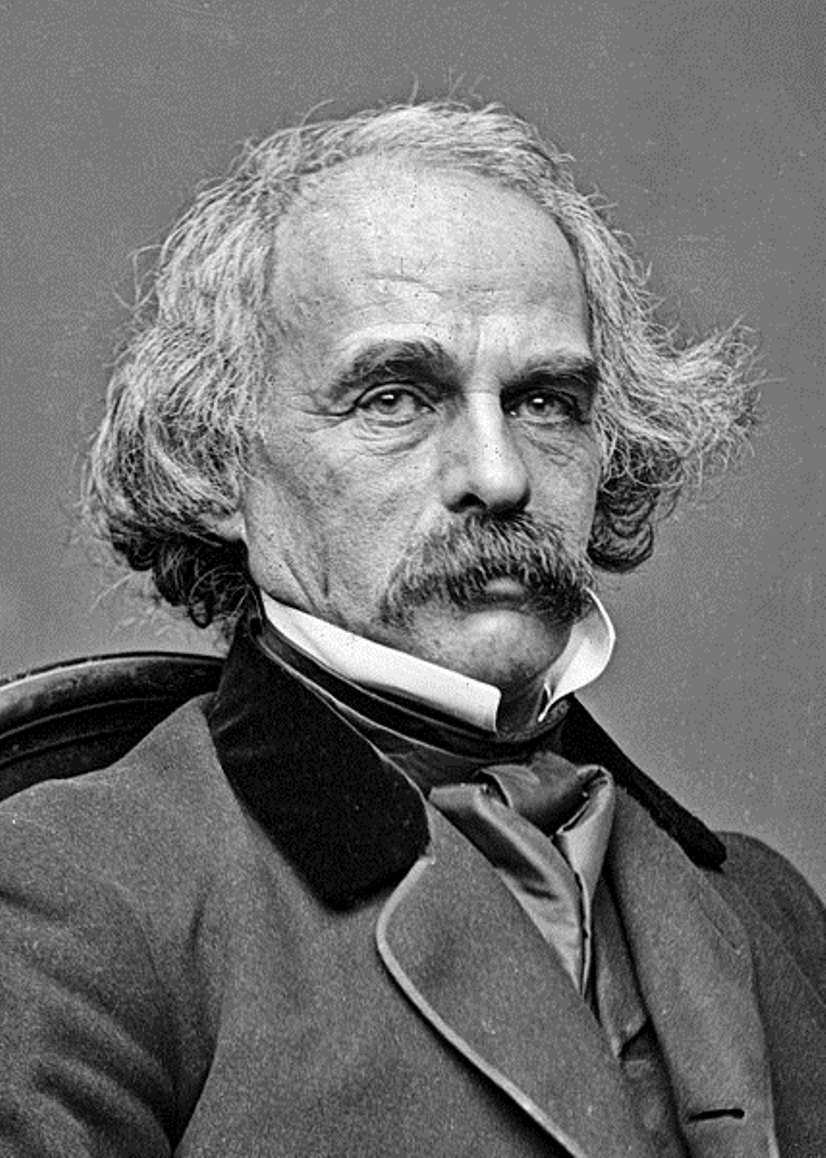
Nathaniel Hawthorne is an American writer and author.
Hawthorne is a recognized short story writer and a master of allegorical and symbolic narrative. One of the first fiction writers in American literature, he is best known for his works The Scarlet Letter (1850) and The House of Seven Gables (1851). Hawthorne's artistic works are considered part of the American Romantic movement and, in particular, of so-called dark Romanticism, a popular mid-19th-century fascination with the irrational, the demonic, and the grotesque.






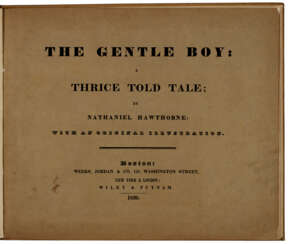

Nathaniel Hawthorne is an American writer and author.
Hawthorne is a recognized short story writer and a master of allegorical and symbolic narrative. One of the first fiction writers in American literature, he is best known for his works The Scarlet Letter (1850) and The House of Seven Gables (1851). Hawthorne's artistic works are considered part of the American Romantic movement and, in particular, of so-called dark Romanticism, a popular mid-19th-century fascination with the irrational, the demonic, and the grotesque.
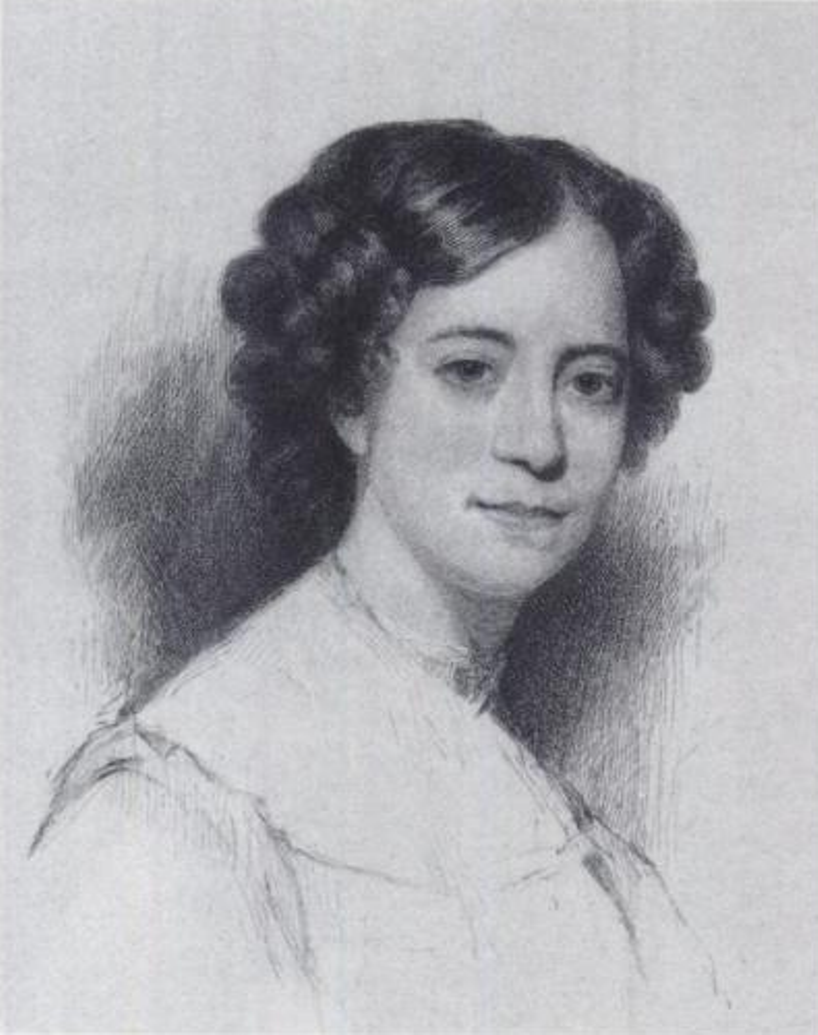
Sophia Amelia Hawthorne, née Peabody was an American artist and illustrator and writer.
Sophia Peabody is the wife of writer Nathaniel Hawthorne. Before her marriage, she was already an accomplished artist; during her life she also published articles, her diaries, and some of Nathaniel's notebooks, which she edited and published after his death.







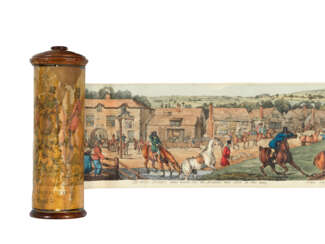

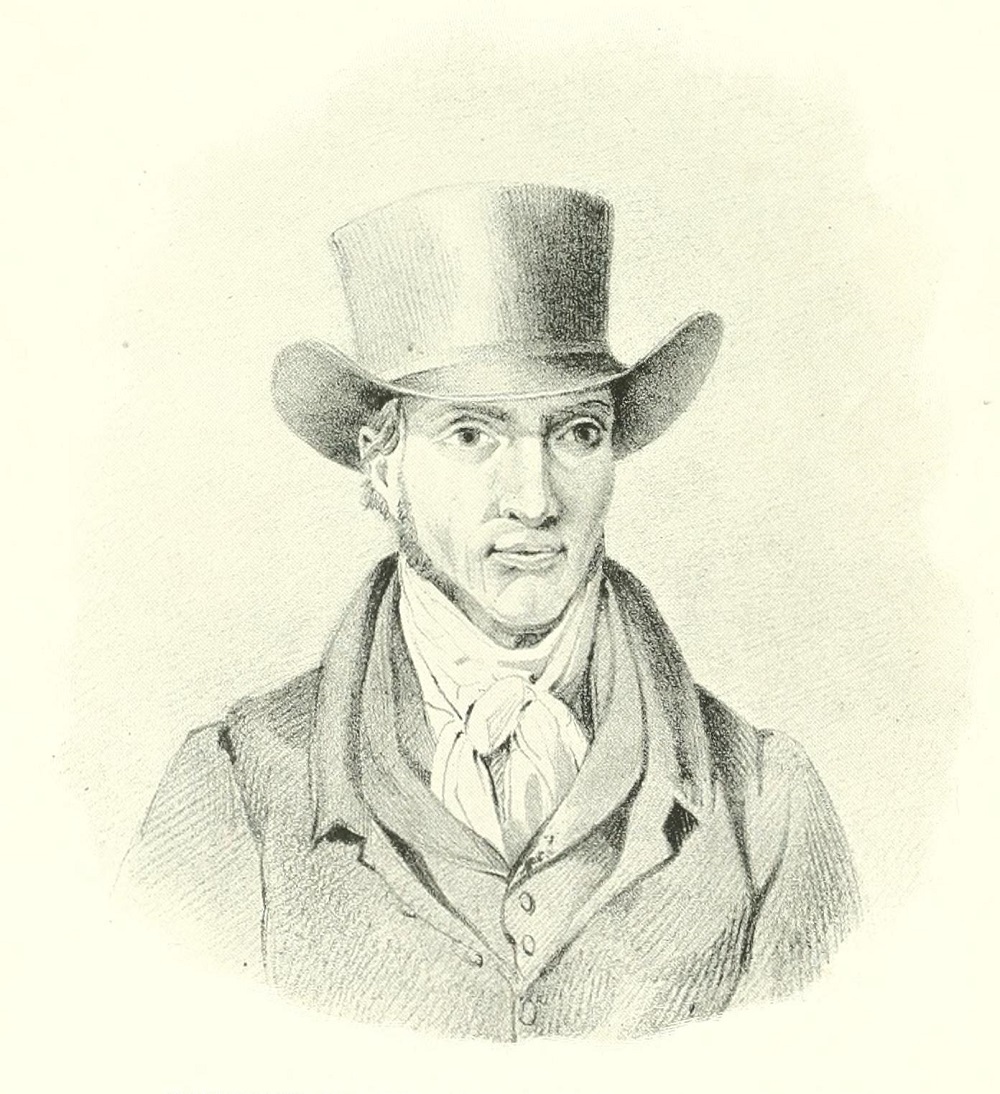
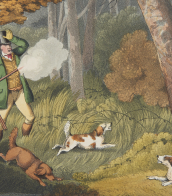
Henry Thomas Alcken was an English painter and engraver chiefly known as a caricaturist and illustrator of sporting subjects and coaching scenes. His most prolific period of painting and drawing occurred between 1816 and 1831.