gemälde "jäger auf der
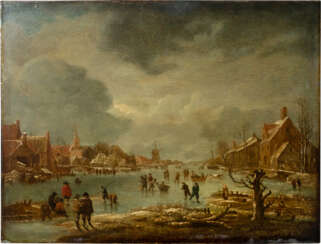

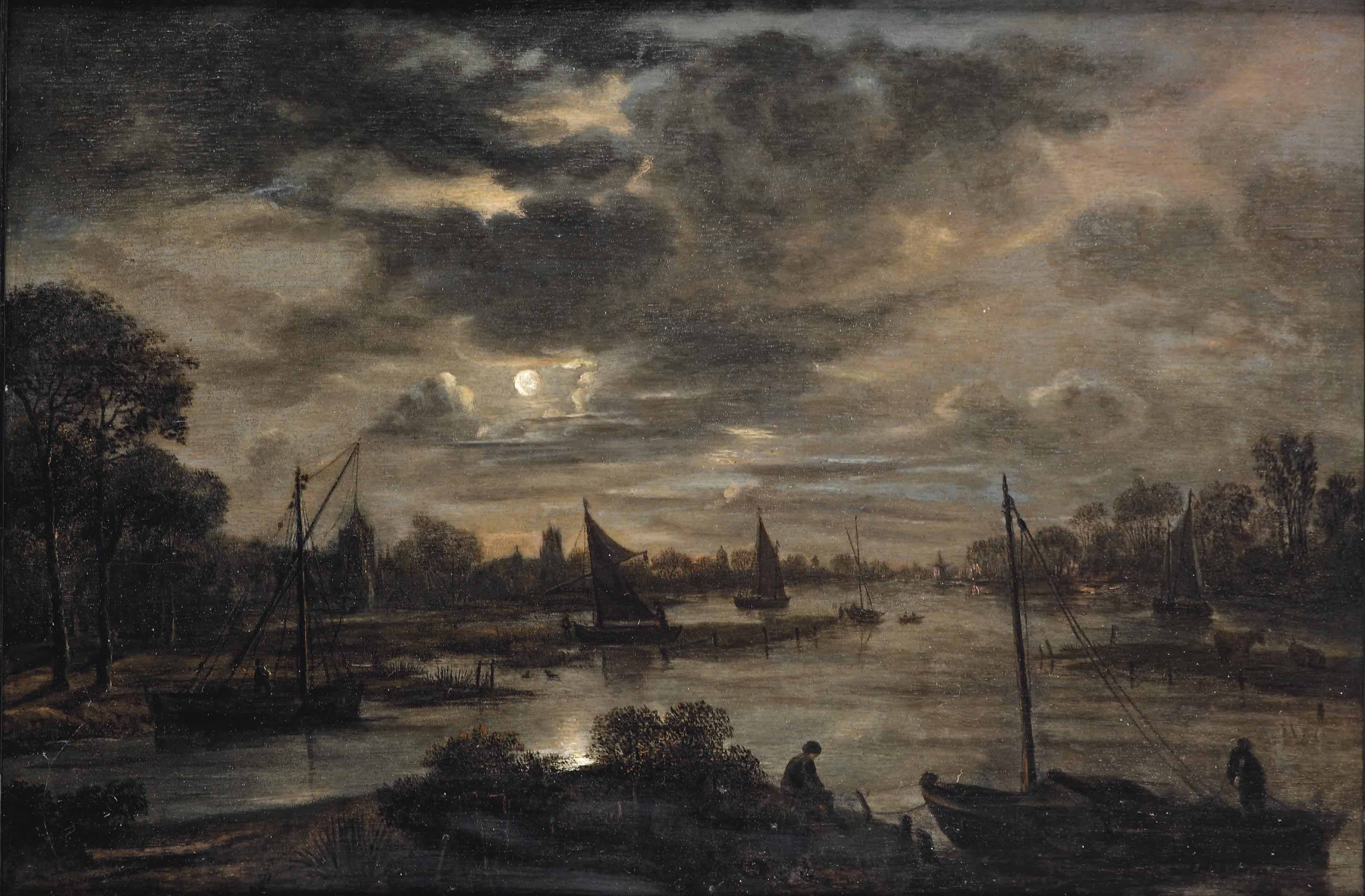
Aert van der Neer was a Dutch painter of the Gilded Age.
Van der Neer is considered a pioneer of the night landscape because of his successful solutions to lighting issues in his works. He painted many pictures of winter landscapes, including nighttime fires.




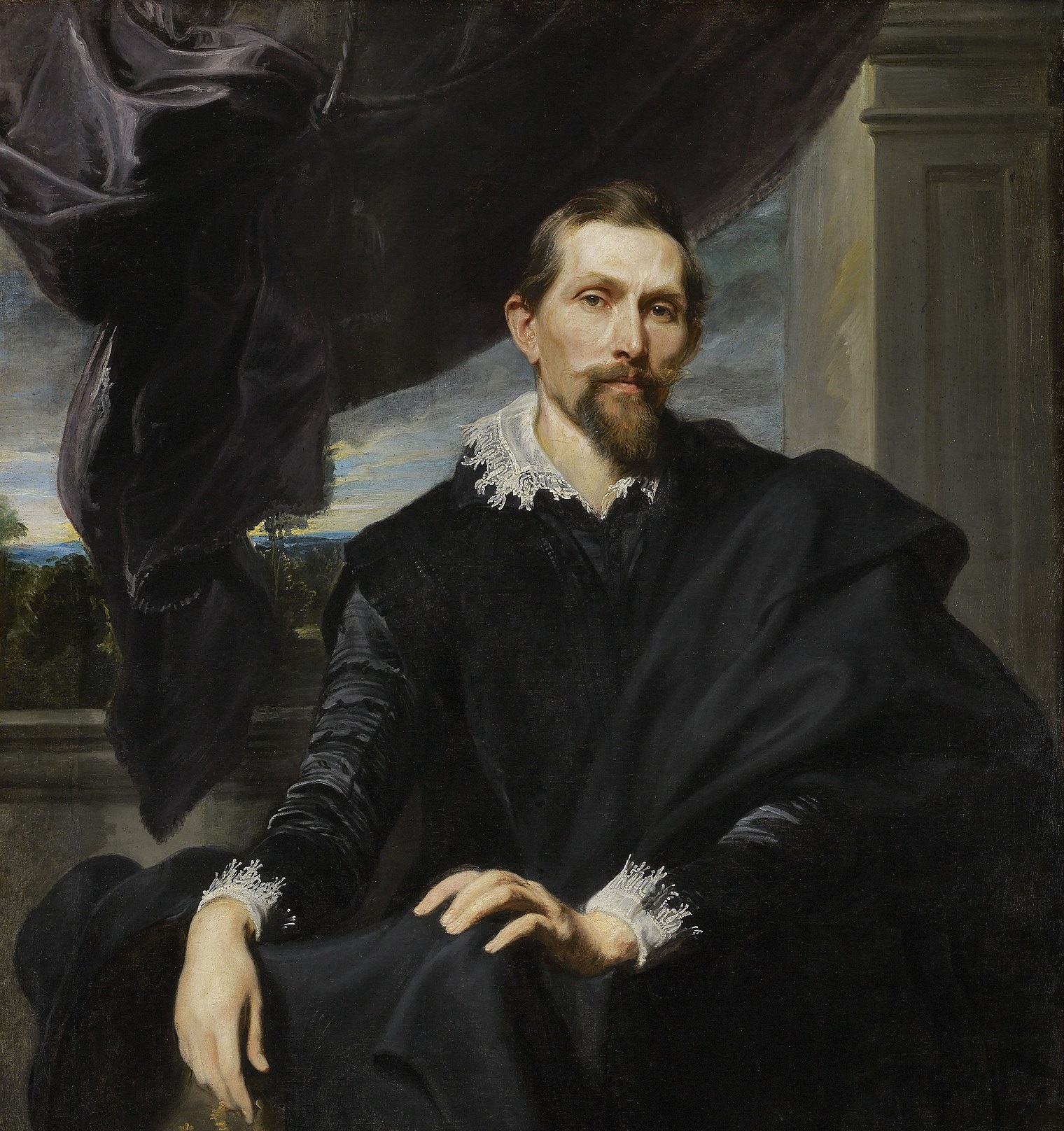
Frans Snyders was a Flemish painter of animals, hunting scenes, market scenes and still lifes. He was one of the earliest specialist animaliers and he is credited with initiating a wide variety of new still-life and animal subjects in Antwerp. He was a regular collaborator with leading Antwerp painters such as Peter Paul Rubens, Anthony van Dyck and Jacob Jordaens.
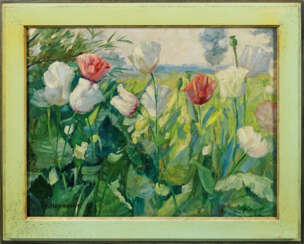

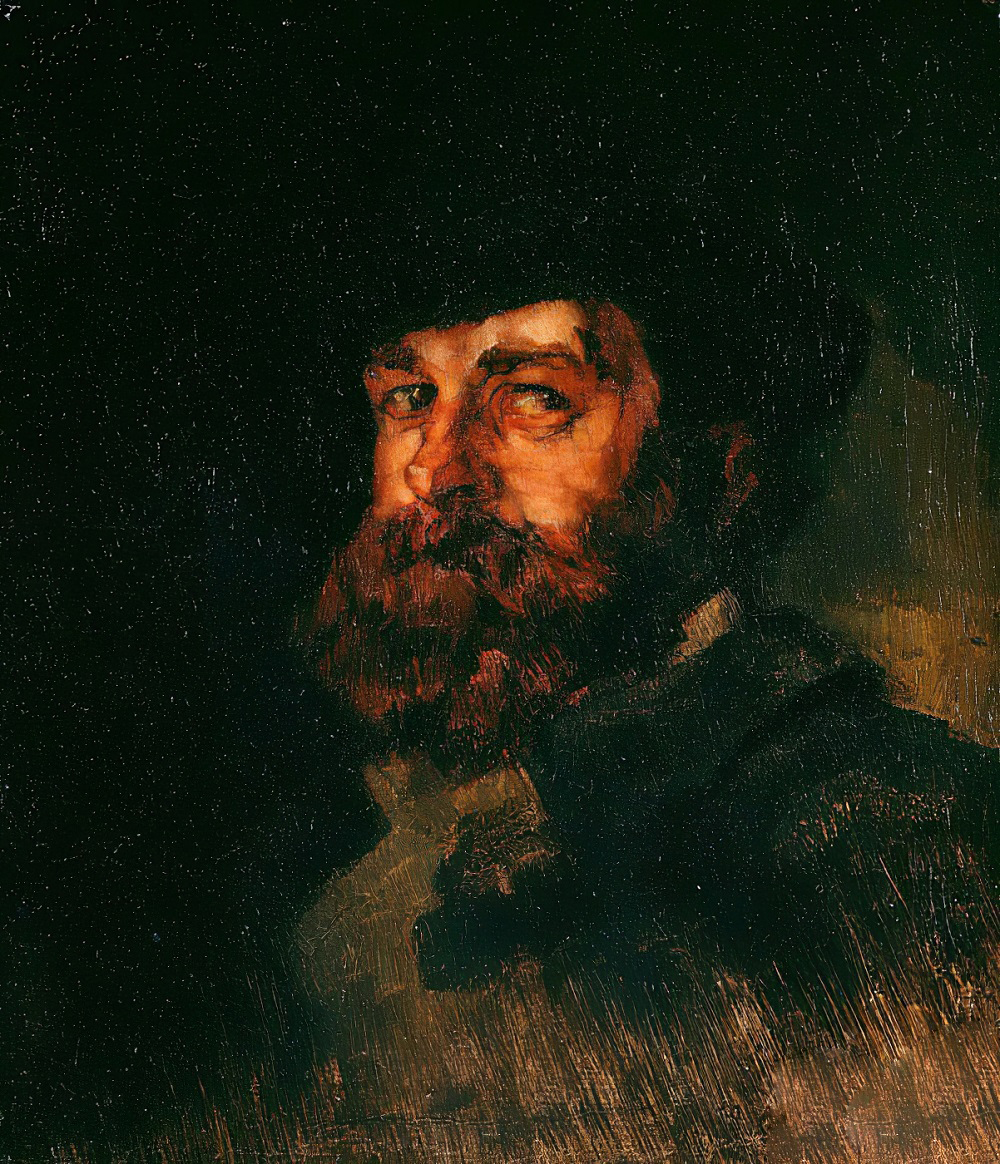
Karl Hagemeister was a German landscape painter.


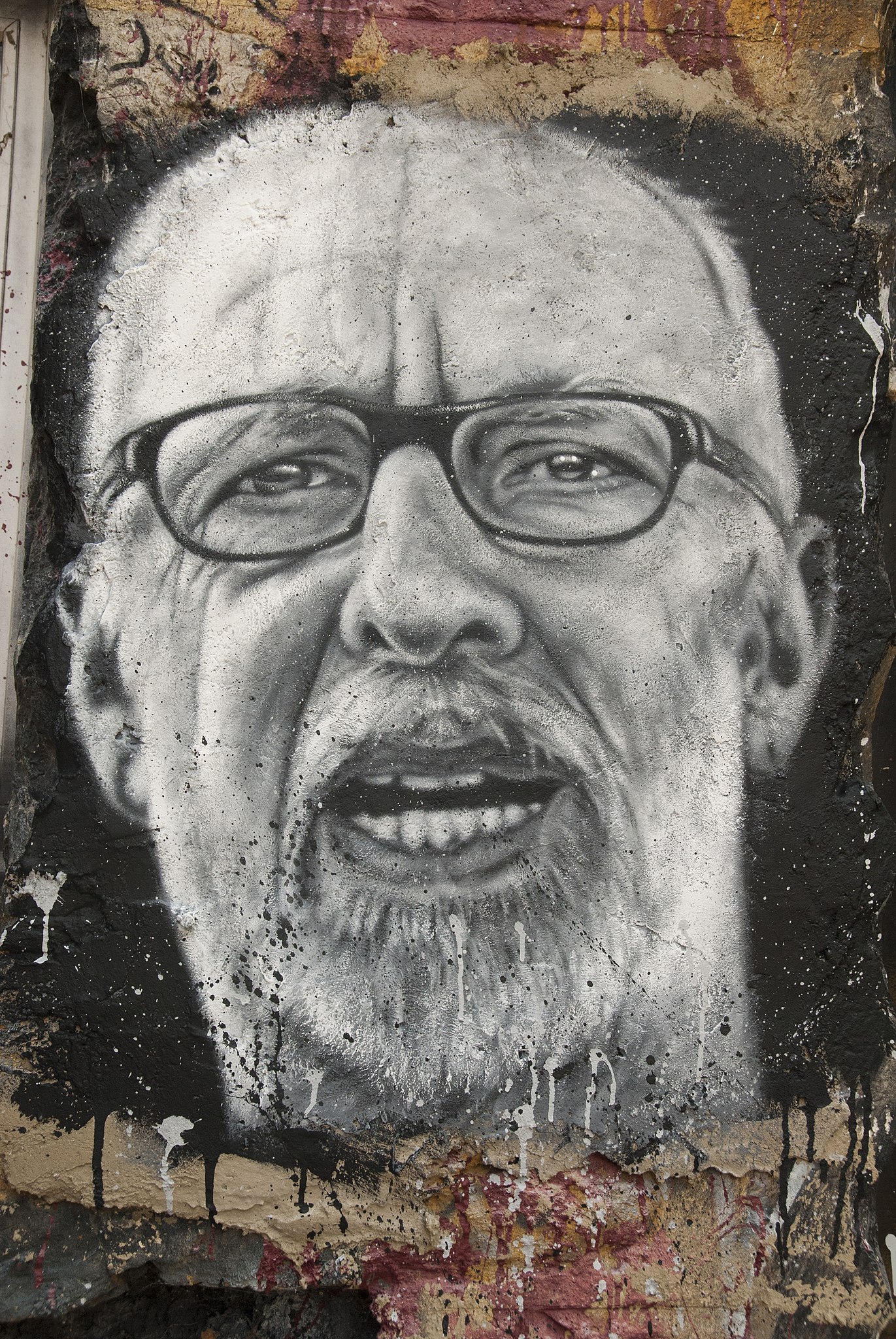
Jörg Immendorff was a German painter and sculptor, stage designer and decorator, and a member of the New Wild movement.
Immendorff painted in cycles that often lasted for years and were political in nature. His series of sixteen large paintings, Café Deutschland (1977-1984), is well known. In these colorful paintings, numerous disco lovers symbolize the conflict between East and West Germany.
Immendorff prepared several stage productions and designed sets for the operas Elektra and The Rider's Voyage. 25 of Immendorf's paintings were selected in 2006 for the illustrated Bible.
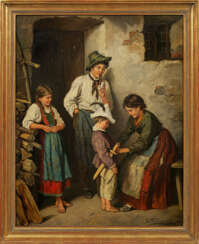

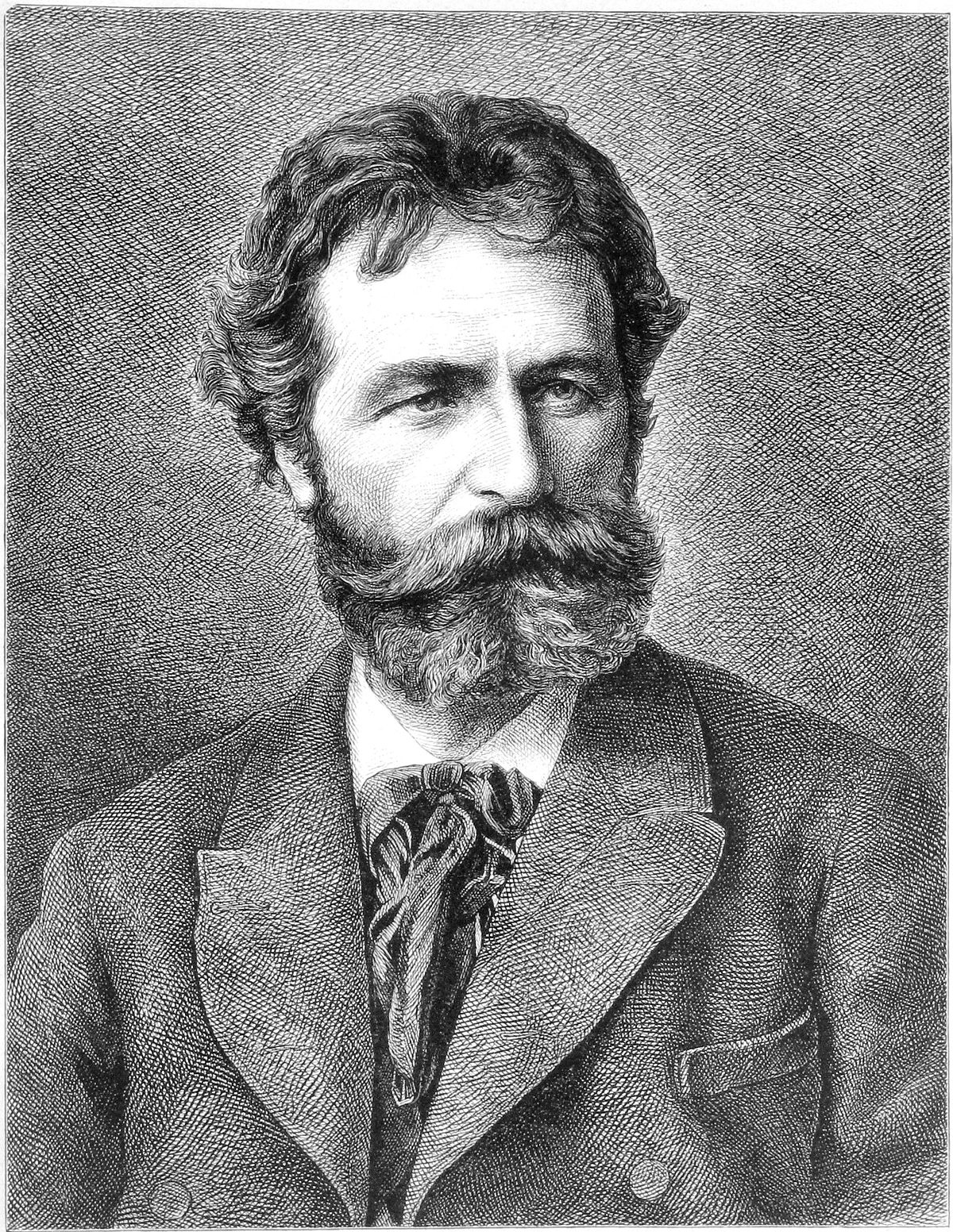
Franz von Defregger was an Austrian artist known for producing genre art and history paintings set in his native county of Tyrol.


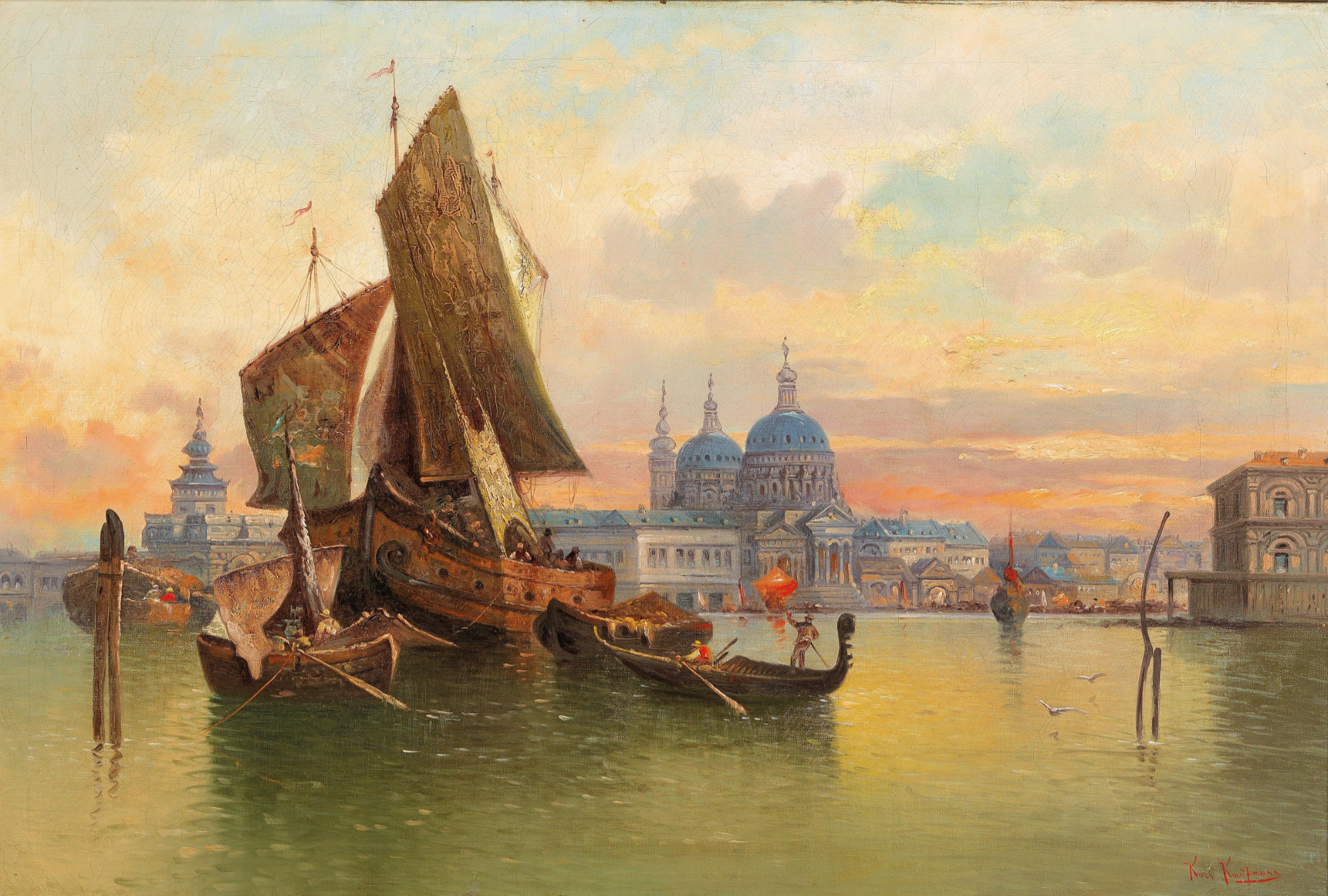
Karl Kaufmann was an Austrian landscape and architectural painter.


Frans Snyders was a Flemish painter of animals, hunting scenes, market scenes and still lifes. He was one of the earliest specialist animaliers and he is credited with initiating a wide variety of new still-life and animal subjects in Antwerp. He was a regular collaborator with leading Antwerp painters such as Peter Paul Rubens, Anthony van Dyck and Jacob Jordaens.


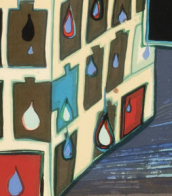
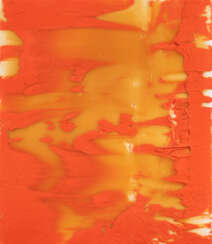

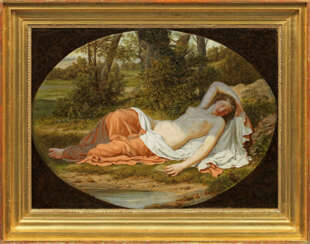

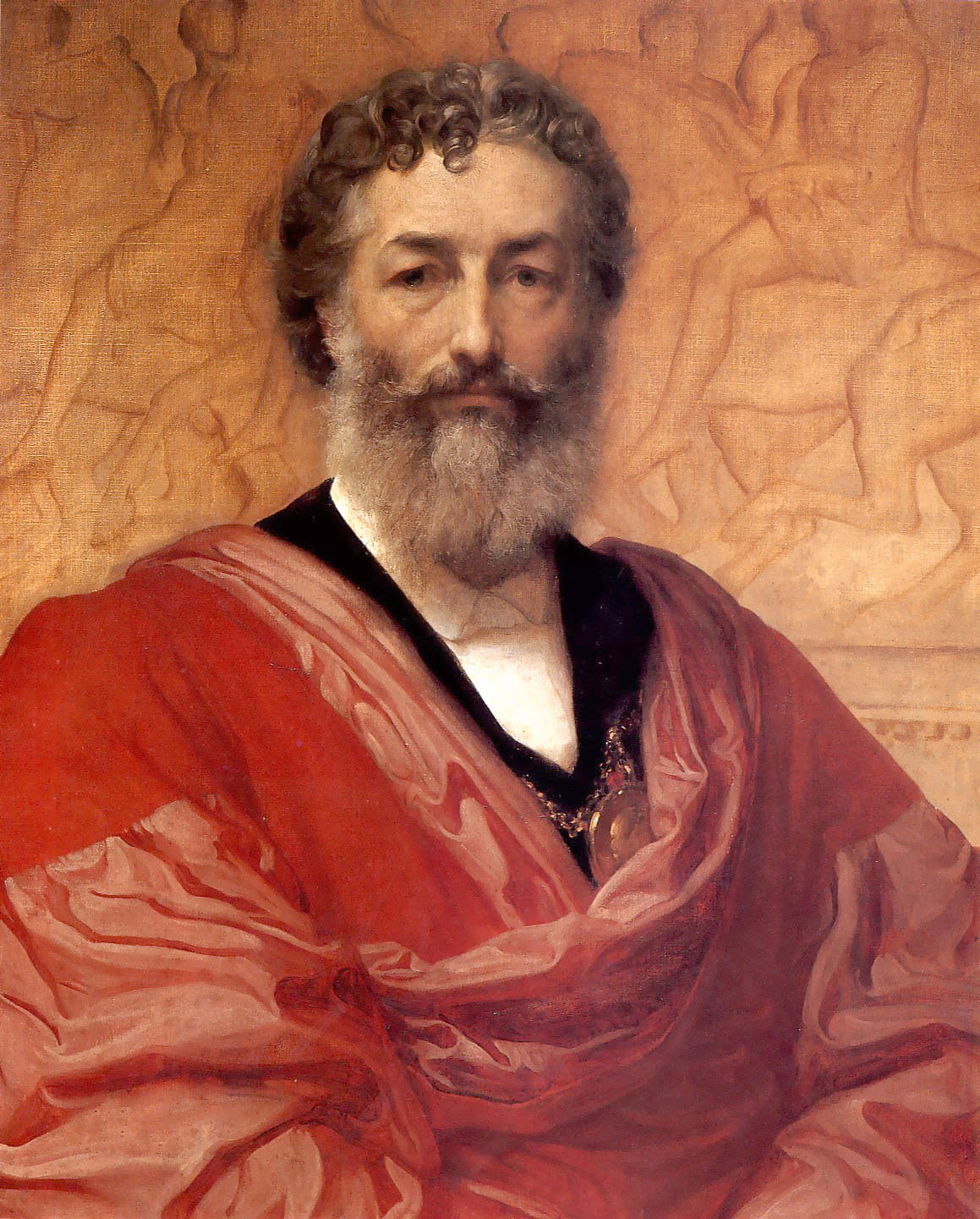
Frederic Leighton was a distinguished British artist renowned for his contributions to painting and sculpture during the Victorian era. His works, characterized by their classical themes and meticulous detail, have garnered appreciation from art collectors and historians alike. Notable for being the first painter to receive a peerage, Leighton's legacy in the art world is significant.
Frederic Leighton's art, particularly his paintings like "Flaming June" and "The Return of Persephone," showcases his mastery in depicting classical and mythological subjects with a unique blend of realism and idealism. His sculptures, such as "An Athlete Wrestling with a Python" and "The Sluggard," played a pivotal role in initiating the New Sculpture movement, emphasizing naturalism and dynamic forms.
Despite his illustrious career, Frederic Leighton's personal life remained private, with ongoing debates about his relationships and sexuality. His London home, now the Leighton House Museum, offers a glimpse into his artistic world, housing many of his works and collections that influenced his creations.
For art collectors and experts, Frederic Leighton's oeuvre represents a blend of academic tradition and innovative expression, making his works highly sought after in the realms of art and antiques. To stay informed about exhibitions and auction events featuring Frederic Leighton's art, subscribing to updates can be a valuable resource for enthusiasts eager to explore and acquire pieces from this influential Victorian artist.
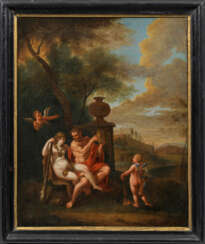

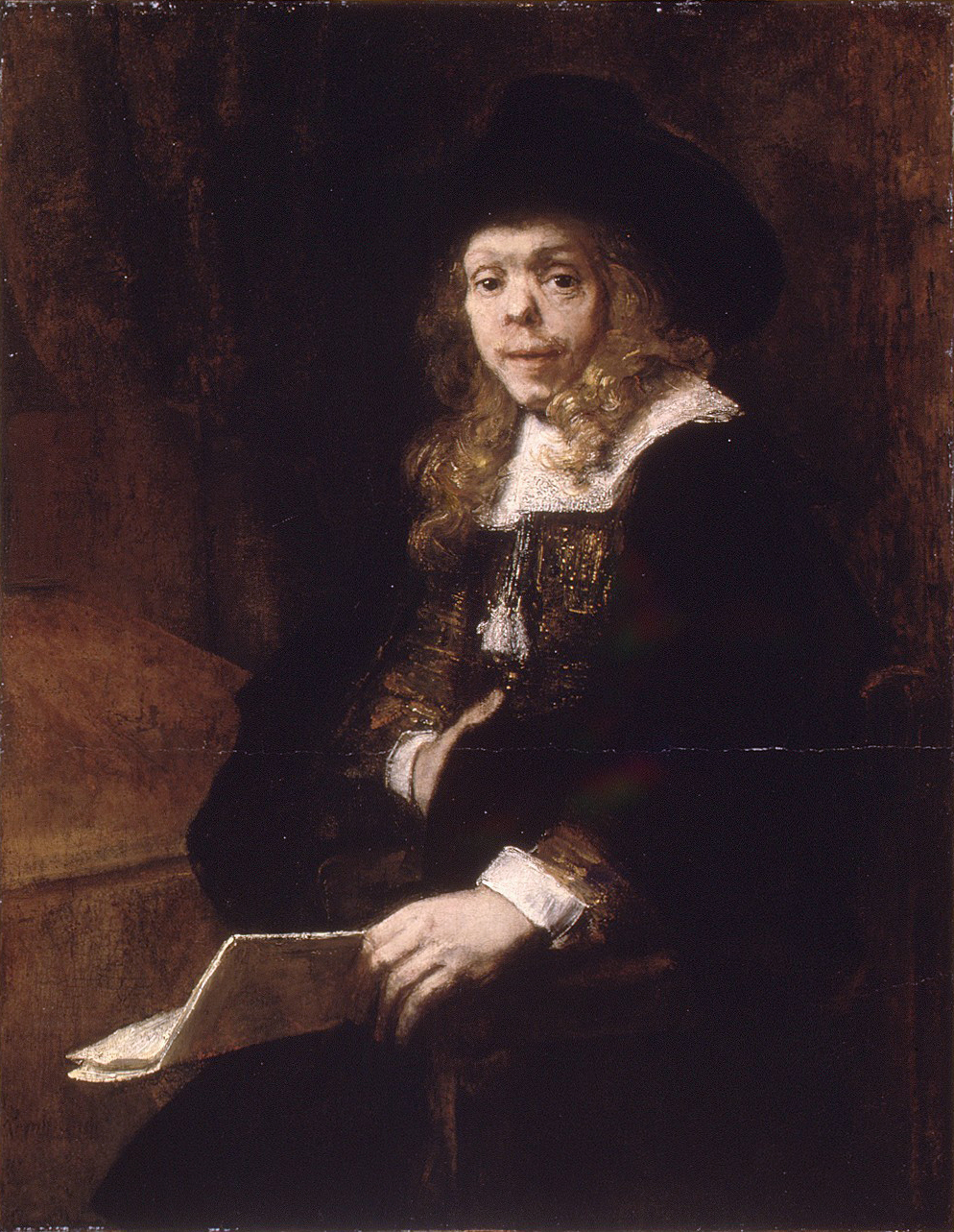
Gerard de Lairesse was a Dutch painter, printmaker, and art theorist. Known for his classical approach, de Lairesse's work marked a departure from the Baroque style prevalent in the Dutch Golden Age, leaning instead towards the neoclassicism that would dominate European art in the 18th century. His art and theories were deeply influenced by the ideals of beauty, grace, and moral edification, advocating for the selection of the most perfect manifestations of natural phenomena rather than their random imitation.
De Lairesse was not only a prolific painter but also an influential art theorist. His treatises, "Grondlegginge ter teekenkonst" (1701) and "Het groot schilderboeck" (1707), were seminal works that laid down principles of art and aesthetics that influenced not just his contemporaries but also generations of artists to come. He emphasized the importance of adhering to theoretical knowledge and the study of nature, albeit through a lens that filtered out its imperfections, to achieve ideal beauty in art.
Despite facing personal challenges, including a congenital condition that led to the loss of his sight in his later years, de Lairesse remained a central figure in the artistic and intellectual circles of Amsterdam. His lectures, delivered from his home, attracted a wide array of students and enthusiasts, eager to learn from his extensive knowledge and experience.
Today, works by Gerard de Lairesse can be found in prestigious institutions worldwide, including the Rijksmuseum and the Amsterdam Museum in the Netherlands, the Louvre in Paris, the Metropolitan Museum of Art in New York, and the National Gallery in London, among others. His legacy as the 'Dutch Poussin' speaks to his enduring influence on the evolution of European art, bridging the gap between the Baroque and the Neoclassical.
For collectors and experts in art and antiques, Gerard de Lairesse represents an intriguing study in the transition of art styles from the Baroque to Neoclassicism. His dedication to the theory and practice of art makes his work a valuable addition to any collection.
To stay informed about exhibitions, sales, and auction events related to Gerard de Lairesse's work, consider signing up for updates. This will ensure you are always up to date with the latest opportunities to engage with the remarkable legacy of this influential Dutch artist.

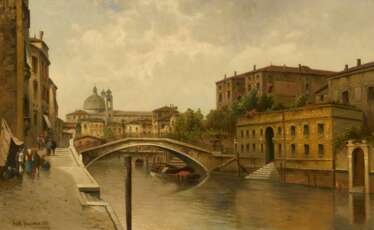

Karl Kaufmann was an Austrian landscape and architectural painter.
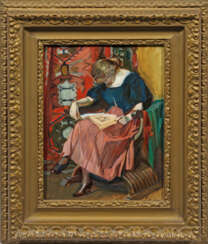

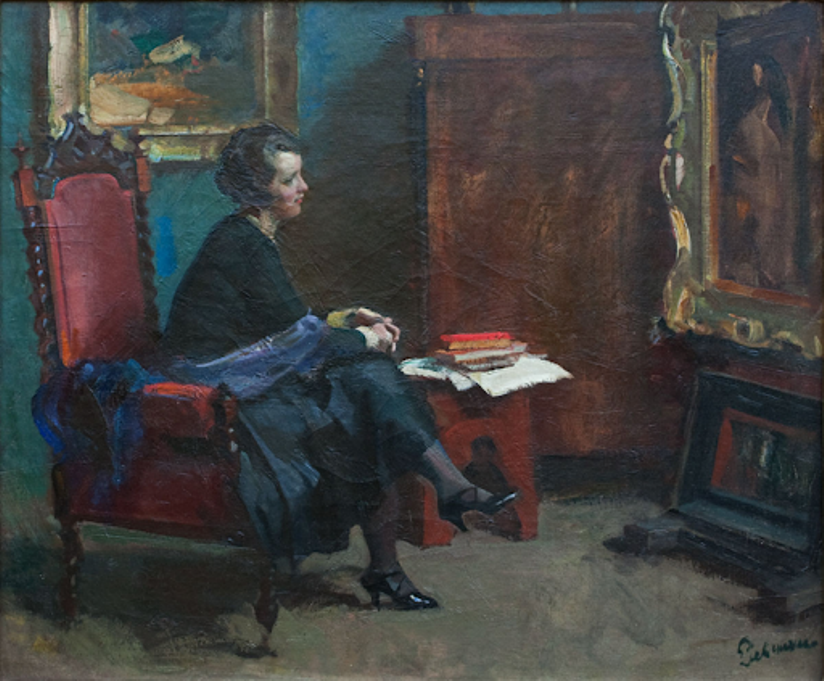
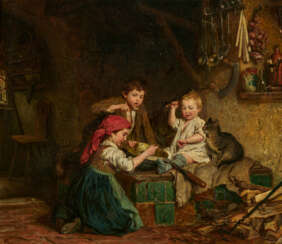

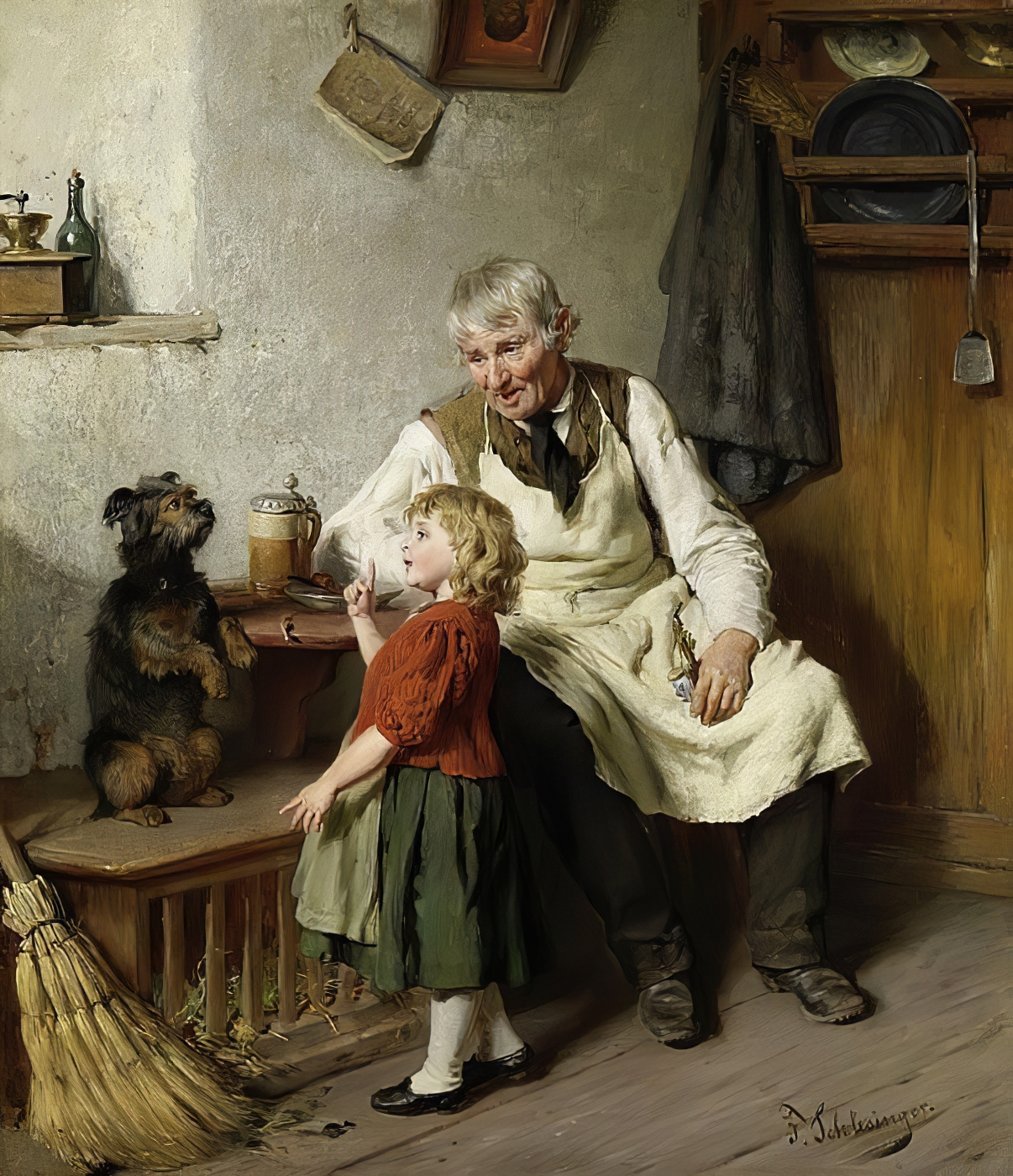
Felix Schlesinger was a German painter and illustrator. He studied figurative painting in Antwerp and in 1850 and 1851 at the Düsseldorf Academy of Arts.
Felix Schlesinger is the author of genre paintings and portraits. One of the most famous painters of children's themes, which was very popular all over the world in the 19th century.

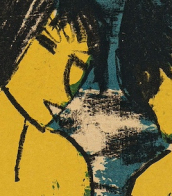
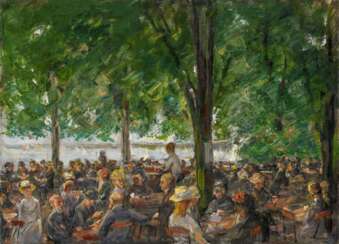

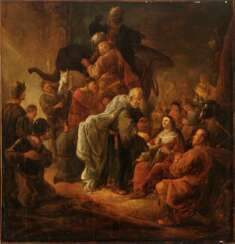

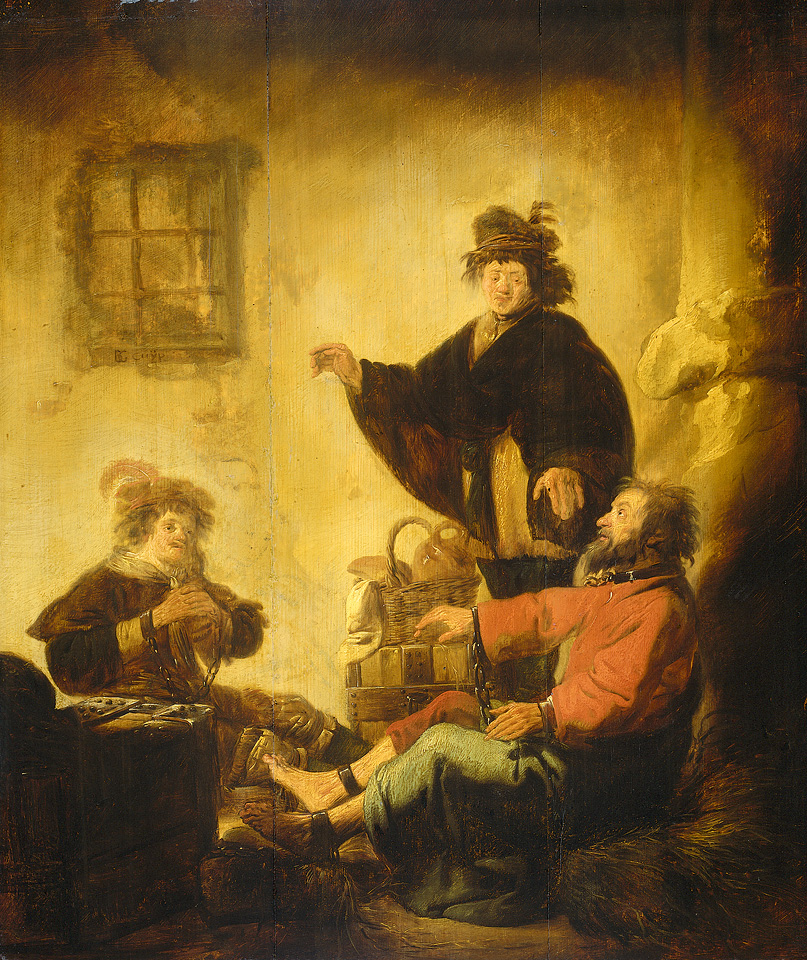
Benjamin Gerritszoon Cuyp was a Dutch painter of the Golden Age, was a member of the Dordrecht Guild of St. Luke, brother of Jacob Gerritsz. Cuyp. He was very prolific and known for allegorical works, genre, war and biblical scenes. He also painted landscapes. Kaipa's work was influenced by Rembrandt's style.


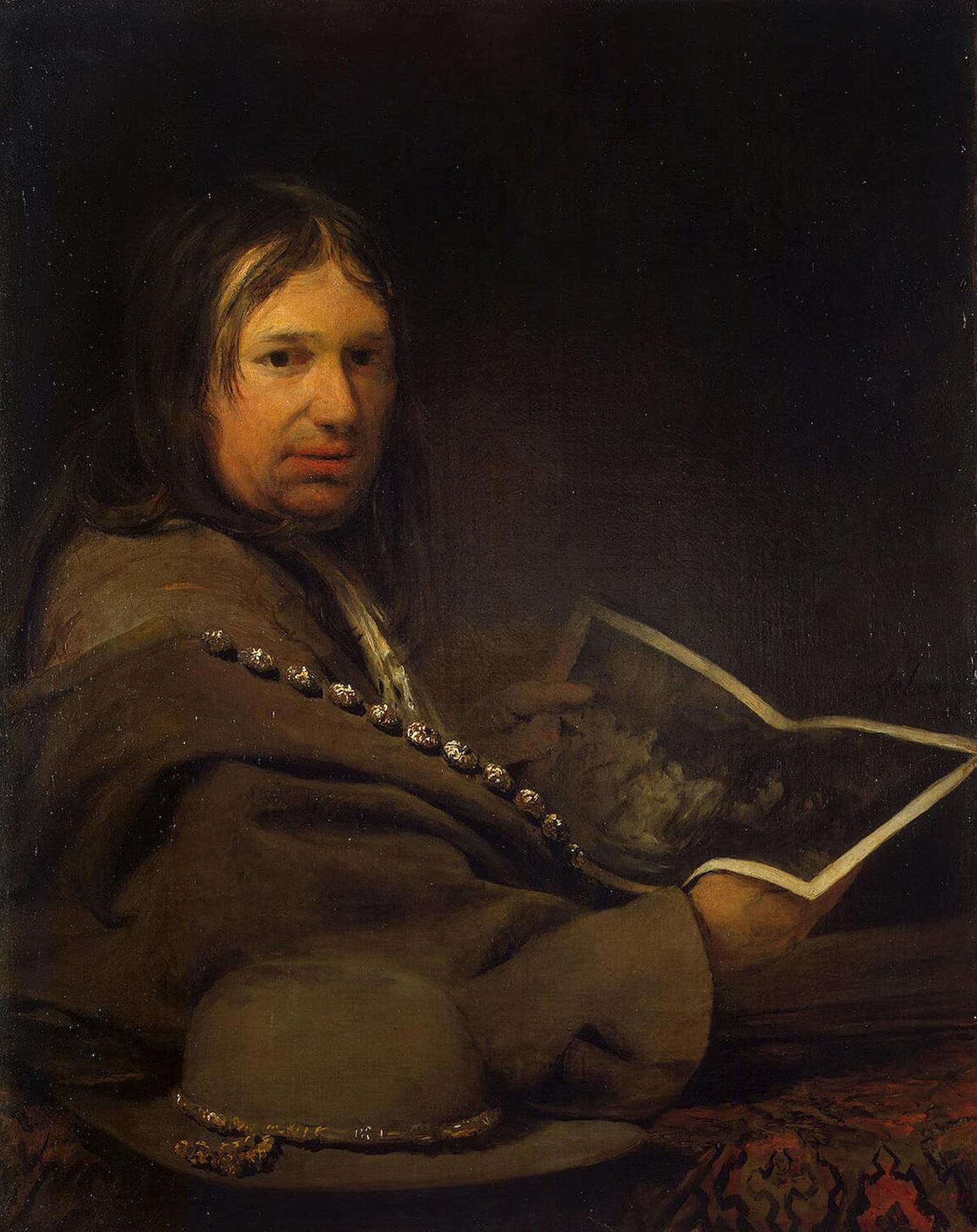
Aert de Gelder was a Dutch painter. He was the only Dutch artist to paint in the tradition of Rembrandt's late style into the 18th century.
As author of biblical scenes and portraits his style was inspired by Rembrandt's, using his artistic ideas, well into the 18th century, without being influenced by contemporary new fashions. From the artistic point of view his work can not be considered as passive imitation of the master; indeed, it stands for inventiveness in the narrative, taste for the theatrical and a strong emotional charge of the characters. All these traits made him one of the most important interpreters of Dutch painting of the late seventeenth century.
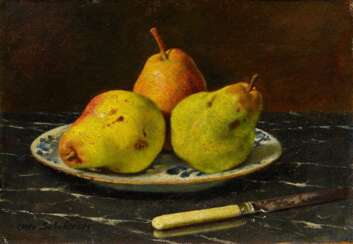

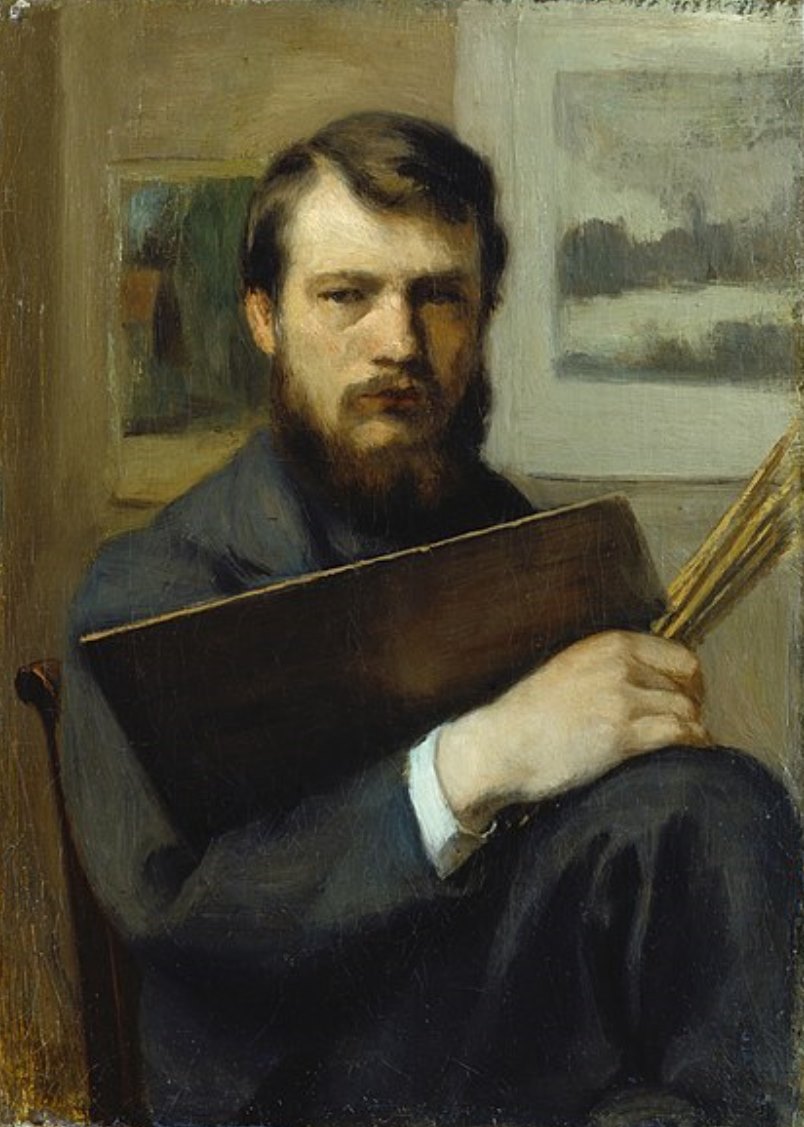
Franz Otto Scholderer was a German Impressionist painter.
Scholderer studied at the Städel Academy of Arts, later befriending Henri Fantin-Latour and Édouard Manet in Paris, which influenced his work. Fantin-Latour captured Scholderer in his painting Atelier at Batignolles (1870).
Otto Scholderer initially painted mainly landscapes, later moving on to portraits, domestic romantic scenes and still lifes. Today his work is seen as an important link between Romanticism and Impressionism.

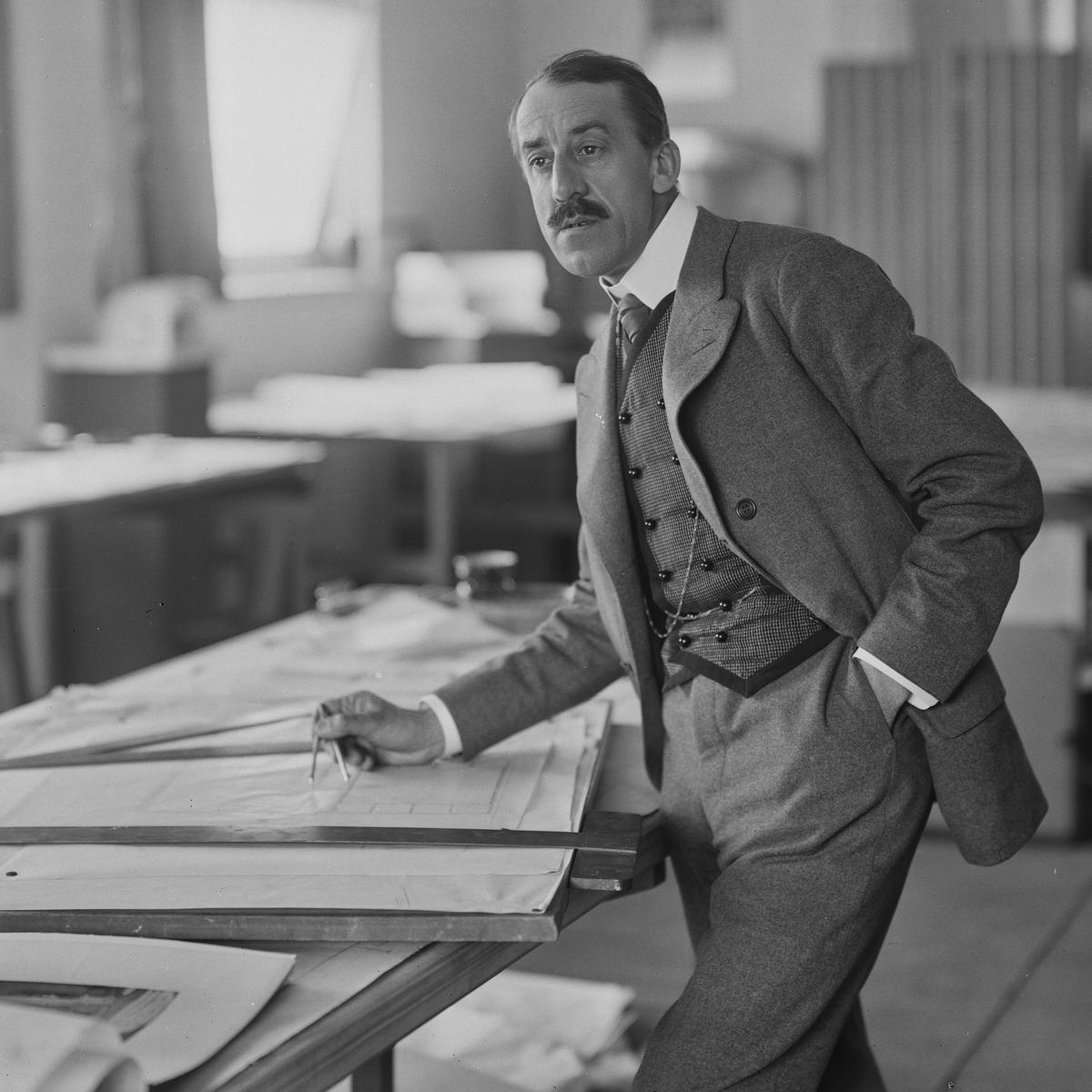
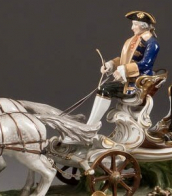
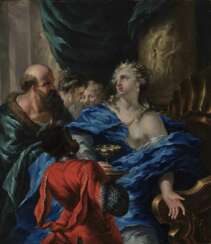

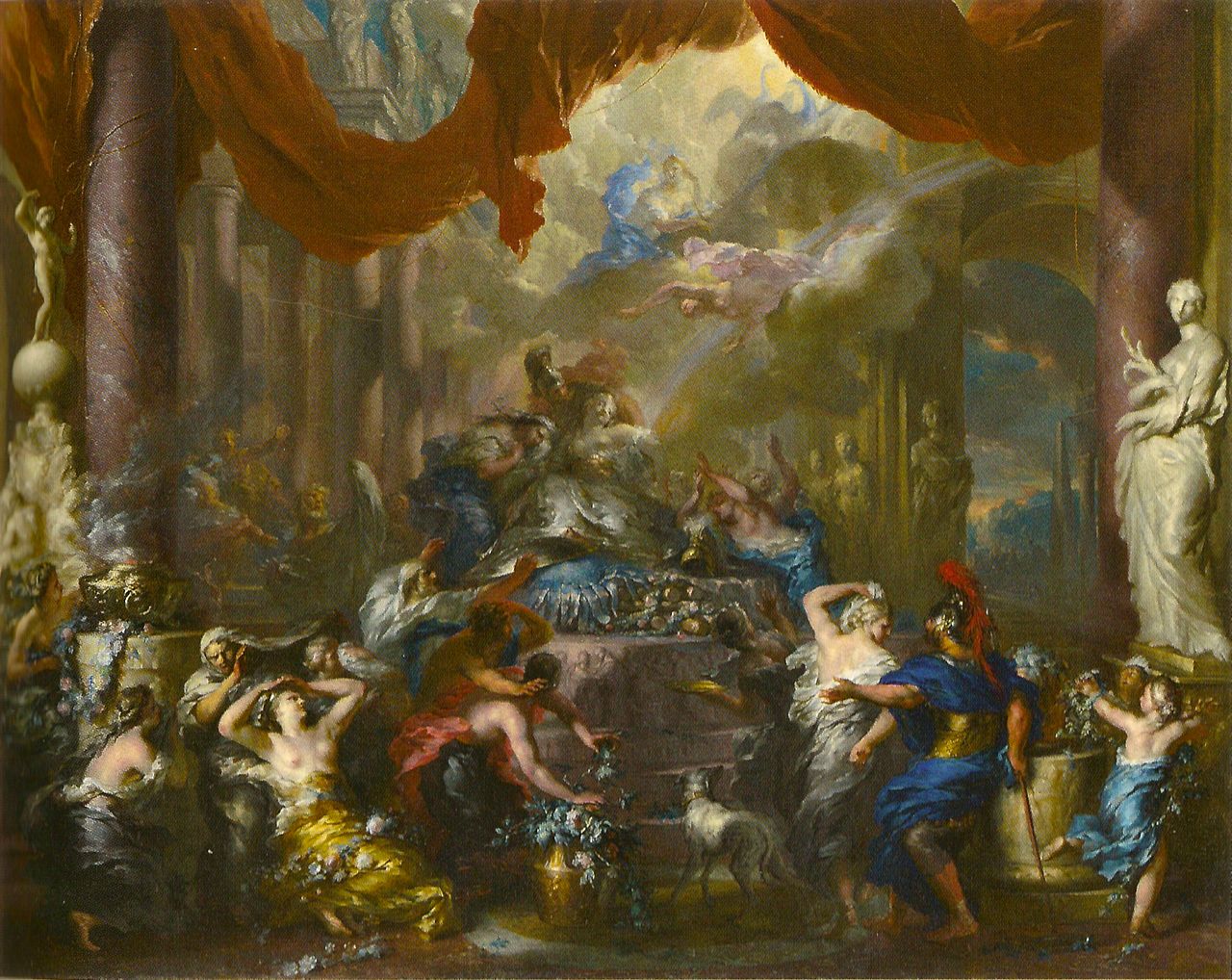







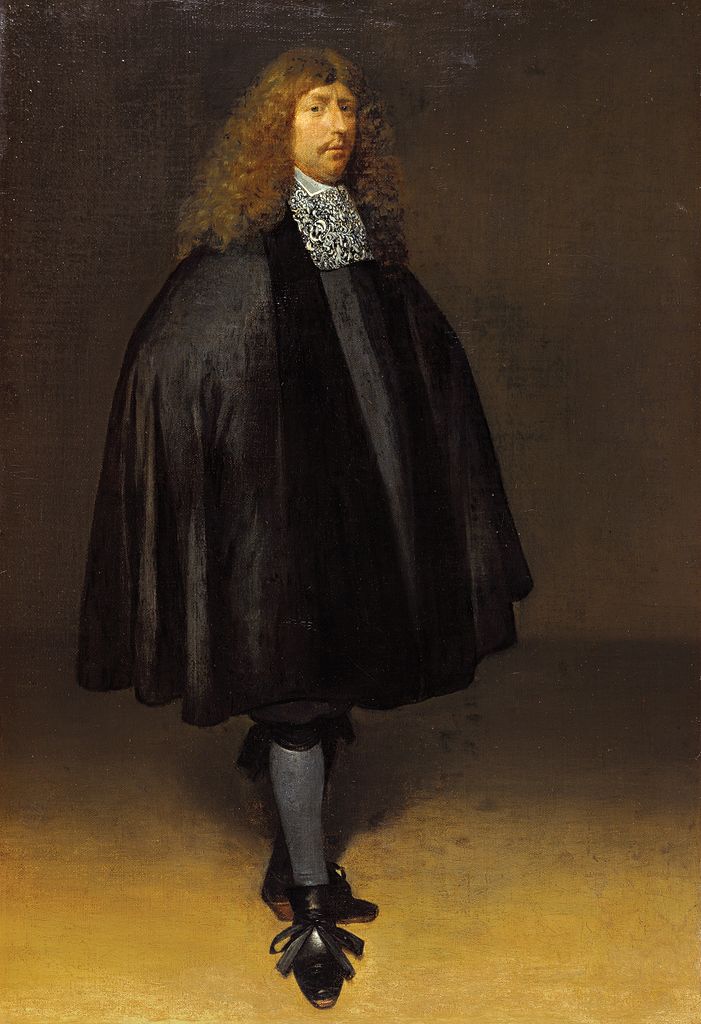
Gerard ter Borch was one of the leading masters of Dutch genre painting of the Golden Age. His realistic aesthetic was developed by the Delft masters Pieter de Hooch and Jan Vermeer.


.jfif)
Joseph Fernand Henri Léger was a French artist renowned for his innovative approach to Cubism and his transition towards a figurative, populist style. Born in Argentan, Orne, Lower Normandy, Léger's early career was marked by a stint as an architectural draftsman and a series of educational pursuits that eventually led him to Paris, where he embraced painting seriously. His artistic journey was significantly influenced by the bold abstractions of Cubism, characterized by geometric shapes and a vibrant palette, distinguishing his work from his contemporaries with what came to be known as "Tubism".
Léger's service in World War I profoundly impacted his artistic direction, leading him to adopt a 'mechanical' style that depicted the modern industrial world with sleek, tubular forms. This period saw creations like "Soldier with a Pipe" and "The Card Players," reflecting his war experiences and the mechanical aesthetics of the time. The post-war era encouraged Léger to explore the mechanical style further, evident in works like "The Bargeman" and "Mechanical Elements," highlighting the pace of technological advancement.
Throughout his career, Léger's work evolved, notably in the 1920s, where he aligned with Purist ideas, blending classicism with modernity. This phase is exemplified in "Woman with a Cat," showcasing a classical form with a modern, polished finish. By the 1930s, Léger's art took a more figurative, populist turn, aiming to democratize contemporary art and make it more accessible. His commitment to art education, especially for the common worker, underscored his belief in the social role of art.
For those intrigued by Joseph Fernand Henri Léger's groundbreaking contributions to modern art, his works can be found in prestigious museums worldwide. His legacy continues to inspire art collectors and enthusiasts alike. To stay updated on exhibitions and auction events featuring Léger's work, sign up for updates and embrace the unique opportunity to explore the richness of his artistic endeavors.

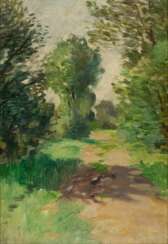

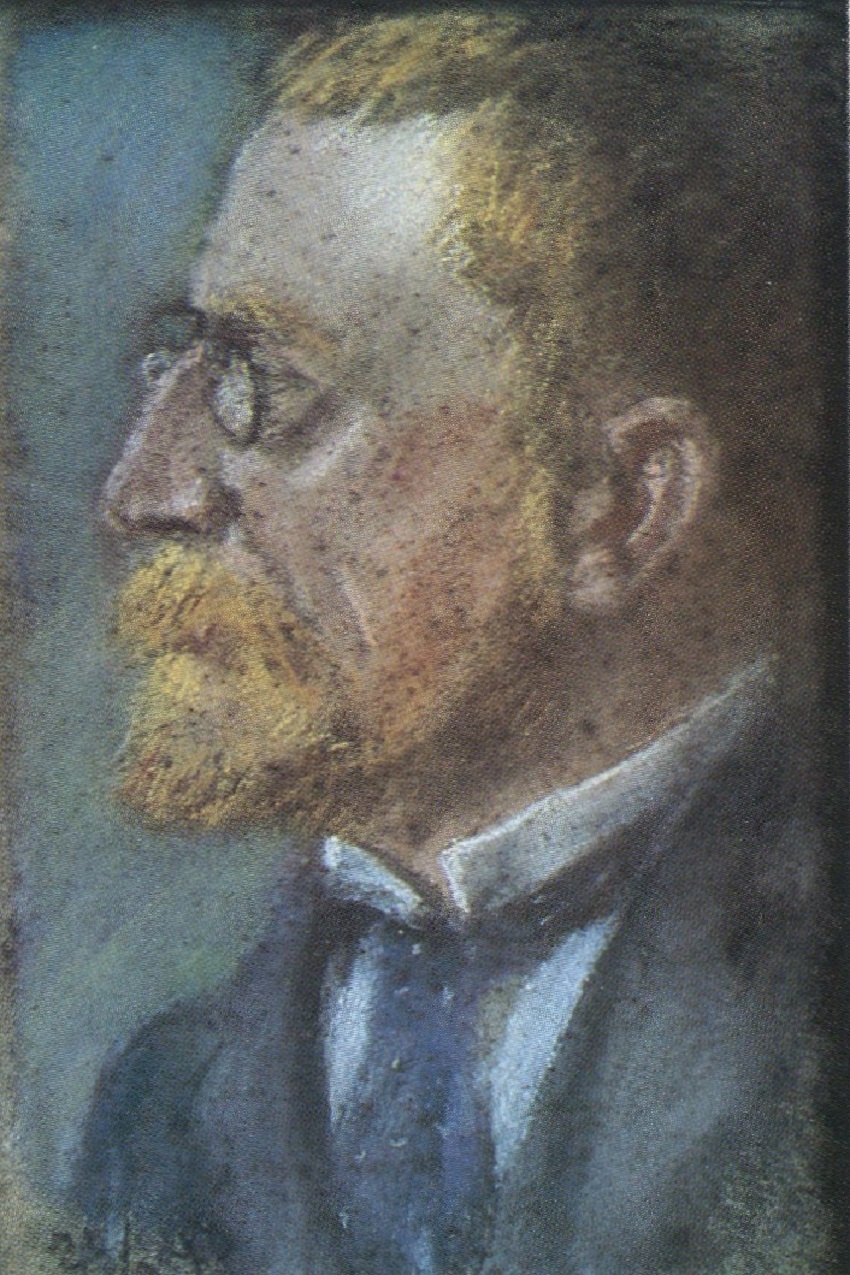
Thomas Ludwig Herbst was a German Impressionist painter; known mostly for landscapes and animal portraits.

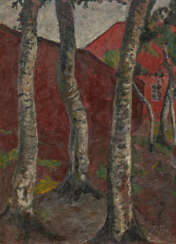

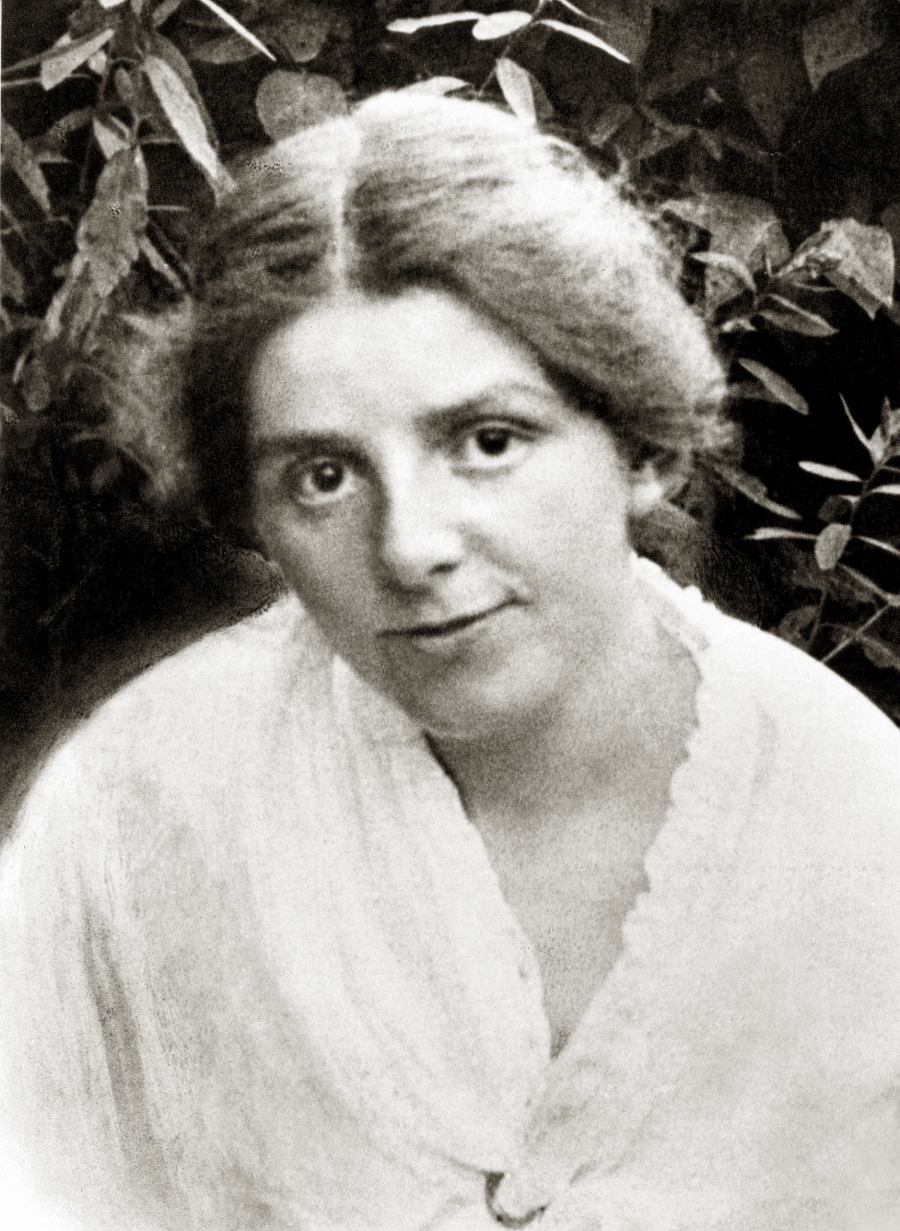
Paula Moderzohn-Becker was a German early expressionist painter.
In her youth she attended the traditional School for Women Artists in Berlin. Like many local German artists, she painted sentimental landscapes and scenes from peasant life.
And in 1900 Paula traveled with her husband to Paris, where she was influenced by post-Impressionist paintings and became an ardent enthusiast of painting by Paul Gauguin and Paul Cézanne. Today she is considered a forerunner of Expressionism because of the power of her compositions, although during her lifetime she was completely ignored. During her short career Moderzohn-Becker painted 750 canvases, about 1,000 drawings and 13 etchings, all of which incorporated the major art movements of the early 20th century.