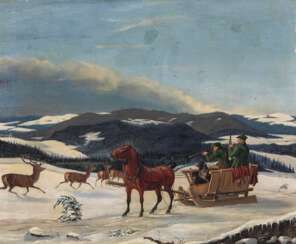
gemälde 19.-20. j
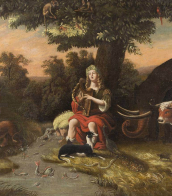
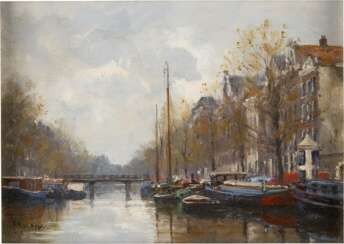











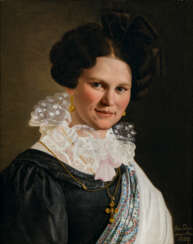

 Girsik.jpeg)
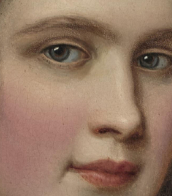
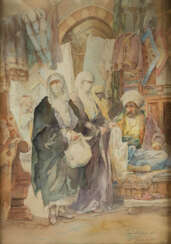
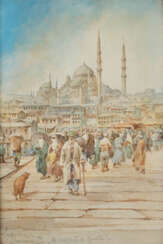
József Girsik was a Hungarian painter who worked in Austria.
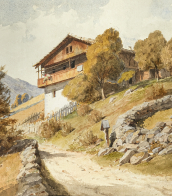
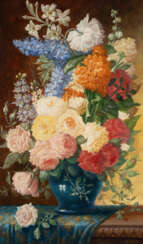

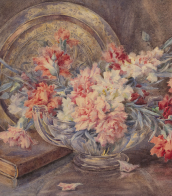



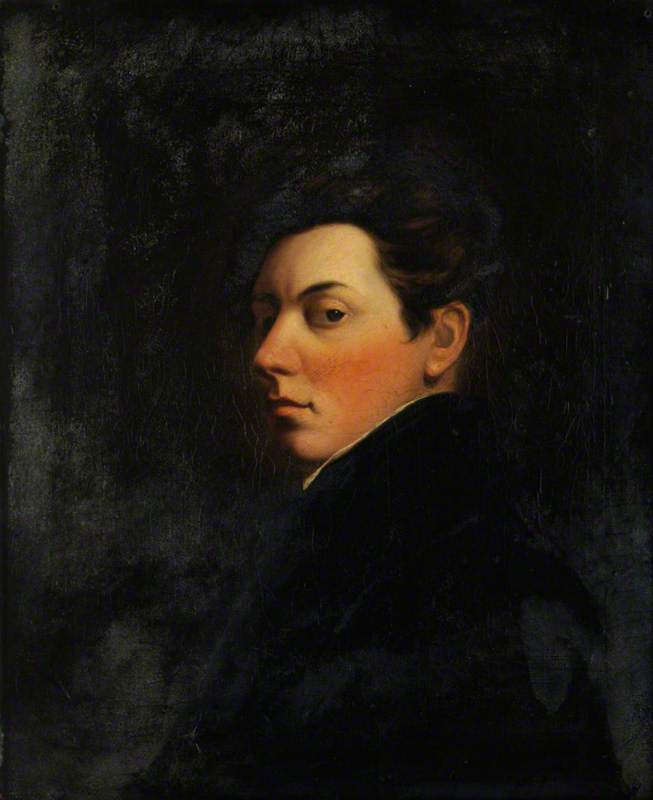
Ambrosini Jérôme, originally born James Parker Ambrosini Jerome, is a testament to the rich heritage of artistic talent within our family lineage. Born on August 8, 1810, in Portsea, Jérôme was a visionary artist whose Italianate pseudonym echoed the romanticism of his era.
Appointed Royal Painter to the Duchess of Kent and young Princess Victoria, Ambrosini's artistry gained royal acknowledgment as early as 1833. Despite the restrictive English art scene of his time, he aligned with the Pre-Raphaelites, rebelling against conventional standards to exhibit in Liverpool, where their art flourished outside London's stringent circles.
Ambrosini's legacy, though not steeped in fame, lives on through his paintings, cherished in private collections worldwide and honored in the Portsmouth Museum. His life, bound intimately to his craft, ended on April 7, 1883, leaving behind a narrative woven into the very fabric of our family's history.
Uncover the legacy of Ambrosini Jérôme by visiting the Portsmouth Museum, and stay updated on the availability of his works in auctions by signing up for our newsletter.
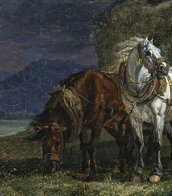


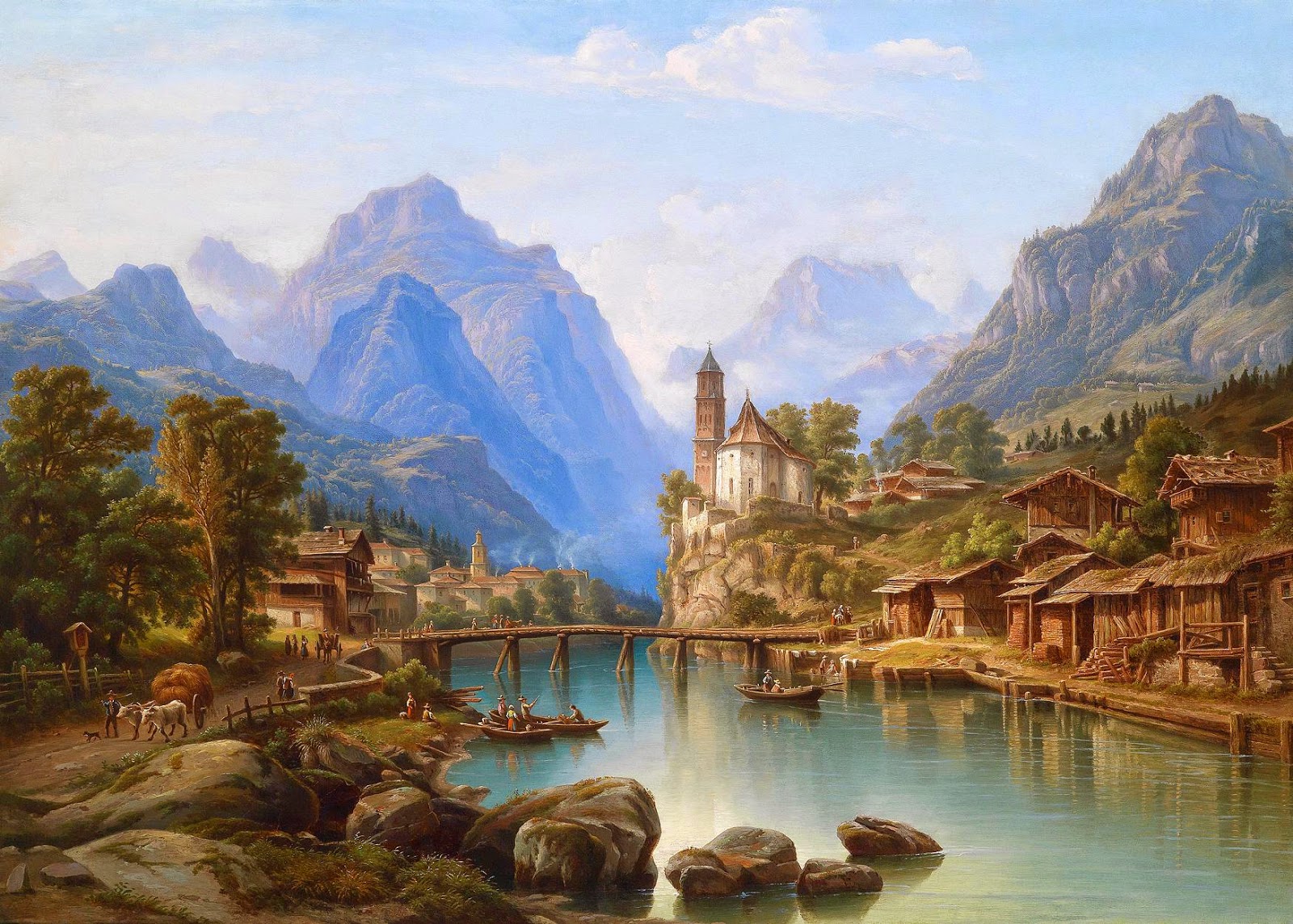
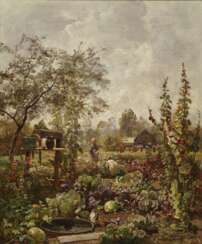
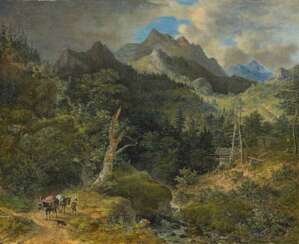
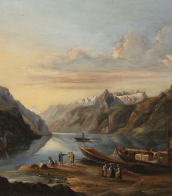
Heinrich Karl Jaeckel (Jäckel) was a German landscape painter who painted views of northern Italy and Switzerland. He exhibited regularly at the Berlin Academy, as well as in Lübeck, Dresden and Vienna.

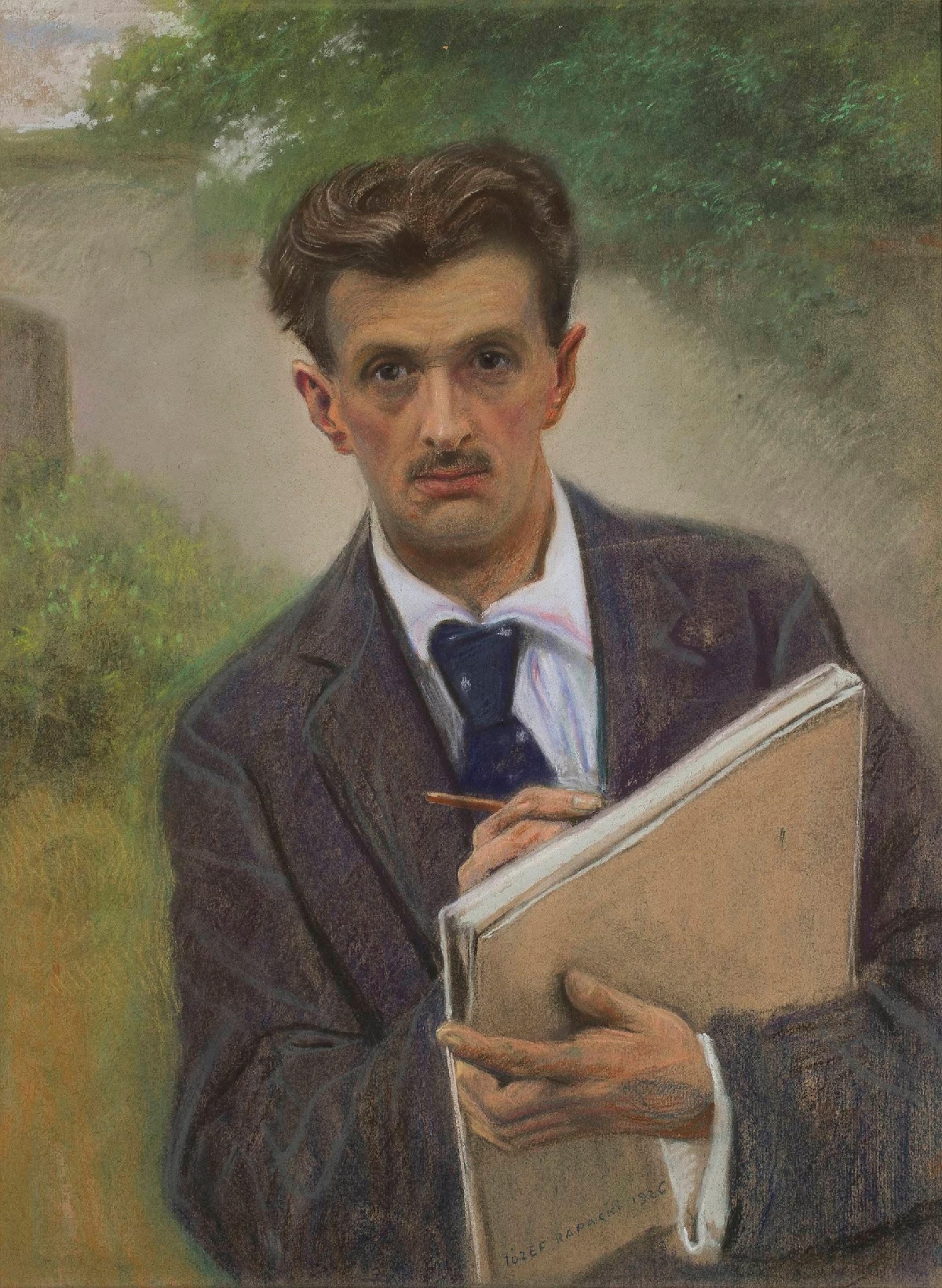
Józef Rapacki was a talented Polish painter and graphic artist who is best known for his nostalgic landscapes of Mazovia.
At the age of fourteen, Rapacki enrolled in a drawing class taught by Wojciech Gerson. Later he enrolled at the Krakow Academy of Fine Arts, where he studied under Isidor Jabloński, Florian Czink and Felix Szynałewski.
At first he painted genre scenes. In 1889, Jozef Rapacki travelled to Munich, where he studied for two years under the portraitist Konrad Fehr and was influenced by the Munich school.
He also began doing drawings for several Warsaw periodicals and illustrated the works of Ignacy Krasicki. Rapacki exhibited extensively, including at the World's Fair (1900).
In 1907, Rapacki and his family moved to Olszanka, where his house became a gathering place for artists and writers. It was here that he concentrated on landscapes and created some of his best known works. During World War I, he drew many pictures of the German occupation for the Warsaw press.
Józef Rapacki's artwork is still popular and appreciated for its unique style and unique atmosphere.
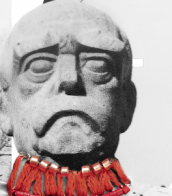


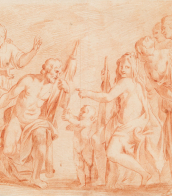
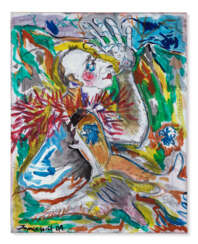

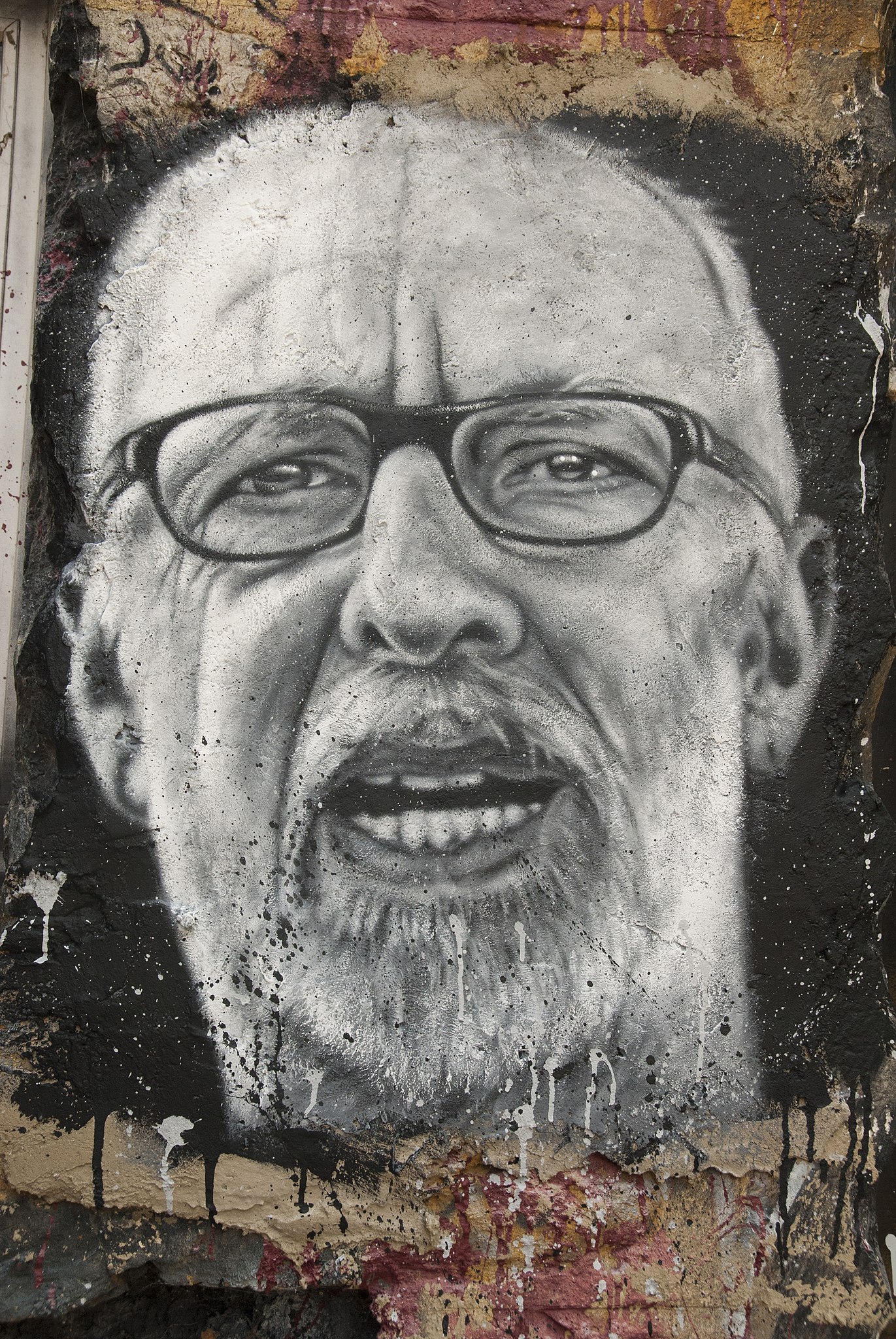
Jörg Immendorff was a German painter and sculptor, stage designer and decorator, and a member of the New Wild movement.
Immendorff painted in cycles that often lasted for years and were political in nature. His series of sixteen large paintings, Café Deutschland (1977-1984), is well known. In these colorful paintings, numerous disco lovers symbolize the conflict between East and West Germany.
Immendorff prepared several stage productions and designed sets for the operas Elektra and The Rider's Voyage. 25 of Immendorf's paintings were selected in 2006 for the illustrated Bible.
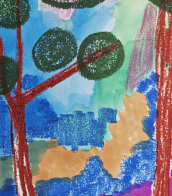
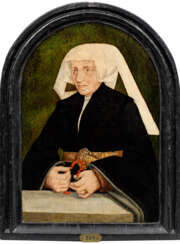

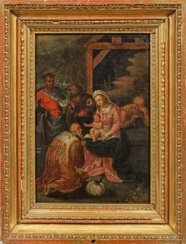

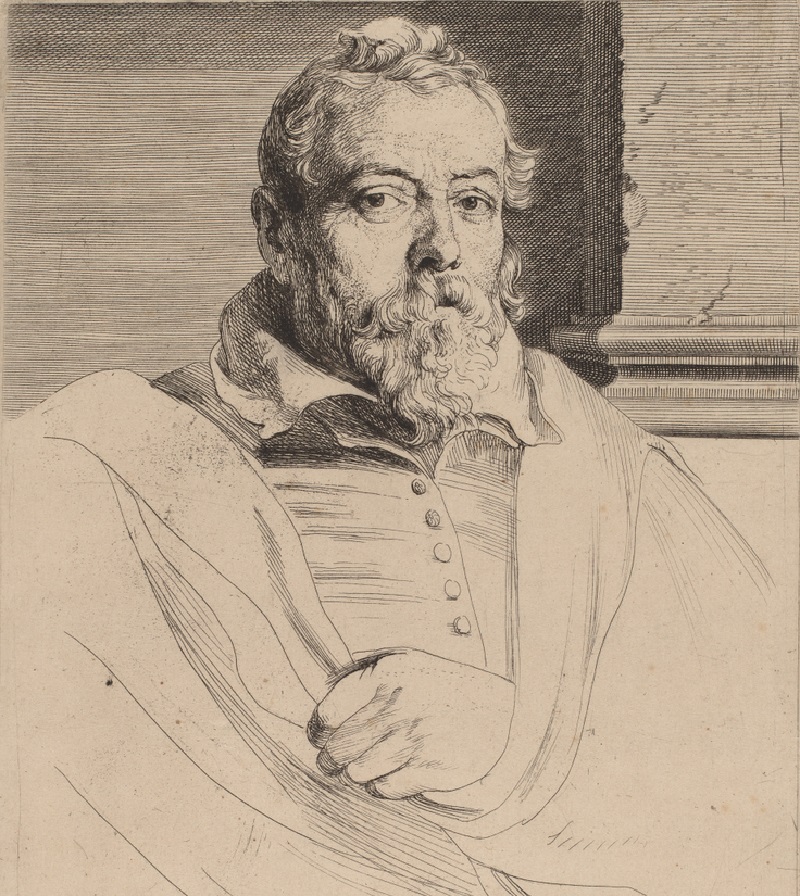
Frans Francken the Younger was a distinguished Flemish painter of the Baroque period, celebrated for his versatility and innovation in the art scene of the early 17th century. Born in 1581 in Antwerp, where he also died in 1642, Francken hailed from the prolific Francken family of artists, establishing himself as the most prominent among them. His contribution to Flemish art includes a wide array of subjects, spanning large altarpieces for churches to intricate cabinet pictures featuring historical, mythological, or allegorical themes.
Francken's work is particularly noted for his creation of collectors' cabinet paintings, a genre that depicted the interiors of collectors filled with art, curiosities, and natural specimens, embodying the era's intellectual pursuits and the burgeoning culture of connoisseurship. Moreover, Francken was instrumental in the development of singeries, humorous paintings featuring monkeys engaging in human activities, critiquing the follies of mankind through satire. His collaborative efforts with other artists enriched his work, allowing him to incorporate figures and narrative depth into various compositions, seamlessly blending his expertise with the landscapes, architectural settings, and still lifes created by his contemporaries.
Francken's artistic legacy is marked by his successful workshop, his role as a master in the Antwerp Saint Luke's Guild, and his significant influence on the development of new subject matter and genres within Flemish painting. His works, such as "Mankind's Eternal Dilemma: The Choice Between Virtue and Vice," remain celebrated for their detailed craftsmanship and symbolic richness, housed in prestigious museums including the Museum of Fine Arts, Boston.
For collectors and art history aficionados, Francken's oeuvre offers a rich tapestry of Baroque artistry, reflecting the dynamism of 17th-century Flemish culture and the depth of humanistic and religious themes explored during the period.
To delve deeper into the world of Frans Francken the Younger and to stay updated on new discoveries, sales, and auction events related to his works, consider signing up for specialized updates. This subscription is tailored for enthusiasts eager to explore the intersections of art, history, and culture, promising insightful content on one of Flemish art's most influential figures.