

georg wolf


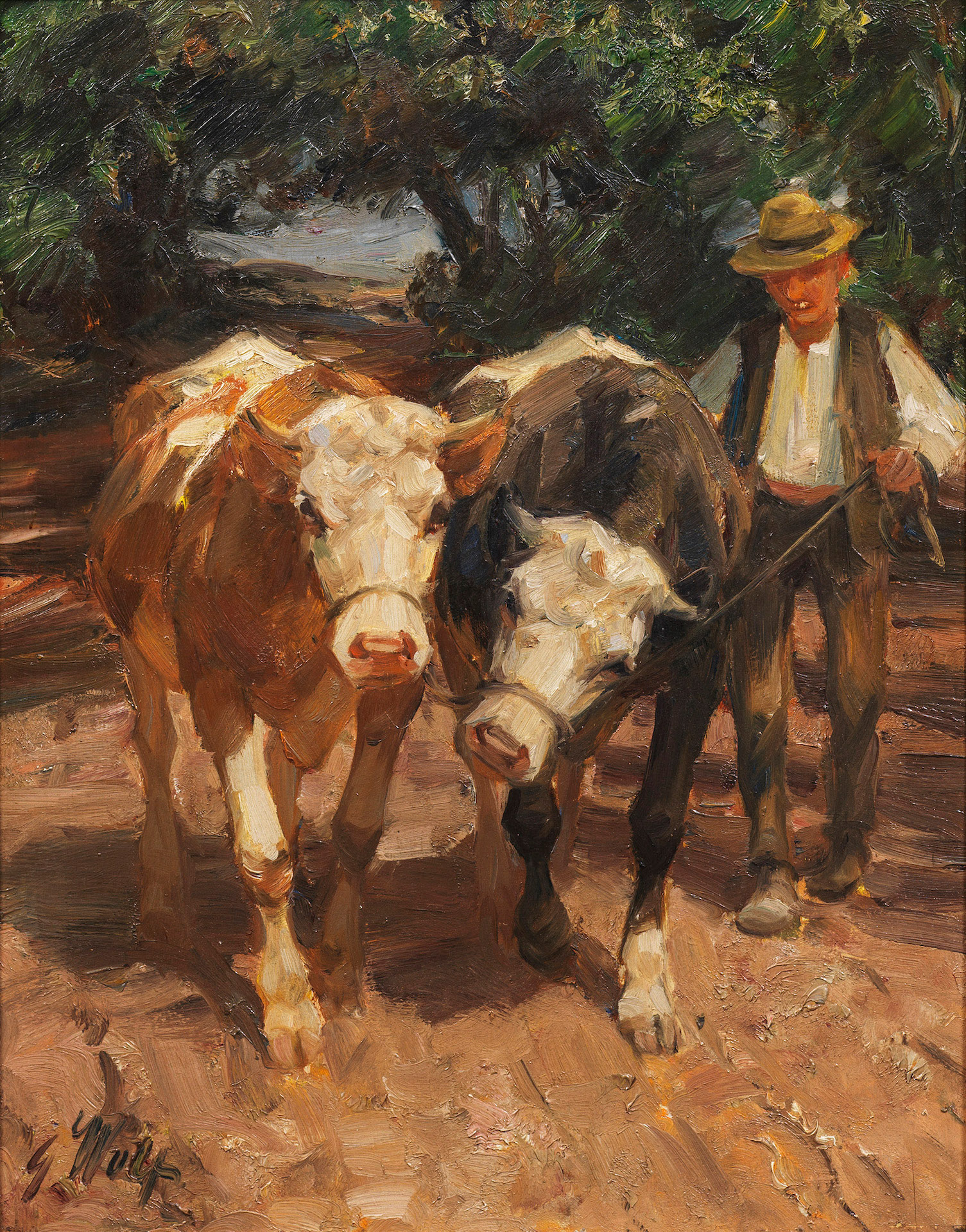
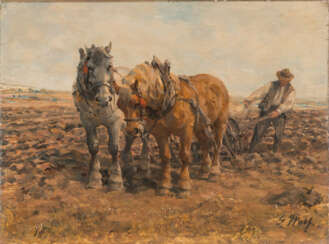
Georg Wolf was a German landscape and animal painter of French origin. He was a member of the Düsseldorf School.
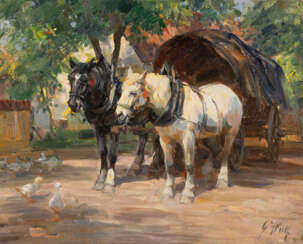

Georg Wolf was a German landscape and animal painter of French origin. He was a member of the Düsseldorf School.
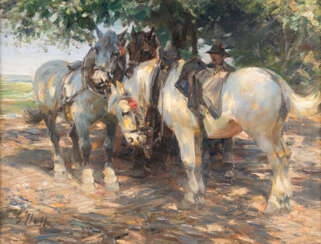

Georg Wolf was a German landscape and animal painter of French origin. He was a member of the Düsseldorf School.
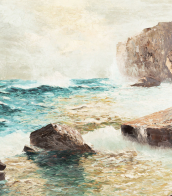
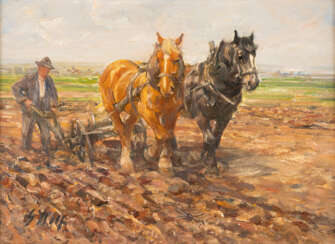

Georg Wolf was a German landscape and animal painter of French origin. He was a member of the Düsseldorf School.
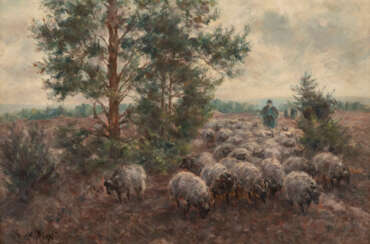

Georg Wolf was a German landscape and animal painter of French origin. He was a member of the Düsseldorf School.


Georg Wolf was a German landscape and animal painter of French origin. He was a member of the Düsseldorf School.
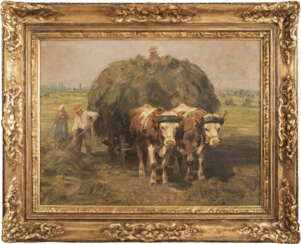

Georg Wolf was a German landscape and animal painter of French origin. He was a member of the Düsseldorf School.


Georg Wolf was a German landscape and animal painter of French origin. He was a member of the Düsseldorf School.

Georg Wolf was a German landscape and animal painter of French origin. He was a member of the Düsseldorf School.


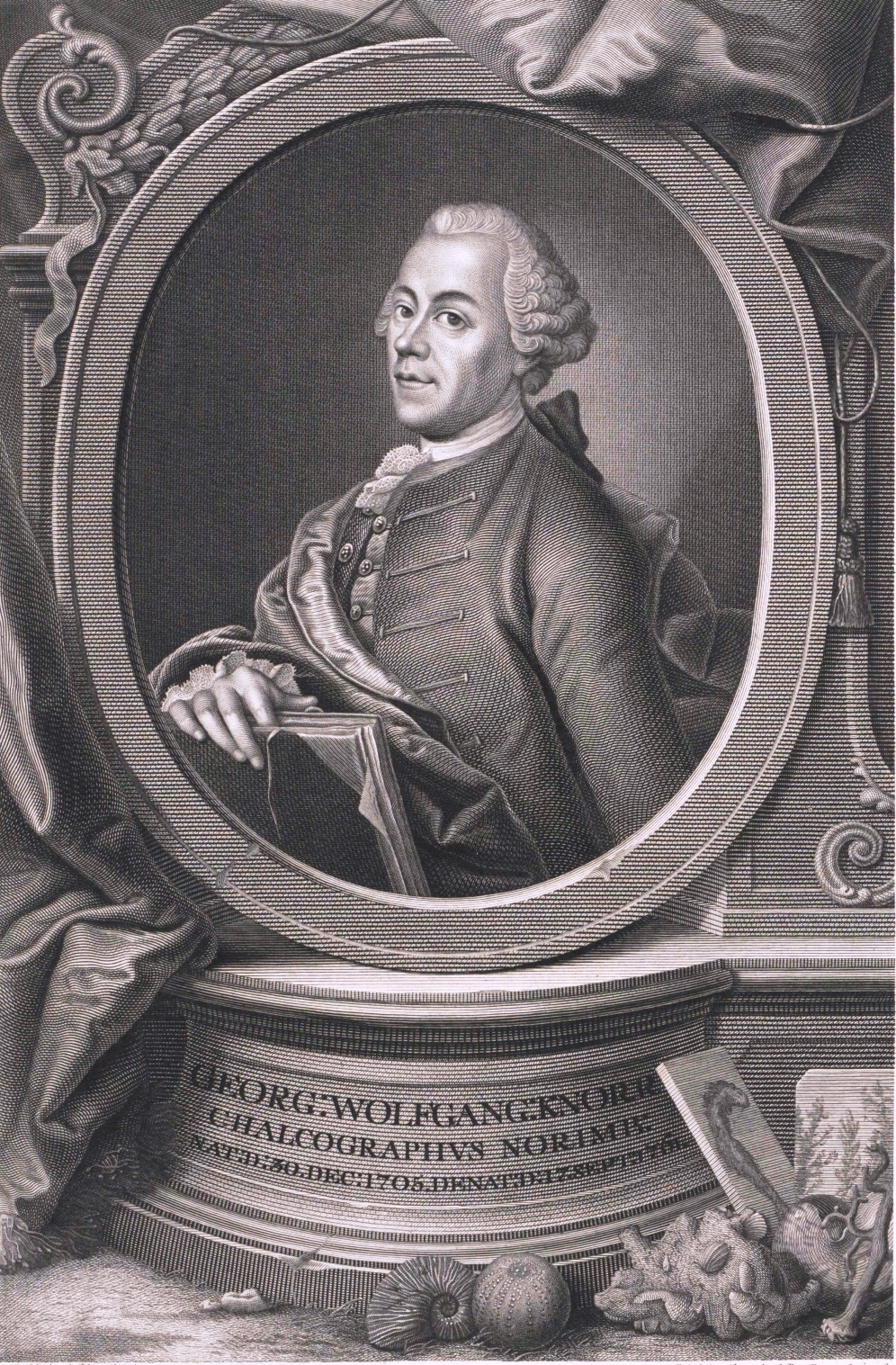
Georg Wolfgang Knorr was a German engraver, naturalist, and one of the first paleontologists of the 18th century.
Knorr was first apprenticed to his father as a lathe operator, and at the age of eighteen became a copper engraver for Leongard Blank, working with Martin Tiroff on the illustrations for Jacob Scheuchzer's Physica Sacra (1731). This work and his acquaintance with J.A. Beurer, a mineralogist and correspondent of the Royal Society, awakened Knorr's interest in natural history.
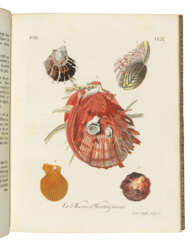
In the 1750s Knorr began publishing his own sumptuous folios. One of the most beautiful books of the eighteenth century is devoted to sea shells.
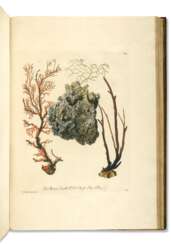

Georg Wolfgang Knorr was a German engraver, naturalist, and one of the first paleontologists of the 18th century.
Knorr was first apprenticed to his father as a lathe operator, and at the age of eighteen became a copper engraver for Leongard Blank, working with Martin Tiroff on the illustrations for Jacob Scheuchzer's Physica Sacra (1731). This work and his acquaintance with J.A. Beurer, a mineralogist and correspondent of the Royal Society, awakened Knorr's interest in natural history.
In the 1750s Knorr began publishing his own sumptuous folios. One of the most beautiful books of the eighteenth century is devoted to sea shells.
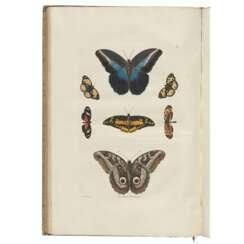

Georg Wolfgang Knorr was a German engraver, naturalist, and one of the first paleontologists of the 18th century.
Knorr was first apprenticed to his father as a lathe operator, and at the age of eighteen became a copper engraver for Leongard Blank, working with Martin Tiroff on the illustrations for Jacob Scheuchzer's Physica Sacra (1731). This work and his acquaintance with J.A. Beurer, a mineralogist and correspondent of the Royal Society, awakened Knorr's interest in natural history.
In the 1750s Knorr began publishing his own sumptuous folios. One of the most beautiful books of the eighteenth century is devoted to sea shells.
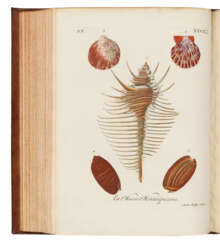

Georg Wolfgang Knorr was a German engraver, naturalist, and one of the first paleontologists of the 18th century.
Knorr was first apprenticed to his father as a lathe operator, and at the age of eighteen became a copper engraver for Leongard Blank, working with Martin Tiroff on the illustrations for Jacob Scheuchzer's Physica Sacra (1731). This work and his acquaintance with J.A. Beurer, a mineralogist and correspondent of the Royal Society, awakened Knorr's interest in natural history.
In the 1750s Knorr began publishing his own sumptuous folios. One of the most beautiful books of the eighteenth century is devoted to sea shells.
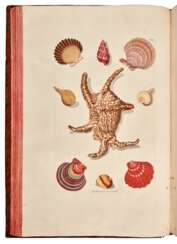

Georg Wolfgang Knorr was a German engraver, naturalist, and one of the first paleontologists of the 18th century.
Knorr was first apprenticed to his father as a lathe operator, and at the age of eighteen became a copper engraver for Leongard Blank, working with Martin Tiroff on the illustrations for Jacob Scheuchzer's Physica Sacra (1731). This work and his acquaintance with J.A. Beurer, a mineralogist and correspondent of the Royal Society, awakened Knorr's interest in natural history.
In the 1750s Knorr began publishing his own sumptuous folios. One of the most beautiful books of the eighteenth century is devoted to sea shells.
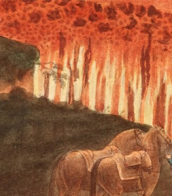


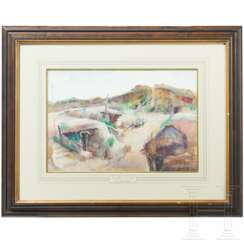





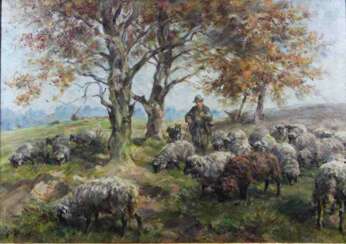

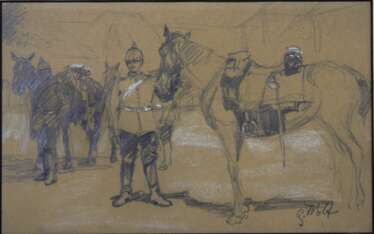



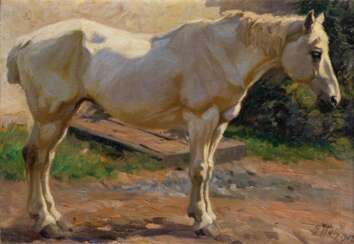

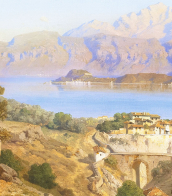


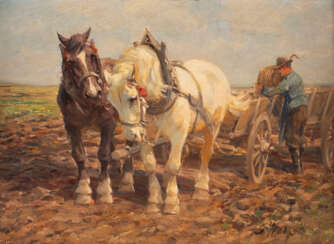

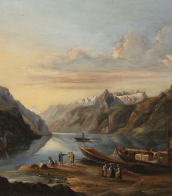


Georg Wolf was a German landscape and animal painter of French origin. He was a member of the Düsseldorf School.


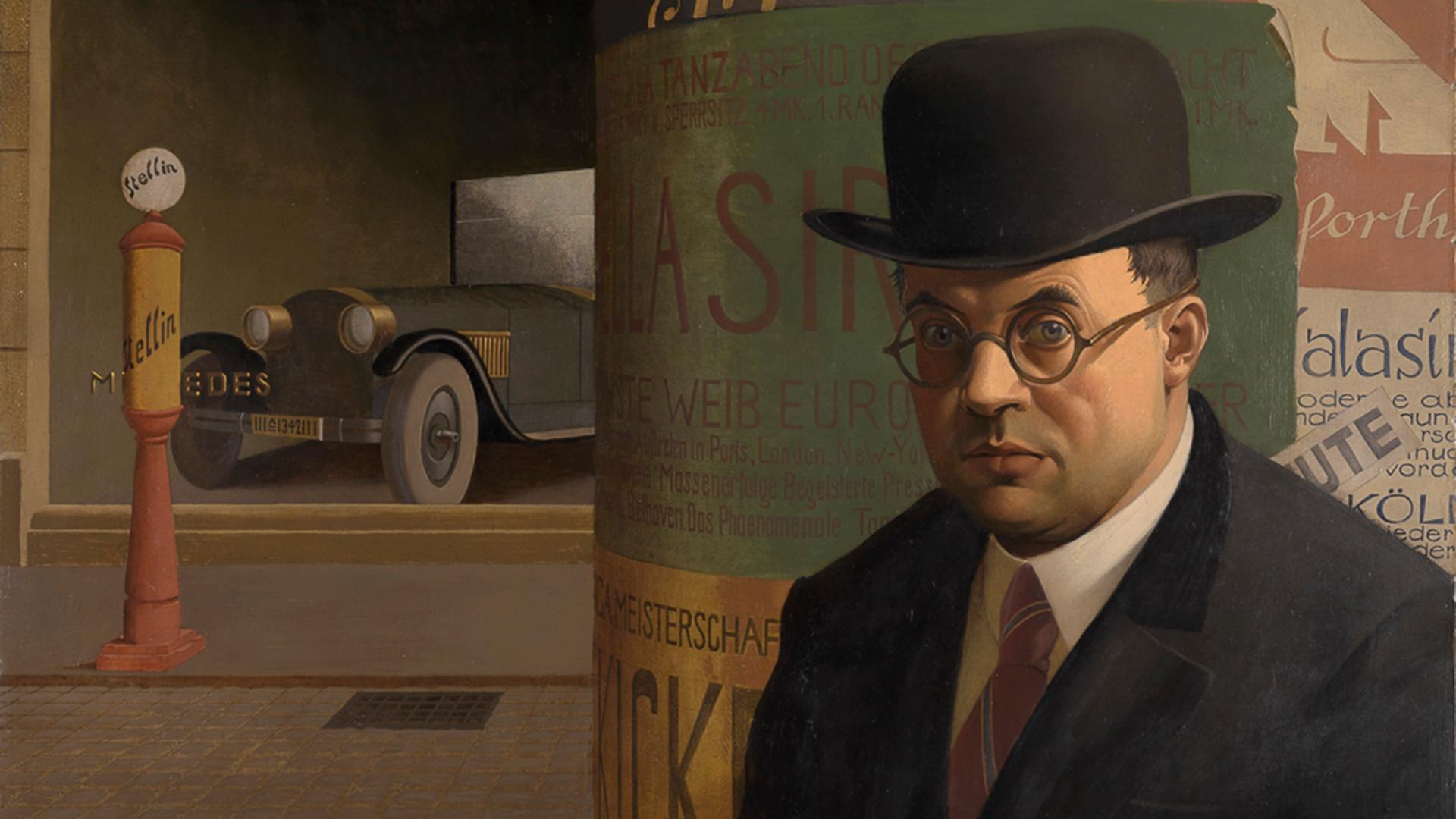
Georg Scholz is a German painter and a vivid representative of the New Objectivity movement.
Scholz studied painting at the Karlsruhe Academy of Fine Arts and continued his studies in Berlin with Lovis Korint. After serving in the army in World War I from 1915 to 1918, he returned to painting in the style of Cubism and Futurism. Scholz's entry into the German Communist Party is reflected in his paintings, which sharply and sarcastically criticize the social and economic order of post-war Germany.
Georg Scholz very soon became one of the leaders of the New Realism, a group of artists who practiced the most cynical form of realism. In 1925 he received a professorship at the State Academy of Art in Karlsruhe. In 1926 he began collaborating with the satirical magazine Simplicissimus, and in 1928 he visited Paris.
After Hitler and the National Socialists came to power in Germany in 1933, Scholz immediately lost his teaching job. His work was declared degenerate art, his works were withdrawn from collections in 1937, and the artist himself was banned from painting in 1939.
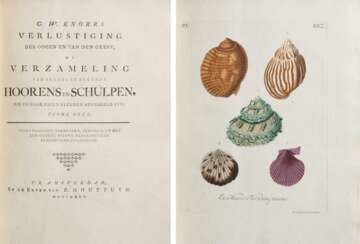

Georg Wolfgang Knorr was a German engraver, naturalist, and one of the first paleontologists of the 18th century.
Knorr was first apprenticed to his father as a lathe operator, and at the age of eighteen became a copper engraver for Leongard Blank, working with Martin Tiroff on the illustrations for Jacob Scheuchzer's Physica Sacra (1731). This work and his acquaintance with J.A. Beurer, a mineralogist and correspondent of the Royal Society, awakened Knorr's interest in natural history.
In the 1750s Knorr began publishing his own sumptuous folios. One of the most beautiful books of the eighteenth century is devoted to sea shells.


Georg Wolf was a German landscape and animal painter of French origin. He was a member of the Düsseldorf School.
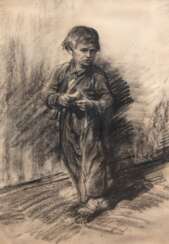

Georg Wolf was a German landscape and animal painter of French origin. He was a member of the Düsseldorf School.