georgi


















.jpg)
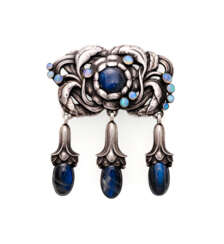
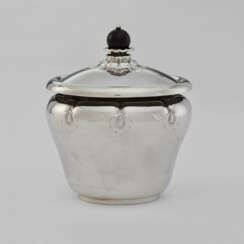
Jean Elysée Puiforcat was a French silversmith, sculptor and designer. Miller's Antiques Encyclopedia calls Puiforcat the «most important French Art Deco silversmith».


Jean Elysée Puiforcat was a French silversmith, sculptor and designer. Miller's Antiques Encyclopedia calls Puiforcat the «most important French Art Deco silversmith».
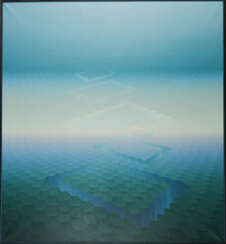

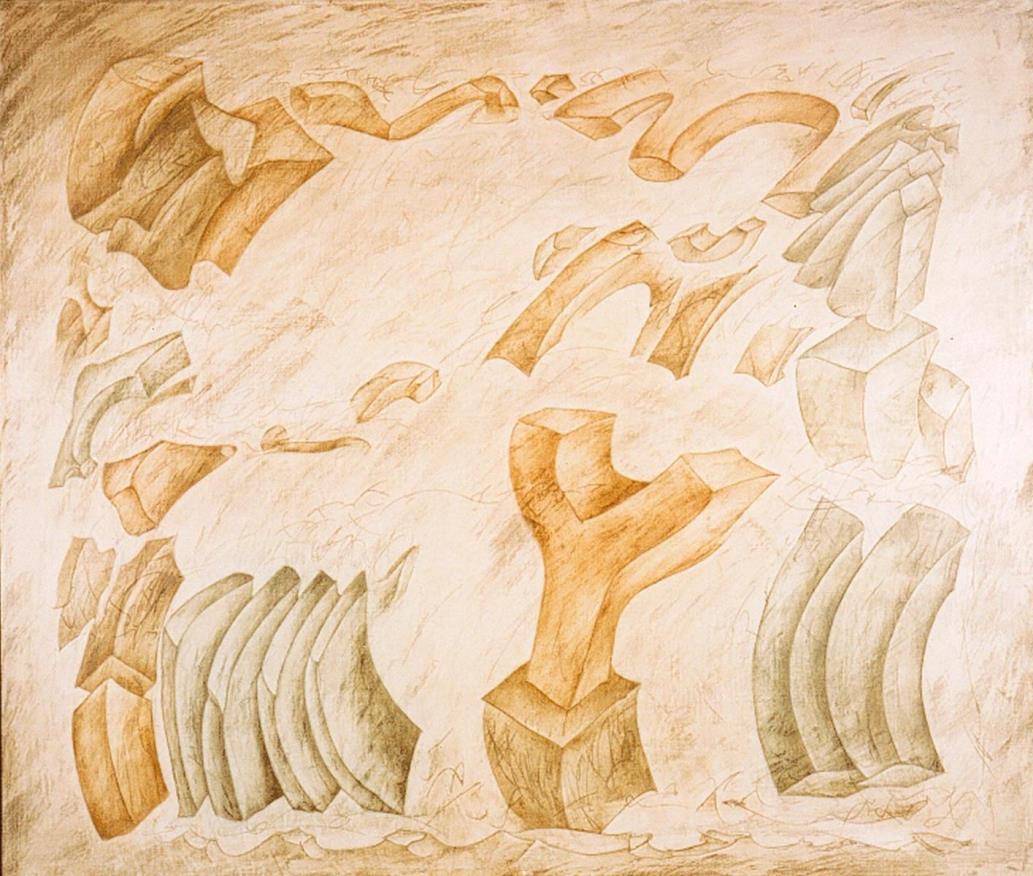
Nikolaus von Georgi is a German painter, member of the German Artists' Association, who lives and works in Düsseldorf.
He studied painting at the Düsseldorf Academy of Arts and became known for his interior paintings.
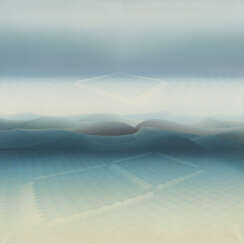

Nikolaus von Georgi is a German painter, member of the German Artists' Association, who lives and works in Düsseldorf.
He studied painting at the Düsseldorf Academy of Arts and became known for his interior paintings.


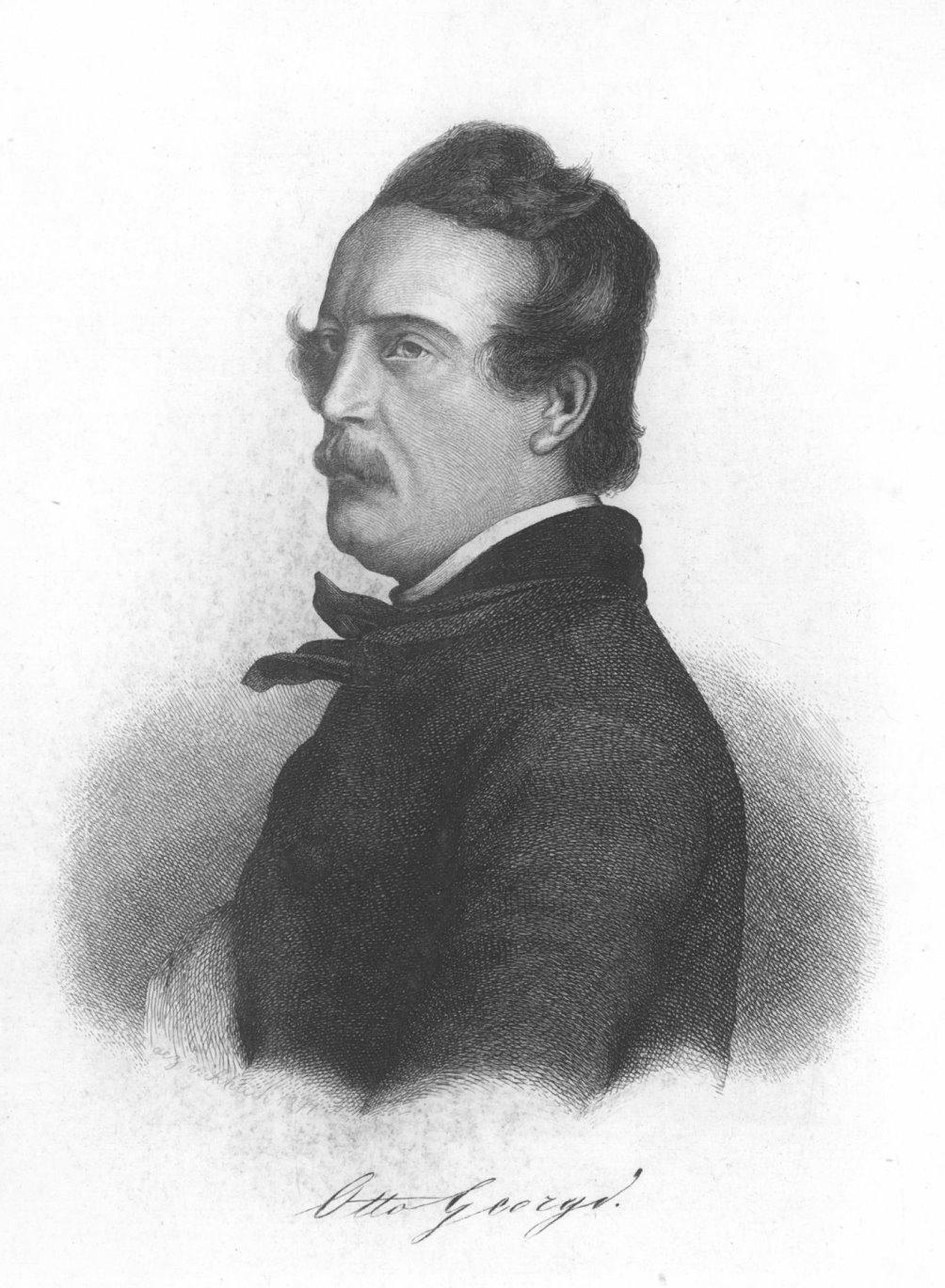
Otto Georgi or Friedrich Otto Georgi was a German Orientalist painter who received his artistic education from his father, Friedrich Traugott Georgi (1783-1838). Inspired by his participation in an Egyptian expedition, Georgi painted mostly landscapes with Oriental motifs, for which he earned the nickname "Georgi of the East.
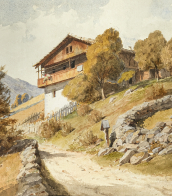
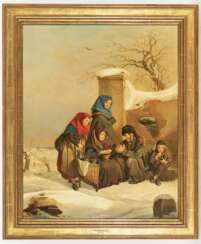

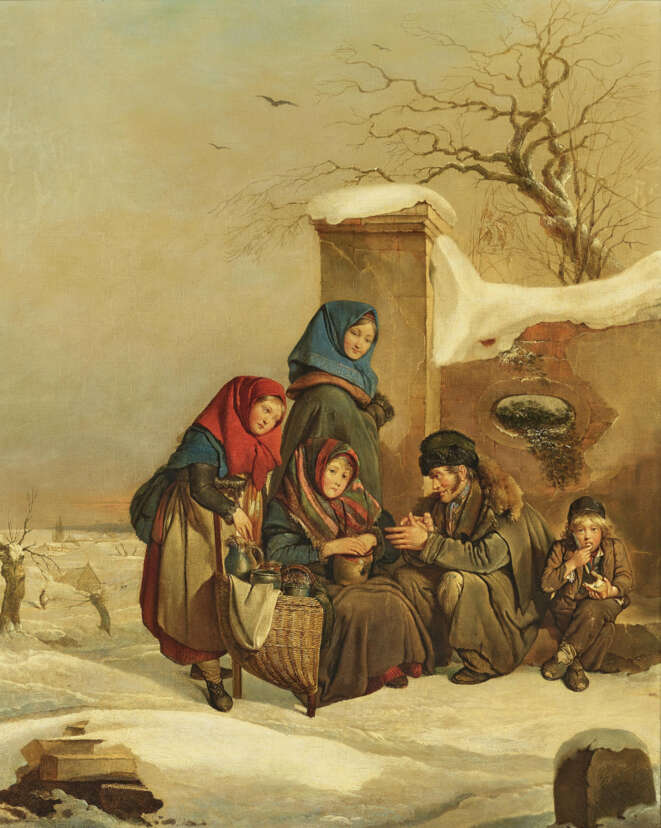
Friedrich Traugott Georgi was a German painter and graphic artist.


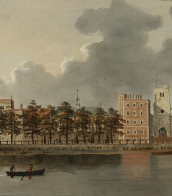
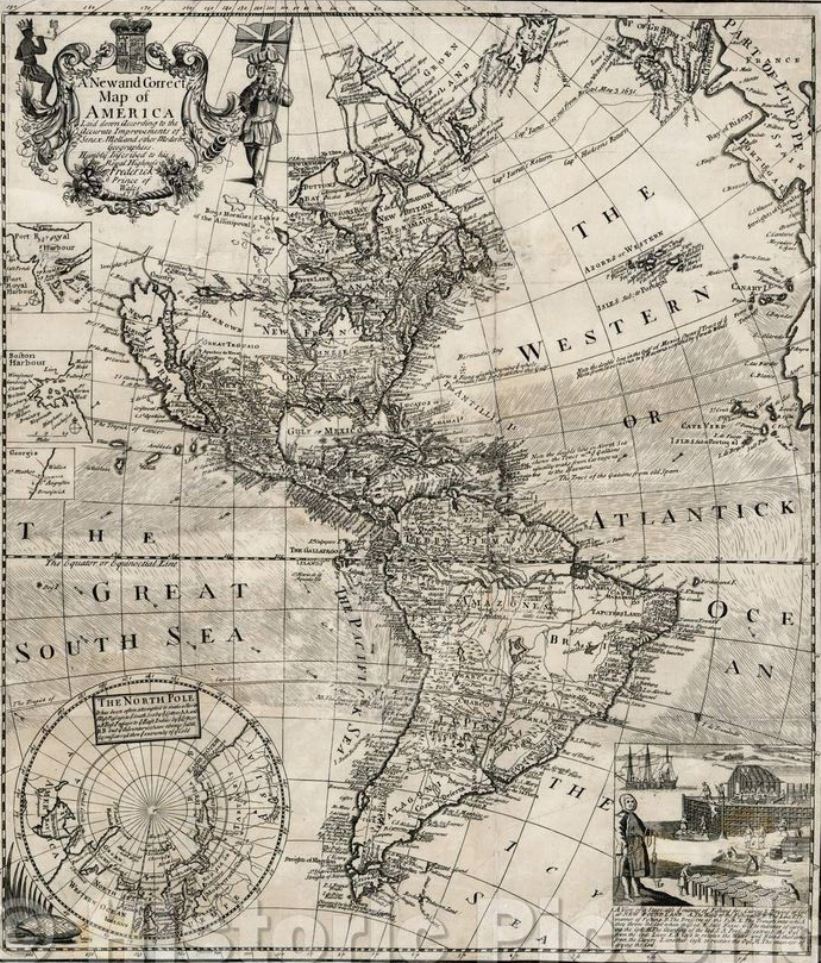
![[FOSTER, George (fl. 1735-1740)] – Robert SAYER (1735-1794).](/assets/image/picture_4084812/eead4/rh5-akqejyjmaug43ncvjup-kaf74qit0wesbihrffucjgdpjhfhqhahybonknkw1719908507jpg__fix_374_244.jpeg)
![[FOSTER, George (fl. 1735-1740)] – Robert SAYER (1735-1794).](https://veryimportantlot.com/assets/image/picture_4084812/eead4/rh5-akqejyjmaug43ncvjup-kaf74qit0wesbihrffucjgdpjhfhqhahybonknkw1719908507jpg__fix_374_244.jpeg)


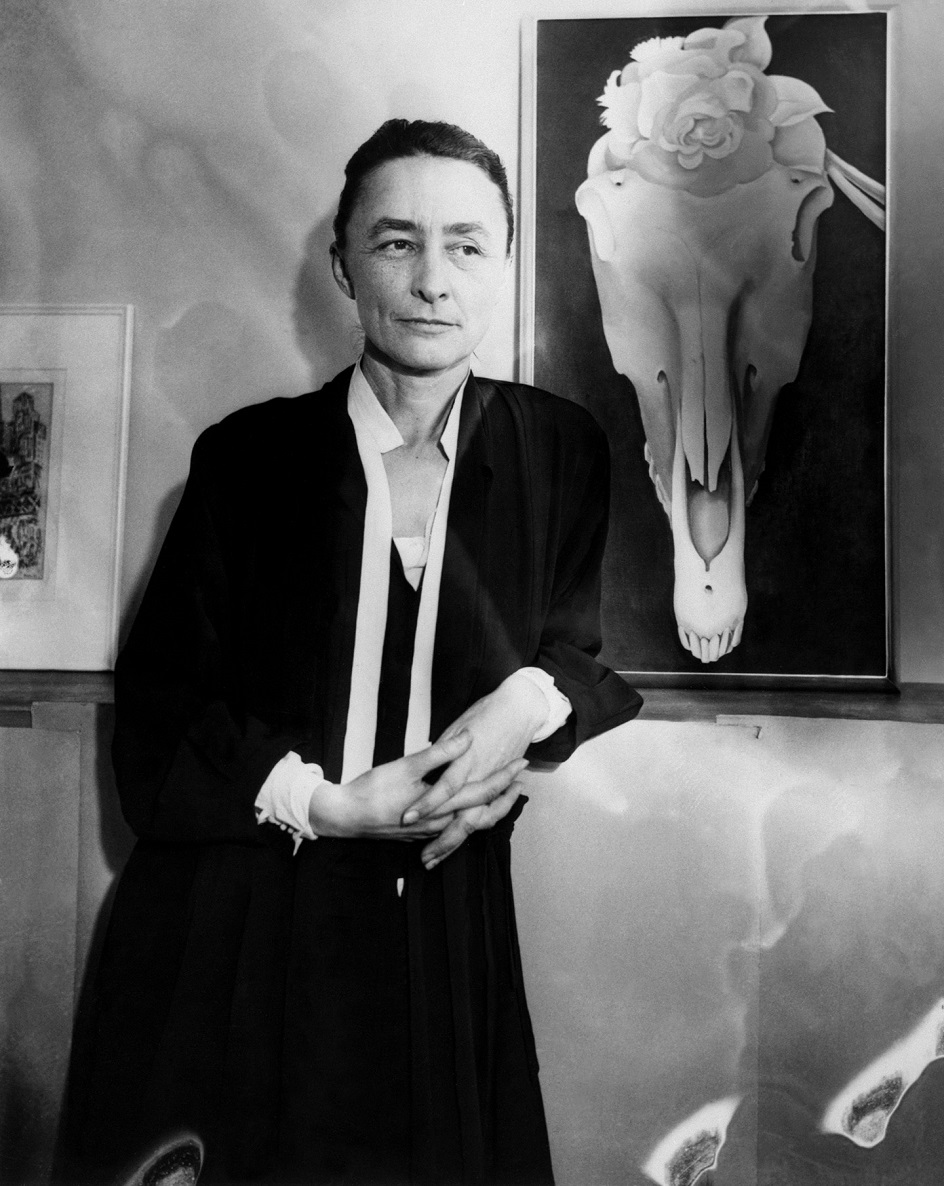
Georgia Totto O'Keeffe was an American modernist artist. She was known for her paintings of enlarged flowers, New York skyscrapers, and New Mexico landscapes. O'Keeffe has been called the "Mother of American modernism".

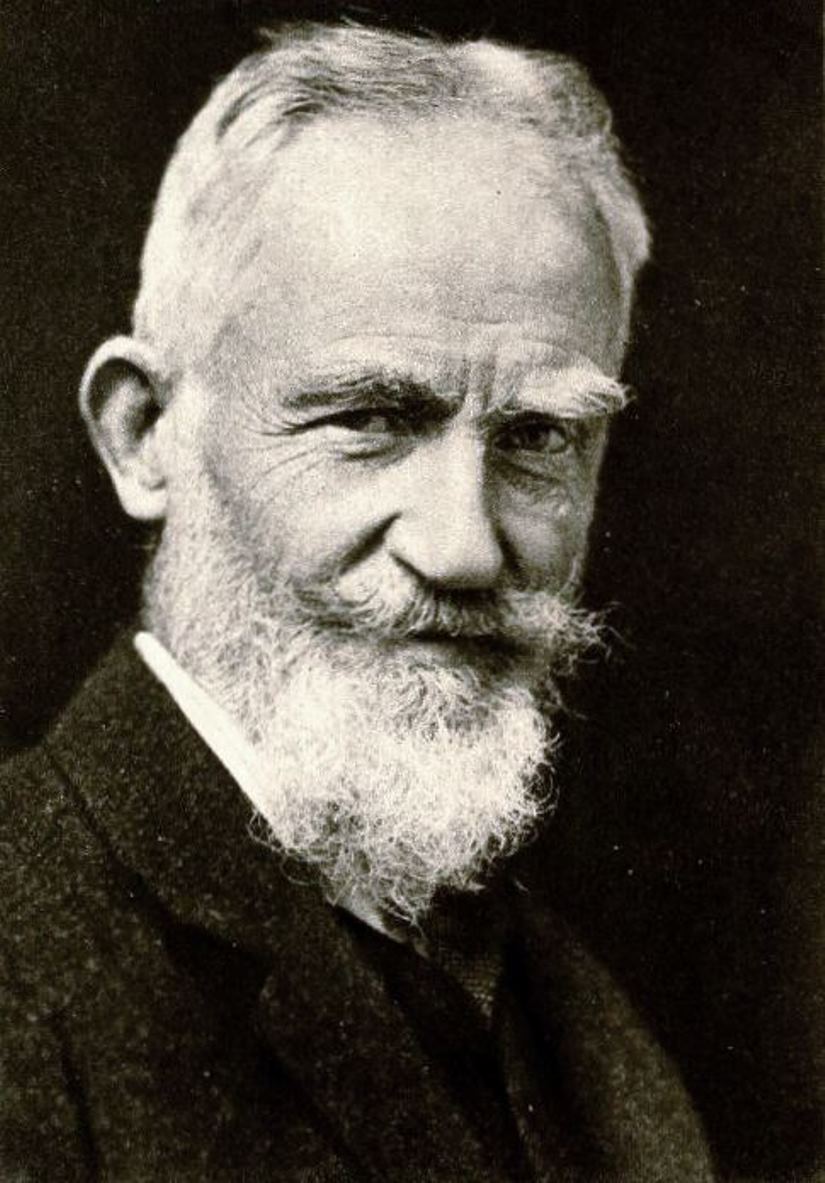
George Bernard Shaw was an Irish playwright, novelist and literary critic, socialist propagandist and journalist, winner of the 1925 Nobel Prize for Literature.
George Bernard was born into a poor noble family and, growing up, suffered greatly from that poverty. After a decade of failure on the literary field, Bernard became an active member of the Fabian Society, a middle-class socialist group founded in 1884, which sought the gradual transformation of English society.
He began working as a journalist and writing plays, which soon enough became popular. In The Man and the Superman, Shaw laid out his philosophy that humanity is the last stage of a purposeful and eternal evolutionary movement of "life force" toward ever higher forms of life. By far his most popular play is Pygmalion, a humane comedy about love and the English class system. But George Bernard Shaw was not only the best comic playwright of his time. Some of his stage works - Caesar and Cleopatra, The Man and Superman, Major Barbara, House of Broken Hearts, and St. Joan - are highly serious and refined in their prose.
Shaw was also a bold pamphleteer, a popular and widely read music and theater critic of his generation, a lecturer and essayist on politics, economics and sociology. In the course of his long and prolific life Bernard Shaw shaped the political, economic and social worldviews of several generations.
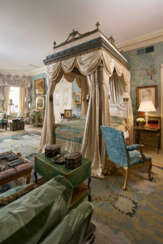

Thomas Chippendale was a cabinet-maker in London, designing furniture in the mid-Georgian, English Rococo, and Neoclassical styles. In 1754 he published a book of his designs in a trade catalogue titled The Gentleman and Cabinet Maker's Director — the most important collection of furniture designs published in England to that point which created a mass market for furniture—upon which success he became renowned. According to the Victoria and Albert Museum, «so influential were his designs, in Britain and throughout Europe and America, that "Chippendale" became a shorthand description for any furniture similar to his Director designs».


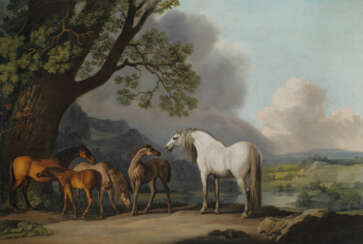

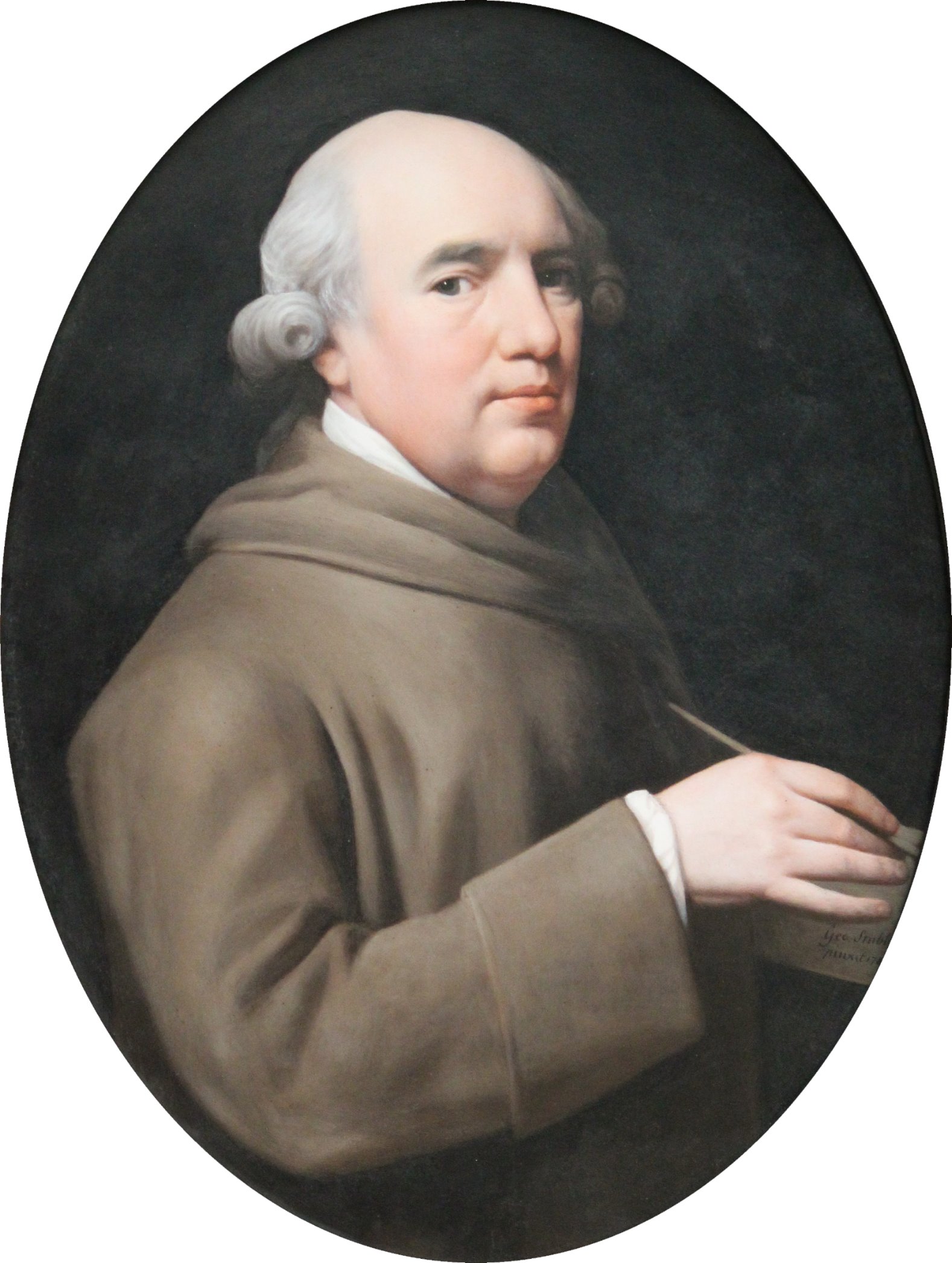
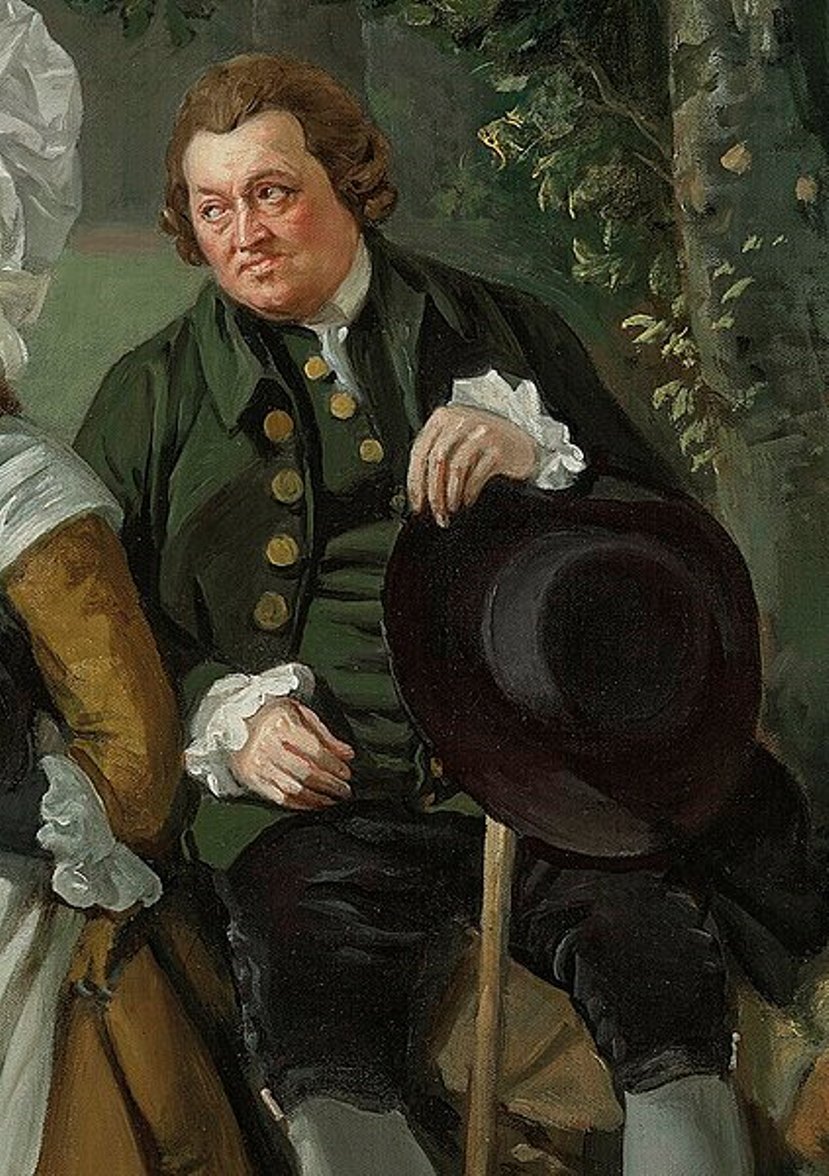
George Stubbs was an English painter, best known for his paintings of horses. Self-trained, Stubbs learnt his skills independently from other great artists of the 18th century such as Reynolds or Gainsborough. Stubbs' output includes history paintings, but his greatest skill was in painting animals, perhaps influenced by his love and study of anatomy. His series of paintings on the theme of a lion attacking a horse are early and significant examples of the Romantic movement that emerged in the late 18th century. His painting, Whistlejacket hangs in the National Gallery, London.



Thomas Chippendale was a cabinet-maker in London, designing furniture in the mid-Georgian, English Rococo, and Neoclassical styles. In 1754 he published a book of his designs in a trade catalogue titled The Gentleman and Cabinet Maker's Director — the most important collection of furniture designs published in England to that point which created a mass market for furniture—upon which success he became renowned. According to the Victoria and Albert Museum, «so influential were his designs, in Britain and throughout Europe and America, that "Chippendale" became a shorthand description for any furniture similar to his Director designs».