guerre &
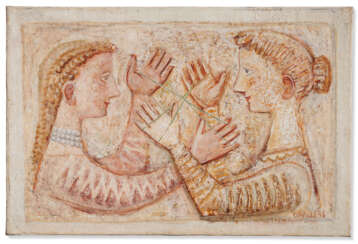

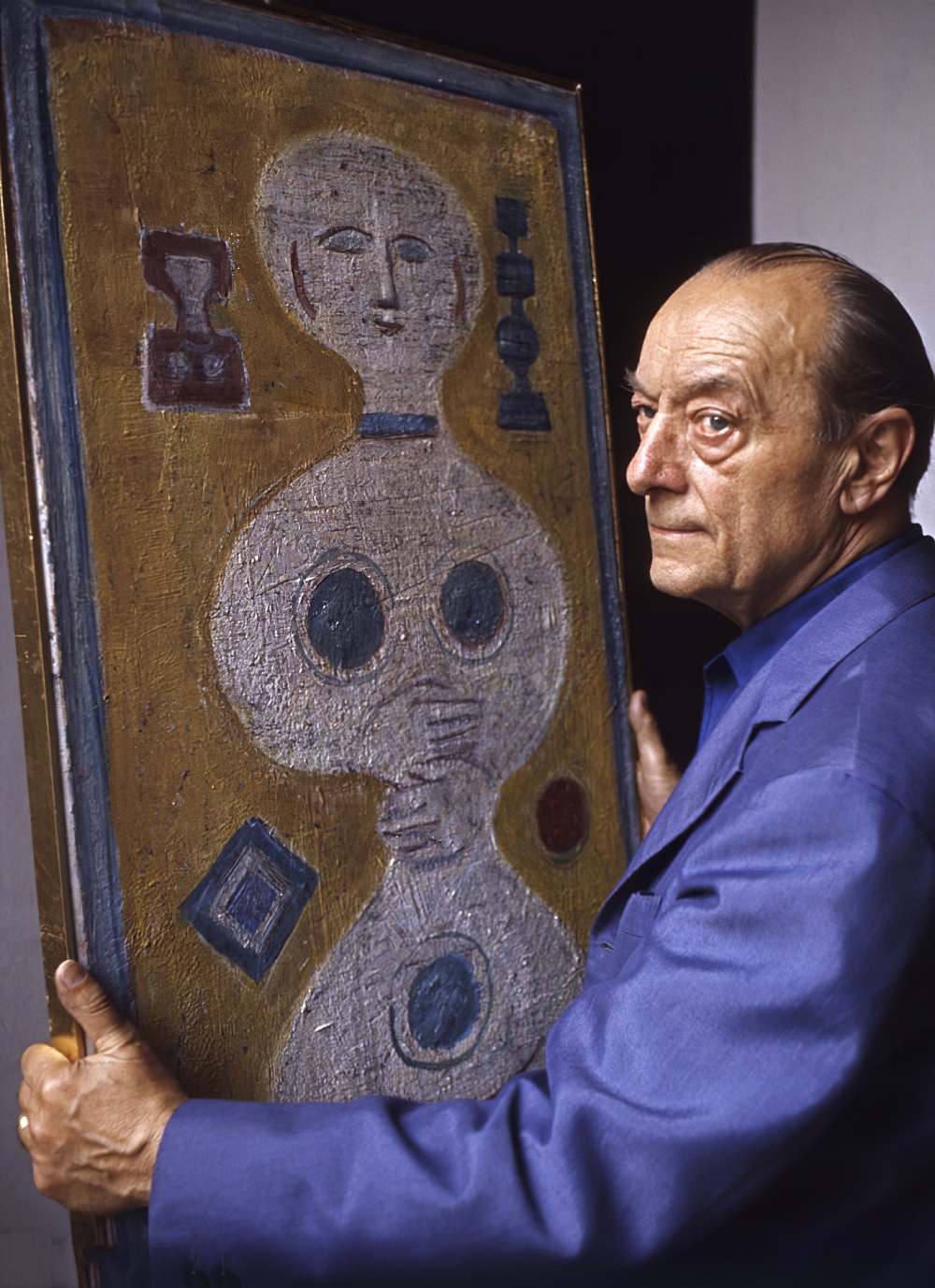
Massimo Campigli was an Italian painter and writer. He was studied art in Florence and Paris.
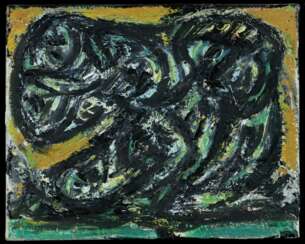
Campigli's art was heavily influenced by the Cubist and Surrealist movements, and his paintings often featured bold, geometric shapes and stylized figures. He was known for his use of bright colors and flat planes of color, which gave his work a sense of depth and dimension.
In addition to his art, Campigli was also a writer, and published several books and essays on art and literature throughout his career. He was a member of the Italian Communist Party, and his political beliefs often informed his work.
Campigli's art was widely exhibited throughout Europe and the United States during his lifetime, and he received numerous awards and honors for his contributions to the arts.
Today, Campigli is considered one of the most important Italian painters of the 20th century, and his work continues to be studied and exhibited around the world. His legacy has had a significant impact on the development of modern and contemporary art.

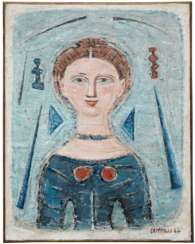

Massimo Campigli was an Italian painter and writer. He was studied art in Florence and Paris.
Campigli's art was heavily influenced by the Cubist and Surrealist movements, and his paintings often featured bold, geometric shapes and stylized figures. He was known for his use of bright colors and flat planes of color, which gave his work a sense of depth and dimension.
In addition to his art, Campigli was also a writer, and published several books and essays on art and literature throughout his career. He was a member of the Italian Communist Party, and his political beliefs often informed his work.
Campigli's art was widely exhibited throughout Europe and the United States during his lifetime, and he received numerous awards and honors for his contributions to the arts.
Today, Campigli is considered one of the most important Italian painters of the 20th century, and his work continues to be studied and exhibited around the world. His legacy has had a significant impact on the development of modern and contemporary art.

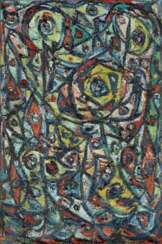

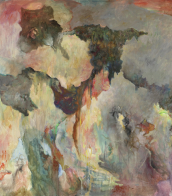
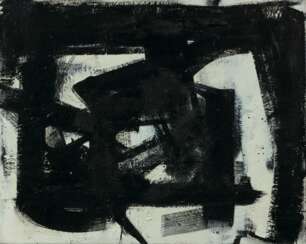


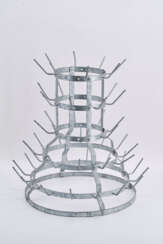

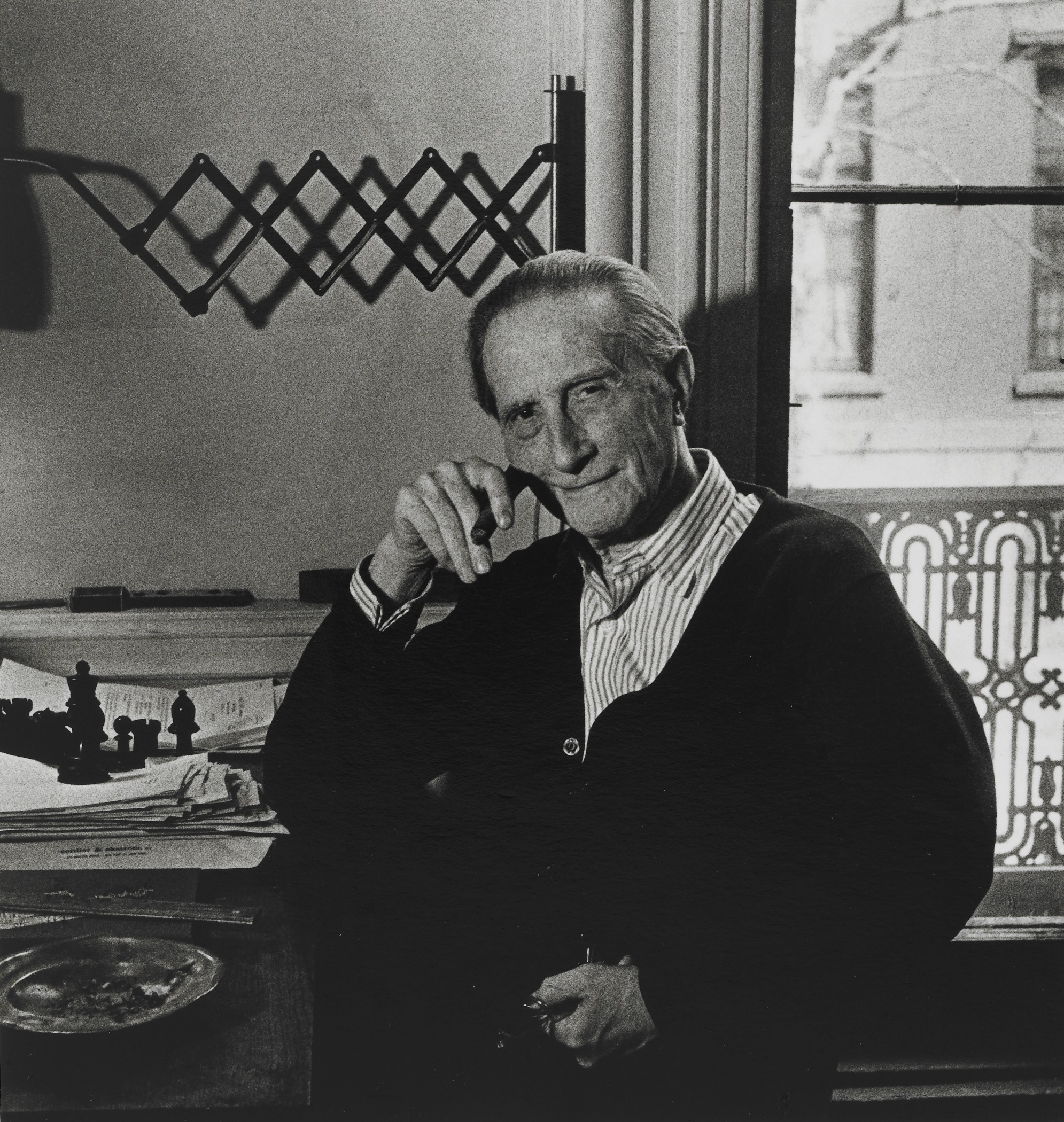
Henri-Robert-Marcel Duchamp, a pioneering French artist, is celebrated for his profound influence on 20th-century art and culture. Duchamp's work transcended traditional mediums, embracing painting, sculpture, and conceptual art, thereby redefining the very nature of artistic creation. His audacious approach to art, marked by intellectualism and wit, challenged conventional perceptions of beauty and utility, making him a central figure in the development of modern and postmodern art.
Duchamp's most notable contributions include his ready-mades—ordinary manufactured objects that he selected and presented as art. This innovative concept questioned the role of the artist and the creation process, exemplified by his famous piece, "Fountain," a porcelain urinal that radically altered the landscape of art by its mere presentation in 1917. His other significant works, like "Nude Descending a Staircase, No. 2," showcased his fascination with movement and mechanization, further cementing his legacy as a visionary.
Duchamp's influence extends beyond his creations, as he played a vital role in shaping the Dada movement and conceptual art. His ideas and artworks continue to inspire artists, collectors, and experts in the fields of art and antiques. Museums and galleries worldwide, including the Philadelphia Museum of Art and the Museum of Modern Art in New York, proudly house his works, attesting to his enduring relevance.
For those keen on exploring the intersections of art, culture, and history, Duchamp offers a rich tapestry of innovation and controversy. Collectors and art enthusiasts are invited to sign up for updates on new product sales and auction events related to Henri-Robert-Marcel Duchamp, ensuring they remain at the forefront of developments in this captivating domain.





.jpg)
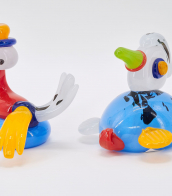
Franz West was an Austrian artist.














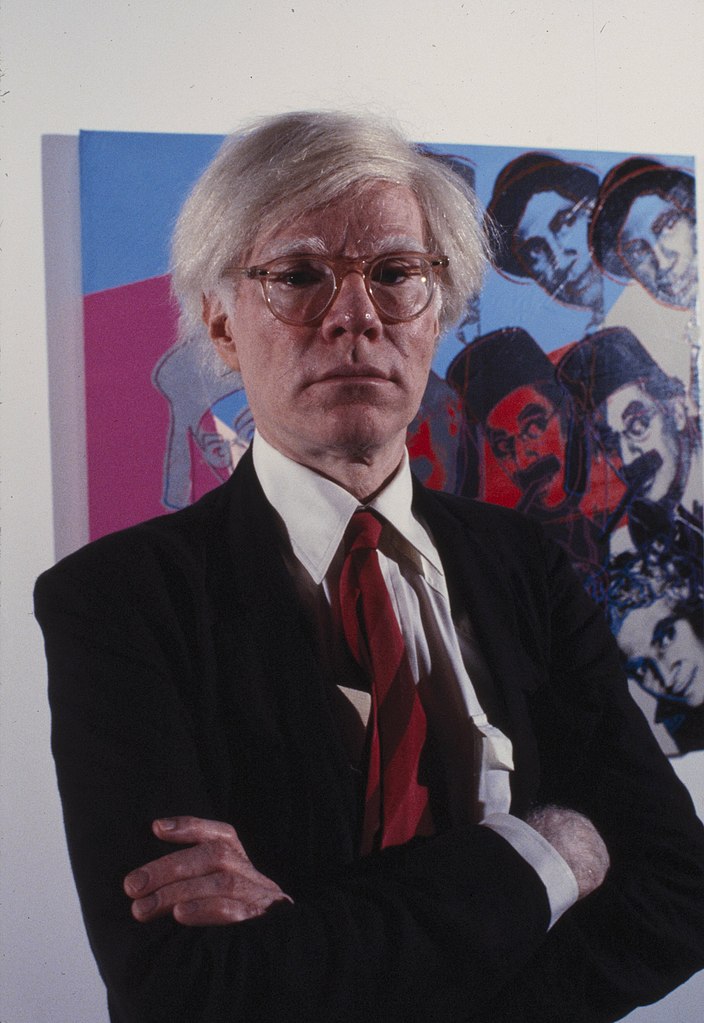
Andy Warhol, born as Andrew Warhola Jr., was an American visual artist, film director, and producer, who played a pivotal role in the development of the Pop Art movement. His art delved into the interplay between artistic expression, advertising, and celebrity culture, especially prevalent in the 1960s. Warhol was renowned for his diverse range of media, which included painting, silkscreening, photography, film, and sculpture.
Warhol's journey began in Pittsburgh, where he was born and raised, initially making a name for himself as a commercial illustrator. His New York studio, "The Factory," became a famous hub for intellectuals, celebrities, and various artistic minds. He was known for creating the notion of "Warhol superstars" and popularized the phrase "15 minutes of fame."
His contribution to the art world is significant, with notable works like "Campbell's Soup Cans" (1962) and "Marilyn Diptych" (1962), as well as his experimental films like "Empire" (1964) and "Chelsea Girls" (1966). These works not only define his career but also underscore the essence of the Pop Art movement.
Warhol's influence extended beyond his artwork. He managed and produced the experimental rock band The Velvet Underground, founded Interview magazine, and wrote several books, including "The Philosophy of Andy Warhol" and "Popism: The Warhol Sixties." Living openly as a gay man before the gay liberation movement, Warhol's personal life was as influential as his professional endeavors.
Tragically, Warhol's life was nearly cut short in 1968 when he was shot by radical feminist Valerie Solanas. He eventually passed away in 1987 due to cardiac arrhythmia following gallbladder surgery. His legacy continues, with The Andy Warhol Museum in Pittsburgh standing as the largest U.S. museum dedicated to a single artist.
Warhol's art remains highly collectible and valuable. His works, like the "Silver Car Crash (Double Disaster)" and "Shot Sage Blue Marilyn," have fetched staggering amounts at auctions, signifying his enduring impact on the art market.
For art collectors and experts, Andy Warhol's work represents a crucial intersection of pop culture and fine art, offering a unique perspective on consumerism and celebrity. His pieces are not just art; they are historical landmarks that capture a transformative era in both art and society.
To stay updated on new products, sales, and auction events related to Andy Warhol, sign up for our updates. This subscription will keep you informed about all things Warhol without overwhelming you with unnecessary information.
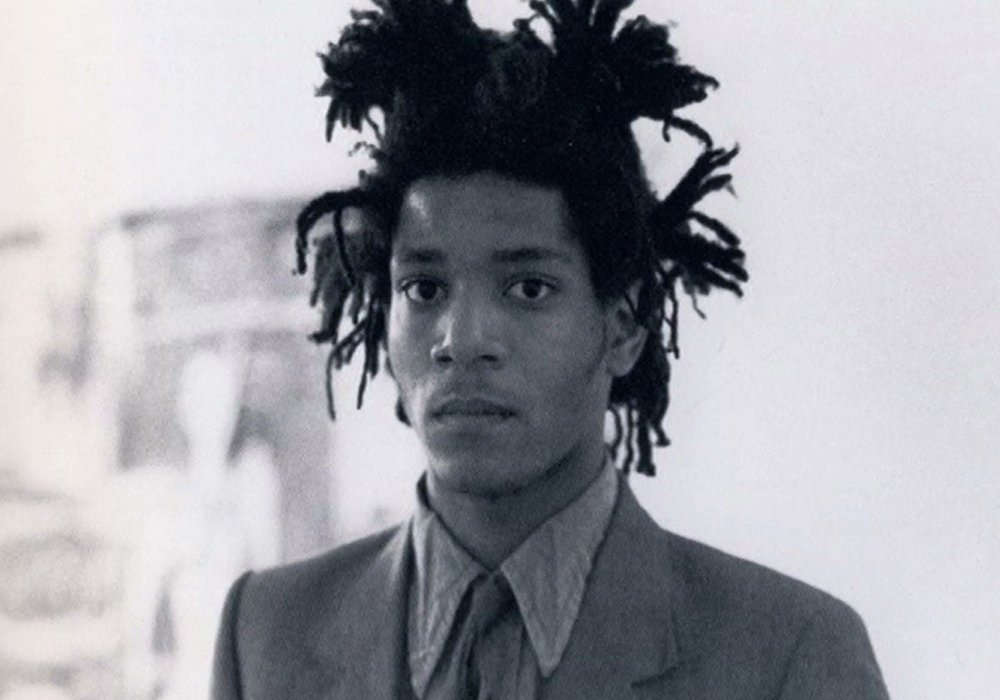
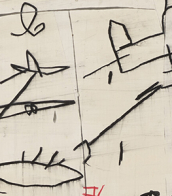
Jean-Michel Basquiat was an American artist who rose to success during the 1980s as part of the Neo-expressionism movement.















.jfif)
Richard William Hamilton was a pivotal figure in the evolution of modern art, seamlessly blending traditional mediums with emerging cultural commentary. Born in London in 1922, Hamilton emerged as a leading voice in the pop art movement, a genre that sought to bridge the gap between high art and popular culture. His work, characterized by its innovative use of materials and its critical eye on consumer society, positioned him as a critical link between art's past and its rapidly evolving future.
Hamilton's influence is perhaps best encapsulated in his iconic collage, "Just what is it that makes today's homes so different, so appealing?" Created for the This Is Tomorrow exhibition in 1956, this piece is widely regarded as one of the first works of pop art, predating the more widely recognized contributions of American artists like Andy Warhol and Roy Lichtenstein. By integrating images from magazines, advertisements, and other mass media, Hamilton crafted a visually striking critique of contemporary consumerism and its pervasive impact on the domestic sphere.
Beyond his contributions to pop art, Hamilton's legacy is also preserved in his role as an educator and theorist. His writings and teachings have influenced generations of artists, encouraging them to explore the intersections of art, technology, and society. His works are held in high esteem and are featured in prestigious collections worldwide, including the Tate Gallery in London and the Museum of Modern Art in New York.
For collectors and experts in art and antiques, Hamilton's oeuvre offers a fascinating window into the mid-20th century's cultural shifts. His ability to capture the zeitgeist of his time, while also pushing the boundaries of what art could be, makes his work both historically significant and continually relevant.
To stay informed about new product sales and auction events related to Richard William Hamilton, we invite you to sign up for updates. This subscription ensures you remain at the forefront of the art and antiques world, with a focus on one of its most influential figures.