how many led can lights
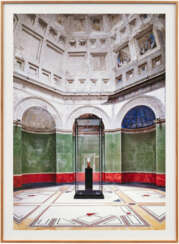

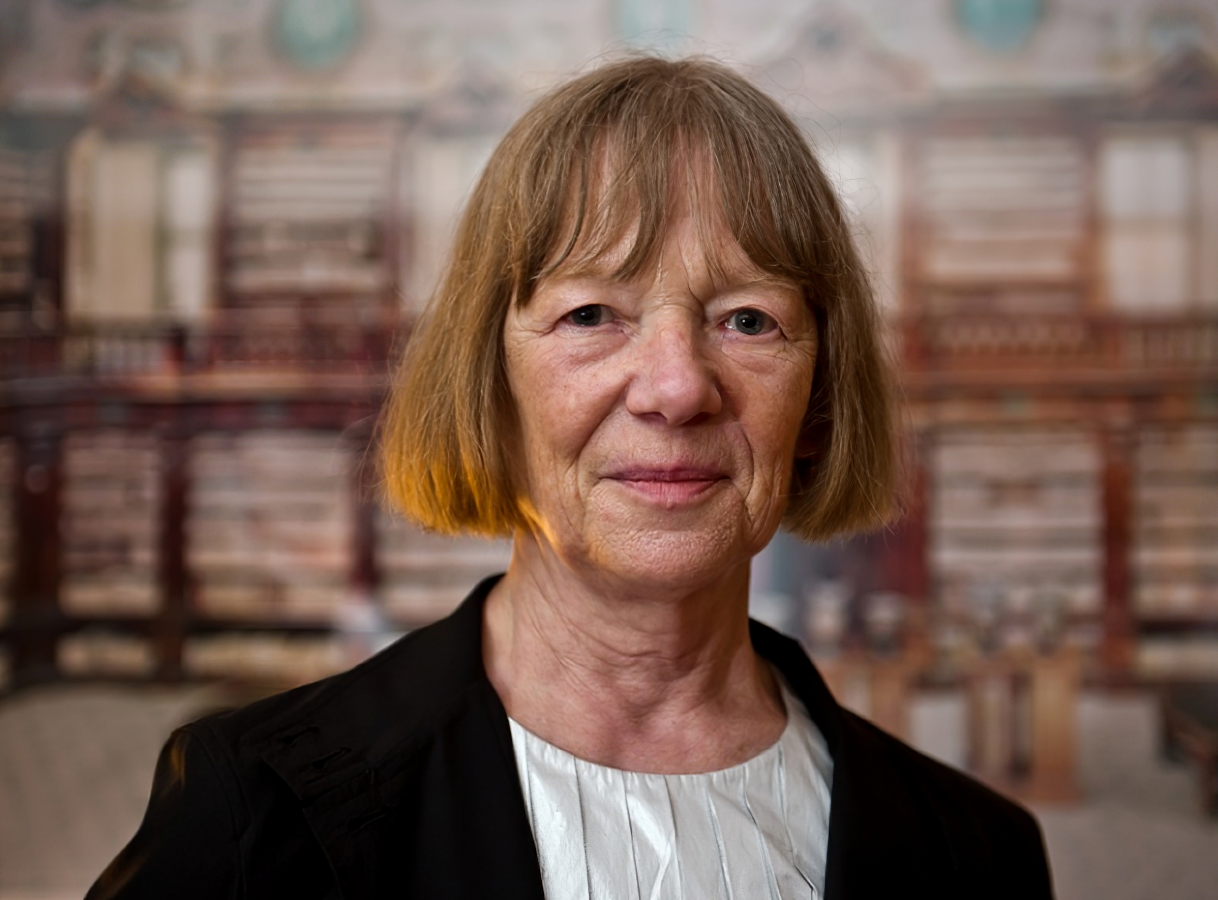
Candida Höfer is a German photographer. She is a former student of Bernd and Hilla Becher. Like other Becher students, Höfer's work is known for technical perfection and a strictly conceptual approach. From 1997 to 2000, she taught as professor at the Hochschule für Gestaltung, Karlsruhe. Höfer is the recipient of the 2018 Outstanding Contribution to Photography award, as part of the Sony World Photography awards. She is based in Cologne.



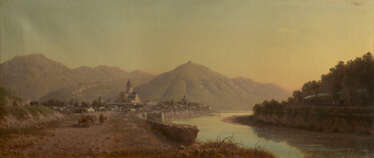



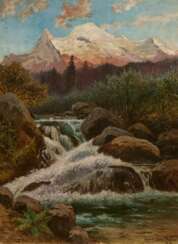

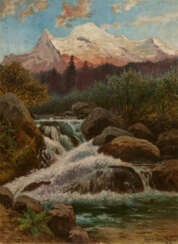



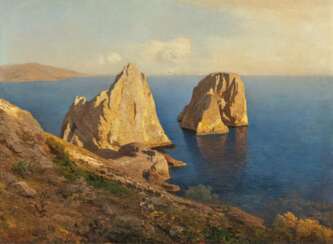

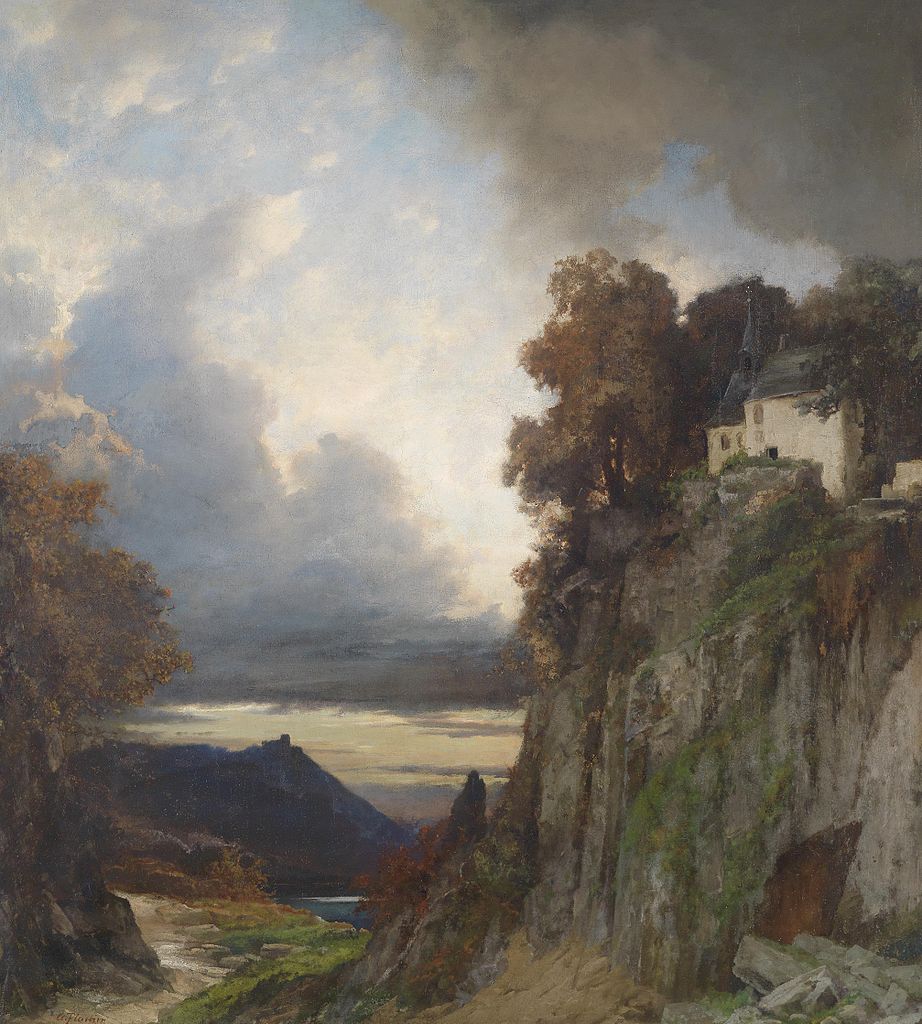
Albert Flamm was a German artist of the Düsseldorf school. He studied architecture at the Dusseldorf Academy of Art and in Antwerp. In 1841 he turned to painting and became a pupil of Andreas Achenbach. In 1848 Flamm became one of the founders of the Malkasten artists' association.
Albert Flamm painted mainly Italian landscapes, recognised for their truthfulness of nature, their vivid colours and their virtuosic treatments. He often chose an elevated viewing position to be able to create wide panoramic perspectives in warm, bright sunlight and with finely rendered detail.

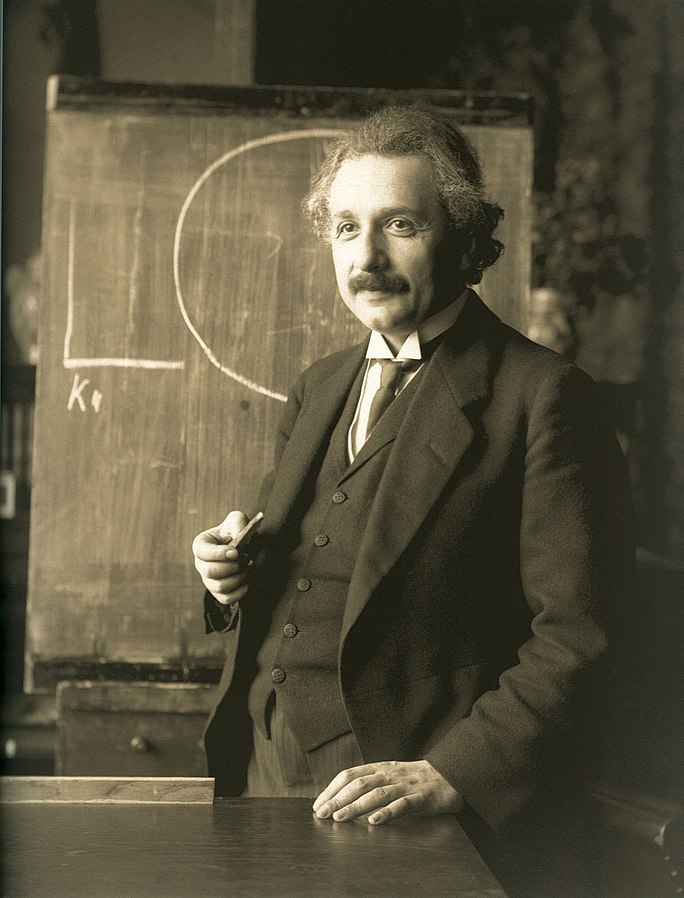
Albert Einstein was a German-born theoretical physicist, widely acknowledged to be one of the greatest and most influential physicists of all time. Einstein is best known for developing the theory of relativity, but he also made important contributions to the development of the theory of quantum mechanics. Relativity and quantum mechanics are together the two pillars of modern physics. His mass–energy equivalence formula E = mc2, which arises from relativity theory, has been dubbed "the world's most famous equation". His work is also known for its influence on the philosophy of science. He received the 1921 Nobel Prize in Physics "for his services to theoretical physics, and especially for his discovery of the law of the photoelectric effect", a pivotal step in the development of quantum theory. His intellectual achievements and originality resulted in "Einstein" becoming synonymous with "genius".

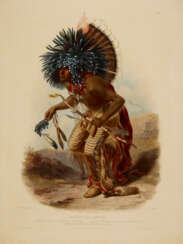

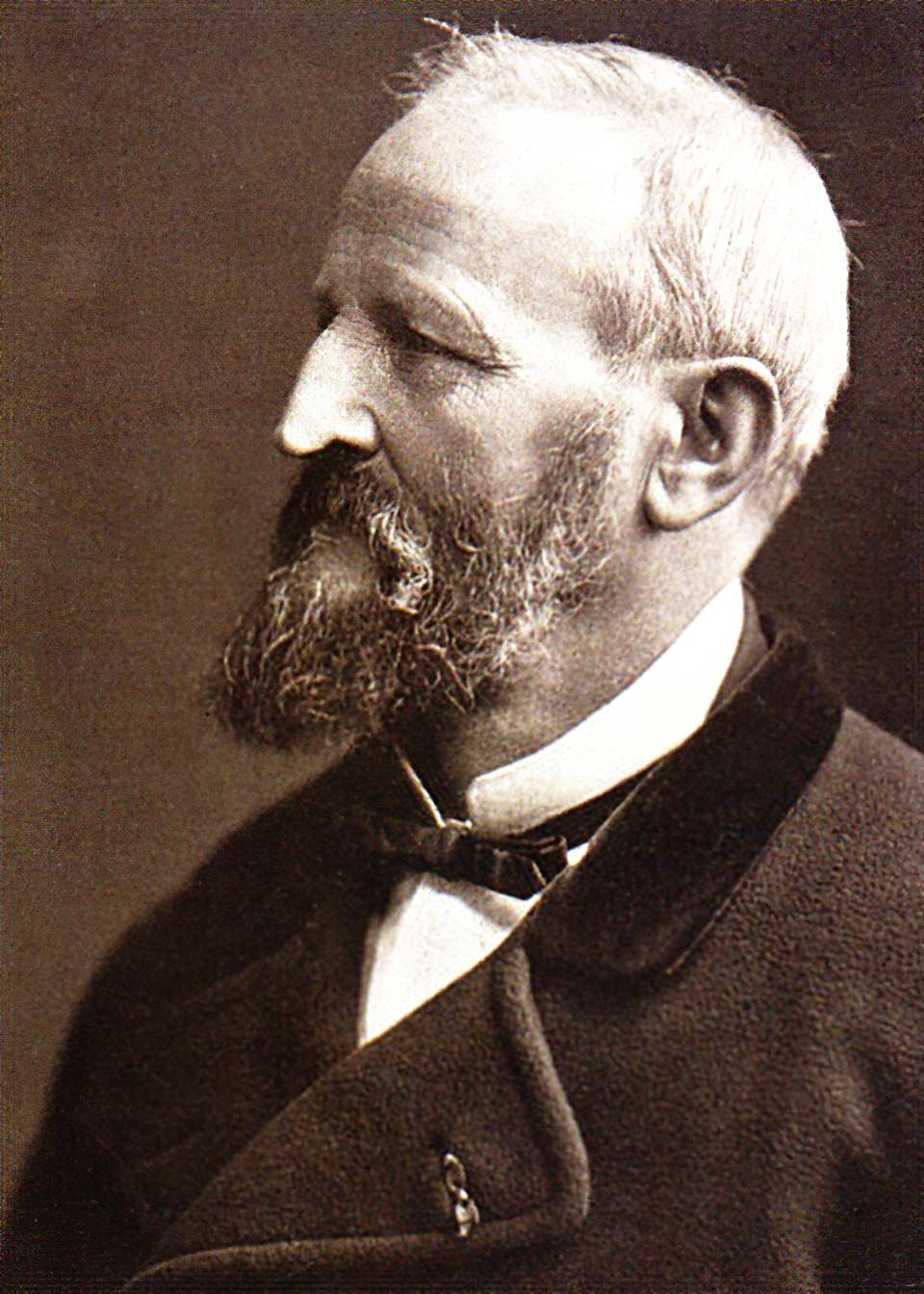
Karl Bodmer was a Swiss-French printmaker, etcher, lithographer, zinc engraver, draughtsman, painter, illustrator and hunter.

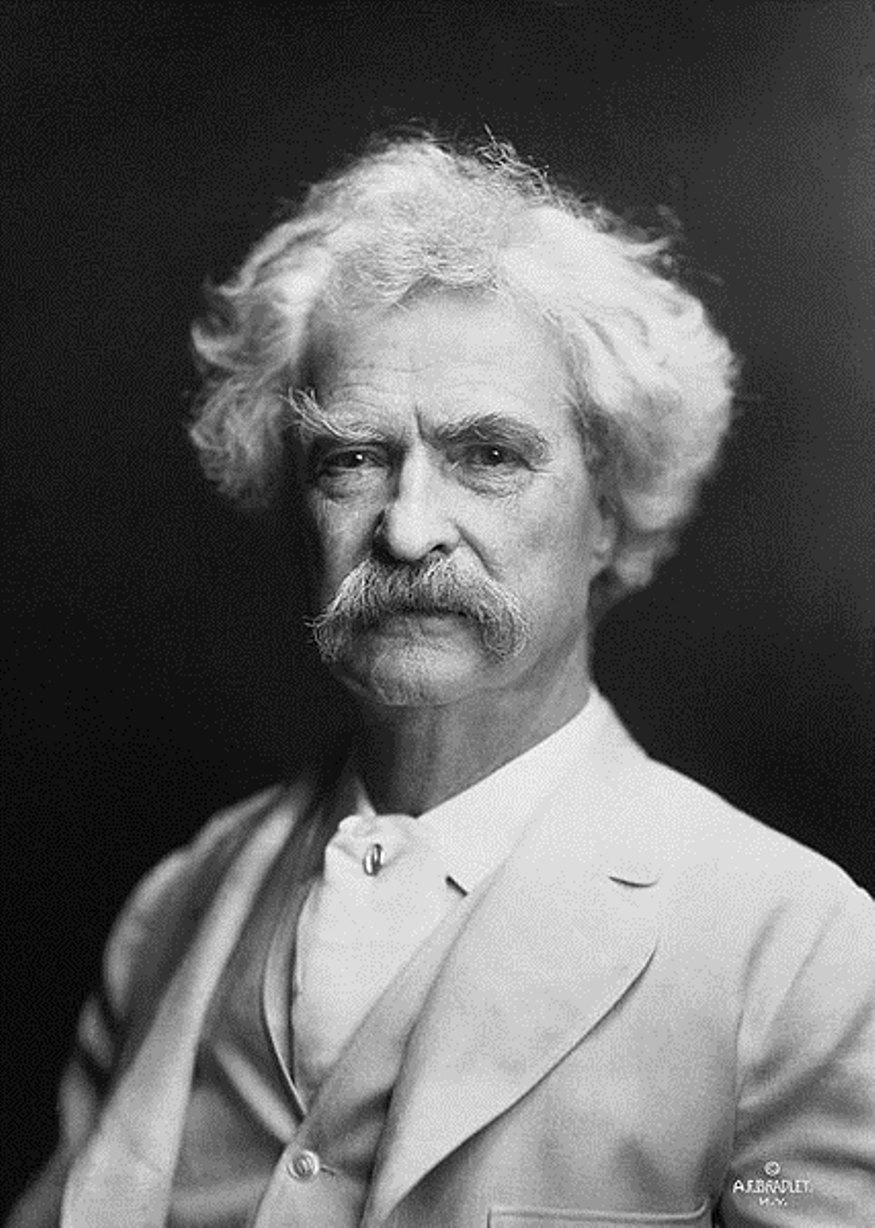
Mark Twain, real name Samuel Langhorne Clemens, was an American humanist writer, journalist, and social activist.
As a young man, Samuel worked in the printing press and in the gold mines, then went on a steamboat trip to Europe and the "Holy Land". His travel letters, full of vivid descriptions and ironic observations, were very well received by the public and were later revised into his first book, Innocents Abroad, published in 1869.
The pseudonym "Mark Twain" first appeared in 1863 under one of Samuel Clemens' short stories, and since then all his significant works have been signed by that name.
A talented storyteller, a peculiar humorist and moralist, Twain knew and loved his many diverse characters. His scandalizers and dreamers, caring aunts and ambitious politicians, grumpy widows and lying aristocrats, cunning but generous slaves, sentimental moralists, brave and naive children - all these types of American people Twain gave voice to thanks to his masterful command of colloquial language, slang and jargon. Twain wrote a lot and in a variety of genres: humor and satire, philosophical fiction and journalism and others, but he always stood on the position of humanist and democrat.
Mark Twain became world famous for his travel stories and adventure novels about his childhood, these are "The Adventures of Tom Sawyer" (1876) and "The Adventures of Huckleberry Finn" (1885). Twain is still one of America's, and indeed the world's, best and most beloved writers. His works have been and are still being published in many languages around the world.
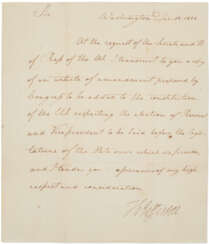

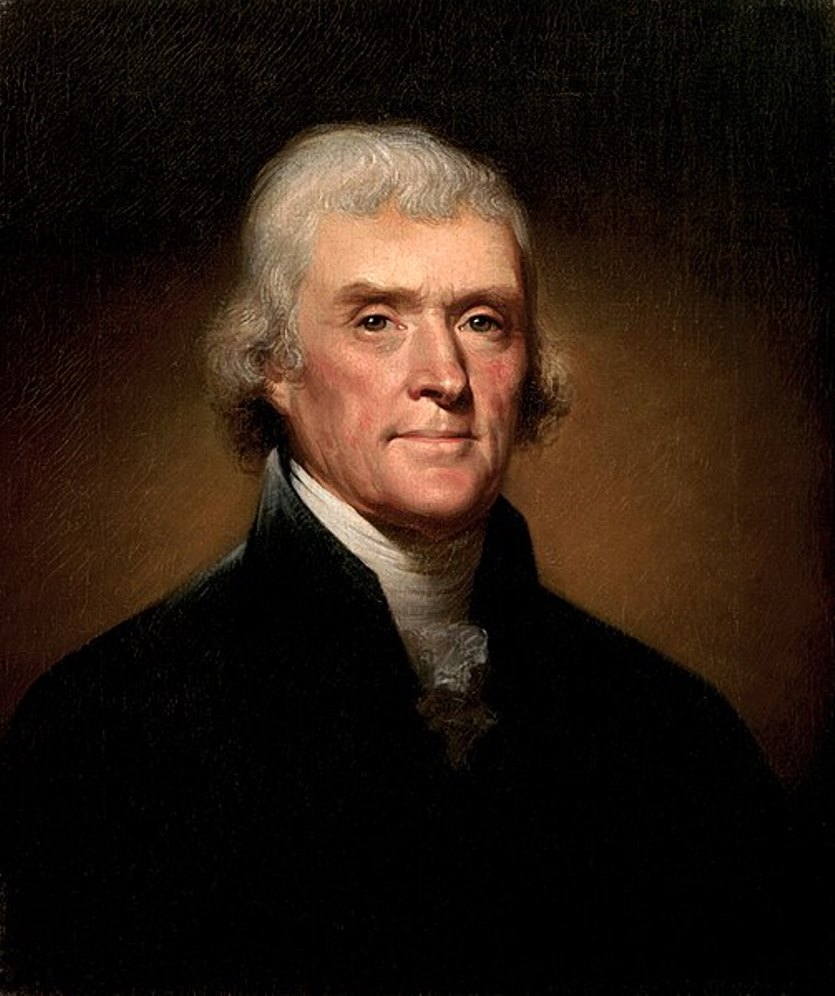
Thomas Jefferson was an American politician and statesman, the third President of the United States (March 4, 1801 - March 4, 1809).
Jefferson was the son of a planter and received a law degree. In 1774, he wrote A Summary of the Rights of British America, which attracted public attention, and he soon gained a reputation as one of the first advocates of American independence from the authority of the British Parliament. In the spring of 1775, the Virginia legislature appointed him a delegate to the Second Conference of the Continental Congress. A year later he was appointed to a committee of five, which also included Adams and Benjamin Franklin, to draft a formal statement of reasons to justify a break with Great Britain. Jefferson thus became one of the authors of the Declaration of Independence. Jefferson succeeded Benjamin Franklin as minister to France in 1785, was secretary of state (1790-1793) under Washington, and vice president (1797-1801) under John Adams.
A Democratic-Republican, Jefferson, who believed that the national government should play a limited role in the lives of citizens, was elected president in 1800. One of the most significant accomplishments of Jefferson's first administration was the purchase of the Louisiana Territory from France for $15 million dollars in 1803 (from the Gulf of Mexico to present-day Canada), effectively doubling the size of the United States. During his second term, Jefferson was focused on trying to keep America out of the Napoleonic Wars in Europe. After his second term as president, he was succeeded by James Madison in 1808.
Upon leaving office, Jefferson retired to his plantation in Virginia, pursued his favorite pastimes, and helped found the University of Virginia. In addition to politics, he is known as a writer, farmer, horticulturist, inventor, book collector, art historian, architect, and scientist. He died at the age of 83 on July 4, 1826, the 50th anniversary of the Declaration of Independence.
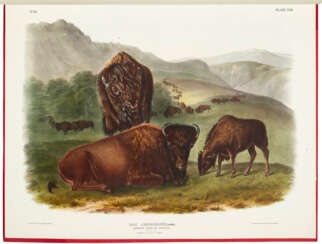

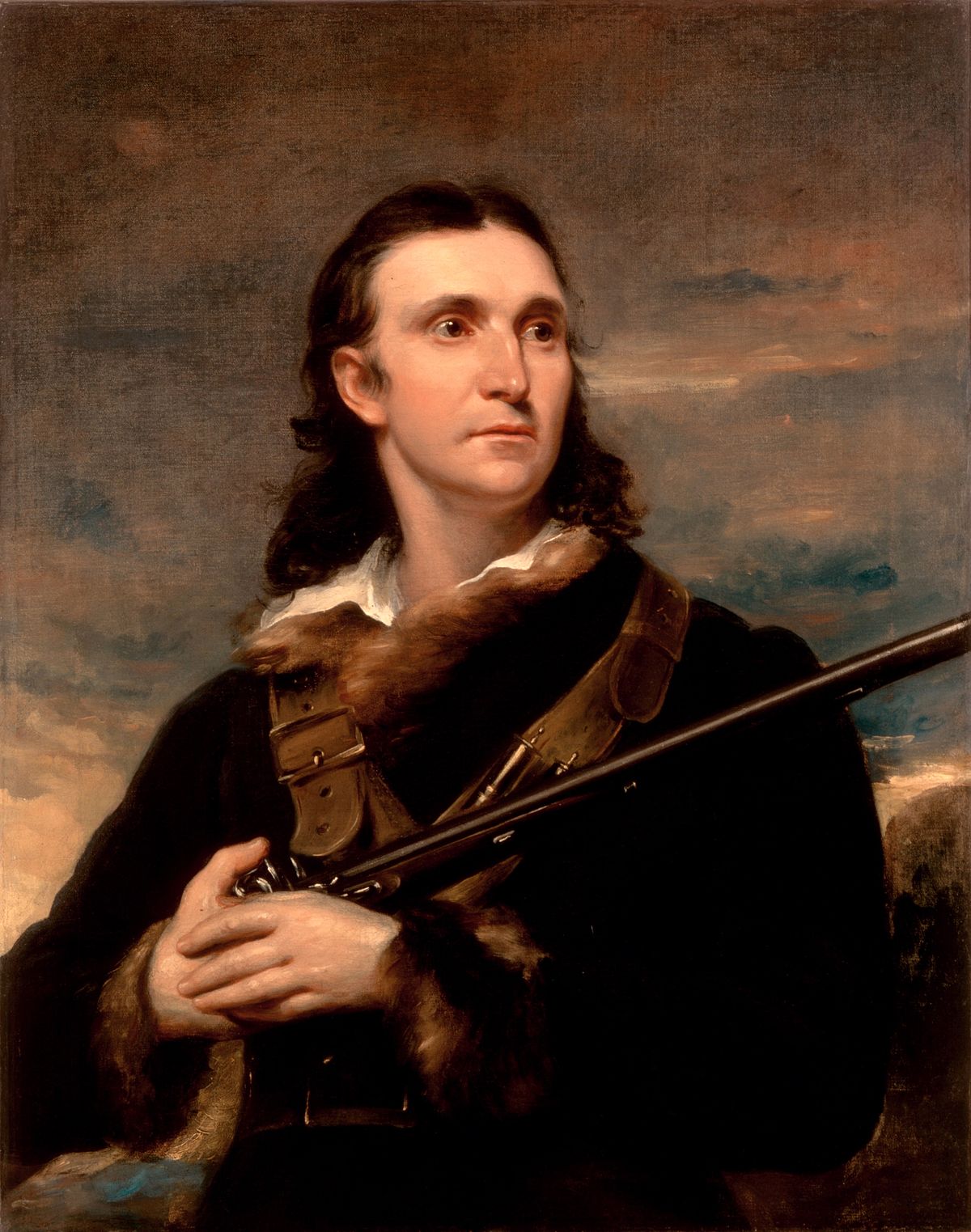
John James Audubon was a French-American ornithologist and painter, renowned for his groundbreaking illustrations of American birds. Born in 1785 in Les Cayes, Saint-Domingue (now Haiti), Audubon is remembered for his keen observation skills and innovative artistic techniques.
Audubon's most famous work, "The Birds of America," transformed the field of ornithology by presenting birds in lifelike poses and detailed backgrounds. Published between 1827 and 1838, it contained 435 hand-colored engravings, showcasing over 489 bird species. His unique approach to illustrating birds in their natural habitats was a departure from traditional methods, which often portrayed birds in rigid poses.
Audubon used a wire armature to position freshly-killed specimens, allowing him to depict birds with a sense of movement and vitality. This innovative technique was truly revolutionary and set him apart from his contemporaries. Additionally, Audubon's artistic skill and attention to detail made his illustrations highly sought after, with surviving copies of "The Birds of America" considered valuable collectibles today.
For art collectors and enthusiasts, Audubon's work continues to be a source of inspiration and admiration. His legacy endures through his contributions to ornithology and the art world, with museums and galleries showcasing his work. If you're interested in learning more about John James Audubon and his famous illustrations, consider subscribing to our newsletter for updates on new product sales and auction events related to his work.
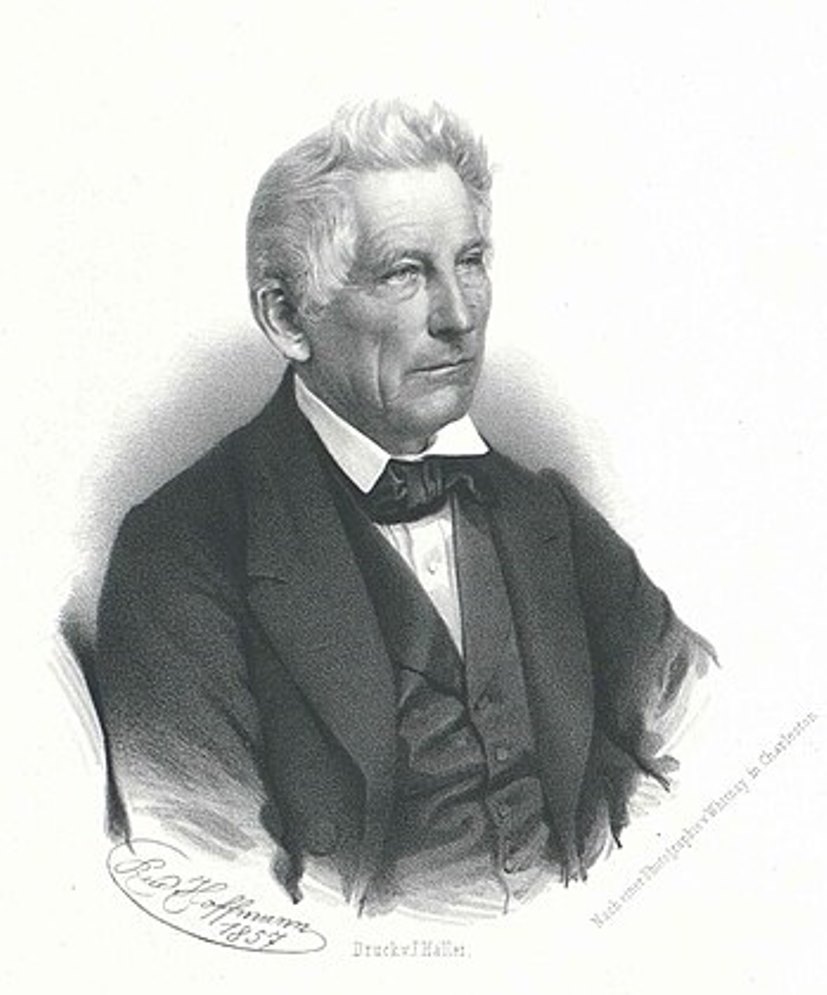

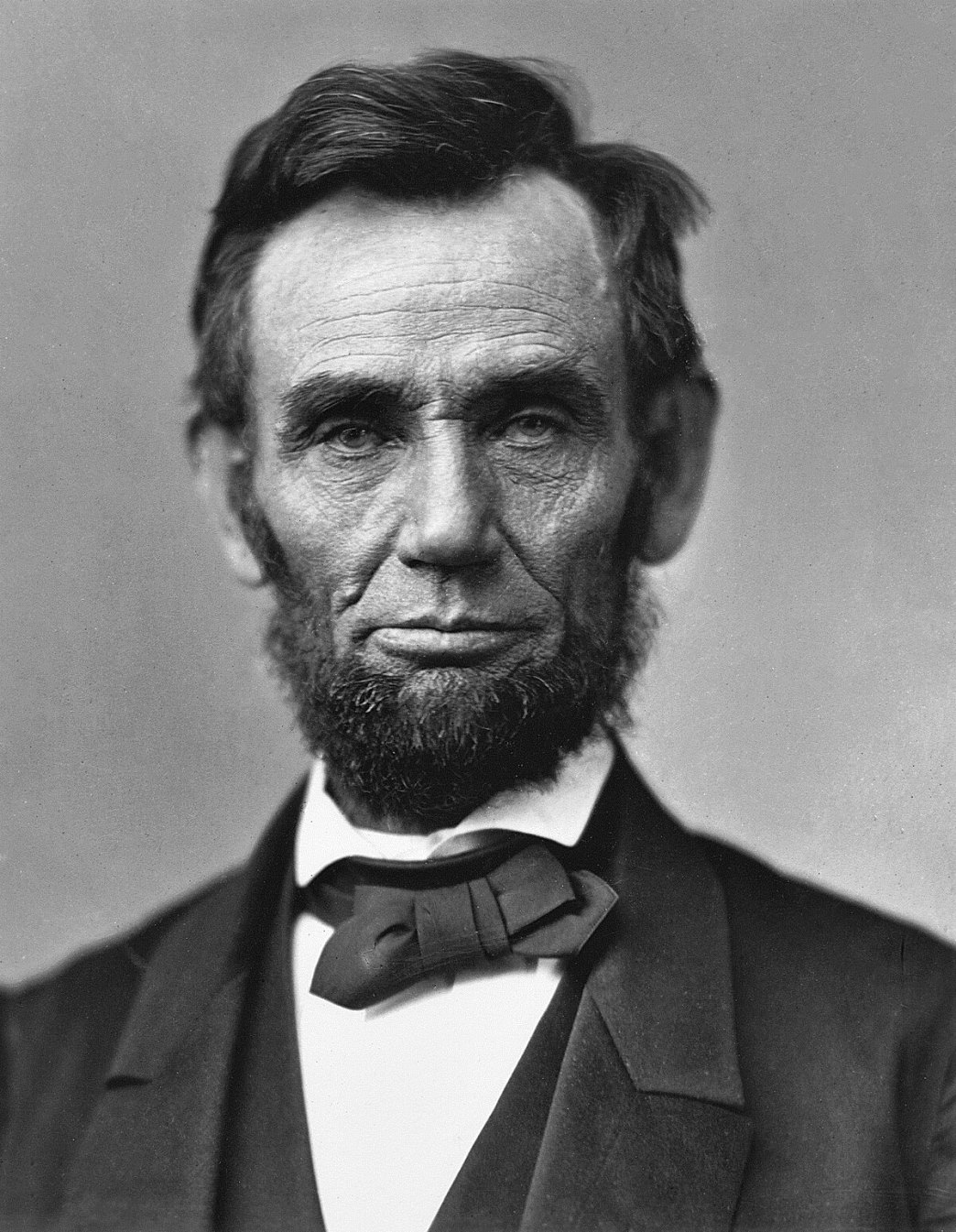
Abraham Lincoln was an American statesman and politician, the 16th President of the United States (March 4, 1861 - April 15, 1865).
The son of a frontiersman and a Kentucky farmer, Lincoln worked hard from an early age and struggled to learn. He was a militiaman in the Indian War, practiced law, and sat in the Illinois legislature for eight years. He was an opponent of slavery and gradually gained a national reputation that earned him victory in the 1860 presidential election.
After becoming the 16th president of the United States, Abraham Lincoln turned the Republican Party into a strong national organization. In addition, he drew most Northern Democrats to the Union side. On January 1, 1863, he issued the Emancipation Proclamation, which declared permanently free those slaves who were in Confederate territory. Lincoln considered secession illegal and was prepared to use force to defend federal law and the Union. Four more slave states joined the Confederacy, but four remained in the Union, and the Civil War of 1861-1865 began.
Lincoln personally directed the military action that led to victory over the Confederacy. Abraham Lincoln was reelected in 1864, and on April 14, 1865, he was fatally shot at Ford's Theatre in Washington, D.C. by actor John Wilkes Booth.
Abraham Lincoln is a national hero of the American people, he is considered one of the best and most famous presidents of the United States until today.


Abraham Lincoln was an American statesman and politician, the 16th President of the United States (March 4, 1861 - April 15, 1865).
The son of a frontiersman and a Kentucky farmer, Lincoln worked hard from an early age and struggled to learn. He was a militiaman in the Indian War, practiced law, and sat in the Illinois legislature for eight years. He was an opponent of slavery and gradually gained a national reputation that earned him victory in the 1860 presidential election.
After becoming the 16th president of the United States, Abraham Lincoln turned the Republican Party into a strong national organization. In addition, he drew most Northern Democrats to the Union side. On January 1, 1863, he issued the Emancipation Proclamation, which declared permanently free those slaves who were in Confederate territory. Lincoln considered secession illegal and was prepared to use force to defend federal law and the Union. Four more slave states joined the Confederacy, but four remained in the Union, and the Civil War of 1861-1865 began.
Lincoln personally directed the military action that led to victory over the Confederacy. Abraham Lincoln was reelected in 1864, and on April 14, 1865, he was fatally shot at Ford's Theatre in Washington, D.C. by actor John Wilkes Booth.
Abraham Lincoln is a national hero of the American people, he is considered one of the best and most famous presidents of the United States until today.
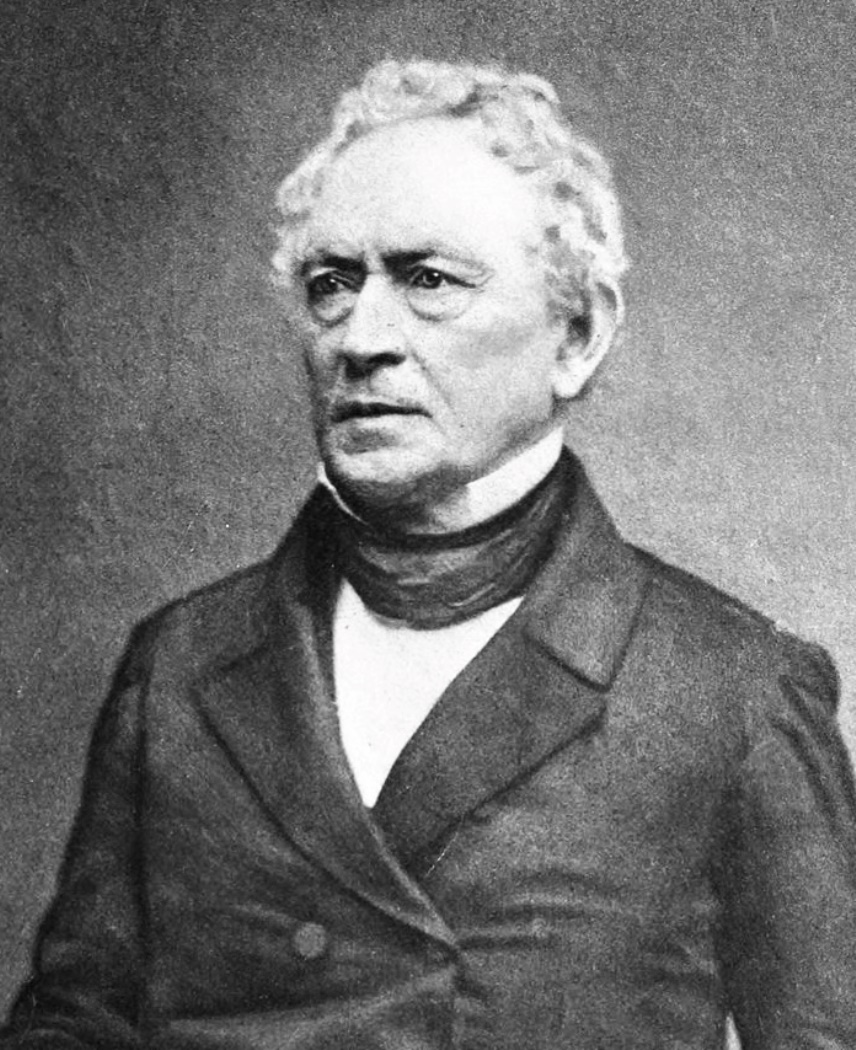



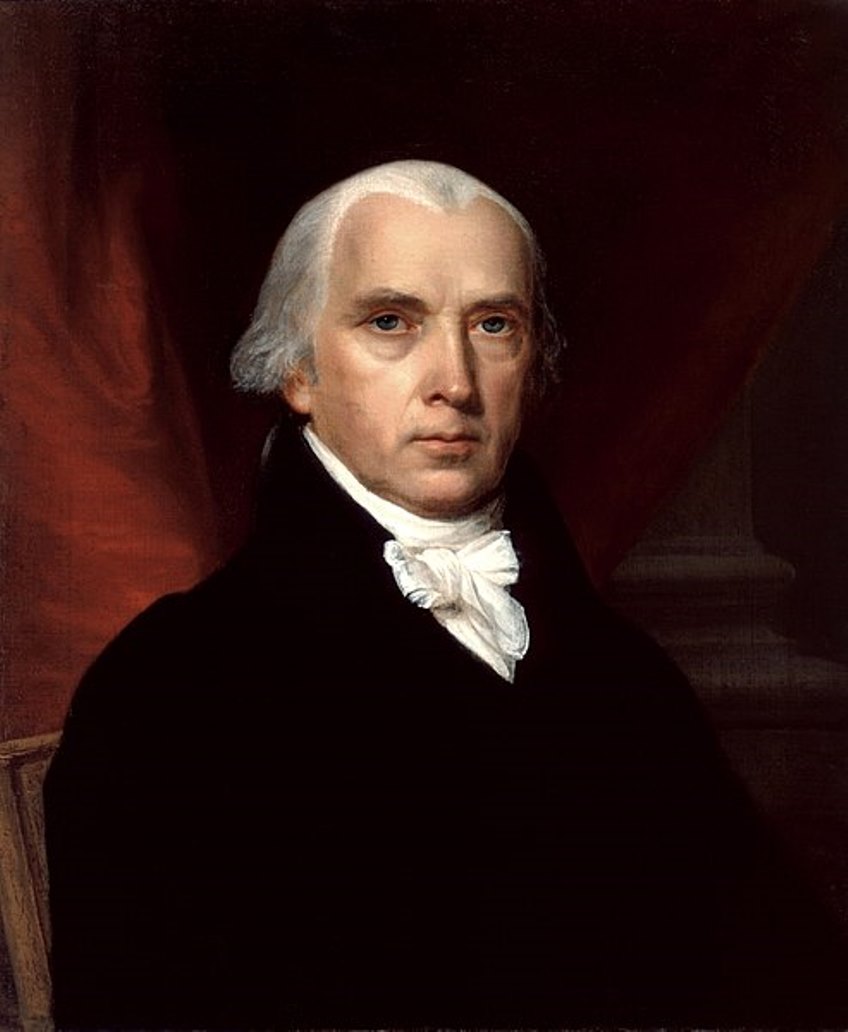
James Madison was an American politician and statesman, the fourth President of the United States (1809-1817).
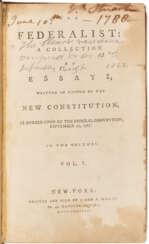
Madison attended Princeton and studied history, government, and law. He participated in the drafting of the Virginia Constitution in 1776, and in 1780 was chosen to represent Virginia in the Continental Congress (1780-83 and 1786-88). James Madison contributed greatly to the ratification of the Constitution, writing, with Alexander Hamilton and John Jay, The Federalist (1788). He was later called the "father of the Constitution."
In 1792, Madison and Thomas Jefferson (1743-1826) founded the Democratic-Republican Party, which has been called America's first opposition political party. When Jefferson became the third president of the United States, Madison served as his secretary of state. In Congress, he was involved in drafting the Bill of Rights and passing the first revenue legislation. As Secretary of State to President Jefferson (1801-1809), Madison protested to warring France and Great Britain that their seizure of American ships was contrary to international law.
Madison was elected president in 1808, succeeding Jefferson. Continued British interference in shipping, as well as other grievances, led to the War of 1812. During Madison's second term as president, the war was still ongoing, and he and his wife were even forced to flee in the face of advancing British troops who set Washington, D.C. on fire. Despite this, in 1815, the United States declared its victory in the war.
After the end of his second term, Madison remained active in public affairs. He edited his Journal of the Constitutional Convention, was co-chairman of the Virginia Constitutional Convention from 1829-1830, and chancellor of the University of Virginia from 1826-36. He was also Monroe's foreign policy advisor. Although Madison was a slave owner all his life, in the last years of his life he was active in the American Colonization Society, whose mission was to resettle slaves in Africa. James Madison died at the age of 85 in 1836.
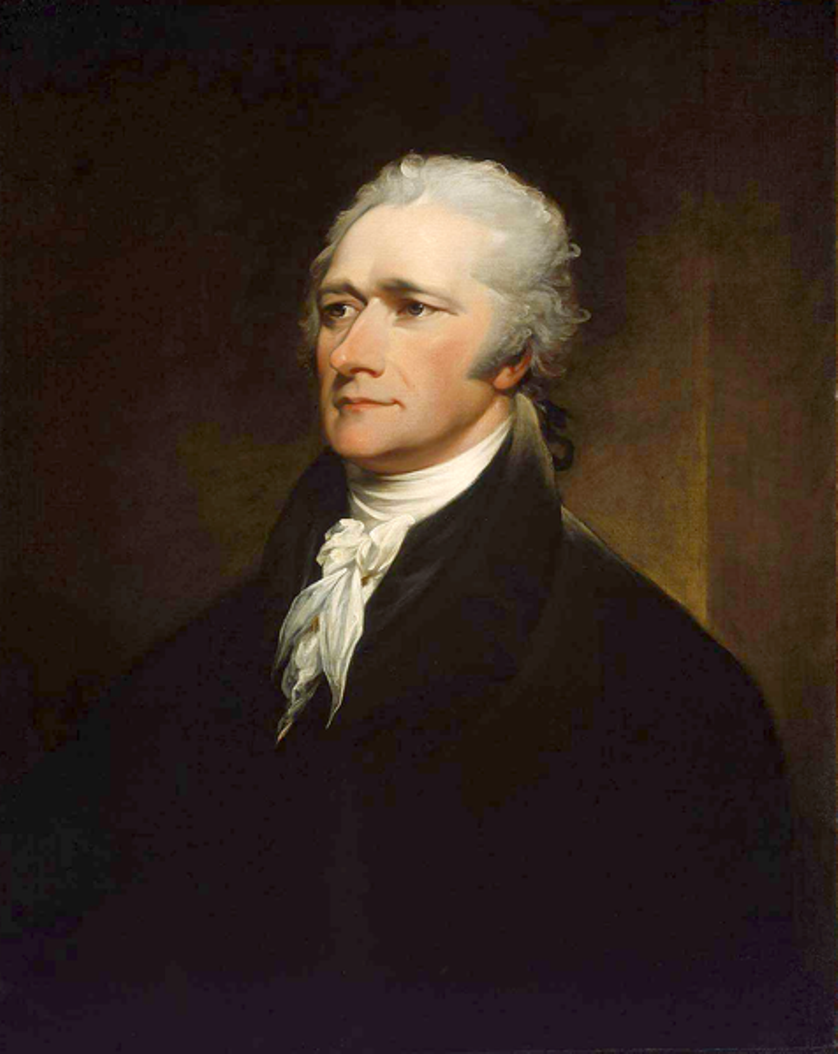
Alexander Hamilton was an American politician and statesman, the founder of the American financial system.
A native of Great Britain, Hamilton arrived in continental America in late 1772 and enrolled at King's College in New York. He became captain of an artillery company in 1776 and fought in the battles of Kips Bay, White Plains, Trenton, and Princeton during the American War of Independence. For four years he served on George Washington's staff as adjutant with the rank of lieutenant colonel. And in 1782, Hamilton was chosen by New York as a delegate to the Confederate Congress.
Alexander Hamilton was also one of New York's delegates to the Constitutional Convention in Philadelphia in 1787. He was a passionate advocate of the Constitution and, along with future President James Madison and John Jay, contributed to the famous book The Federalist (1788), writing most of the essays for it. After George Washington was elected the nation's first president in 1789, he appointed Hamilton Secretary of the Treasury. As the first Secretary of the Treasury (1789-1795), Hamilton developed plans to finance the national debt, secure federal credit, encourage the expansion of manufacturing, and organize a federal bank. In 1801, Hamilton founded the New York Evening Post newspaper.
On July 11, 1804, Hamilton was mortally wounded in a duel with his personal and political rival, Vice President Aaron Burr. Today, Alexander Hamilton is revered as one of the founding fathers of the United States, he is known for his role in creating America's financial system, and his portrait is on the ten dollar bill.
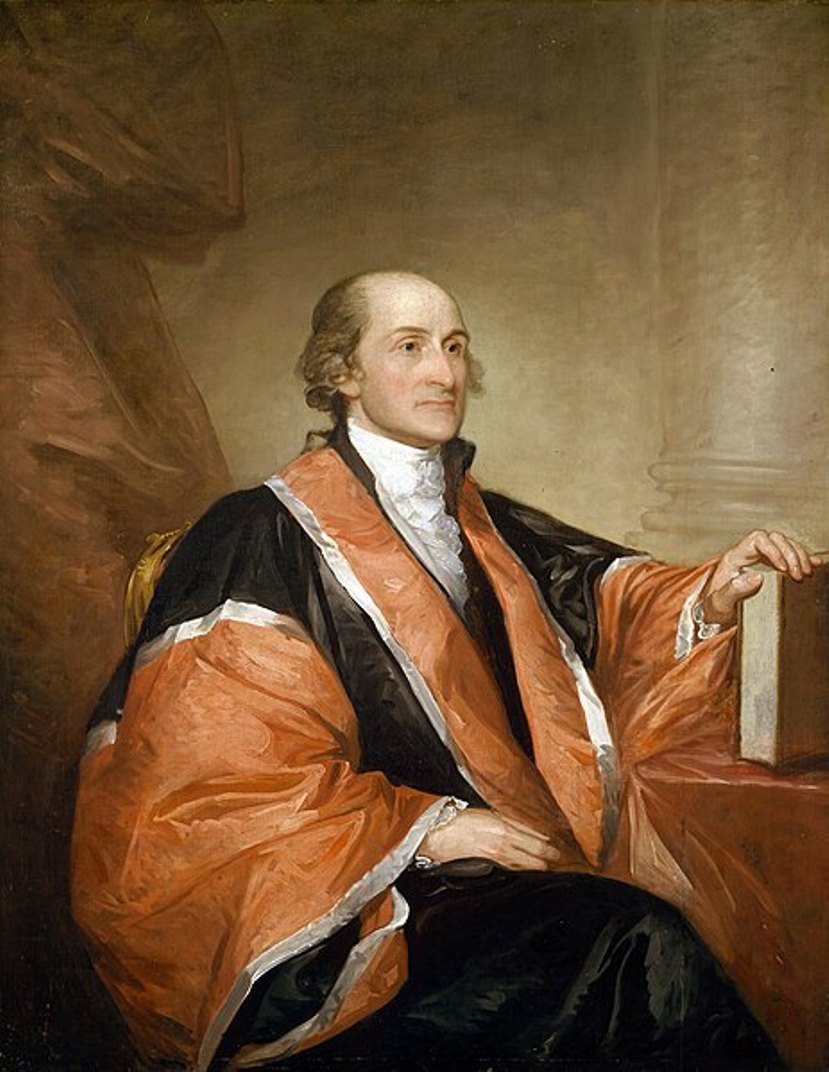
John Jay was an American lawyer and diplomat, statesman, and one of the founding fathers of the United States.
Jay came from French Huguenots, after graduating from King's College (now Columbia University) he entered law school and was admitted to the bar in 1768. After the outbreak of hostilities in the spring of 1775, Jay continued to serve both in New York and in the Continental Congress, which elected him president in late 1778.
In the fall of 1779 he was appointed minister plenipotentiary to Spain, which had recently entered into an alliance with France against England. In May 1782 he traveled to Paris, where a treaty was concluded that formally ended the war with Great Britain in 1783. Before returning to America in July 1784, Jay was appointed secretary of foreign affairs.
In 1788, Jay actively advocated for the ratification of the U.S. Constitution by the state of New York. Together with future President James Madison and economist Alexander Hamilton, he participated in the creation of the famous book The Federalist (1788). Under the new Constitution, President Washington appointed John Jay Chief Justice of the United States in 1789, and in July 1795 he became Governor of New York. After completing his second term as governor in June 1801. Jay retired to his farm in Bedford, New York.

Alexander Hamilton was an American politician and statesman, the founder of the American financial system.
A native of Great Britain, Hamilton arrived in continental America in late 1772 and enrolled at King's College in New York. He became captain of an artillery company in 1776 and fought in the battles of Kips Bay, White Plains, Trenton, and Princeton during the American War of Independence. For four years he served on George Washington's staff as adjutant with the rank of lieutenant colonel. And in 1782, Hamilton was chosen by New York as a delegate to the Confederate Congress.
Alexander Hamilton was also one of New York's delegates to the Constitutional Convention in Philadelphia in 1787. He was a passionate advocate of the Constitution and, along with future President James Madison and John Jay, contributed to the famous book The Federalist (1788), writing most of the essays for it. After George Washington was elected the nation's first president in 1789, he appointed Hamilton Secretary of the Treasury. As the first Secretary of the Treasury (1789-1795), Hamilton developed plans to finance the national debt, secure federal credit, encourage the expansion of manufacturing, and organize a federal bank. In 1801, Hamilton founded the New York Evening Post newspaper.
On July 11, 1804, Hamilton was mortally wounded in a duel with his personal and political rival, Vice President Aaron Burr. Today, Alexander Hamilton is revered as one of the founding fathers of the United States, he is known for his role in creating America's financial system, and his portrait is on the ten dollar bill.
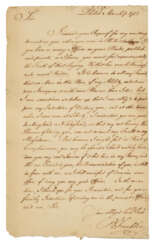

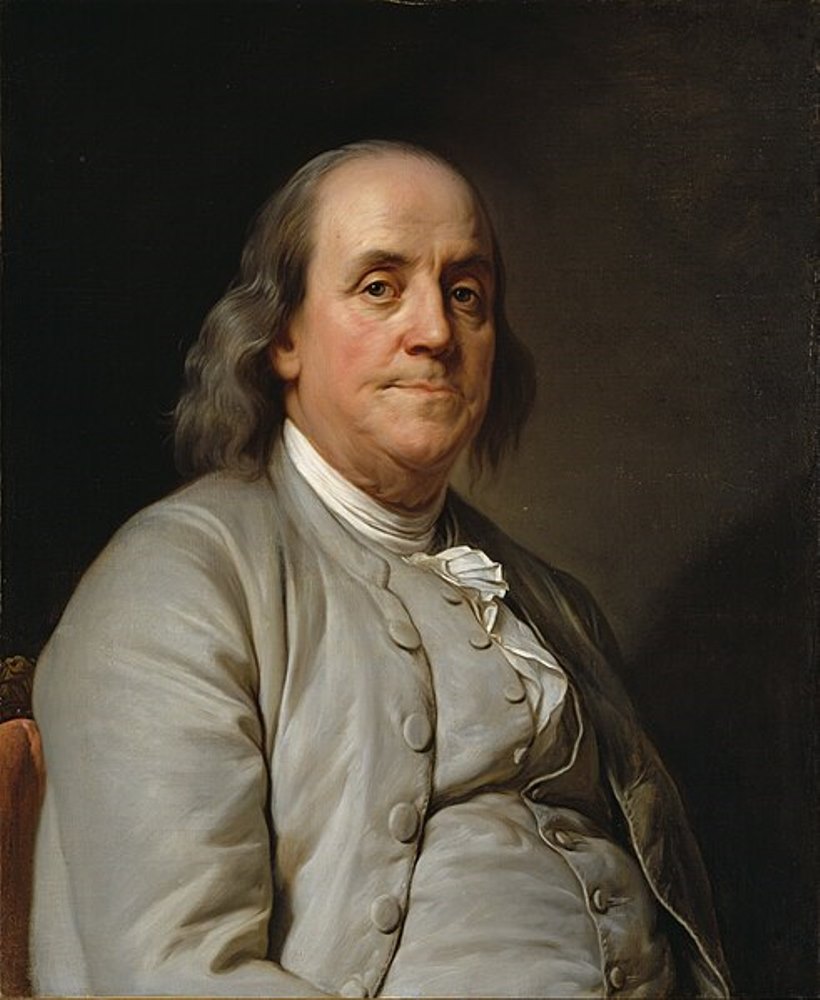
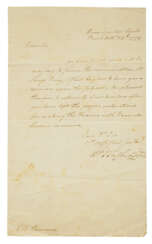

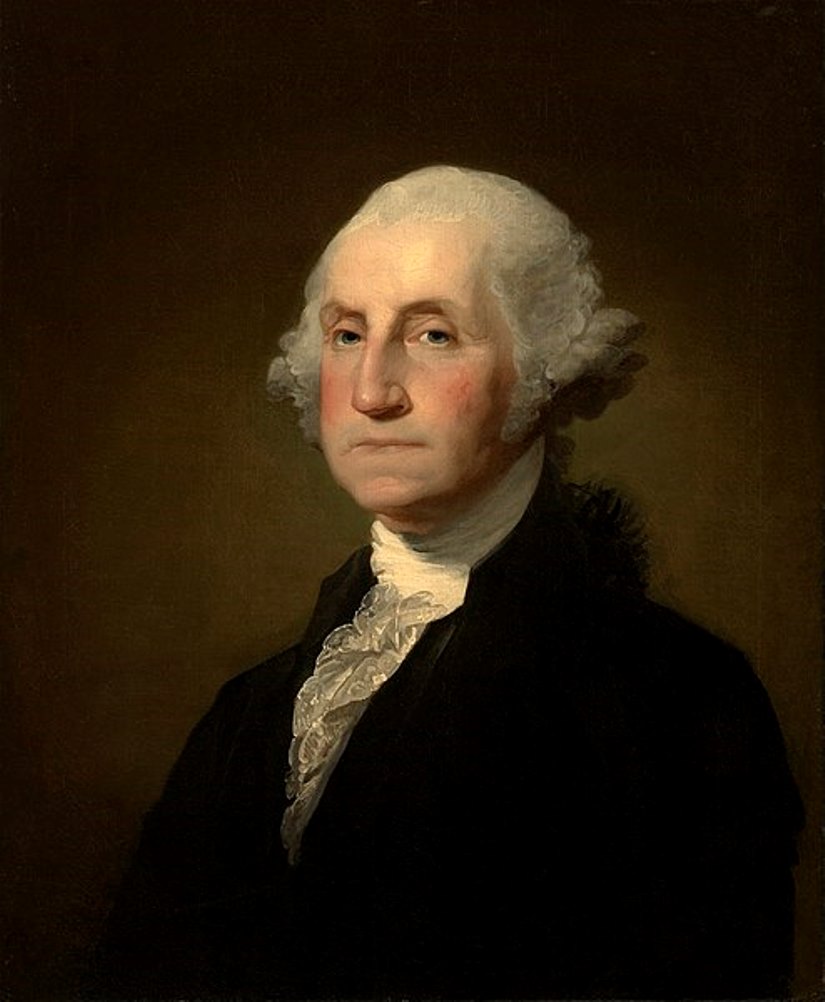
George Washington is the first popularly elected president of the United States of America and one of the founding fathers of the United States.
Born into a noble family in colonial Virginia in February 1732, George Washington served as a Virginian officer with British troops during the French-Indian War (1754-1763) from 1754-1758. This was a territorial war fought largely between the colonies of Britain and France that escalated into a worldwide conflict between the two countries. J. Washington was at the center of the conflicts in the disputed Ohio River Valley area.
In June 1775, he was elected commander-in-chief of the Continental forces in the war already for independence from Great Britain. He commanded American troops throughout the war, becoming famous for his perseverance and bravery.
In 1787, J. Washington represented the state of Virginia as a delegate to the Constitutional Convention. This convention created the Constitution of the United States. In 1789, the Electoral College unanimously elected George Washington president, and in 1792 he was re-elected for a second term. Thus George Washington was in office as President of the United States from April 30, 1789 to March 4, 1797.
As head of state, he helped to strengthen the Union, implement the principles of the Constitution and build the capital of the United States. He was engaged in the formation of the central authorities and system of government, created precedents for the institution of presidents, encouraged the development of the economy, maintained friendly relations with Congress. In foreign policy Washington avoided interference in the affairs of European states.
After leaving the post of president, George Washington lived in Mount Vernon Manor.


Thomas Jefferson was an American politician and statesman, the third President of the United States (March 4, 1801 - March 4, 1809).
Jefferson was the son of a planter and received a law degree. In 1774, he wrote A Summary of the Rights of British America, which attracted public attention, and he soon gained a reputation as one of the first advocates of American independence from the authority of the British Parliament. In the spring of 1775, the Virginia legislature appointed him a delegate to the Second Conference of the Continental Congress. A year later he was appointed to a committee of five, which also included Adams and Benjamin Franklin, to draft a formal statement of reasons to justify a break with Great Britain. Jefferson thus became one of the authors of the Declaration of Independence. Jefferson succeeded Benjamin Franklin as minister to France in 1785, was secretary of state (1790-1793) under Washington, and vice president (1797-1801) under John Adams.
A Democratic-Republican, Jefferson, who believed that the national government should play a limited role in the lives of citizens, was elected president in 1800. One of the most significant accomplishments of Jefferson's first administration was the purchase of the Louisiana Territory from France for $15 million dollars in 1803 (from the Gulf of Mexico to present-day Canada), effectively doubling the size of the United States. During his second term, Jefferson was focused on trying to keep America out of the Napoleonic Wars in Europe. After his second term as president, he was succeeded by James Madison in 1808.
Upon leaving office, Jefferson retired to his plantation in Virginia, pursued his favorite pastimes, and helped found the University of Virginia. In addition to politics, he is known as a writer, farmer, horticulturist, inventor, book collector, art historian, architect, and scientist. He died at the age of 83 on July 4, 1826, the 50th anniversary of the Declaration of Independence.



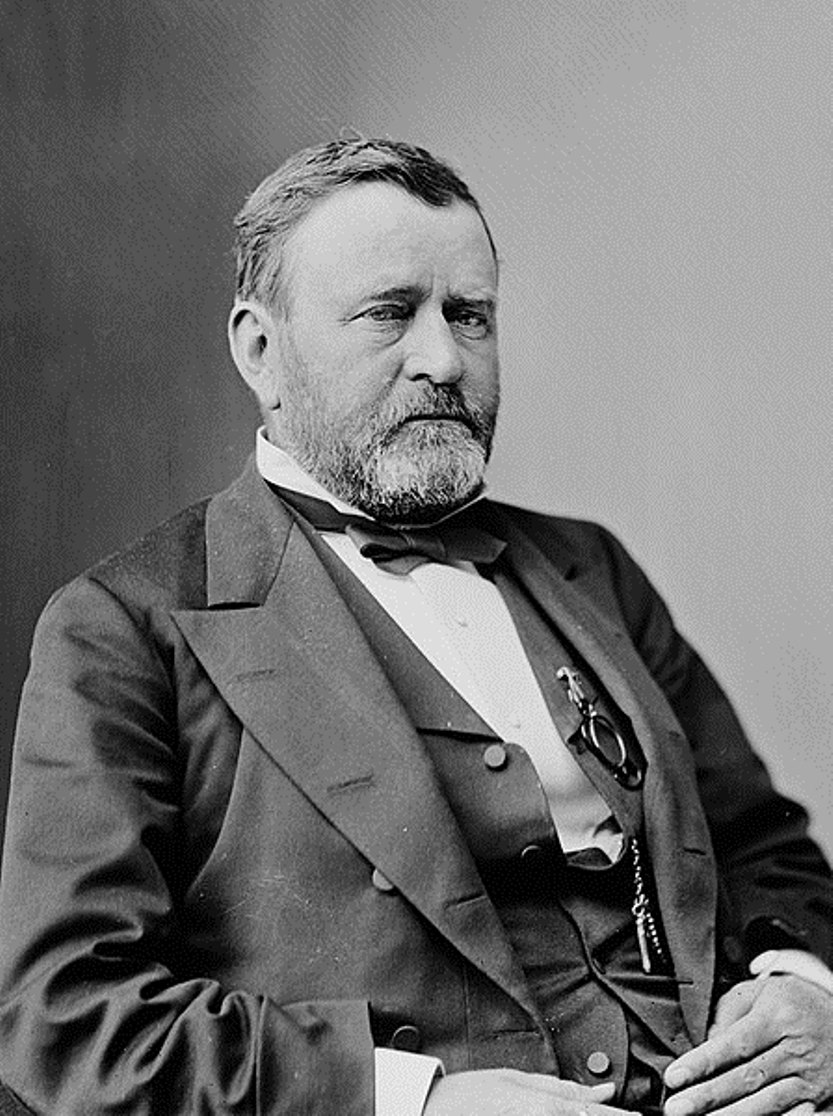
Ulysses S. Grant, born Hiram Ulysses Grant, was an American politician and military leader who was the 18th President of the United States (March 4, 1869 - March 4, 1877).
Grant's father was a tanner and enrolled his son in the United States Military Academy at West Point, New York. Ulysses Grant distinguished himself in the Mexican-American War, then fought in the Civil War, was a brigadier general, and was given command of the District of Southeast Missouri. In March, 1864, Grant became lieutenant general and was given command of all the armies of the United States. In 1866, he was promoted to the newly established rank of general in the U.S. Army.
Grant continued as commander-in-chief after Lincoln's assassination and during the administration of U.S. President Andrew Johnson. However, the situation was such that Ulysses Grant won the next presidential election and became the 18th President of the United States on March 4, 1869. He was politically inexperienced and personally clean, but his time as president was marked by corruption and scandals. During his two presidential terms, Grant worked hard to re-unite the North and South, opposing the nascent Ku Klux Klan.
In 1877, after leaving the presidency, Grant traveled around the world with his wife, and everywhere he was received with glee. Then his attempts at business led to complete bankruptcy. Ulysses Grant spent the last years of his life writing his memoirs while battling poverty and throat cancer. With the help of writer Mark Twain, his two-volume work was published in 1885, two months before the author's death.